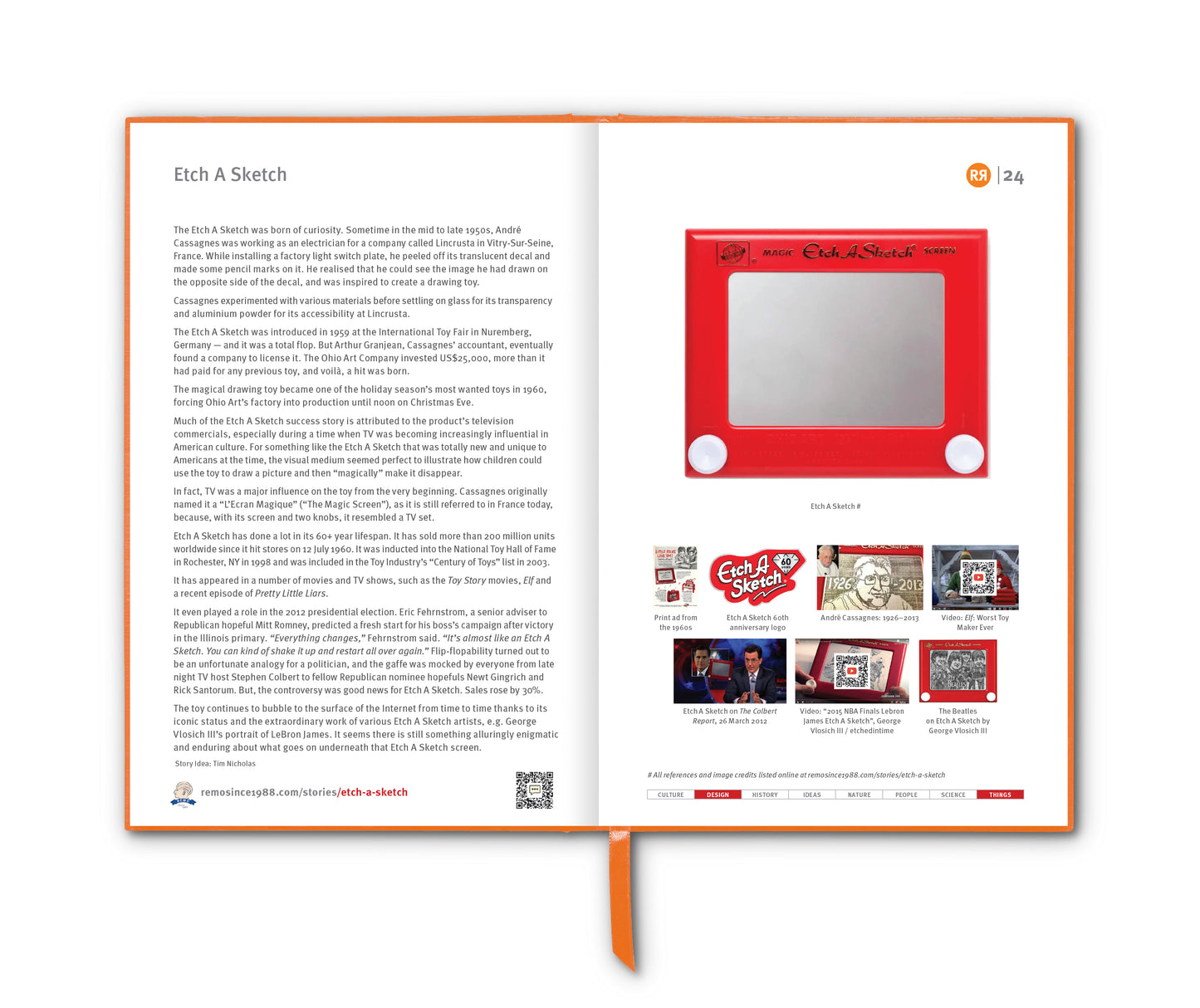
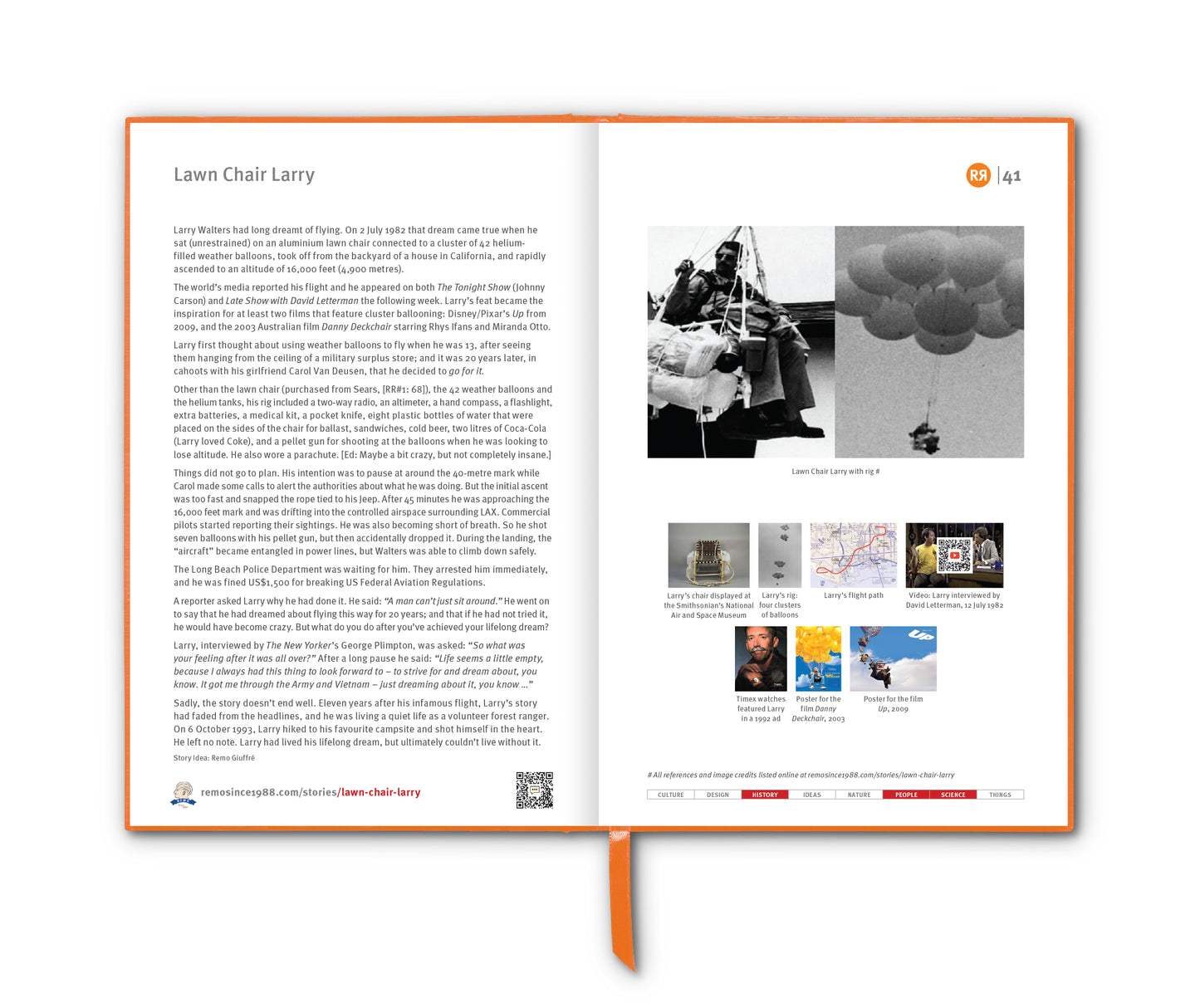
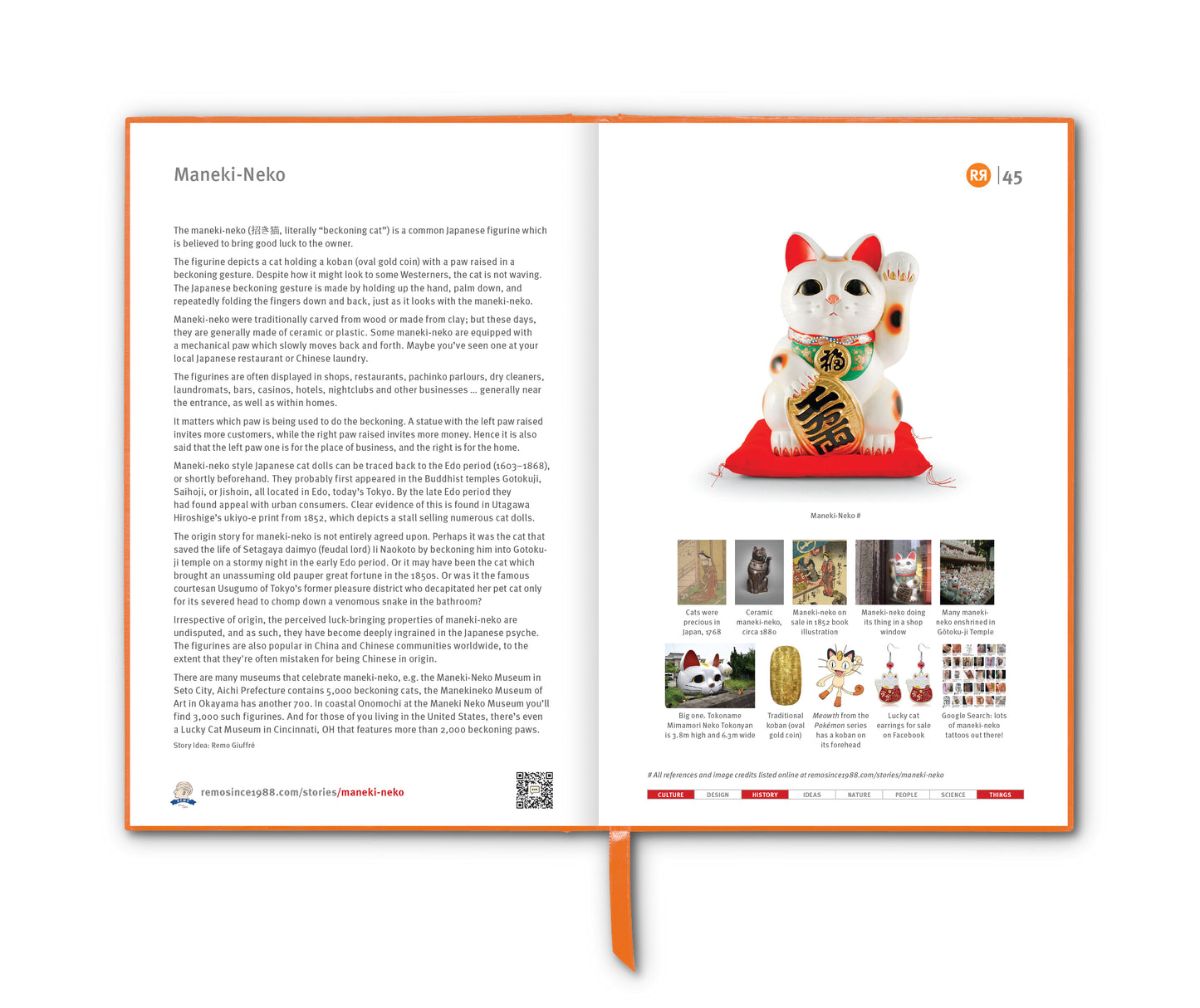
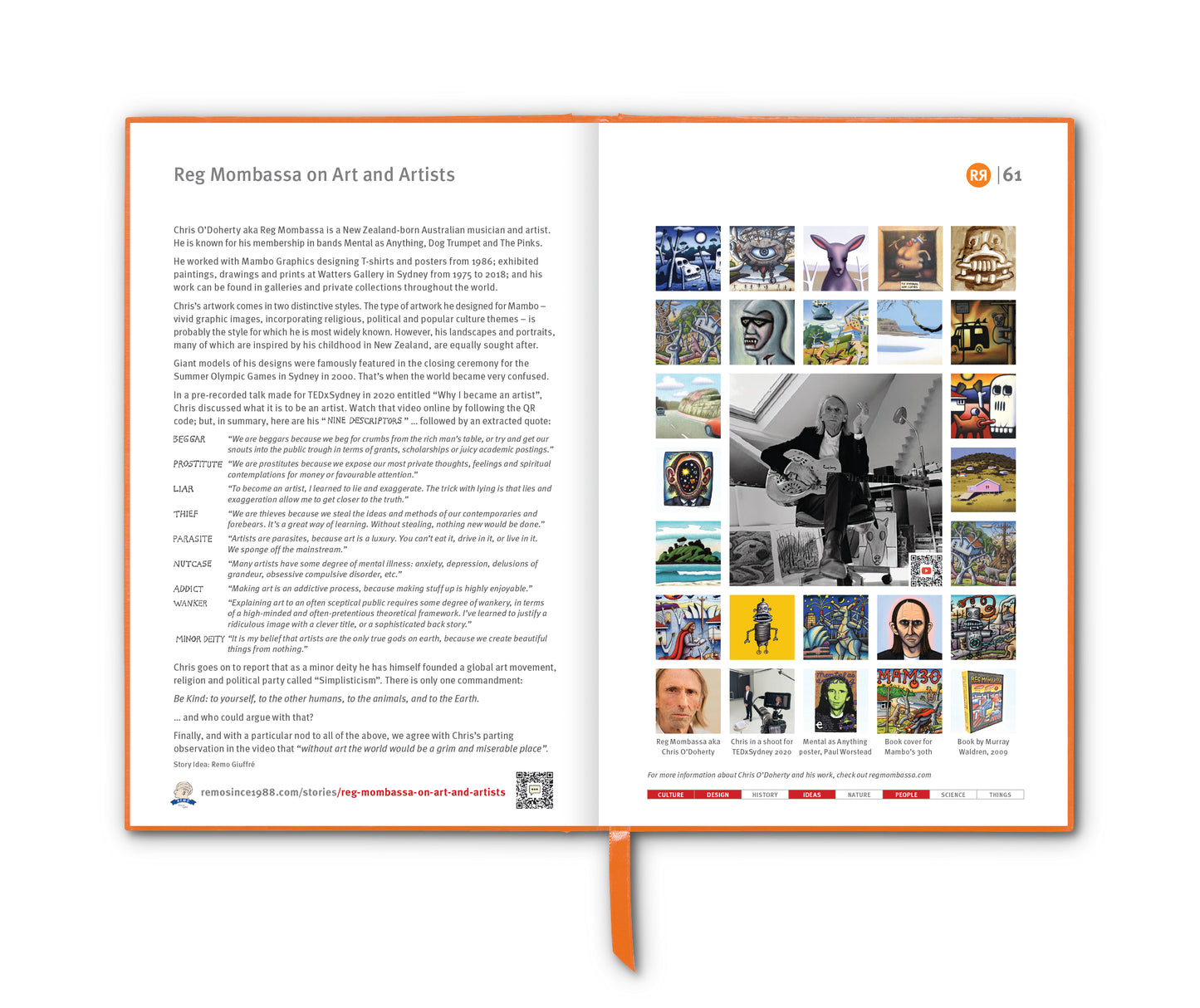
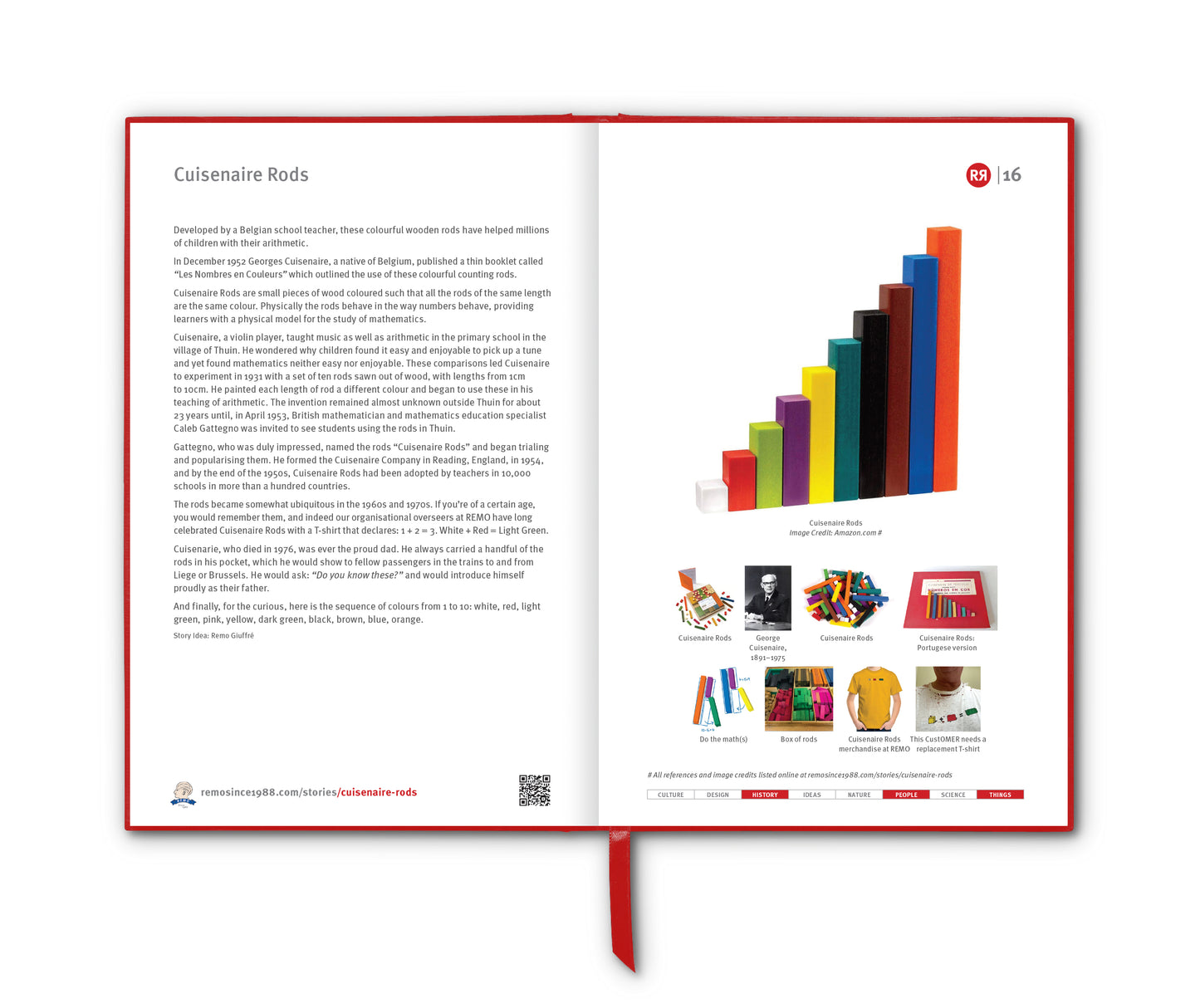
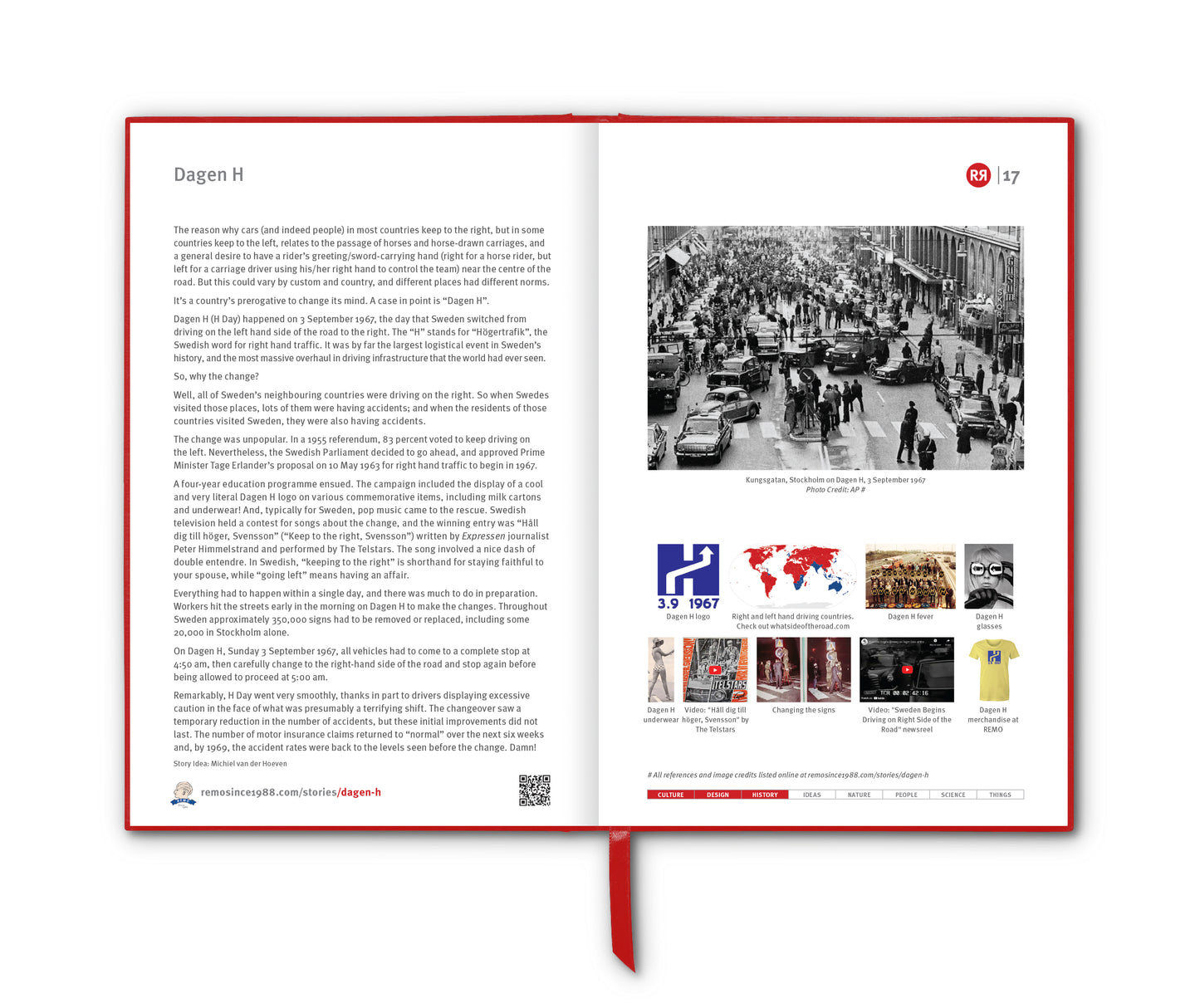
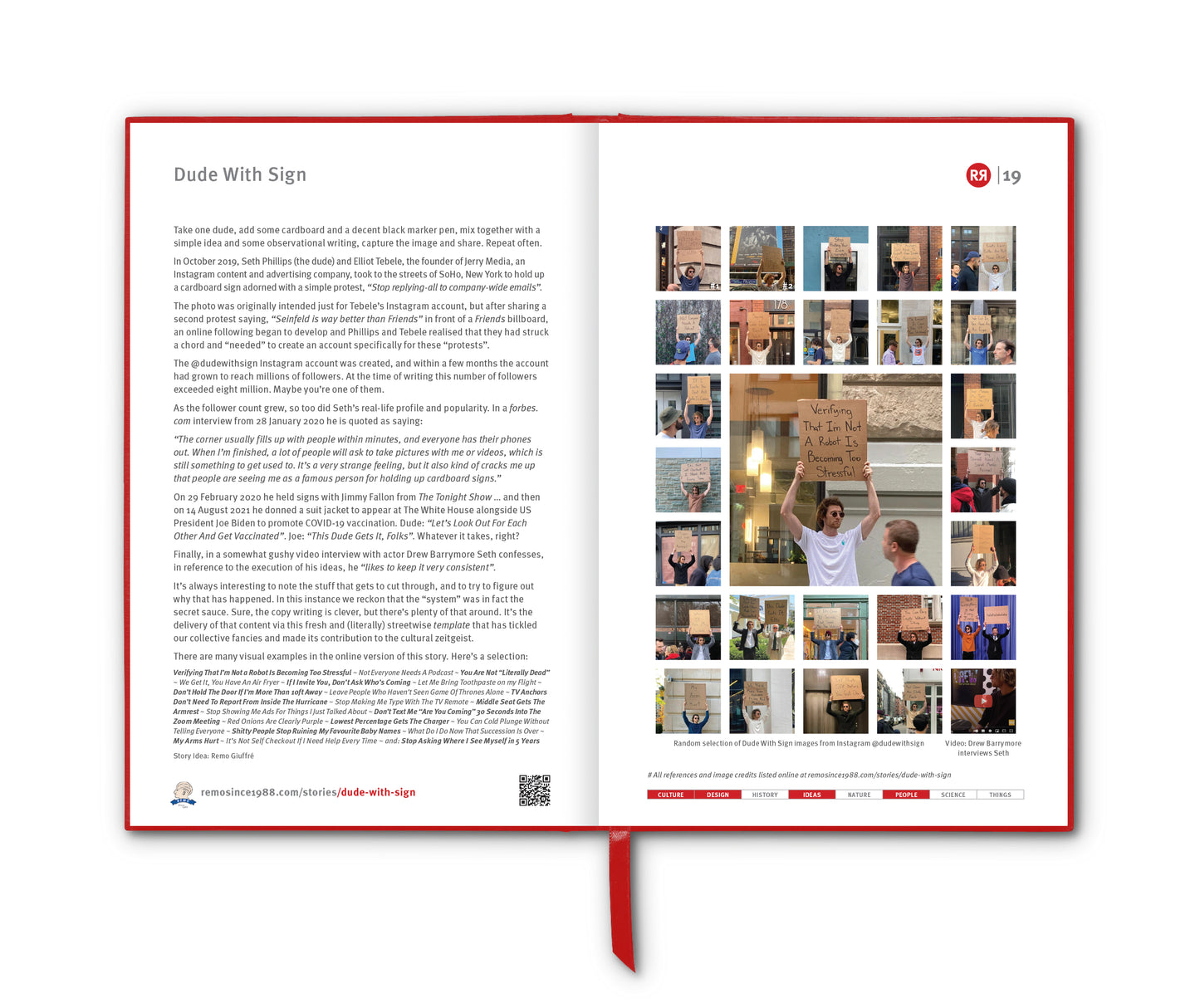
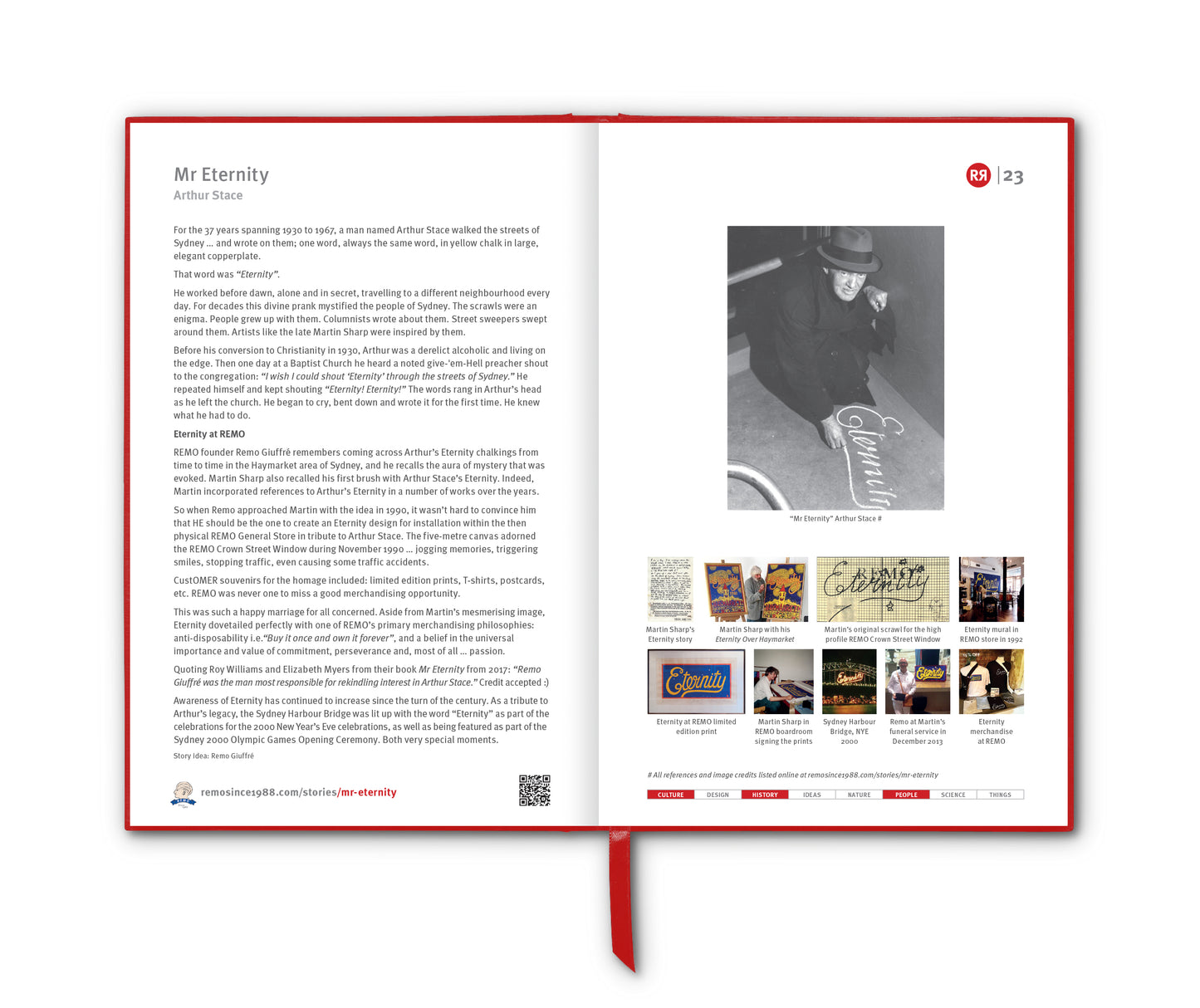
In the late 19th and early 20th centuries, when prosperity was measured in girth as much as in gold [RR], a curious social phenomenon spread across the United States and parts of Europe: the Fat Men’s Club.
These were societies of fat blokes who celebrated their size with pride, often gathering for member networking, lavish banquets, hearty laughter and lighthearted competition over who was the heaviest of them all.
The first known Fat Men’s Club was founded in Connecticut in 1869, and dozens of similar groups soon cropped up in states like New York, Massachusetts and Vermont. Their motto was simple and unapologetic – often along the lines of “We’re fat and we’re proud of it.” Membership requirements typically included a minimum weight, sometimes 200 lb (91 kg),sometimes more.
Fat men's clubs were popular throughout the United States, and were particularly common in the state of Texas. Fat men's clubs were started in France, Serbia and the United Kingdom as well.
In an age before calorie counting and fitness culture, corpulence was often associated with prosperity. A full figure suggested a man could afford abundant food and leisure, a subtle mark of social standing. Newspapers regularly covered the meetings and banquets of Fat Men’s Clubs, describing the mountains of food: roast beef, turkey, oysters, pies – and beer or whiskey flowing freely.
According to writer Polly Tafrate's brief history of the New England's Fat Men's Club for Upper Valley Life:
"One nine-course menu included oyster cocktail, cream of chicken soup, boiled snapper, fillet of beef with mushrooms, roast chicken, roast suckling pig, shrimp salad, steamed fruit pudding with brandy sauce, assorted cakes, cheese and ice cream followed by coffee and cigars. The evening was laced with large portions of wit, sarcasm and roaring laughter."
Weigh-ins were a core ritual. Members would step onto giant scales to see who tipped them the highest. Prizes might be awarded for heaviest member, greatest weight gain or most prodigious appetite. [Ed: Crazy upside down world.]
Perhaps the most famous of these groups was the New England Fat Men’s Club, founded in 1903 at the Hotel Bellevue in Wells River, Vermont. Its motto, “I’ve got to be good-natured; I can’t fight and I can’t run,” summed up the self-aware humour that defined the movement. Members posed for photographs in three-piece suits and straw hats, their collective weight sometimes exceeding several tonnes.
But as the 20th century wore on, the social meaning of size began to shift. Industrialisation, urban life and new medical knowledge reframed obesity as a health concern rather than a symbol of abundance. By the 1920s and ‘30s, as the ideals of fitness and self-discipline took hold, Fat Men’s Clubs faded into history. What once represented affluence now suggested overindulgence or laziness.
Still, the Fat Men’s Clubs left behind a fascinating cultural snapshot – a time when physical size was not only accepted but celebrated.
___________________________
References
wikipedia.org/wiki/Fat_men's_club
pintsofhistory.com/2019/01/07/fat-men-clubs
npr.org/sections/thesalt/2016/03/07/469571114/the-forgotten-history-of-fat-men-s-clubs
historyinmemes.com/2023/01/04/the-secret-fat-mens-clubs-of-the-1900s
atlasobscura.com/articles/unusual-clubs-in-history
Images
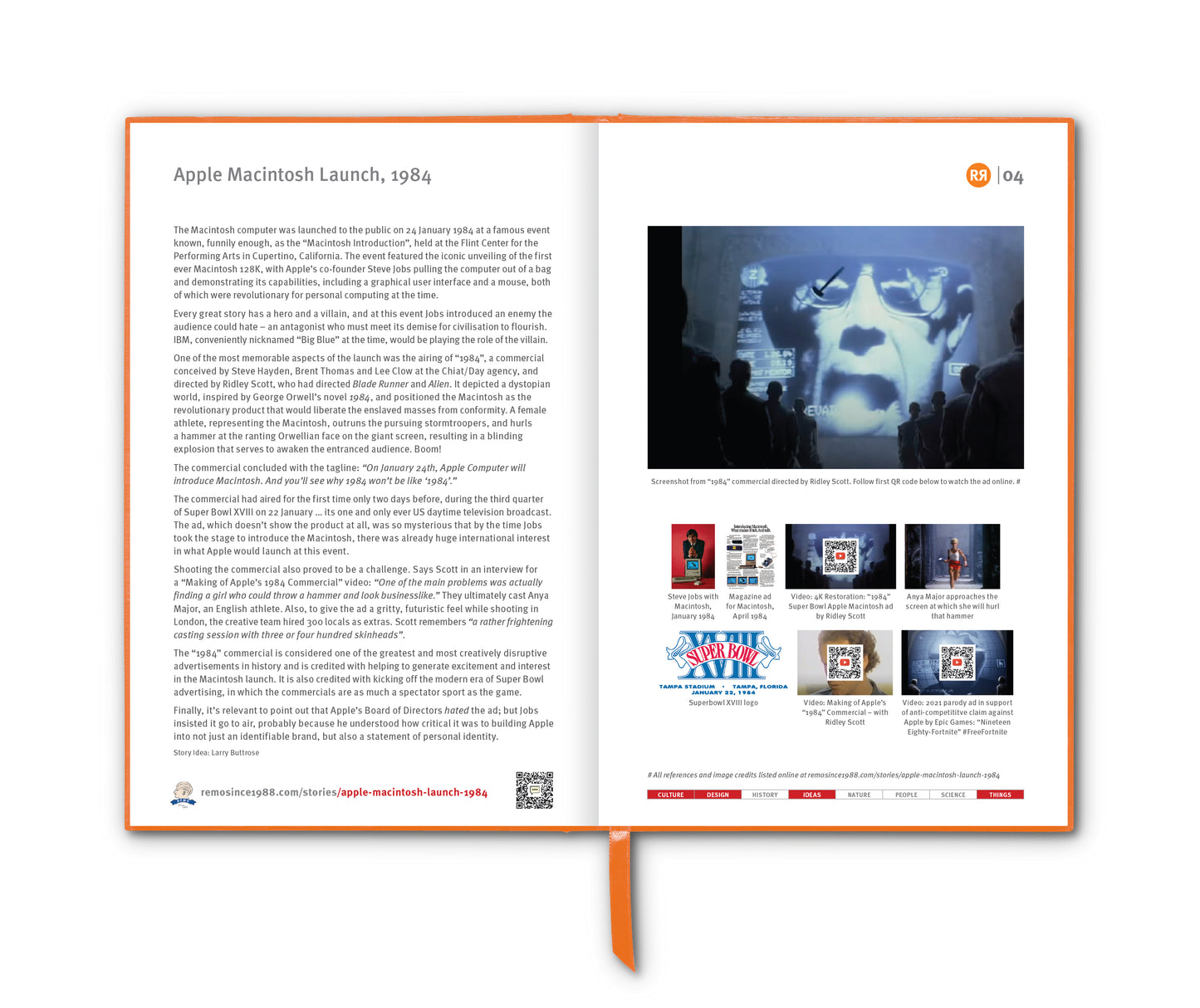
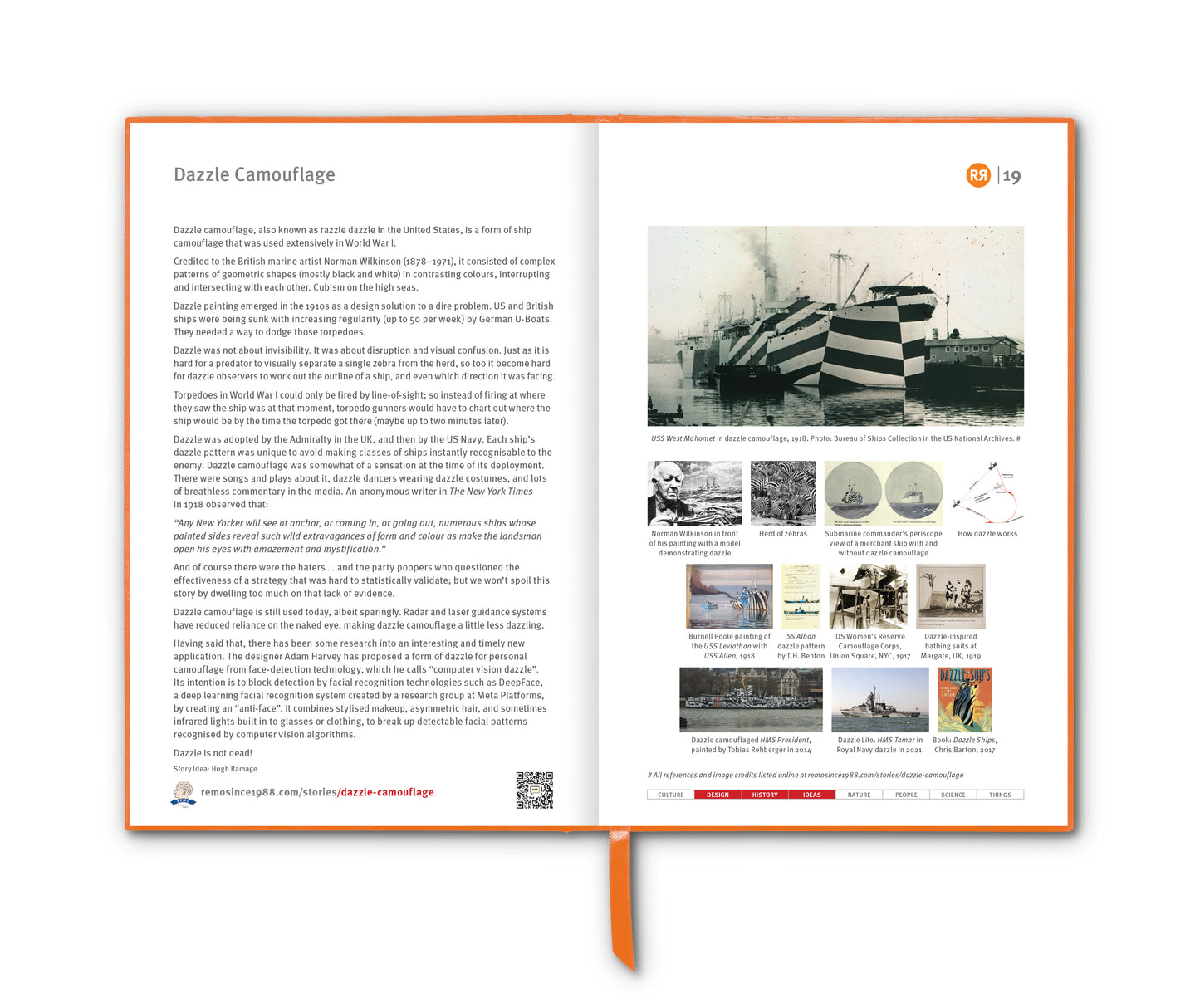
1. A meeting of the Fat Men’s Club in New York. Credit: General Photographic Agency / Getty Images
2. Engraving from an August 1884 issue of Frank Leslie Illustrated Newspaper showing a meeting of the Fat Men's Association in Connecticut
3.
The Fat Man’s Baseball Association, circa 1910. Credit: Transcendental Graphics / Getty Images
4. Fat Men's Club commemorative coin
5. Cent Kilos Club members, Paris
6. Video: The Fat Men's Club Annual Outing (1924), British Pathé, 2014
7. Fat Men's Club buttom
8. Book: Fat History: Bodies and Beauty in the Modern West, Peter Stearns, 2002