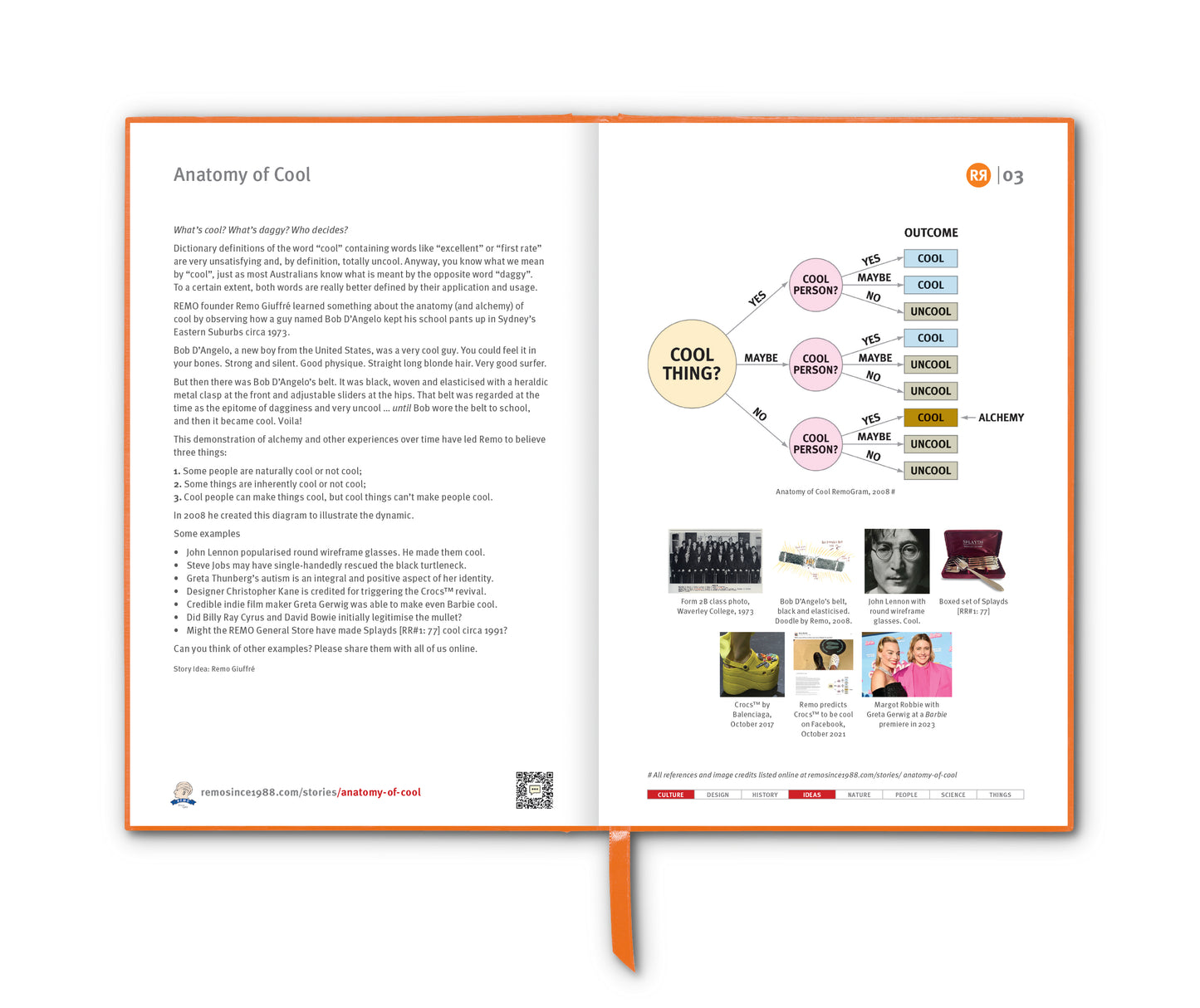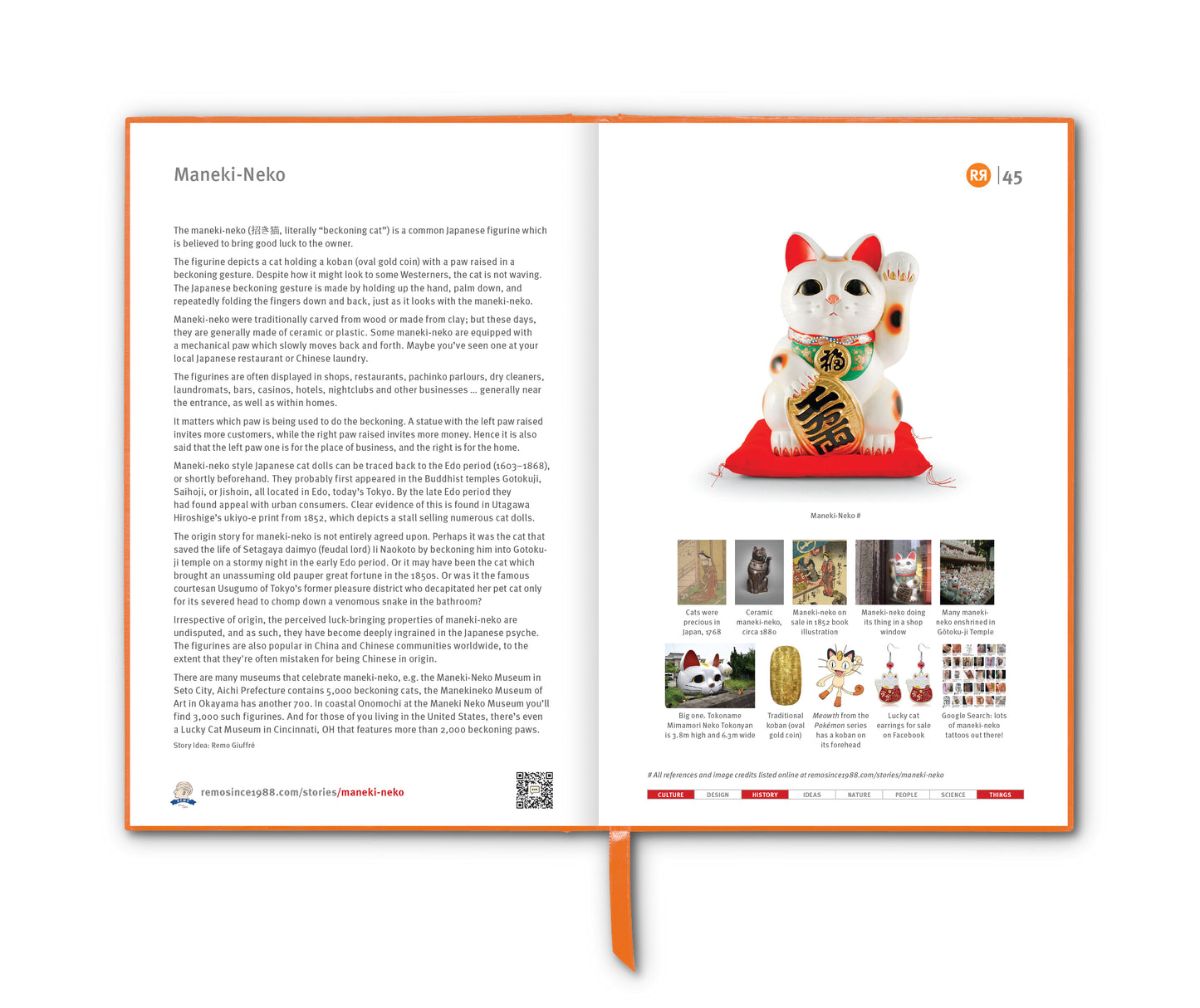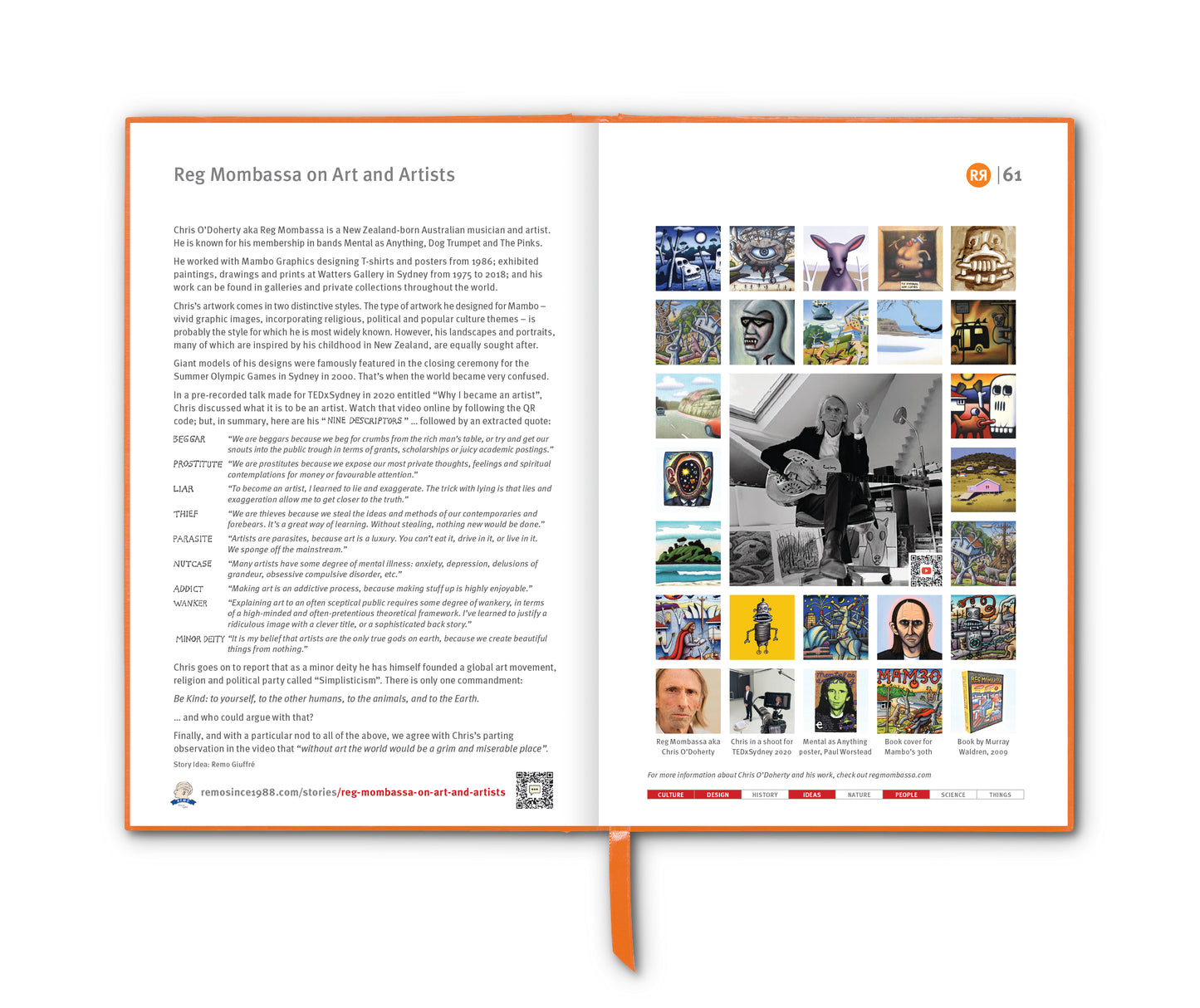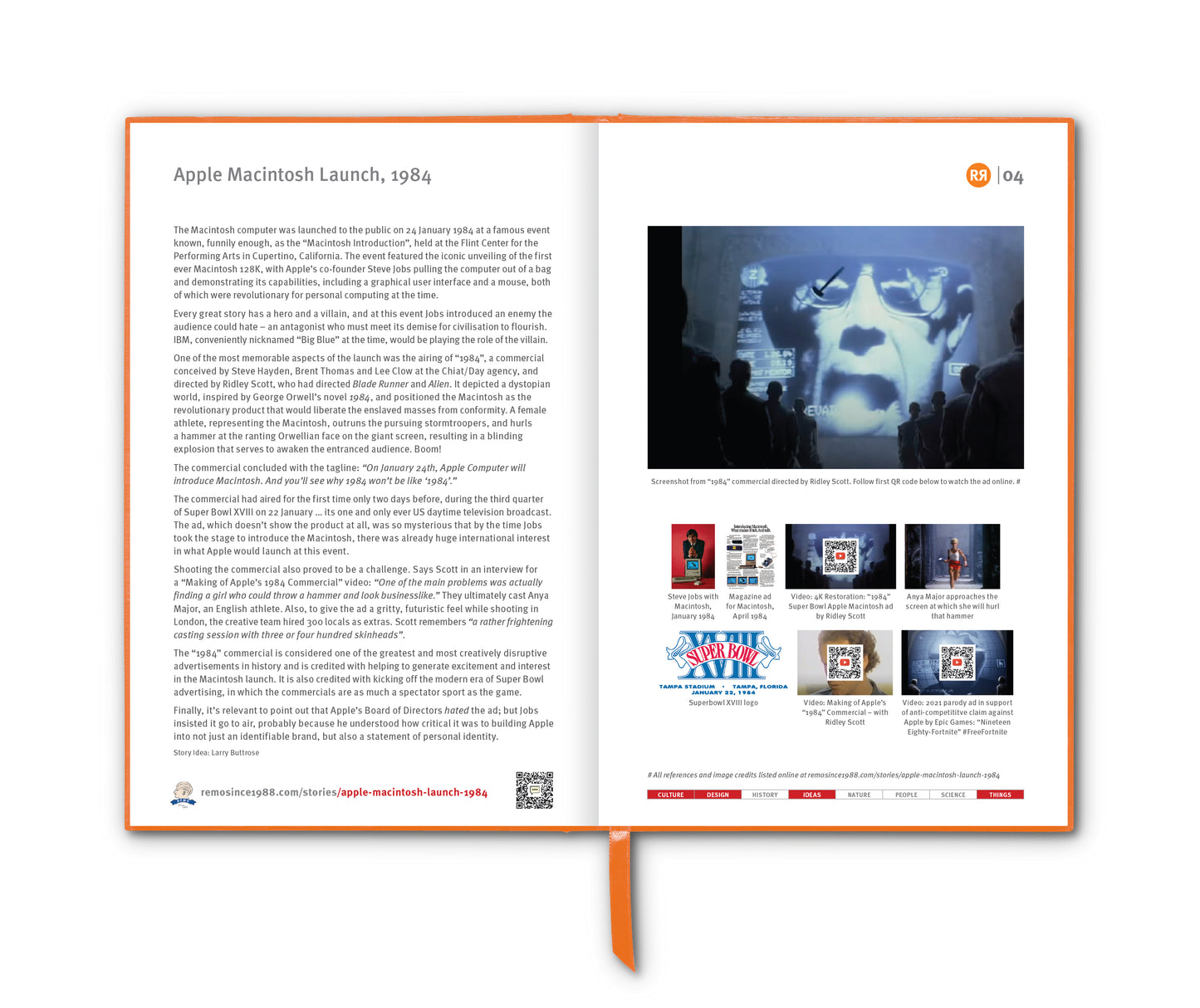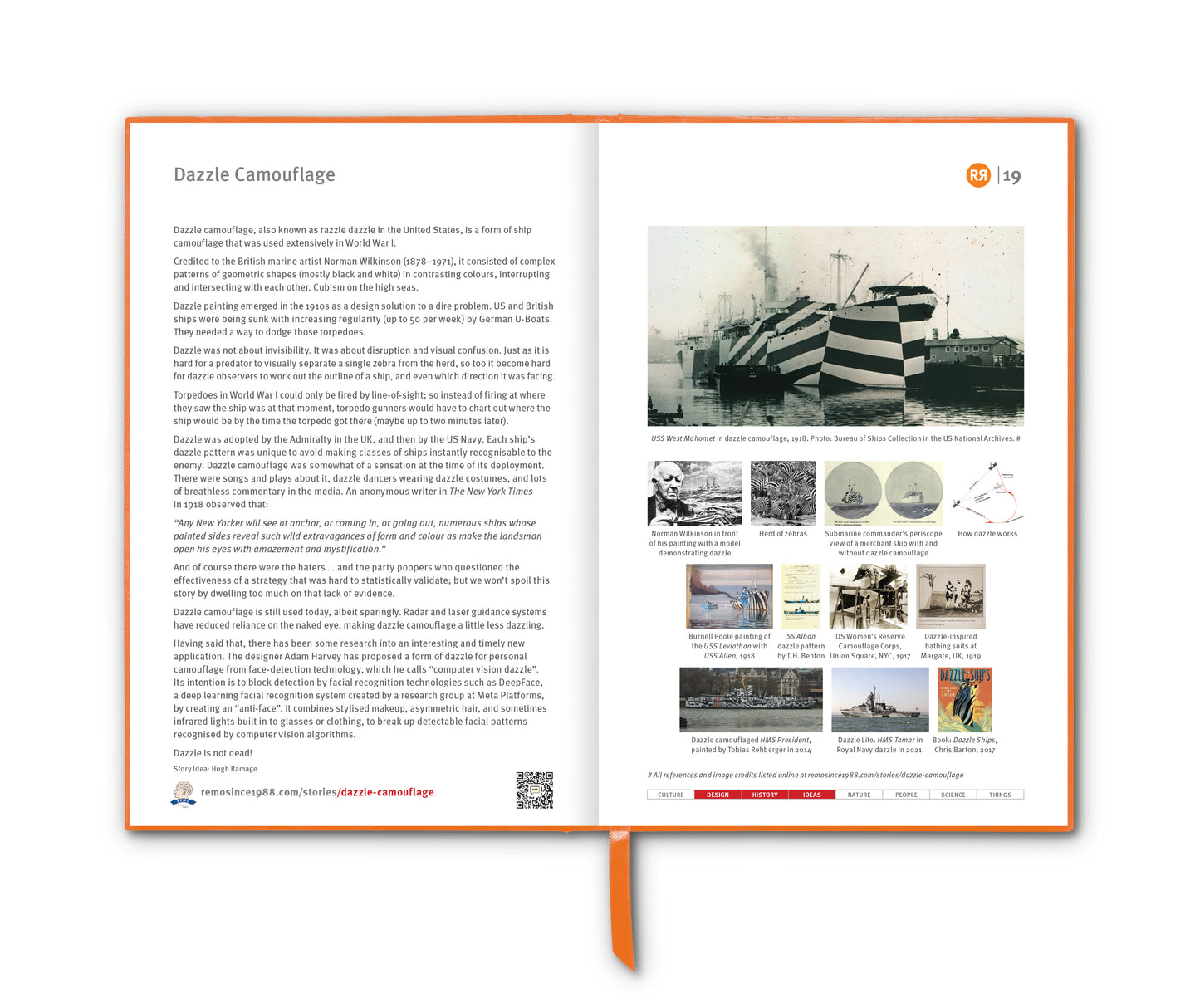

Long before it became the key that connected us to our email addresses and social media handles, the “@” symbol served as a practical shorthand for centuries of merchants, monks and mathematicians.
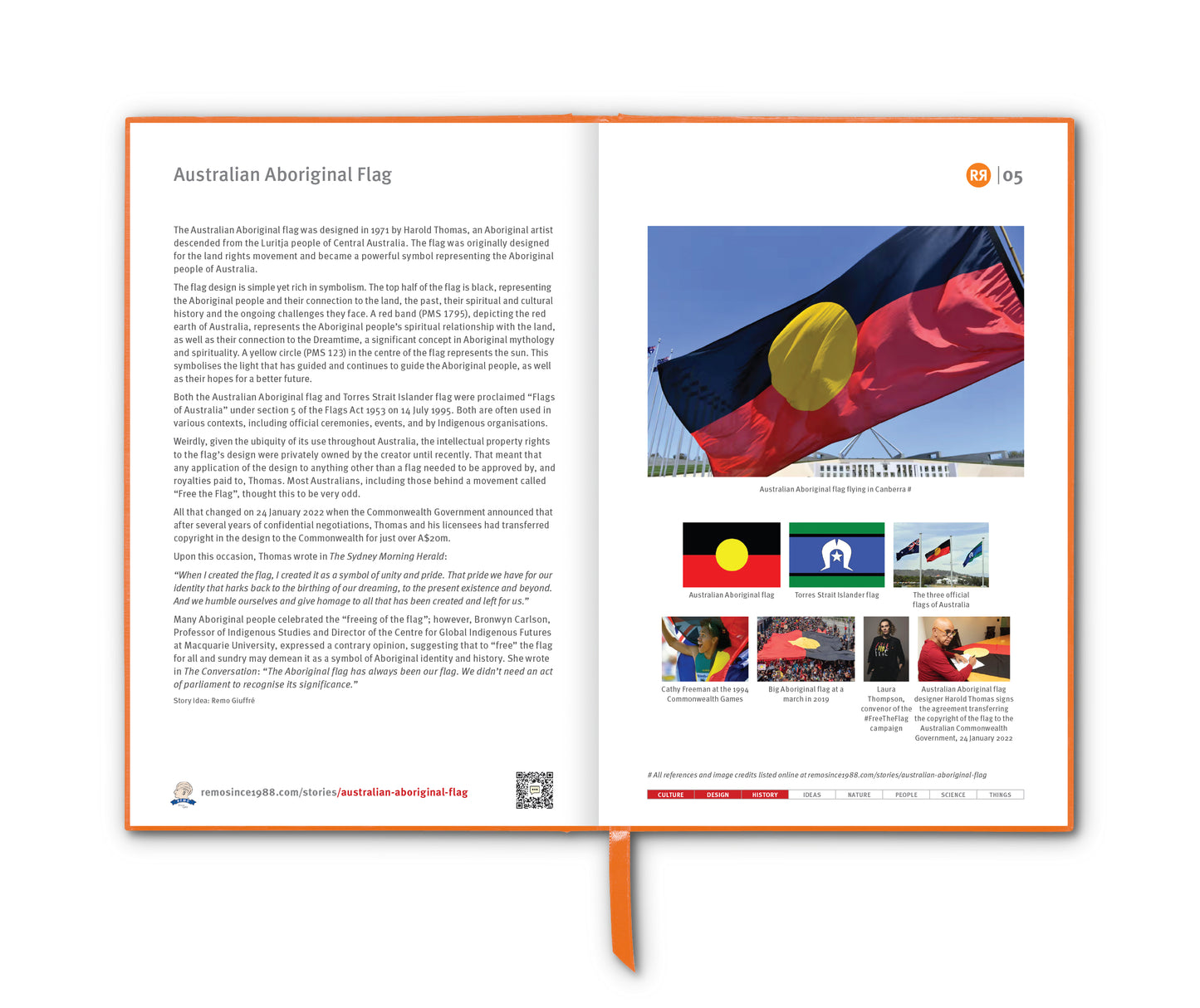
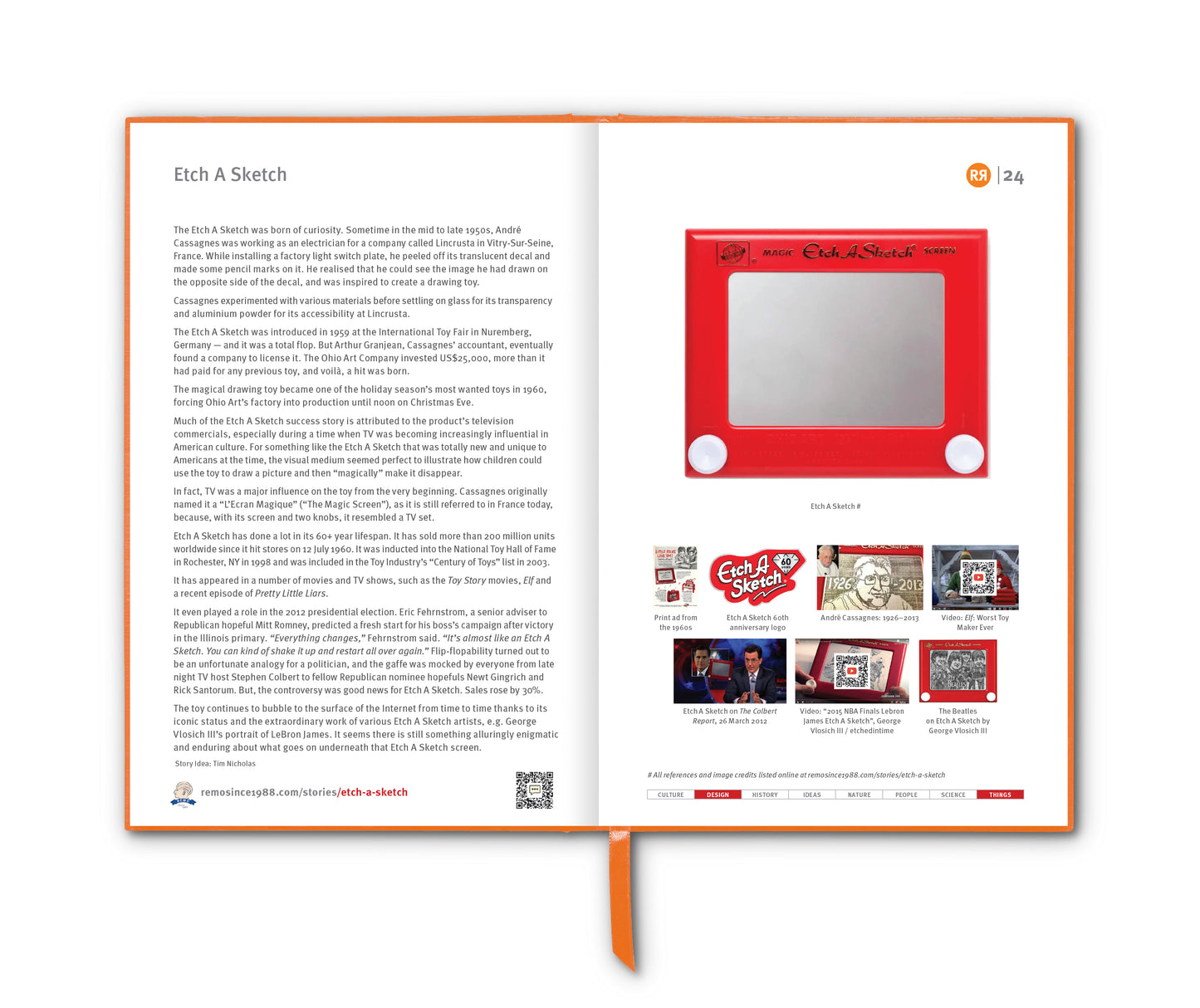
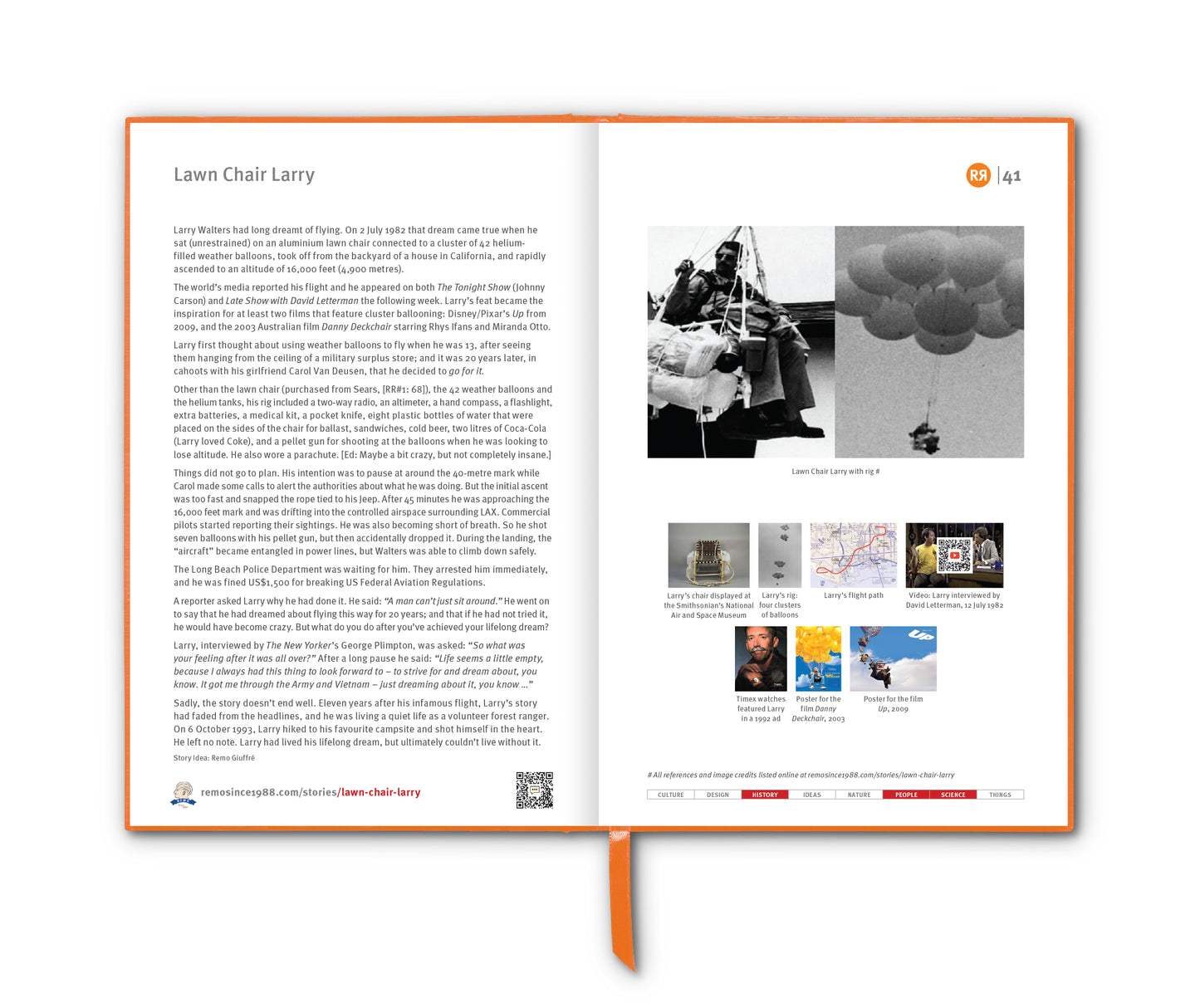
Its earliest known appearance dates back to a 14th-century Venetian manuscript, where it was used as an abbreviation for the Latin word ad, meaning “at” or “toward.” Medieval scribes often used ligatures – two letters joined as one – to save time and parchment. In this case, the loop of the “a” and the tail of the “d” merged into a single curling symbol. Over time, traders adopted the mark to mean “at the rate of” as in “7 widgets @ 2 ducats each”. It entered English commercial usage this way and persisted for centuries in ledgers and invoices.
The modern world, however, owes the “@” sign’s digital fame to a single moment in 1971. Ray Tomlinson, a computer engineer working on ARPANET (a precursor to the internet), needed a way to separate a user’s name from the host machine’s name in an email address. He chose the “@” symbol, reasoning that it was rarely used in computing and already conveyed the idea of location, i.e. user at host. That small clear-eyed decision instantly transformed an obscure accounting symbol into a global icon of communication.
Internet Societyupon being inducted into the Internet Hall of Fame in 2012, Tomlinson said:
“I’m often asked, did I know what I was doing? And the answer is, yes, I knew exactly what I was doing. I just had no notion whatsoever of what the ultimate impact would be. What I was doing was providing a way for people to communicate with other people.”
Today, the “@” sign plays many roles beyond email. On social media platforms such as Twitter (now X), Instagram and TikTok, it denotes user handles and mentions – turning “@” into a tool for tagging and addressing people in digital public space. It also appears in programming languages, pricing and even modern art. In 2010, the Museum of Modern Art in New York added the “@” sign to its design collection, not as a physical object but as a piece of typographic concept – “free of any material support,” as curator Paola Antonelli put it at the time.
Culturally, the “@” has taken on colourful local nicknames around the world. In English it’s simply “at”, but elsewhere the imagery gets creative. The Italians call it chiocciola, meaning “snail”, referring to its curling shape. The Dutch say apenstaartje, or “little monkey’s tail”. In Hebrew it’s known as shtrudel (“strudel”), in Russian sobachka (“little dog”) and in Swedish snabel-a (“elephant’s trunk A”). The French sometimes say arobase, a term derived from the old Spanish arroba, a unit of weight and volume that once used the same symbol. Even in Chinese, there’s a charming term: xiao lao shu, or “little mouse”.
Despite its ancient roots, the “@” remains a symbol of connection and place. It bridges the physical and digital, the personal and the networked. Its journey from parchment to pixel is a rare example of a typographic survivor – an ancient mark that reinvented itself for the modern age.
___________________
References
wikipedia.org/wiki/At_sign
nytimes.com/2016/03/08/technology/raymond-tomlinson-email-obituary
moma.org/magazine/articles/
Images
1. @ symbol in the Kohinoor Telugu font
2. @ symbol used as the initial "a" for the "amin" (amen) formula in the Bulgarian translation of the Manasses Chronicle, circa 1345
3. The Aragonese @ symbol used in the 1448 "taula de Ariza" registry
4. @ used to signify French à ("at") from a 1674 protocol from a Swedish court
5. Ray Tomlinson. Photo credit: Raytheon BBN Technologies via Associated Press
6. @ symbol used to tag people on social media
7. @ shtrudel ("strudel"). Credit: teepublic.com
8. South African homewares store
9. Aluminium @ symbol on sale via ebay