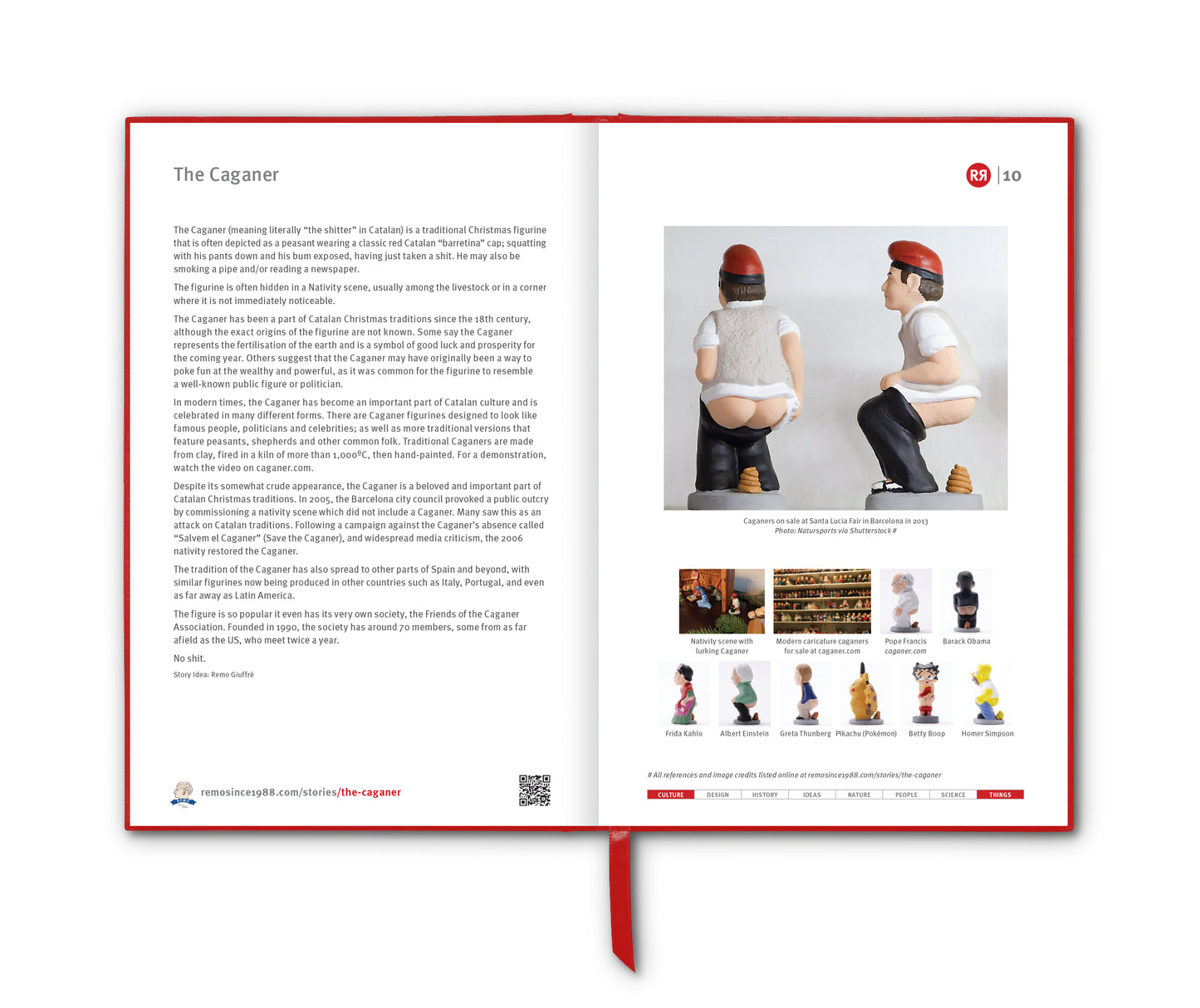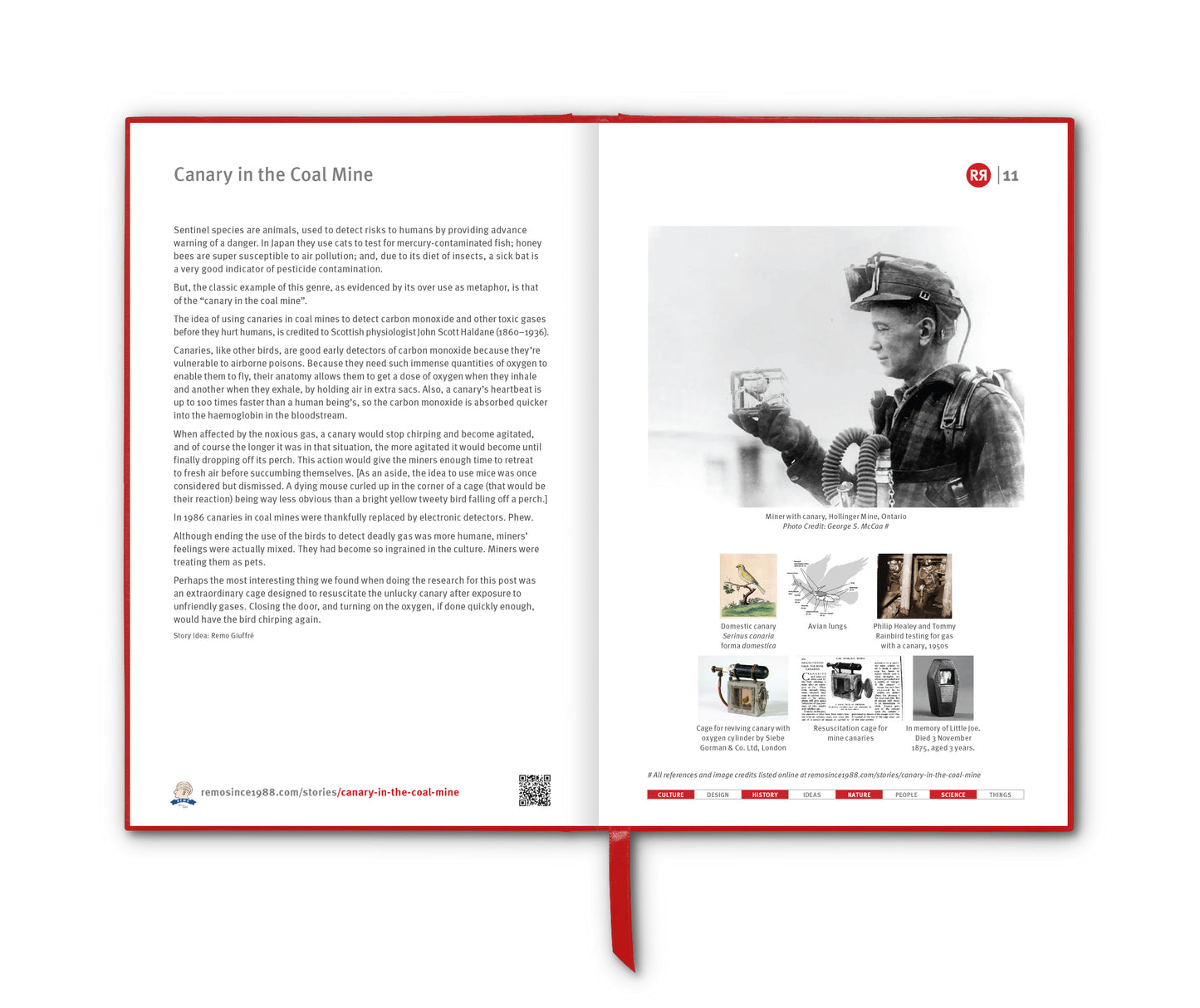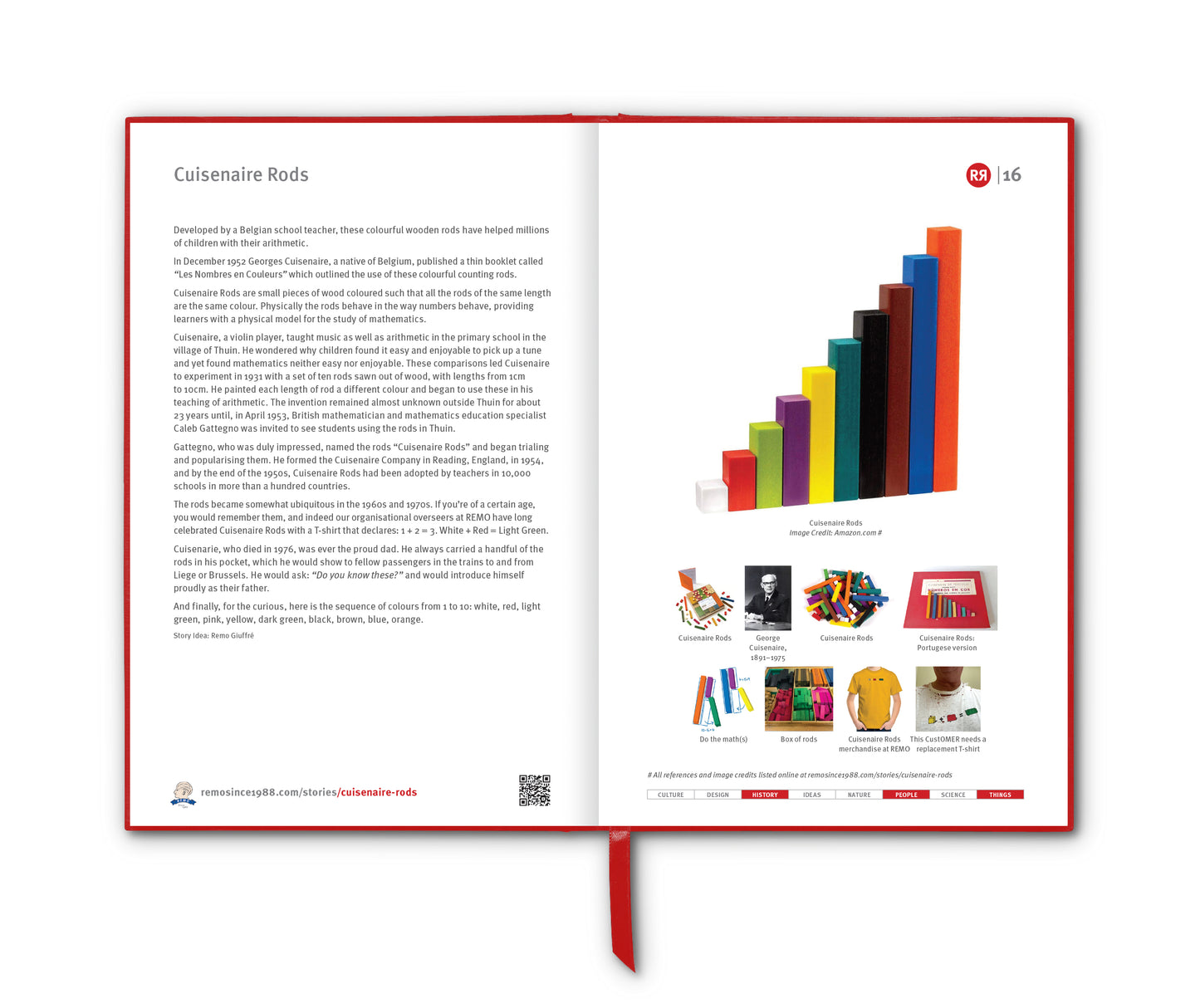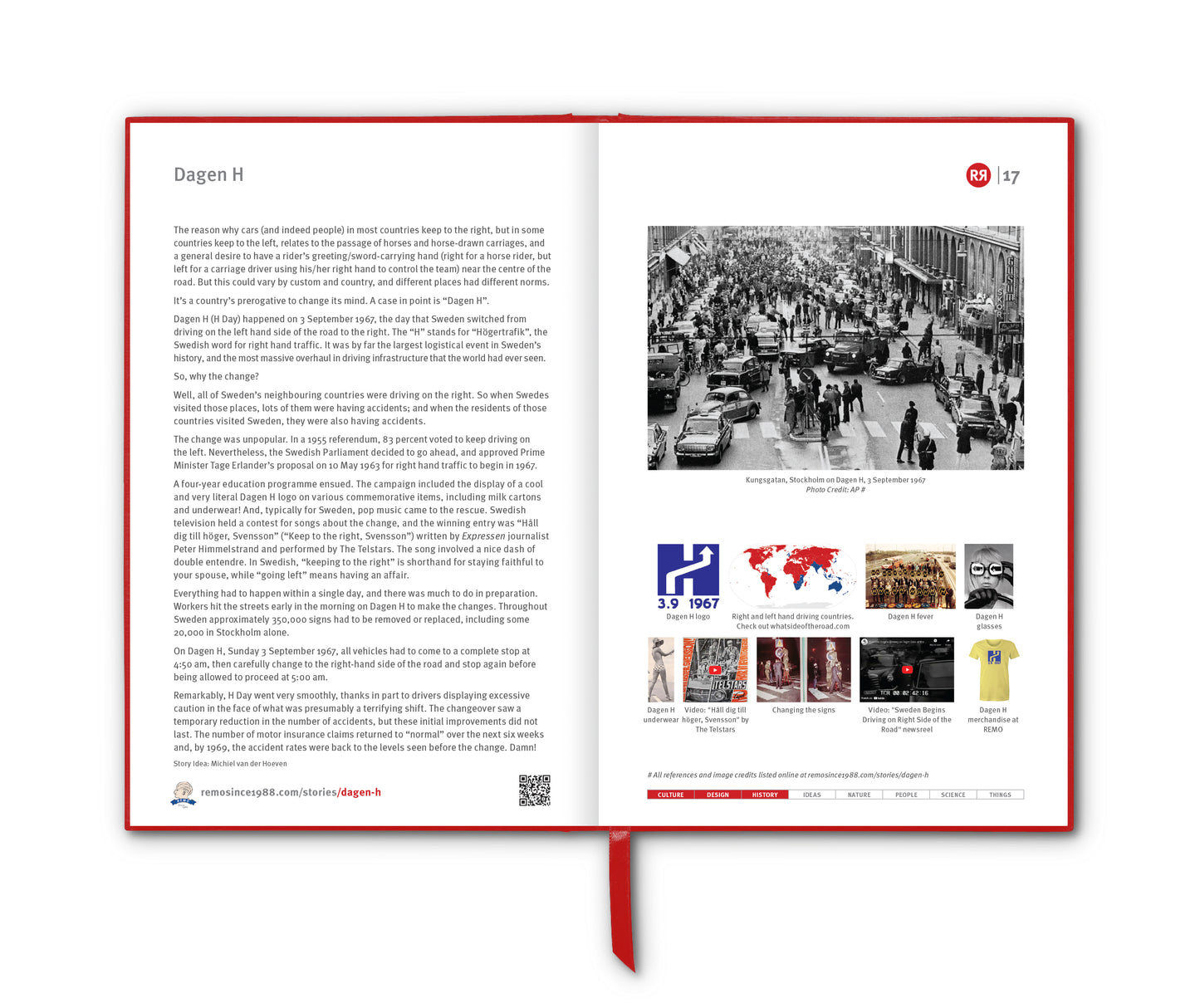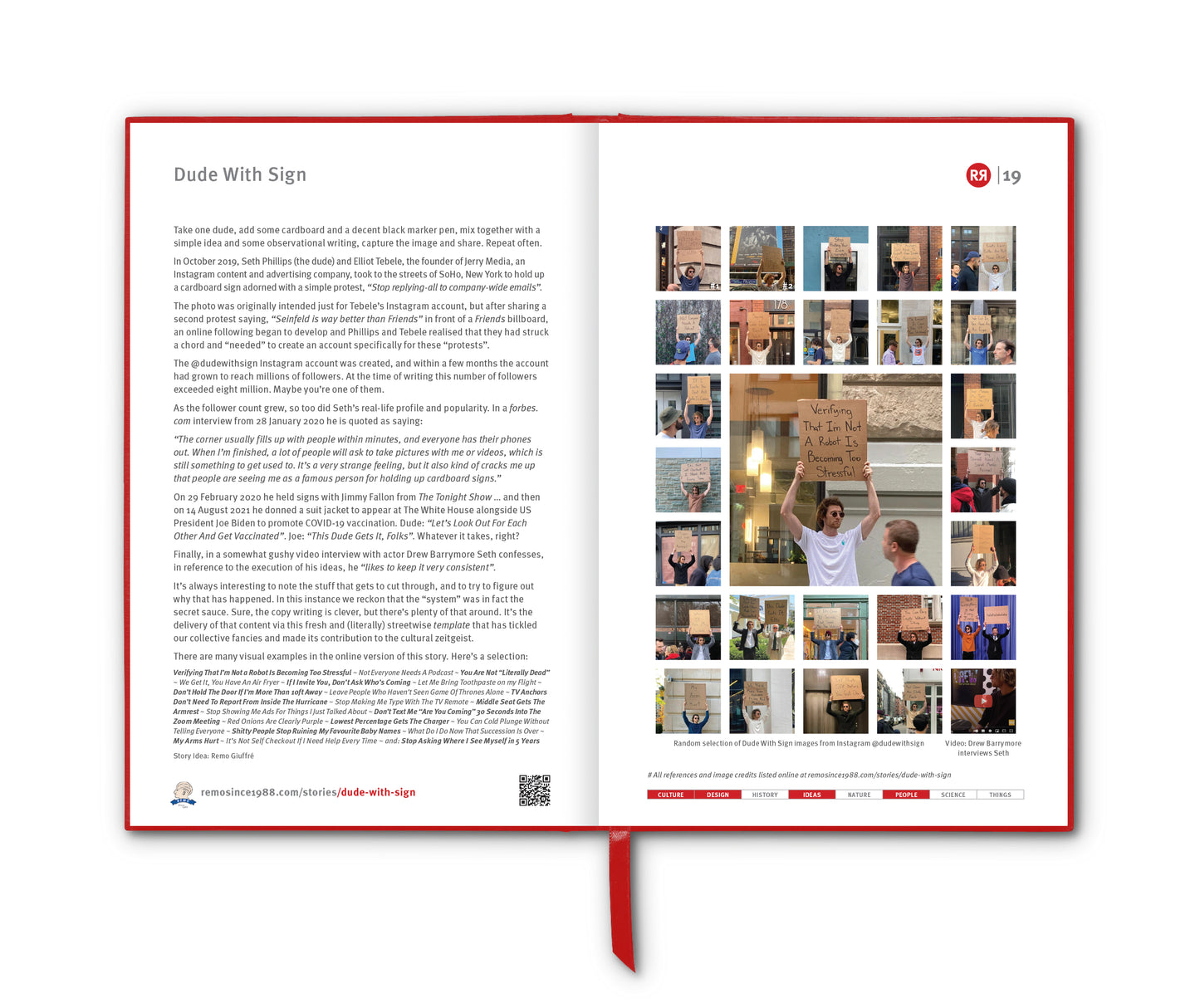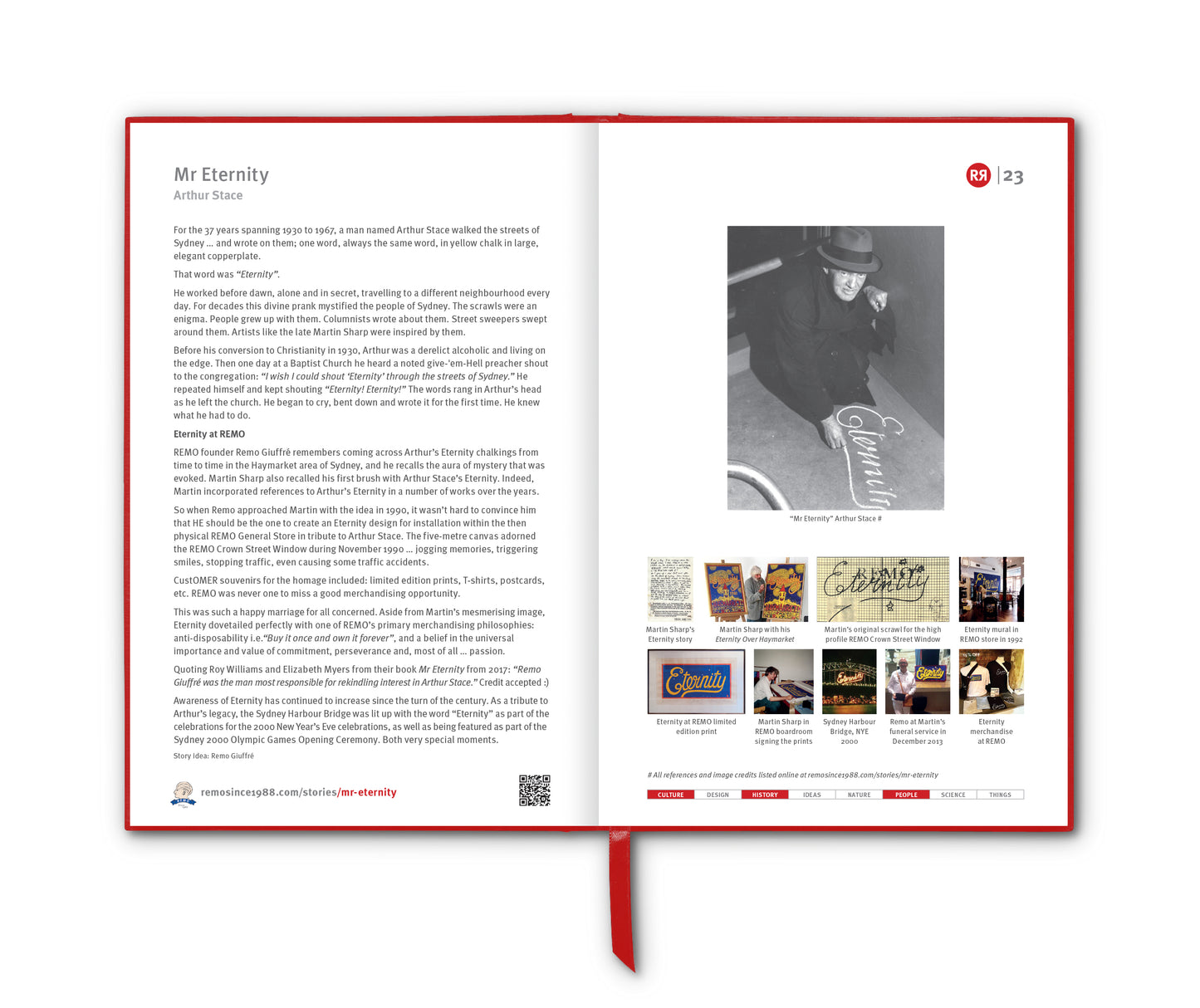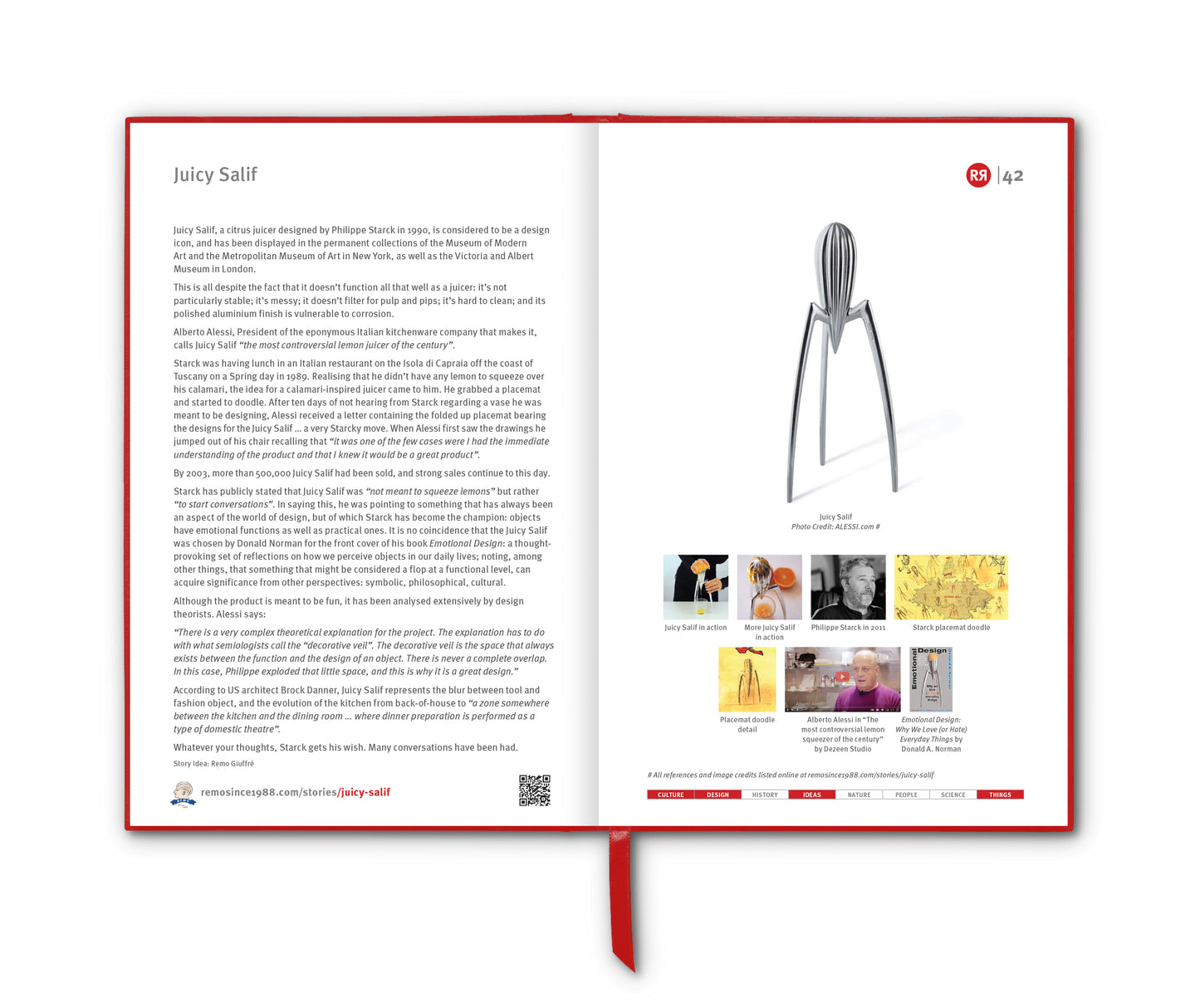

Blood types are a classification system for human blood, based on the presence or absence of specific molecules – called antigens – on the surface of red blood cells. The most familiar system is the ABO blood group, first discovered in 1901 by Austrian immunologist Karl Landsteiner. Before that, blood transfusions were a dangerous guessing game; patients often died when transfused with incompatible blood. Landsteiner's discovery revolutionised medicine and earned him a Nobel Prize.
The ABO system divides blood into four main types: A, B, AB, and O.
- People with Type A blood have the A antigen.
- Type B blood has the B antigen.
- Type AB has both A and B antigens (making it the "universal recipient").
- Type O lacks both (making it the "universal donor" for red cells).
In addition to antigens, our immune systems make antibodies against the antigens we don’t have. So, someone with Type A blood has anti-B antibodies, and someone with Type O has both anti-A and anti-B. That’s why transfusions must be carefully matched.
Layered on top of the ABO system is what’s called the Rh factor (named after the rhesus monkeys in which it was first identified) – another antigen that’s either present (+) or absent (−). So you might be A+, O−, etc. Rh compatibility becomes particularly important during pregnancy, where an Rh− mother carrying an Rh+ baby can develop antibodies that endanger future pregnancies – a problem now preventable with injections of a substance called Rho(D) immune globulin.
As for origins, blood types are genetically inherited and surprisingly ancient. The O type is believed to be the original blood type of early humans, especially prevalent among Indigenous populations in Central and South America. Type A is more common in Europe and parts of Asia, while Type B is seen more often in Central Asia and India. AB is the rarest.
Why such variation? Some evolutionary biologists think blood types offered different advantages depending on local diseases. For example, Type O may offer some protection against severe malaria, while Type A may increase the risk of certain bacterial infections. This evolutionary balancing act may help explain why all four types have persisted in the gene pool.
Today, understanding blood types isn’t just useful for transfusions. Researchers have linked blood types to susceptibility to certain diseases, like heart disease, stomach cancer, or even COVID-19 (with preliminary findings suggesting a slightly higher risk for people with Type A). Blood types are also useful in forensic science and paternity testing – though less so now with DNA testing.
Finally, while blood types are a medical reality, they’ve taken on symbolic, romantic, and even mystical roles in popular culture – especially in certain parts of the world. Nowhere is this more pronounced than in Japan, where blood type is thought to determine personality, similar to how some people treat star signs in the West. This idea took off in the 1920s and surged in popularity in the 1970s thanks to books and pop psychology. In Japan and South Korea, people sometimes list their blood type on dating profiles, job applications, or even celebrity bios. There's even a word for discrimination based on blood type: bura-hara (“blood type harassment”).
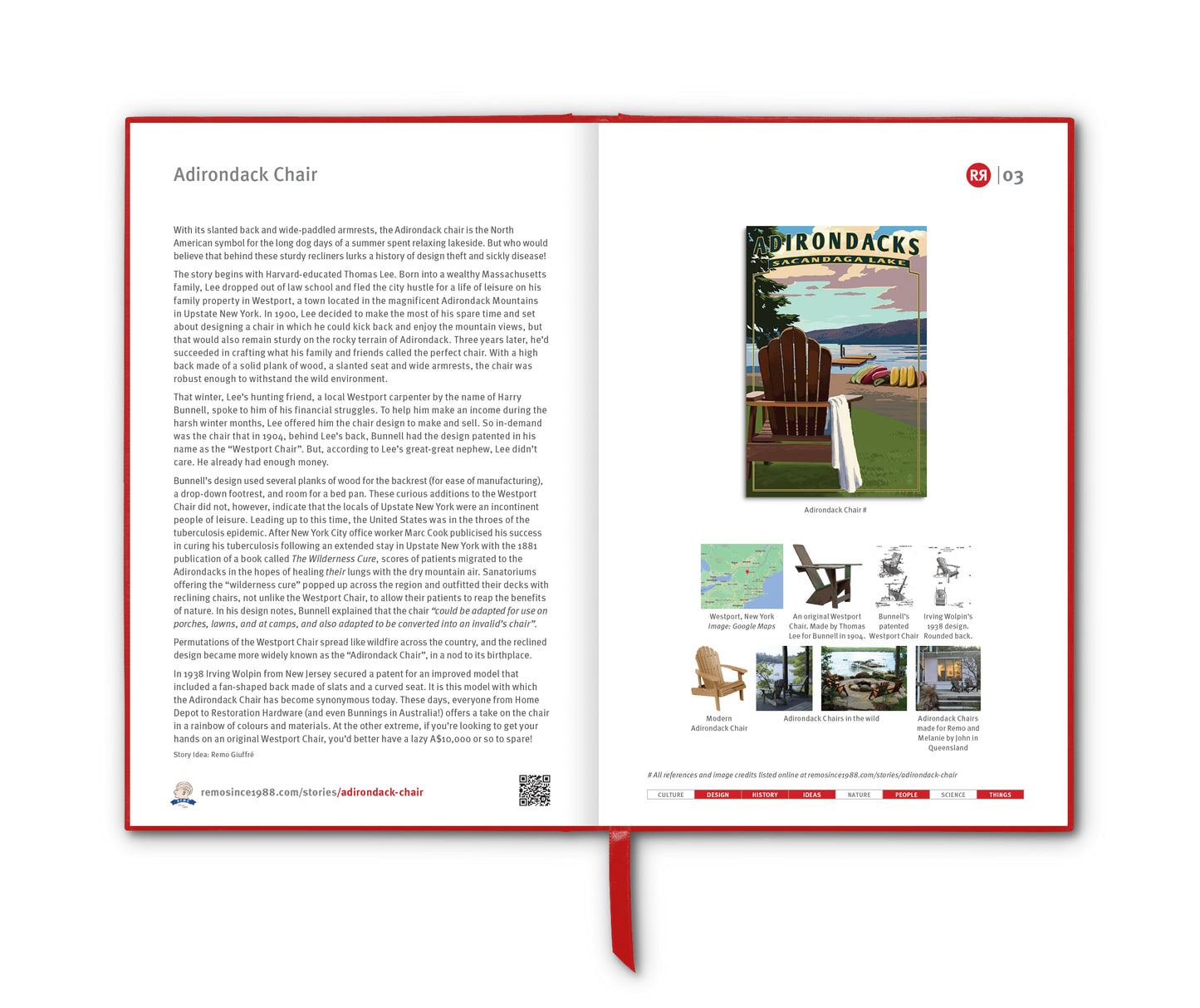
In case you’re curious, here's the personality profiling rundown:
- Type A: Reserved, detail-oriented, reliable
- Type B: Creative, passionate, independent – but sometimes seen as selfish
- Type O: Confident, ambitious, natural leaders
- Type AB: Rational, cool, complex – sometimes described as eccentric or mysterious
_____________________________
References
https://en.wikipedia.org/wiki/Blood_type
https://en.wikipedia.org/wiki/Blood_type_personality_theory
Images
1. 3D rendering of red blood cells in blood vessel. iStock Photo credit: SCI_InDy
2. Blood type is determined, in part, by the ABO blood group antigens present on red blood cells.
3. Karl Landsteiner (1868–1943)
4. Landsteiner in the lab, 1899
5. Red blood cell compatibility chart
6. Rhesus monkey
7. Video: "Why do blood types matter?", Natalie S. Hodge for TED-Ed, 2015
8. Blood type horoscope cards in Japan