
Capoeira is a unique Afro-Brazilian cultural expression that fuses elements of martial arts, dance, music, acrobatics and spirituality. It emphasises flowing movements rather than fixed stances. The ginga, a rocking step, is usually the focal point of the technique.
Capoeira emerged during the 16th century as enslaved Africans were brought to Brazil, primarily from West and Central Africa, by Portuguese colonisers. Among these diverse African groups, various combat games, dances and rituals were practiced. In the brutal environment of plantations, these cultural forms began to blend, evolve, and adapt to the harsh realities of slavery.
To survive and resist oppression, enslaved Africans developed Capoeira as a means of self-defence disguised as dance. Movements were often circular and fluid, with rhythmic swaying known as ginga forming the foundation. The graceful, deceptive flow masked the underlying combat techniques – kicks, sweeps and evasive manoeuvres. This allowed practitioners to hone fighting skills under the watchful eyes of colonial overseers without raising suspicion.
Capoeira was traditionally accompanied by music, led by the berimbau (a single-string percussion instrument), along with atabaque drums and singing. The musical aspect reinforced its identity as a cultural rather than purely combative activity, providing a rhythmic structure and setting the mood for the roda – the circle in which Capoeira is played.
As Brazil abolished slavery in 1888, newly freed Afro-Brazilians faced poverty, discrimination and social exclusion. Capoeira became associated with marginalised groups and often linked to gangs and criminal activity in urban centres like Rio de Janeiro and Salvador. In 1890, the Brazilian government banned Capoeira, and practitioners faced imprisonment if caught.
Despite repression, Capoeira survived underground, kept alive by mestres (masters) who preserved and taught the art in secret. Over time, its perception began to shift. In the early 20th century, influential figures like Mestre Bimba and Mestre Pastinha played pivotal roles in Capoeira’s renaissance. Mestre Bimba developed a more structured style, Capoeira Regional, integrating elements of martial arts to gain broader social acceptance. Mestre Pastinha focused on preserving the traditional style, Capoeira Angola, emphasising ritual, music, and historical roots.
In 1937, Mestre Bimba opened Brazil’s first legal Capoeira school, helping lift the stigma and legal restrictions surrounding the practice. Over subsequent decades, Capoeira gained cultural legitimacy and recognition as a symbol of Brazilian national identity – especially its Afro-Brazilian heritage.=
Capoeira’s cultural significance extends beyond Brazil. During the global rise of interest in world music, martial arts, and dance in the late 20th century, Capoeira spread internationally. Today, Capoeira groups can be found in cities across Europe, North America, Australia and beyond.
In 2014, UNESCO inscribed Capoeira on its list of Intangible Cultural Heritage of Humanity, affirming its global cultural value.
Postscript
There is a notable Brazilian Capoeira master living in Bondi, the home of REMORANDOM. Mestre Gilson Ribeiro de Jesus (locally known as Jesus) began practicing Capoeira at an early age and developed a fluid and elegant style that distinguished him in the Capoeira community. During his time in Brasil, Jesus achieved significant recognition by winning the Brazilian National Capoeira Championship twice. In 1994, he moved to Australia to participate in a South American festival and decided to make Bondi his home. His dedication to Capoeira is evident in his daily training routines along Bondi Beach.
______________________
References
Images
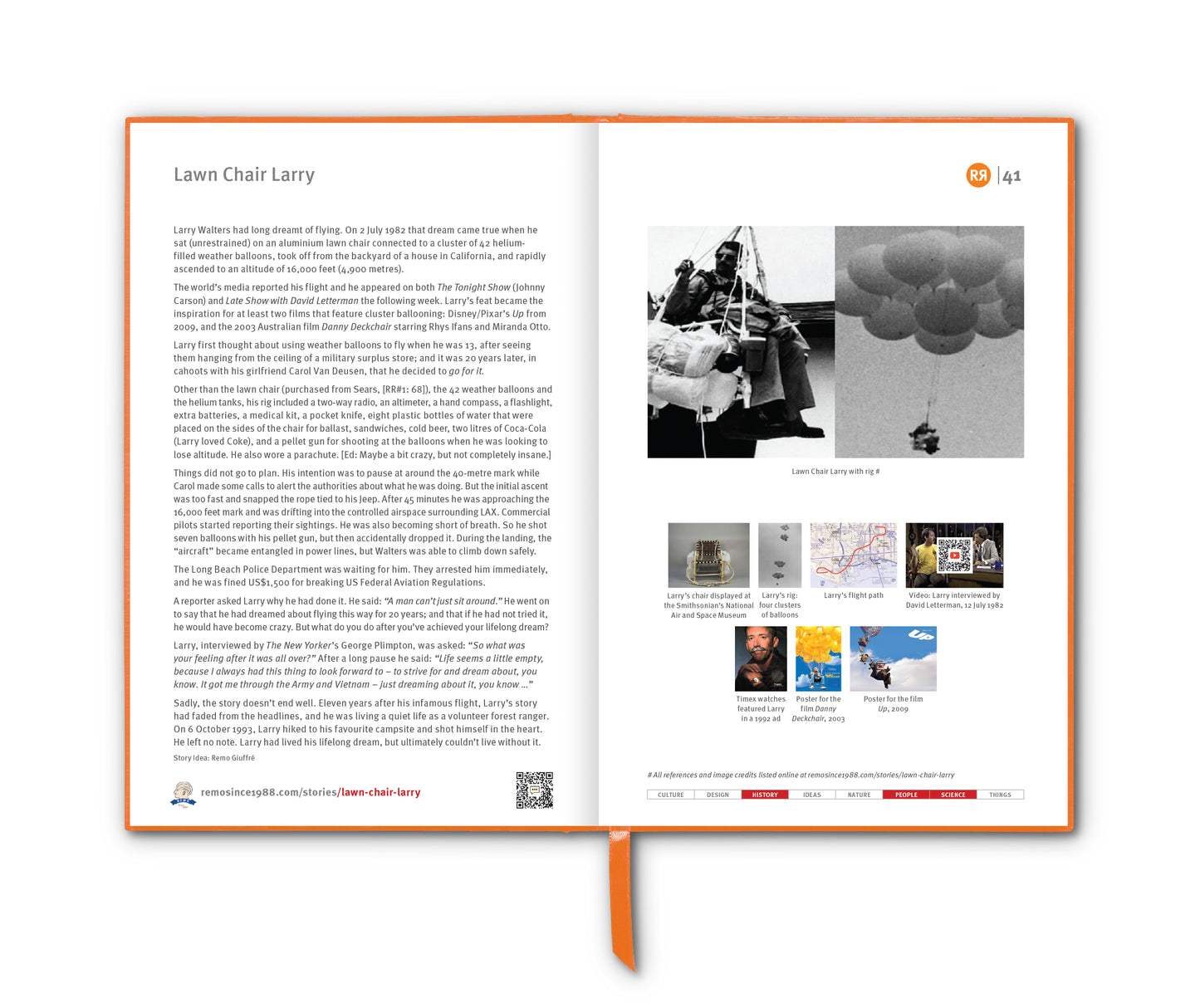
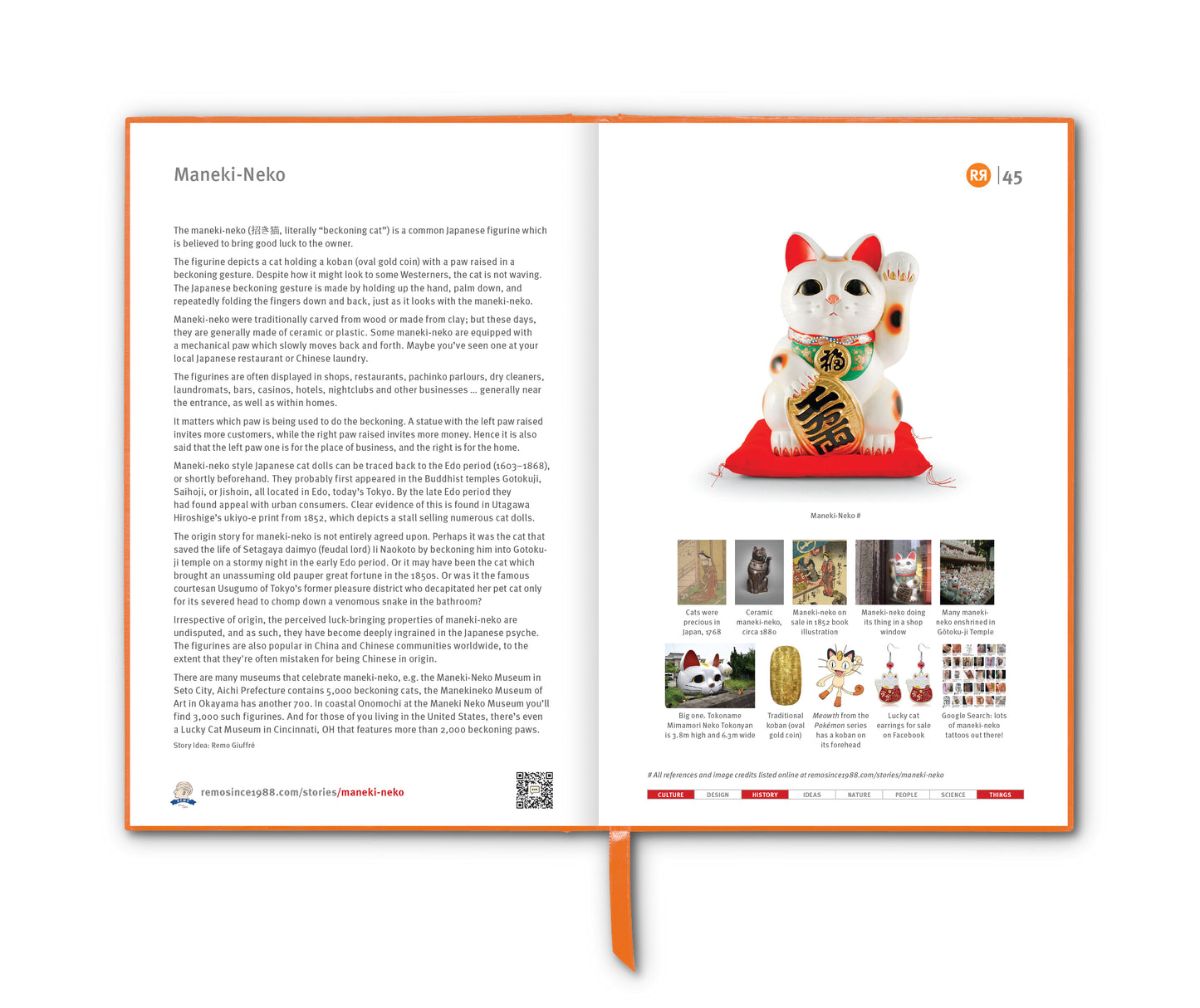
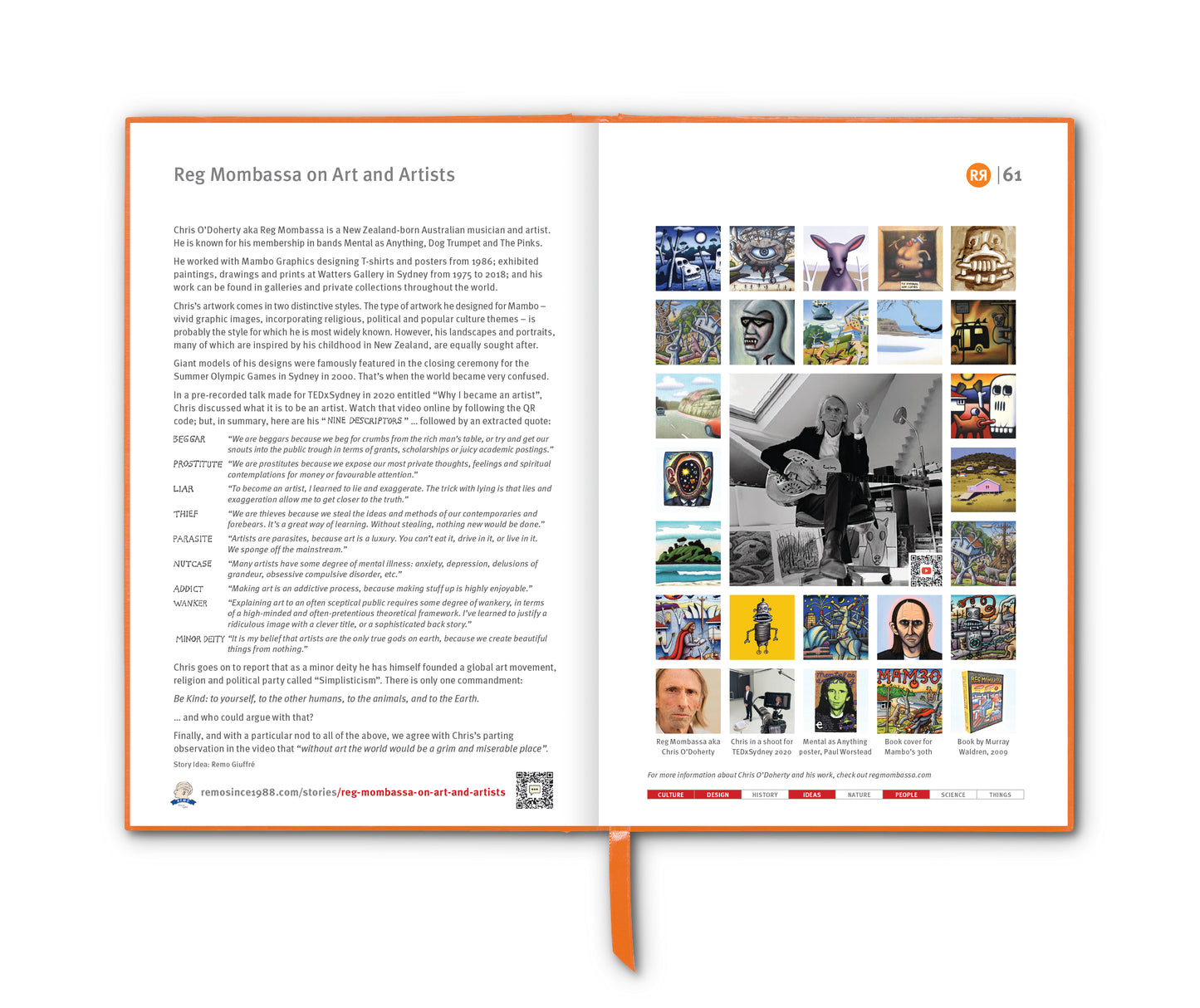
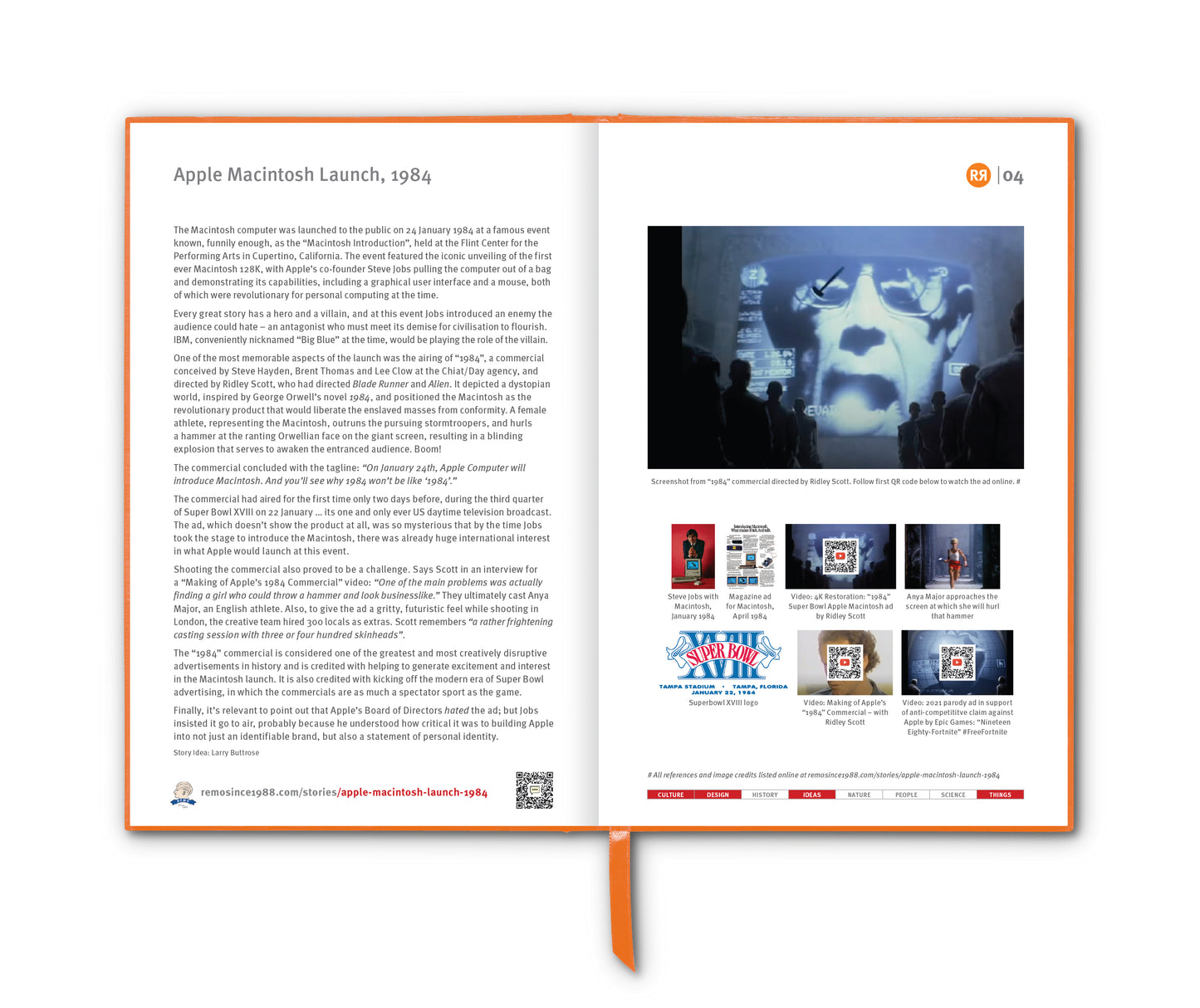
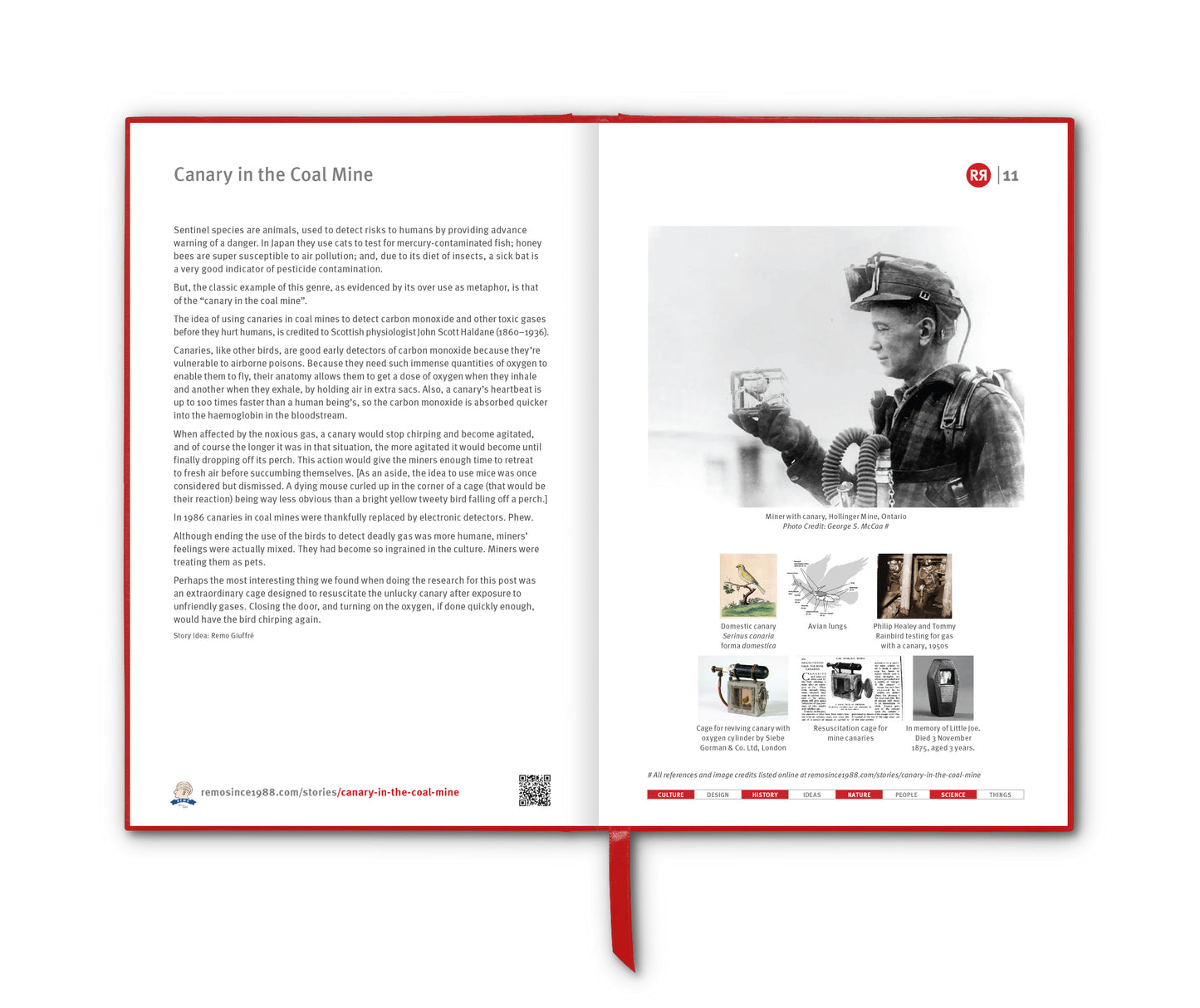
1. Capoeira, Brazils, by Augustus Earle, circa 1822. Watercolor painting depicting an illegal capoeira-like game in Rio de Janeiro.
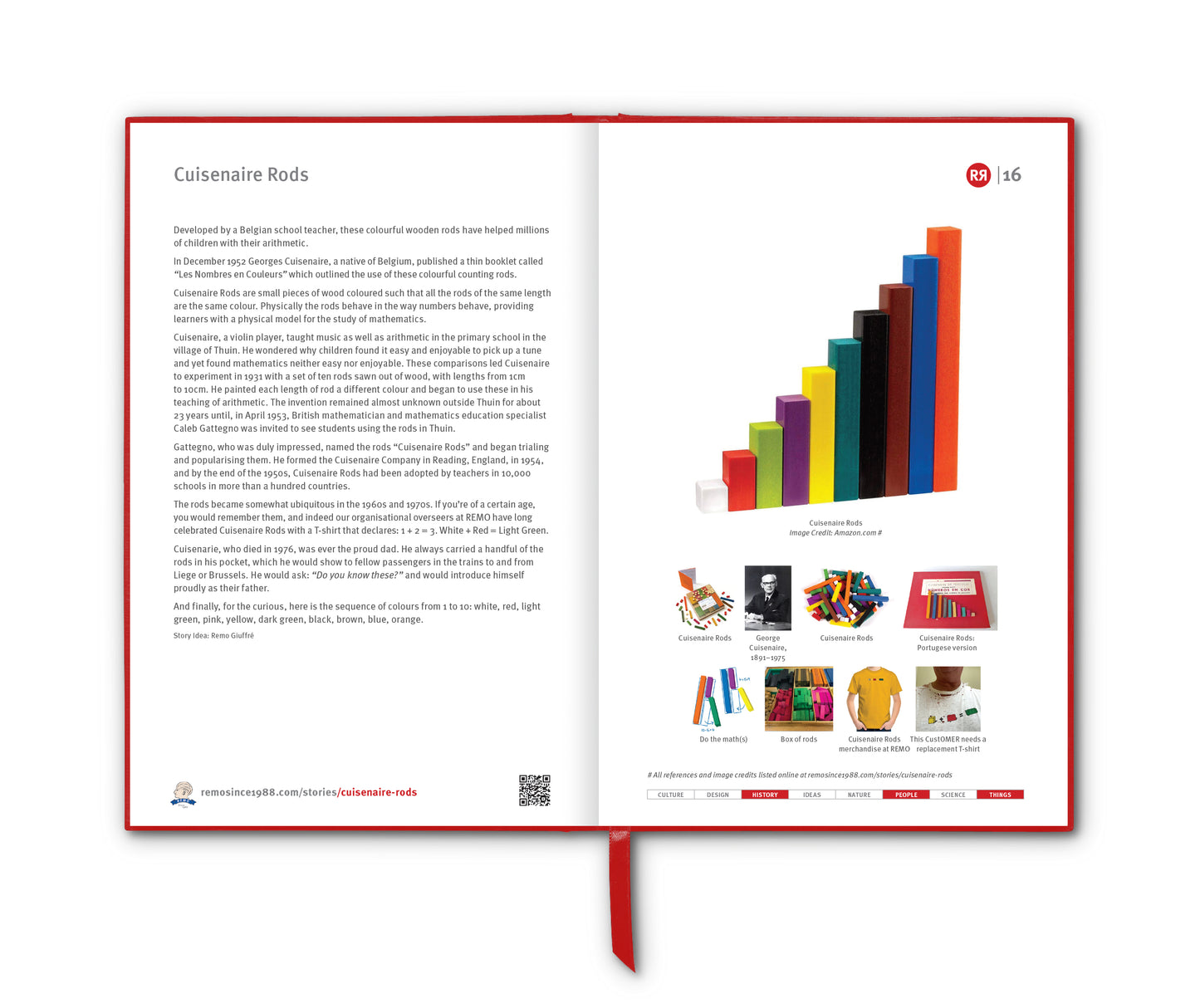
2. Capoeira in the streets of Pelourinho, Salvador, Brazil, 2020. Photo credit: Nigel SB Photography on Unsplash
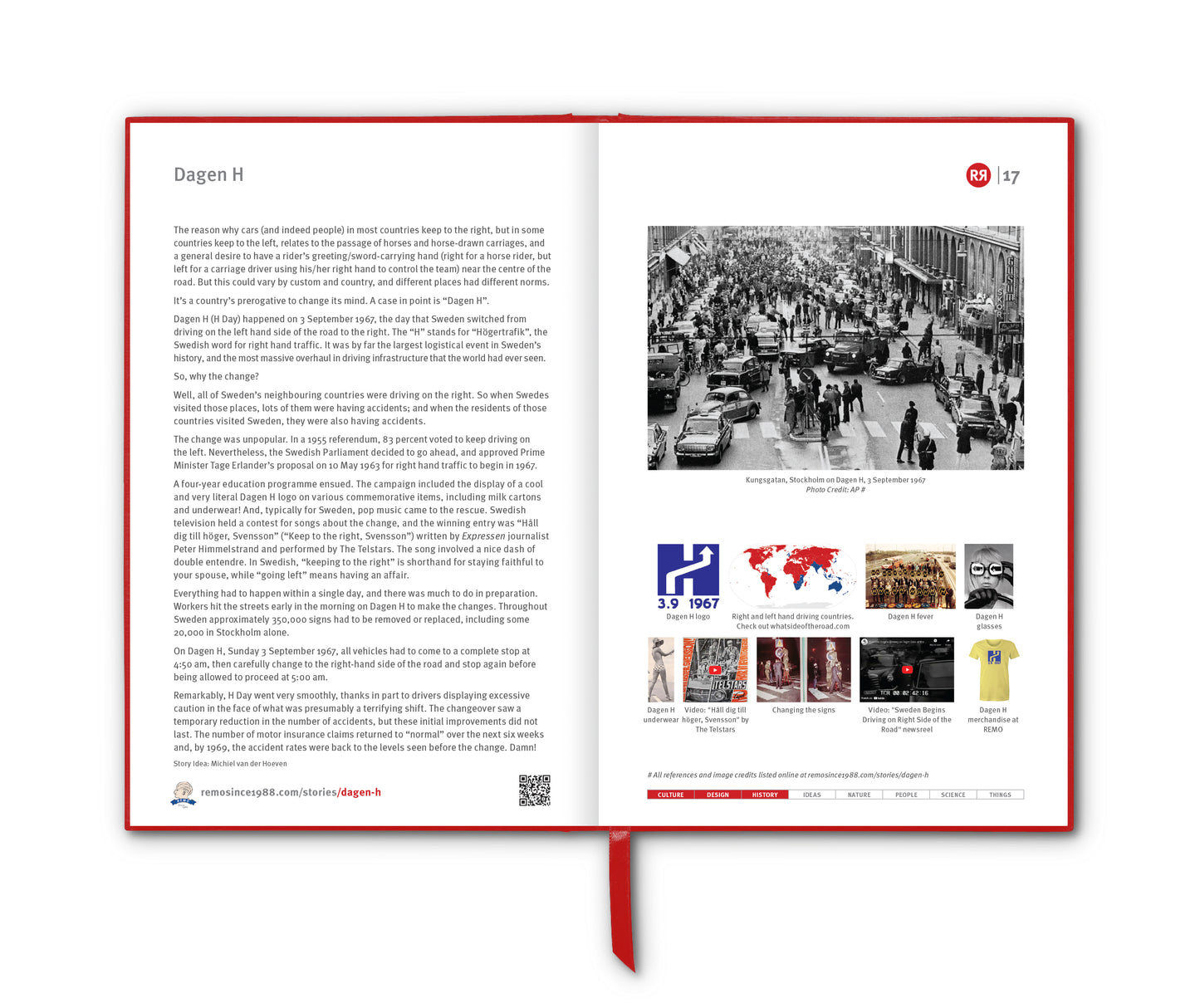
3. Portuguese Angola was the main source of African slaves to Brazil
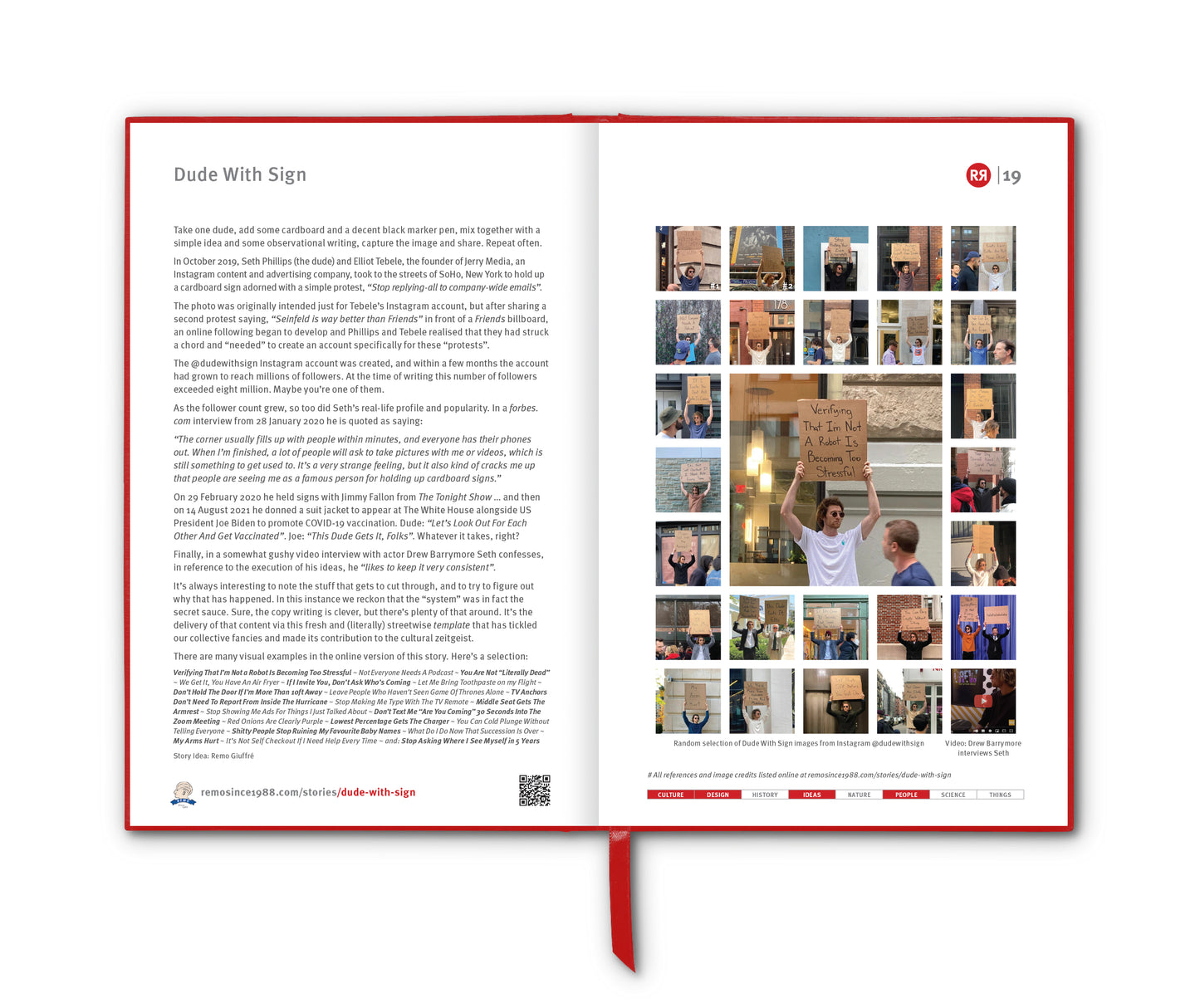
4. Mestre Bimba
5. Three berimbau players playing the rhythm for a capoeira in Baltimore, MD
6. Two capoeira players in ginga
7. Mestre Jesus Gilson in Bondi, 2016
8. Jesus still at it in Bondi, 2025