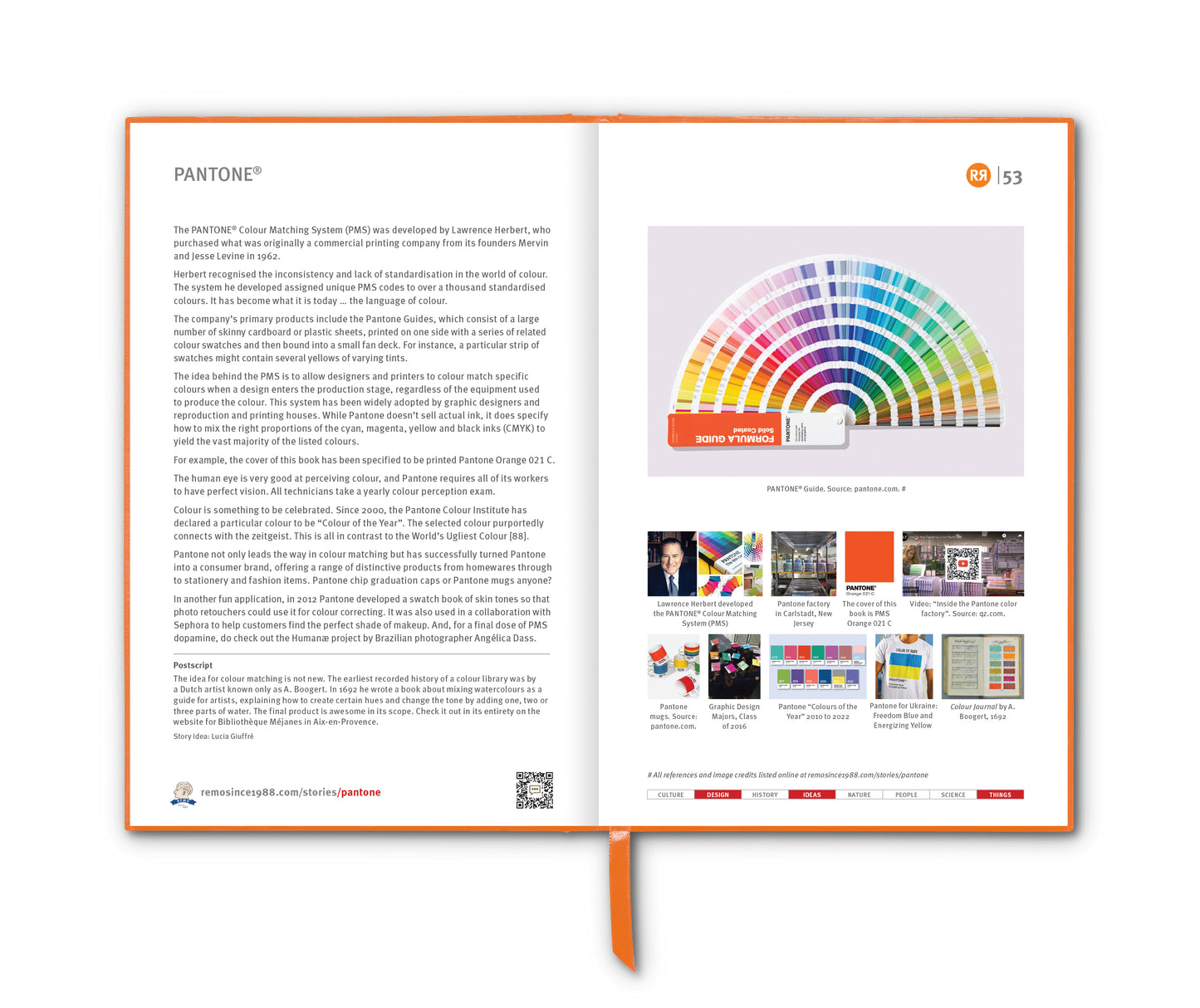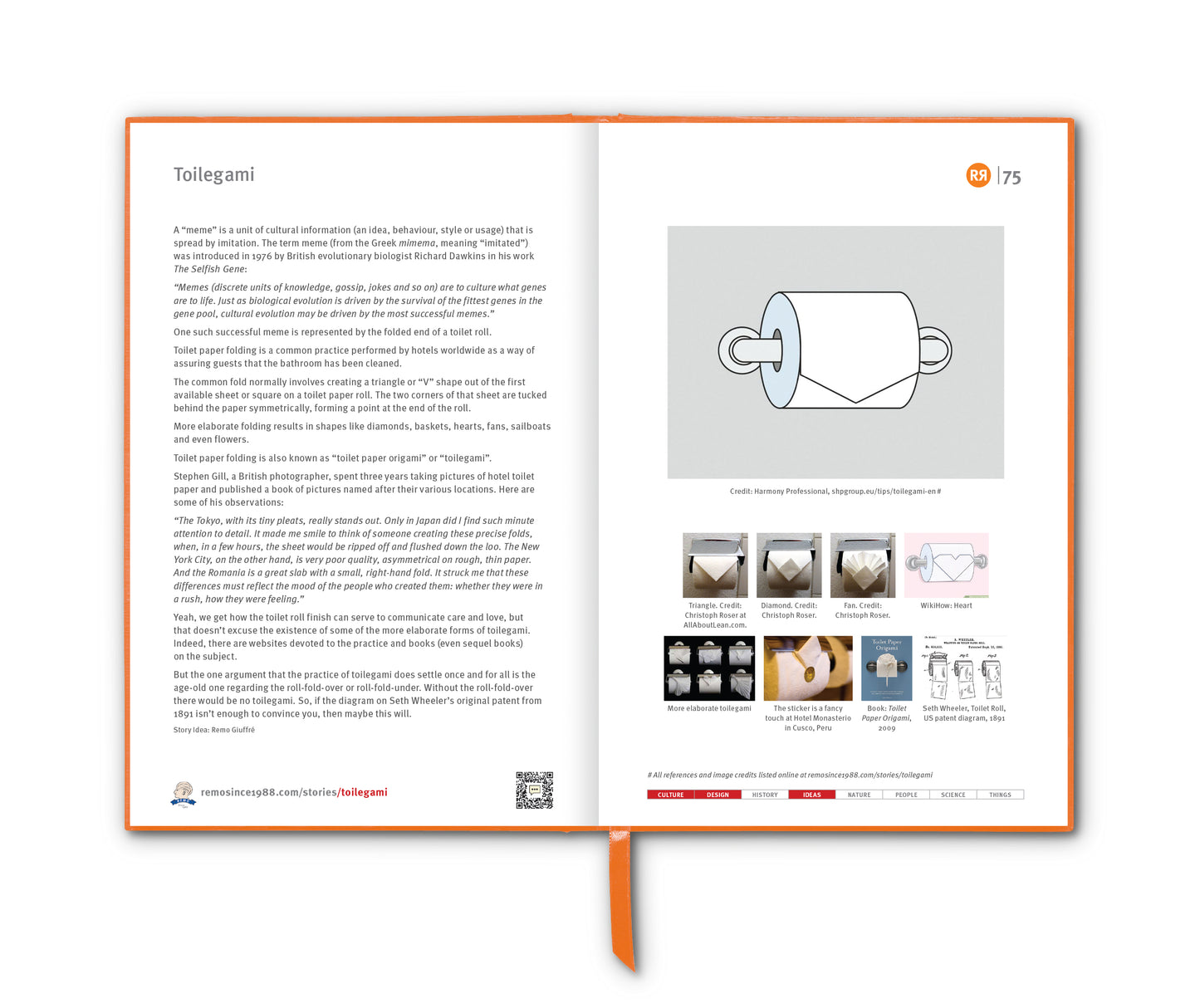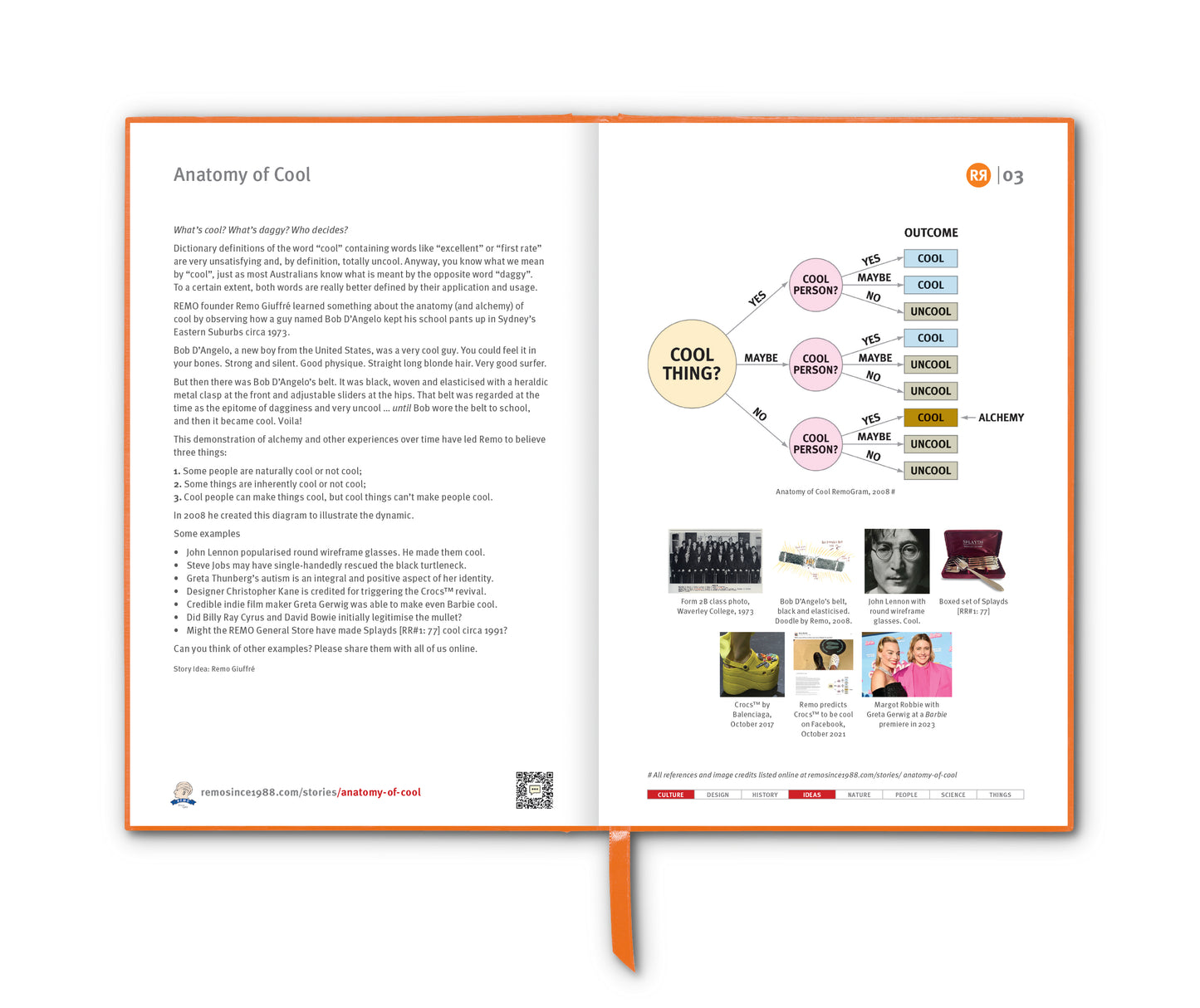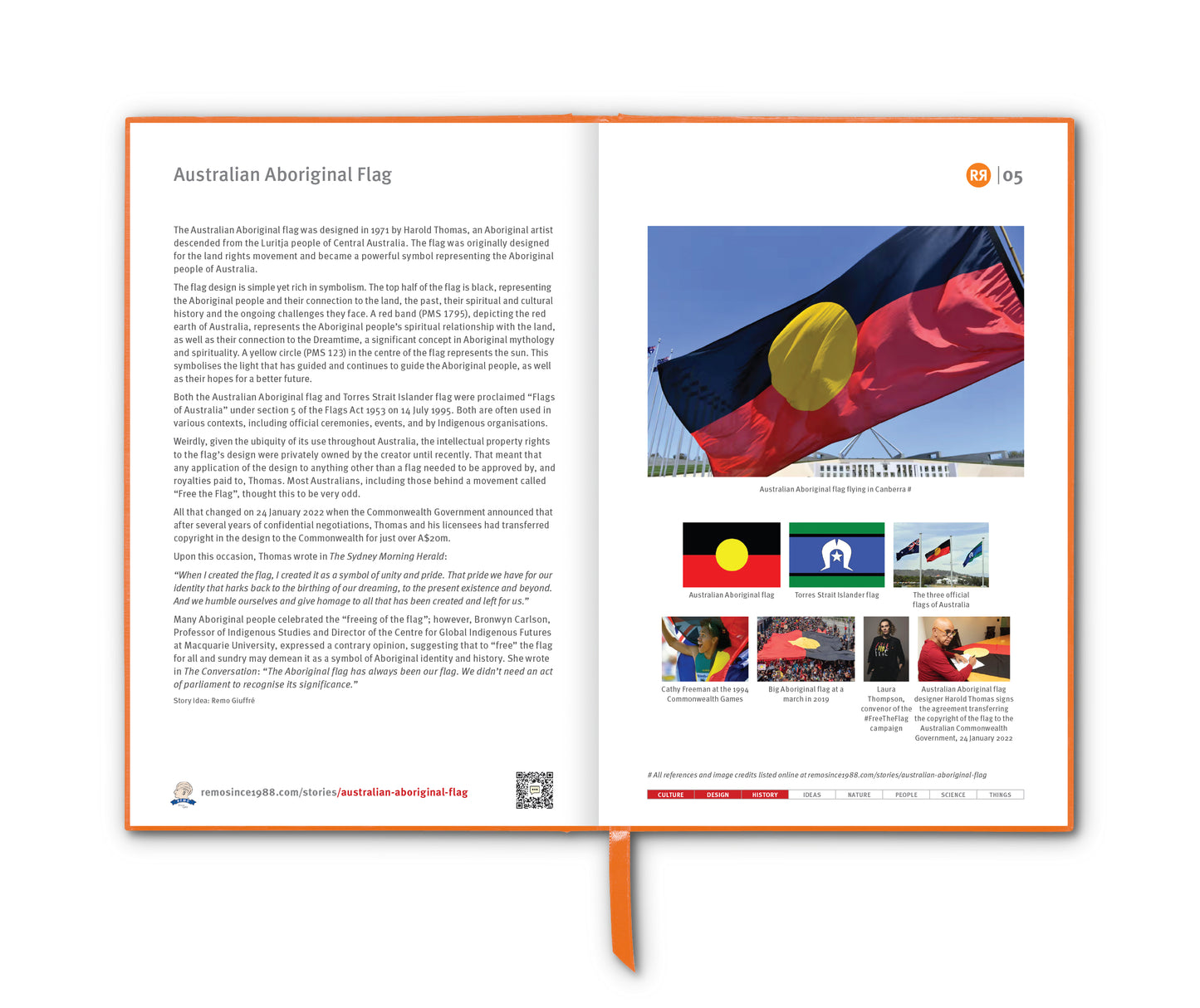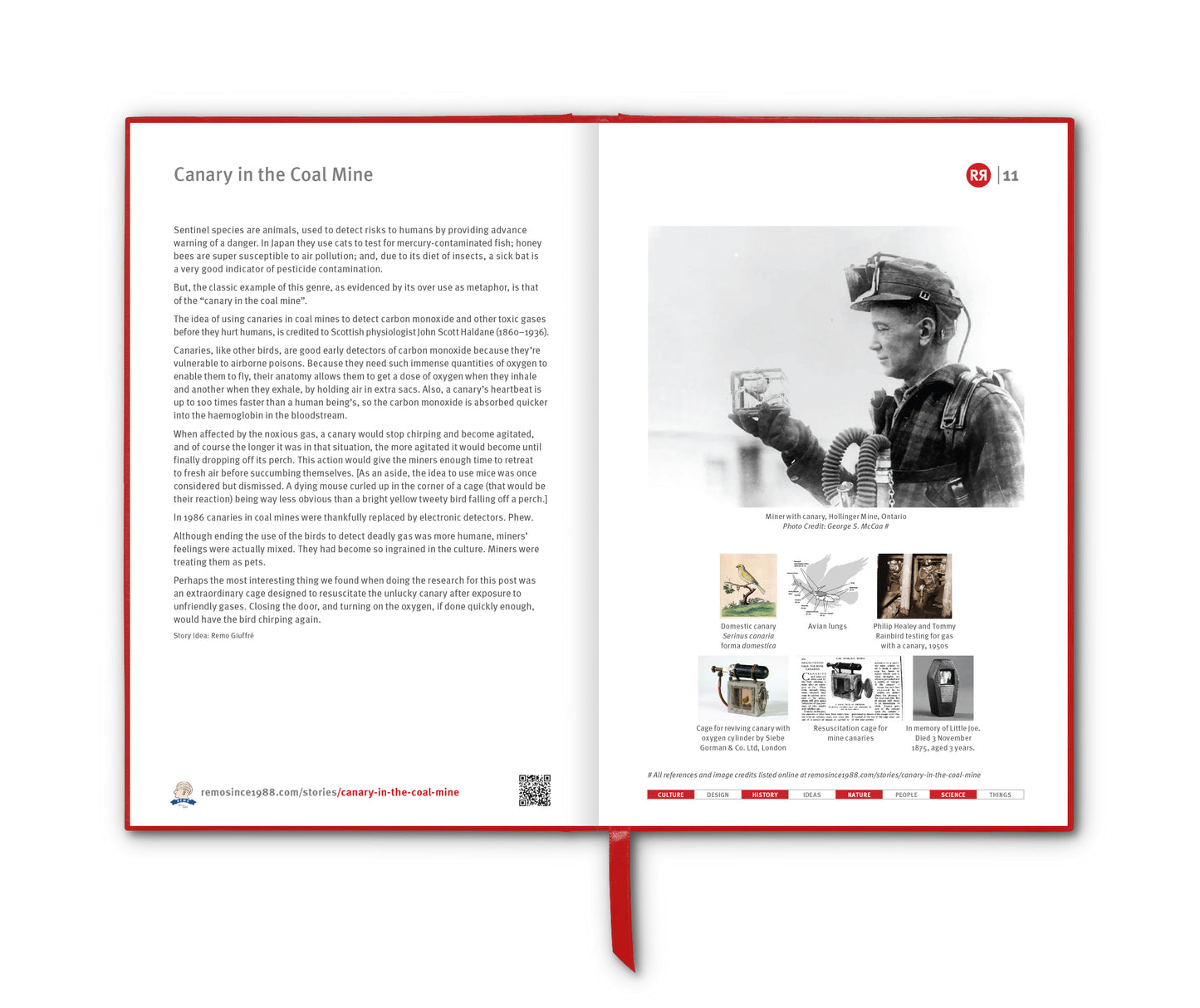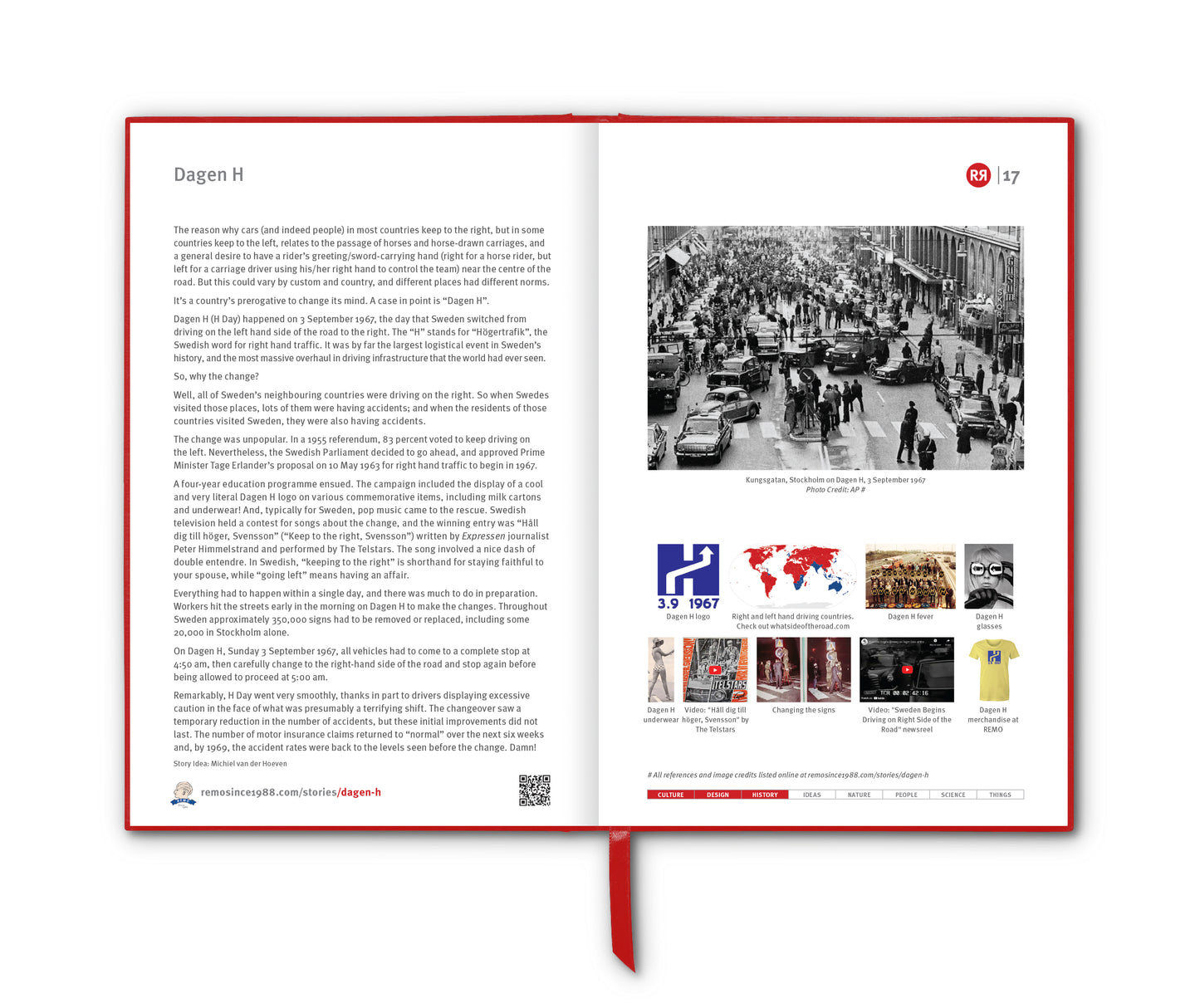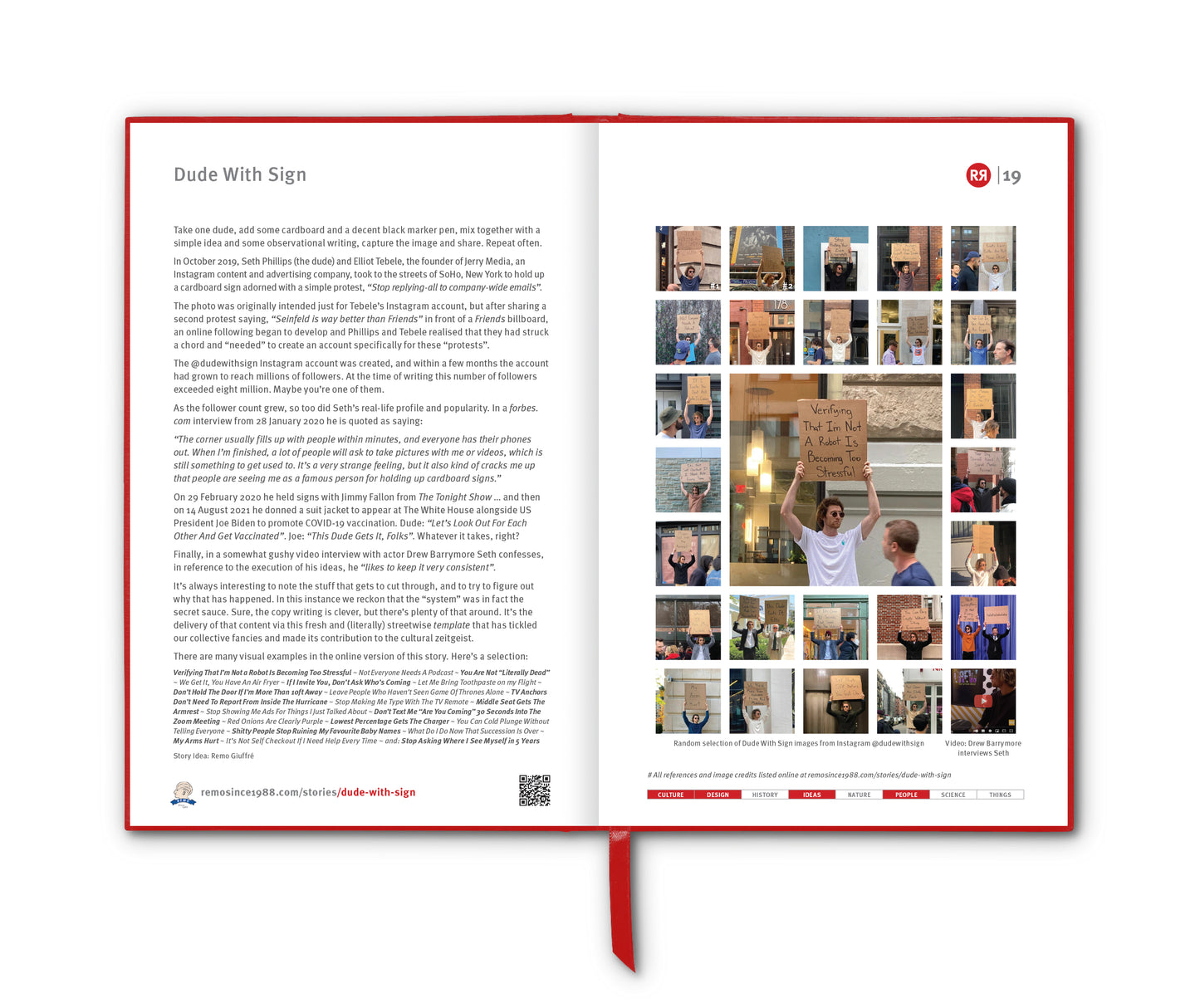

On the morning of 28 January 1986, millions of people around the world watched in disbelief as the Space Shuttle Challenger disaster unfolded live on television. Seventy-three seconds after liftoff from Kennedy Space Center, Space Shuttle Challenger broke apart in the skies above Florida, killing all seven crew members and profoundly altering humanity's relationship with spaceflight.
The launch had attracted unusual public attention because one of the astronauts, Christa McAuliffe, was a schoolteacher chosen to become the first ordinary American citizen in space. Thousands of students were watching in classrooms across the United States, expecting to see lessons broadcast from orbit. Instead, they witnessed one of the most traumatic moments in television history.
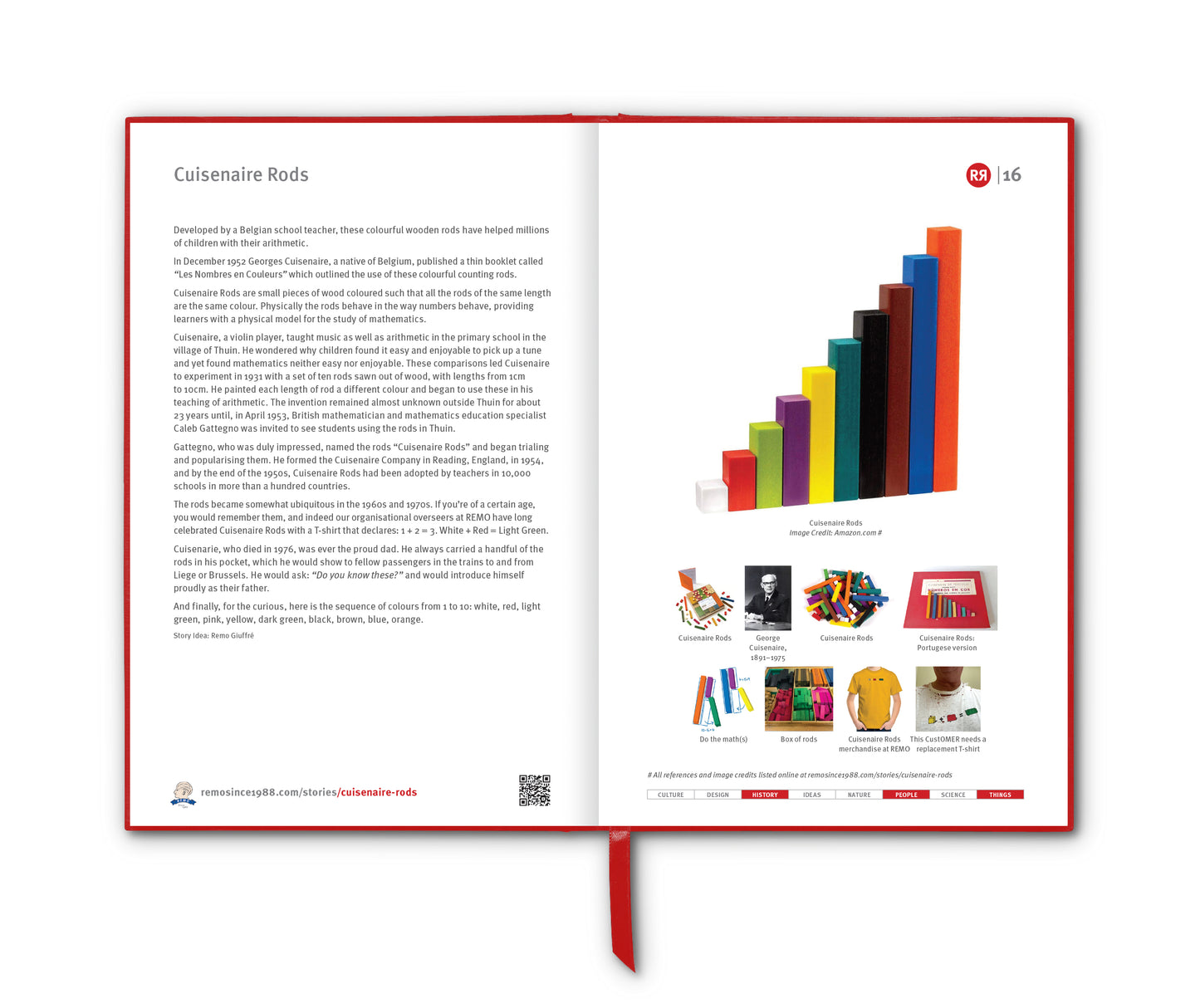
Investigators soon determined that the disaster had been caused by the failure of rubber O-ring seals in one of the shuttle's solid rocket boosters. The launch took place on an unusually cold morning, with temperatures far below those for which the seals had been thoroughly tested. Engineers from contractor Morton Thiokol had expressed concerns about launching in such conditions, warning that the cold could reduce the O-rings' ability to seal properly. During ascent, hot gases escaped through a compromised joint, ultimately causing the external fuel tank to rupture and the vehicle to disintegrate.
The subsequent investigation, conducted by the Rogers Commission, exposed not only technical failures but also deep organisational problems within NASA. The commission concluded that management culture, communication breakdowns and pressure to maintain launch schedules had contributed significantly to the tragedy.
One of the most influential figures in the investigation was the Nobel Prize-winning physicist Richard Feynman, who served on the Rogers Commission. Feynman became frustrated by what he perceived as evasiveness within NASA and conducted his own inquiries. During a televised hearing, he famously demonstrated the vulnerability of the shuttle's O-ring seals by placing a sample in a glass of ice water, showing that cold temperatures caused the rubber to lose its resilience. Feynman was also disturbed by the stark discrepancy between NASA engineers' estimates of shuttle failure and those presented by management. Some engineers believed the probability of a catastrophic accident could be as high as 1 in 100 launches, while NASA management publicly suggested the risk was closer to 1 in 100,000. Feynman argued that this vast gap revealed a dangerous culture of optimism and self-deception within the agency. In a memorable appendix to the commission's report, he concluded: "For a successful technology, reality must take precedence over public relations, for nature cannot be fooled."
That final sentence has become one of the most frequently quoted observations in the history of engineering and risk management.
The shuttle fleet was grounded for nearly three years while NASA redesigned critical systems and re-evaluated its safety procedures. Public confidence in the shuttle program was badly shaken, and the dream of routine, airline-like access to space suddenly seemed far more dangerous and uncertain.
Yet Challenger's legacy endures. Schools, scholarships and science centres honour the crew, while the disaster remains a case study in engineering ethics, risk management and organisational decision-making.
____________________________________
References
wikipedia.org/wiki/Space_Shuttle_Challenger_disaster
edition.cnn.com/2020/01/28/us/space-shuttle-challenger-34-years-scn-trnd
Images
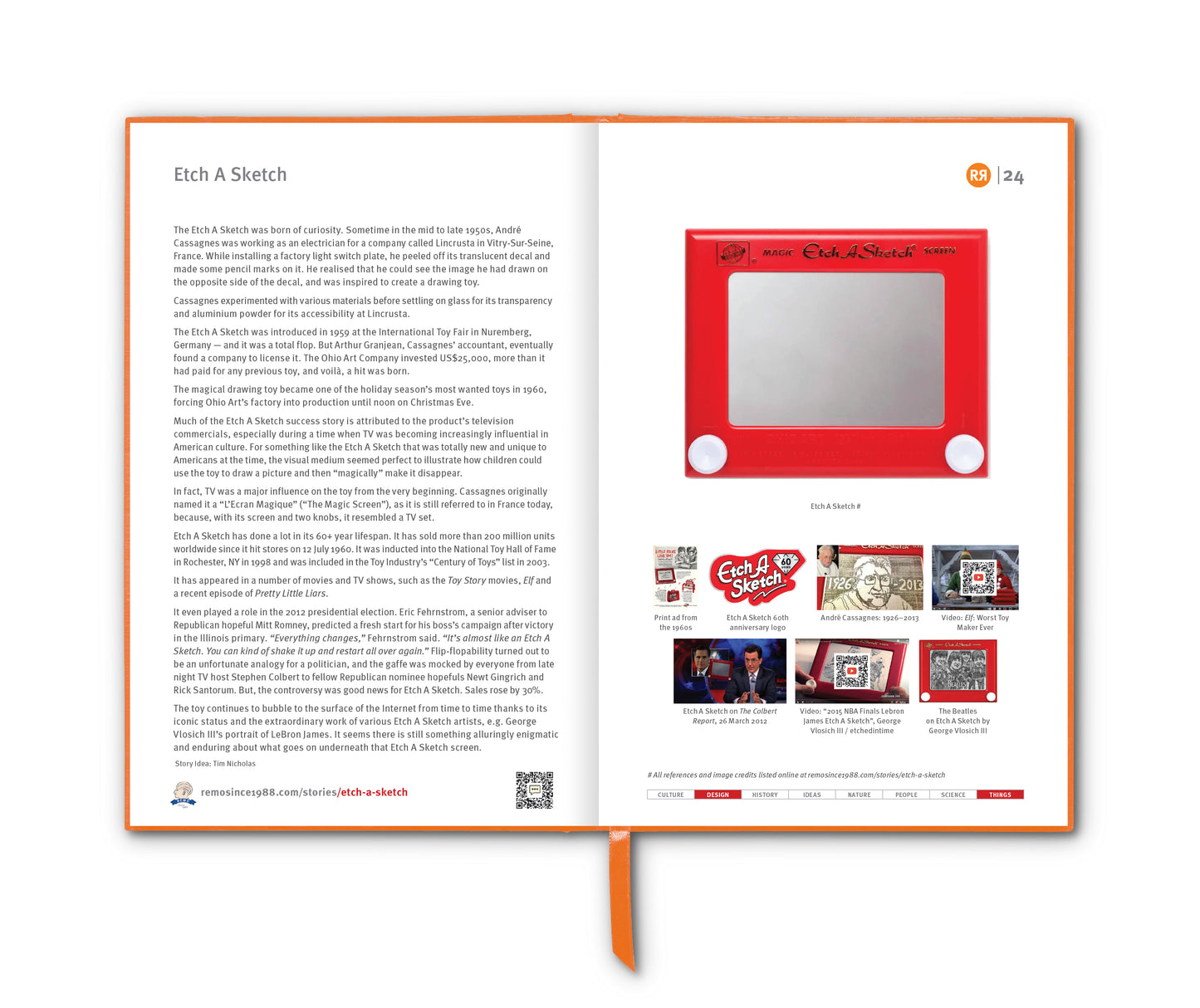
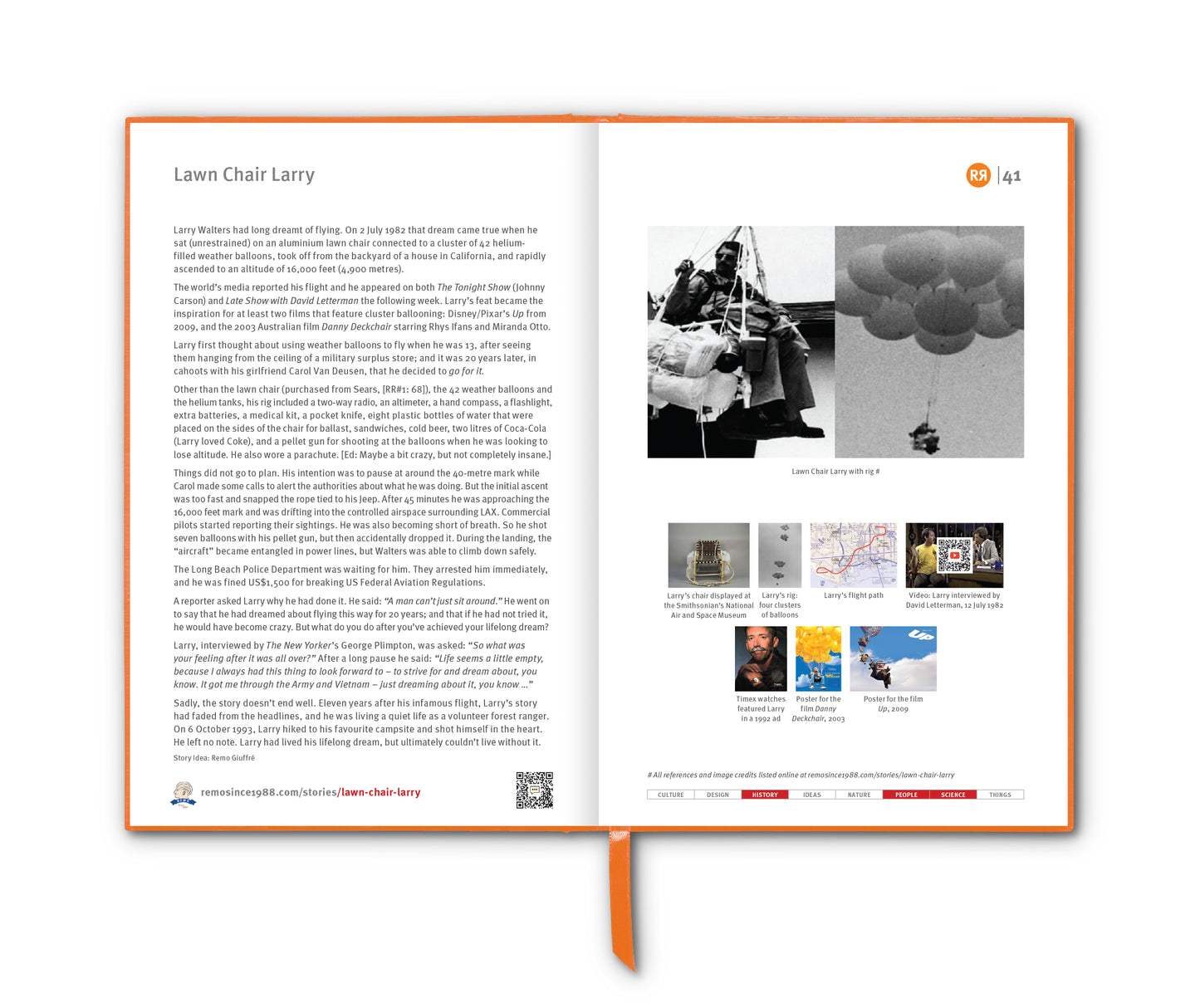
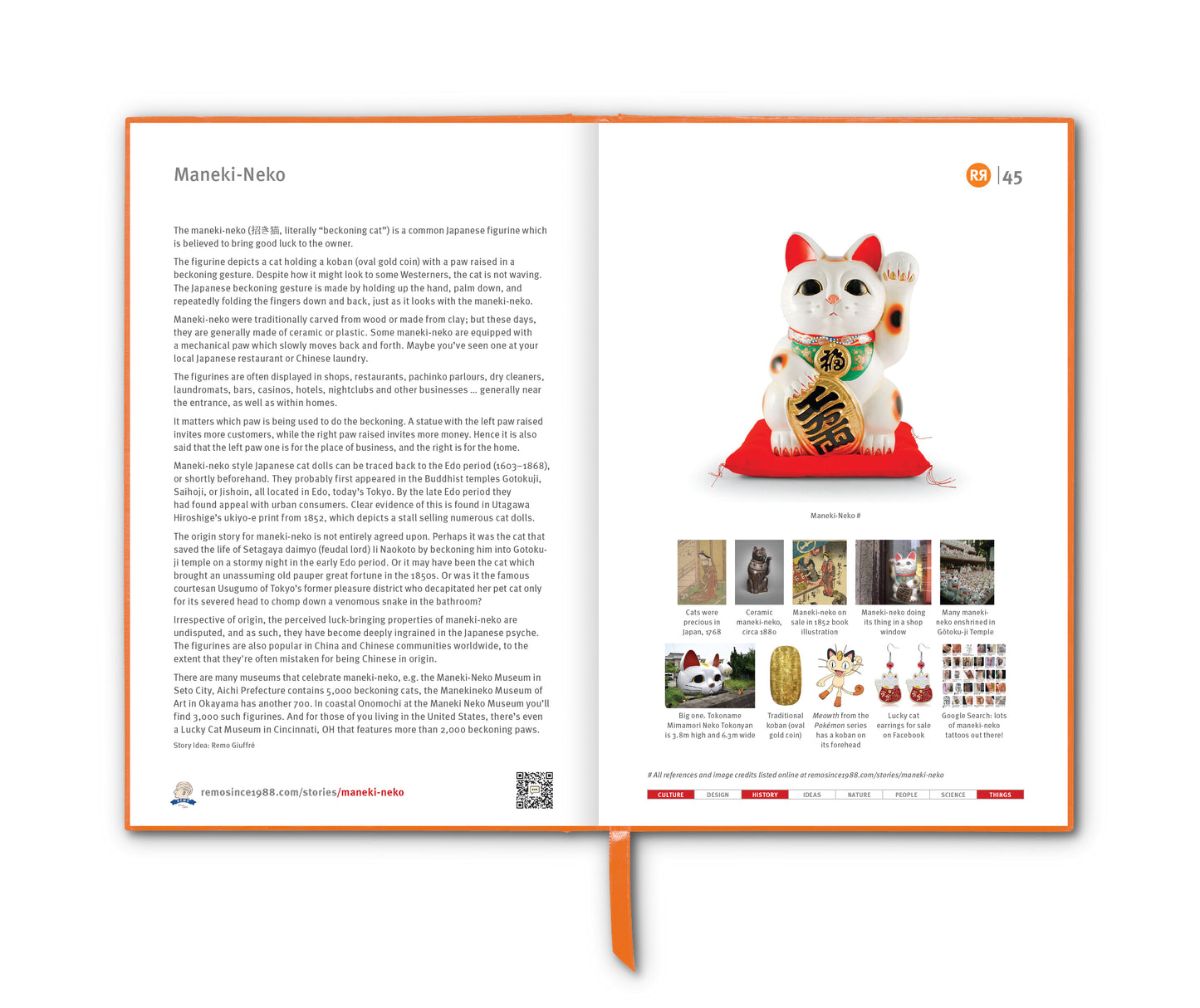
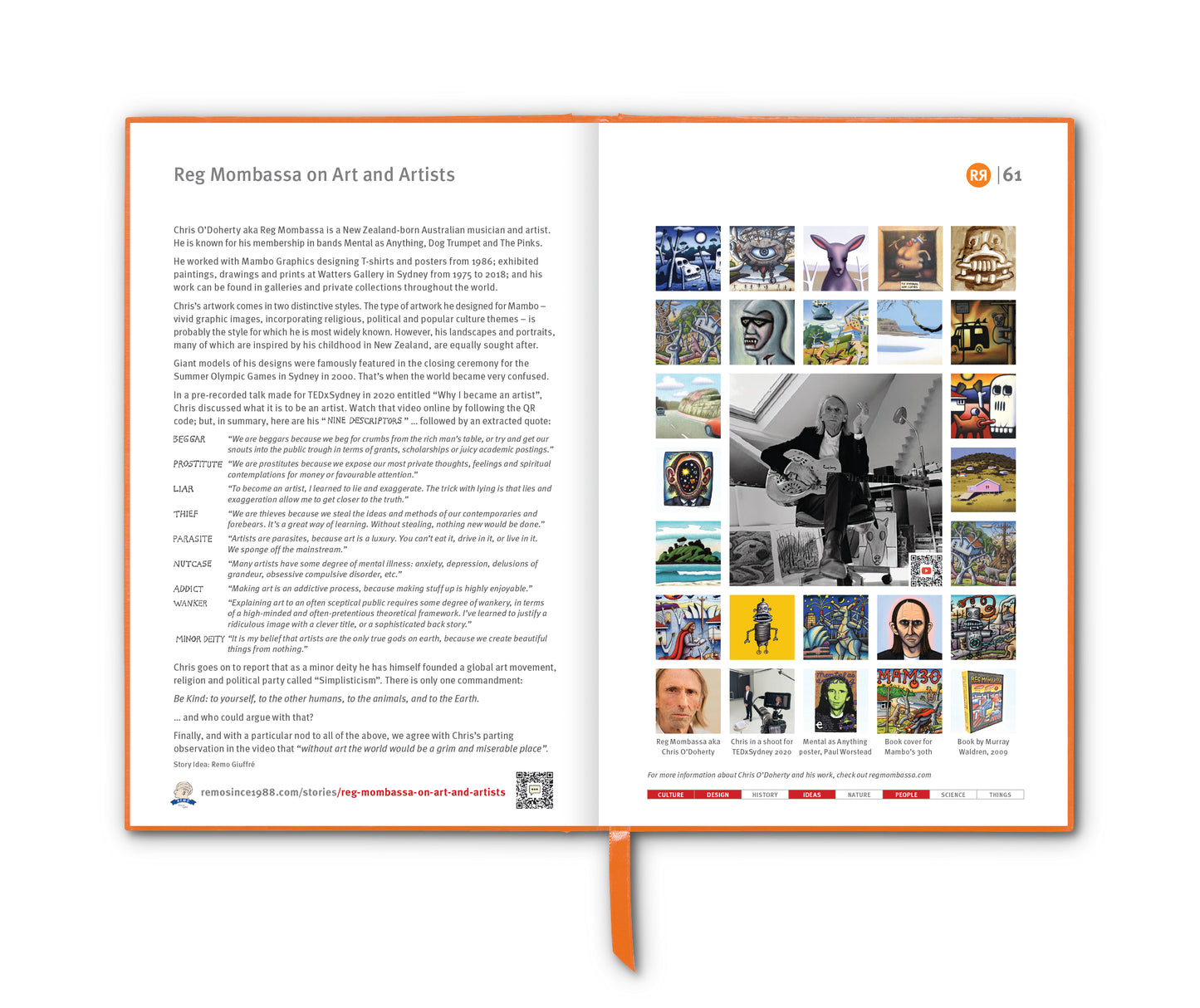
1. Space Shuttle Challenger taking off from Complex 39 of the Kennedy Space Center. Photo credit: NASA on Unsplash
2. Challenger explodes 73 seconds after takeoff
3. The New York Times front page, 29 January 1986
4. Crew: (back) Onizuka, McAuliffe, Jarvis, Resnik; (front) Smith, Scobee, McNair
5. Ice on the launch tower hours before Challenger launch
6. Richard Feynman's famous ice dunk demonstration
7. Location of the notorious O-rings
8. Video: CNN's coverage of the Challenger explosion, 1986
9. President Reagan and First Lady Nancy Reagan (left) at the memorial service on 31 January 1986
10. Challenger memorial at Arlington Cemetery
11. Fragment of Challenger's fuselage on display at the Kennedy Space Center Visitor Complex. Photo credit: Balon Greyjoy