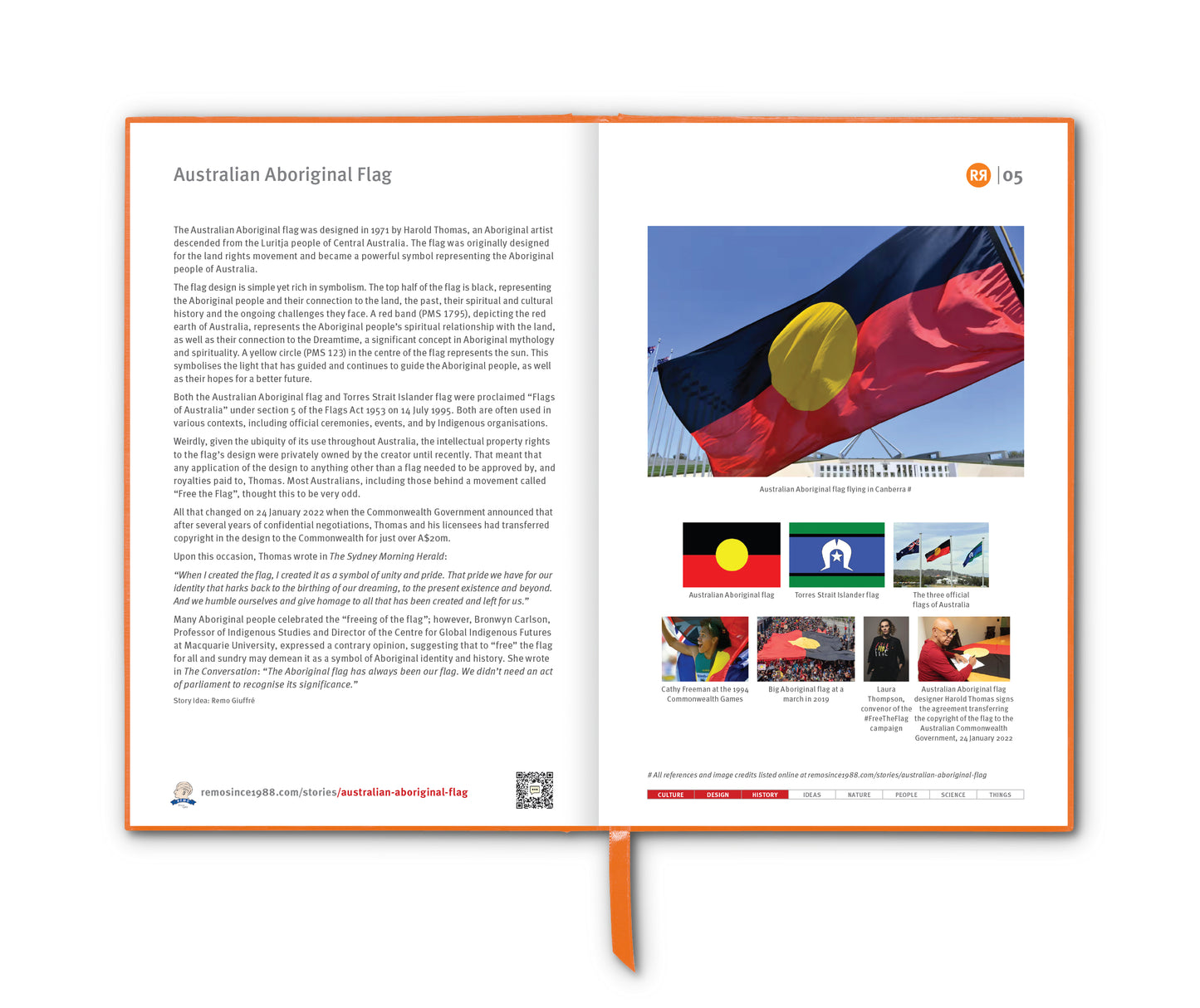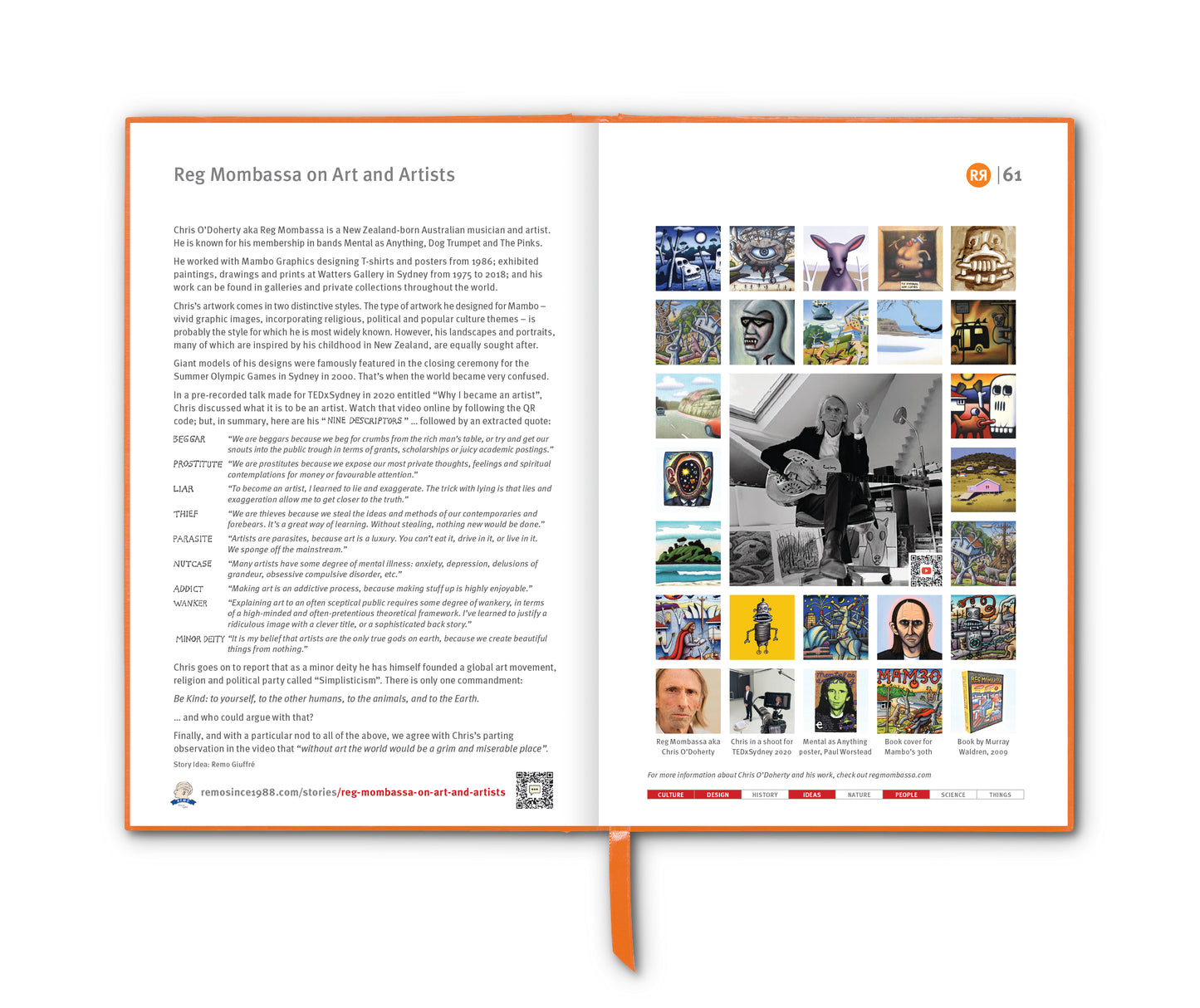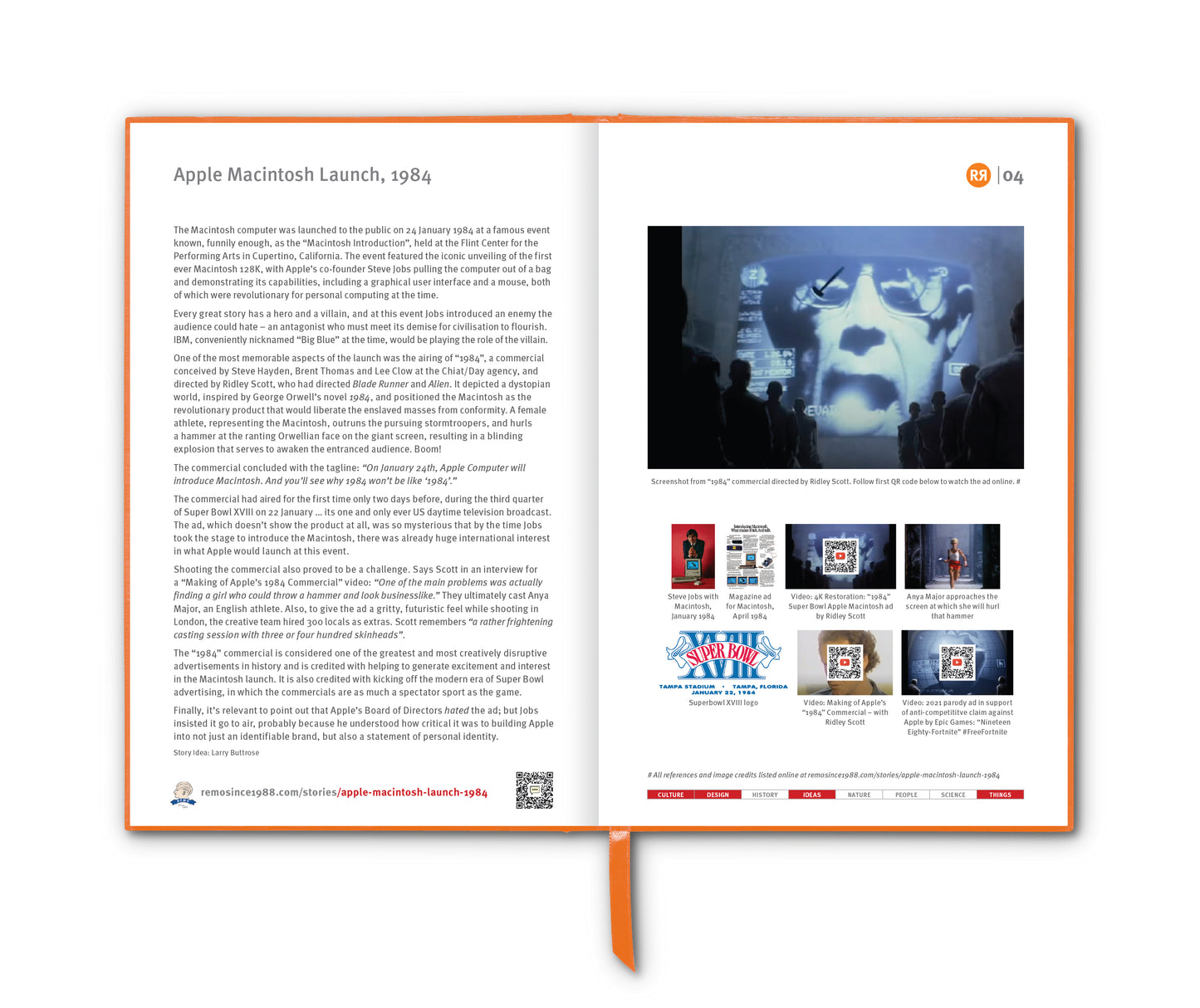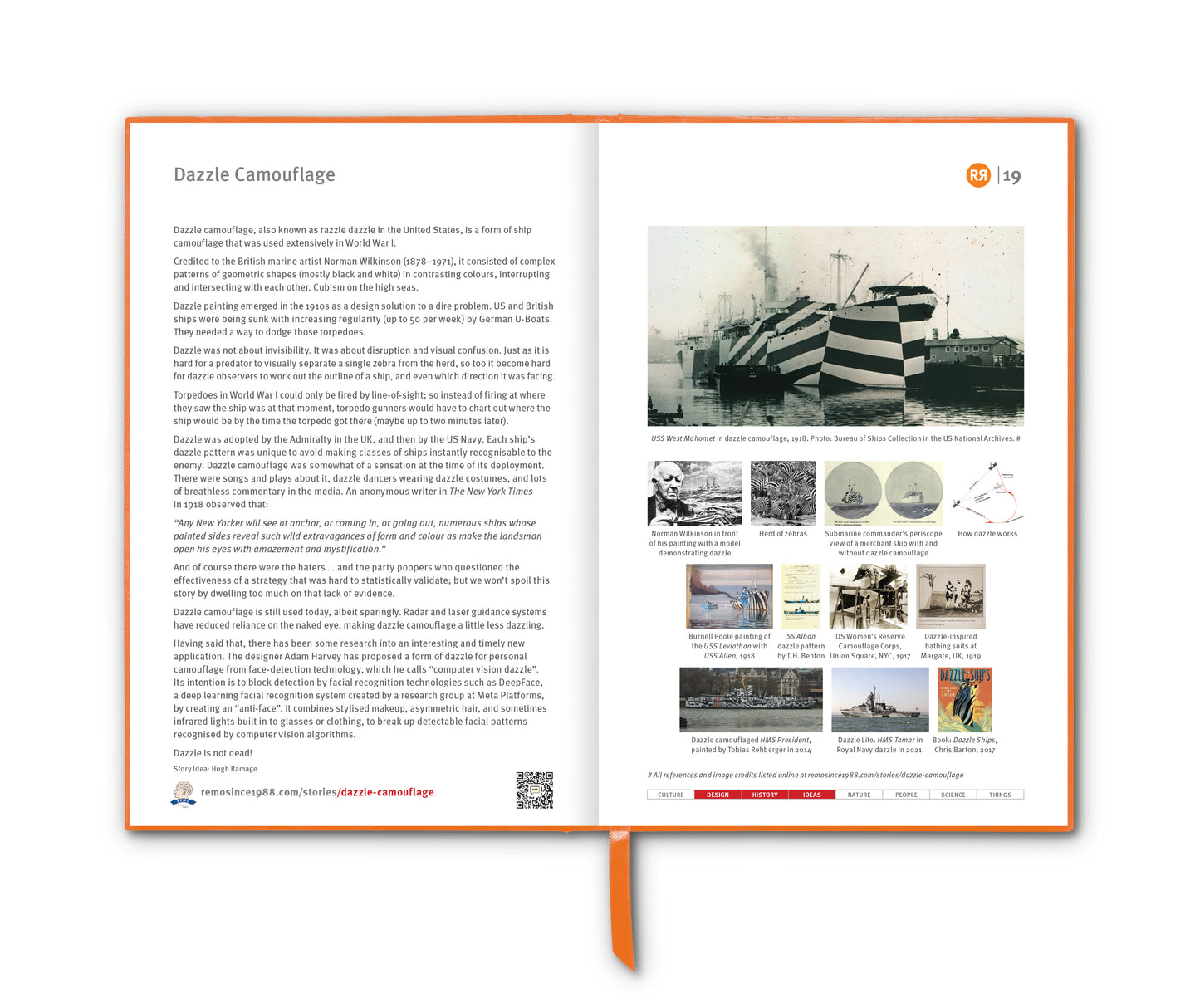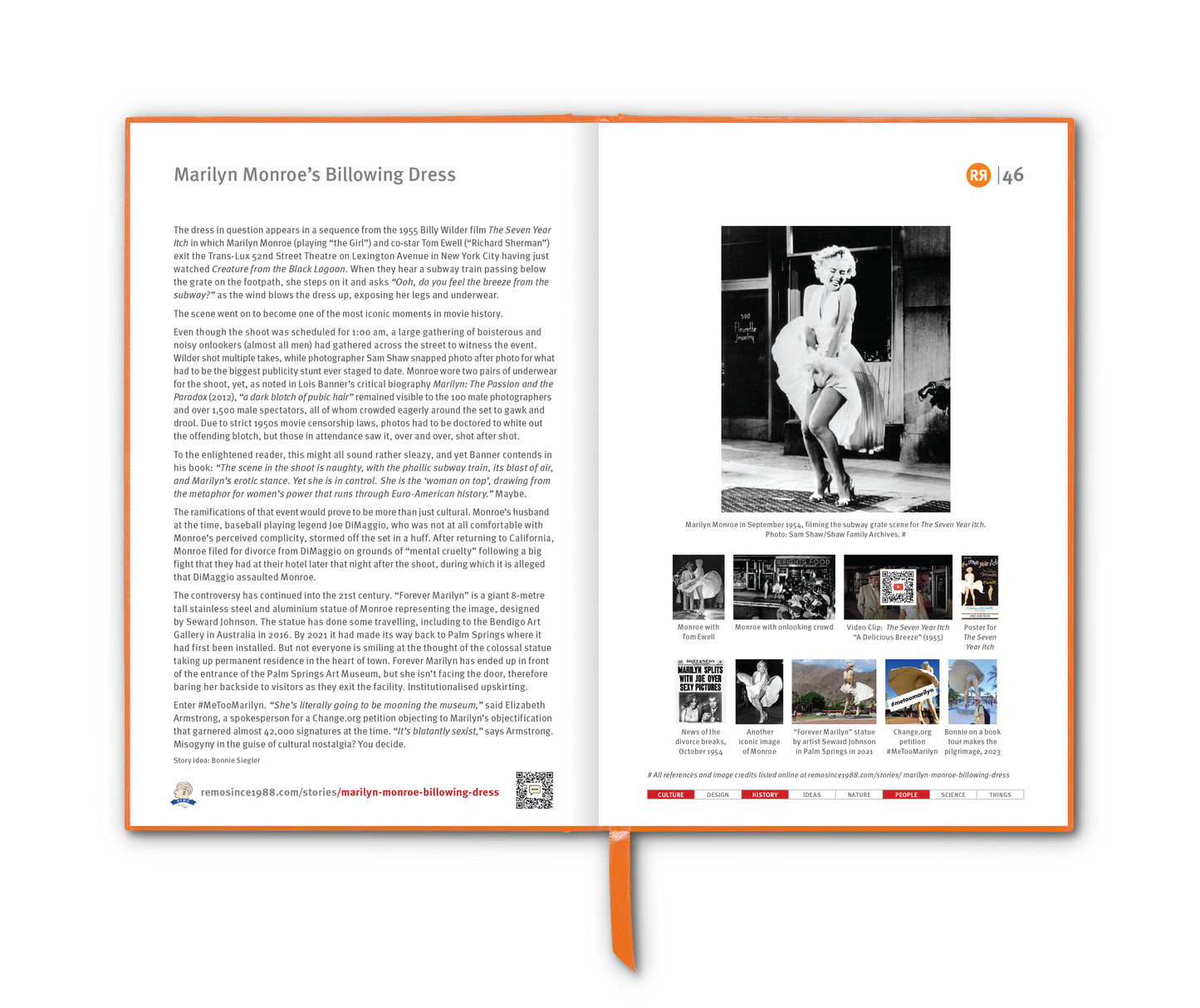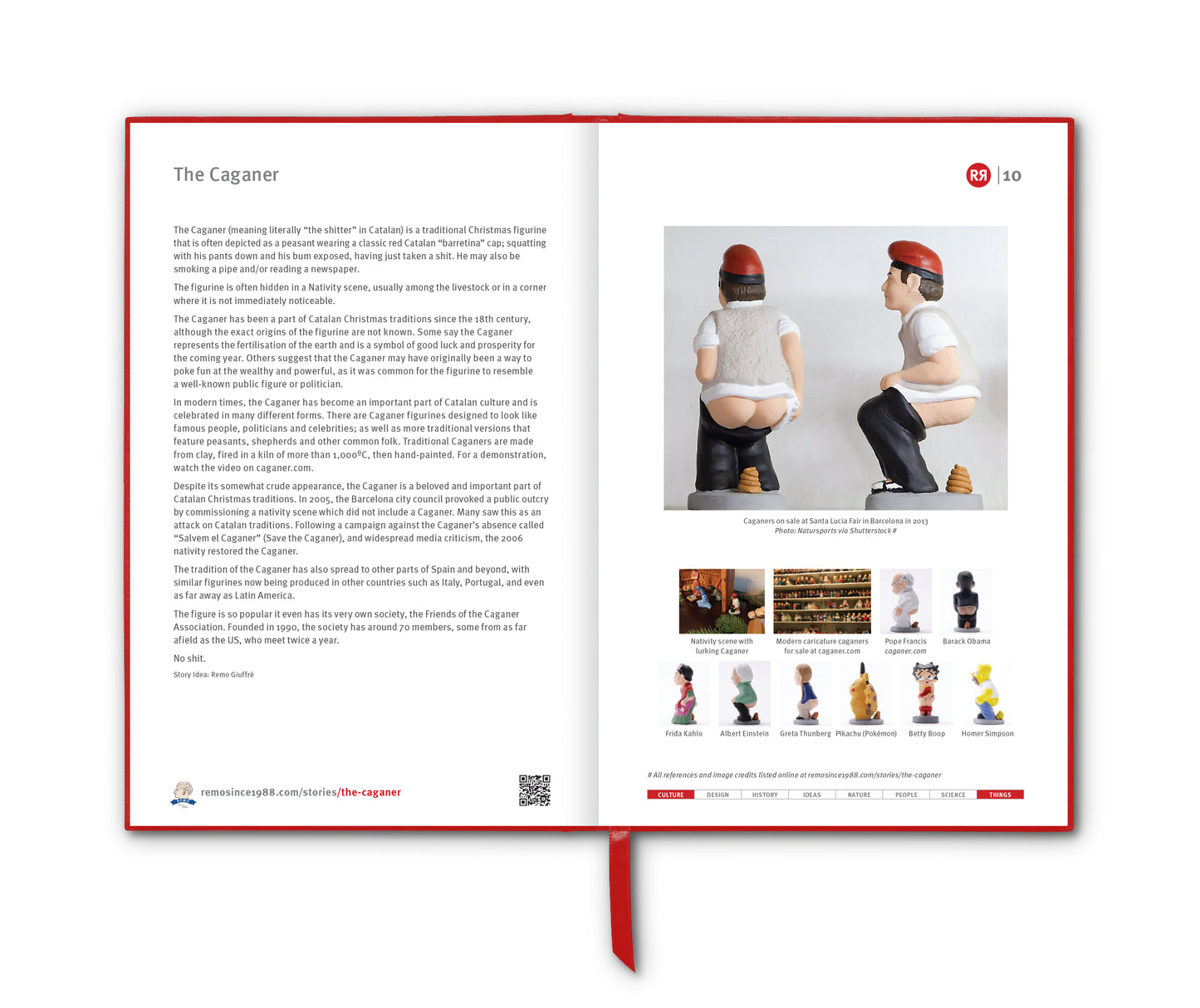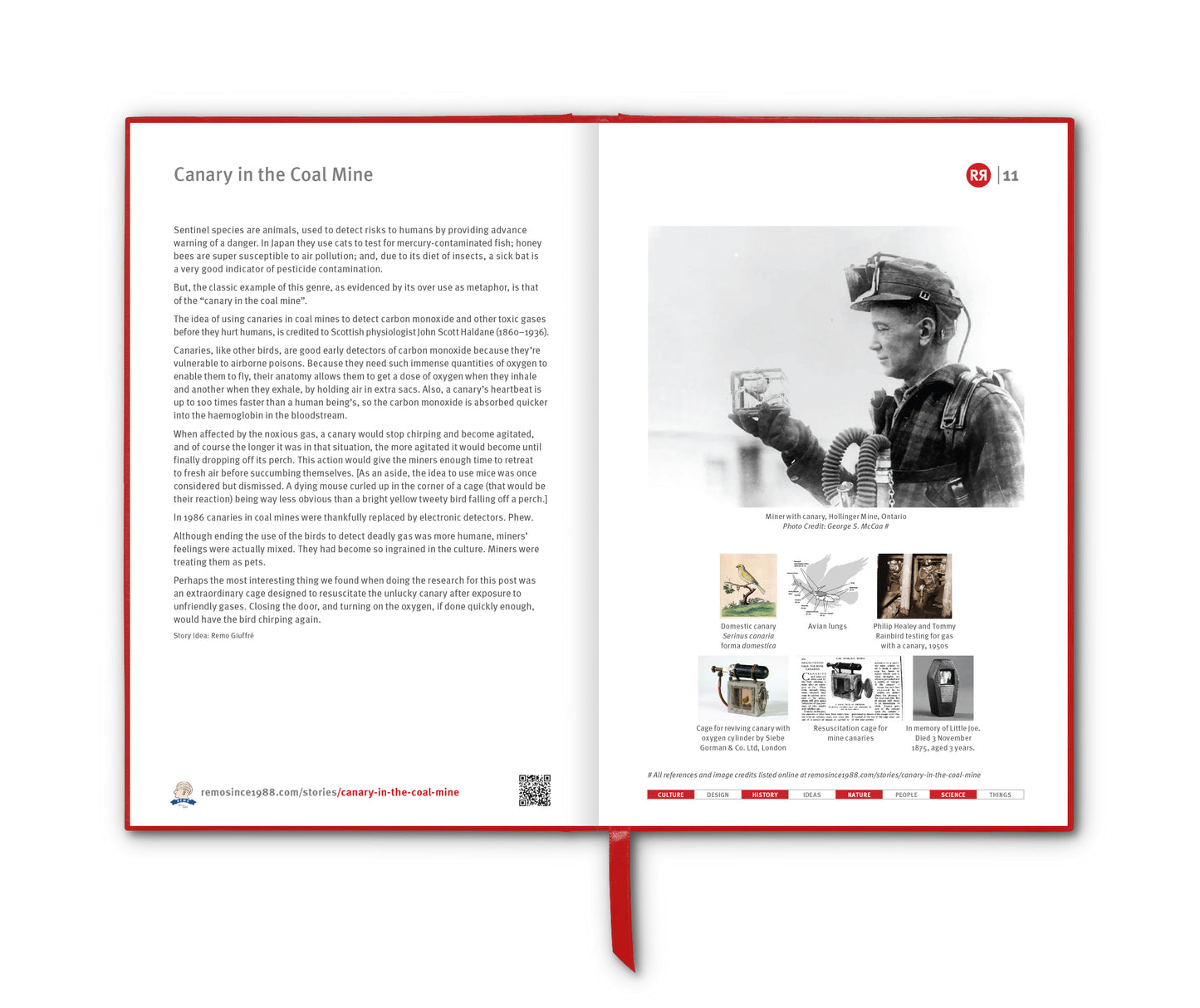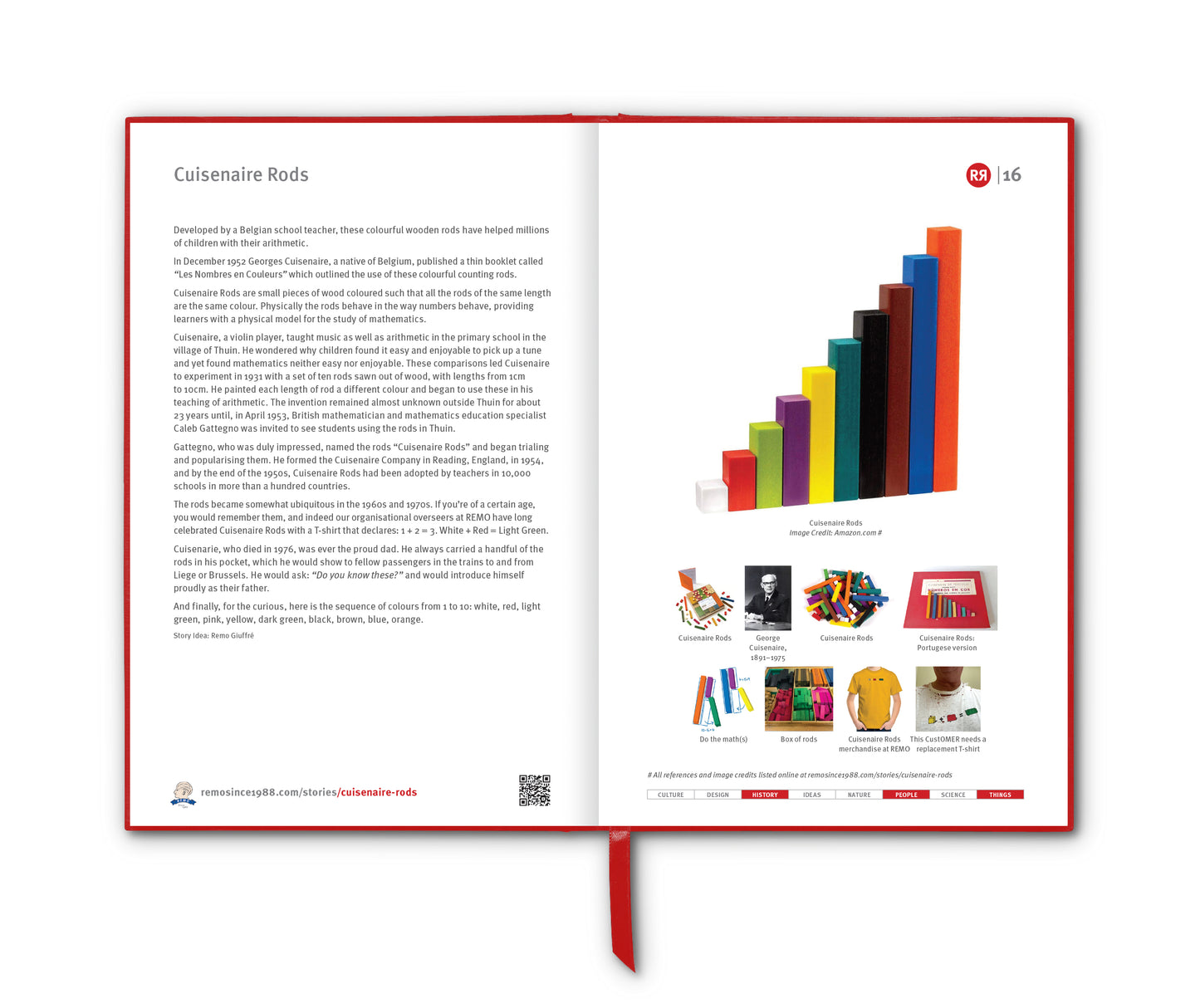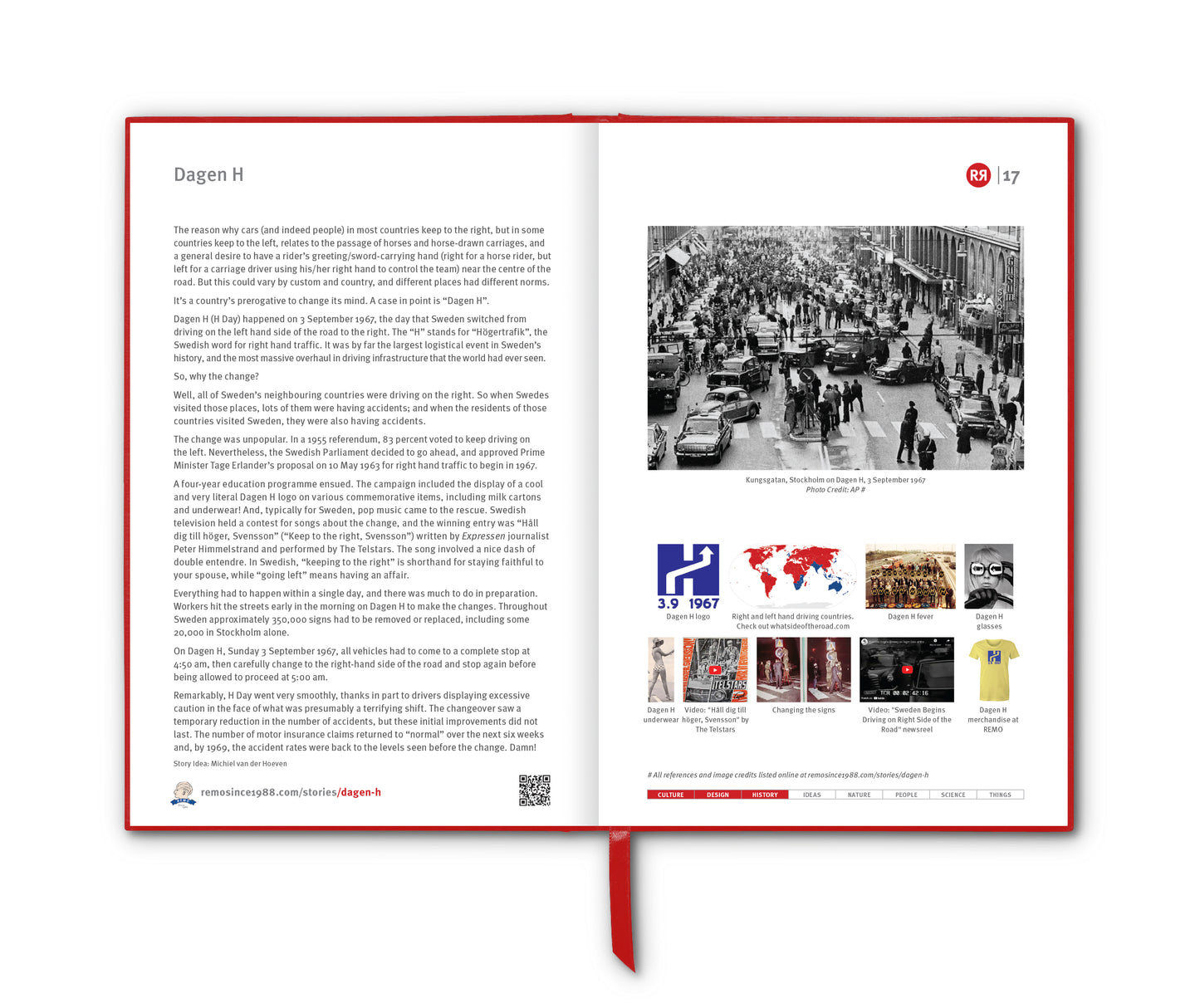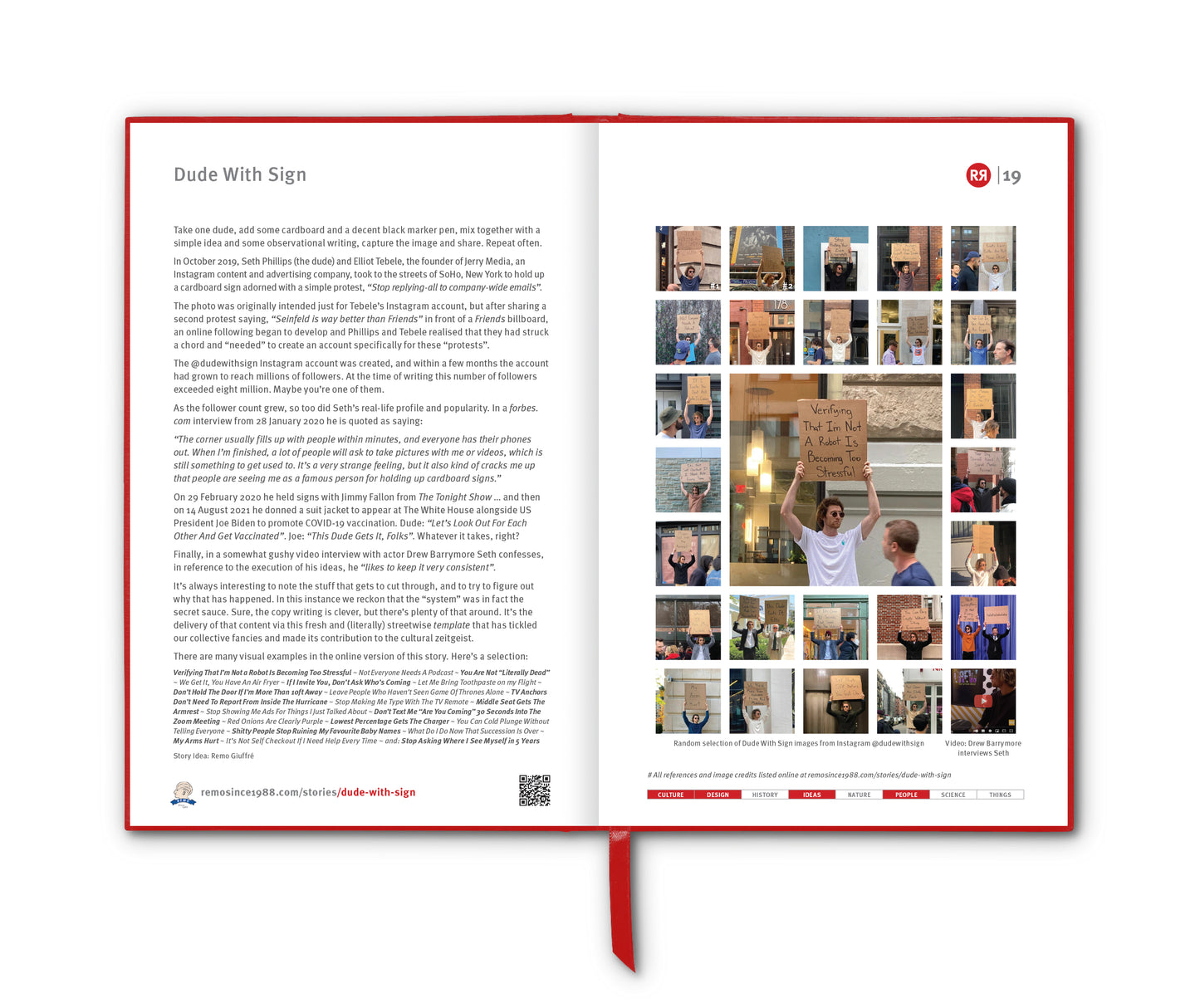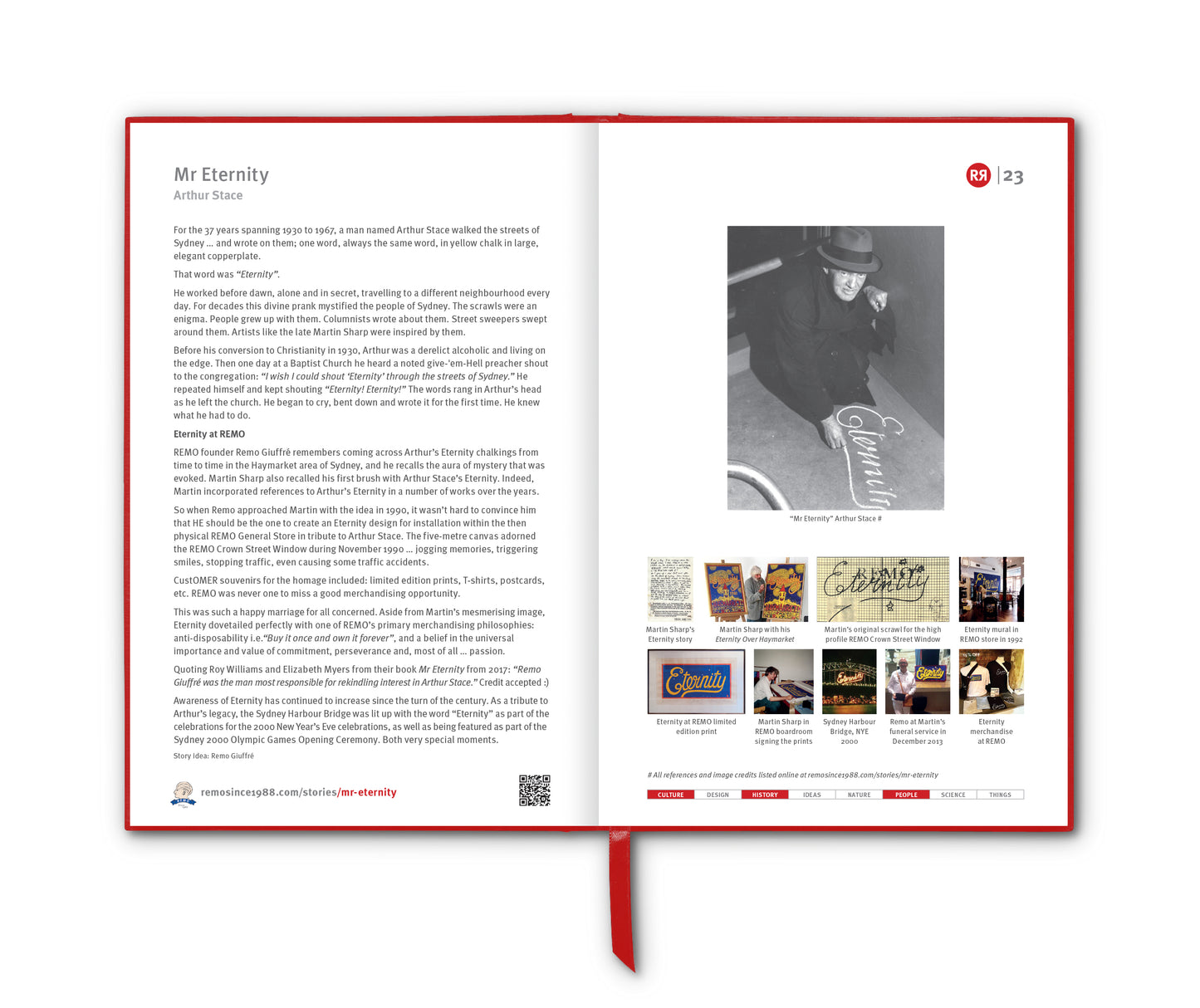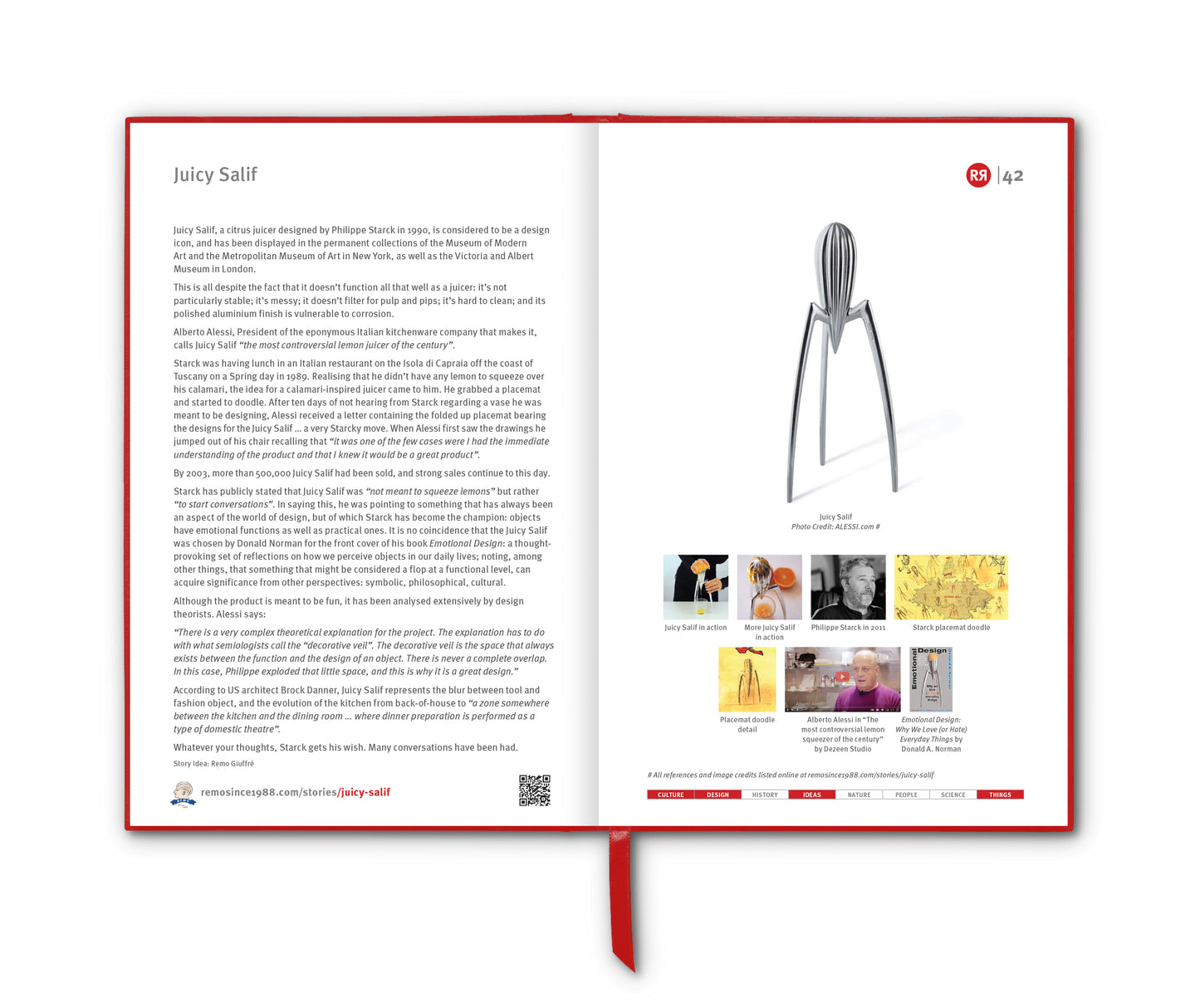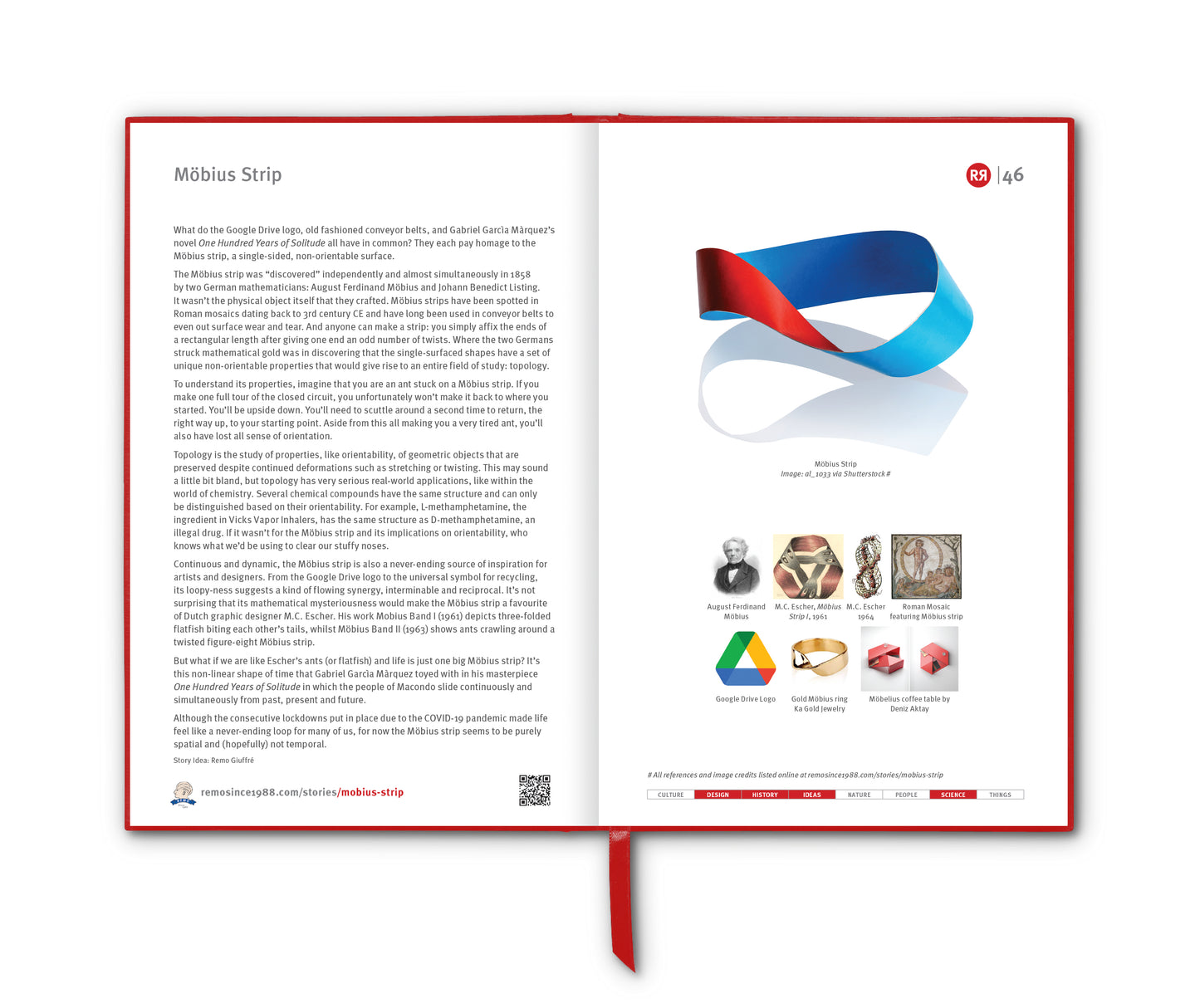

Chewing gum, in some form, has been around for thousands of years. The instinct to chew on plant materials seems to be a near-universal human behaviour. The earliest known gum-chewers were Neolithic people in Northern Europe who, over 9,000 years ago, chewed lumps of birch bark tar. These black clumps – discovered by archaeologists with clear tooth marks – likely served antiseptic or medicinal purposes, or perhaps simply as a distraction or habit.
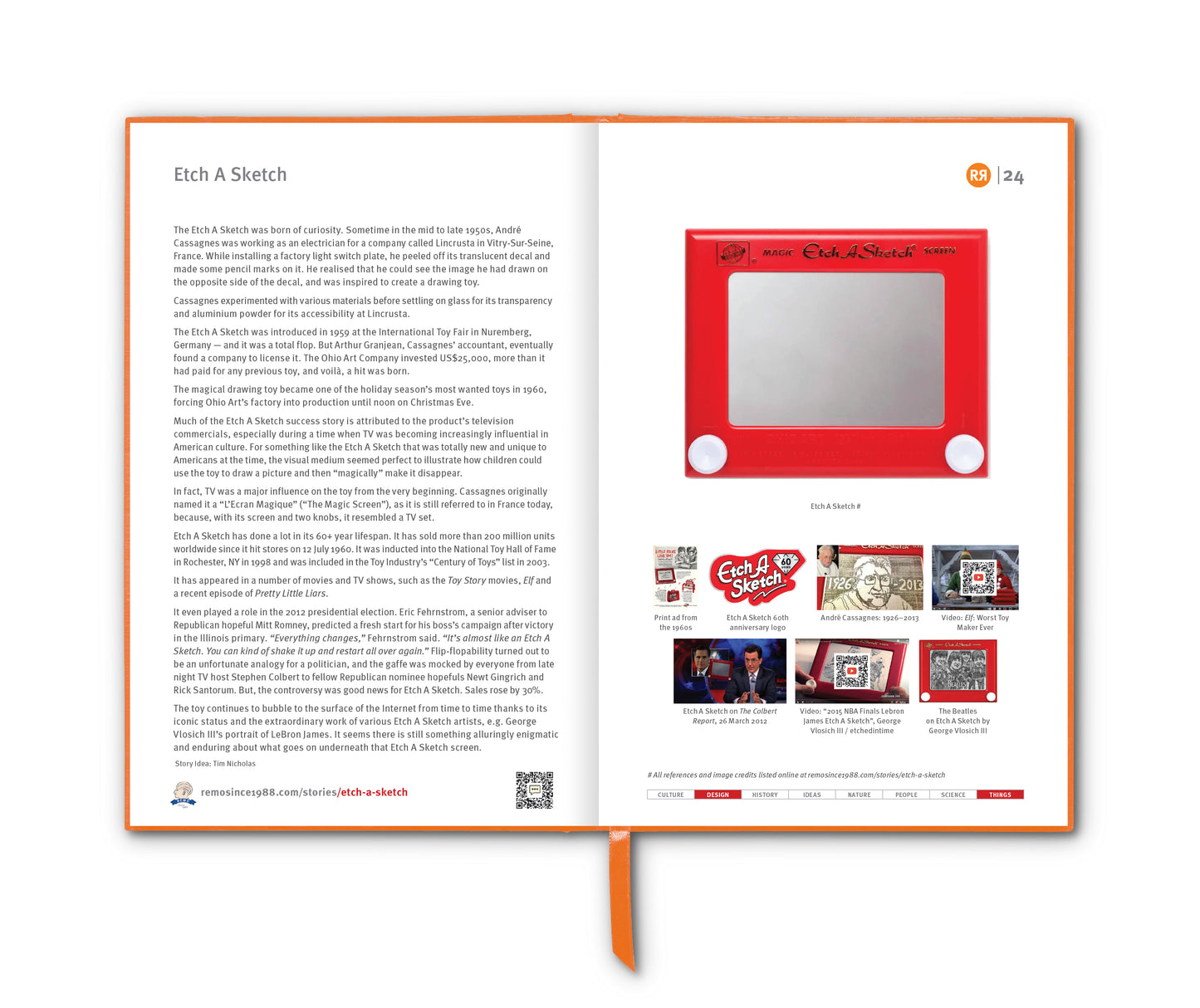
Similar practices occurred in the Americas. The ancient Maya and Aztecs chewed chicle, a resin extracted from the sapodilla tree. For the Maya, it had ritual and practical uses; for the Aztecs, it was used both as breath freshener and social signal. Only children and unmarried women chewed gum in public; for men, it was considered rude.
Modern chewing gum’s story begins in the 19th century, closely tied to industrialisation and American entrepreneurialism. In the early 1800s, American settlers chewed spruce tree resin – similar to ancient birch tar – which was even sold commercially in New England. But it was a poor-quality chew. Later, paraffin wax became a popular base, offering a smoother experience.
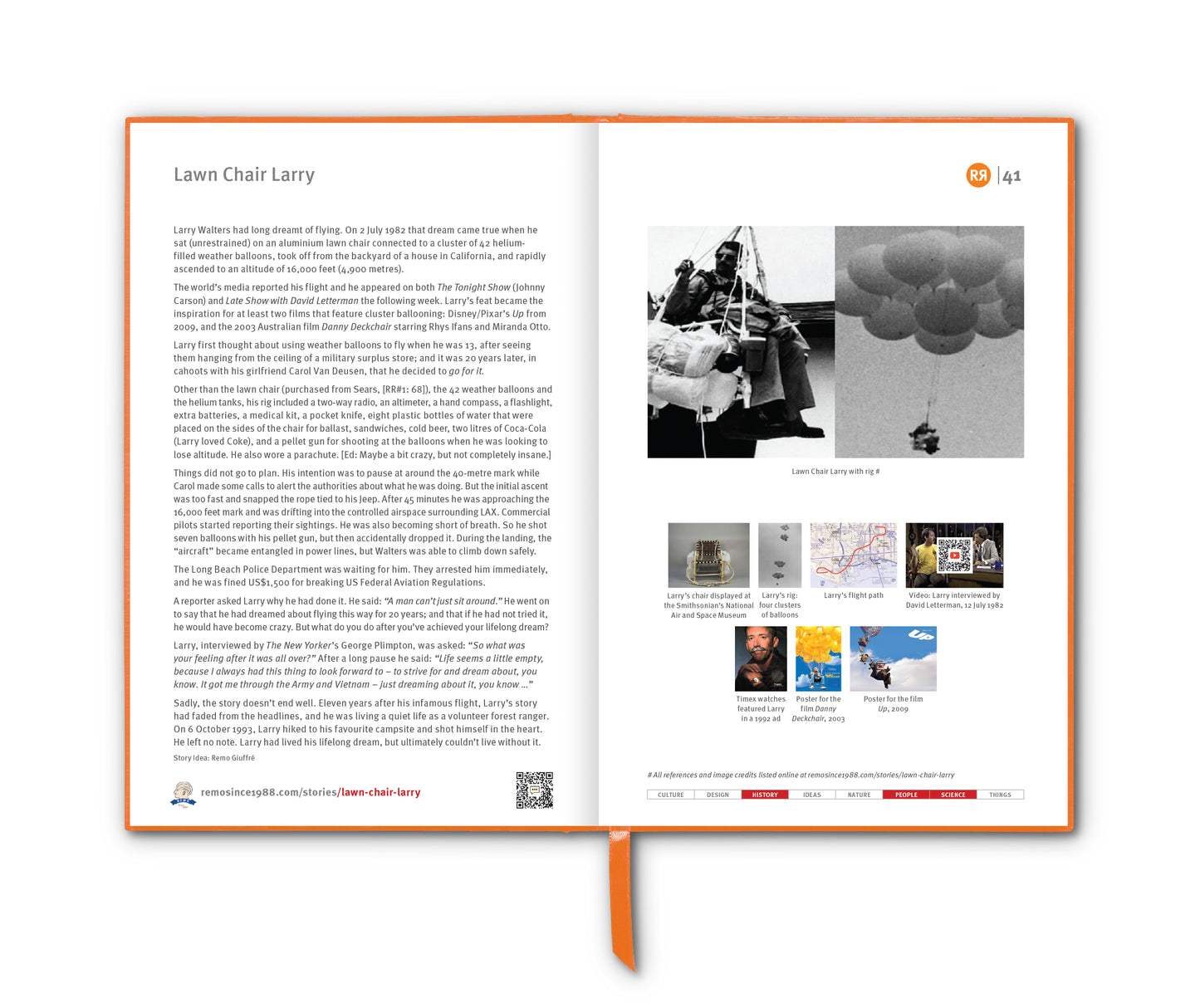
Then came a pivotal moment: the introduction of chicle to the United States. In 1869, exiled Mexican general Antonio López de Santa Anna (of Alamo fame) came to New York and introduced inventor Thomas Adams to chicle. Santa Anna hoped to use it as a rubber substitute, but Adams found that while it failed at tire-making, it was perfect for chewing.
Adams’ “Chiclets” gum became one of the first mass-marketed chewing gums in the United States. The texture was superior to wax, and the mild flavour held well. The product was flavoured, sweetened and coated, becoming immensely popular. Competitors quickly followed. By the early 20th century, brands like Wrigley’s had emerged, offering iconic products like Juicy Fruit and Spearmint.
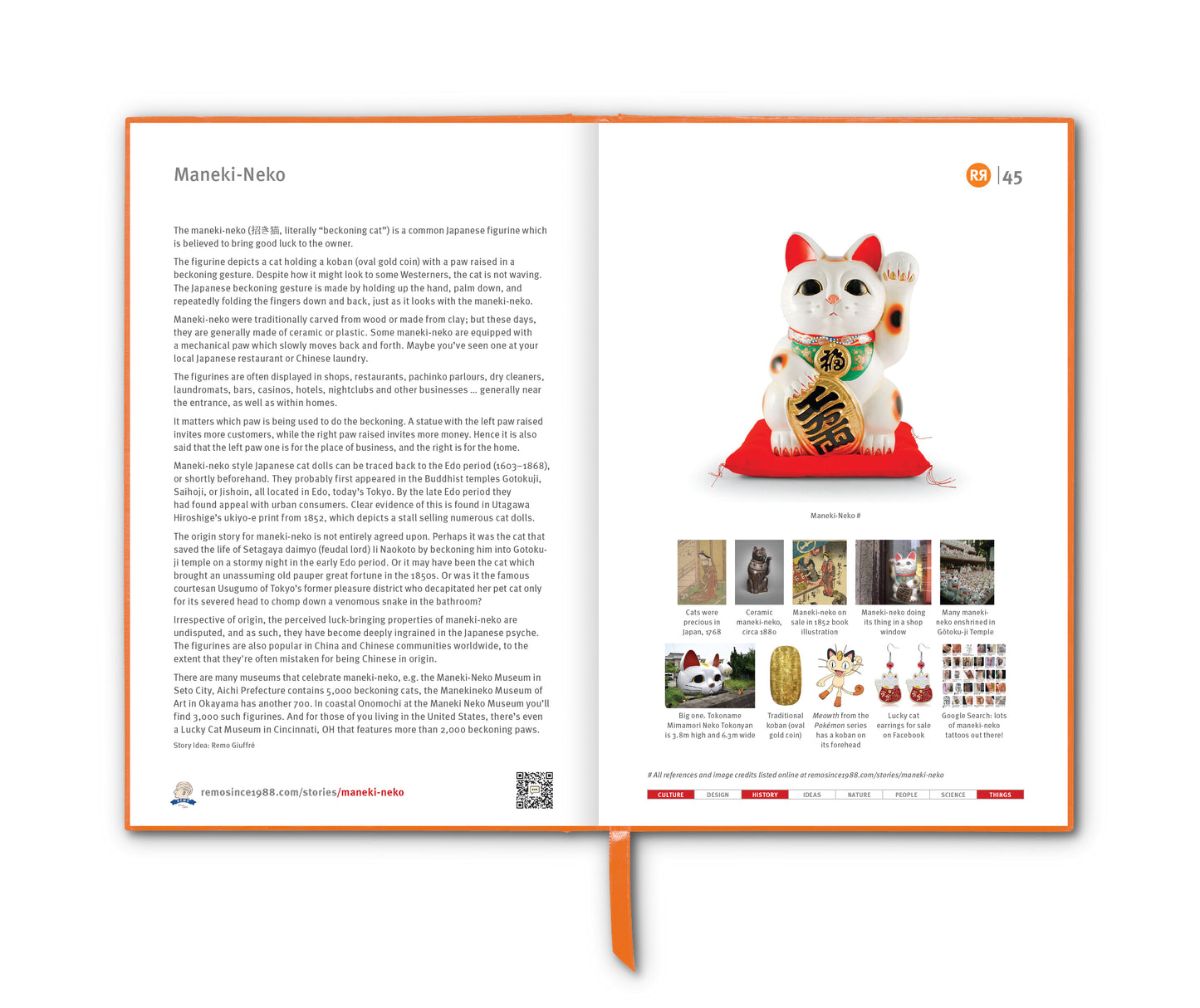
Chewing gum boomed in the 20th century, helped by some masterful advertising, soldiers and Hollywood. During World War II, American troops were given chewing gum rations, spreading the habit globally. Wrigley even suspended civilian sales to prioritise military needs, further increasing gum’s association with energy, morale and modern American culture.
Post-war, synthetic gums began replacing chicle. These new bases were cheaper, easier to produce and didn’t rely on tropical imports. Today’s gum is typically made from a synthetic rubber base, mixed with sweeteners, softeners and flavourings.
Gum has also evolved culturally. Once banned in schools and taboo in public, it’s now linked to oral health (sugar-free gums help fight cavities), nicotine replacement and even cognitive enhancement. Huh? A couple of studies have found that chewing gum not only improved alertness and reaction time but also reduced stress, especially during demanding cognitive tasks.
Gum has also sparked controversy. Singapore famously banned chewing gum sales in 1992 (later relaxed), citing cleanliness issues. Meanwhile, environmental concerns about gum litter – non-biodegradable blobs on footpaths and sidewalks worldwide – continue to spark debates.
Do you masticate?
_________________________
References
wikipedia.org/wiki/Chewing_gum
smithsonianmag.com/arts-culture/a-brief-history-of-chewing-gum
Images
1. Wrigley's Peppermint Chewing Gum Box, 1921. Credit: Lyn Knight Auctions
2. Antonio López de Santa Anna
3. Countertop display box for Adams Chiclets brand chewing gum, 1923
4. William Wrigley Jr., the founder of the Wrigley company
5. Vintage magazine ad for Wrigley's Spearmint Gum, 1930
6. Old packaging for Wrigley Spearmint/Juicy Fruit. Credit: Reddit r/nostalgia
7. Wrigley Field, Chicago. The stadium that gum built.
8. Chewing gum banned in Singapore
9. Photo credit: chaddlin for iStock Photo
10. Book: Chicle: The Chewing Gum of the Americas, from the Ancient Maya to William Wrigley, Jennifer P Mathews, 2009
11. Song: "Does Your Chewing Gum Lose Its Flavour (On the Bedpost Overnight?)", Lonnie Donegan, 1959