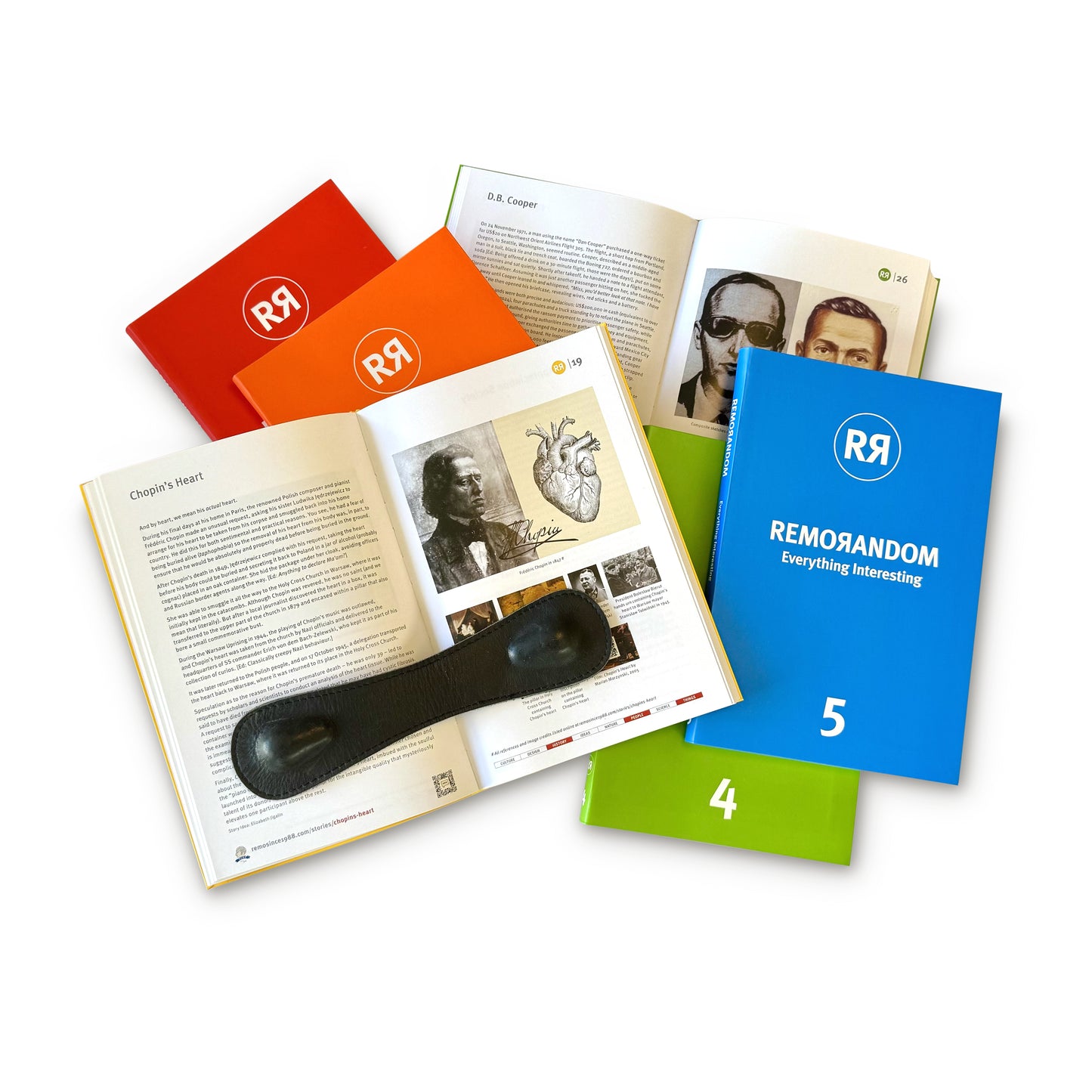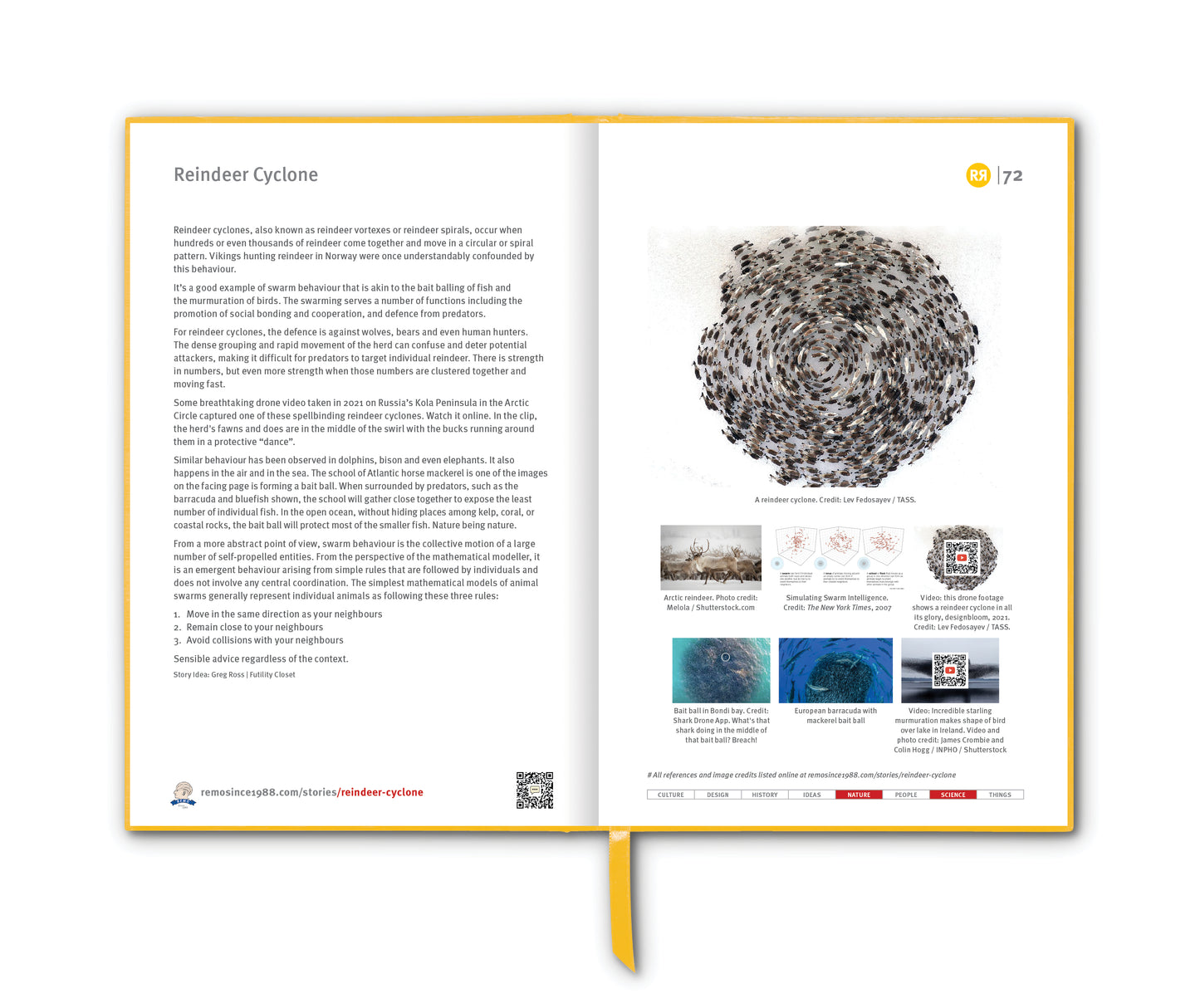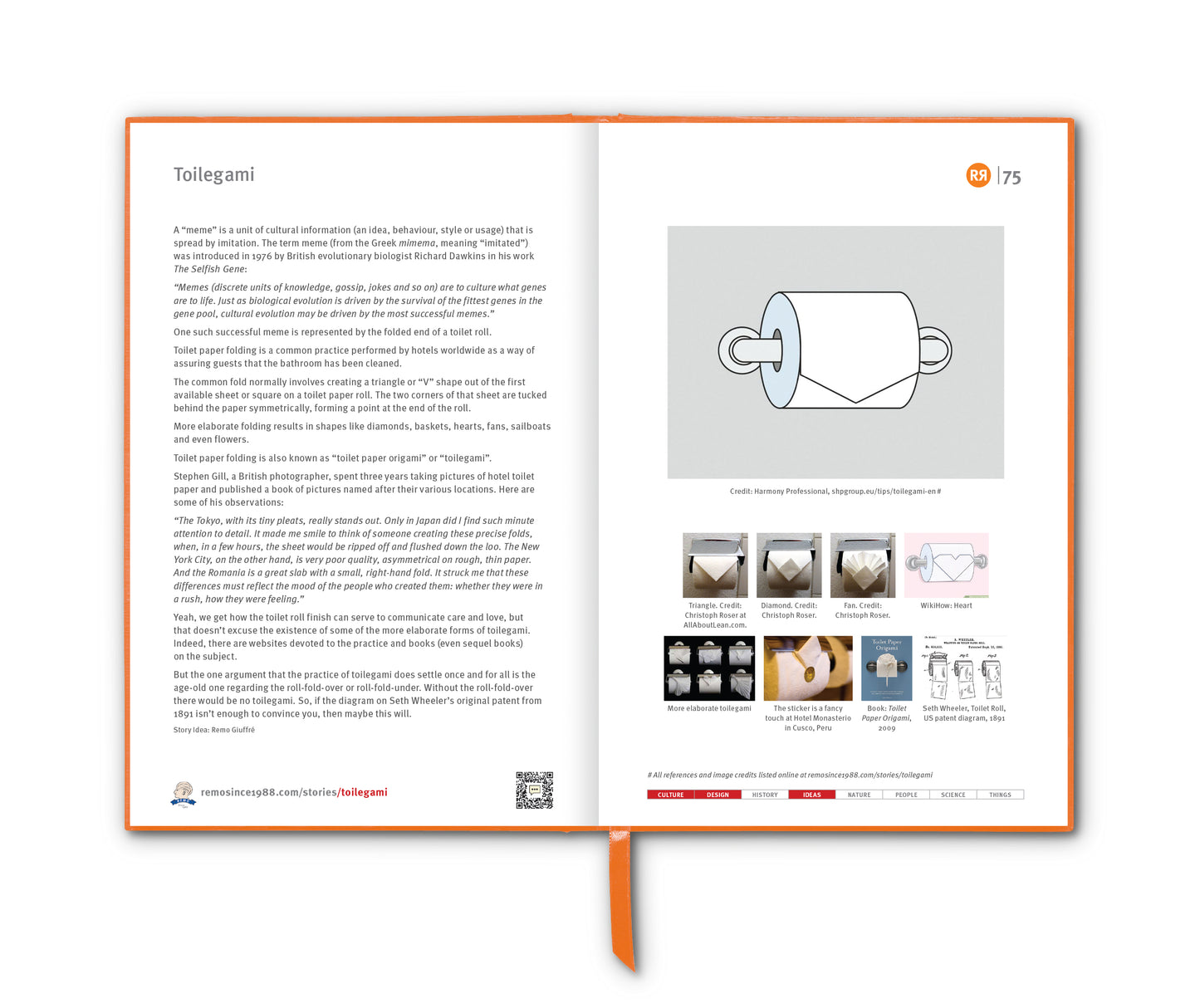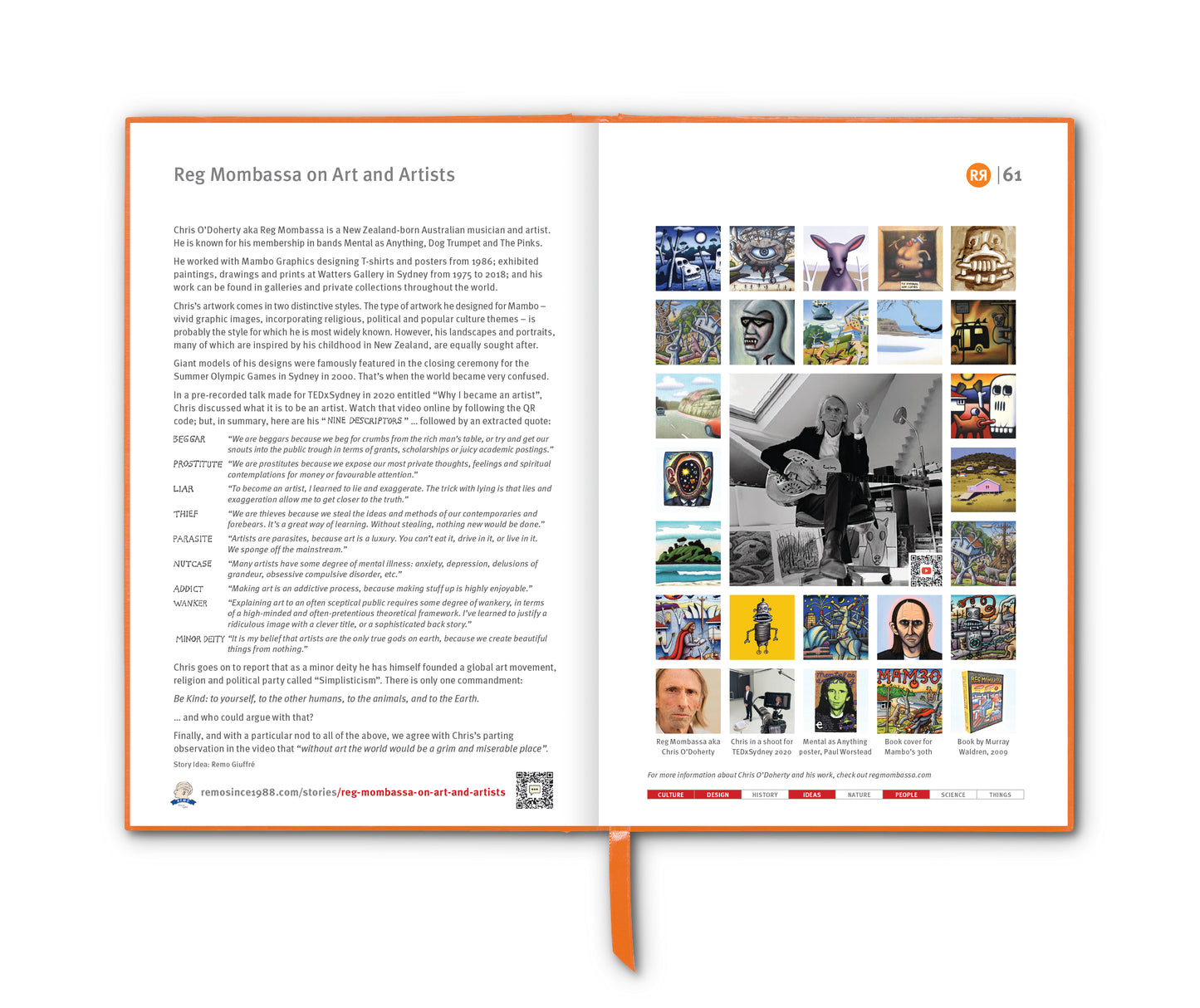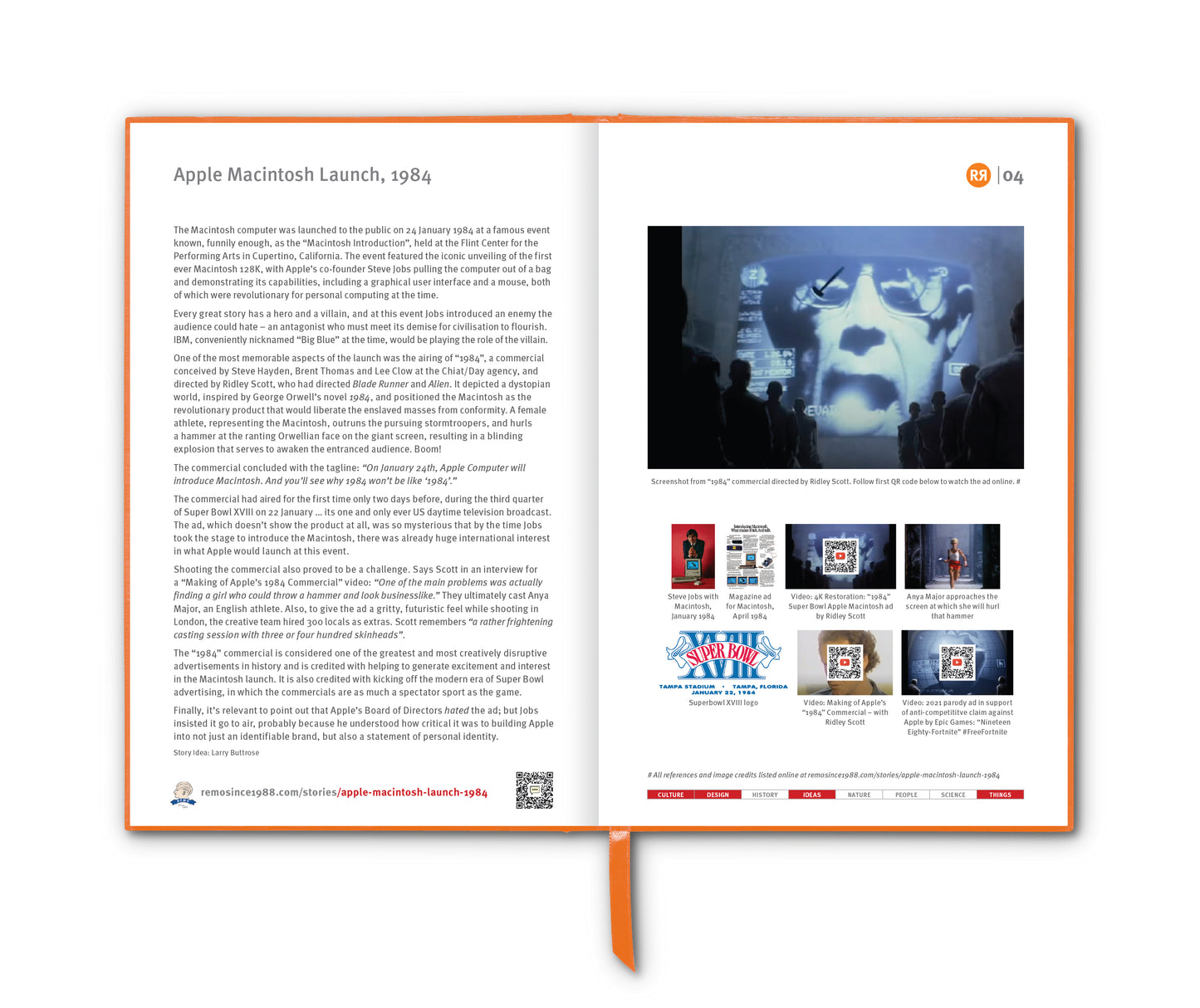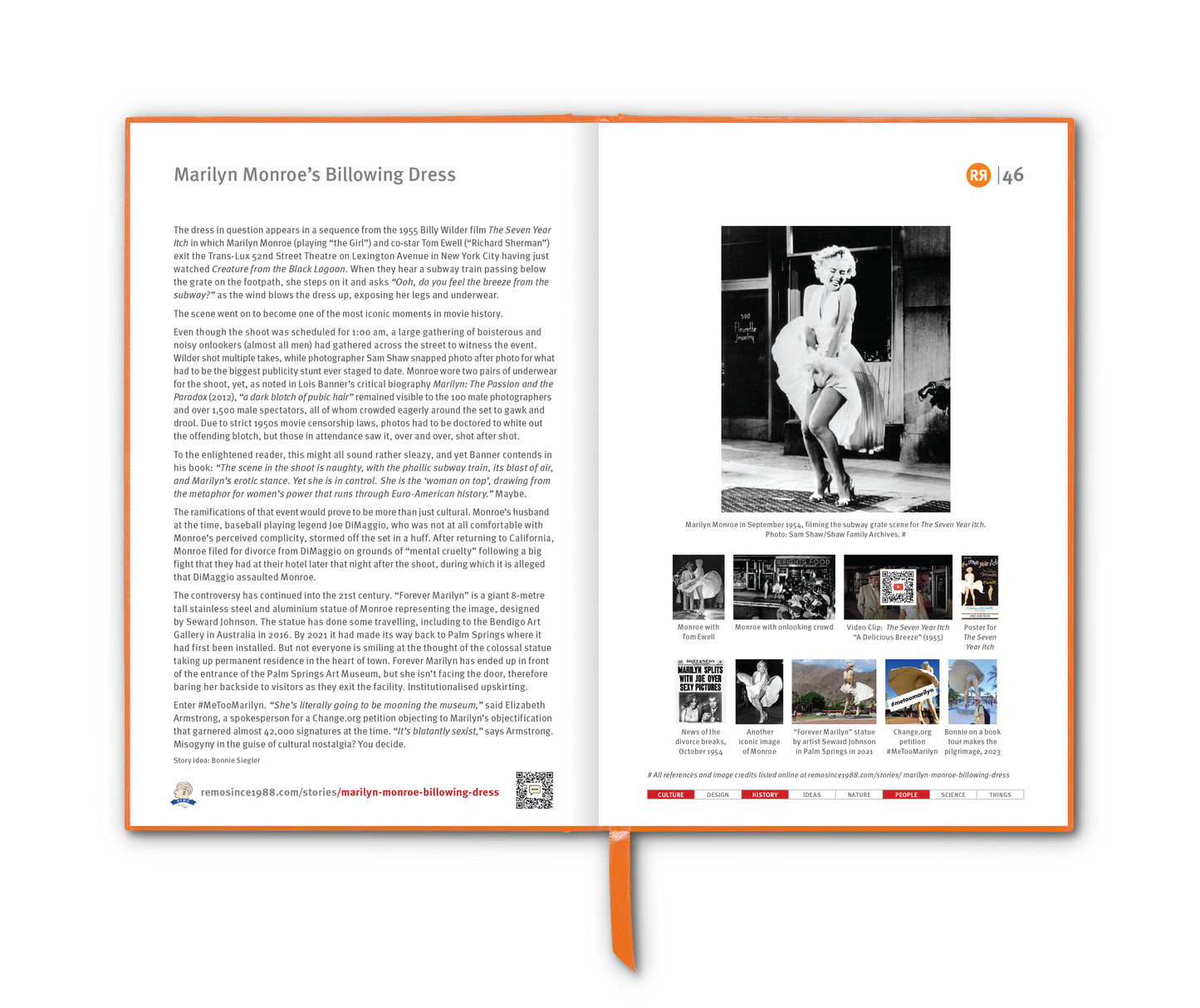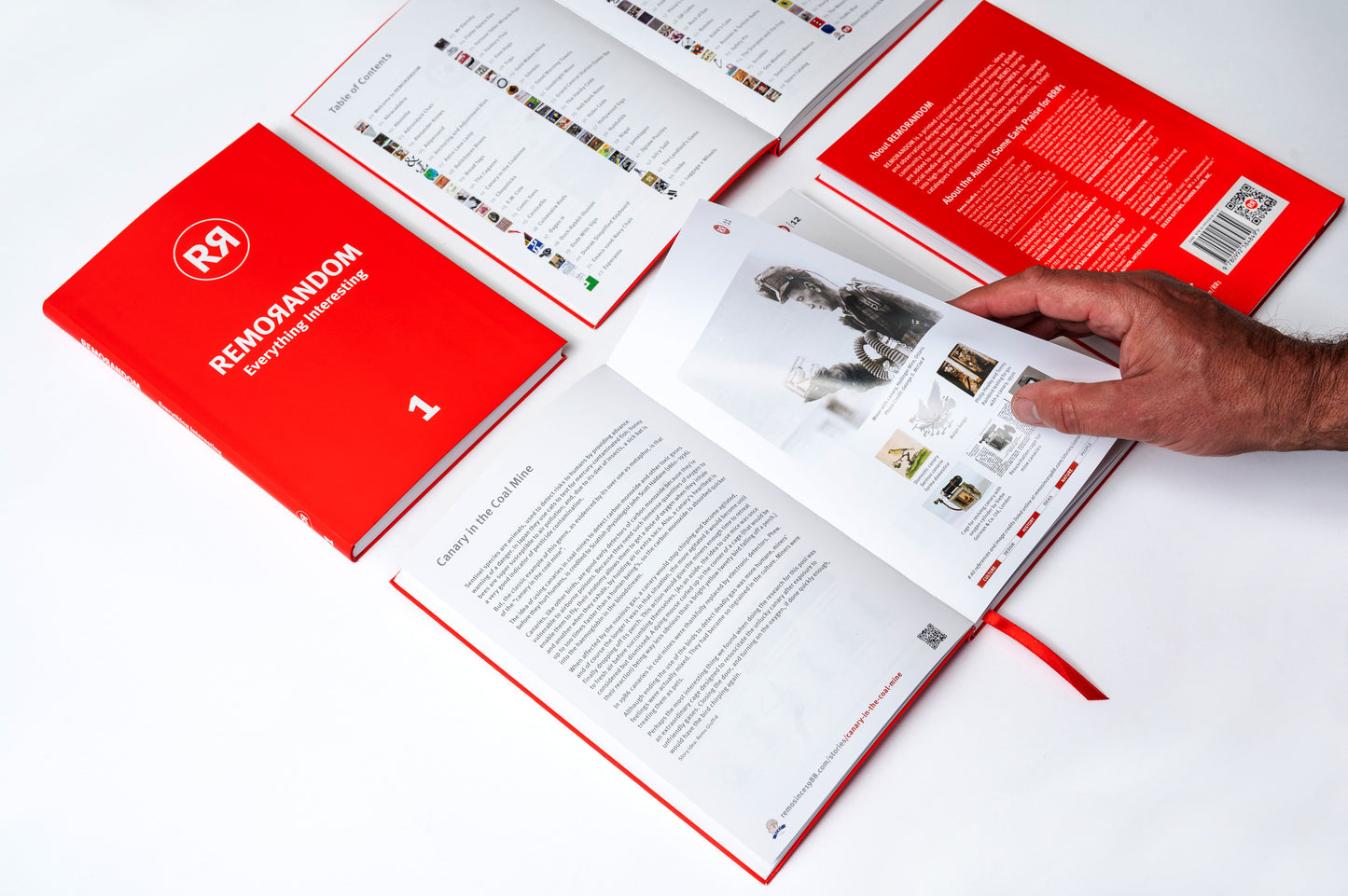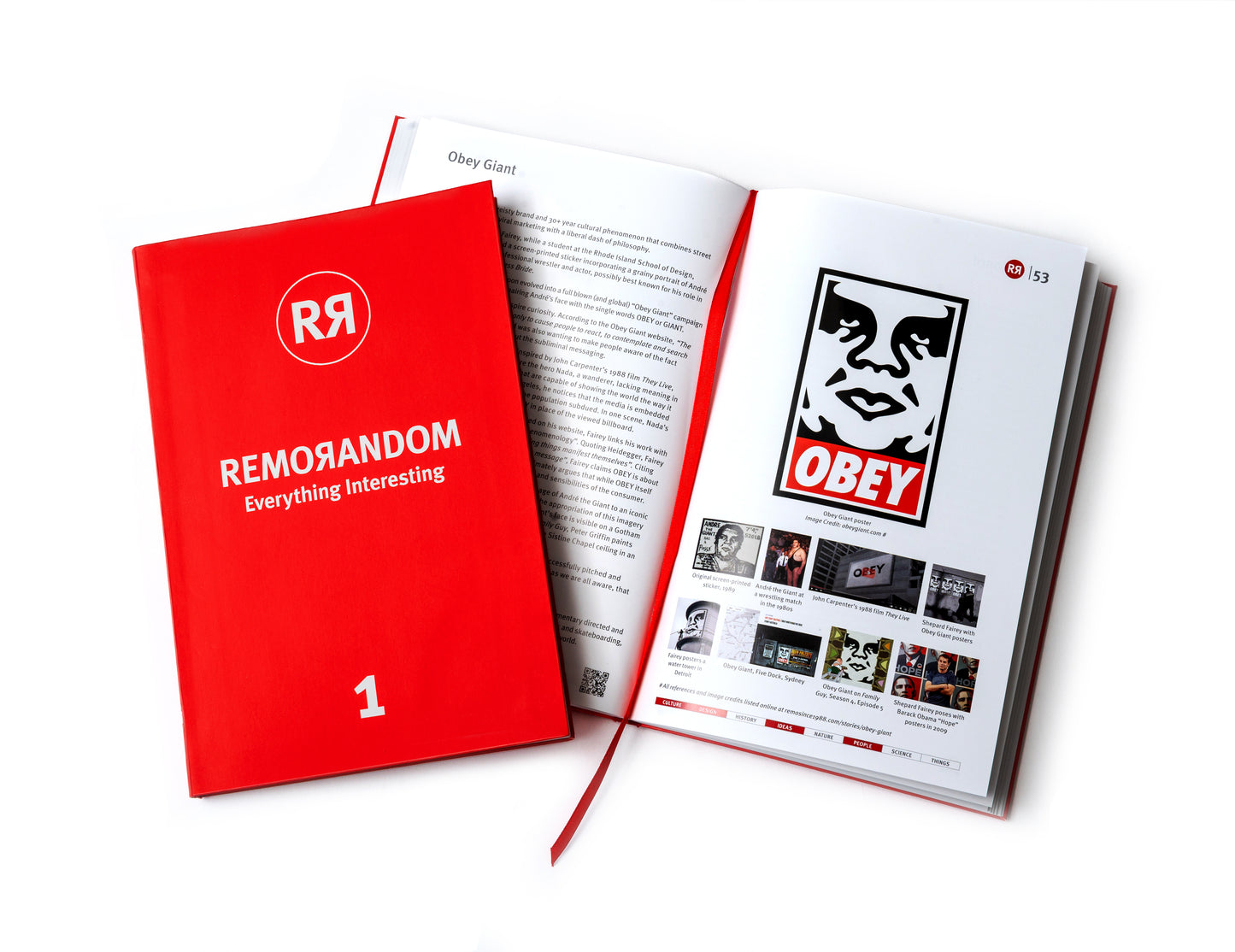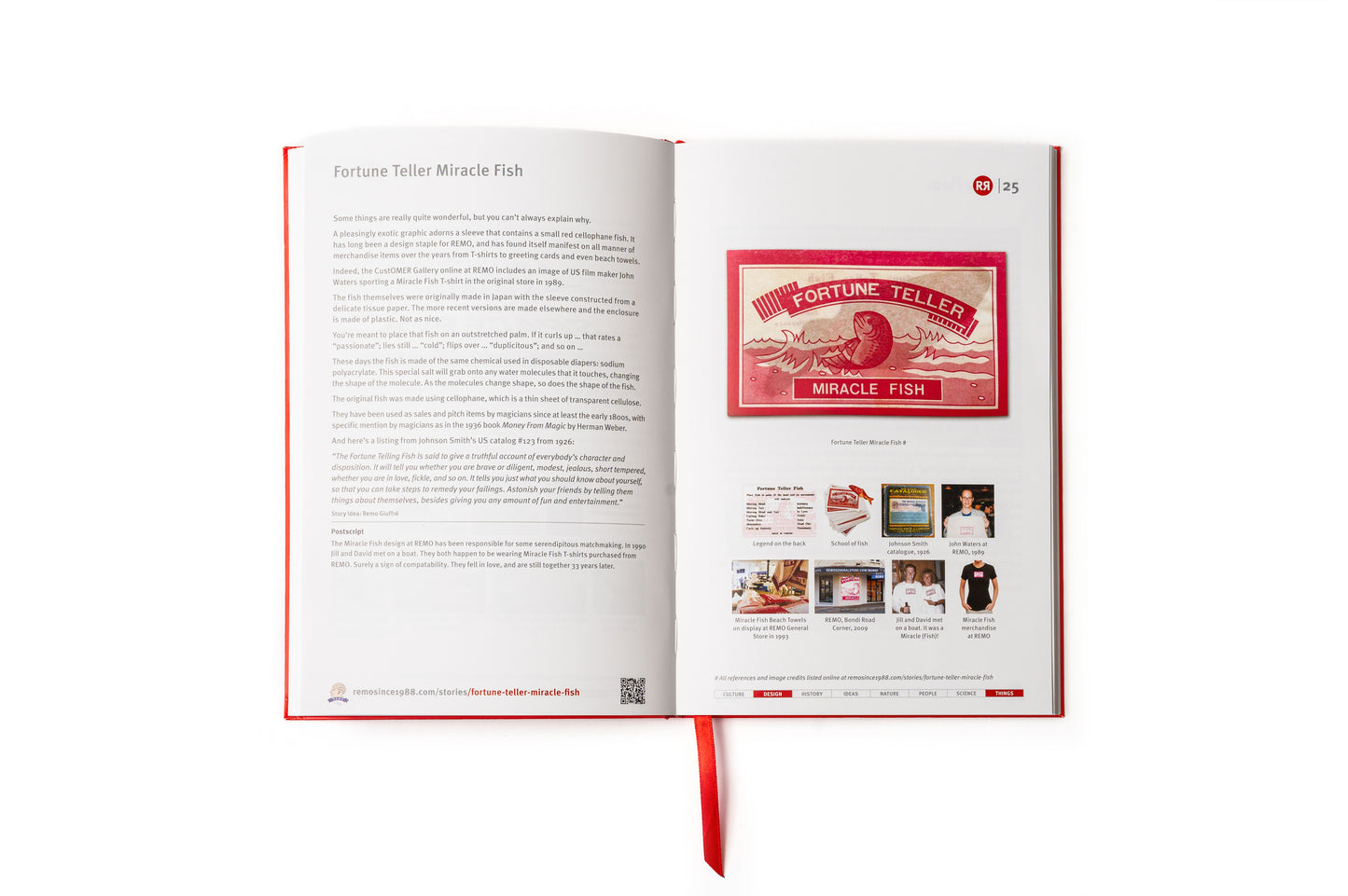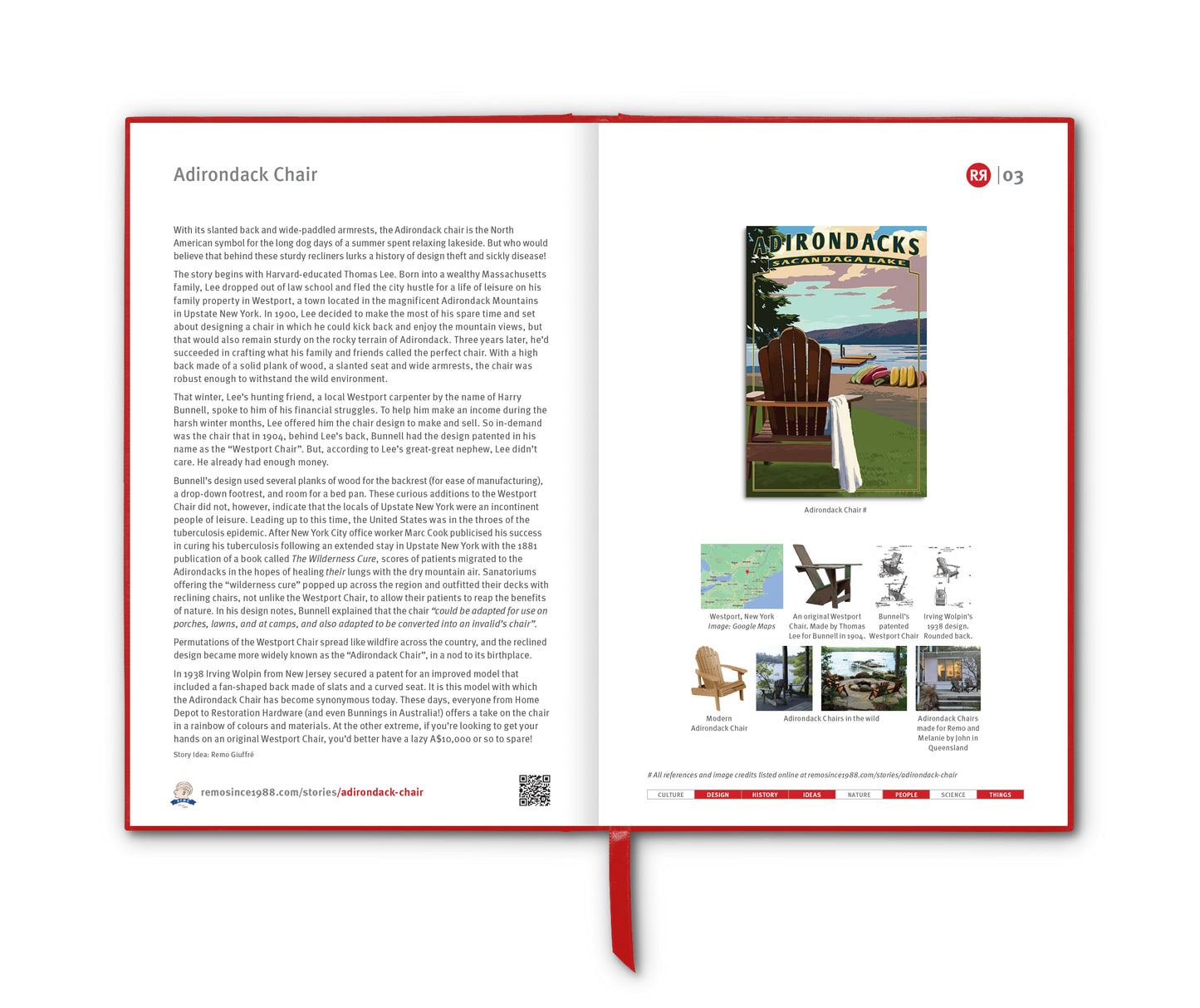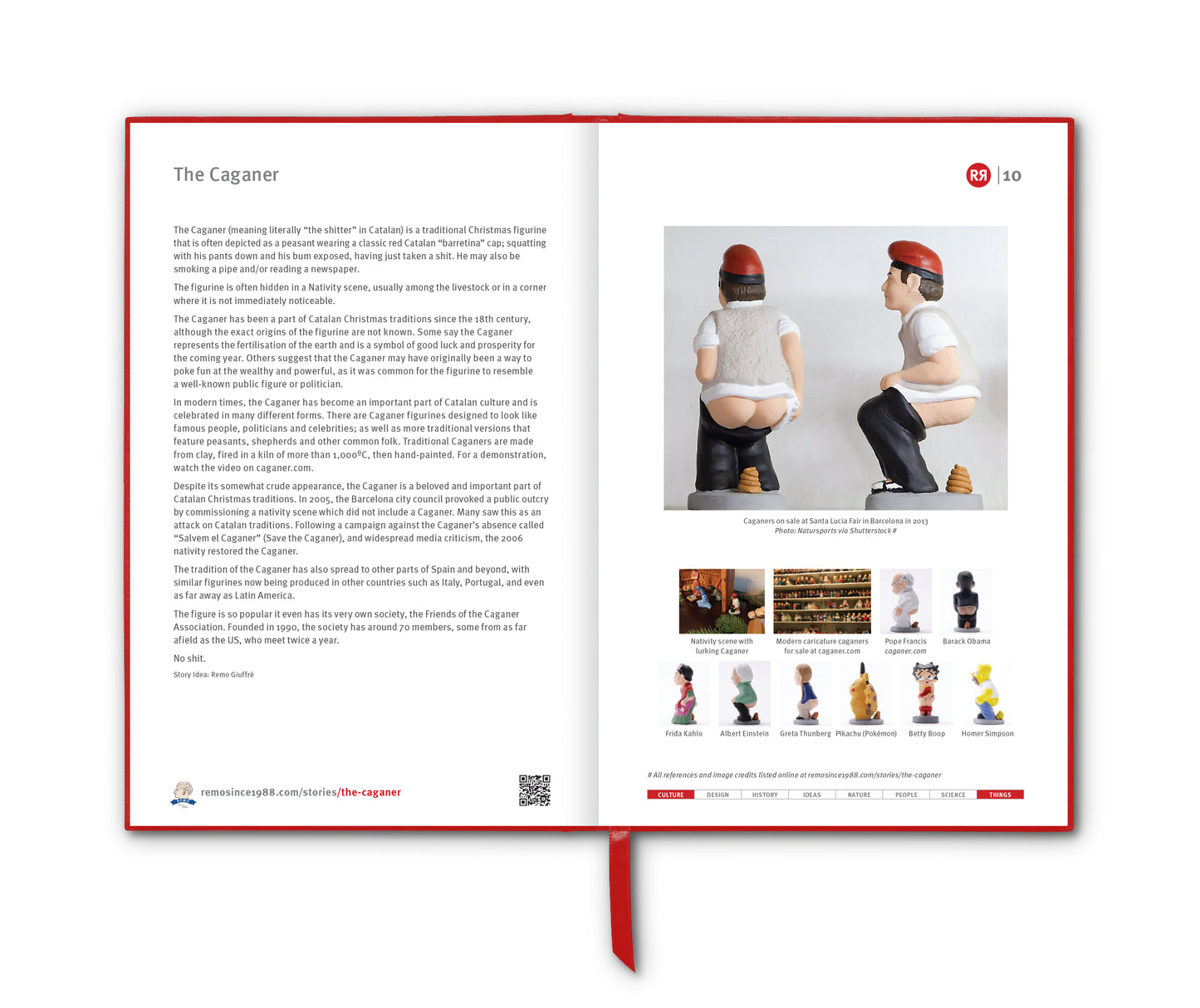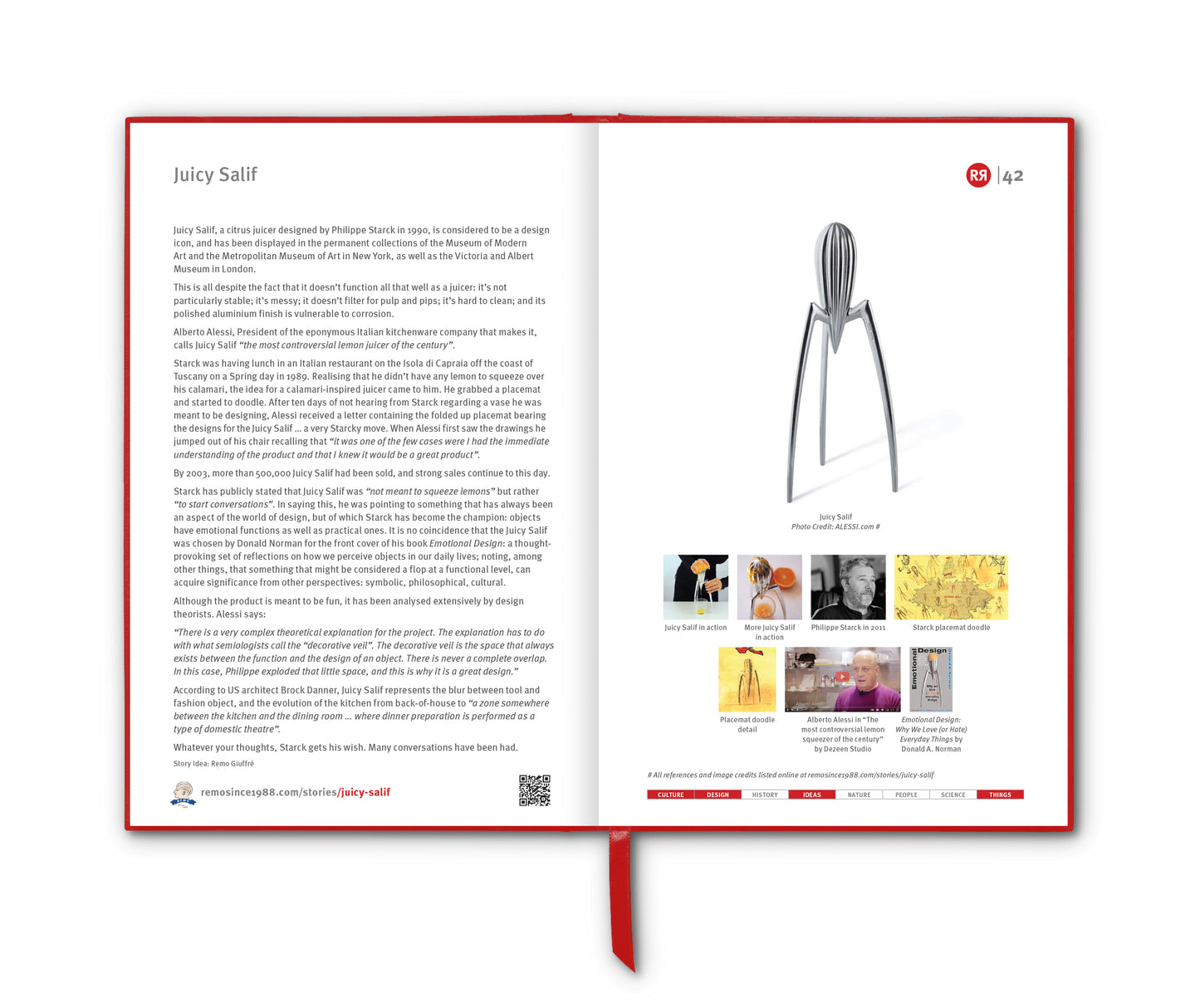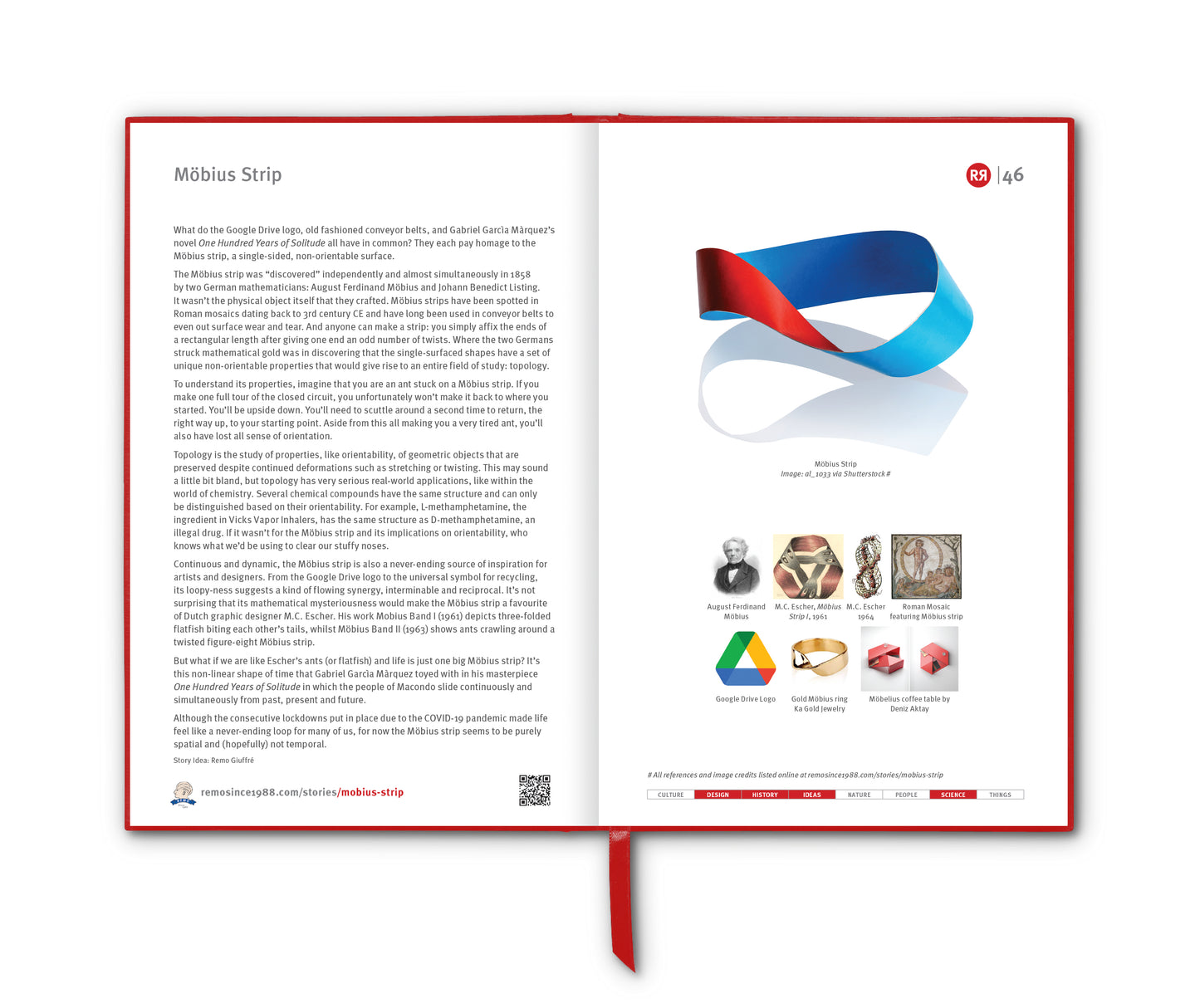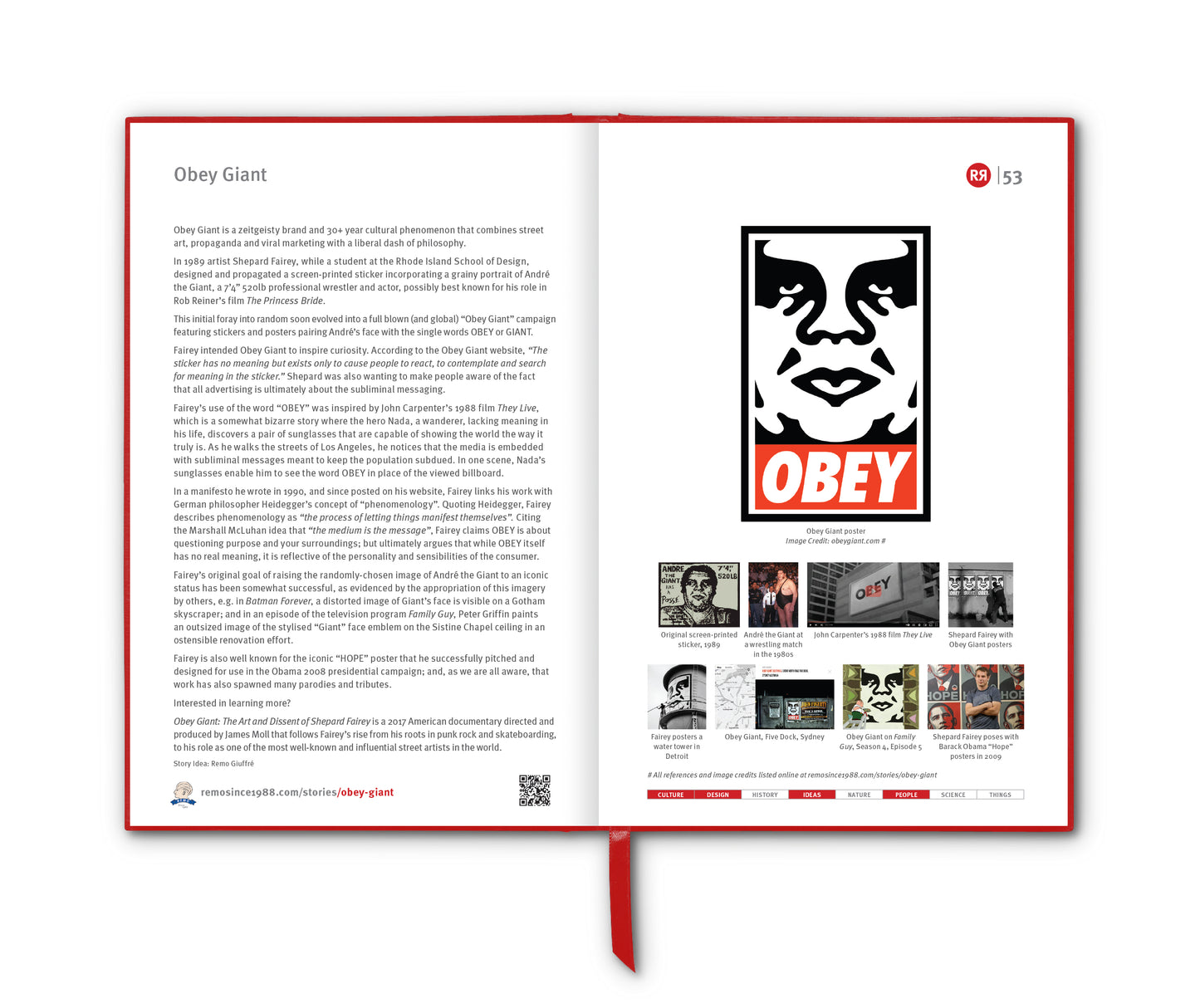

Clowning is one of humanity’s oldest and most paradoxical art forms — equal parts comic relief and cultural critique. The earliest clowns weren’t birthday entertainers or circus acts, but spiritual figures. In many Indigenous cultures, such as among the Hopi and Lakota peoples of North America, clowns took on ceremonial roles. These “sacred clowns” (like the Hopi kachina or the Lakota Heyoka) disrupted order intentionally – walking backwards, saying the opposite of what they meant – to expose hypocrisy, teach humility or offer spiritual insight through absurdity. Their nonsense was meaningful.
Ancient Egypt had dwarfs and jesters in royal courts, often blending humour with wisdom. The Greeks had satyr plays – bawdy and outrageous comic performances that followed serious tragedies. In Rome, comic actors known as fools and stupidus were part of popular street theatre, often ridiculing the elite and mimicking authority. This thread of speaking truth to power — masked in humour — would run through clowning for centuries.
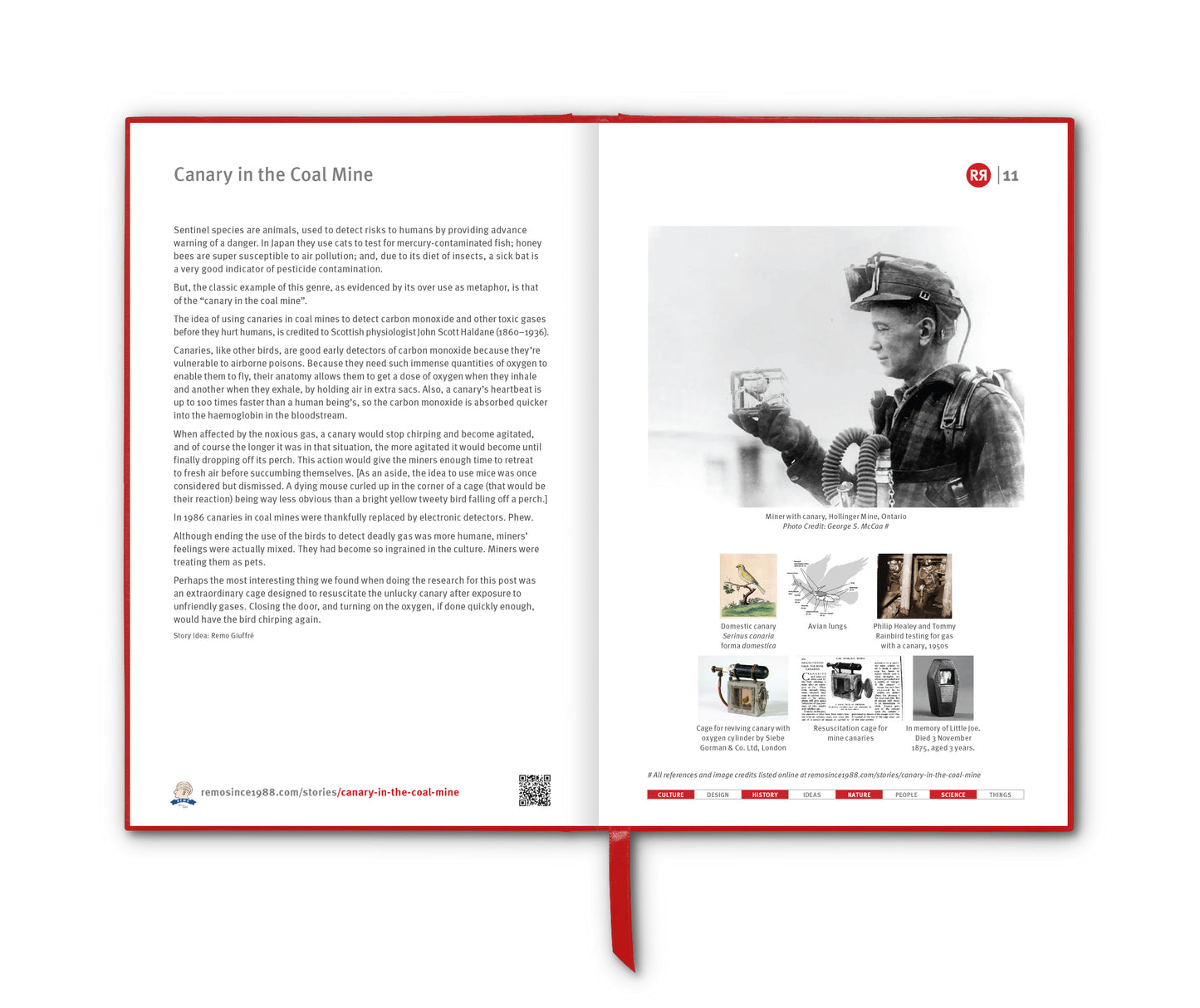
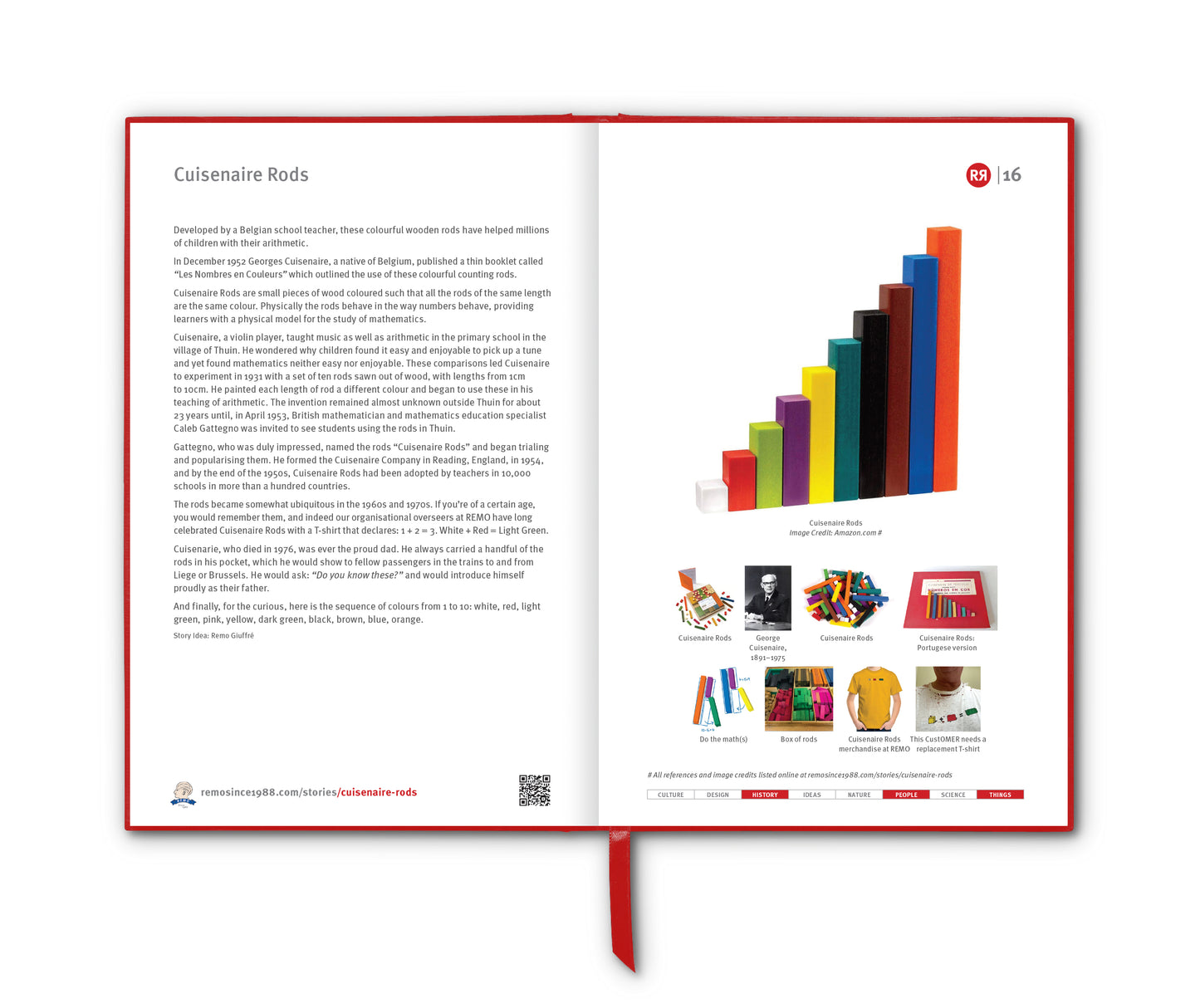
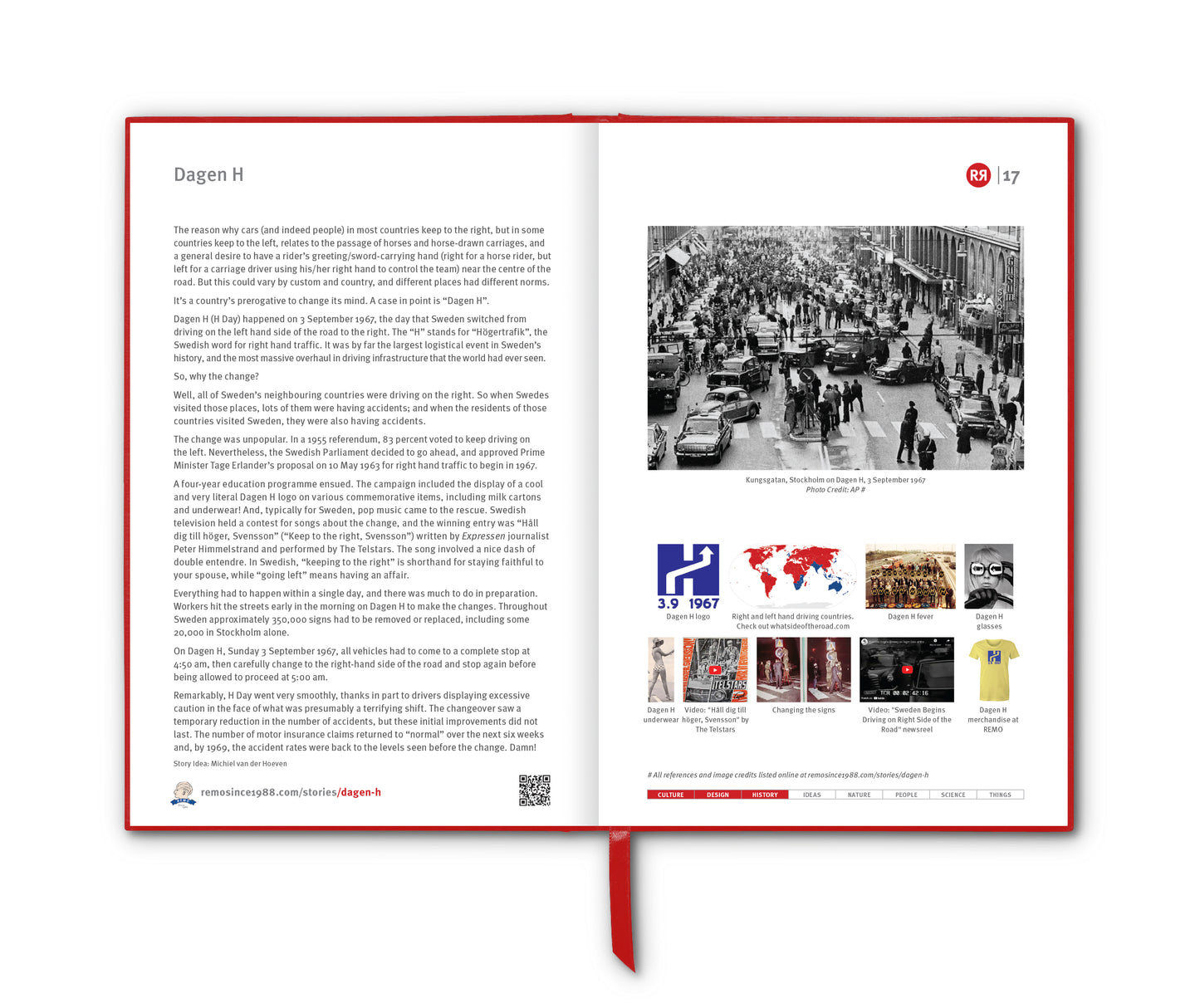
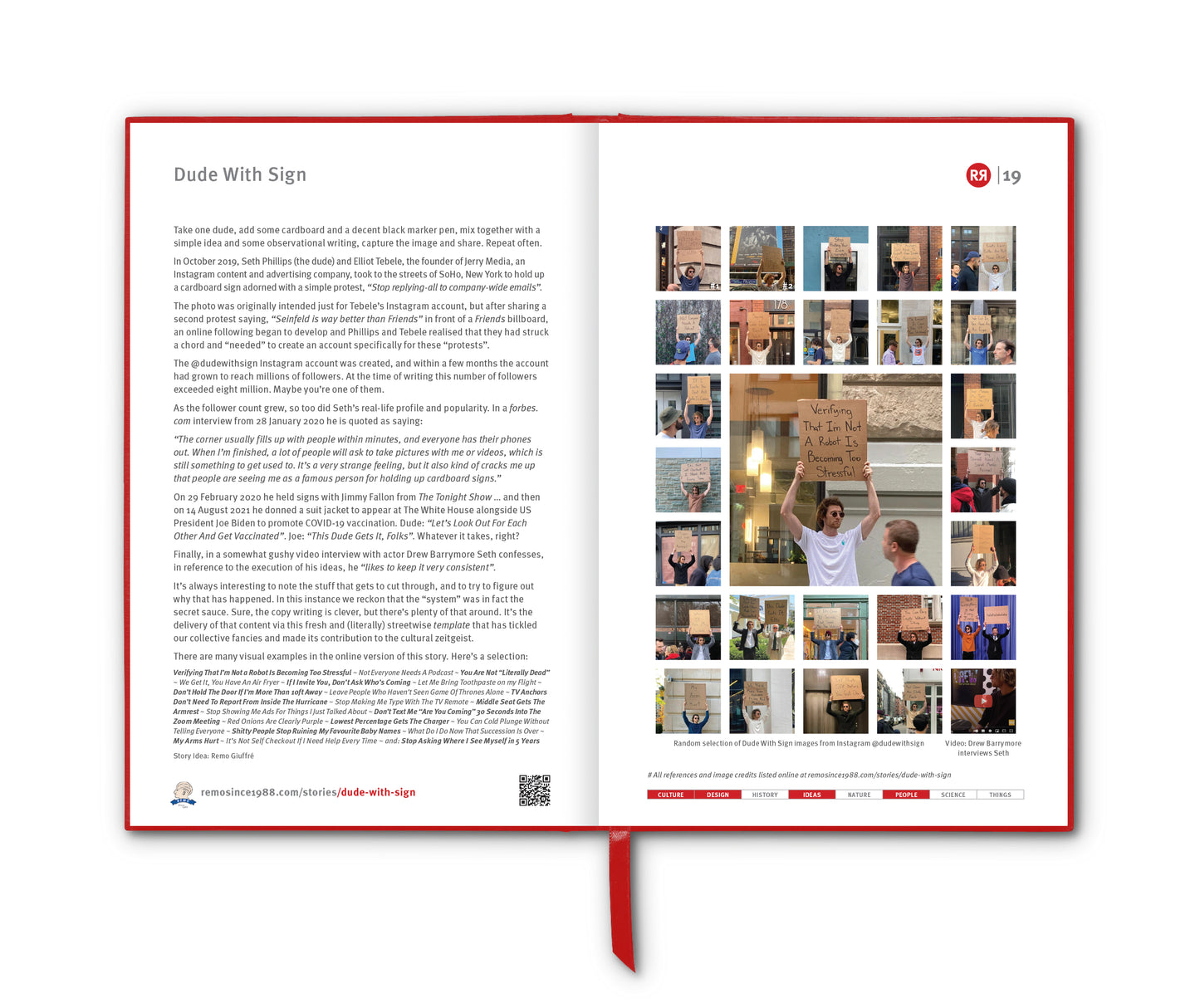
Medieval Europe formalised the jester: a court-appointed entertainer, usually sharp-witted and occasionally the only person allowed to mock the king. Jesters wore brightly coloured clothing with bells, often brandished a mock sceptre, and walked a fine line between comedy and critique. Some, like Will Sommers (Henry VIII’s fool), were close confidants of monarchs, acting as social safety valves through performance.
By the 16th and 17th centuries, clowning evolved with Commedia dell’Arte in Italy – a hugely influential form of improvisational theatre that introduced archetypal characters like Harlequin (the agile trickster) and Pierrot (the sad clown). These characters were more than comic relief — they were reflections of society’s hopes, heartbreaks and absurdities. Pierrot, in particular, emerged as a tragicomic figure – always in love, always rejected – setting the stage for later portrayals of the “sad clown”.
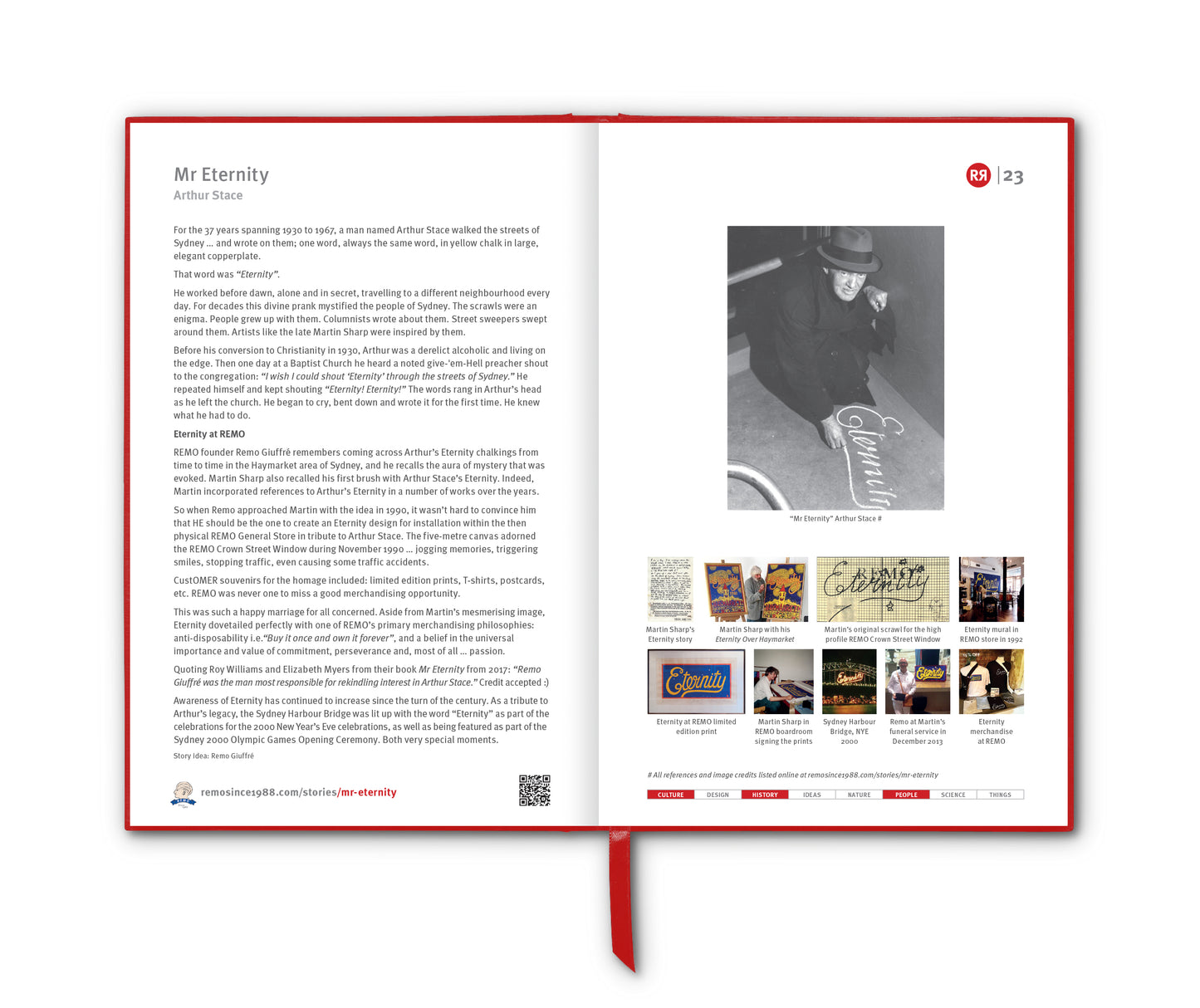
Fast forward to 19th-century England, and we meet Joseph Grimaldi, the father of the modern clown. His whiteface makeup, exaggerated expressions and physical comedy established a new visual and performance standard – more theatrical and accessible to urban audiences. Ironically, Grimaldi’s off-stage life was marked by tragedy (crippling arthritis, a son’s early death, financial destitution) – giving rise to the “sad clown” trope in Western culture.
In the 20th century, clowns found a new home in the circus — led by the likes of Bozo and Emmett Kelly. Circus clowns split into categories: the whiteface (classic, bossy), the auguste (clumsy sidekick) and the character clown (based on real-life jobs). Meanwhile, silent film stars like Charlie Chaplin carried clowning into cinema – his Tramp character blending slapstick with social commentary.
But the clown’s image darkened too, and the scary clown has become a horror staple. In the late 20th century, horror clowns (think Pennywise or John Wayne Gacy) have triggered coulrophobia – a widespread fear of clowns, reframing what had once been comic into something sinister.
Today, clowning survives in surprising places: hospital clown therapy, political protest theatre, drag performance, and avant-garde art. Despite all of the greasepaint and giggles, the clown continues to embody a series of contradictions – a fool who reveals truth, a comic who walks with sorrow.
_______________________
References
wikipedia.org/wiki/Clown
wikipedia.org/wiki/Joseph_Grimaldi
Images
1. Joseph Grimaldi as "Joey" the Clown, circa 1810. Joaquin Phoenix as Joker, 2019.
2. Engraving of Will Sommers by Francis Delaram circa 1615–24
3. The Italian Pagliaccio of 1600, Maurice Sand, 1860
4. Actor in a clown costume, circa 1870
5. Harlequin in a 19th-century Italian print
6. A circus clown in an Arm & Hammer Brand Soda advertisement poster, circa 1900
7. Bozo the Clown (Bob Bell) Circus, 1968
8. Puddles the Clown Pity Party Tour, Photo credit: Shane Balkowitsch
9. Pennywise the Dancing Clown, Stephen King's It, 1986
10. Laughing Clowns, Luna Park, Sydney