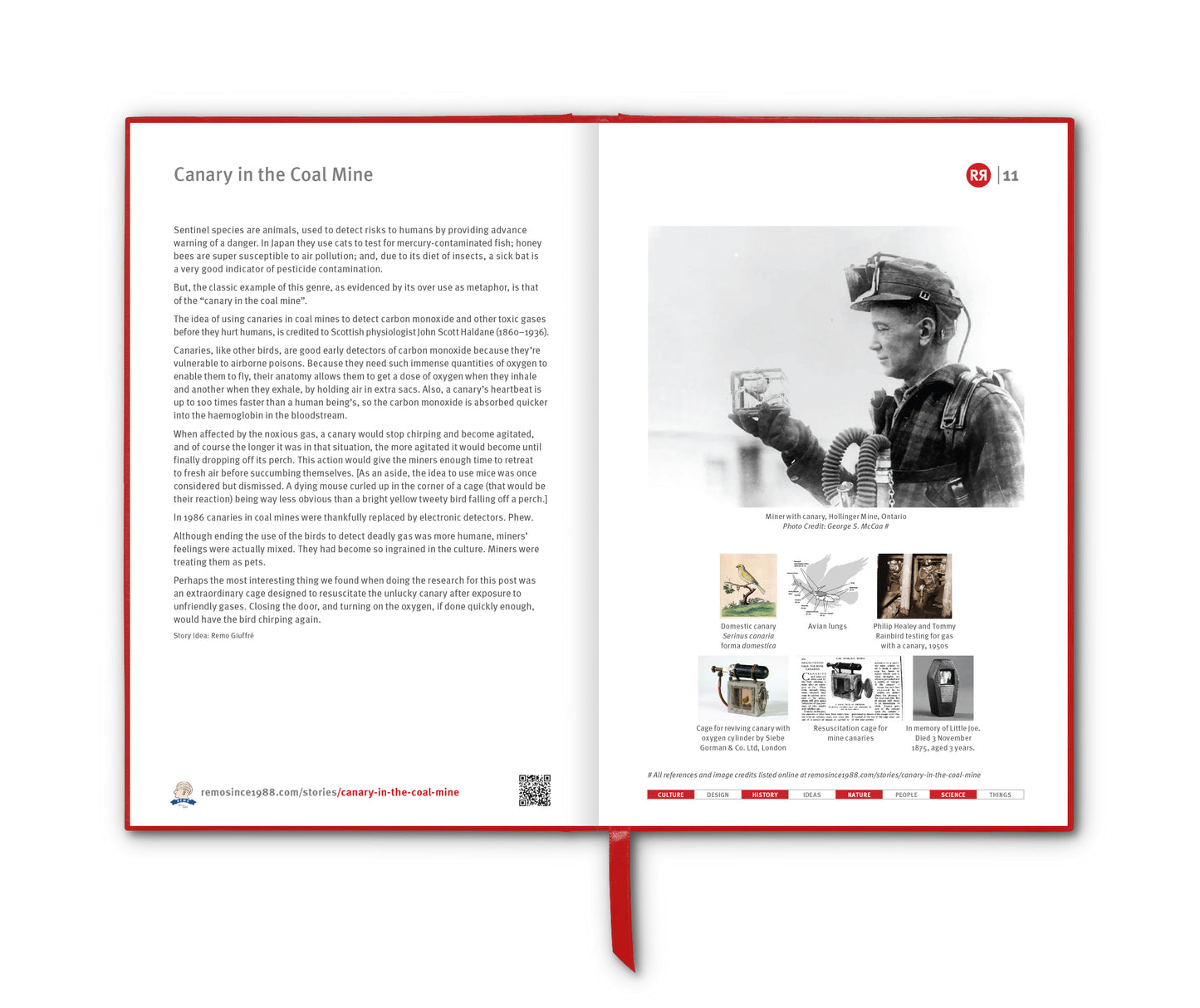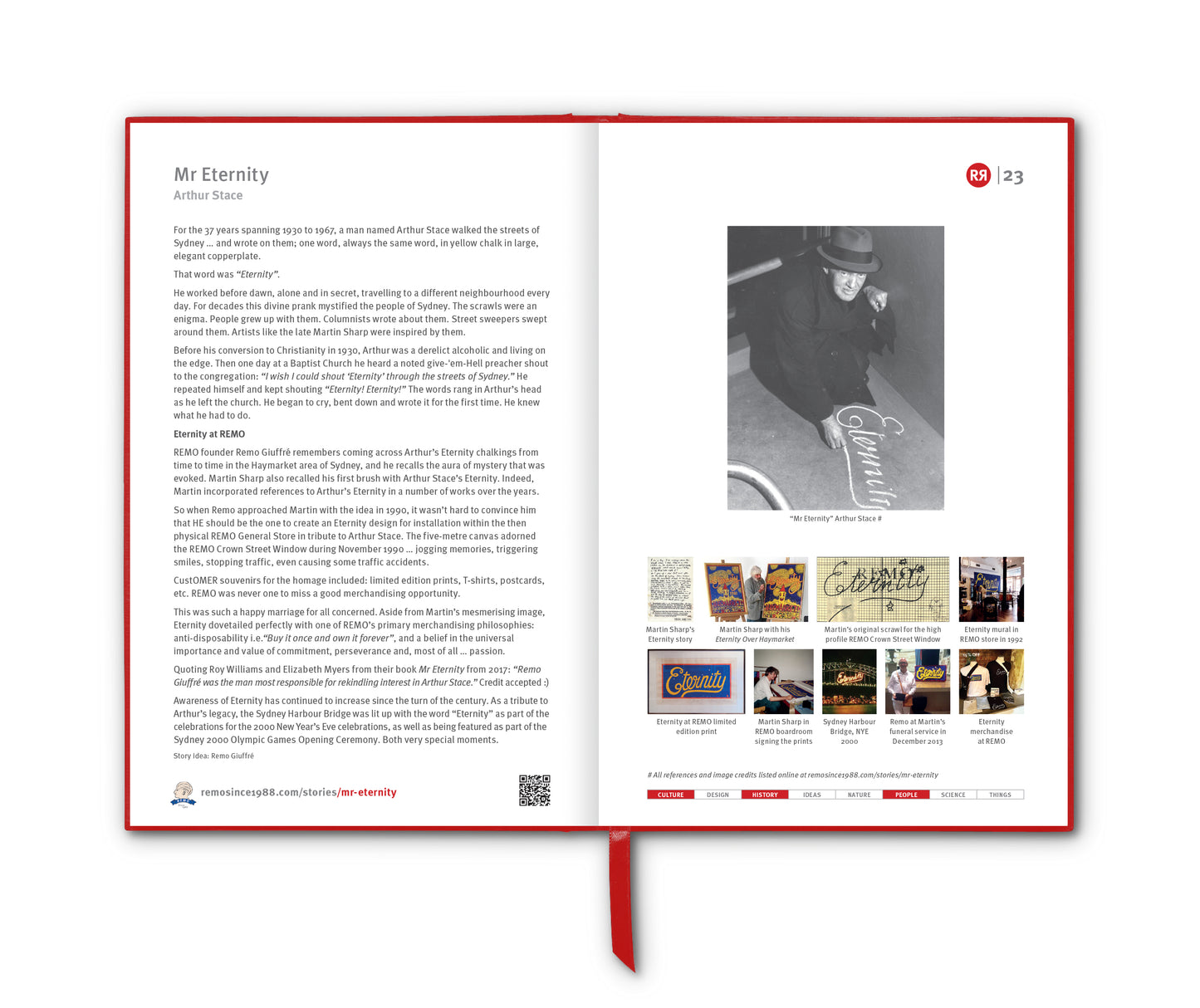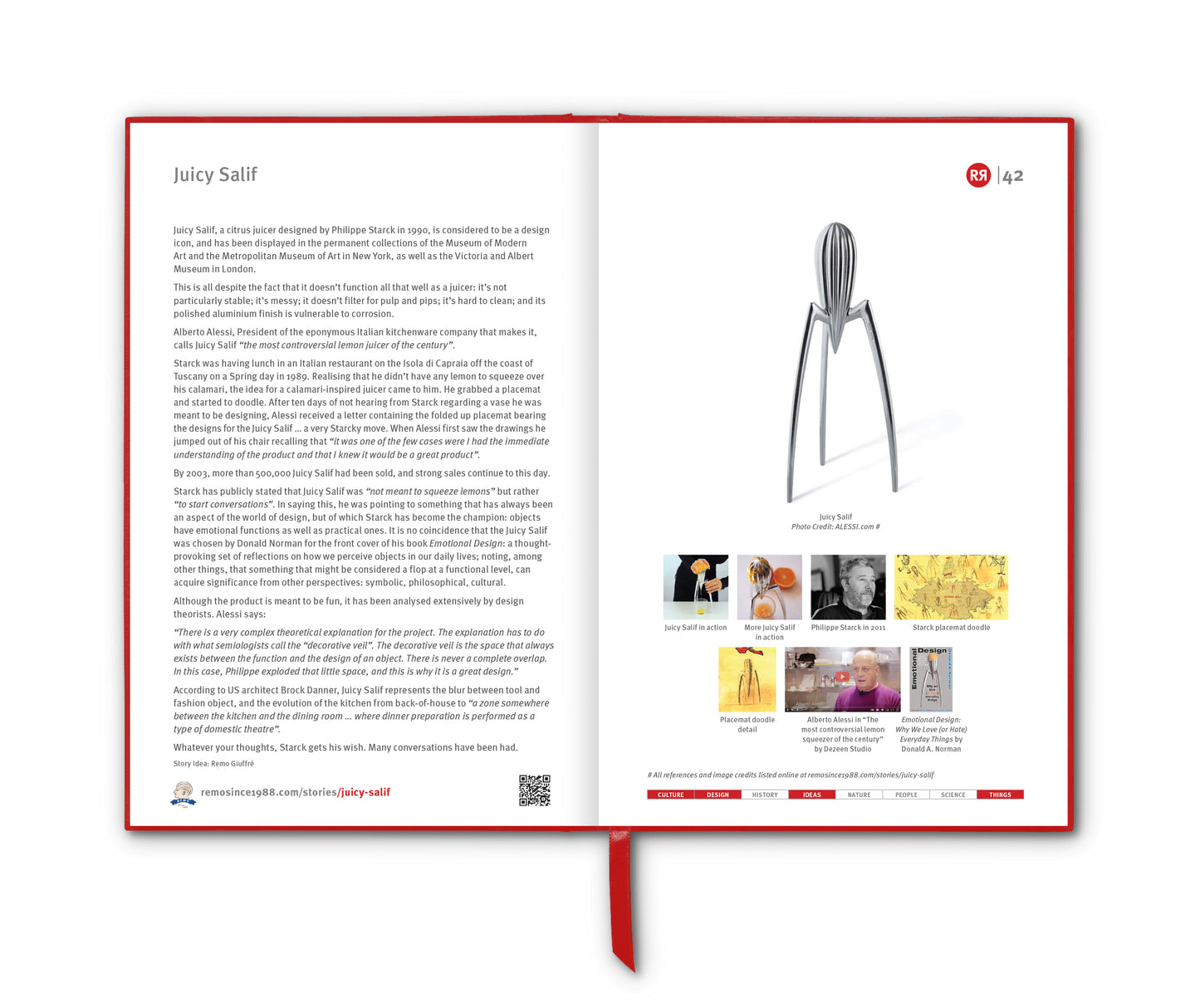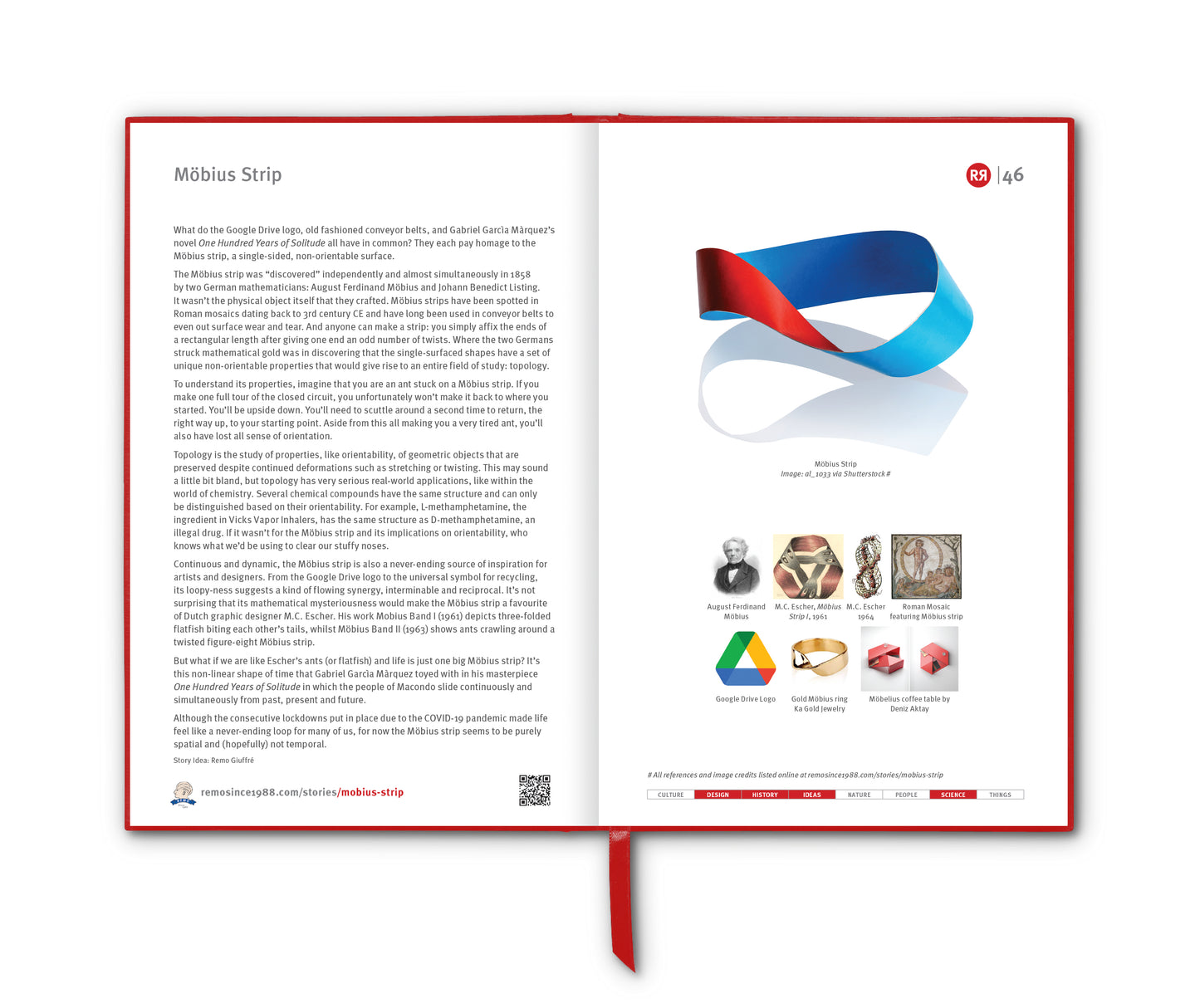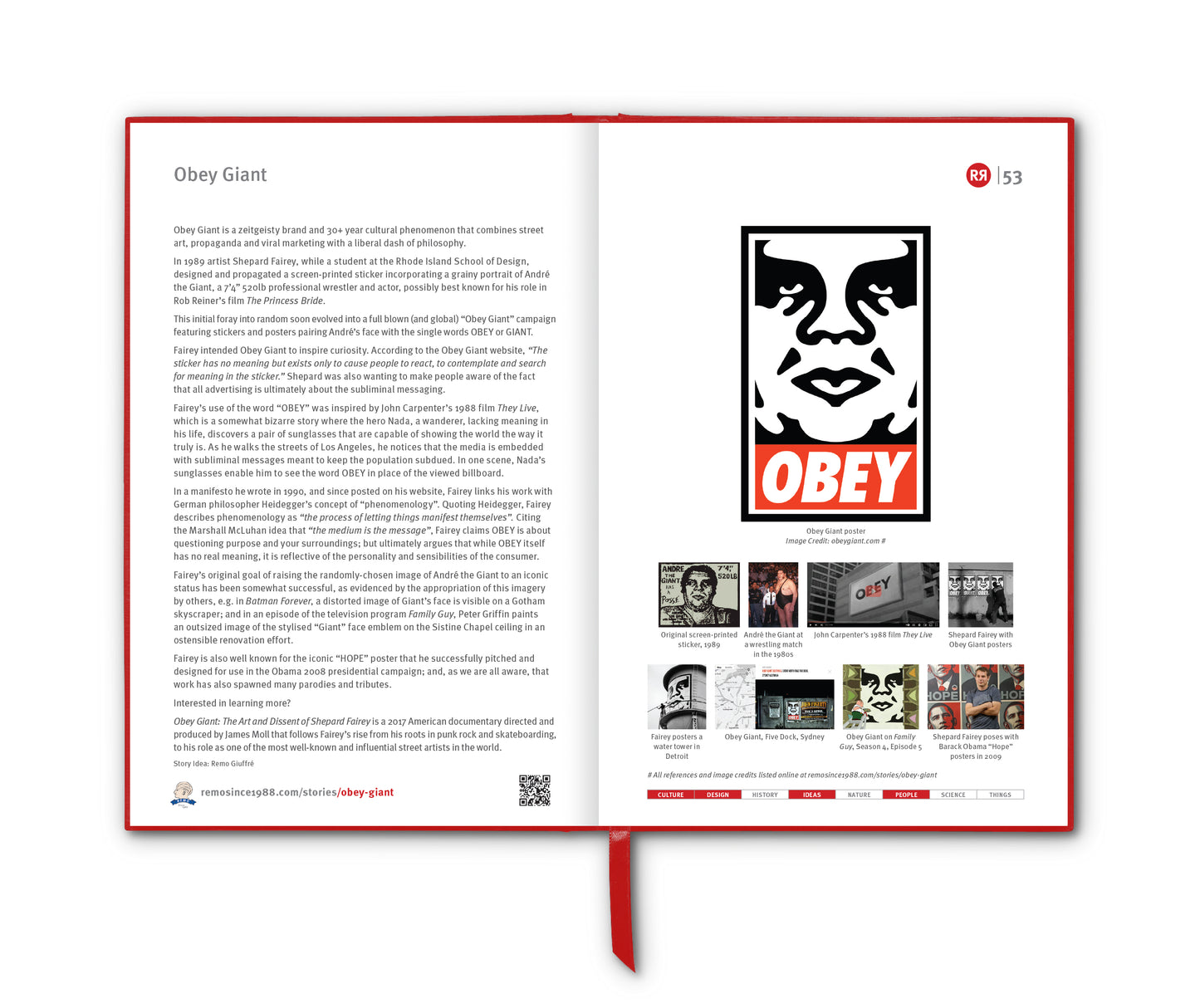

The Concorde was the result of a joint British and French effort to build the world’s first viable supersonic passenger aircraft. The idea took shape in the 1950s as both nations explored high-speed civil aviation and recognised the benefits of sharing the enormous technical and financial load. A formal treaty was signed in 1962, and development began on what became one of the most ambitious engineering projects of the twentieth century.
The aircraft’s most distinctive features emerged during years of testing: a long, pointed nose that could pivot downward for better visibility during takeoff and landing, and a narrow delta wing that allowed stable flight at more than twice the speed of sound. Early test flights in the late 1960s confirmed that the design worked, though the sonic boom, high fuel consumption and noise levels became recurring points of public debate.
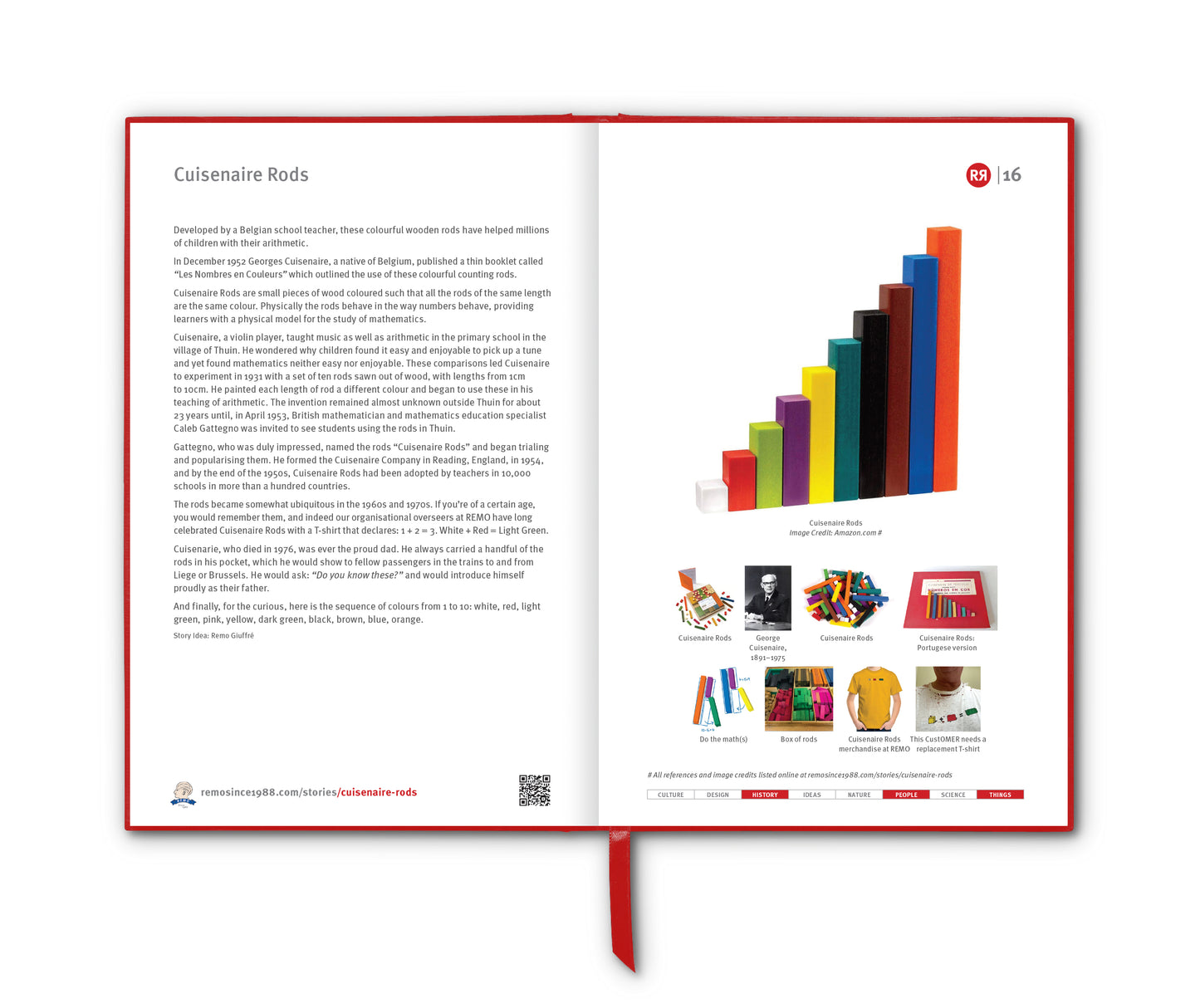
Concorde entered commercial service in 1976 with Air France and British Airways. Painted white to manage the heat generated during supersonic flight, it cruised routinely at Mach 2, cutting the London–New York route to roughly three hours. The passenger cabin was small by modern standards, but the service was positioned as premium, attracting business travellers, politicians, artists and celebrities.
Michael Jackson would sign autographs from his seat, and Whitney Houston’s dad would hand out tickets to her shows. Andy Warhol routinely left with pieces of the plane’s specially designed Raymond Loewy silverware. Paul McCartney often brought his guitar on board and would play songs for his fellow passengers. The clientele was as rarified as the air at the Concorde’s cruising altitude of 18,000 metres (60,000 feet).
A number of notable moments shaped its reputation. Concorde set several speed records, including a New York to London crossing in 2 hours 52 minutes. Phil Collins famously used it in 1985 to perform at both Live Aid concerts on the same day. High-profile charter flights added to the aircraft’s aura of exclusivity.
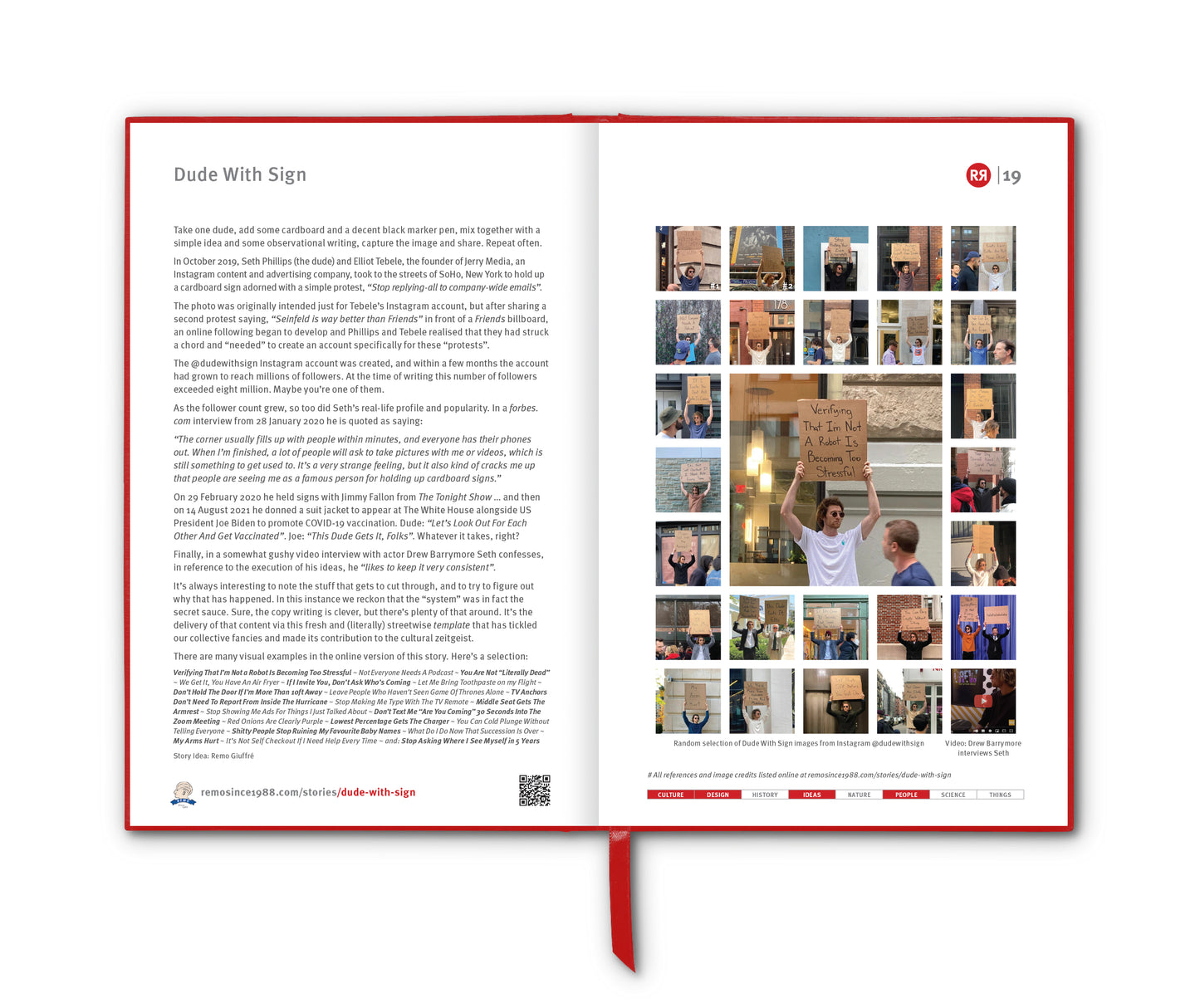
Despite its small fleet size, Concorde became a symbol of national capability and technological confidence in both Britain and France.
The aircraft also faced persistent limitations: high operating costs, limited seating capacity, expensive maintenance and environmental concerns about emissions and noise. Many countries prohibited flights over land at supersonic speed due to the sonic boom, restricting Concorde to transoceanic routes. Even at full fares, neither airline made substantial commercial profit from the service.
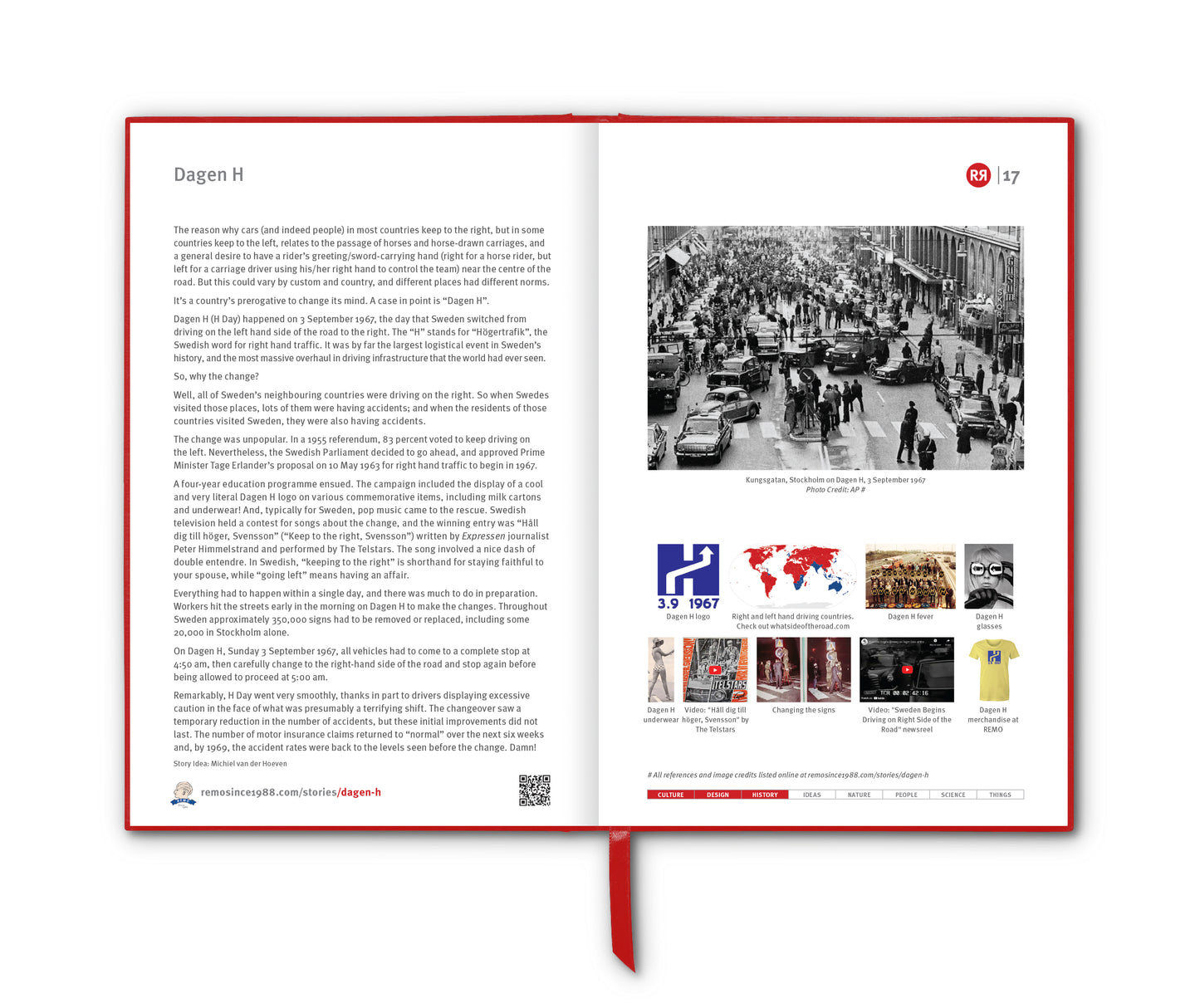
The turning point came in 2000, when Air France Flight 4590 crashed shortly after takeoff from Paris, killing everyone on board. The cause of the crash (debris on the runway, etc.) was explicable and somewhat freakish. Here’s an animation. Technical fixes followed. Even so – passenger confidence dropped, and both airlines reevaluated the economic case for the aircraft. Combined with ageing airframes and rising costs, Concorde was retired from service in 2003.
Most surviving Concordes now sit in museums and aviation collections around the world. They are reminders of a brief era when commercial air travel pushed into supersonic territory and when engineering ambition temporarily outpaced economic reality. The aircraft’s cultural impact remains significant: Concorde became a global icon associated with speed, engineering ingenuity and optimism.
_______________________
References
wikipedia.org/wiki/Concorde
nypost.com/2019/06/15/fast-days-on-the-concorde-rock-stars-wine-the-11-mile-high-club
Images
1. British Airways Concorde G-BOAC. Photo credit: Eduard Marmet, airliners.net
2. Concorde 01 first flight in 1969. Photo credit: André Cros, City of Toulouse
3. Concorde cockpit, Credit: Christian Kath
4. Concorde passenger cabin at the Museum of Flight near Seattle. Credit: Daniel Schwen
5. Phil Collins at Live Aid, July 1985
6. Raymond Loewy designed Air France Concorde flatware, 1976
7. Video: Air France Flight 4590 - Crash Animation, Plane’n Boom, 2022
8. Los Angeles Times, 26 July 2000
9. Book: Concorde: The thrilling account of history’s most extraordinary airliner by MIke Bannister, 2023