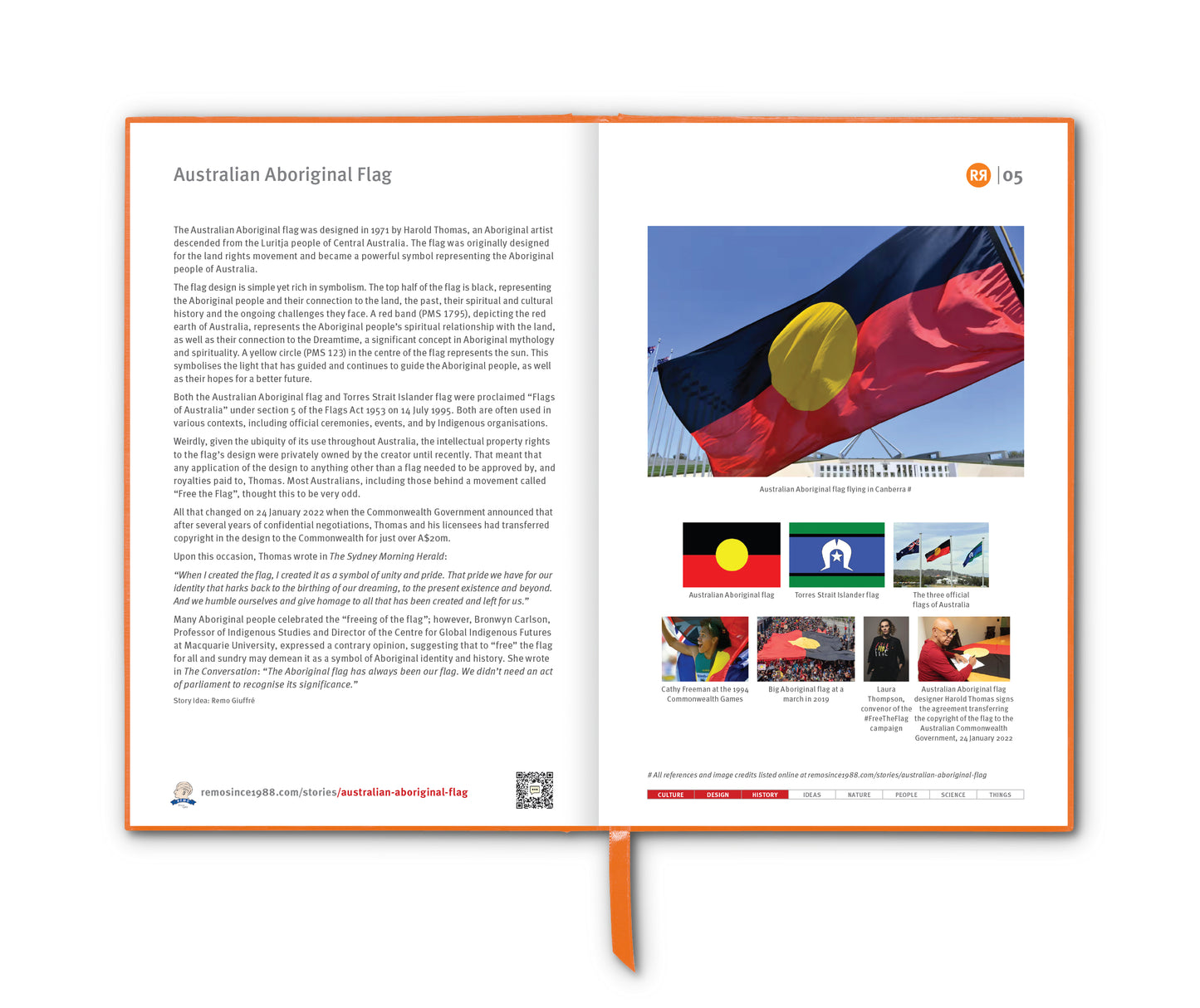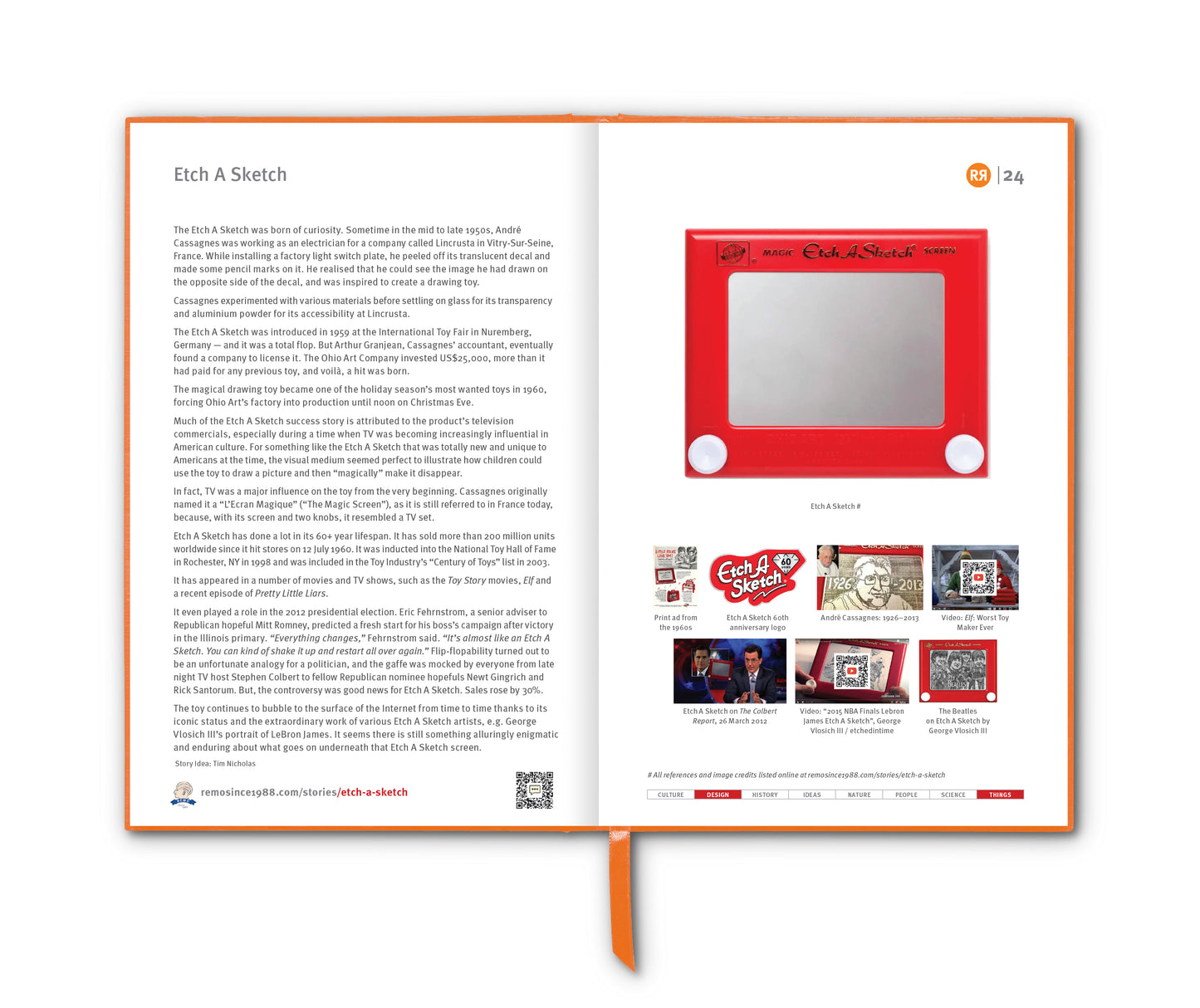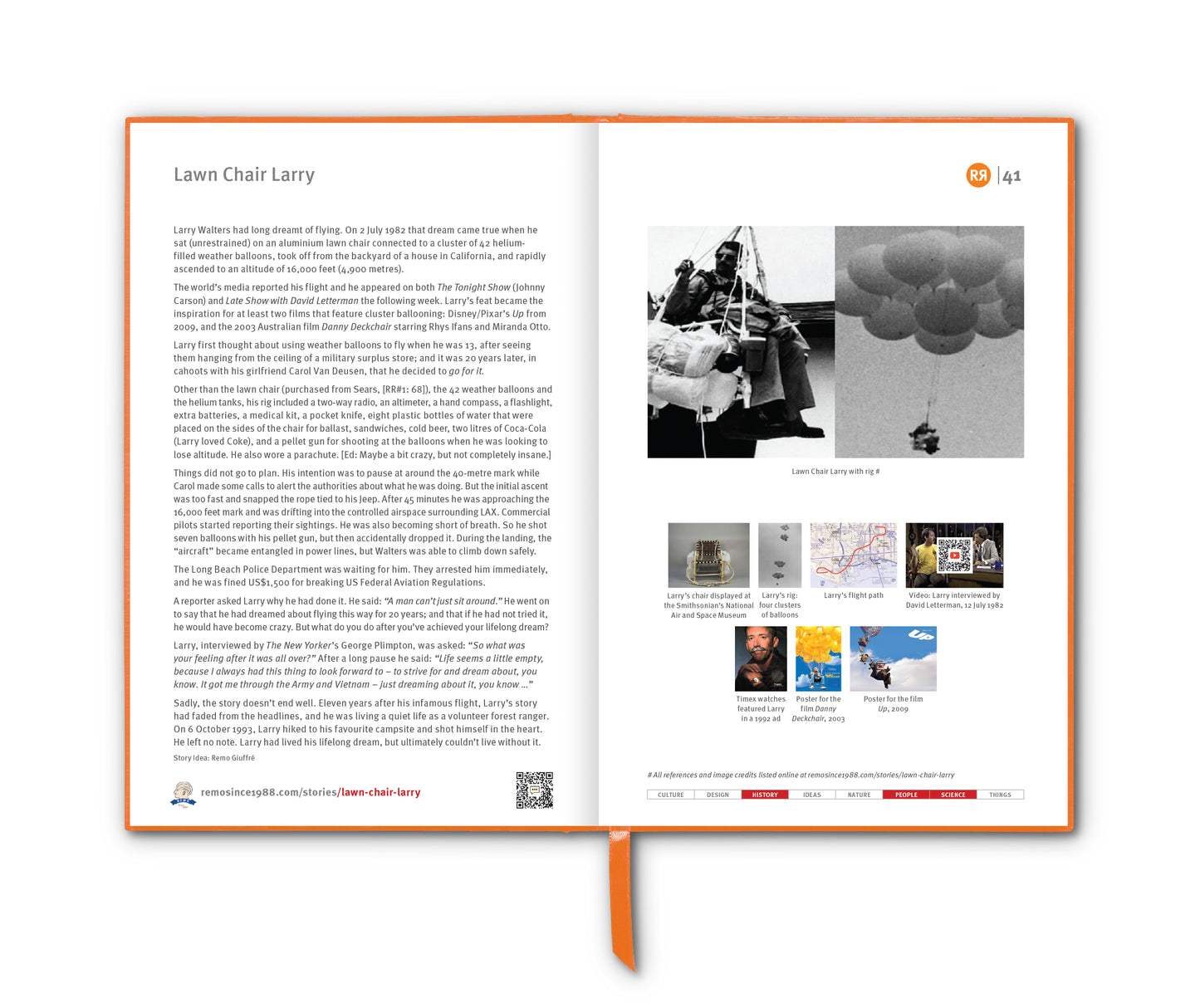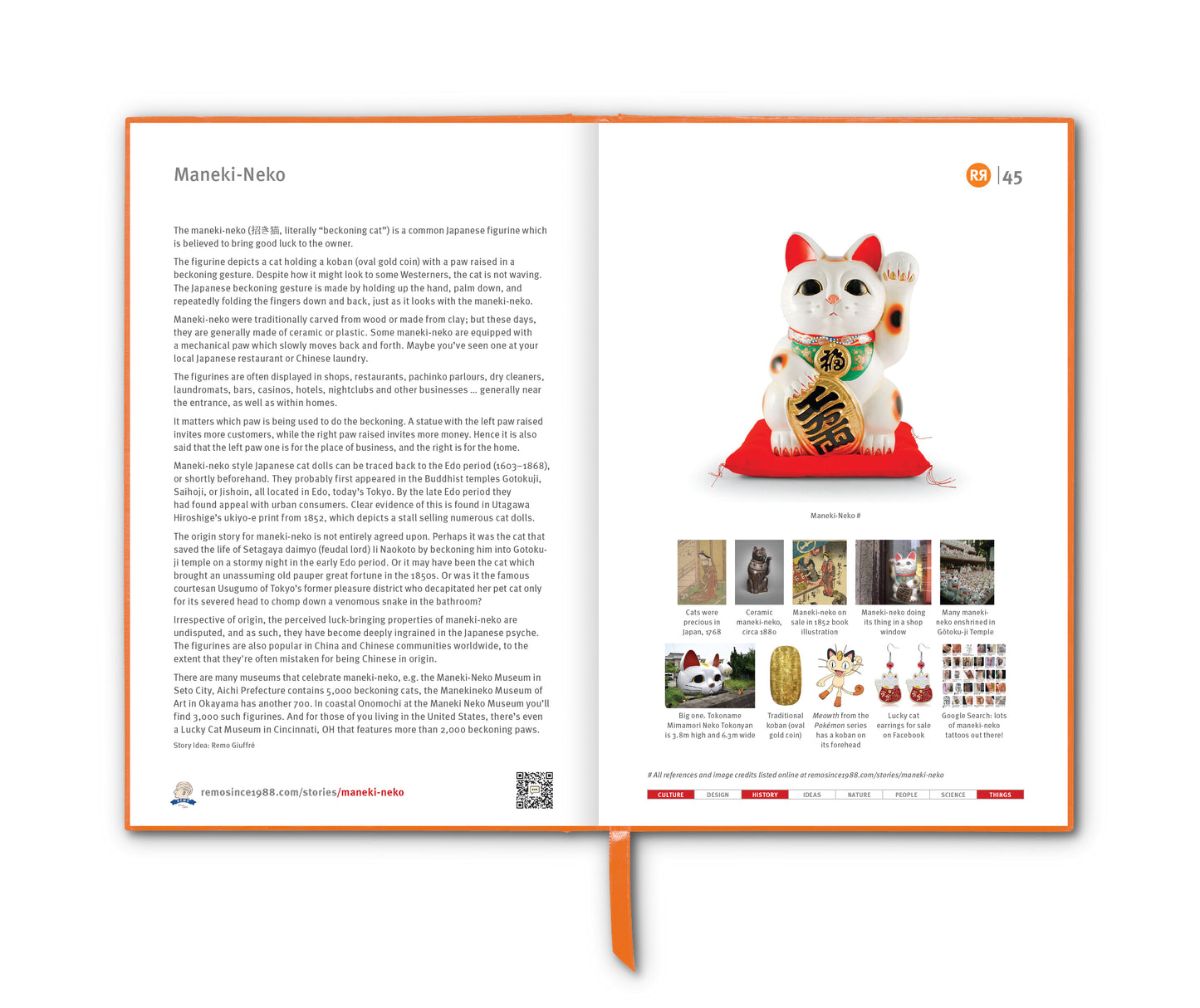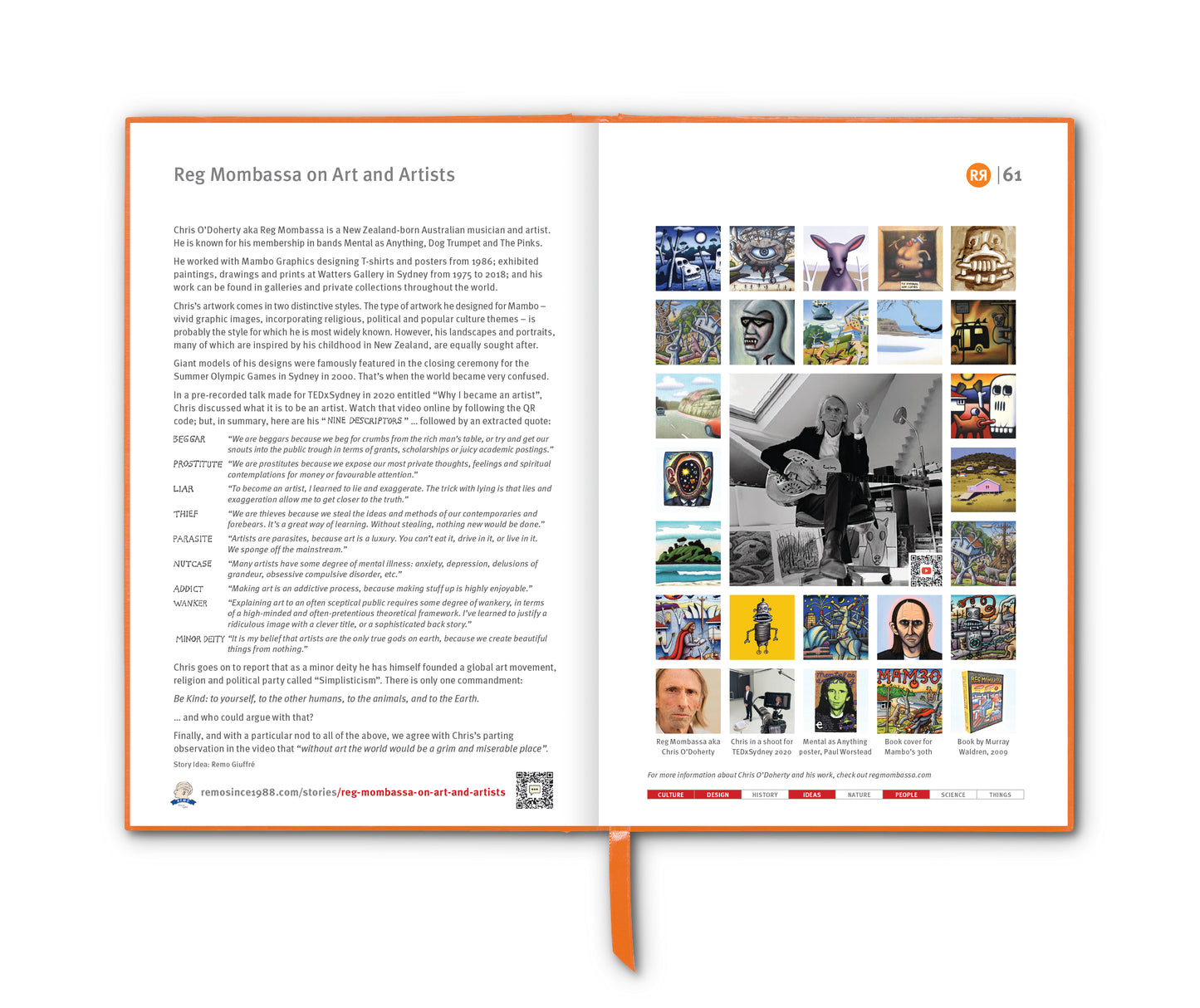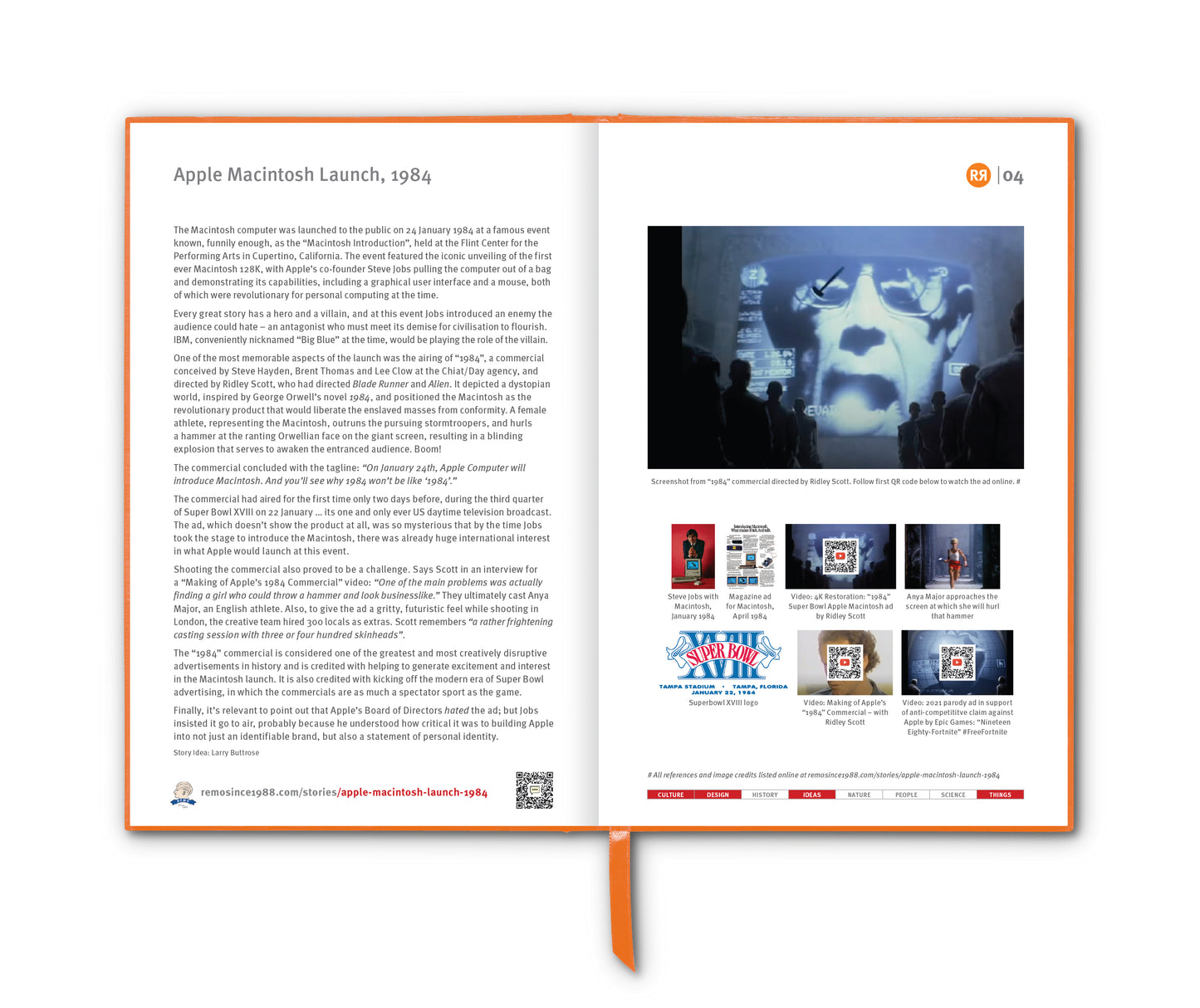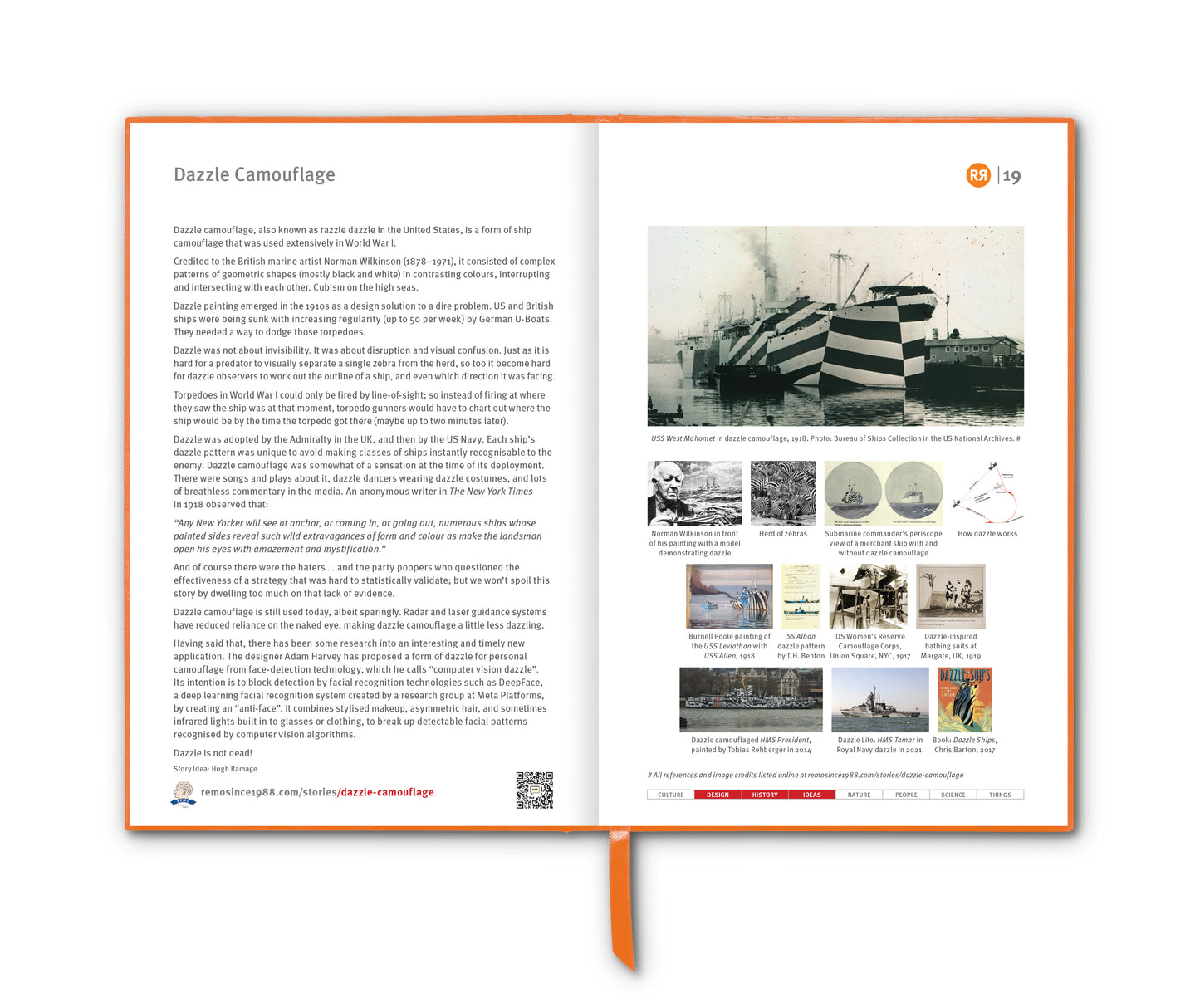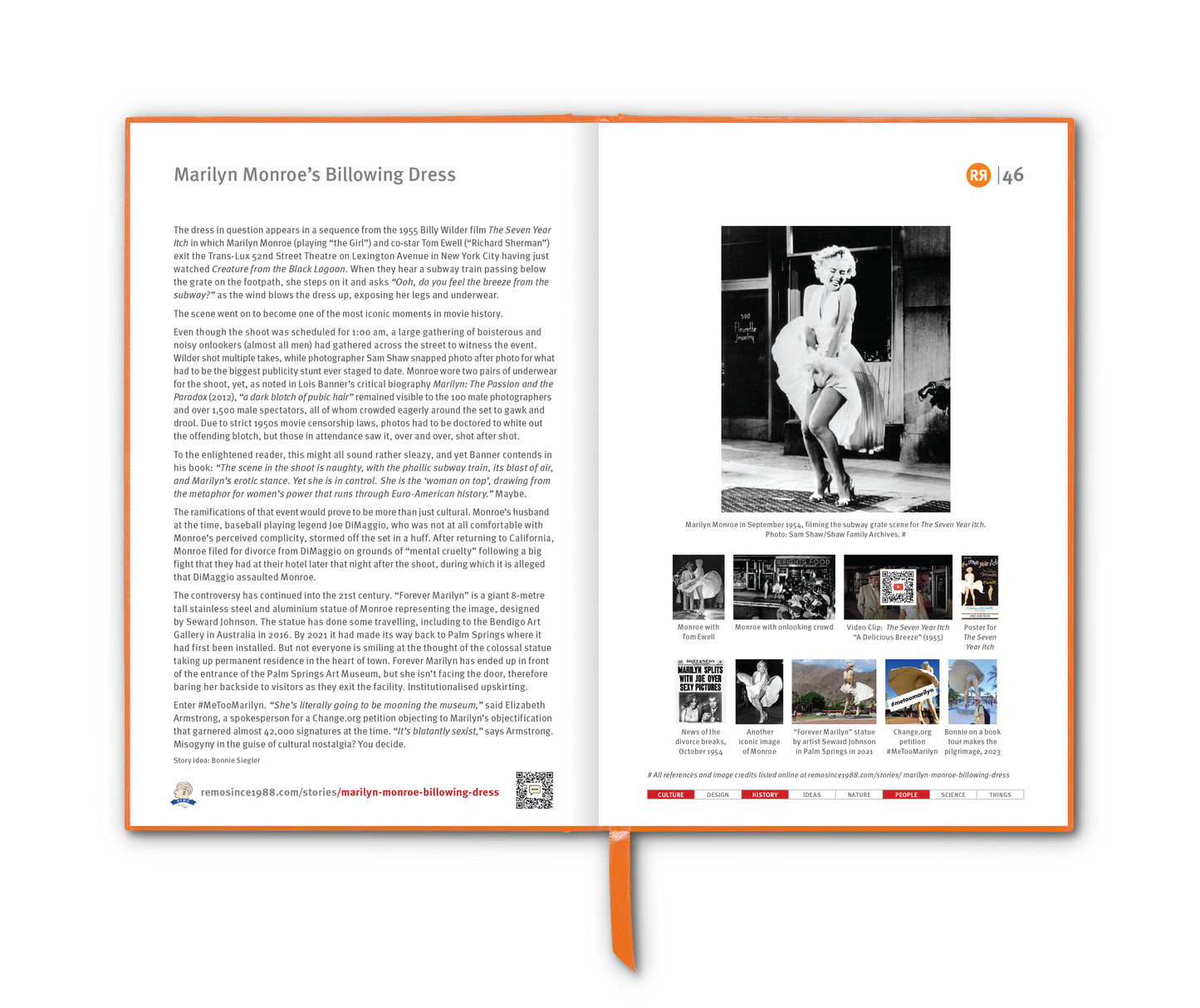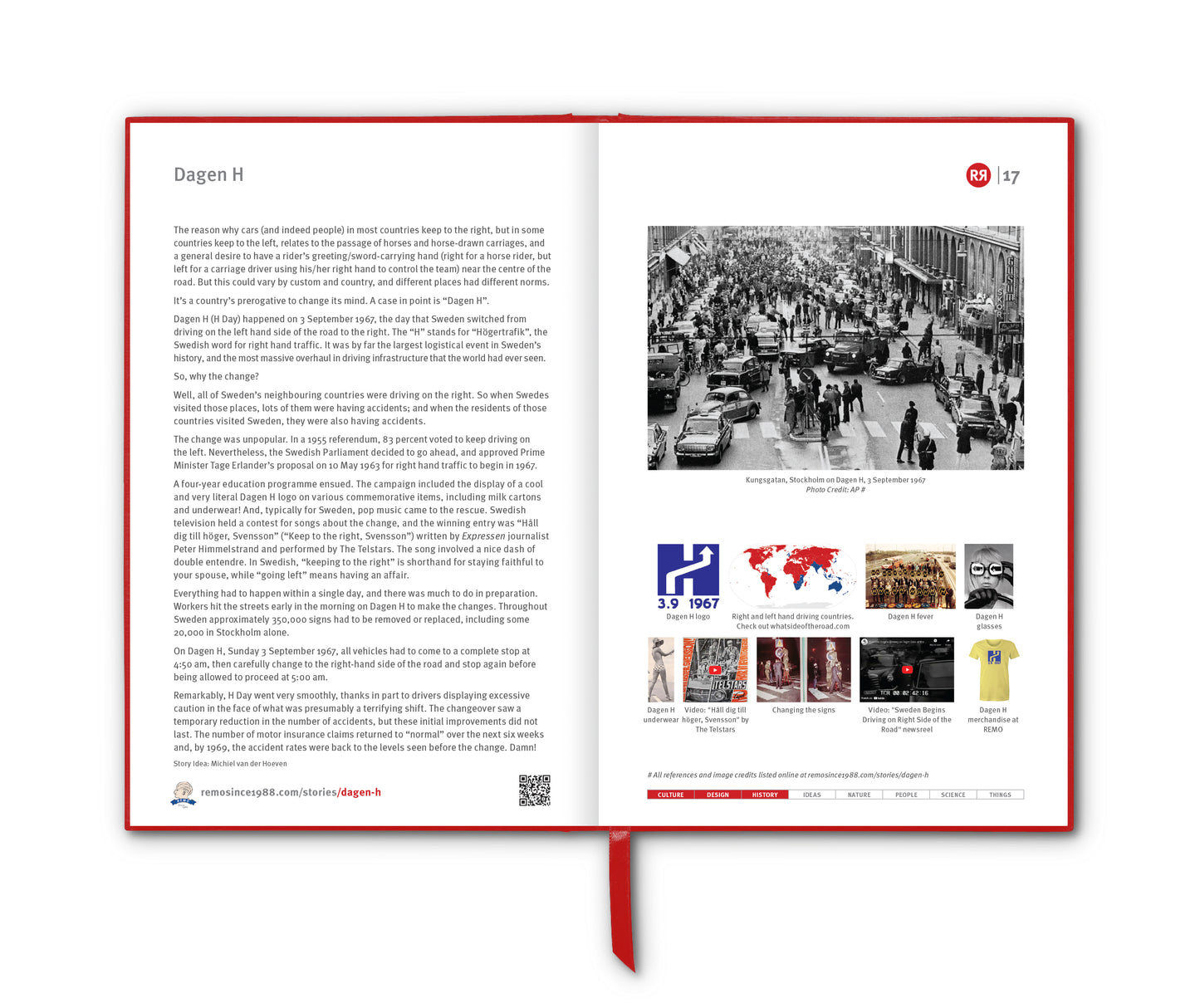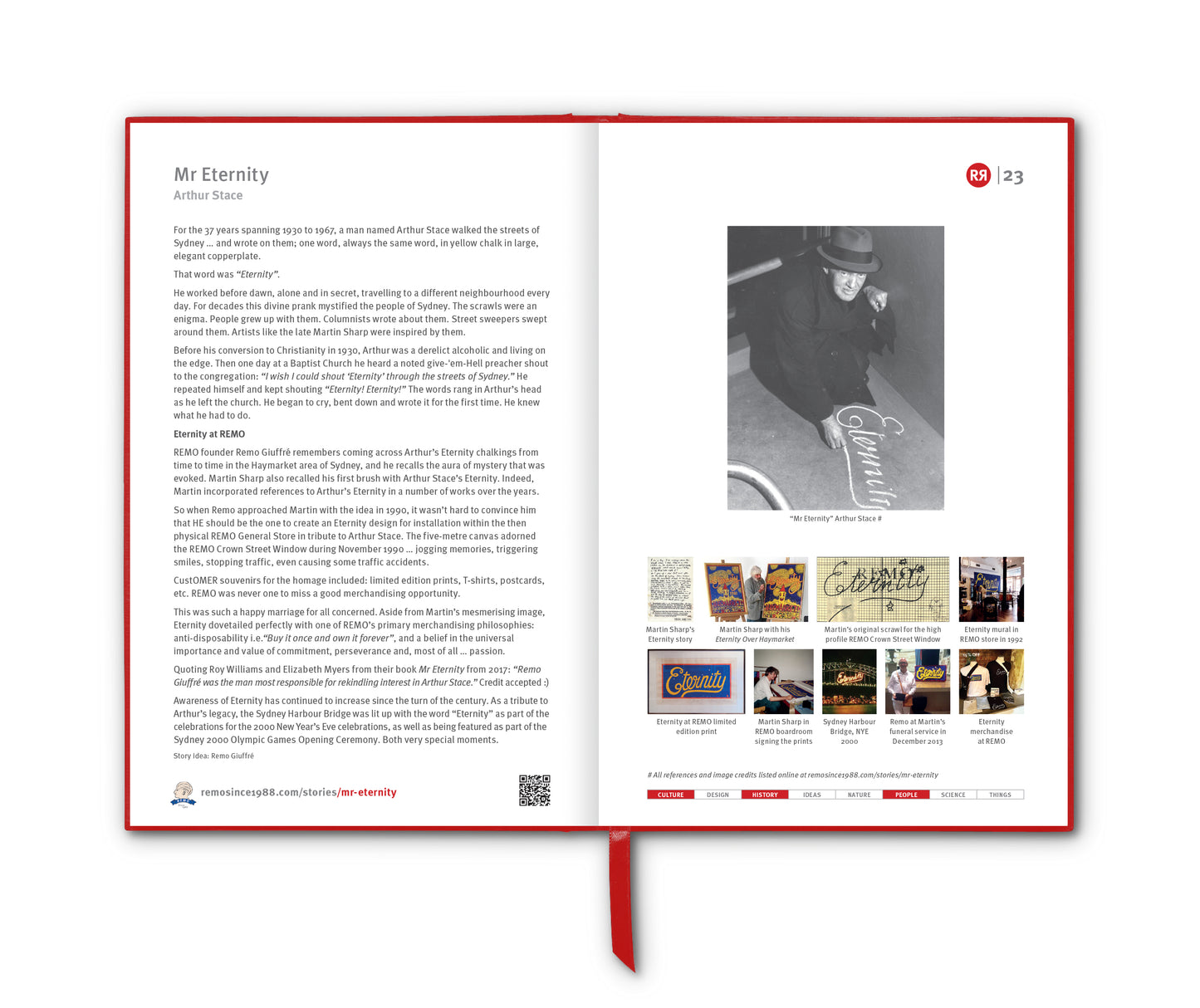

The crossword puzzle, now a staple for both newspapers and smartphones, first appeared in 1913 in the New York World. On 21 December of that year, journalist Arthur Wynne published a diamond-shaped word game that he called a “Word-Cross Puzzle”.
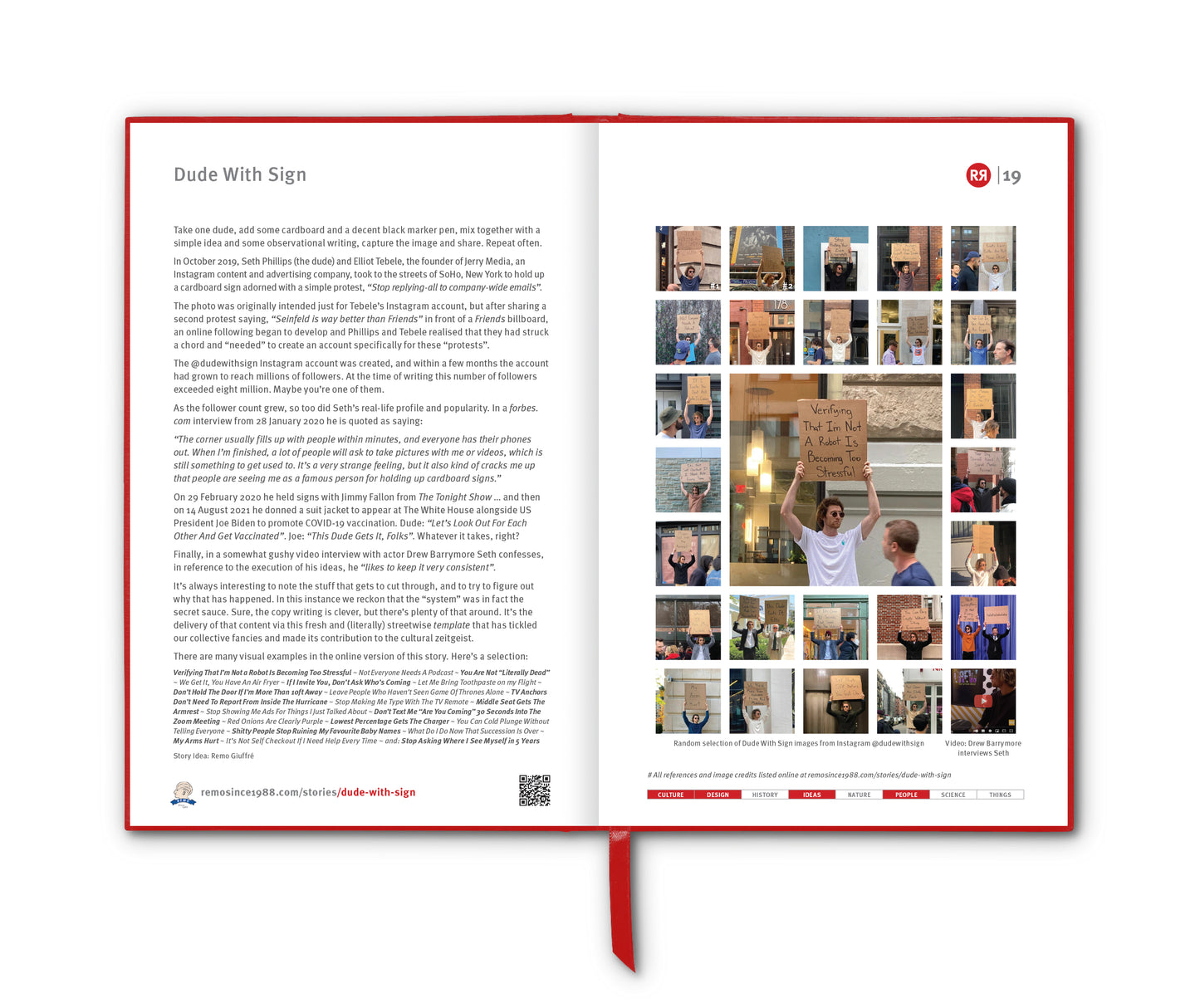
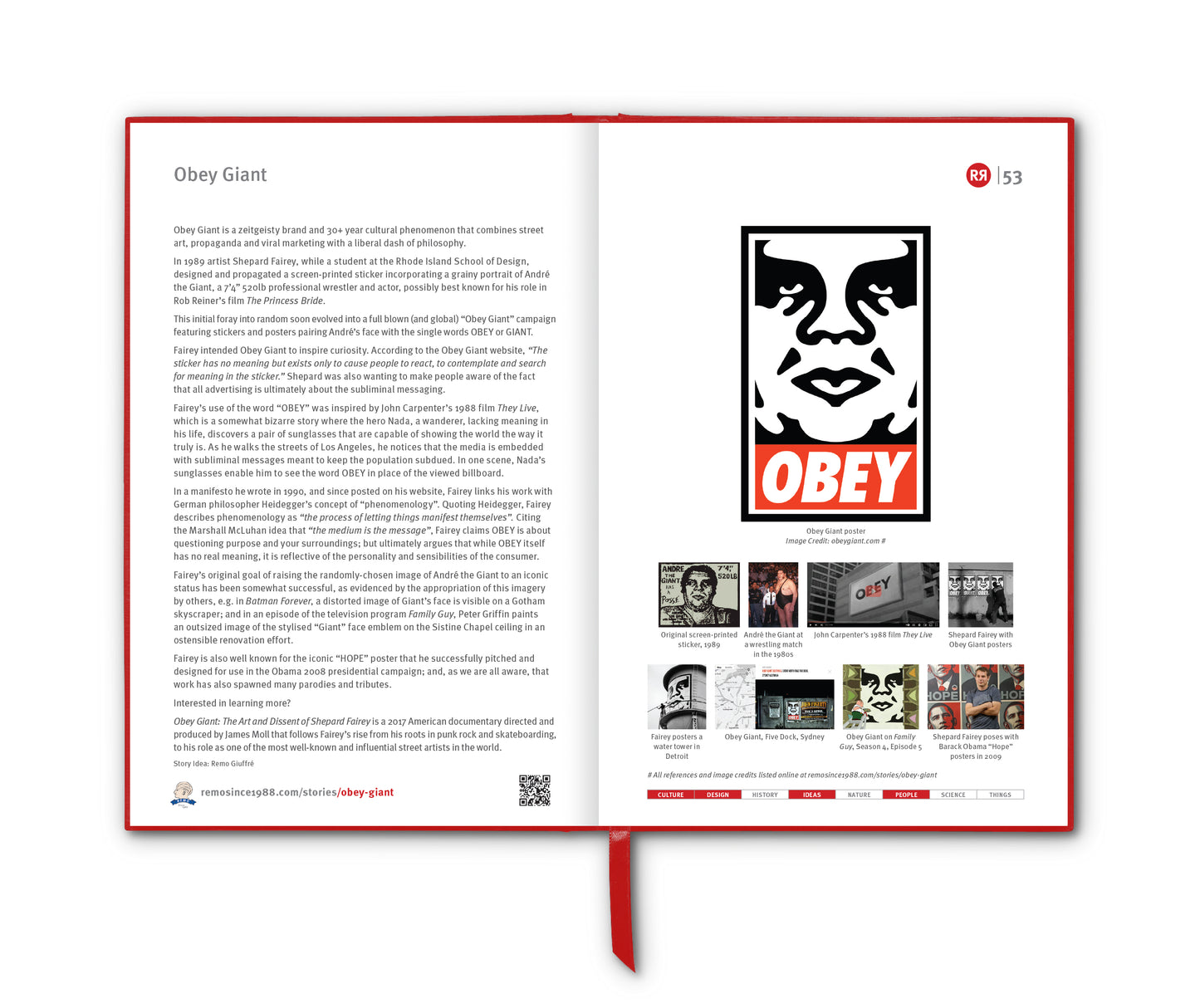
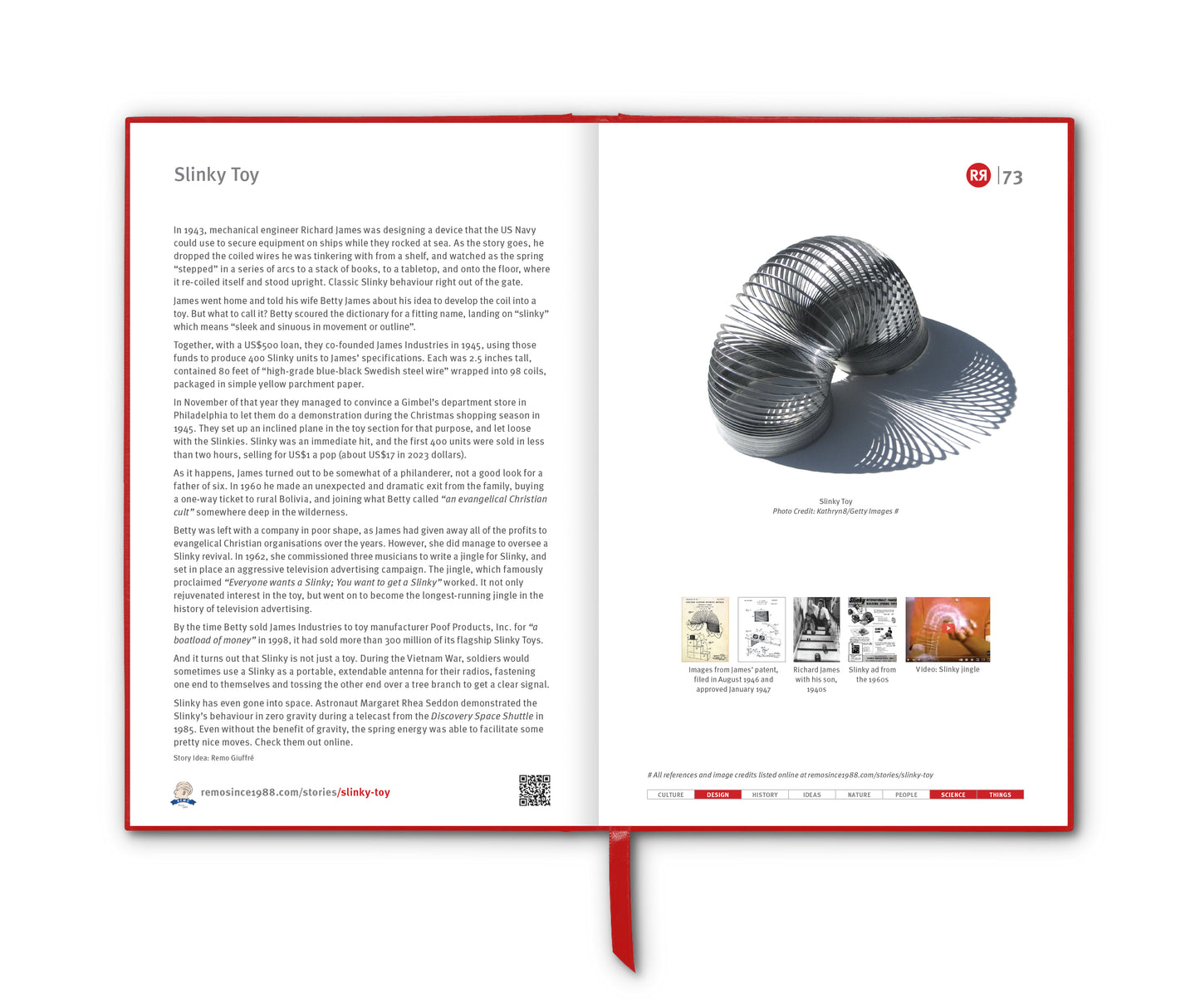
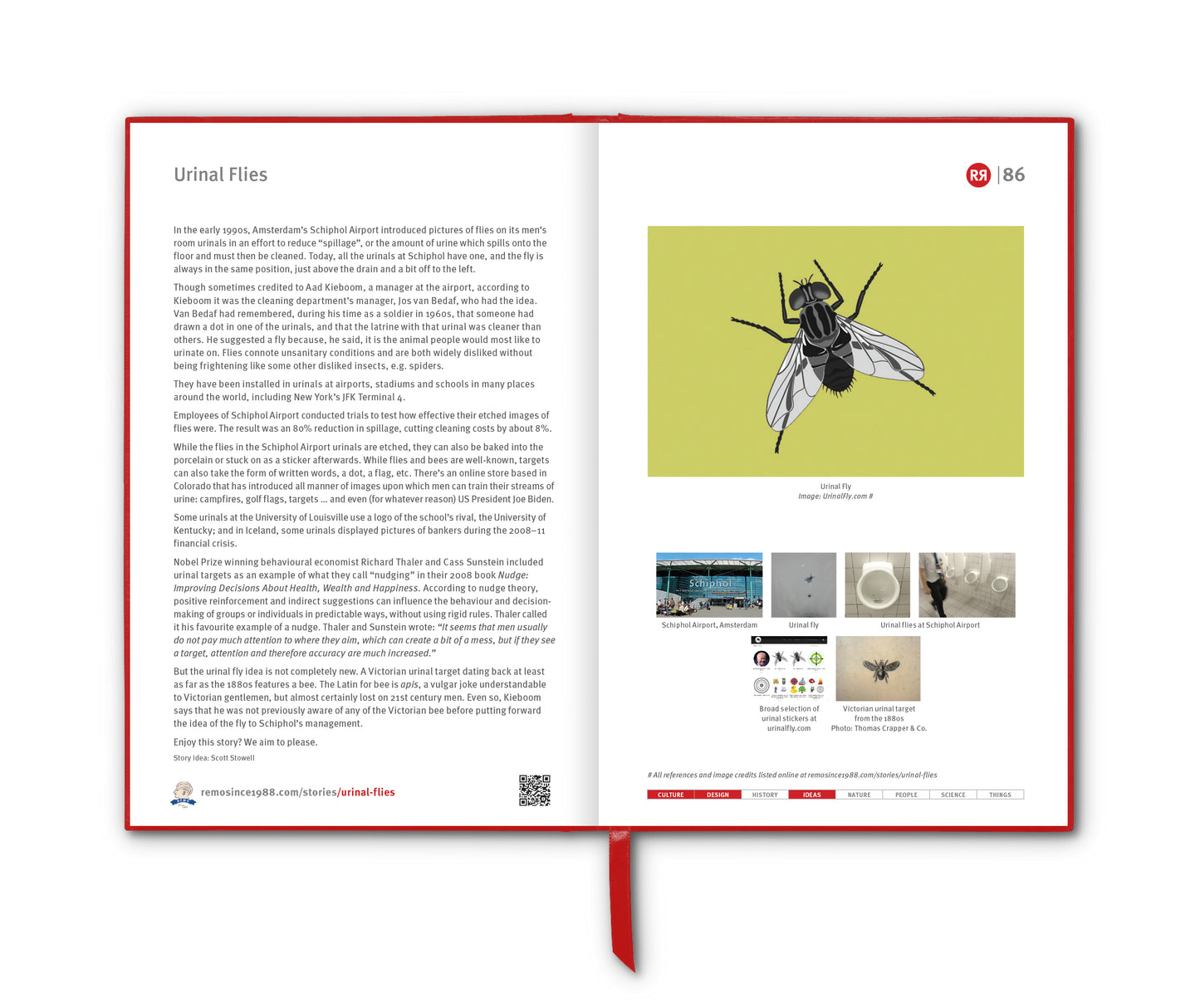
Wynne’s invention was inspired by older word puzzles, but it marked a new format – a symmetrical grid with clues leading to interlocking words. It quickly gained popularity. By the 1920s, crosswords had sparked a cultural craze in the United States. It would take another 100 years for a word game to capture the zeitgeist. See Wordle [RR4:86].
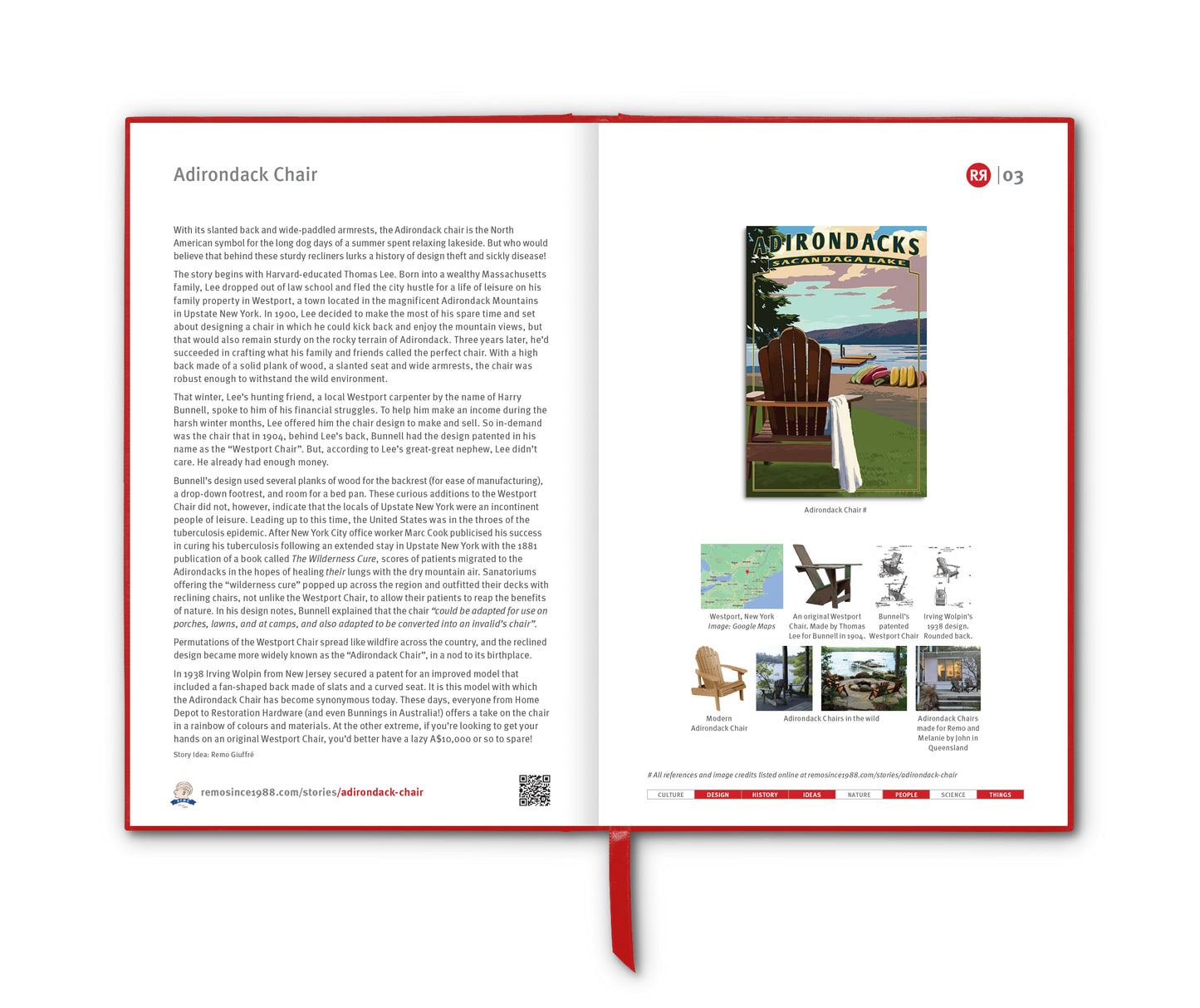
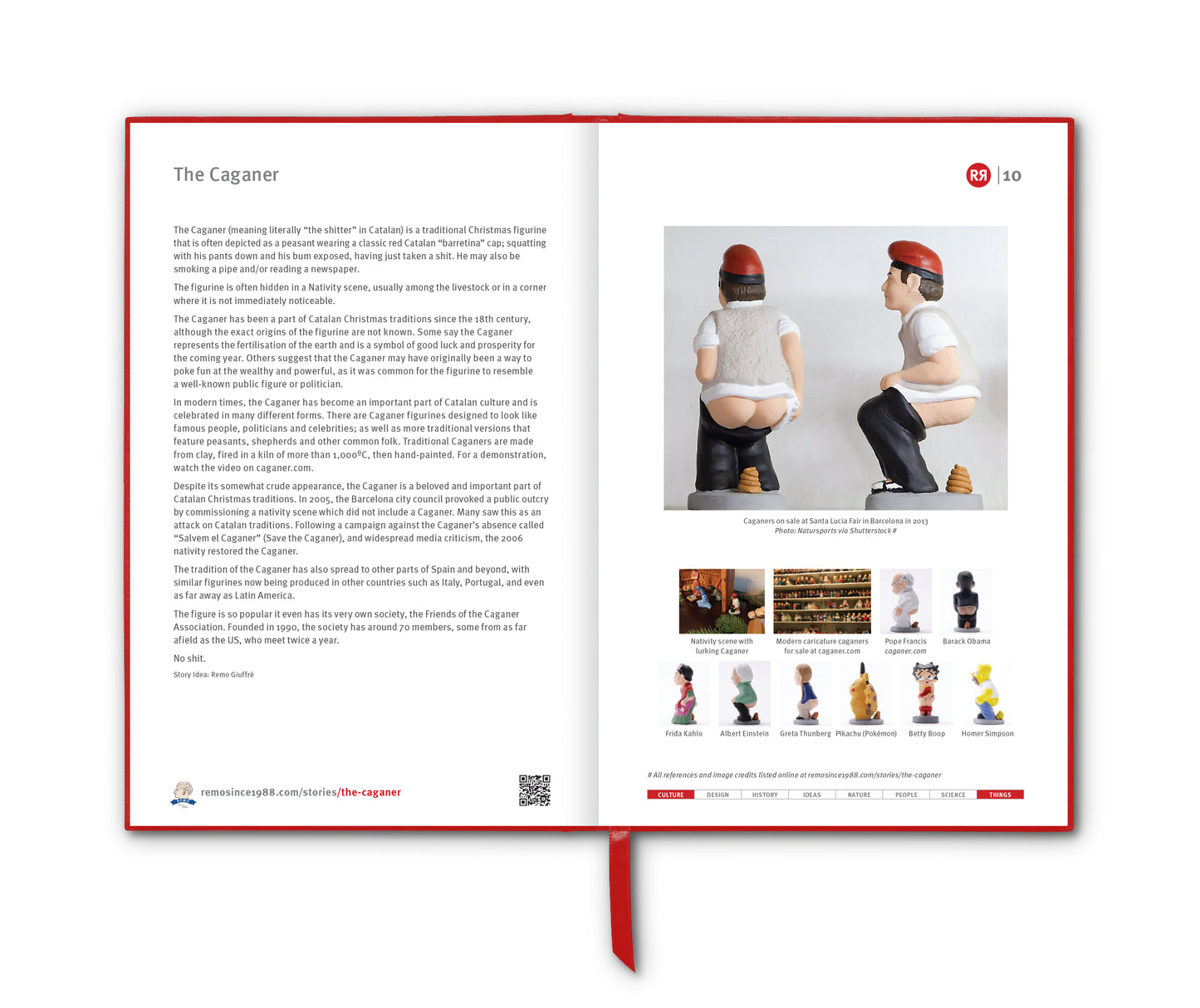
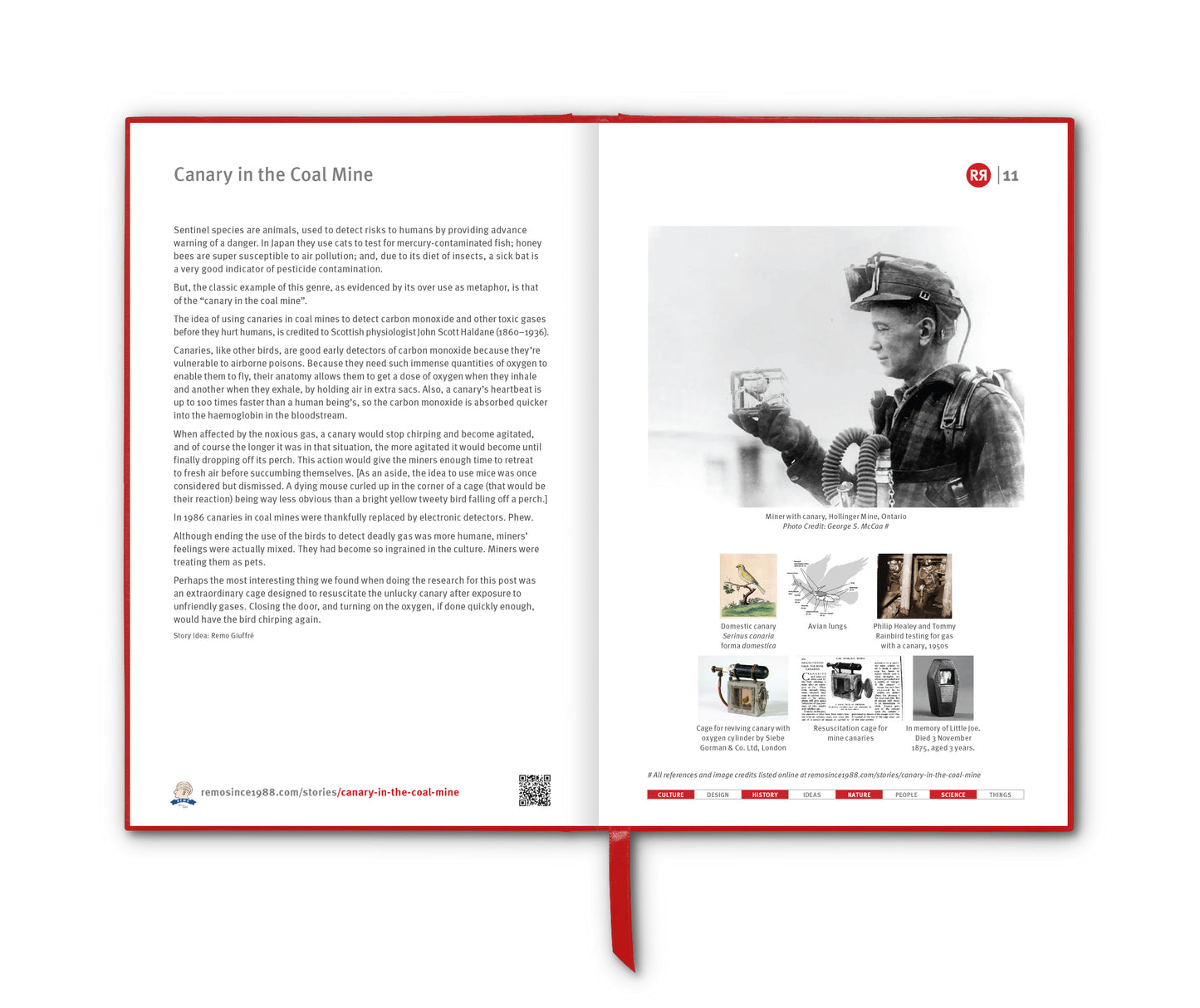
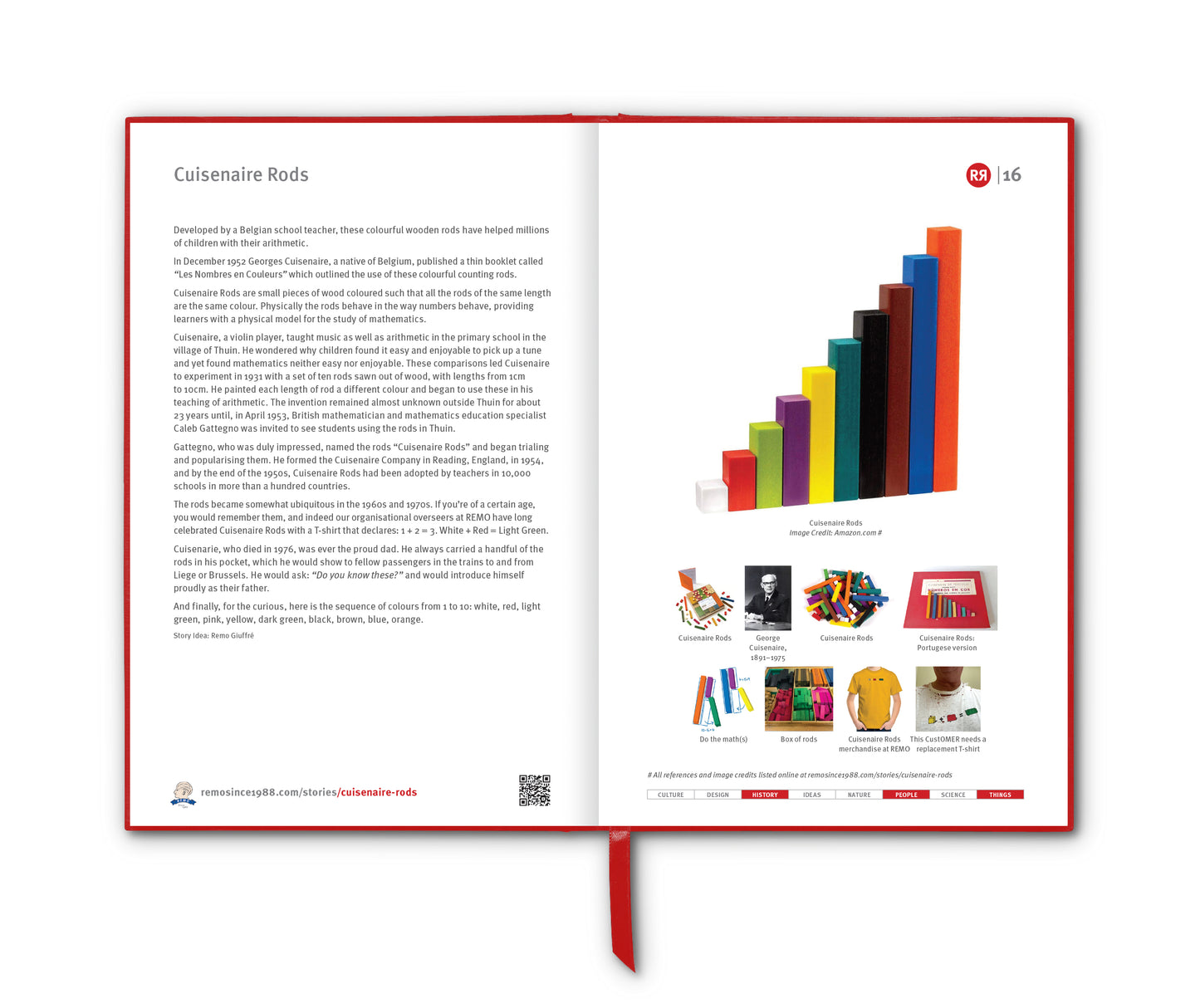
The New York Times, ironically one of the last major papers to adopt the puzzle (in 1942), later became its gold standard, especially with the arrival of legendary editor Will Shortz in 1993.
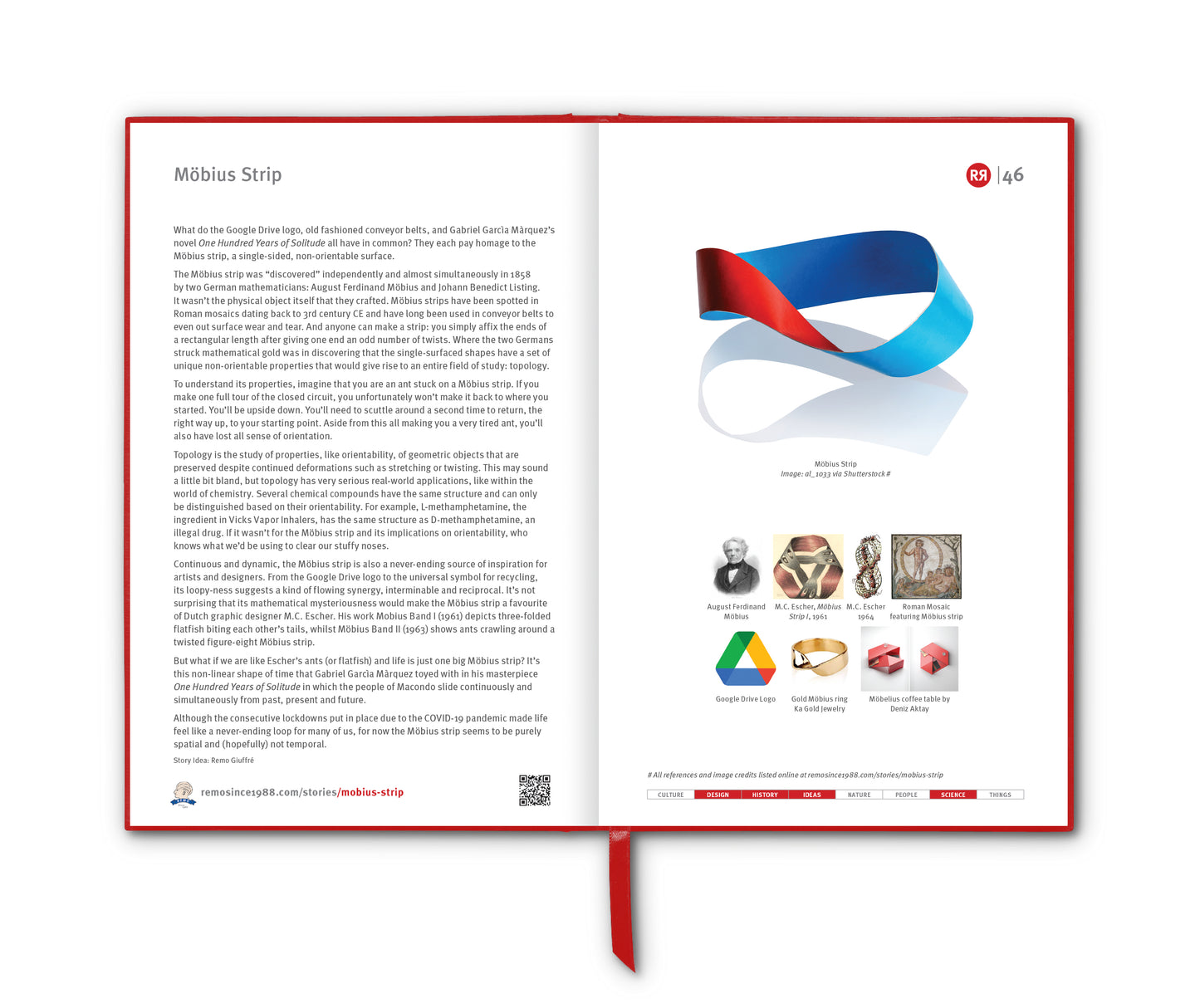
Crosswords have never just been games; they’ve mirrored culture, literacy and language. In the United States, they often reflect broad cultural references, wordplay and trivia. The New York Times crossword is known for its witty clues and increasingly difficult progression through the week (Monday being easiest, Saturday hardest; Sunday is large but mid-level in difficulty). The puzzles challenge solvers' grasp of pop culture, history and idiomatic English.
In the United Kingdom, the crossword evolved differently. British cryptic crosswords are often fiendishly difficult, relying on puns, anagrams and layered misdirection. Clues must follow strict rules, balancing definition and wordplay. For example, “Crafty way to hide an error” might be a clue for “artful” (crafty = definition; “way to hide an error” = wordplay). Solving one often feels like cracking a code — a pastime as intellectual as it is playful.
Cultural variations abound. In Scandinavia, the grids are “Swedish-style”, where clues are written directly into the grid's squares, rather than listed outside. These are typically image-rich and user-friendly, making them popular across age groups. In Japan, crossword puzzles coexist with other word games like nonograms and sudoku, reflecting a broader taste for logic-based puzzles. In countries like India, where English-language newspapers thrive, crosswords can span British and American styles, with local knowledge mixed in.
Crosswords have left a cultural mark far beyond newspapers. They’ve appeared in films, books and even war stories. During World War II, a British puzzle creator unknowingly used several D-Day code words as answers in a puzzle, sparking a brief security scare. Solving crosswords has been linked to mental health benefits, particularly for cognitive function and delay of age-related memory decline.
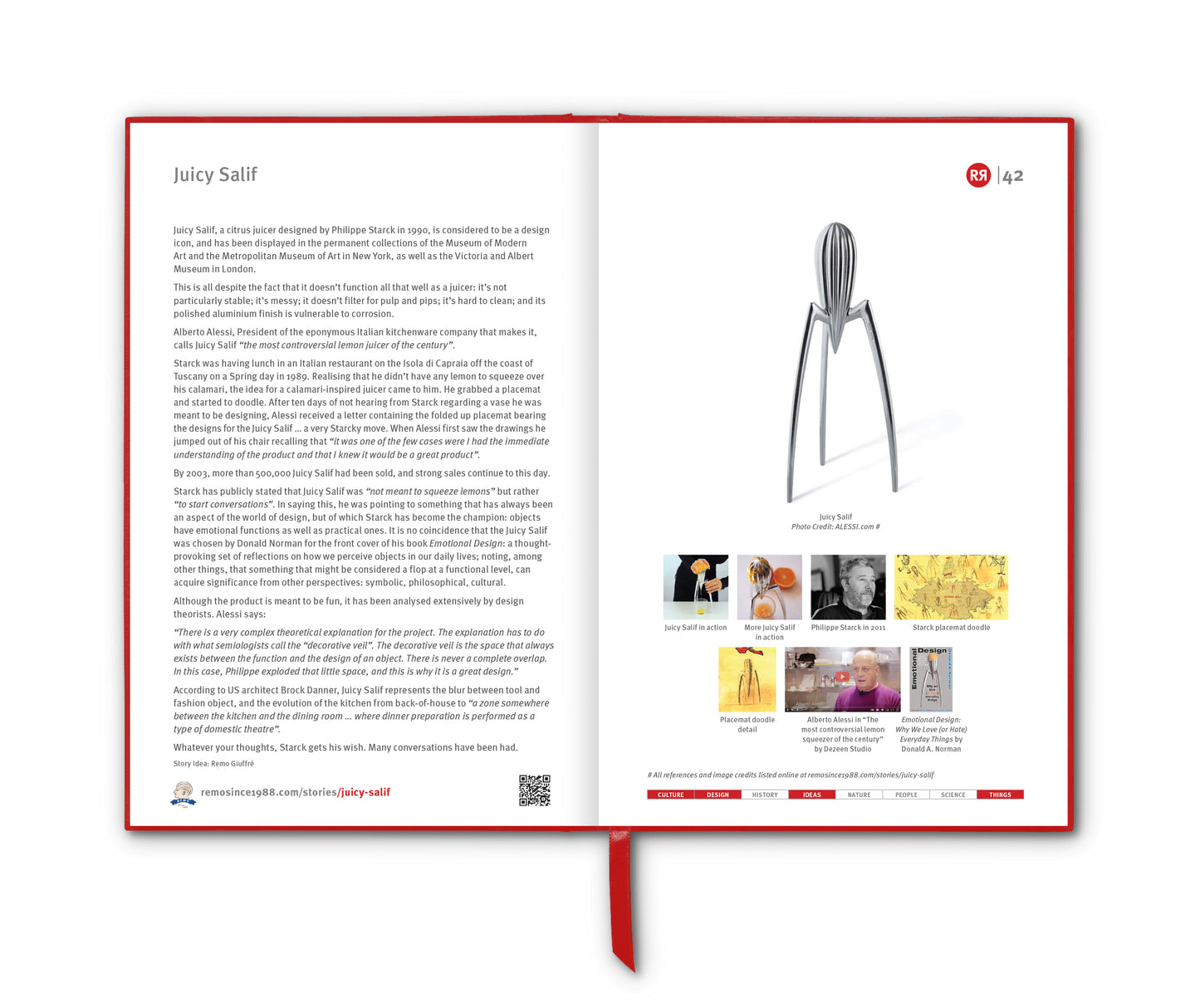
In the digital age, crosswords are thriving. Online platforms, apps and crossword tournaments (like the American Crossword Puzzle Tournament) have helped revive the pastime. A new generation of constructors is also diversifying the field, bringing fresh voices and themes that reflect broader cultural and social awareness.
Finally, Wordplay is a 2006 documentary film directed by Patrick Creadon that features Will Shortz and many other noted crossword solvers and constructors. Watch the trailer HERE. A 2008 episode of The Simpsons, "Homer and Lisa Exchange Cross Words", is based on the film. James L. Brooks got the inspiration for the episode after watching Wordplay.
_____________________
References
wikipedia.org/wiki/Crossword
smh.com.au/national/the-worlds-very-first-crossword-puzzle-100-years-on
Images
1. Arthur Wynne with his very first crossword puzzle
2. A 1925 Punch cartoon about "The Cross-Word Mania"
3. Book: "The Curious History of the Crossword: 100 Puzzles from Then and Now", Ben Tausig, 2013
4. Finalists competing in a crossword competition in New York City in 2019. Credit: Rhododendrites
5. Logo of The New York Times Crossword
6. Will Shortz at home in Pleasantville, NY. Photo credit: Tsering Bista/NPR
7. Video: Wordplay trailer, 2006
8. Promotional image for The Simpsons featuring Merl Reagle, Homer, Lisa and Will Shortz