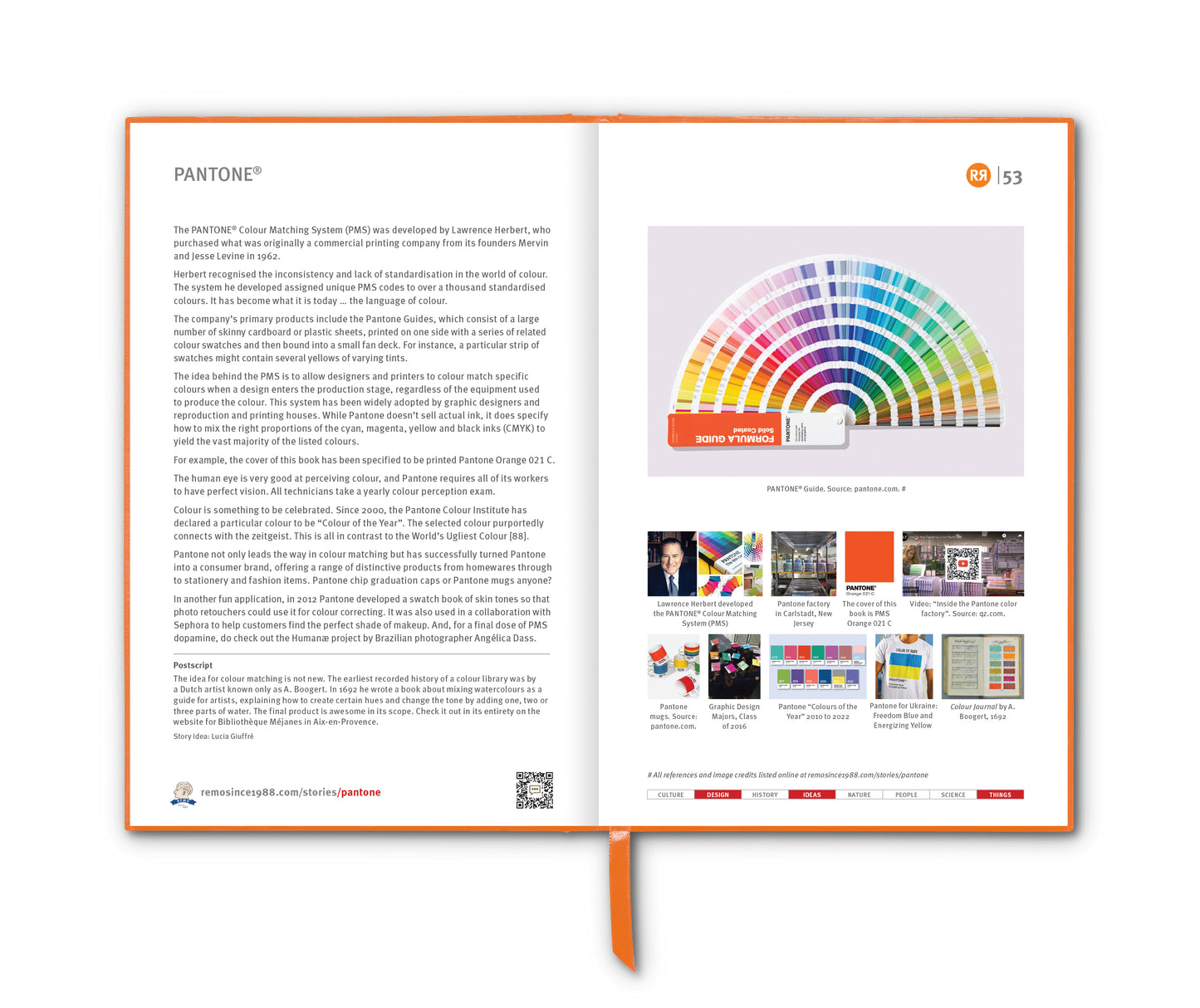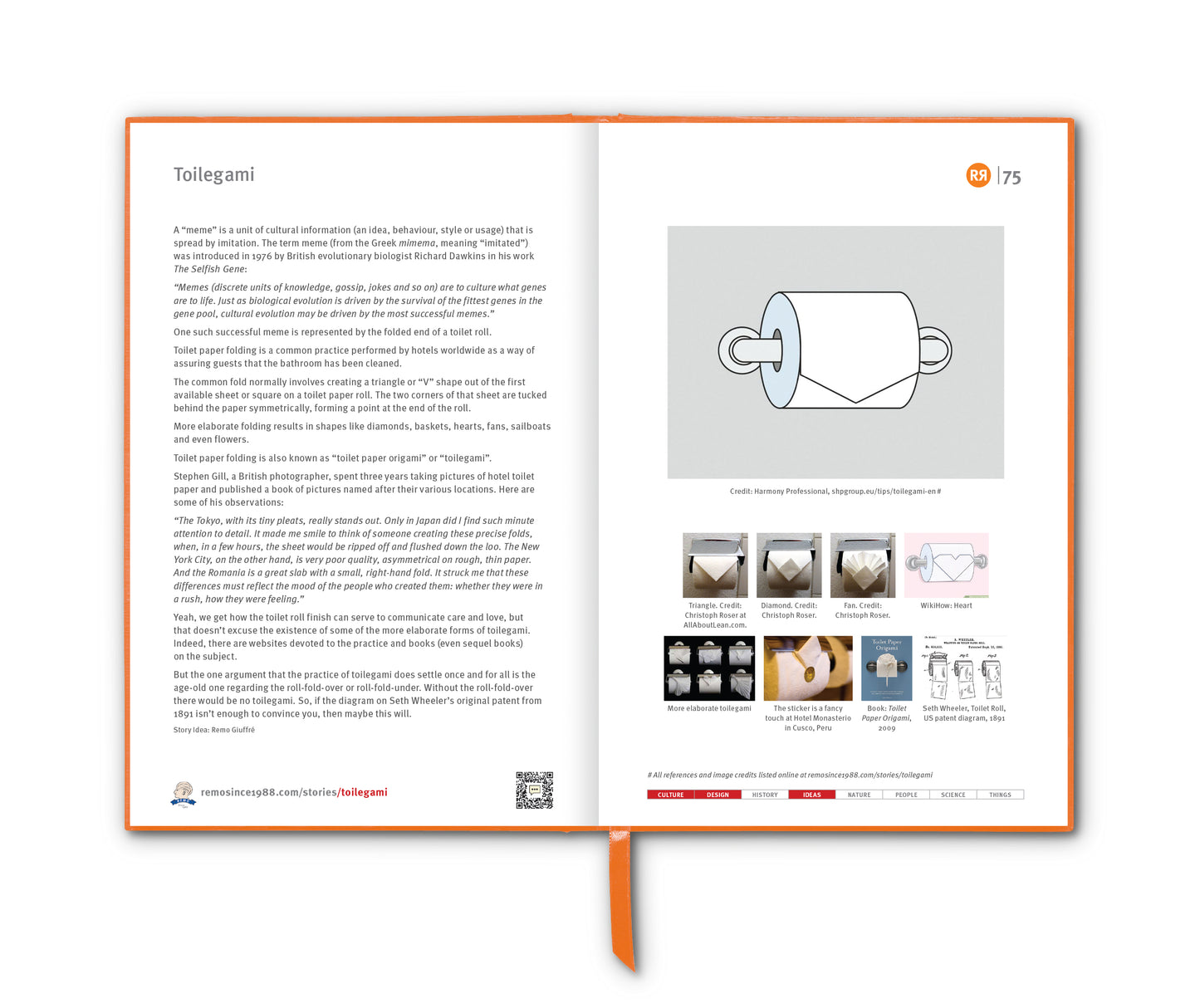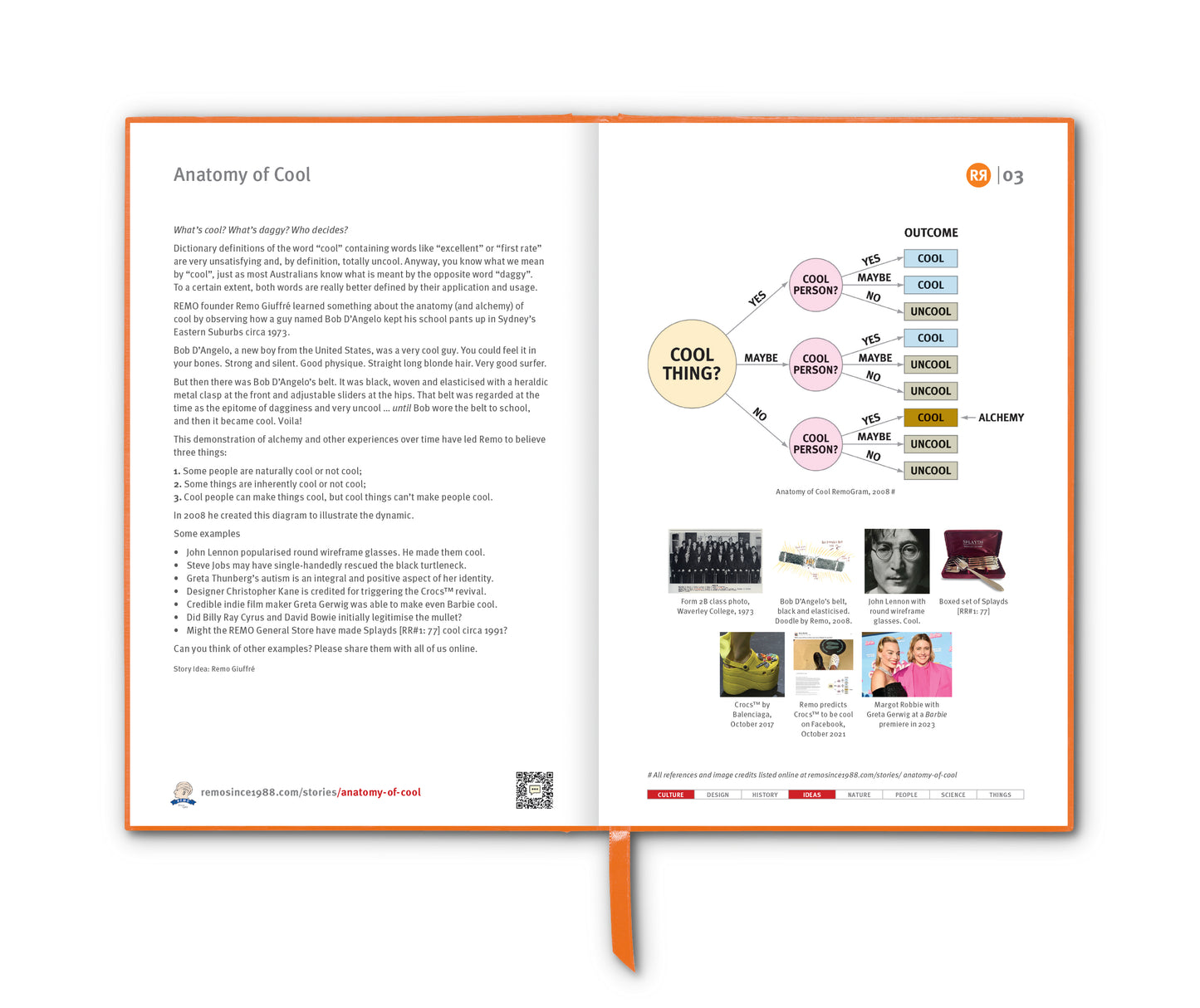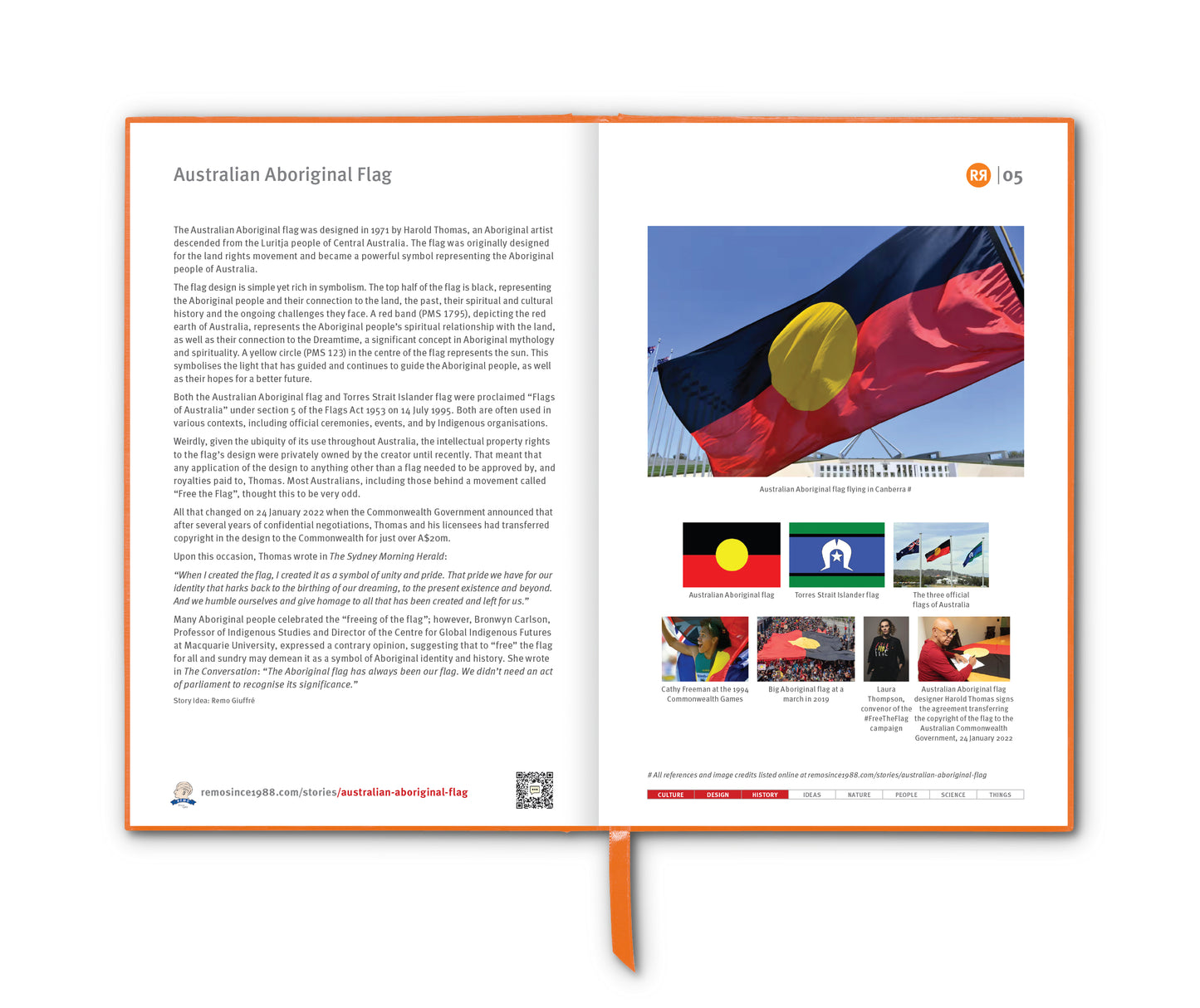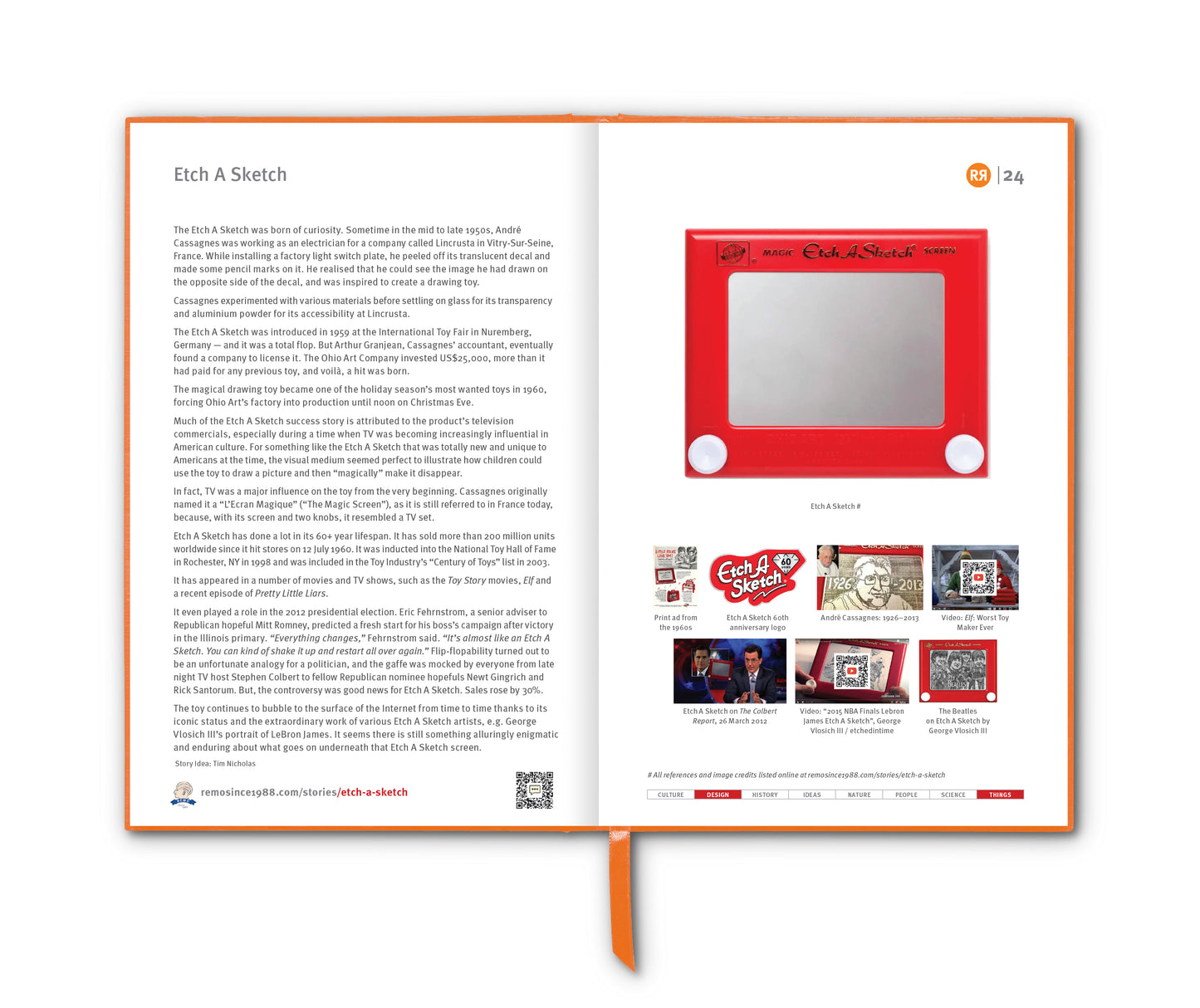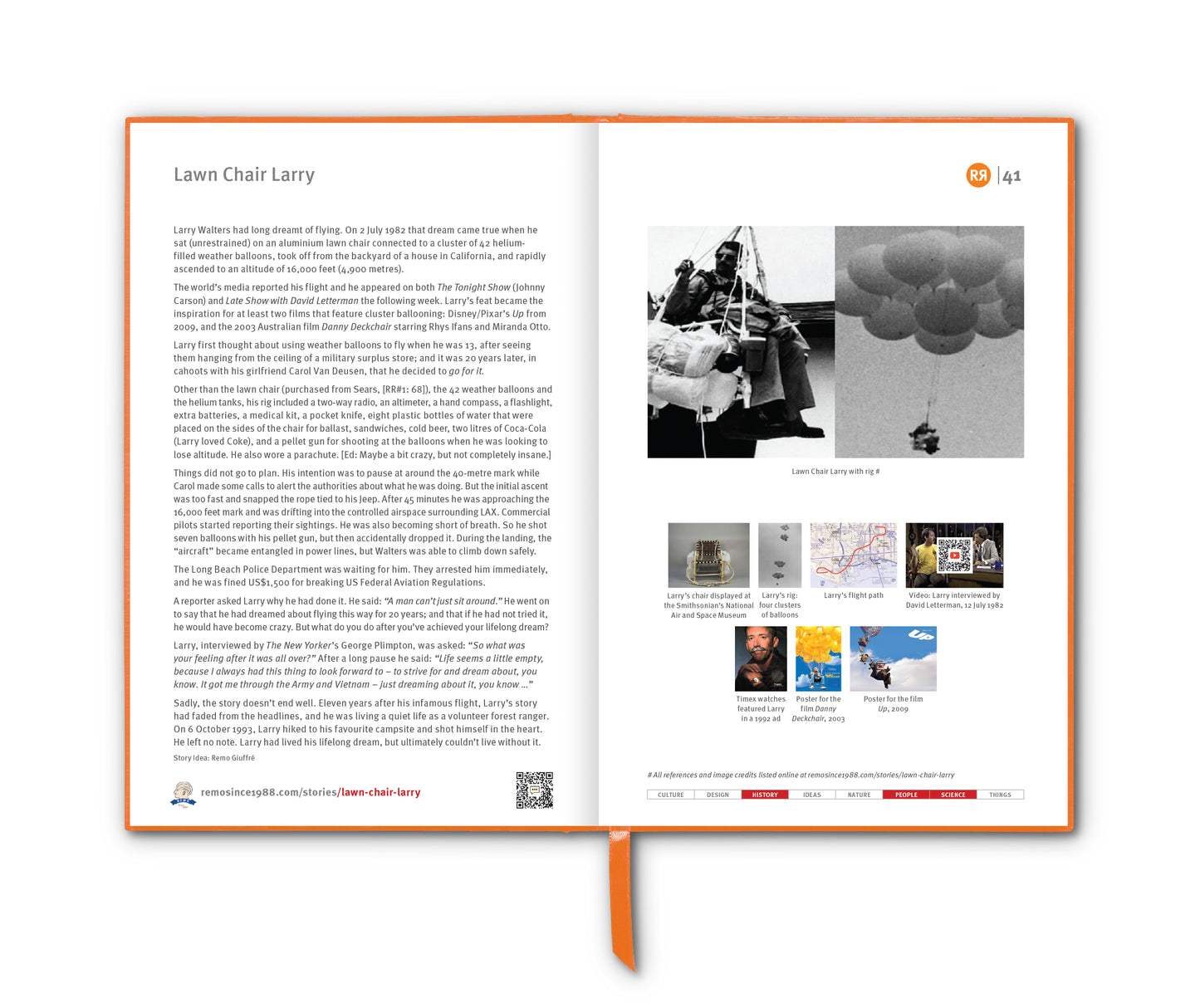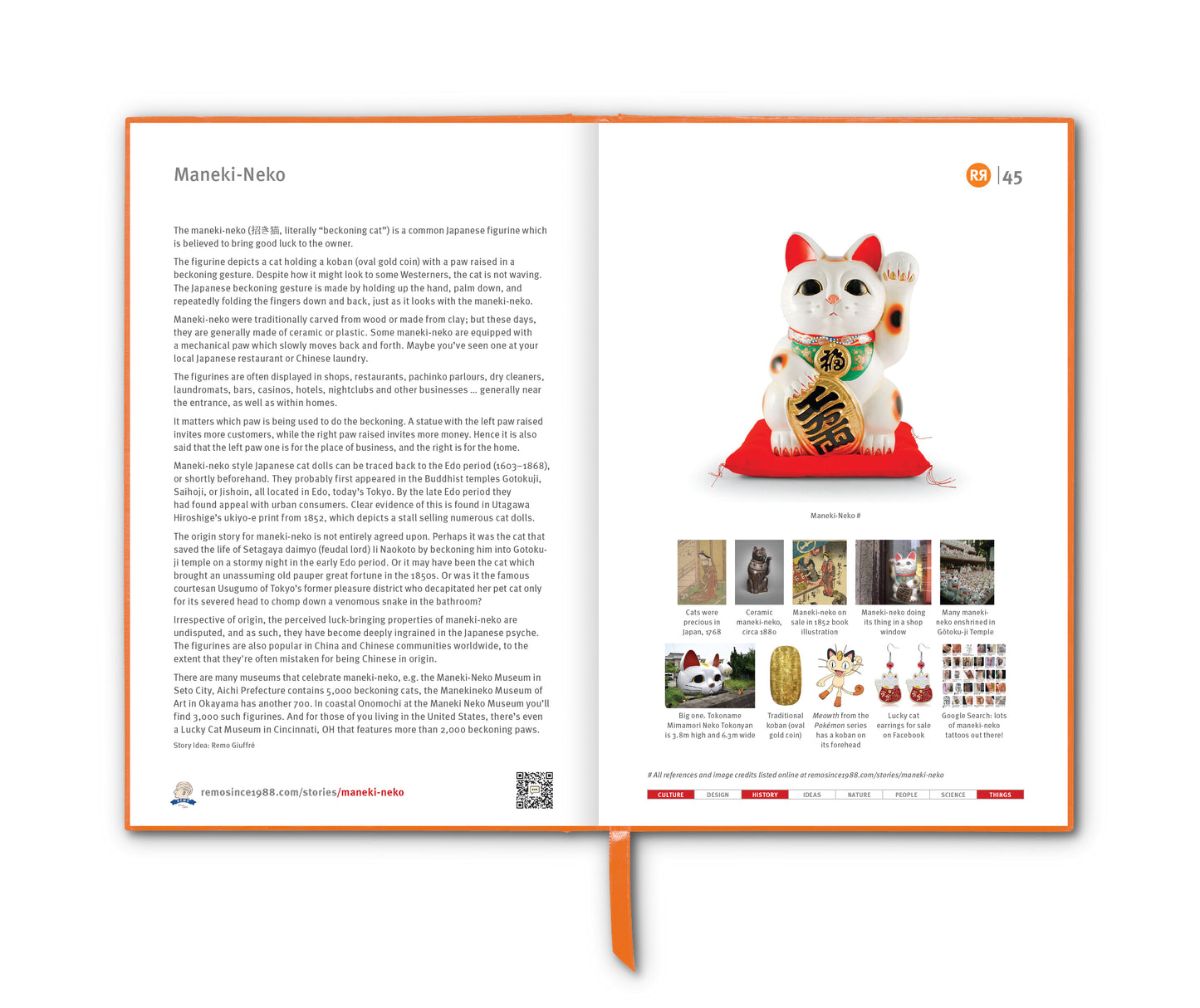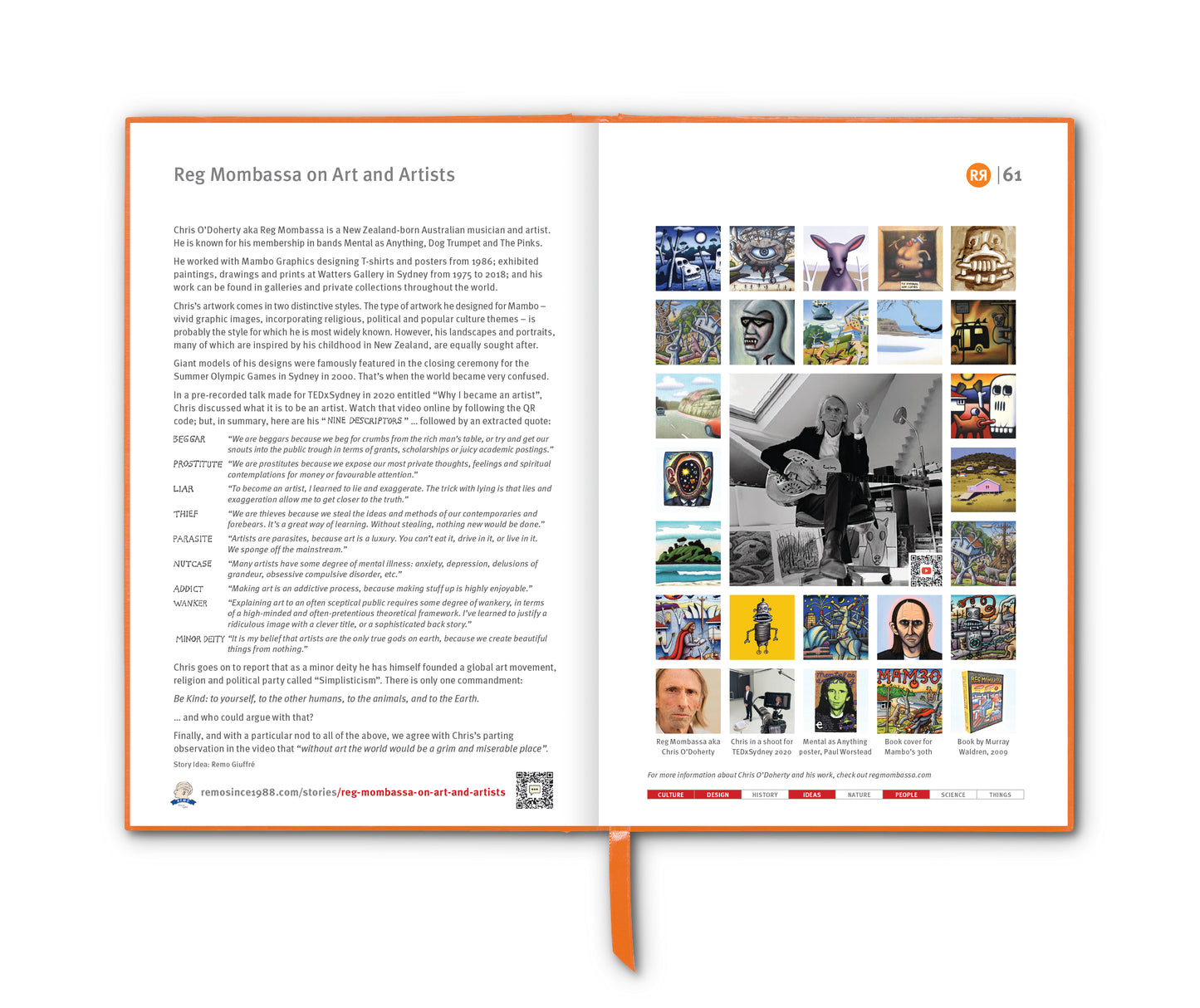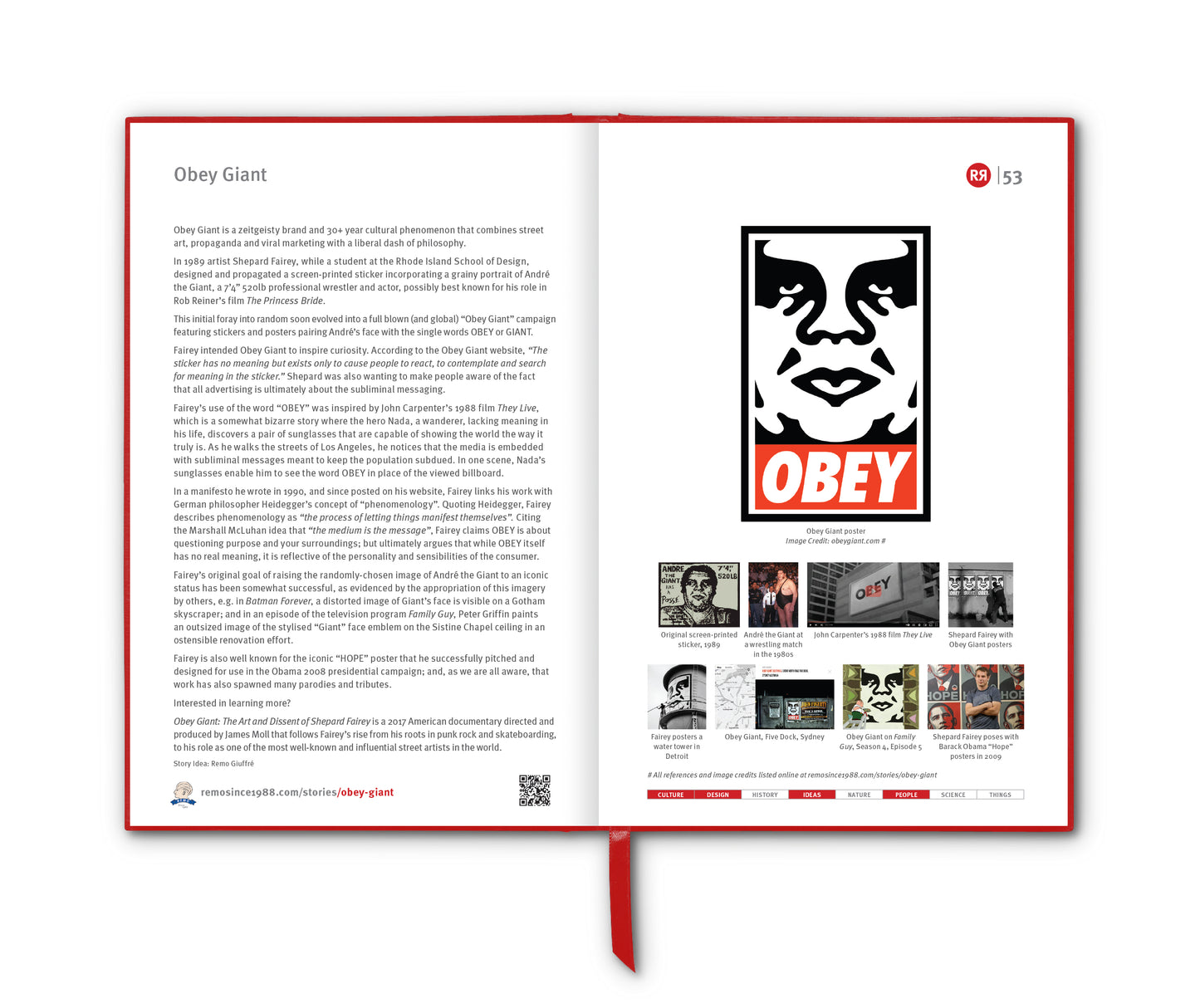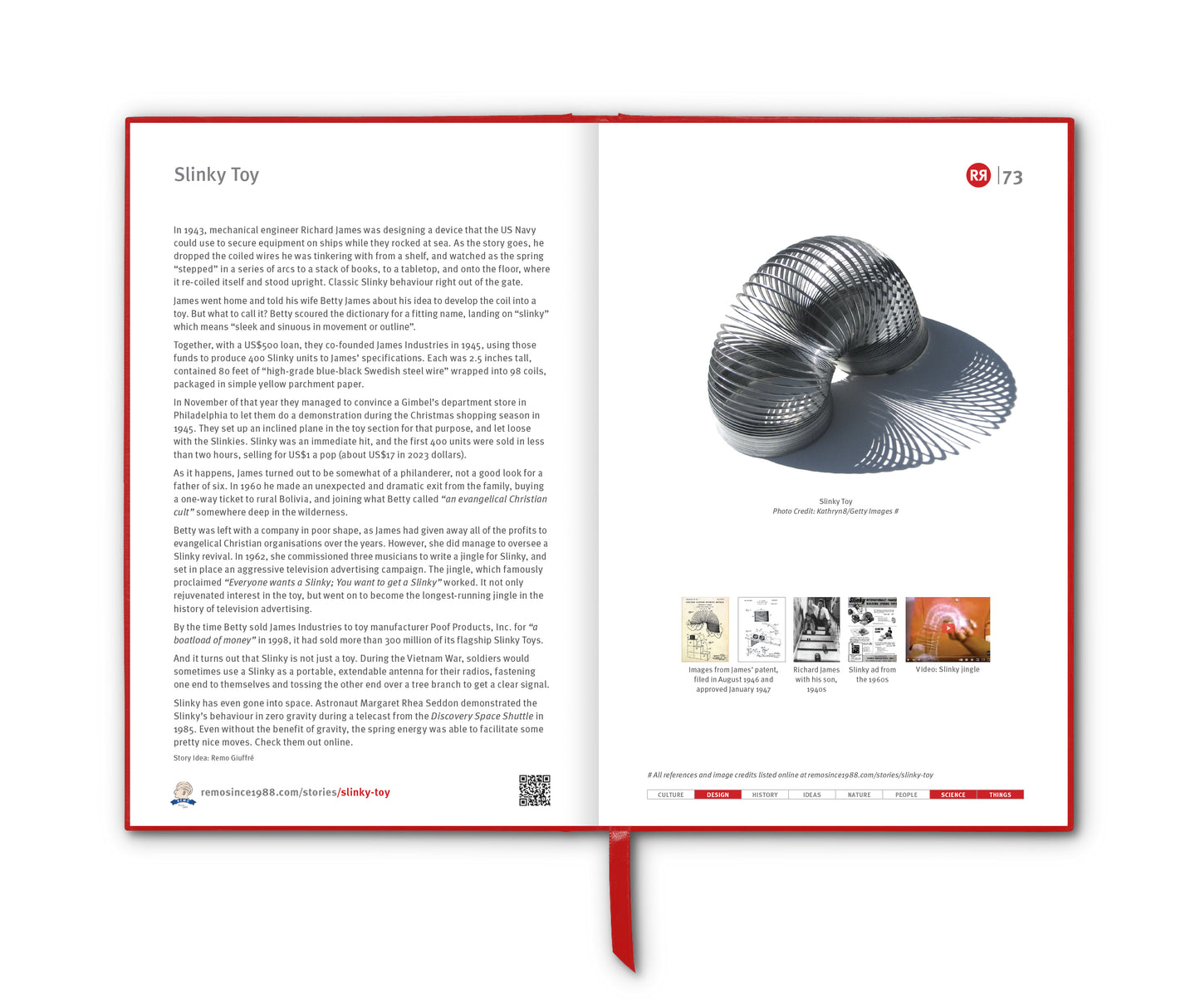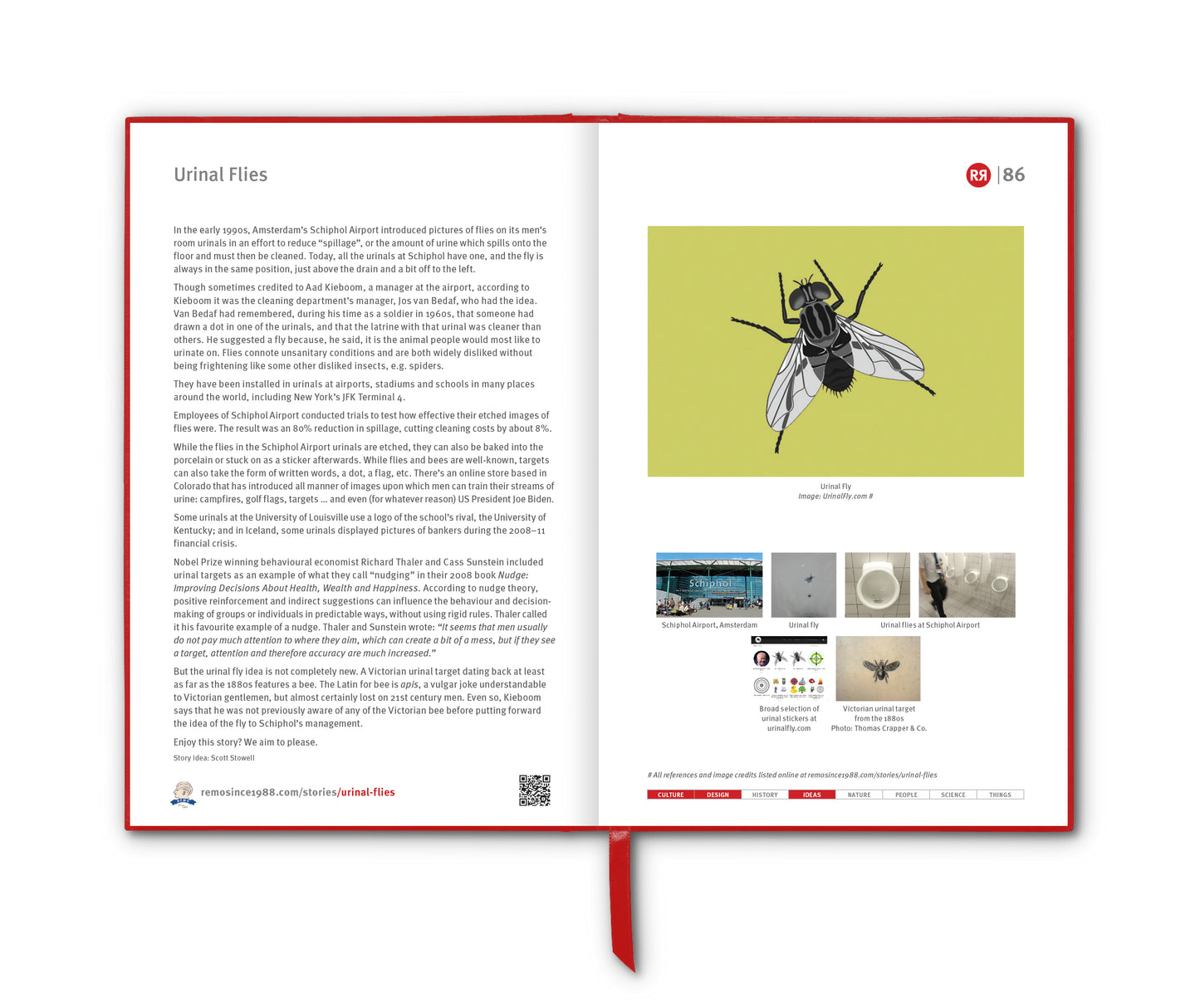

The Chinese “Double Happiness” symbol (囍) is one of the world’s most enduring and instantly recognisable logograms – a combo platter of typographic design, cultural tradition and poetic superstition. It is technically not a word at all, but a ligature: a typographic fusion of two identical characters for "happiness" (喜), placed side by side. But it’s far more than calligraphic symmetry. This double dose of joy is one of the most important motifs in Chinese culture, especially when it comes to love and marriage.
The origins of double happiness date back to the Tang Dynasty (618–907 CE), and like many Chinese symbols, it comes wrapped in a story. A young scholar, on his way to the imperial exams, falls ill in a remote village. A local herbalist saves him, and while recovering, the scholar falls in love with the herbalist’s daughter. Before leaving, they exchange half a couplet – a traditional poetic phrase – with the understanding that it would be completed upon his successful return. After passing the exam, he does return, completes the poem, marries the girl, and their story is deemed a perfect union of scholarly success and romantic fate. The emperor, charmed by the tale, inscribes their wedding with the newly formed symbol: 囍. Two joys become one.
From then on, double happiness became enshrined as a symbol of marital bliss. To this day, it is omnipresent at Chinese weddings – printed on invitations, embroidered onto wedding gowns, stamped in red across banquet walls, and even sculpted into cakes and chocolates. It appears in gold, red, jade and paper – rendered in fonts that range from flowing calligraphy to rigid block forms, but always with the same paired symmetry.
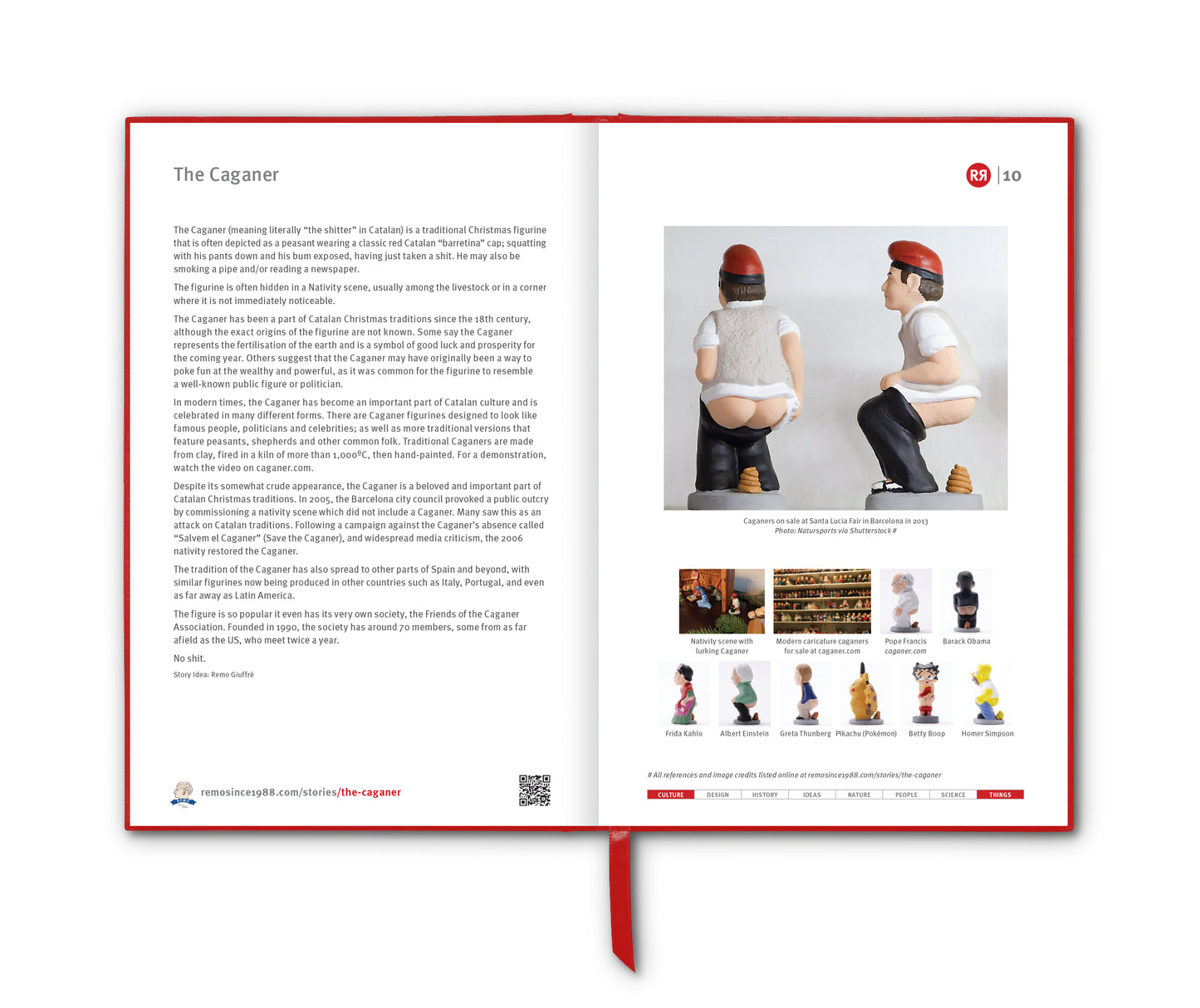
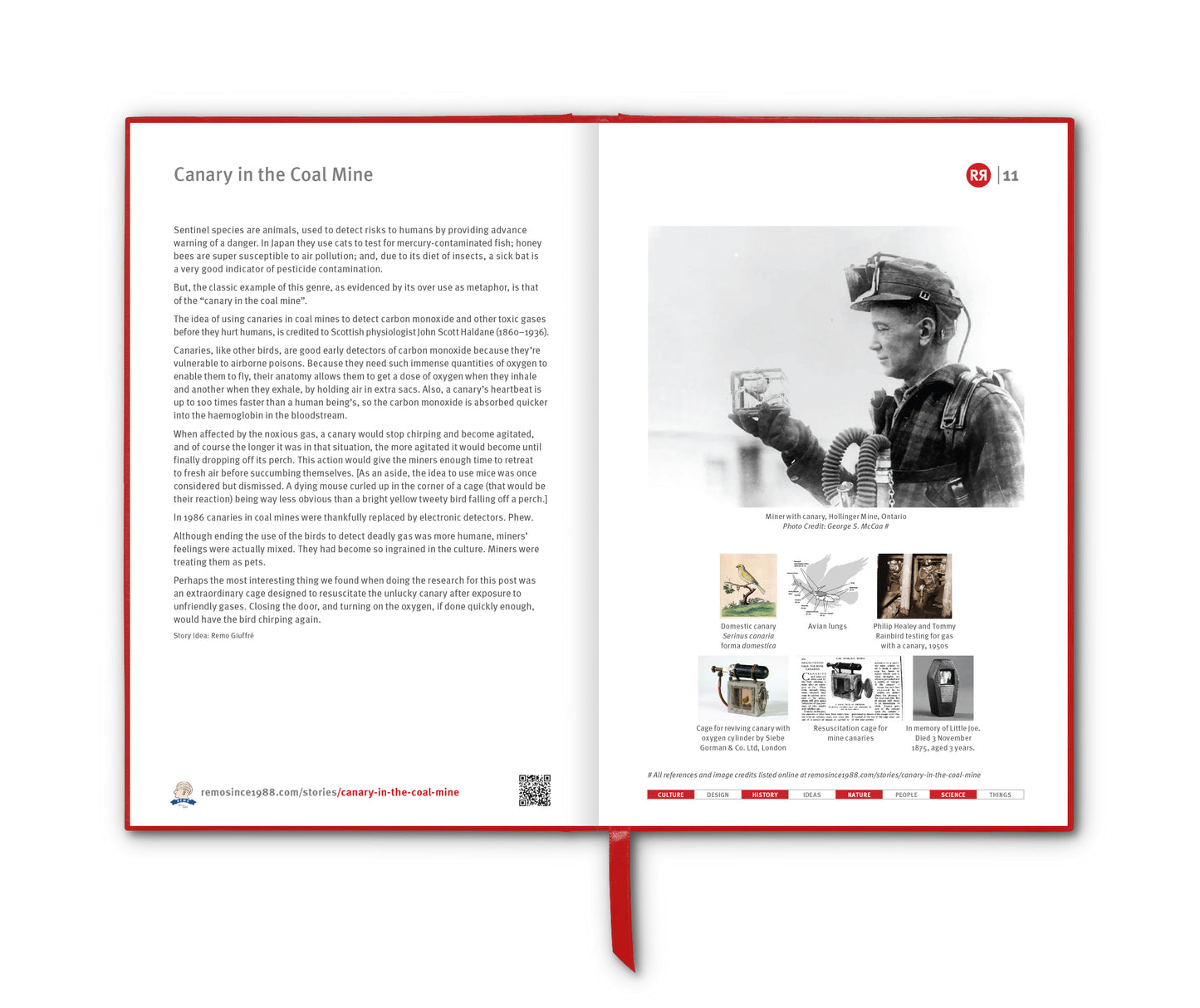
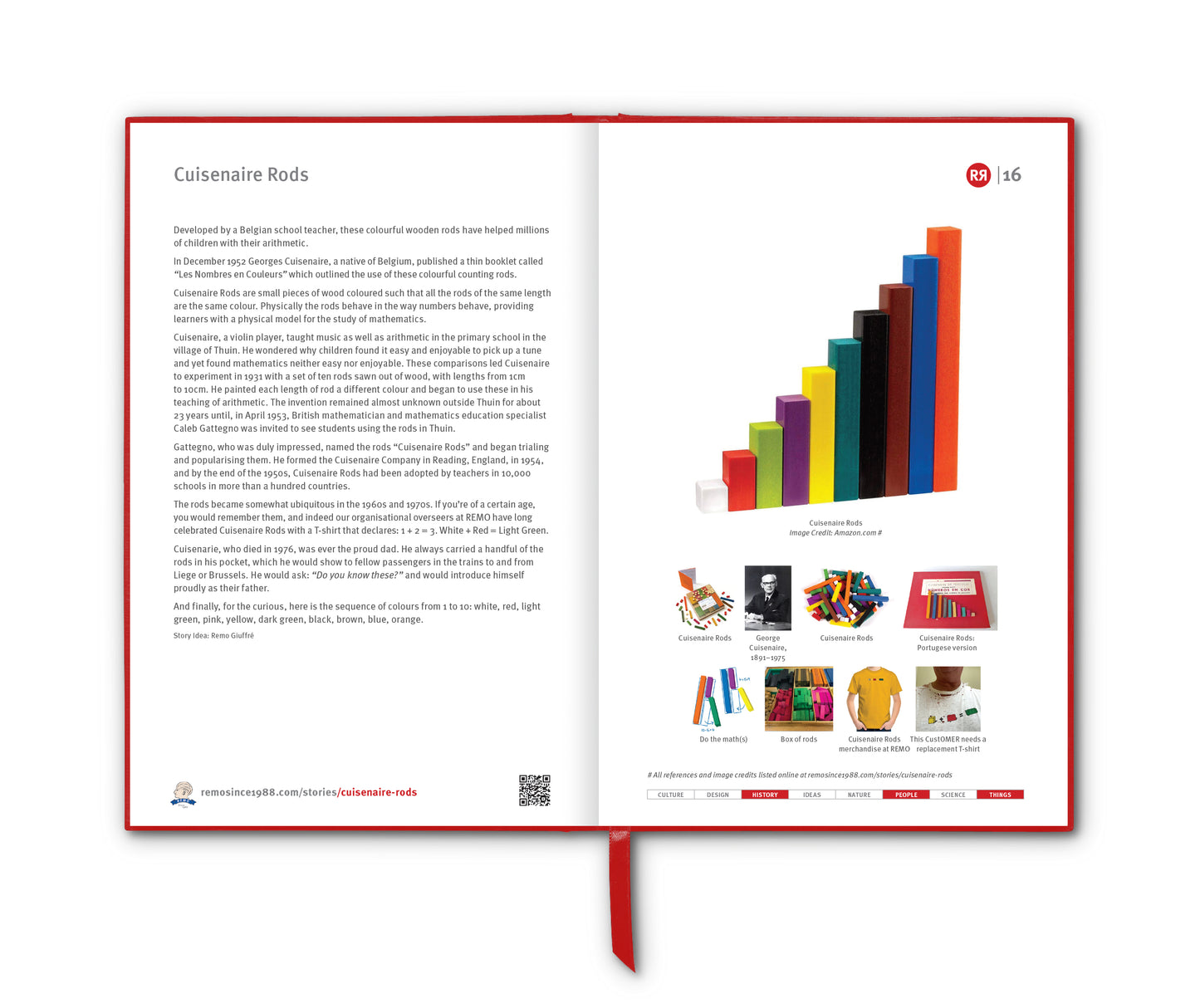
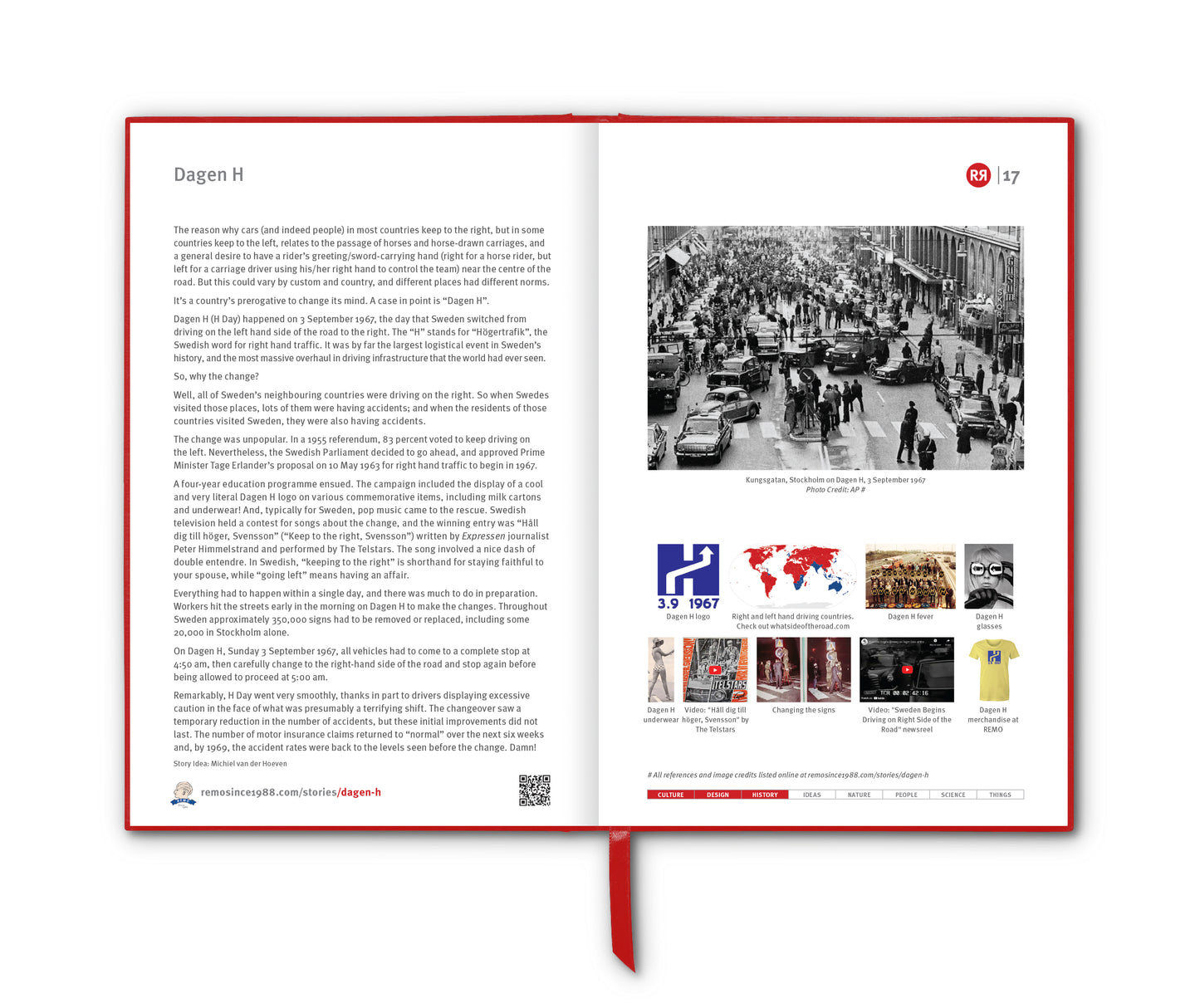
Its cultural significance is pervasive. For traditional Chinese families, marriage isn’t just about love – it’s about luck, lineage and harmony between the two families. The double happiness symbol doesn’t just bless a couple; it blesses a union. It acts as a visual talisman, believed to attract prosperity and good fortune to the marital home. The bold red colour typically used underscores this wish, as red is the colour of vitality and luck in Chinese culture.
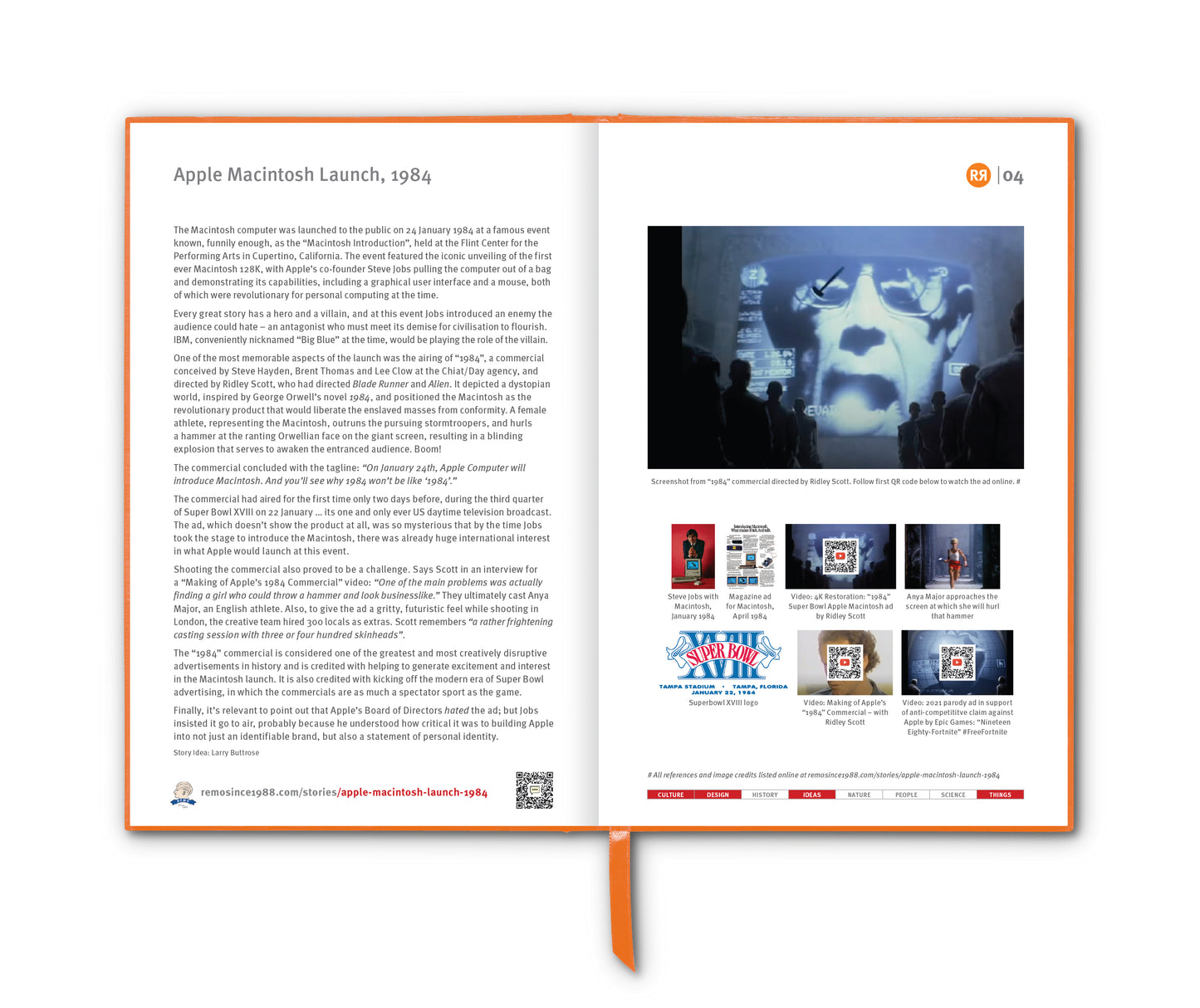
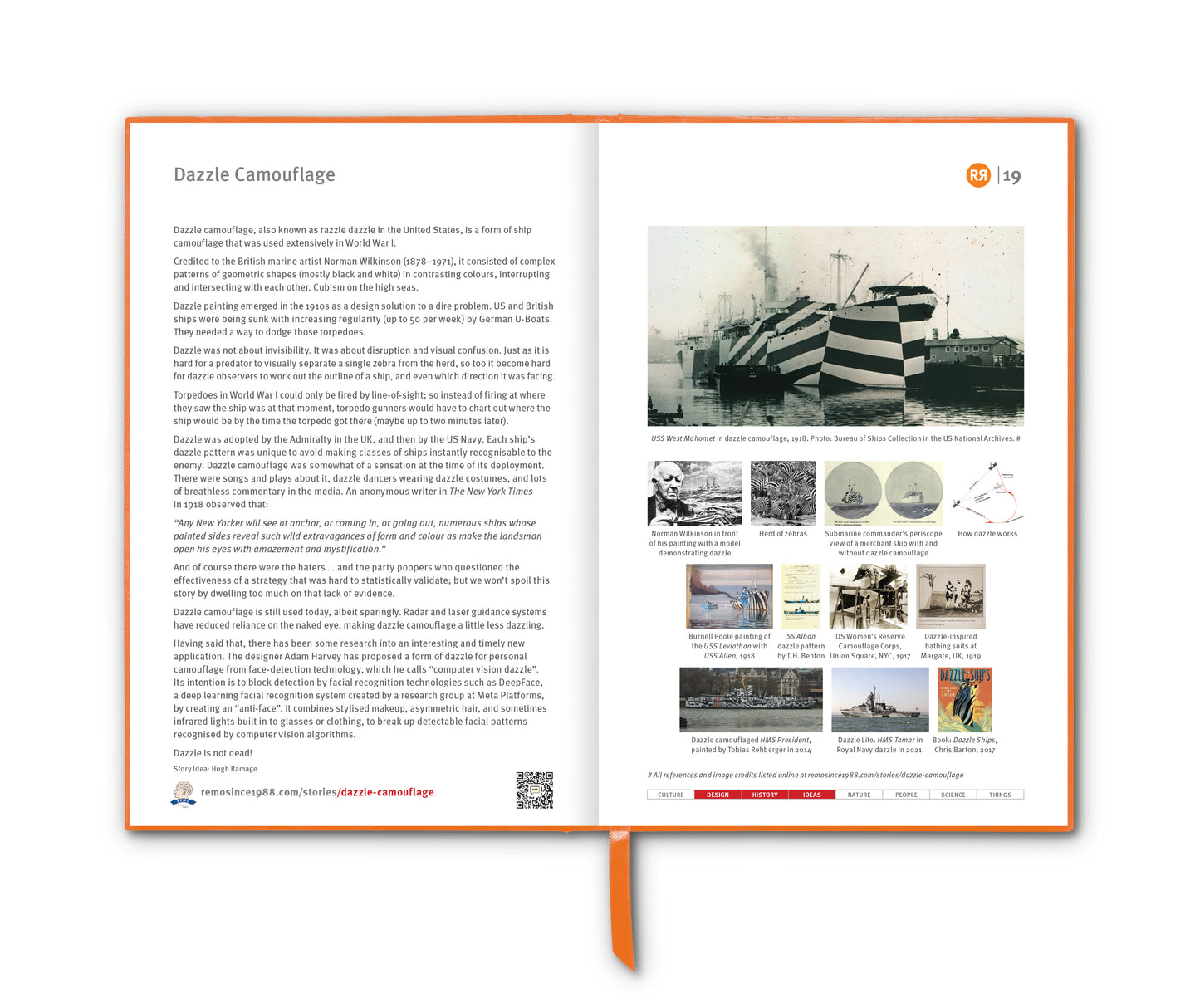
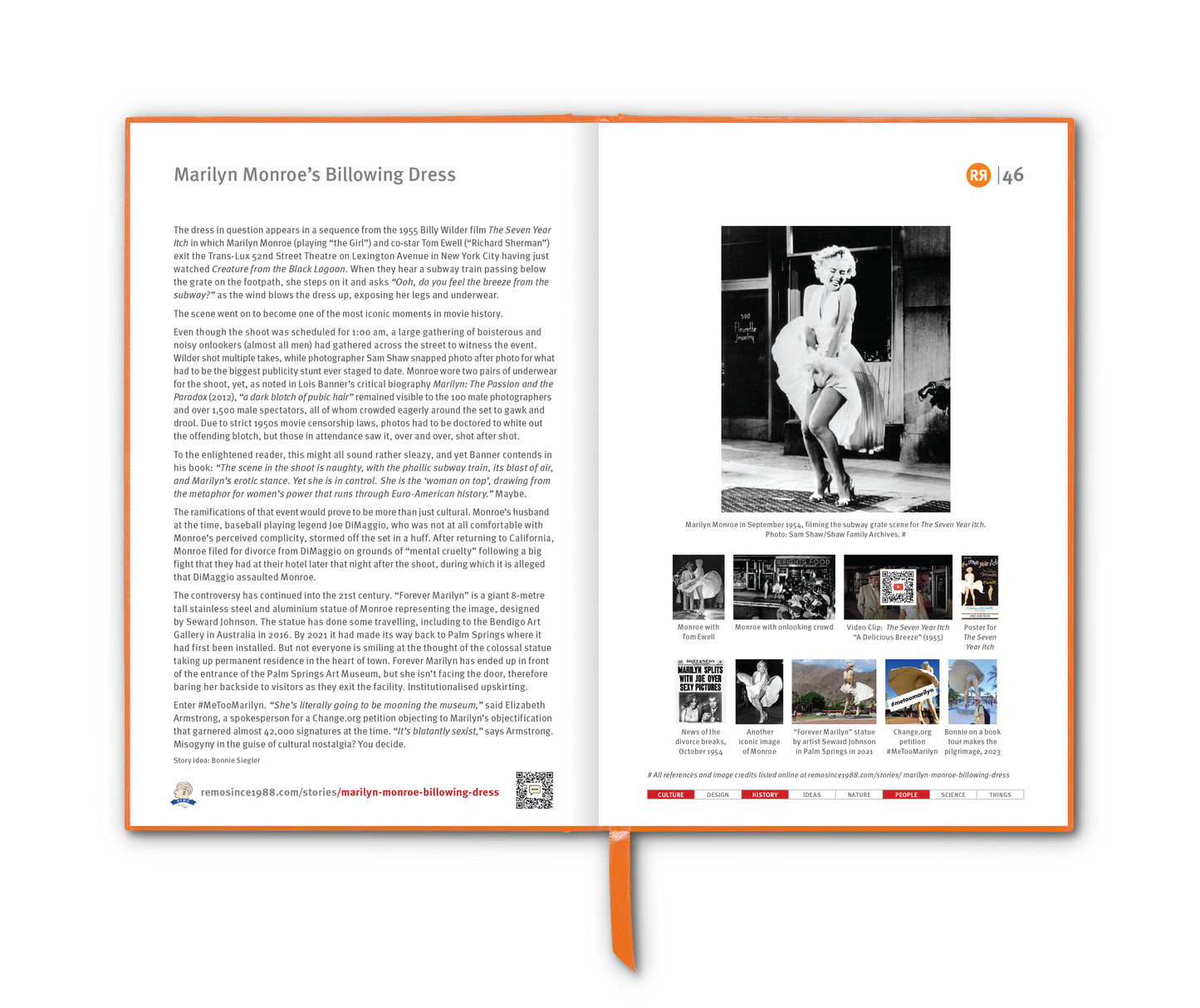
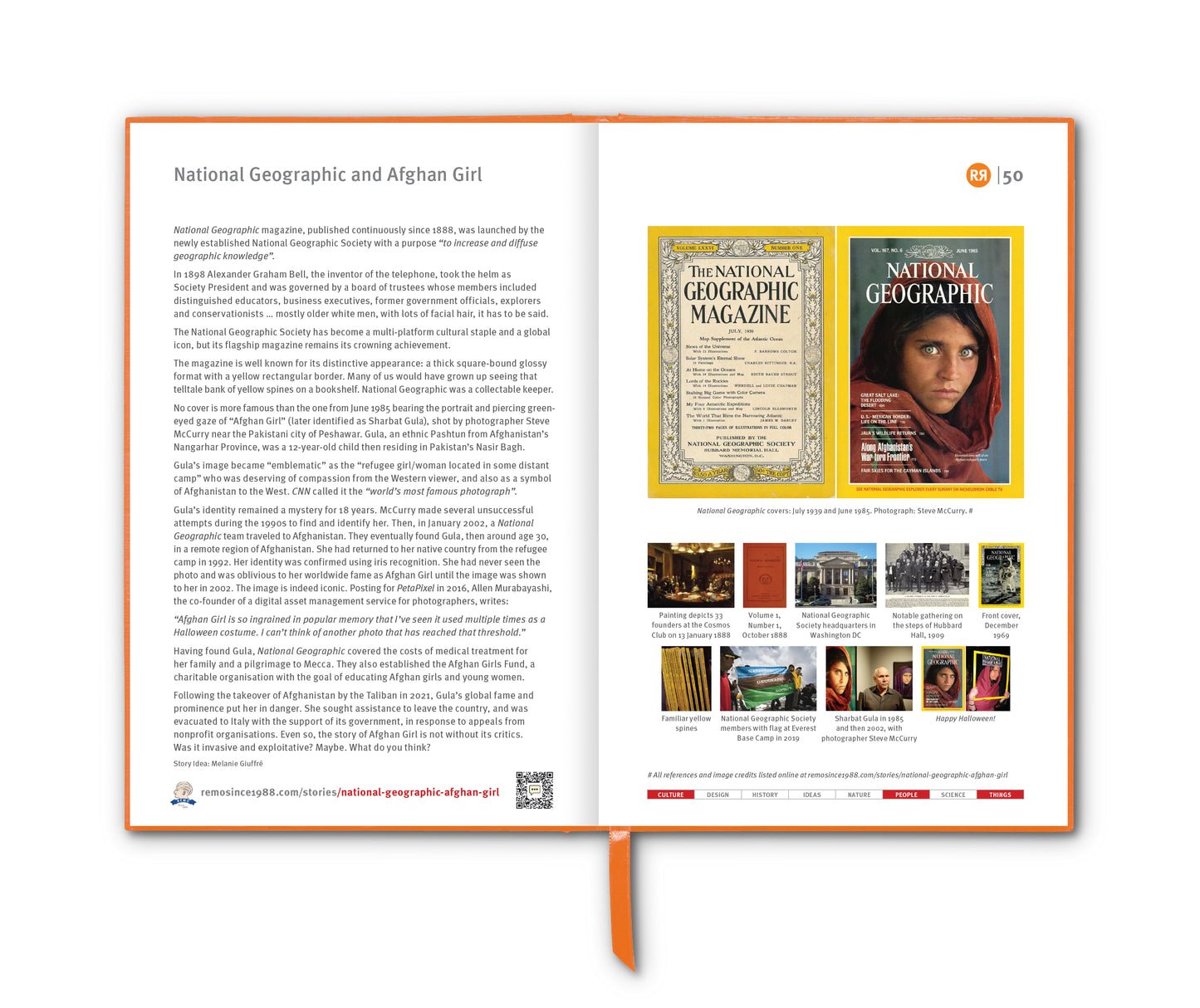
Over time, double happiness has evolved beyond its matrimonial origins. It has been co-opted by global designers, tattoo artists, ceramicists, fashion houses, punk bands and even cigarette brands.
In China the "Double Happiness" cigarette brand with its gold and red packaging is very popular as a gift during the Lunar New Year and weddings. During the 1980s and 1990s, the cigarettes played a odd role in Chinese weddings: the bride had to light a cigarette for every man attending the wedding banquet as a token of gratitude. After the 2000s, this custom slowly started to disappear, due to increasing awareness of the health hazards associated with smoking.
Finally, double happiness has become a powerful cultural export – emblematic of a broader fascination with Chinese symbology. For diaspora Chinese communities, it remains a nostalgic and unifying image, tying generations to ancestral roots.
Story Idea: John Williams
______________________________
References
wikipedia.org/wiki/Double_Happiness_(calligraphy)
Images
1. Double happiness 囍
2. Porcelain vase from the Qing dynasty with double happiness characters
3. Traditional Chinese wedding reception, with double happiness decorations
4. A double happiness character on the door ring of Soong Ching-ling's ancestral home in Wenchang, Hainan
5. Chinese wedding invitation cards with double happiness characters
6. Old matchboxes with double happiness design
7. Double happiness 囍 is a popular tattoo
8. Double Happiness cigarettes, smuggled into the country from China. Photo credit: Jason Dorday for stuff.co.nz