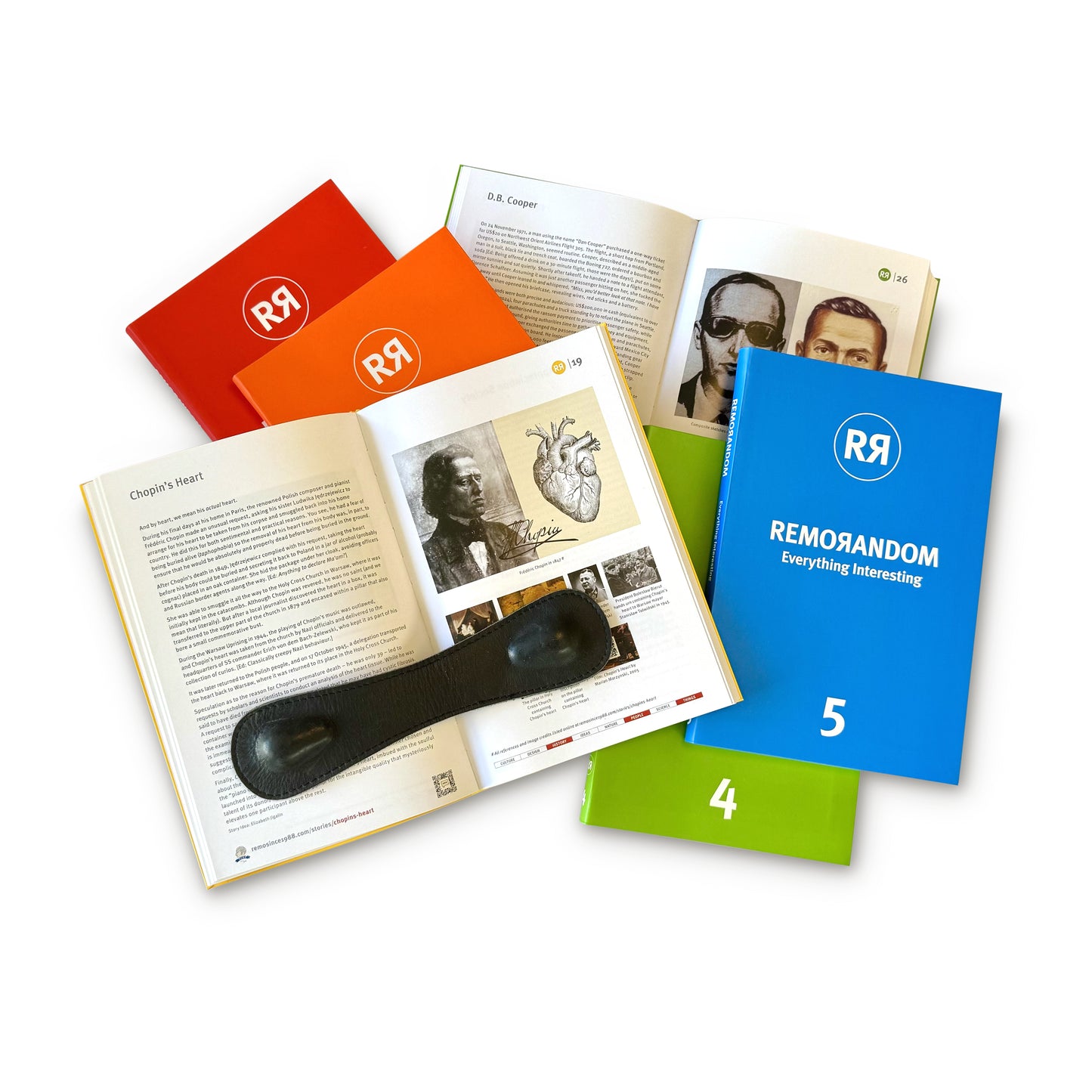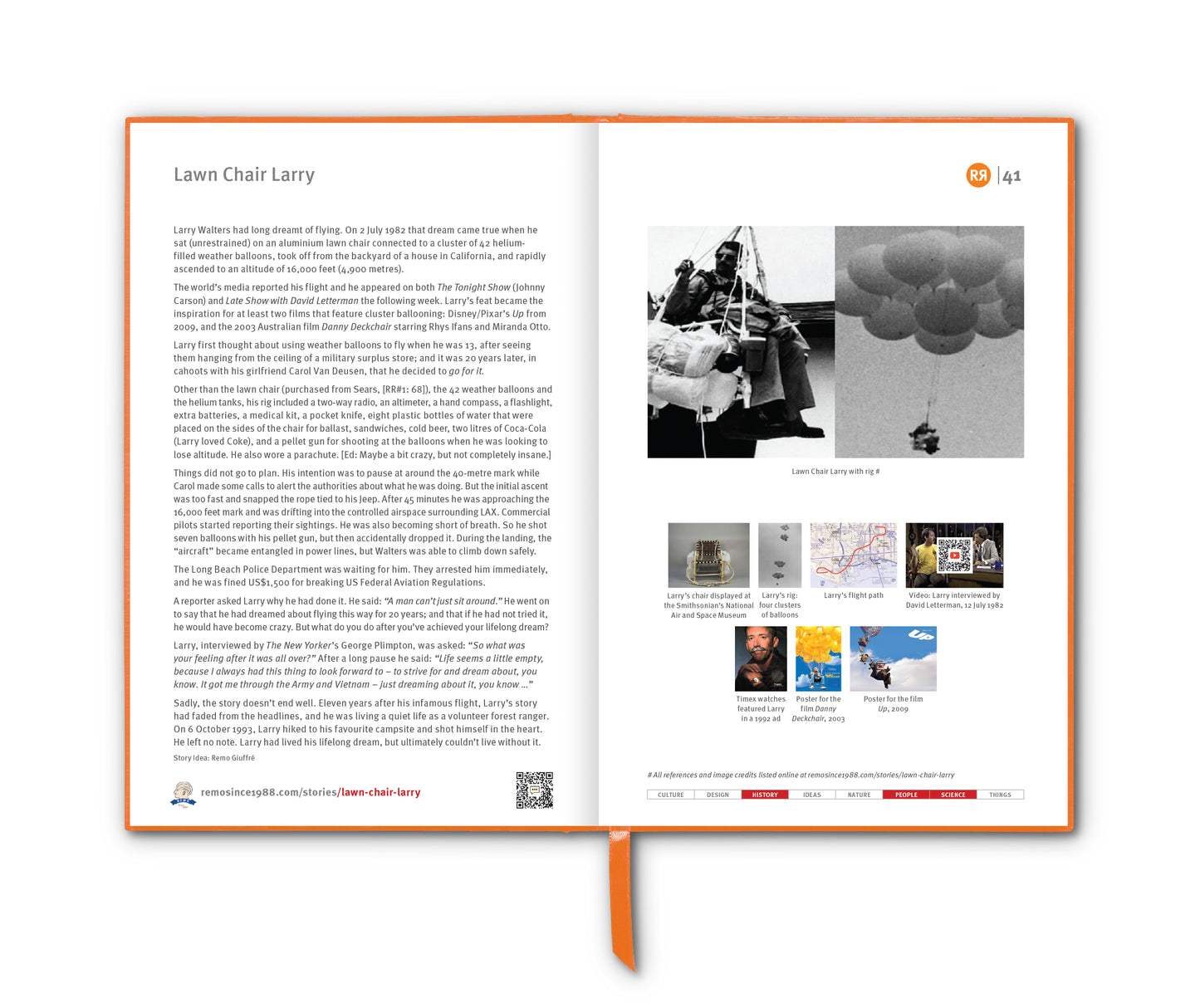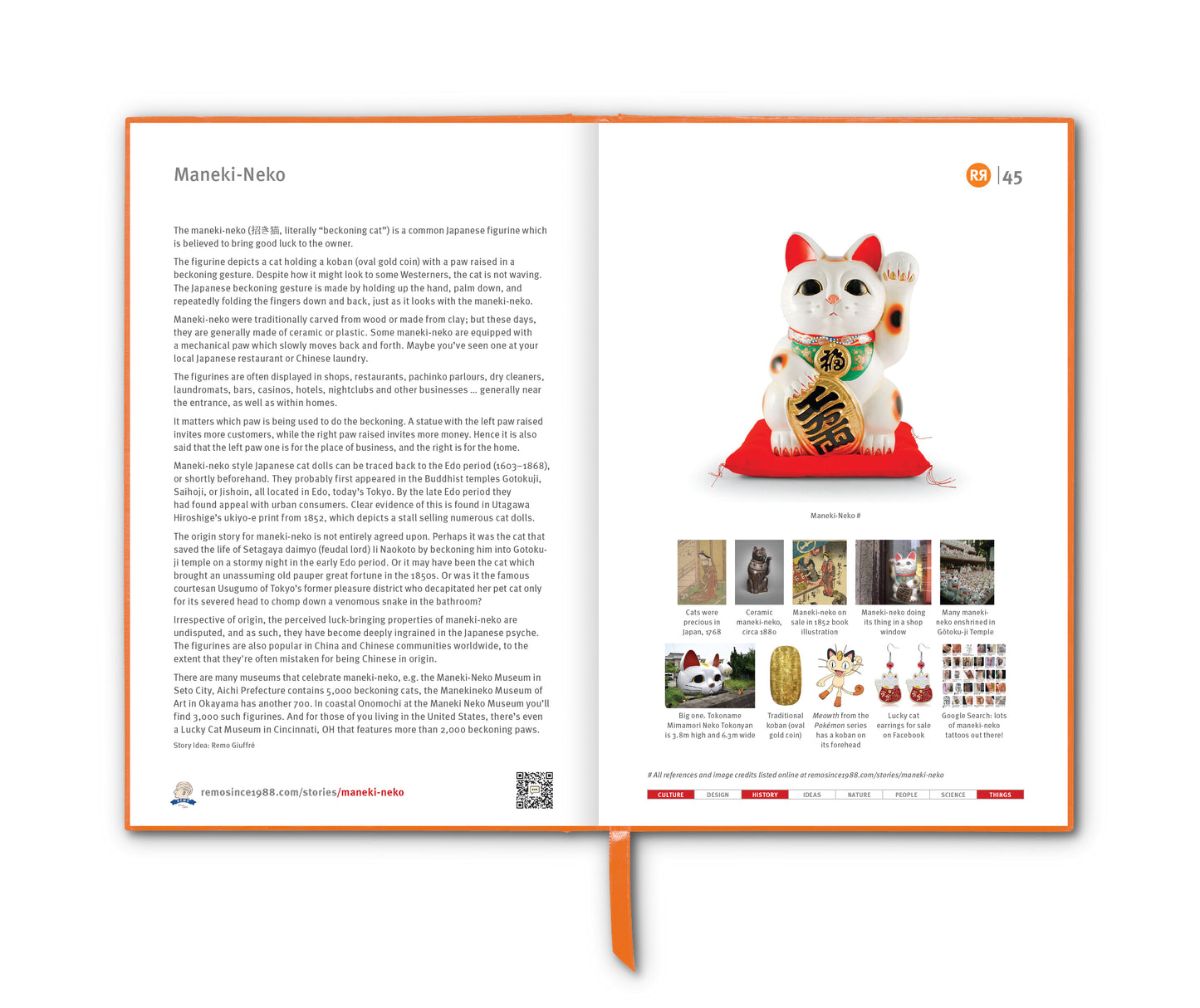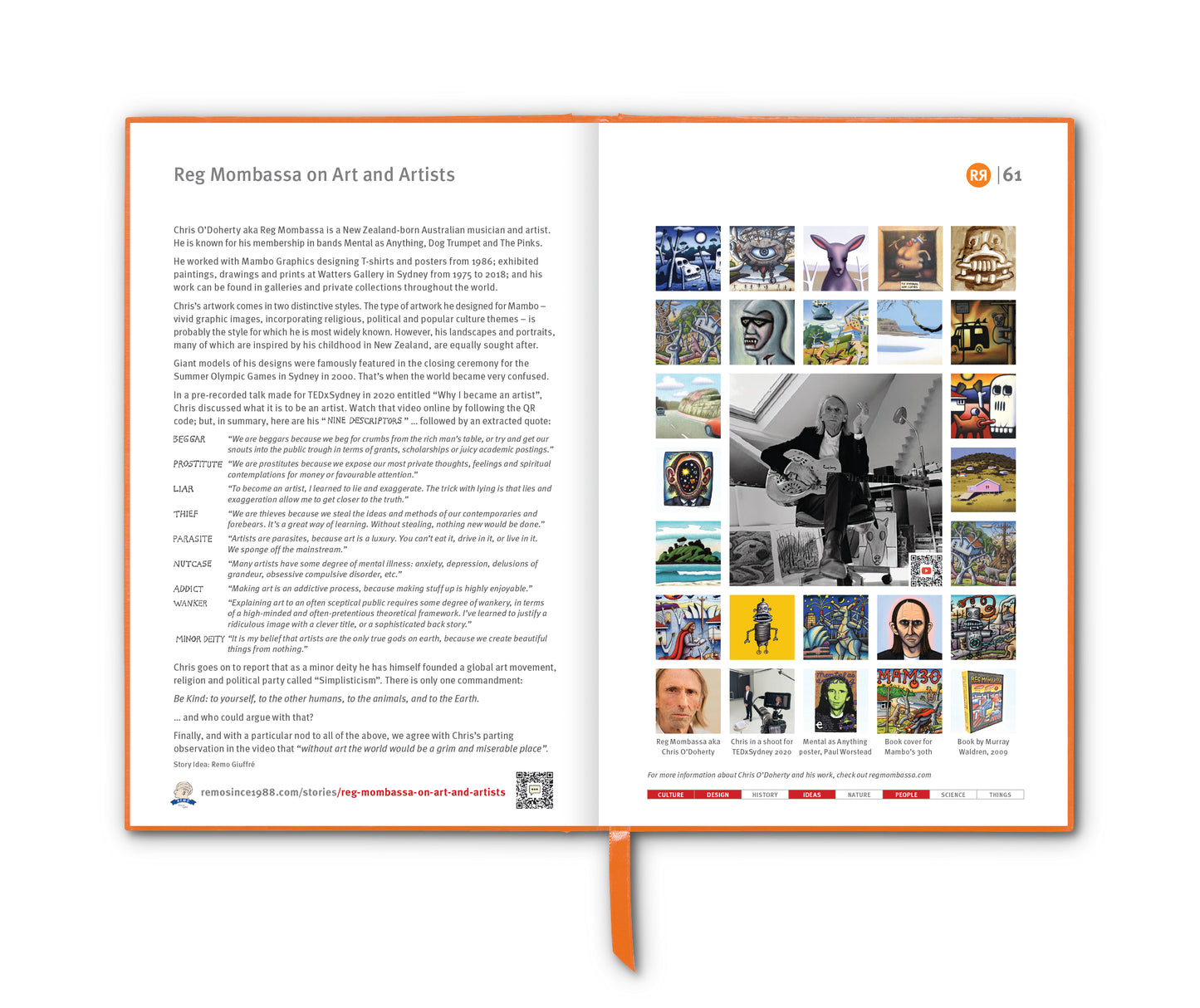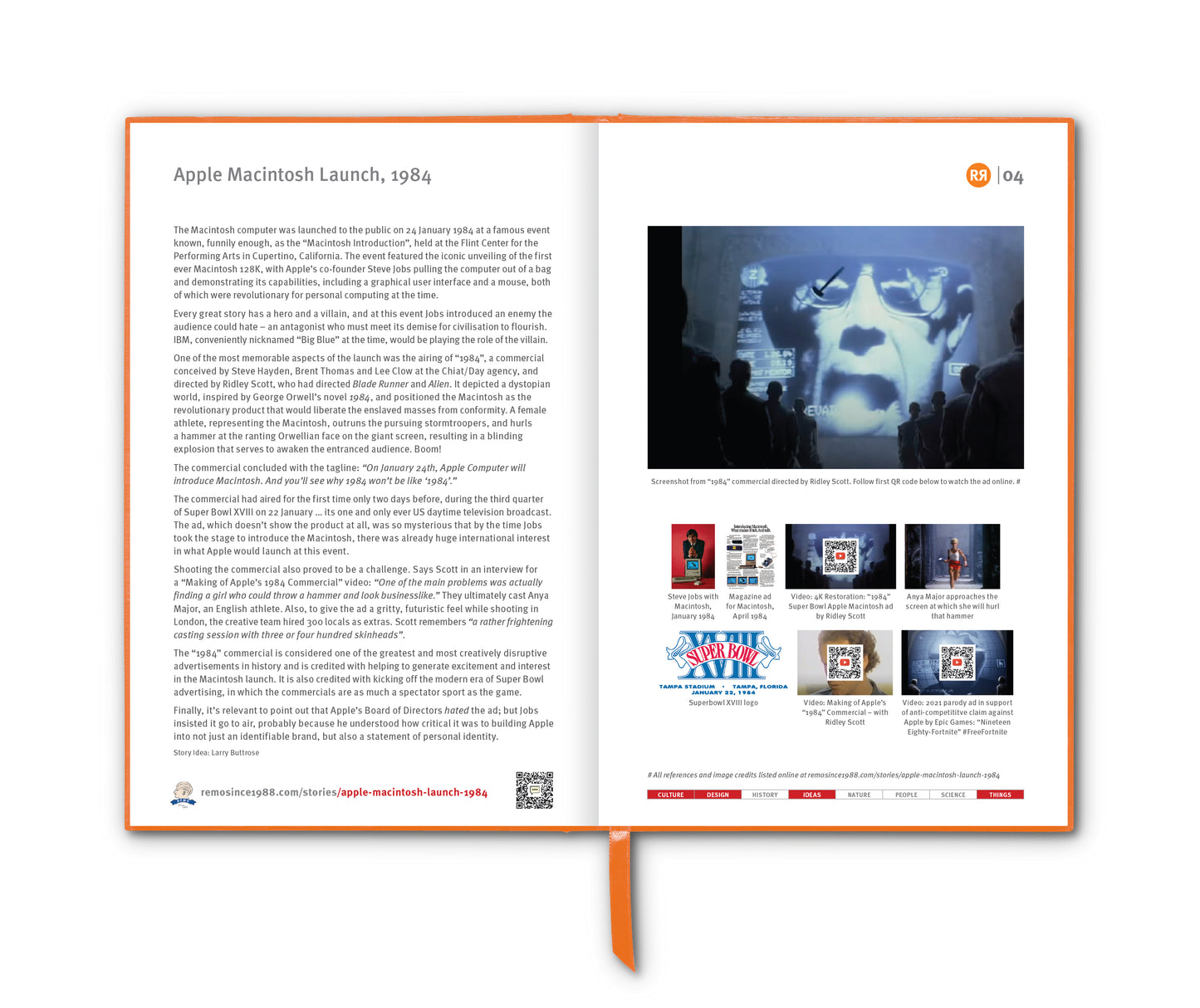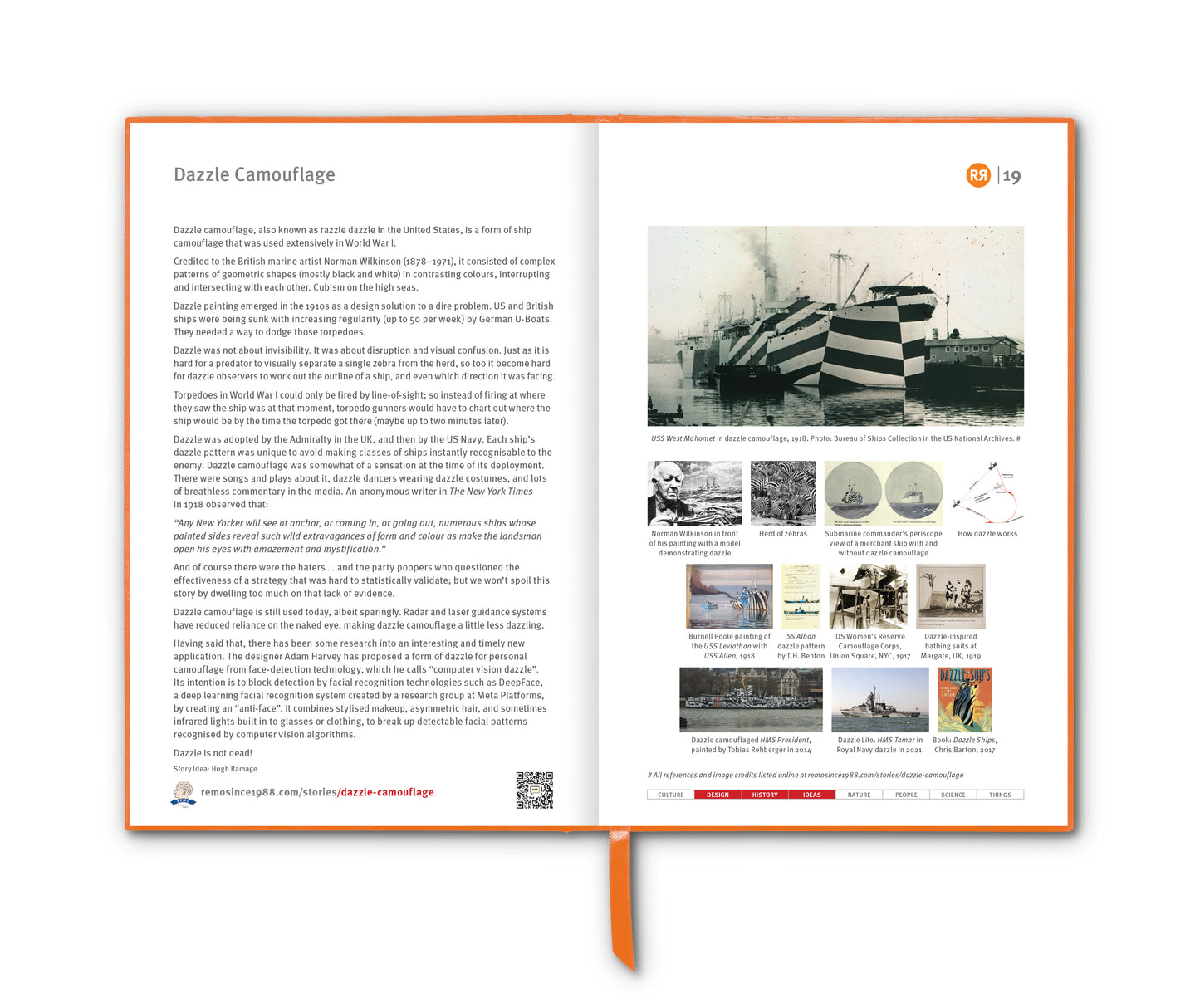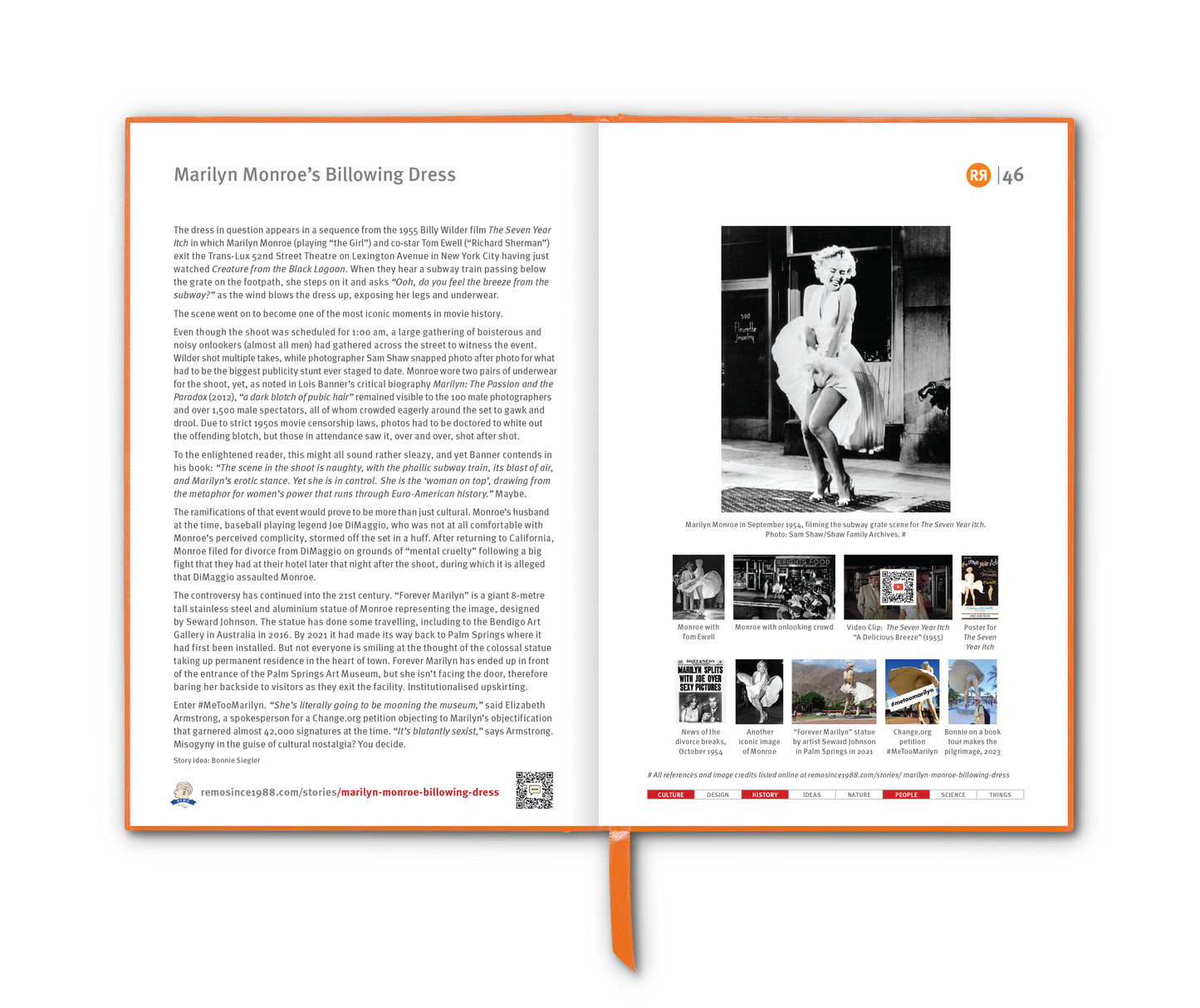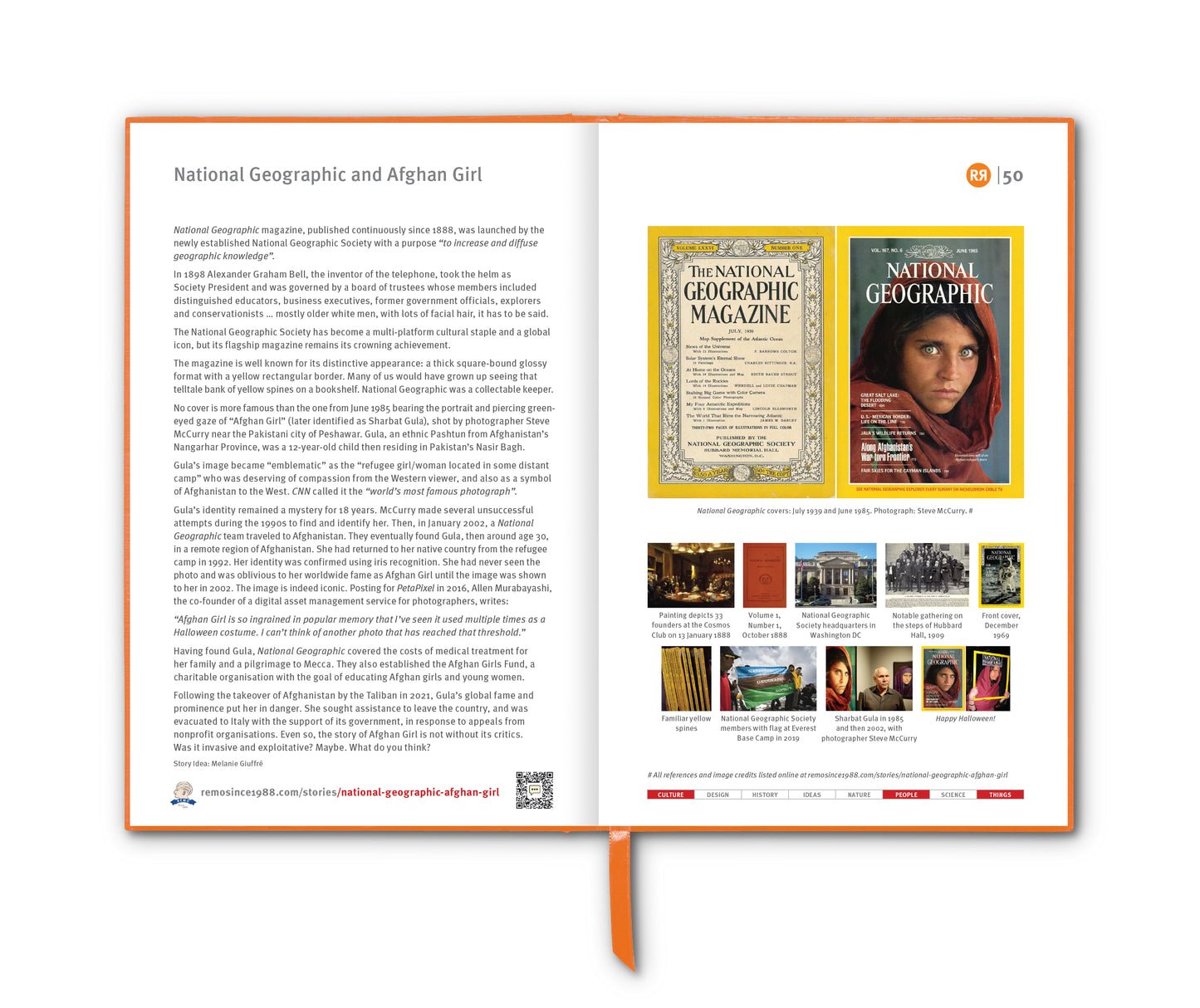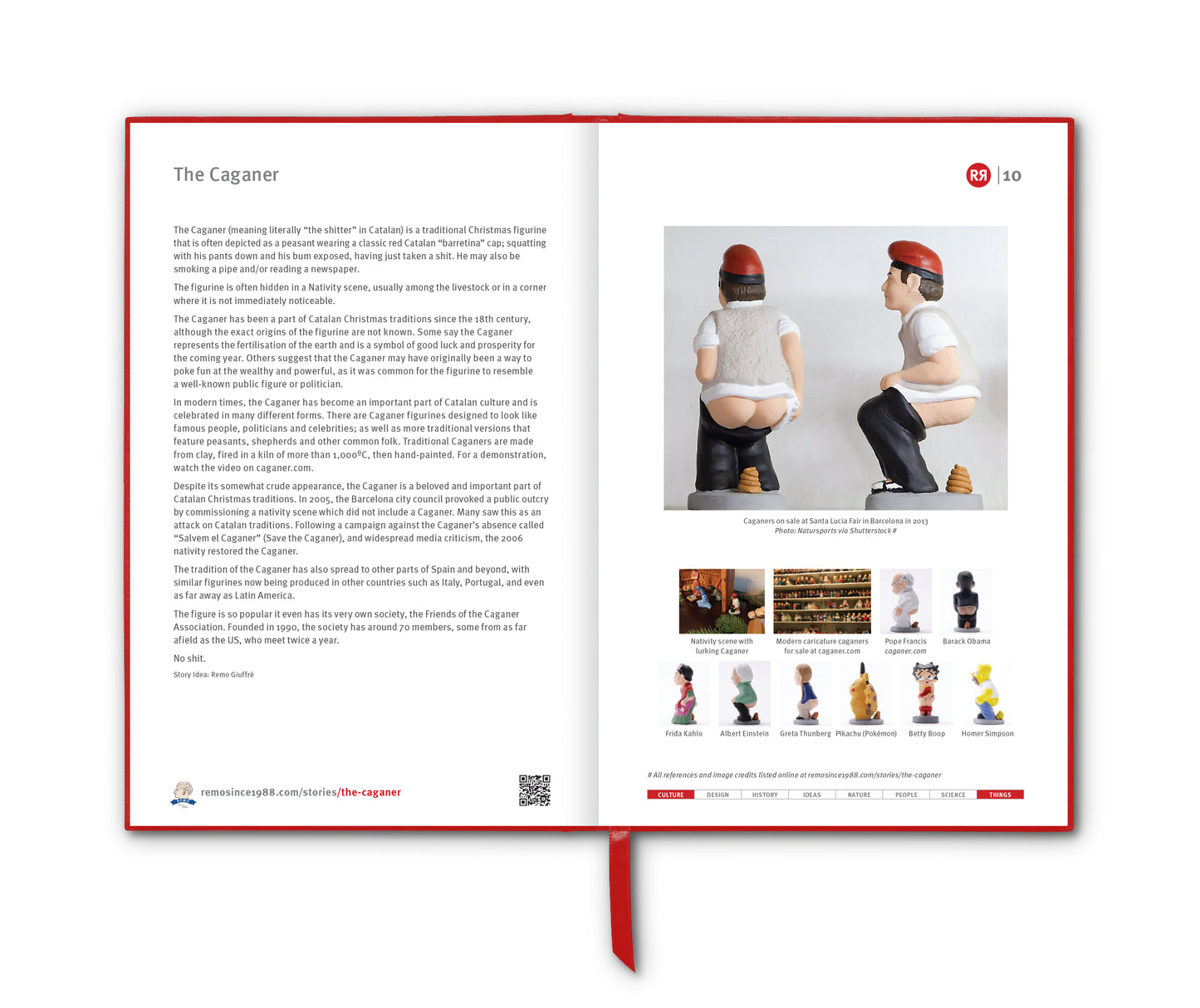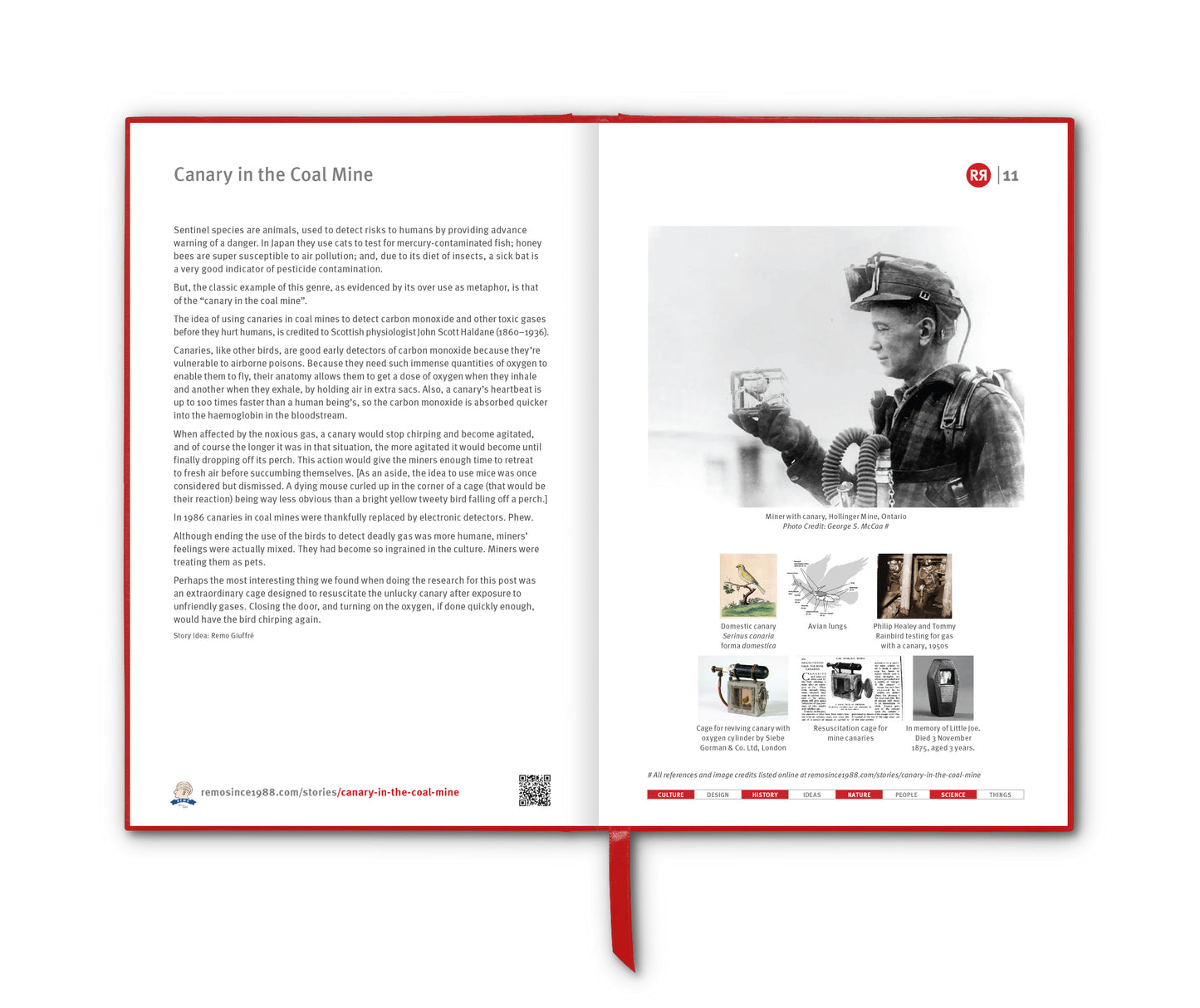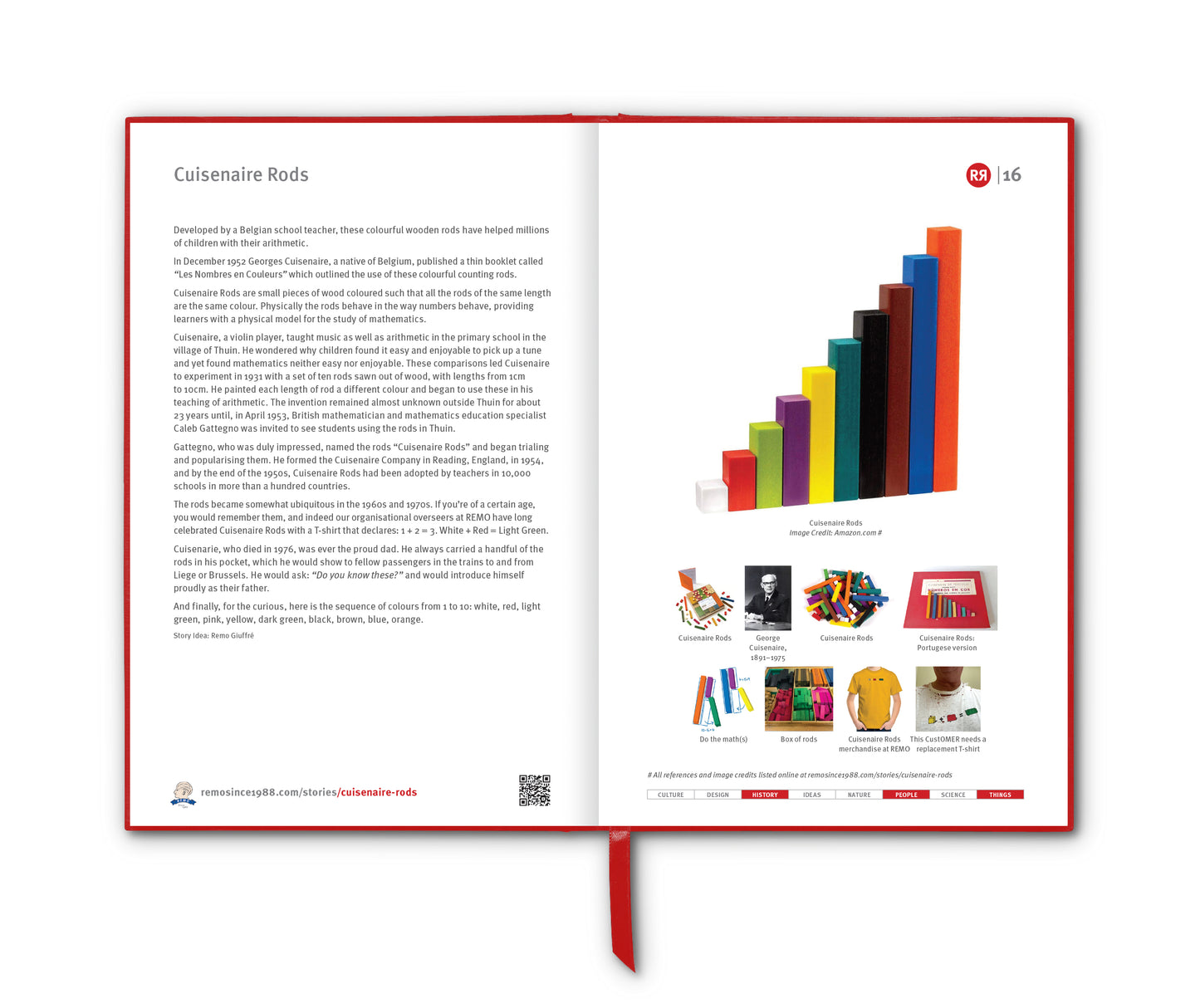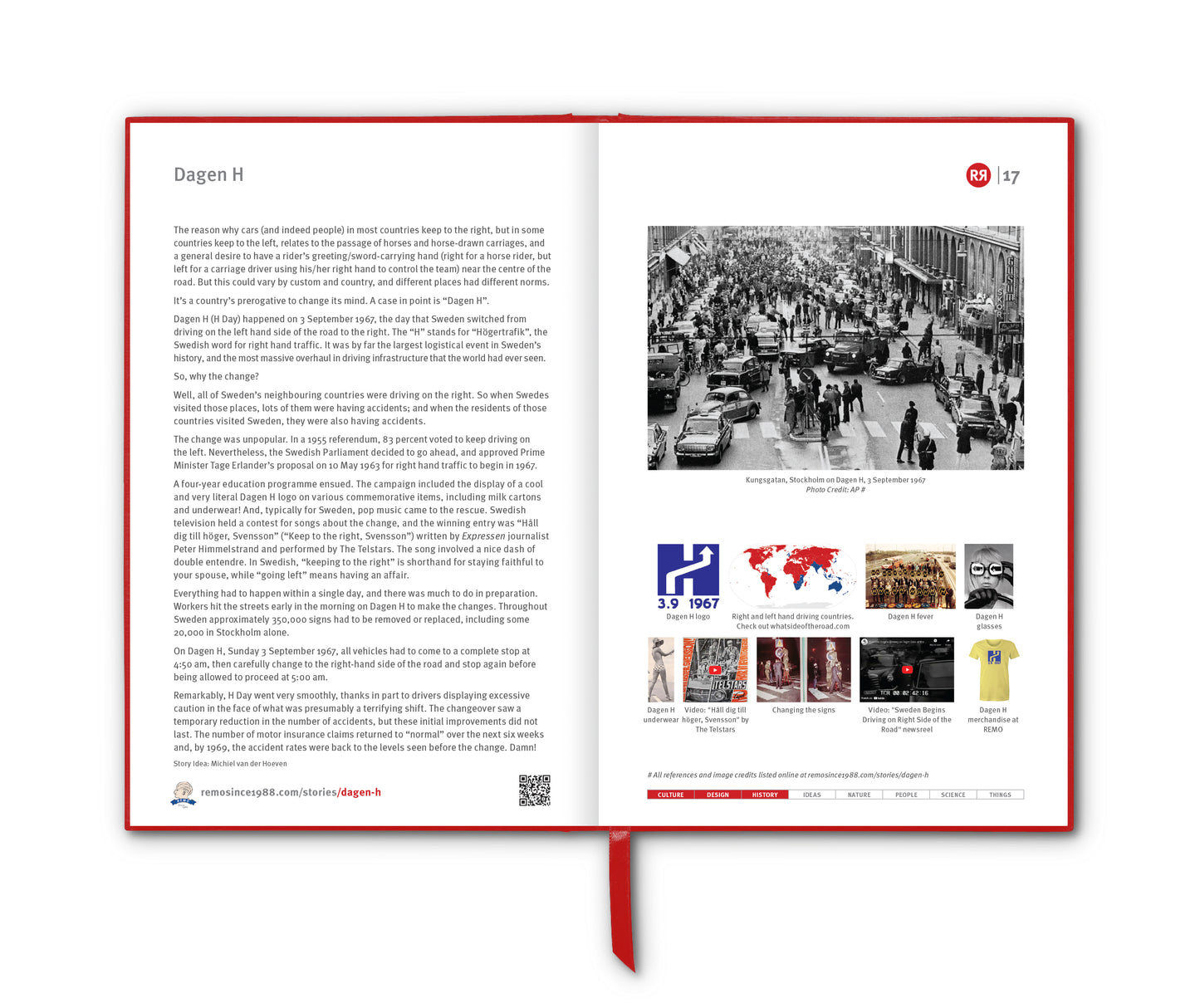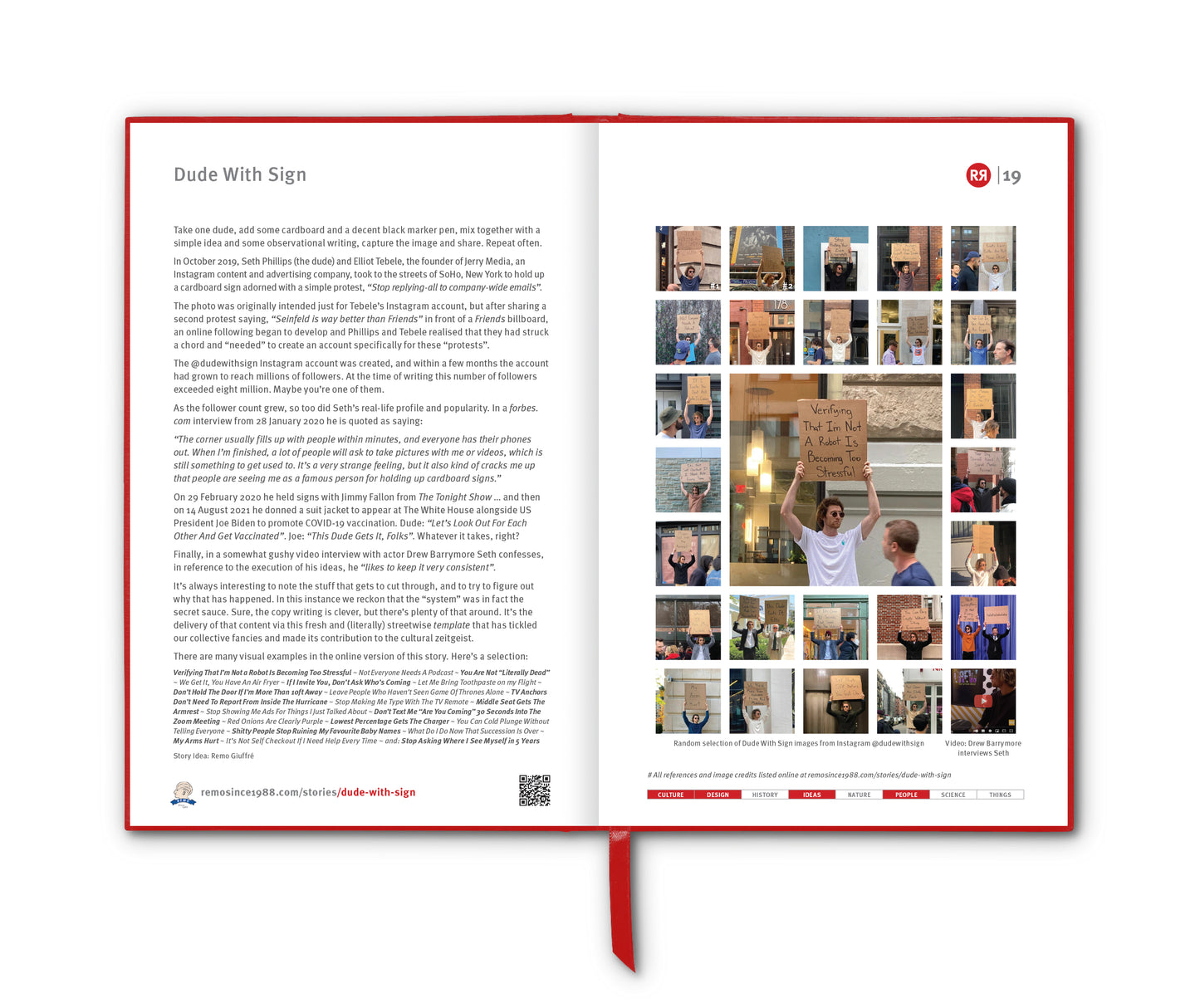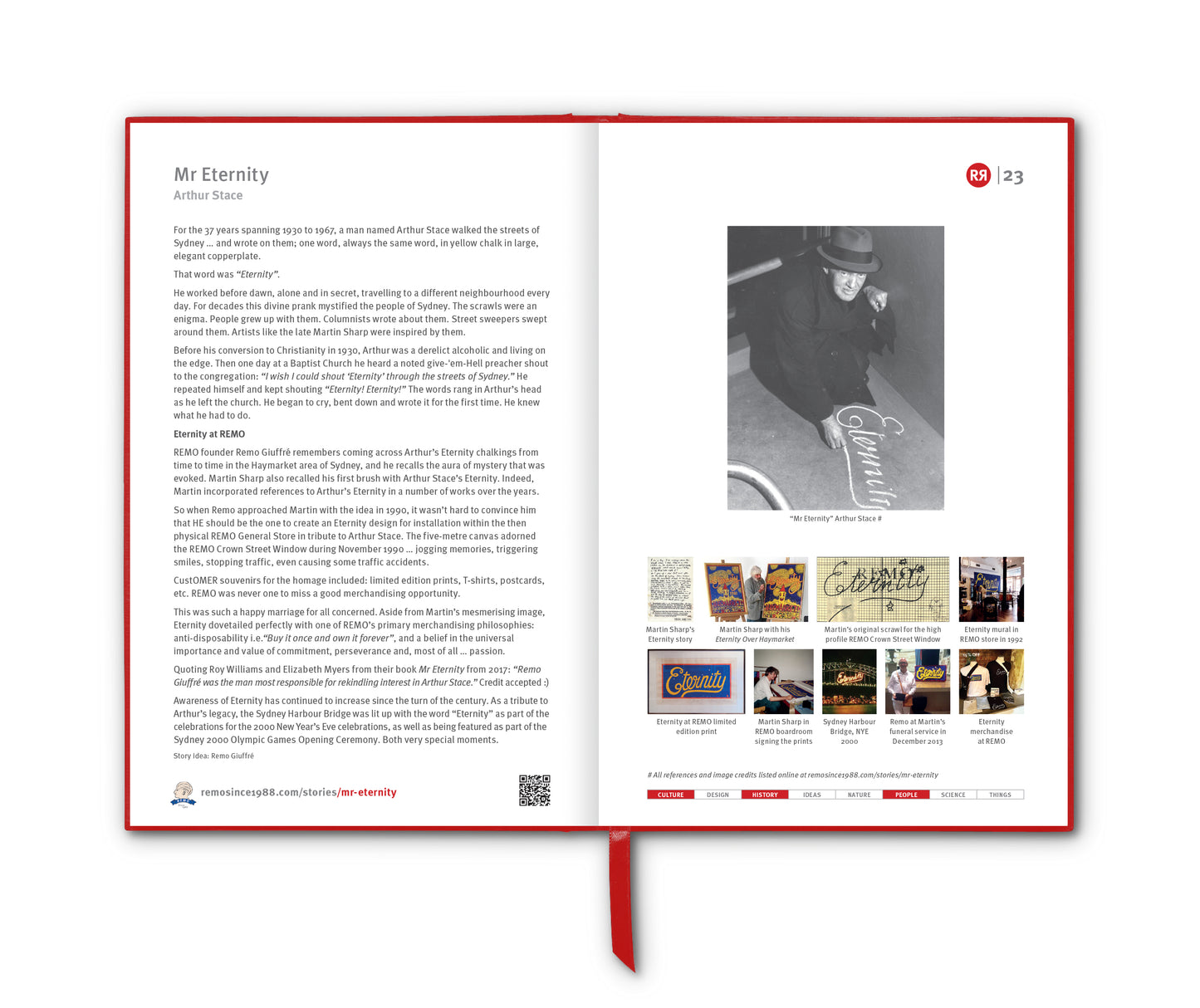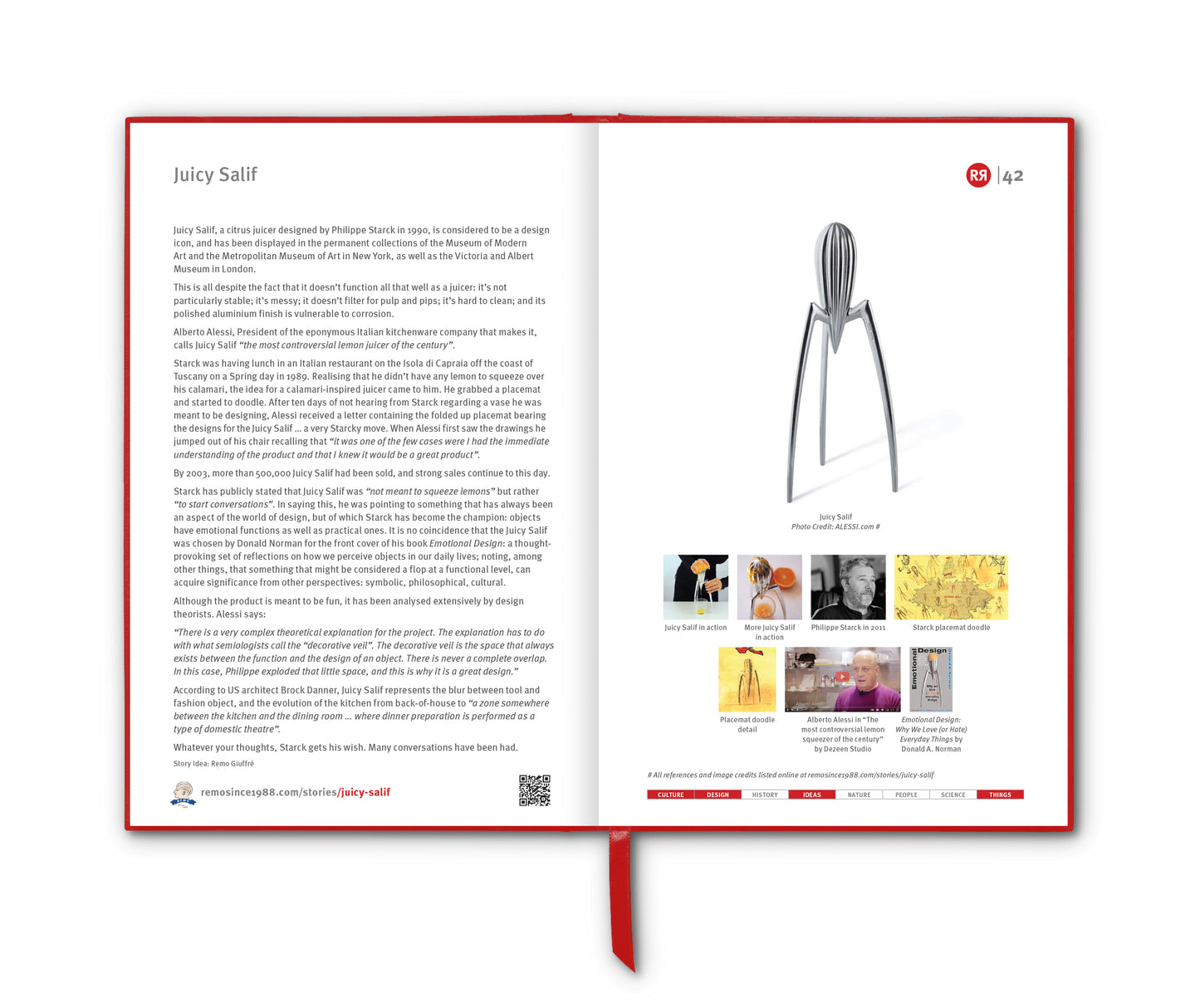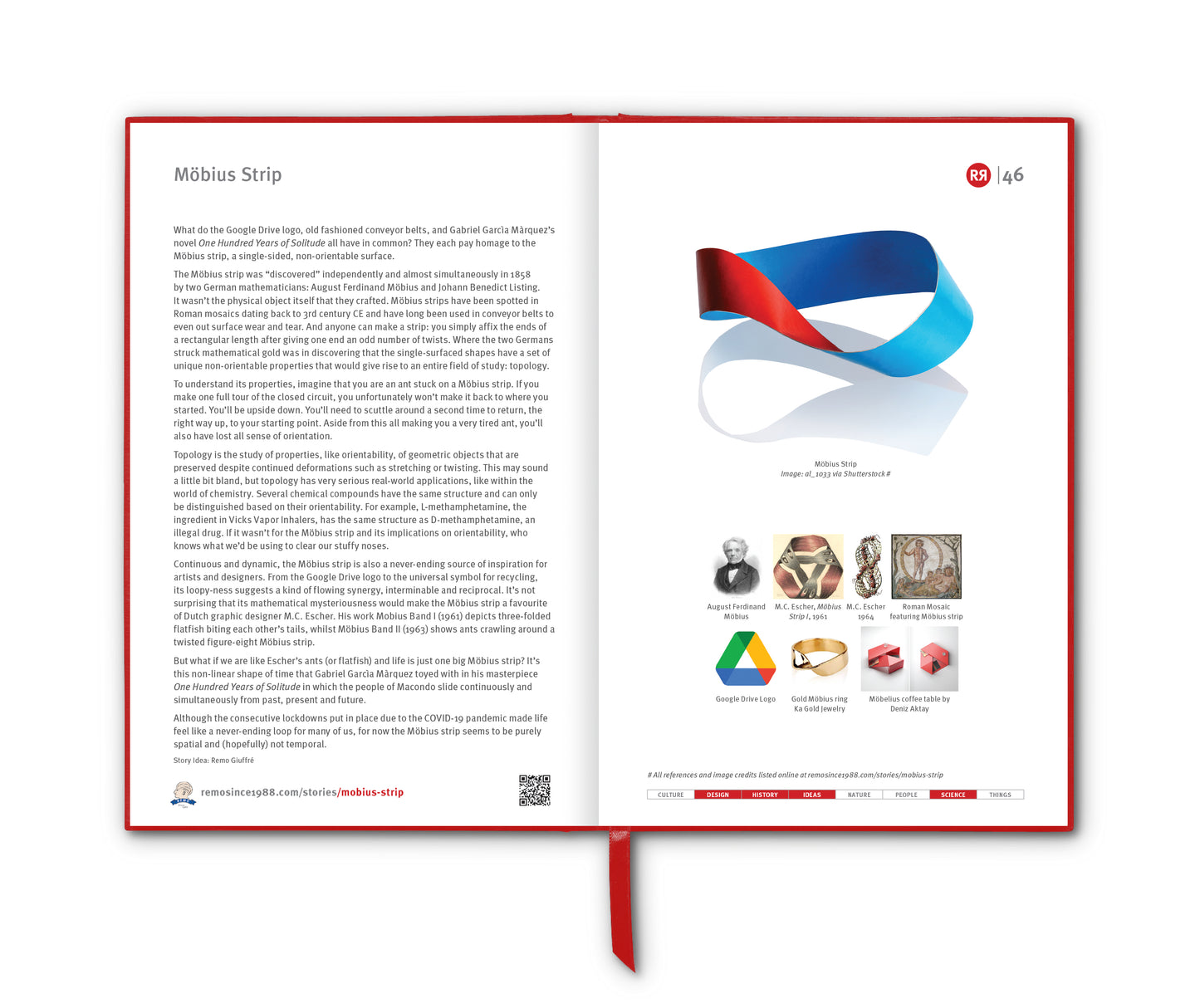

The exclamation mark ! (also known as exclamation point in American English) is a punctuation mark usually used after an interjection or exclamation to indicate strong feelings or to show emphasis.
Its history stretches back to Latin manuscripts of the Middle Ages, when scribes sometimes ended sentences with the Latin word io, an expression of joy. Over time, the “i” was written above the “o,” creating a mark that gradually evolved into the modern exclamation point. By the late 15th century, early printers, most notably Aldus Manutius in Venice, had incorporated the mark into printed texts.
In English, the exclamation mark began to appear more frequently in the 17th and 18th centuries. It was often called the “note of admiration” or “note of exclamation” and was reserved for moments of strong feeling: surprise, joy, anger or pain. By the 19th century, with the rise of Romantic and Victorian literature, its use expanded. Novels, poetry, and personal correspondence often carried a heightened emotional tone, and the exclamation mark became a natural tool for conveying that intensity.
But it wasn’t until 1970 that the exclamation point had its own key on the keyboard. Before that, you had to type a period, and then use the backspace to go back and stick an apostrophe above it. When people dictated things to secretaries they would say “bang” to mark the exclamation point.
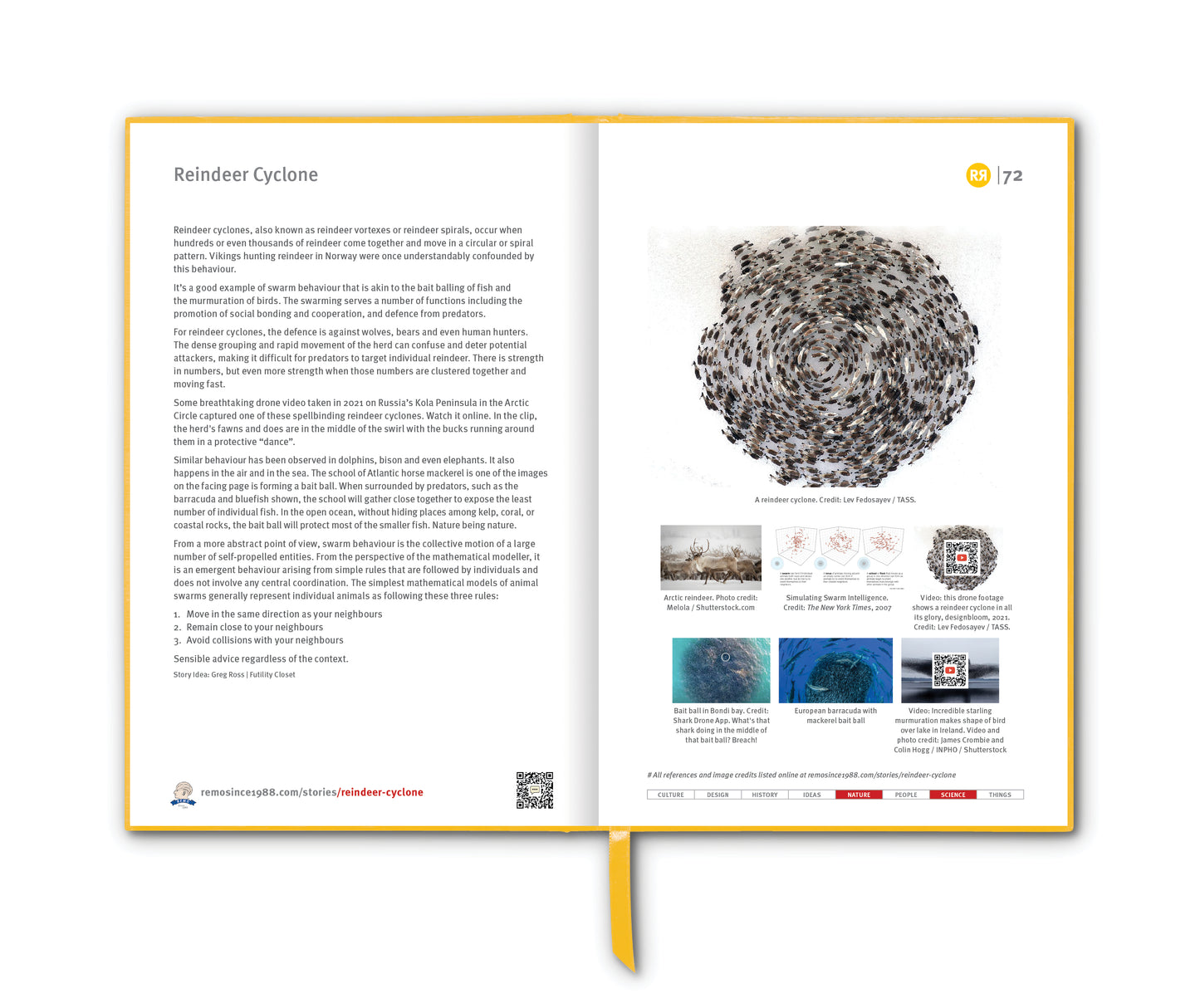
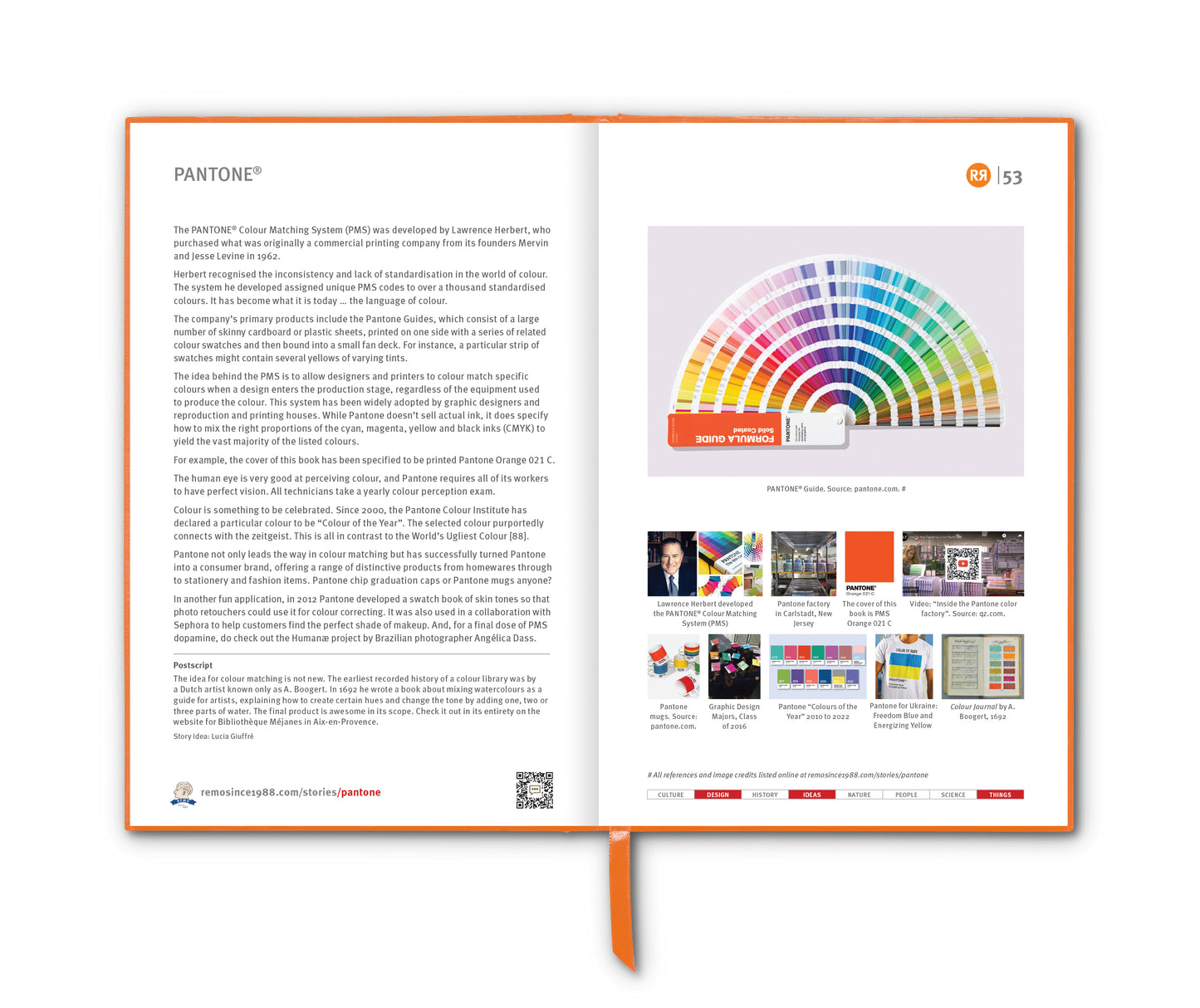
The 20th century brought another phase in the evolution of the mark. In advertising, it became a standard way to signal urgency and excitement. “Sale!” and “Act now!” became common features of commercial copy. In comic books, it was attached to sound effects and dramatic speech – or positioned over the head of a character to indicate surprise. In all cases, the mark shifted from being a rare intensifier to a device of everyday emphasis. This popularisation laid the foundation for its role in contemporary digital communication.
The exclamation mark has also long been the subject of debate. Many writers and editors caution against its overuse. F. Scott Fitzgerald once warned that an exclamation point is “like laughing at your own joke” a view that reflects the belief that strong writing should create emotion without relying on punctuation. Style guides such as The Chicago Manual of Style advise using it sparingly so that its impact is not diminished.
At the same time, defenders point out that the exclamation mark plays an important role in written interaction. In emails, text messages and social media, it helps to convey friendliness and enthusiasm. A simple “Thanks.” can appear curt, while “Thanks!” signals warmth and sincerity. Indeed, in a memorable Seinfeld episode, the omission of an exclamation mark on a phone message from a newborn’s mother triggered Elaine’s breakup with her new boyfriend Jake. Watch that unfolding drama HERE.
In the modern workplace, the exclamation mark has become common place. Brands use it to project positivity and engagement. In everyday digital communication, it has become a routine marker of tone. Studies also suggest that women use exclamation marks more frequently in professional communication, often to soften tone or avoid appearing overly direct, reflecting broader social dynamics around politeness and friendliness.
Also, did you know that in English writing and often subtitles, a (!) symbol (an exclamation mark within parentheses) implies that a character has made an obviously sarcastic comment. We didn’t either – but now we do. What a useful invention(!)
Finally, there’s the somewhat-wonderfully-named “interrobang” – a punctuation mark intended to combine the functions of the question mark and the exclamation mark. The glyph is a ligature of these two marks and was first proposed in 1962 by Martin K. Speckter. Although very rarely used, in Australia it is the logo of the State Library of New South Wales, and was also used by Federal Court Justice Michael Wigney in the first paragraph of his 2018 judgment in the defamation proceedings between former Federal Opposition Leader Mark Latham and political campaigner and writer Osman Faruqi. Just deserts‽
_______________________________
References
wikipedia.org/wiki/Exclamation_mark
smithsonianmag.com/smart-news/the-history-of-the-exclamation-point
theguardian.com/books/2009/apr/29/exclamation-mark-punctuation
wikipedia.org/wiki/Interrobang
Images
1. Exclamation mark set in MetaPro font by Erik Spiekermann [RR6:X]
2. Early exclamation mark on an illuminated script
3. A hazard warning sign with an exclamation mark
4. Action Comics cover from 1959 with every sentence ending with an exclamation point or question mark.
5. Yahoo! logo (2009–2013). Reuters and The Economist both omit the exclamation.
6. Road sign marking the entrance to the English town ofWestward Ho!
7. An interrobang in the Palatino font
8. State Library of New South Wales logo
9. Video: Elaine's Punctuation Problem | "The Sniffing Accountant", Seinfeld, season 5, episode 4
10. Exclamation point cartoon by Mike Twohy