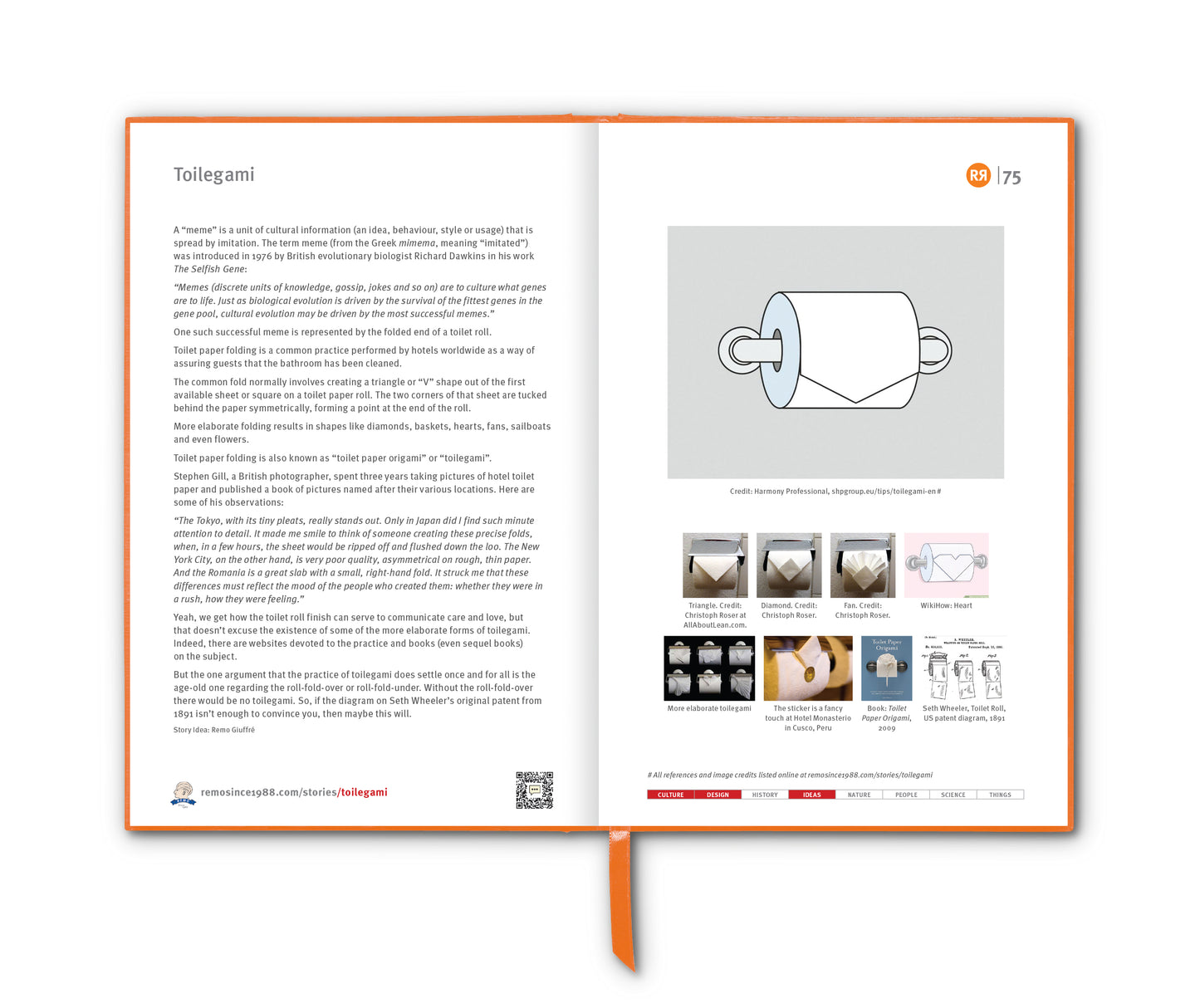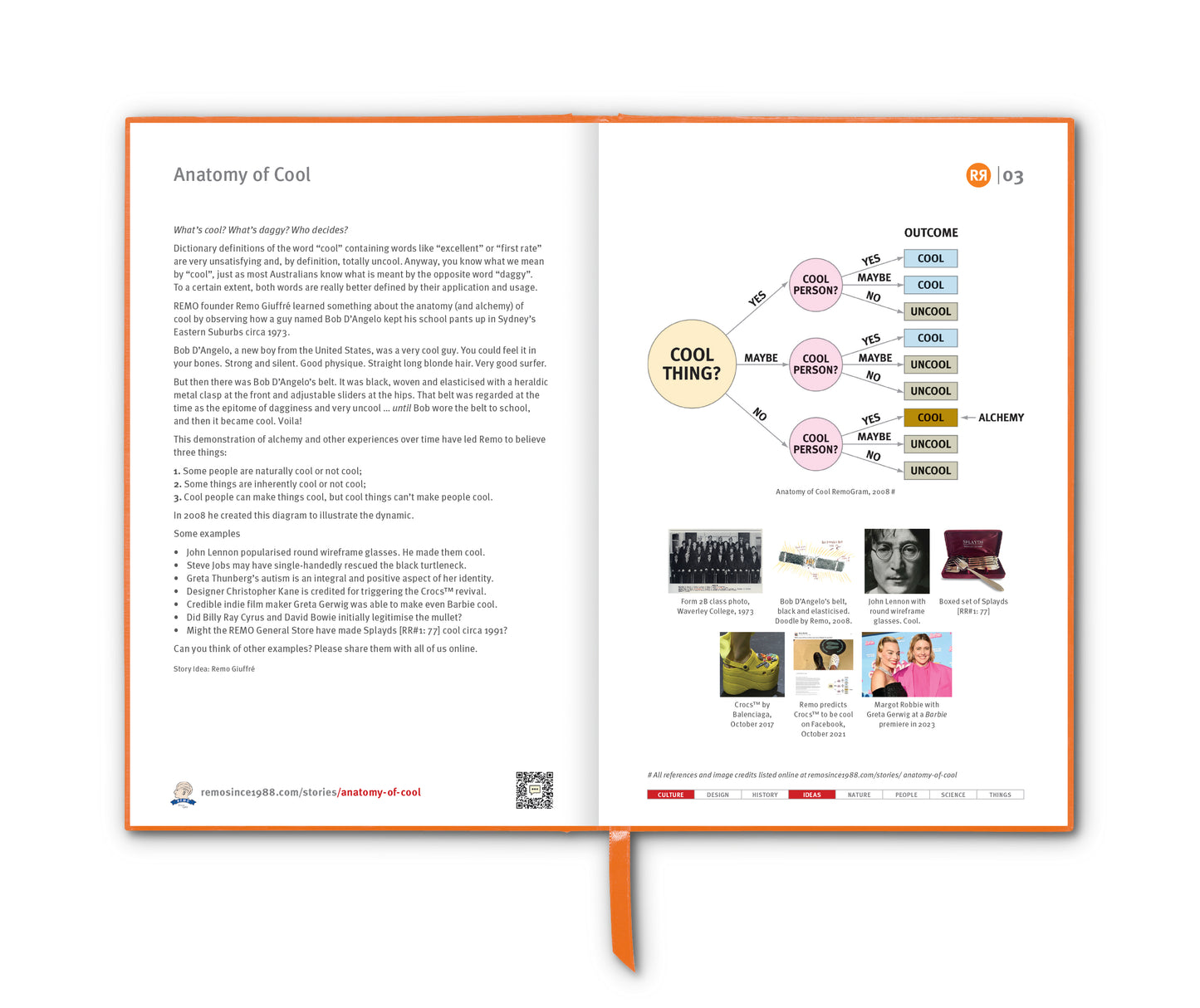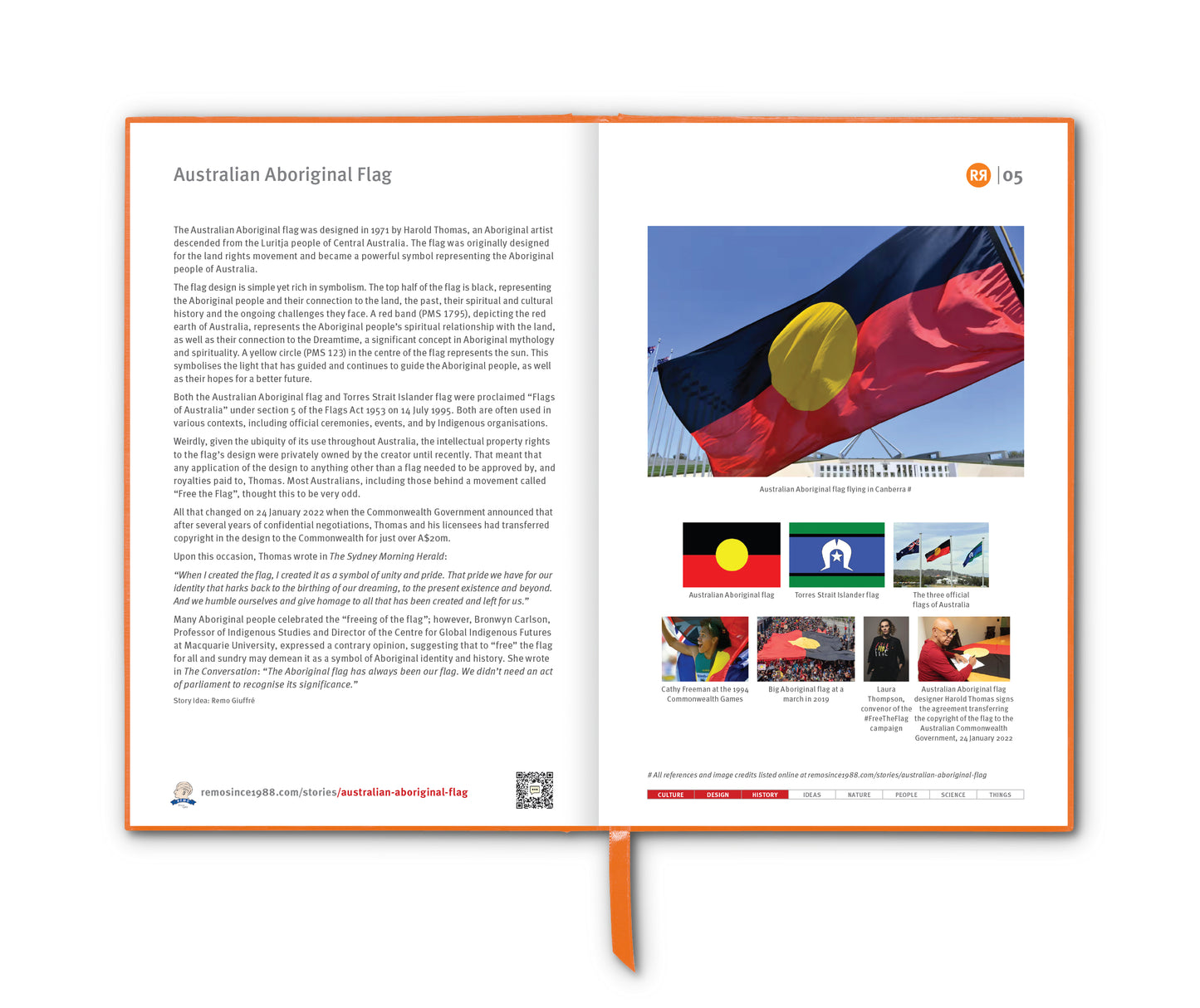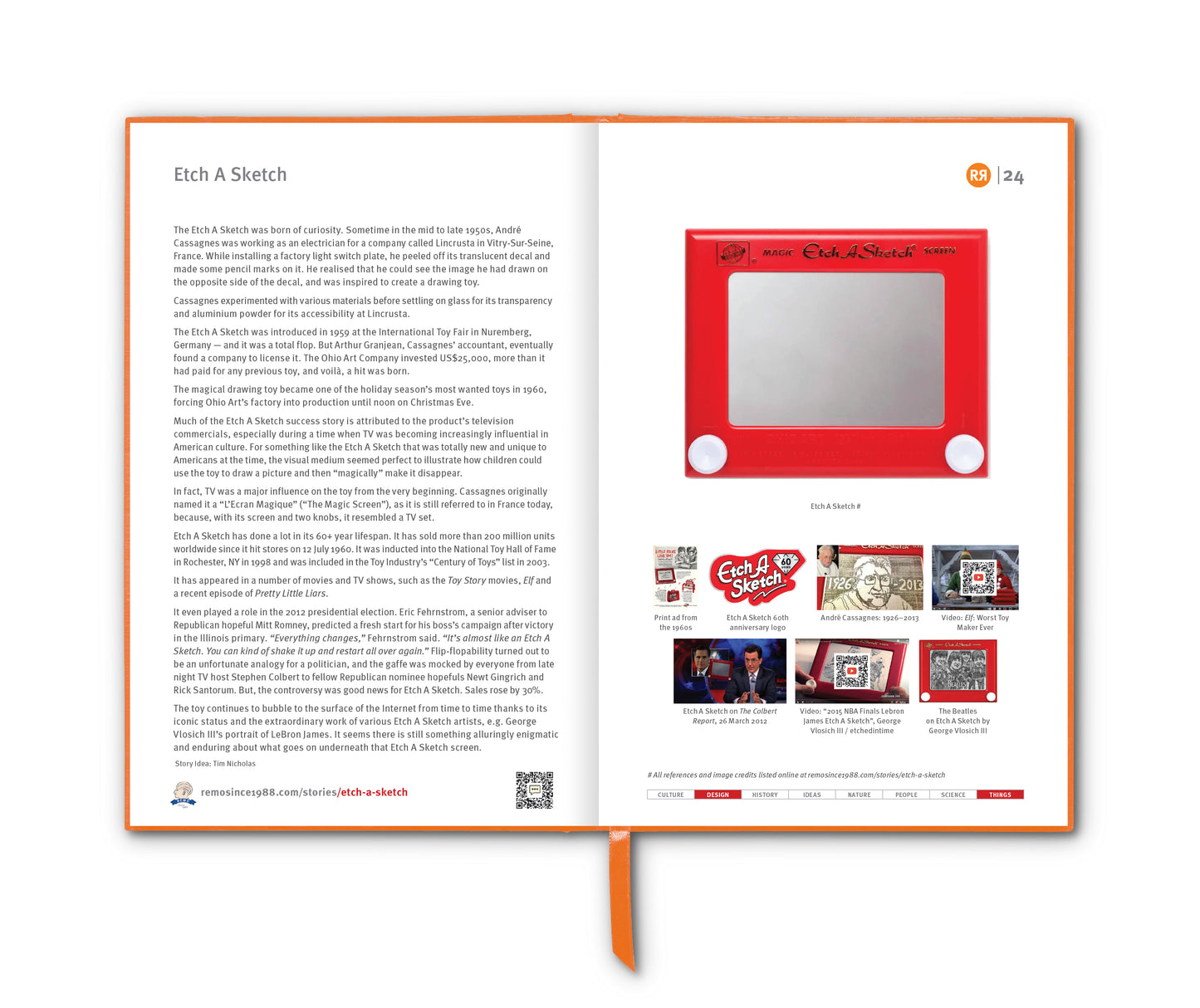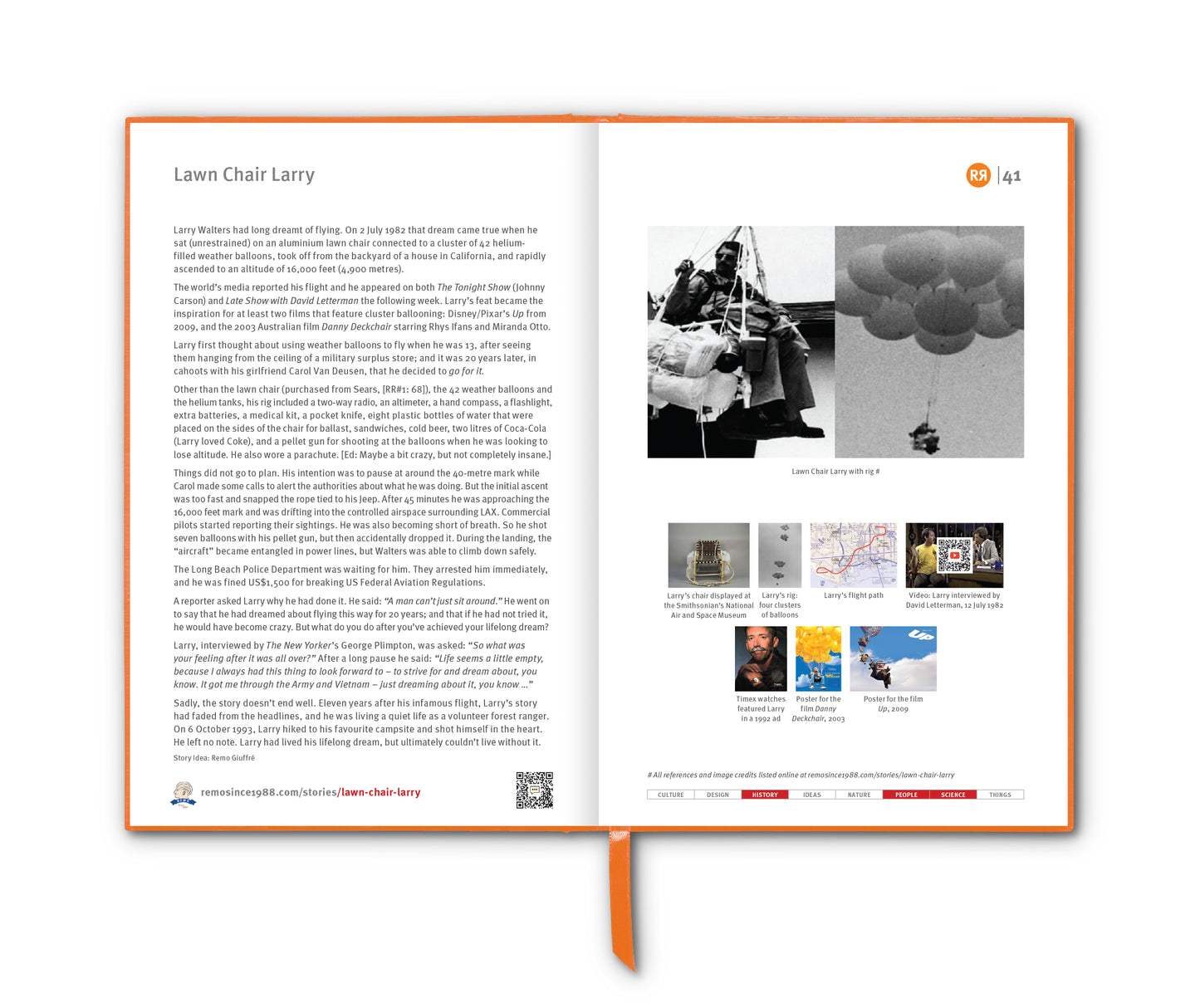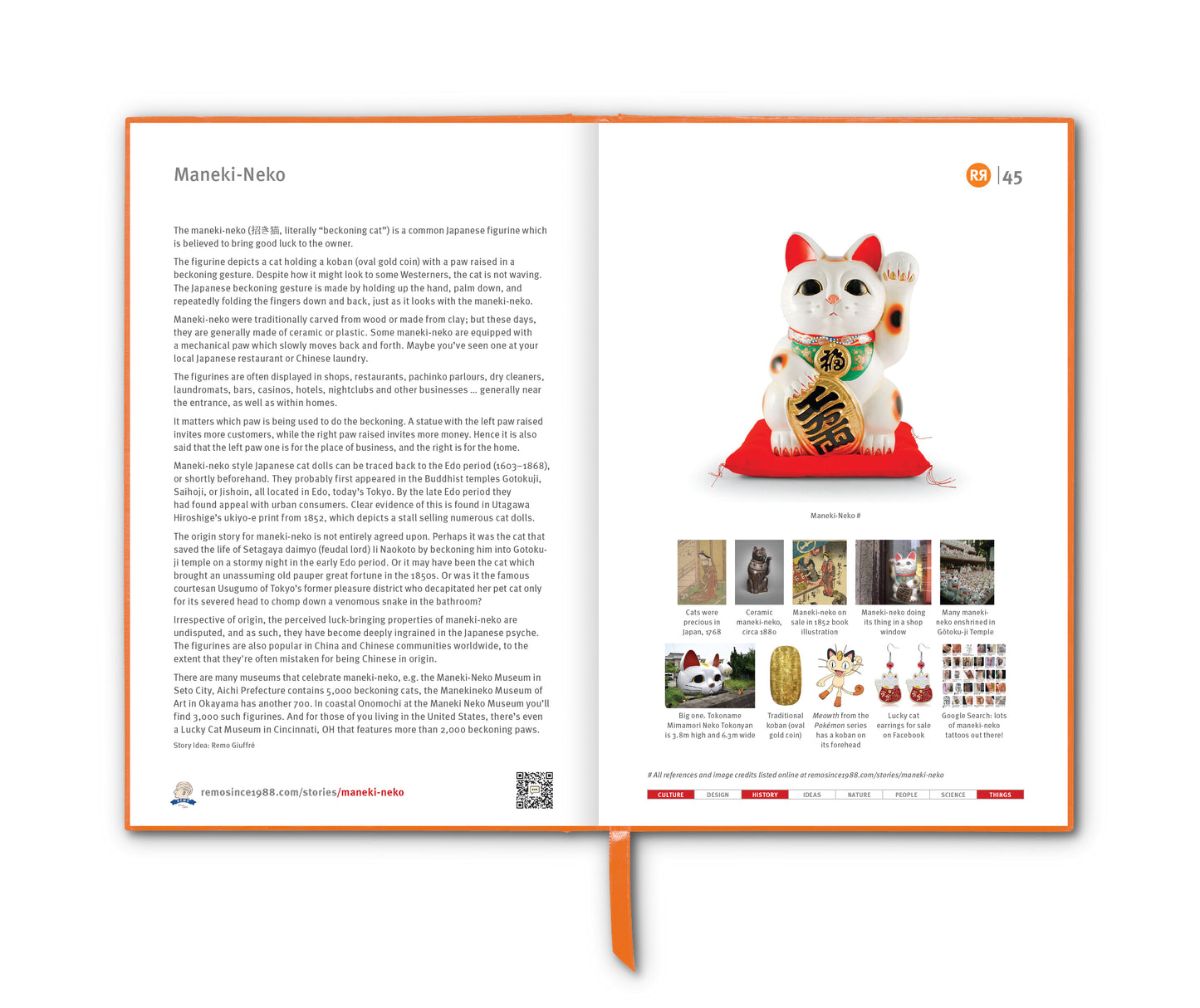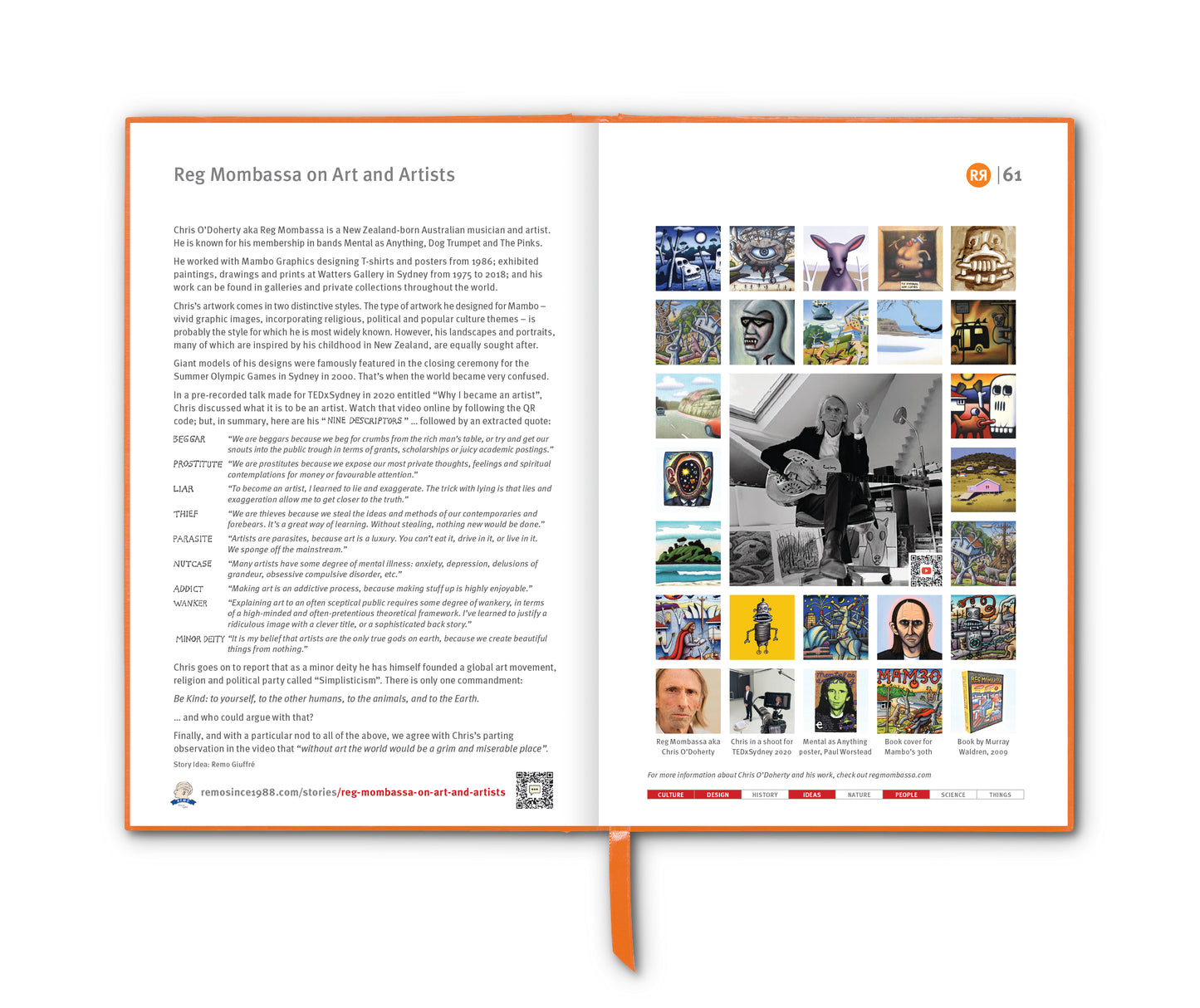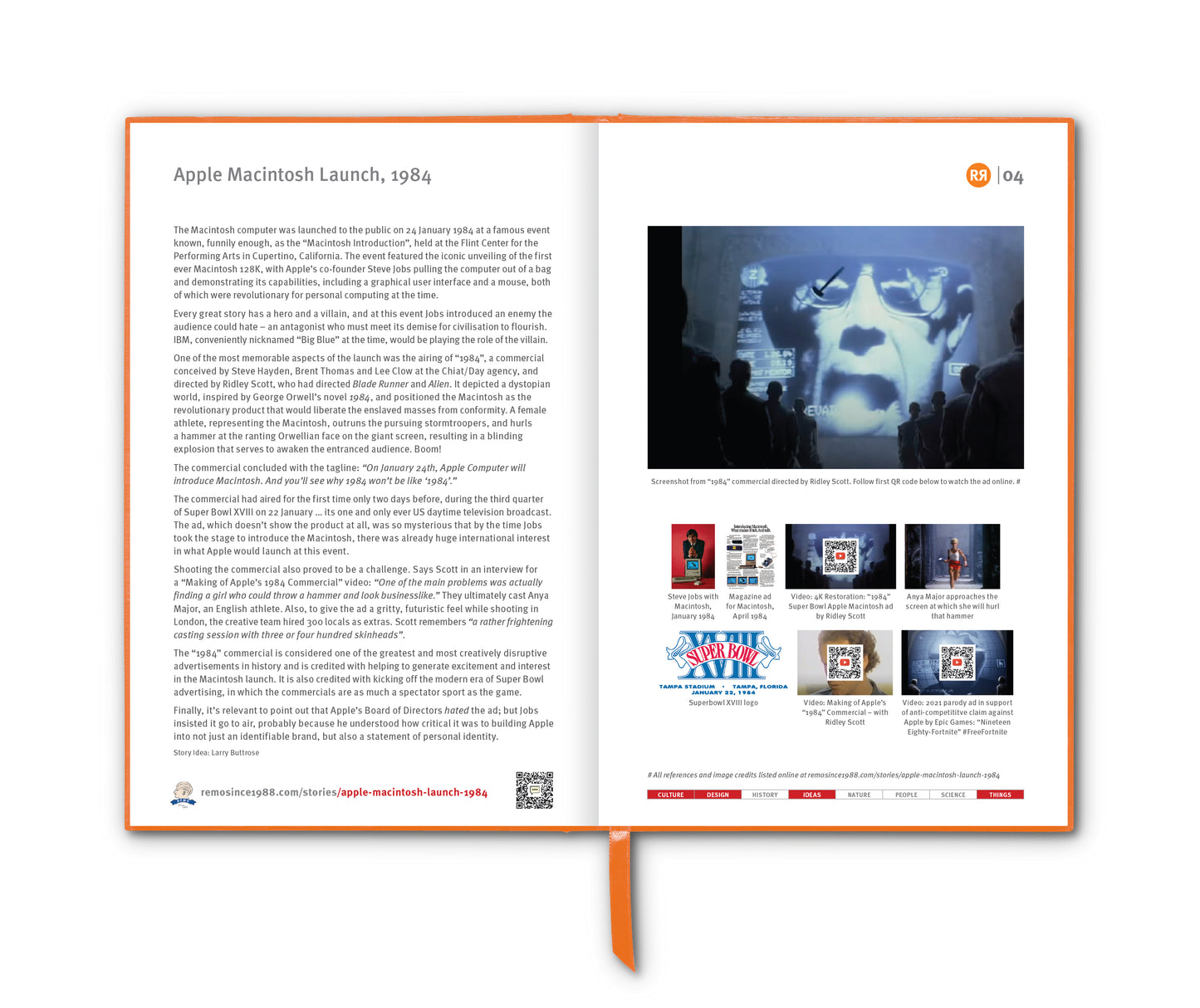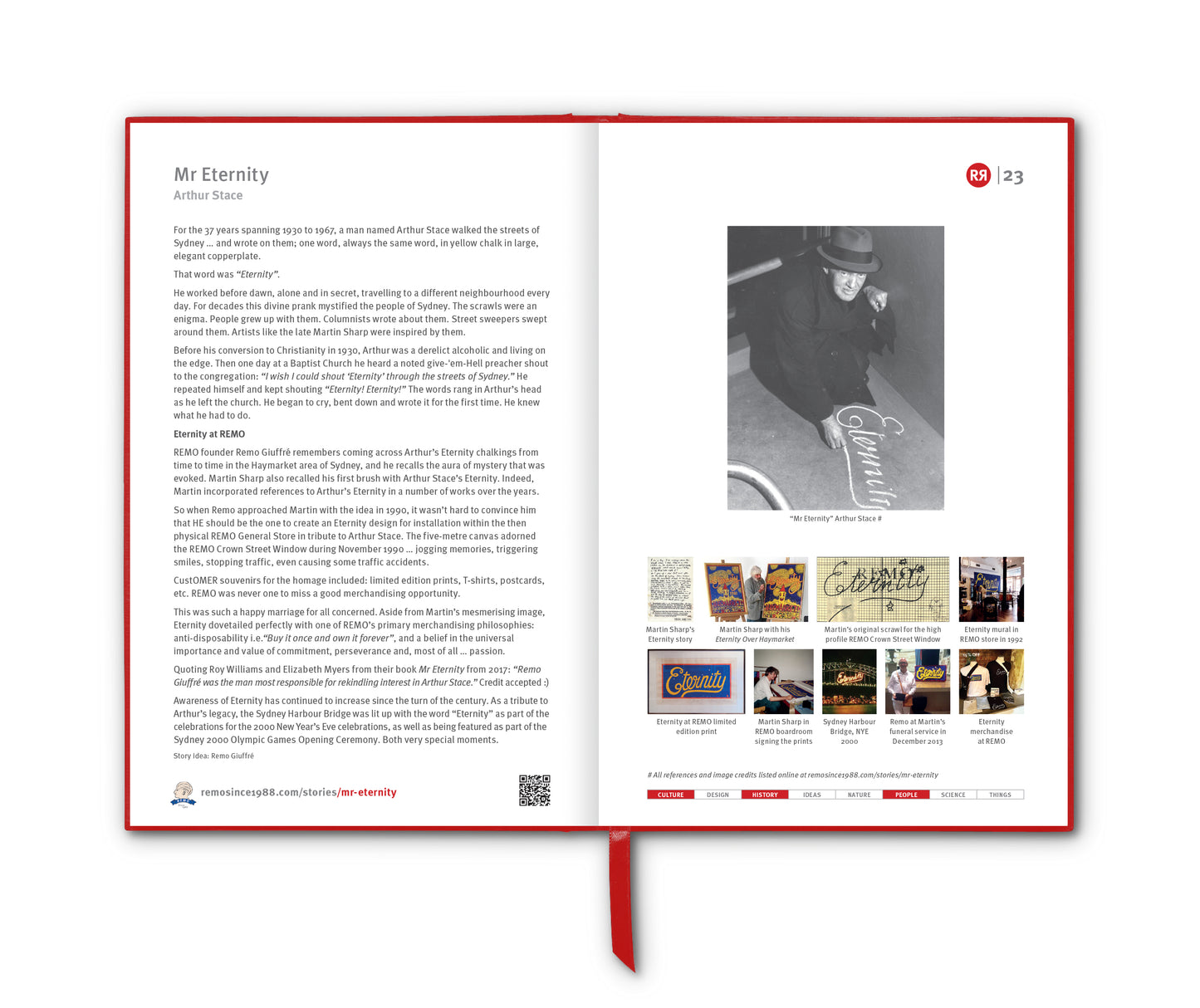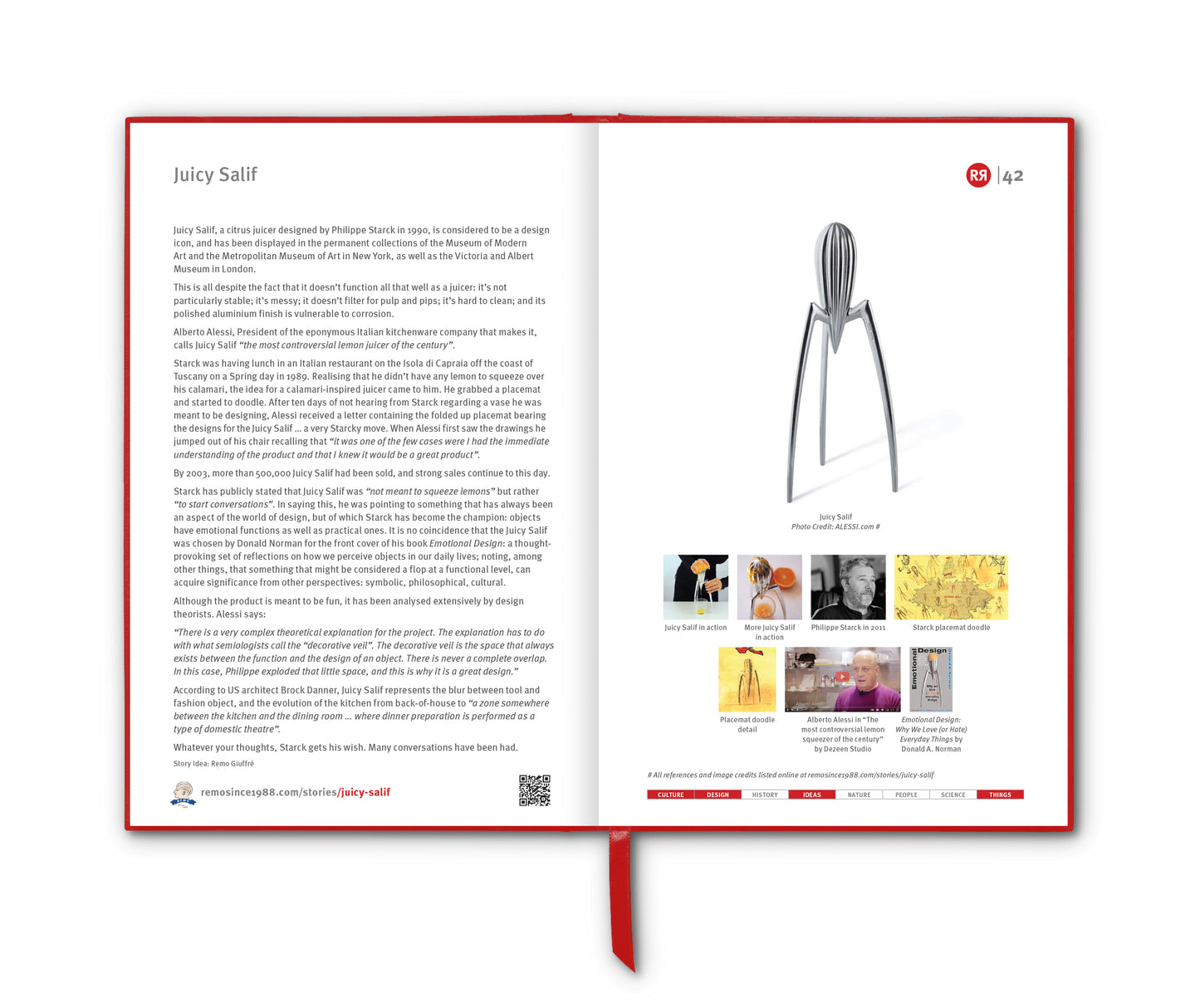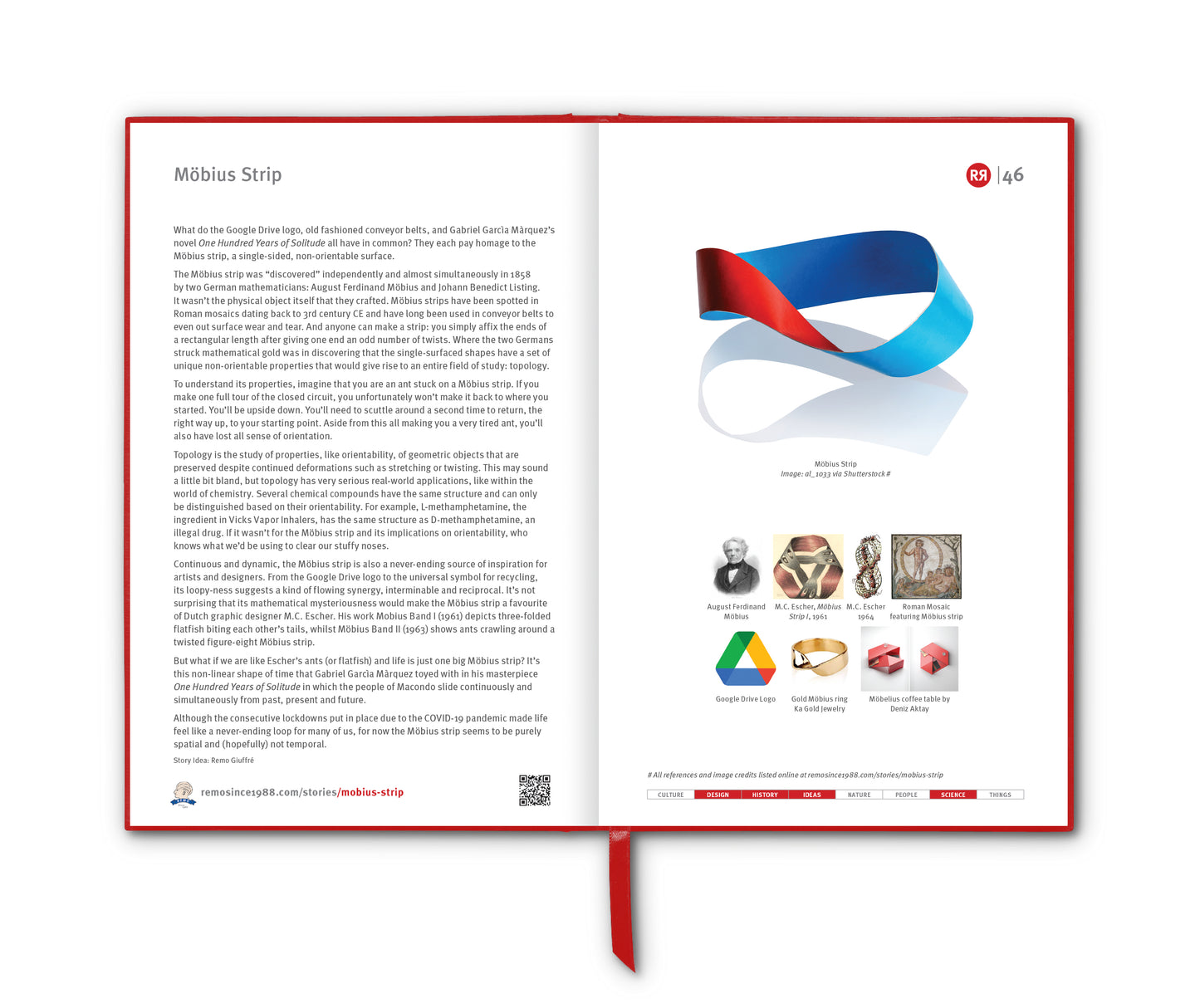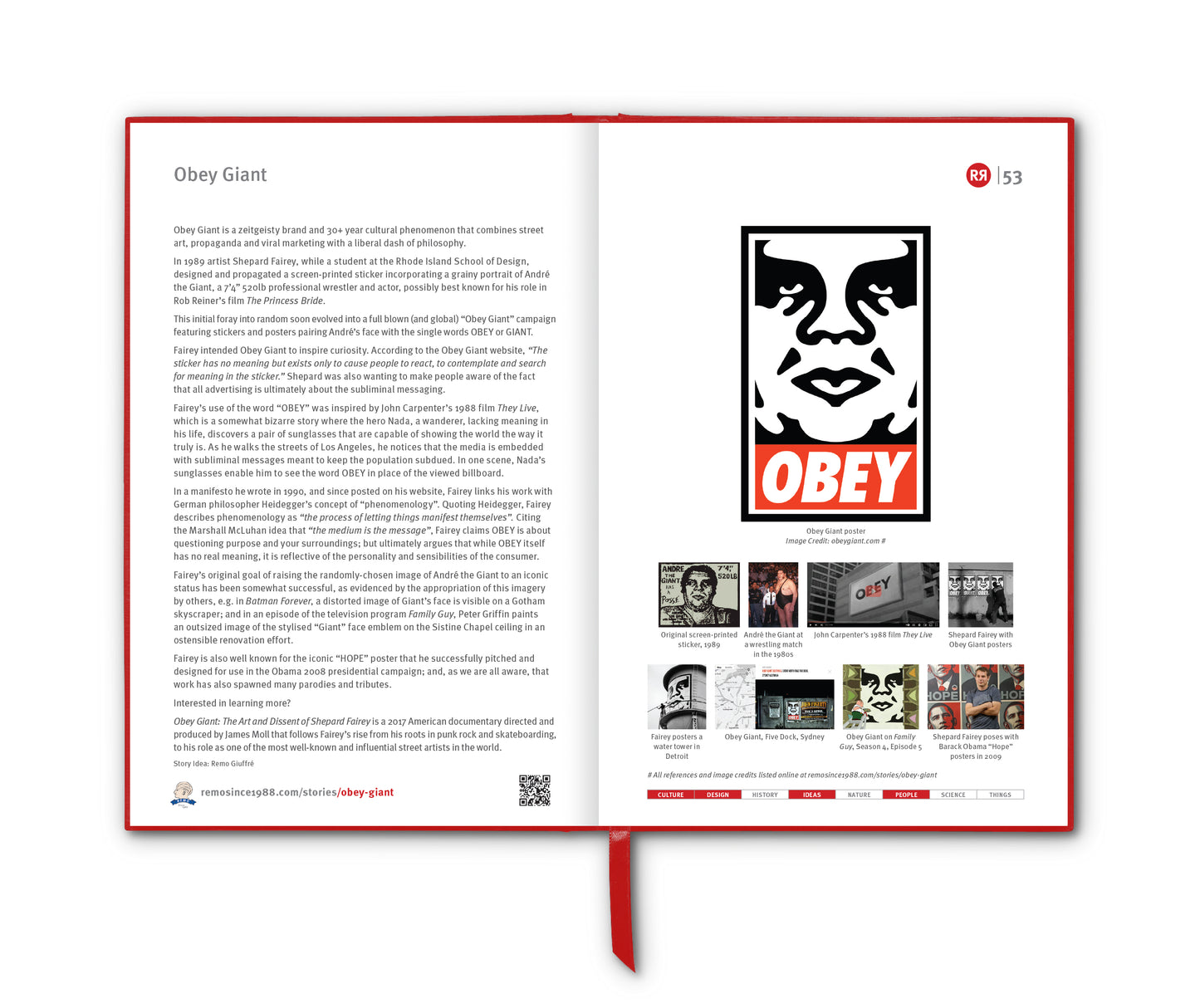

The world’s most popular avocado began life as a failed experiment.
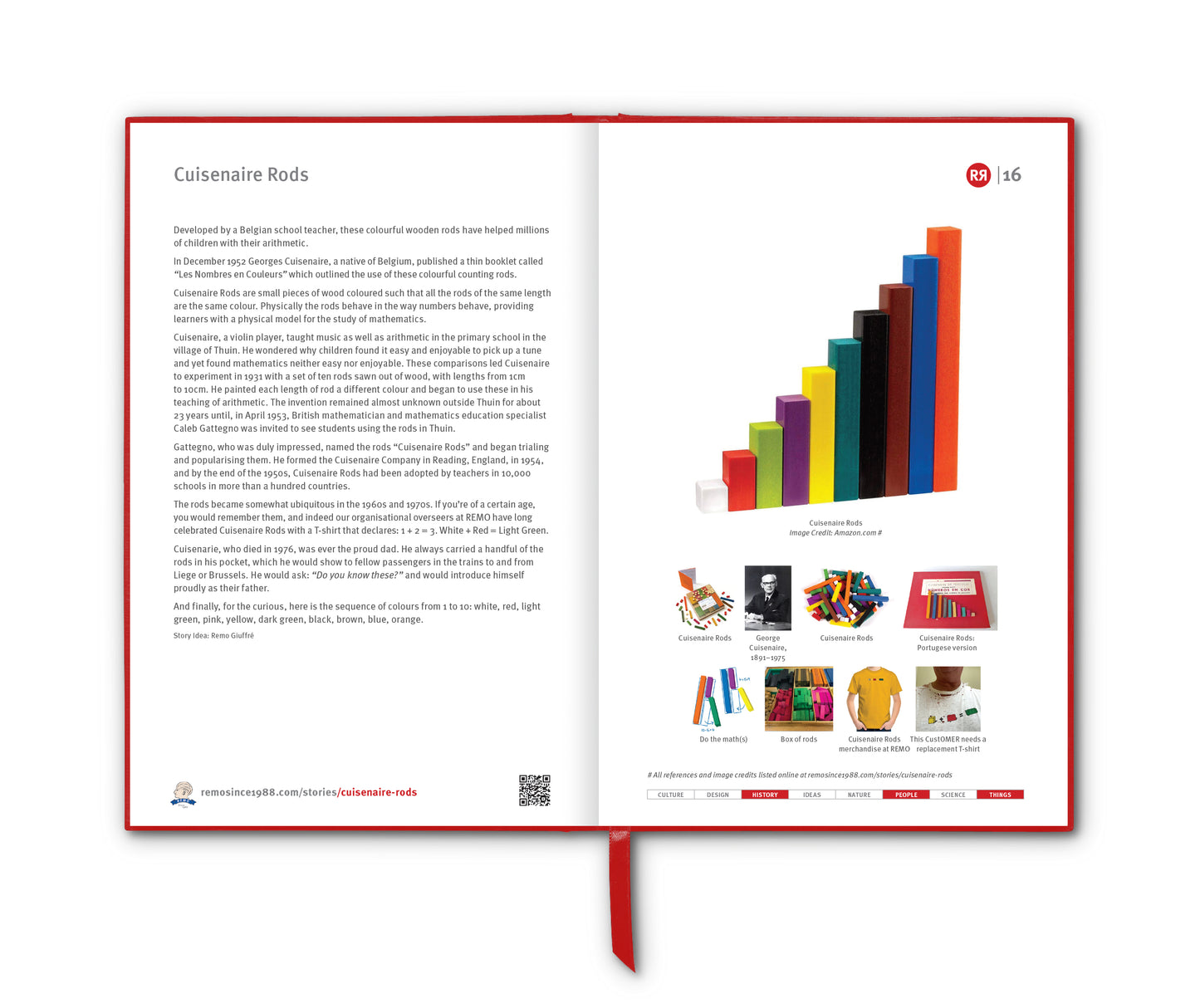
In the 1920s, a California mailman named Rudolph Hass (often misspelt as “Haas”) bought a small avocado grove after reading a magazine article suggesting avocado farming could be lucrative. Like countless backyard growers before him, he planted seeds and attempted to graft them with branches from the then-popular Fuerte avocado. One stubborn seedling refused to cooperate. Hass reportedly considered cutting the strange little tree down.
Fortunately for guacamole lovers and “smashed avo” fans everywhere, he didn’t.
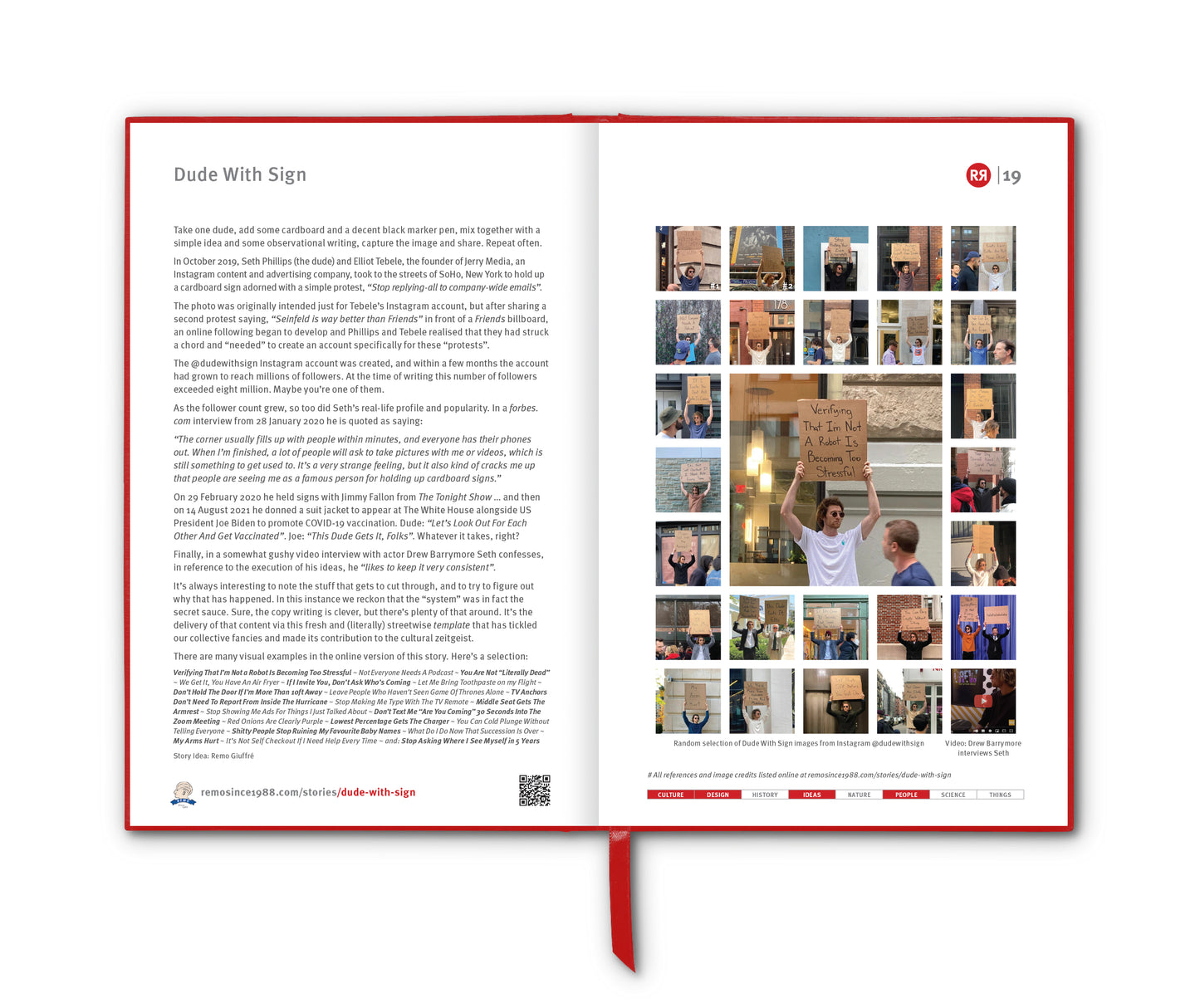
The tree produced fruit unlike the smooth green avocados people were used to seeing. These were dark, pebbly, almost black when ripe. But when Hass’s children tasted them, they loved them. The flesh was rich, creamy and nutty. Local chefs loved them too. Soon, the oddball avocado was selling for premium prices in Pasadena grocery stores.
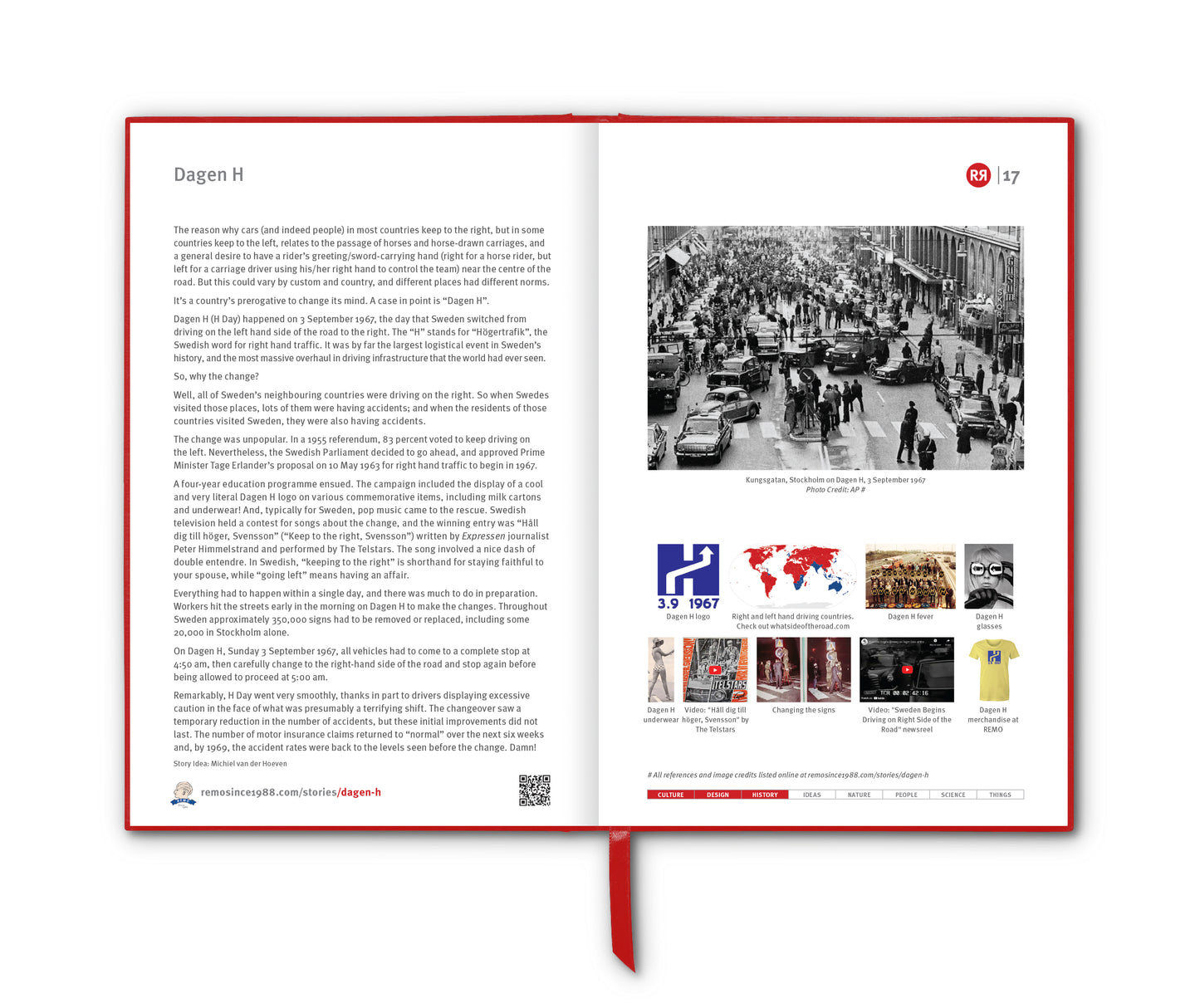
In 1935, Hass patented the tree – one of the earliest plant patents in American history. But the patent was difficult to enforce. Growers simply bought one tree, grafted cuttings onto others, and created entire orchards from clones. Ironically, the man who gave the world the modern avocado boom earned a total of US$4,800 from the invention and continued working as a postman for most of his life.
Today, roughly four out of every five avocados eaten worldwide are Hass avocados, and here’s the punchline: every single commercial Hass avocado tree on Earth is effectively a genetic descendant of that single “mother tree” planted in California in 1926.
In 2002, the tree finally succumbed to root rot at the ripe old age of 76, and the tree's wood is currently in storage in a Ventura CA nursery awaiting the decision on a fitting commemoration of the original Hass mother tree.
The variety conquered the world because it solved practical problems. Hass avocados travel well, ripen reliably, contain high oil content and can be harvested across long seasons. They also happen to taste exceptionally good. The result is a fruit that became both agricultural success story and cultural icon.
Which brings us to smashed avocado on toast.
Although avocado on bread had appeared in recipes earlier, Australia played a major role in turning “smashed avo” into a cafe phenomenon during the 1990s and 2000s. Many attribute the innovation to Bill Granger, the late Sydney chef who sold the world the idea of healthy, surfy Aussie brunches starting in 1993.
Then, in 2016, Australian commentator Bernard Salt famously suggested young people might afford homes if they stopped spending money on expensive cafe breakfasts. Suddenly avocado toast became a global symbol of generational economics – shorthand for debates about housing affordability, lifestyle spending and the rising cost of living.
Few foods have travelled such a strange path: from one accidental backyard tree to a ubiquitous presence on brunch menus – and all the way to internet memery and economic commentary.
Postscript
The word “avocado” comes from the Aztec word ahucati, which also means “testicle”. [Ed: I’d like to see a photo of that lucky Aztec.] See more “Interesting Etymologies” at [RR2:34].
___________________________
References
wikipedia.org/wiki/Hass_avocado
avocado.org/about/avocado-history/mother-tree
bbc.com/afrique/articles/cw4kg3ky1xpo
jocelynbos.se/blog/avocado-plant-patents
smh.com.au/traveller/reviews-and-advice/forget-vegemite-this-is-australia-s-one-gift-to-the-world-of-food
Images
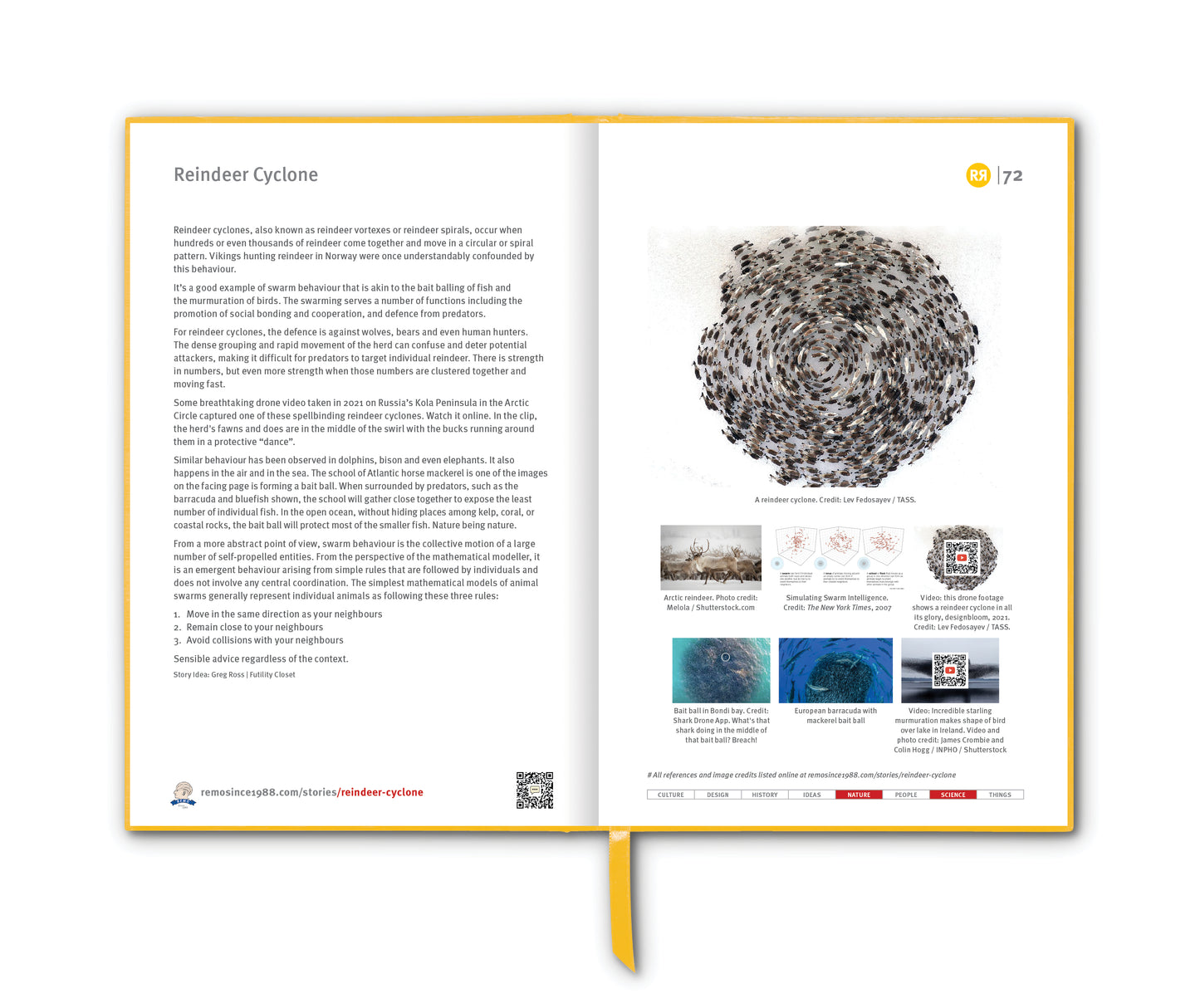
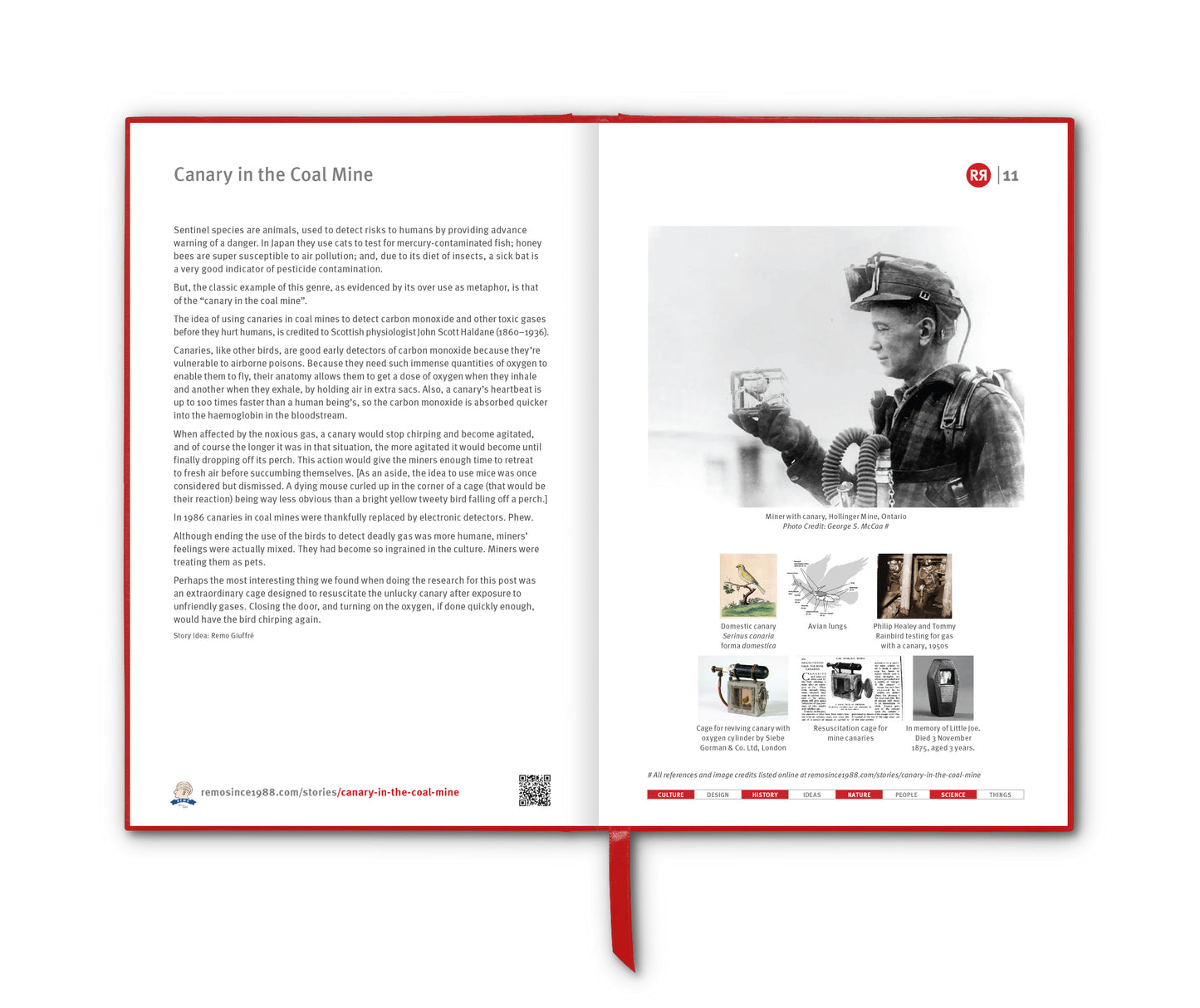
1. The Hass avocado – single and halved. Grown in Colombia. Photo credit: Ivar Leidus|
2. Rudolph Hass and his wife Elizabeth in front of the "mother tree"
3. Hass 1935 Patent
4. Five stages of ripeness
5. Hass avocado mother tree reduced to wood|
6. Hass avocado plaque in La Habra Heights, CA
7. Smashed avocado on toast. Photo credit: James Alcock
8. Bill Granger (1969–2023)
9. Bernard Salt with breakfast