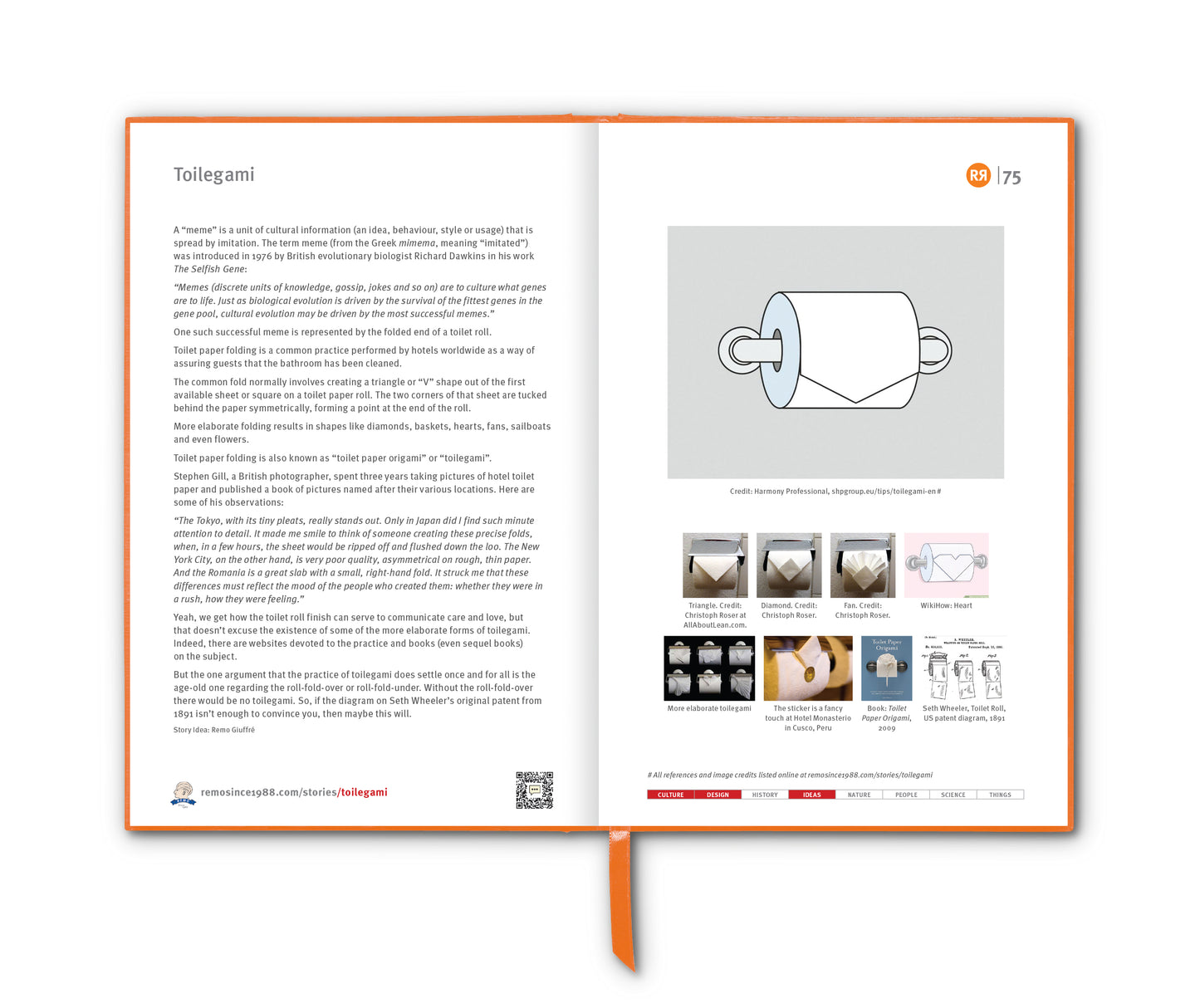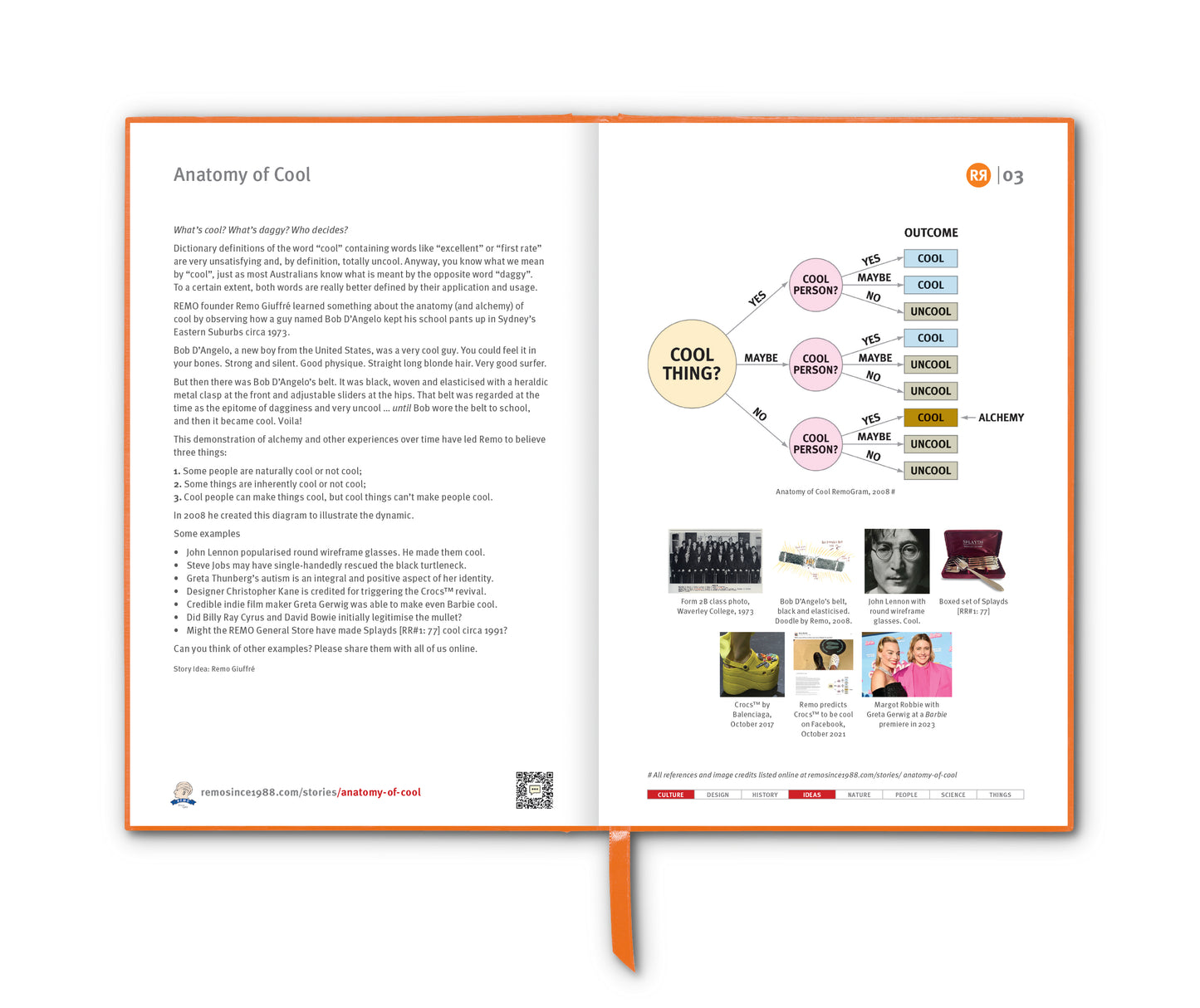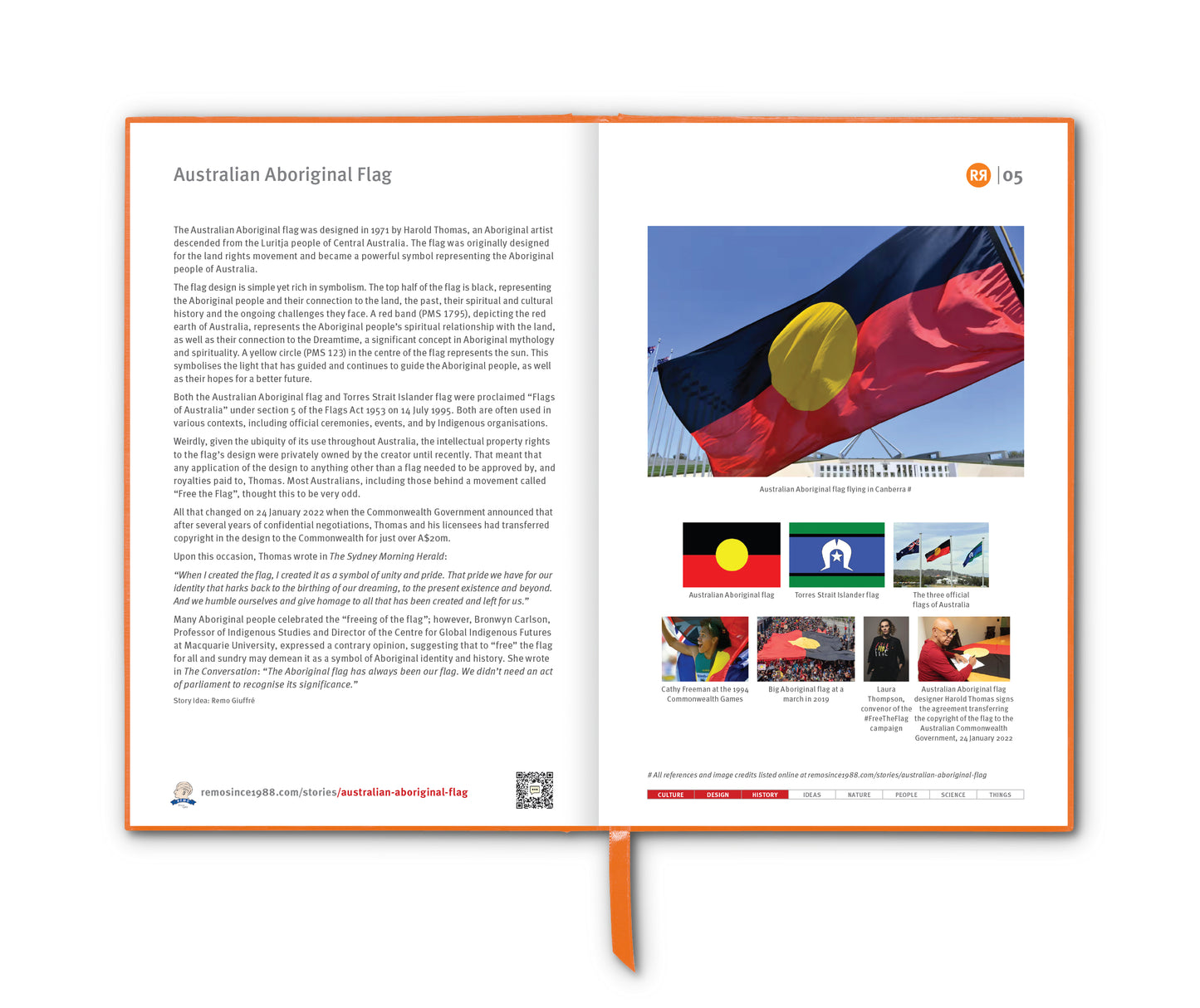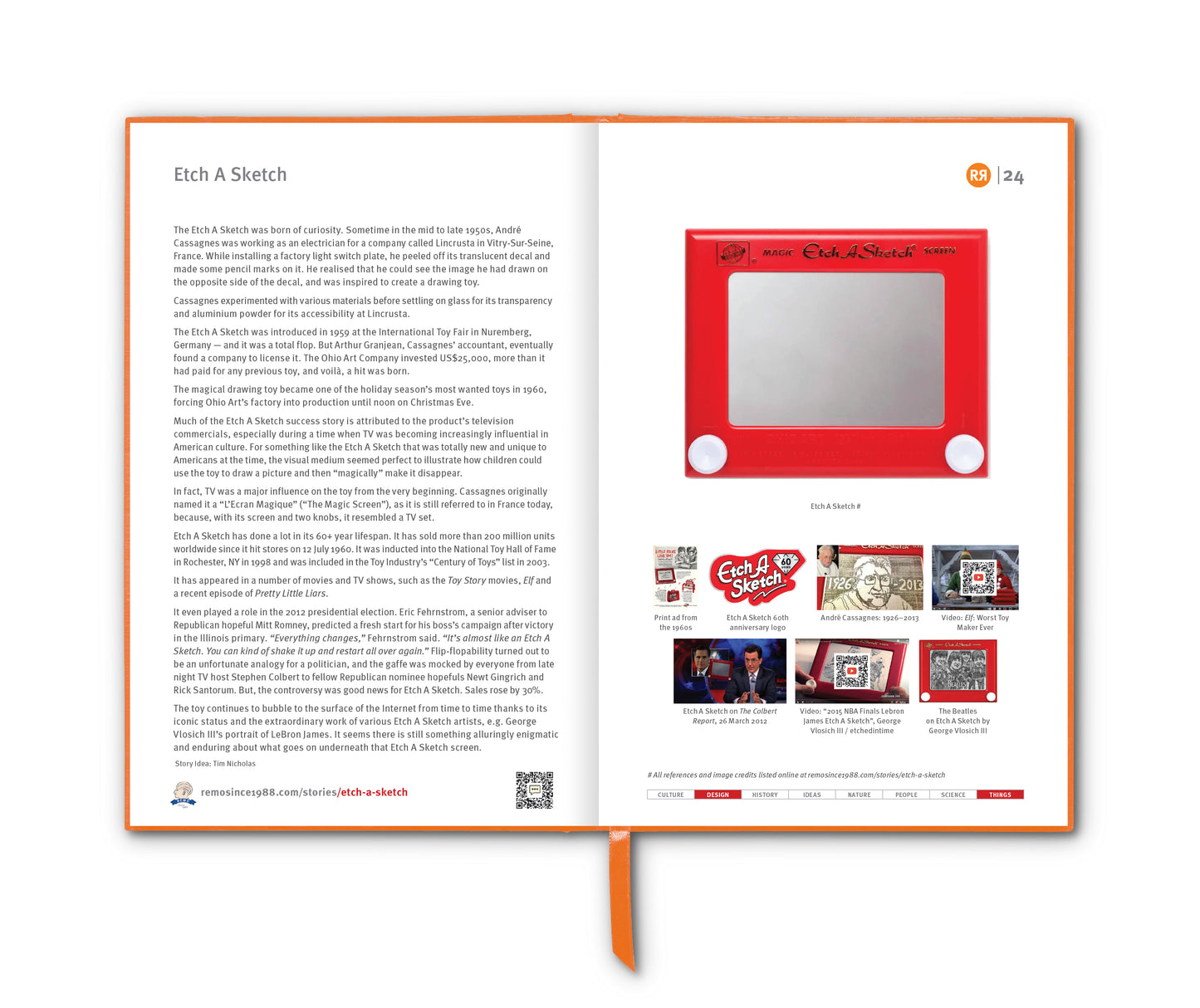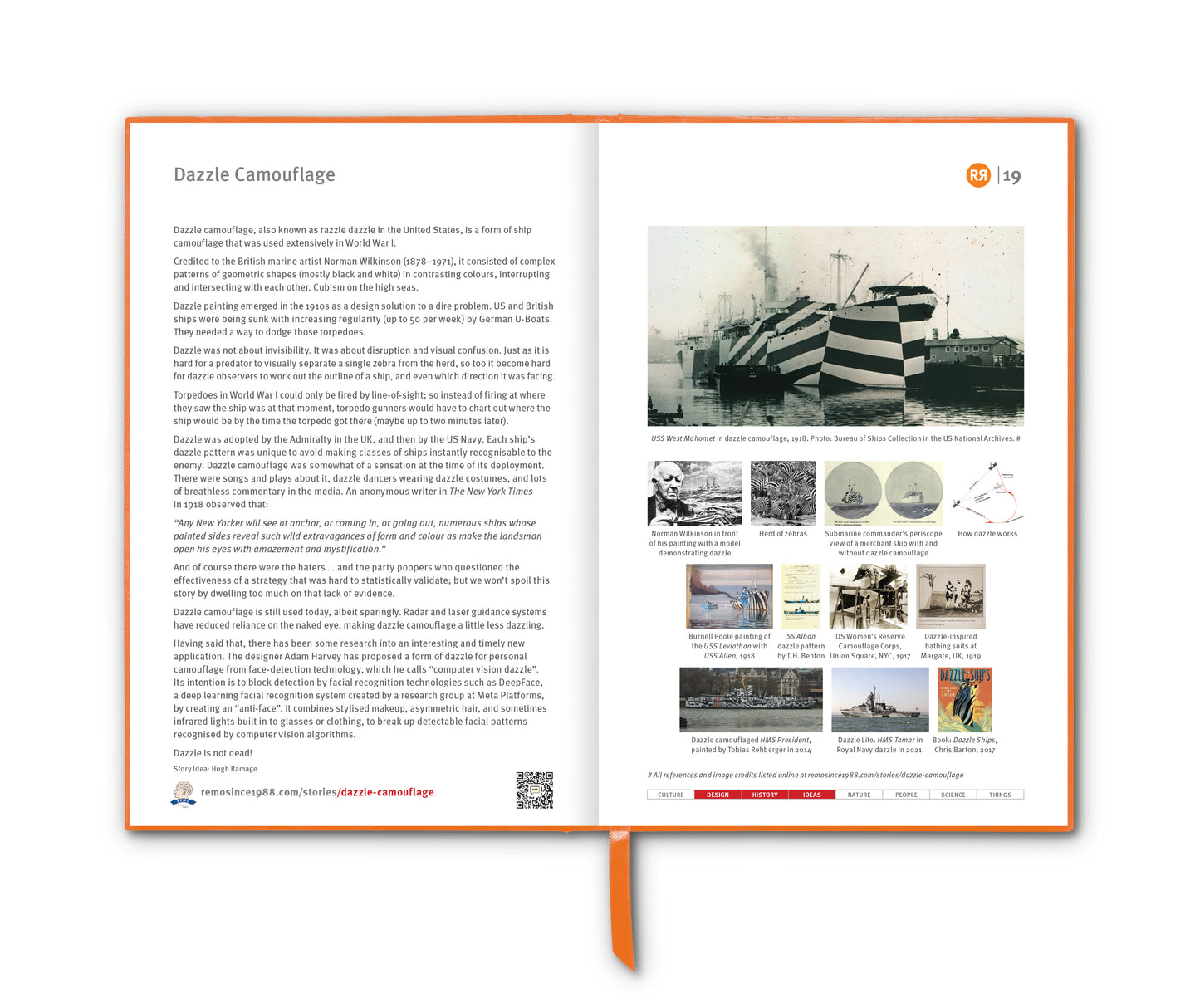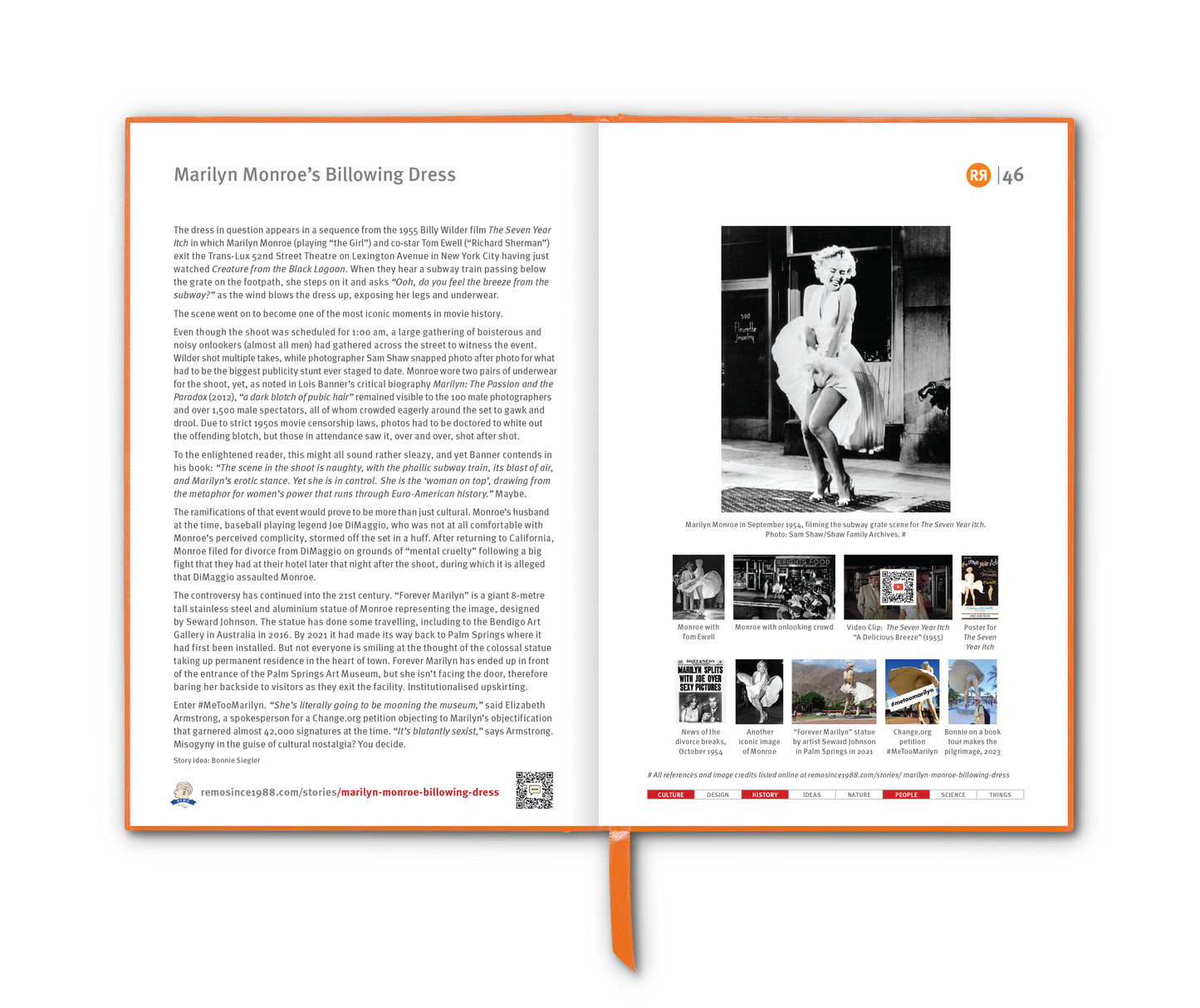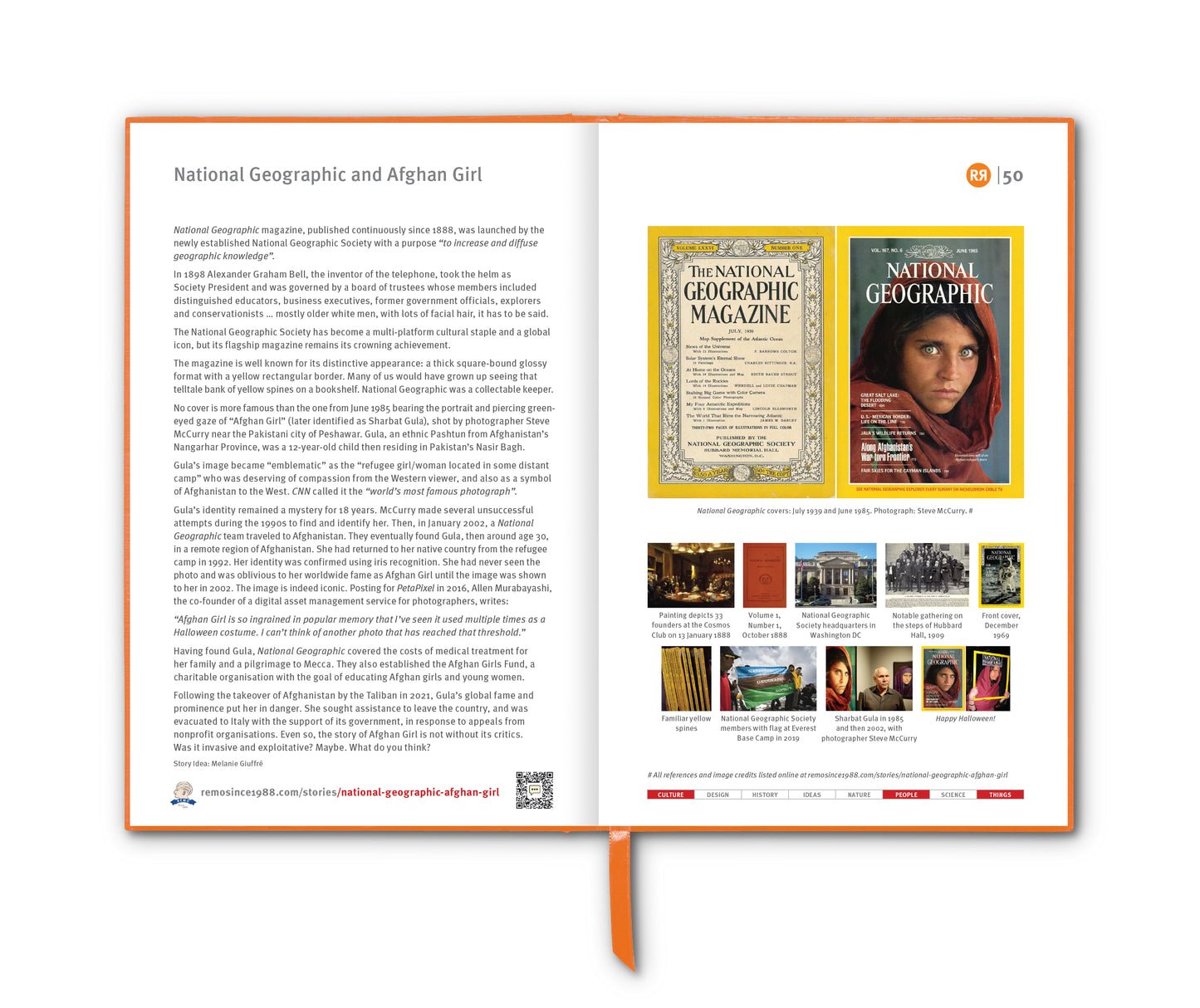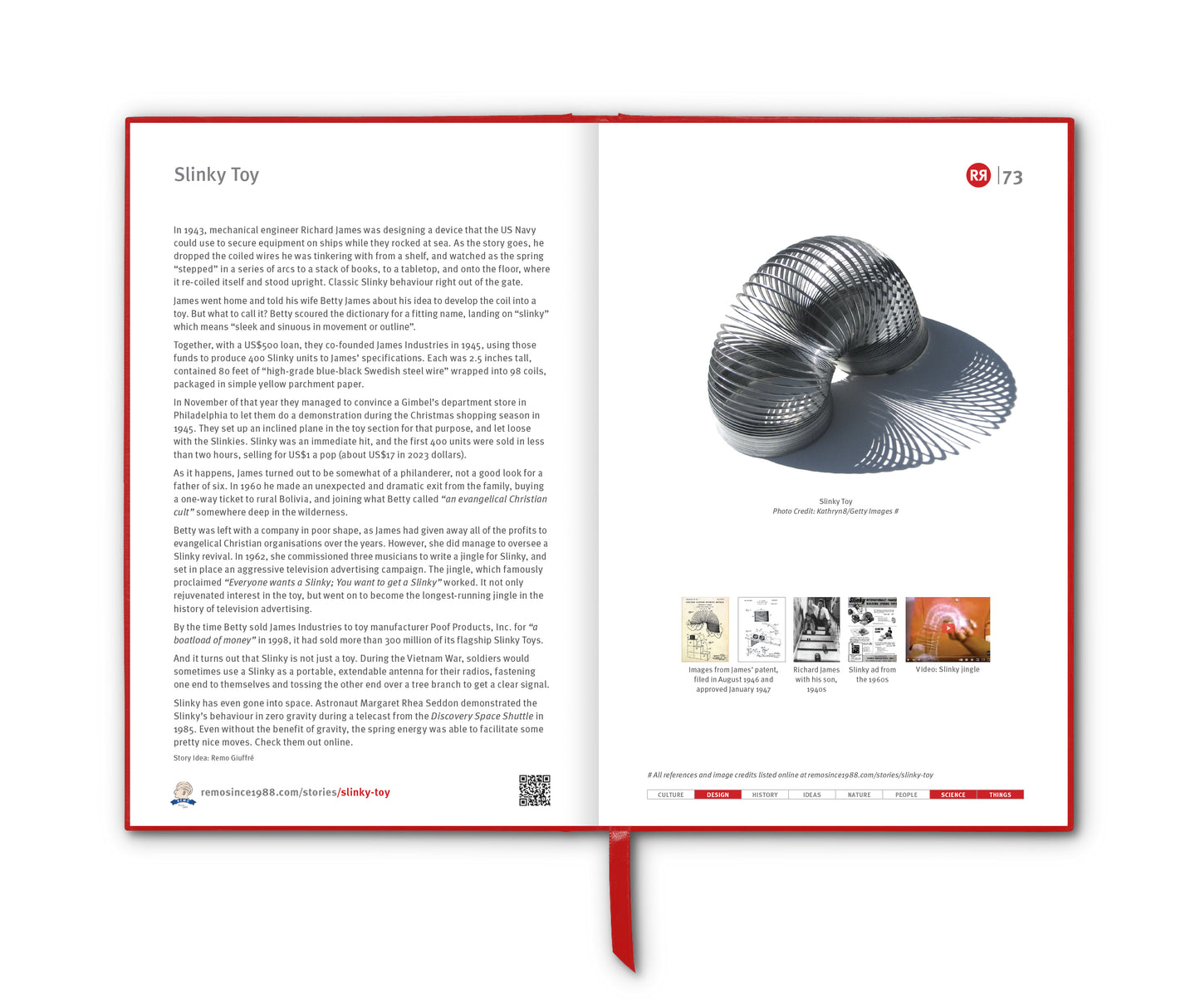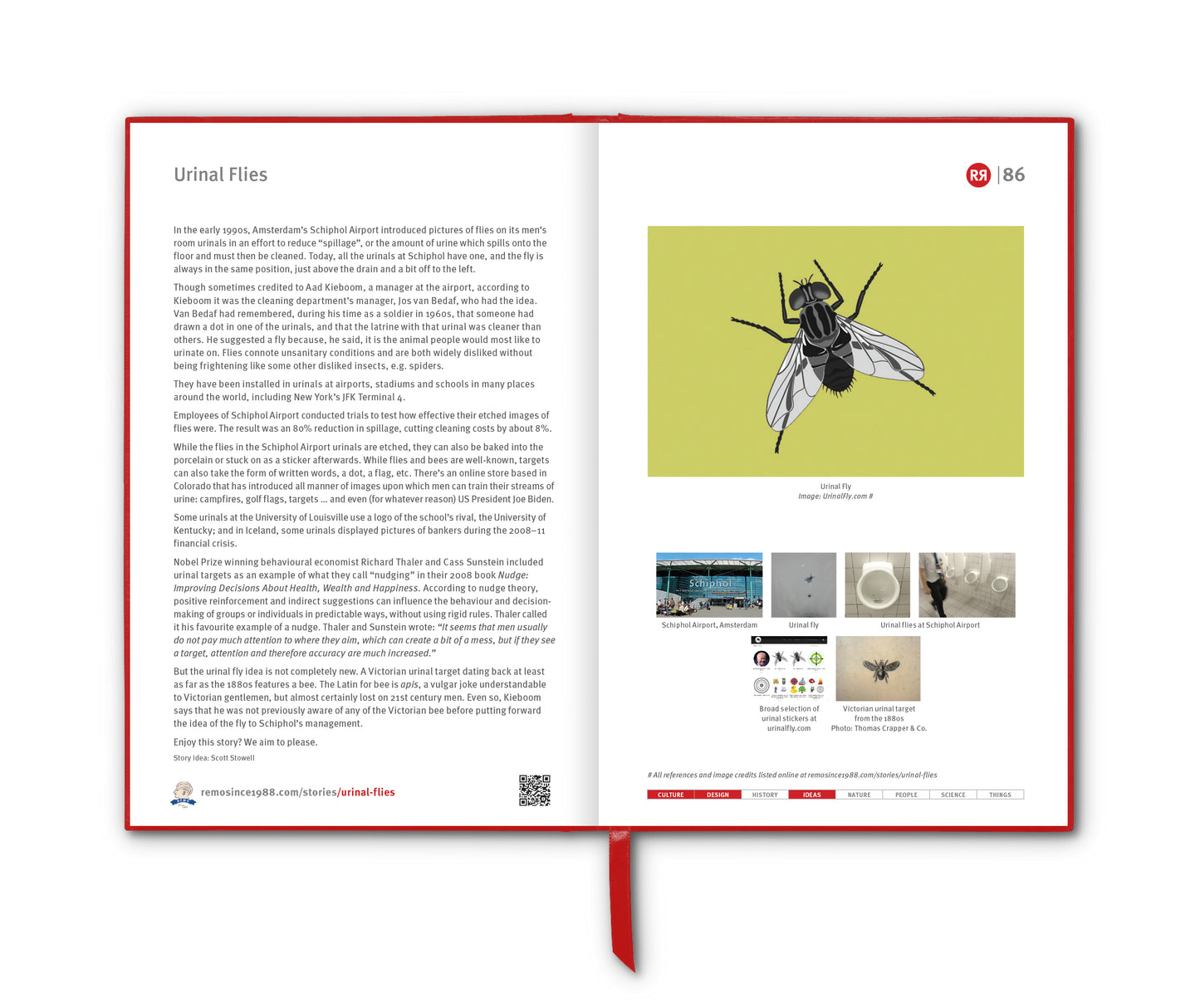

The hourglass – also known as a sandglass – is a simple device for measuring time. Consisting of two glass bulbs connected by a narrow neck, it measures a fixed interval as a substance (historically sand) flows steadily from the upper chamber to the lower. Despite its simplicity, the hourglass has played an important role in navigation, religion, science and culture for centuries.
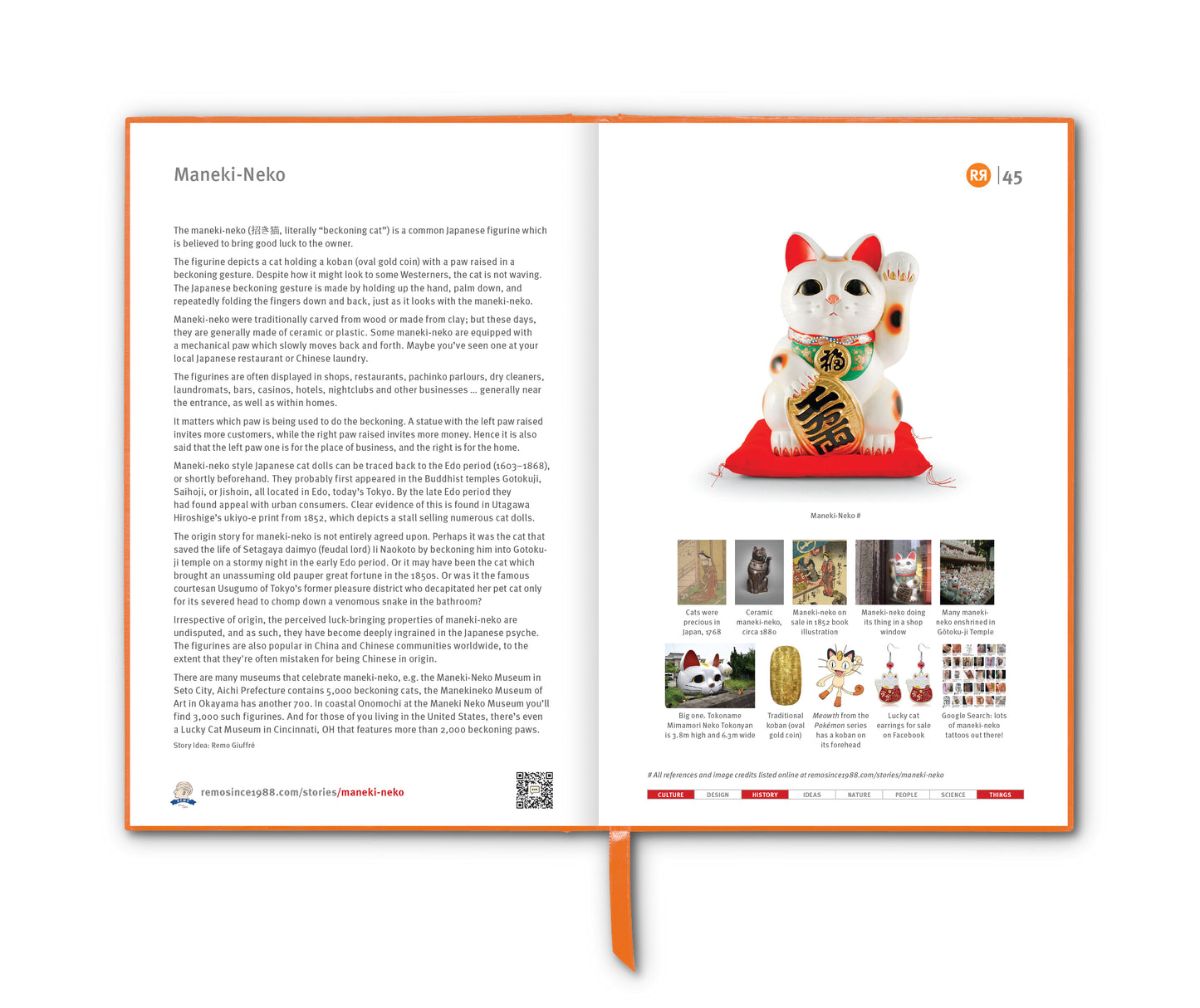
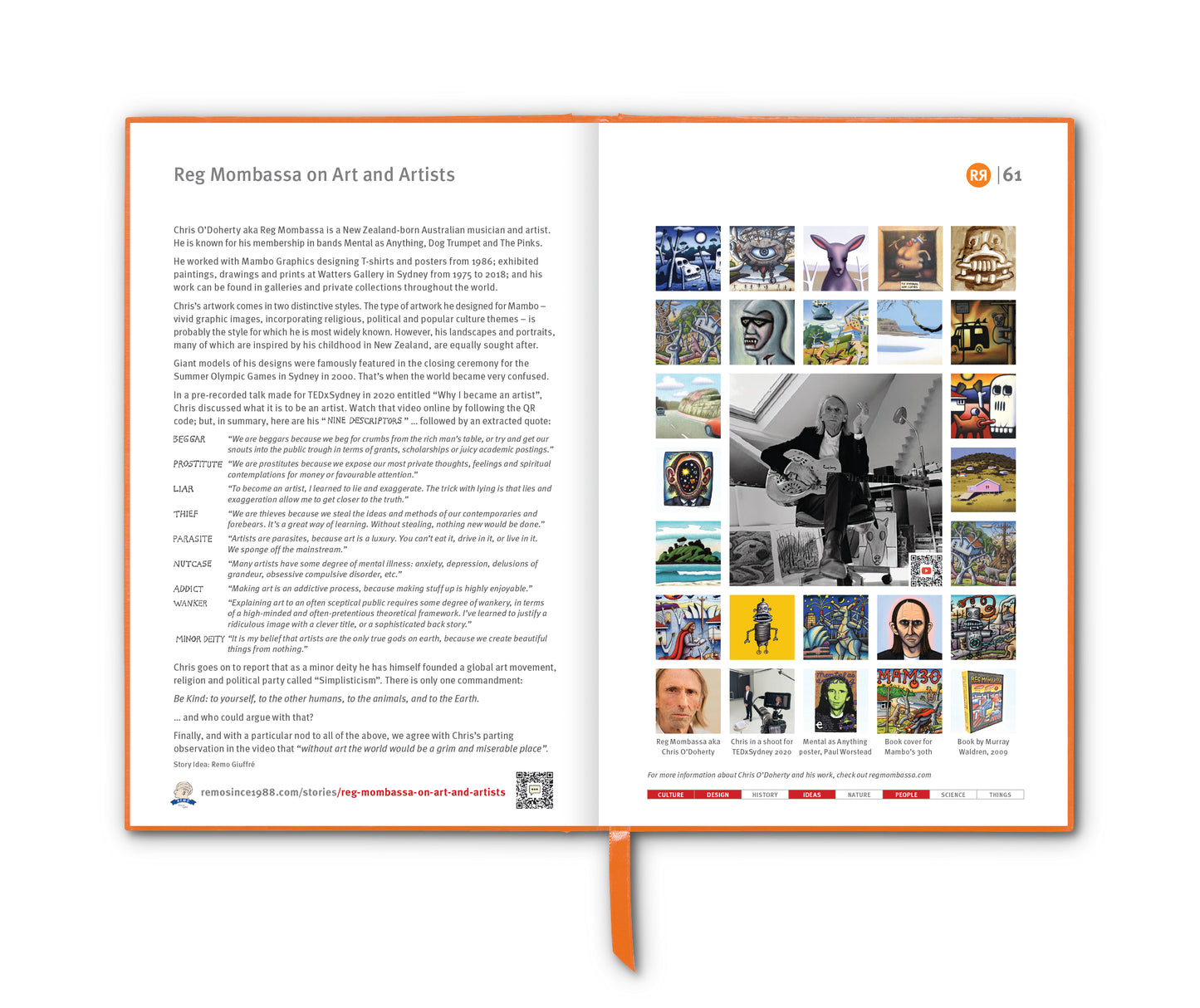
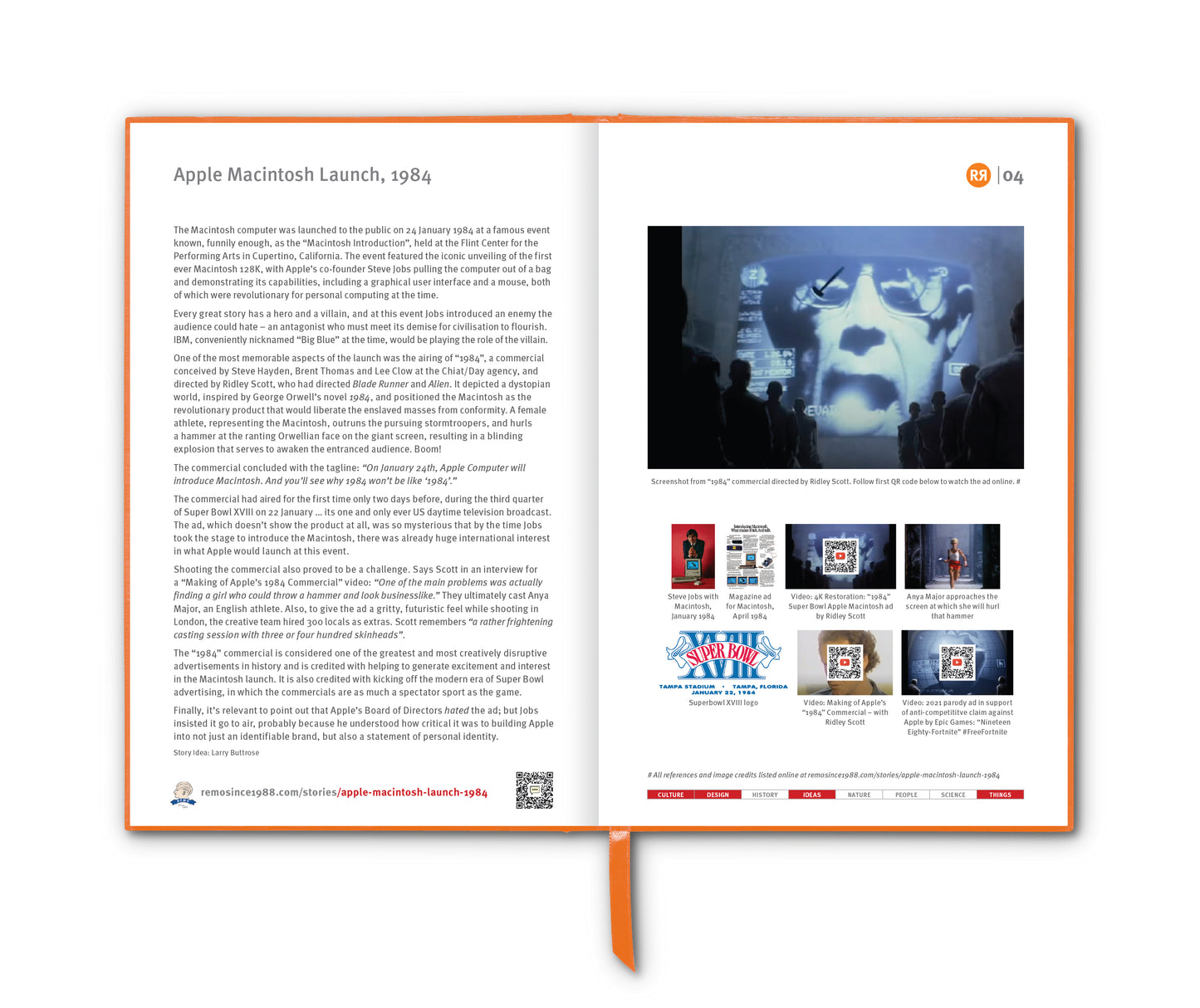
The exact origins of the hourglass are somewhat mysterious. Unlike water clocks, which were used in ancient Egypt and Greece, there is little evidence that sandglasses existed in classical antiquity. Most historians believe the device emerged in medieval Europe, probably in the 8th or 9th century, though the first clear illustration appears in the 14th century. A well-known early depiction occurs in a 1338 painting by the Italian artist Ambrogio Lorenzetti, showing an allegorical figure holding an hourglass.
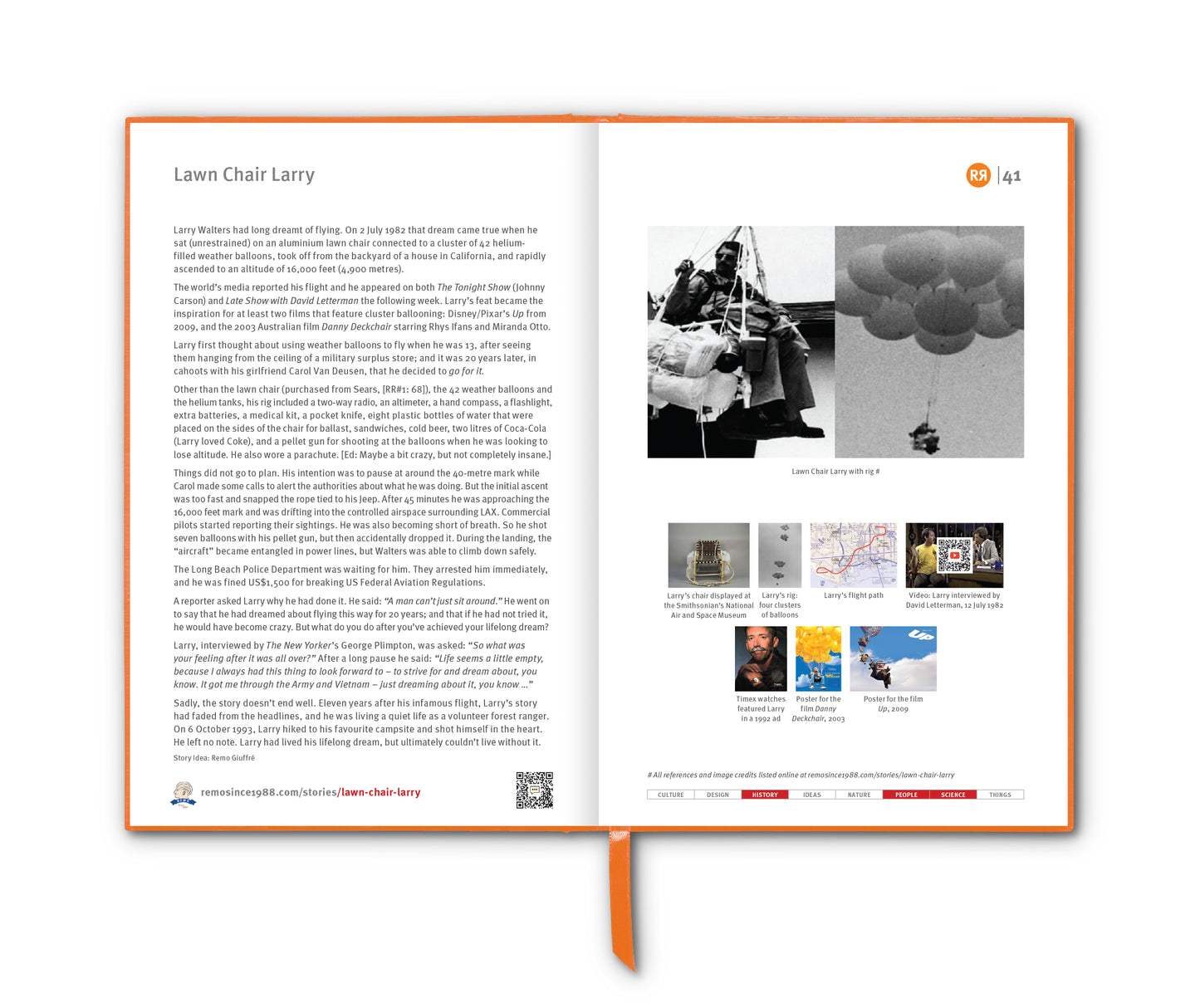
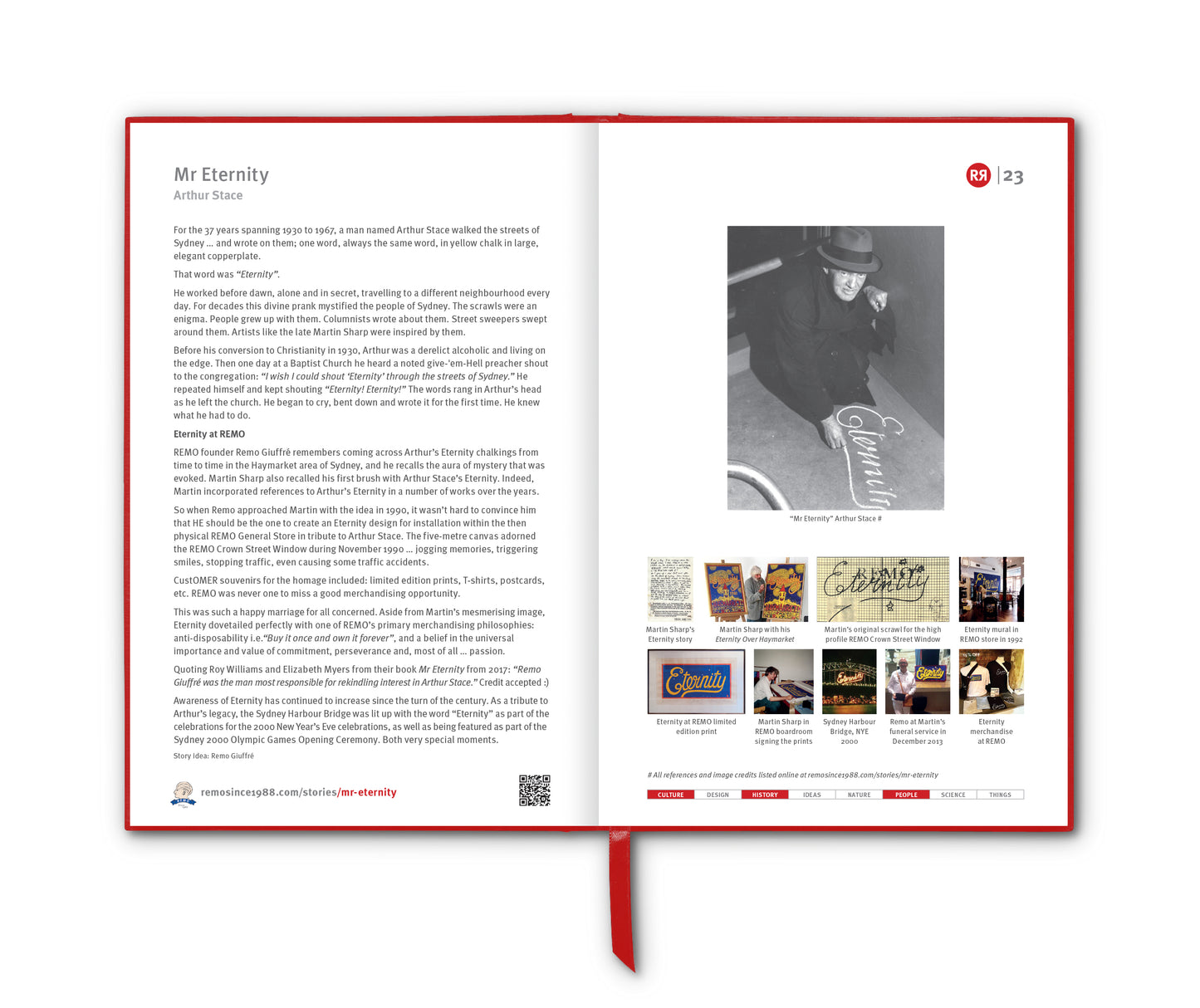
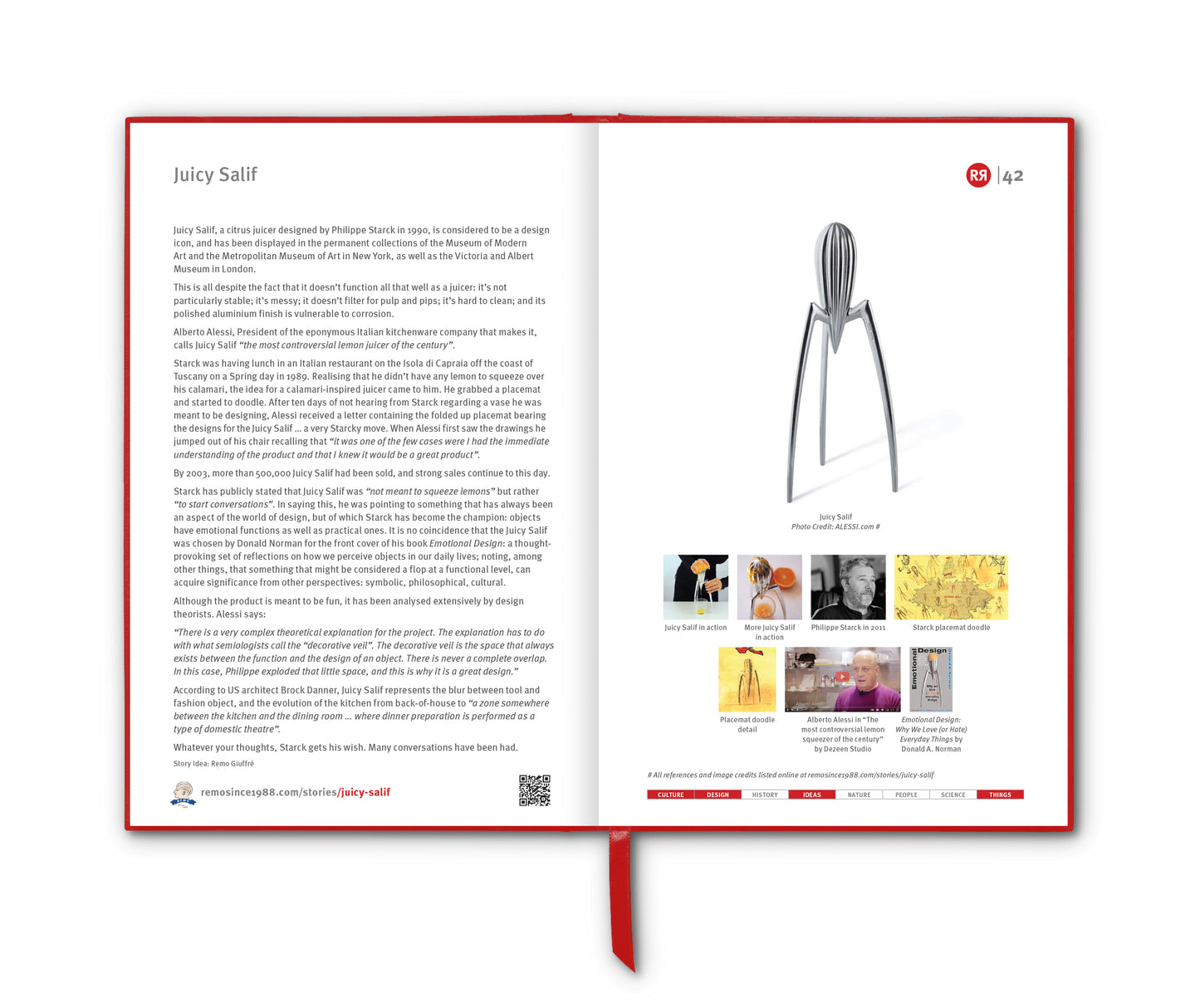
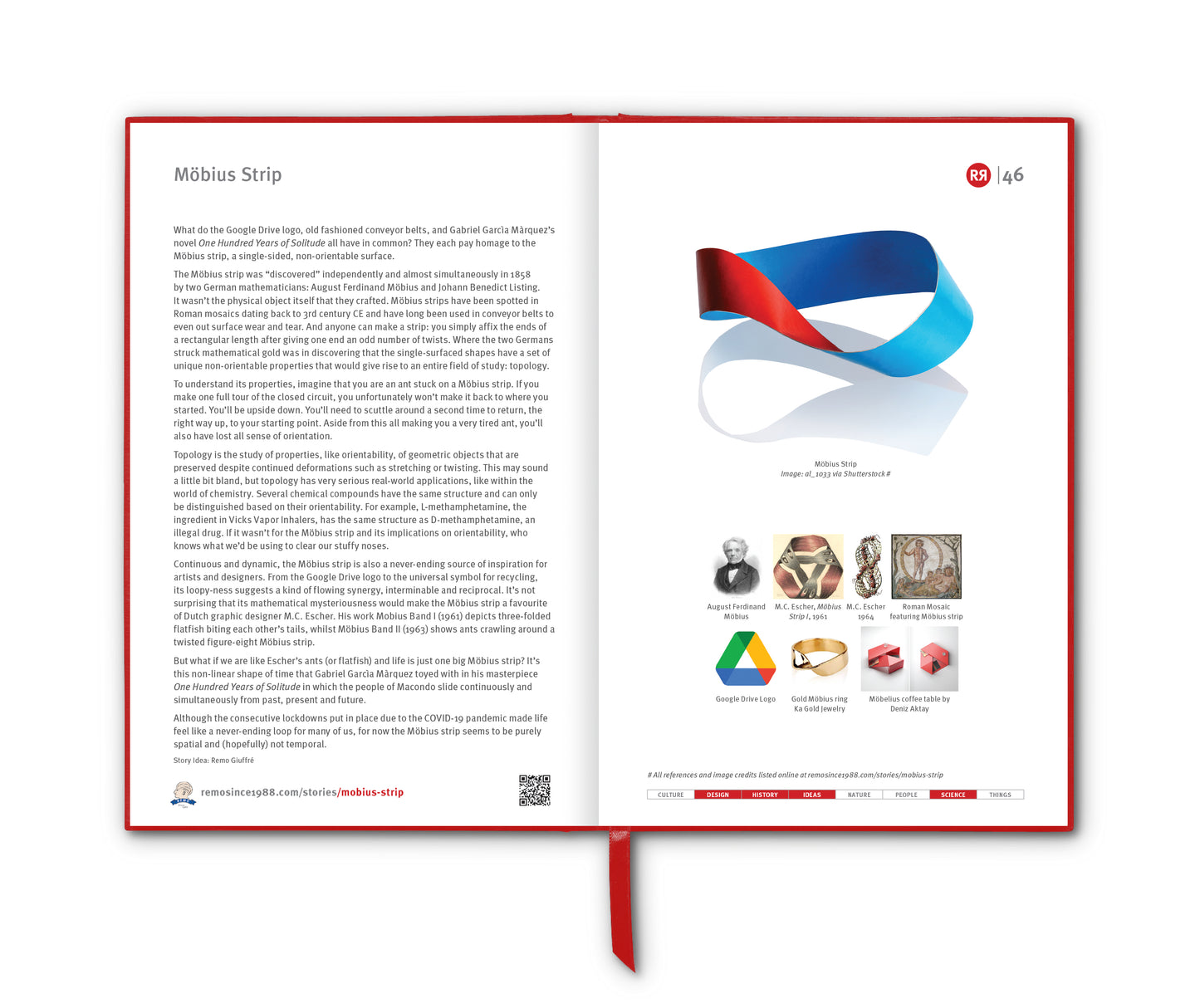
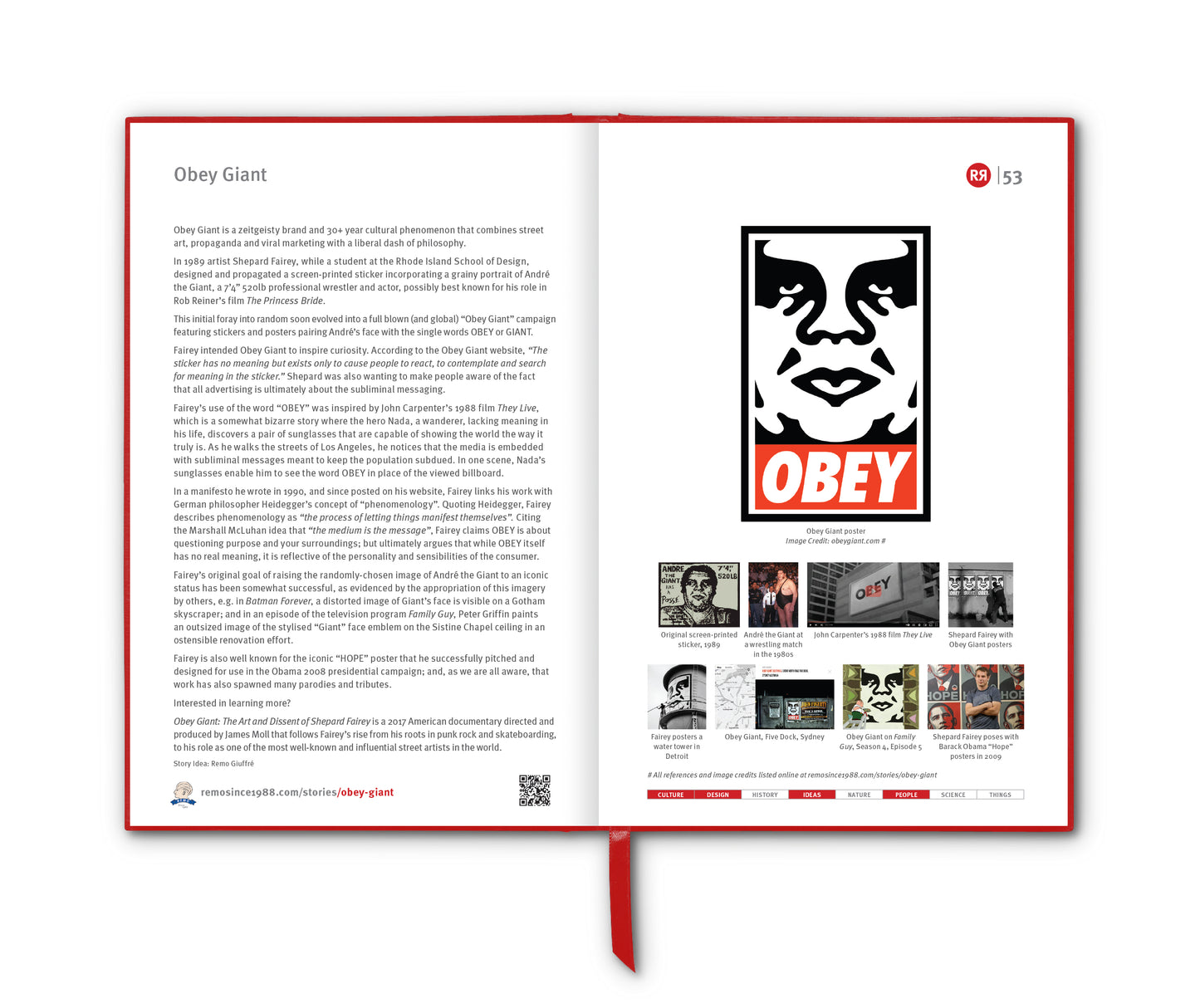
The hourglass quickly became indispensable at sea. Sailors relied on them because they were far more stable than water clocks aboard a moving ship. Maritime crews used sandglasses – often calibrated to half an hour – to track the ship’s watches and help estimate speed. Combined with a log line (a rope with knots tied at regular intervals), the sandglass helped give rise to the nautical term “knots”, still used today to measure speed at sea.
On land, hourglasses found uses in churches, kitchens and workshops. In many European churches during the 16th and 17th centuries, an hourglass was mounted beside the pulpit to limit the length of sermons. They also appeared in early scientific experiments and in households for timing cooking or household tasks. Their reliability depended on factors such as the dryness and grain size of the sand, as well as the precision of the glass neck.
Symbolically, the hourglass has long been associated with mortality and the passage of time. The form of a winged hourglass has been used as a literal depiction of the Latin phrase tempus fugit [RR6:77], i.e. “time flies”. In art and literature it frequently appears alongside skulls in vanitas paintings, reminding viewers that life is fleeting. The personification of death, the Grim Reaper, is often depicted holding an hourglass, suggesting that every life has a finite measure. Writers from William Shakespeare onward have used the image of sand slipping away to evoke the inevitability of time.
Despite the invention of mechanical clocks in medieval Europe and later the precise timekeeping of pendulum clocks, the hourglass never entirely disappeared. Its great advantage is that it requires no power and remains accurate regardless of temperature or altitude.
Today the hourglass survives mostly as a symbolic or practical timer. Small sand timers are commonly used in board games, classrooms and kitchens. Perhaps the most famous modern example is the three-minute hourglass used to time boiled eggs. They also appear in modern technology culture – some computer interfaces and loading icons were historically based on the hourglass symbol to represent waiting or processing. Decorative hourglasses are also popular as desk ornaments, valued for the quiet, hypnotic flow of sand. Finally, and interestingly, both houses of the Australian Parliament use three hourglasses to time certain procedures, such as divisions.
Postscript
The hourglass figure is one of the four traditional female body shapes described by the fashion industry. Hourglass body shapes have a wide bust, a narrow waist and wide hips – with a similar measurement to that of the bust. This body shape is named for its resemblance to that of an hourglass: wide > narrow > wide.
_______________________
References
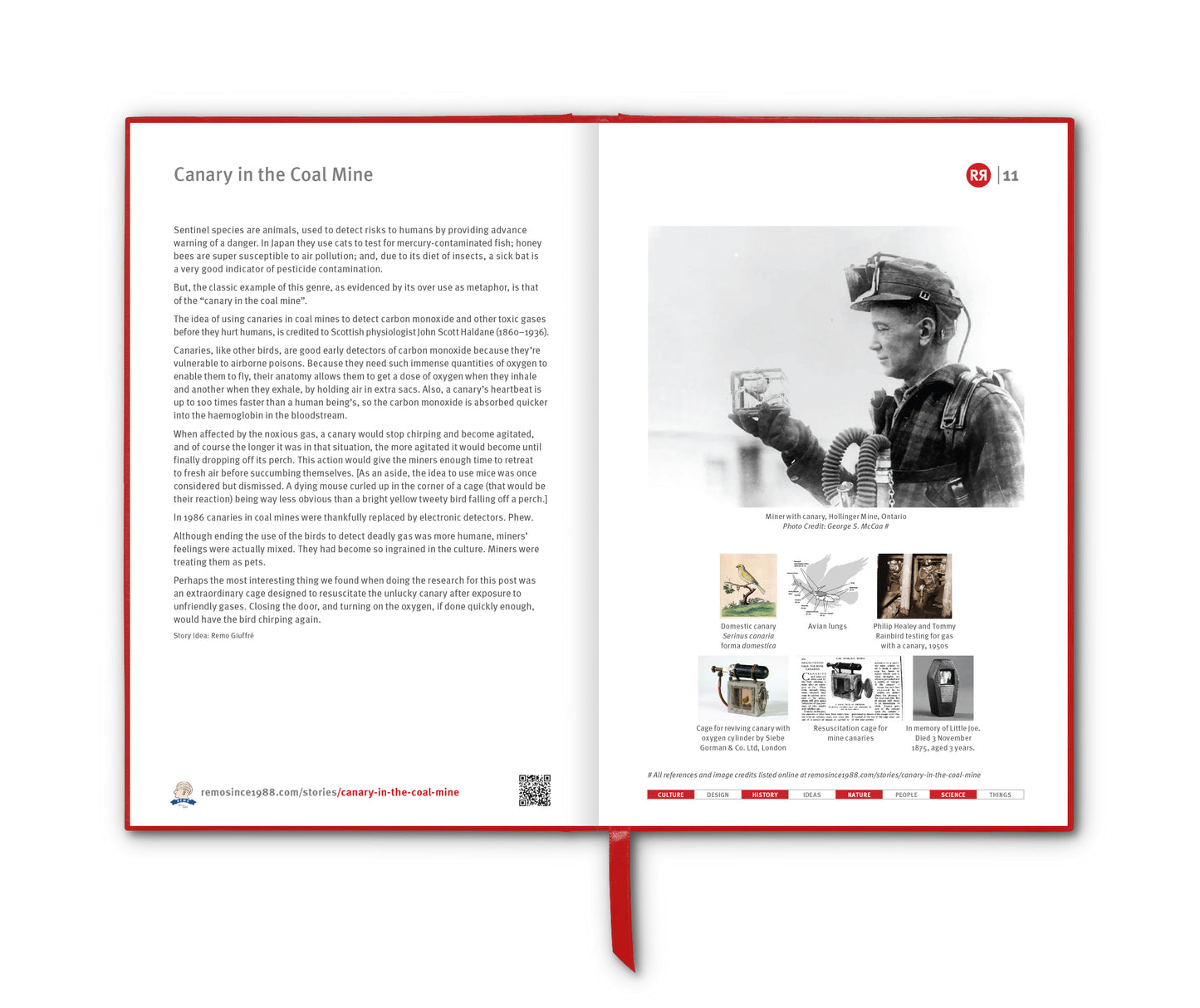
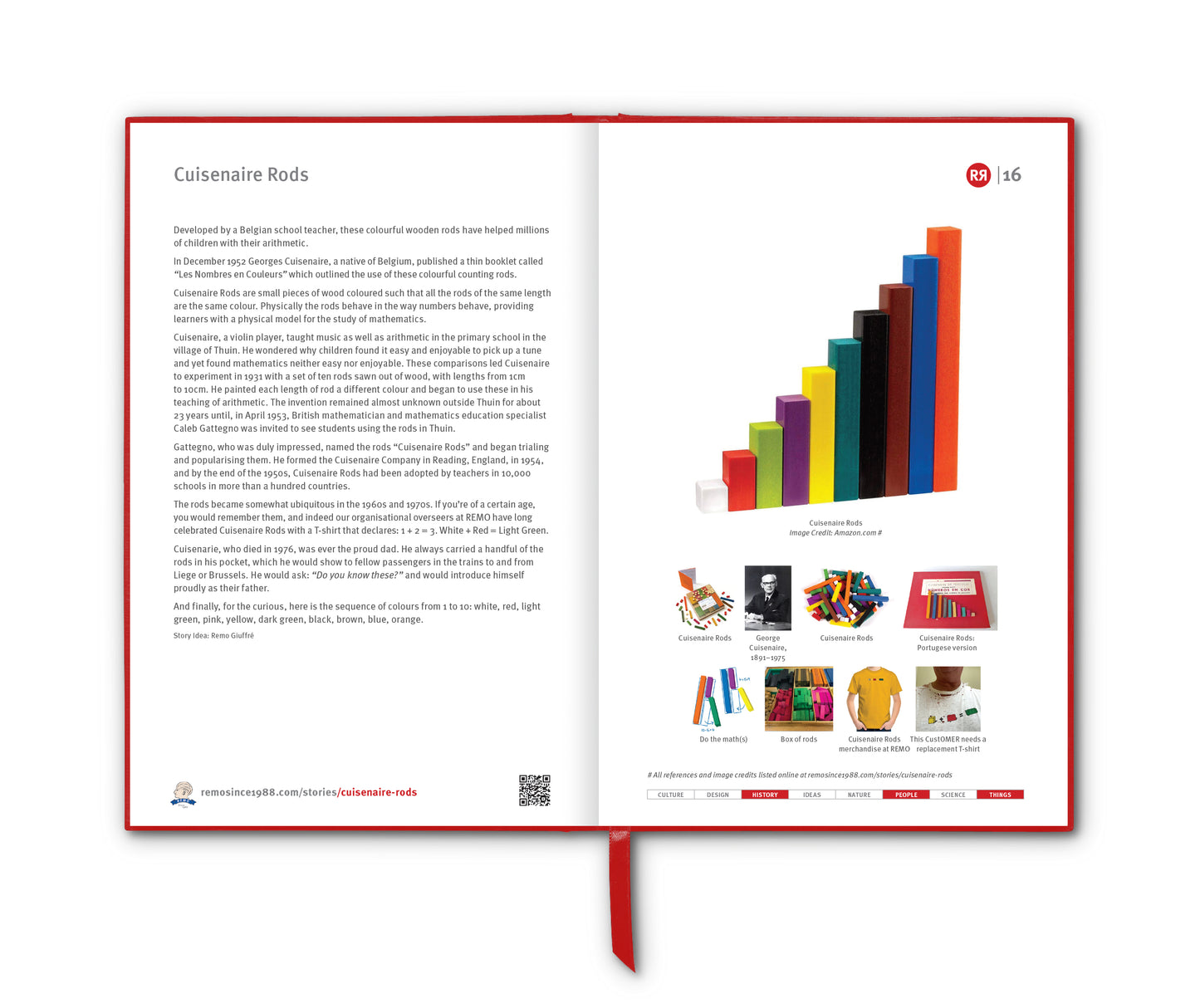
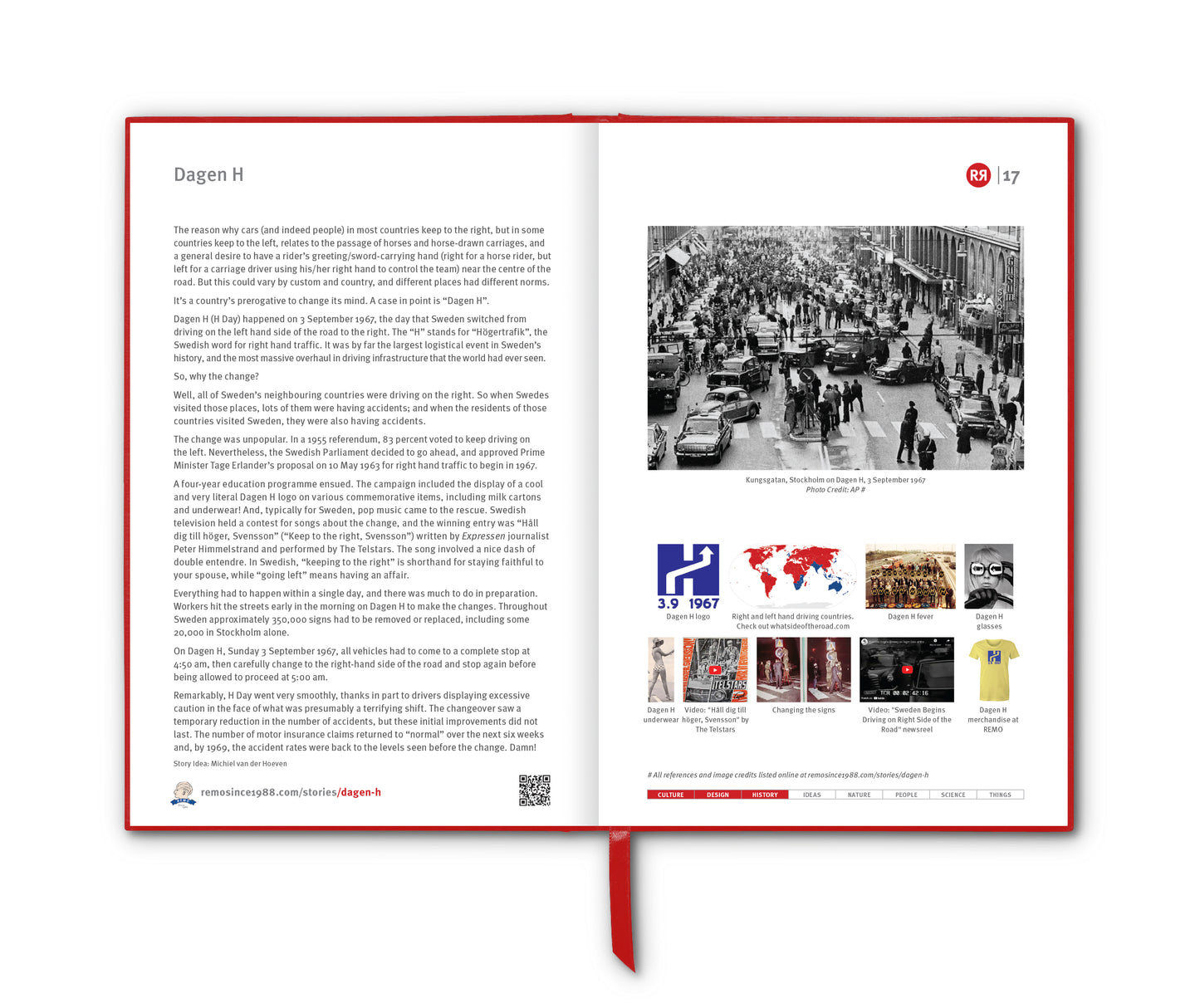
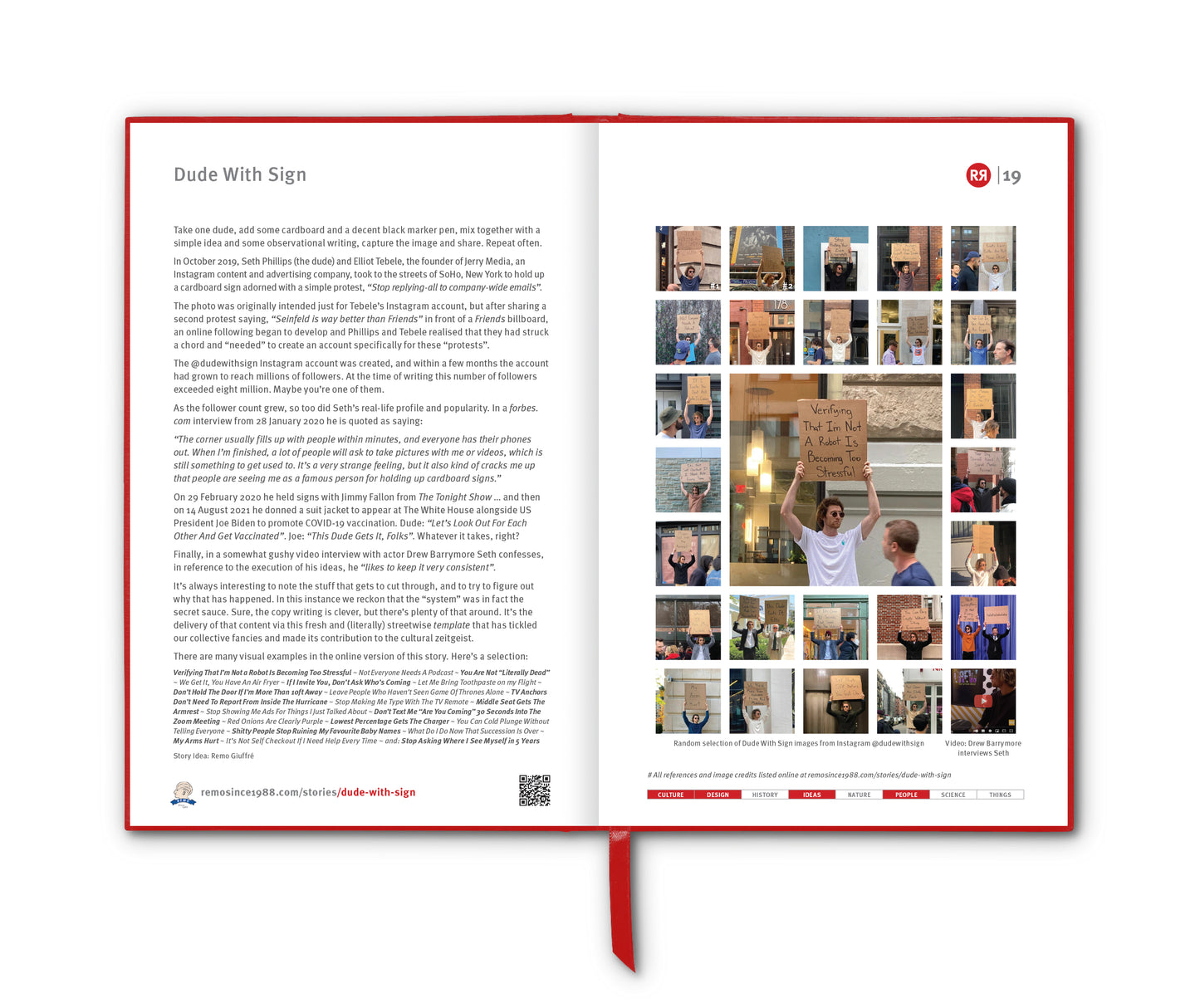
https://en.wikipedia.org/wiki/Hourglass
https://www.sciencedirect.com/science/article/abs/pii/0160932779901005?via%3Dihub
Images
1. Hourglass designed by Marc Newson for HG Timepiece in 2012. Materials: borosilicate glass and stainless steel balls. Credit: marc-newson.com
2. Sarcophagus dated circa 350, representing the wedding of Peleus and Thetis (with magnification of an hourglass held by Morpheus)
3. Hourglass depiction in the 1338 fresco Allegory of Good Government by Ambrogio Lorenzetti
4. Self-portrait (with hourglass and skull) by Johann Zoffany, circa 1776
5. German 16th century half-hour sand glass, Metropolitan Museum of Art, New York City
6. A winged hourglass as a literal depiction of the Latin phrase tempus fugit ("time flies")
7. Hourglass used for the game Boggle
8. Hourglass cursor design
9. Hourglass reference in Australian Senate record, 26 March 1997
10. Video: The American television soap opera Days of Our Lives (1965–present) displays an hourglass in its opening credits, with narration by Macdonald Carey: "Like sands through the hourglass, so are the days of our lives."
11. Three beauty pageant contestants with hourglass figures