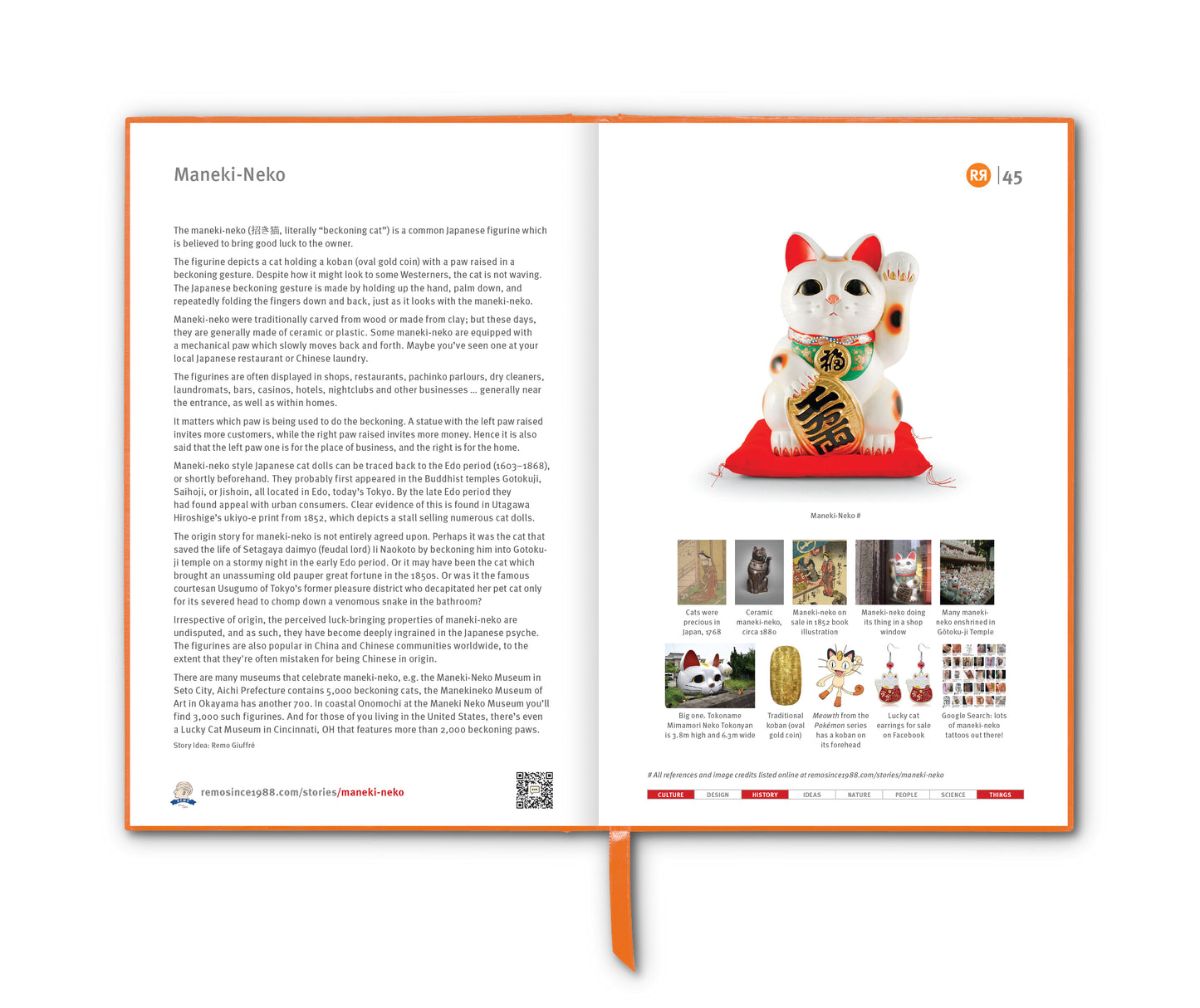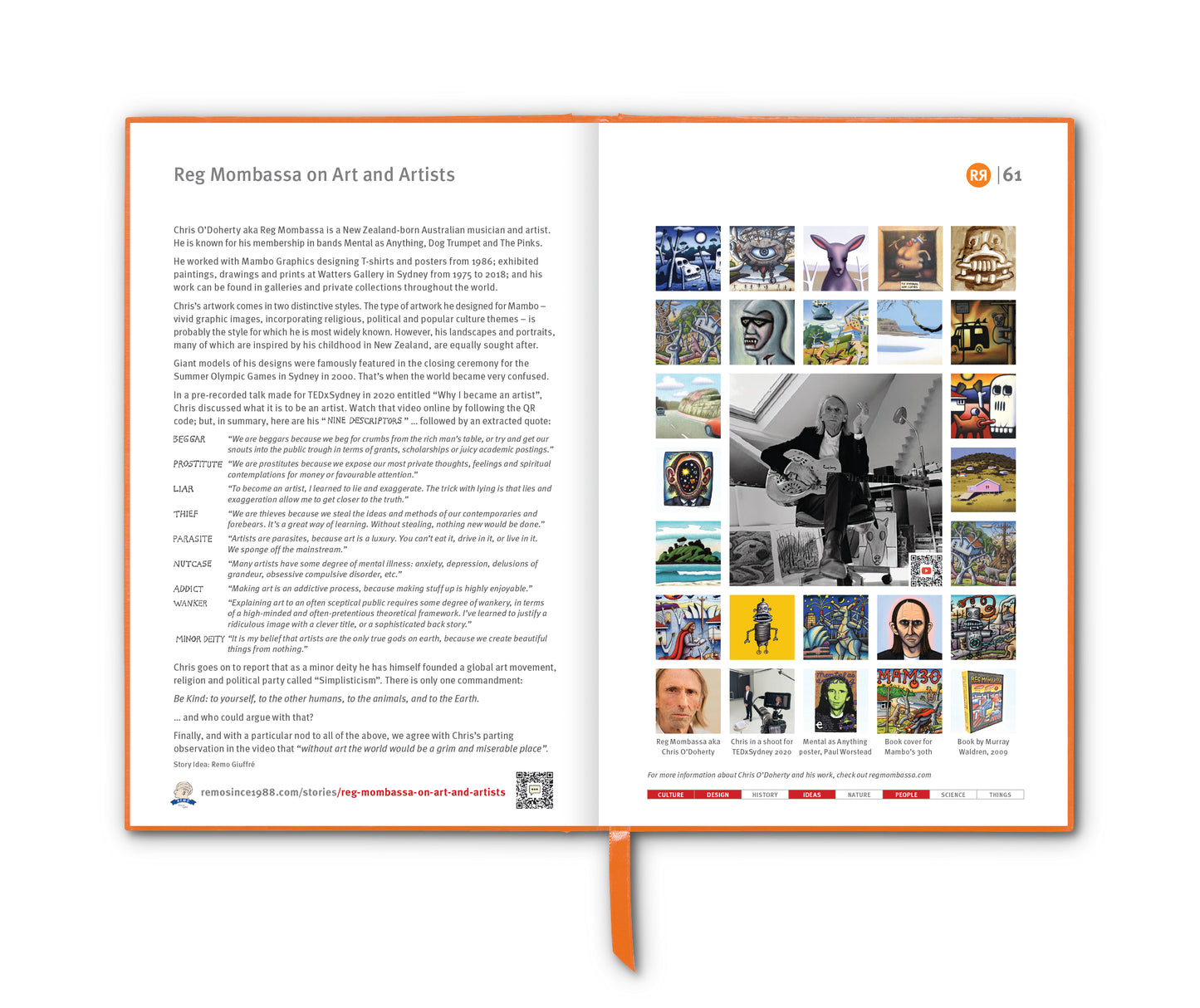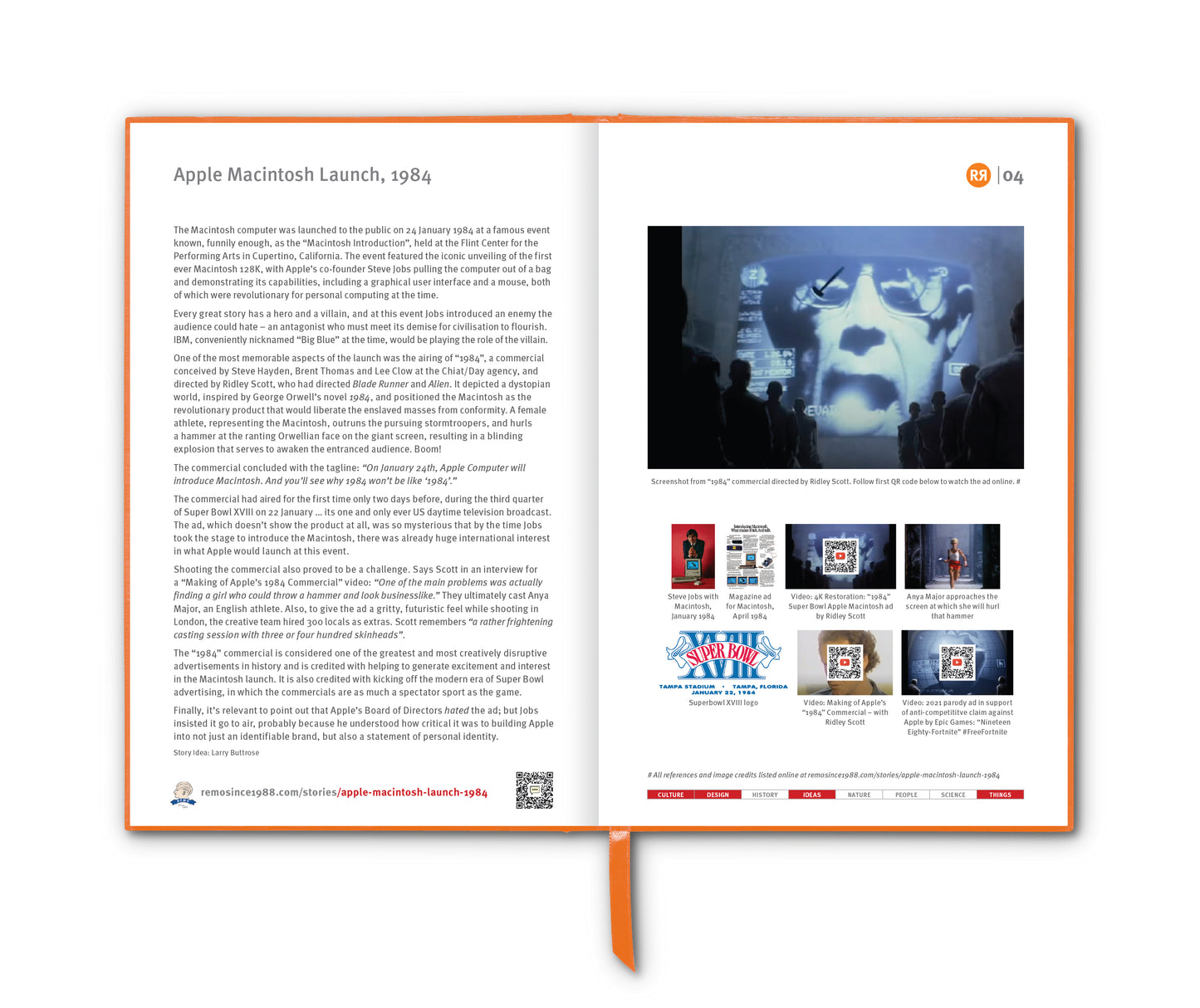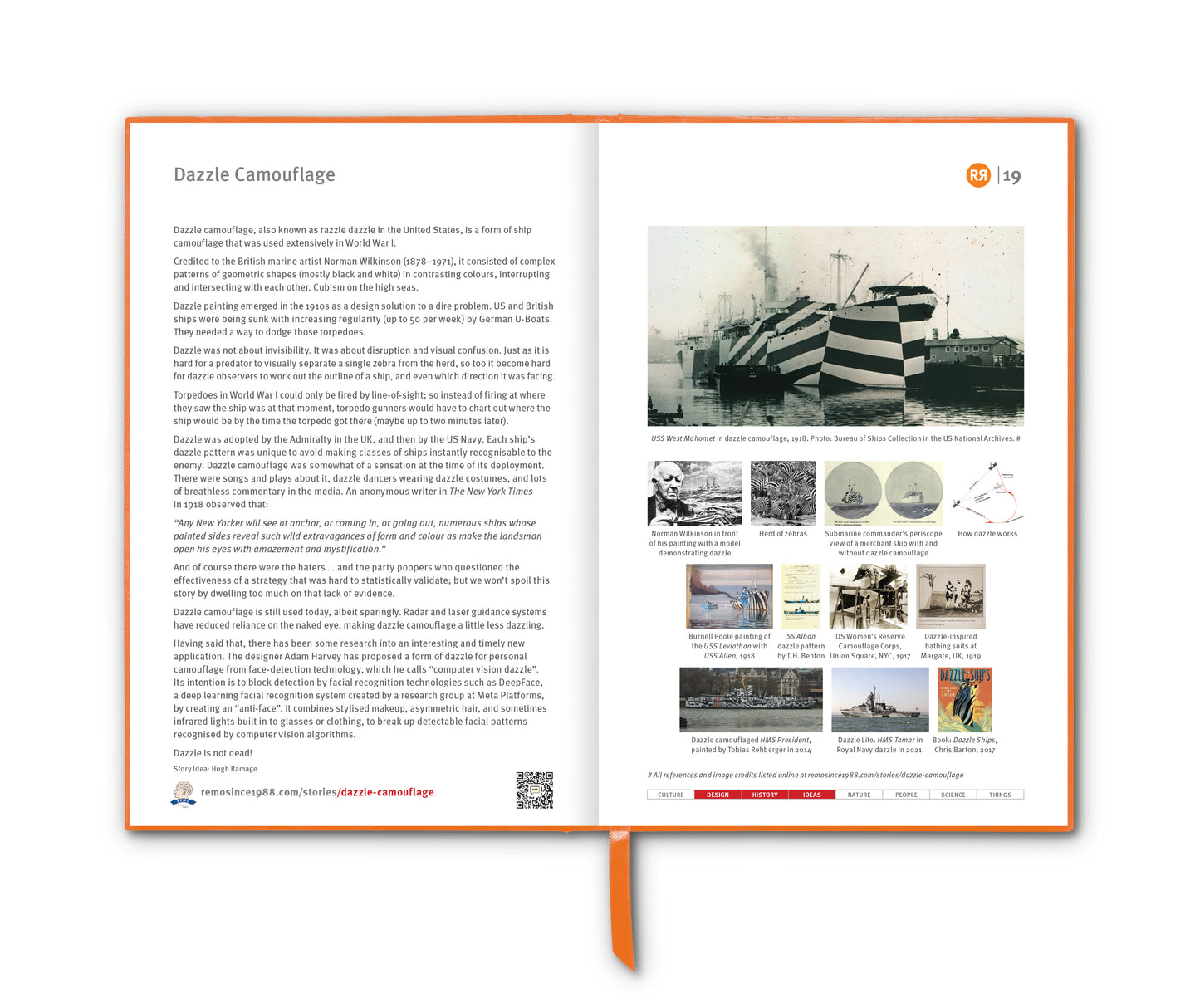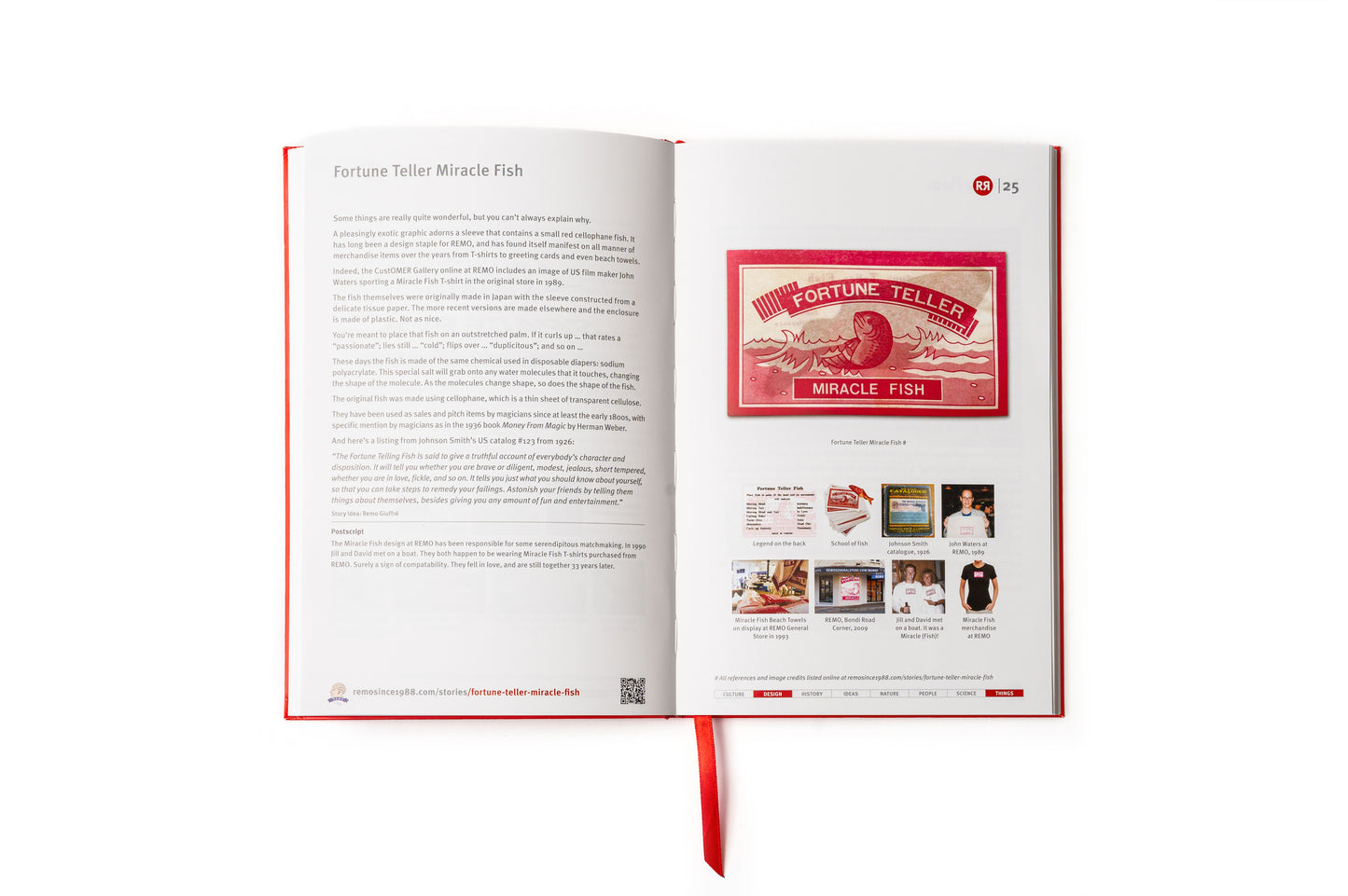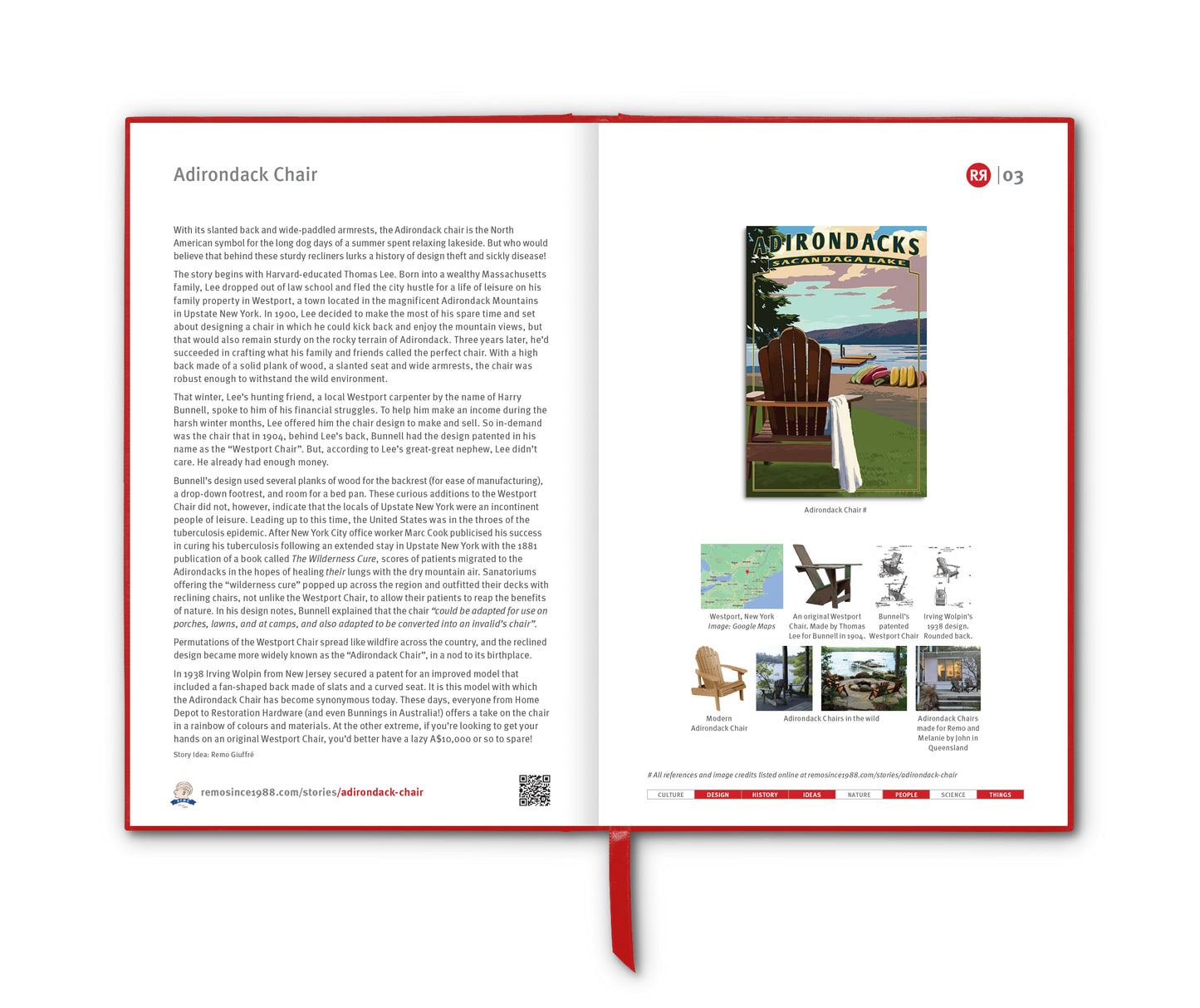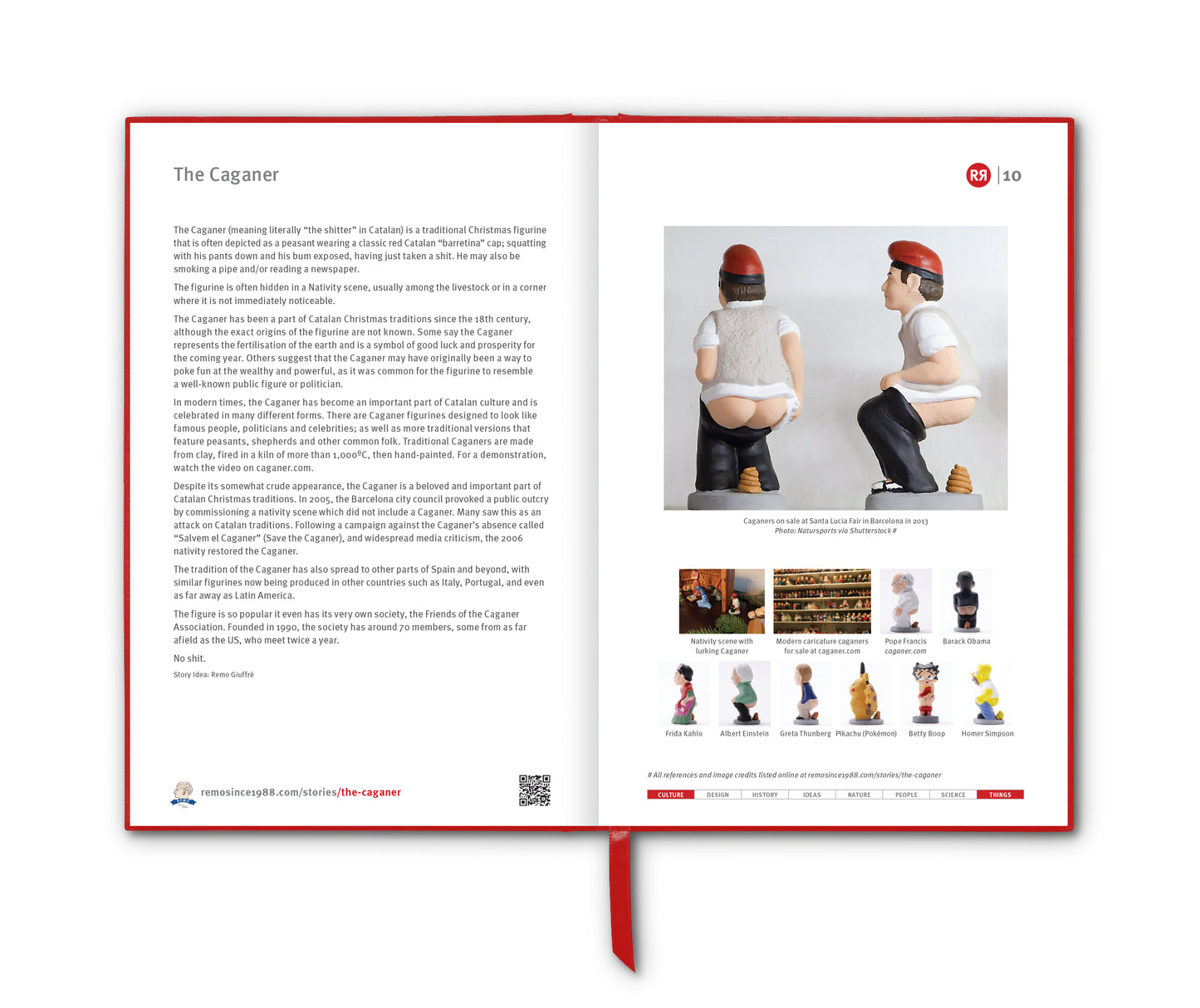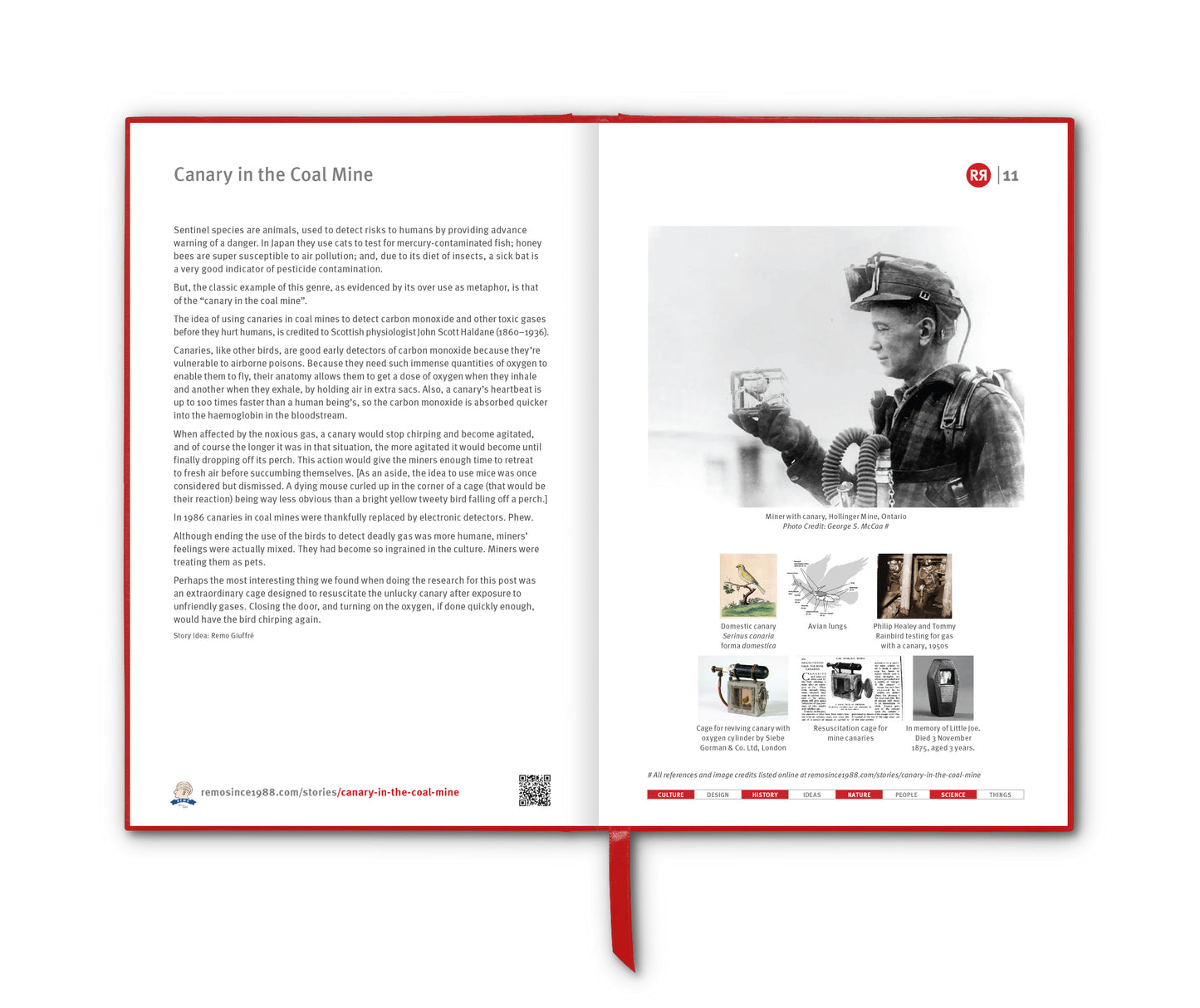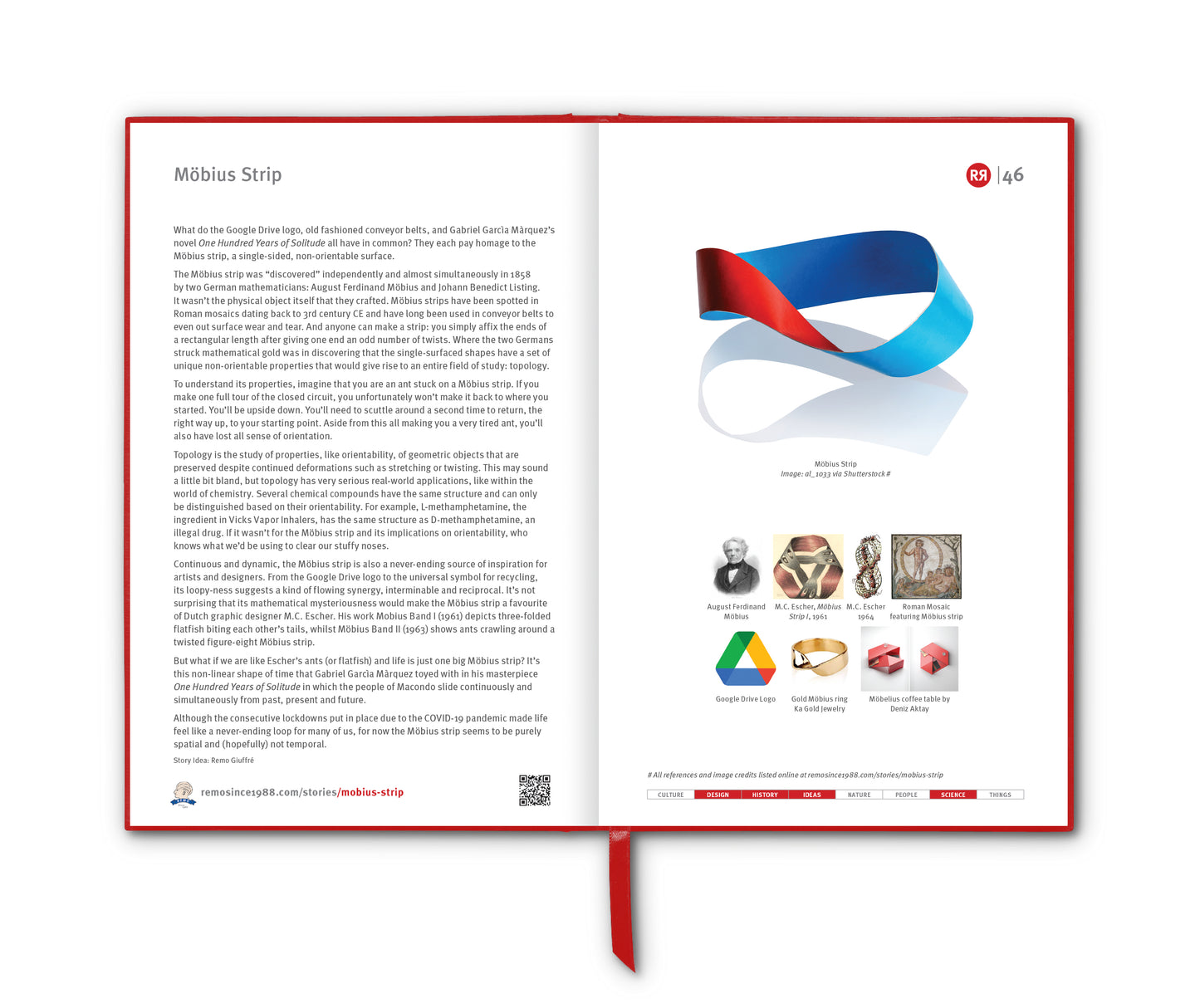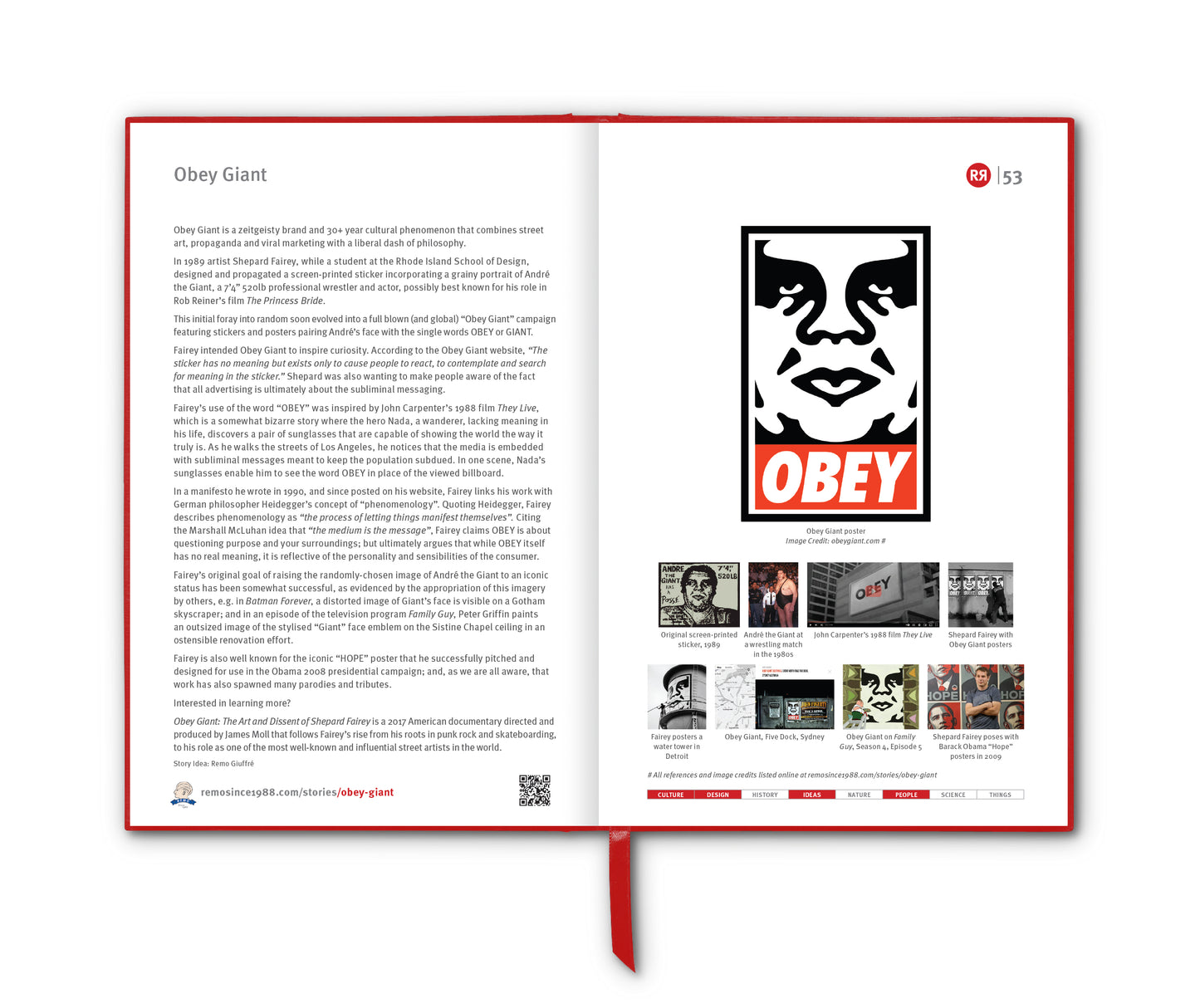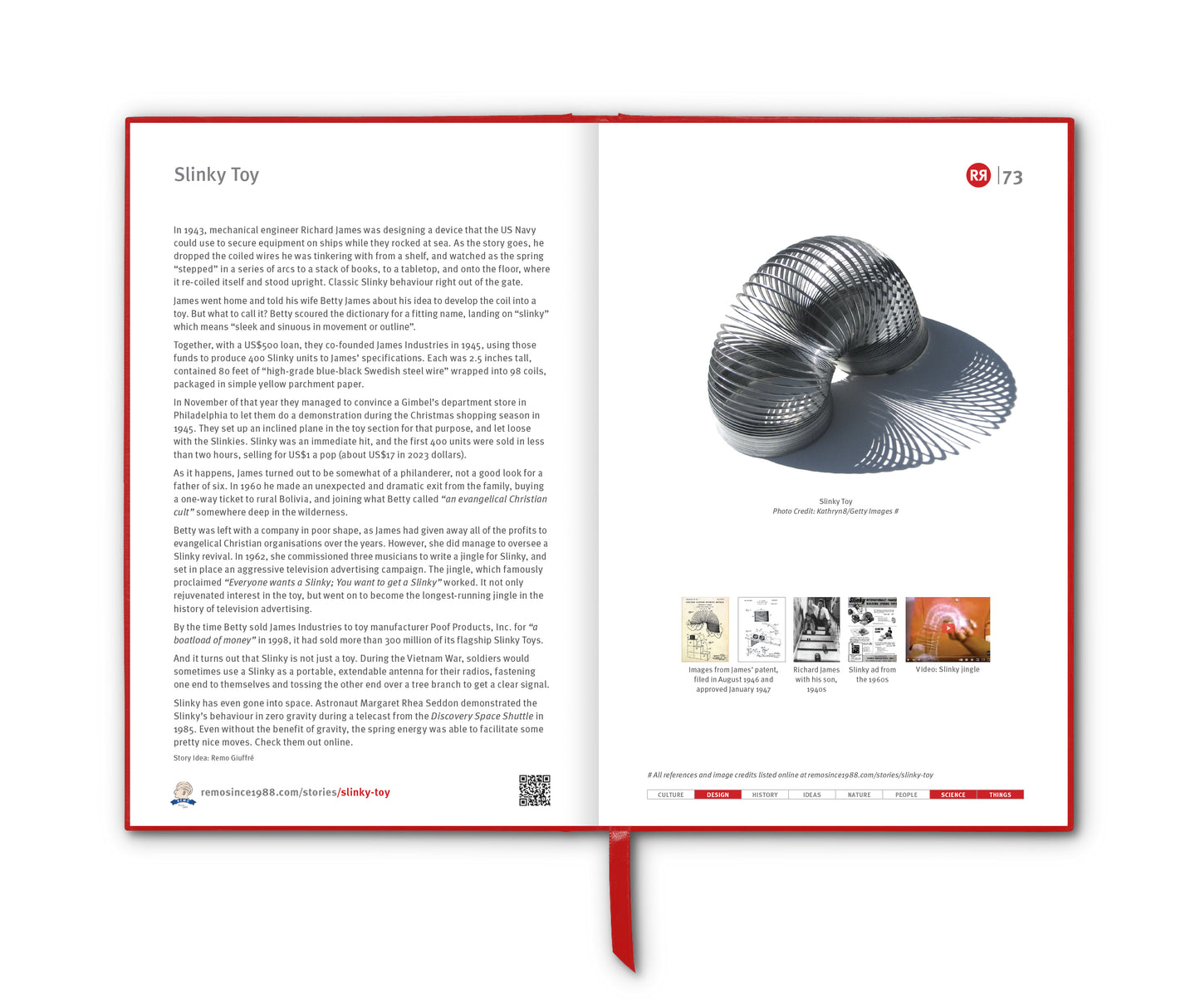

There is a map that appears in Australian classrooms, council offices and museum walls. It is colourful – and immediately challenges the idea that Australia was ever an empty or uniform place aka Terra nullius or “nobody’s land”. It is often called the “Indigenous Australia map”, but more precisely it is the AIATSIS Map of Indigenous Australia, created in 1996 by cartographer David R. Horton and published by the Australian Institute of Aboriginal and Torres Strait Islander Studies.
At first glance it looks authoritative, like a national boundary map. But that’s not what it is. It is an interpretation – an attempt to visualise something far more complex: the pre-existing and continuing cultural geography of Aboriginal and Torres Strait Islander peoples, who are made up of hundreds of distinct language groups, each with their own identity, law, kinship systems and deep relationship to Country.
The power of the map lies in its visual impact. It gives shape to what many Australians were never taught at school: that the continent was not blank before colonisation, but richly mapped already. In this sense, it performs an act of correction. It restores visibility to what was historically erased. For many people encountering it for the first time, it is a shock – not because it is complicated, but because it reveals just how simplified the dominant story of Australia has been – a small number of states and territories with nice straight boundaries.
The map’s benefits are therefore largely cultural and educational. It provides a shared reference point. It helps institutions acknowledge Traditional Owners. It offers a way to talk about Country in a national context without reducing it to a single narrative. It has become a visual shorthand for respect, recognition and complexity.
But its usefulness is also where its limitations begin. The map freezes something that is fundamentally fluid. Indigenous “Country” is not always best understood as fixed borders, but as overlapping relationships, stories, trade routes and responsibilities that shift across time and context. In turning these into coloured regions with clear edges, the map inevitably simplifies. It can suggest neat separations where Indigenous knowledge often understands continuity.
There is also the issue of authority. Despite its widespread use, the AIATSIS map is not “official” in a legal sense. It is not used for Native Title determinations or governance. Different communities may describe their Country differently, and some groups are not represented in ways that reflect their own self-definition. It is, at best, a strong approximation – useful, but not definitive.
And yet perhaps that tension is part of its value. It is not the final word on Country, but rather a pathway into a much larger conversation.
Always was, always will be …
See also: Australian Aboriginal Flag [RR2:05], Maslen's Inland Sea of Australia [RR6:49]
_____________________________
References
aiatsis.gov.au/explore/map-indigenous-australia
libguides.jcu.edu.au/indigenousstudiesguide/resources/maps-languages-boundaries
wikipedia.org/wiki/Always_was,_always_will_be
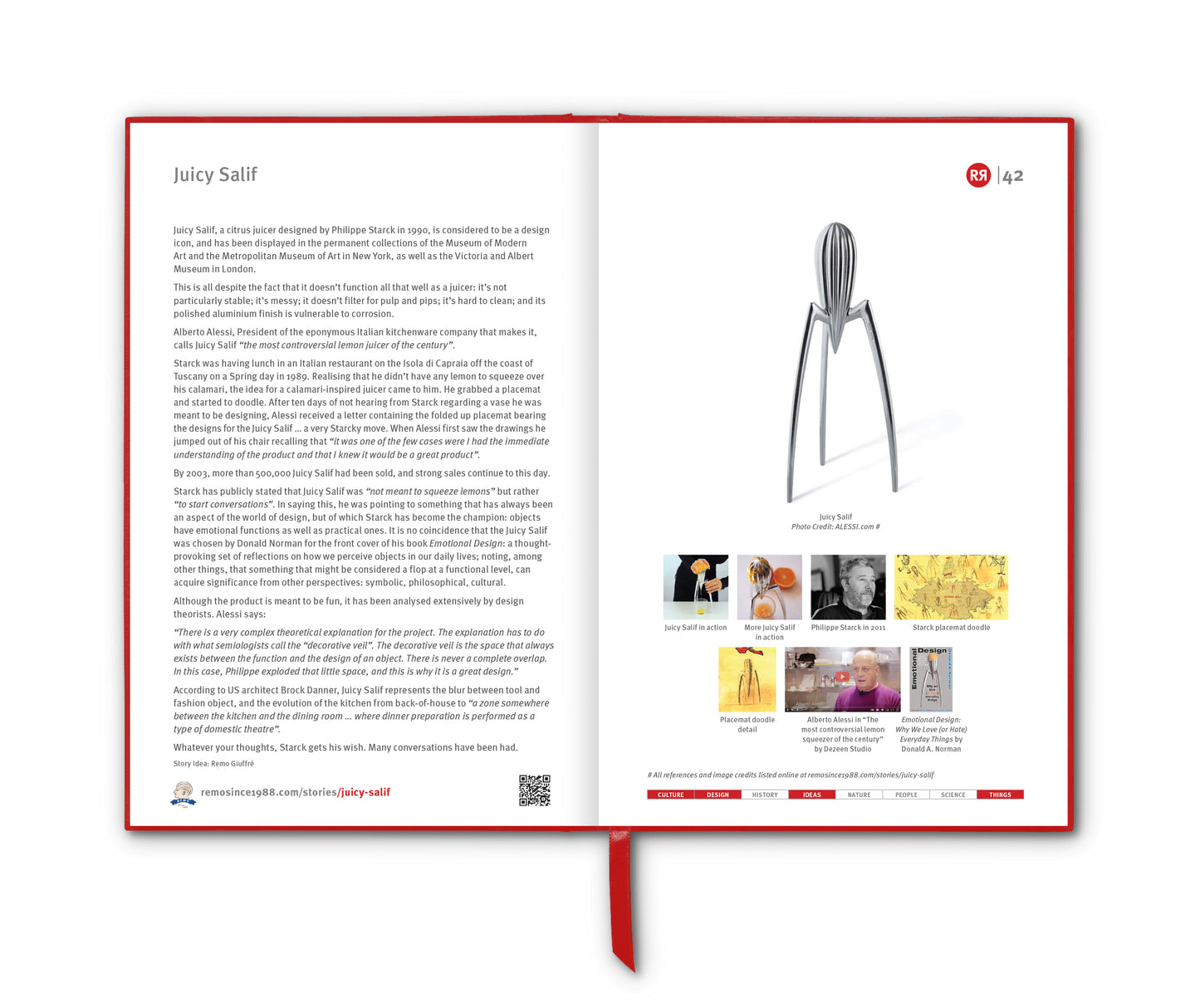
Images
1. The Australian Institute of Aboriginal and Torres Strait Islander Studies (AIATSIS) Map of Indigenous Australia. David R Horton (creator), © AIATSIS, 1996
2. Map detail: Remo lives in the Eora Nation
3. David Horton
4. “Descriptio terræ subaustralis” from Petrus Bertius’s P. Bertii tabularum geographicarum contractarum (Amsterdam, 1616). Princeton University Historic Maps Collection.
5. Cook's landing at Botany Bay, 1770. Lithograph by unknown artist, first published in the Town and Country Journal New South Wales, 21 December 1872
6. Tindale map of Aboriginal Tribes from 1940
7. Australian Aboriginal Flag [RR2:05]
8. Remo with family in Redfern on 13 February 2008. Sorry.