

The physicist Stephen Hawking, when asked his IQ, is said to have replied: "I have no idea. People who boast about their IQ are losers."
Indeed, the self declared genius ceases to be so. Even so, IQ testing is still a thing. More than just a psychological tool — it has become a cultural symbol, albeit one that raises lots of questions about potential, opportunity, and the meaning of intelligence itself.
The roots of intelligence testing can be traced back to the late 19th century and the work of British scientist Sir Francis Galton, a cousin of Charles Darwin. Galton was fascinated by hereditary genius and sought to measure mental abilities. However, his methods – based largely on reaction times and sensory acuity – proved crude and ineffective.
The real breakthrough came in 1905 in France, when psychologist Alfred Binet and his collaborator Théodore Simon developed the Binet-Simon Scale. Their goal was practical: to identify schoolchildren who needed extra academic support. The test measured tasks like memory, attention and problem-solving, focusing on abilities related to schooling rather than innate intelligence.
The concept of IQ (Intelligence Quotient) itself was introduced in 1912 by German psychologist William Stern. He proposed a formula: IQ equals mental age divided by chronological age, multiplied by 100. A child performing at the level expected for their age would score 100; a higher or lower performance would yield a correspondingly higher or lower IQ. In 1916, American psychologist Lewis Terman adapted Binet’s work into the Stanford-Binet Intelligence Scale, which popularised IQ testing in the English-speaking world and helped establish IQ testing as a key tool in psychology and education.
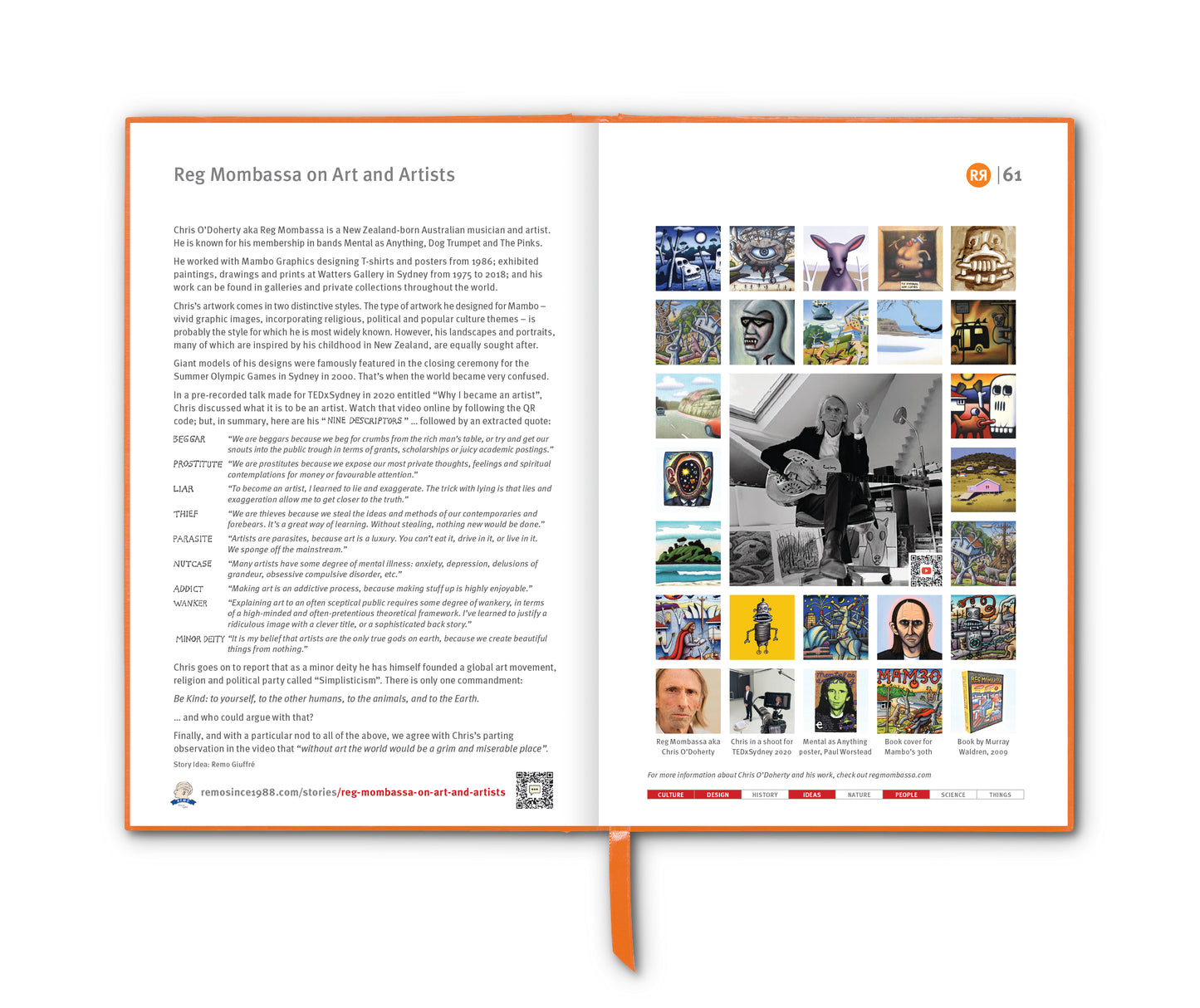
A further refinement came in 1939, when psychologist David Wechsler developed tests for both children and adults, including the Wechsler Adult Intelligence Scale (WAIS). Wechsler shifted the basis of IQ scoring from mental/chronological age to statistical deviation from the population average. In this system, scores are distributed along a bell curve with an average of 100 and a standard deviation of 15. About 68% of people score between 85 and 115, and 95% score between 70 and 130.
Over time, IQ tests found widespread applications – in military recruitment (notably during World Wars I and II), in immigration policies (eroneously and controversially used in the United States in the 1920s to restrict immigration) and in educational tracking. However, they have also faced significant criticism and sparked ongoing debate. Critics question whether IQ tests are culturally biased and whether they truly measure innate intelligence or simply certain academic skills. The longstanding nature vs. nurture debate also looms large: to what extent is intelligence shaped by genetics, and how much by environment?
In modern psychology, intelligence is now viewed as multi-dimensional. While IQ tests remain useful predictors of certain academic and professional outcomes, they are no longer seen as capturing the full range of human intellectual ability. Concepts such as emotional intelligence, creativity and practical problem-solving – which classic IQ tests do not fully measure—are recognised as equally important. Today’s IQ tests, including updated versions of the WAIS and Stanford-Binet, are statistically sophisticated and rigorously standardised, but their role is seen as one part of a broader understanding of human intelligence.
For a great animated summary of IQ testing development, check out this TED Ed video lesson by Stefan C. Dombrowski, directed by Kozmonot Animation Studios.
Postscript
Mensa International, founded in 1946, is a society open only to individuals who score in the top 2% of the population on an approved IQ test. While often treated with curiosity or bemusement in the media, it underscores the persistent cultural fascination with the idea of measurable intellectual elite status. [Ed: Stable genius indeed.]
______________________
References
https://en.wikipedia.org/wiki/Intelligence_quotient
https://www.independent.co.uk/news/education/the-iq-test-wars-why-screening-for-intelligence-is-still-so-controversial-a8179176.html
Images
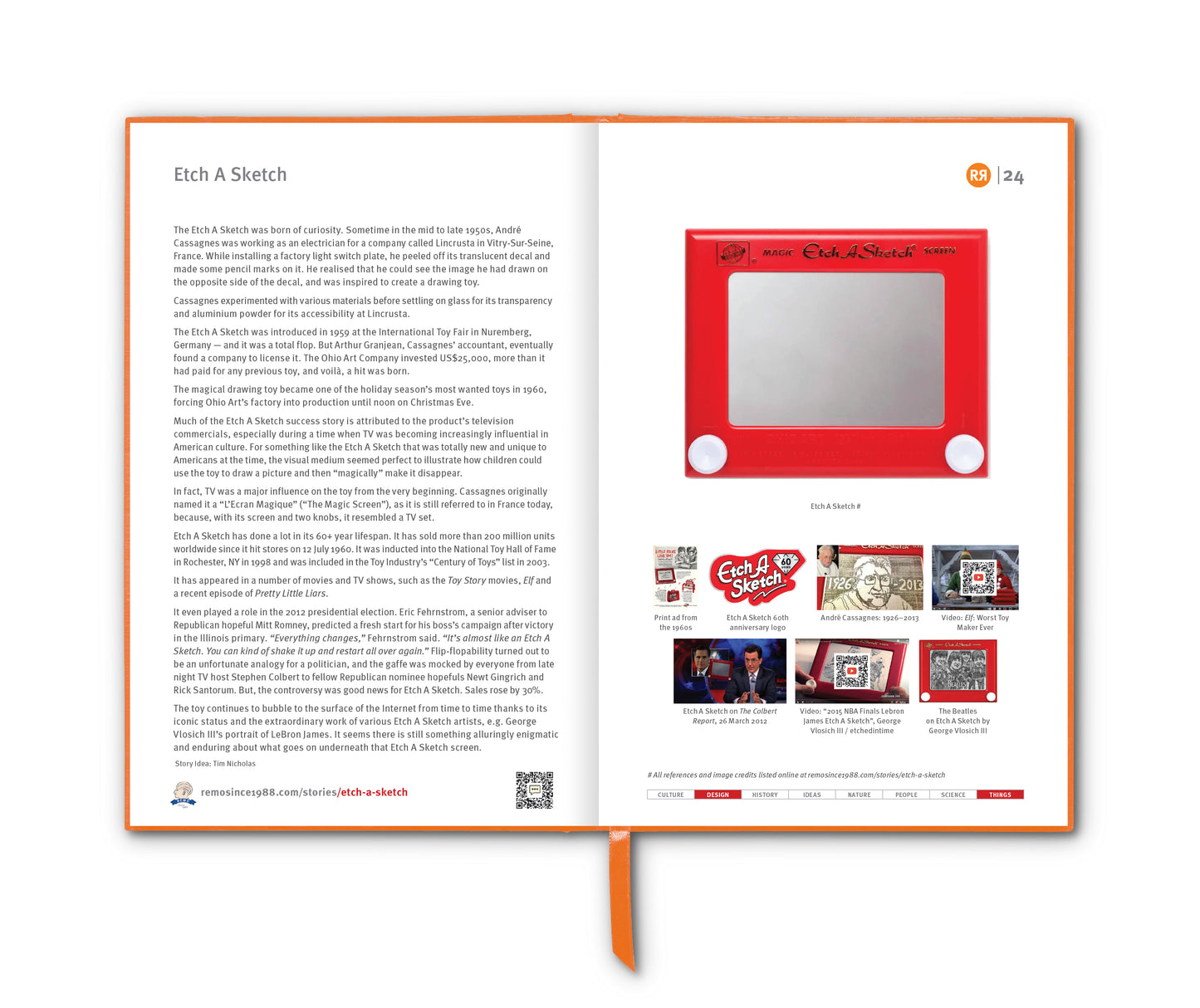
1. Intelligence Quotient (IQ). Image credit: Shutterstock
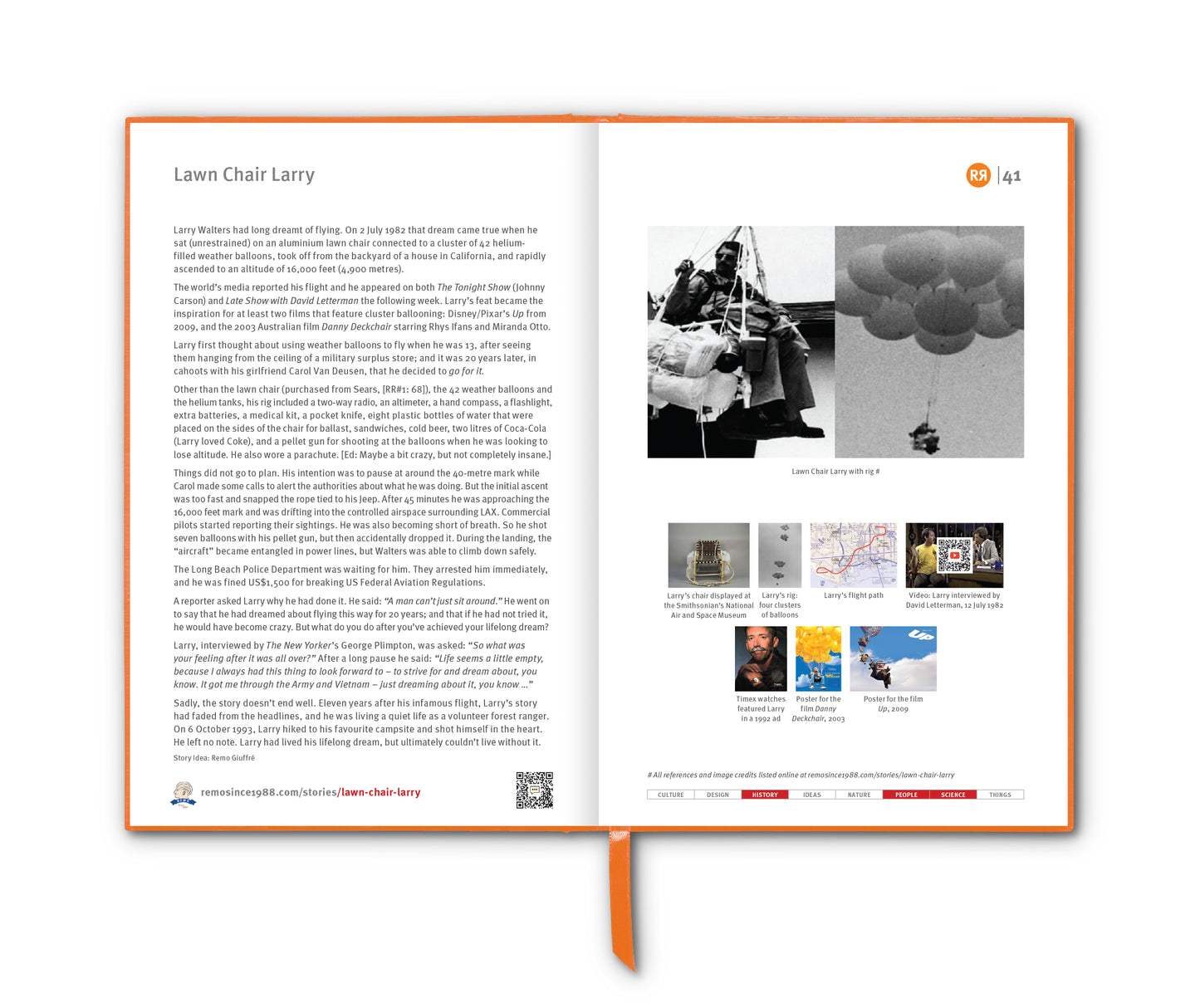
2. Psychologist Alfred Binet, co-developer of the Stanford–Binet test
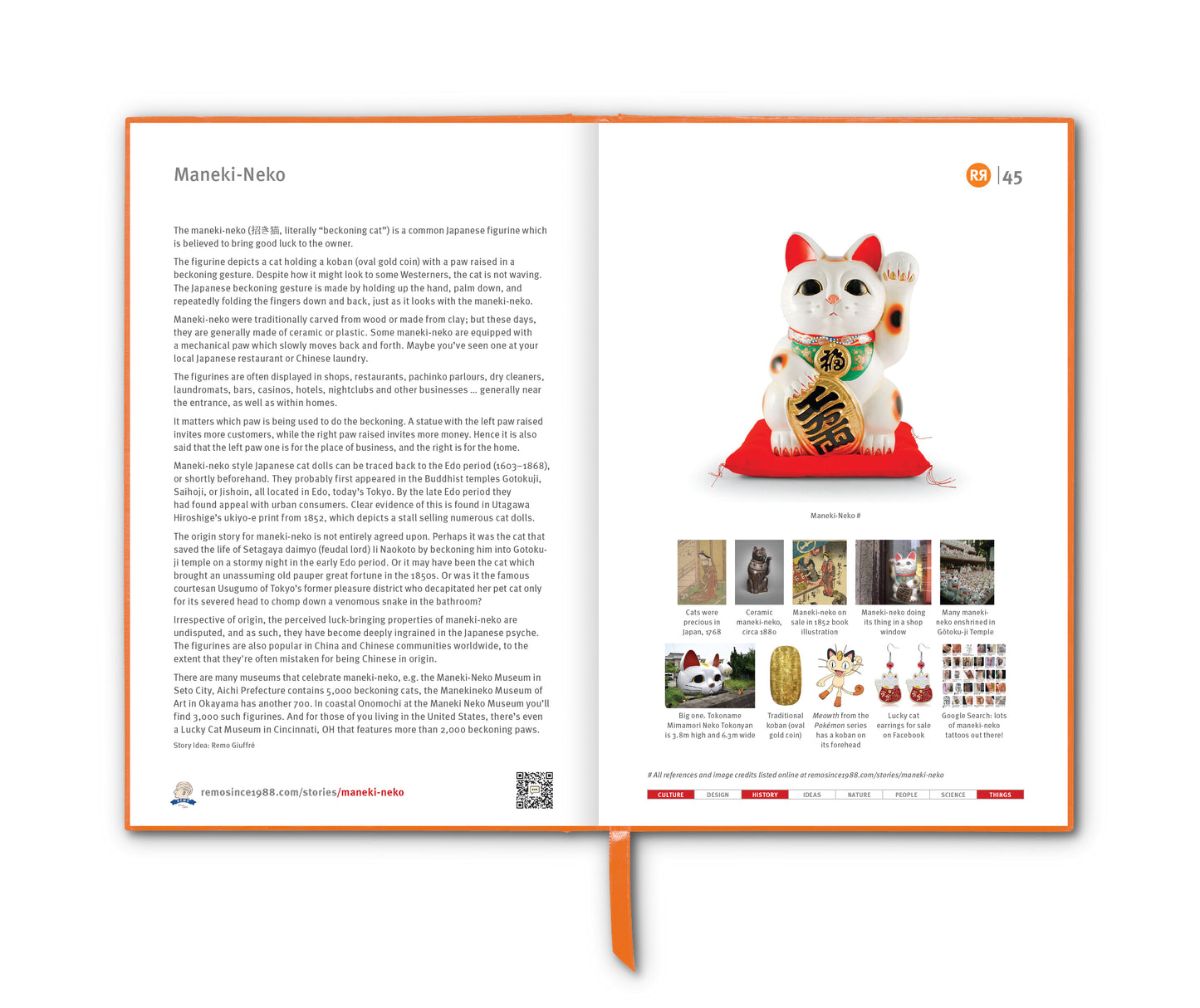
3. William Stern (1871–1938). Photo credit: Leo Baeck Institute
4. Normalized IQ distribution with mean 100 and standard deviation 15
5. Stephen Hawking in March 2012
6. Mensa logo. Credit: mensa.org
7. Video: "The dark history of IQ tests" Stefan C. Dombrowski for TED Ed


















1 comment
In which year, the IQ symbol was completed successfully.
Thanks for reading my words,
Kind & Beau regard.
Ameni
P= 7712237944.