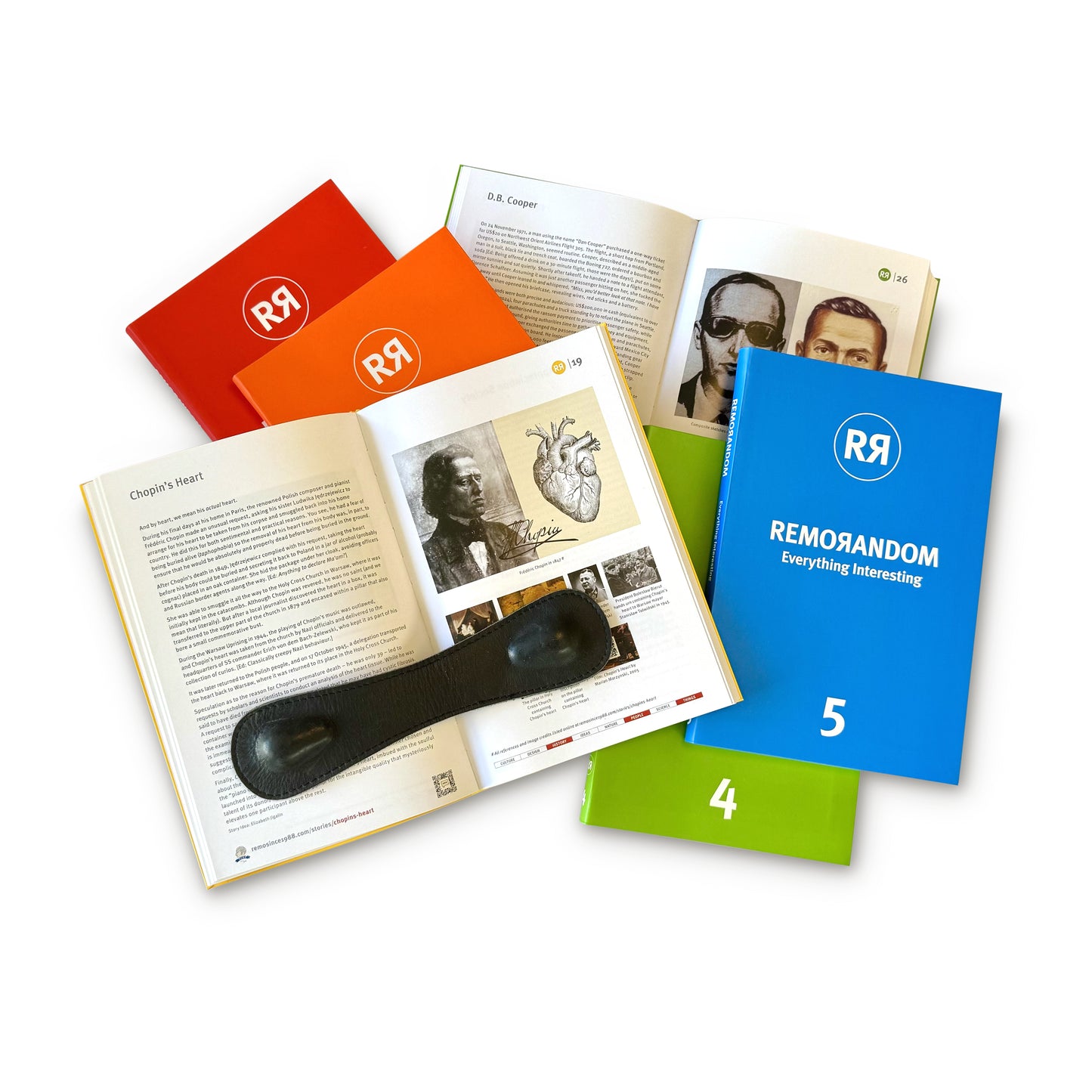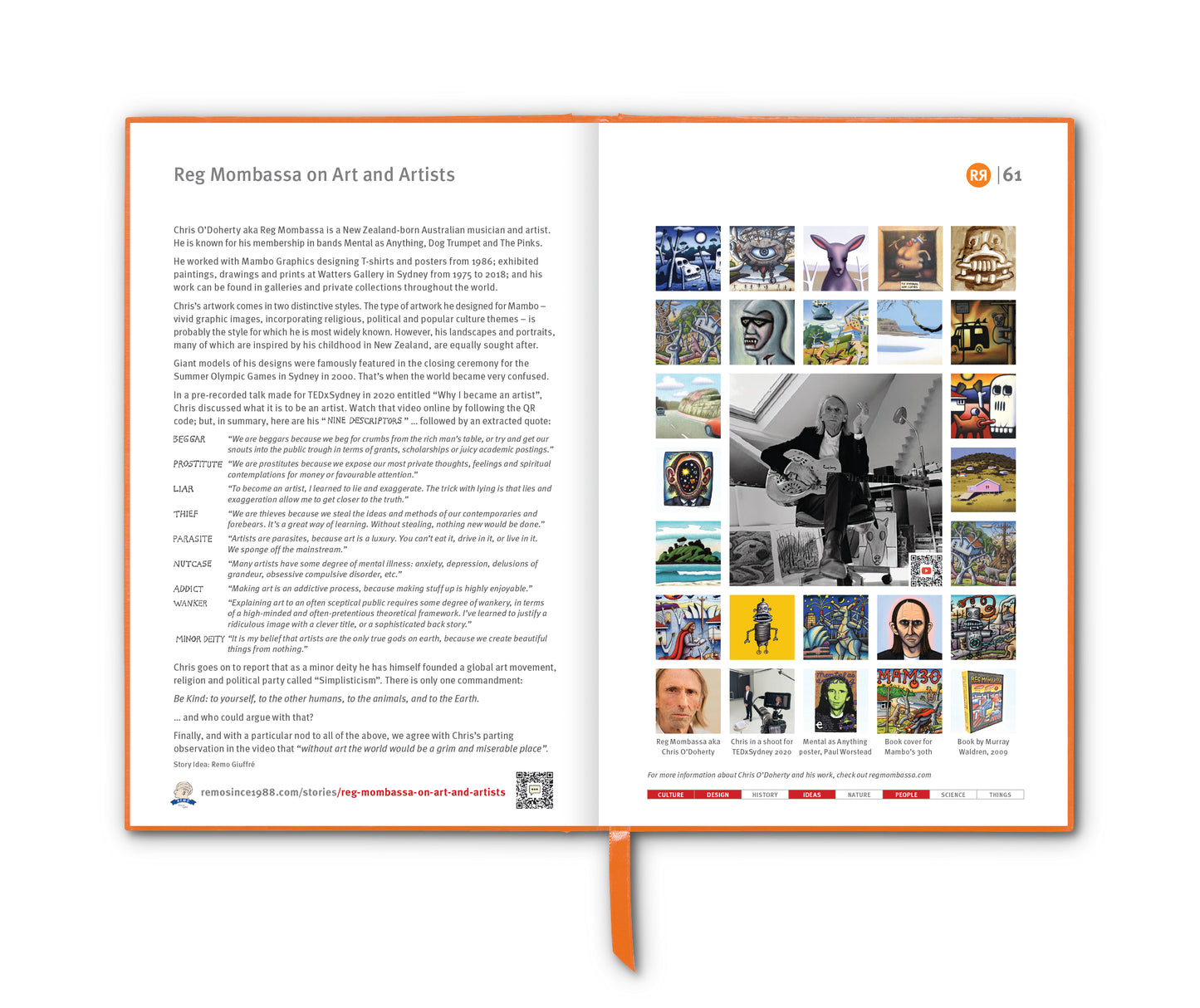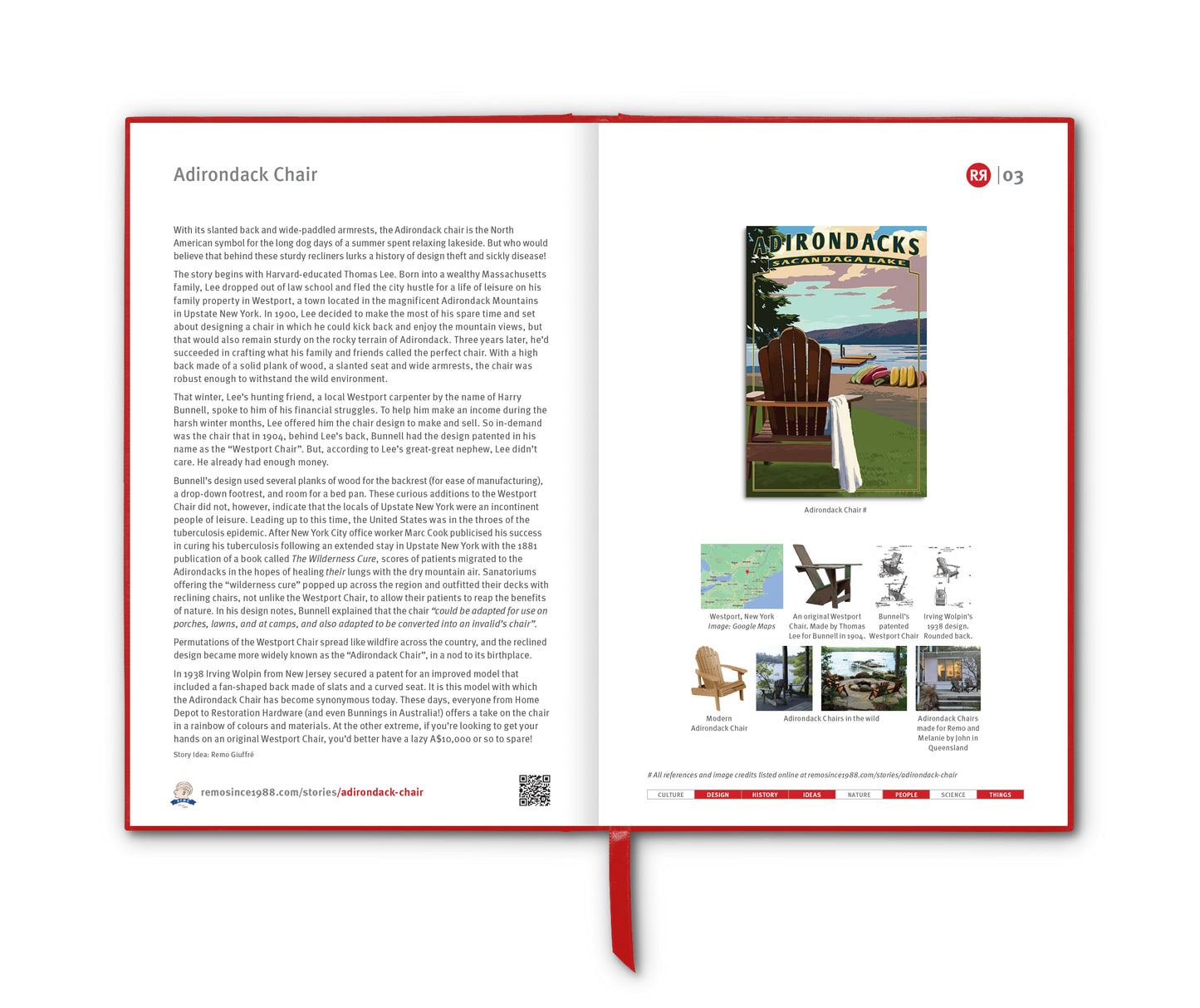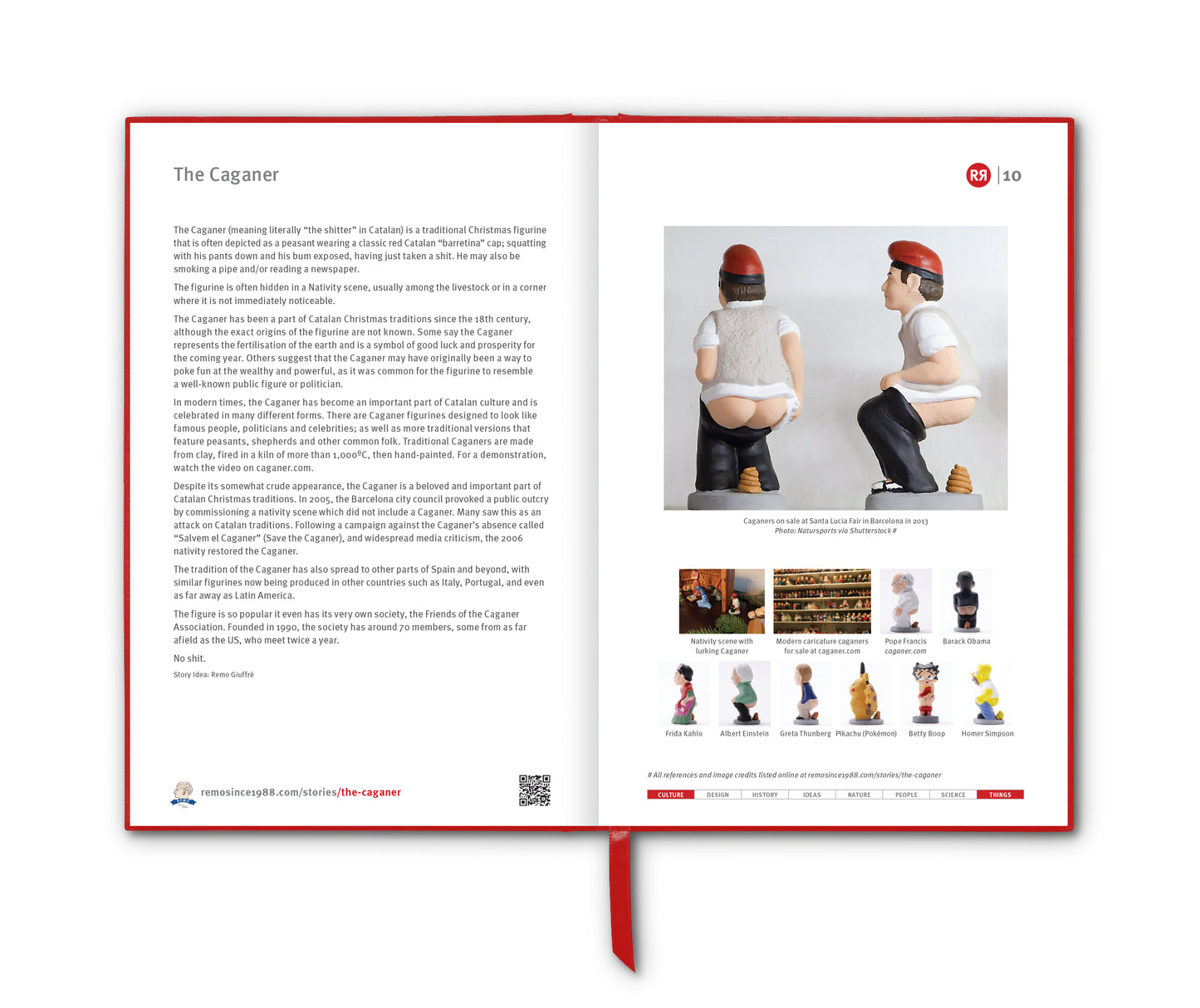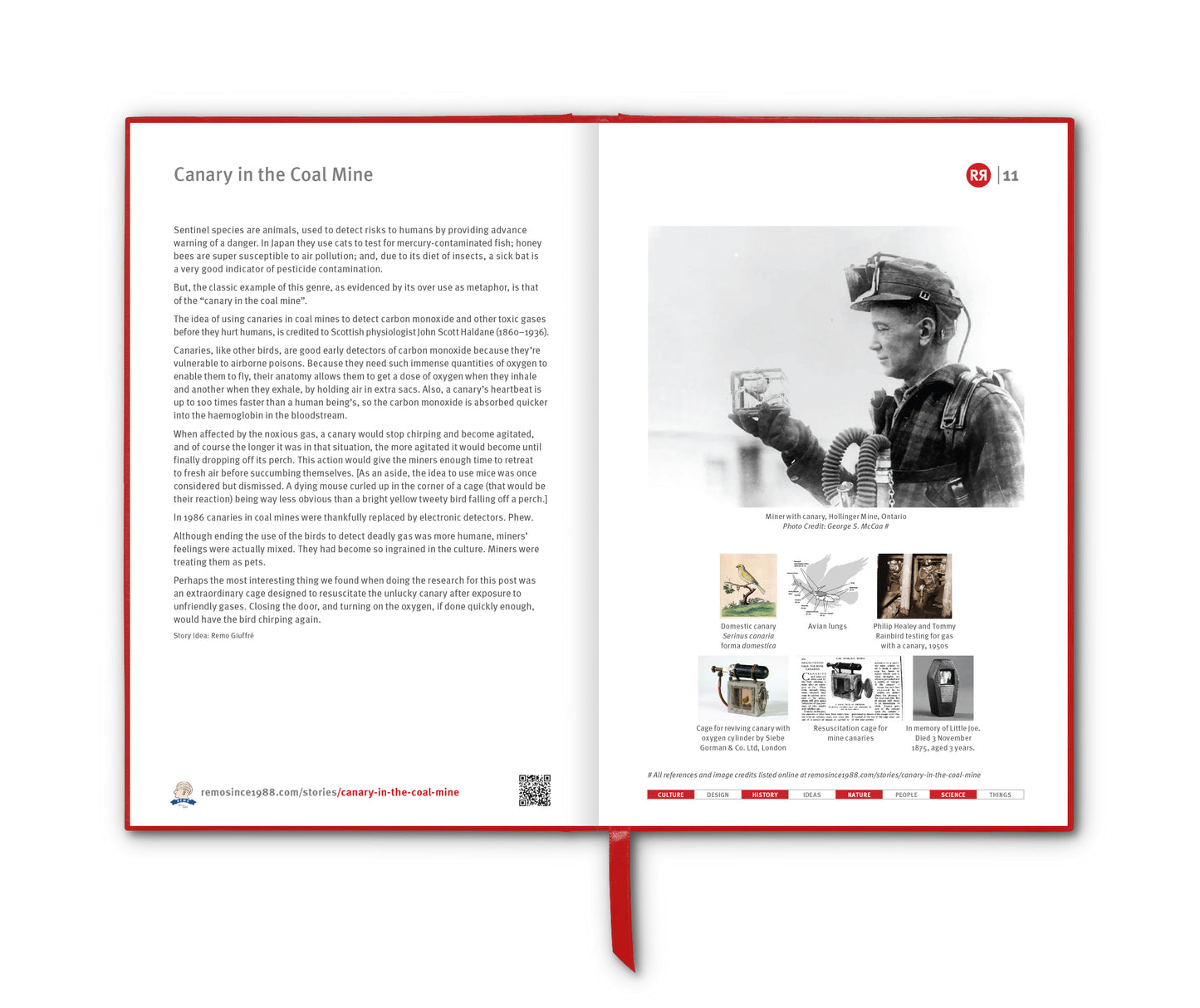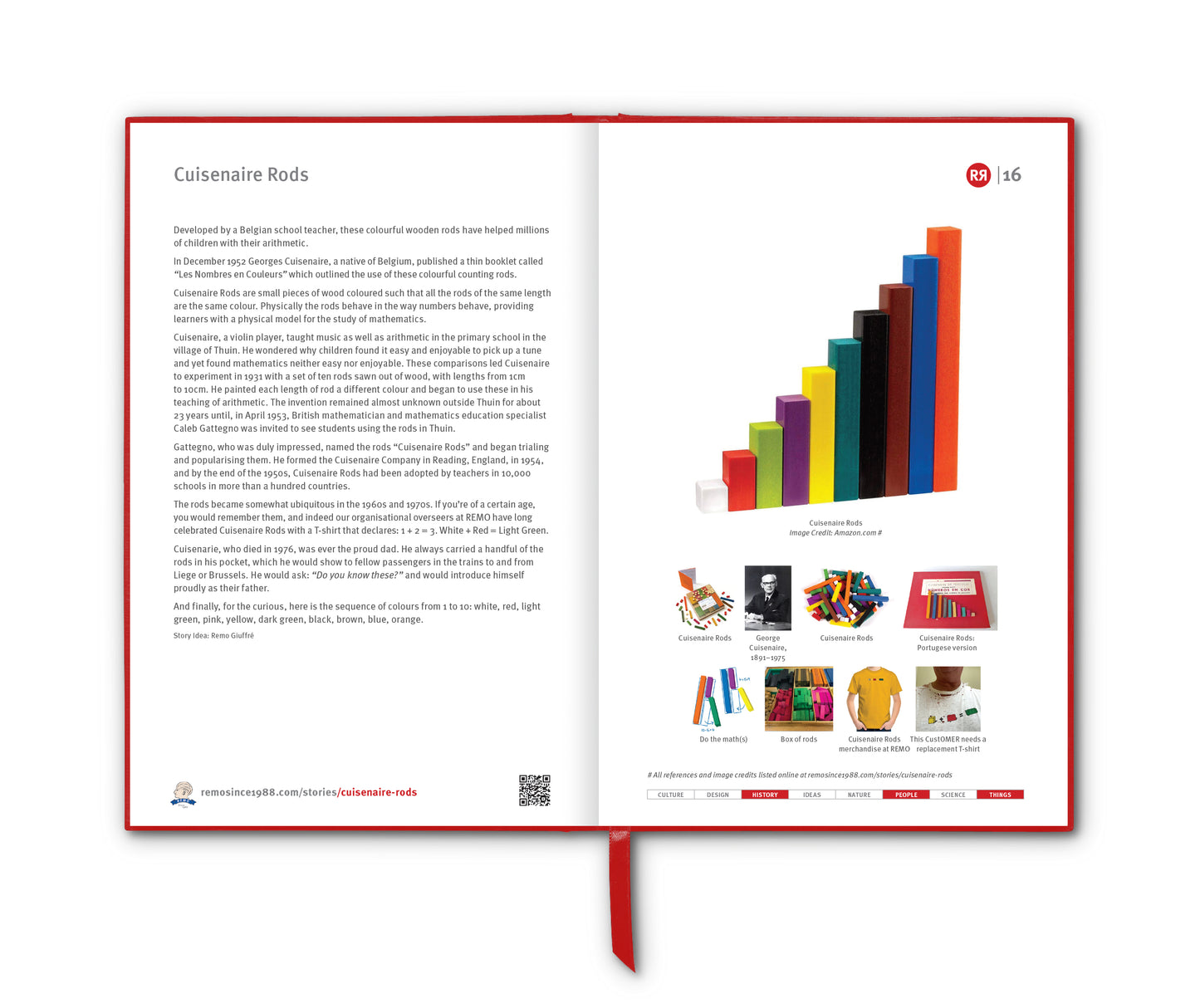

"Drinking the Kool-Aid”, according to a 2012 online poll by Forbes magazine "the single most annoying example of business jargon”, is a neologism for a strong belief in and acceptance of a deadly, deranged or foolish ideology or concept based only upon the overpowering coaxing of another. The origin of the phrase is generally attributed to the Jonestown massacre … although, somewhat ironically, the product used there was not actually Kool-Aid, but rather a similar product called Flavor Aid.
On 18 November 1978, in the remote jungles of Guyana, South America, over 900 people – men, women and children – died in a mass murder-suicide orchestrated by Jim Jones, the charismatic yet increasingly paranoid leader of the Peoples Temple, a cult that had promised its followers a utopian society free from racism, inequality and oppression. What his followers found instead was a brutal, militarised cult underpinned by fear, manipulation, and ultimately, mass death.
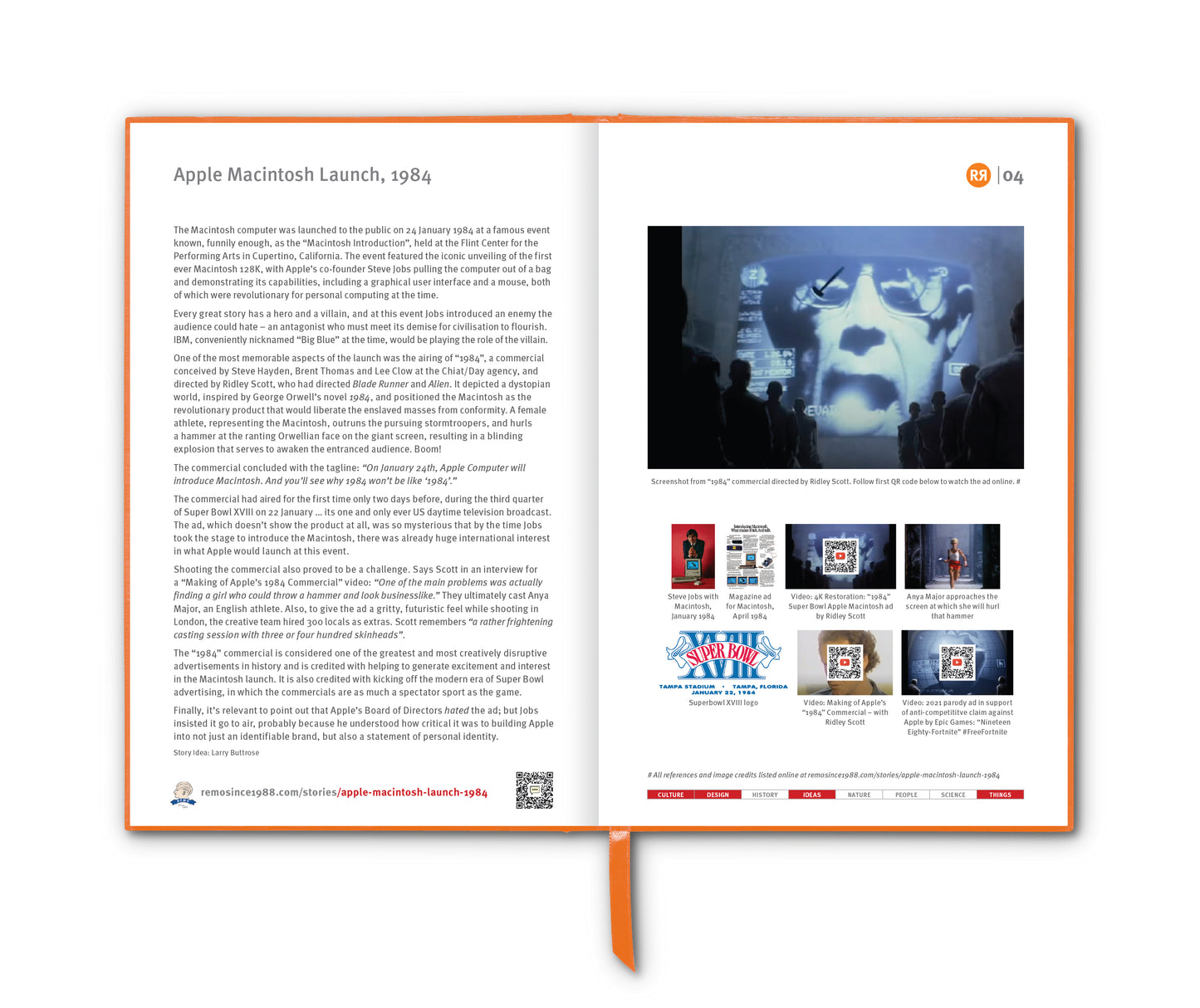
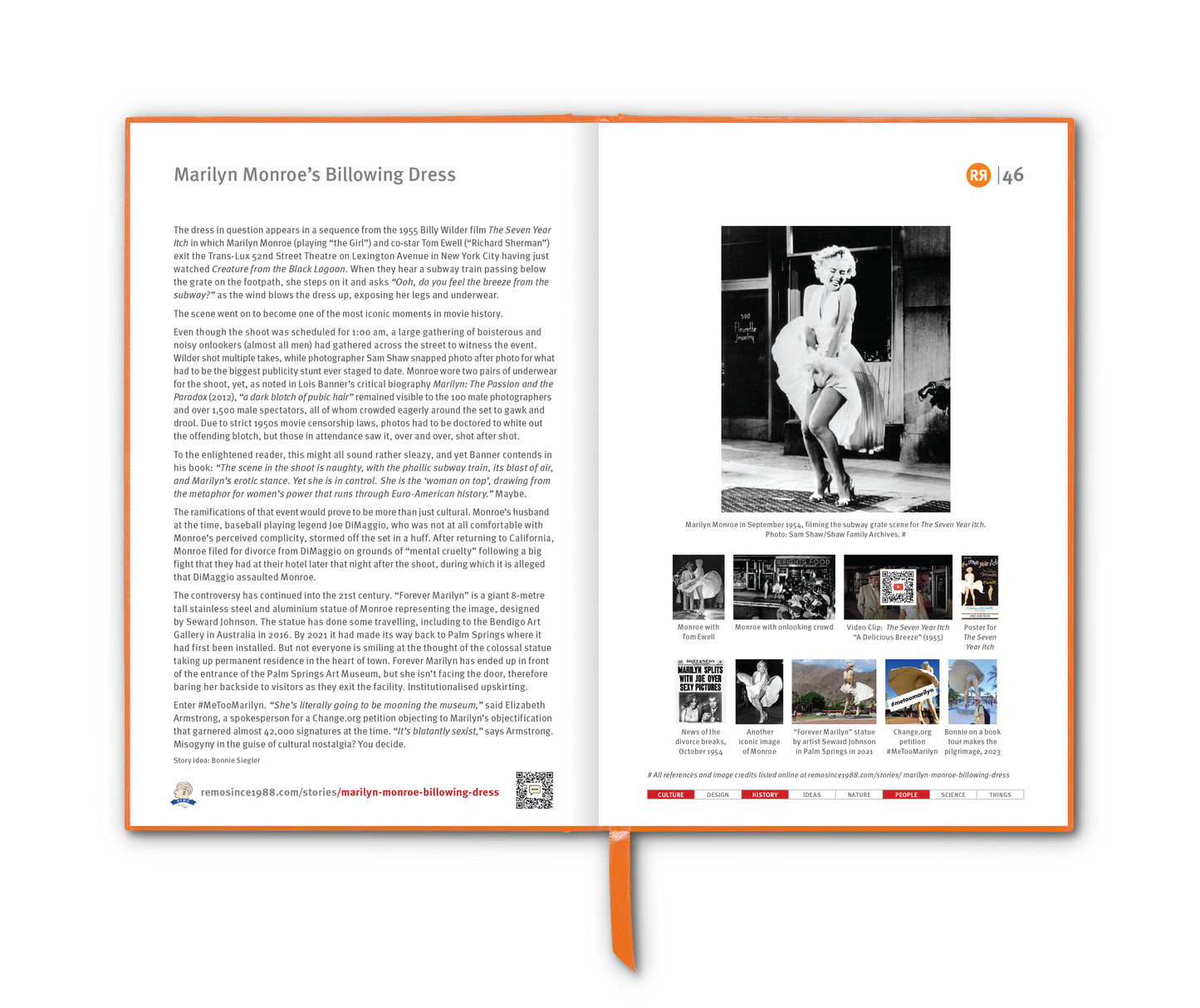
Jim Jones founded the Peoples Temple in Indiana during the 1950s, initially positioning it as a progressive Christian congregation committed to racial integration and social justice. His early message of equality drew a diverse following, particularly African Americans and the disenfranchised. However, as Jones’s control over his congregation grew, his teachings became more radical and apocalyptic. He preached that the world was on the brink of collapse and that only he could lead his followers to salvation.
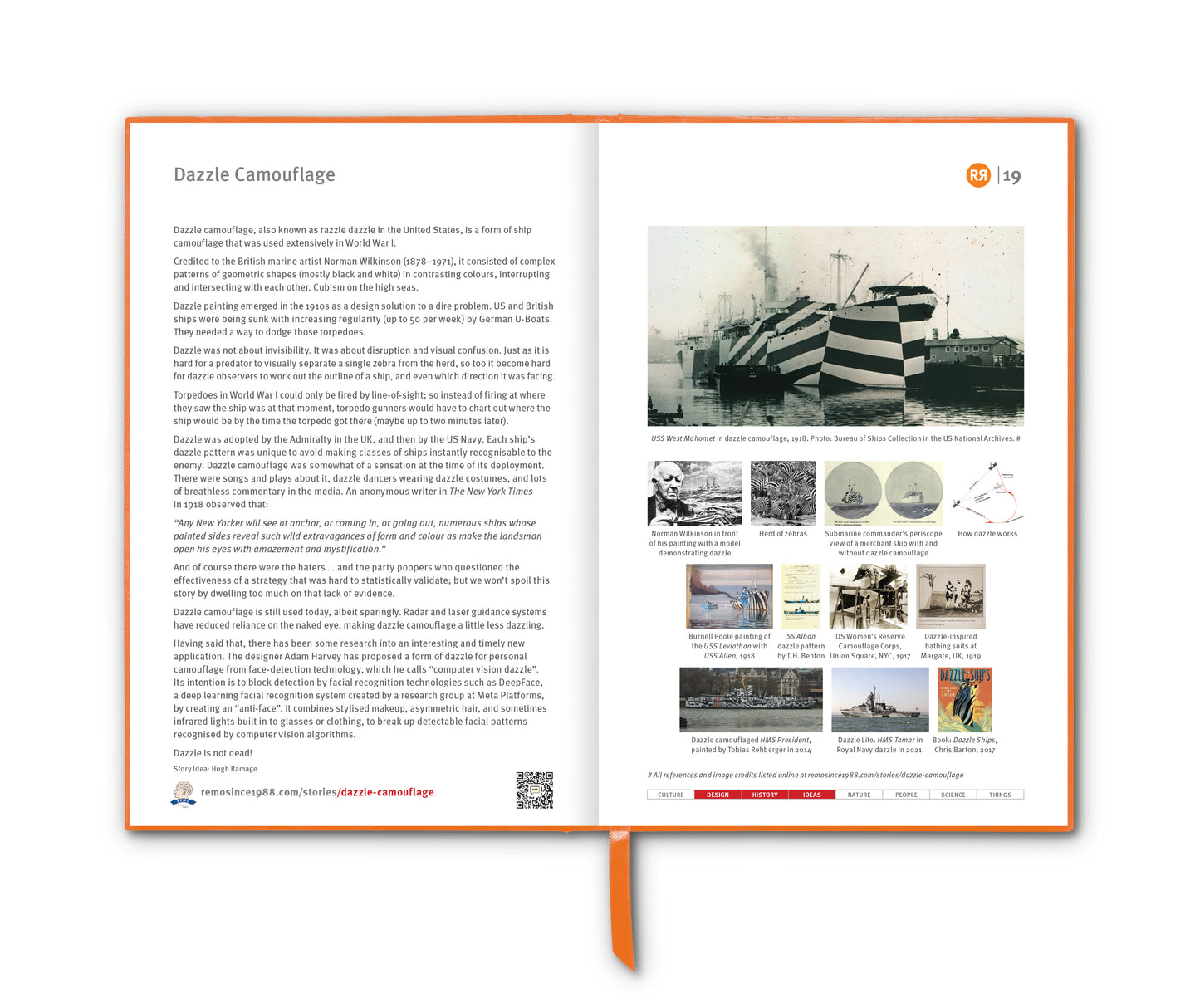
In the early 1970s, under increasing scrutiny from the media and law enforcement, Jones relocated his congregation to California, and ultimately to a remote settlement in Guyana, which he named “Jonestown”. There, he claimed they could build a self-sufficient socialist paradise.
However, life in Jonestown quickly deteriorated. The community was isolated and tightly controlled. Armed guards patrolled the perimeter, and members endured gruelling labor, hunger and relentless propaganda.
Cultural life in the settlement became increasingly grim and ideological. Instead of being able to watch films brought in from Georgetown, residents were made to watch Soviet propaganda and bleak political thrillers like The Parallax View, Z, and State of Siege. Jones would force the community to analyse these films at length, growing angry and hostile if followers failed to grasp his intended interpretations.
Jones’s mental state worsened, and he used fear and drugs to maintain control. He held “White Night” rehearsals, during which followers practiced drinking poison as a test of loyalty.
Concerns from relatives and defectors eventually reached US Congressman Leo Ryan, who traveled to Jonestown in November 1978 to investigate. While Ryan initially received a cautious welcome, tensions escalated when several members expressed a desire to leave with him. As Ryan and his group prepared to depart from a nearby airstrip, Jones’s armed guards ambushed them, killing the congressman (shot 20 times!) and four others.
Shortly after the attack, Jones activated his final plan. He gathered his followers and urged them to commit “revolutionary suicide”, claiming that they were about to be invaded and that death was their only dignified option. Under his coercion, over 900 people drank the cyanide-laced fruit drink. Many were forced to drink; at least 70 were injected with poison. Those who resisted were shot. The dead included more than 300 children. Jones himself was later found dead with a self-inflicted gunshot wound to the head, lying between two bodies, his head resting on a pillow.
The Jonestown massacre is a chilling example of how cults can manipulate individuals through fear, isolation and ideology. It sparked widespread debates about religious freedom, mental health, and the responsibility of authorities to intervene in closed communities.
Today, more than 400 victims lie in a mass grave at Oakland’s Evergreen Cemetery in California, a permanent reminder of what can happen when power goes unchecked and truth is replaced by terror.
Story Idea: Nils Benson
_________________
References
wikipedia.org/wiki/Jonestown
jonestown.sdsu.edu
Images
1. Front page of the San Francisco Chronicle, 20 November 1978
2. Aerial view of the dead in Jonestown. Photo credit: Sargeant Jose L. Sanchez
3. Reverend Jim Jones at a rally in San Francisco, 16 January 1977. Photo: Nancy Wong
4. Map of Guyana showing Jonestown in relation to capital Georgetown
5. The entrance to Jonestown, 1978. Credit: Jonestown Institute, San Diego State University
6. FBI image taken in aftermath
7. Time magazine cover, 4 December 1978. Credit: David Hume Kennerly
8. Flavor Aid remnants at Jonestown
9. Kool-Aid ad from 1978. Wrongly accused brand.