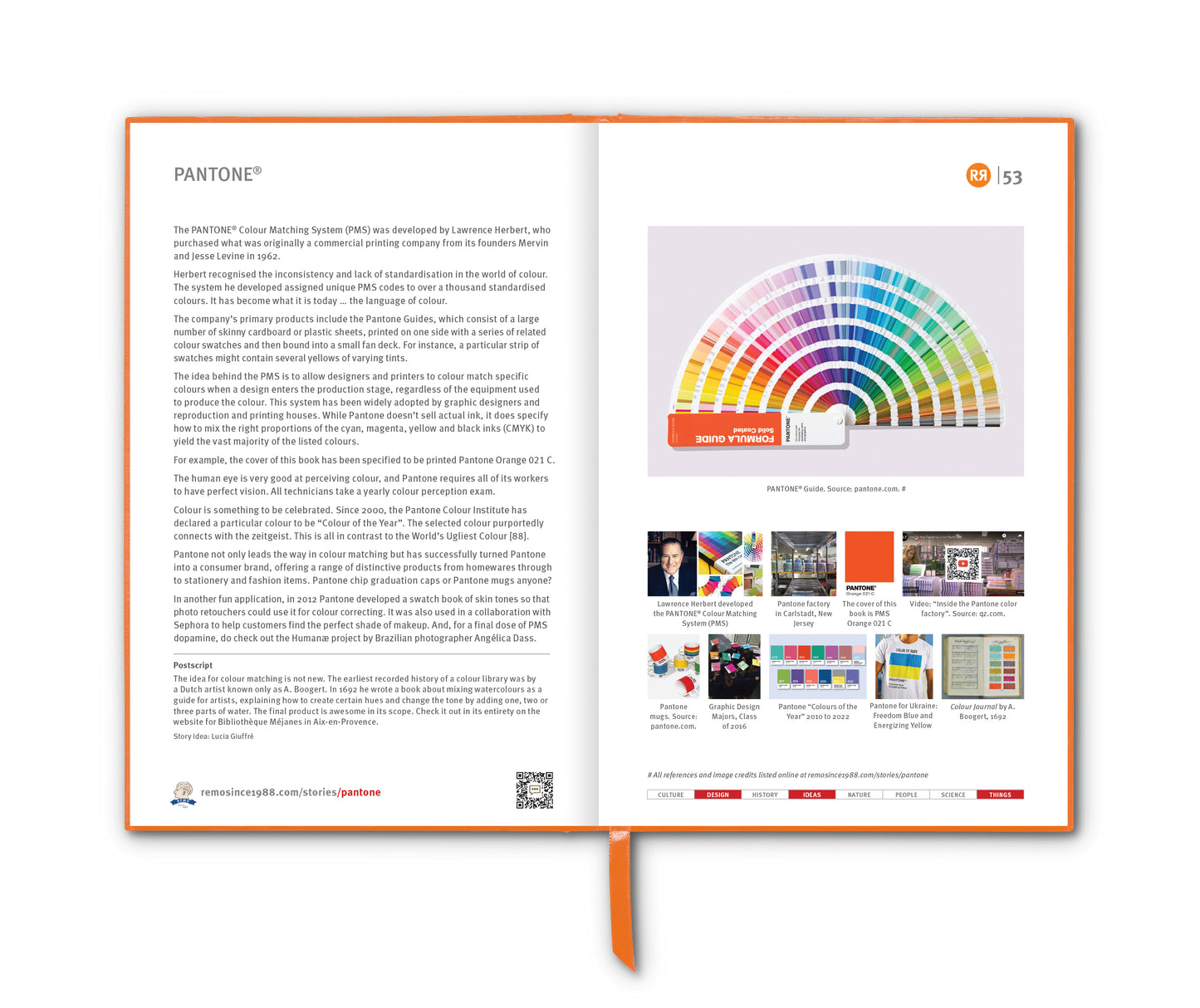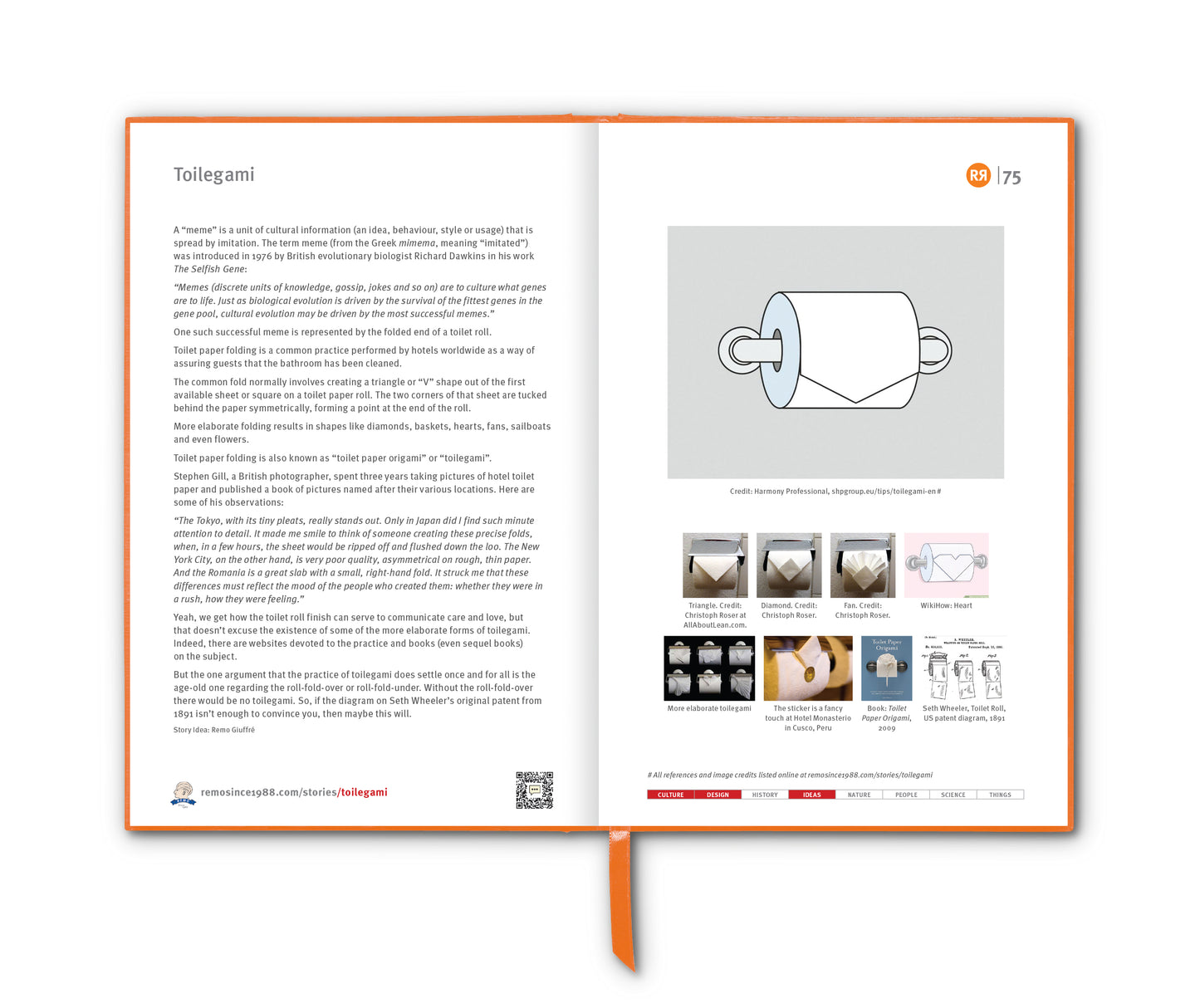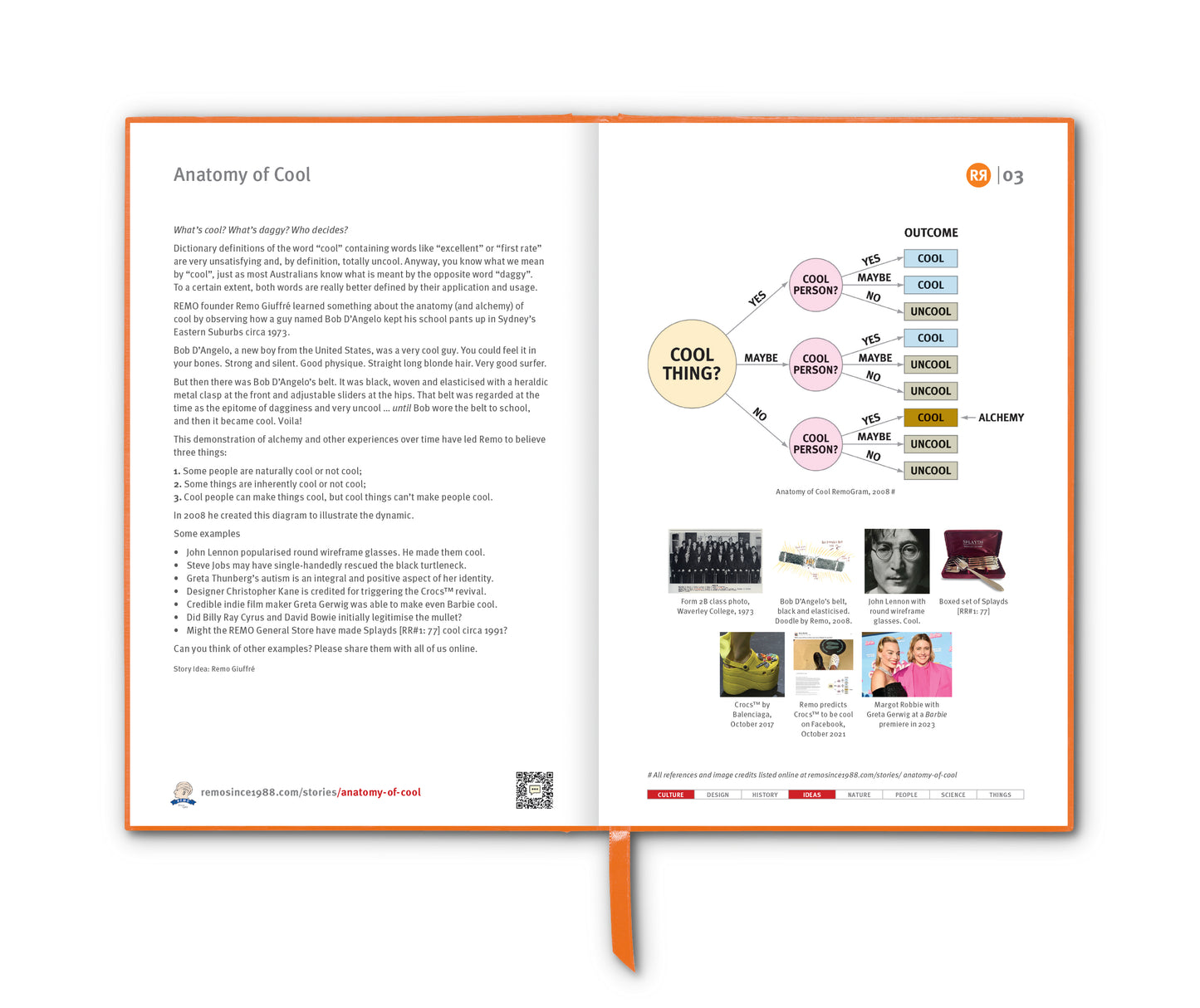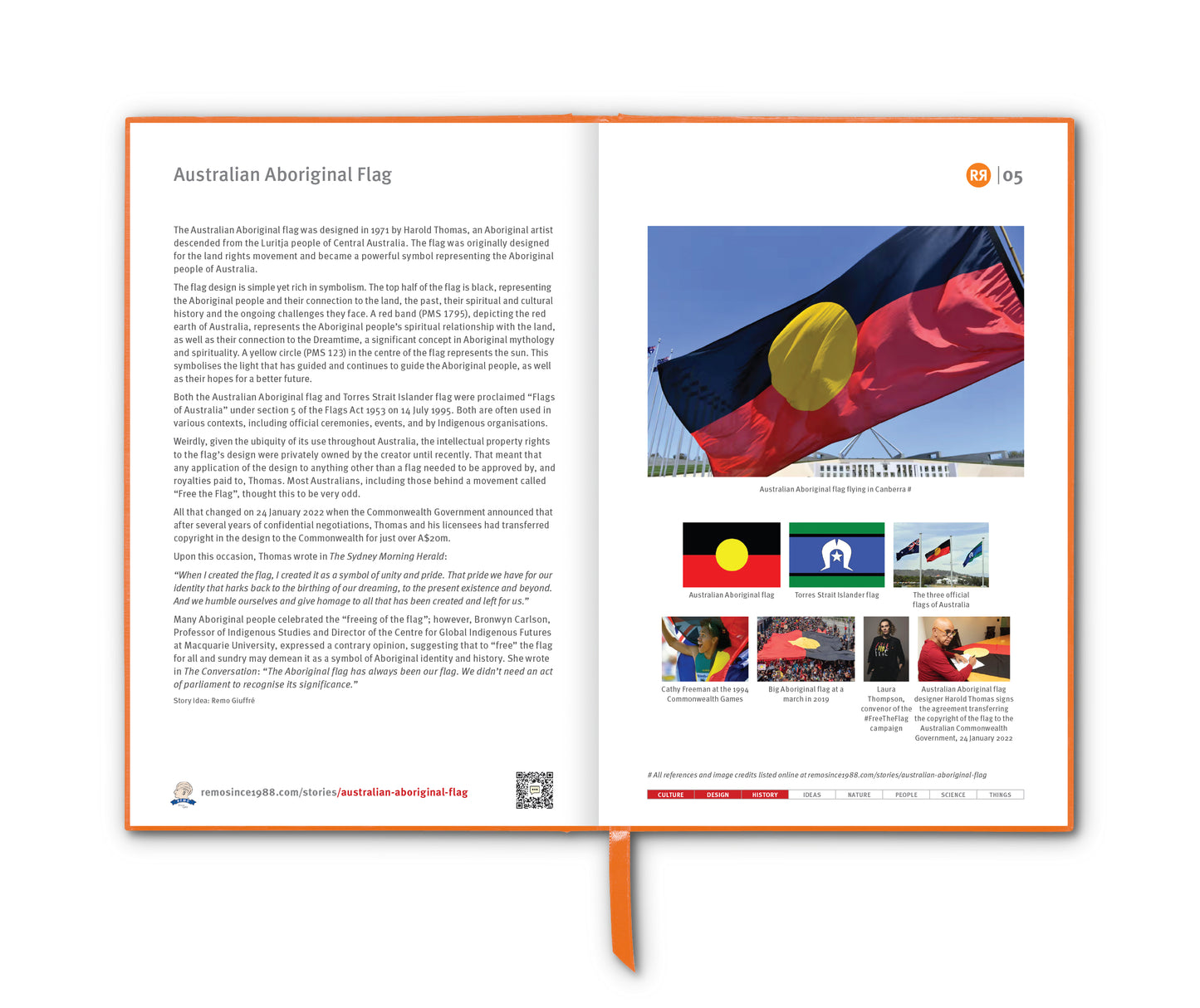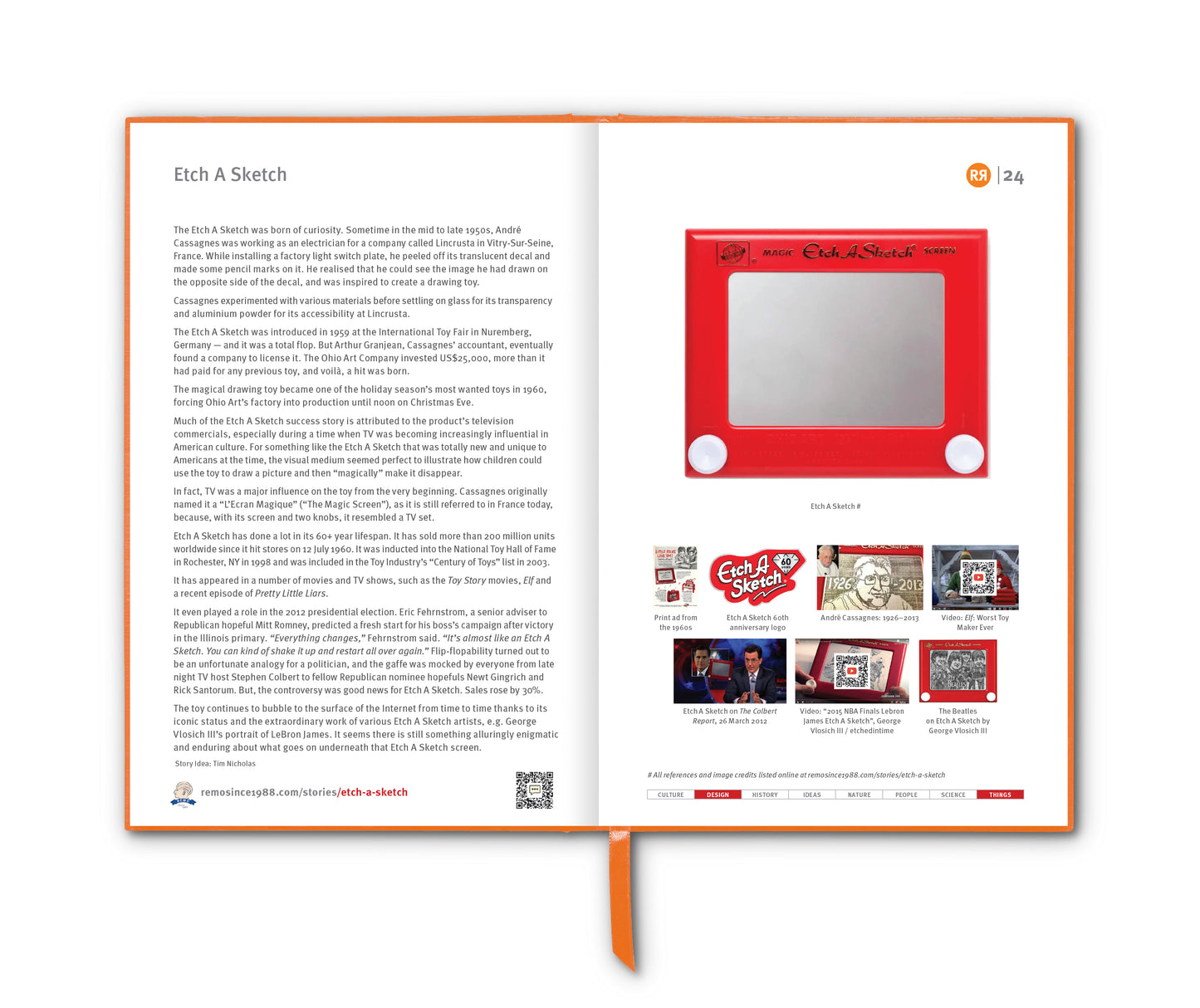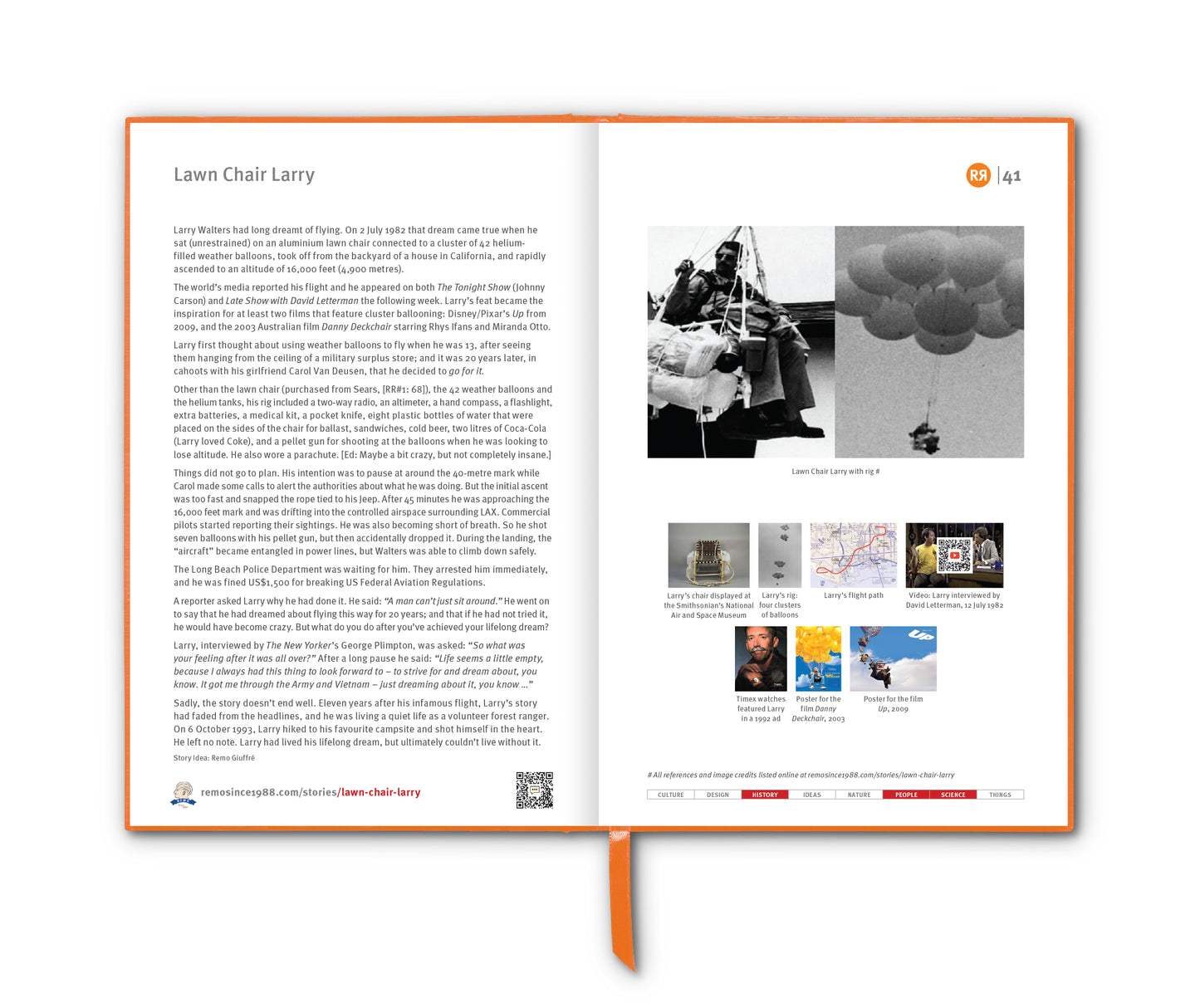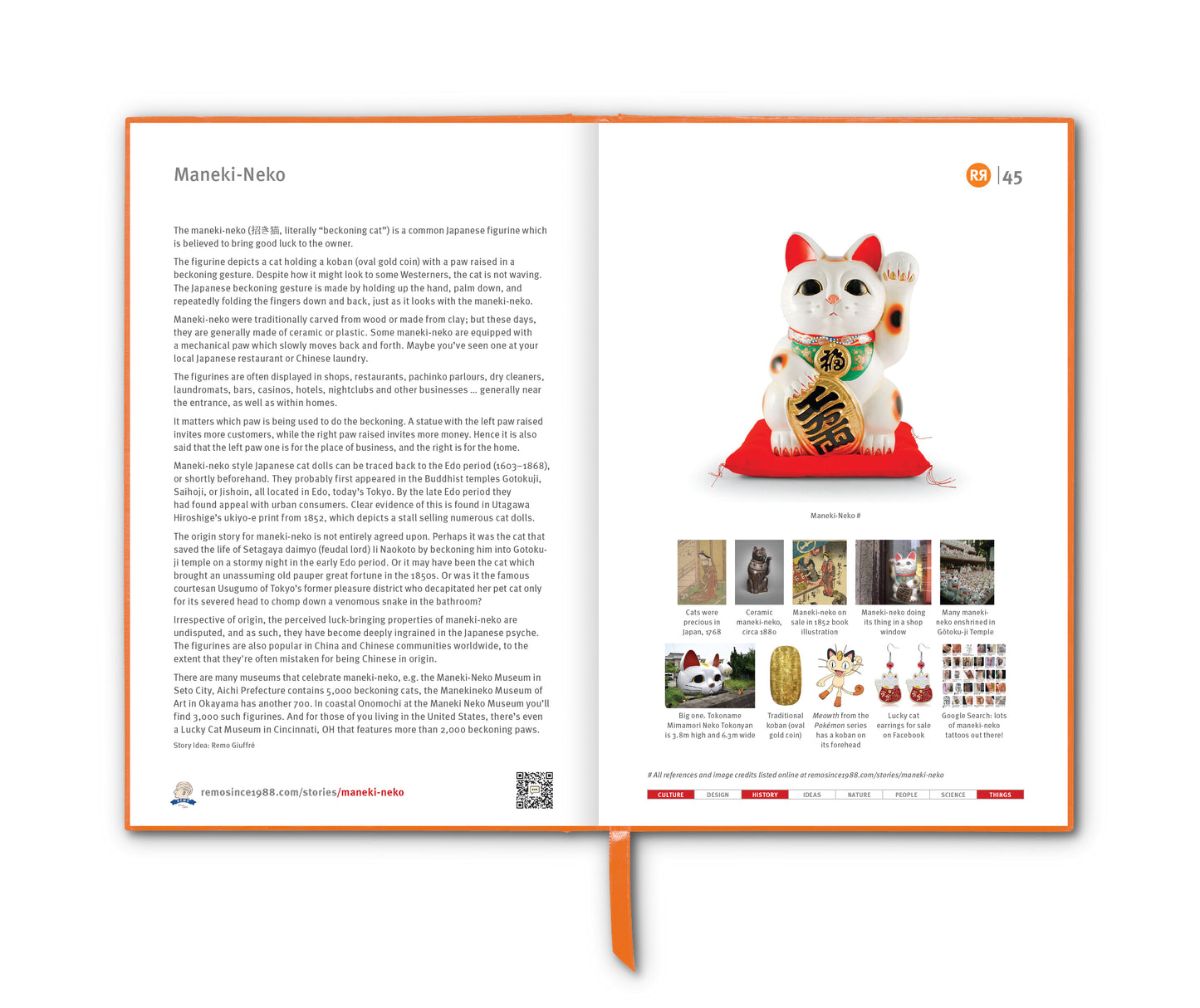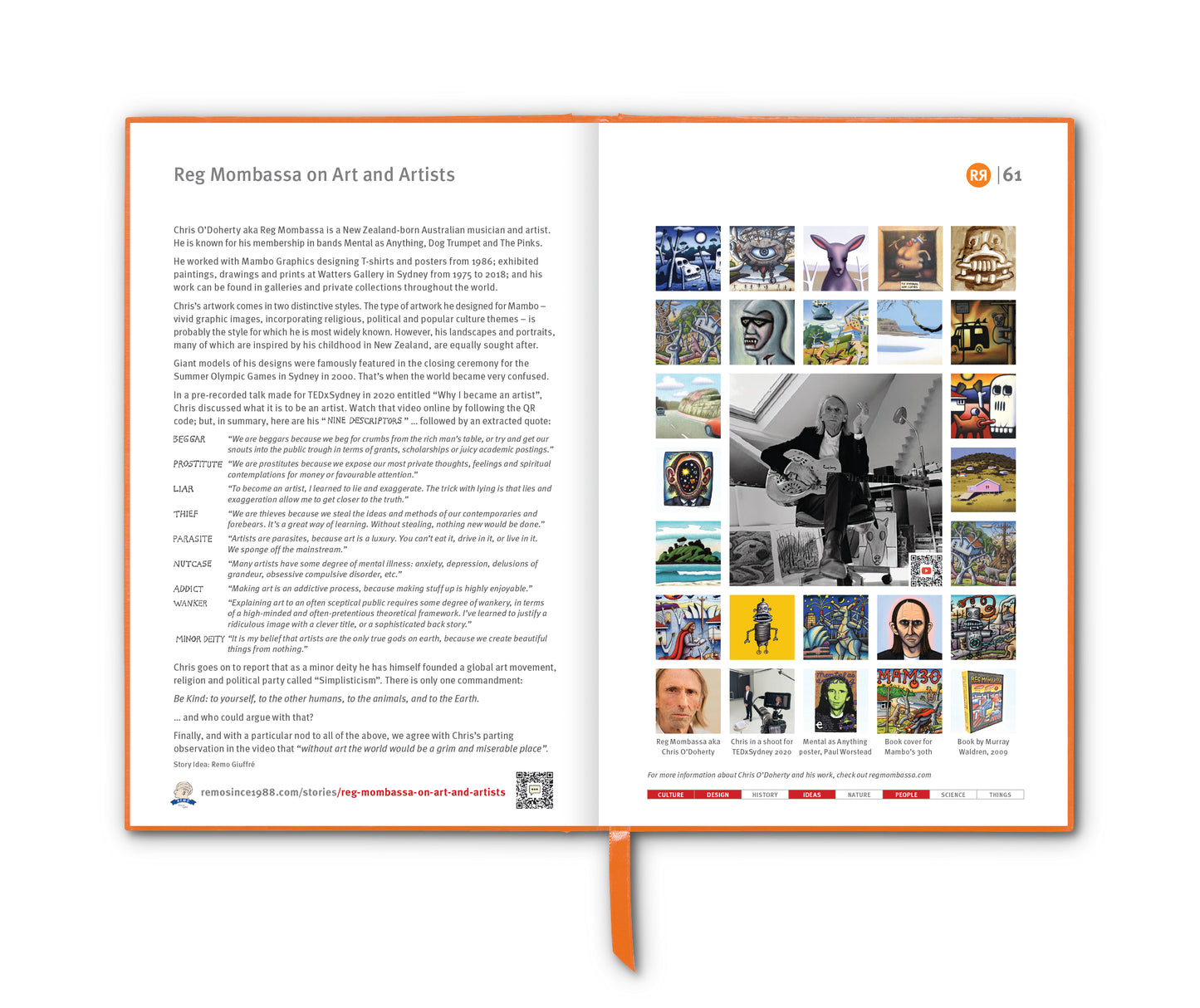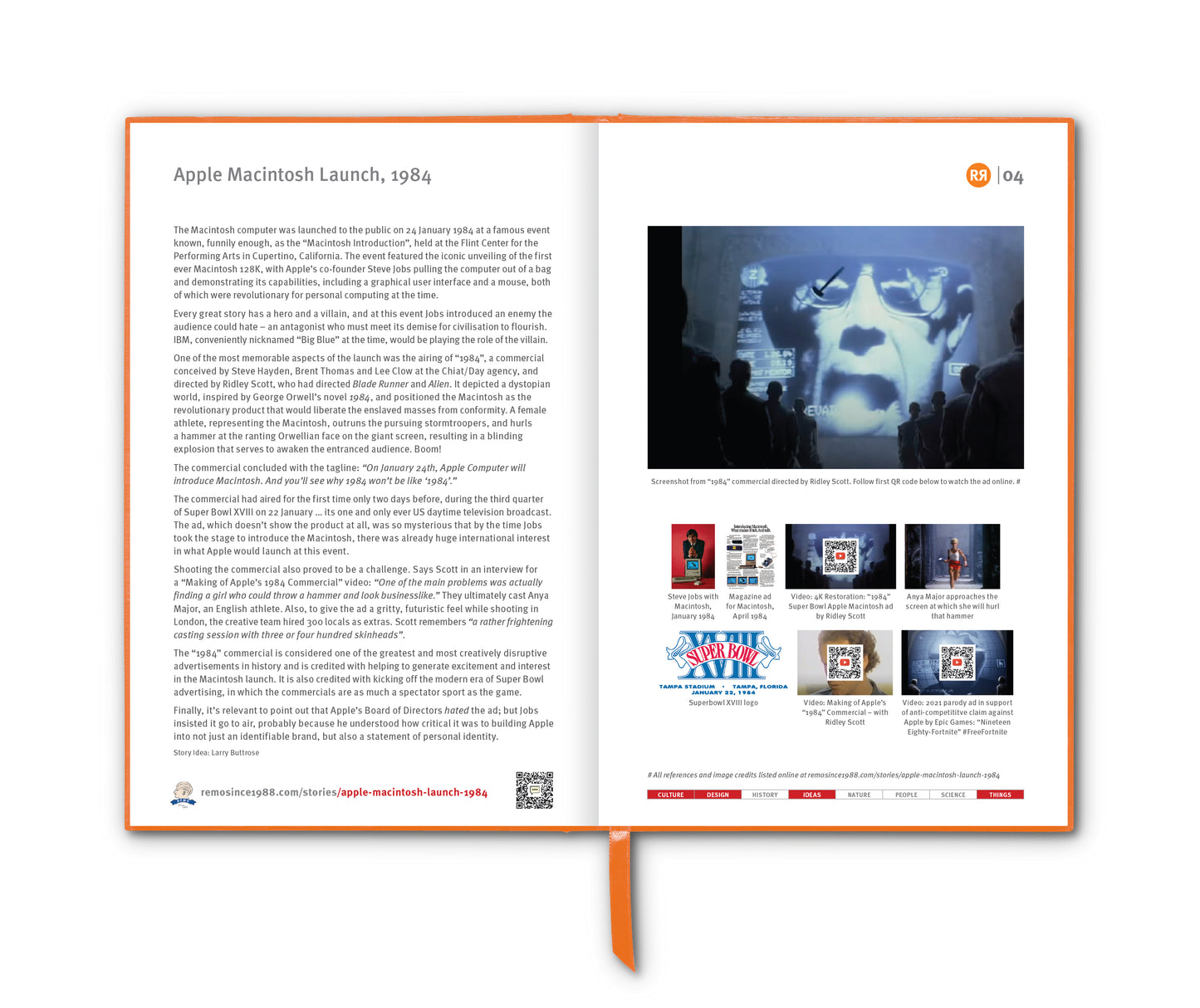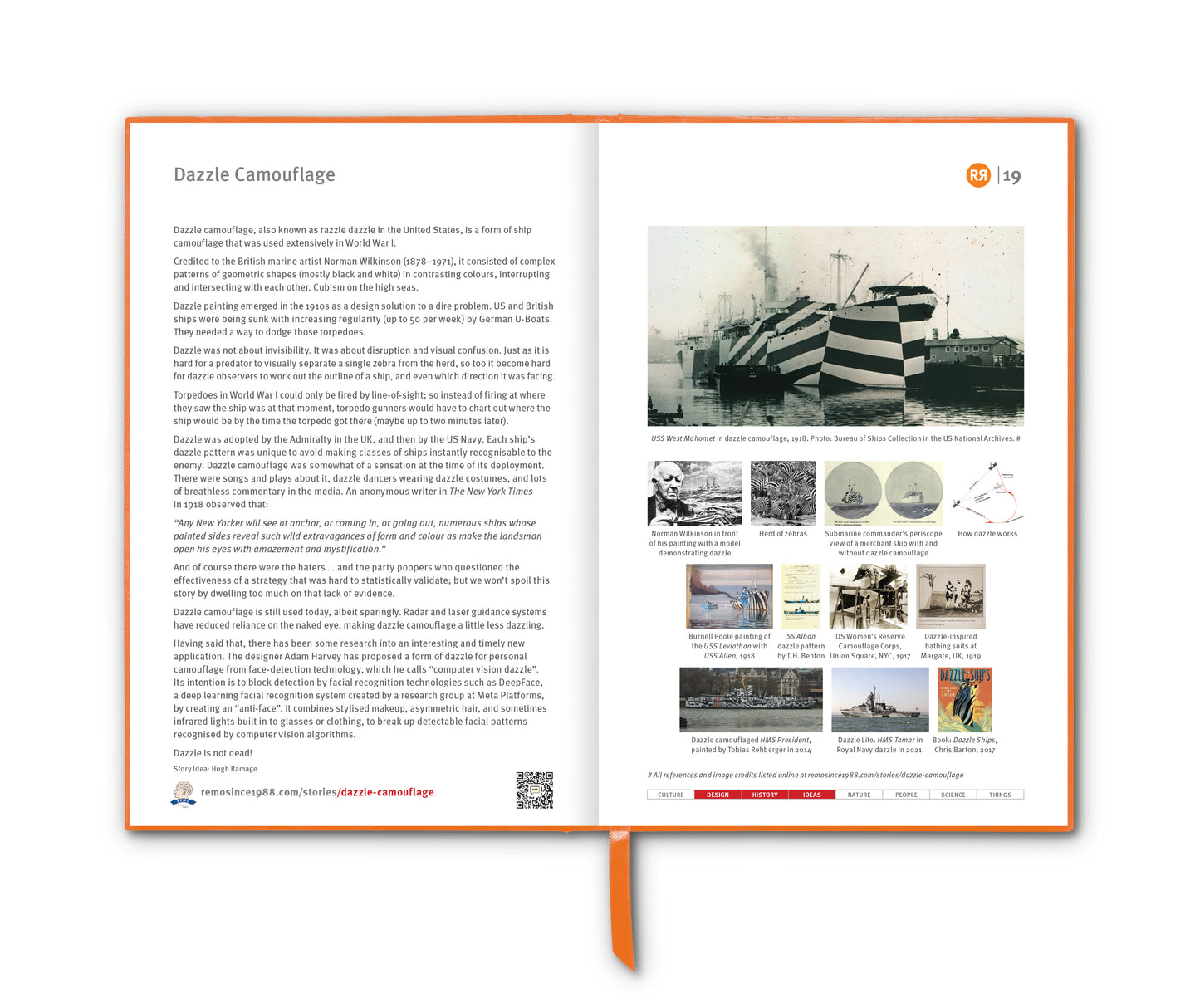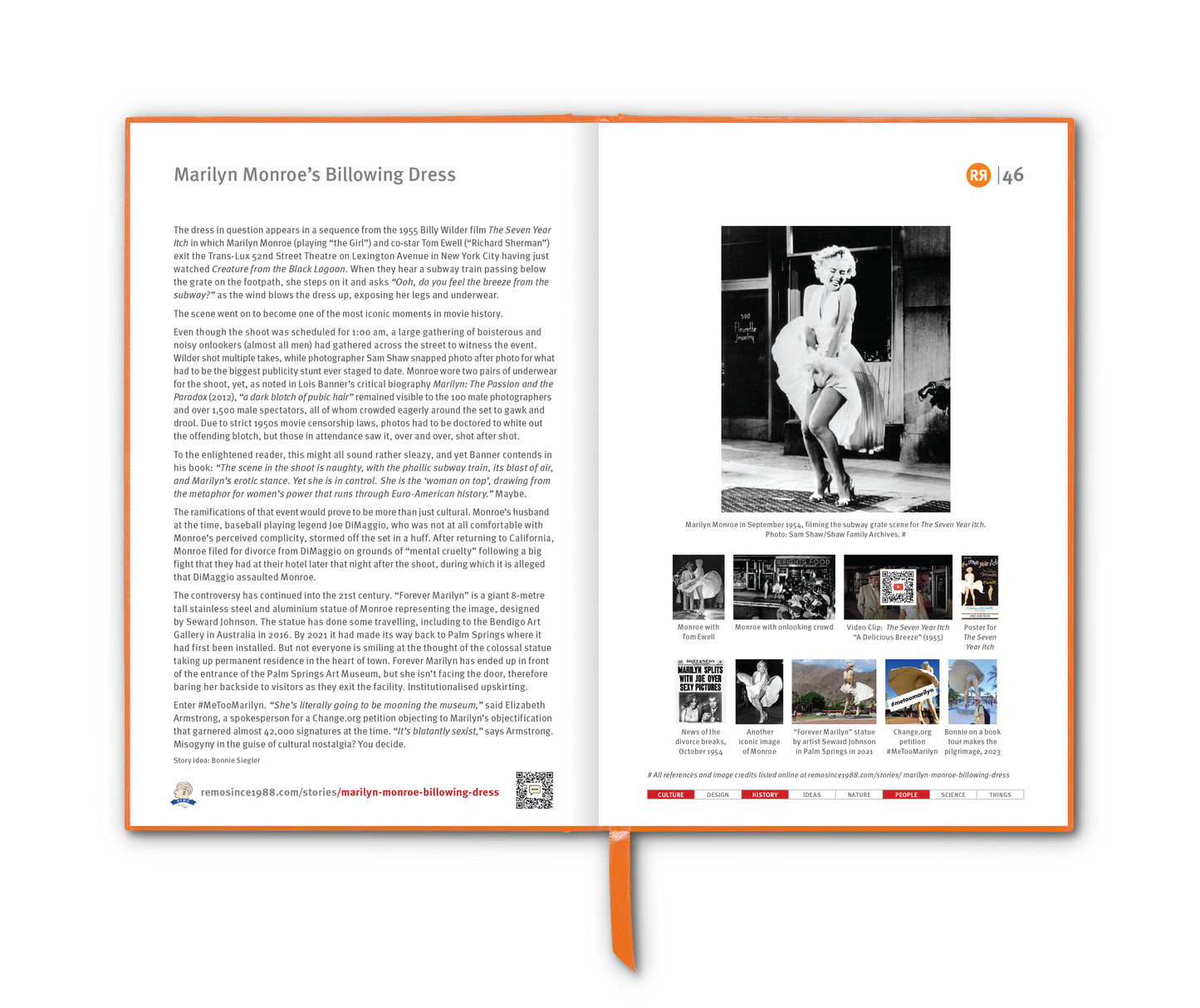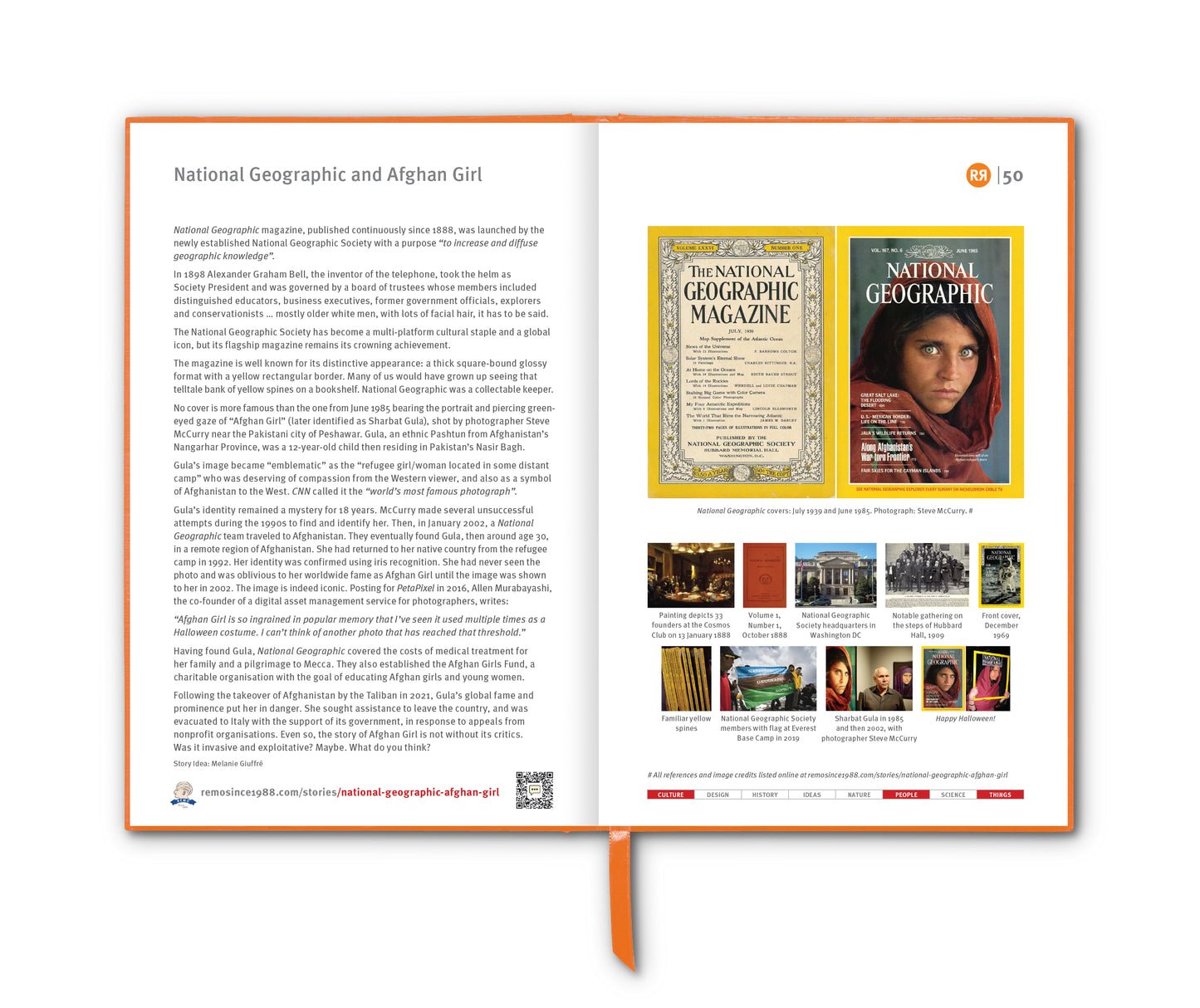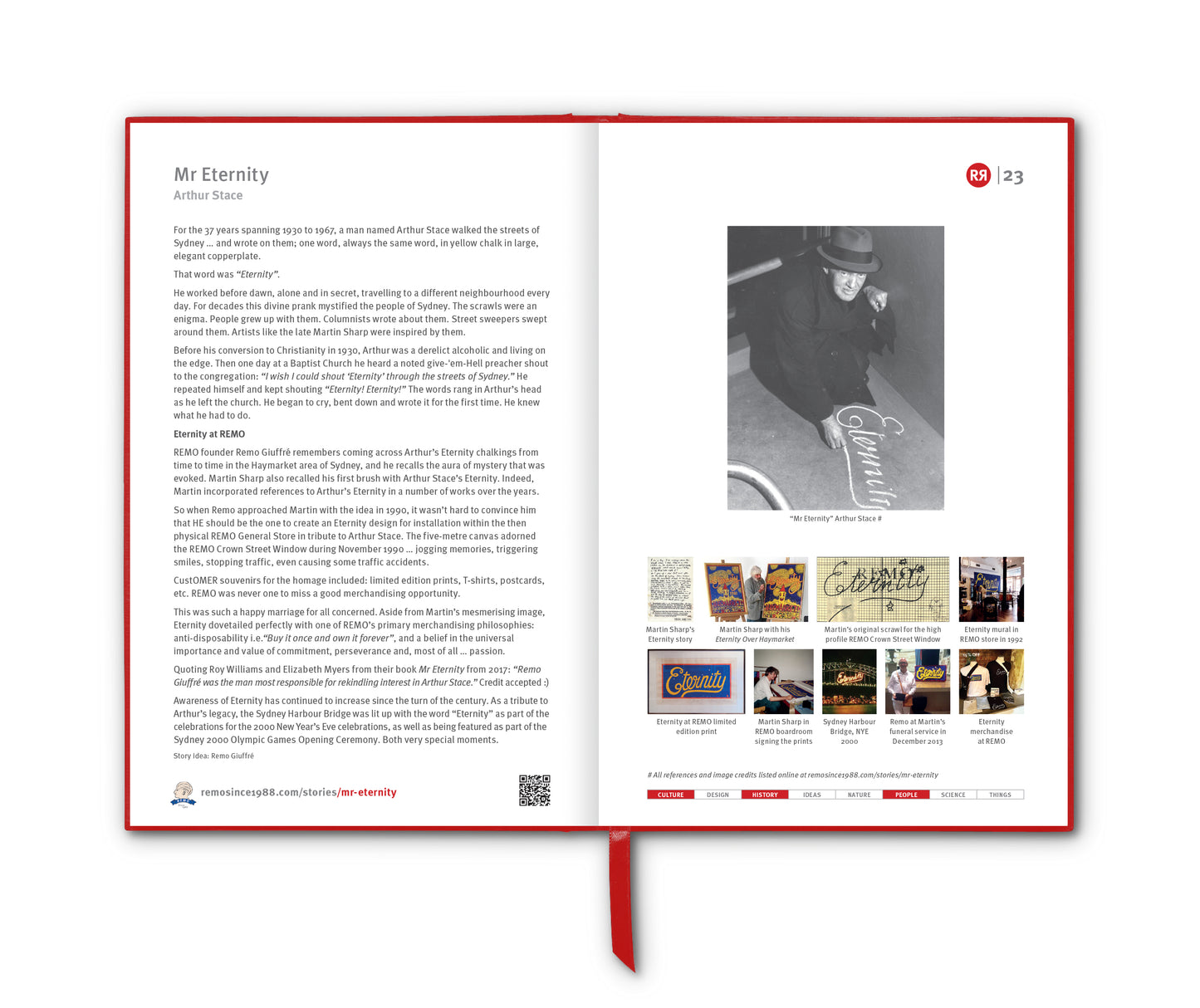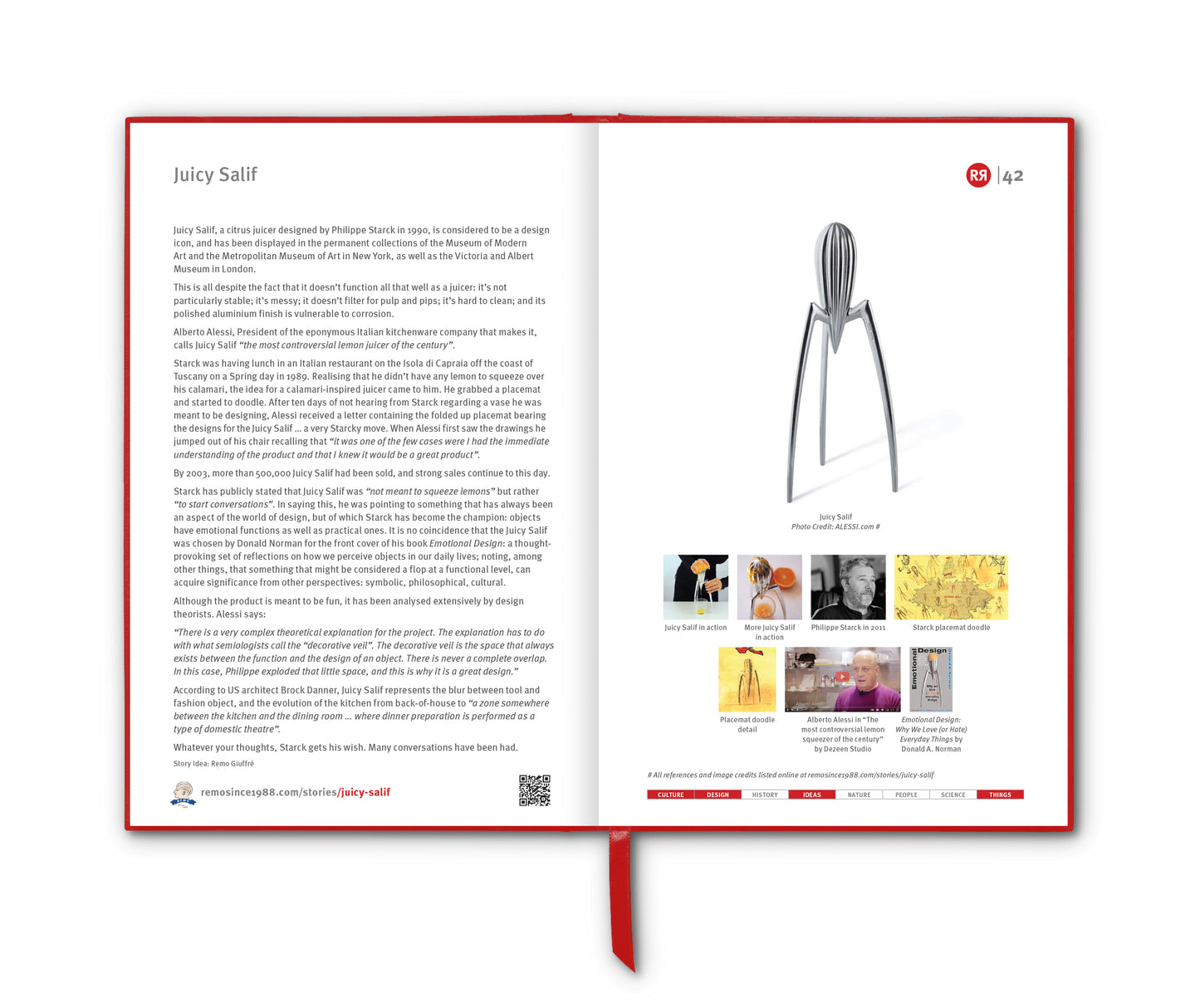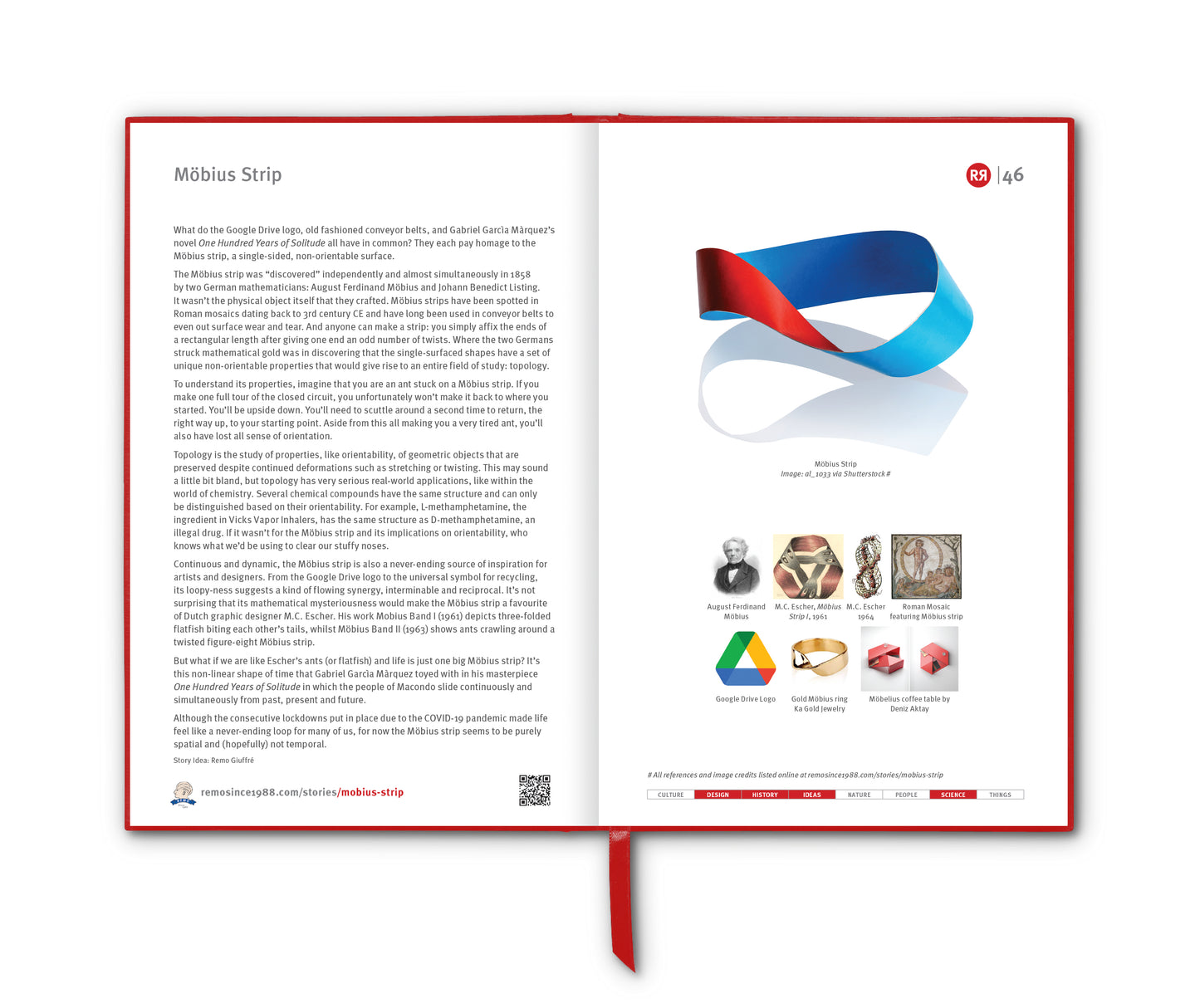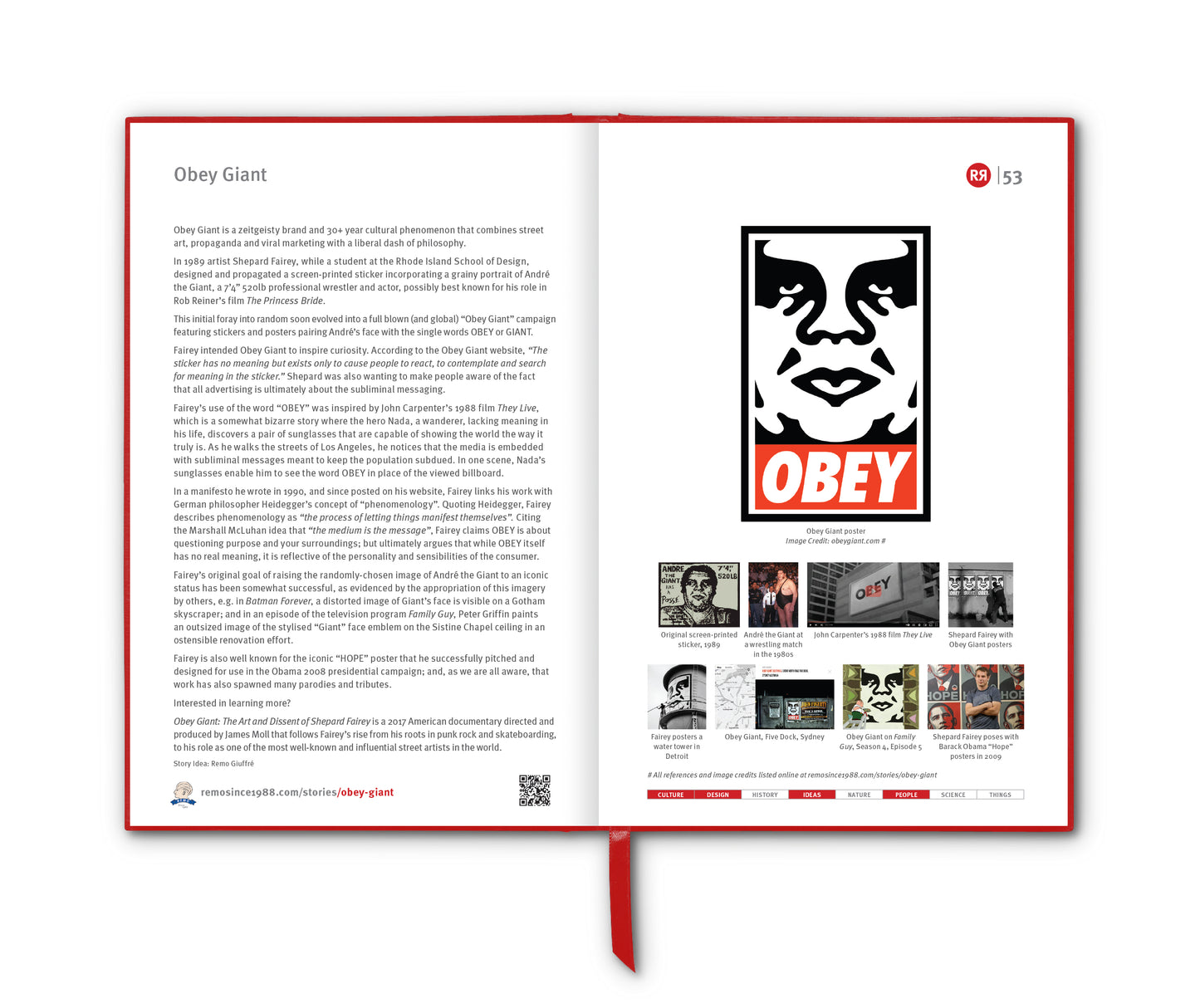

The “liar’s dividend” is a subtle but powerful by-product of the misinformation age. Coined by legal scholars Bobby Chesney and Danielle Citron in a 2018 paper for the SSRN Electronic Journal, the term describes a perverse advantage: once the public knows that convincing fake content exists [Ed: That genie has well and truly left the bottle.] – bad actors can dismiss real evidence as fake.
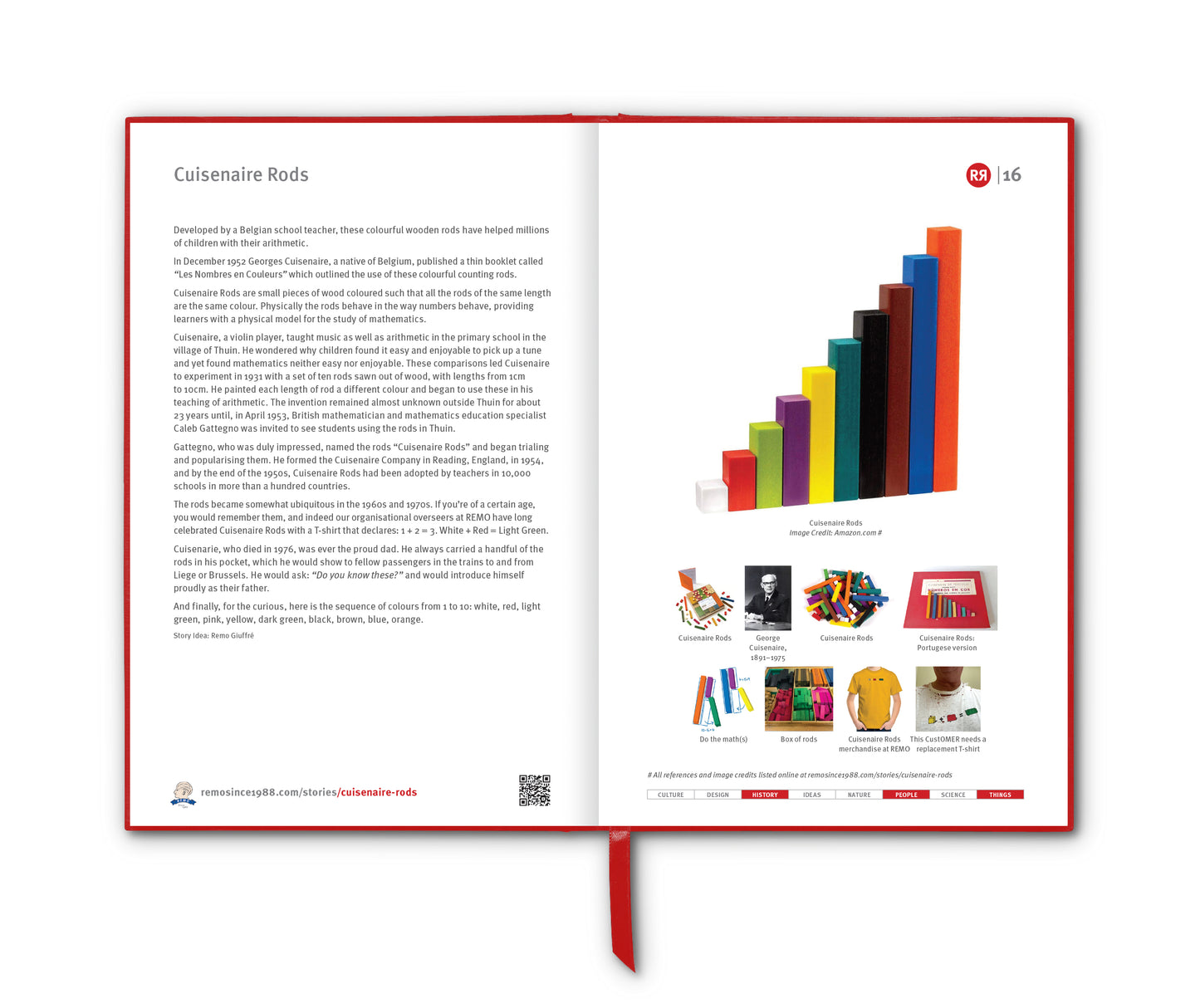
At its core, the liar’s dividend is “misinformation about misinformation”. A politician caught on video can simply claim that the footage is a “deepfake” (a word that first appeared in a 2017 Reddit post), thereby injecting doubt. Even if the denial is implausible, the mere possibility of manipulation creates uncertainty—often enough to protect reputations or rally supporters.
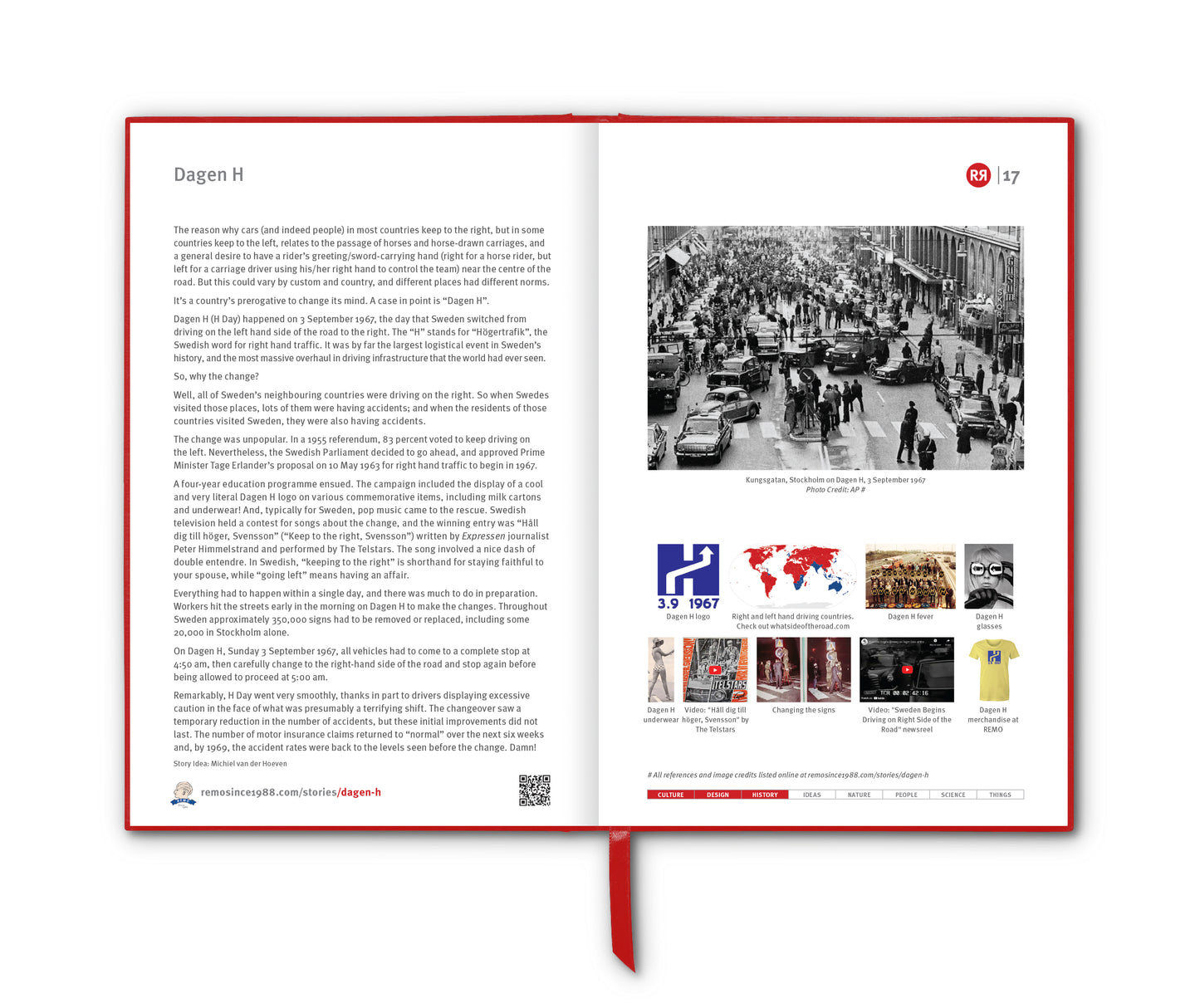
This dynamic is inseparable from the rise of deepfakes – AI-generated or manipulated audio, video and images that can convincingly mimic reality. Ironically, deepfakes do not need to fool everyone to be dangerous. Their existence alone erodes trust in authentic media, creating an environment where “seeing is no longer believing”.
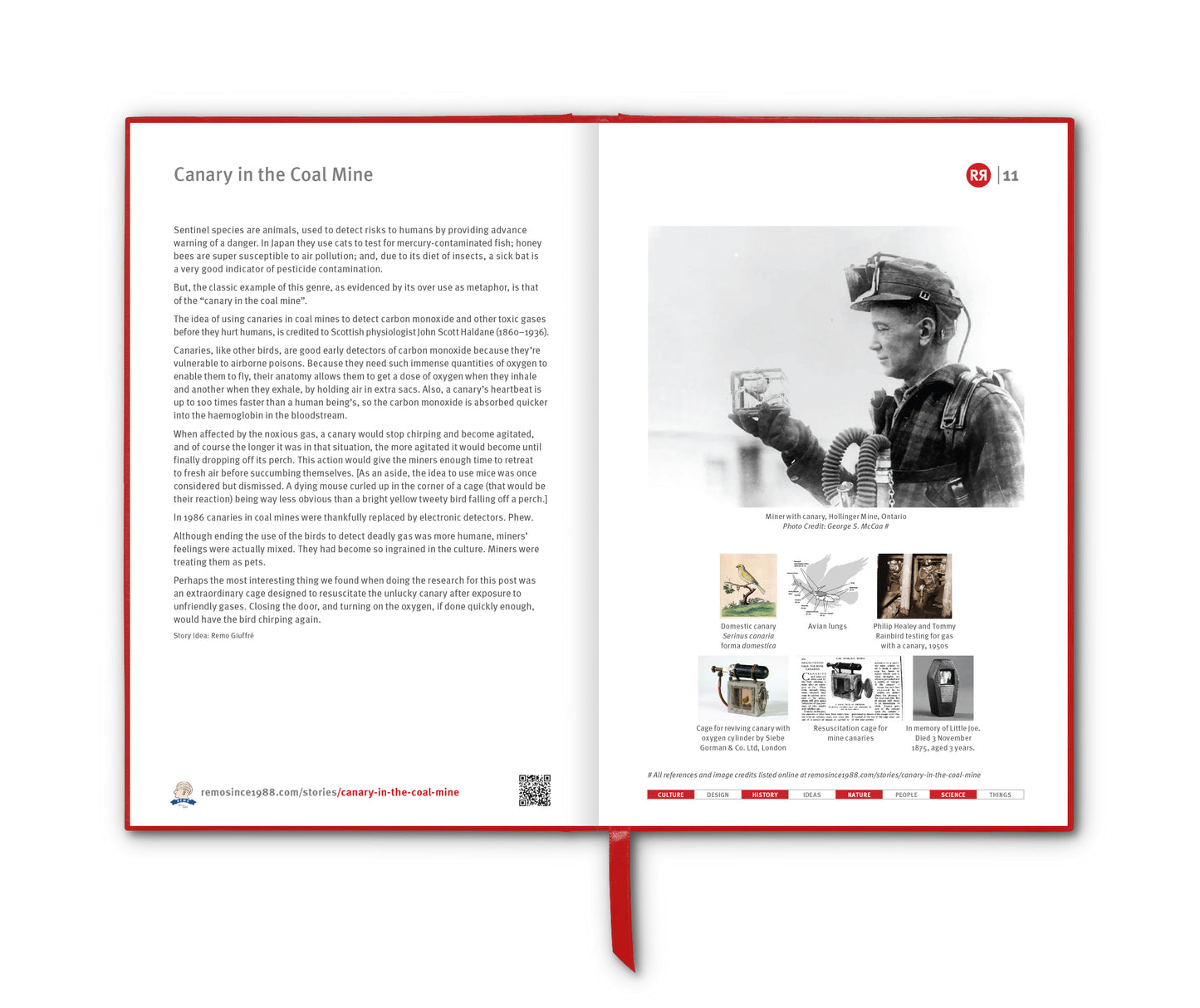
A frequently cited early illustration involves Emma González, the Parkland, Florida school shooting survivor. In 2018, a manipulated video appeared to show her tearing up the US Constitution. Although it was quickly debunked, the incident demonstrated both sides of the problem: how easily media can be altered – and how quickly genuine footage can be dismissed or reframed as fake.
The issue has only intensified. In March 2026, Israeli Prime Minister Benjamin Netanyahu released a “proof of life” video amid the burgeoning conflict with Iran, yet the proliferation of AI-generated war footage led some viewers to question whether even this authentic video was real. Netanyahu, appearing to recognise the power and ridiculousness of the falsehood, posted a video from a cafe two days later. He held up his hands and flashed his five fingers – a new kind of proof of life in an AI era where a six-fingered hand is often the tell. This episode exemplifies the liar’s dividend in action: not just fake content deceiving people, but real content losing credibility by association.
Technologically, several advances make this possible. Generative adversarial networks (GANs) and diffusion models can synthesise photorealistic faces and voices. Voice cloning systems replicate speech patterns from short samples. Video editing tools can map expressions onto different faces in real time. Combined with cheap computing power and global distribution via social media, these tools have dramatically lowered the barrier to creating convincing false media.
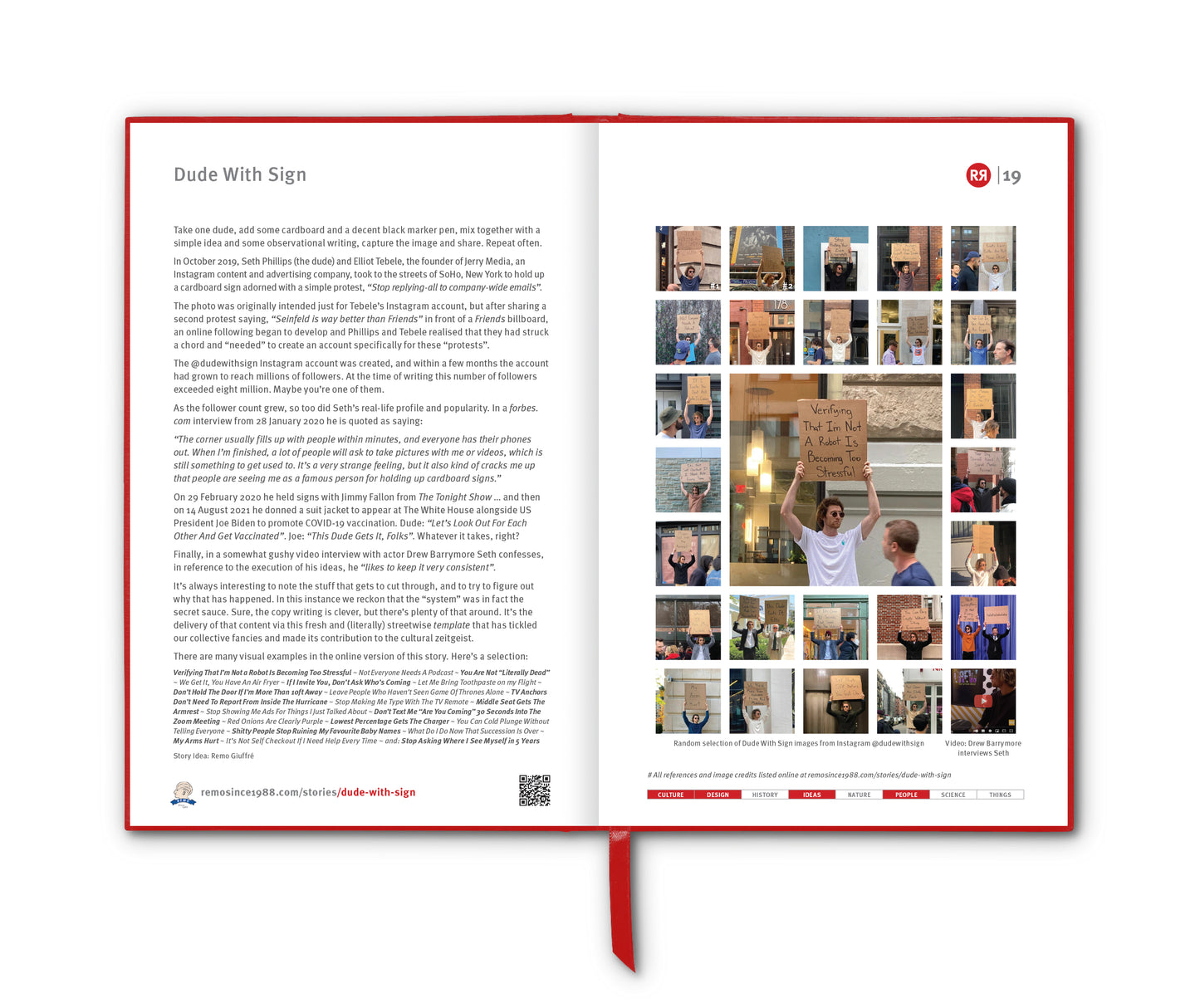
The broader consequence is a degradation of shared reality along with a perilous erosion of trust. Studies suggest that when public figures claim “fake news” or “deepfake”, they can maintain or even increase support, particularly among aligned audiences. The dividend, in other words, is political and psychological. Doubt becomes a shield.
As the technology improves, the challenge is no longer just detecting fakes, but preserving trust in what is real. Authentication systems, media literacy and provenance tracking (such as cryptographic watermarking) are emerging responses – but the underlying dilemma remains unresolved.
The liar’s dividend flips the original fear of deepfakes on its head. The greatest threat may not be that we come to believe false things – but that we stop believing true ones.
Story idea: Melanie Giuffré
See also: Uncanny Valley [RR5:82]
__________________________
References
wikipedia.org/wiki/Liar%27s_dividend
ft.com/content/6e103e44-acc7-4136-9c37-58543507138a?syn-25a6b1a6=1
nytimes.com/2026/03/17/technology/netanyahu-ai-video-iran-israel.html
jaredhenderson.substack.com
Images
1. AI-generated face. Credit: ChatGPT
2. Chesney/Citron's 2018 "Deepfakes" paper for the SSRN Electronic Journal
3. Emma González: real and fake. Credit: What's Trending?
4. Generative Adversarial Networks (GAN). Image credit: deeplearning4j.org
5. Trump with six fingers
6. Netanyahu with five fingers
7.
Video: "Fake videos of real people – and how to spot them", Supasorn Suwajanakorn, TED 2018
8. Video: How to Tell What's Real and What's AI-Generated on Social Media, NBC News "Today", 5 March 2026