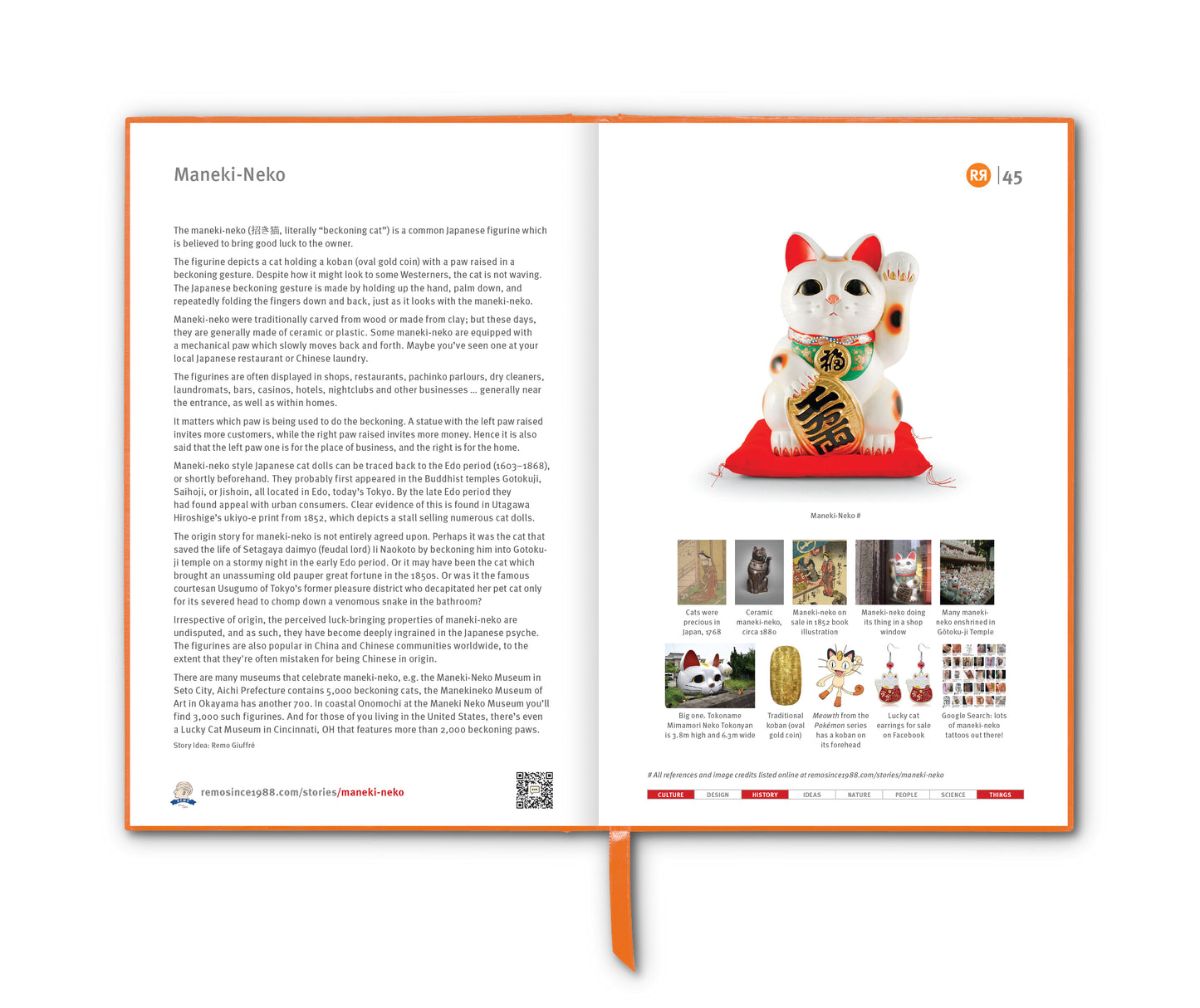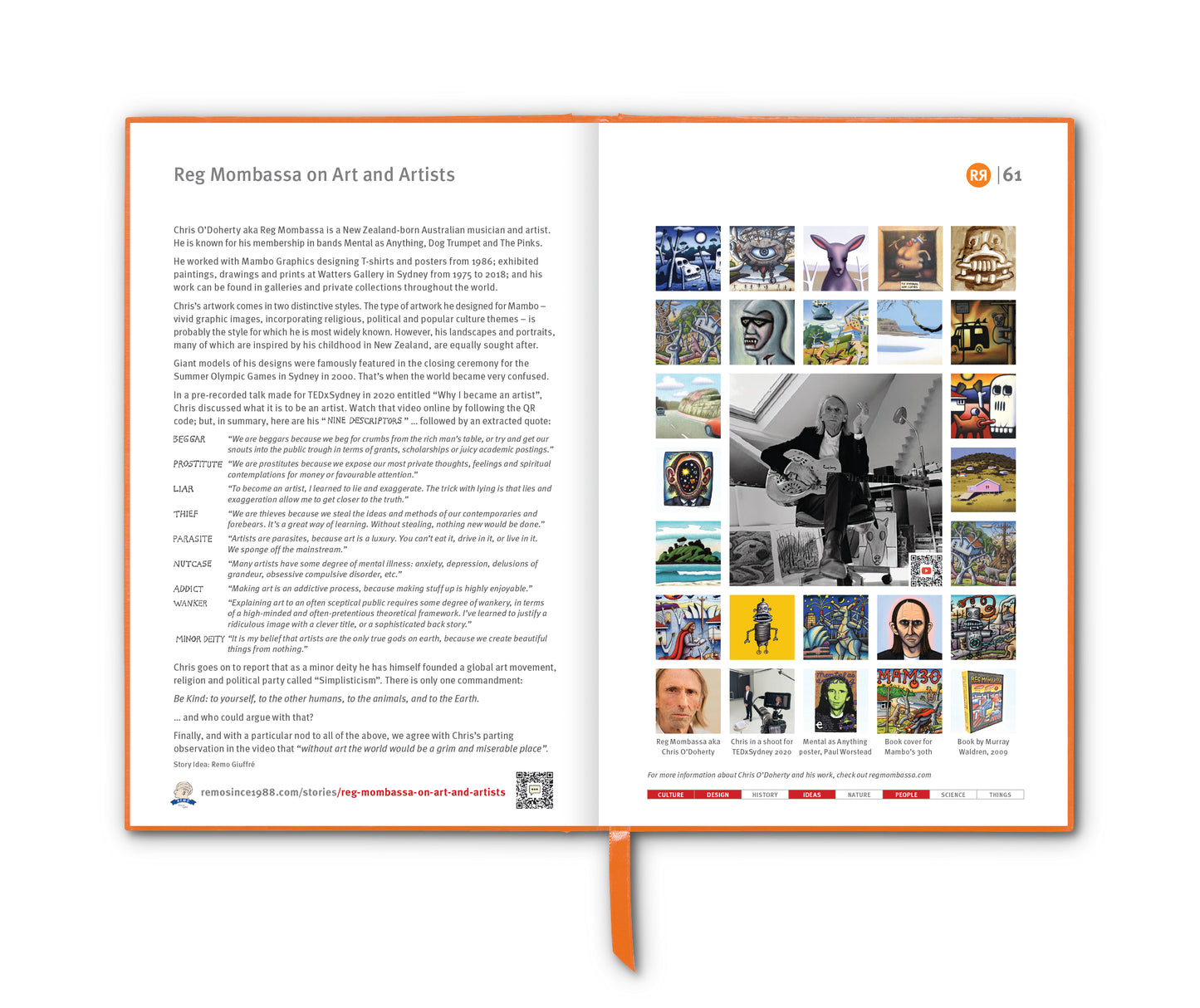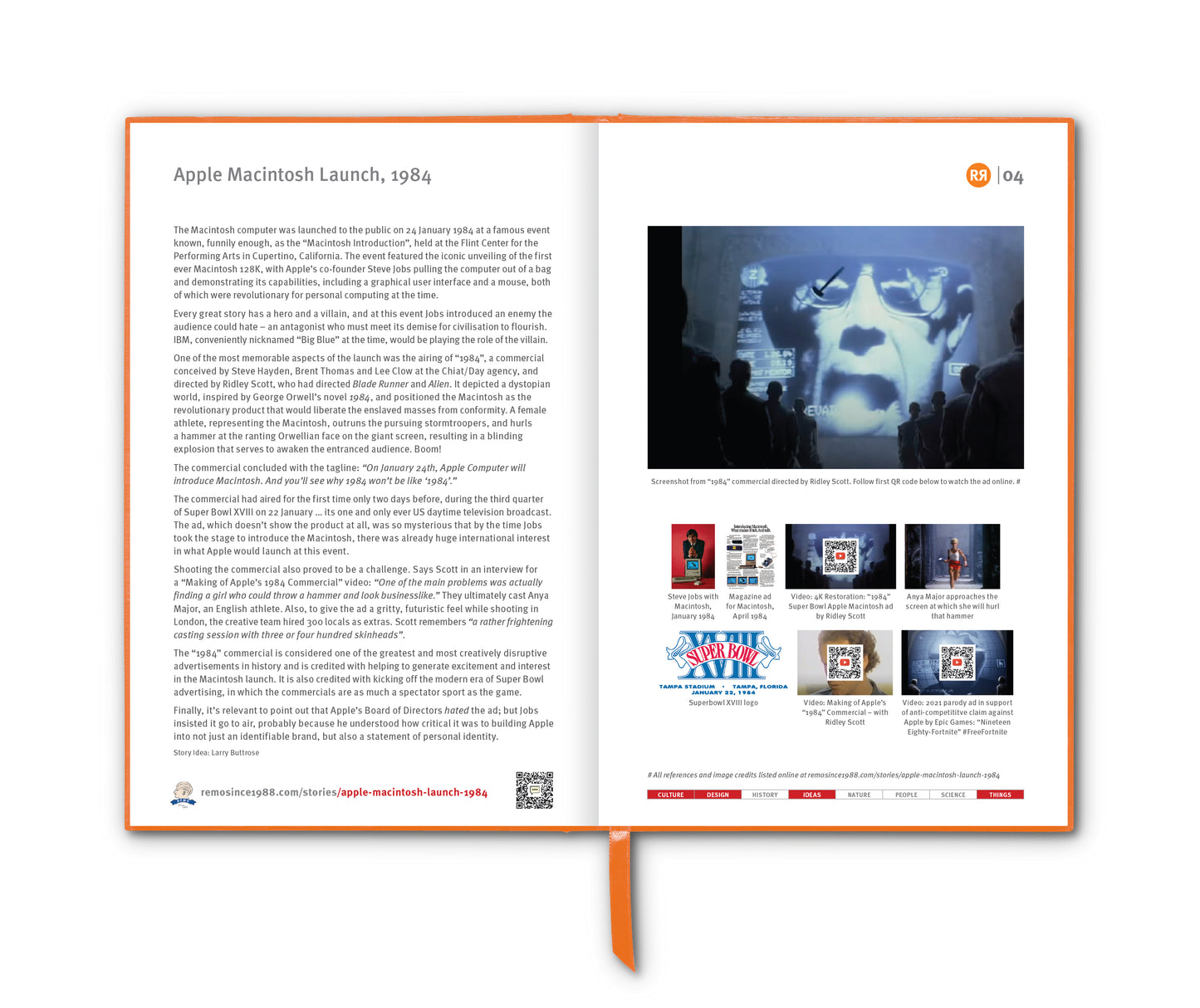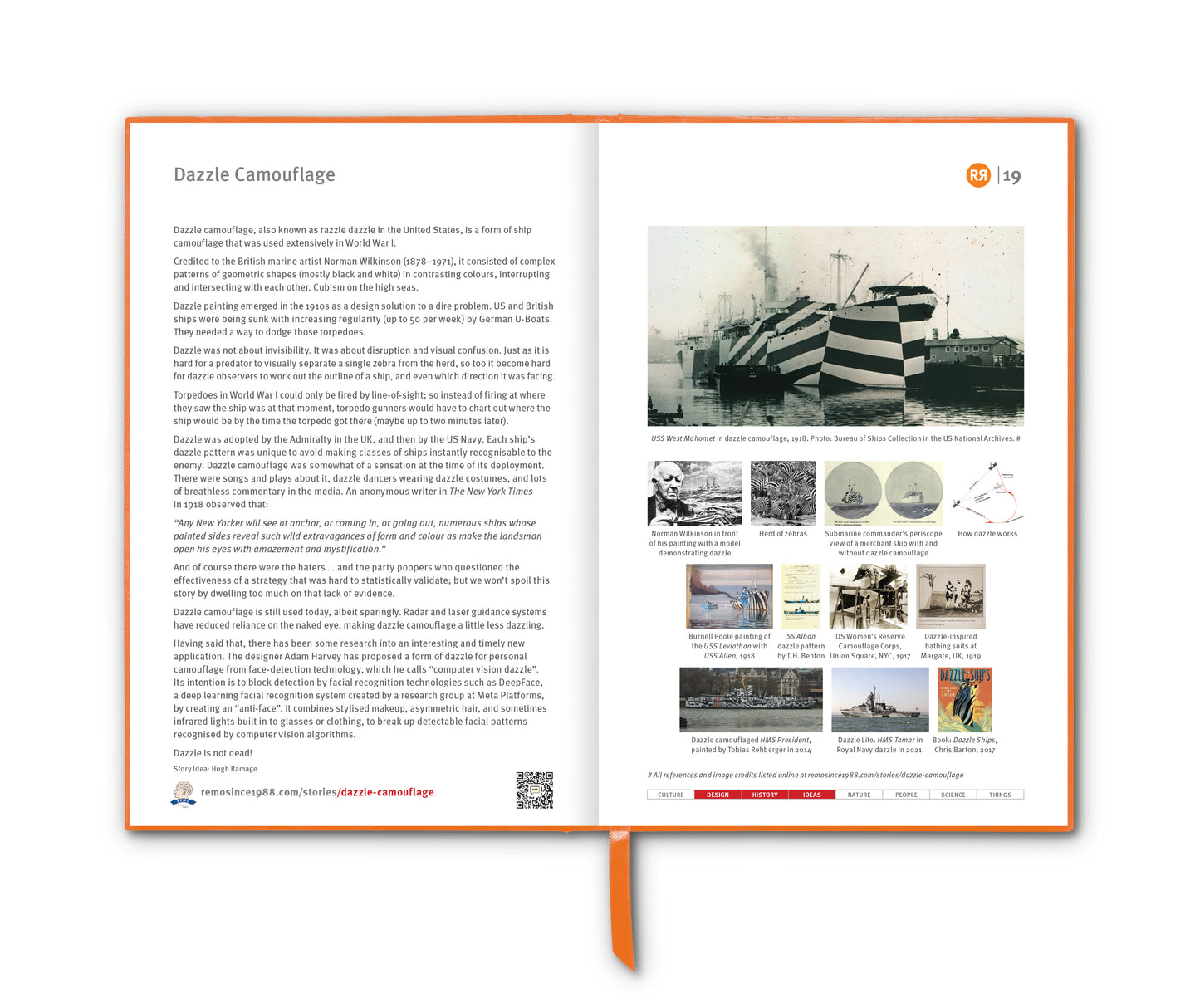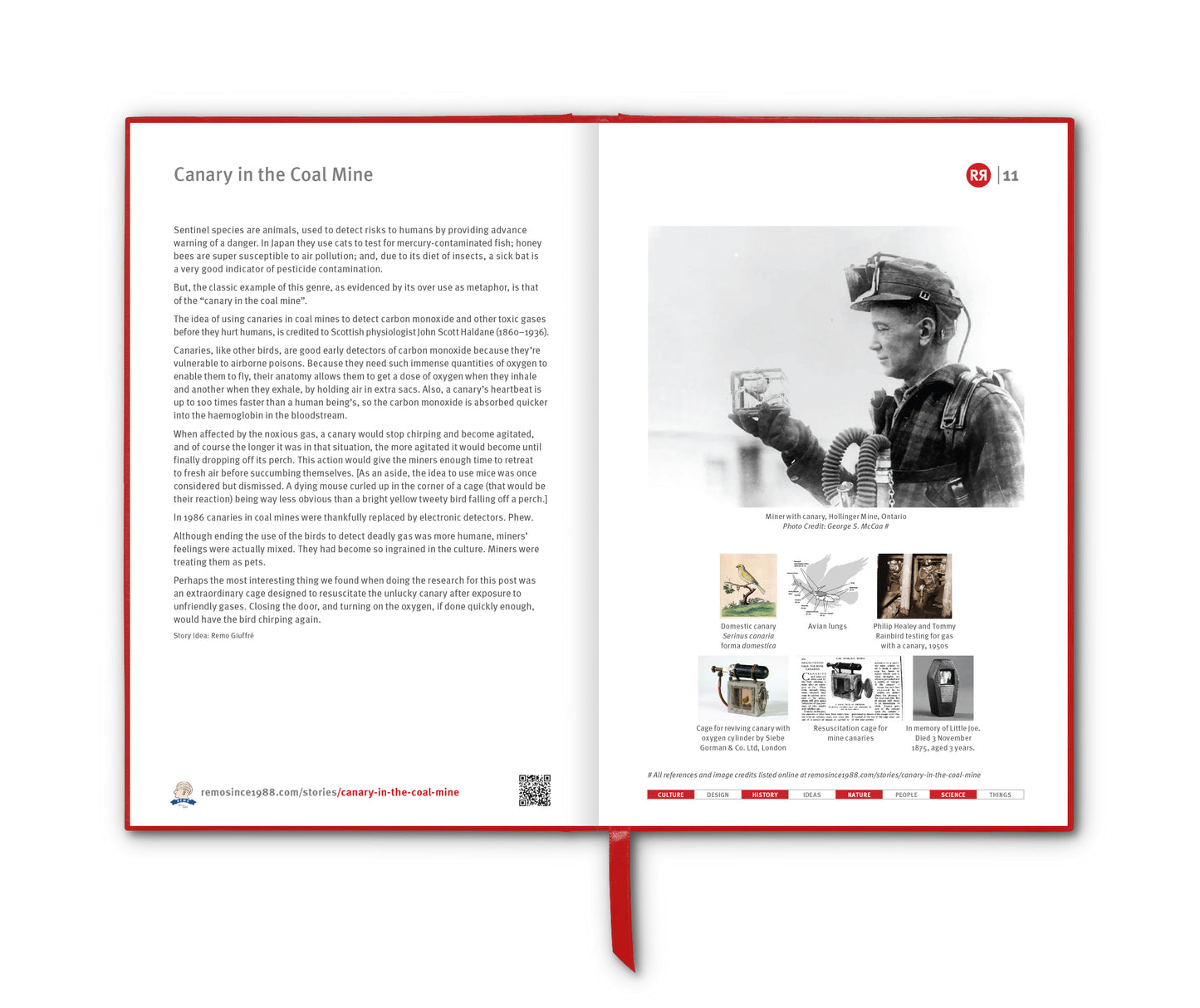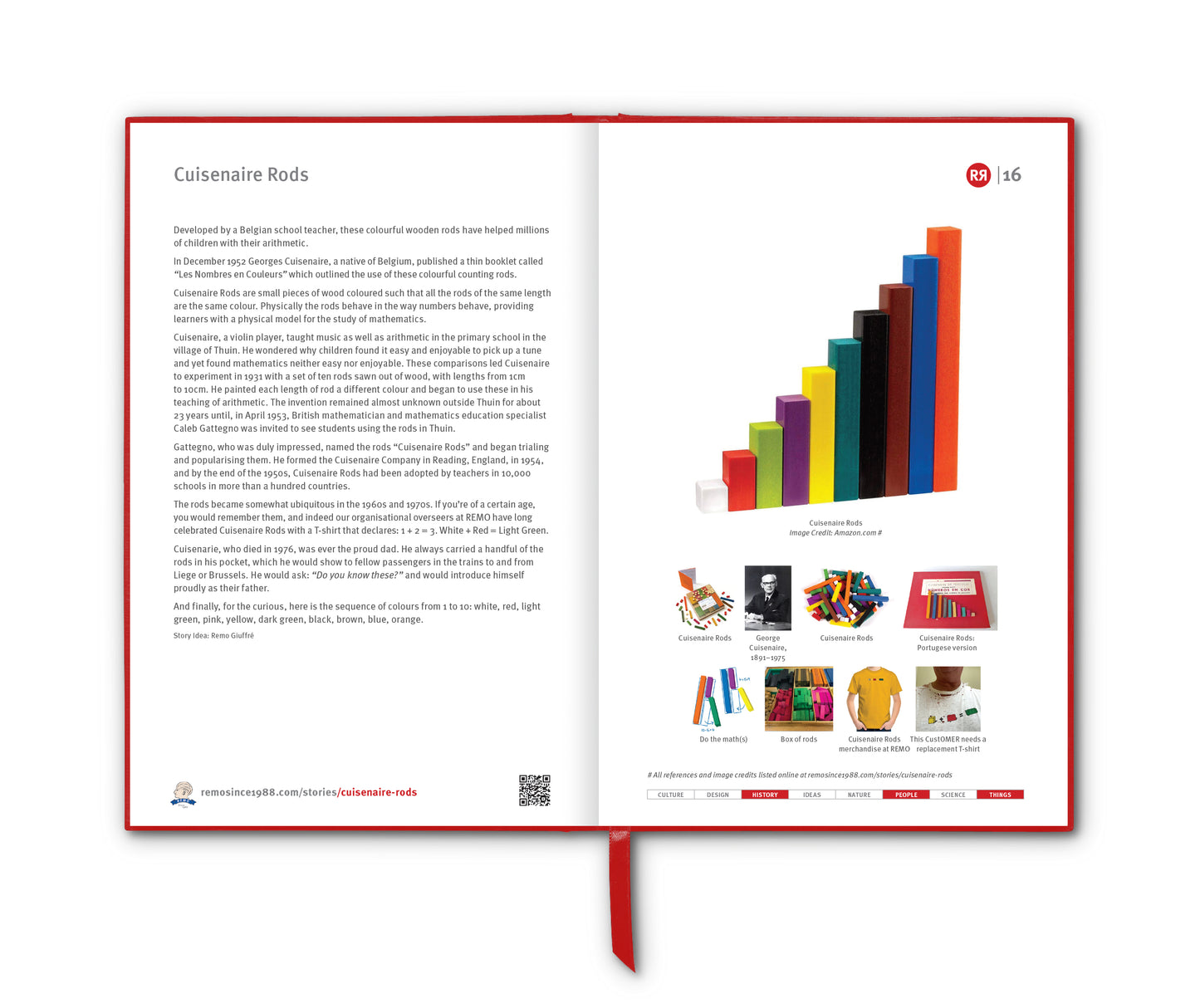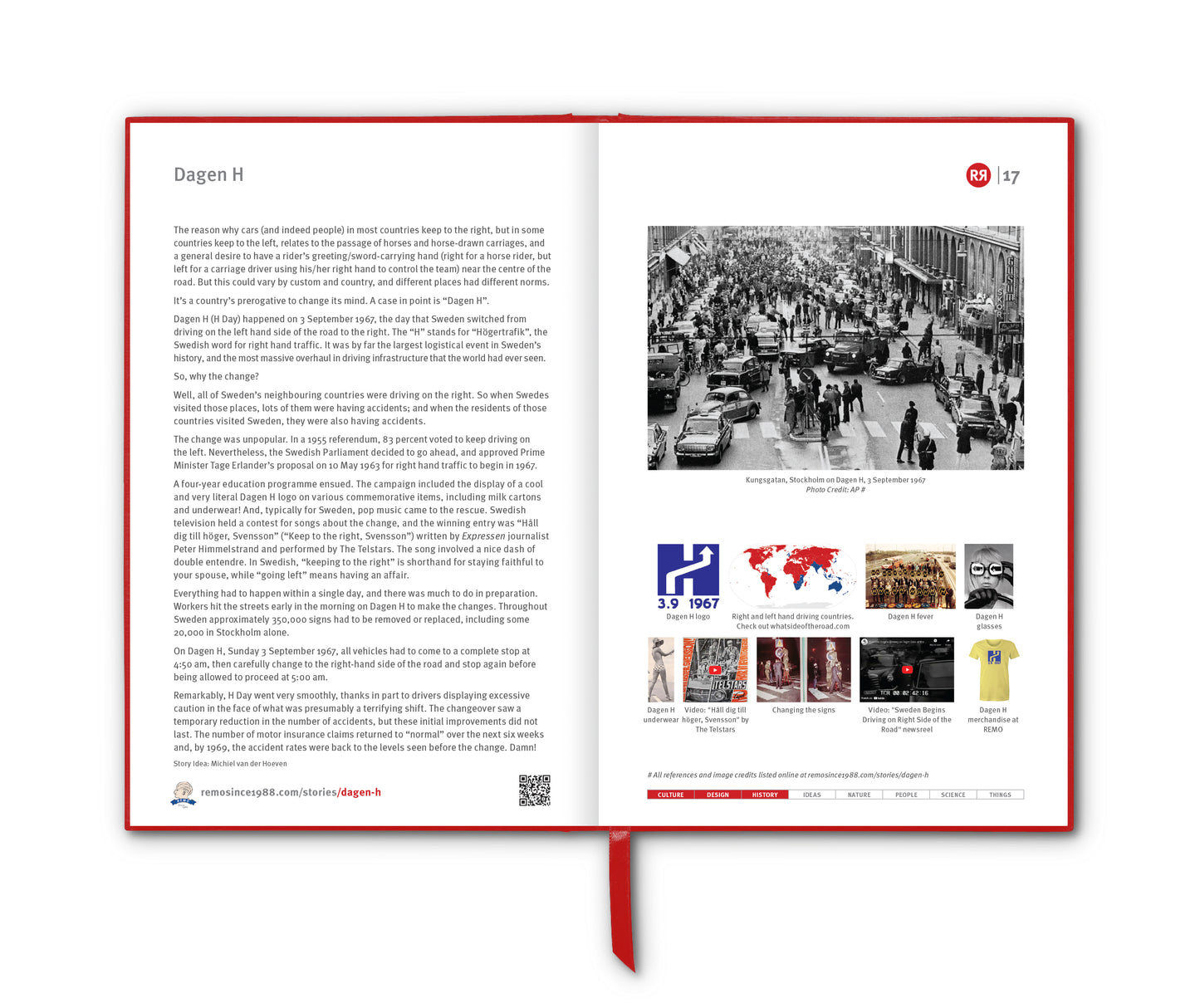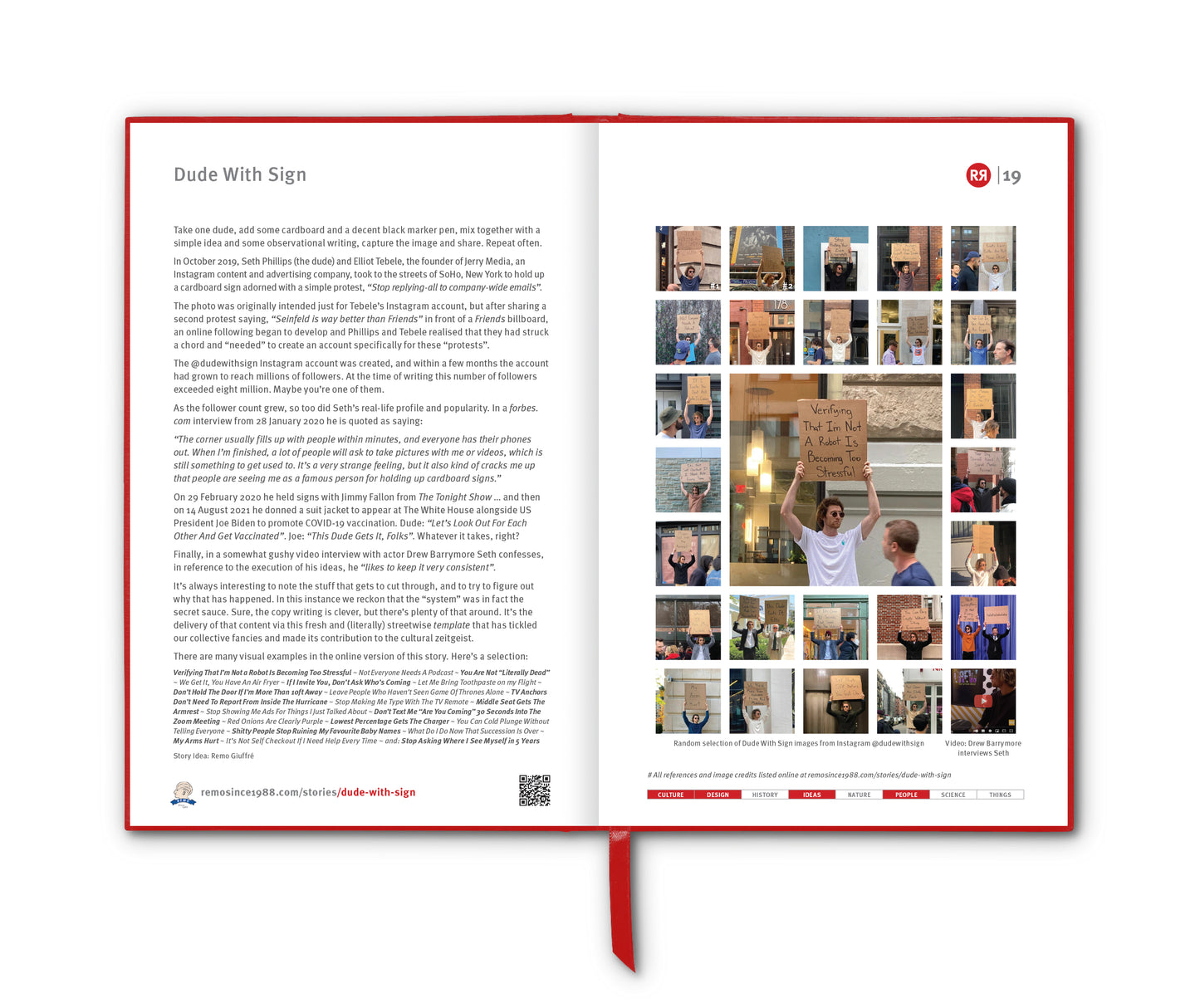

A micronation is a self-declared entity that claims to be an independent sovereign state but isn’t officially recognised by world governments or international organisations like the United Nations. These curious and often eccentric "countries" operate outside the traditional bounds of international law, yet many have flags, anthems, passports, currencies and even heads of state – often ruling over a bedroom, backyard or abandoned offshore platform.
Several entities that can be considered micronations by contemporary standards were established throughout the 1960s and early 1970s and based on ideals of libertarianism and many of them created via seasteading, the creation of permanent dwellings in international waters that are independent of established governments.
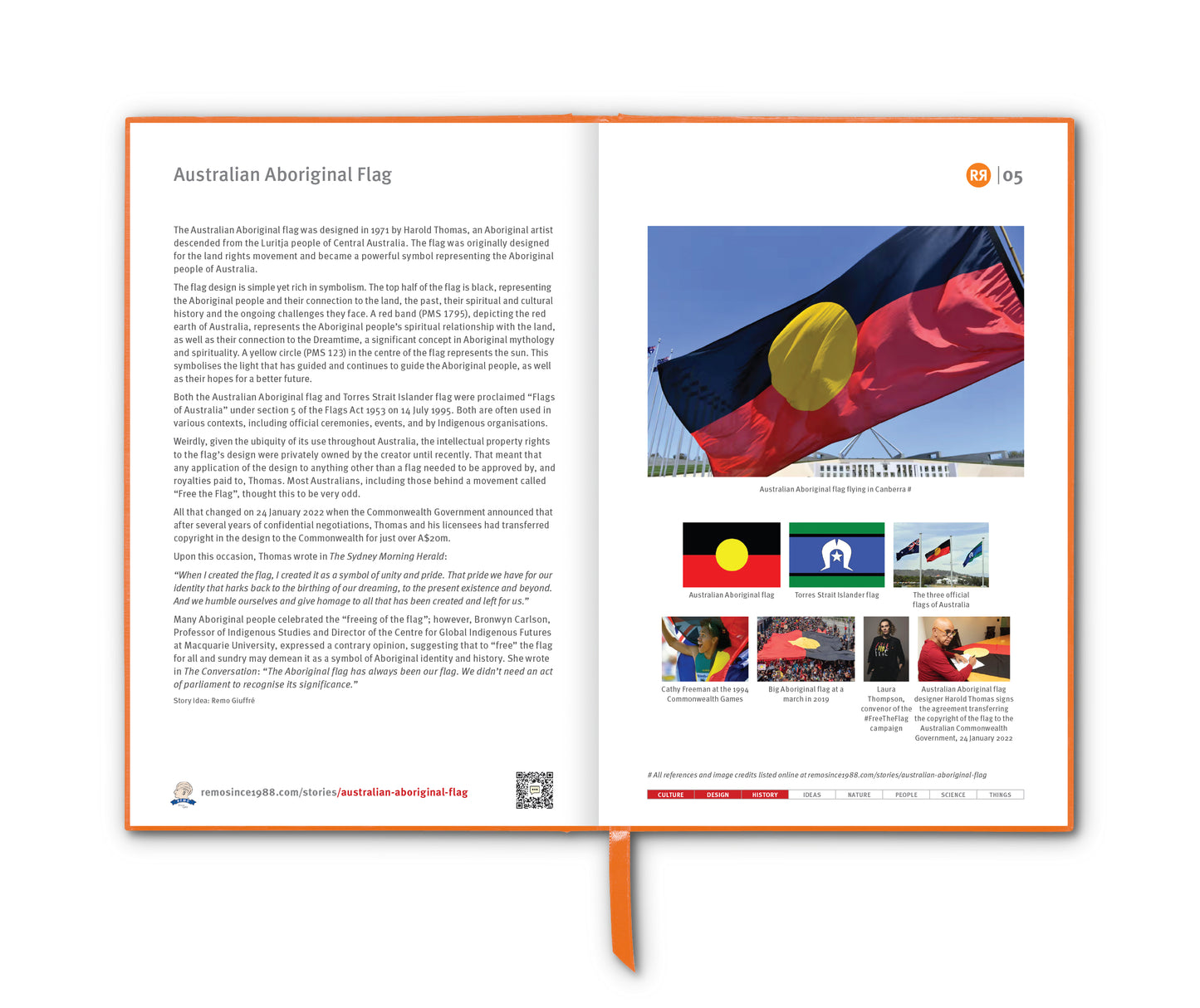
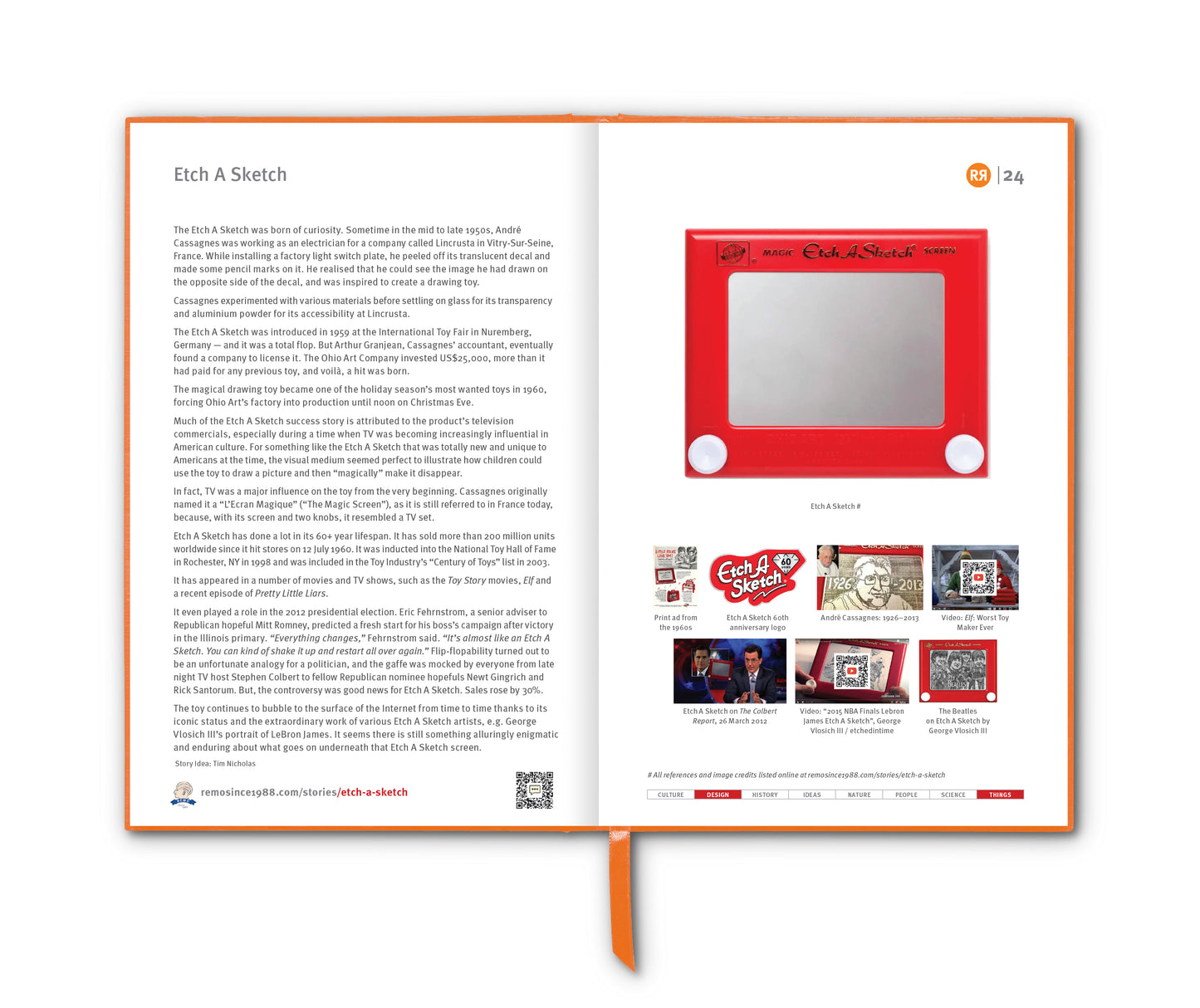
The history of micronations stretches back centuries. One of the oldest known examples is the Kingdom of Redonda, a rocky island in the Caribbean that became a fanciful literary micronation in the 19th century. Another iconic case is the Principality of Sealand, founded in 1967 on a disused WWII sea fort off the coast of England. Sealand is still maintained today and even sells noble titles online. These examples set the tone for a global proliferation of micronations driven by political protest, artistic expression, or sheer whimsy.
For whatever reason, Australia has a disproportionate number of micronations compared to other countries.
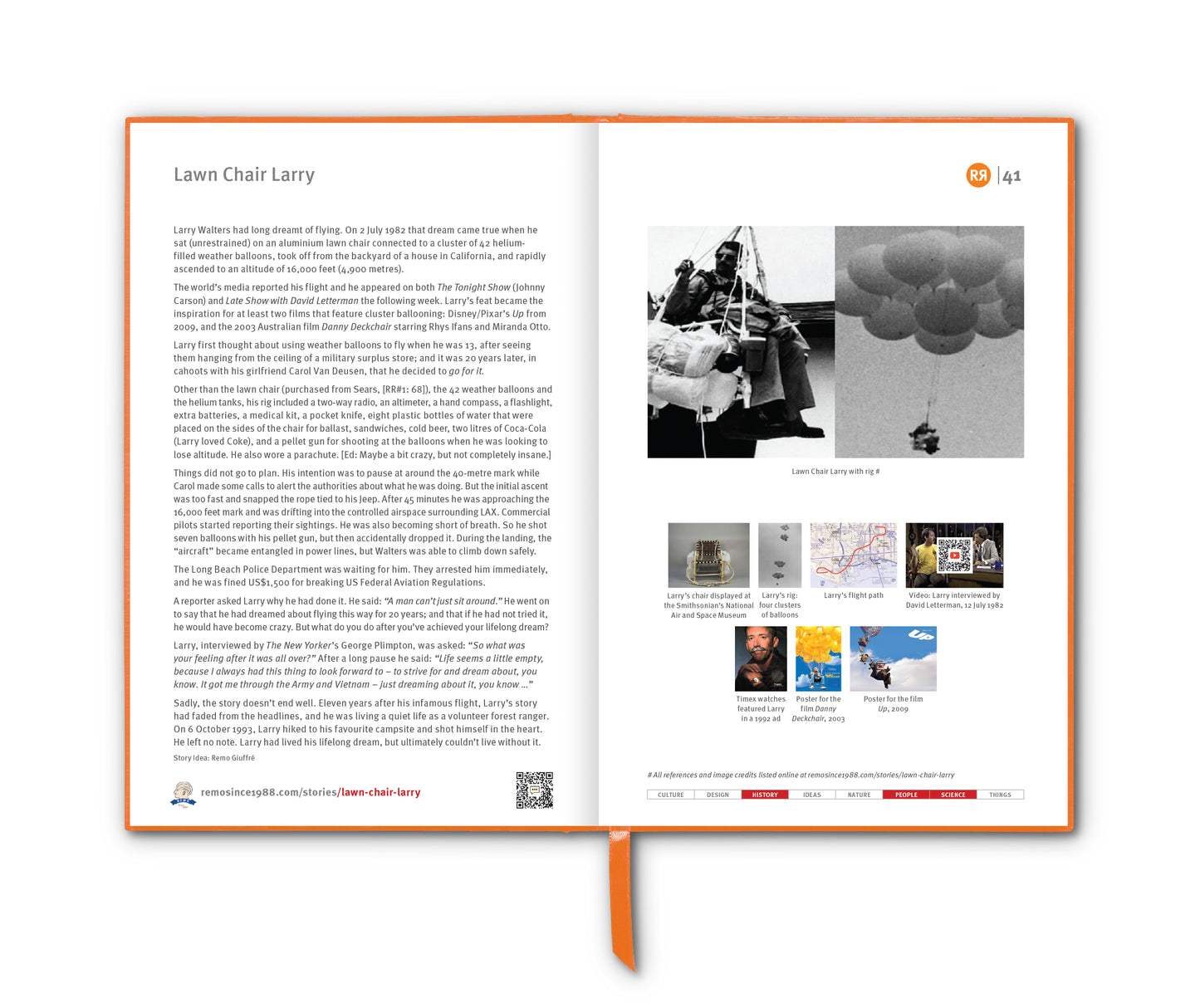
The Principality of Hutt River was created in 1970 by Leonard Casley following a dispute with the government over wheat production quotas. Casley declared secession from Australia, assumed the title of “Prince Leonard”, and ran Hutt River as a self-declared state for 50 years – complete with passports, stamps and diplomatic correspondence – until it was dissolved in 2020. In the United States, Molossia, founded by Kevin Baugh in Nevada, is a desert-bound micronation featuring its own “national soda”, time zone, and miniature space program. Meanwhile, Sweden’s Ladonia was established in response to the government’s removal of controversial public art. Created by artist Lars Vilks, Ladonia now boasts thousands of registered "citizens" and functions as an ongoing art project masquerading as a country.
Other standout examples include the Aerican Empire, which claims territories on Mars, inside a Canadian man’s mind, and elsewhere, embracing surrealism and absurdity as governing principles. The Gay and Lesbian Kingdom of the Coral Sea Islands was declared in 2004 as a protest against Australia’s ban on same-sex marriage. It issued stamps and declared war on Australia before disbanding peacefully after the law changed in 2017.
People start micronations for a variety reasons – some as political statements, others as satire, social experiments, or elaborate performance art. Some micronations have even participated in summits, such as the Micronation Conference held in Australia, or joined collectives like the League of Secessionist States. The field has inspired its own niche discipline: micropatriology, the study of micronations and their creators.
Micronations also have a place in popular culture. Films like The Mouse That Roared, games like Tropico, and countless Reddit communities and YouTube videos celebrate the idea of making your own nation, reflecting a desire for autonomy, identity and sometimes just the joy of creative mischief.
Finally, Micronations: The Lonely Planet Guide to Home-Made Nations was published in September 2006. Self-described as a humorous guidebook and written in a light-hearted tone, the book's profile of micronations offers information on their flags, leaders, currencies, maps and other facts. And in 2010, a Canadian documentary film called How to Start Your Own Country directed by Jody Shapiro was screened as part of the 35th Toronto International Film Festival and explored various aspects of micronationalism, featuring interviews with several prominent micronationalists. Watch the trailer HERE.
_____________________________
References
wikipedia.org/wiki/Micronation
micronations.wiki/wiki
theguardian.com/us-news/2023/jul/23/slowjamastan-micronation-california-desert
Images
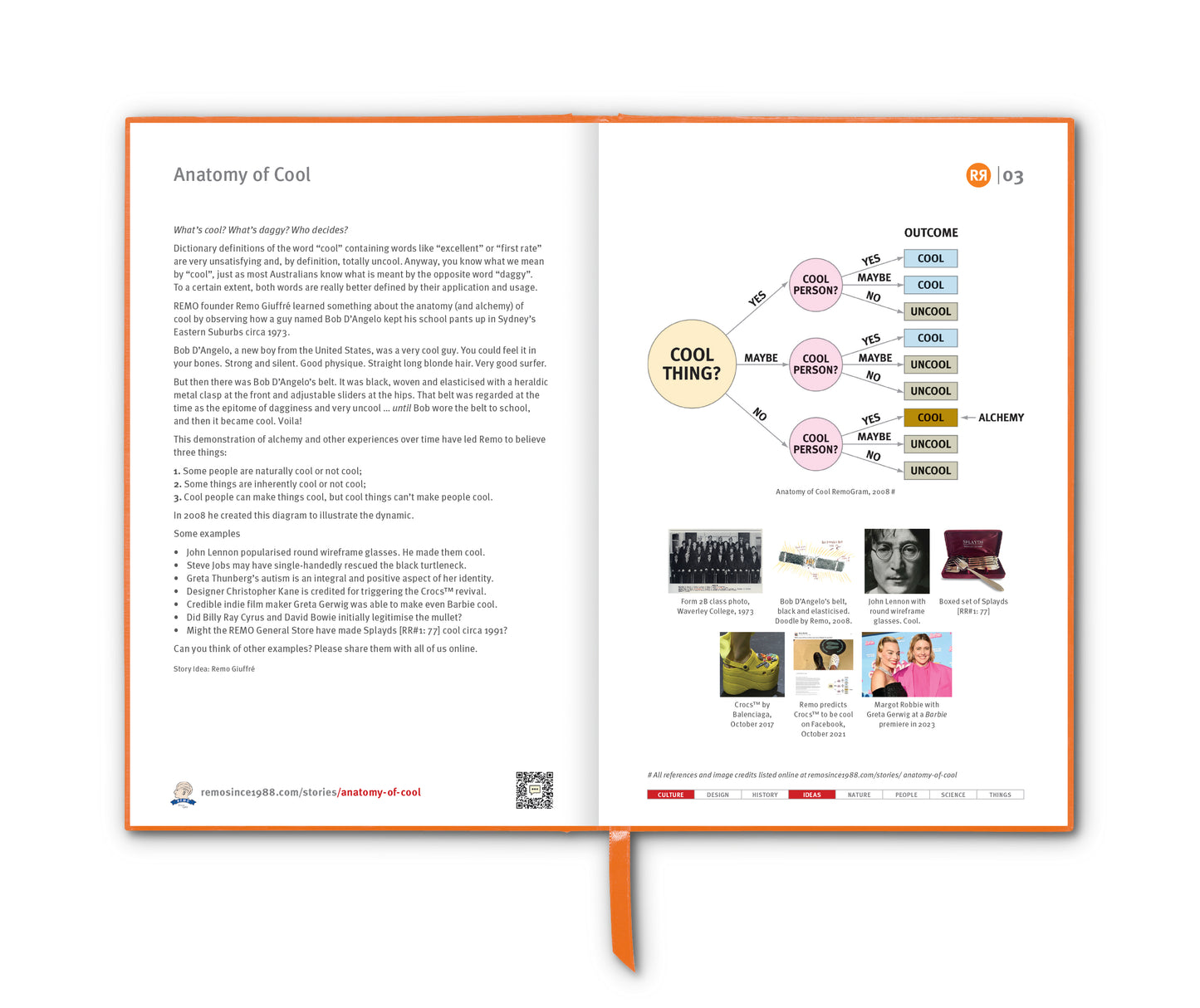
1. Adrianne and Kevin Baugh holding a copy of the Micronational Dictionary, MicroCon 2023, Ypres, Belgium
2. Sealand from above in 1999
3. Redonda Island
4. Hutt River Provence 50 cent coin depicting Leonard Casley
5. The Coat of Arms of the Principality of Sealand
6. A marker along the Republic of Molossia's claimed border with Nevada
7. Attendees at PoliNation, 2015. Photo credit: Juliane Hanka
8. Book:
Micronations: The Lonely Planet Guide to Home-Made Nations, 2006
9. Video: How to Start Your Own Country Trailer, 2010