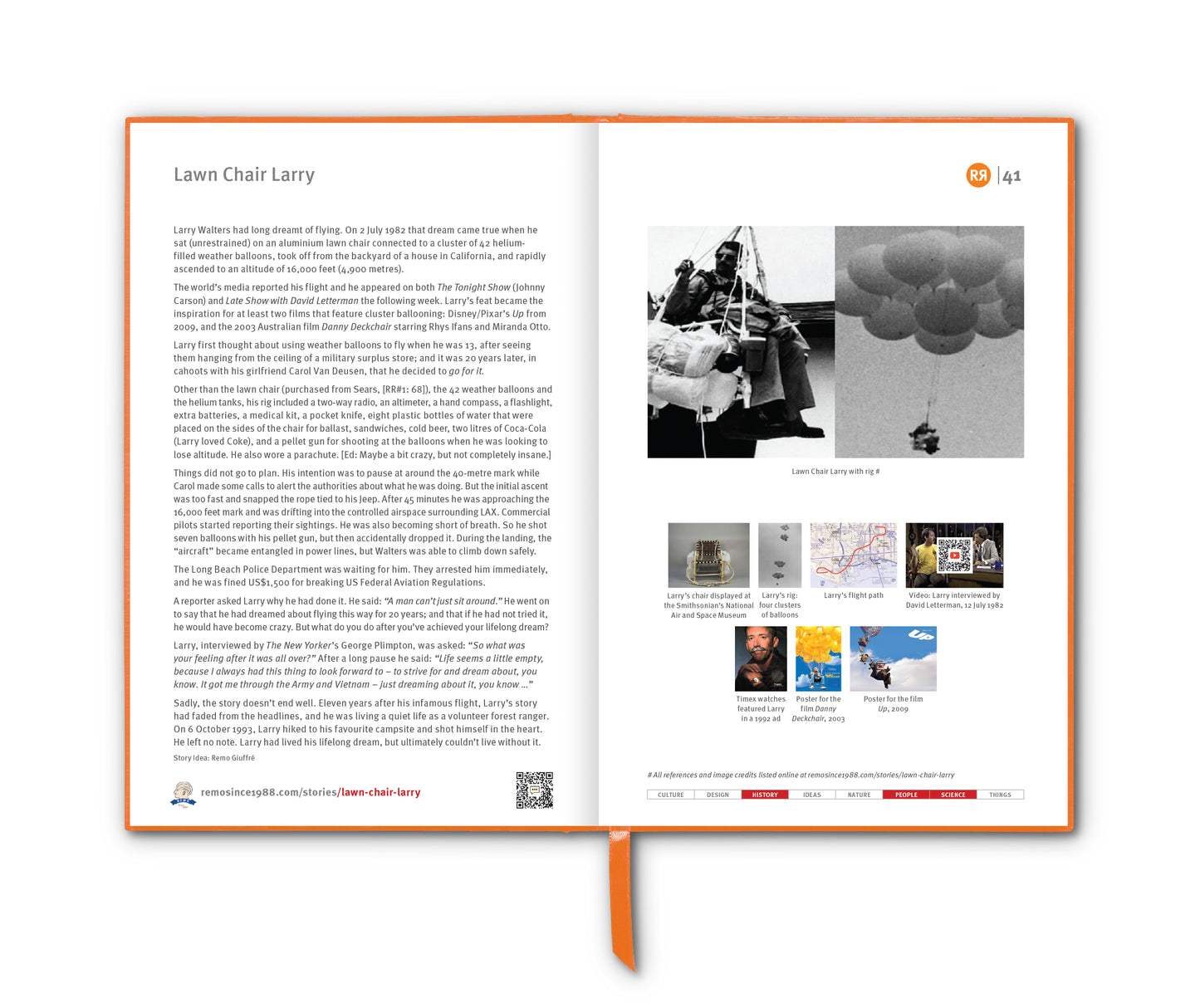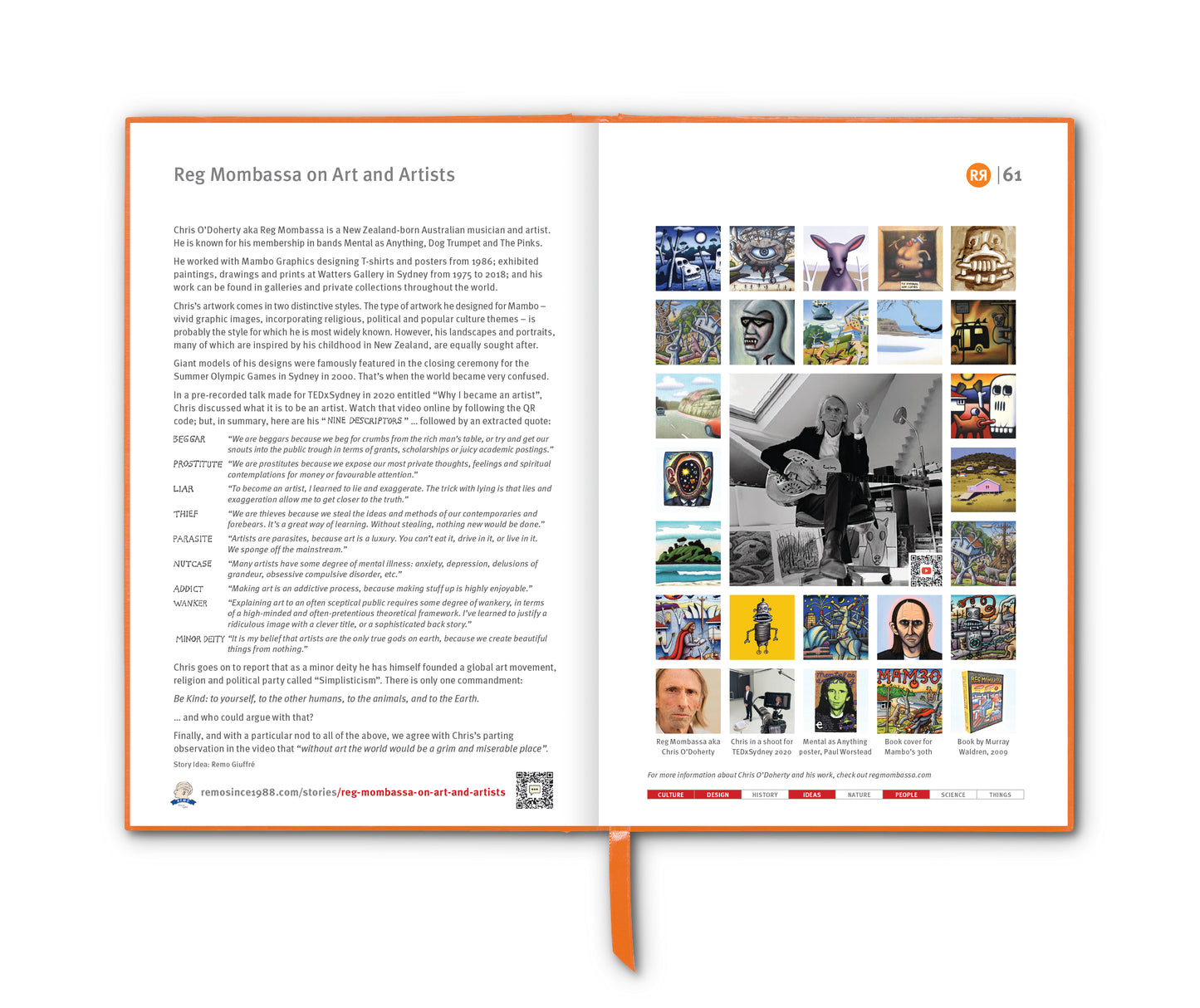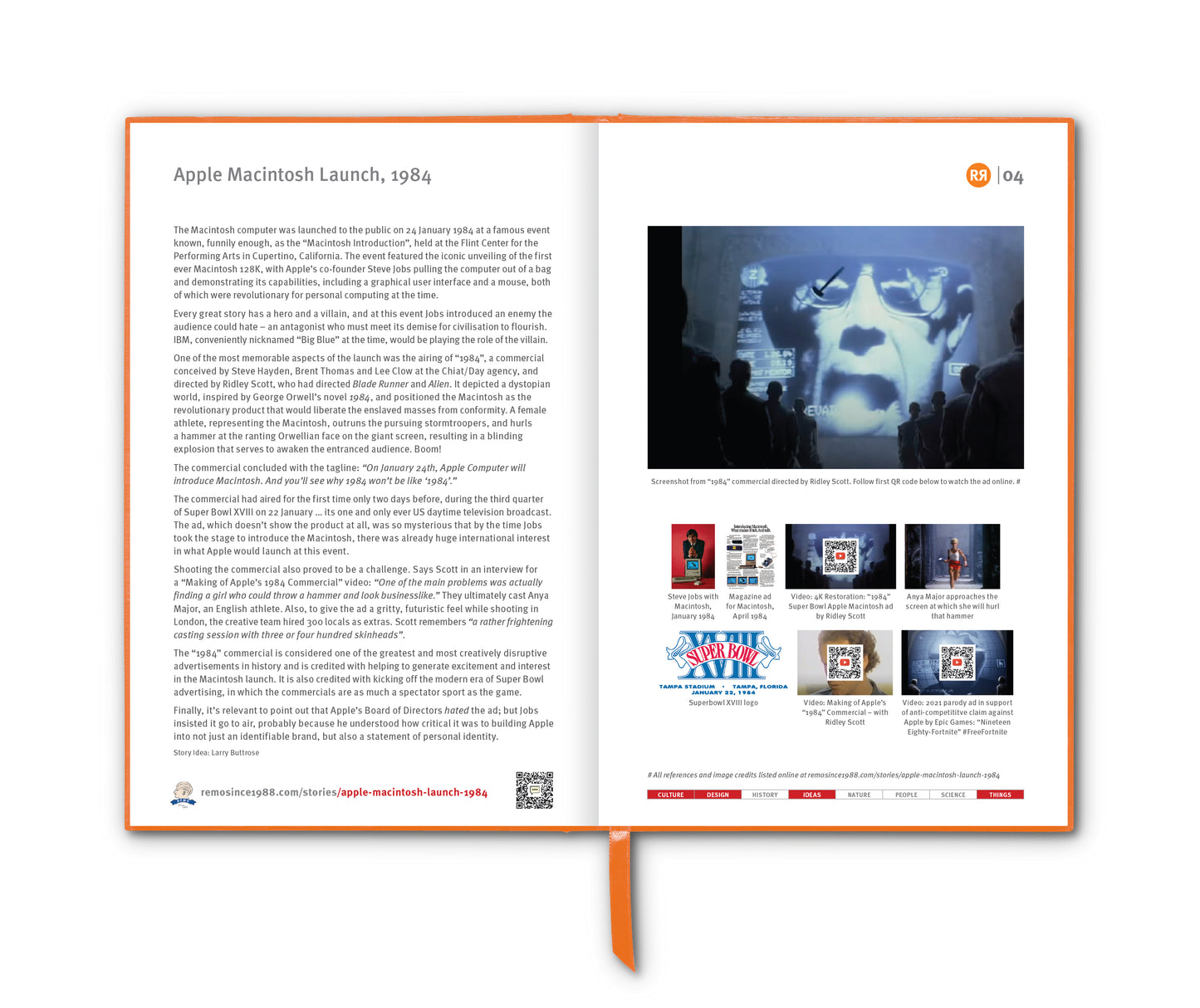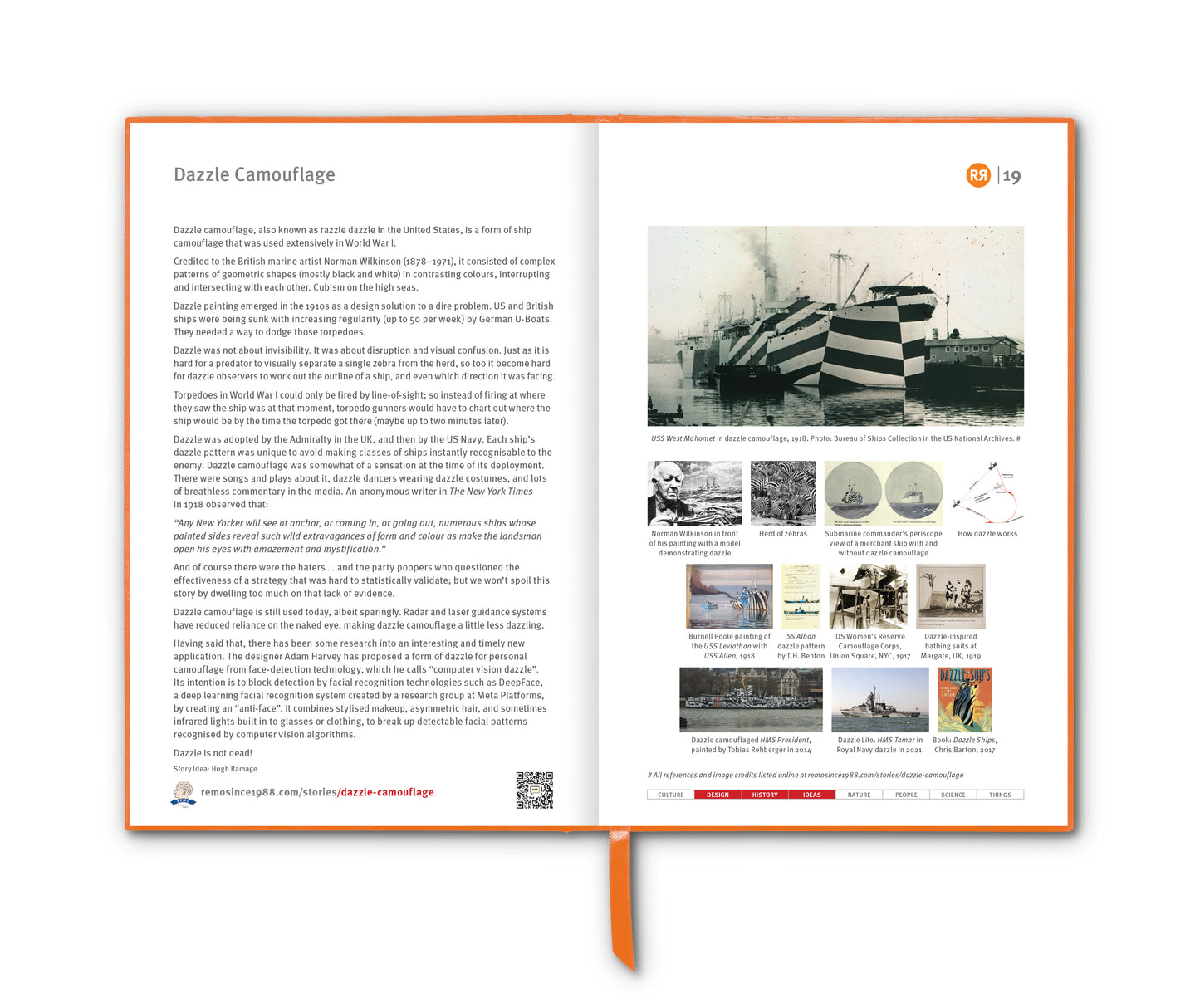

Spontaneous human combustion (“SHC”) refers to the death from a fire originating without an apparent external source of ignition: a belief that the fire starts within the body of the victim.
This idea and the term were both first proposed in 1746 by Paul Rolli, a Fellow of the Royal Society, in an article published in the Philosophical Transactions concerning the mysterious death of Countess Cornelia Zangari Bandi, who was reportedly discovered in her bedroom as little more than a pile of ashes, with only her lower legs remaining intact.
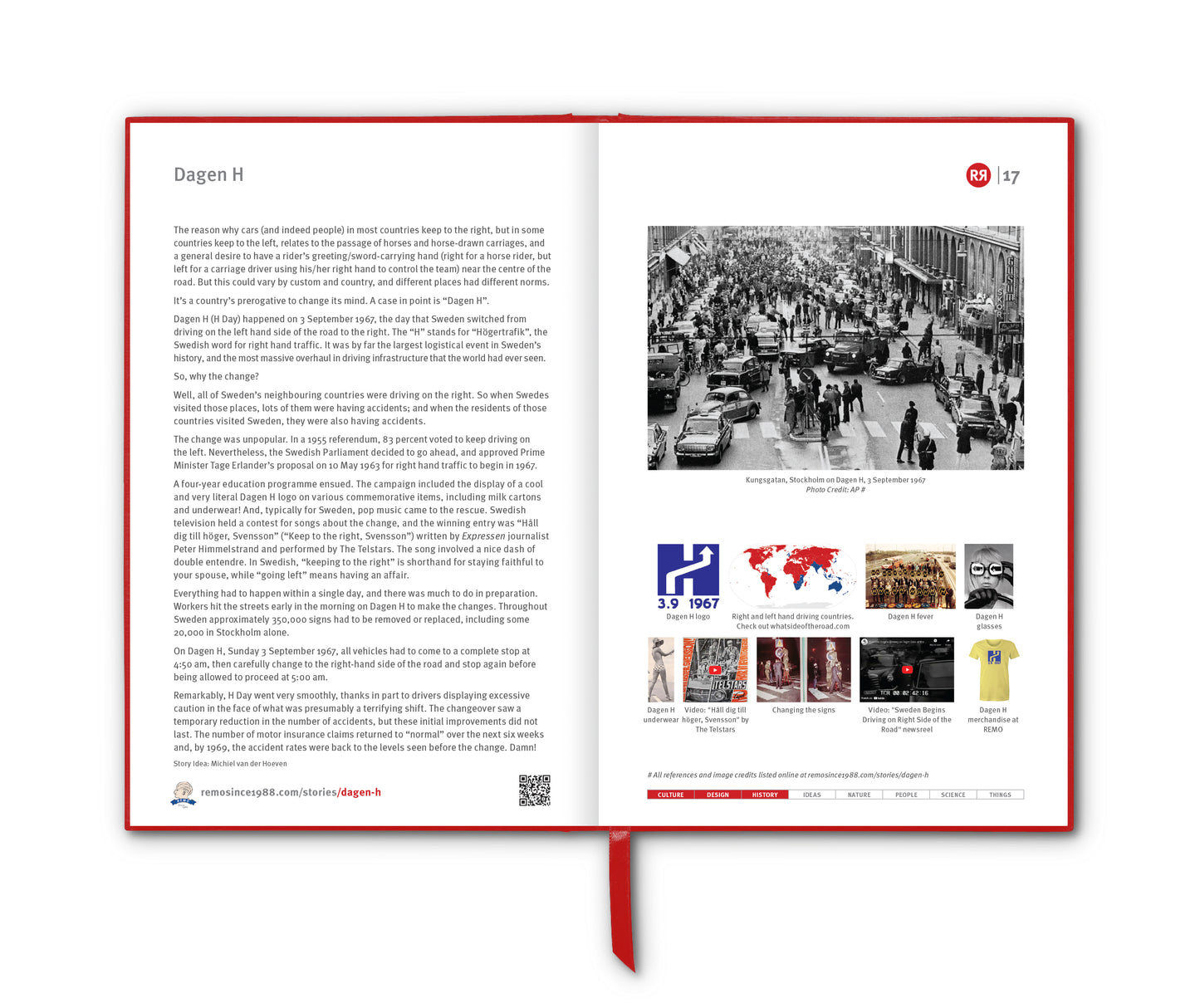
Similar reports appeared throughout Europe during the 18th and 19th centuries, often involving elderly individuals found dead near fireplaces or candles. The mysterious nature of these incidents captured the public imagination and inspired writers, including Charles Dickens, who featured spontaneous combustion in his 1853 novel Bleak House.
Victorian-era theories were often colourful. Some physicians believed excessive alcohol consumption saturated the body with flammable substances, effectively turning heavy drinkers into human torches. Others suggested electrical imbalances, digestive gases or even divine punishment. None of these explanations stood up to scientific scrutiny.
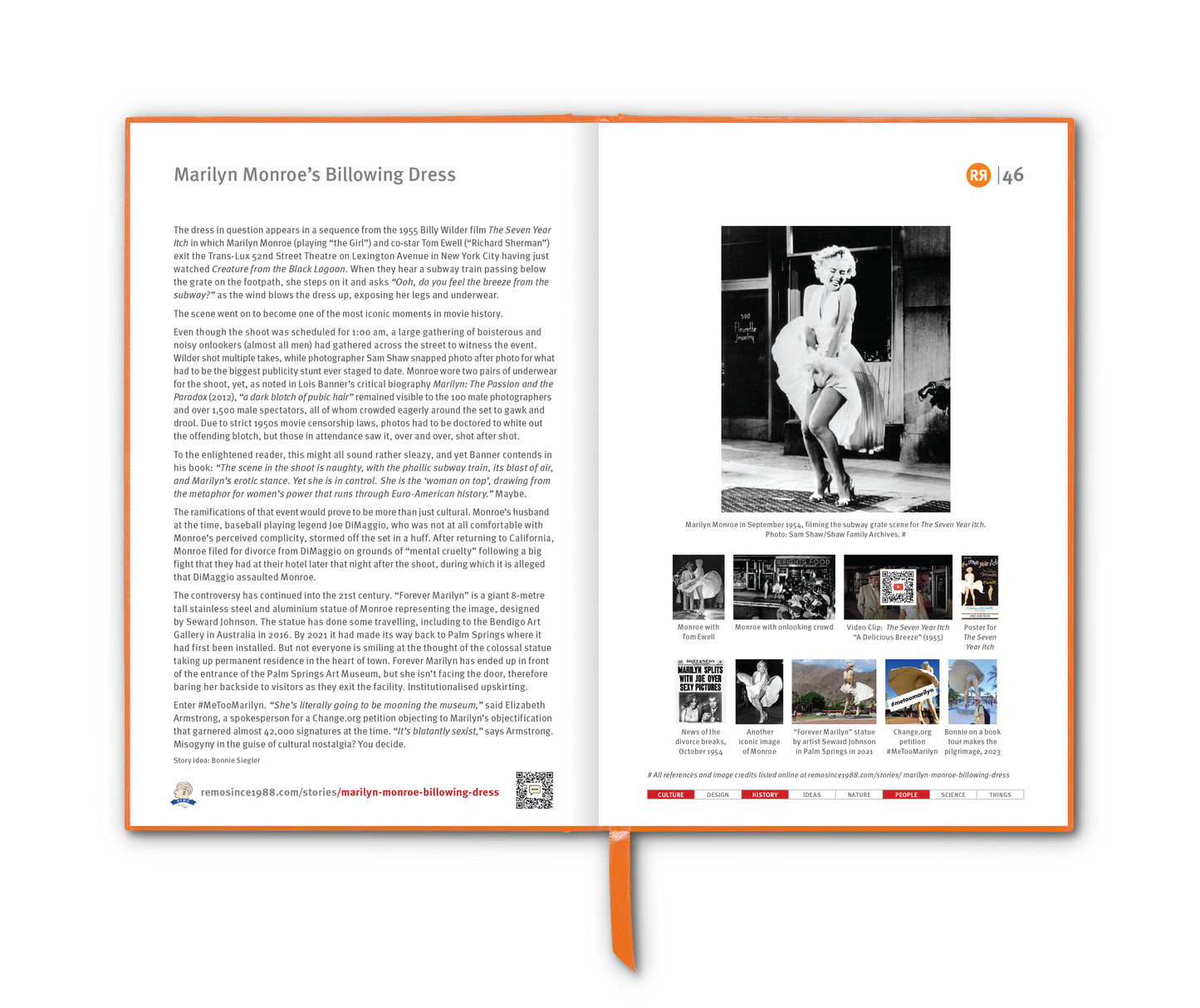
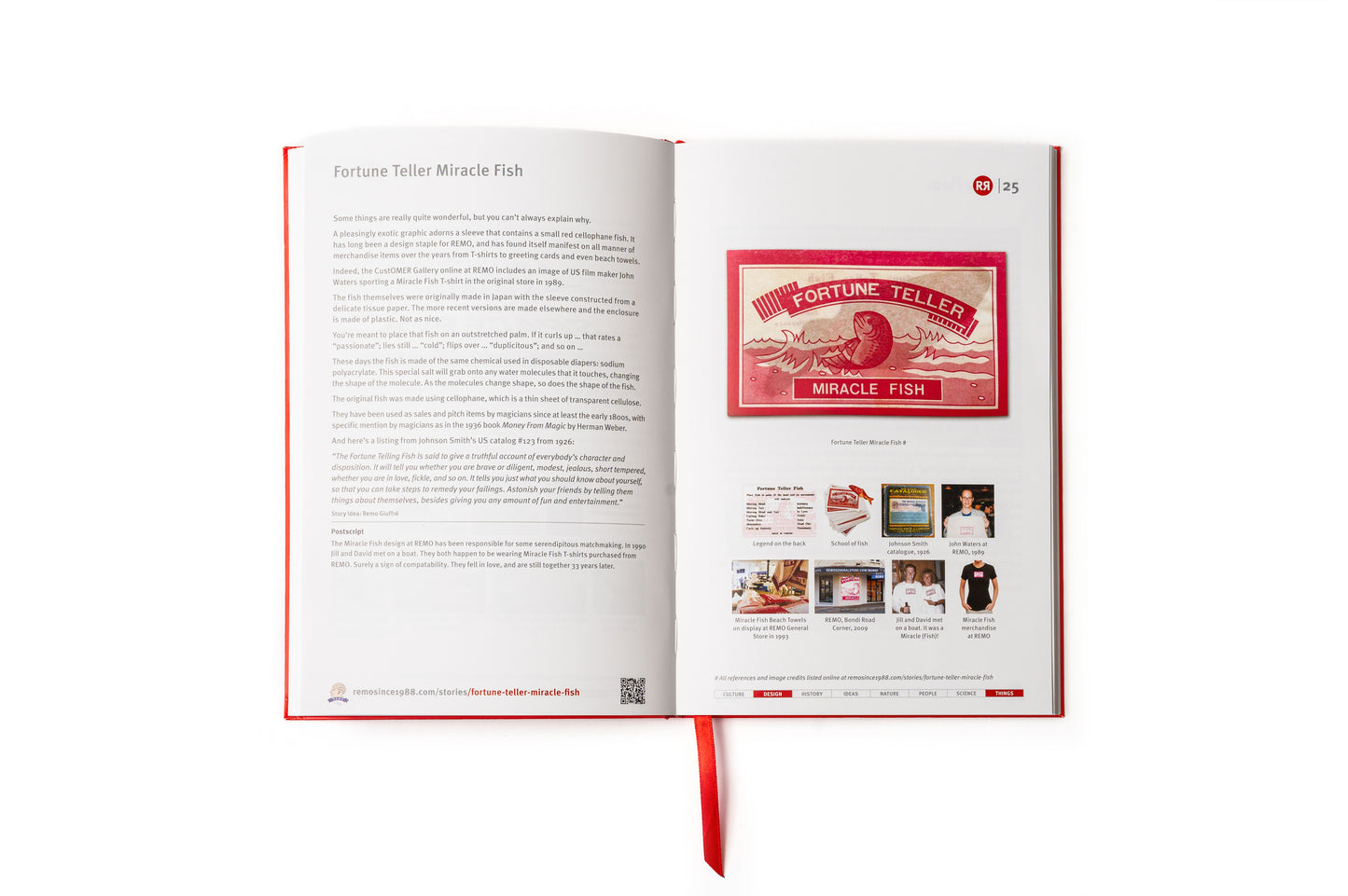
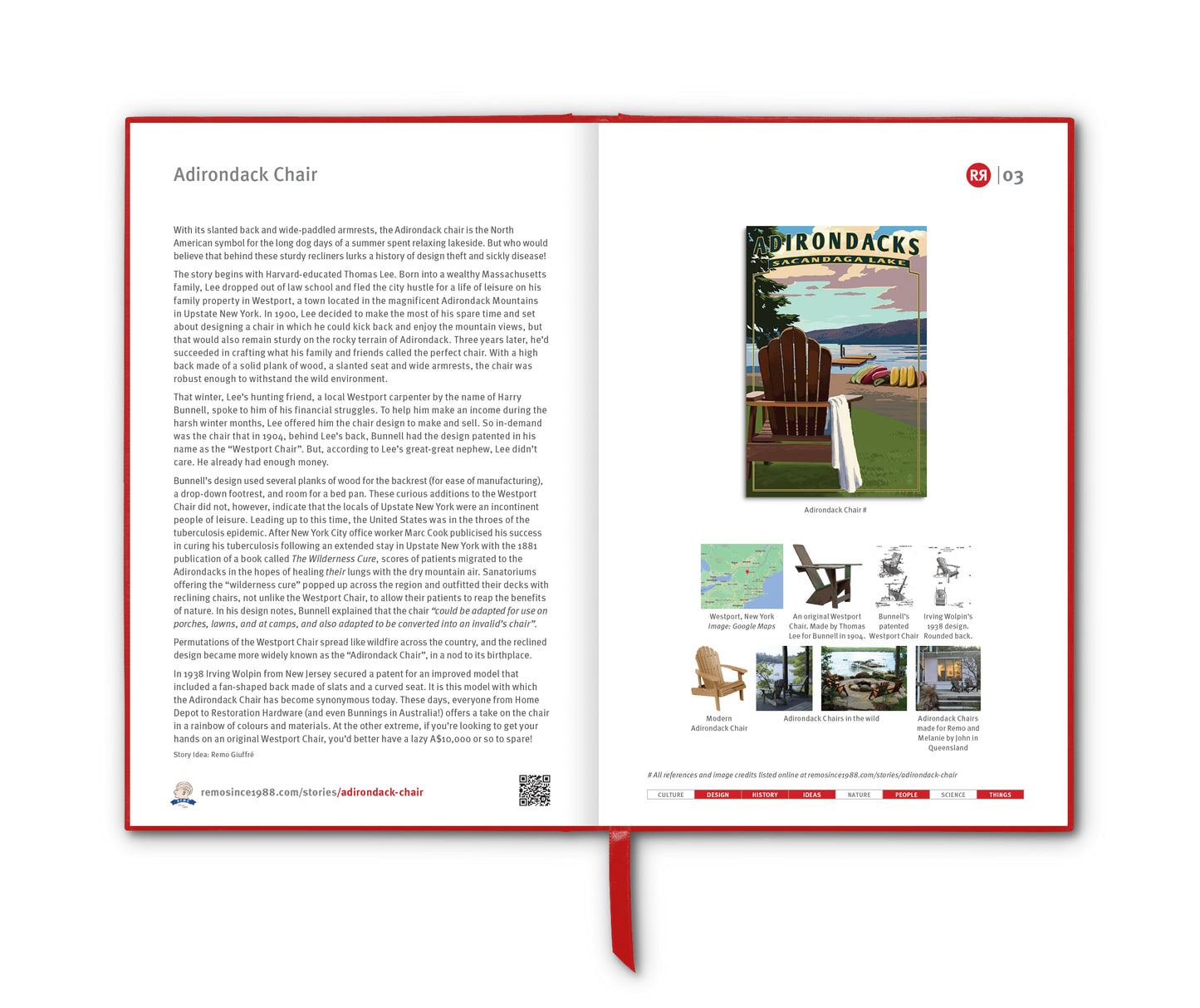
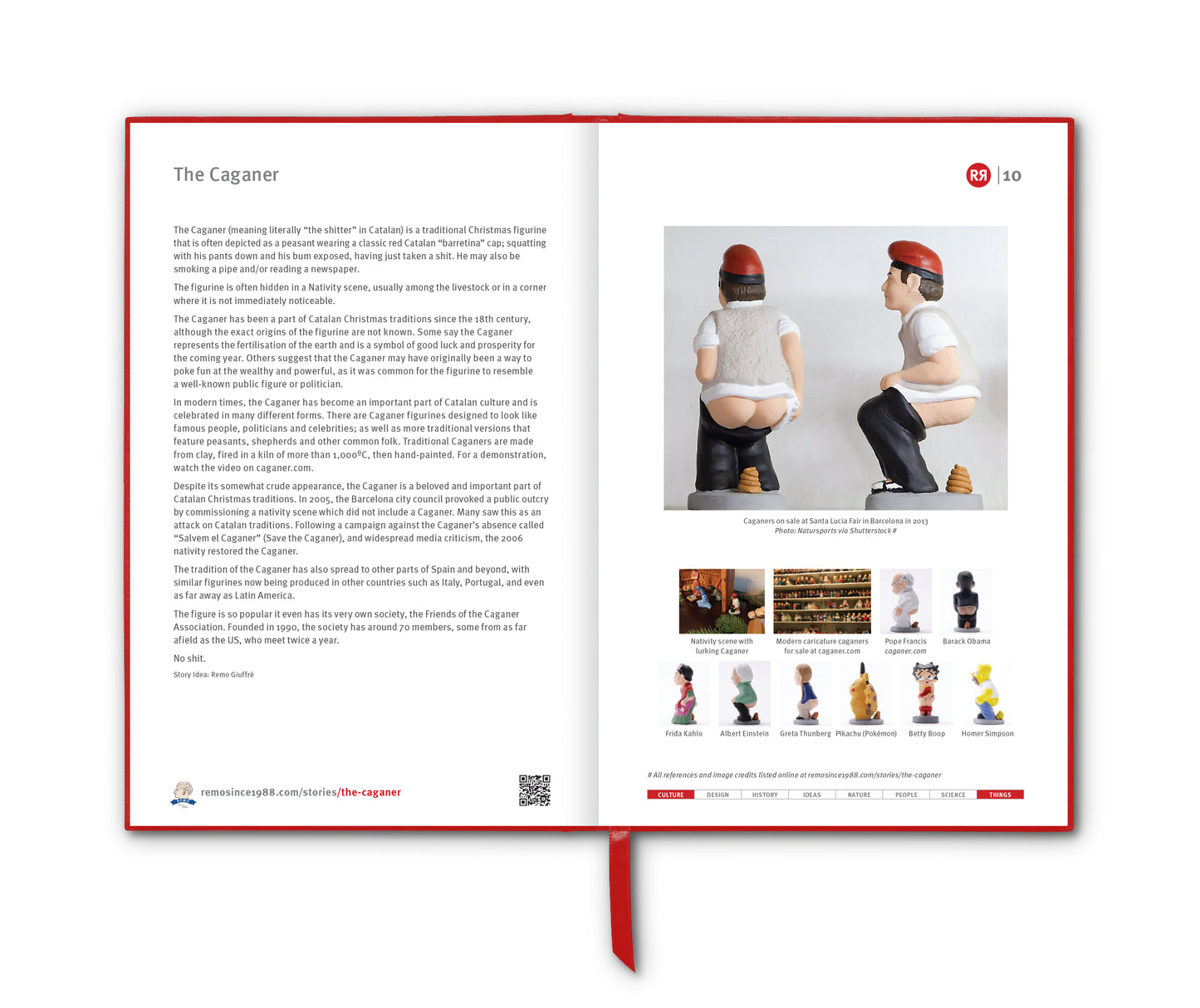
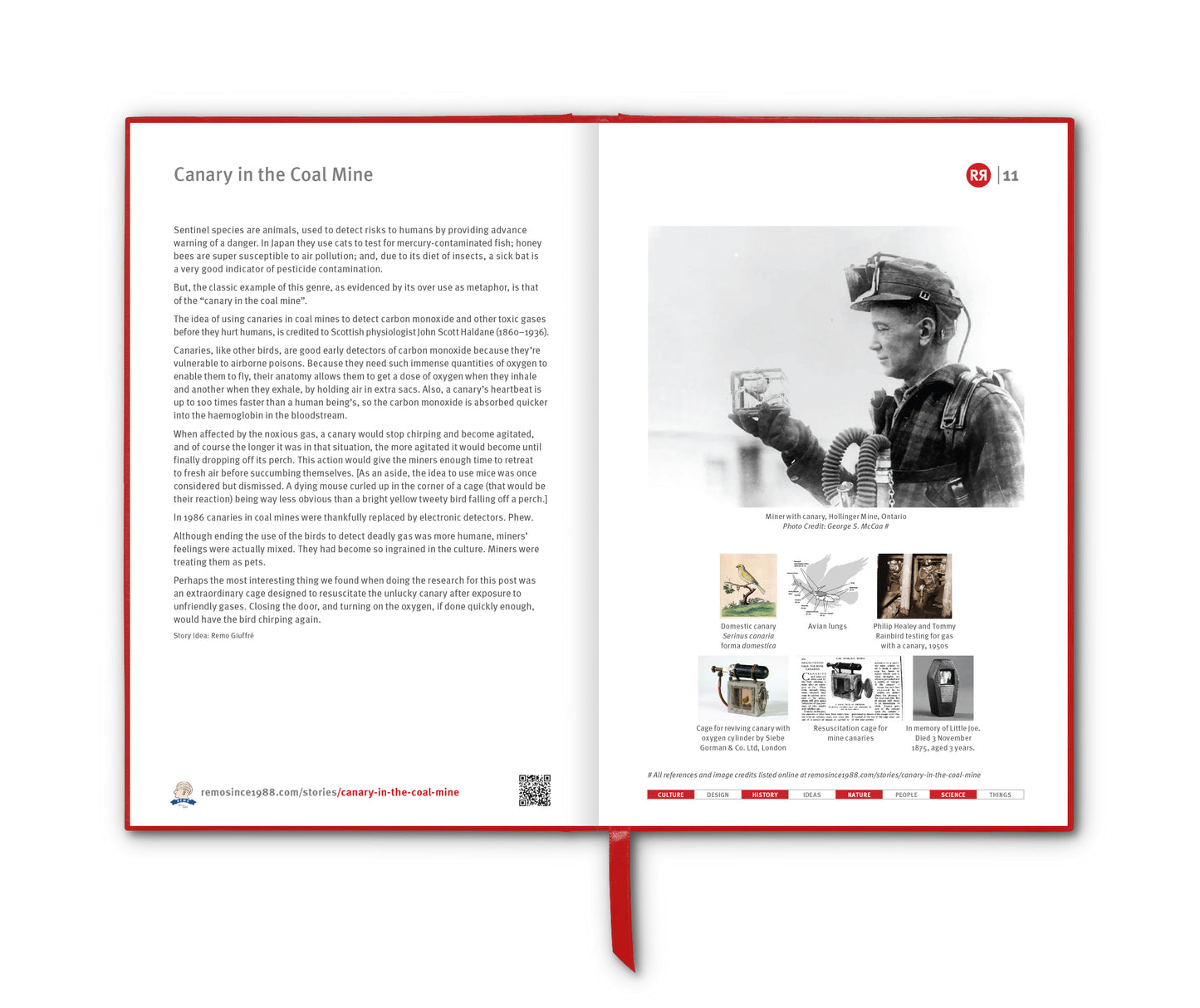
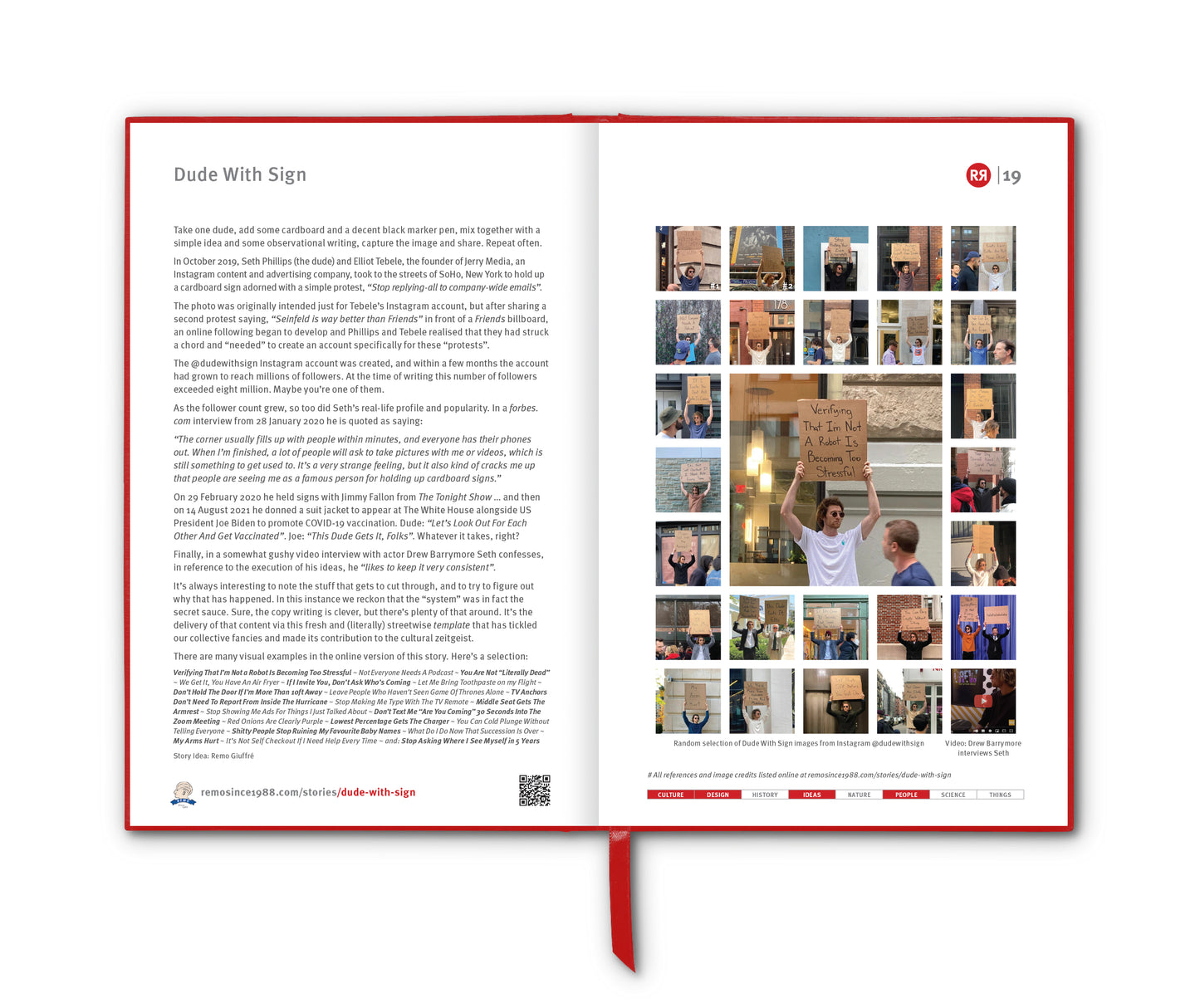
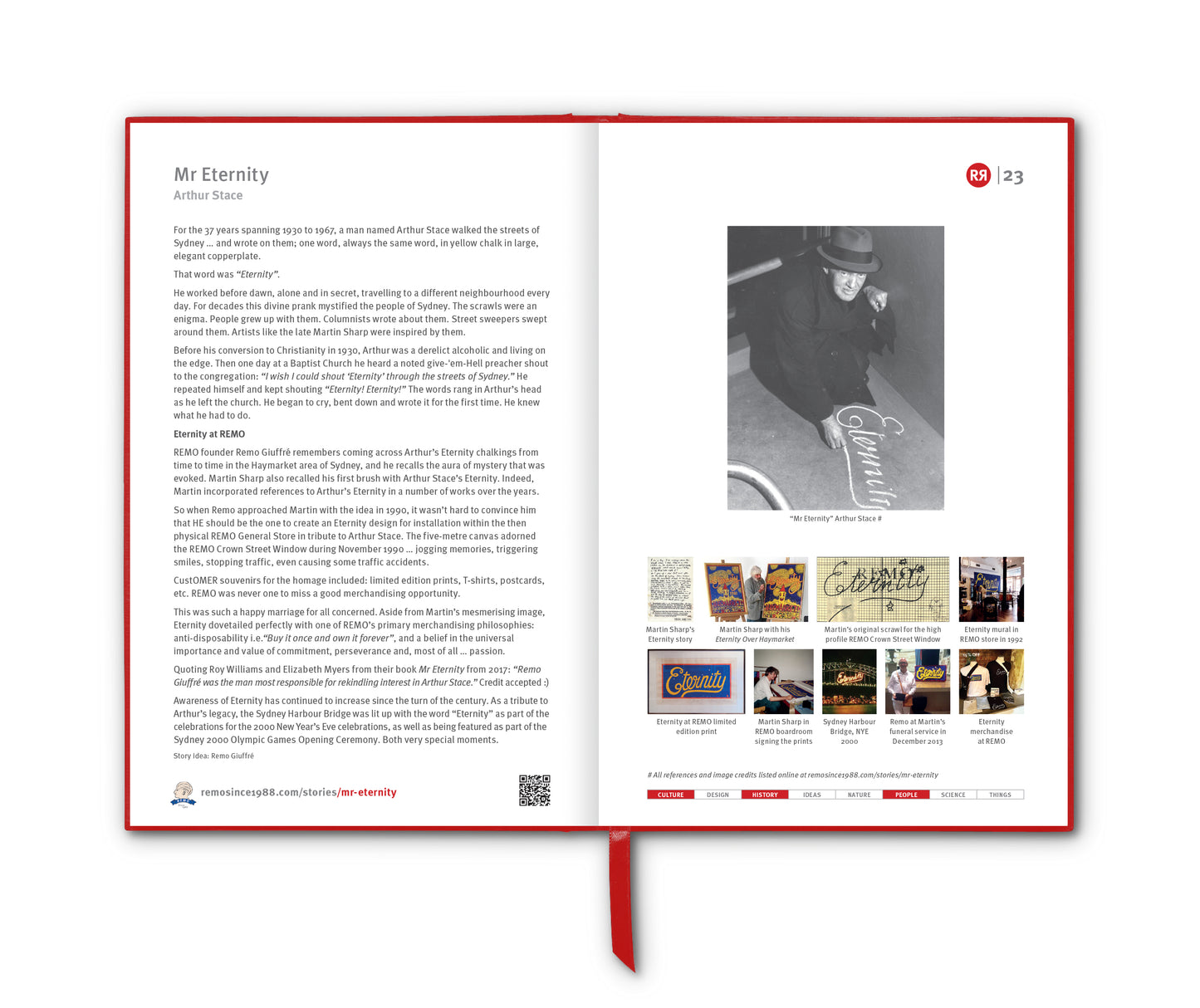
On 2 July 1951 a 67-year-old woman named Mary Reeser was found burned to death in her house in St. Petersburg, Florida – completely burned into ash, with only one leg remaining. But Reeser had taken sleeping pills and had also been a smoker. [Ed: Hmm …] And then there was the case of John Bentley, a physician who burned to death at the age of 92 in the bathroom of his house in Coudersport, Pennsylvania. All that was left of Bentley was the lower half of his right leg with the slipper still on it. The rest of his body had been reduced to a pile of ashes in the basement below.
Modern science remains highly sceptical of genuine spontaneous combustion. Apart from anything else, the human body is more than 60 percent water and is not easily ignited. It’s hard to get wet things to burn. No verified case has ever demonstrated a person suddenly bursting into flames without an external ignition source.
The leading explanation today is known as the "wick effect”. According to this theory, a small external flame – perhaps from a cigarette, candle or spark – ignites a person's clothing. Body fat then melts and soaks into the clothing, which acts like the wick of a candle. The fat becomes the fuel, allowing the body to burn slowly over many hours. This process can generate enough heat to destroy much of a body while causing surprisingly limited damage to the surrounding environment. It also explains why extremities such as feet or hands sometimes remain intact; they contain relatively little fat and are less likely to sustain prolonged burning.
Despite scientific explanations, spontaneous human combustion continues to occupy a peculiar place in popular culture. It appears regularly in television documentaries, mystery magazines and internet forums, e.g. in the 1984 mockumentary This Is Spinal Tap two of the band's former drummers are said to have died in separate on-stage spontaneous human combustion incidents!
The spontaneous human combustion hypothesis is unsettling because it challenges a fundamental assumption: that people do not simply catch fire for no reason, and indeed most researchers today regard spontaneous human combustion not as an unexplained force of nature, but rather as a collection of unusual fire deaths whose true causes were obscured by incomplete investigations and the enduring human appetite for mystery.
Story Idea: Wayne Davidson
___________________________
References
wikipedia.org/wiki/Spontaneous_human_combustion
reddit.com/r/creepy/comments/46h6hz/the_aftermath_of_spontaneous_human_combustion
Images
1. John Irving Bentley (1874-1966), physician. Was a family physician from 1925 to 1953. Bentley's remains as they were discovered in the bathroom in December 1966.
2. Depiction of spontaneous combustion from the Charles Dickens novel Bleak House by Hablot Knight Browne
3. Mary Reeser "The Cinder Lady" (1884–1951)
4. Workers clean up the scene of Reeser's death
5. Spontaneous Combustion is a 1990 American science fiction horror film directed by Tobe Hooper.
6. Flame design by Douglas Riccardi, 1991 – available at REMO