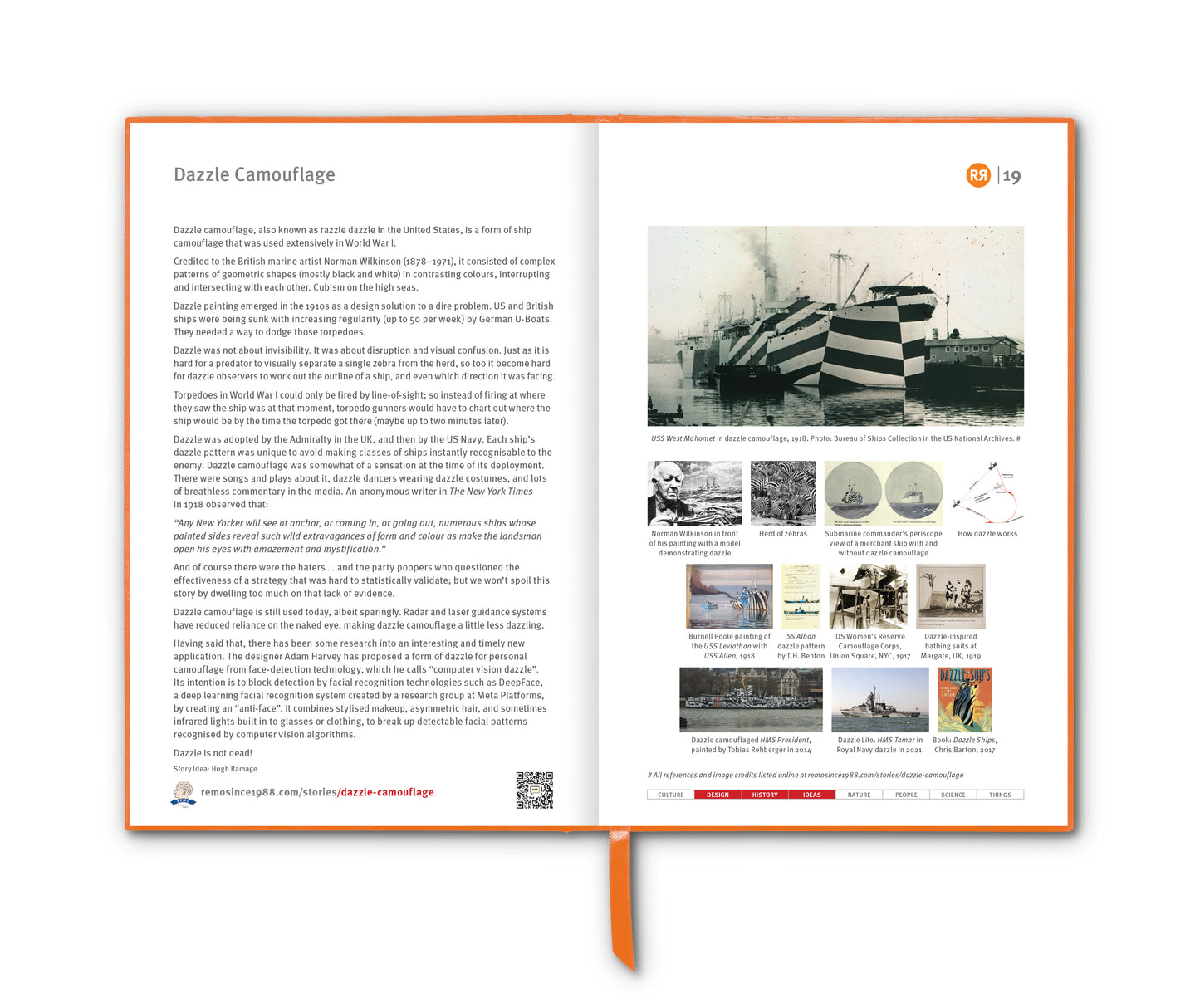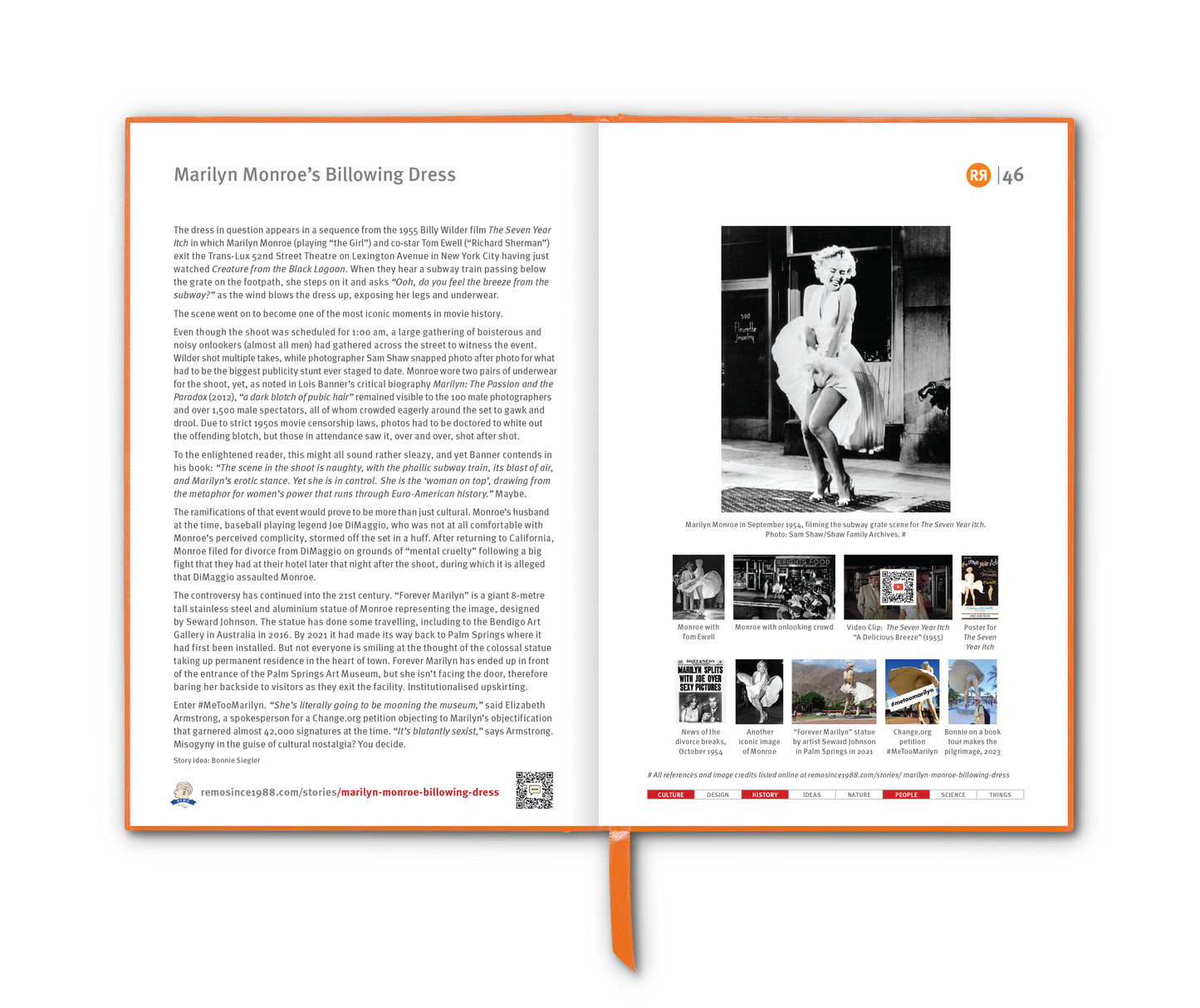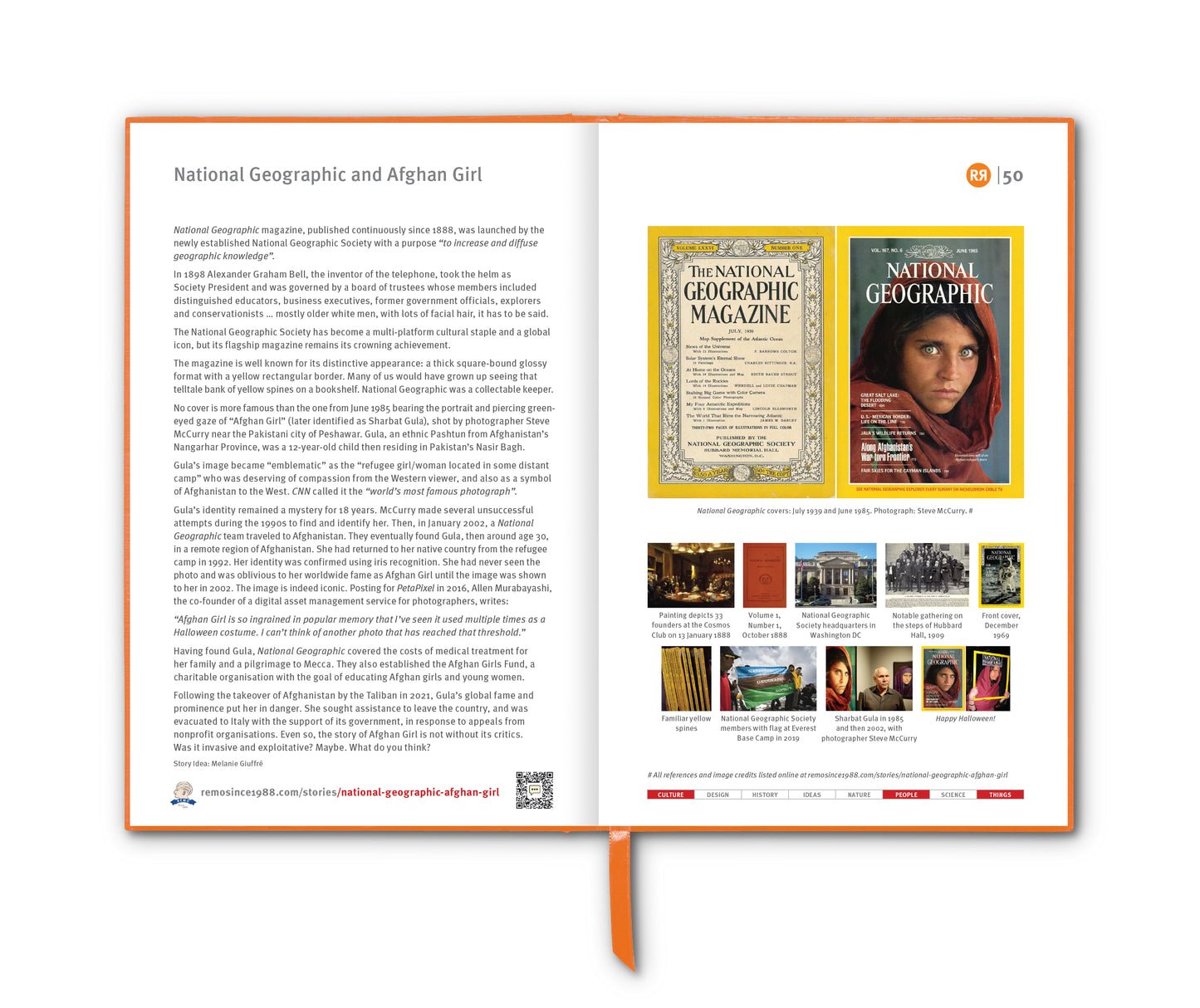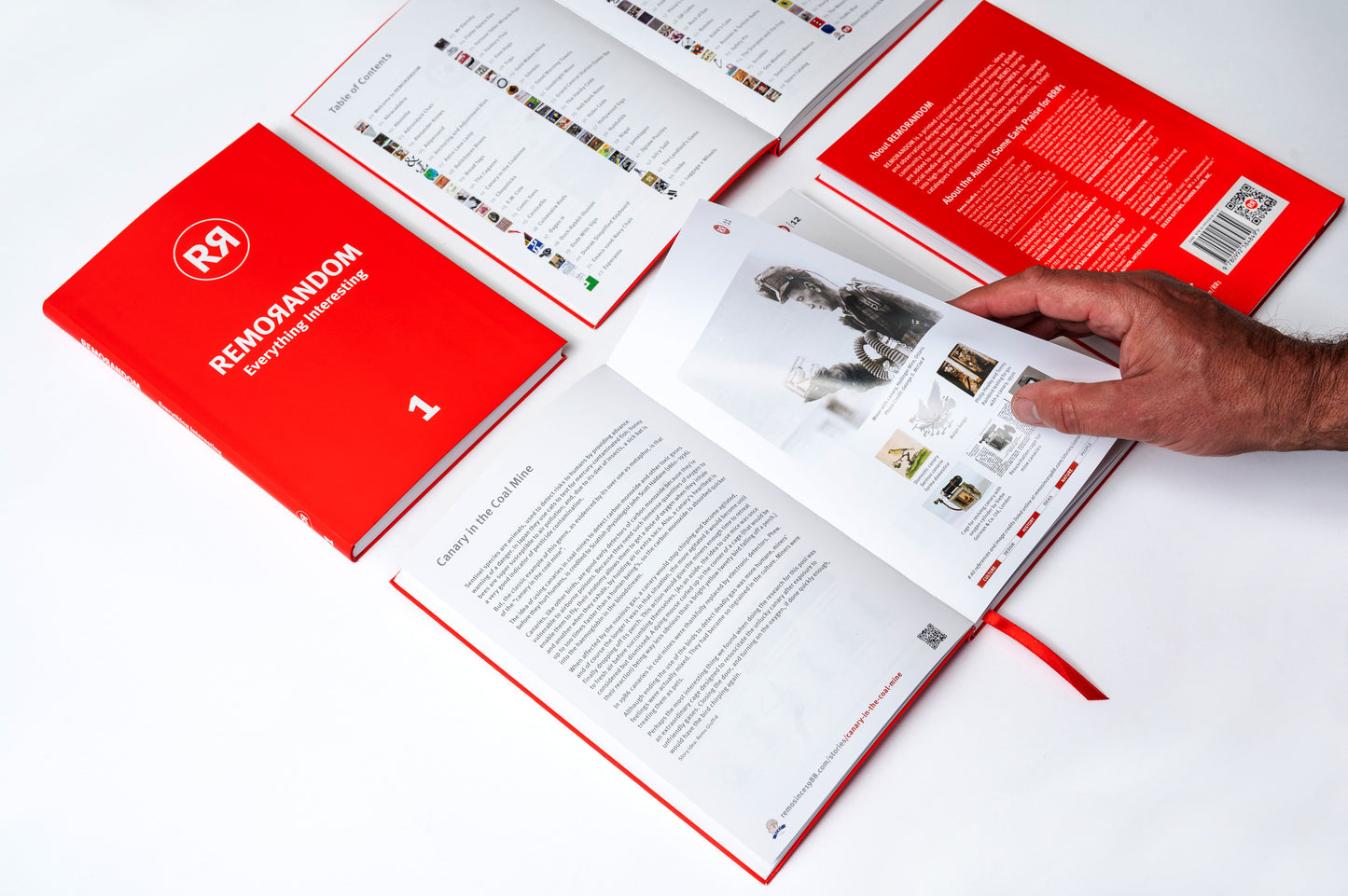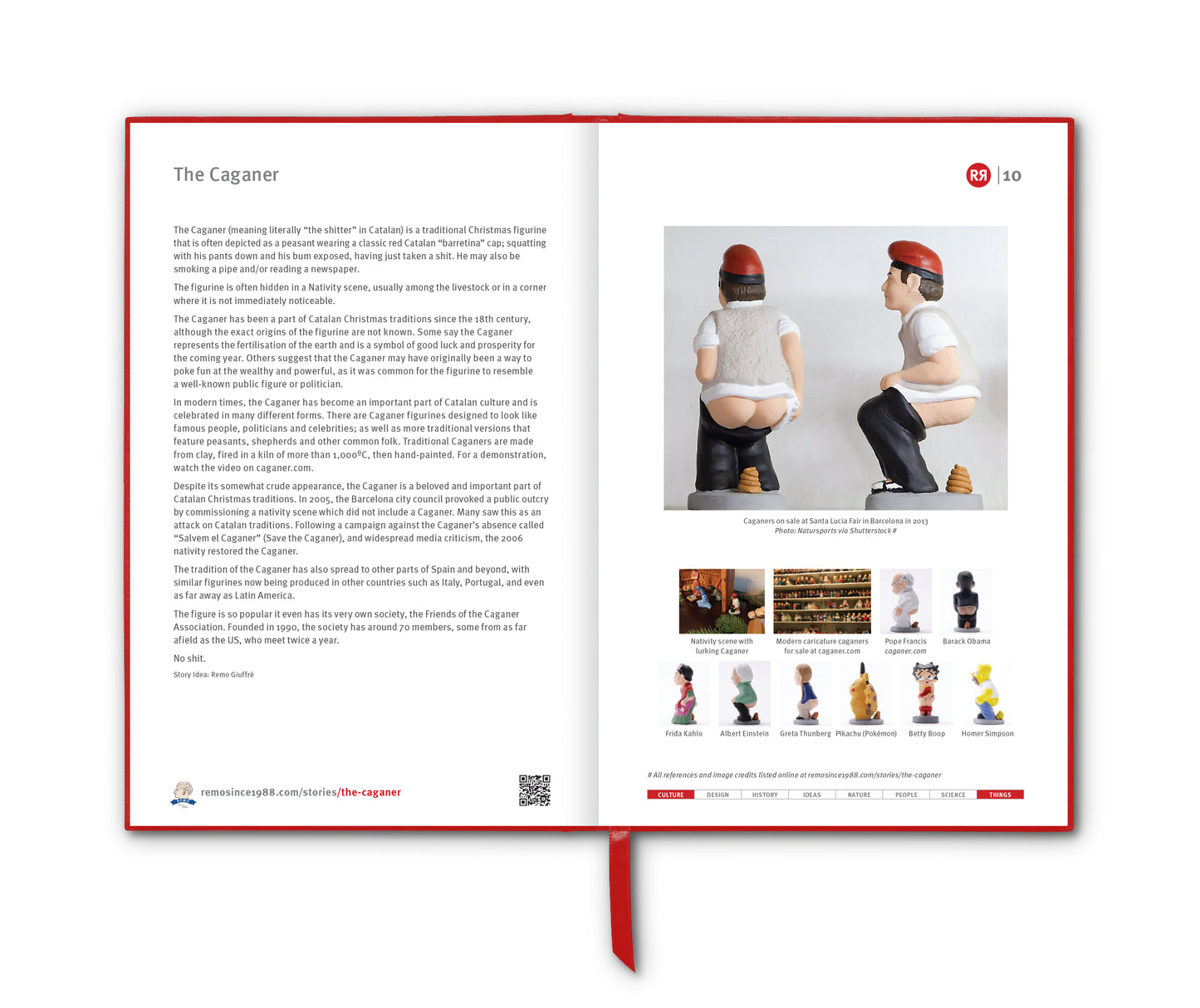

Over the centuries the simple act of touching bronze, marble or stone has become a ritual at certain (typically bronze) monuments worldwide. People are generally drawn to protruding, tactile parts (noses, toes, breasts, balls – and other bulging bits).
Below are ten of the most famous (and most-polished) examples: where they are, who crafted them, which part people rub – and why.
-
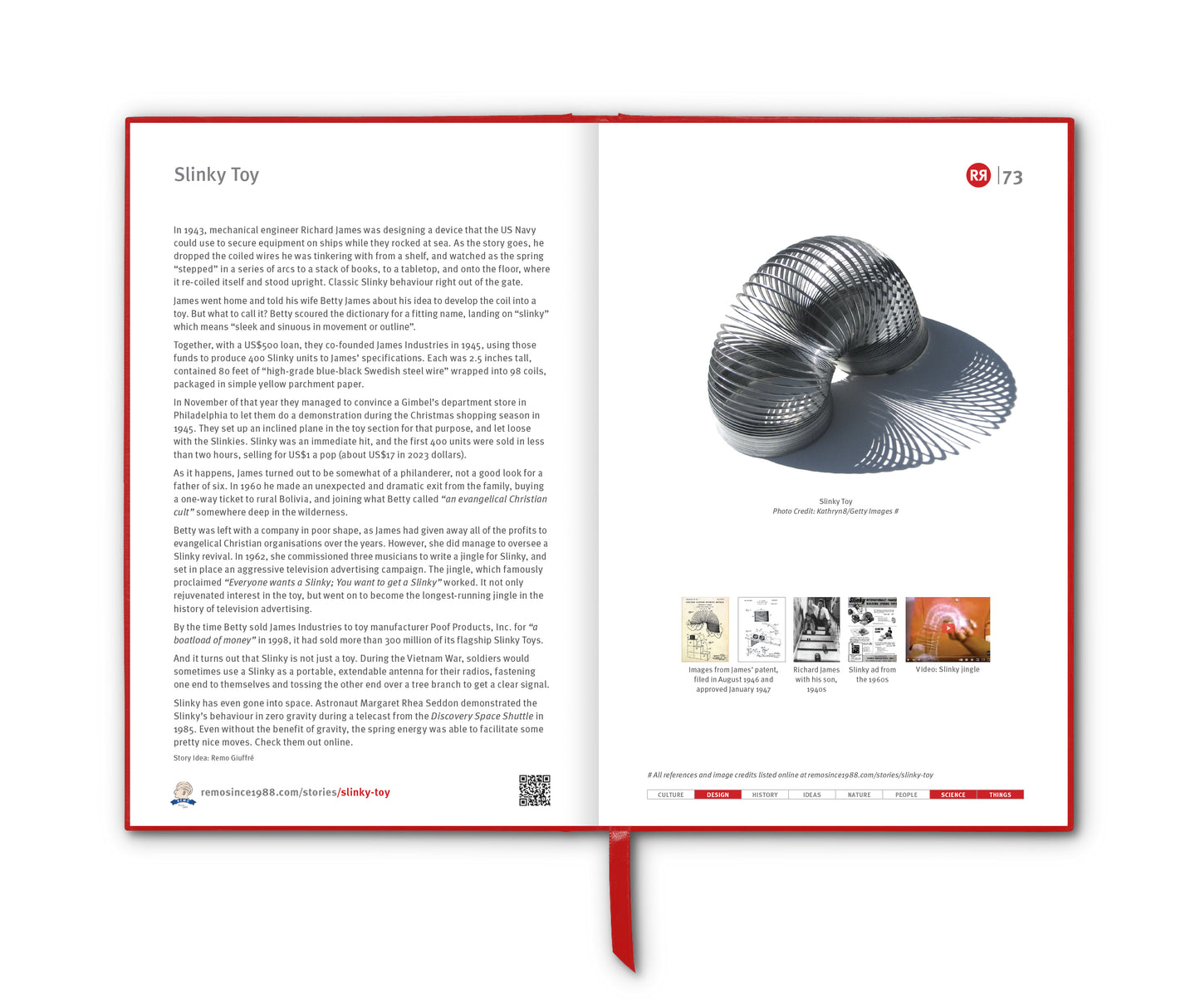
Bust of Abraham Lincoln, Oak Ridge Cemetery, Springfield, Illinois, USA
Abraham Lincoln (busts and memorial) by artist Gutzon Borglum. Honest Abe’s nose gets rubbed for luck.
-
Charging Bull, Bowling Green / Wall Street area, New York City, USA
Charging bull [RR3:17] is a symbol of market optimism). Created by Arturo Di Modica (1989). Nose, horns and the bronze balls get rubbed by tourists and traders seeking financial luck, prosperity or just a cheeky photo-op.
-
Everard t’Serclaes Monument, near Grand-Place, Brussels, Belgium
Everard t’Serclaes (14th-century civic hero) by Julien Dillens (1898–1902). Right arm rubbed (and other small figures on the plinth — an angel’s face, a dog, a shield). Said to grant wishes and ensure a return to Brussels.
-
Greyfriars Bobby, Edinburgh, Scotland
Skye terrier Bobby (lifelike statue commemorating the dog’s loyalty) by William Brodie (1873; various restorations). Nose (and sometimes head) is rubbed thanks to a modern travel superstition that it is thought to bring good luck.
-
Grgur Ninski (Gregory of Nin), Split, Croatia
Bishop Gregory of Nin by Ivan Meštrović (1929) gets his big toe rubbed. Local lore holds that rubbing the big toe brings good luck; the toe’s burnished surface shows the number of believers who’ve given it a polish over the years. -
John Harvard, Harvard Yard, Cambridge, Massachusetts, USA
John Harvard (seated figure) by Daniel Chester French (1884). The left shoe and toe gets rubbed for “luck” – particularly before exams. -
Juliet (Casa di Giulietta), Verona, Italy
Shakespeare’s Juliet was made by Nereo Costantini (1969). People rub the right breast as it is supposed to bring luck in love. The ritual has been so popular that the original statue suffered damage and was replaced with a replica. -
Il Porcellino (The Little Pig), Mercato Nuovo, Florence, Italy
Il Porcellino [RR4:58] was originally created by Pietro Tacca (original 17th century; present outdoor cast is a later copy). The snout gets rubbed (and visitors drop a coin into its mouth) for good luck and the promise to return to Florence. -
St Peter, St Peter’s Basilica, Vatican City
Throned bronze of St Peter is traditionally attributed to Arnolfo di Cambio. People have rubbed the right foot/toefor centuries as a devotional gesture, asking for St Peter’s blessing and intercession. -
Victor Noir, Père-Lachaise Cemetery, Paris, France
Victor Noir by Jules Dalou (late 19th century). Noir was killed by a Bonaparte. These days, he’s more famous for something else. Victor's noticeable bulge is the subject of a surreal fertility tradition: women kiss the lips and rub the statue’s crotch bulge in the hope of improved love life or fertility. [Ed: Too dead to enjoy
There’s a downside to all of this statue rubbing. Oils, sweat and repeated friction erode patina and, over time, can damage or even hollow softer metal surfaces. Several famous originals have been moved indoors and replaced with replicas because of tourist wear.
__________________________
References
wikipedia.org/wiki/Statue_rubbing
theguardian.com/culture/2024/mar/07/unlucky-in-love-statue-of-shakespeares-juliet-in-verona-damaged-by-tourists
wikipedia.org/wiki/Porcellino
wikipedia.org/wiki/Statue_of_John_Harvard
atlasobscura.com/articles/tourists-love-to-rub-the-bronze-balls-of-wall-streets-charging-bull-statue-why
Images
1. Abe Lincoln's nose. Photo credit: SenorAnderson
2. Charging Bull's shiny scrotum
3. Everard t’Serclaes Monument
4. Greyfriars Bobby, Edinburgh, Scotland
5. Grgur Ninski (Gregory of Nin), Split, Croatia. Credit: Dennis G. Jarvis
6. A visitor to Harvard University rubs the left foot of the statue of John Harvard
7. Juliet (Casa di Giulietta), Verona, Italy
8. Il Porcellino (The Little Pig), Mercato Nuovo, Florence, Italy. Photo credit: sonofgroucho via Flickr
9. St Peter, St Peter’s Basilica, Vatican City
10. Victor Noir, Père-Lachaise Cemetery, Paris, France