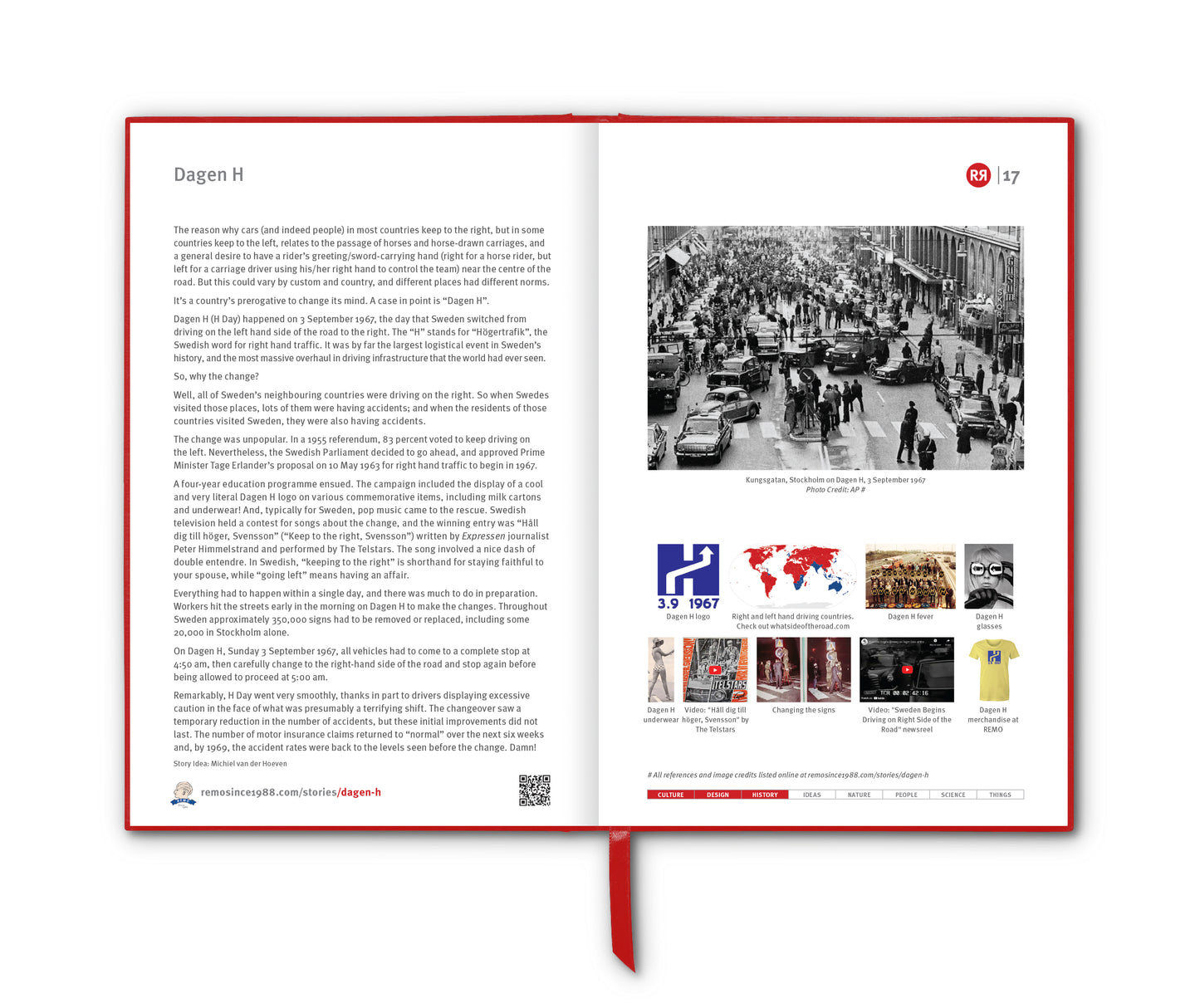

At 7:17 am on the morning of 30 June 1908, an enormous blast shook a remote region of Siberia near the Podkamennaya Tunguska River. Eyewitnesses, living tens or even hundreds of kilometres away, described a fireball streaking across the sky, followed by a blinding flash and a shockwave that knocked people off their feet. Seismographs across Eurasia recorded the tremors. Atmospheric pressure waves travelled around the world twice. Yet at the epicentre, no one was there to see it happen.
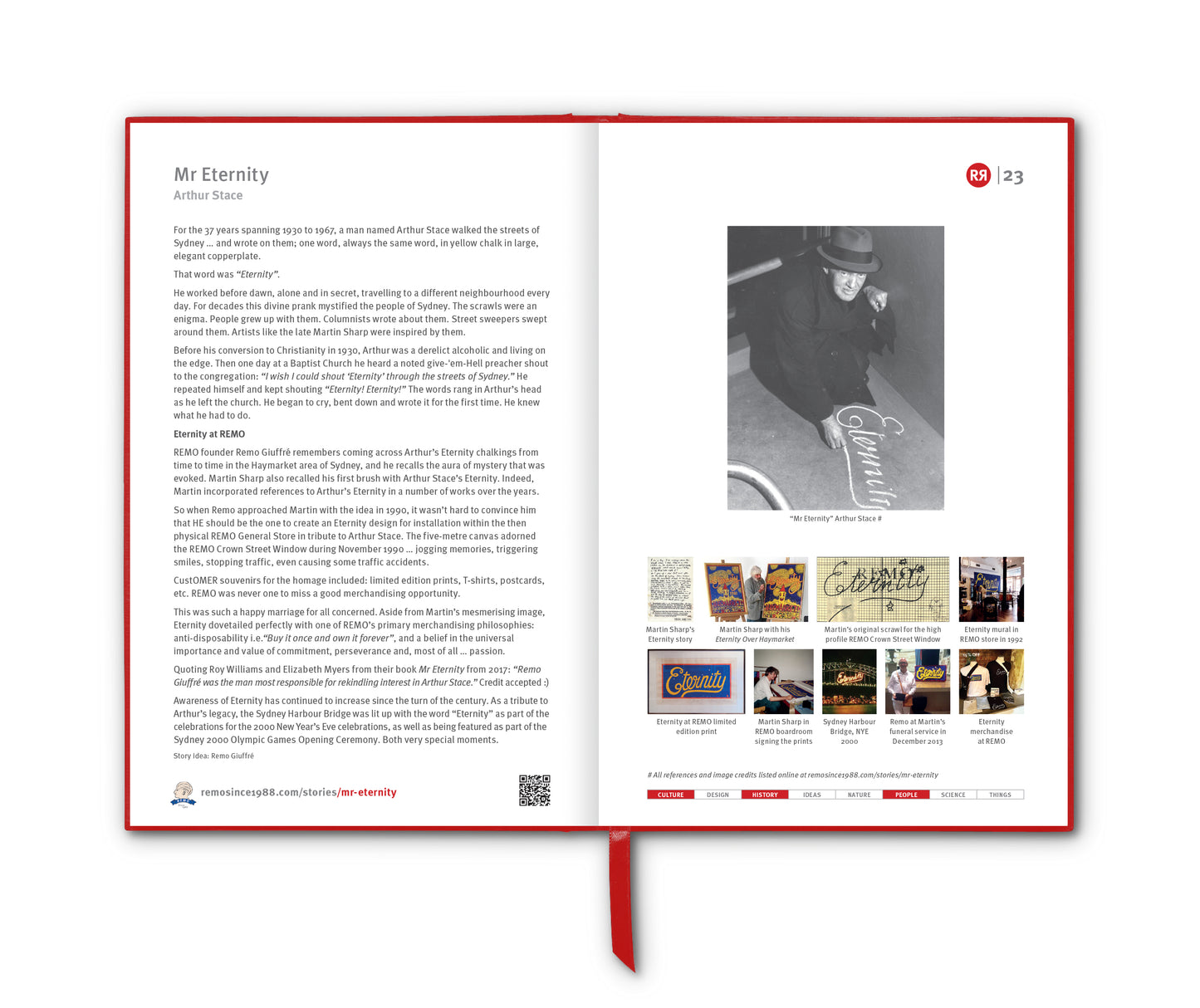
The explosion flattened an estimated 80 million trees across more than 2,000 square kilometres of taiga – an area roughly the size of Greater London. Trees nearest the centre were stripped bare and lay pointing away from a central point, like matchsticks scattered by a giant hand. And in that central zone: no crater. That absence has kept the event hovering somewhere between hard science and irresistible mystery.
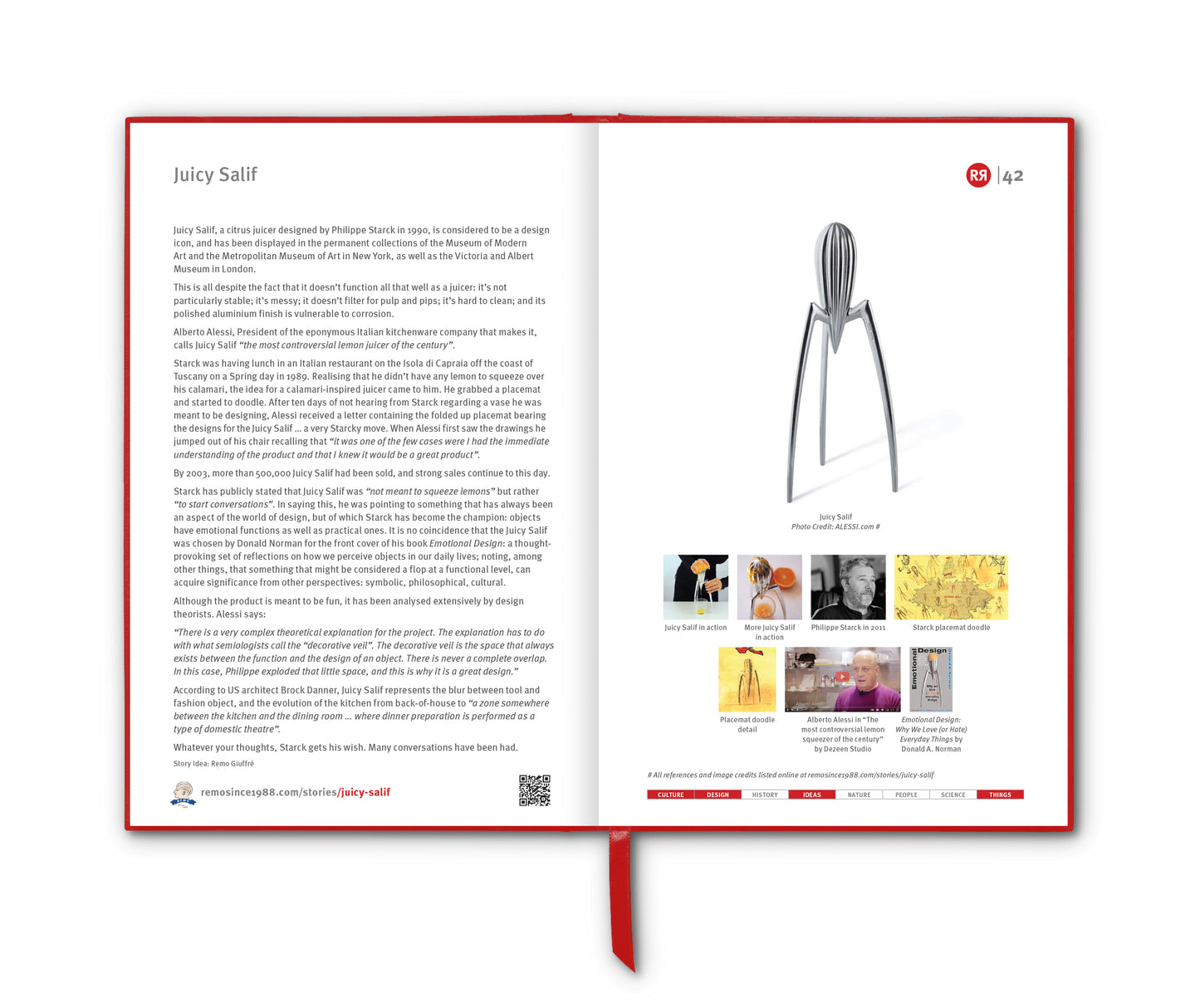
Because the region was so isolated, the first scientific expedition arrived only in 1927, led by mineralogist Leonid Kulik. By then, the forest had already begun to regenerate. Kulik interviewed local Evenki people, who spoke of a “shamanic curse”, a “falling sun”, or an “angry god” sent to punish the land. What Kulik found on the ground – incinerated trees, radial blast patterns, swampy soil – strongly suggested an enormous atmospheric explosion, not an impact. Still, he expected to find remnants of a meteorite and dug repeatedly, but came up empty.
Modern scientific consensus explains the Tunguska event as an airburst: the mid-air explosion of a stony meteoroid, likely around 50–60 metres in diameter. Travelling at tens of thousands of kilometres per hour, it heated and fractured violently as it plunged into Earth’s atmosphere. Roughly 5–10 kilometres above the surface, the object detonated with energy equivalent to 10–15 megatons of TNT – about 1,000 times the strength of the atomic bomb dropped on Hiroshima. An explosion that powerful would have vaporised most of the object, leaving little to no trace on the ground, which explains the lack of a crater.
The Tunguska event remains scientifically significant because it represents the largest known asteroid-impact-related explosion in human history. It is also uncomfortably recent. Earth is routinely hit by small objects; some break up harmlessly, others – like the 2013 Chelyabinsk meteor – explode with enough force to injure over a thousand people. Tunguska was the same phenomenon, magnified by an order of magnitude, and with far direr potential consequences had it occurred over a populated region. Imagine the same explosion over London, Tokyo or New York.
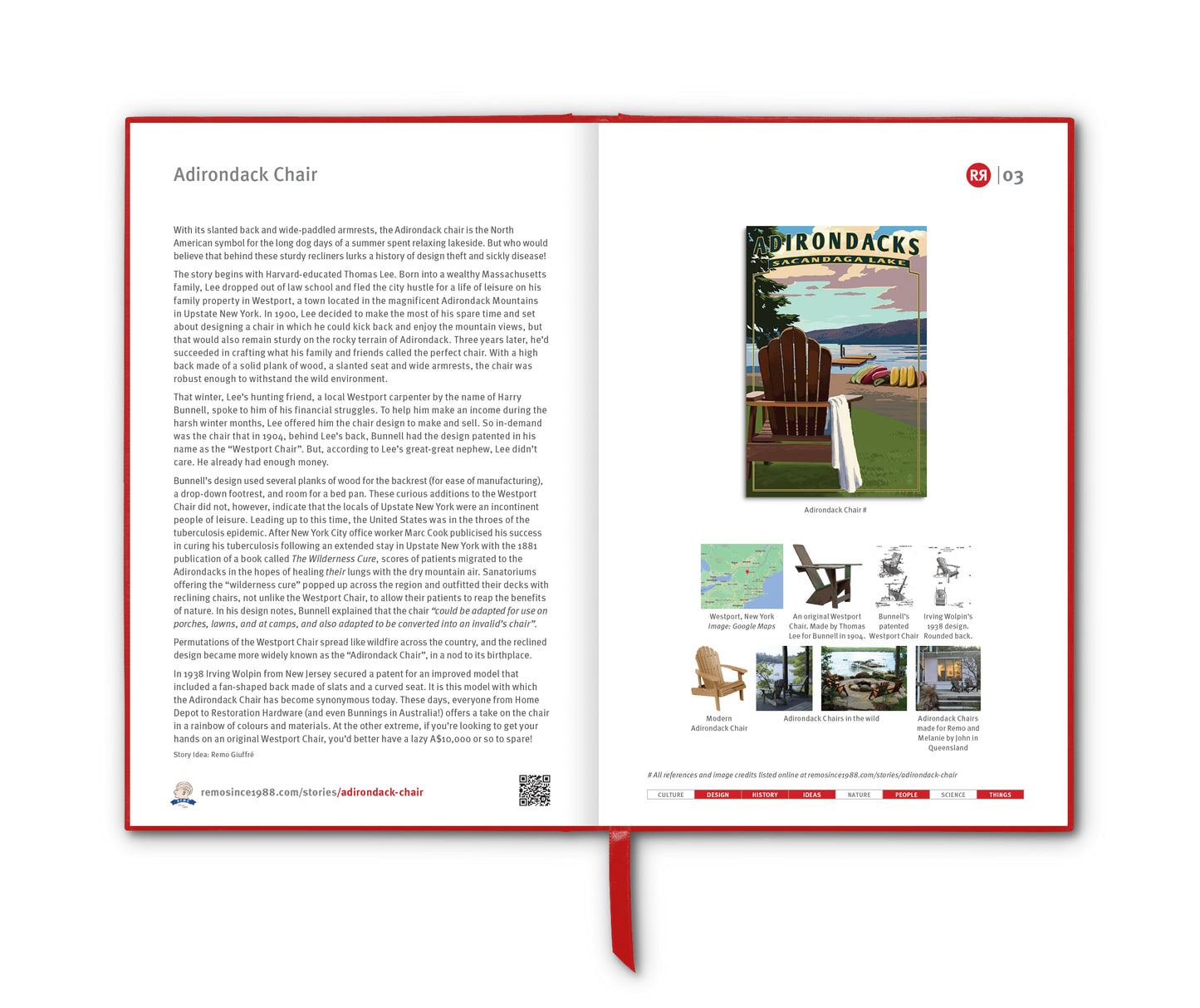
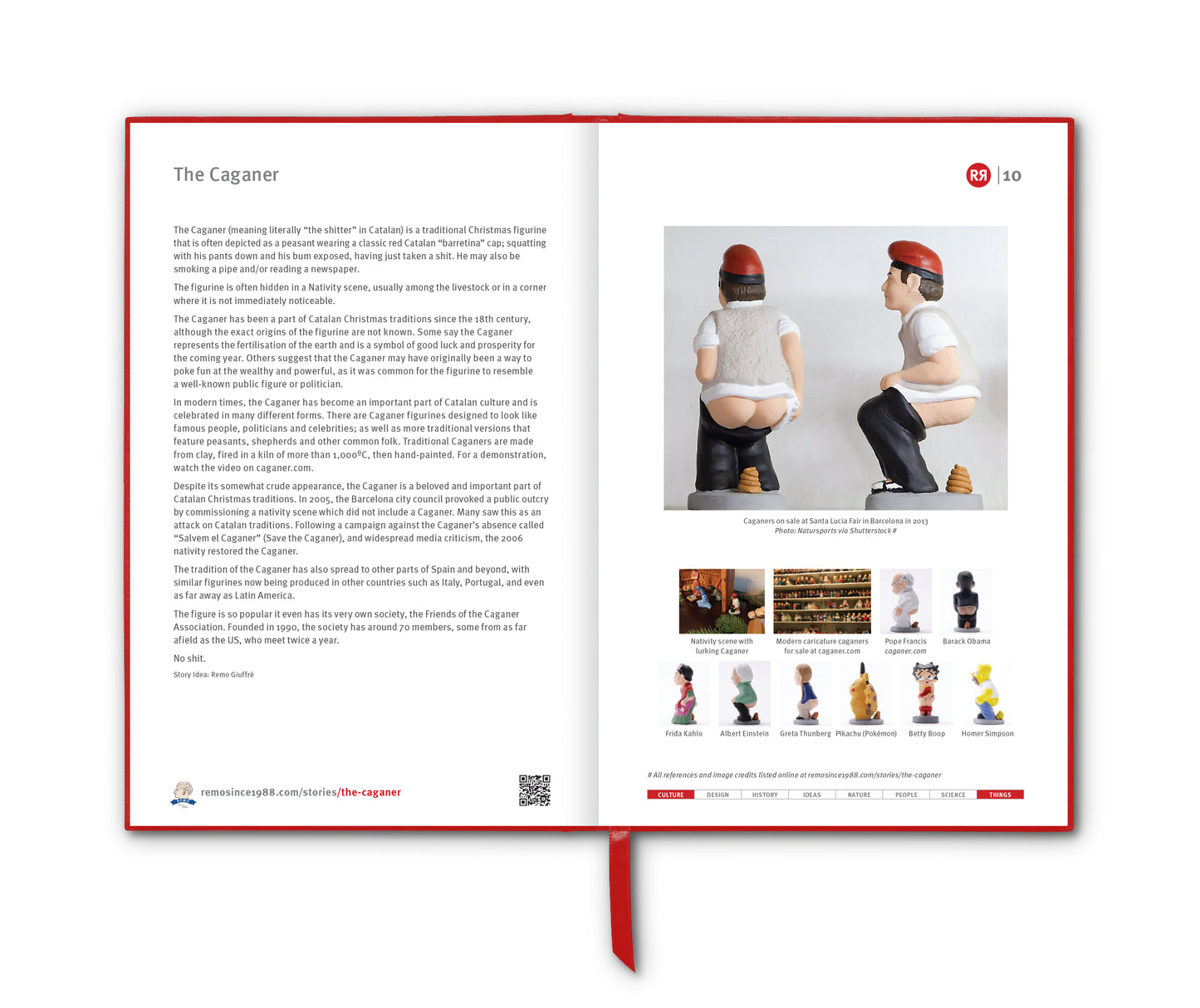
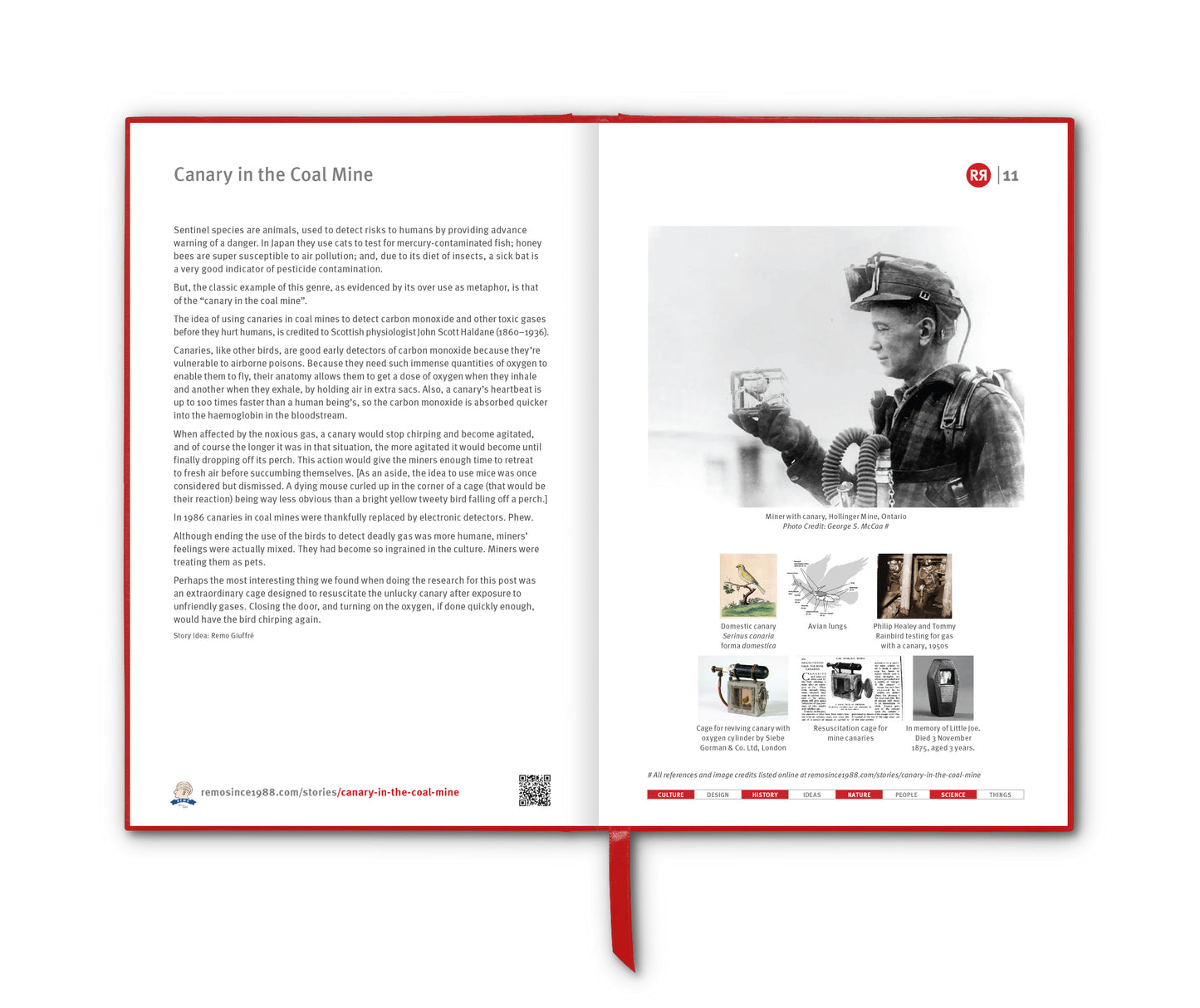
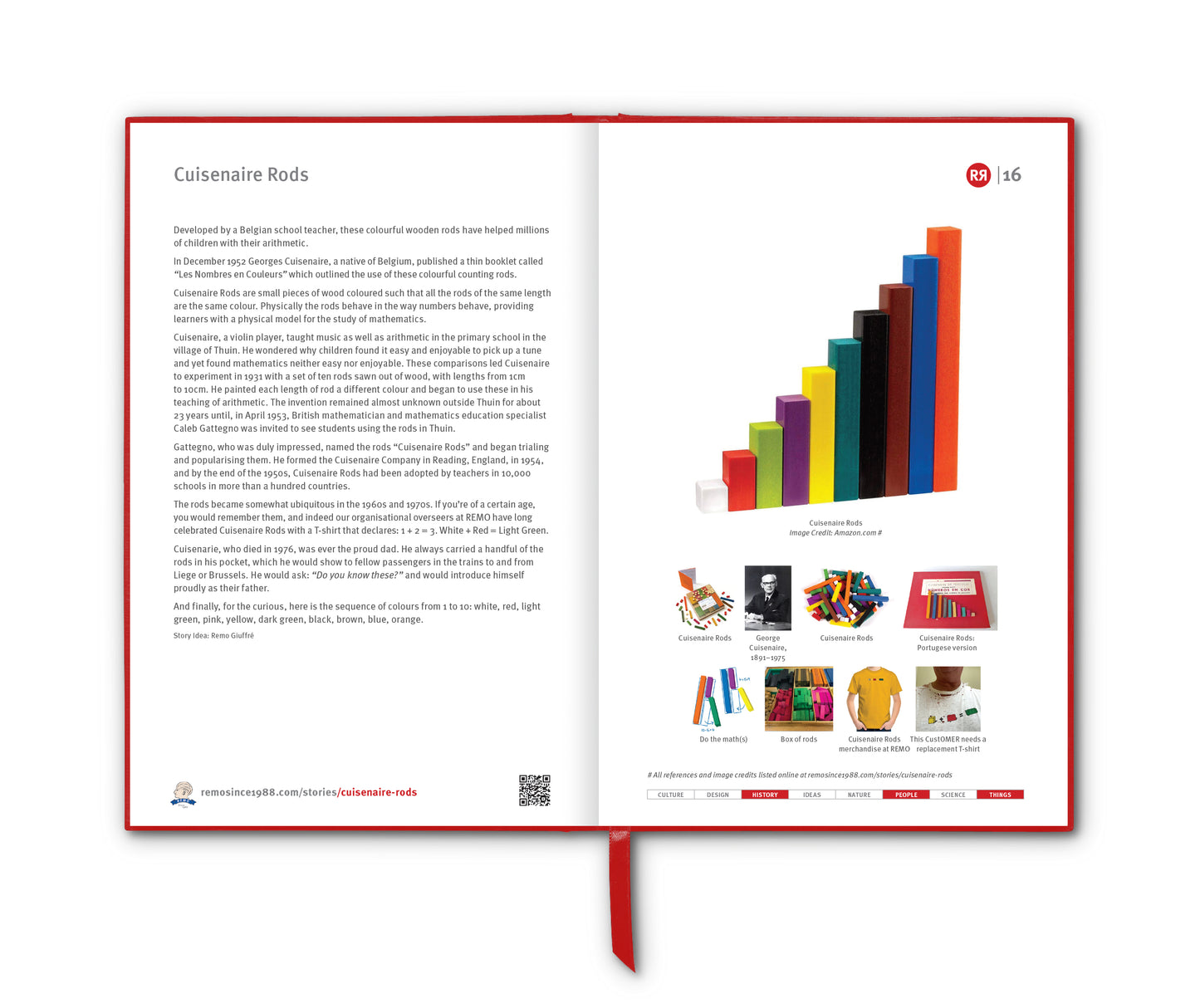
The event has also inspired a century of speculation and some entertaining fringe theories. Many authors, mostly Russian, but some from other nations, used the event as inspiration for their own flights of fancy. The most popular fictional explanation is of an alien spaceship exploding over the area or crashing, and the television series The X-Files suggested that alien microbes were left behind by the explosion.
Ultimately, the Tunguska event is a reminder of Earth’s vulnerability. It also underscores why modern efforts to detect and track near-Earth objects, once the domain of astronomers with telescopes, are now part of international risk planning.
Astronomers are continually monitoring our cosmic neighbours and assessing the risk of catastrophic comet and asteroid impacts. Many programmes have been specifically developed to identify potentially threatening near-Earth objects (NEOs). Check out the European Space Agency's near-Earth objects coordination center HERE.
Also, in 2022, NASA’s Double Asteroid Redirect Test (DART) successfully proved that we can send a spacecraft to push an asteroid slightly in its orbit, in case it is on a dangerous collision course with Earth. The mission sent a spacecraft smashing into an asteroid moon called Didymos B, with subsequent analysis concluding that the spacecraft was able to alter the moon’s orbit. [Ed: Phew!]
In 2016, the United Nations declared 30 June International Asteroid Day, marking the anniversary of the Tunguska event. First established in 2014 by a group including Apollo 9 astronaut Rusty Schweickart, Queen guitarist Brian May, German filmmaker Grig Richters AND longtime friend and REMORANDOM subscriber Danica Remy – the occasion aims to raise public awareness of asteroids and the risks they pose to our planet. The B612 Foundation, currently led by Danica, drives the private sector efforts in research, analysis, and systems design to protect Earth from asteroids. More about B612 HERE.
__________________________
References
wikipedia.org/wiki/Tunguska_event
wikipedia.org/wiki/Tunguska_event_in_fiction
neo.ssa.esa.int
historyexpose.com/things/tunguska-event
mensa.org.uk/the-tunguska-event
un.org/en/observances/asteroid-day
asteroidday.org/
b612foundation.org
Images
1. Visualisation of the Tunguska event. Credit: mensa.org
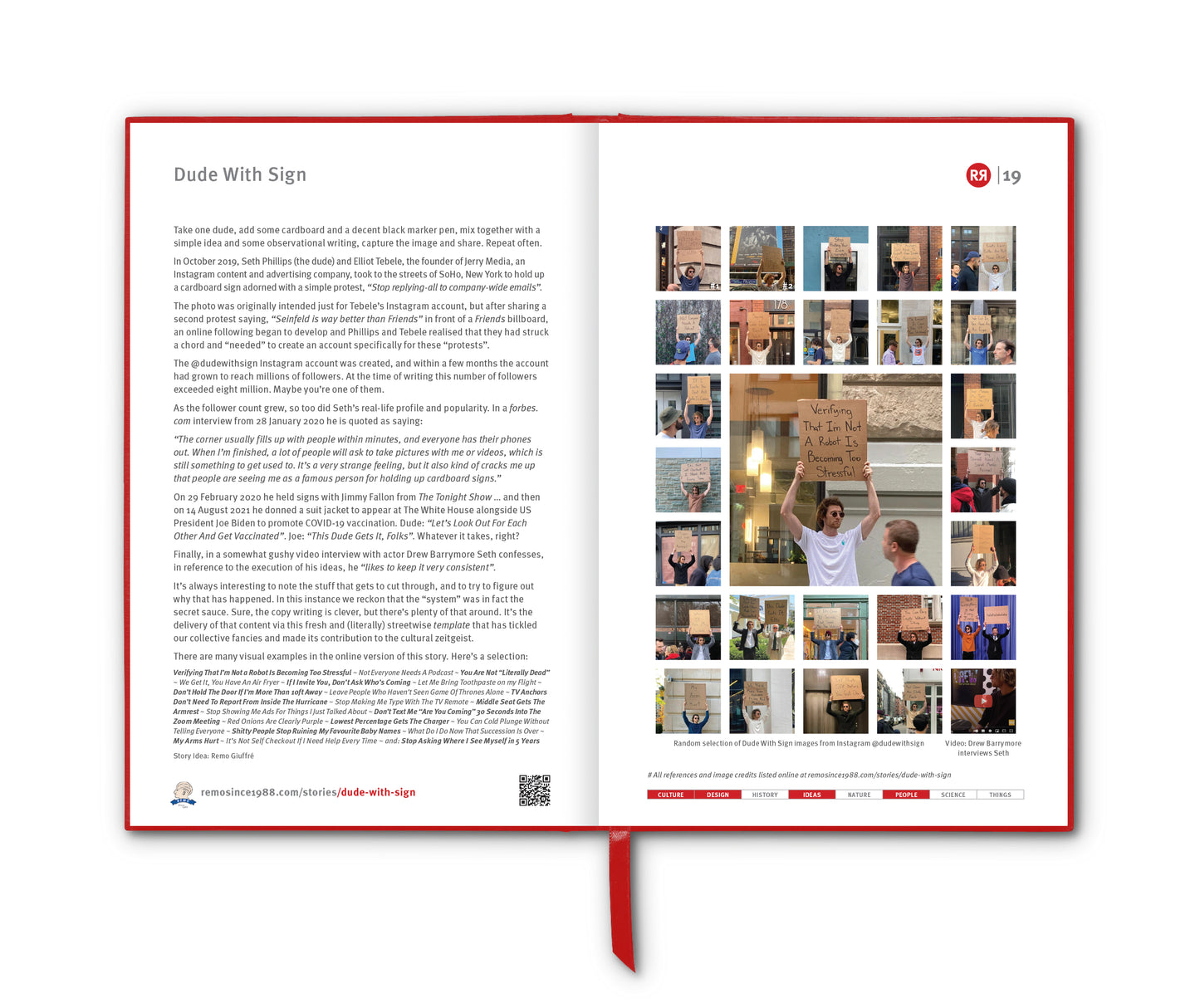
2. Location of the event in Siberia
3. Flattened trees. Photo credit: Leonid Kulik
4. Leonid Kulik, Russian mineralogist, investigator of the Tunguska event
5. Dana Scully character in the Tungusta episode of The X-Files, S4E8, 1996
6. Infographic showing the effect of DART's impact on the orbit of Didymos B while deployment of Italian LICIACube. Credit: NASA/Johns Hopkins APL
7. Asteroid Day logo
8. Danica Remy, B612. Credit: b612foundation.org