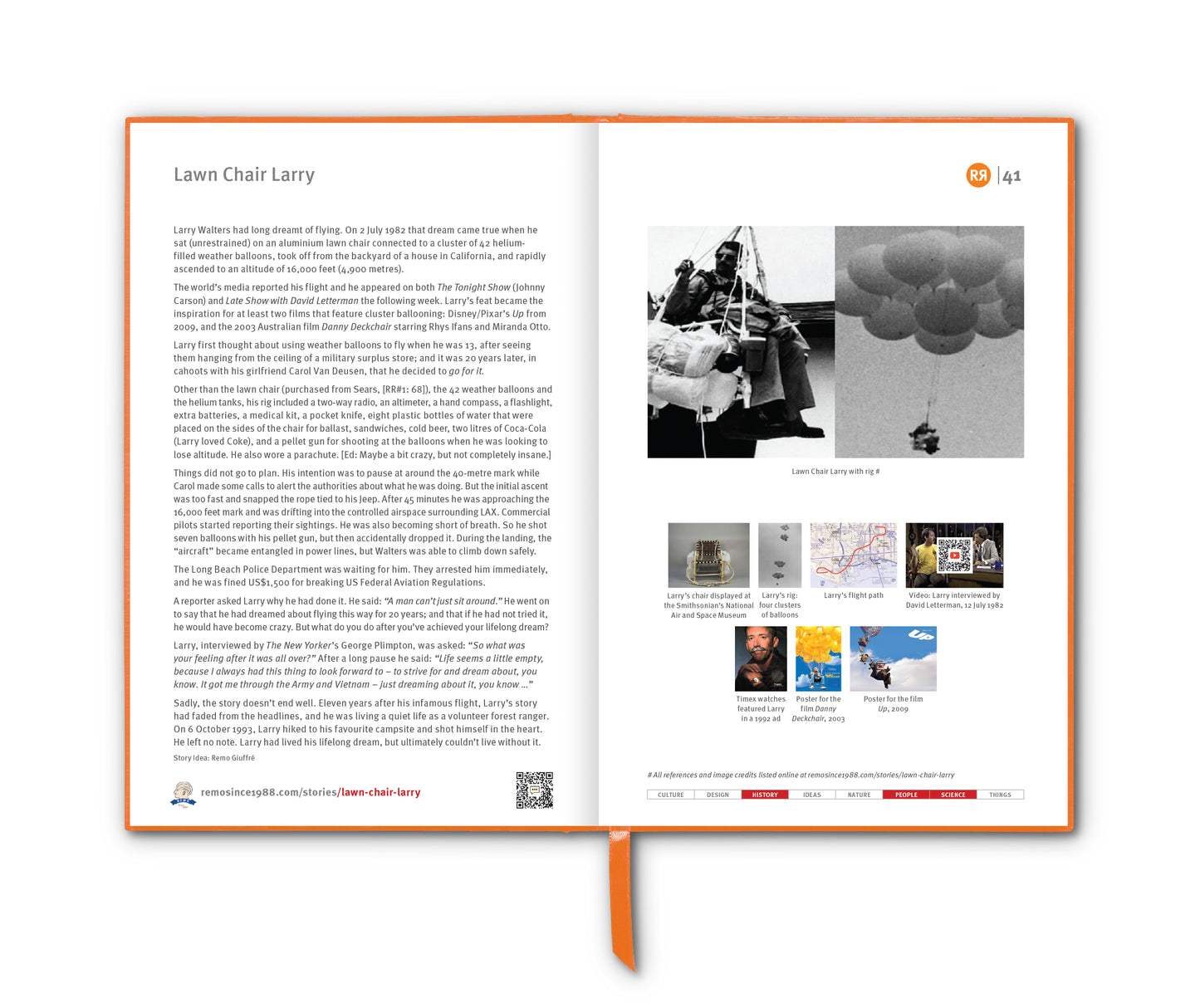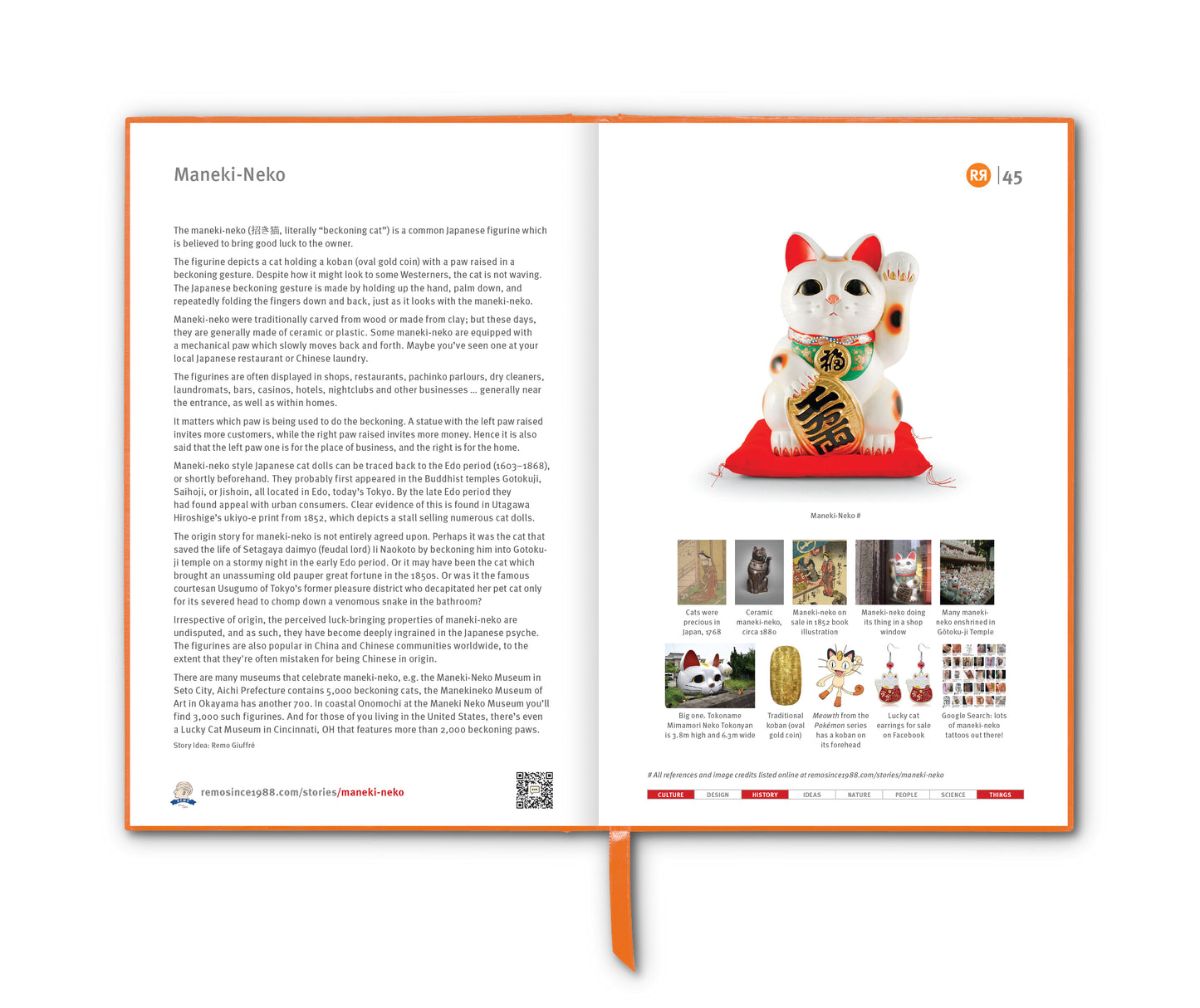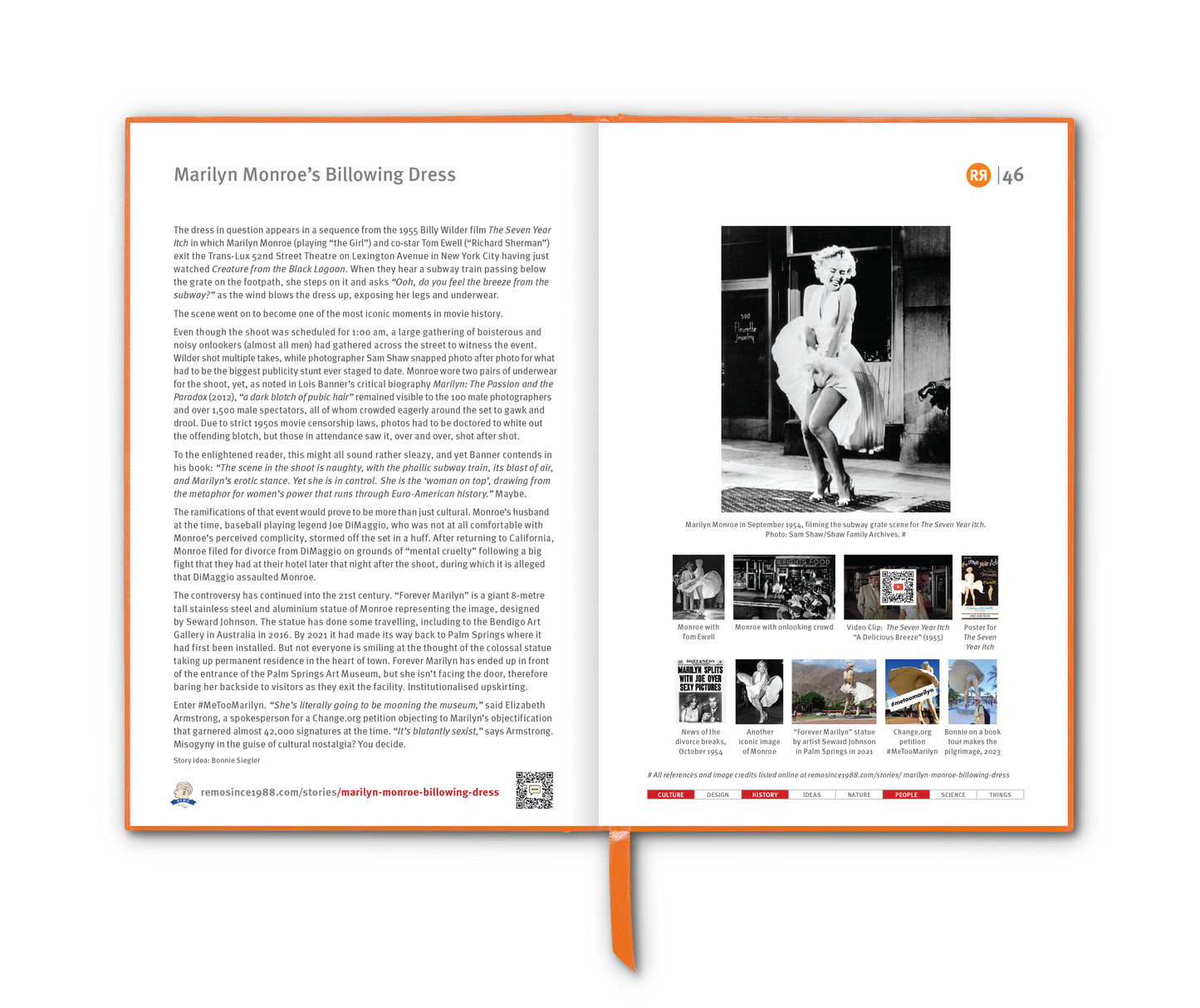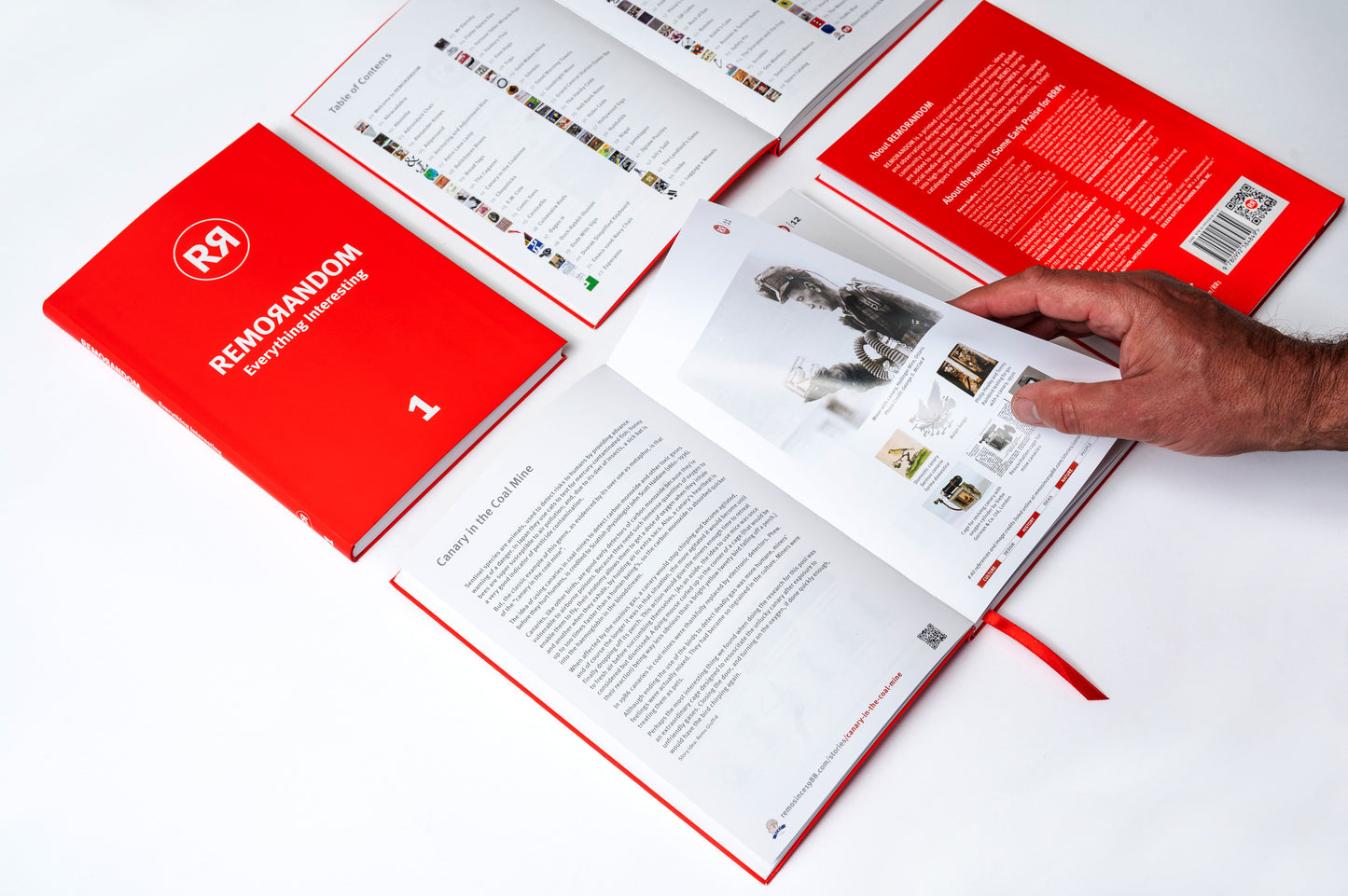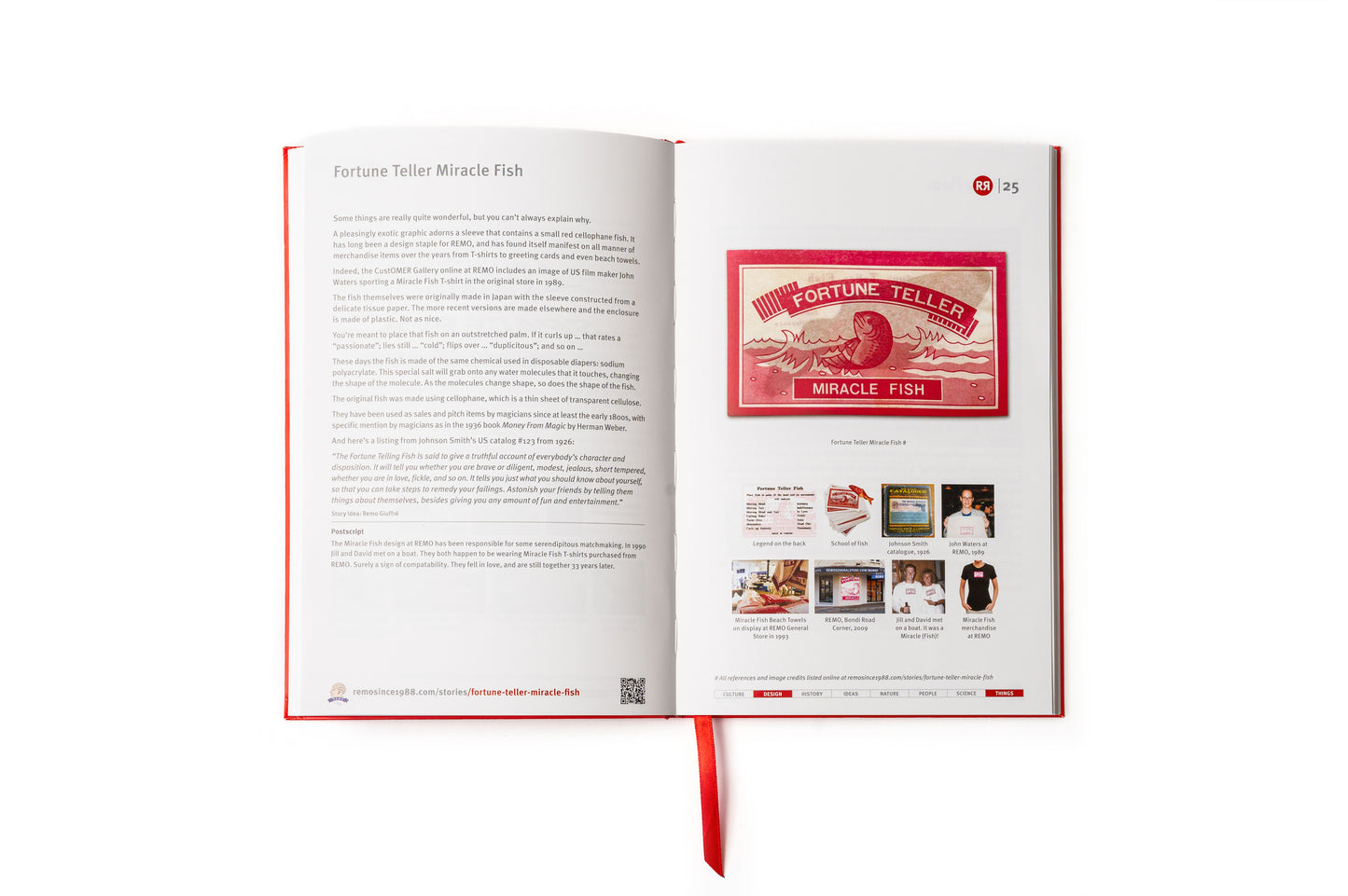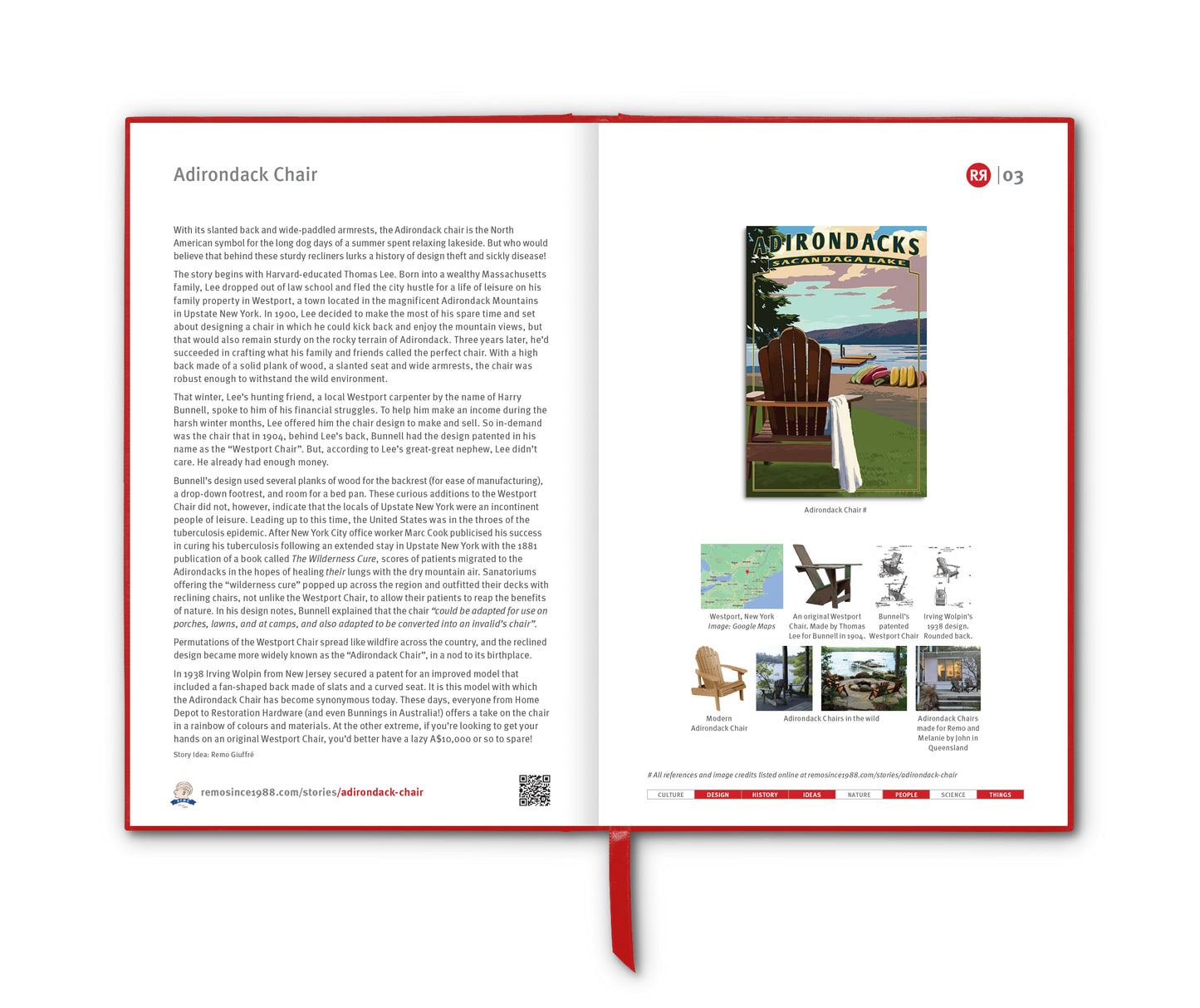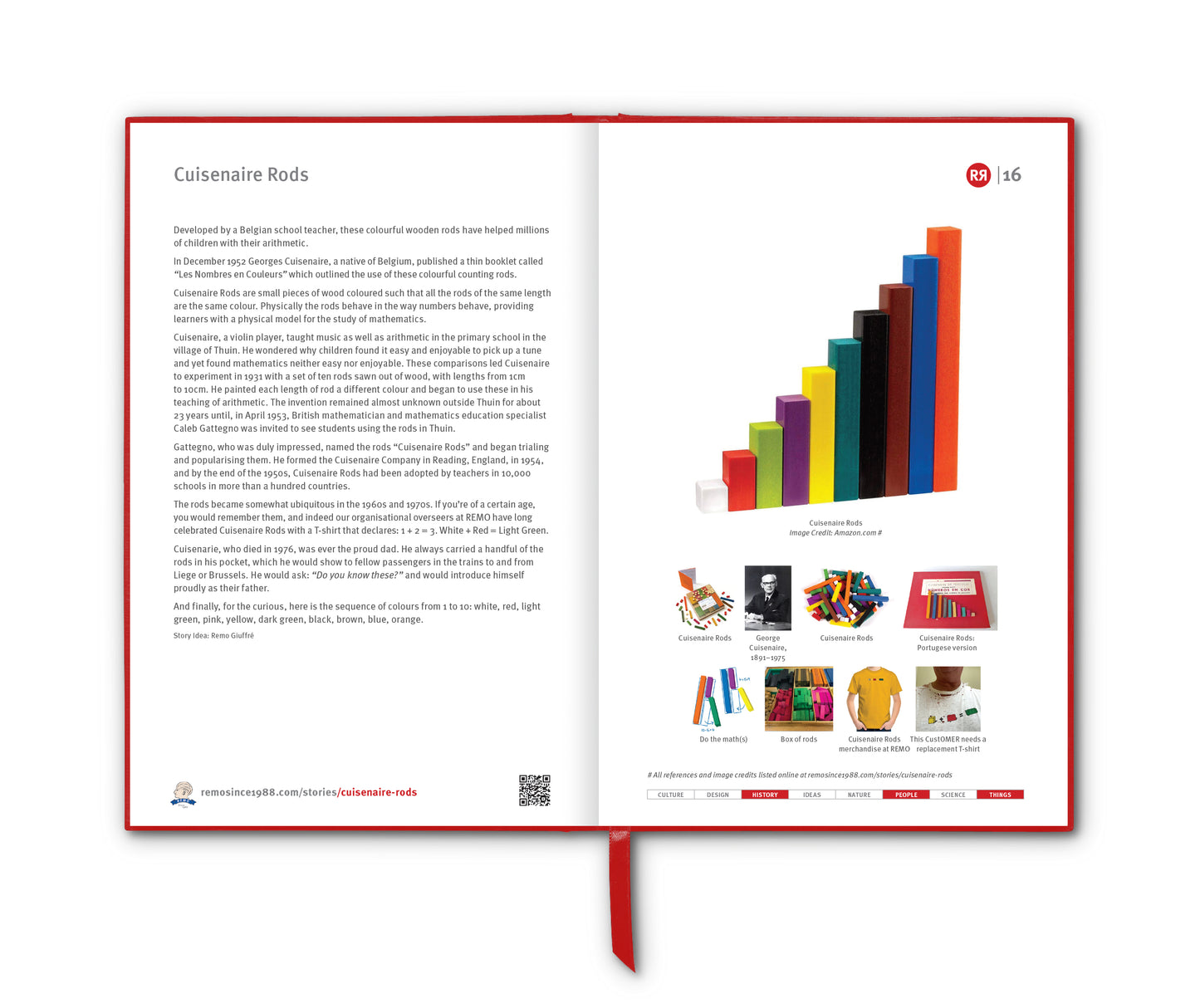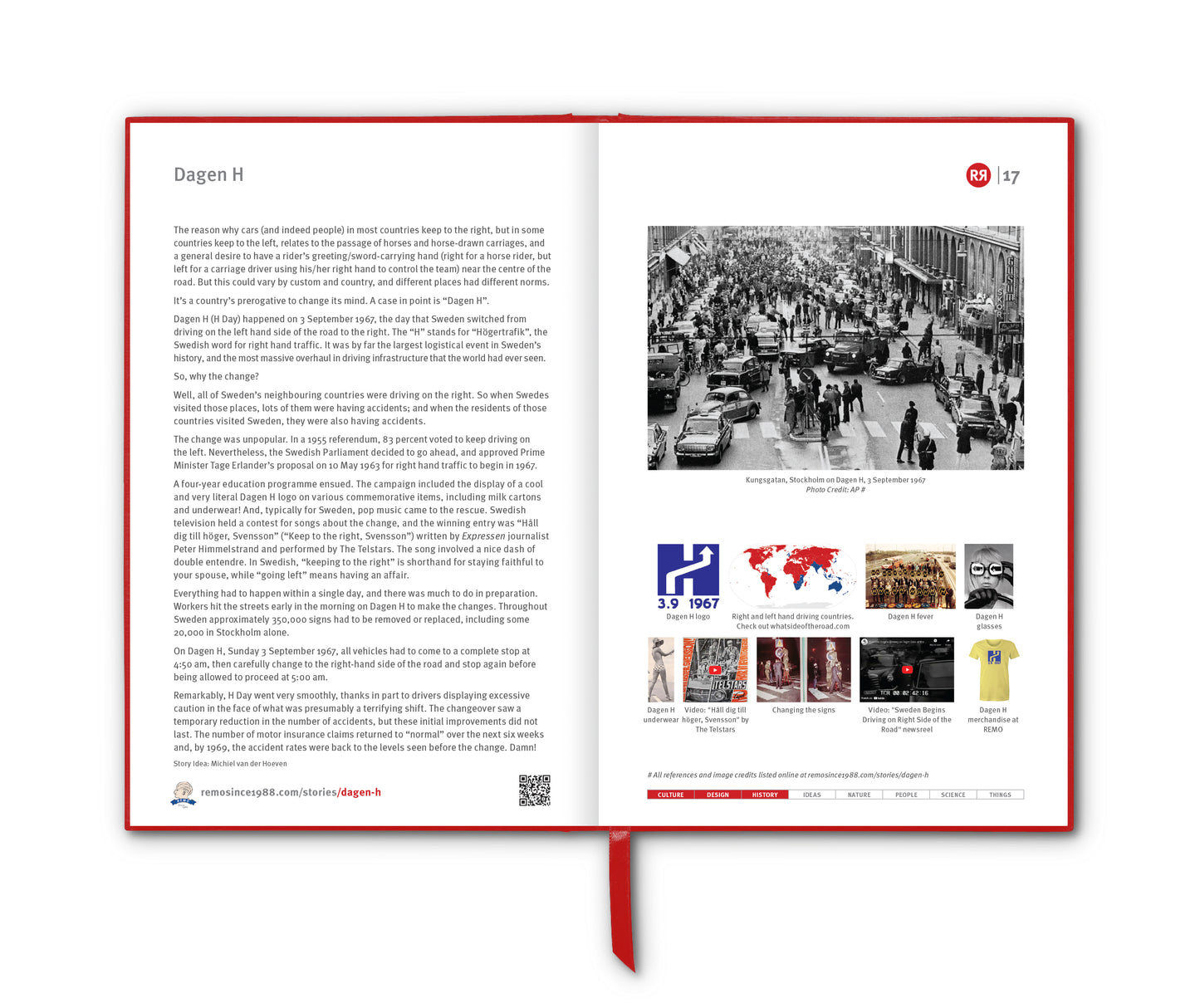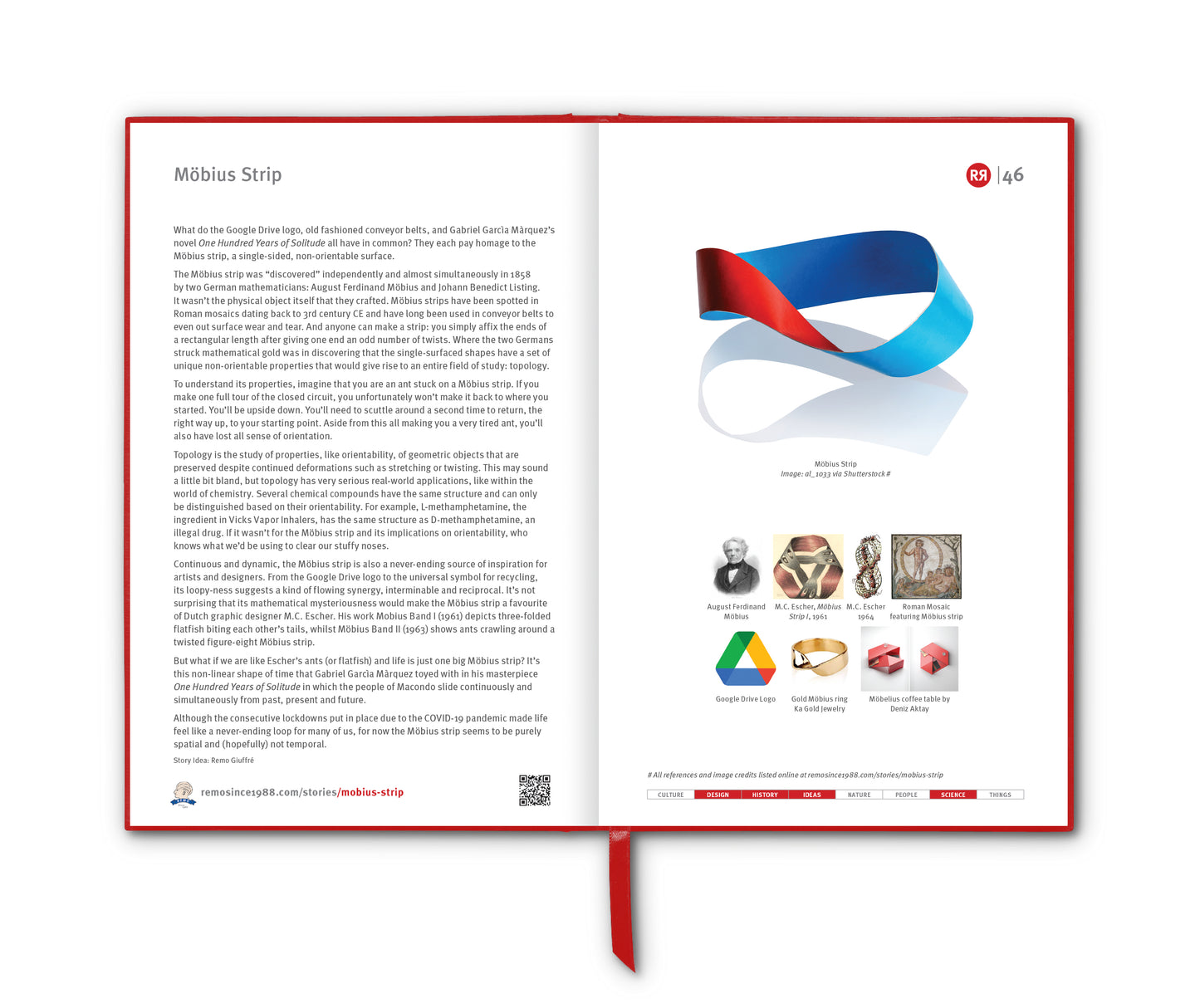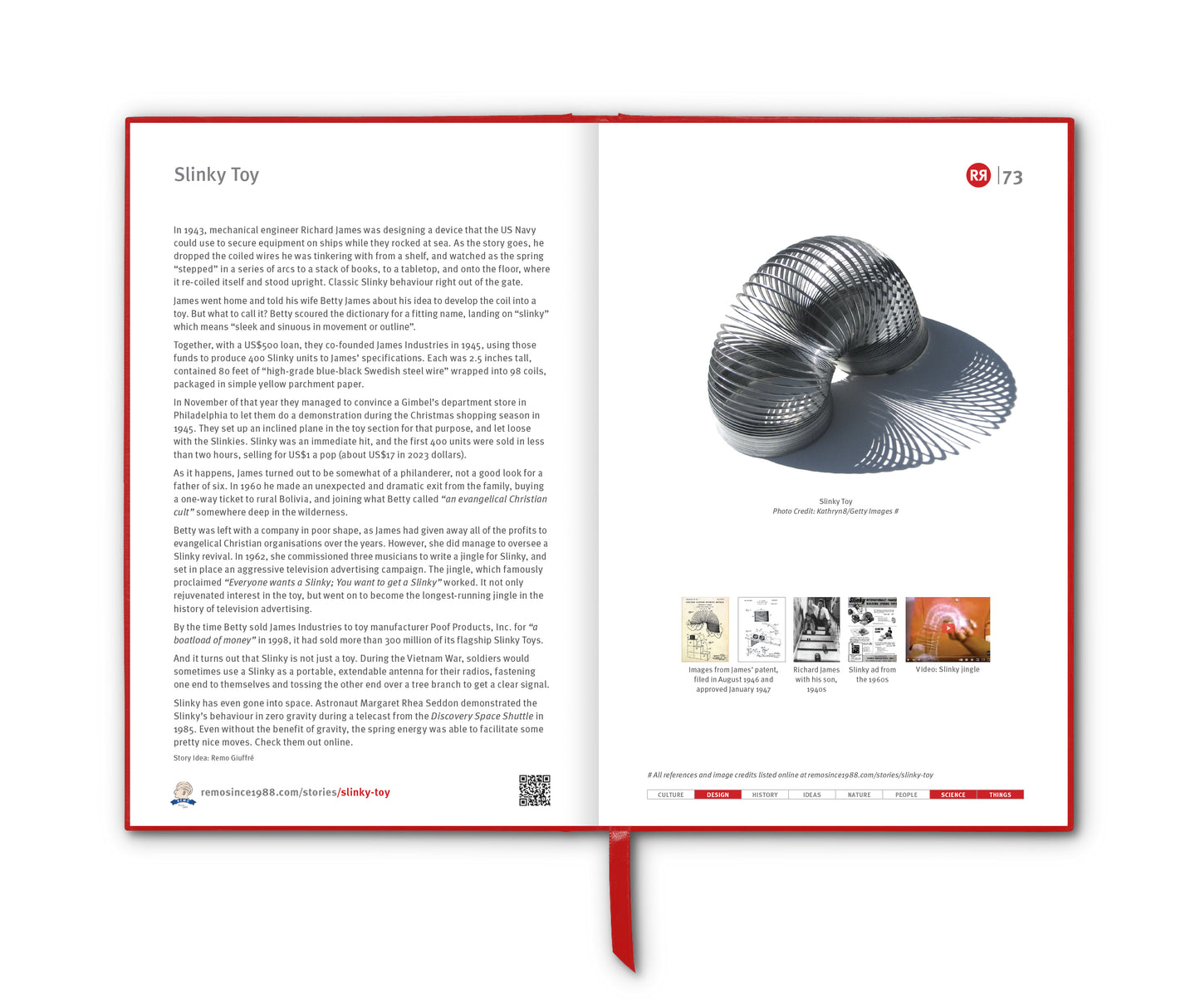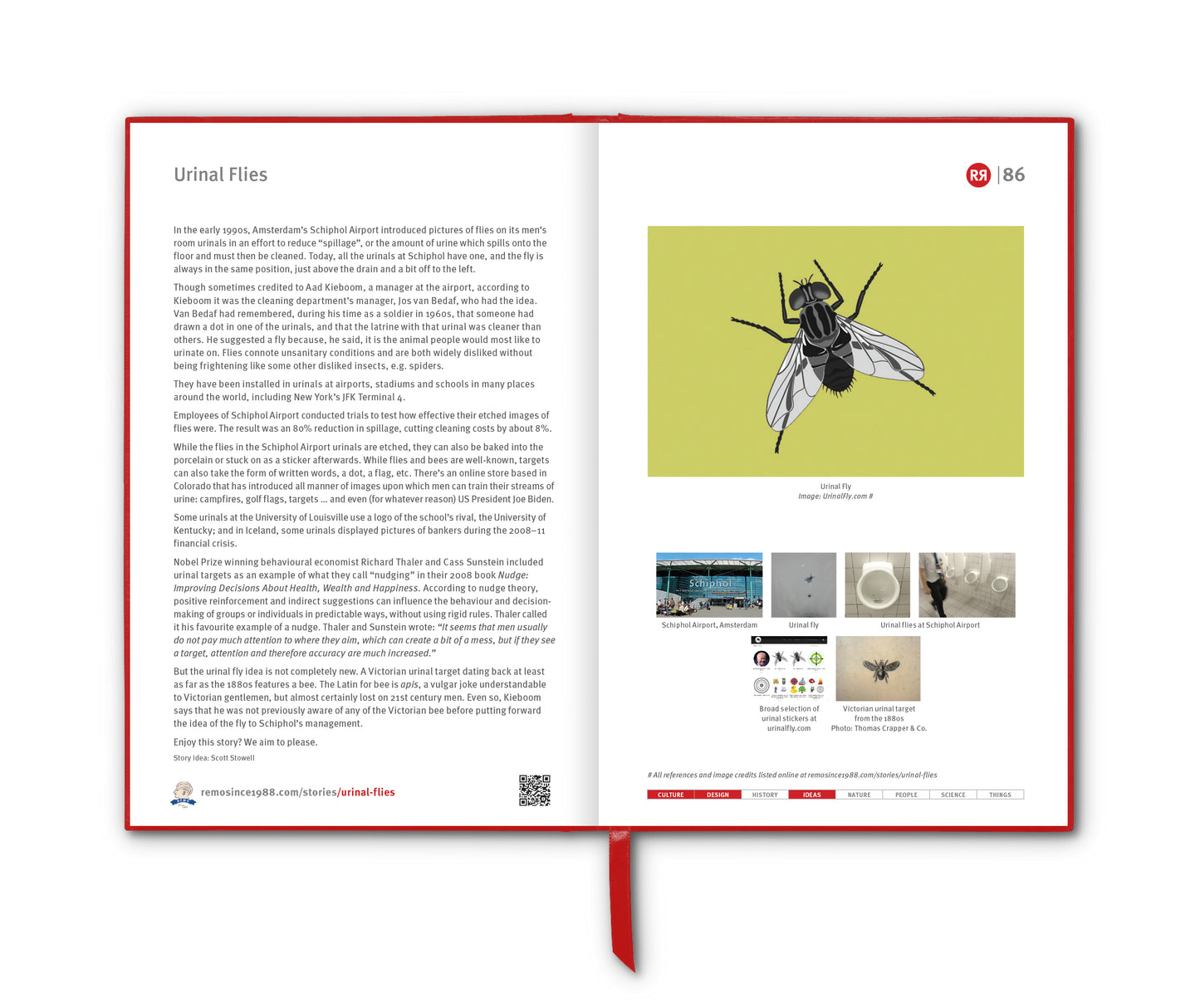

Umami – often described as the “fifth taste” – sits alongside sweet, sour, salty and bitter as one of the fundamental ways humans perceive flavour. A loanword from Japanese, the term roughly translates to “pleasant savoury taste”, a fitting description for the deep, mouth-filling richness found in foods like aged cheese, mushrooms and slow-cooked broths.
The concept was first identified in 1908 by Japanese chemist and professor at the Tokyo Imperial University, Kikunae Ikeda, who isolated glutamate as the compound responsible for this distinctive taste while studying kombu (seaweed) broth. He noticed that the taste of kombu dashi was distinct from sweet, sour, bitter, and salty and named it umami.
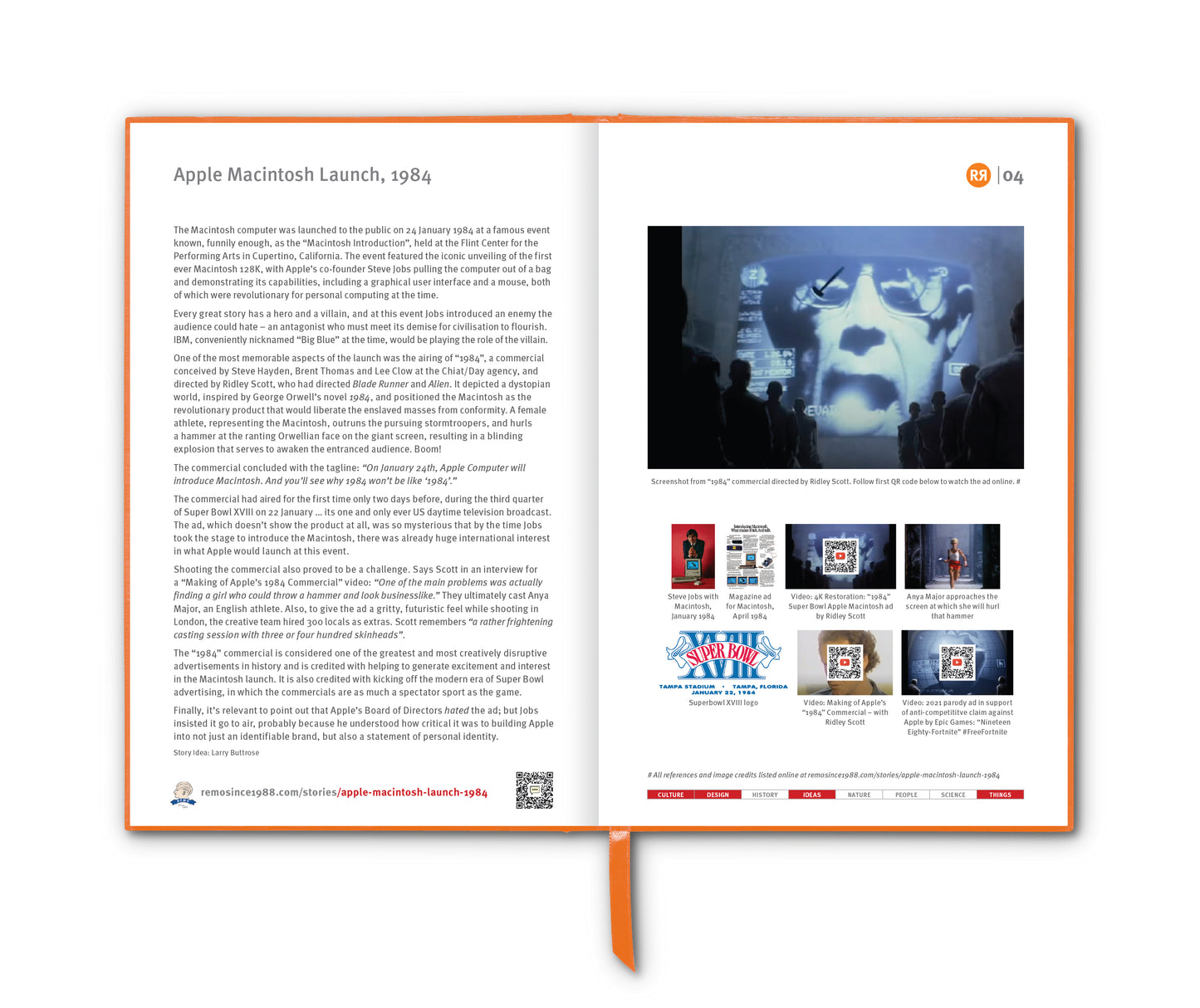
Ikeda’s work led directly to the development of monosodium glutamate, better known as MSG. MSG is essentially the sodium salt of glutamic acid, an amino acid that occurs naturally in many foods. When added to dishes, it enhances umami, amplifying savoury notes and creating a more rounded, satisfying flavour profile.
Despite its scientific grounding, MSG became controversial in the late 20th century due to reports of so-called “Chinese Restaurant Syndrome” – defined, without qualification, right up until 2020 in Merriam-Webster’s Dictionary as:
"A group of symptoms (such as numbness of the neck, arms, and back with headache, dizziness, and palpitations) that is held to affect susceptible persons eating food and especially Chinese food heavily seasoned with monosodium glutamate."
However, extensive research has since found no consistent evidence of harm in typical dietary amounts, and MSG is now widely regarded as safe by global food authorities.
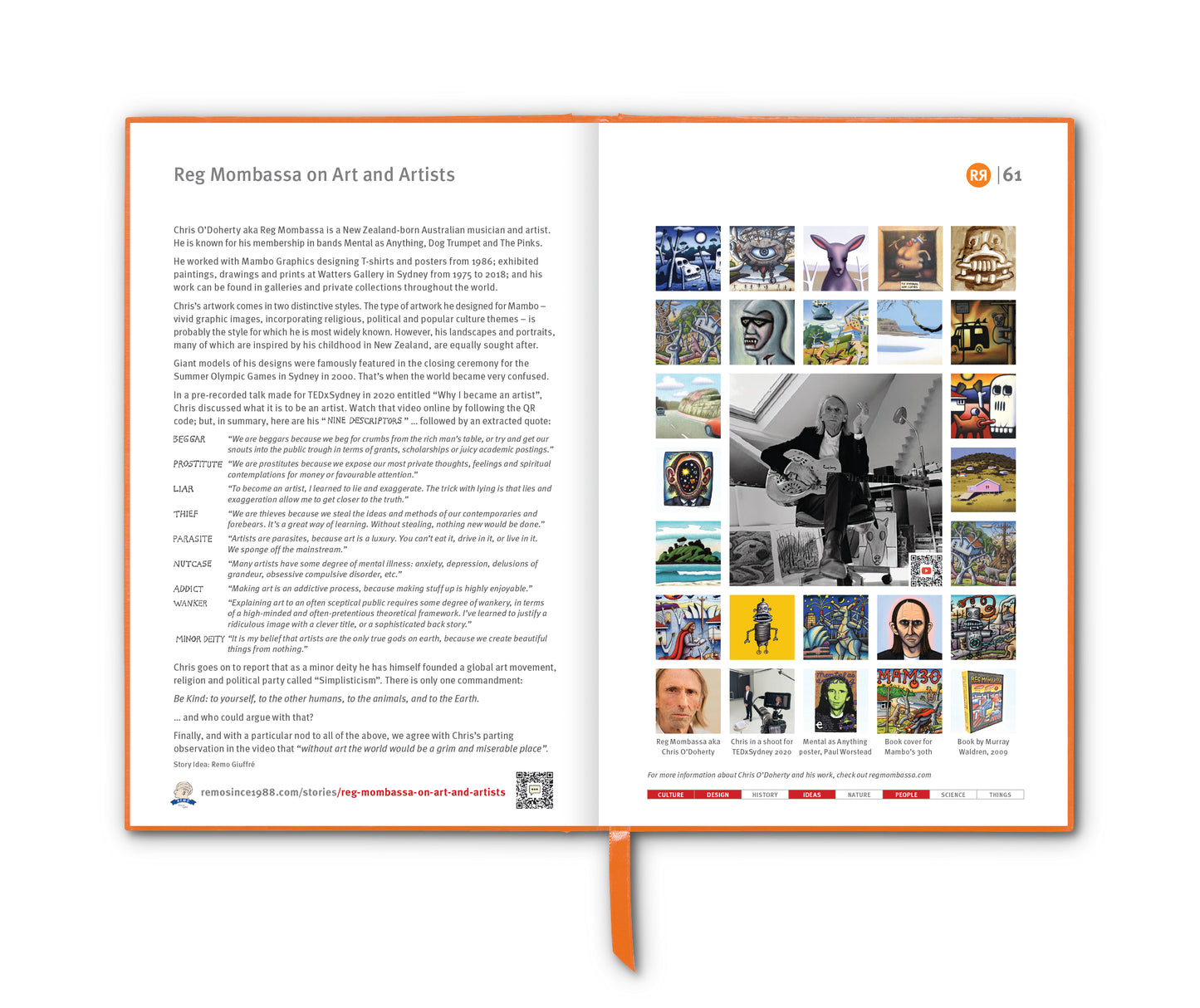
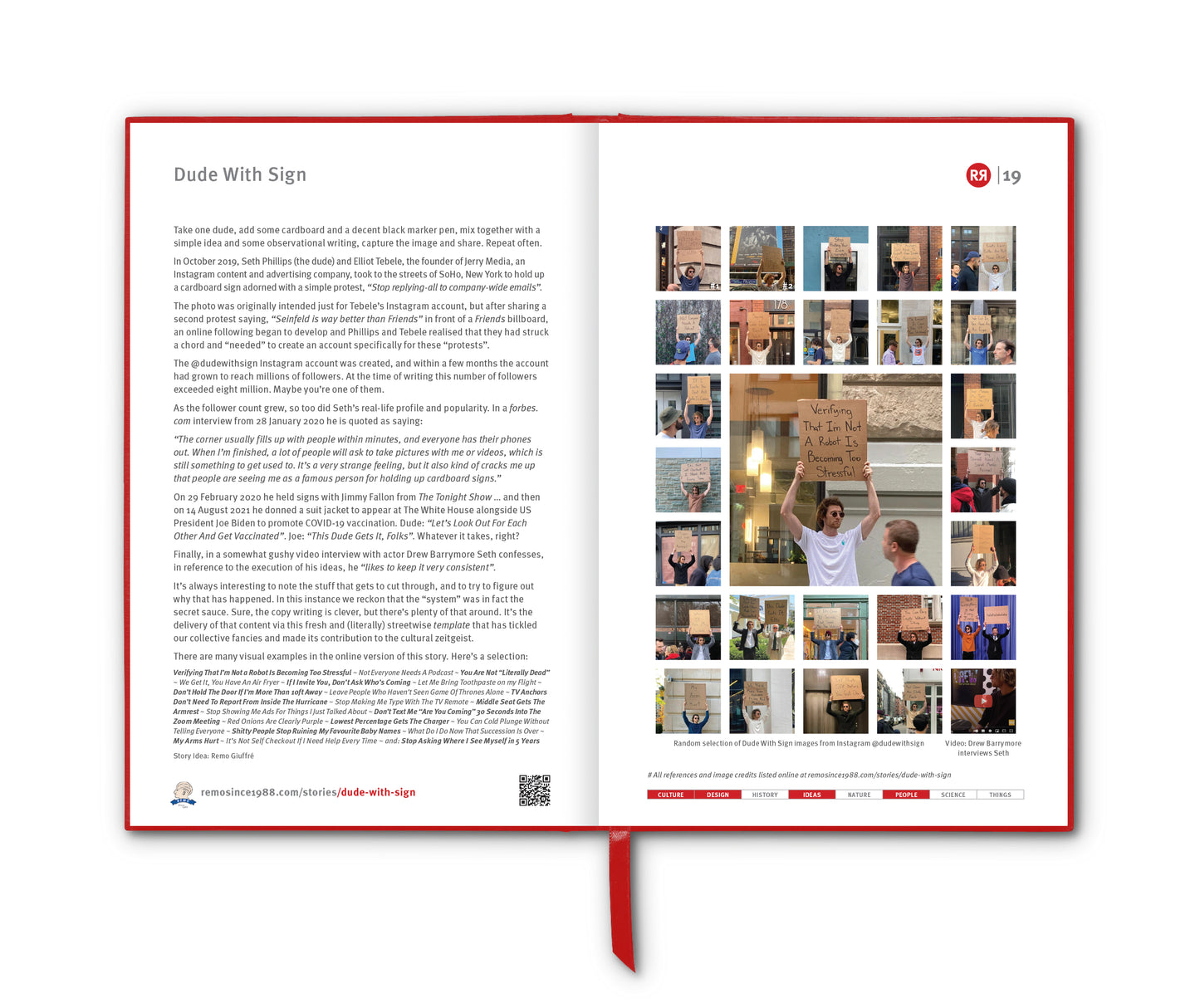
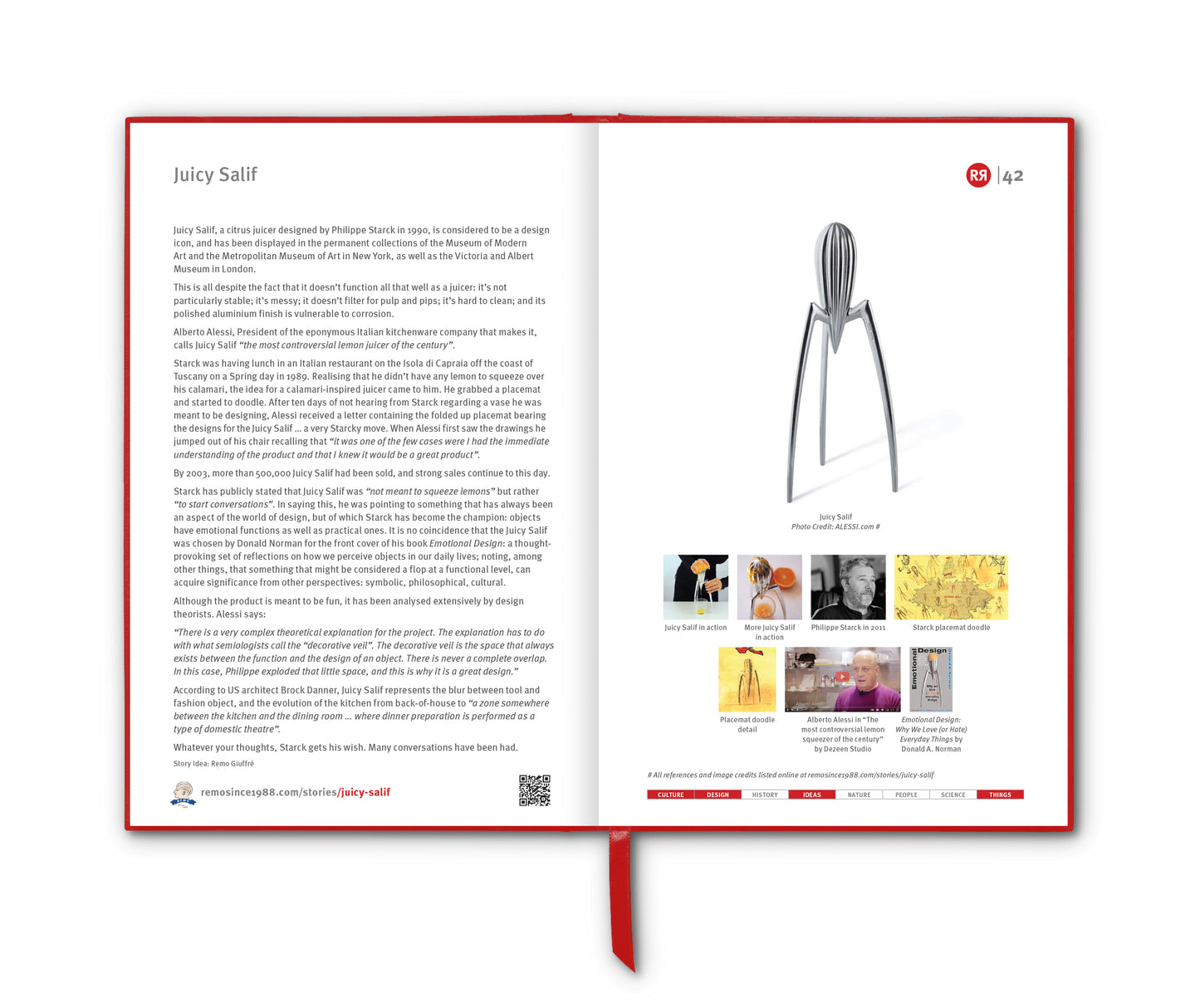
Umami is most prevalent in foods rich in glutamates and nucleotides. Classic examples include ripe tomatoes, Parmesan cheese, soy sauce, anchovies and cured meats like prosciutto. Fermented and aged foods are particularly potent sources, as the processes involved break down proteins into free amino acids, intensifying the umami effect. In Japanese cuisine, ingredients such as miso, dashi and shiitake mushrooms are foundational precisely because of their umami depth. Similarly, in Western cooking, long-simmered stocks and reductions are prized for achieving the same result.
Culturally, umami has long been central to East Asian culinary traditions, even before it was formally named. Japanese cooking, in particular, is built around balancing umami with subtlety and restraint, allowing natural flavours to shine. In recent decades, the concept has been embraced globally, influencing chefs and food writers who seek to explain why certain dishes feel so satisfying. The rise of food science and “flavour hacking” has only deepened interest in umami as a tool for culinary innovation.
Umami has also made its way into popular media and cultural discourse. It is frequently referenced in cooking shows such as MasterChef, where judges praise dishes for their “umami hit”, and in documentaries like Salt Fat Acid Heat, which explore the building blocks of flavour. Even animated shows like The Simpsons have nodded to MSG and flavour enhancers in humorous ways, reflecting its place in public consciousness.
___________________________
References
wikipedia.org/wiki/Umami
bbc.com/news/world-us-canada-51139005
ajinomoto.com/innovation/our_innovation/umami
Images
1. Umami tongue illustration credit: The Rakyat Post, 2020. Kikunae Ikeda (1864–1936).
2. Umami is the fifth taste
3. Anchovies are rich in umami.
4. Meat (clockwise from left): chicken, beef, bacon, pork chops
5. MSG ad by Agi-No-Moto
6. No MSG during the “Chinese Restaurant Syndrome” years
7. Video: What is MSG, and is it actually bad for you? - Sarah E. Tracy, TED-Ed, 2022
8. “Don't scoop gelato unless it's got umami”, The Simpsons, S23 E5, 2011