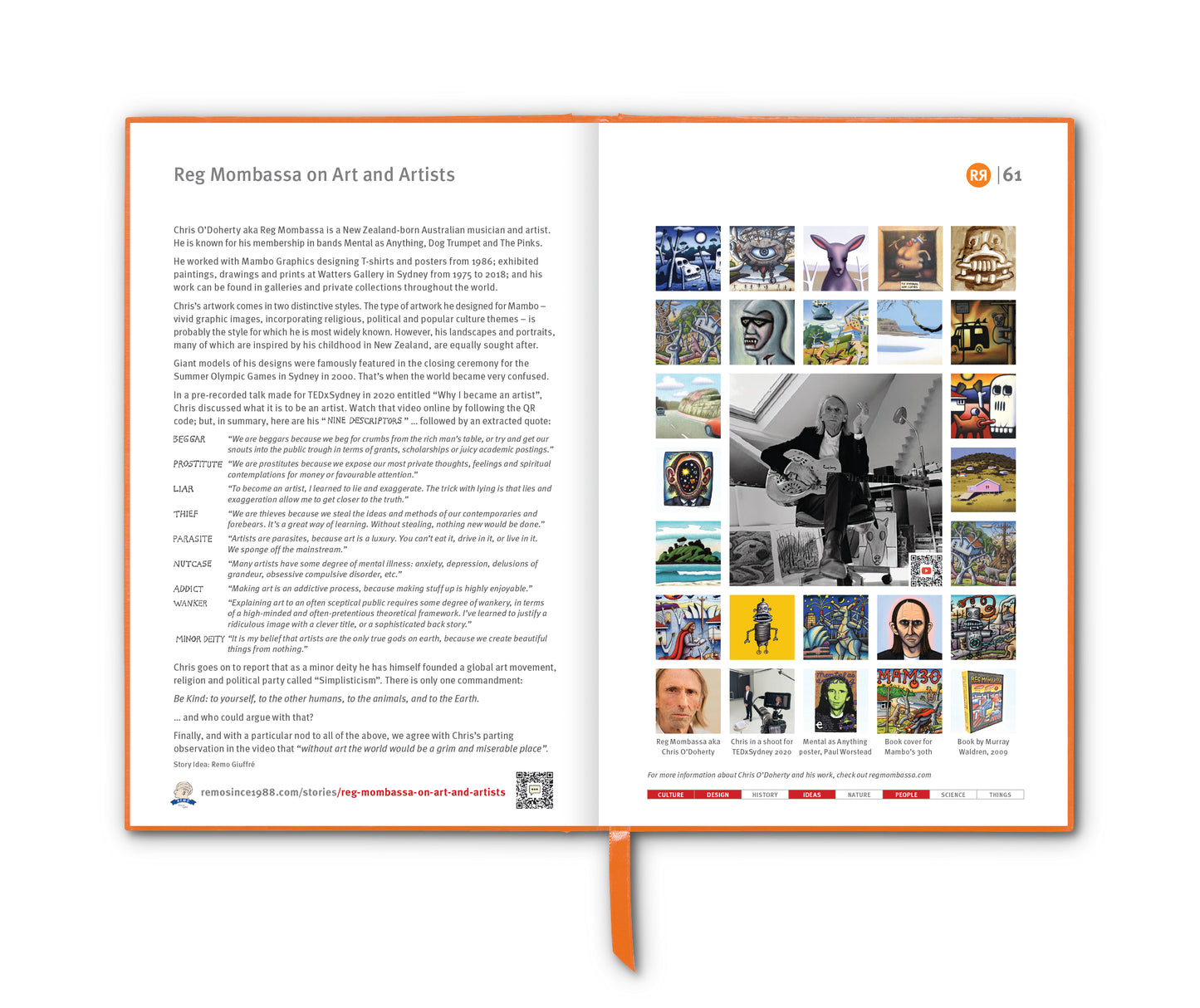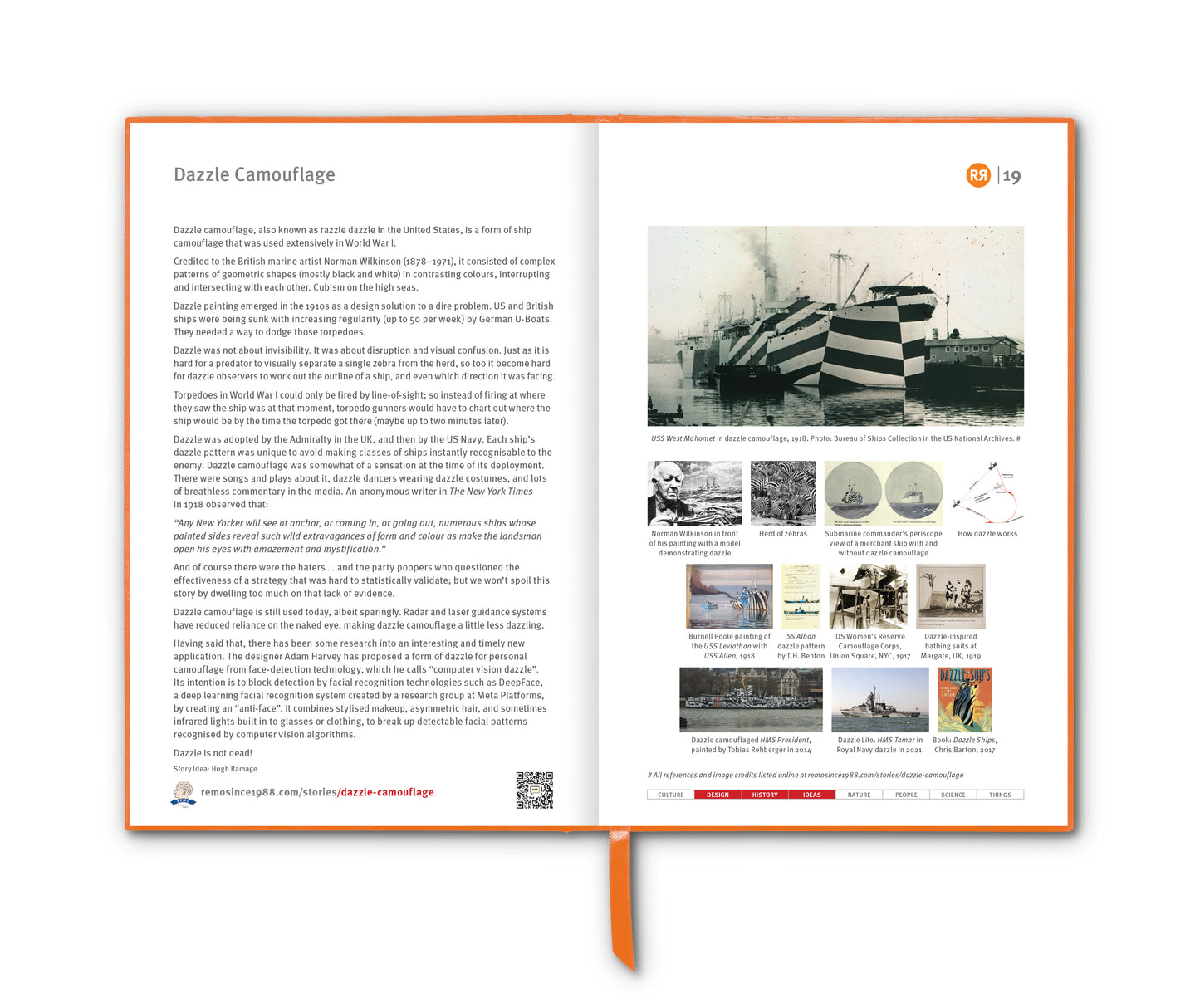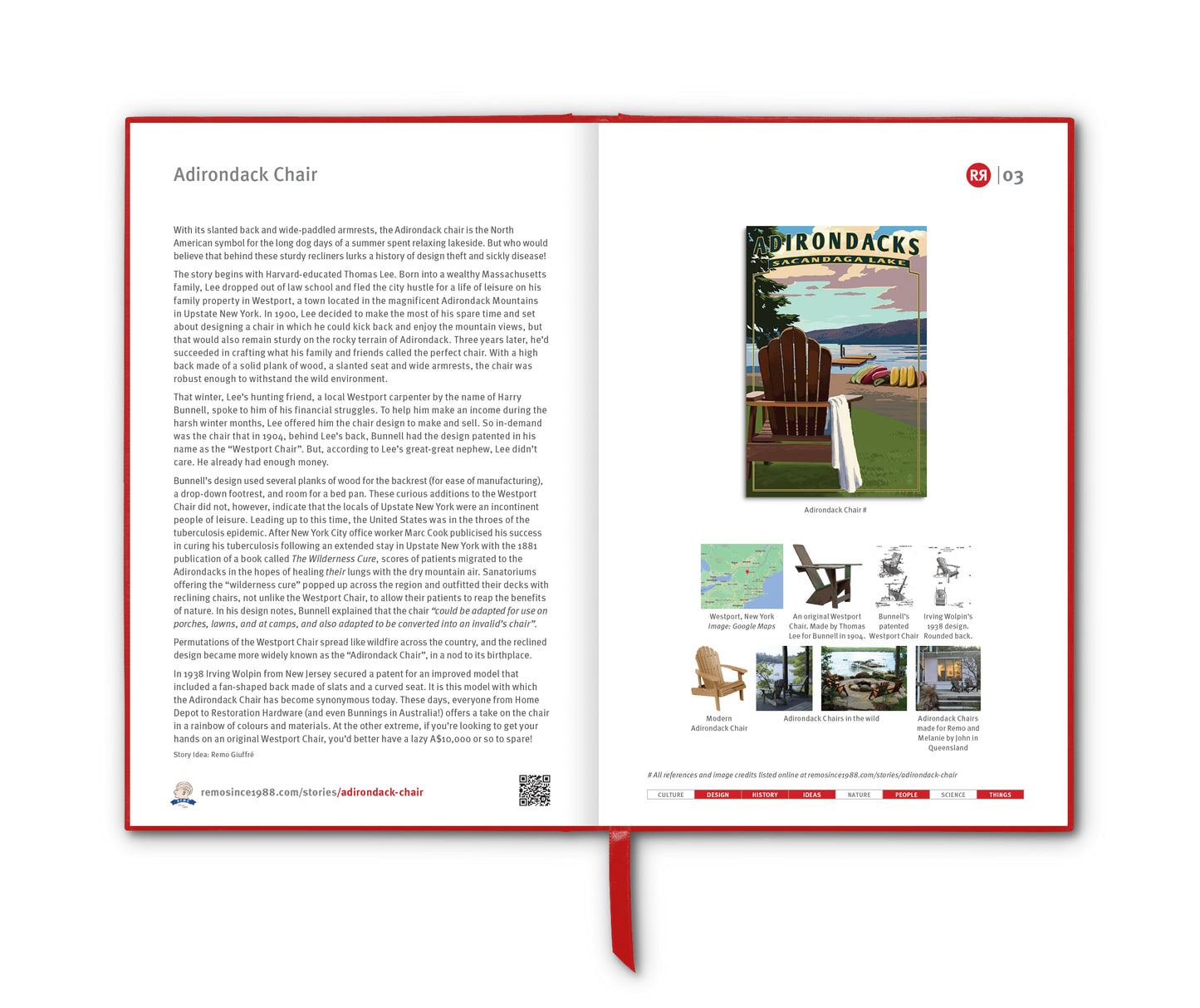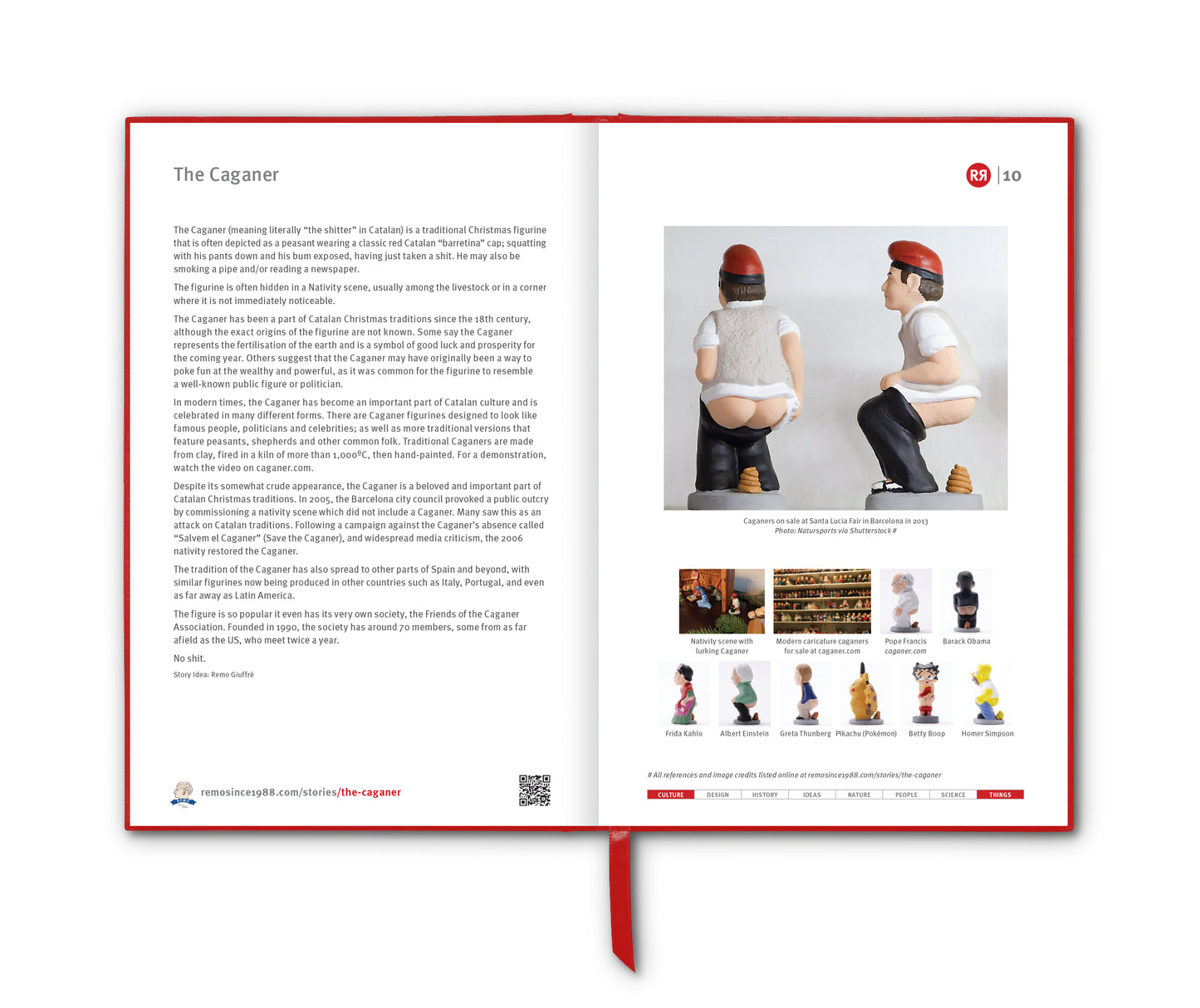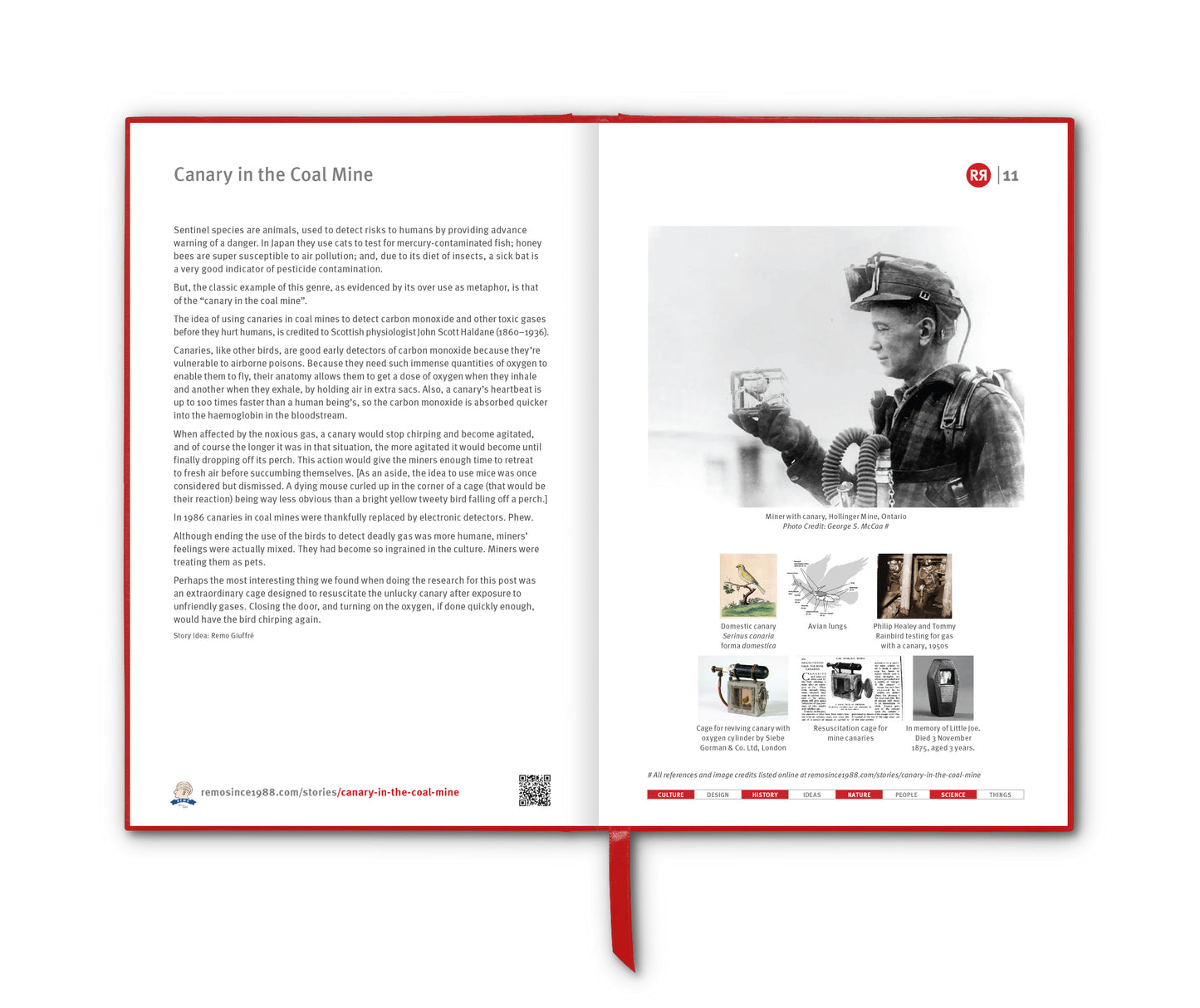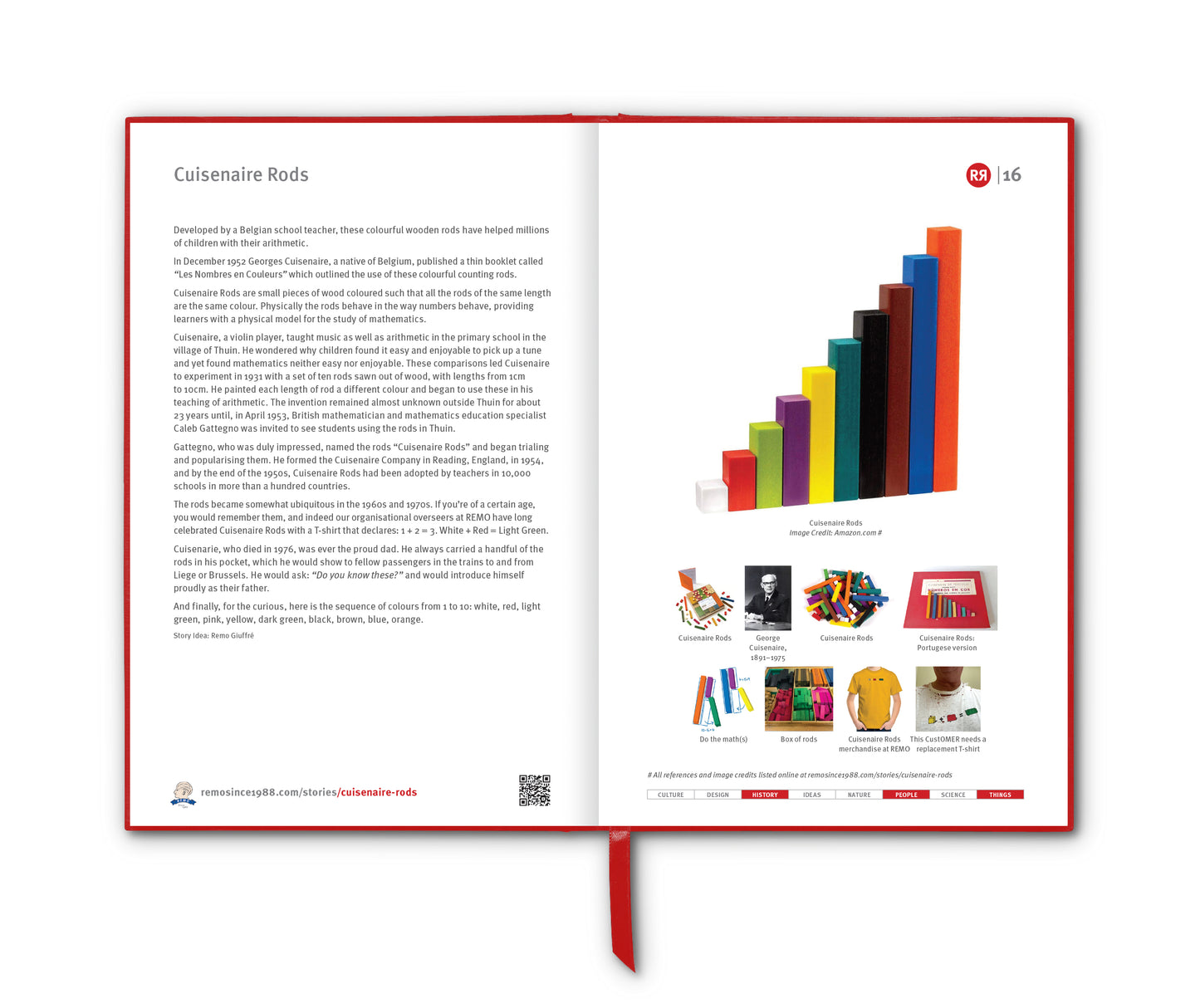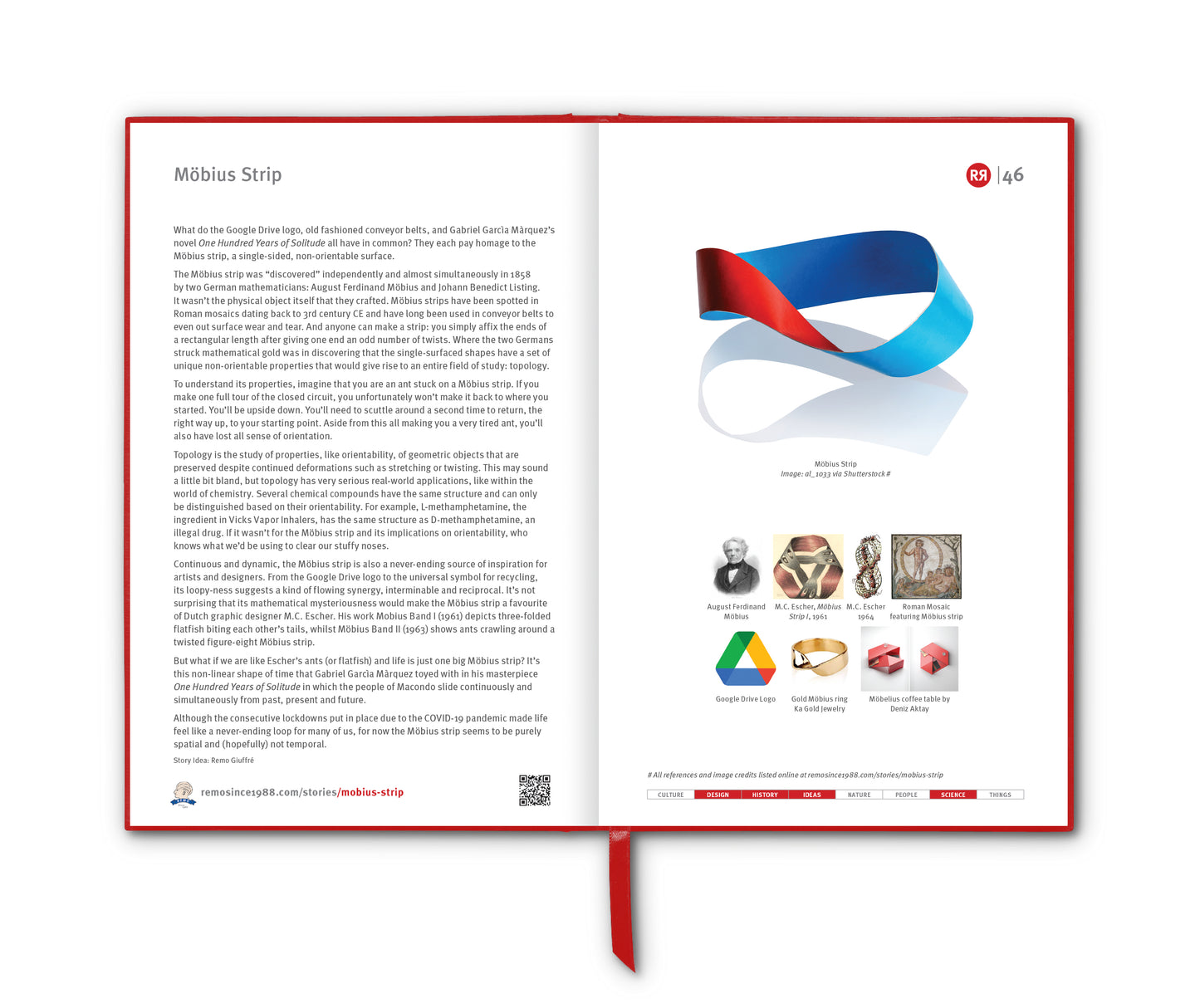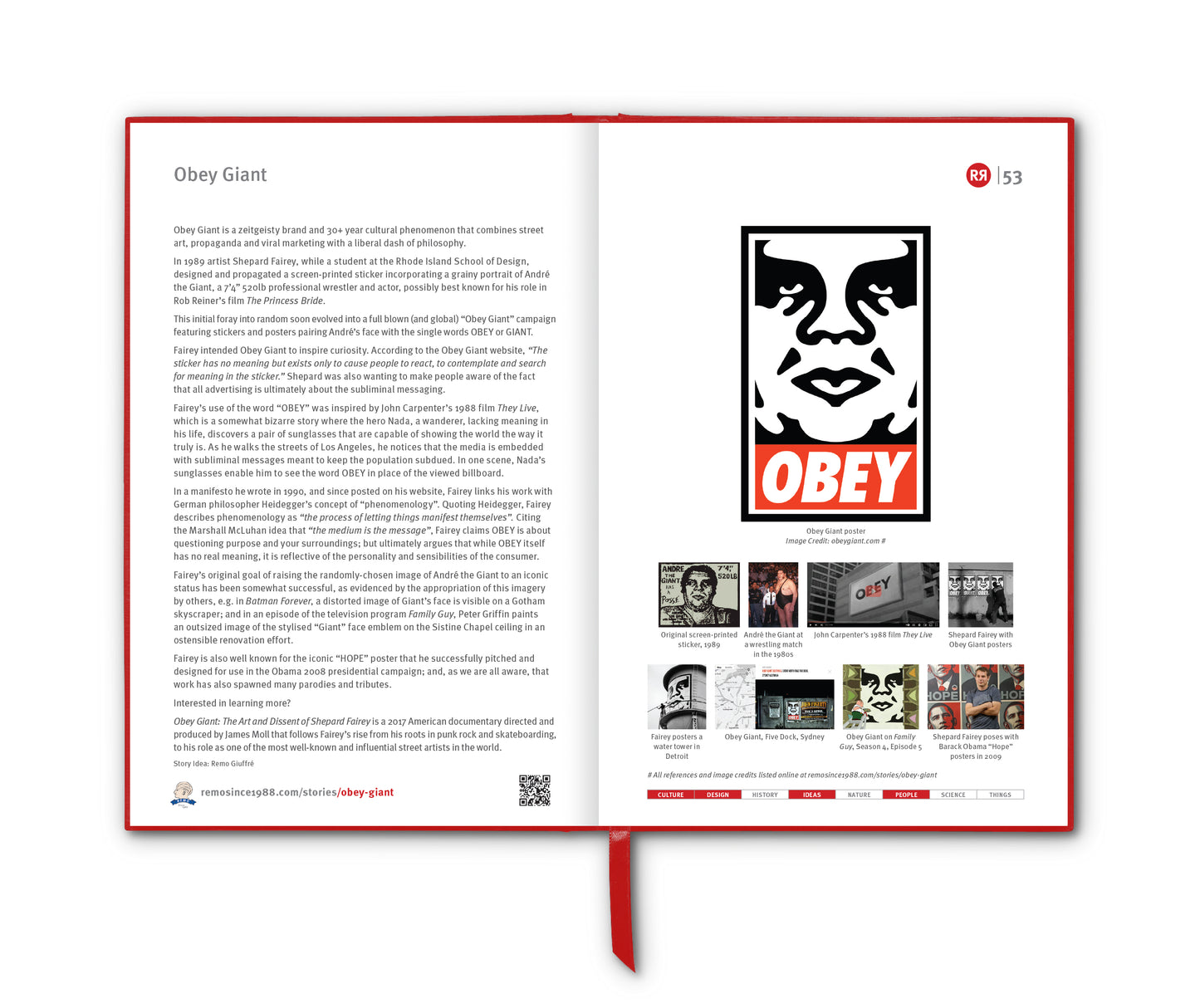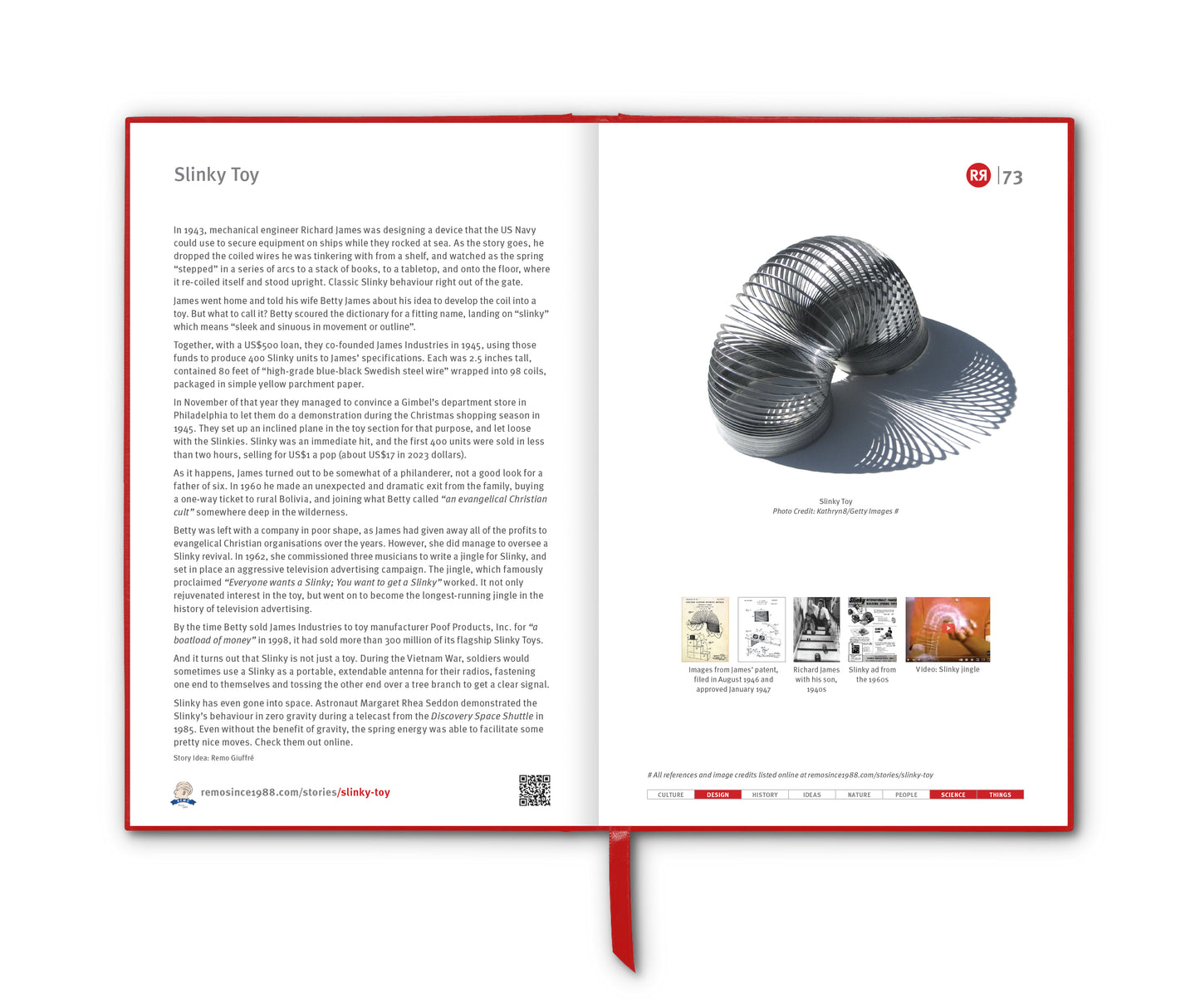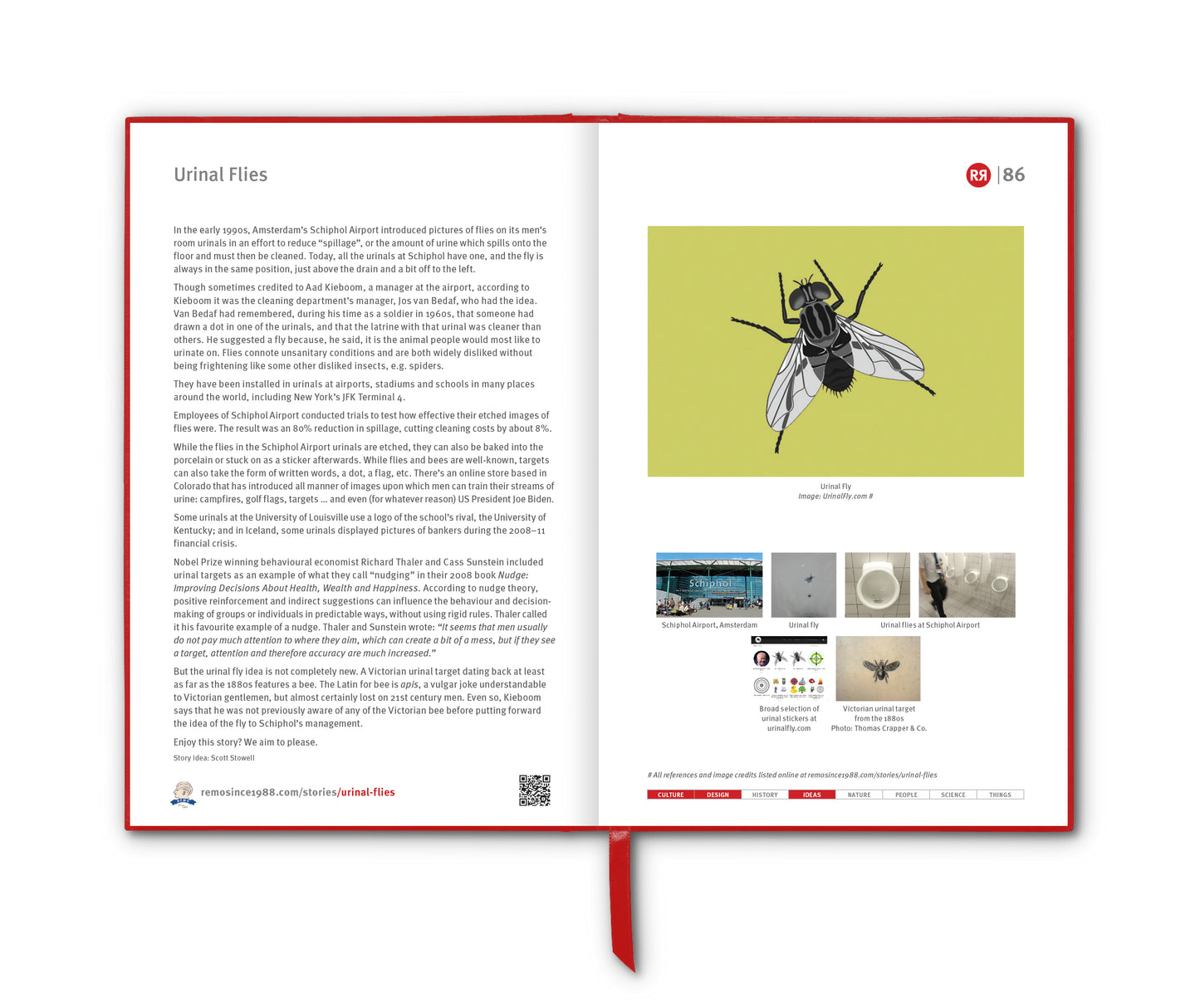

The Wandjina are ancestral spirit beings central to the beliefs of several Indigenous groups in the Kimberley region of north-western Australia, particularly the Worrorra, Ngarinyin and Wunambal peoples. They are considered creators of the land, the law and the people, and are most strongly associated with weather – especially rain, clouds, lightning and seasonal renewal. According to oral histories, the Wandjina shaped the world during the Dreaming and then disappeared into the landscape, leaving behind their presence in the form of rock paintings and spiritual energy.
Wandjina figures are a defining feature of Kimberley rock art. Painted on cave walls and rock shelters, they are typically depicted with large white faces, wide eyes and often no mouth. The absence of a mouth is culturally significant; some say it prevents them from speaking powerful words that could influence the weather, while others interpret it as a sign of restraint and spiritual authority. Around their heads are elaborate headdresses or halos, often rendered with radiating lines or dots that represent rain, lightning or clouds.
These images are not static relics of the past. They are considered living art, and are maintained by traditional custodians who repaint them periodically in accordance with ceremony and cultural law. The act of repainting is more than restoration – it is a reaffirmation of connection to country and a form of ongoing spiritual care. Only those with inherited rights and responsibilities are permitted to paint or reproduce Wandjina imagery, and doing so without permission is considered highly disrespectful.
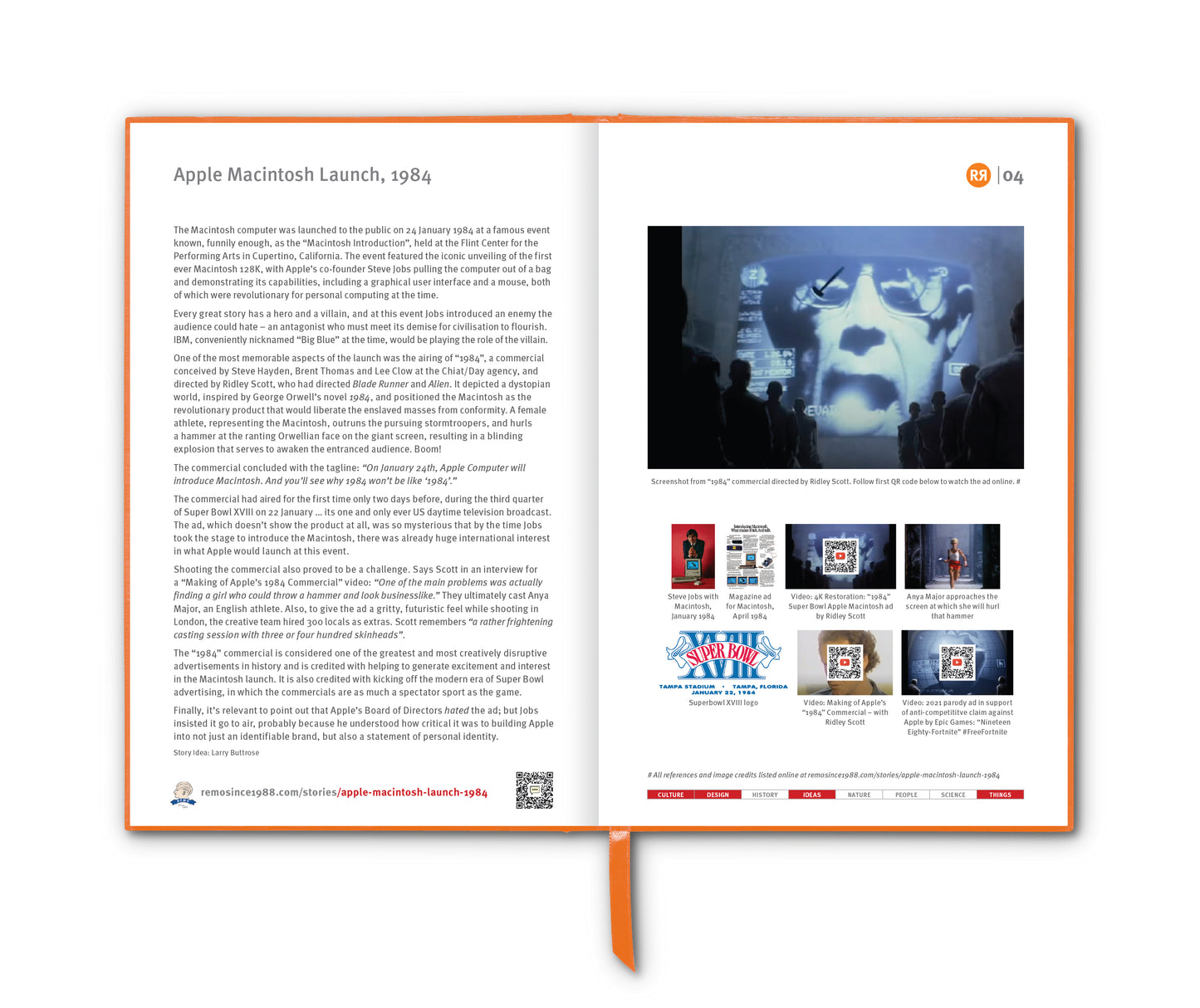
This has exposed New South Wales-based artist Vesna Tenodi to controversy. She has been painting the Wandjina, selling T-shirts and other merchandise depicting the image and also offering “create your own Wandjina workshops”. Needless to say, indigenous groups in the KImberley region are too pleased. The community took the landmark step of trademarking the Wandjina in 2015, a step which came after Tenodi caused further outcry by publicly exhibiting a sculpture depicting Wandjina without authorisation from traditional owners. It was the first trademark of Indigenous iconography taken out in Australia, meaning unauthorised depictions of the Wandjina potentially violate copyright law.
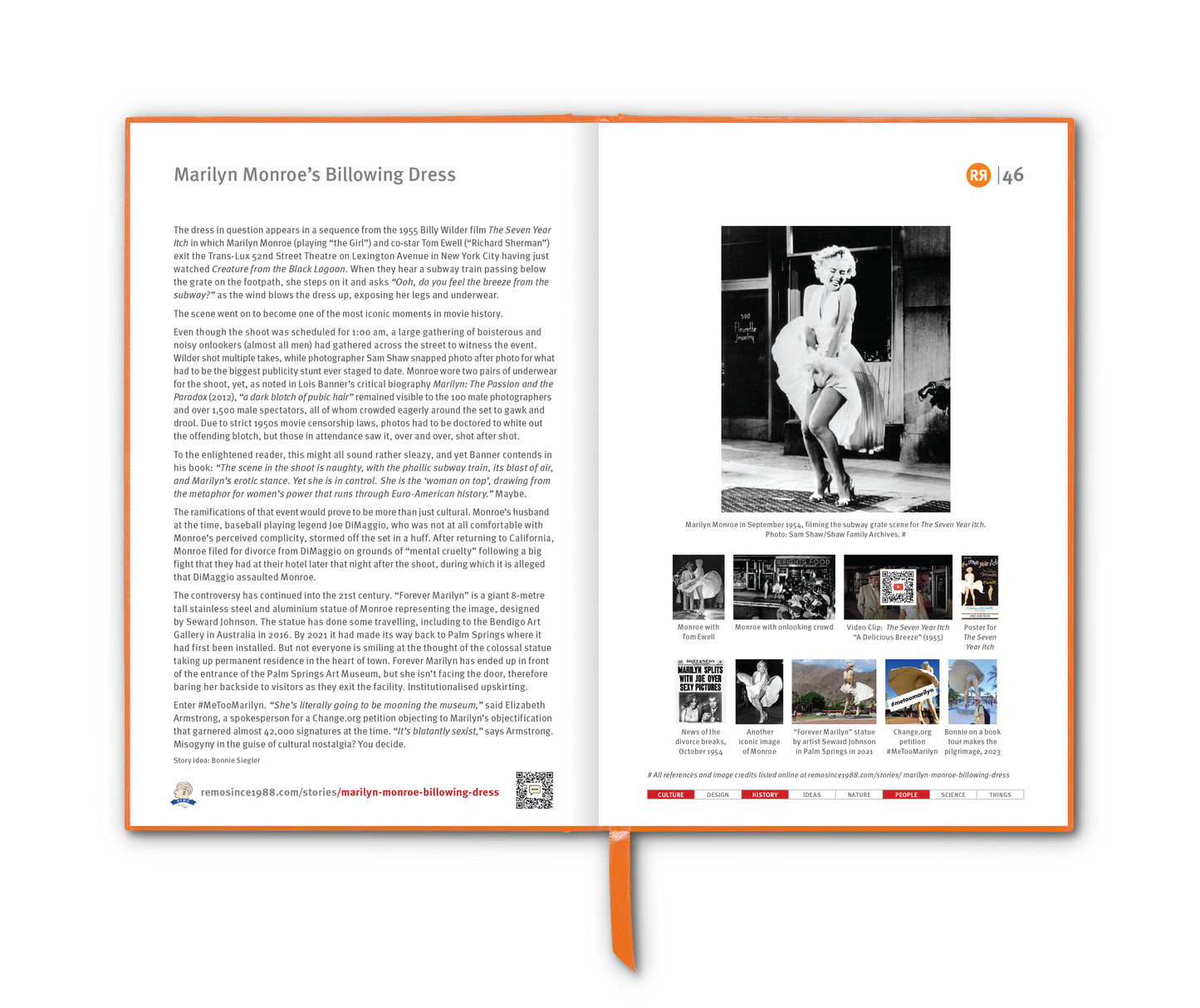
In addition to their religious and ceremonial significance, Wandjina have become a powerful symbol of Aboriginal identity and cultural continuity. One by renowned Kimberly artist Donny Woolagoodja featured prominently in the opening ceremony of the Sydney 2000 Olympics, bringing them to a global audience. At the same time, the use of Wandjina images in commercial contexts – such as fashion or advertising – has sparked debate around cultural appropriation and the need for proper consent when engaging with sacred Indigenous symbols.
Wandjina continue to play a role in rainmaking ceremonies and are invoked to help maintain environmental balance. They are part of a broader system of traditional knowledge that links people, land and climate.
Story Idea: Melanie Giuffré
____________________________
References
wikipedia.org/wiki/Wandjina
mowanjumarts.com
abc.net.au/news/2019-02-16/kimberley-artists-legal-action-over-wandjina-misappropriation
Images
1. Waanangga Young Fella Got Lost, Marjorie Mungulu, 2004
2. Map-of-the-Kimberley-region-in-Western-Australia
3. Wandjina rock art on the Barnett River, Mount Elizabeth Station, Credit: Claire Taylor
4. Wandjina at Mt Elizabeth Station. Photo credit: Robyn Jay via Flickr
5. Donny Woolagoodja (1947–2022) whose giant Namarali Wandjina featured in the opening ceremony of the Sydney 2000 Olympic Games
6. Sydney 2000 Olympic Games. Credit: Anna Laurendet
7. Wandjina on Sydney Opera House for Vivid Sydney, 2016
8. Wandjina, Dumbi & Gyorn Gyorn (cloud and rain spirit, barn owl & Bradshaws), Gabriella Barunga, 2021
10. Artist Vesna Tenodi with non-sanctioned Wandjina sculpture in NSW
11. Mowanjum Aboriginal Art & Culture Centre, Gibb River Road, Derby WA
12. Wandjina by Marjorie Mungulu, 2004 and Remo by Christina Zimpel, 2018