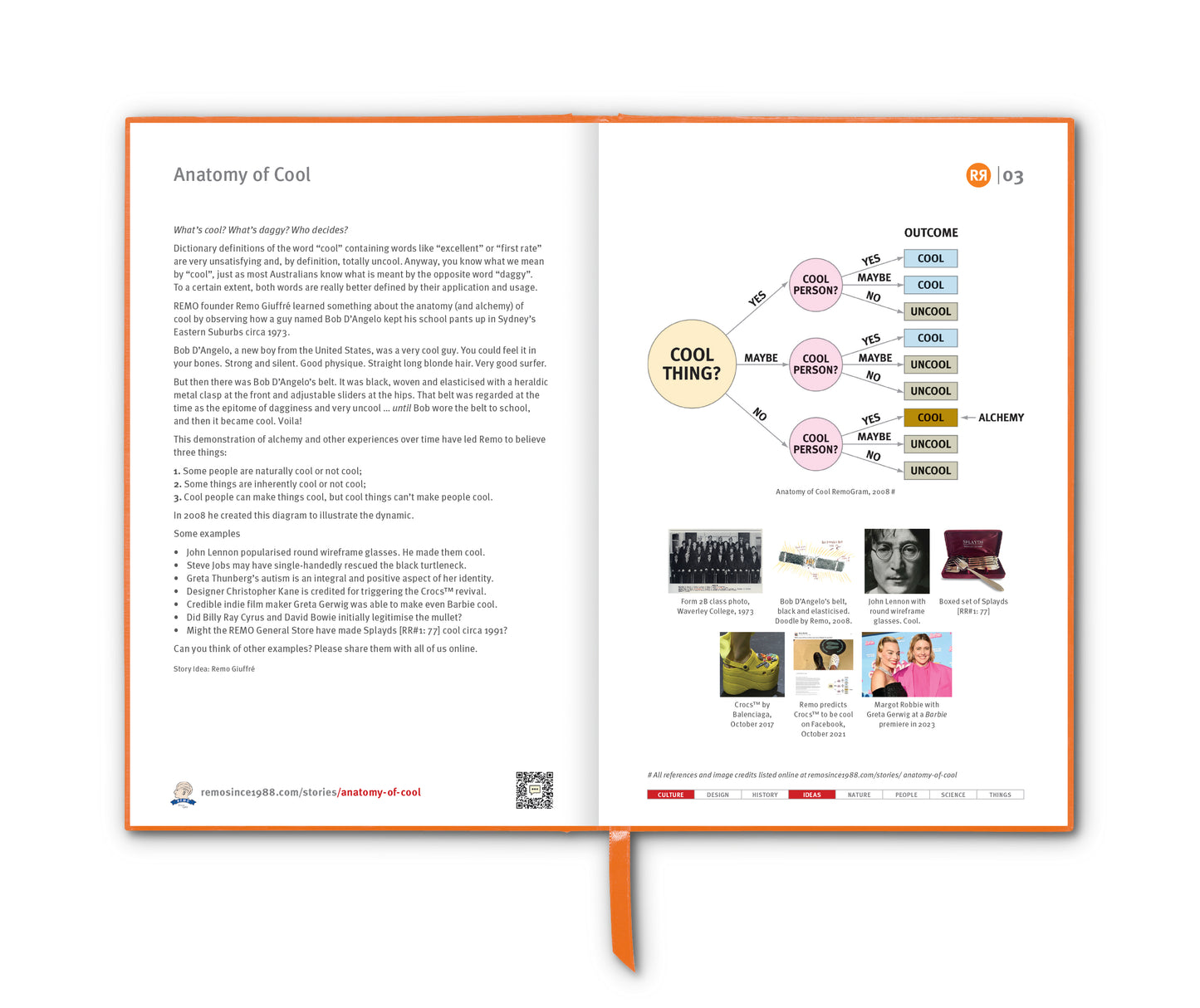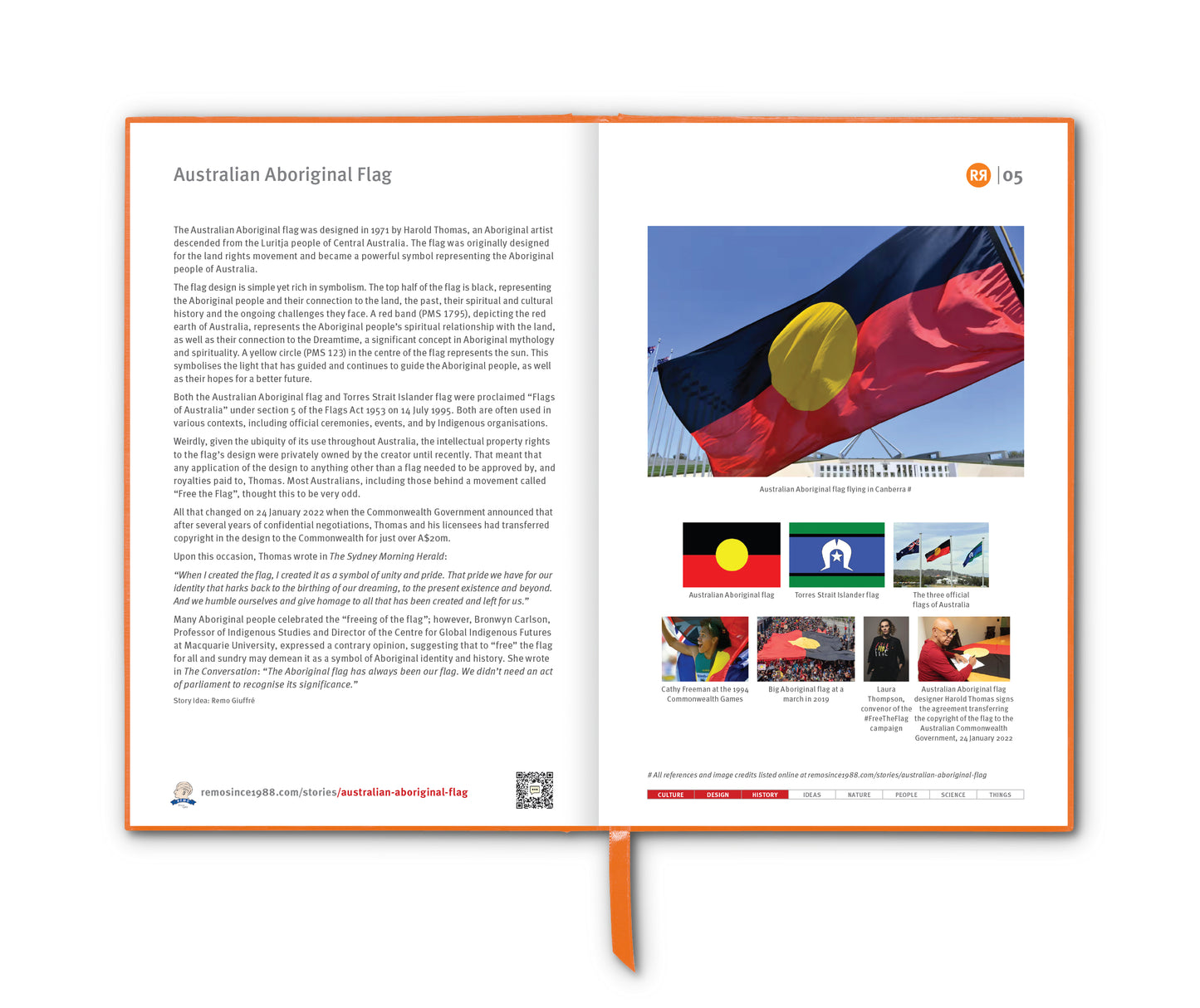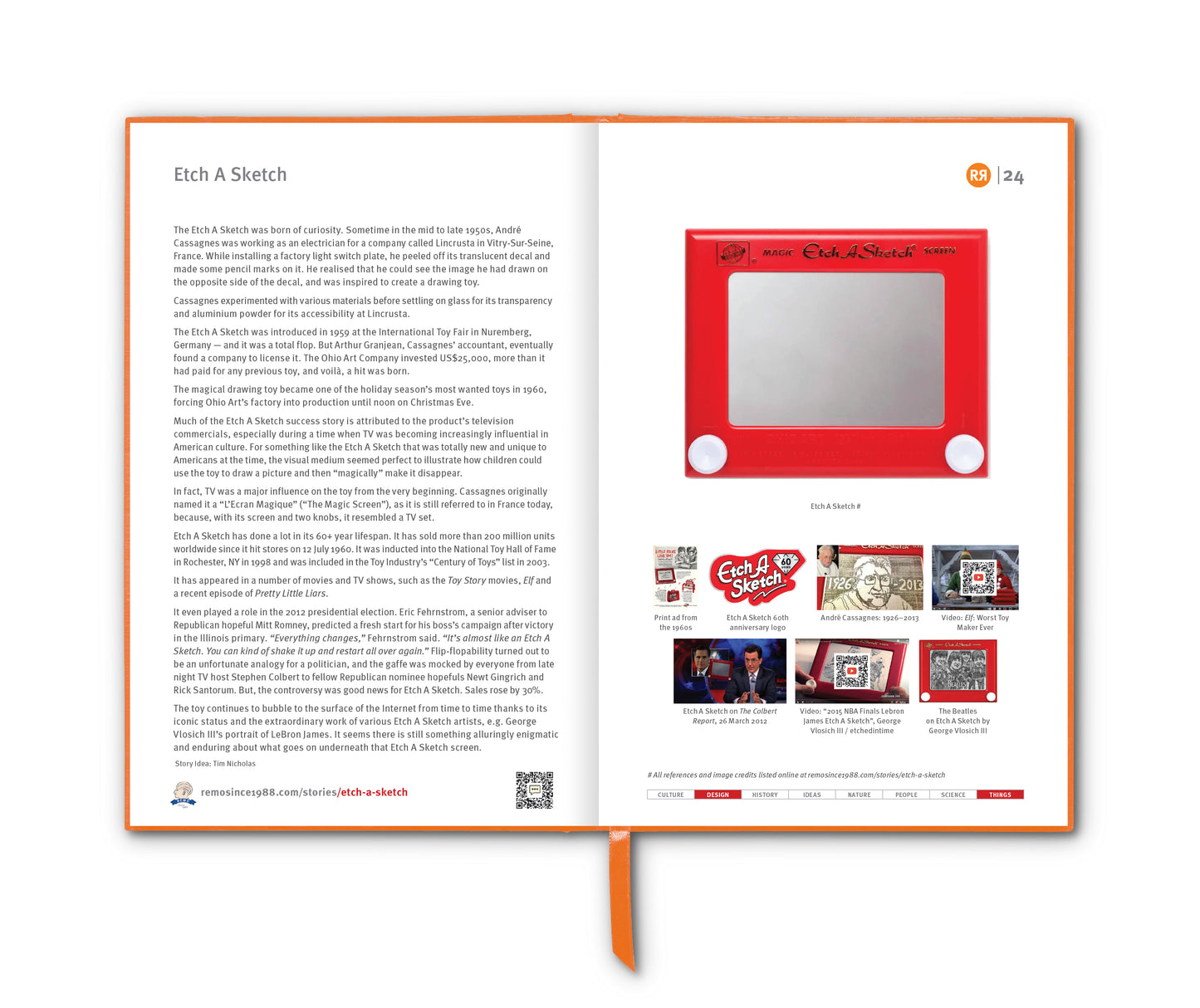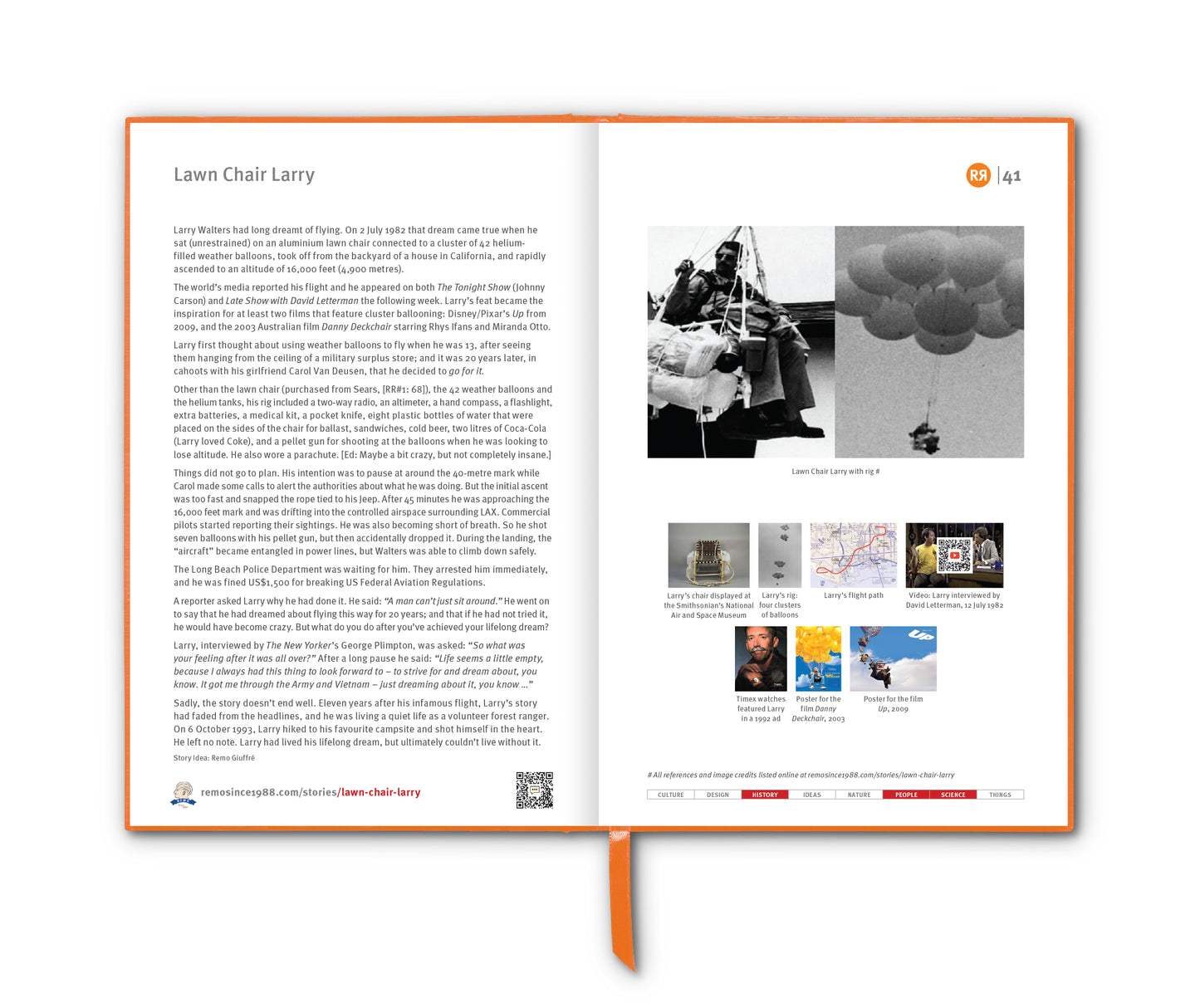

Tamarama Beach in Sydney [Ed: Referred to by some critics as “Glamarama”] is a tiny jewel of a beach located between two headlands on the Bondi to Coogee Walk. It's known for its powerful waves, making it a popular spot for experienced surfers and the local "grommets". The beach is backed by parklands, offering a scenic space for picnickers and beachgoers. These days, the real estate there is very expensive.
The beach has some wonderful history … and we mean that quite literally.
Wonderland City was a grand amusement park that operated at Tamarama Beach from 1906 to 1911. Conceived by theatrical entrepreneur William Anderson, it was built on the site of the former Bondi Aquarium and Pleasure Grounds and was dubbed the “Coney Island of Australia”.
Spanning an impressive 20 acres, Wonderland City was the largest open-air amusement park in the Southern Hemisphere at the time. It featured a wide range of attractions, including a switchback railway (an early roller coaster) that hugged the cliffs, a steam-powered miniature railway covering two miles and an artificial lake crossed by a wooden bridge. One of its most unique features was the “Airem Scarem”, an airship suspended over the sea. Other attractions included Australia’s first open-air ice skating rink, a haunted house, a labyrinth and a music hall that seated 1,000 people. Visitors could even ride an elephant, appropriately named “Alice”, along the beach.
The park was illuminated by thousands of electric lights powered by its own steam plant, creating a dazzling nighttime spectacle that earned it the nickname “Fairy City”. A reported 20,000 people attended the opening night, and it quickly became a popular destination for Sydneysiders looking for entertainment by the sea.
However, Wonderland City was not without controversy. Anderson erected a barbed-wire fence that restricted public access to Tamarama Beach, sparking public outrage and legal challenges. [Ed: Australians really don't like it when anyone tries to privatise a beach!] Animal welfare concerns – particularly regarding Alice the elephant – and safety issues with attractions like the airship also contributed to a decline in attendance. These factors ultimately led to the park’s closure in 1911. Anderson lost his shirt.
In 1920, the New South Wales government purchased the site and transformed it into Tamarama Park, which remains a beloved public space today. The most obvious physical reminder of the amusement park is Wonderland Avenue, named in its honour.
Wonderland City also played a role in the formation of the Tamarama Surf Life Saving Club, established in 1906 partly in response to the restricted beach access. So, in 2002, the club commissioned a mural to commemorate the amusement park’s legacy and its impact on the local community. Mambo founder Dare Jennings, as it happens a longtime Tamarama resident, enlisted artist David McKay to do the honours, and the mural was also merchandised as a T-shirt, the sale of which benefited the club.
All rather wonderful, we think you’d agree.
____________________________
References
celebrating.waverley.nsw.gov.au
nicolecama.medium.com/wonderland-city
adb.anu.edu.au/biography/anderson-william
smh.com.au/entertainment/art-and-design/avenue-to-wonderland
Images
1. William Anderson from King's Theatre Melbourne theatre programme, 1914. Credit: State Library of Victoria
3. Tamarama Beach in 2019. Photo credit: Aquabumps
4. The Bondi Aquarium at Tamarama, circa 1890
5.