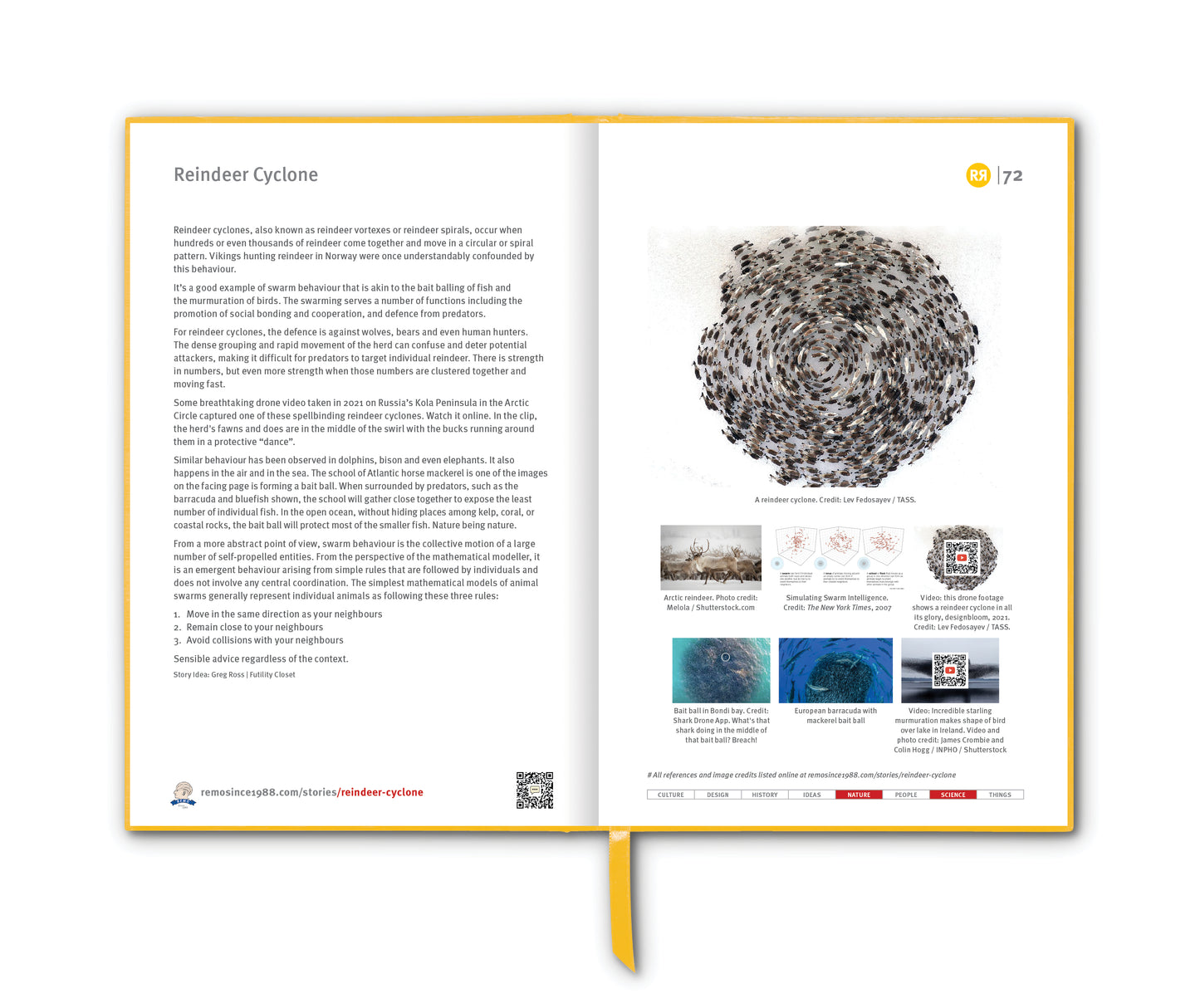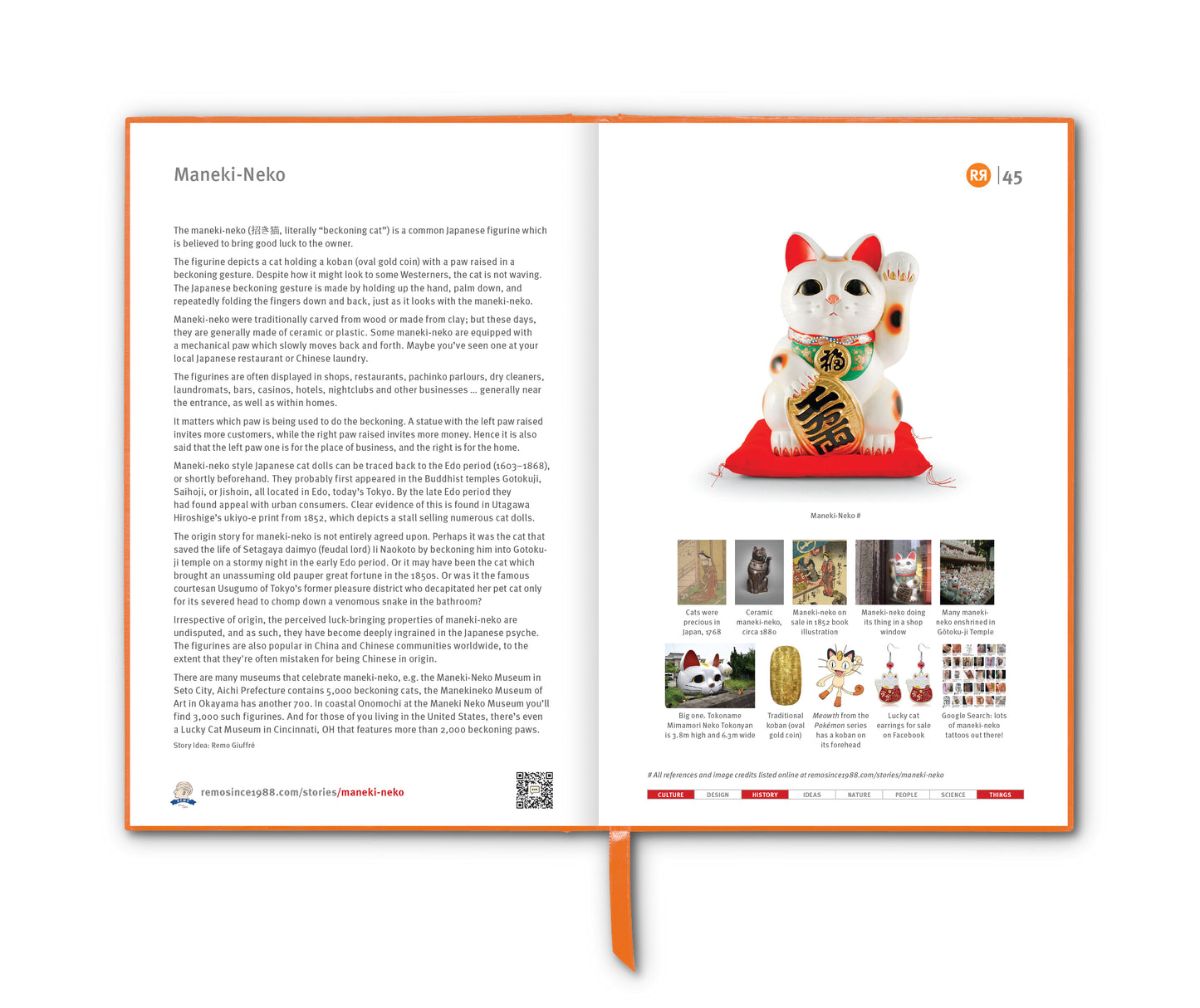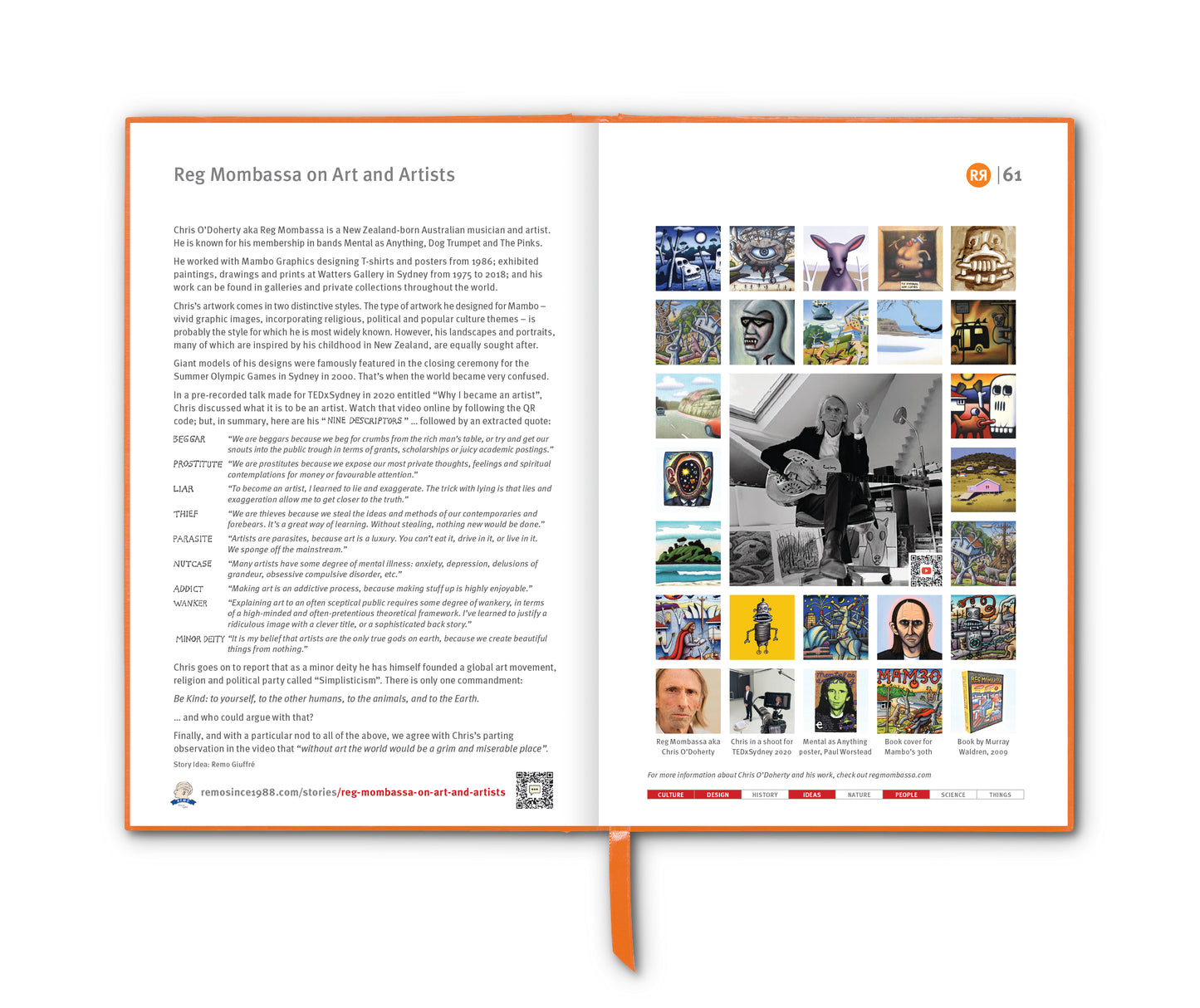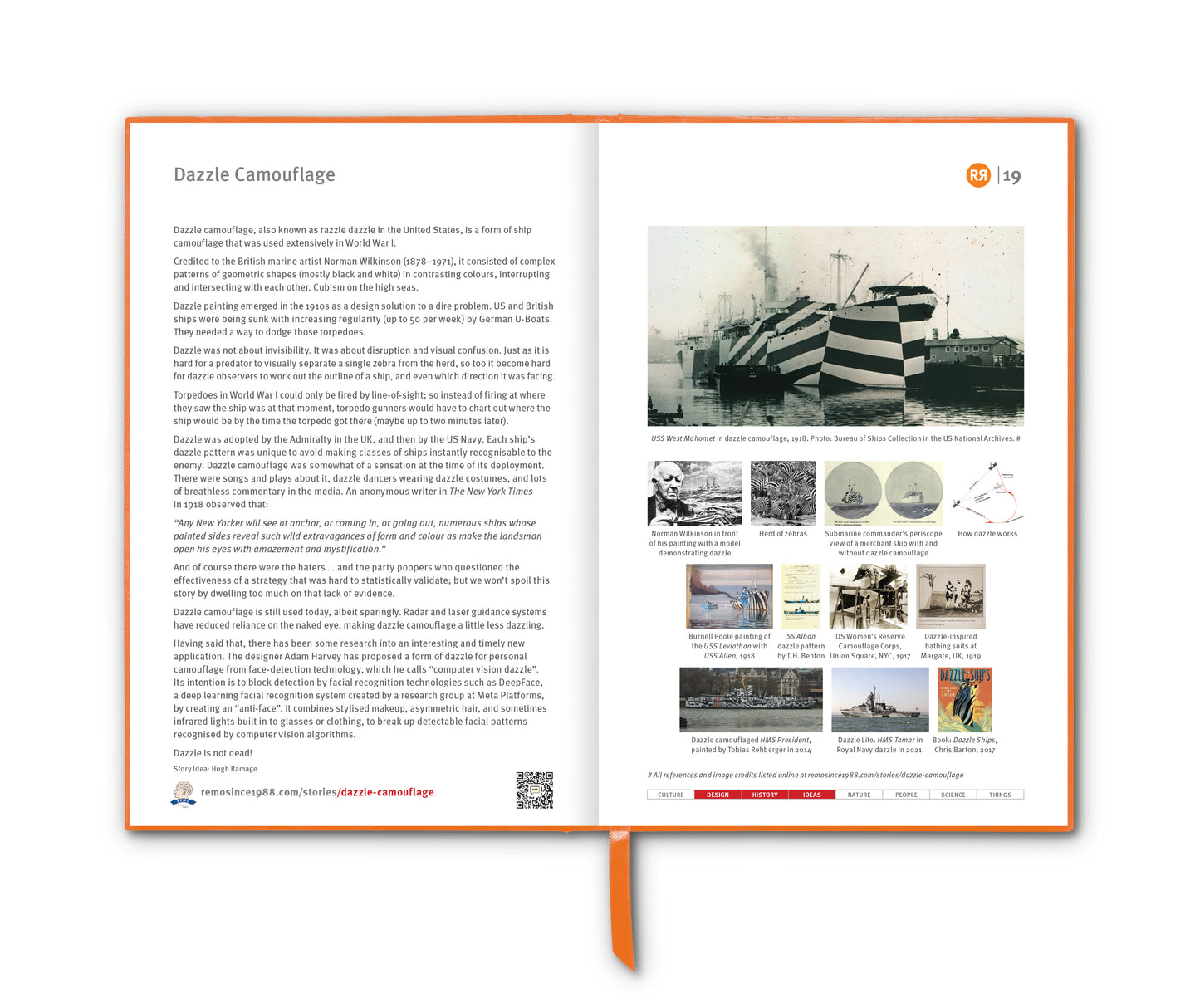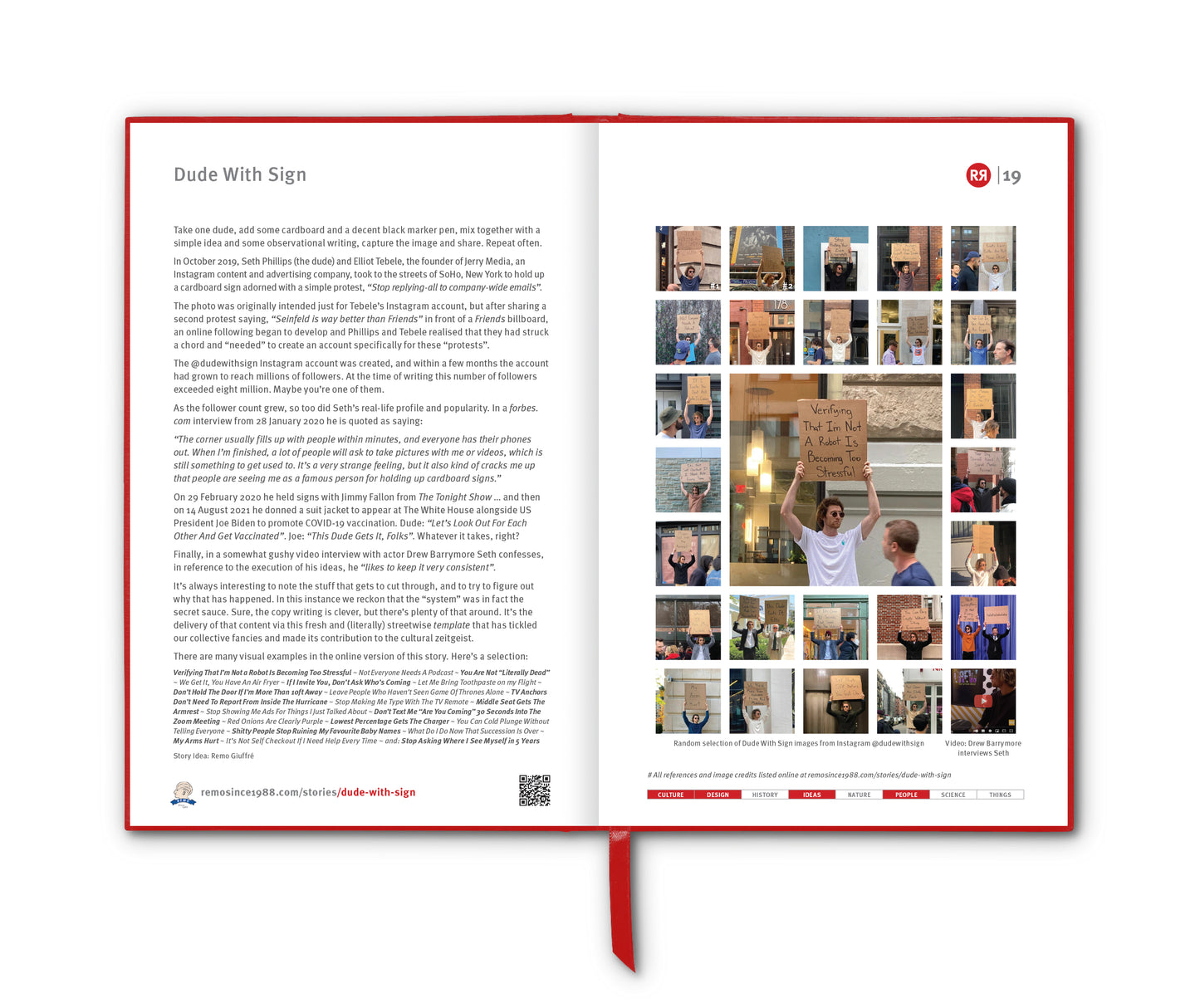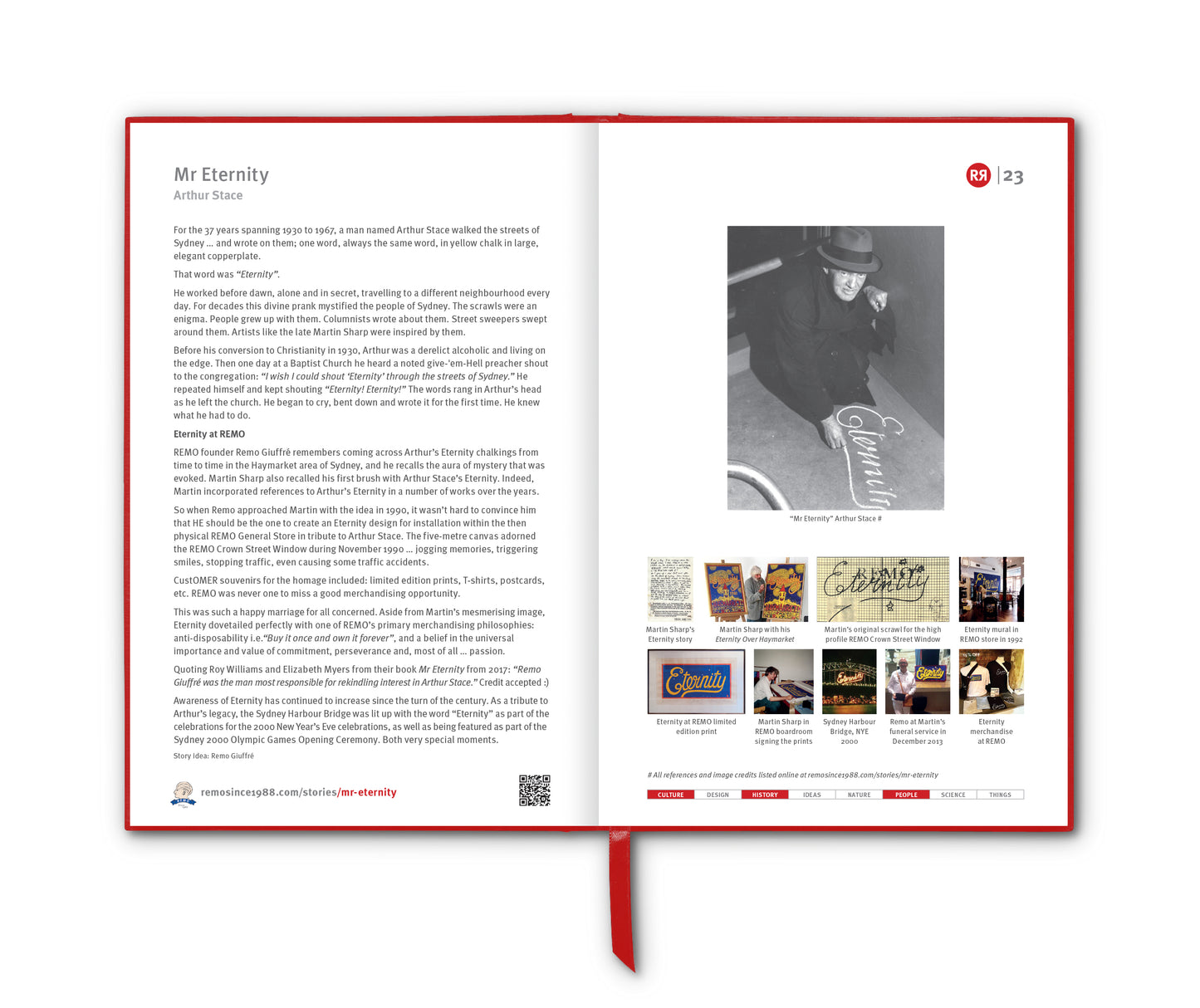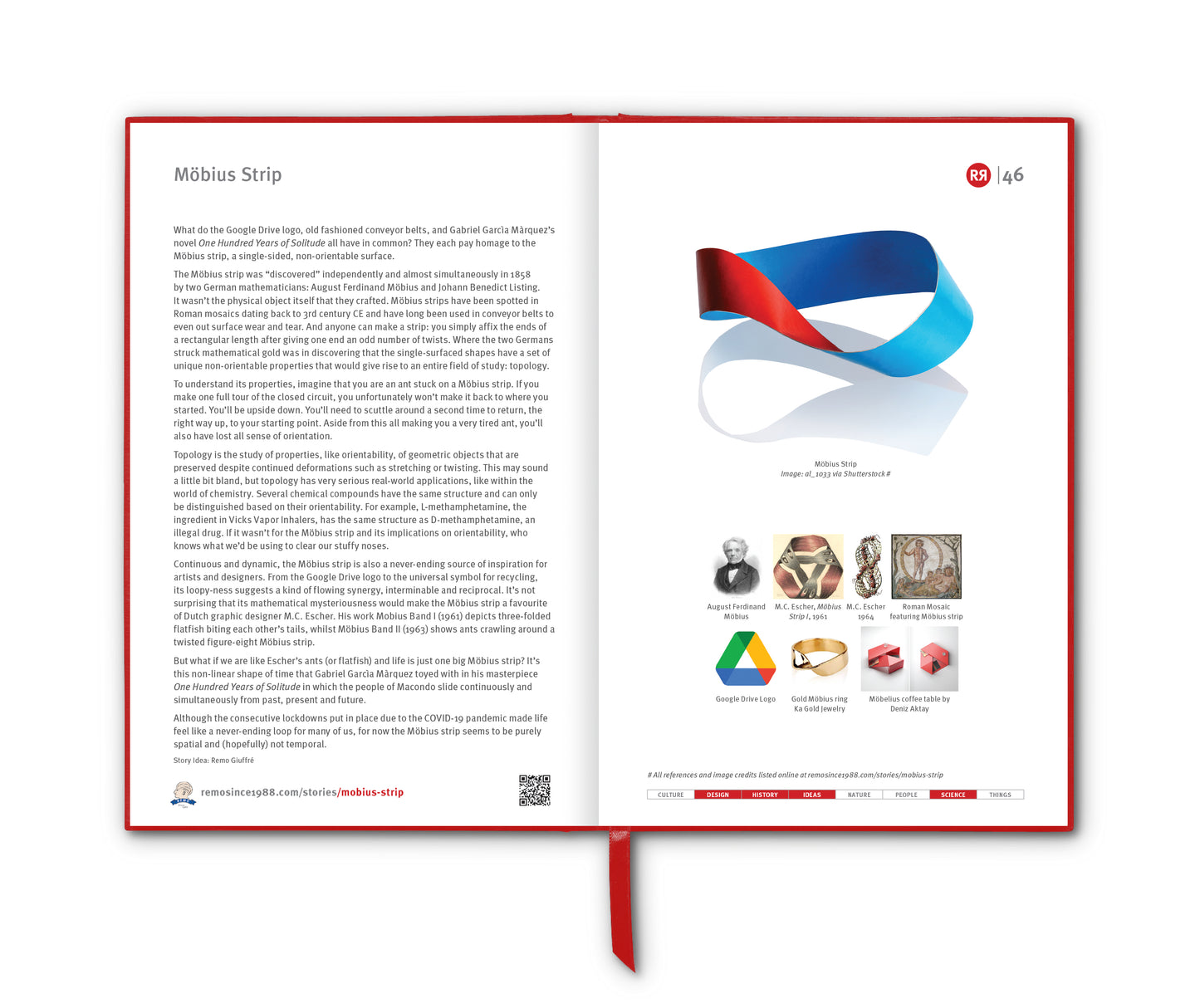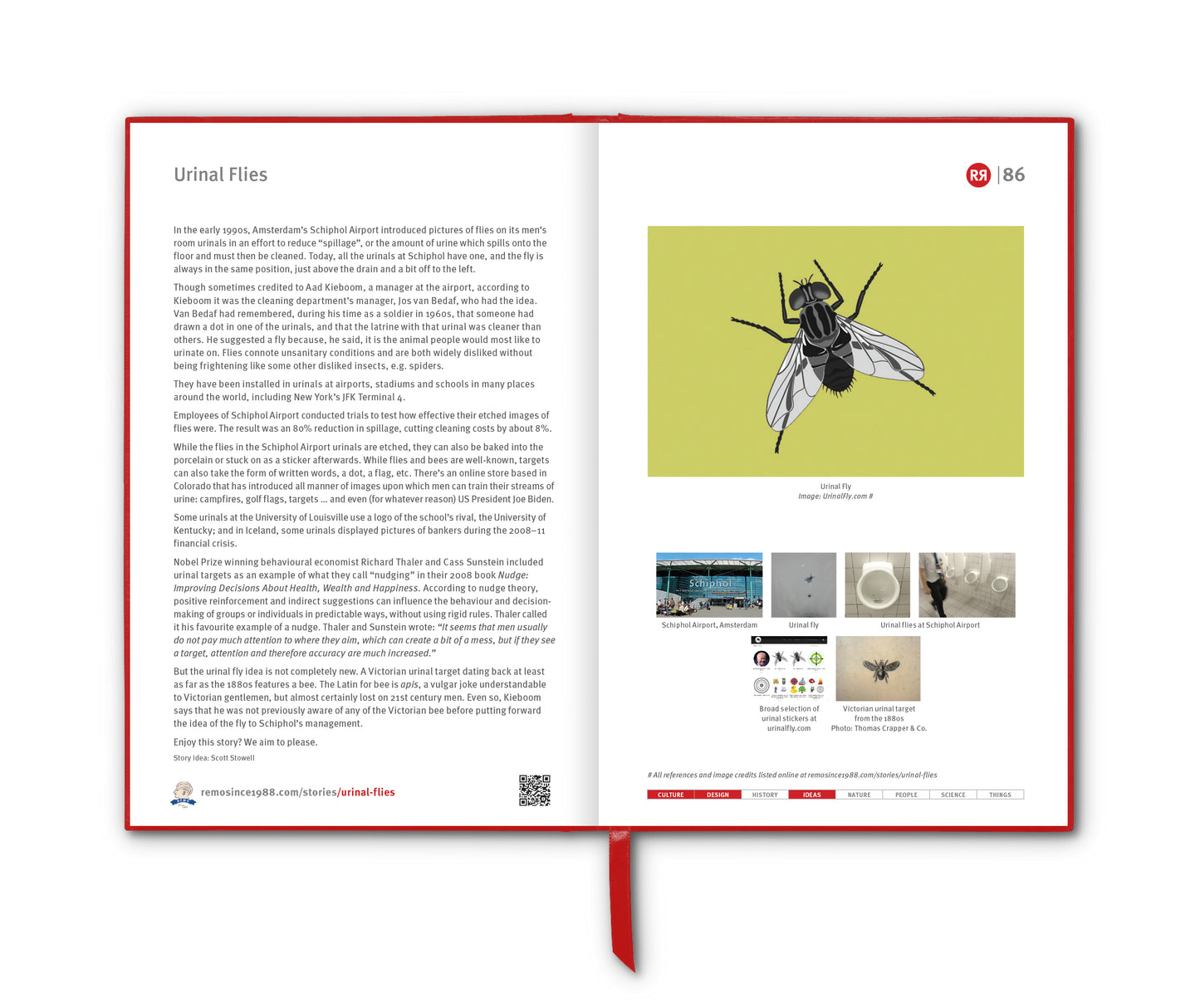

In the dramatic landscapes of Ethiopia’s Lower Omo Valley – where the Weyto and Omo Rivers cut through dry savanna and marshland – live the Banna people, an Omotic-speaking community numbering around 45,000. They are widely recognised not just for their rich pastoralist lifestyle but most strikingly for the stilt-walking tradition practiced by their young men and boys.
Stilt walking among the Banna is more than a curious spectacle; it is a deeply embedded cultural practice rooted in the community’s history and environment. Historically, young men known locally as “Tewa” first took to stilts for very practical reasons. The sprawling grasslands and marshy plains of the Omo Valley are home to dense grass, muddy ground and dangerous wildlife – from venomous snakes to lions and hyenas. Stilts crafted from sturdy local wood lifted the walker above these hazards, offering both safety while herding cattle and an elevated vantage point to oversee livestock.
However, the significance of stilt walking evolved over generations into something more symbolic. Mastering the stilts is a rite of passage for young Banna males. It is a tangible demonstration of balance, strength, courage and discipline – qualities highly esteemed in a community whose livelihood depends on resilience and cooperation. The ability to stride confidently atop poles several meters high signals to the community that a youth is ready to take on the responsibilities of adulthood, including protecting cattle, contributing to communal labor and participating actively in social life.
Training typically begins at a young age, with boys learning to balance on shorter supports before progressing to taller stilts. With years of practice, they achieve a level of artistry that blends agility with grace, performing dance-like steps, high kicks and even acrobatic moves that captivate onlookers during cultural gatherings and festivals.
During ritual occasions – such as weddings, harvest celebrations or community ceremonies – stilt walkers often paint their bodies with white stripes and don traditional attire, transforming the practice into a dramatic, symbolic performance that unites artistry with heritage.
While modern pressures like road access and schooling have reduced the daily necessity of stilt walking, the tradition remains alive. It endures as a cultural centrepiece that fosters identity, pride and continuity. Today, it also draws the interest of tourists and anthropologists alike, creating opportunities for economic benefit and global awareness/appreciation.
_______________________________
References
wikipedia.org/wiki/Banna_people
knowafricaofficial.com/meet-ethiopias-stilt-walking-tribe
Images
1. Banna children on stilts, 2014. Photo credit: WAVRIK
2. Omo Valley, Ethiopia
3. Banna boy with his goat in front of a bar, Key Afer, Ethiopia. Photo credit: Eric Lafforgue
4. Banna boys. Photo credit: furtherafrica.com
5. Banna boys climbing