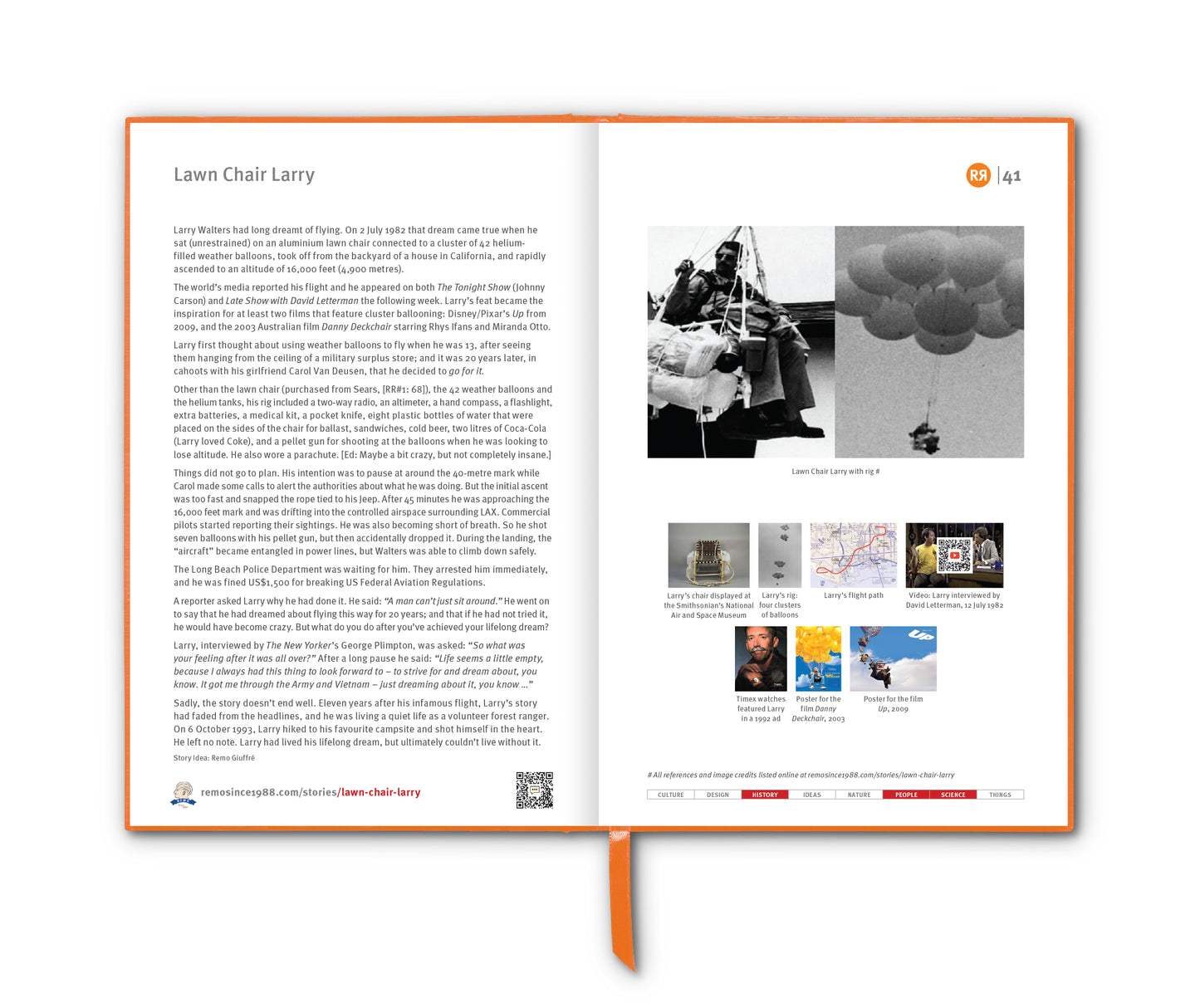
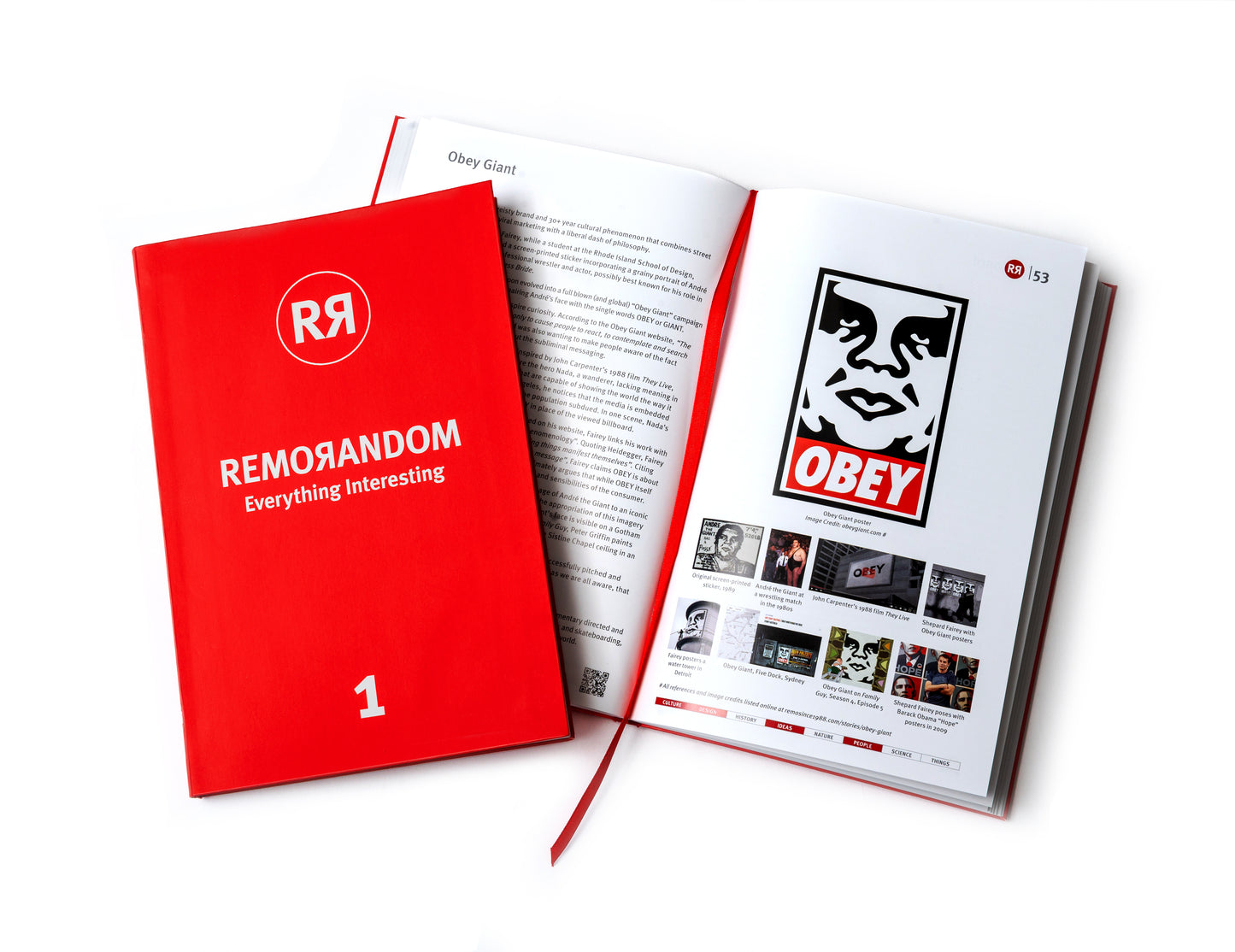
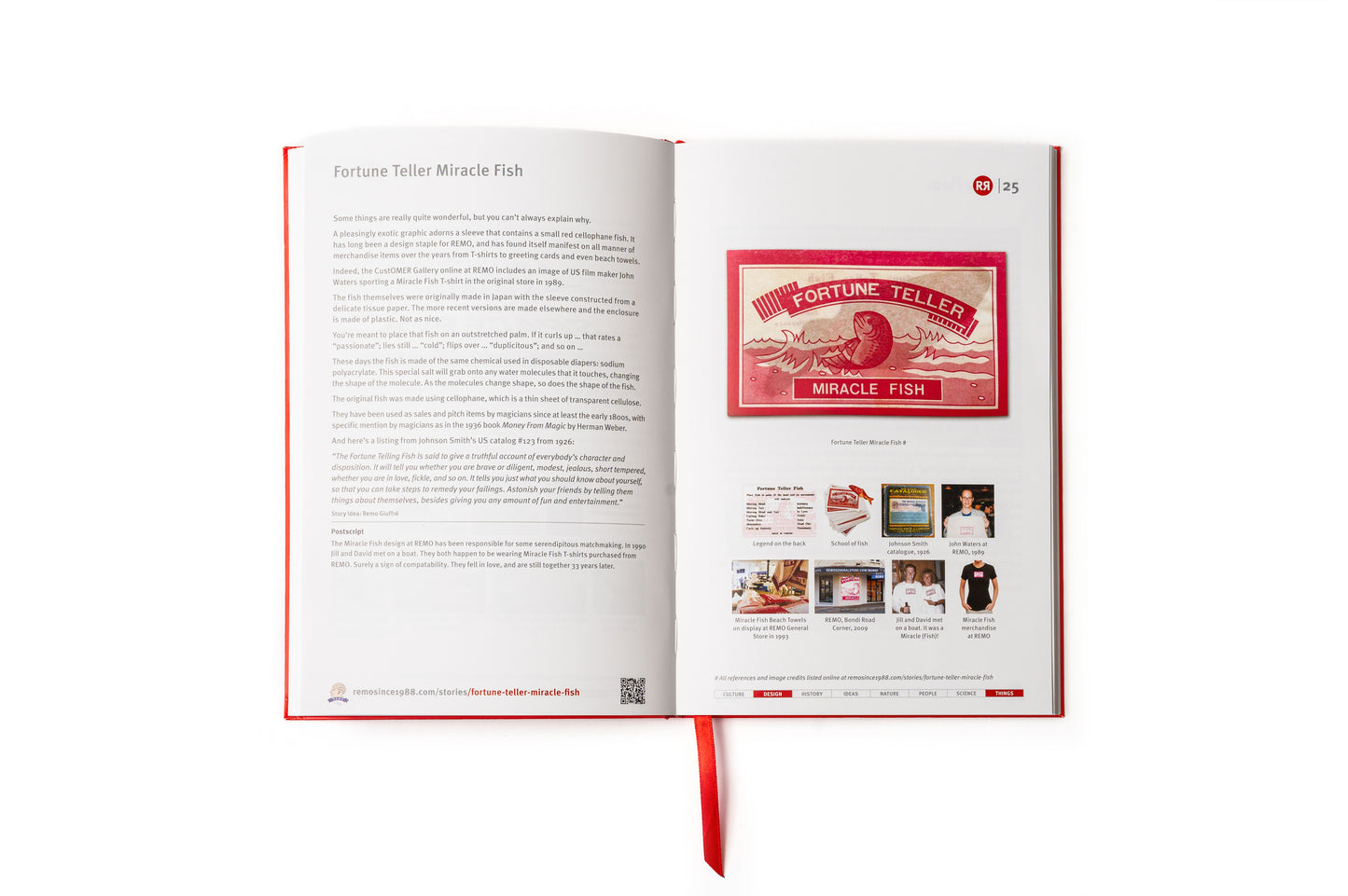
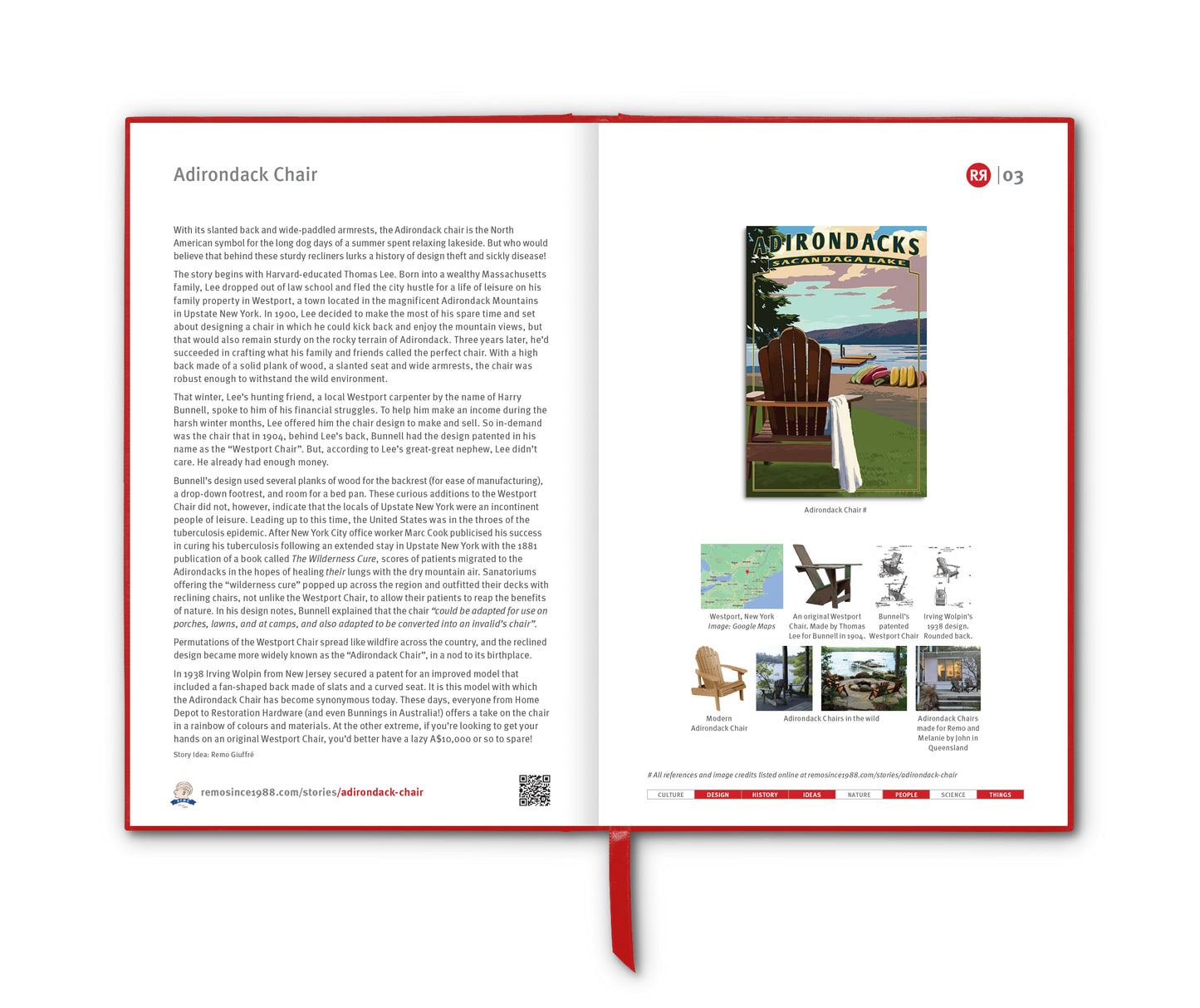
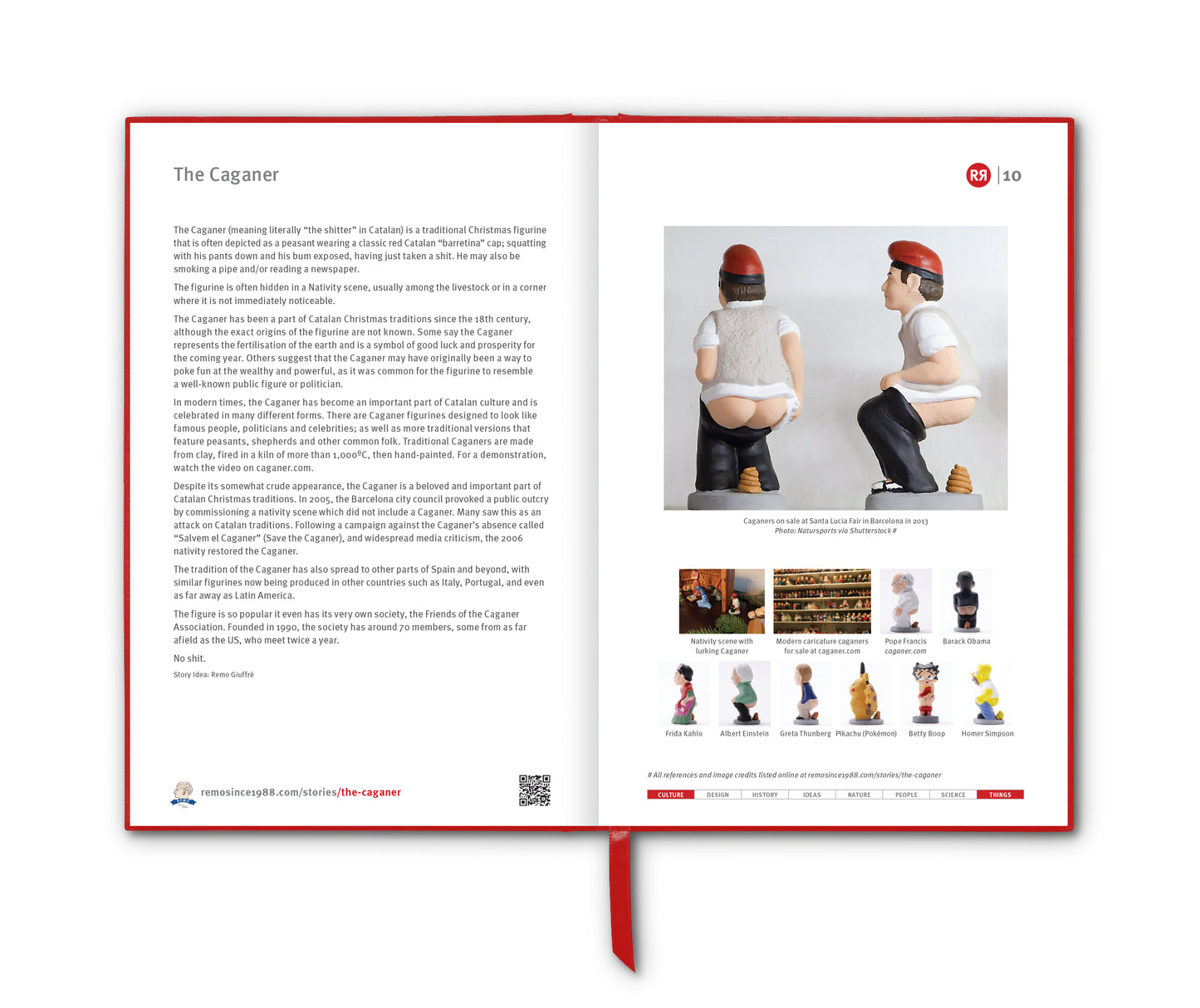
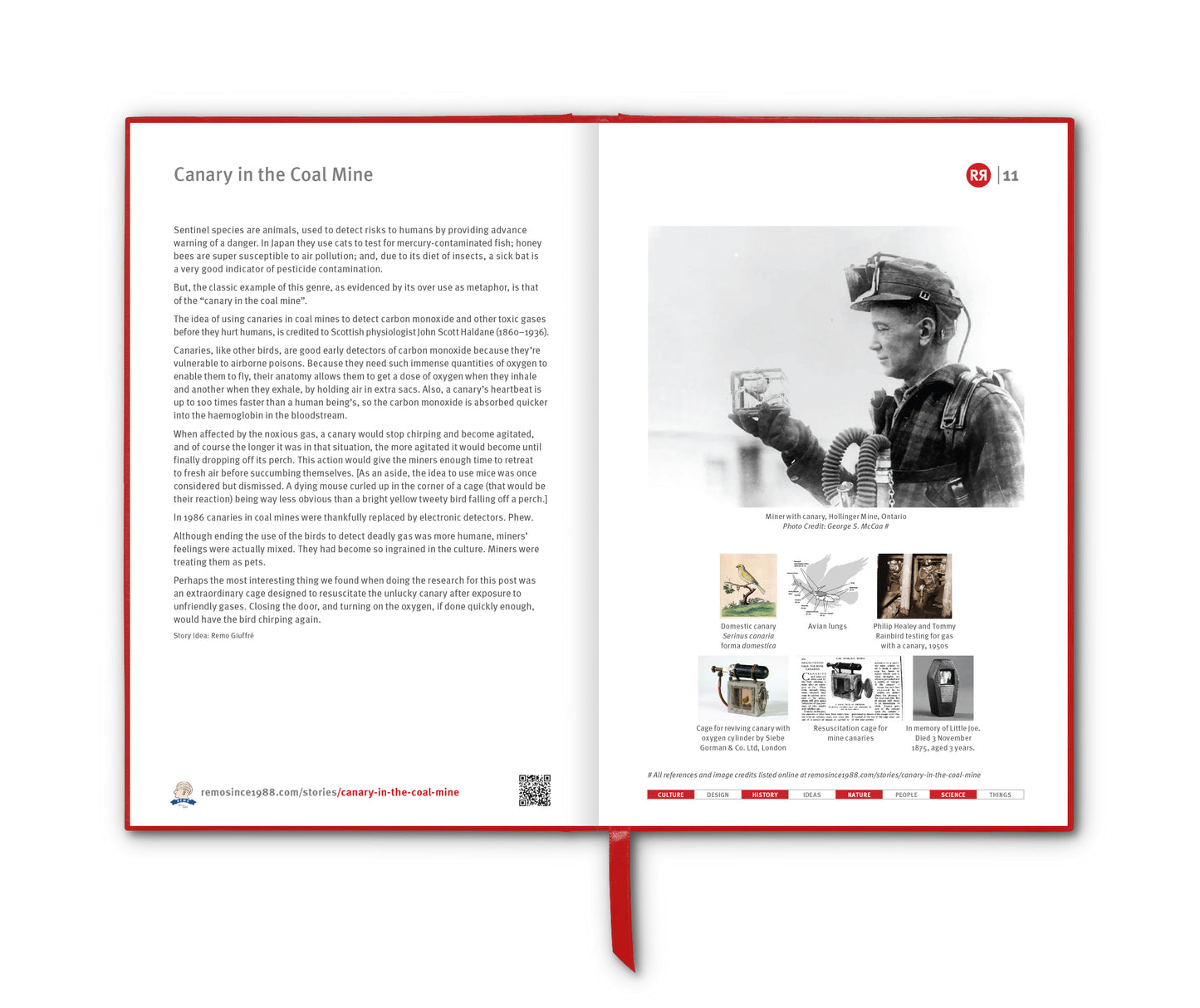
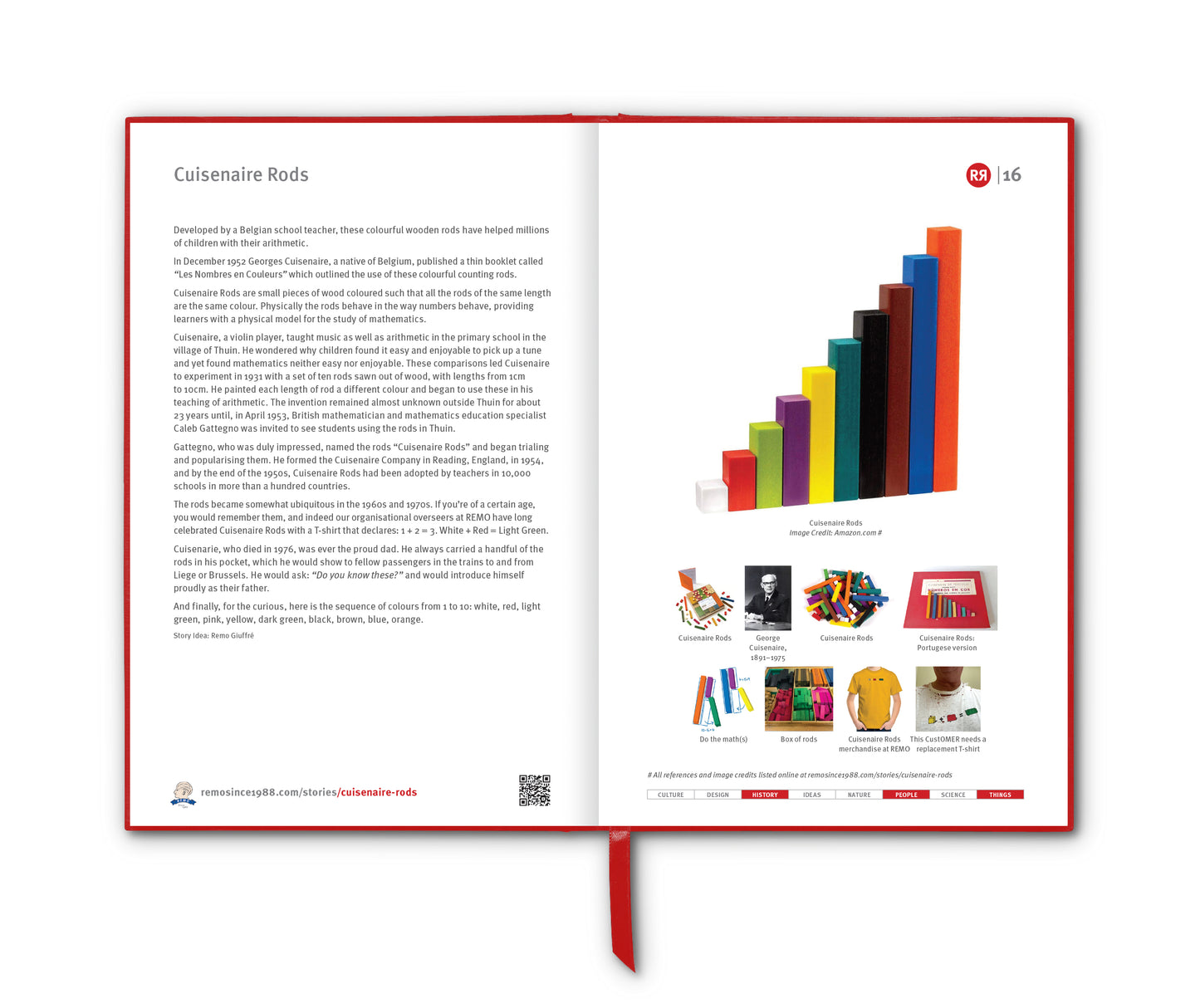
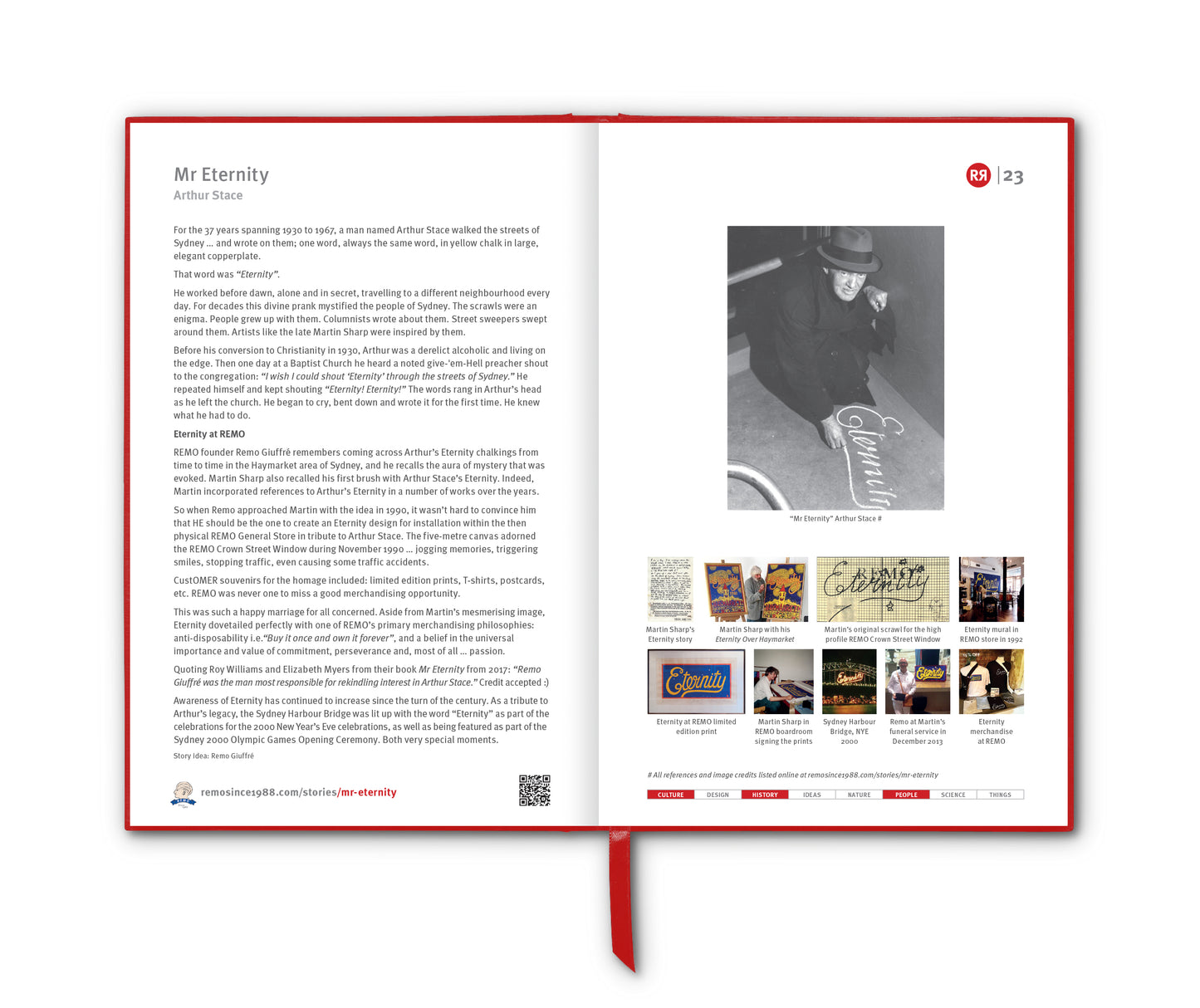
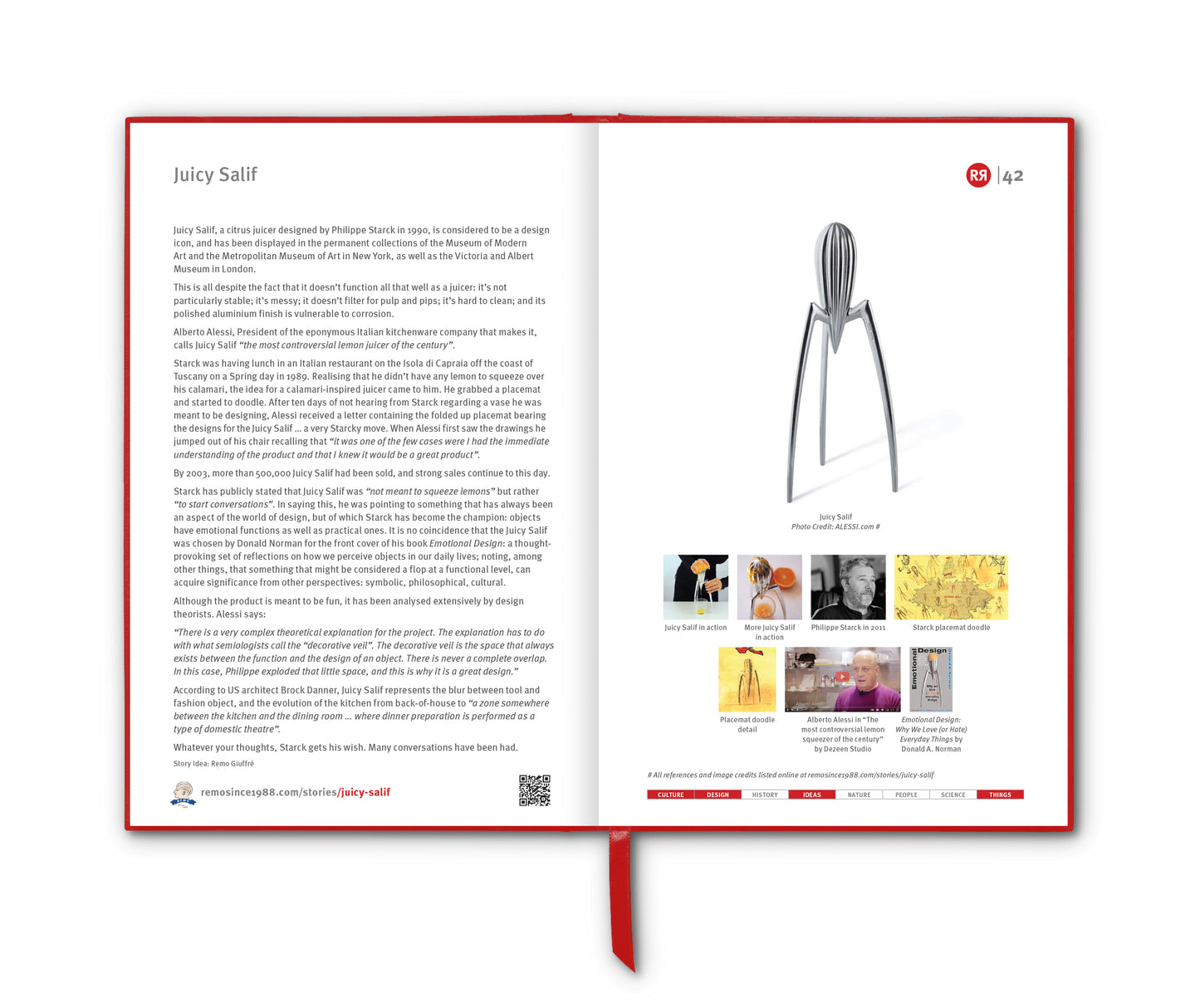
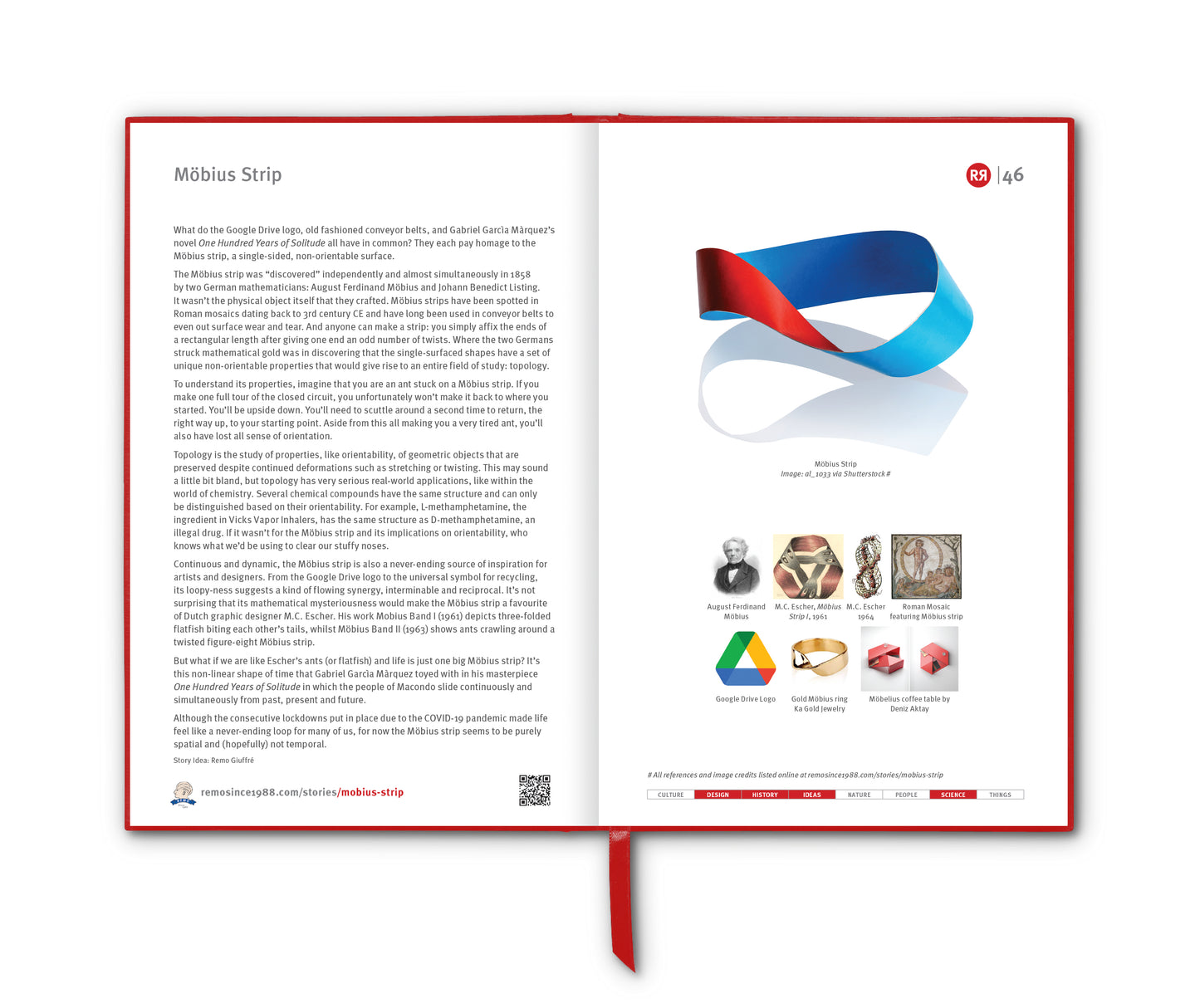
In the 1960s and ‘70s, American ethologist John B. Calhoun carried out a series of experiments that would become both famous and unsettling: the “behavioral sink” studies. Officially known as the “Universe” experiments, they were designed to explore what happens when a population is given unlimited food and water but confined to a limited, artificially dense living space. What Calhoun believed he observed has since been used as a warning about the possible dystopian future of human urban life.
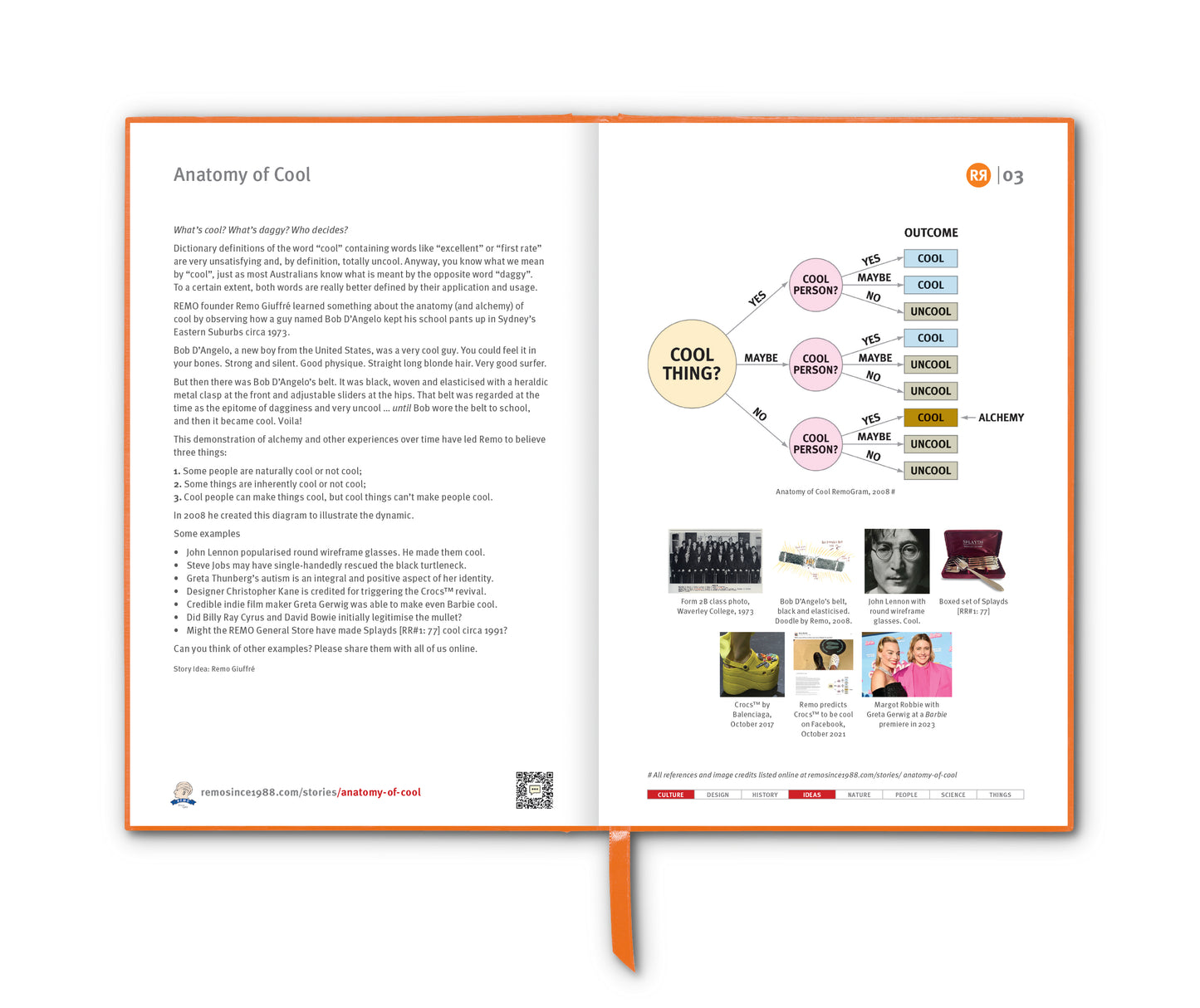
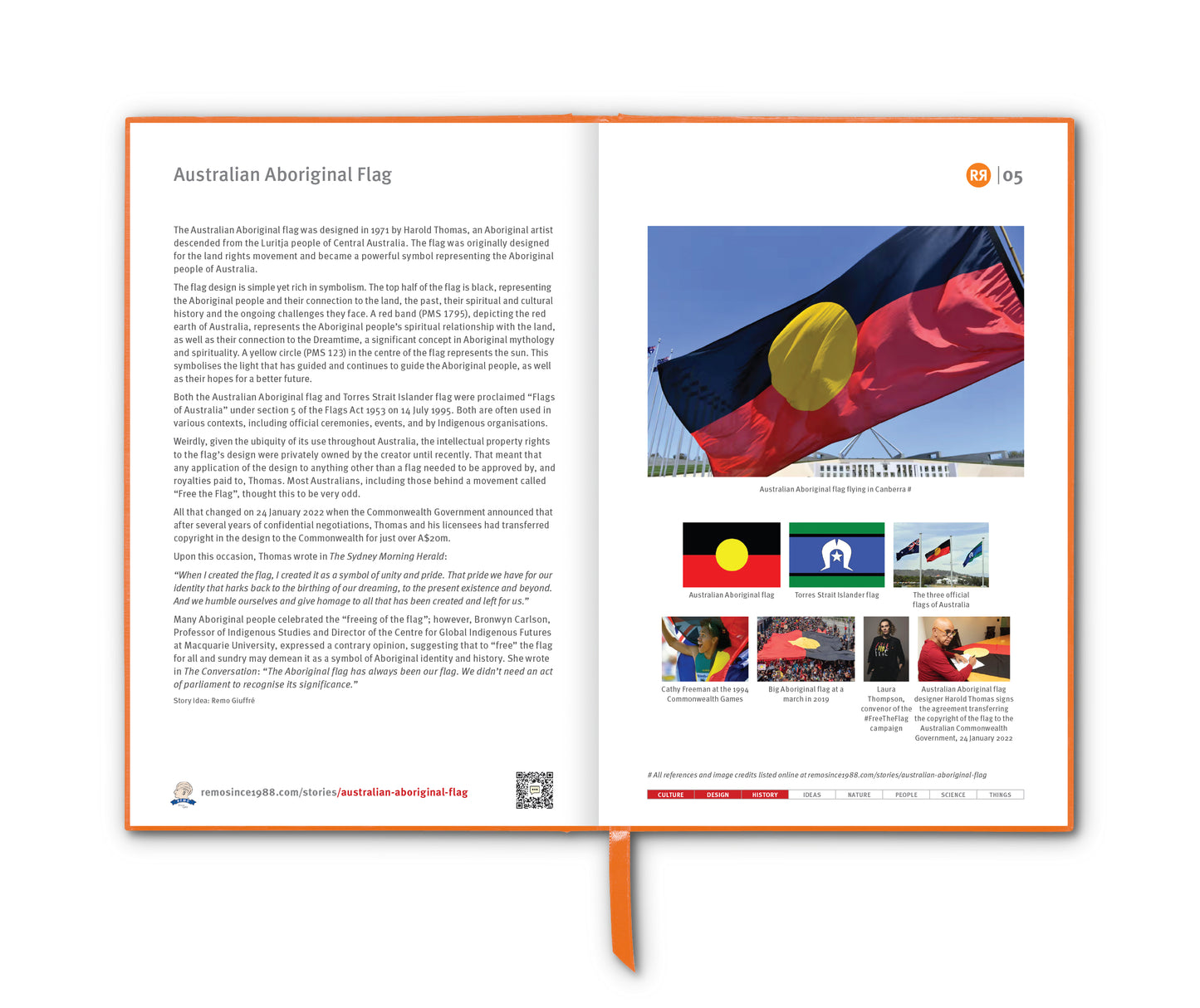
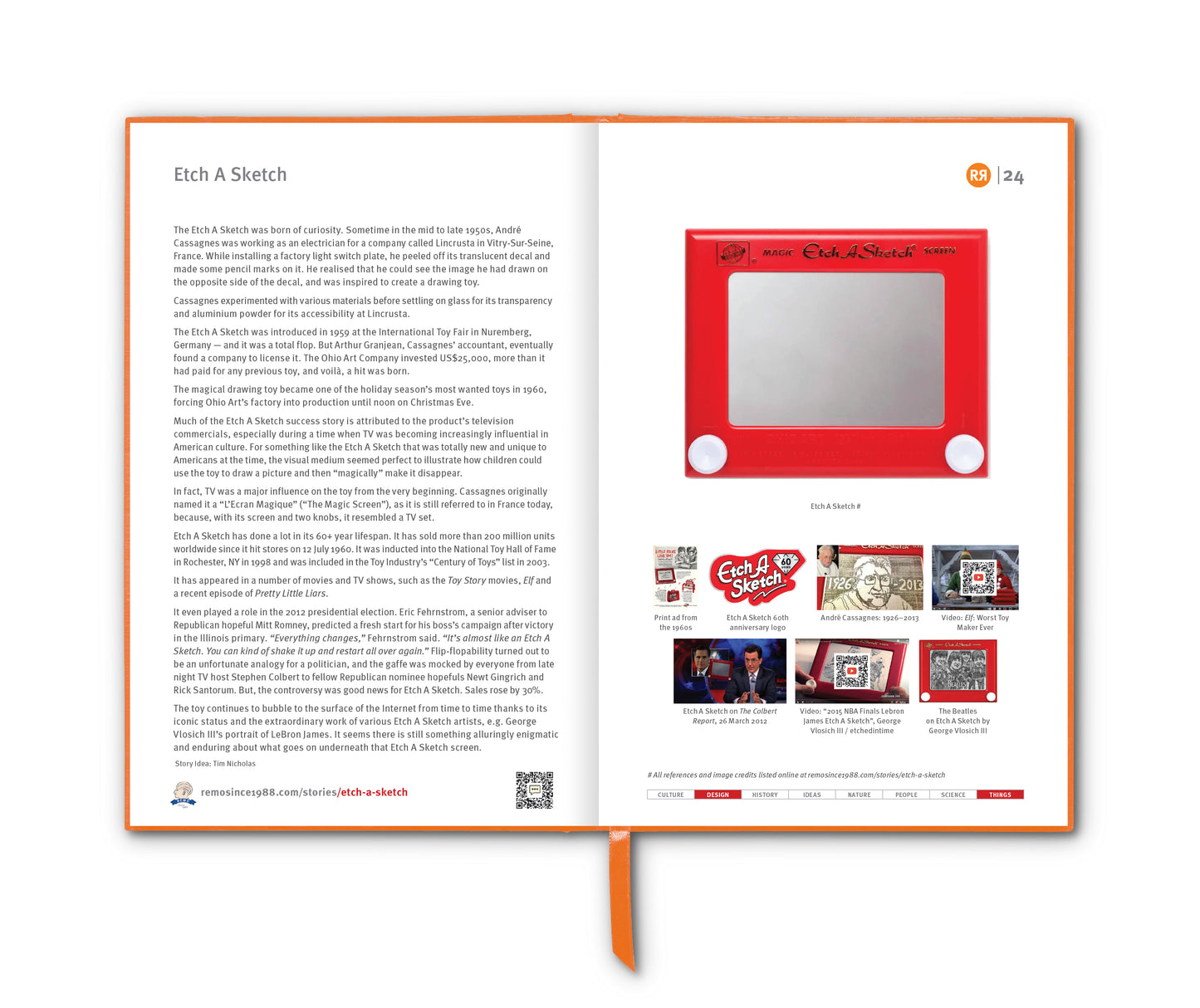
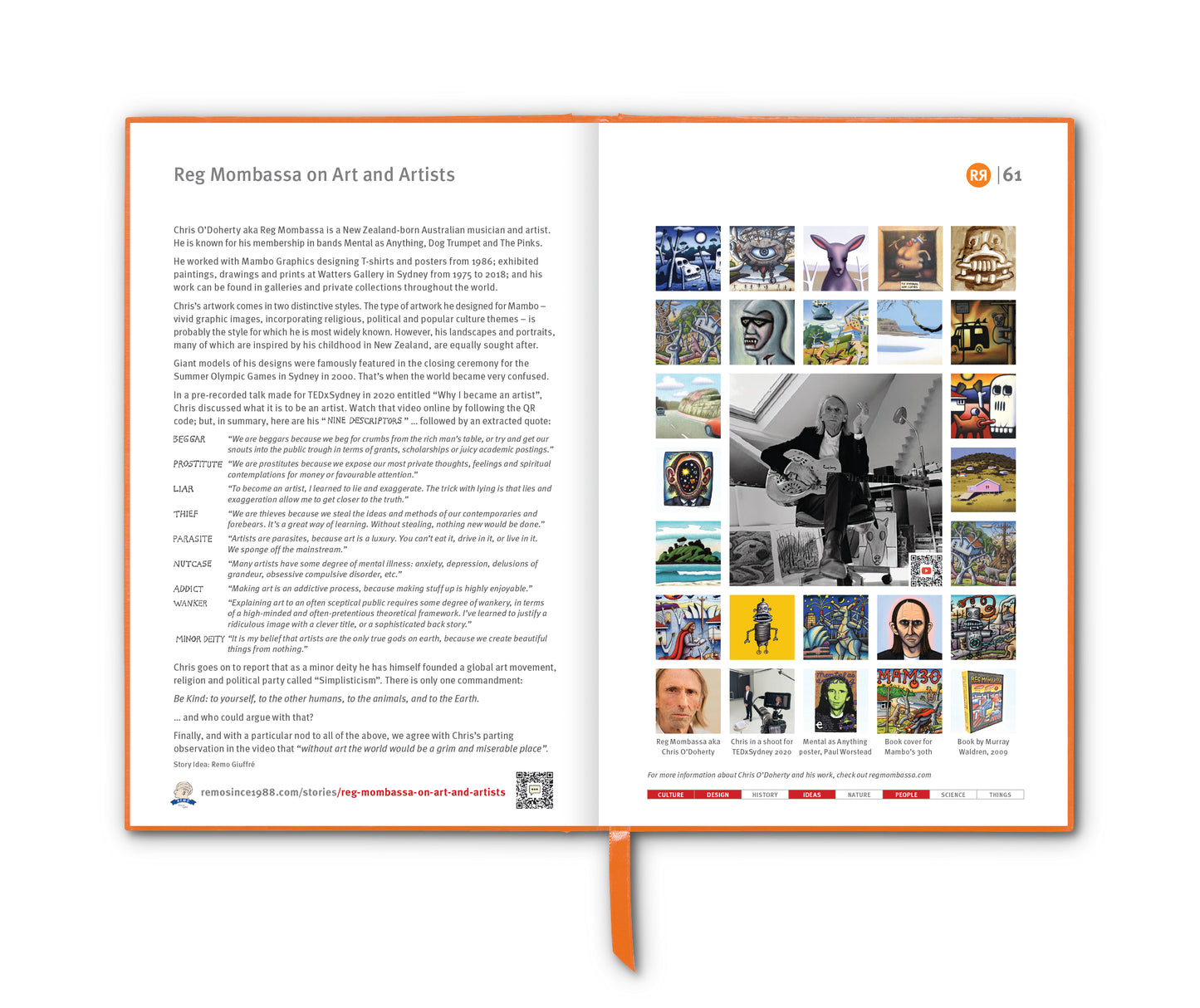
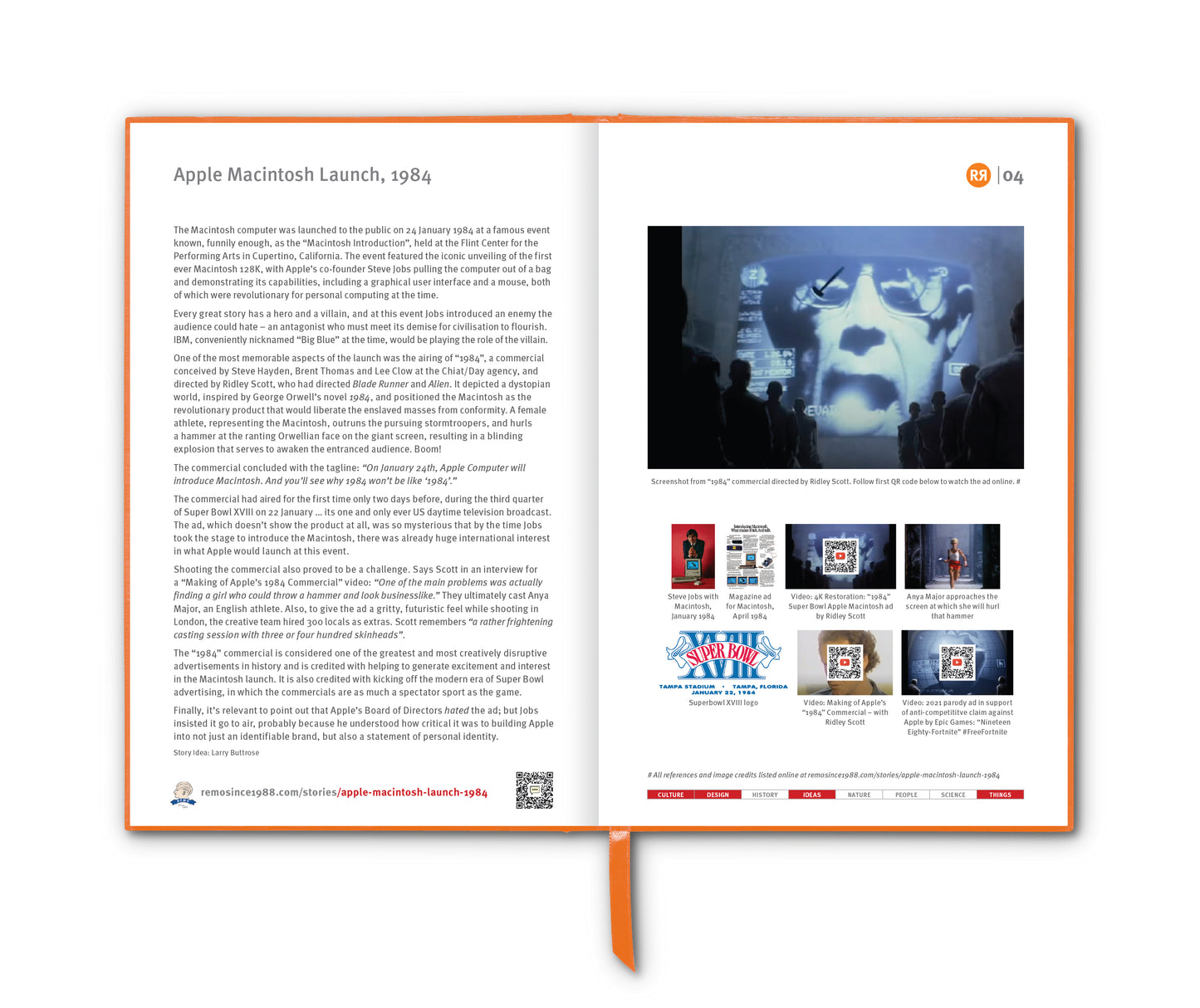
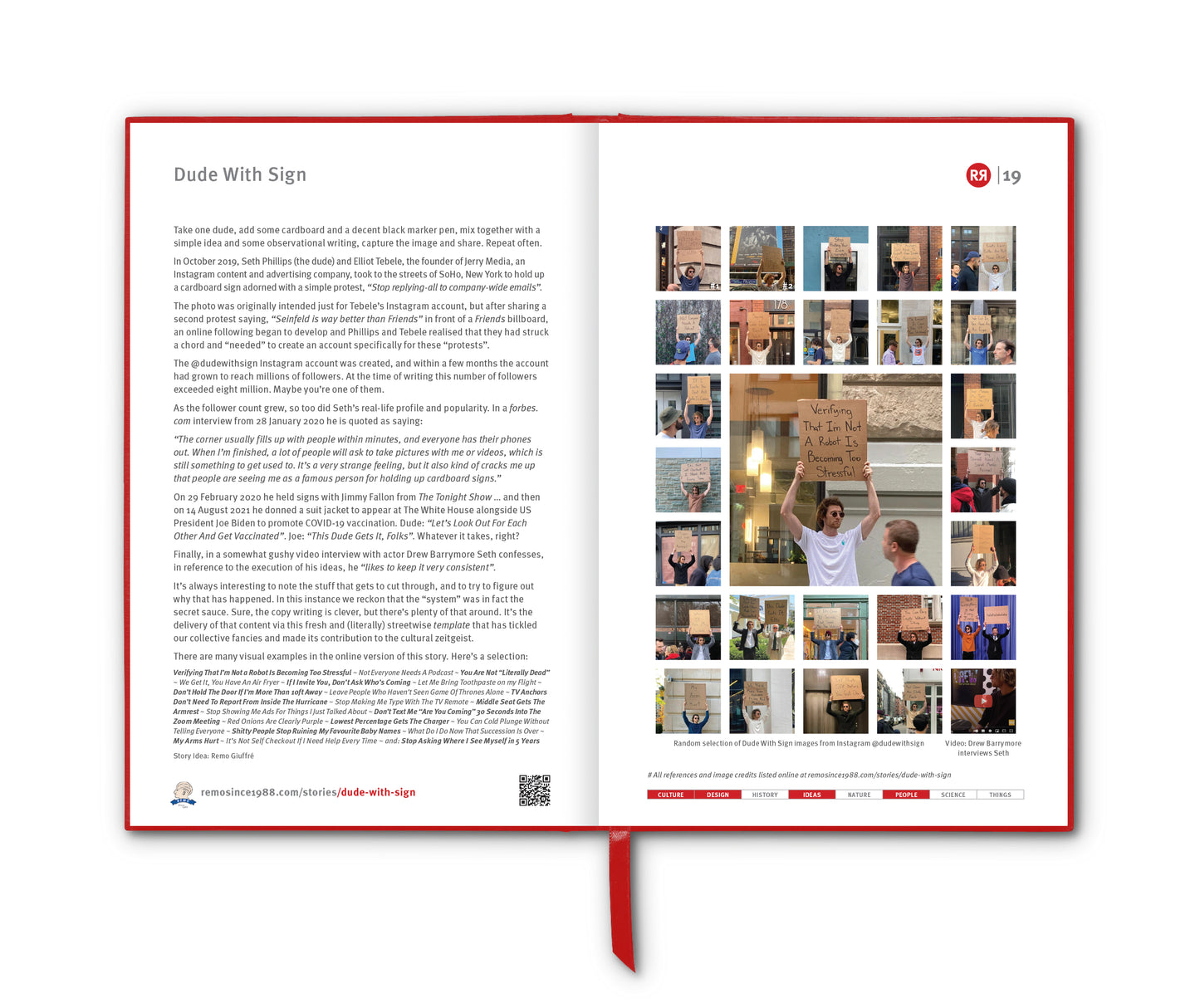
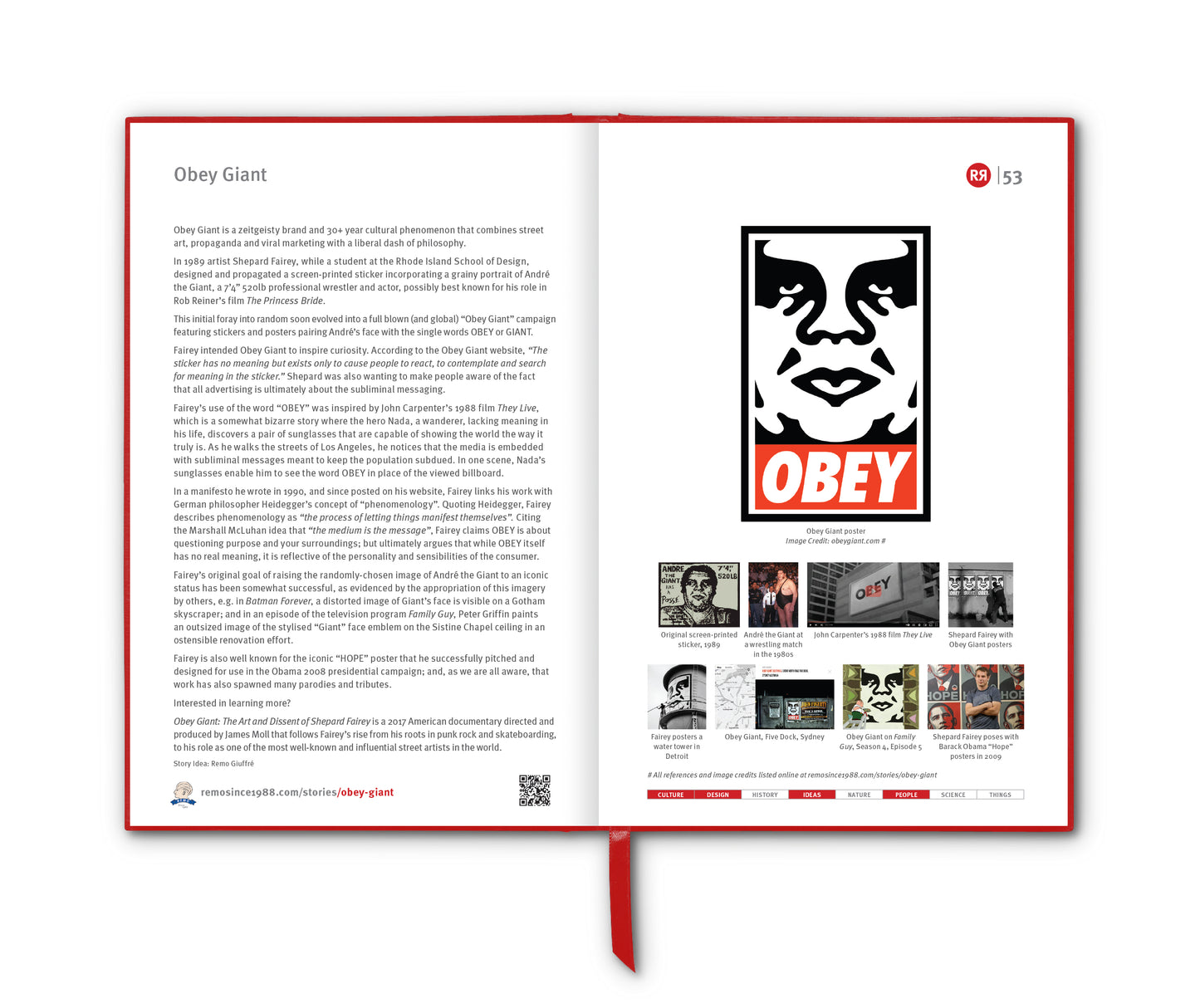
The most famous version of the experiment, “Universe 25”, took place in a specially built enclosure often referred to as a “mouse utopia”. Inside, Calhoun placed four breeding pairs of mice. The environment was carefully engineered to remove scarcity: there were no predators, no disease, no shortage of food and ample nesting materials. The only real constraint was space. Initially, everything went according to plan. The population grew steadily (see chart), social behaviours appeared normal, and the colony expanded rapidly.
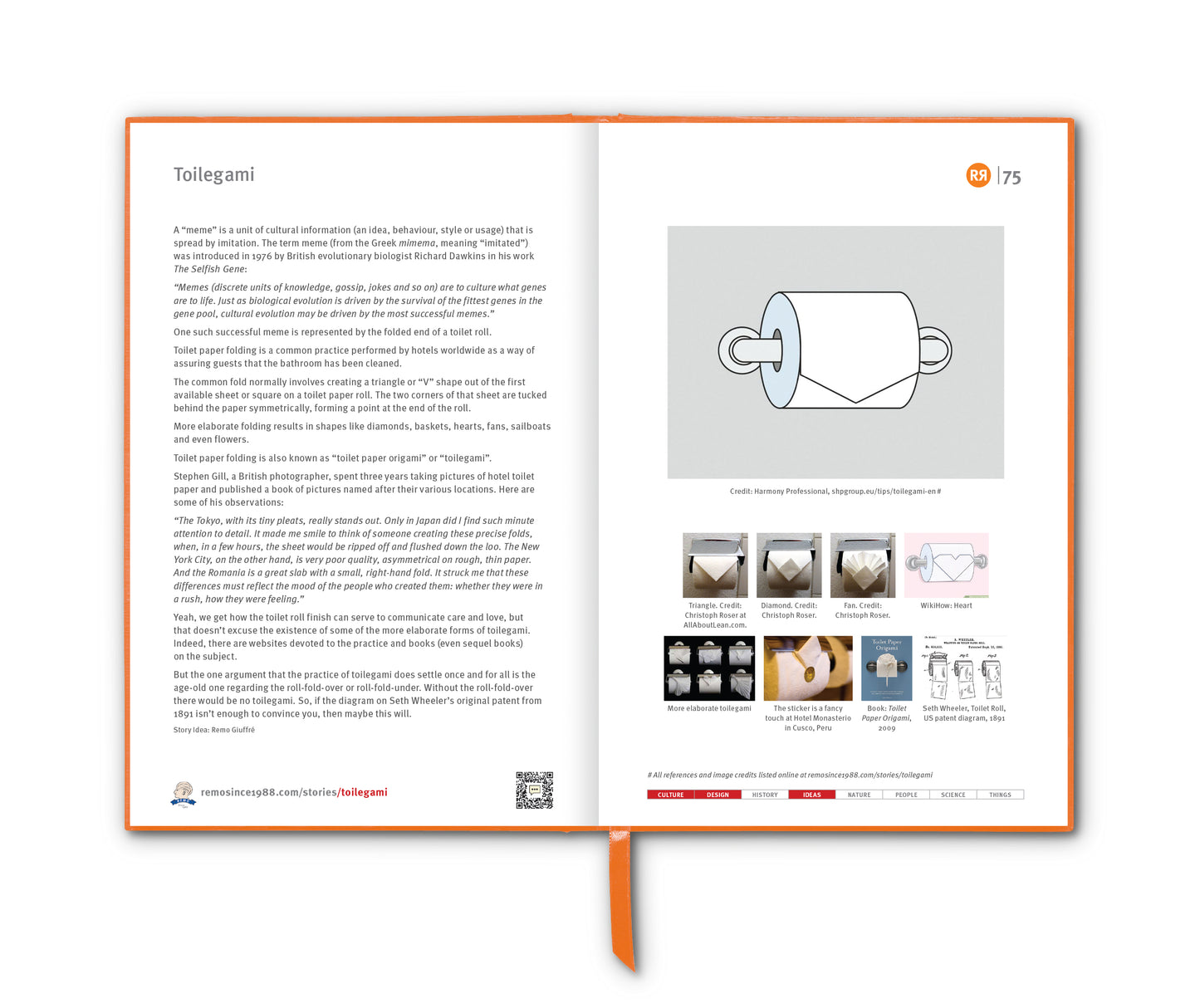
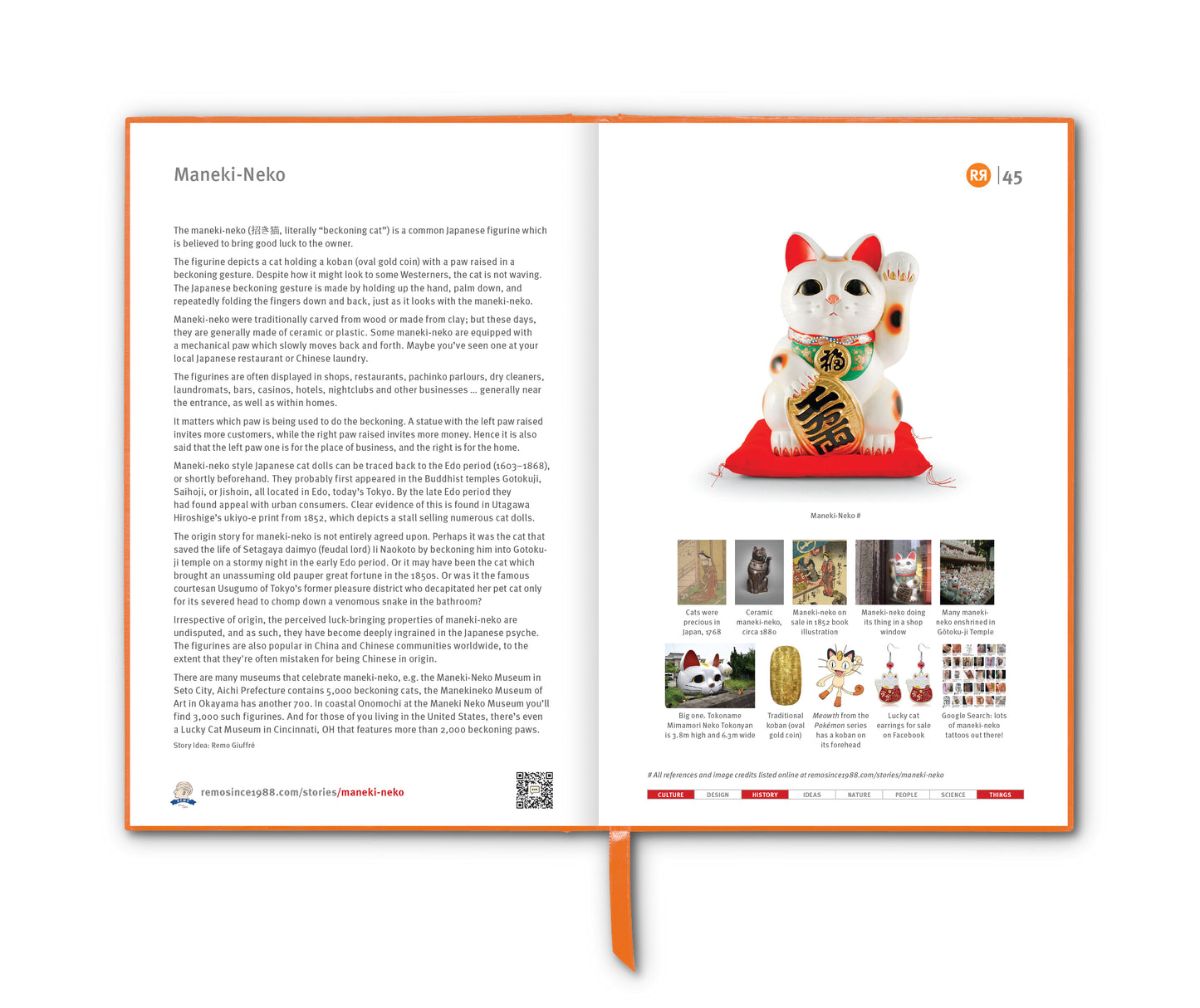
Then, things began to unravel.
As density increased, Calhoun observed increasing levels of abnormal behaviour. Males became either hyper-aggressive or oddly withdrawn. Some attacked others seemingly without provocation; others stopped defending territory or courting females altogether. Mothers began neglecting or abandoning their young, and in some cases became violent toward them. Social hierarchies collapsed, and ordinary patterns of interaction broke down into chaos.
Calhoun coined the term “behavioral sink” to describe this point of social collapse: a pathological state in which individuals withdrew from meaningful social roles and the basic structures that supported stable group life disintegrated. One of the most haunting observations involved a group of mice he called “the beautiful ones”. These mice didn’t fight, compete, court or care for young. They spent their time grooming themselves and wandering alone. Physically pristine, socially anaesthetised. [Ed: Maybe not so unusual in this age of preening influencers?]
Eventually, the colony stopped reproducing altogether. Even when population density later declined due to death, the damage to social functioning proved irreversible. The colony drifted into a sterile, quiet extinction, despite the continued abundance of resources.
To many, the implications seemed obvious and terrifying: perhaps humans, when packed too tightly into cities and relieved of survival pressures, might follow the same downward spiral into alienation, violence and social breakdown. Calhoun’s original 1962 Scientific American article describing his experiments was published at a time when there was growing awareness about population growth and environmental issues, e.g. Paul R. Ehrlich’s The Population Bomb was published in 1968. And indeed, Calhoun himself suggested that overcrowding could destroy the psychological “space” humans require for healthy social functioning.
However, the dystopian conclusions have been heavily debated. Critics point out that the mice were not experiencing a natural form of crowding; they were placed in an artificial environment with no way to escape, no predators and no opportunities for meaningful environmental challenge. Later scientists argued that what Calhoun observed may have been more about loss of purpose, monotony and lack of complexity than density alone, i.e. what happens to a society when its members no longer have meaningful roles to play?
Even so, the lessons may be applicable elsewhere. Elizabeth Kolbert in a piece written for the 30 September 2024 issue of The New Yorker looks at Calhoun’s research and applies it to the modern day internet:
“Facebook, Yik Yak, Twitter, Twitch – each had a sunny, expansive phase, followed by a descent into flaming, catfishing and troll wars. To the extent that Calhoun’s rats have any sociological relevance, it would seem to be in the mirror world of the Web. What, after all, could be a better description of X these days than a ‘behavioral sink’?”
Story Idea: Rami Younes
________________________________
References
wikipedia.org/wiki/Behavioral_sink
smithsonianmag.com/smart-news/this-old-experiment-with-mice-led-to-bleak-predictions-for-humanitys-future-180954423
demystifysci.com/blog/2020/7/22/rat-dystopia
medicineonscreen.nlm.nih.gov/portfolio
newyorker.com/magazine/2024/10/07/dr-calhouns-mousery-lee-alan-dugatkin-book-reviews-rat-city-edmund-ramsden-and-jon-adams
Images
1. John Calhoun with mice experiment in 1970. Photo credit: Yoichi R Okamoto
2. Calhoun being interviewed
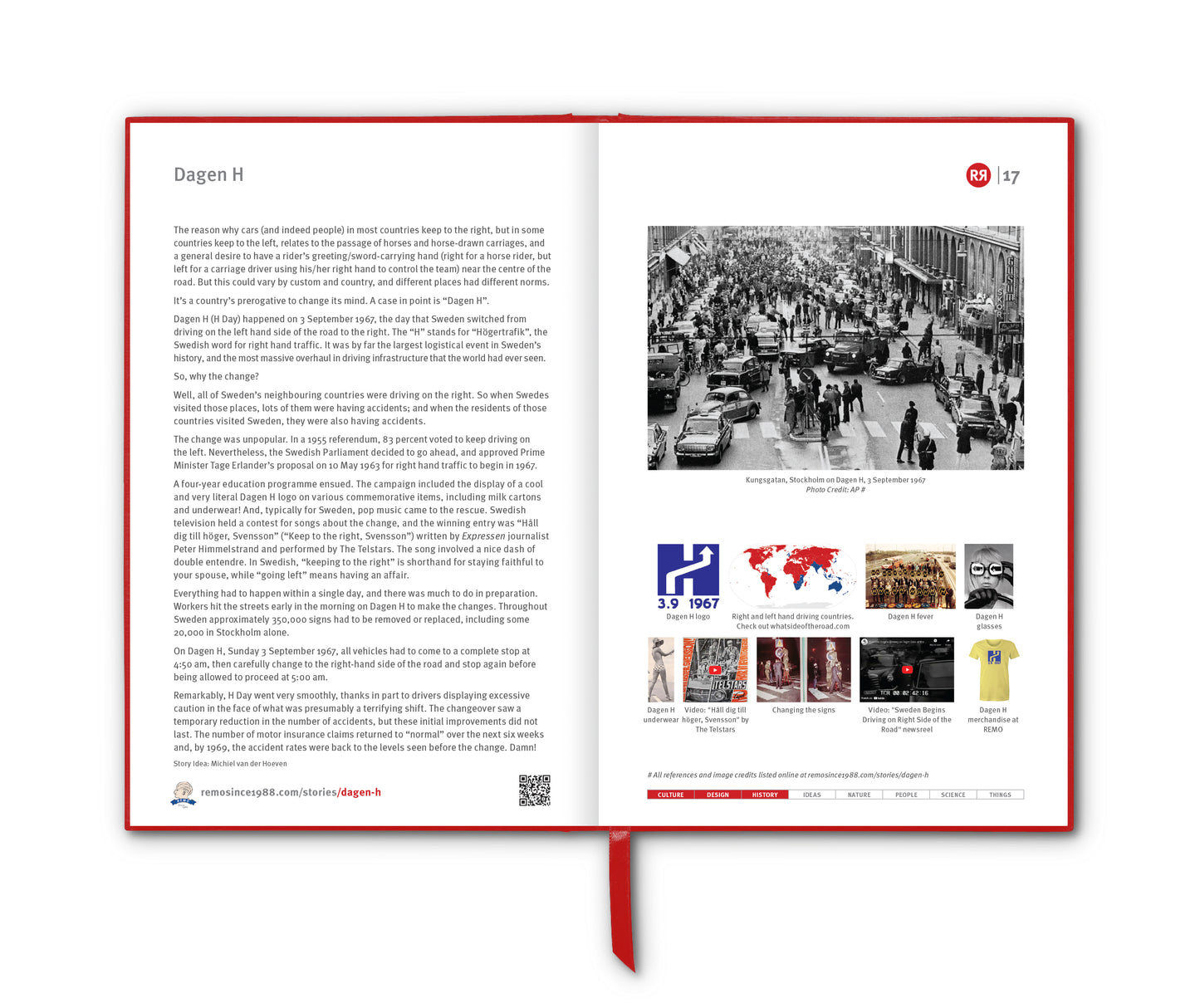
3. Diagram from Calhoun’s original 1962 Scientific American article
4. Growth stage for Universe 25
5. Video: John B. Calhoun Film 7.1 [edited], (NIMH, 1970-1972)
6. Human population
7. Elon Musk carries a different kind of sink into the offices of the then Twitter
8. Norway rat