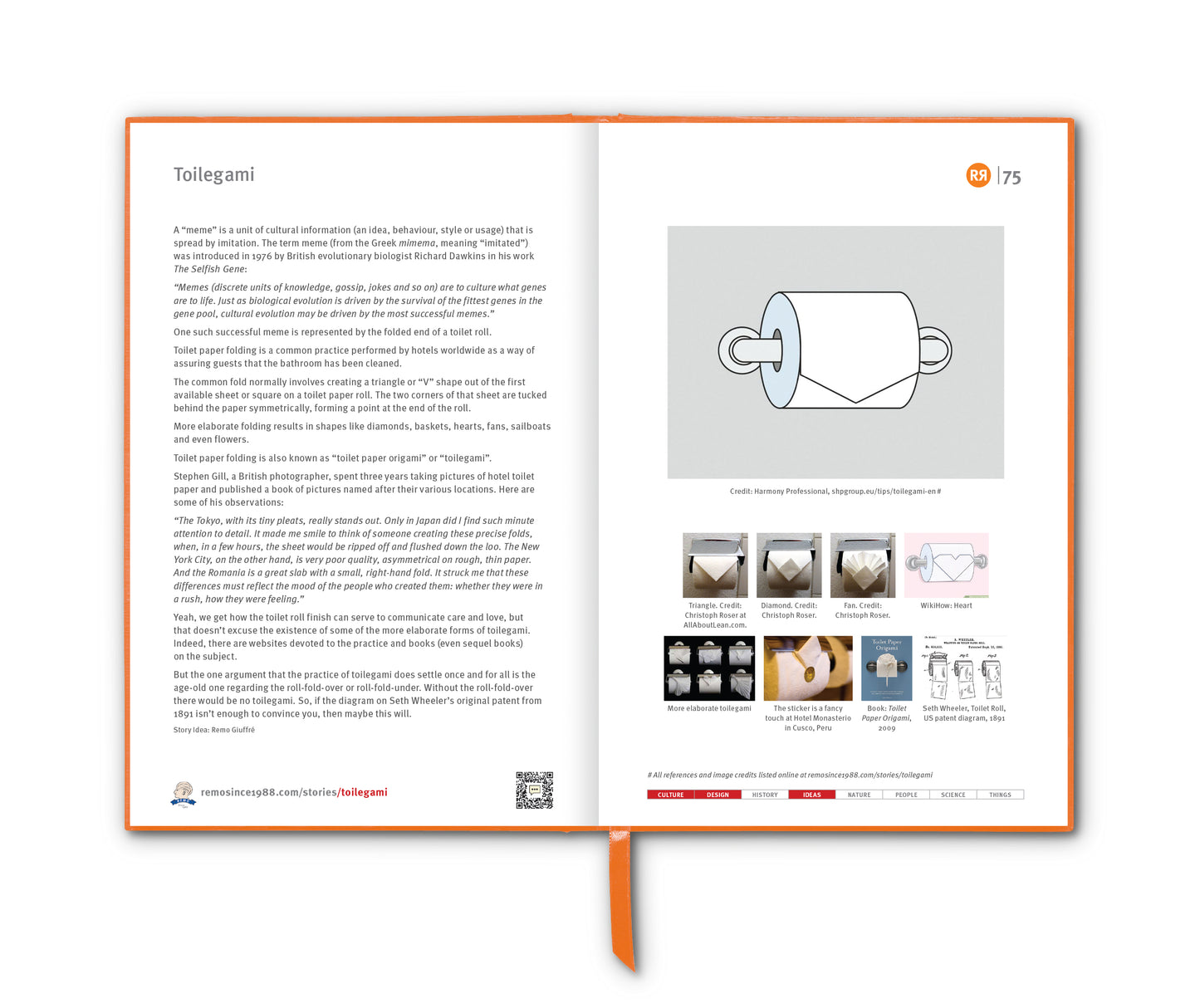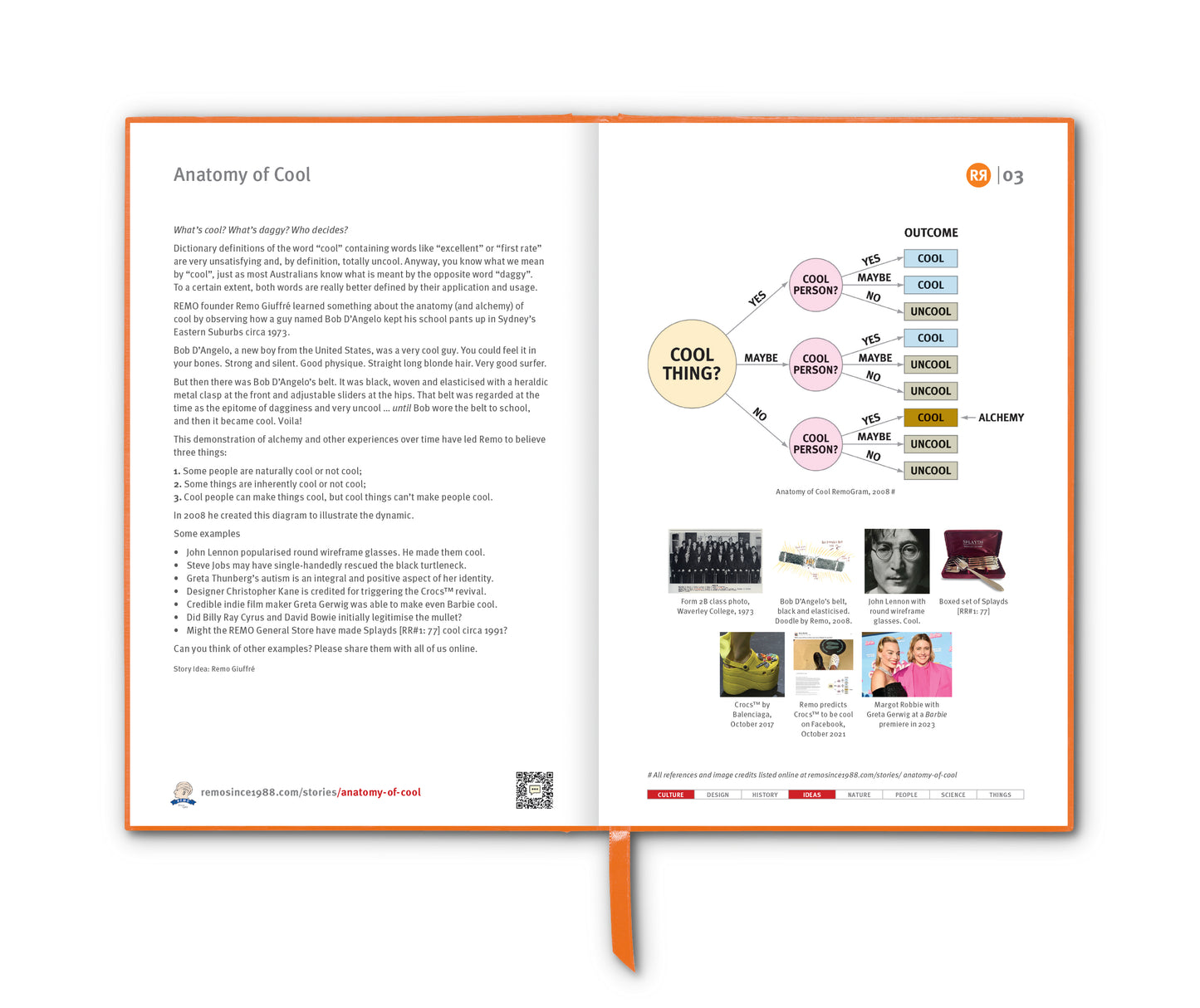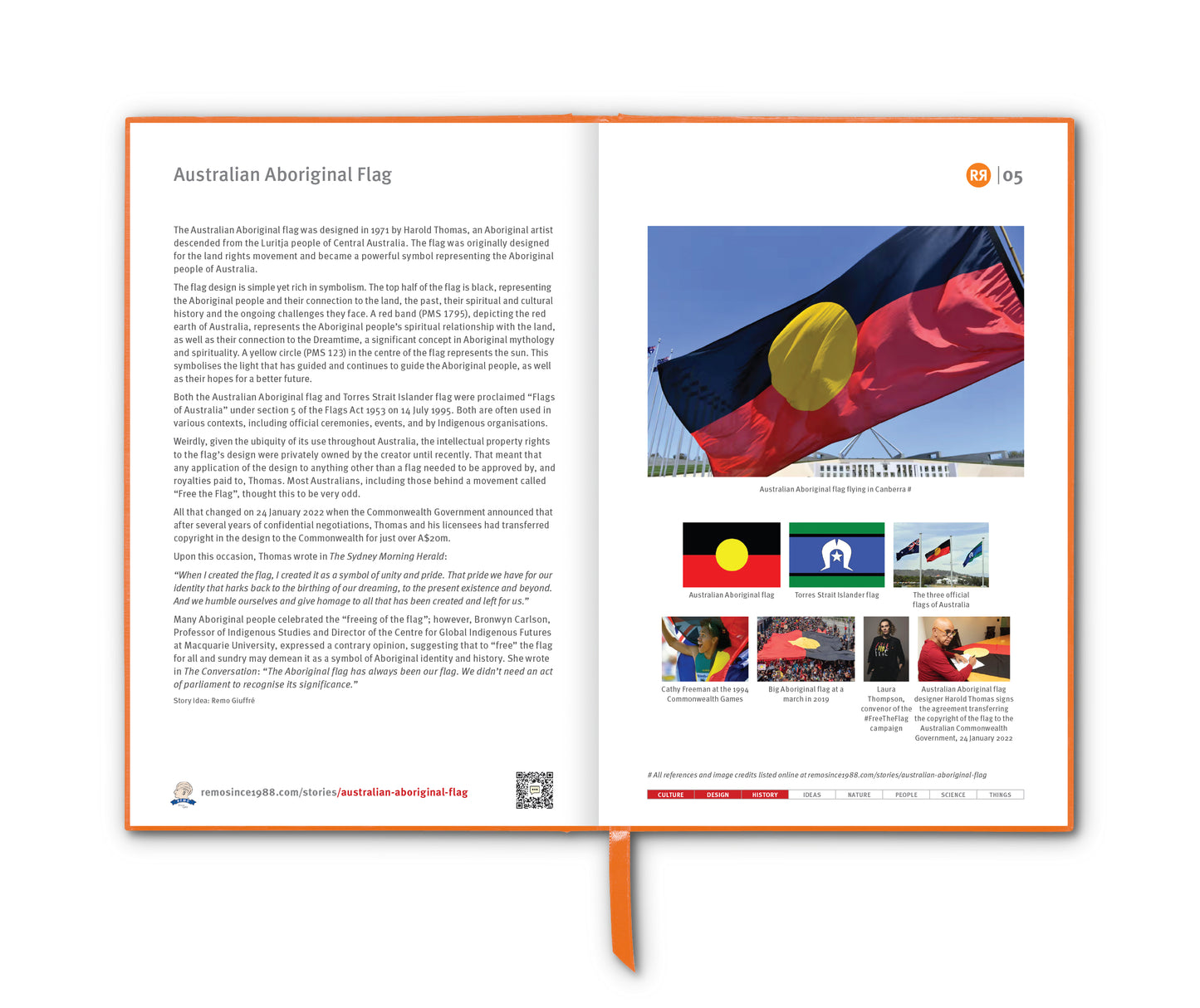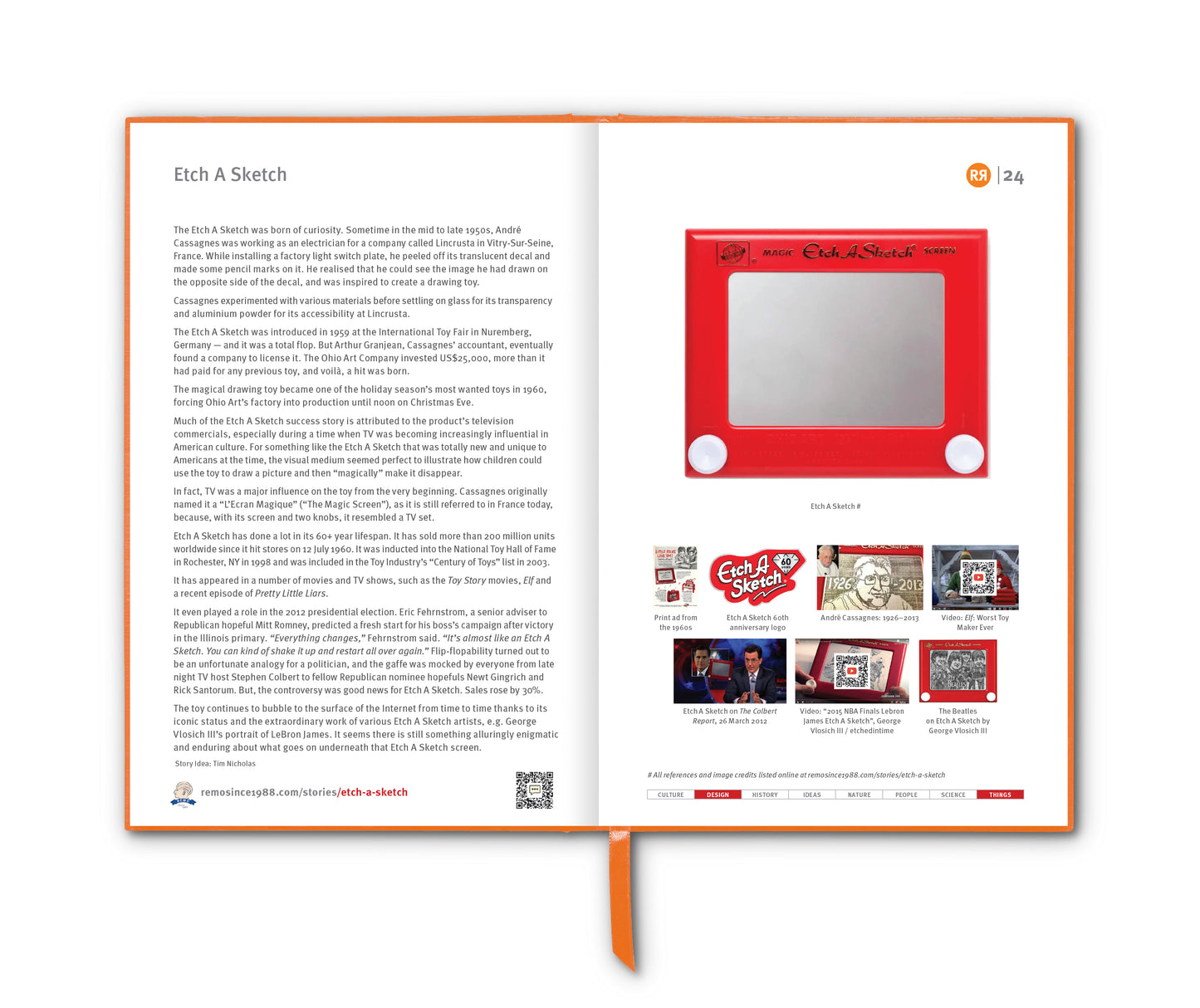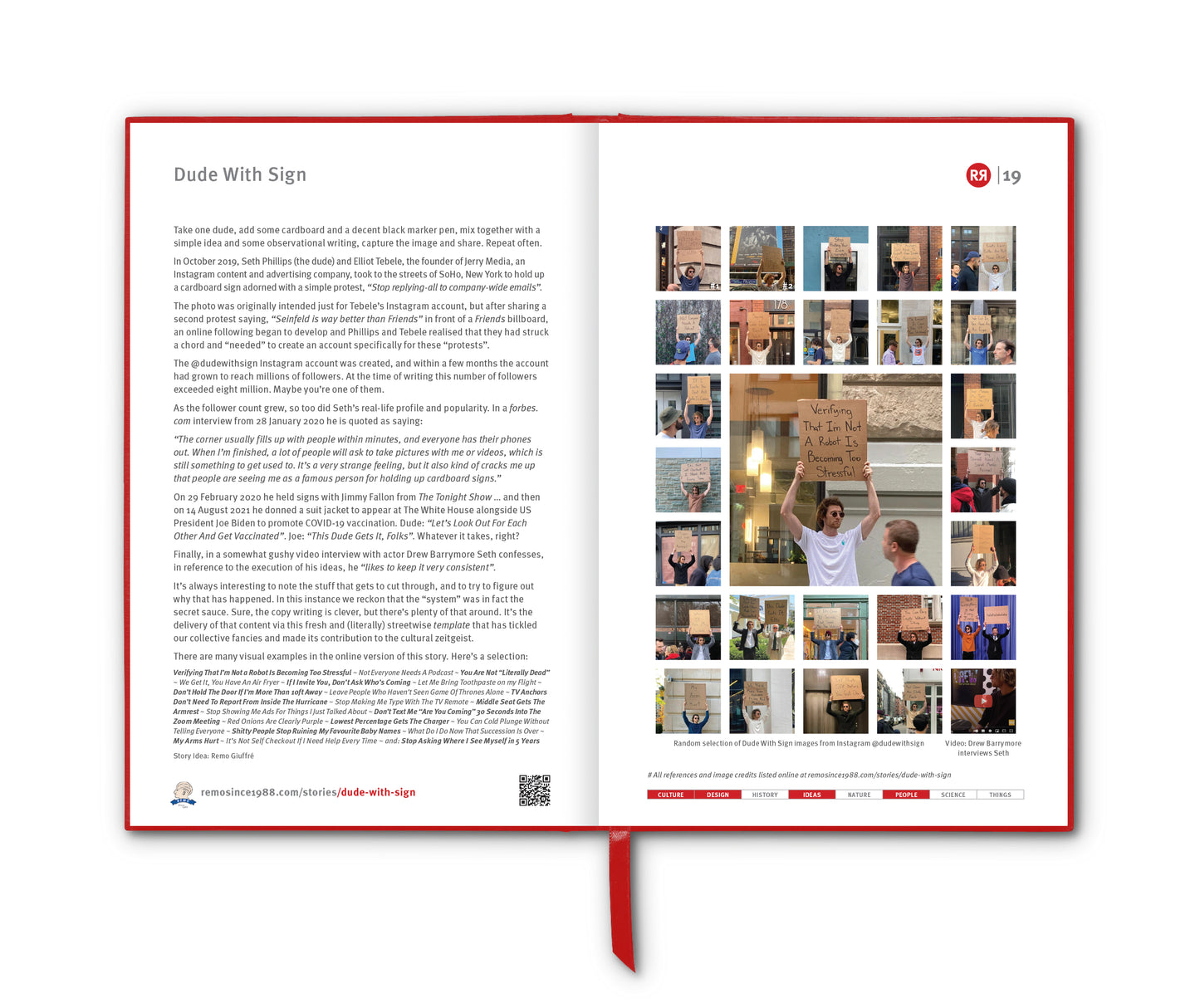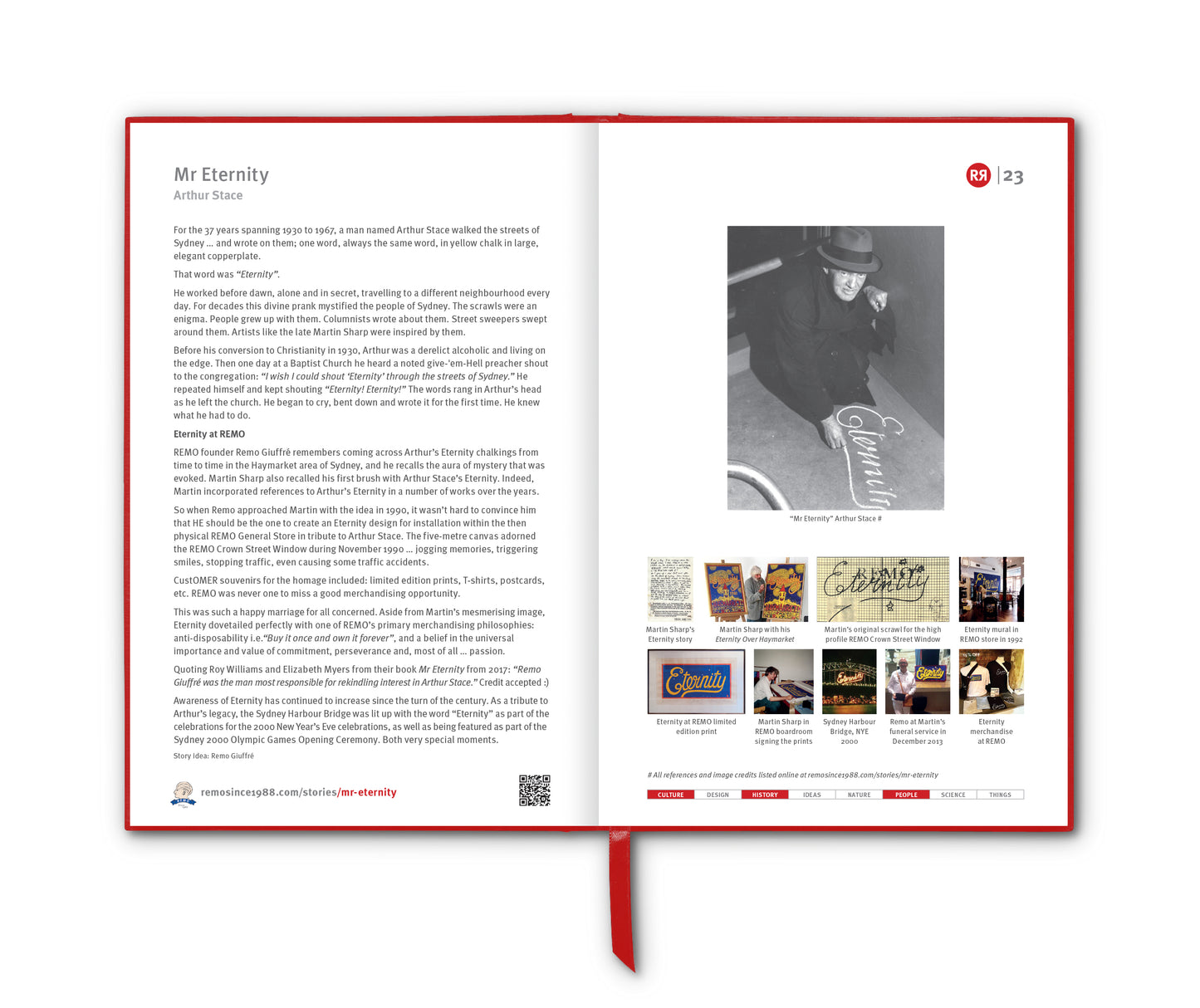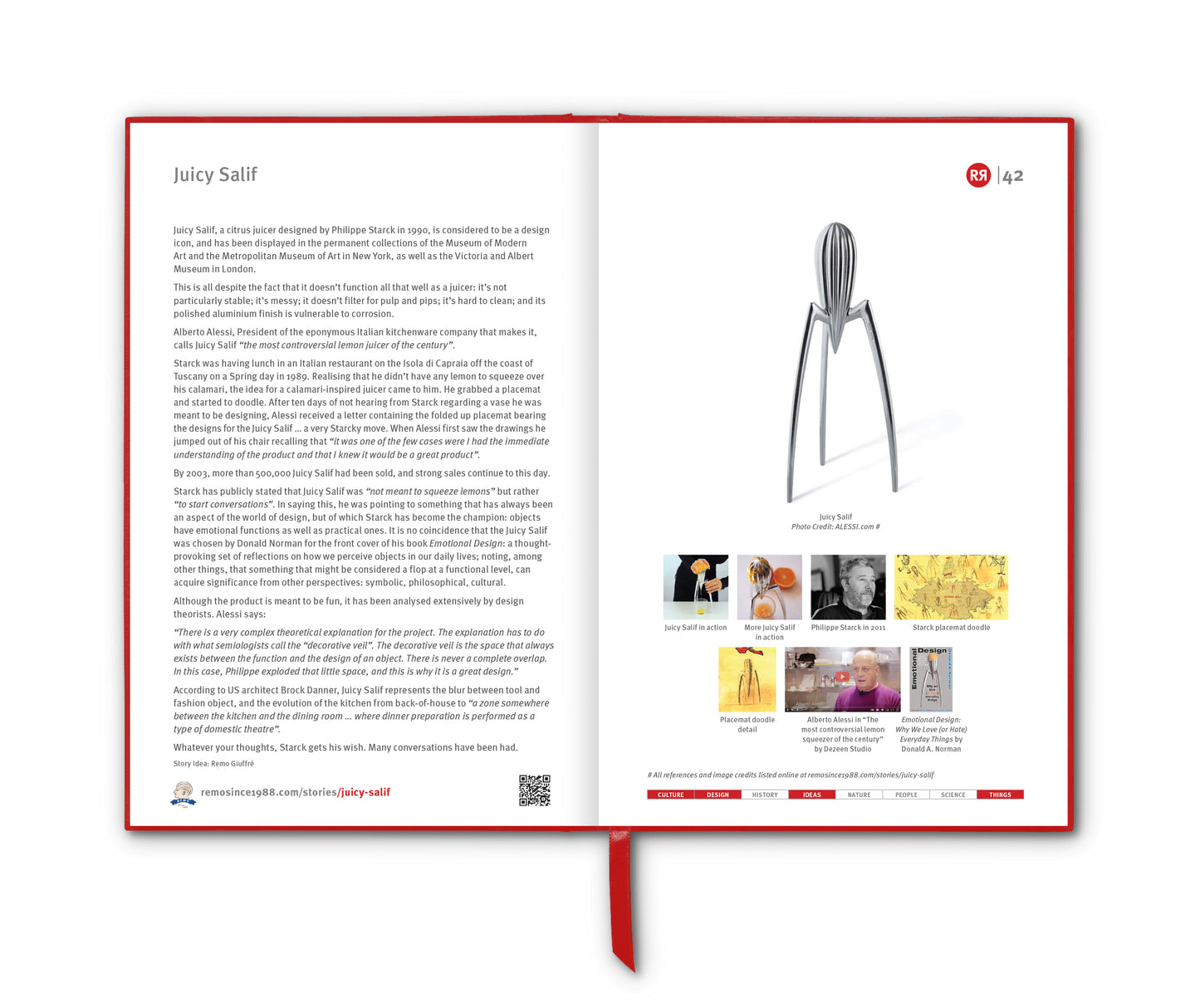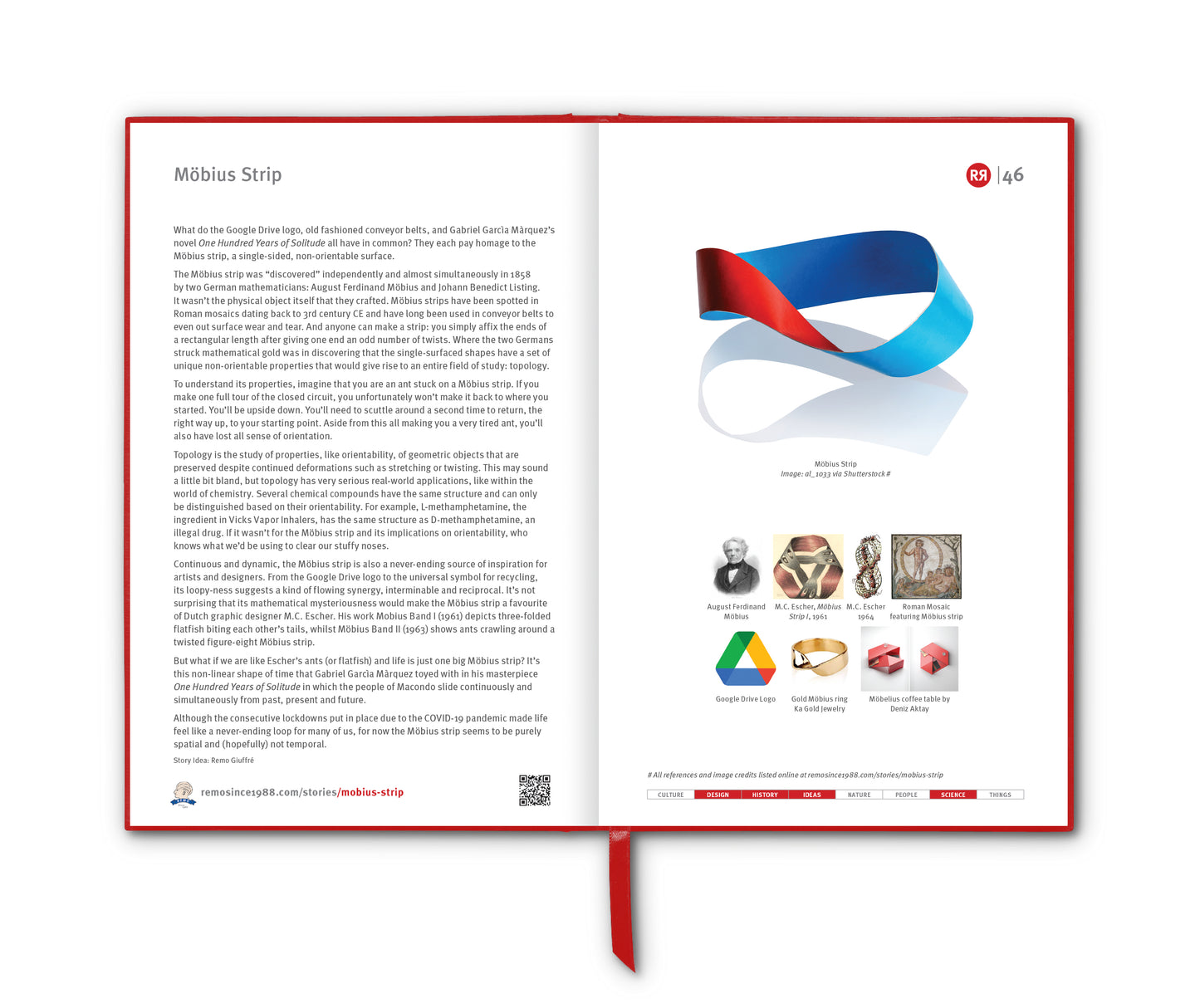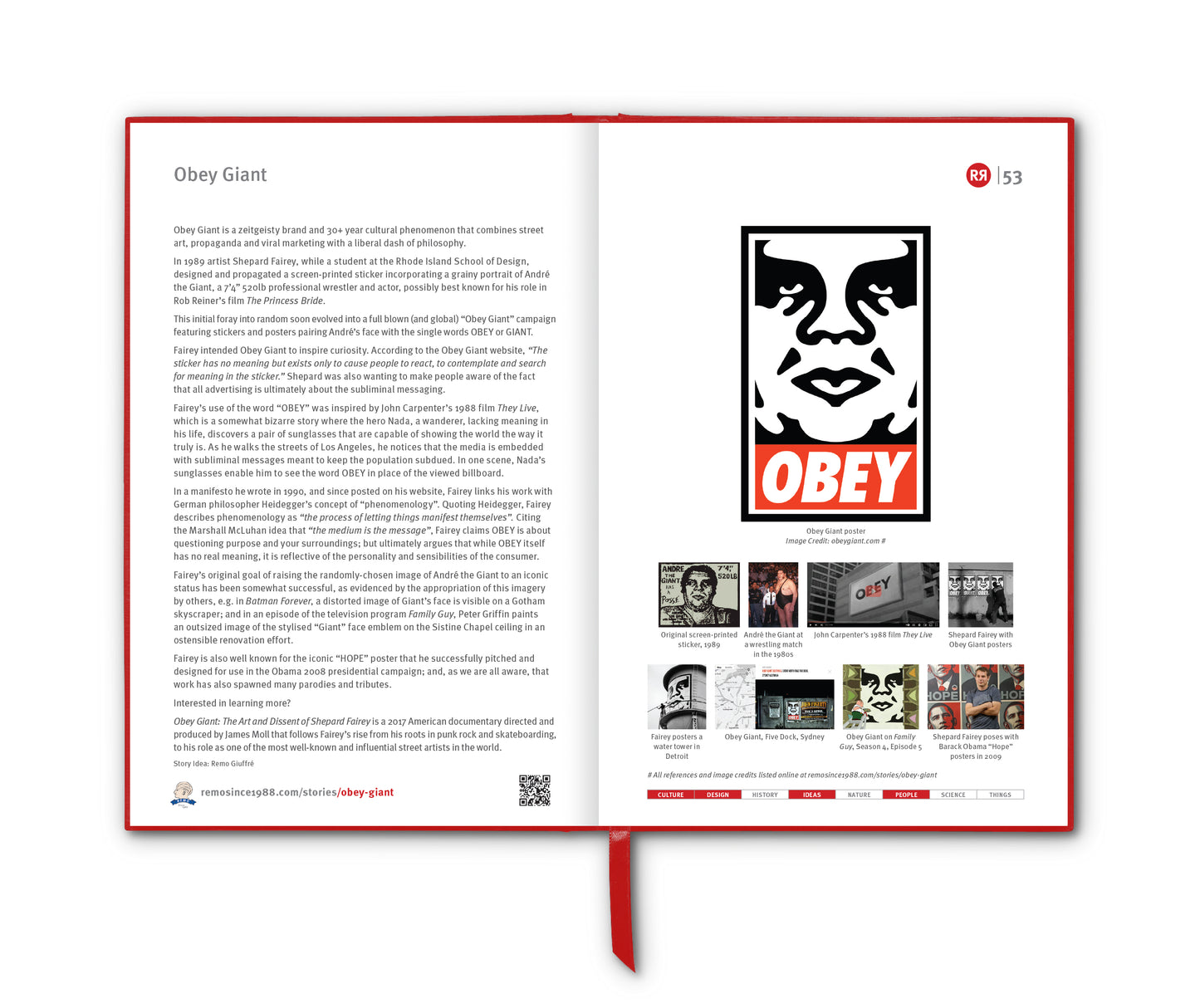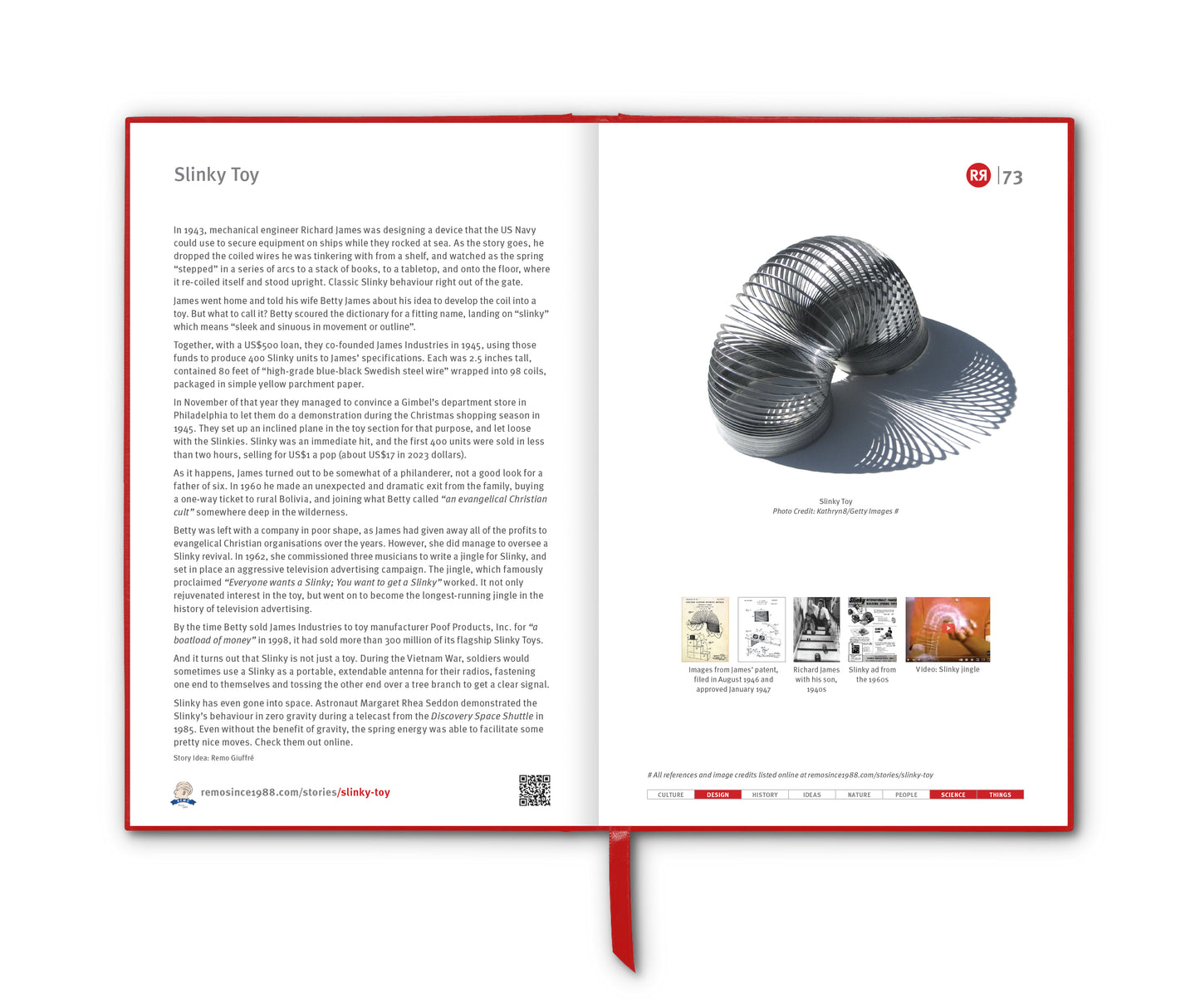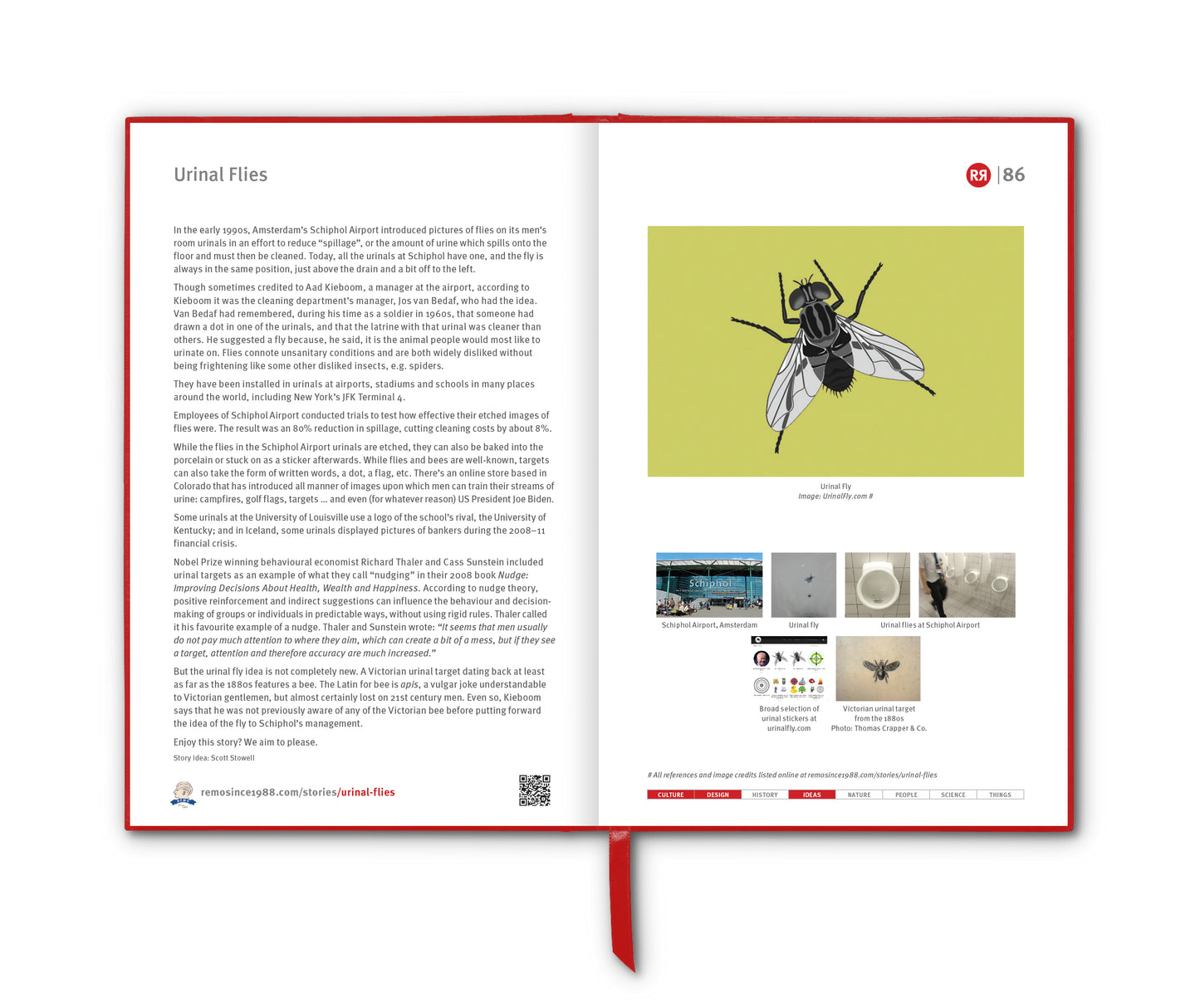

Blue Poles, also known as Number 11, 1952, is an abstract expressionist painting by the American artist Jackson Pollock. Within Pollock’s career, the painting is often regarded as one of his last great statements – a culmination of the radical “drip” technique that had already redefined postwar art.
Pollock’s method, developed in the late 1940s, abandoned the easel altogether. Working on canvases laid on the floor, he poured, flung and dripped industrial paint using sticks, brushes and even syringes. This approach – sometimes called “action painting” – turned the act of painting into a physical performance, capturing motion, rhythm and subconscious impulse. Blue Poles reflects this mature style, yet stands apart for its eight vertical blue “poles”, which impose a loose structure on the otherwise frenetic surface.
Pollock’s career was short and volatile. Rising rapidly in the New York art scene – with the backing of patrons like Peggy Guggenheim – he became the leading figure of Abstract Expressionism. Yet his struggles with alcoholism and mental health curtailed his output, and Blue Poles emerged near the end of his most productive period. As recent scholarship, including the 2025 book Blue Poles by Tom McIlroy, emphasises, the painting can be seen as both a breakthrough and a closing chapter in Pollock’s artistic evolution.
The painting’s journey to Australia is as dramatic as its creation. In 1973, under Prime Minister Gough Whitlam, the Australian Government purchased Blue Poles for around A$1.4 million (US$2m) – a record price at the time. The purchase from the late Ben Heller, art dealer and close friend of Pollock, led by National Gallery director James Mollison, was intended to establish a bold, world-class collection for a young nation’s cultural institutions.
The reaction was explosive. Critics derided the work as incomprehensible and the price as extravagant, especially during a period of economic uncertainty. Newspapers mocked it; politicians condemned it; and public debate raged over whether taxpayer money had been squandered on what some dismissed as “splashes of paint”. According to McIlroy, the controversy became a lightning rod for broader anxieties about modern art, government spending and Australia’s cultural maturity.
Yet over time, the narrative shifted. What was once ridiculed became one of the most visited and valued works in the National Gallery of Australia, now worth hundreds of millions of dollars and widely regarded as a cornerstone of the national collection. Along with the opening of Jørn Utzon’s monumental Sydney Opera House in 1972, the episode is often framed as a coming-of-age moment – an assertion that Australia could participate in global cultural conversations rather than merely inherit them.
Culturally, Pollock’s influence – and Blue Poles in particular – has been immense. His techniques reshaped painting worldwide, inspiring movements from performance art to contemporary abstraction. The image of the artist as a dynamic, almost mythic figure owes much to Pollock, whose practice blurred the line between creation and spectacle. Blue Poles has become shorthand for modern art itself: provocative, divisive and transformative.
Watch a short documentary directed by Alison Chernick for the NGA HERE.
___________________
References
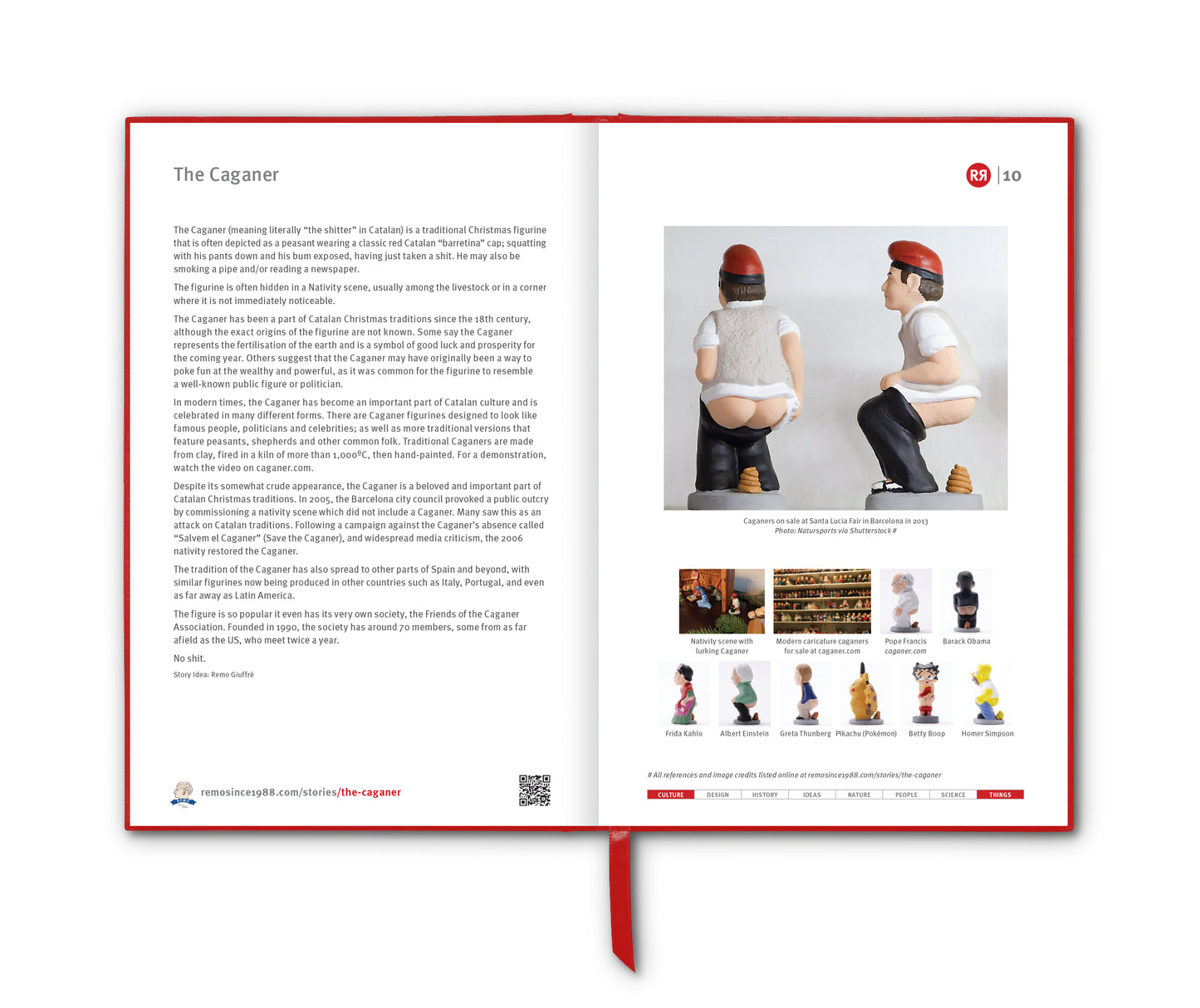
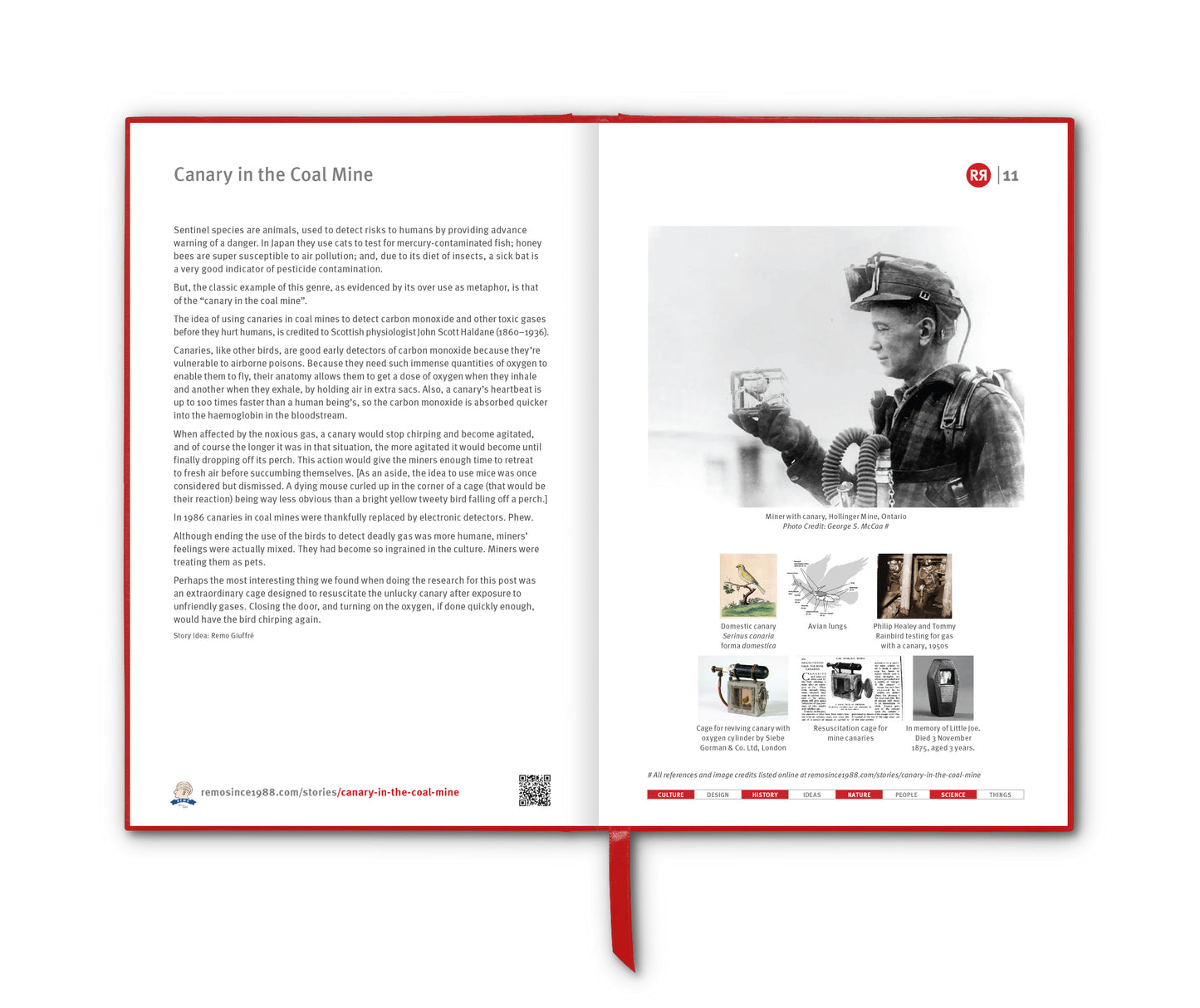
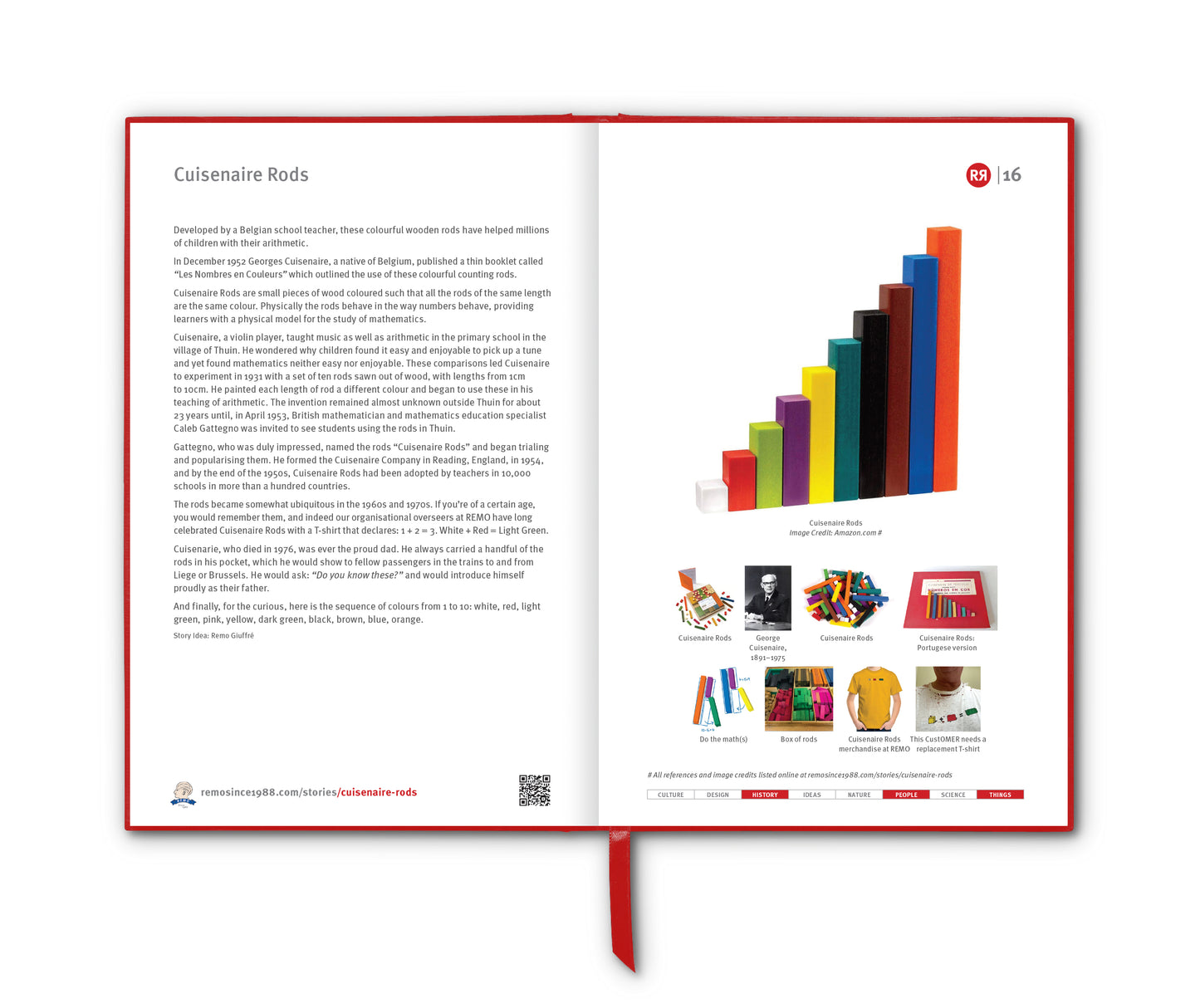
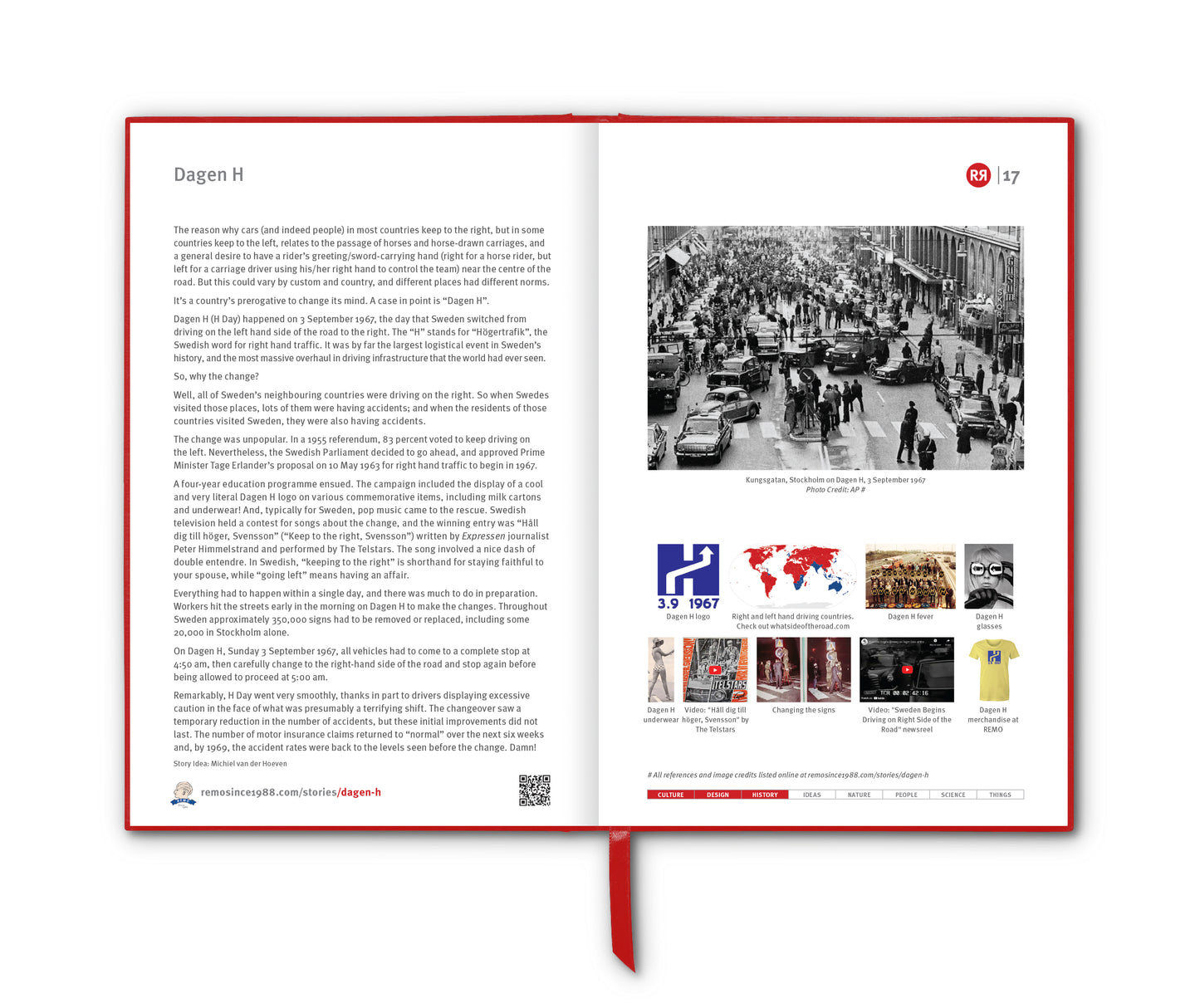
wikipedia.org/wiki/Blue_Pole
wikipedia.org/wiki/Jackson_Pollock
smh.com.au/culture/art-and-design/jackson-pollock-s-controversial-blue-poles-valued-at-500-million
nma.gov.au/defining-moments/resources/blue-poles
theconversation.com/blue-poles-45-years-on-asset-or-overvalued-drip-painting
museumoflost.com/the-australian-government-buys-a-jackson-pollock/
Book: Blue Poles: Jackson Pollock, Gough Whitlam and the Painting That Changed a Nation, Tom McIlroy, 2025
Video: "Jackson Pollack: Blue Poles", National Gallery of Australia, 2020
Images
1. Blue Poles (1952) was displayed in London as part of the Royal Academy's Abstract Expressionism exhibition from 24 September 2016 to 2 January 2017.
2.
Blue Poles in London, 2016. Photo credit: Getty Images
3. Jackson Pollock portrait in passport, 1955
4. Pollock painting in his studio in East Hampton, NY, 1950. Photo credit: Hans Namuth
5. NGA director James Mollison and former prime minister Gough Whitlam stand in front of Blue Poles in 1986. Credit: Canberra Times
6. Curators at the NGA unpack Blue Poles, 1975
7. The Herald, 17 September 1973
8. Jackson Pollock stamp, 1999
9. Pollock's barn in Springs, NY
10. Pollock's studio-floor in Springs, NY
11.
Book: Blue Poles: Jackson Pollock, Gough Whitlam and the Painting That Changed a Nation, Tom McIlroy, 2025
12.
Jackson Pollock's signature
13. Video: "Jackson Pollack: Blue Poles", National Gallery of Australia, 2020