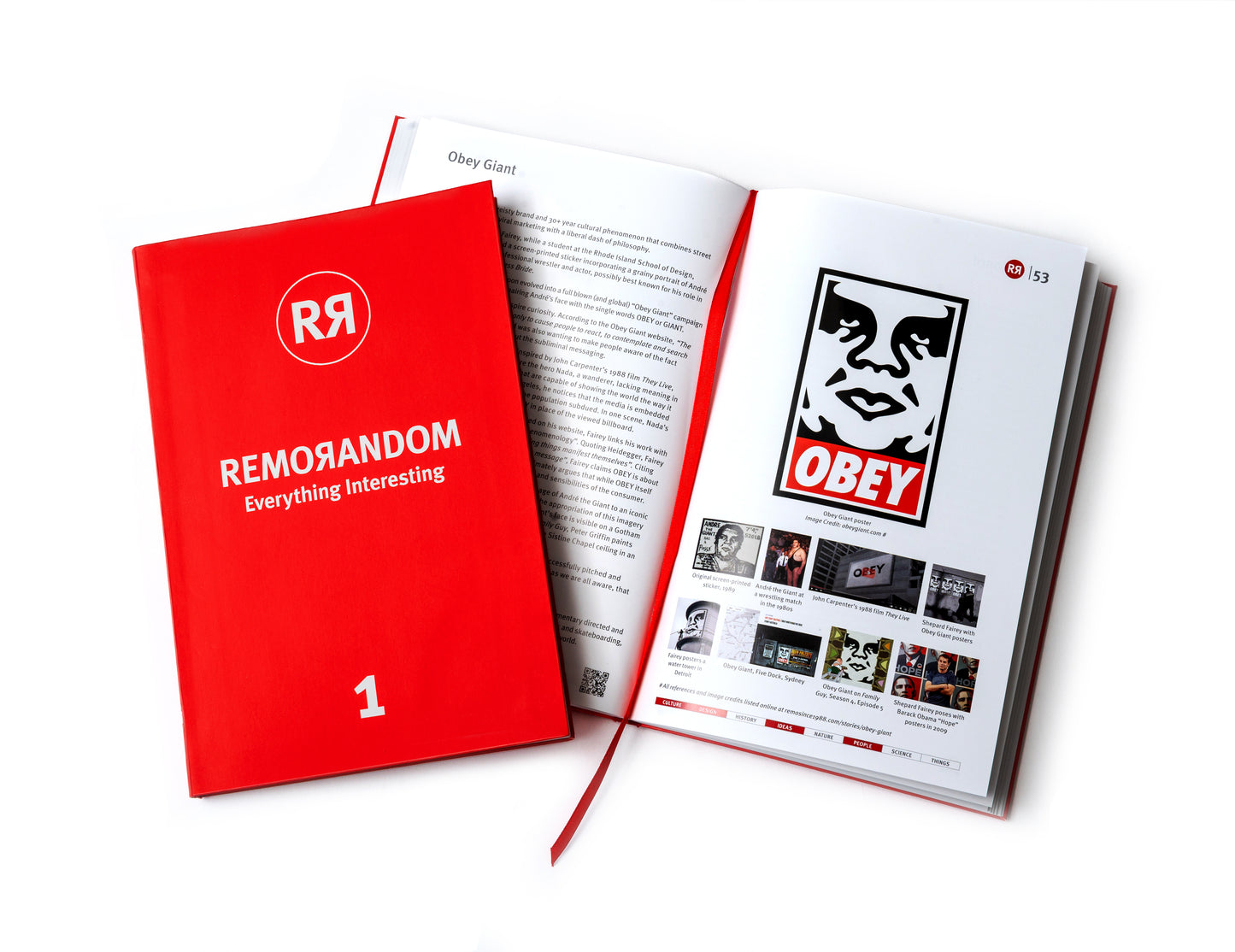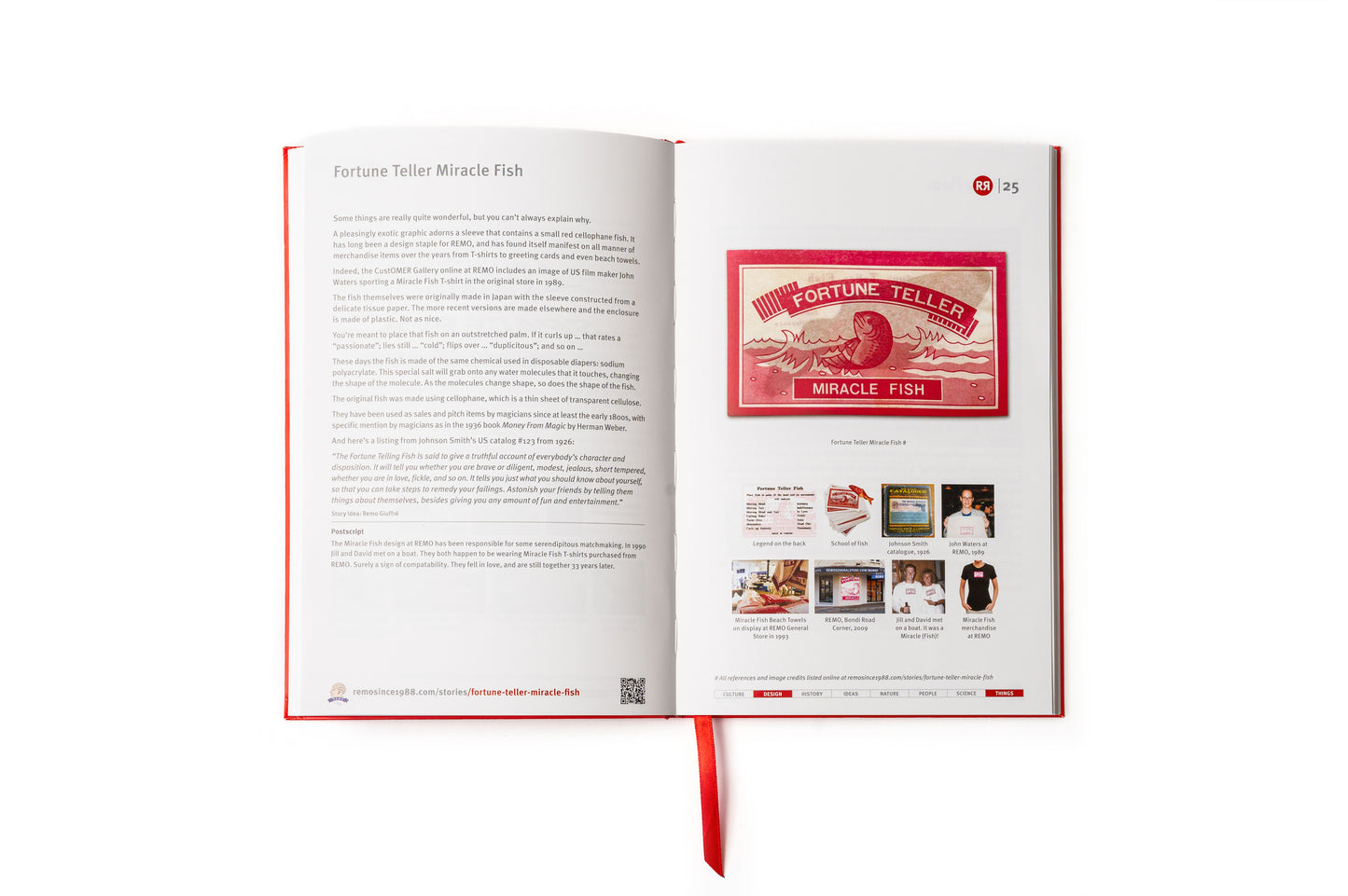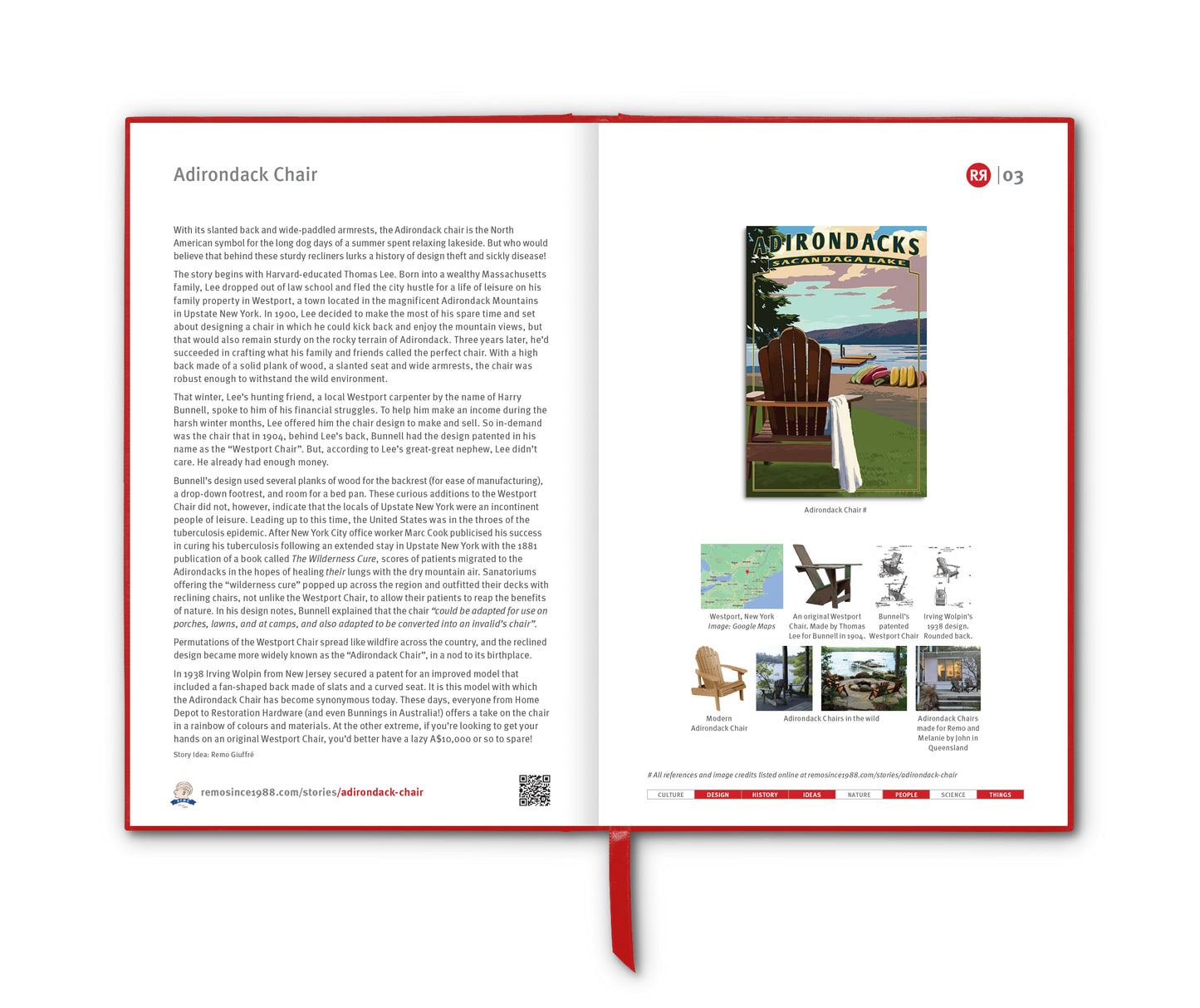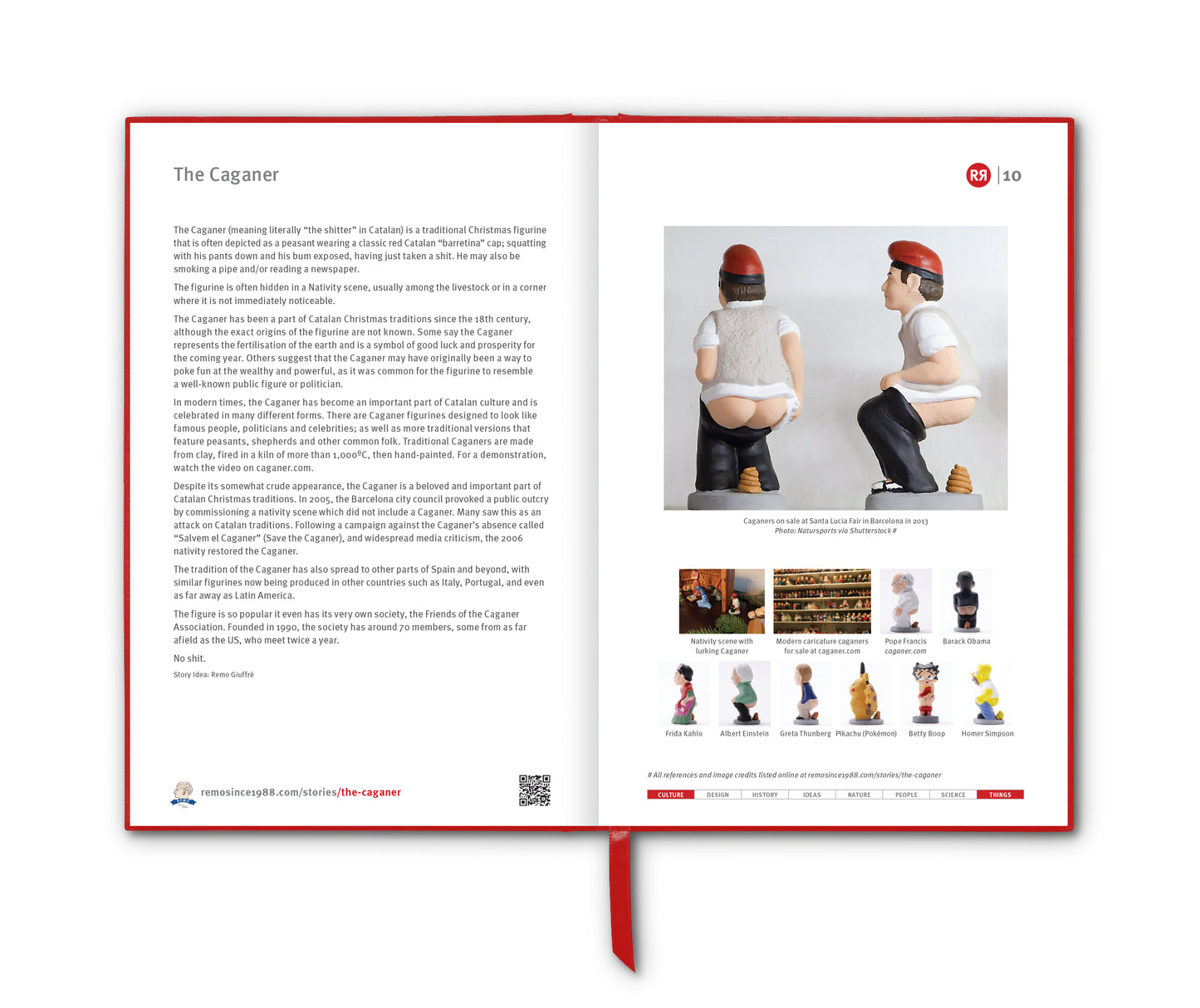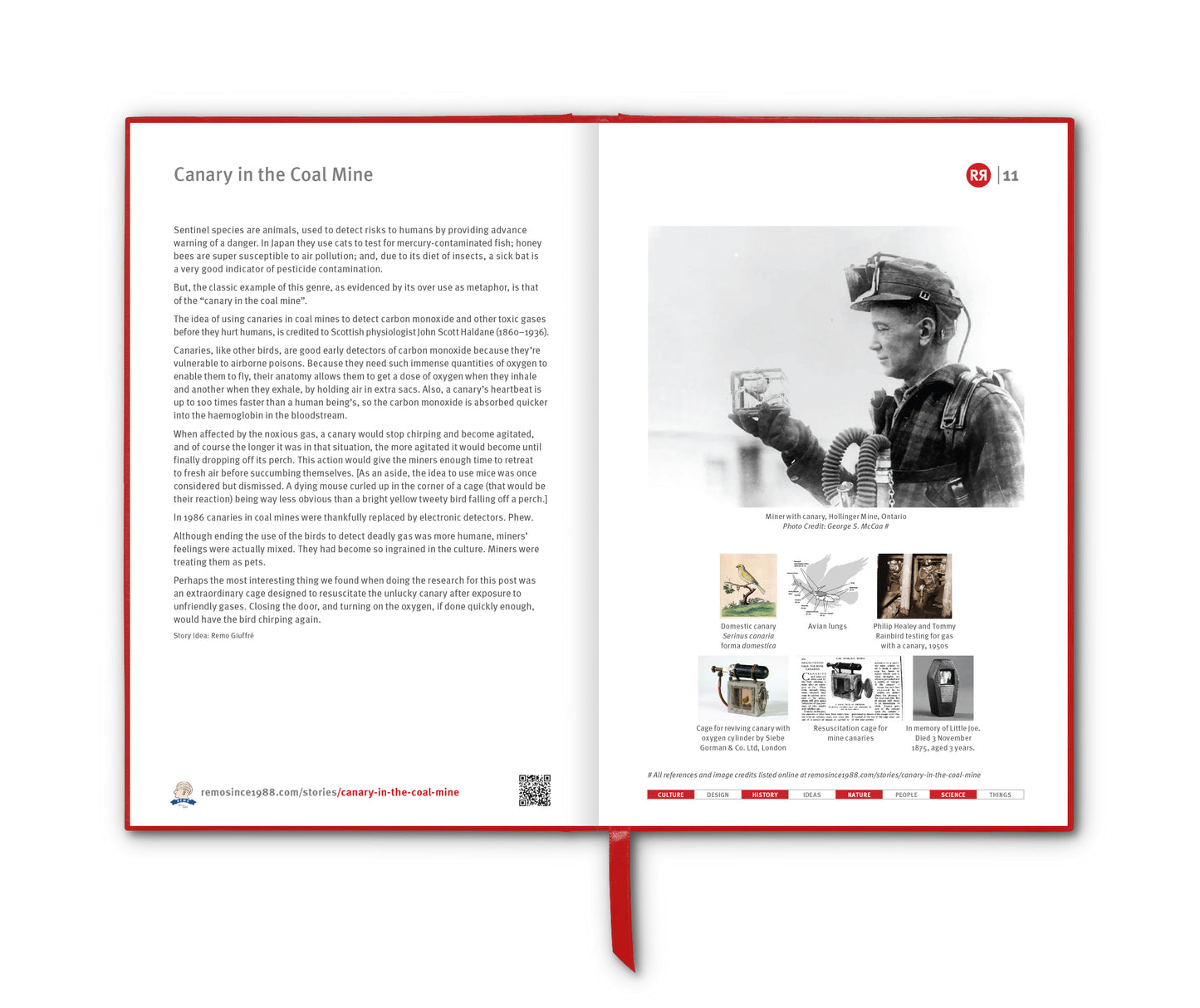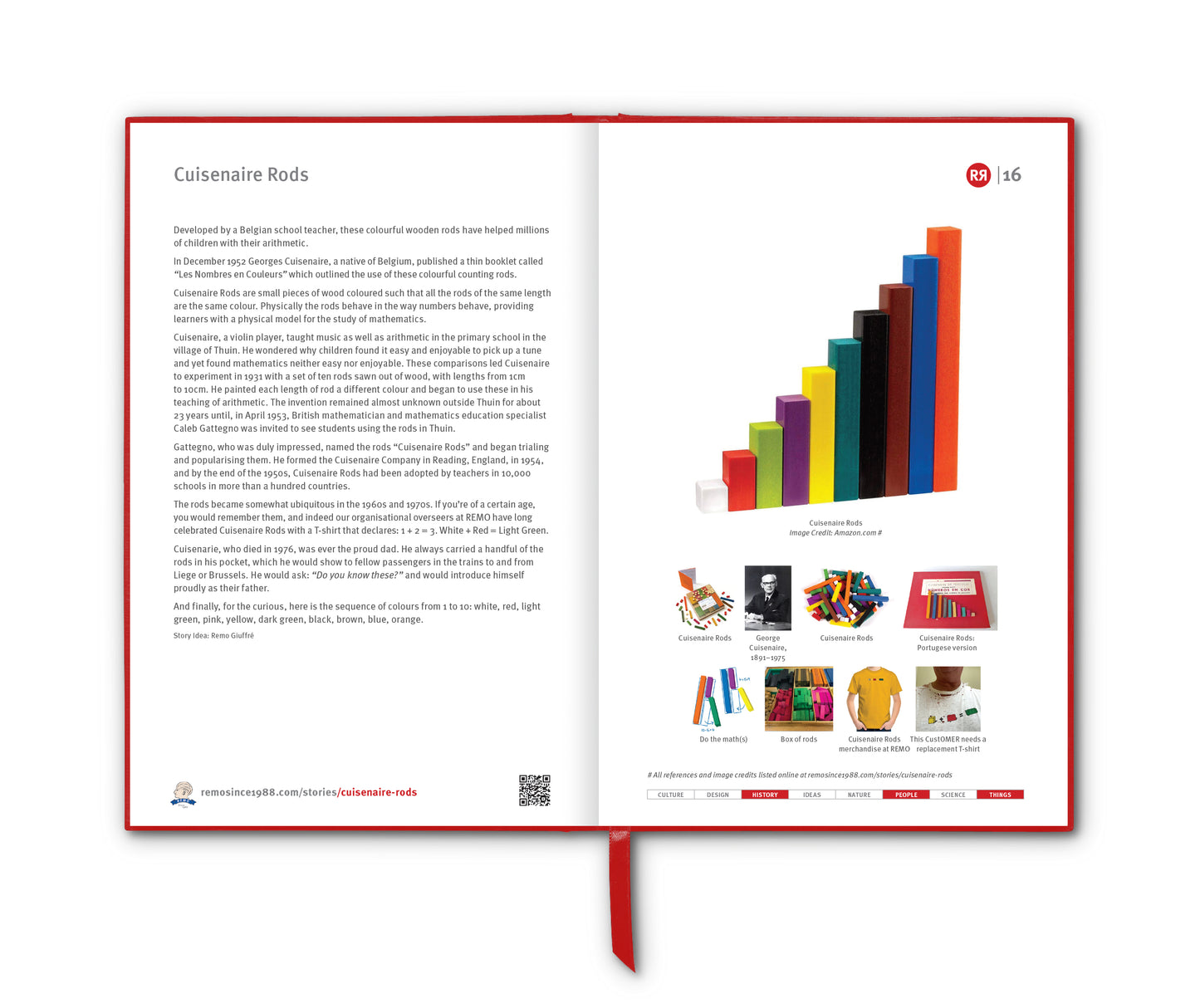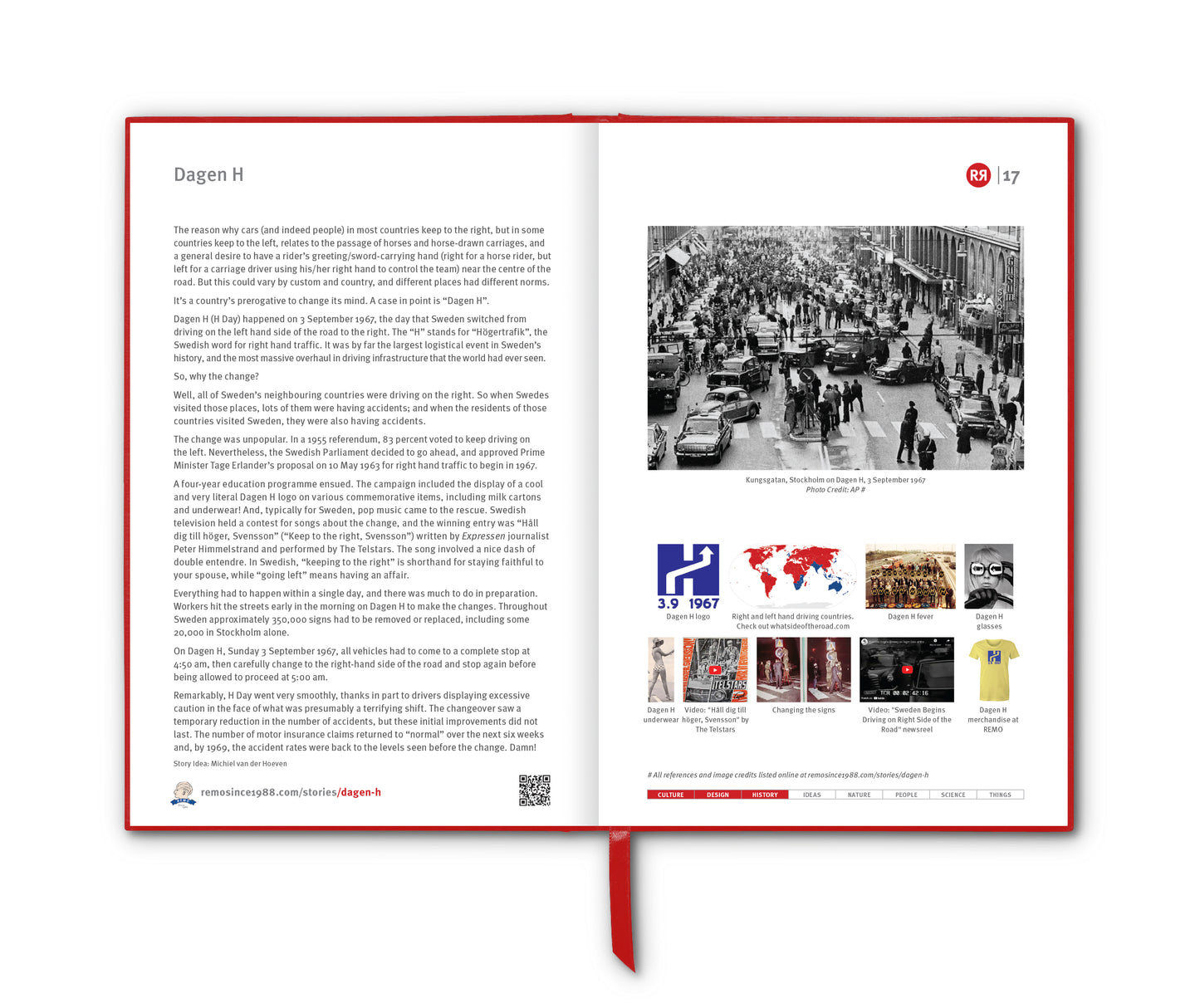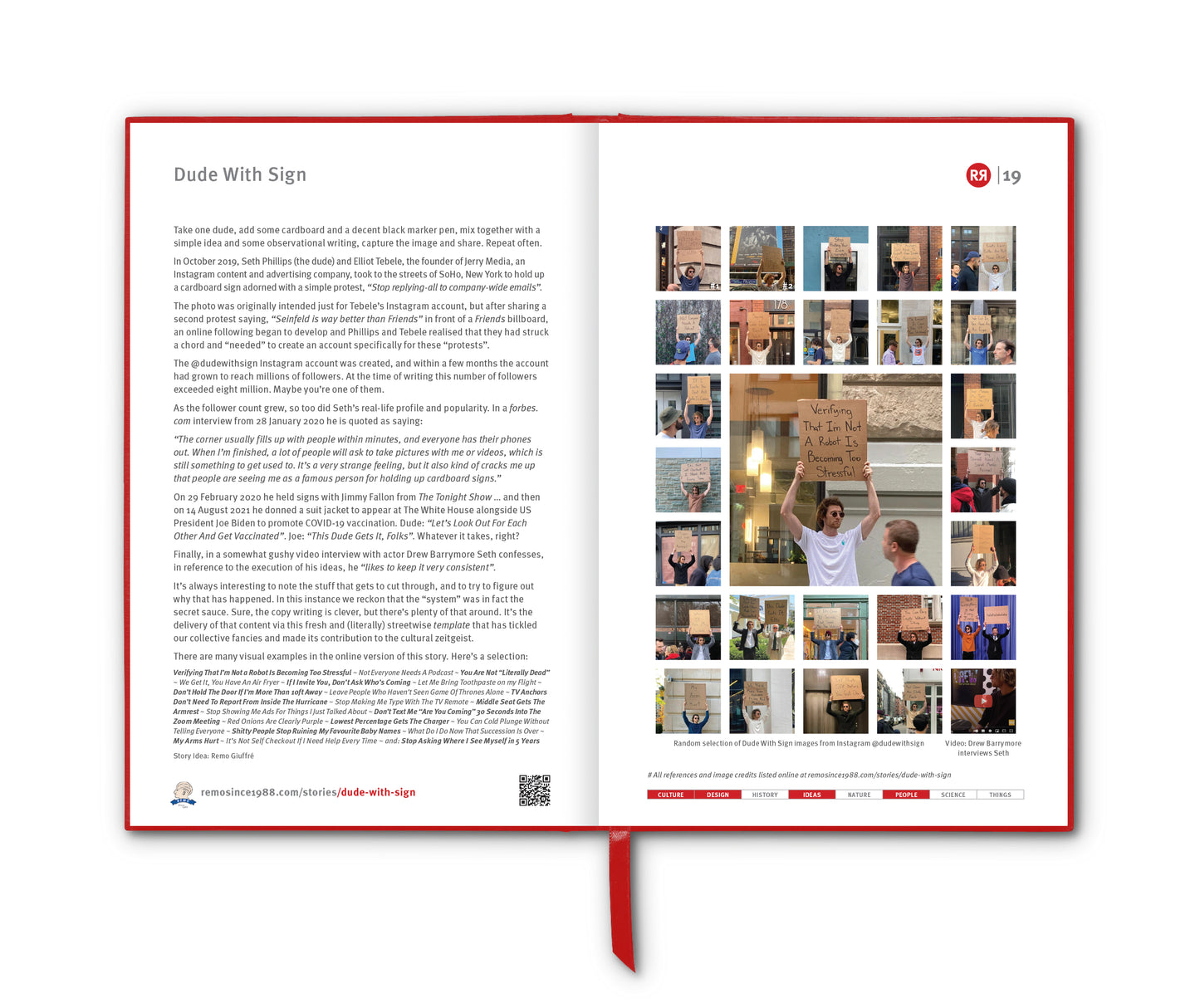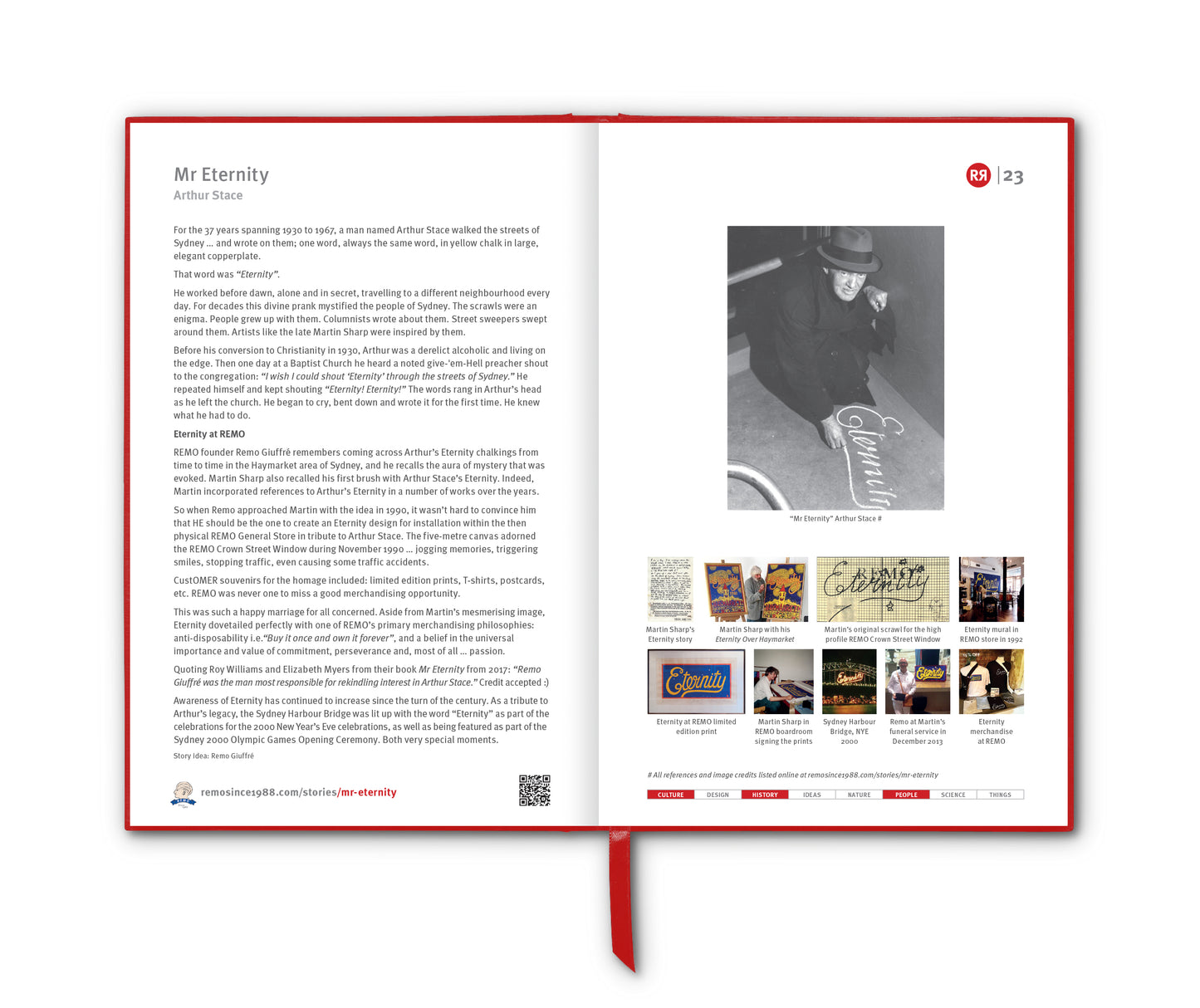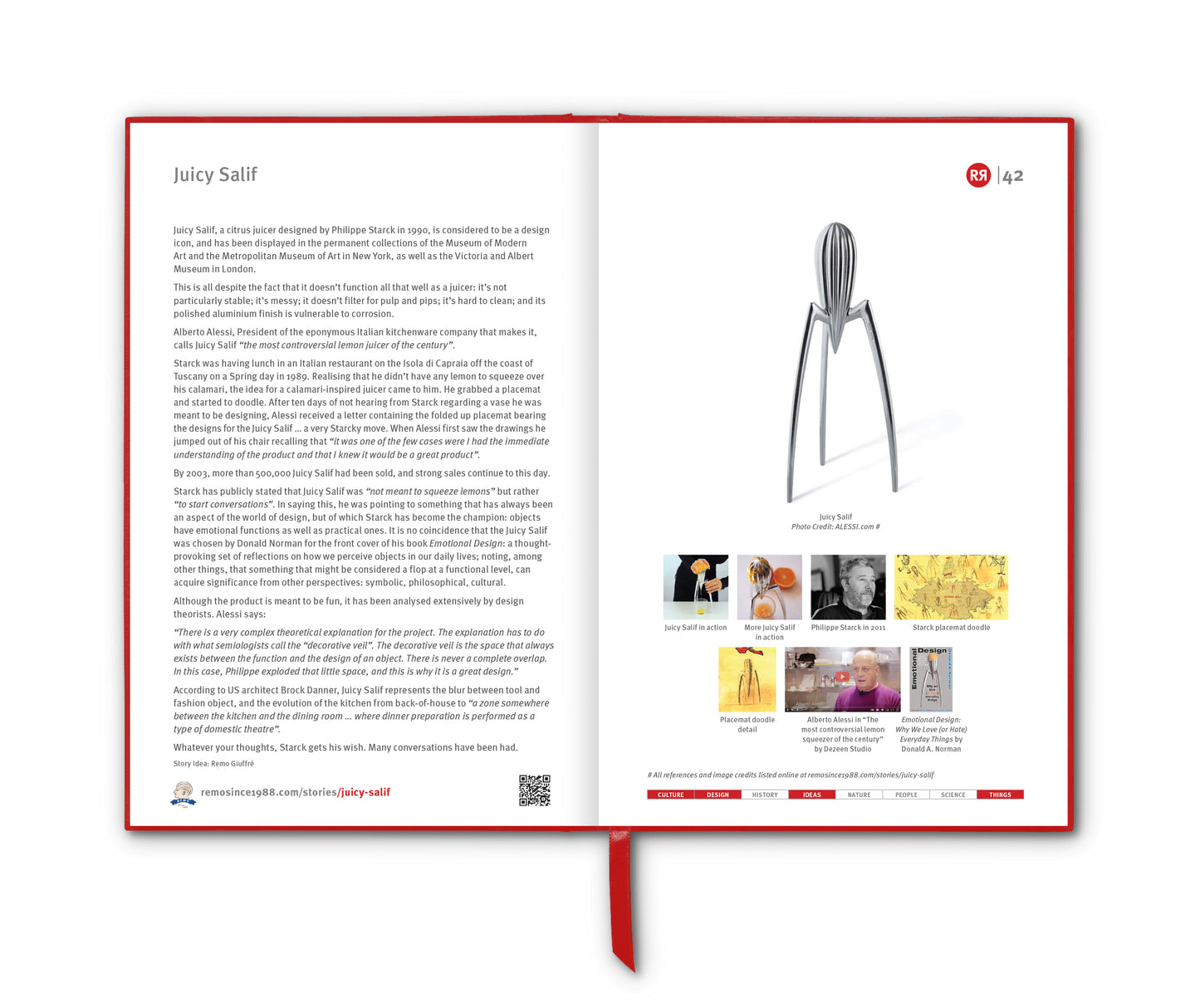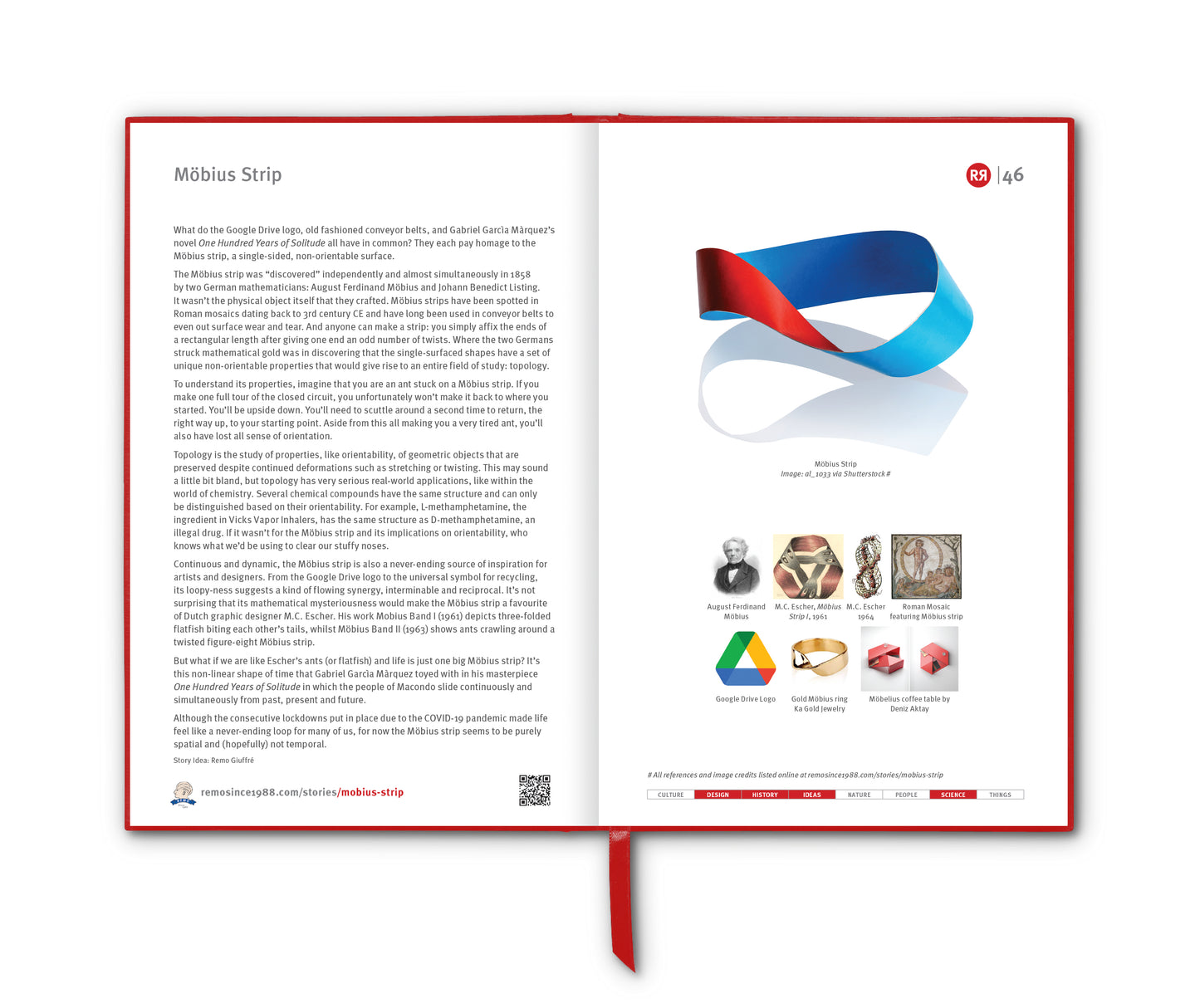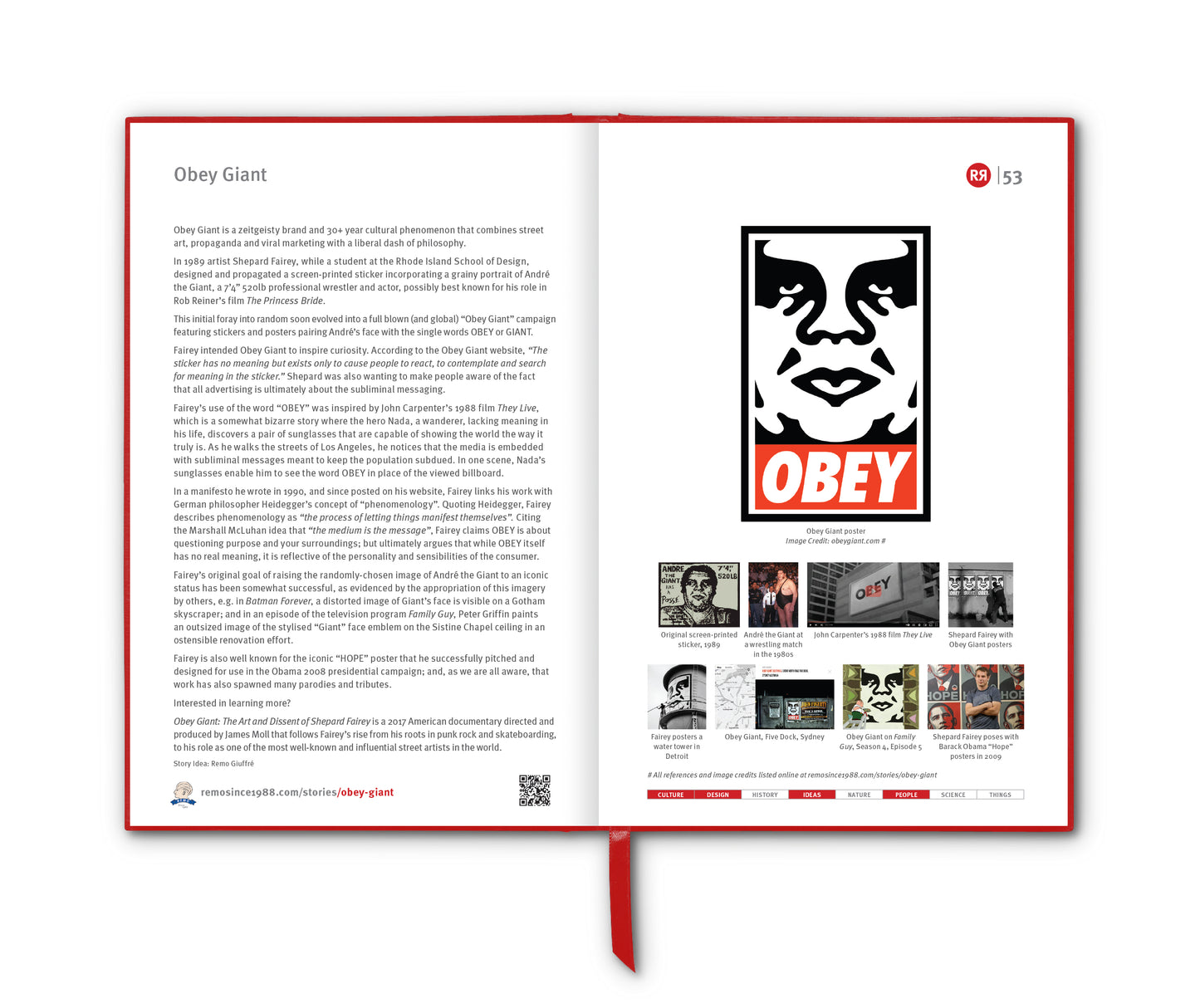

A clapperboard is a device used in filmmaking, television production and video production to assist in synchronising of picture and sound, and to designate and mark the various scenes and takes as they are filmed and audio-recorded. It is operated by the clapper loader.
It is said to have been invented by Australian filmmaker F. W. Thring. Due to its ubiquity on film sets, the clapperboard is frequently featured in behind-the-scenes footage and films about filmmaking, and has become an enduring symbol of the film industry as a whole.
Even people who have never stepped onto a film set know the familiar gesture: the board held up to the camera, the sharp clack and then the call of “Action”.
In the silent film era, filmmakers had little need for such a tool. Cameras recorded images only, and scenes were organised visually. But when synchronised sound arrived in the late 1920s, filmmakers faced a technical problem: how to align the audio recorded on one machine with the images captured on another. Editors needed a clear visual and audible marker that appeared simultaneously in both recordings. The solution was simple and ingenious – a slate with a hinged clapper that created a sharp sound at the exact moment the sticks met.
The slate itself displayed essential production information: the film title, scene number, shot and take. When the clapper snapped shut, editors later matched the frame where the sticks met with the corresponding spike in the audio waveform. This process – known as synchronisation – allowed dialogue, footsteps and sound effects to line up precisely with the actors’ movements.
The clapperboard quickly became standard equipment across the film industry. As productions grew more complex, the slate also evolved into an organisational tool. Scene numbers, camera angles and take numbers helped editors keep track of hundreds of shots. On large productions, the clapper loader aka “second assistant camera” was responsible for marking and operating the board.
Thanks to its iconic status, the device occasionally appears on screen and intentionally. Comedies and self-referential films sometimes show a slate to signal a film-within-a-film, and documentaries frequently include the moment a board snaps shut before an interview begins. The gesture itself has become shorthand for filmmaking.
Technologically, the clapperboard has changed with the industry. Traditional wooden slates with chalk writing gradually gave way to acrylic boards with dry-erase markers. In modern digital productions, electronic “timecode slates” display synchronised time data that cameras and sound recorders share automatically. Yet even with these innovations, the physical clap remains useful as a backup reference.
More than a piece of equipment, the clapperboard has become a symbol of cinema itself.
_________________
References
wikipedia.org/wiki/Clapperboard
Images
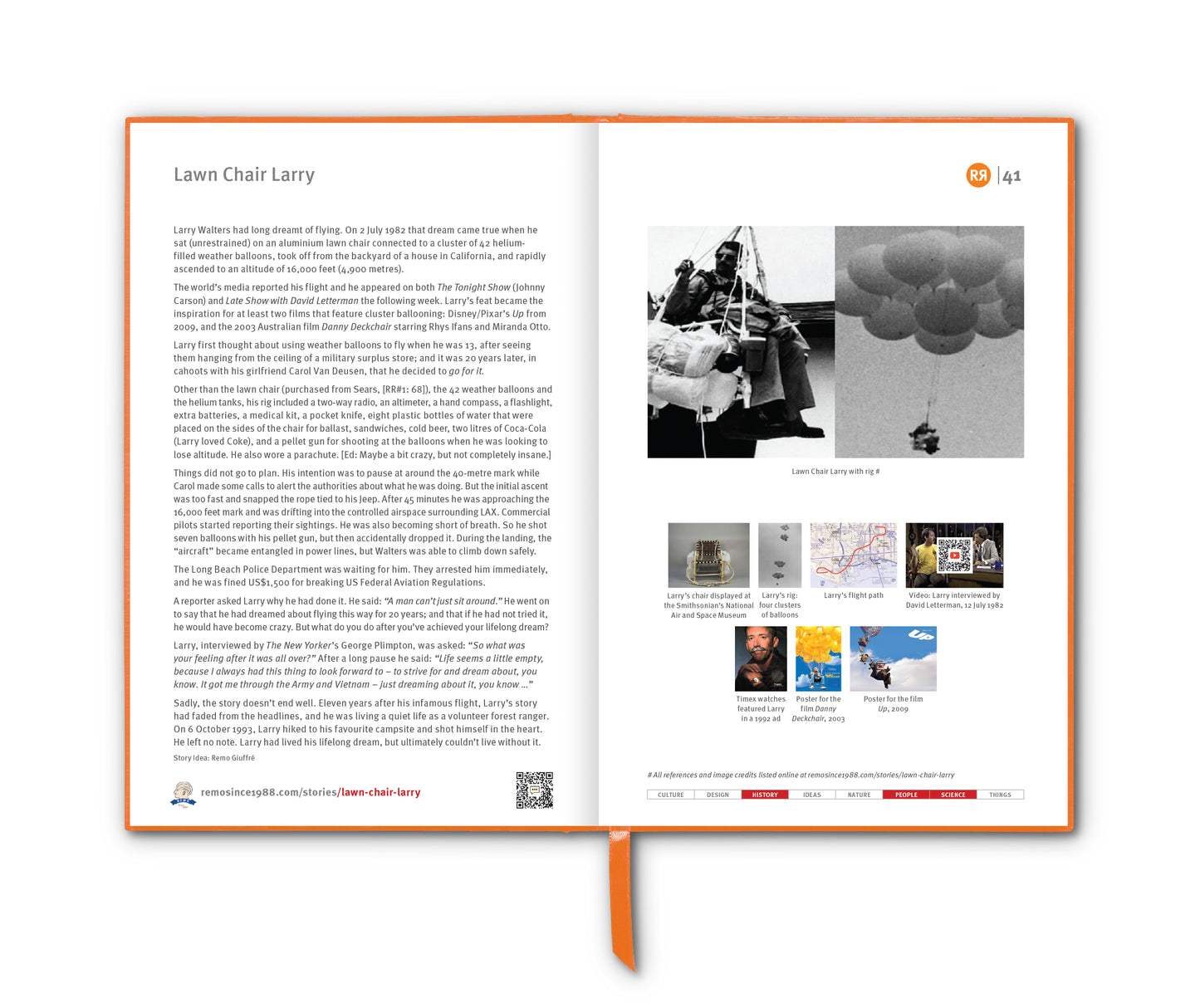
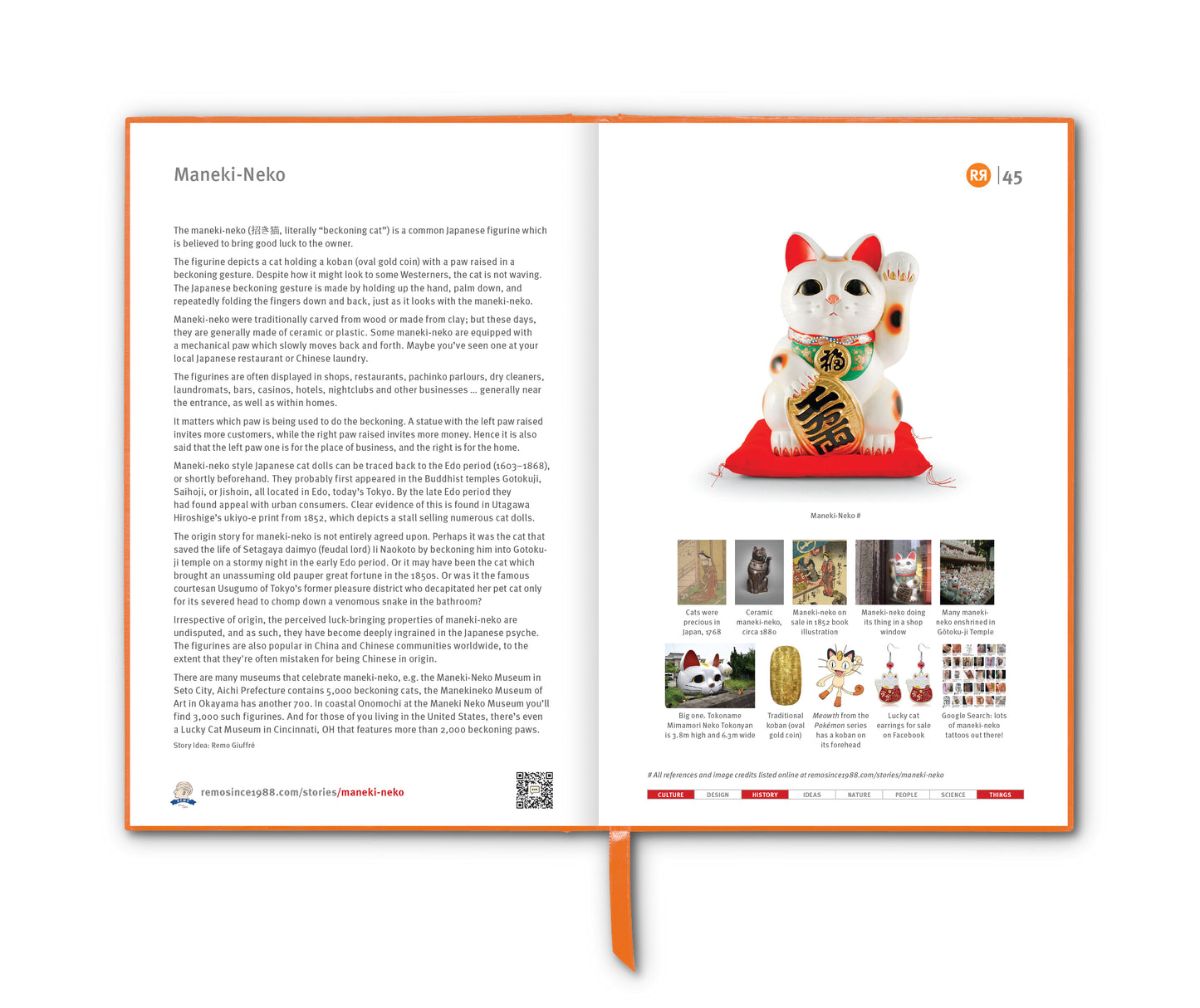
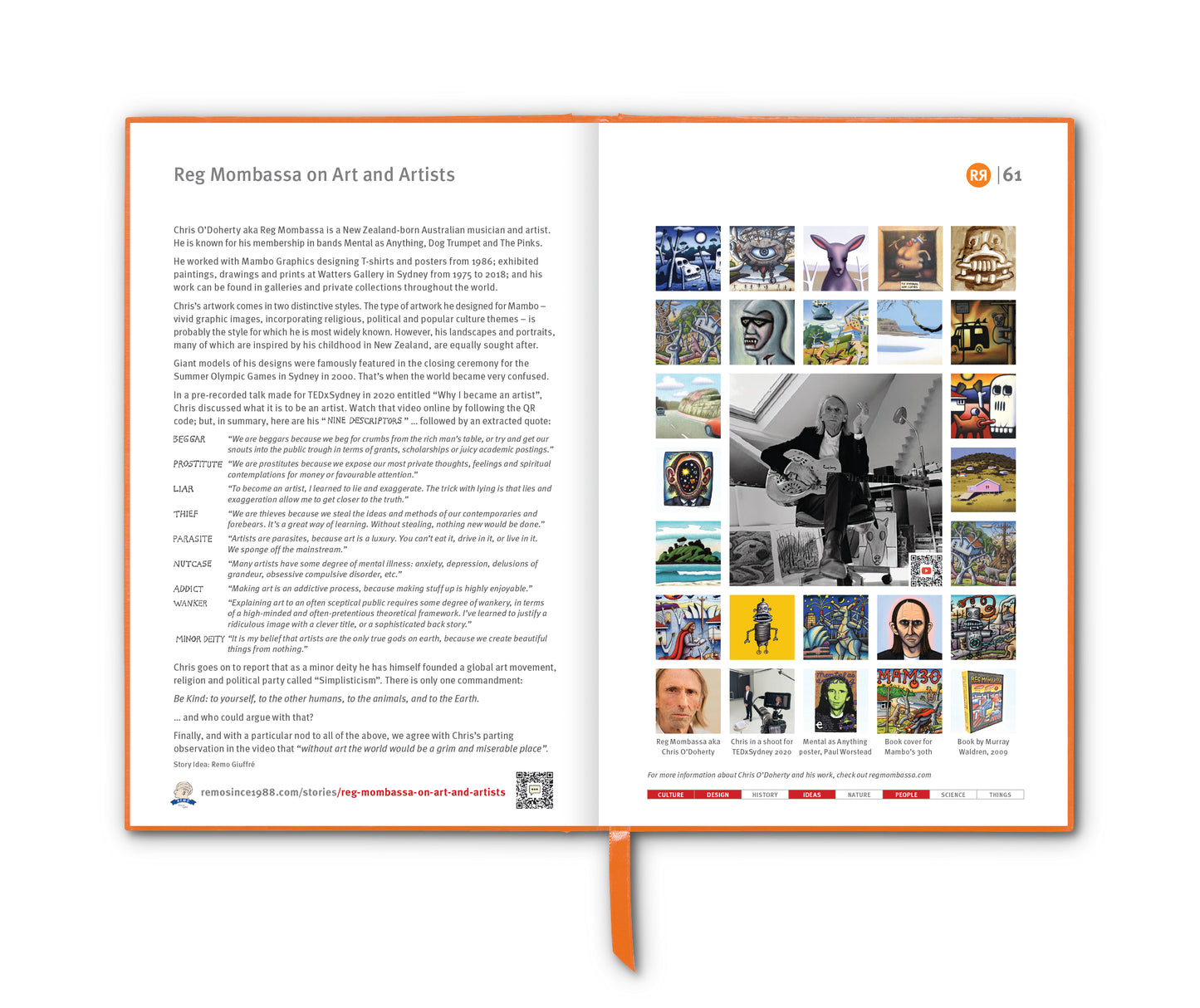
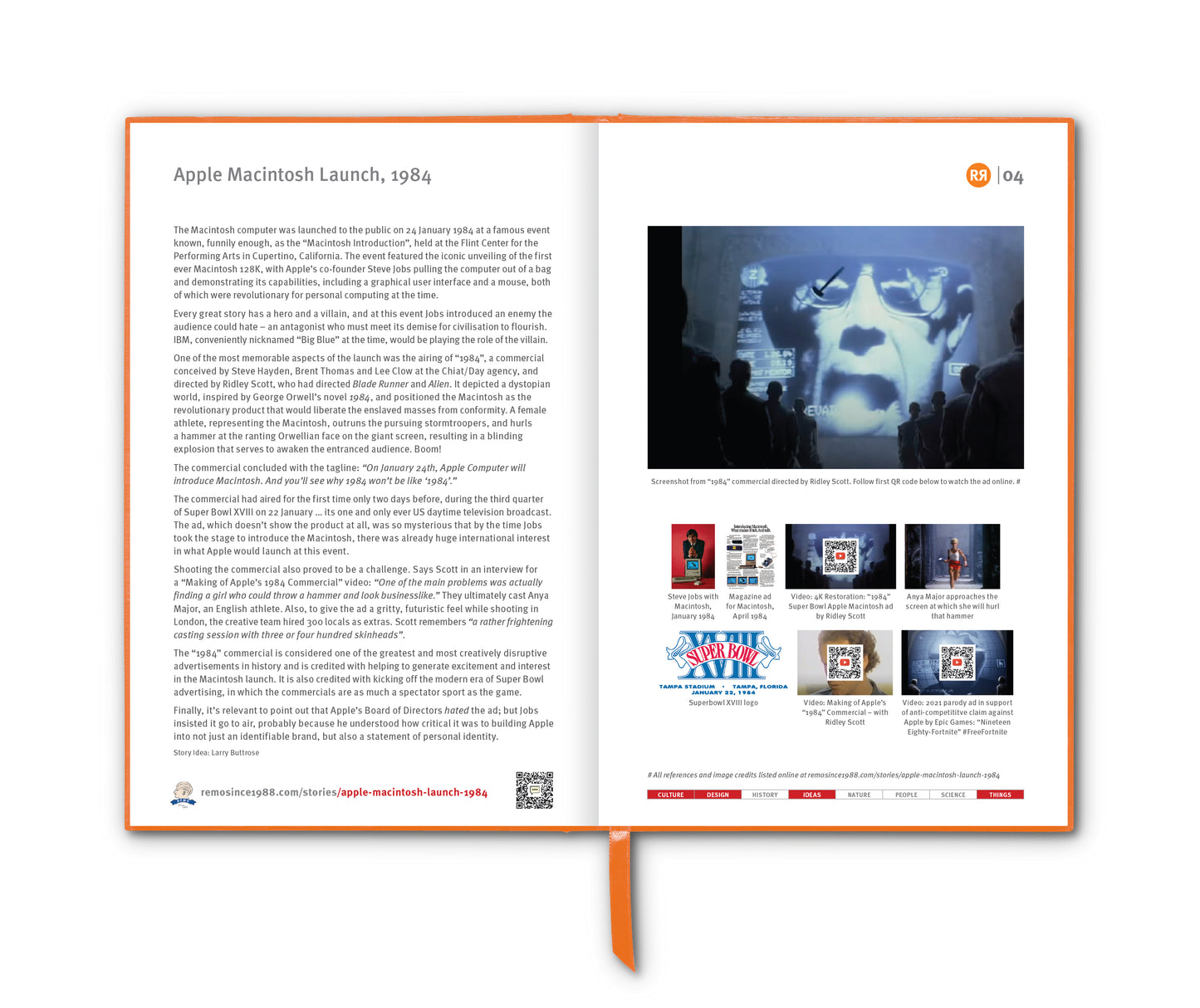
1. Clapperboard for recording of talk by Reg Mombassa for TEDxSydney 2020 [RR2:61]. Photo credit: Remo Giuffré
2. Director Peter Cramer with clapperboard for recording of talk by AI advocate Jamila Gordon for TEDxSydney 2020. Camera: Paul Howard. Photo credit: Remo Giuffré
3. Portrait of Francis William Thring. Photo credit: Sam Hood
4. Production shot from KUHT-TV's Doctors in Space program, 1953
5. Clapperboard in use. Credit: Ralf Roletschek for Fahrradmonteur.de
6. Clapperboard-assisted synchronistion
7. Denecke brand TS-3 clapperboard incorporating LED display with SMPTE timecode in use during the shooting of a film for O2. Photo credit: Mattbr on Flickr
8. Living in Oblivion (1995) staring Steve Buscemi offers a satirical, behind-the-scenes look at the chaos of low-budget filmmaking.