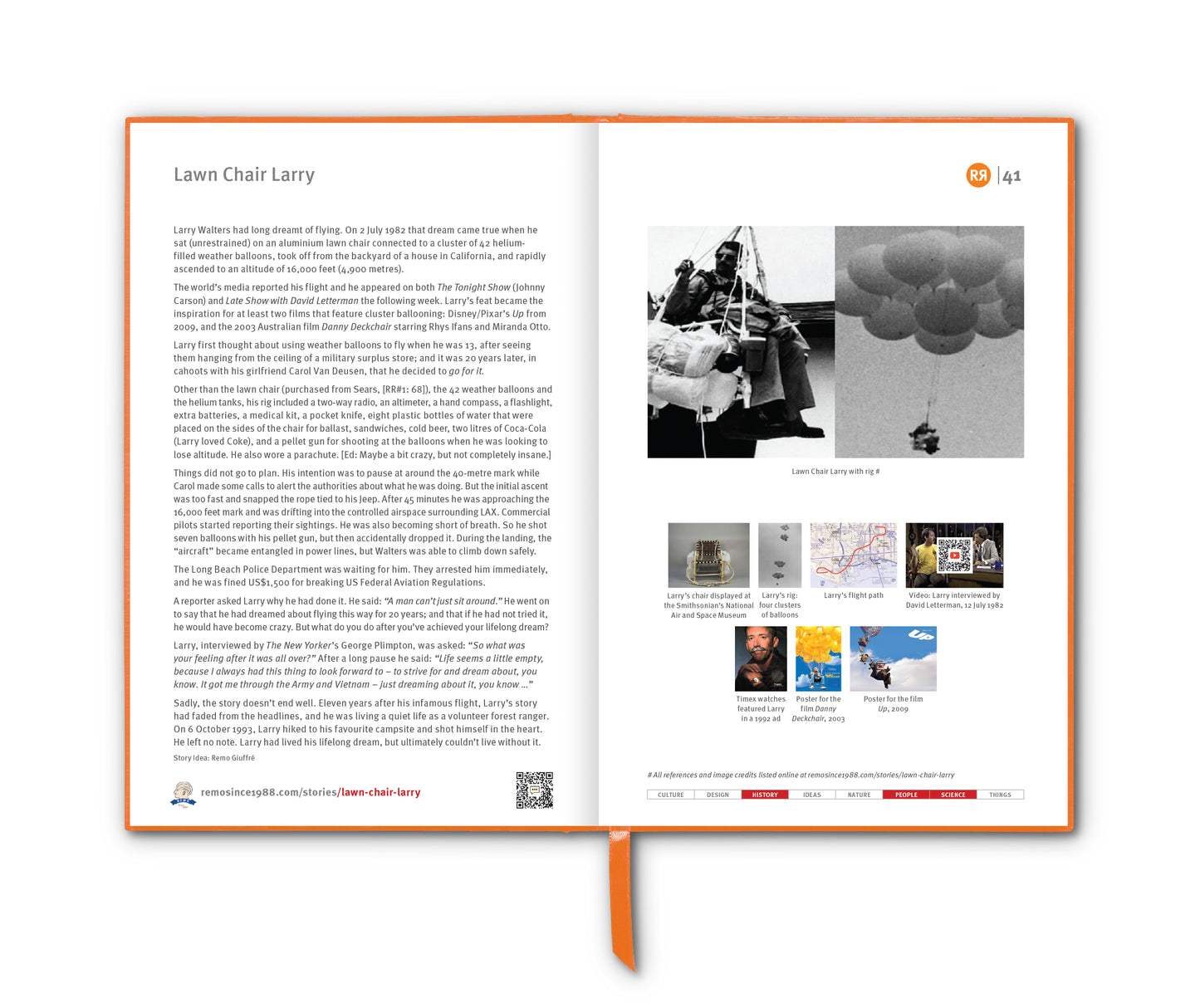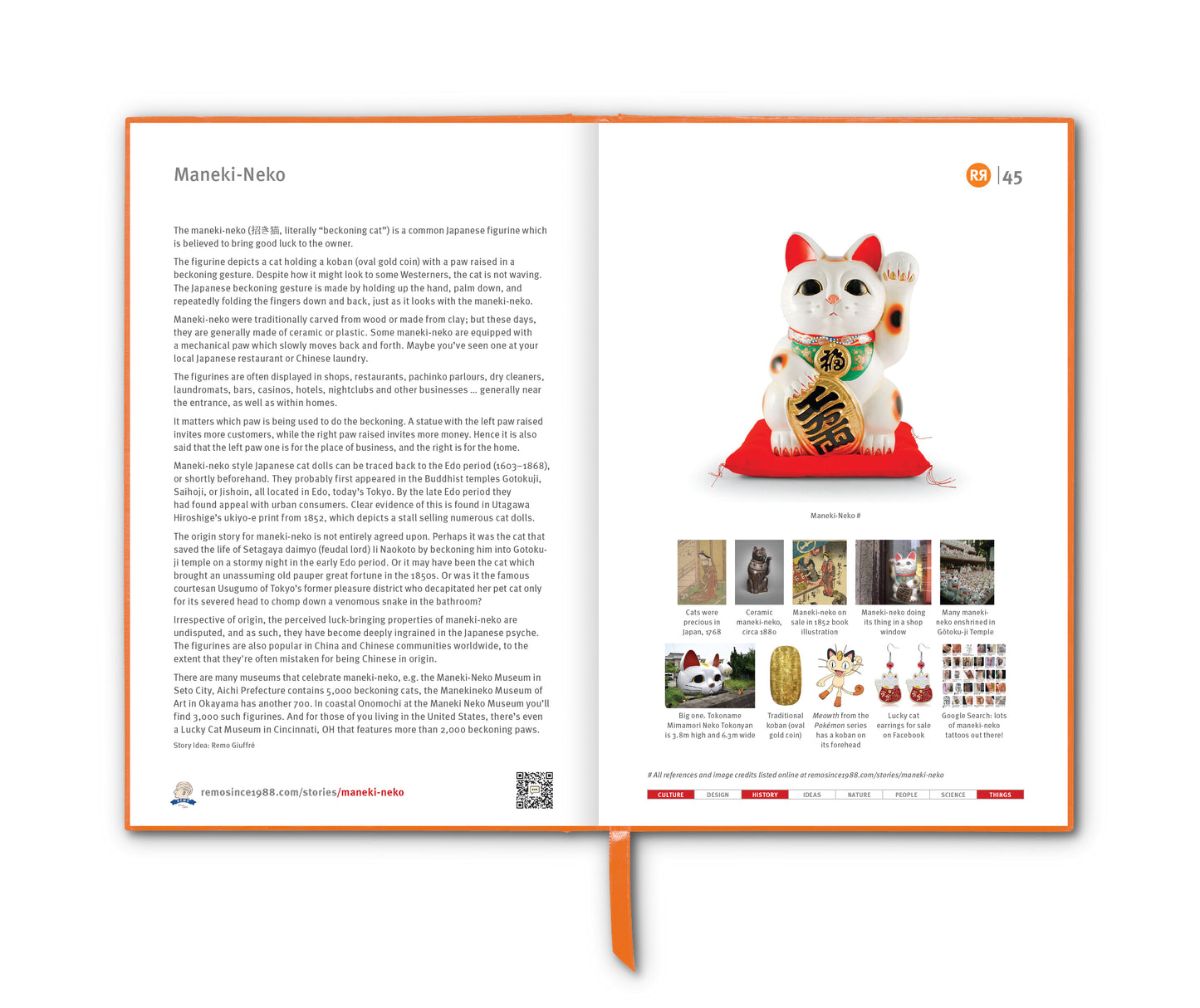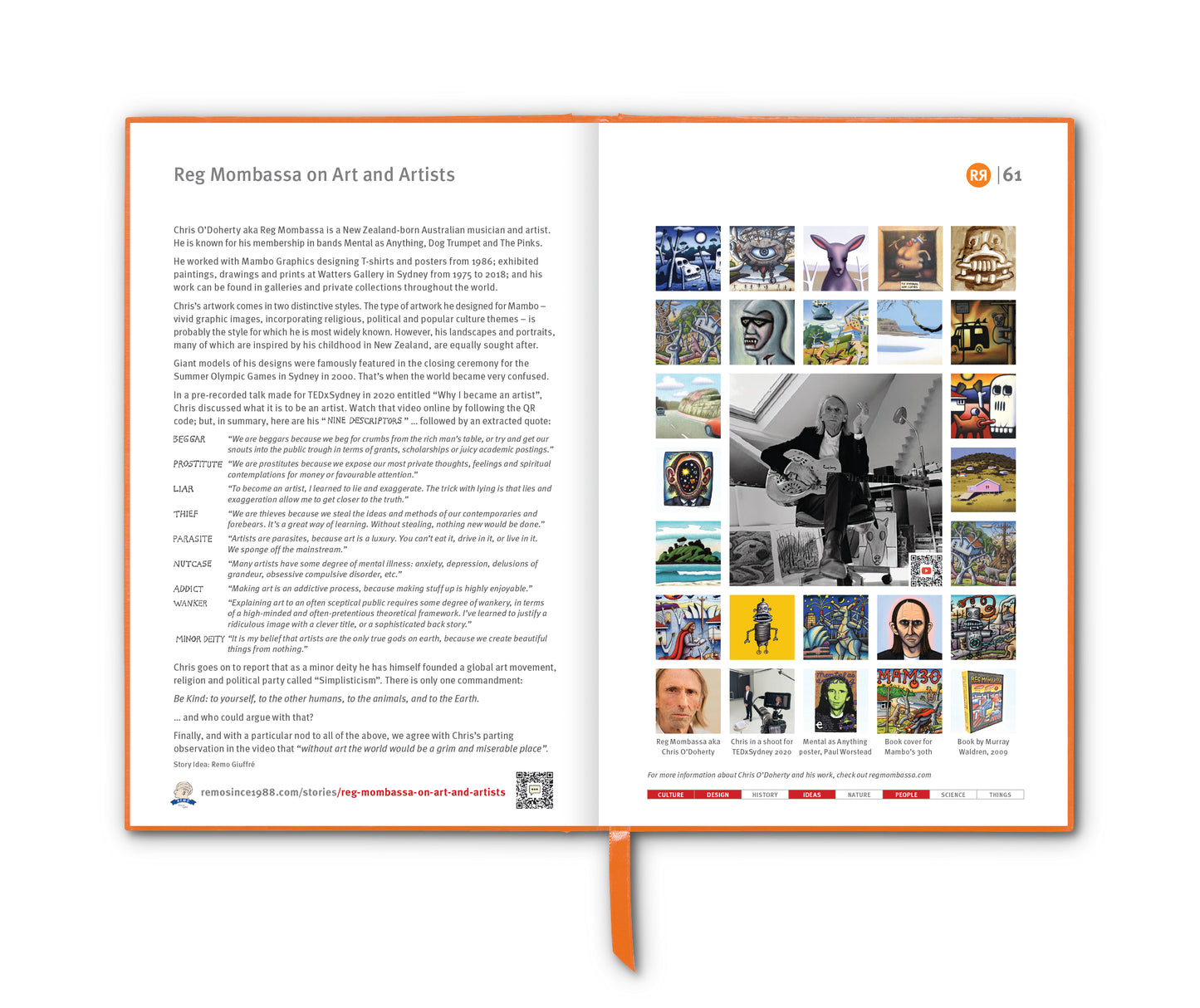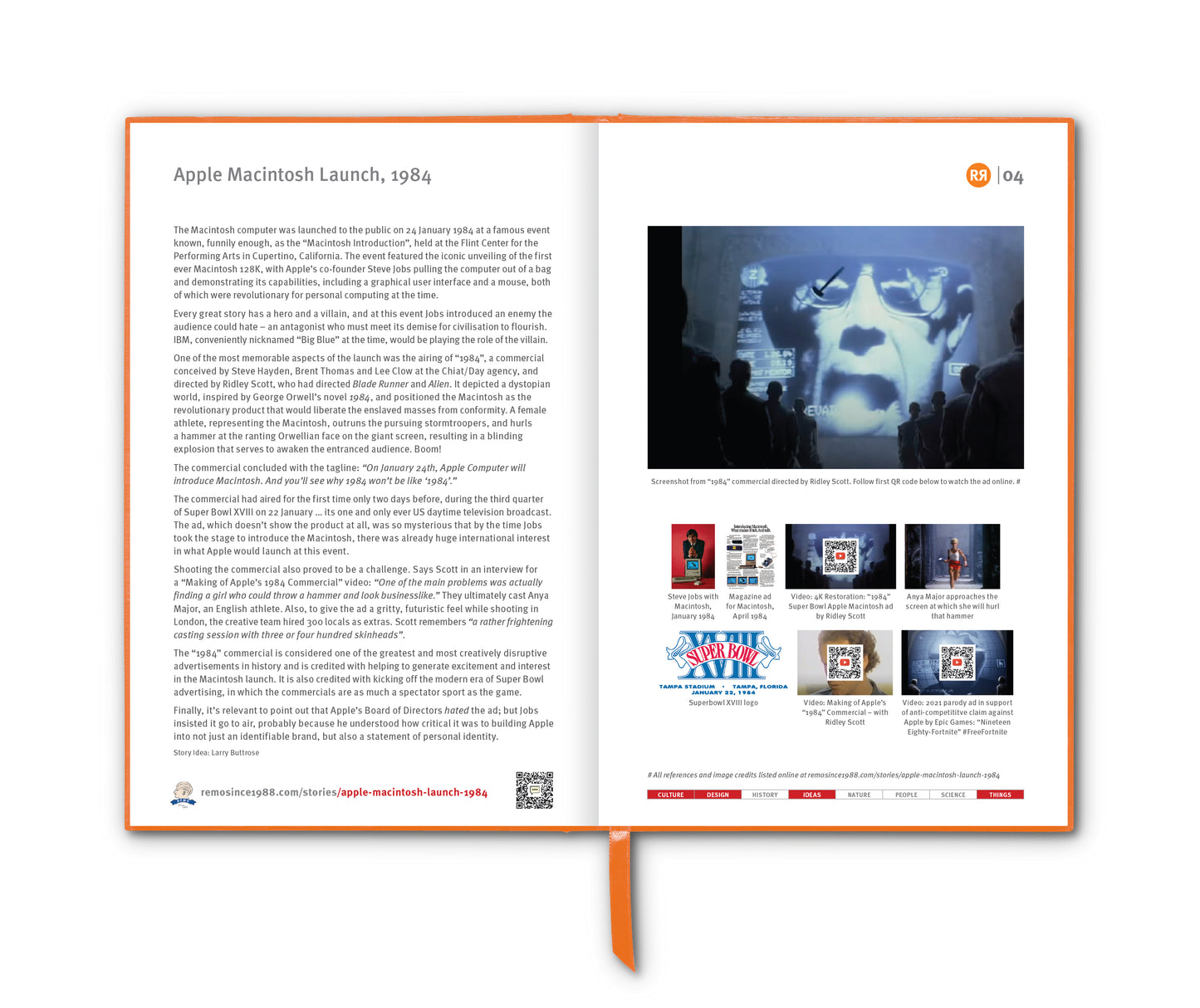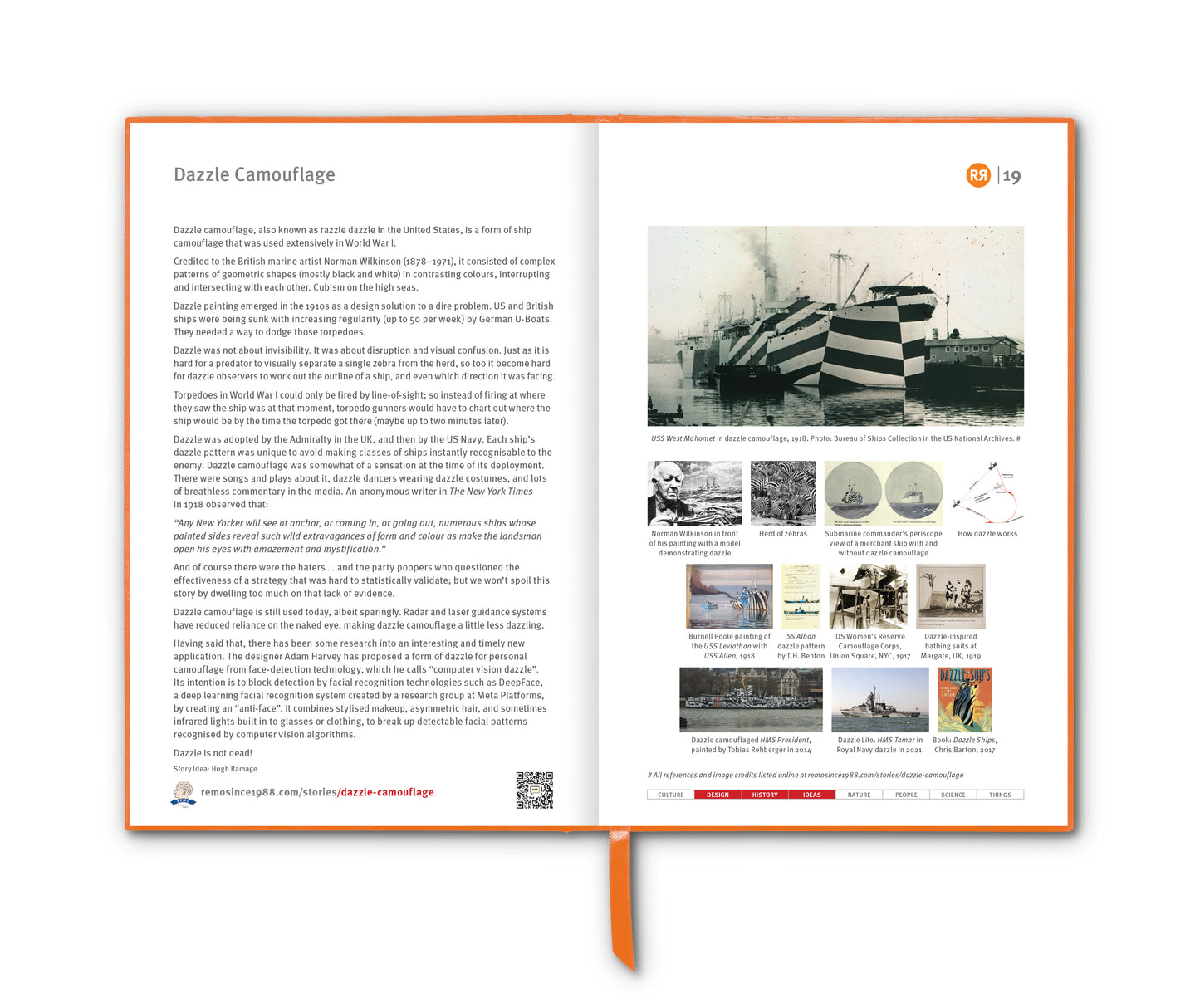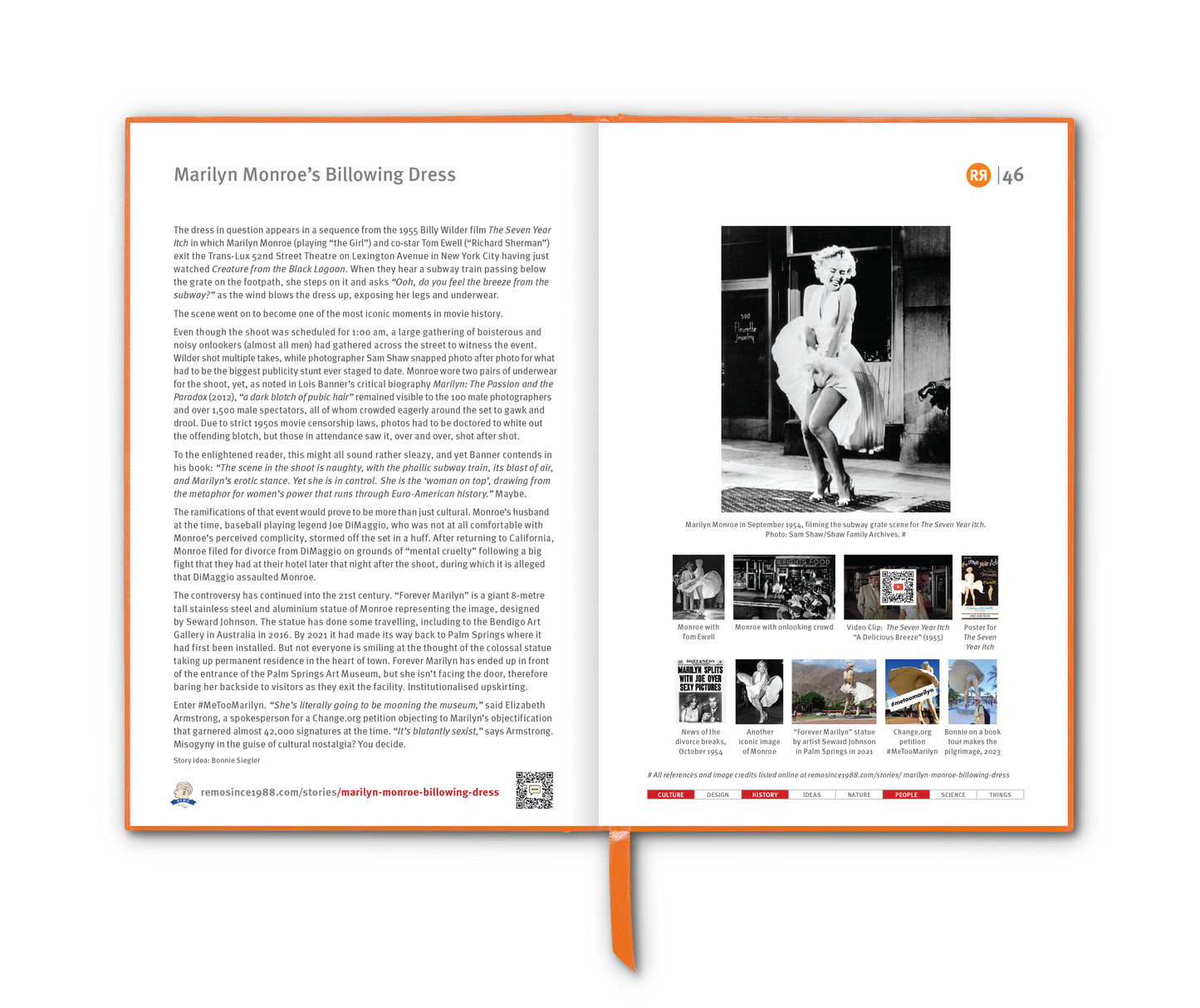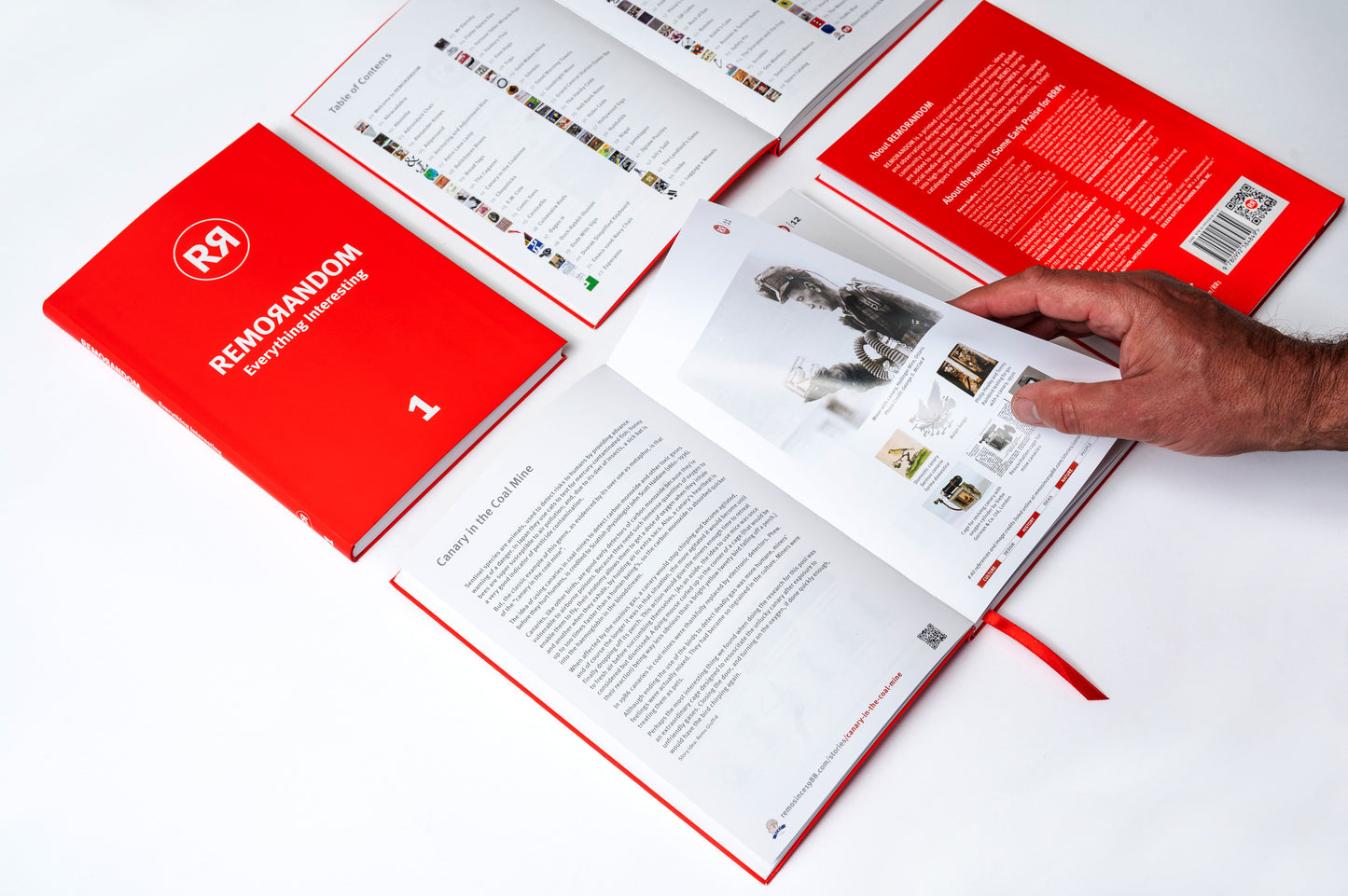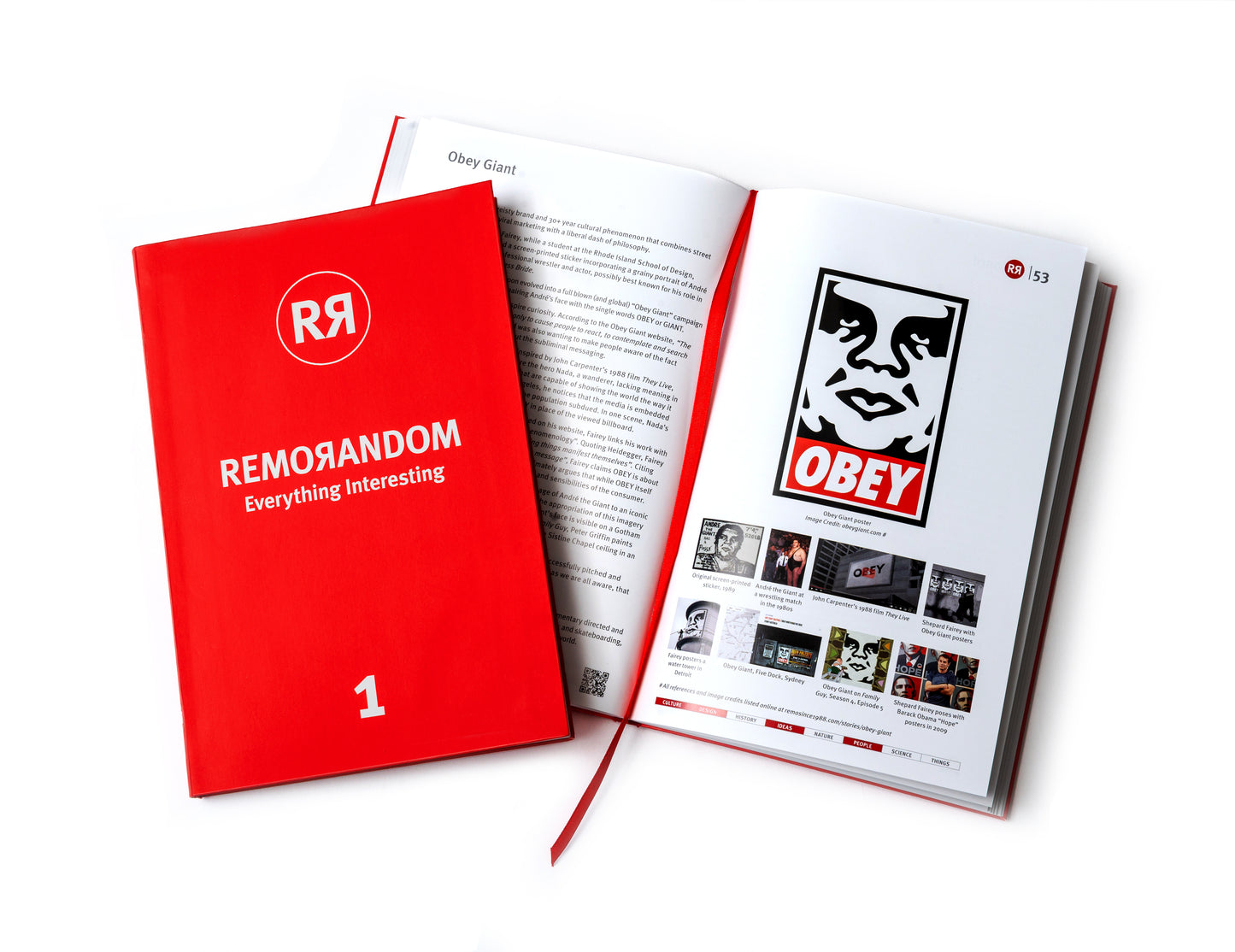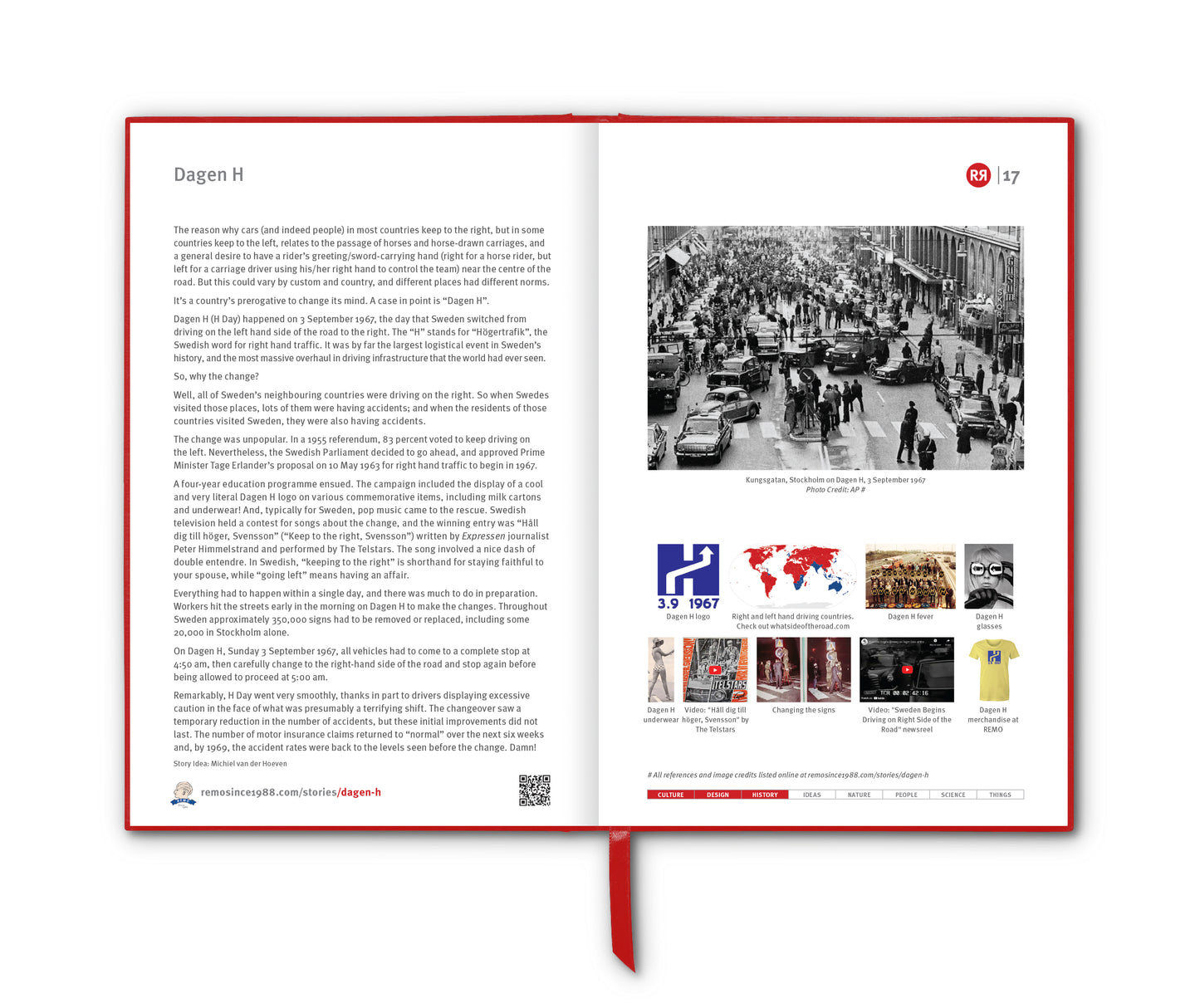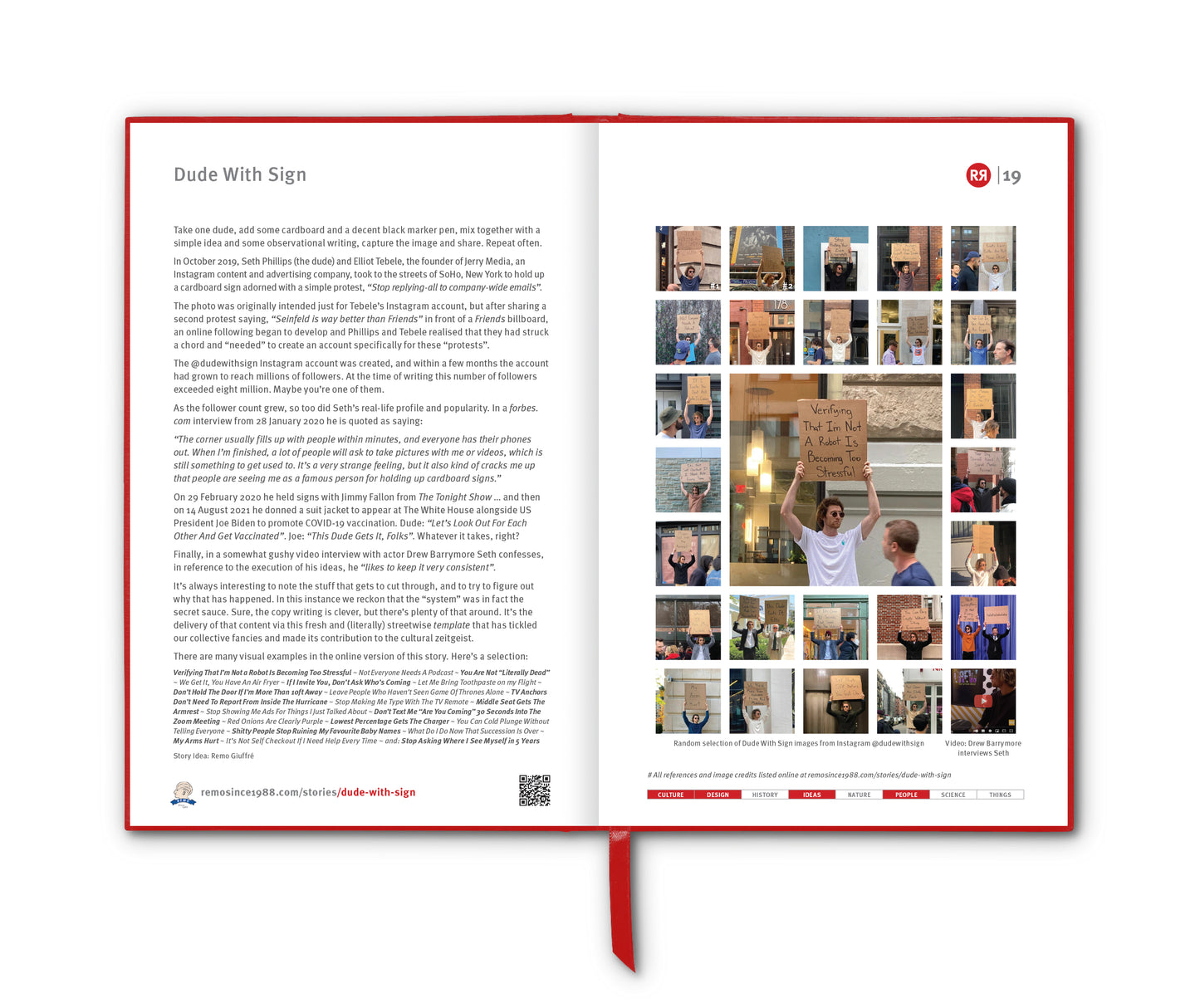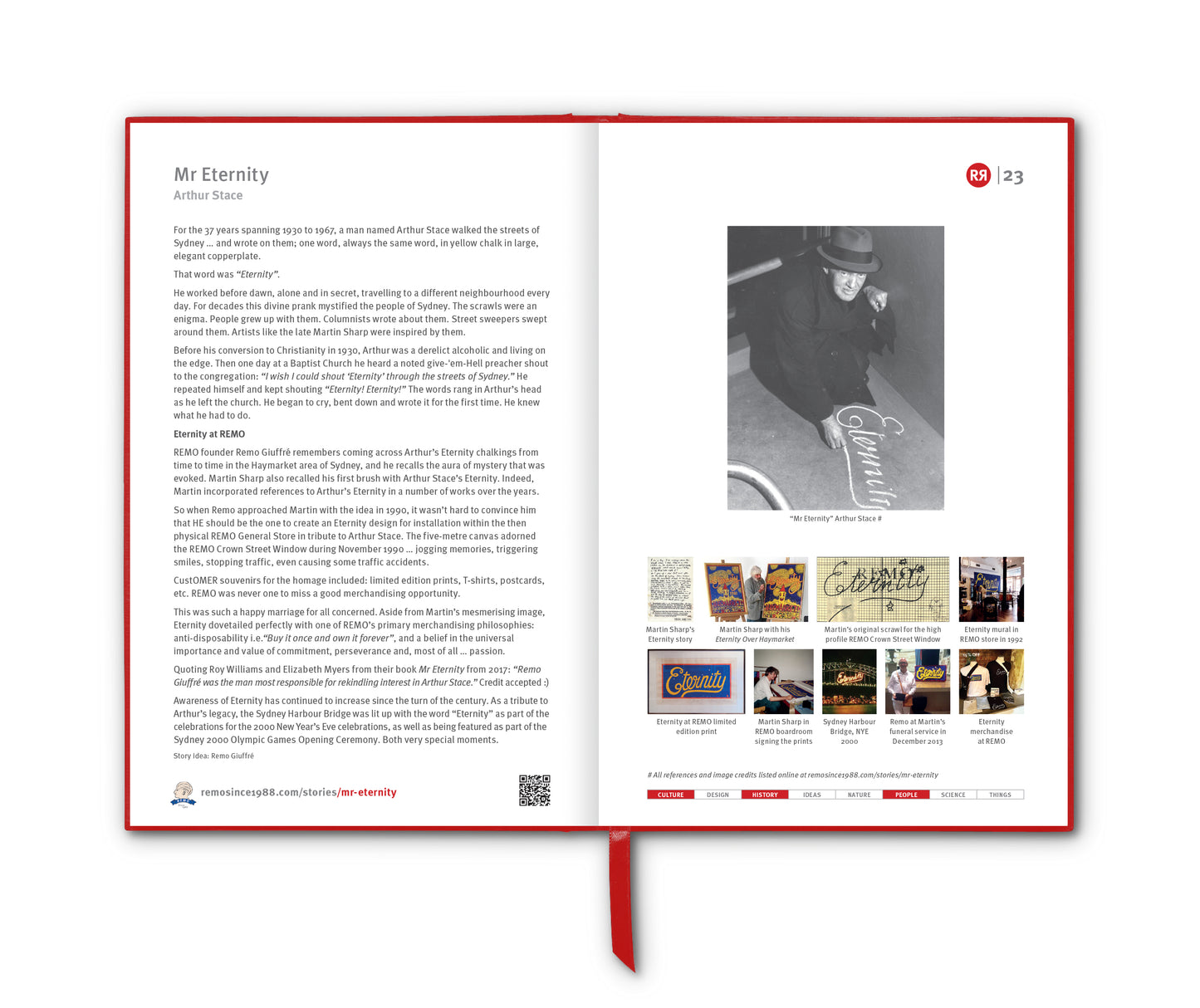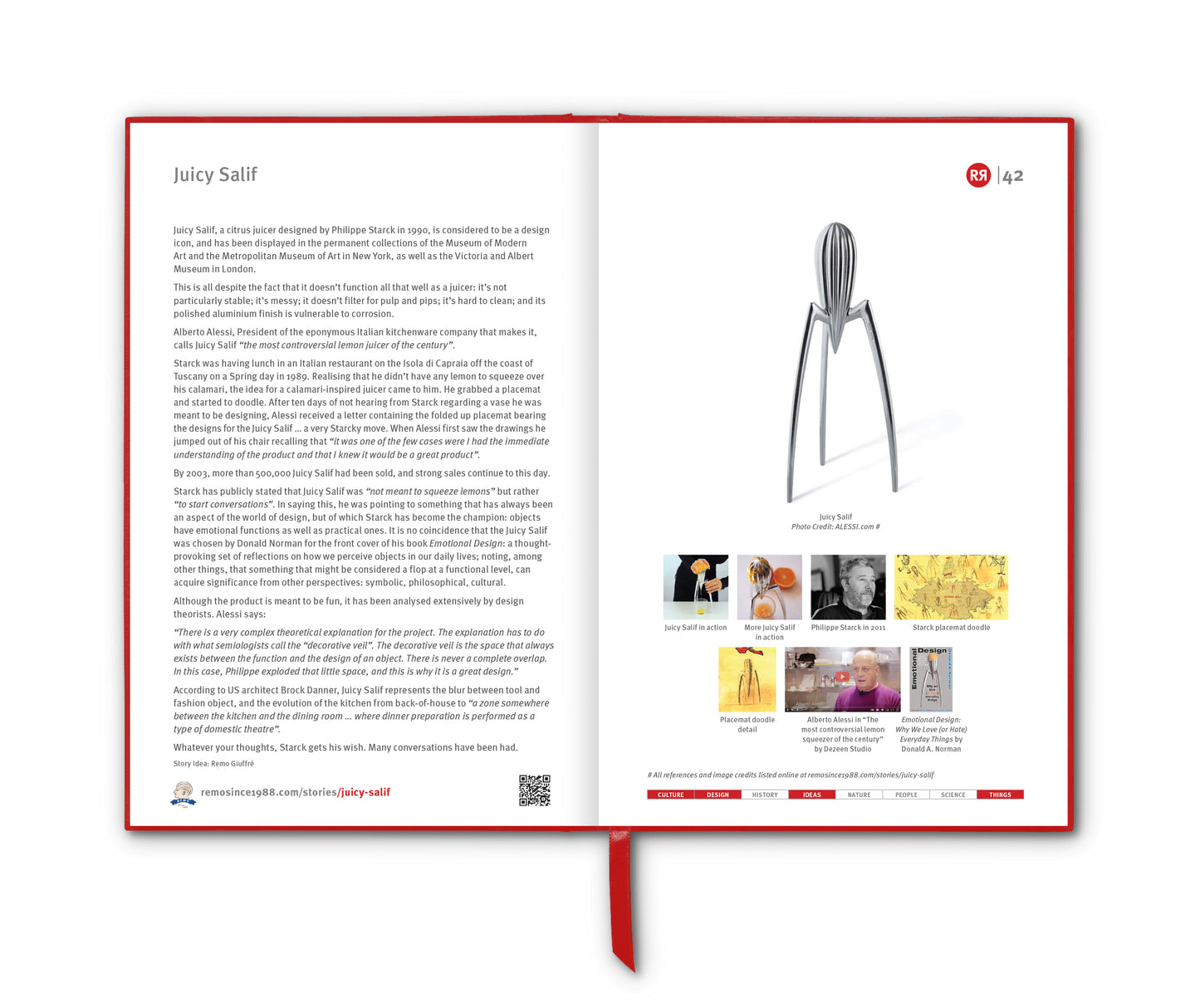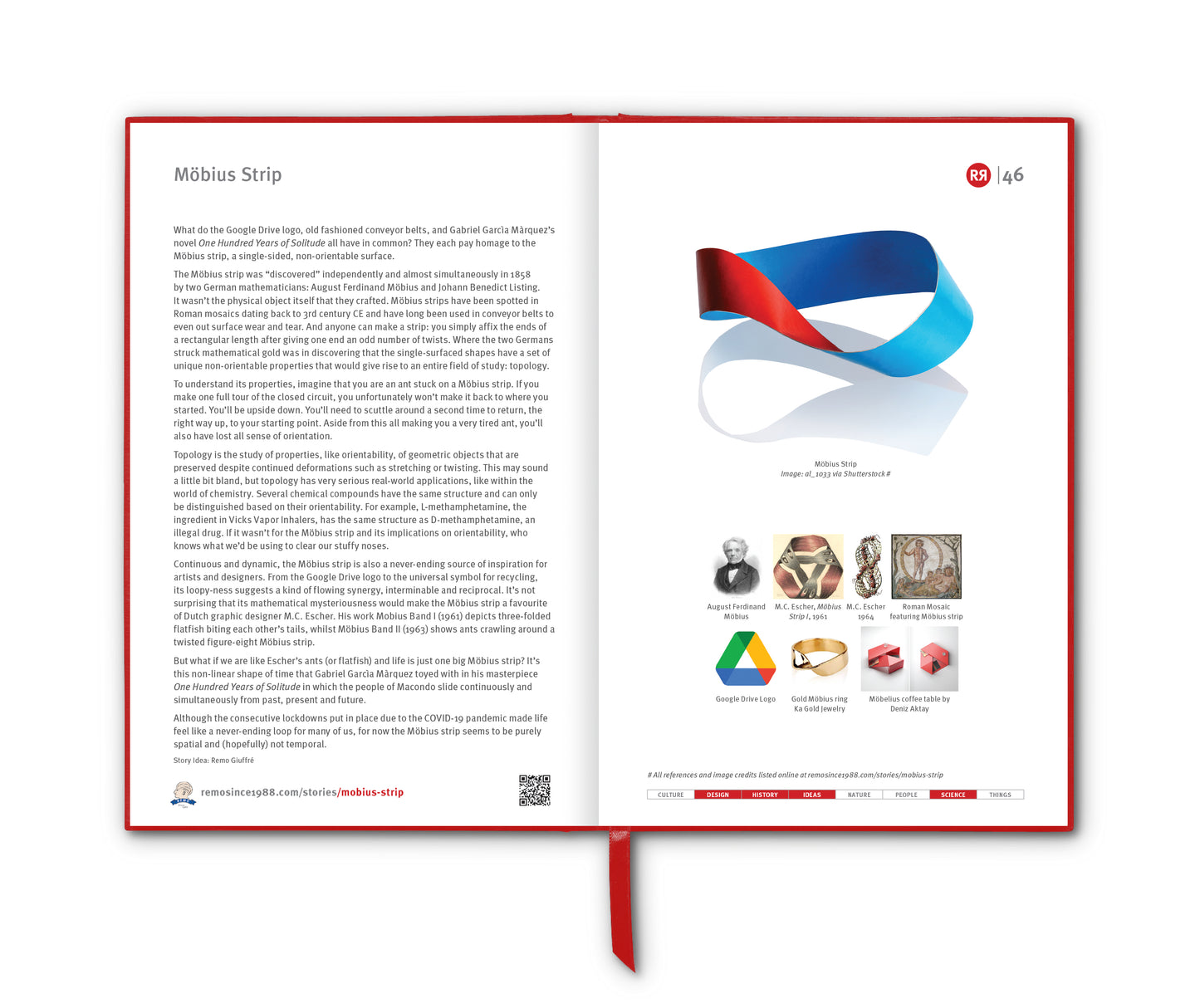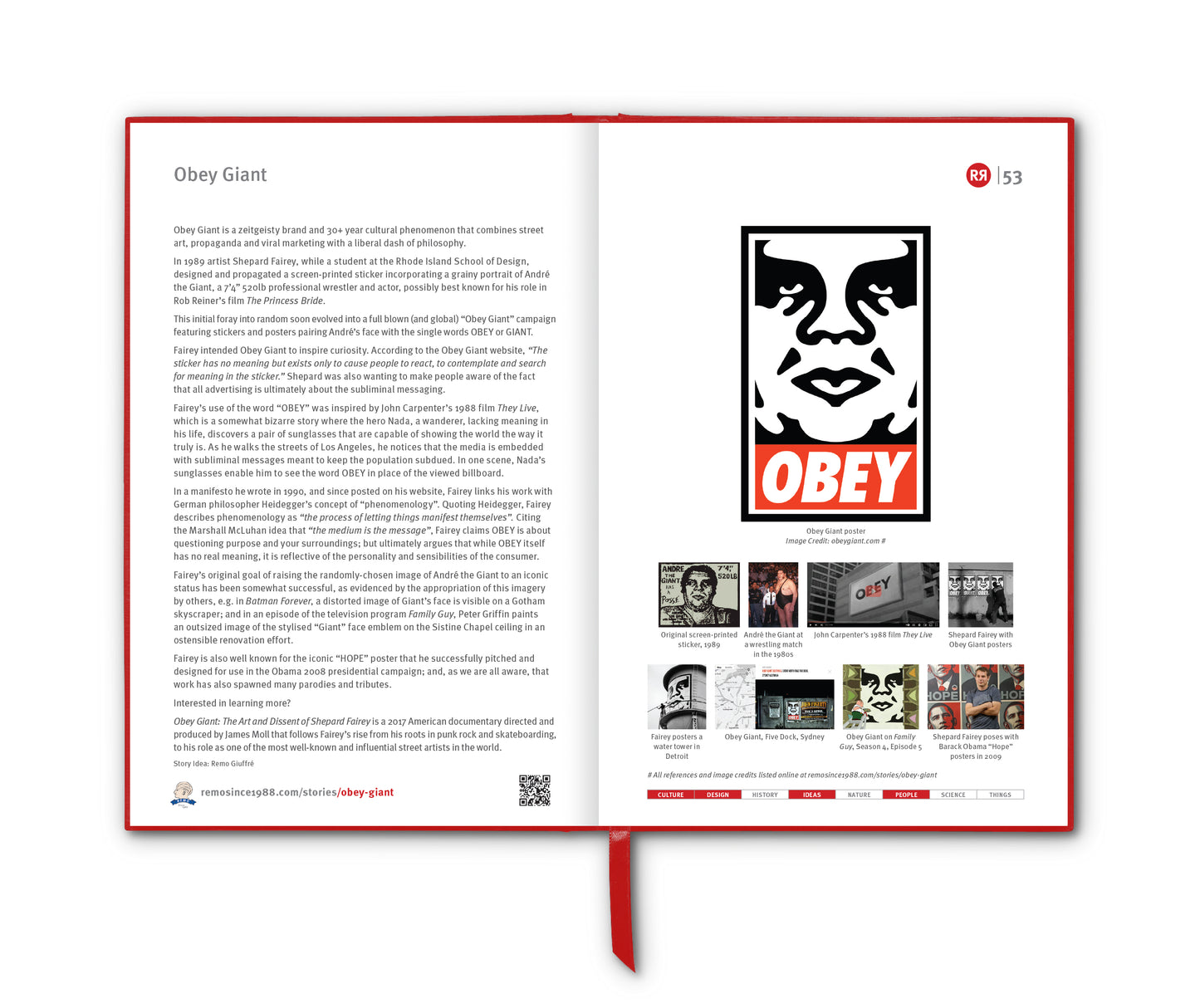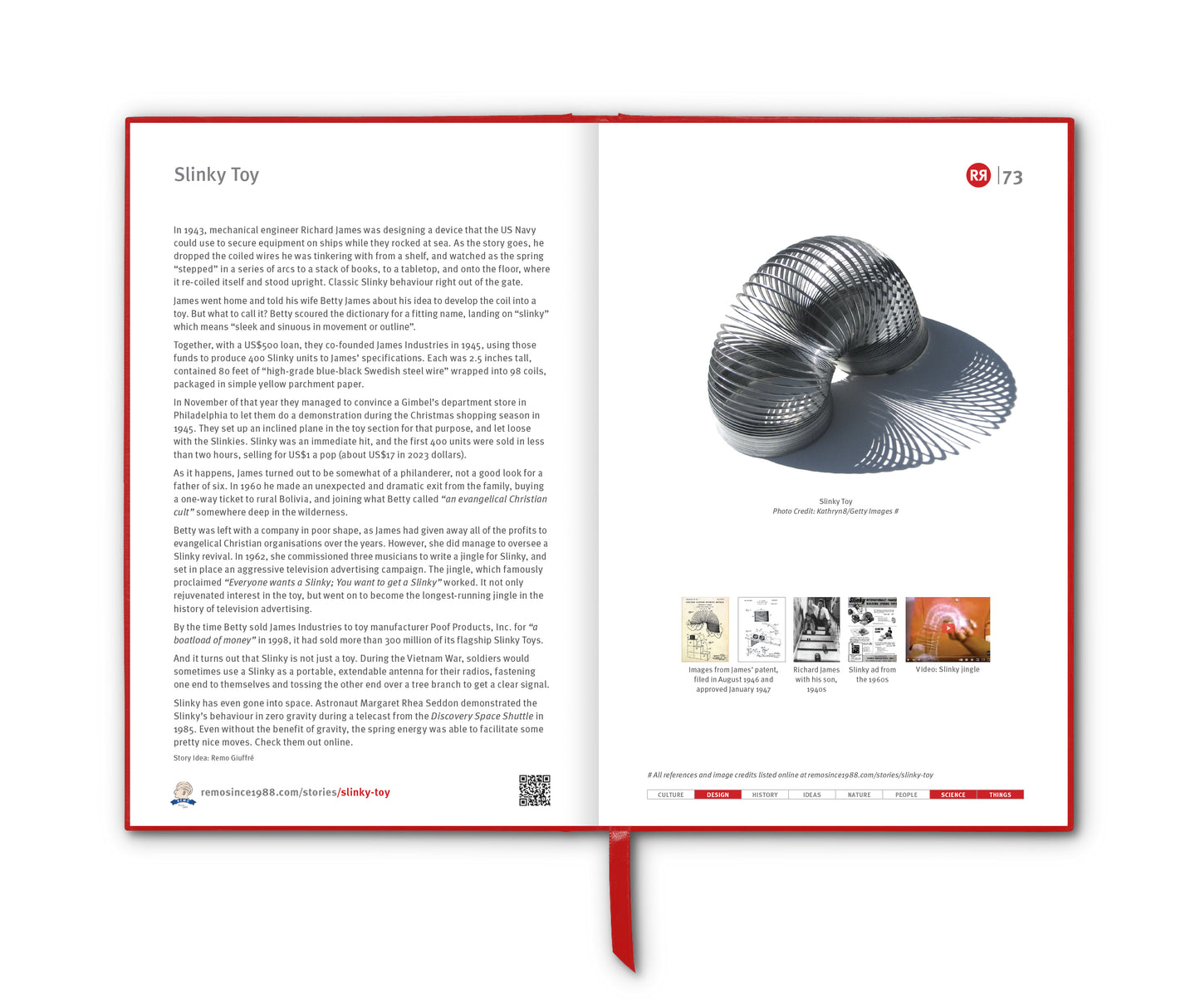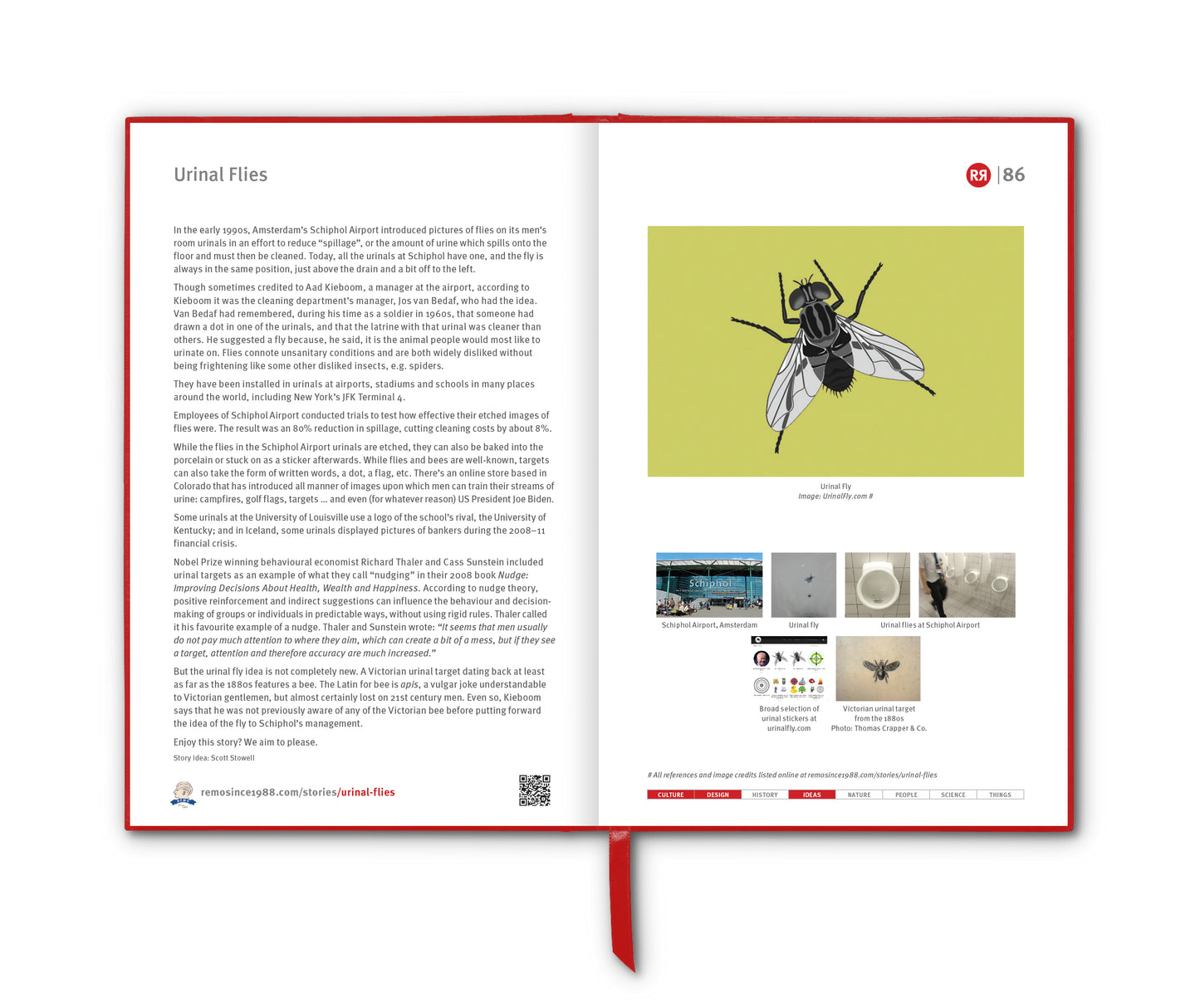

Cracker Night was once one of the most anticipated evenings on the Australian calendar. For much of the 20th century, suburban streets across the country erupted with backyard fireworks, smoky bonfires and the sharp smell of gunpowder. Children hoarded bungers for weeks beforehand, and families gathered after dark to celebrate with sparklers, rockets and spinning fireworks nailed to fences. Today it survives mostly as a nostalgic memory.
The tradition grew out of Britain’s Guy Fawkes Night, held each year on 5 November to commemorate the failure of the Gunpowder Plot of 1605, when a group of Catholic conspirators including Guy Fawkes attempted to blow up the English Parliament. British settlers brought the celebration to Australia in the 19th century, where it gradually took on a character of its own. While the historical meaning faded, the fireworks remained.
By the early 1900s “Cracker Night” or “Bonfire Night” had become firmly embedded in Australian suburban culture. The date varied by state. In New South Wales it stayed close to 5 November, while in places like the Australian Capital Territory it shifted to what was then the King's Birthday long weekend in June. For children, the weeks leading up to the night were almost as exciting as the event itself. Corner shops and temporary fireworks stalls sold brown paper bags packed with firecrackers.
A typical backyard arsenal might include bungers (powerful firecrackers with names like "thunder" and "penny"), double happies [RR5:23], tom thumbs, sky rockets, roman candles, catherine wheels, sparklers, fountains and throwdowns that snapped when hurled at the pavement. Kids built bonfires in vacant lots and often made crude “guys” to burn, echoing the British custom. Streets filled with smoke and noise for hours as rockets bounced unpredictably between houses and fences.
The atmosphere was thrilling but chaotic. Fireworks were often handled by unsupervised children, and safety standards were minimal. Each year brought stories of injuries, damaged property and fires. Hospitals treated burns and eye injuries, while firefighters dealt with grass and house fires sparked by stray rockets. Animals, particularly dogs and horses, were terrified by the explosions.
Several serious incidents helped shift public opinion. Reports of children losing fingers or eyesight became common in newspapers through the 1950s and 1960s. Increasing suburban density also made backyard fireworks riskier. By the late 1970s governments began tightening regulations.
The New South Wales Government banned the retail sale of fireworks to the public in 1986, effectively ending traditional Cracker Night in the state. Other states followed with similar restrictions, replacing backyard explosives with organised public displays run by licensed pyrotechnicians.
Although the noise has faded, Cracker Night occupies a vivid place in Australian cultural memory. For many people who grew up before the bans, it represents a freer – and far less regulated – era of childhood, when a paper bag of fireworks and an empty street were all that was needed for a night of excitement. Today the spirit survives in vicarious form as controlled community fireworks on occasions such as New Year's Eve.
__________________________
References
https://narrabricourier.com.au/2024/05/12/what-ever-happened-to-cracker-night/
https://writeofthemiddle.com/i-remember-when-we-used-to-have-cracker-night/
https://www.barossamag.com/local-advice/barossa-history/celebrating-with-a-bang
Images
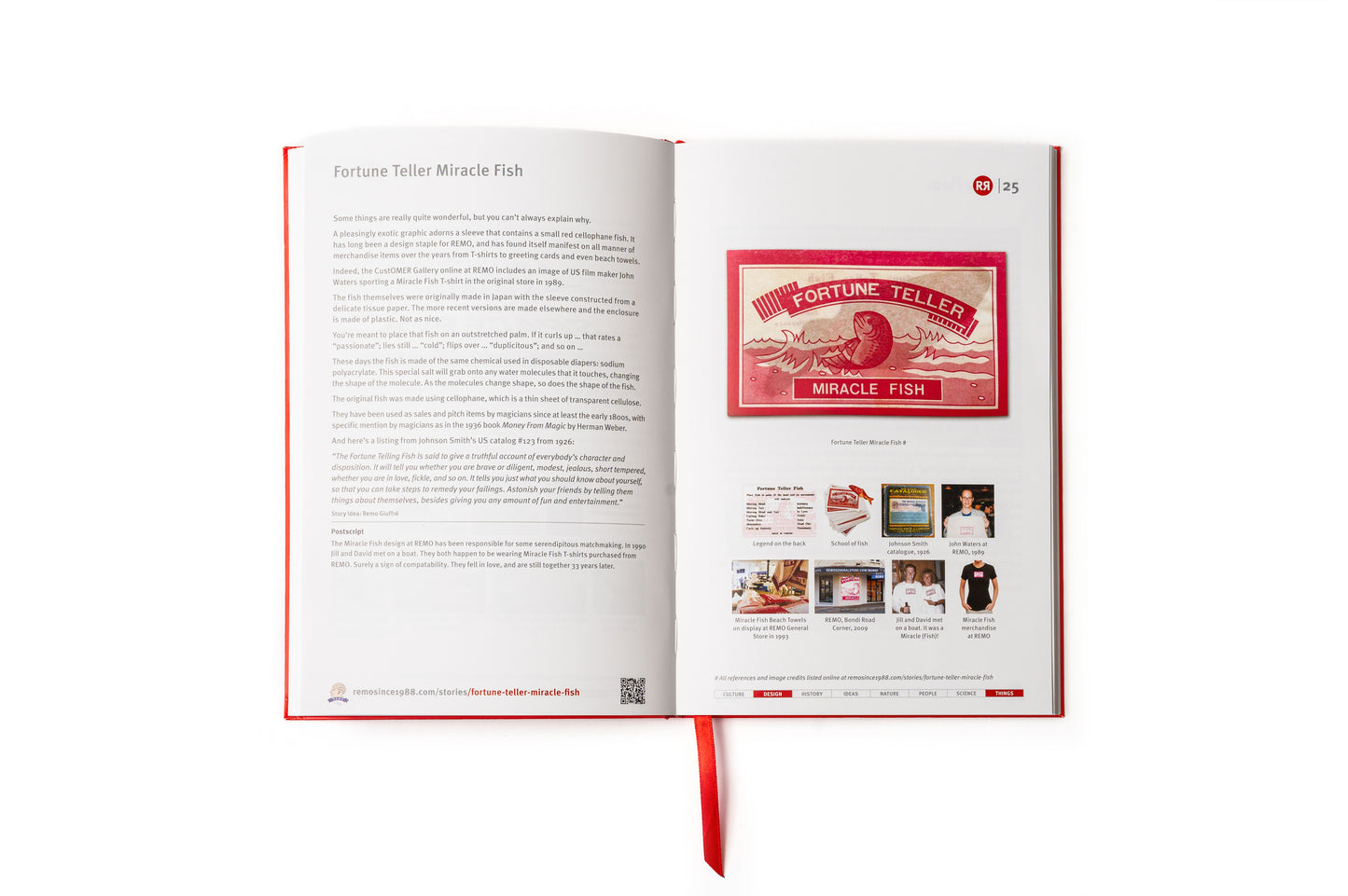
1. Selection of fireworks from when they were legal
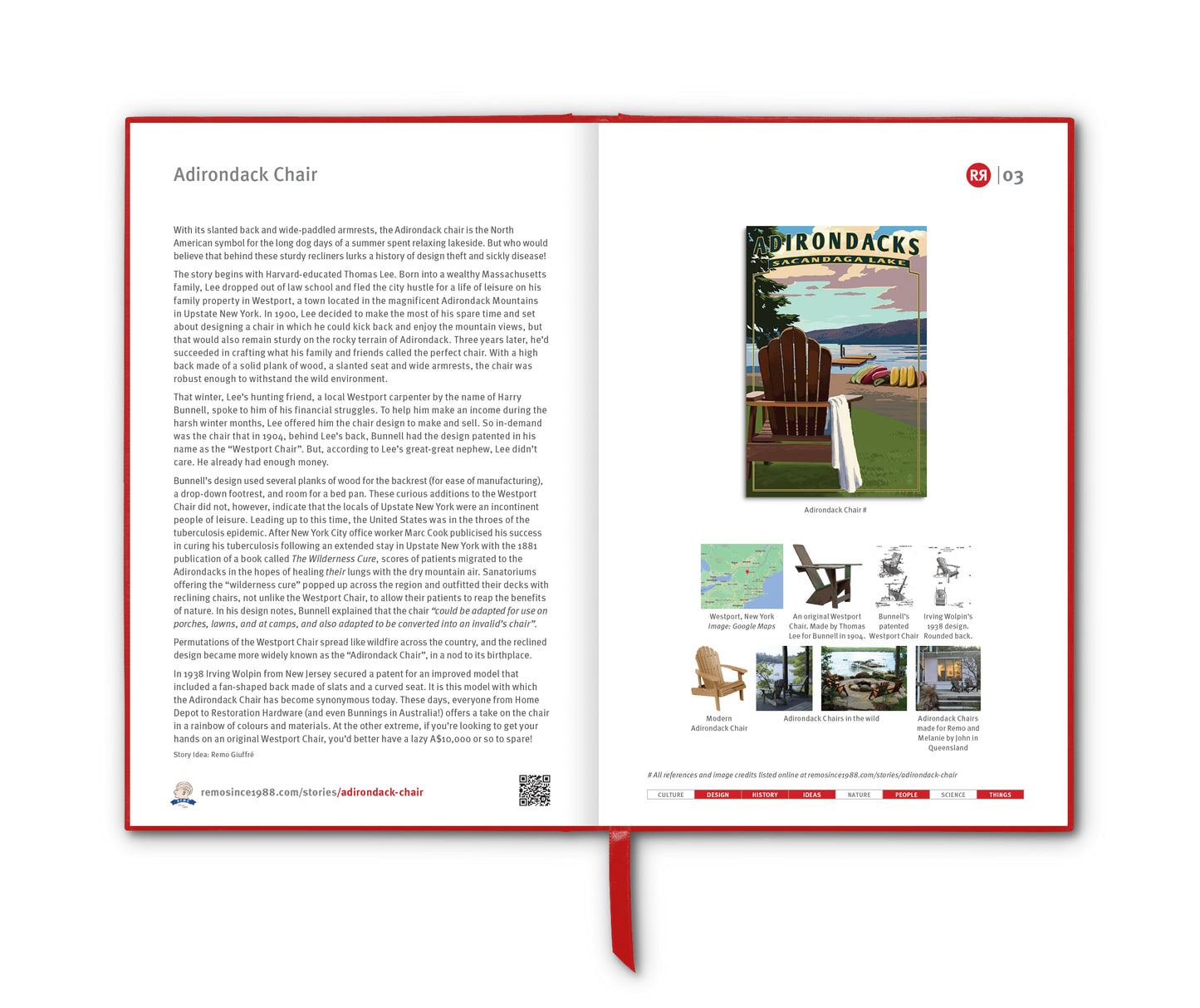
2. Greg James with fireworks at David Jones in 1950s Sydney. Photo credit: Frank Burke
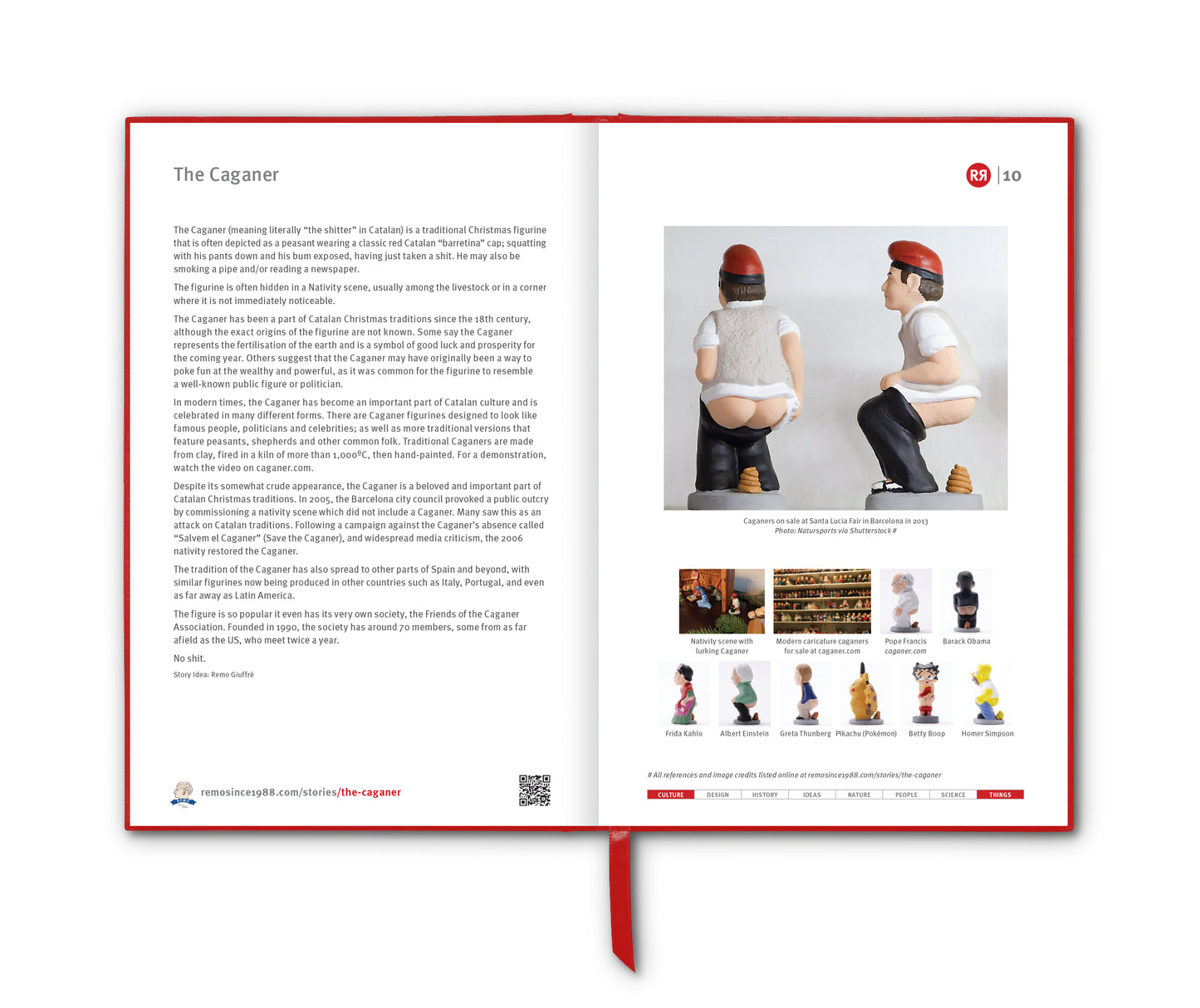
3. Two local boys get ready at Gore Hill in 1959. Photo credit: John O'Gready
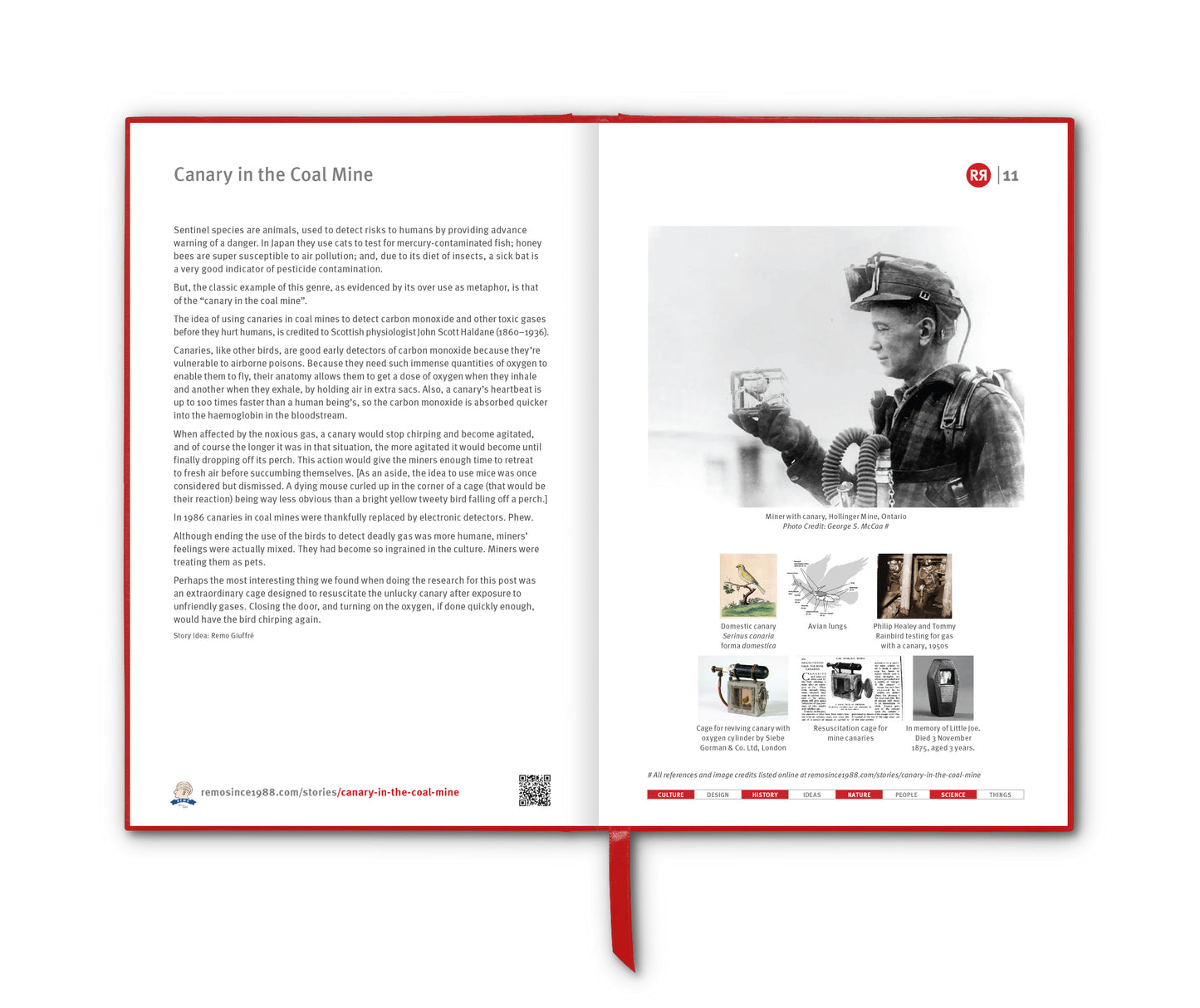
4. Girls with sparklers
5. Tom Thumbs
6. Various bungers
7. Po Ha crackers
8. Thunder bungers
9. Throwdowns
10. Collateral damage in 1950s Newtown. Unlucky that they sold bulk kerosine. Photo credit: Bob Finlayson
11. Video: “Cracker Night” (1986) performed live by John Williamson