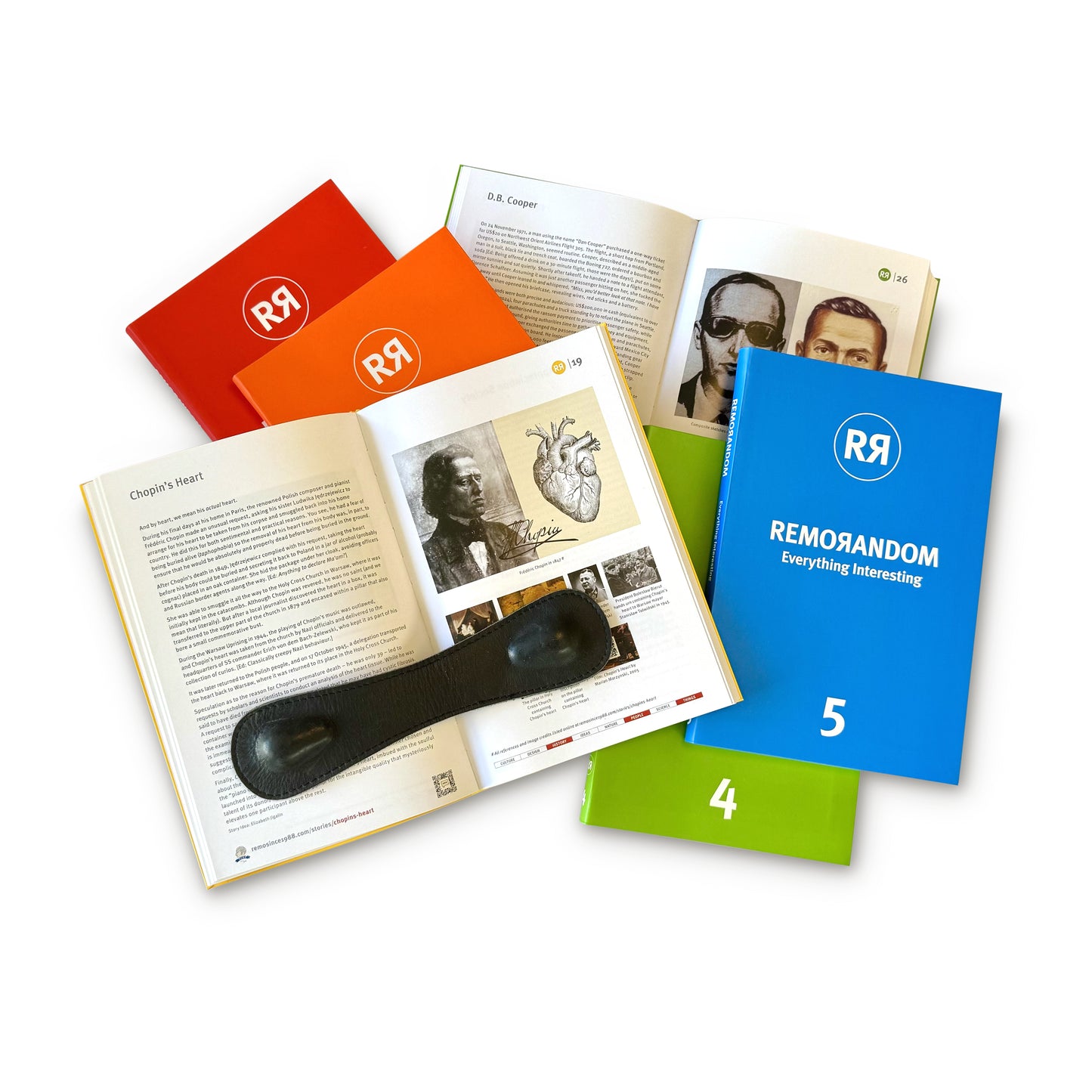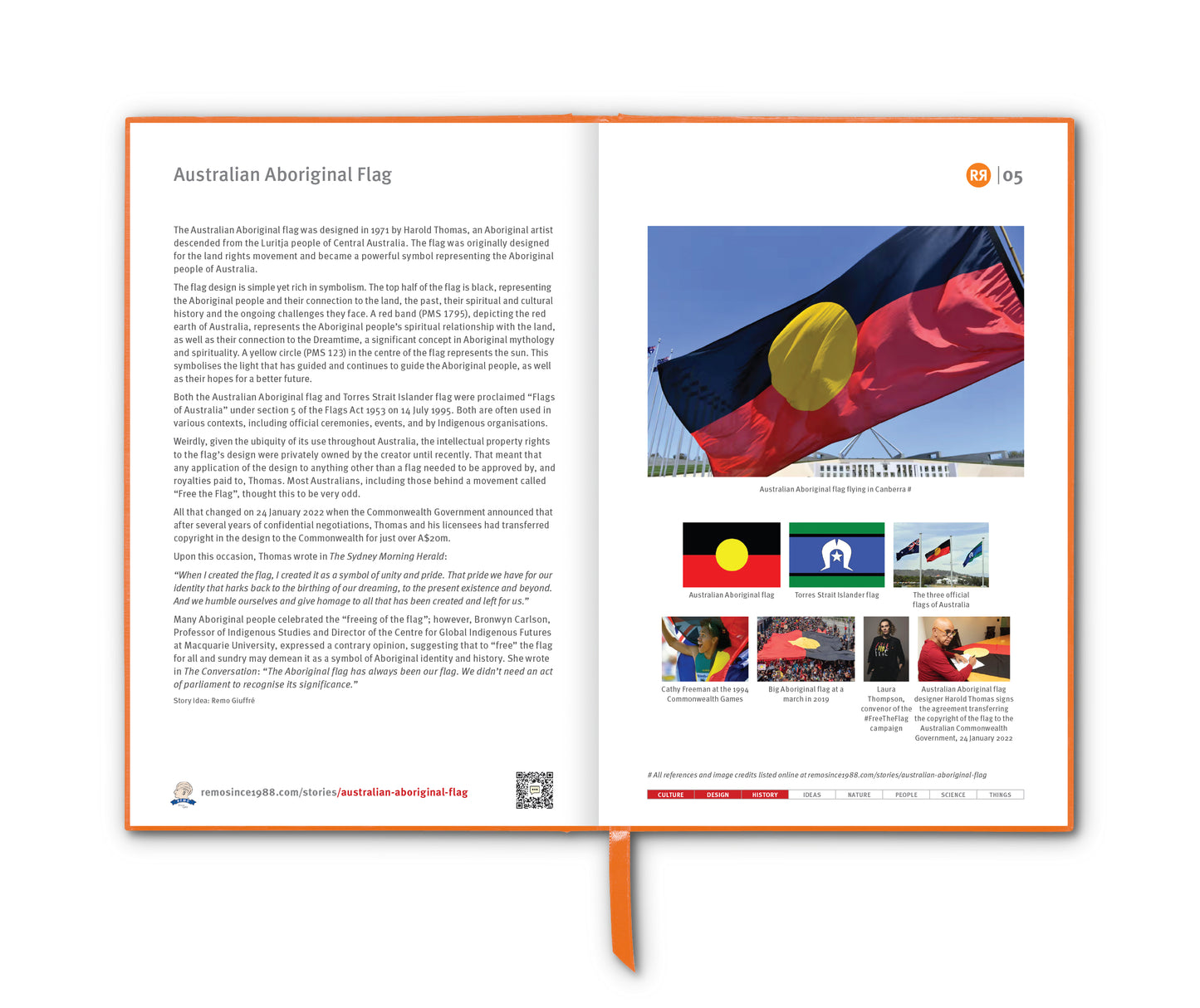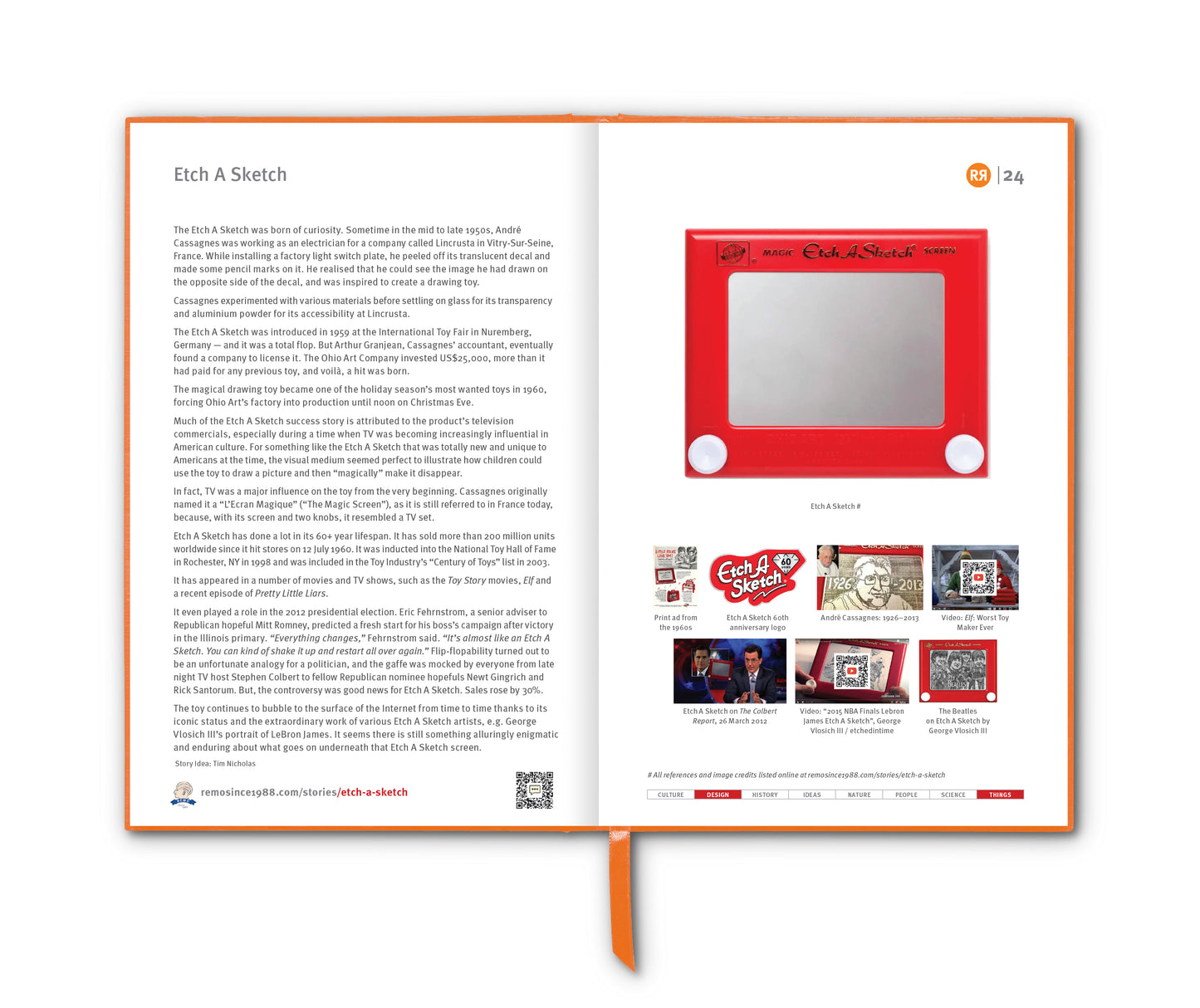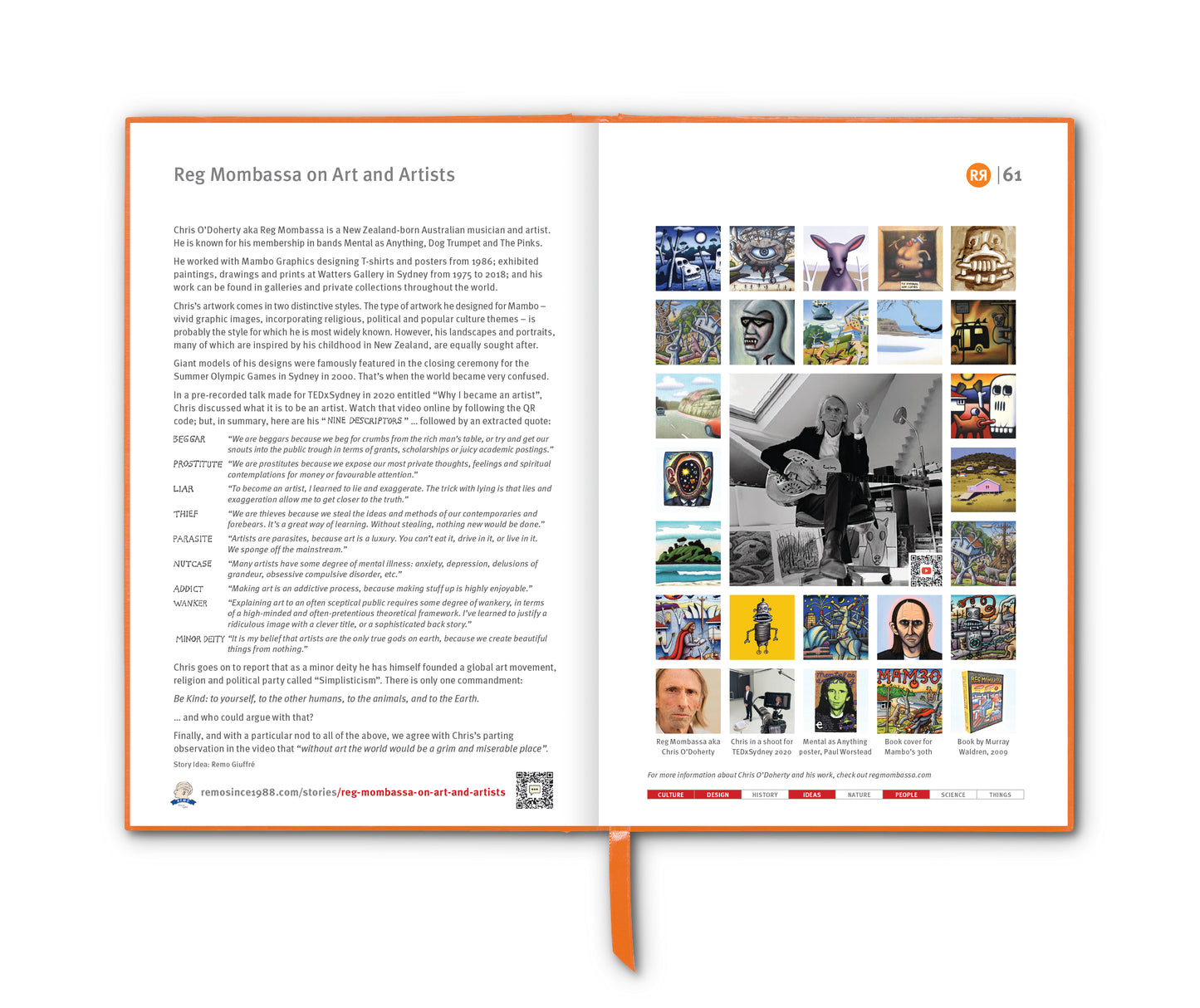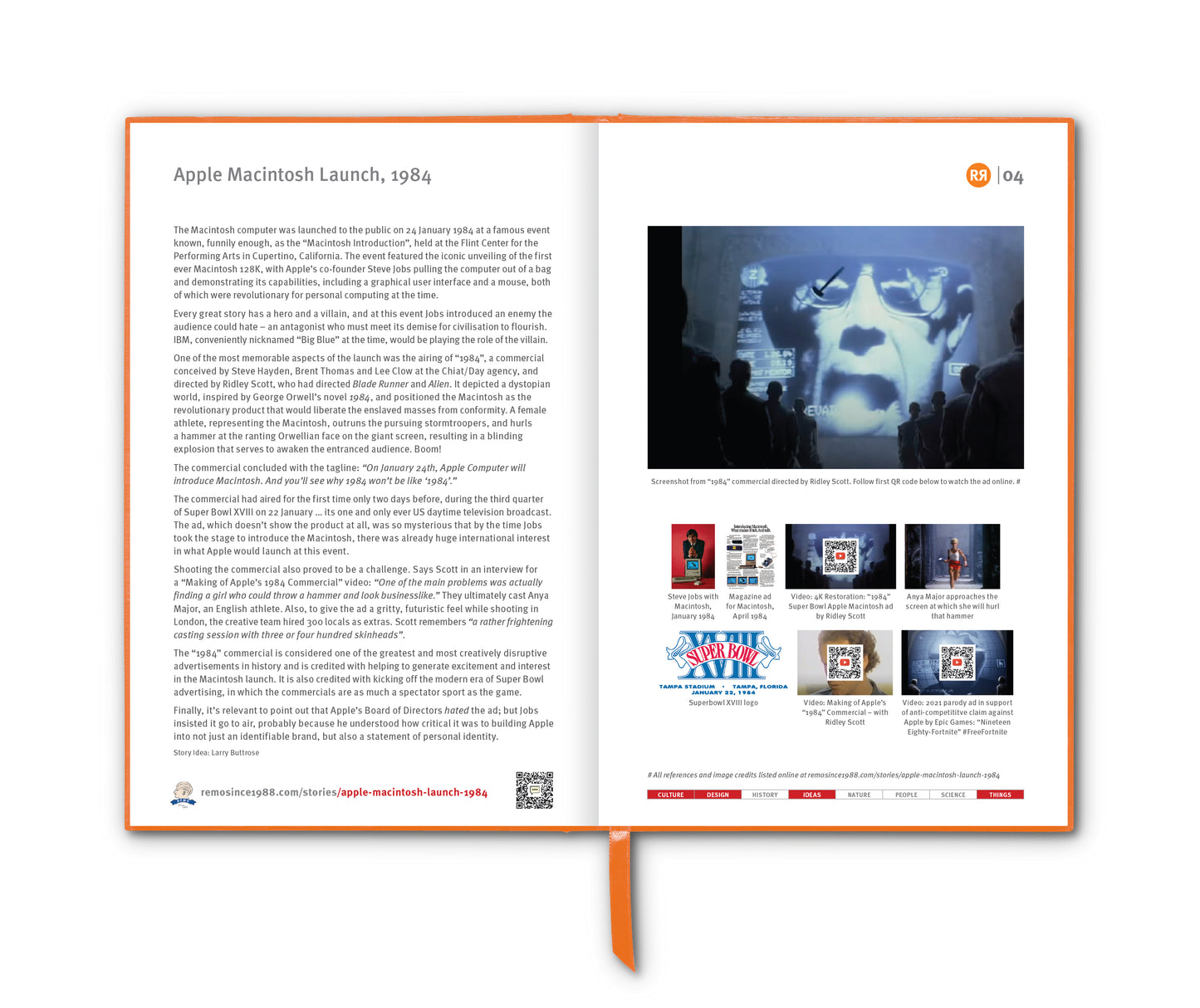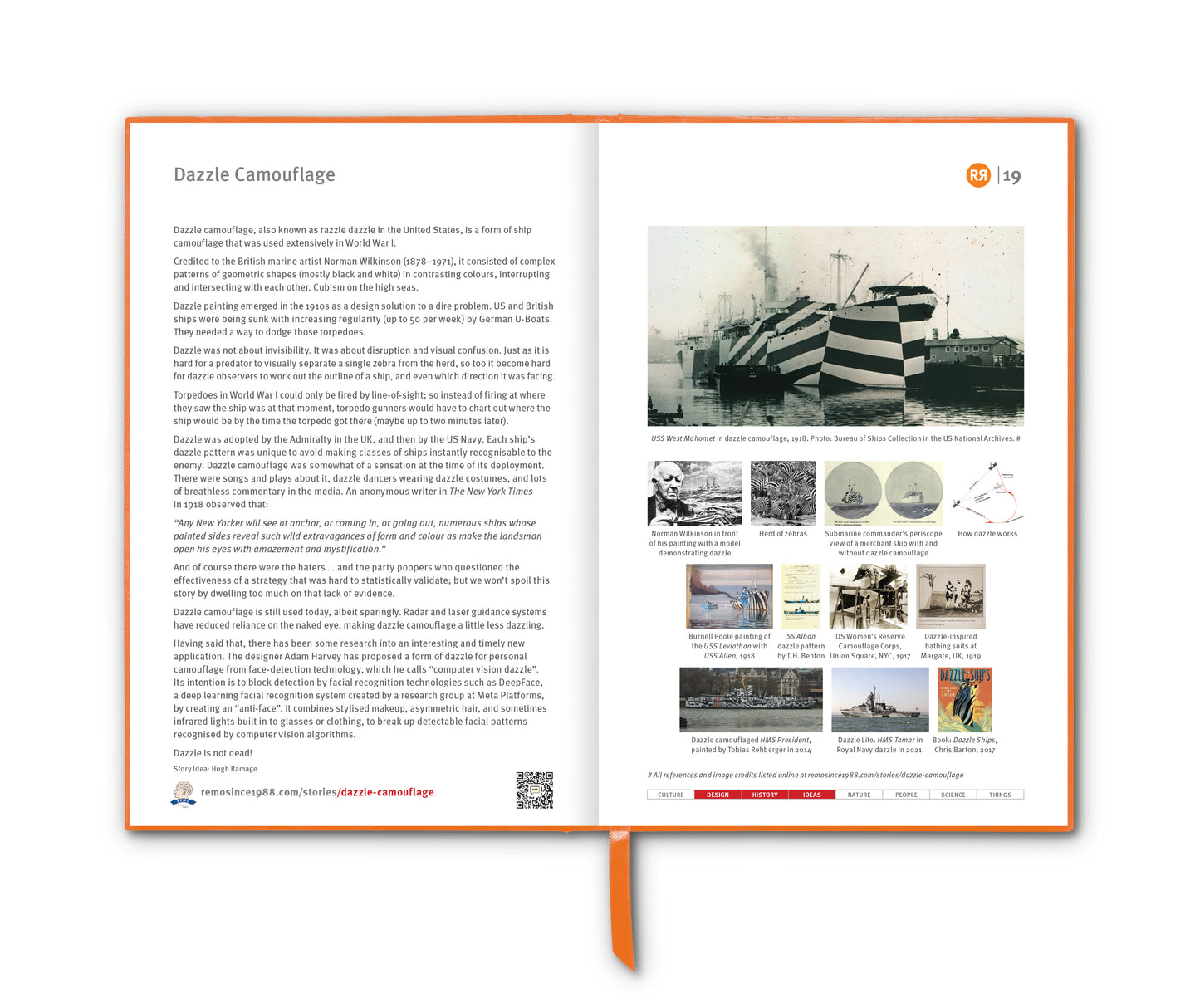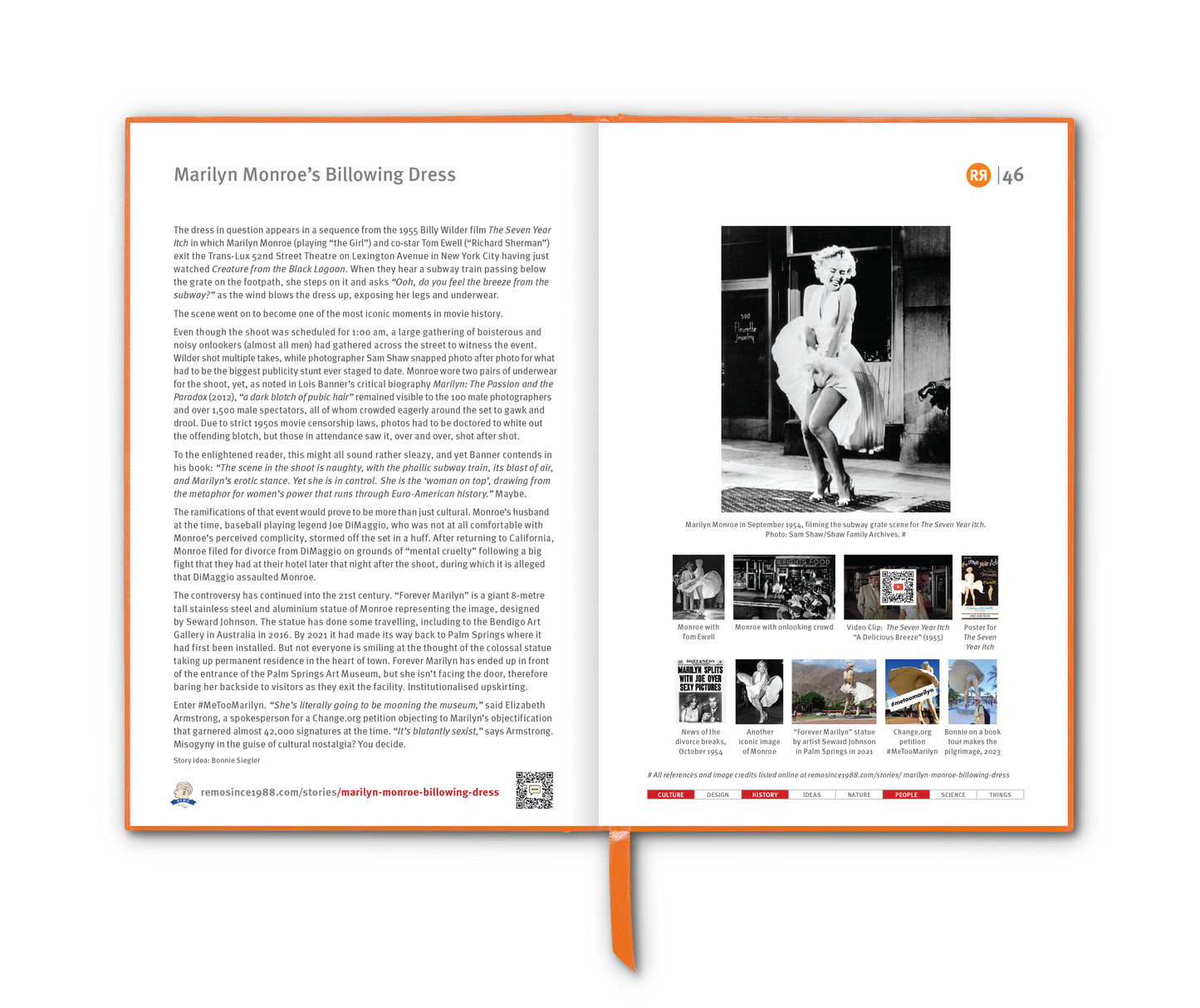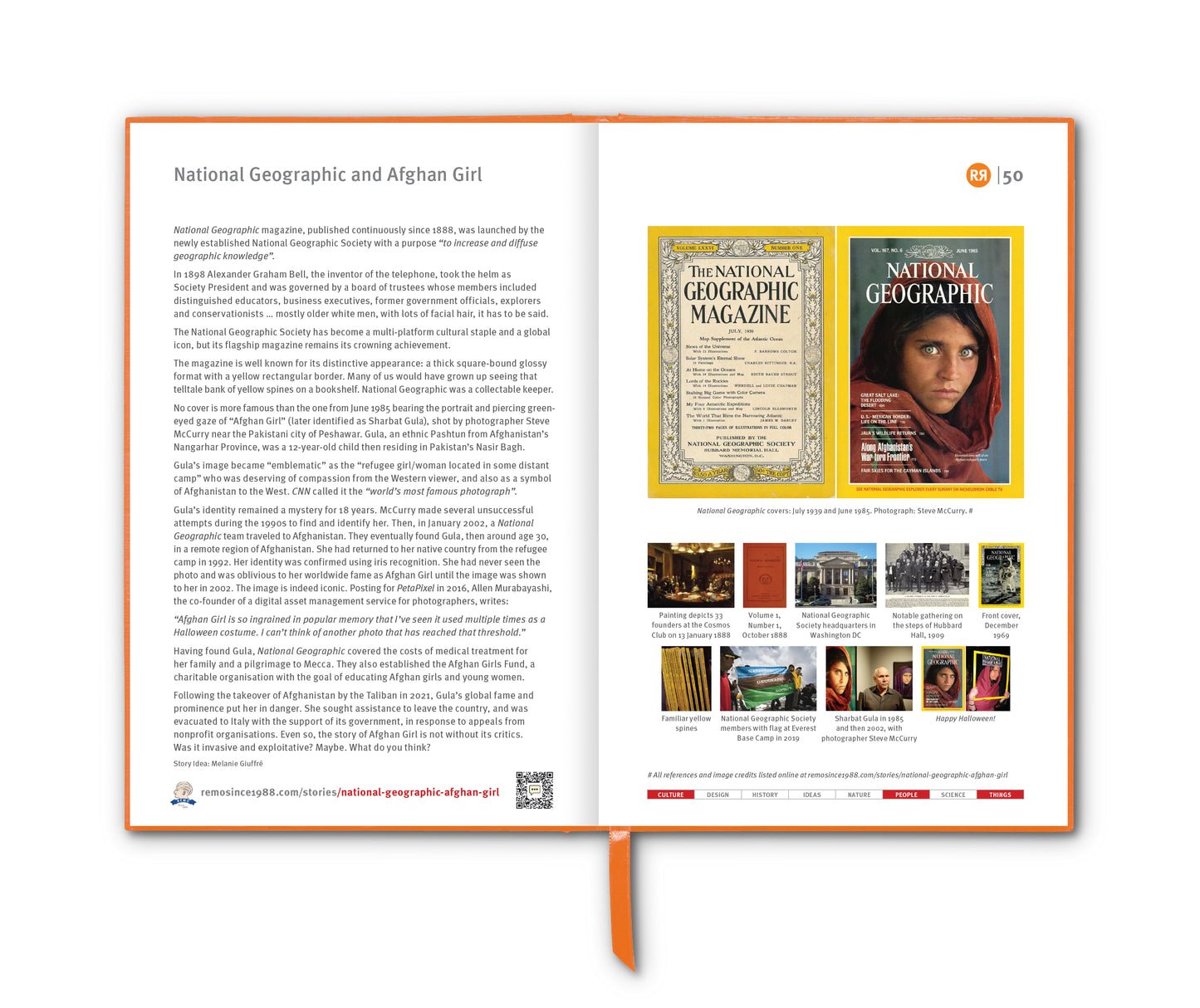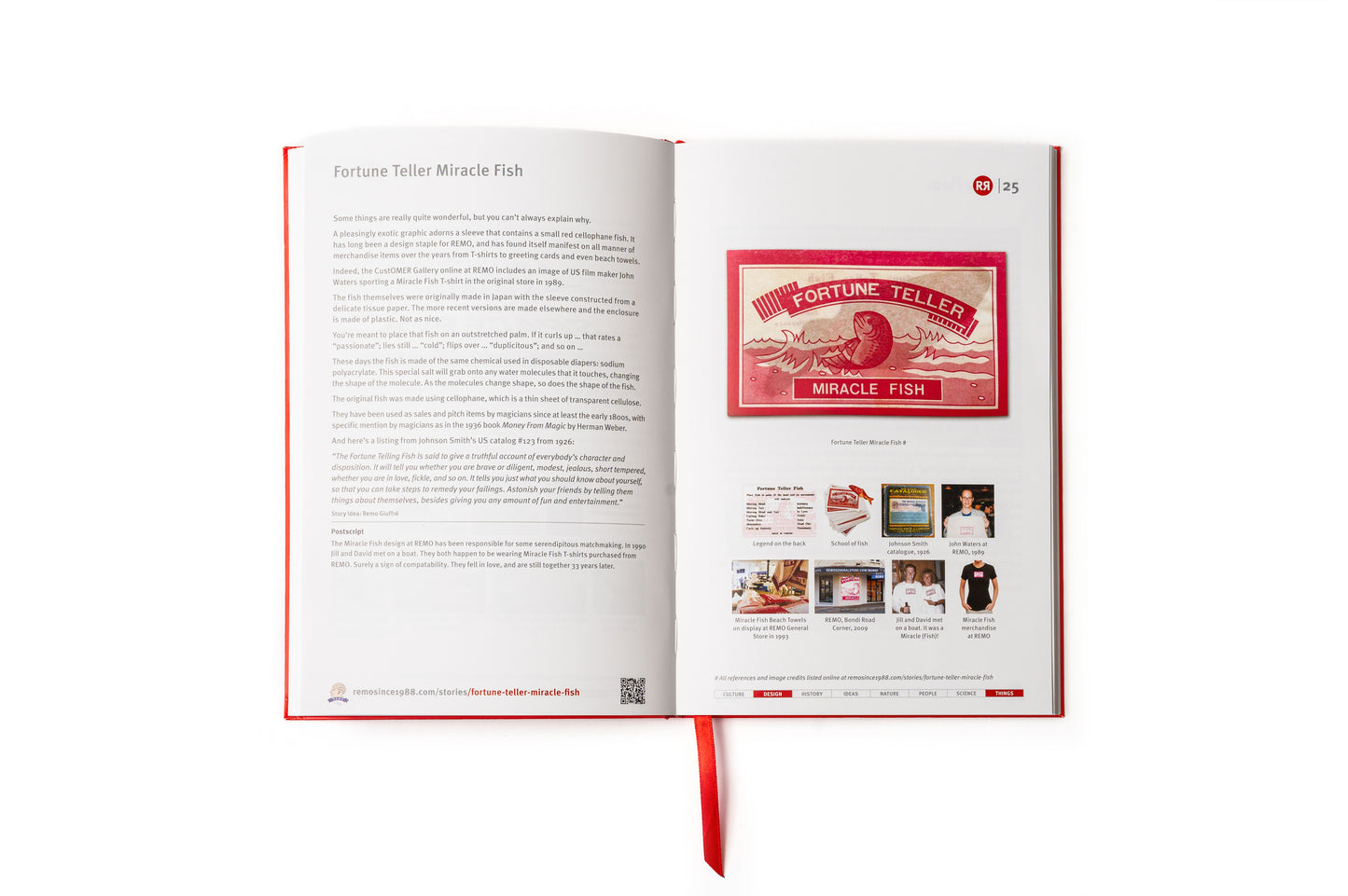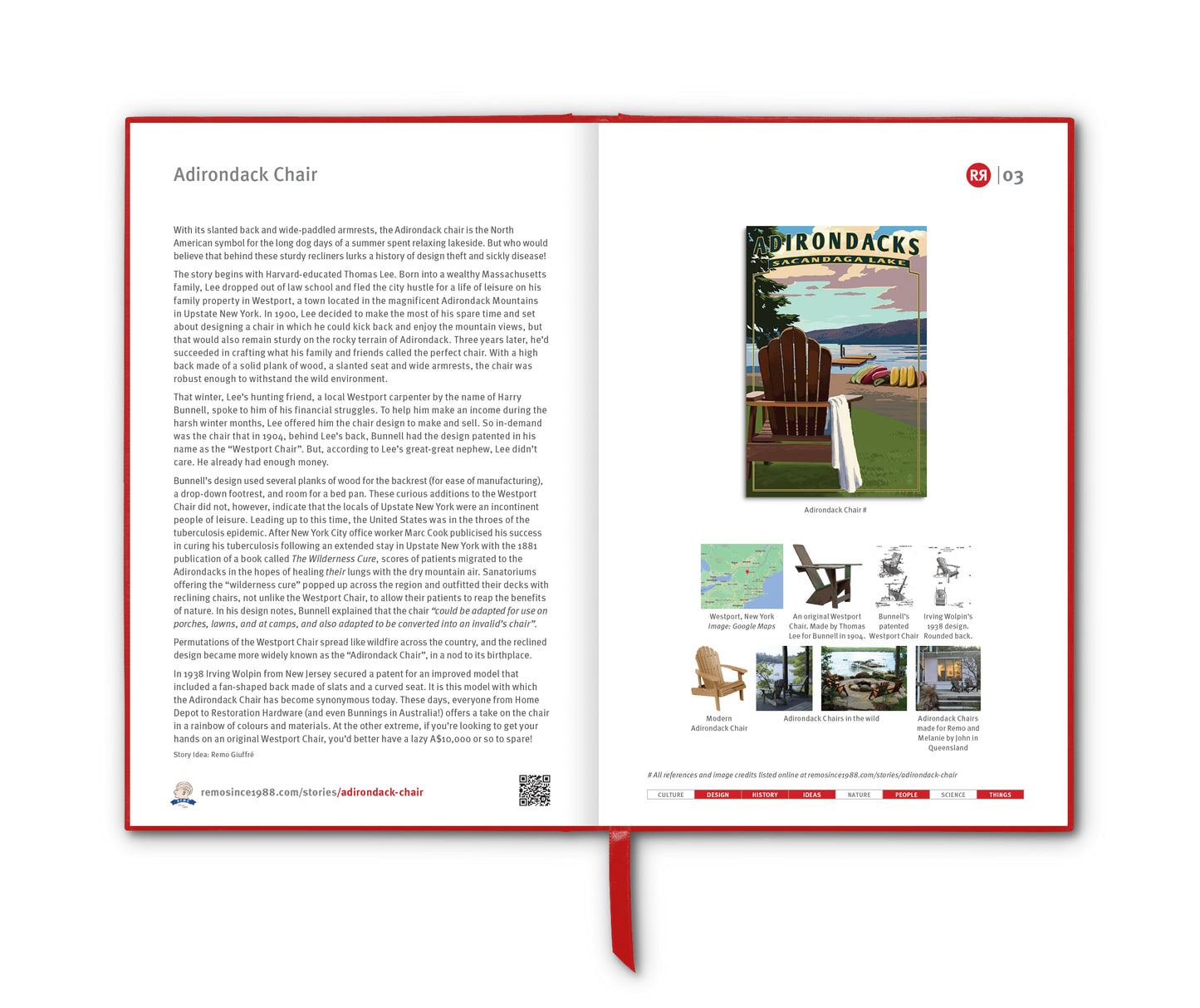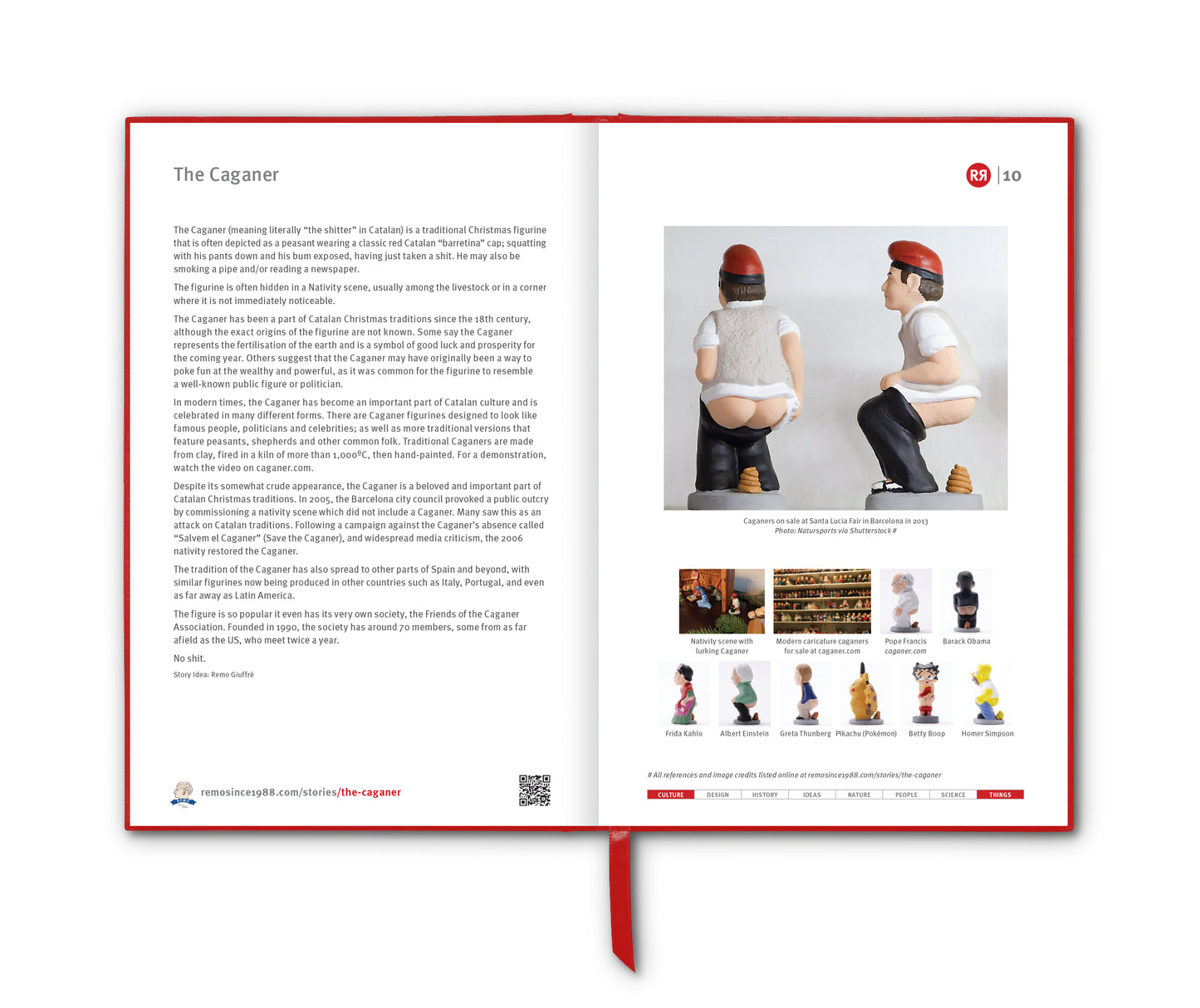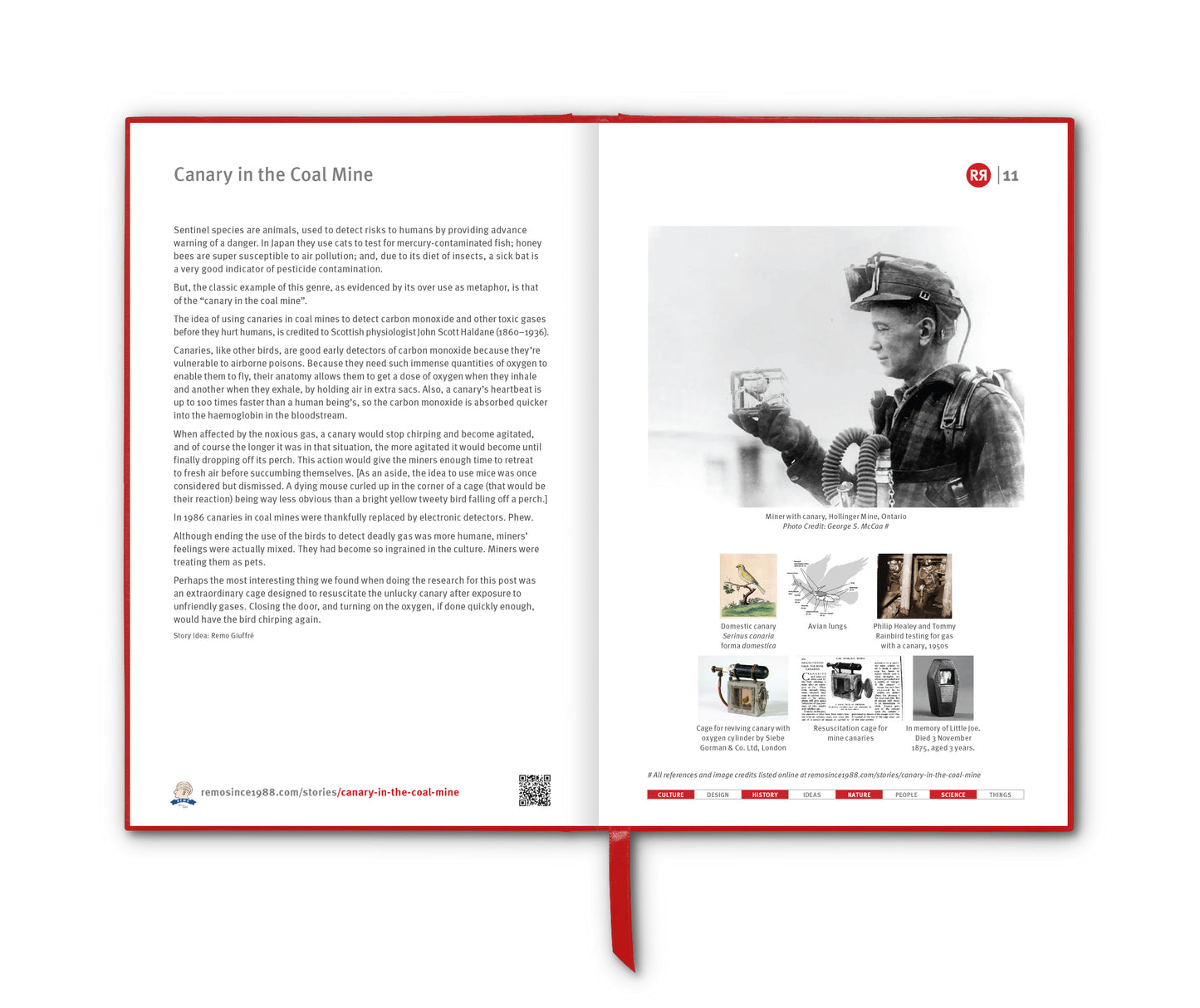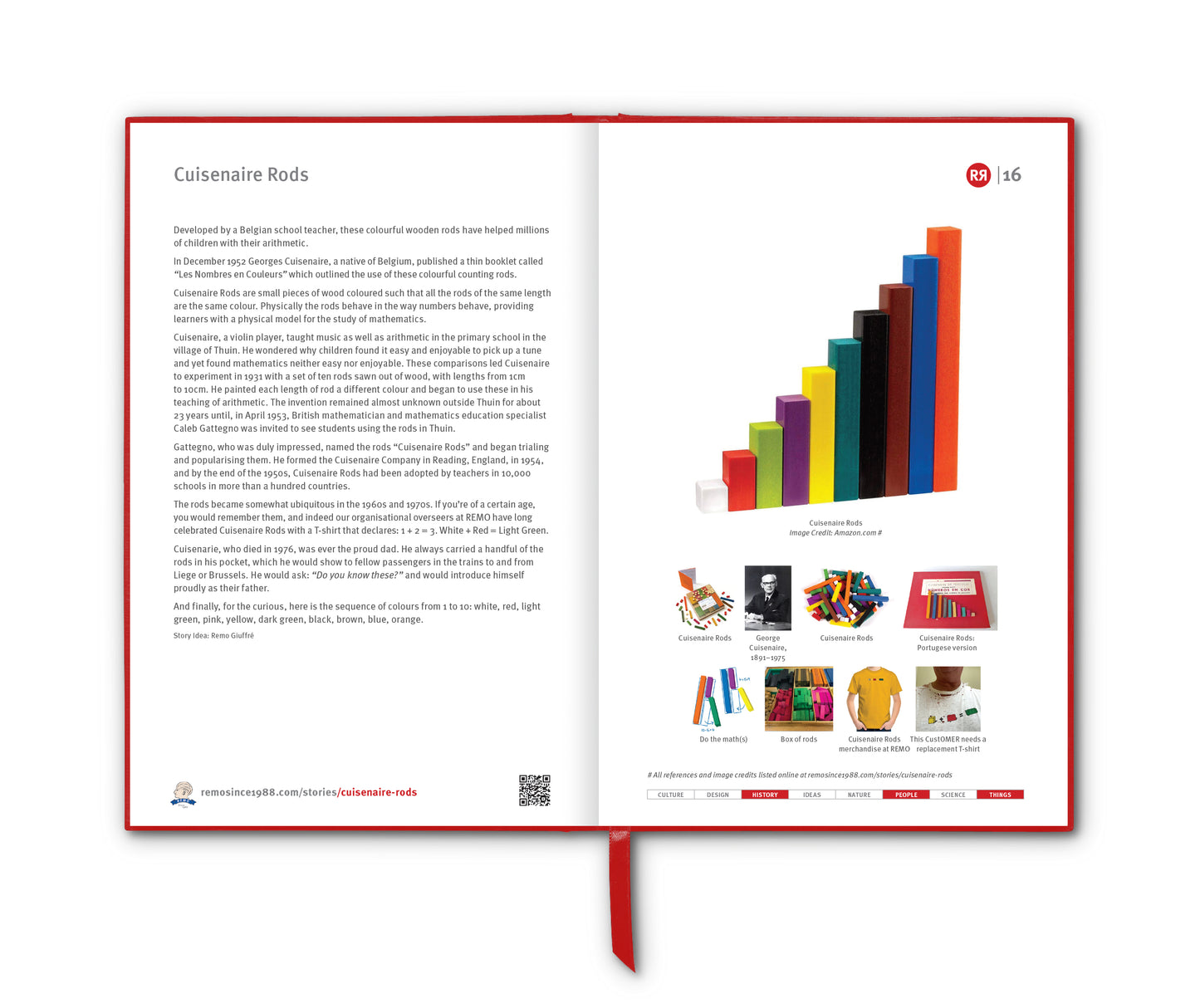

From around 2025, people starting noticing that large language models (LLMs) such as OpenAI’s ChatGPT had a peculiar habit: the tendency to lean heavily into the use of em dashes (the long one). What’s up with that?
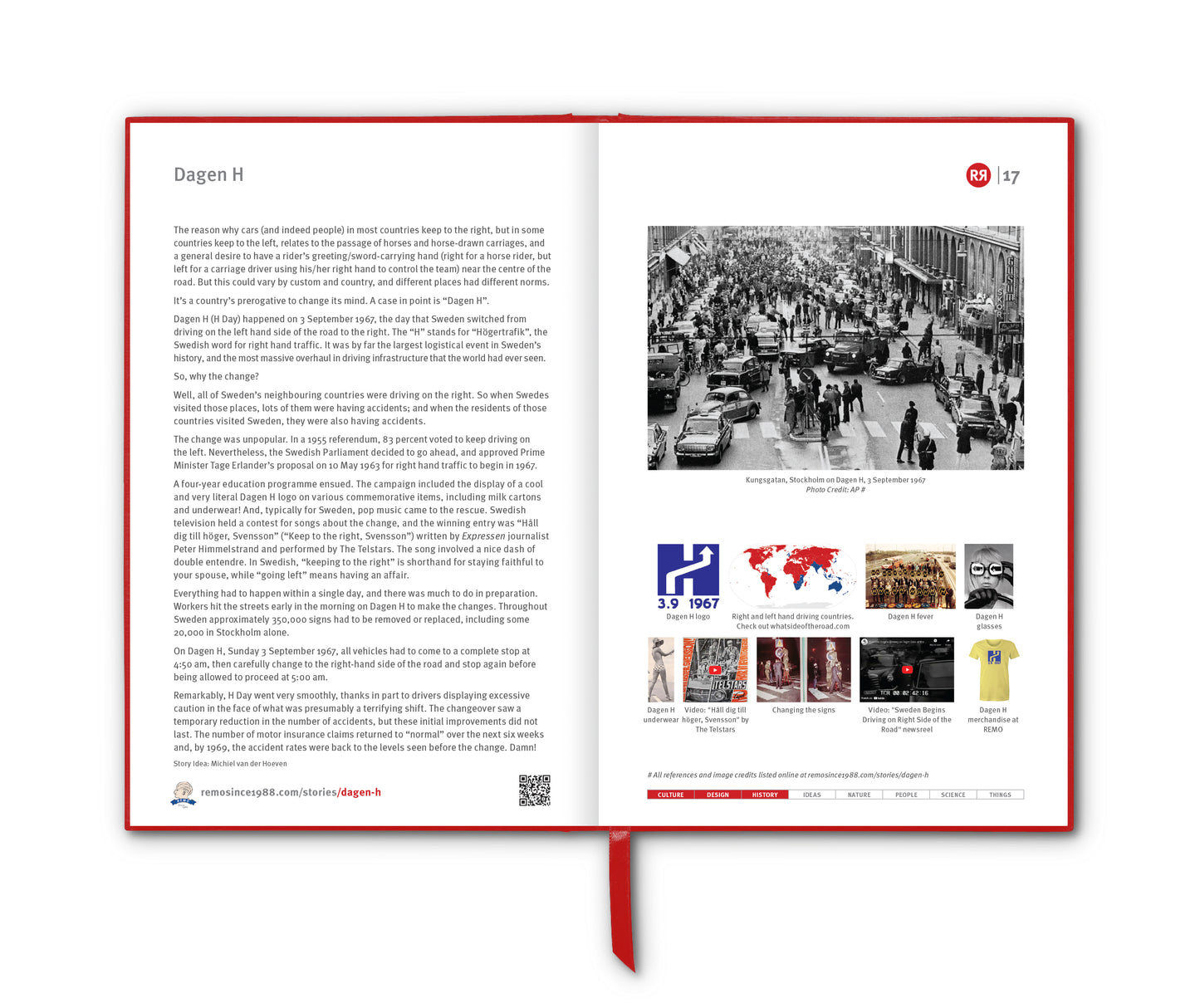
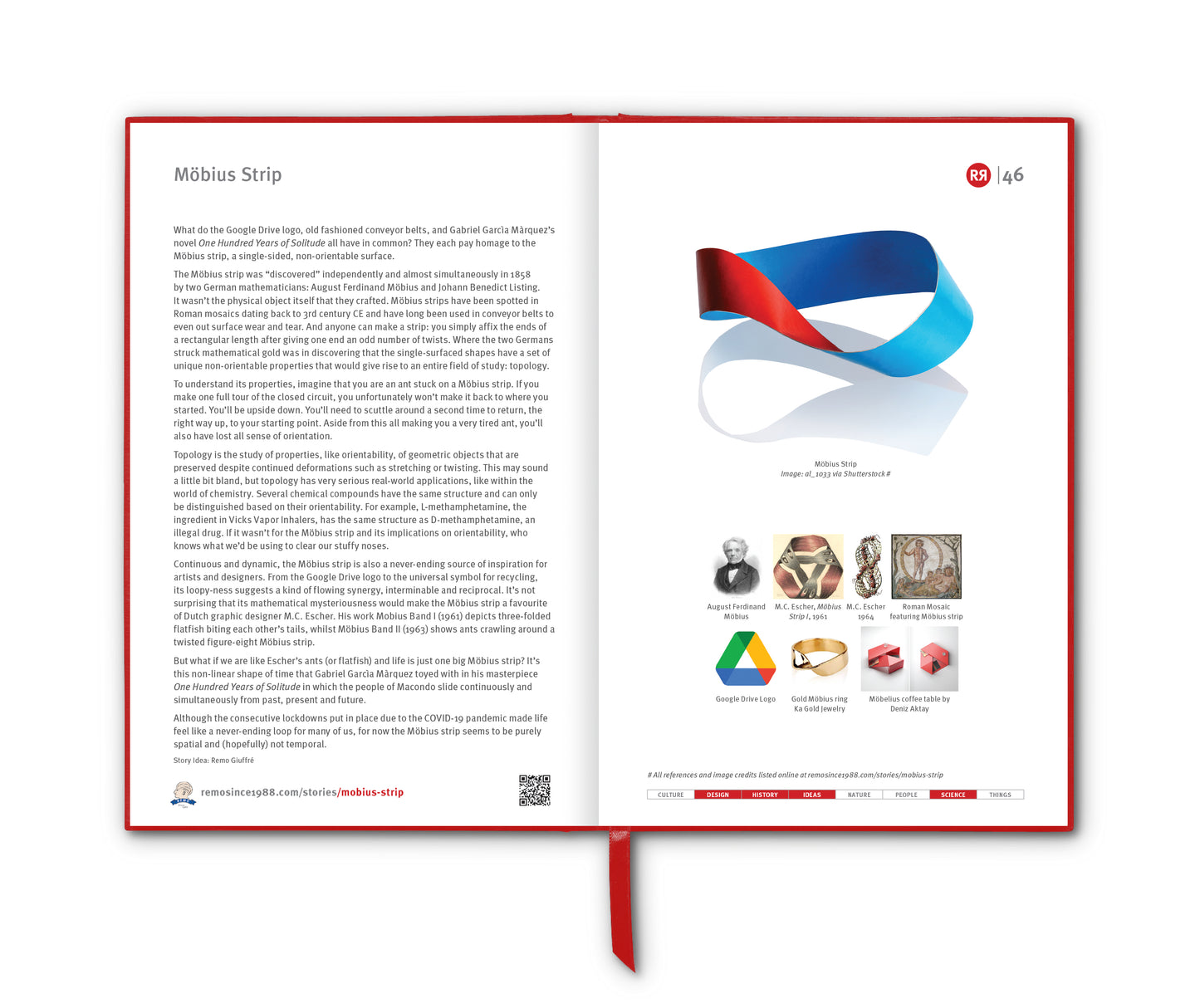
The origins of the em dash (—) stretch back nearly a millennium. At its simplest, the em dash is a long horizontal line, traditionally the width of a capital “M” in a given typeface. Its name reflects this typographic measurement.
The em dash story begins in 11th-century Italy with the scholar Boncompagno da Signa. Dissatisfied with inconsistent punctuation, he devised his own system, including a horizontal stroke called the virgula plana (“flat comma”). It looked much like today’s em dash and was intended to function as a full stop. That specific use didn’t survive—but the mark did [Ed: See what I did there?]. Crucially, it endured without a clearly defined role, which turned out to be its superpower.
As punctuation systems solidified in the age of printing, most marks settled into strict grammatical functions. The em dash did not. It drifted into the typographic mainstream as a kind of free agent – available, but undefined – bending, adapting and shifting shape depending on the context.
By the time of William Shakespeare, the em dash had become a theatrical device. In plays like King Lear, it signalled hesitation, interruption or emotional fracture – what rhetoricians call aposiopesis. The dash captured something that more rigid punctuation could not: the instability of spoken thought.
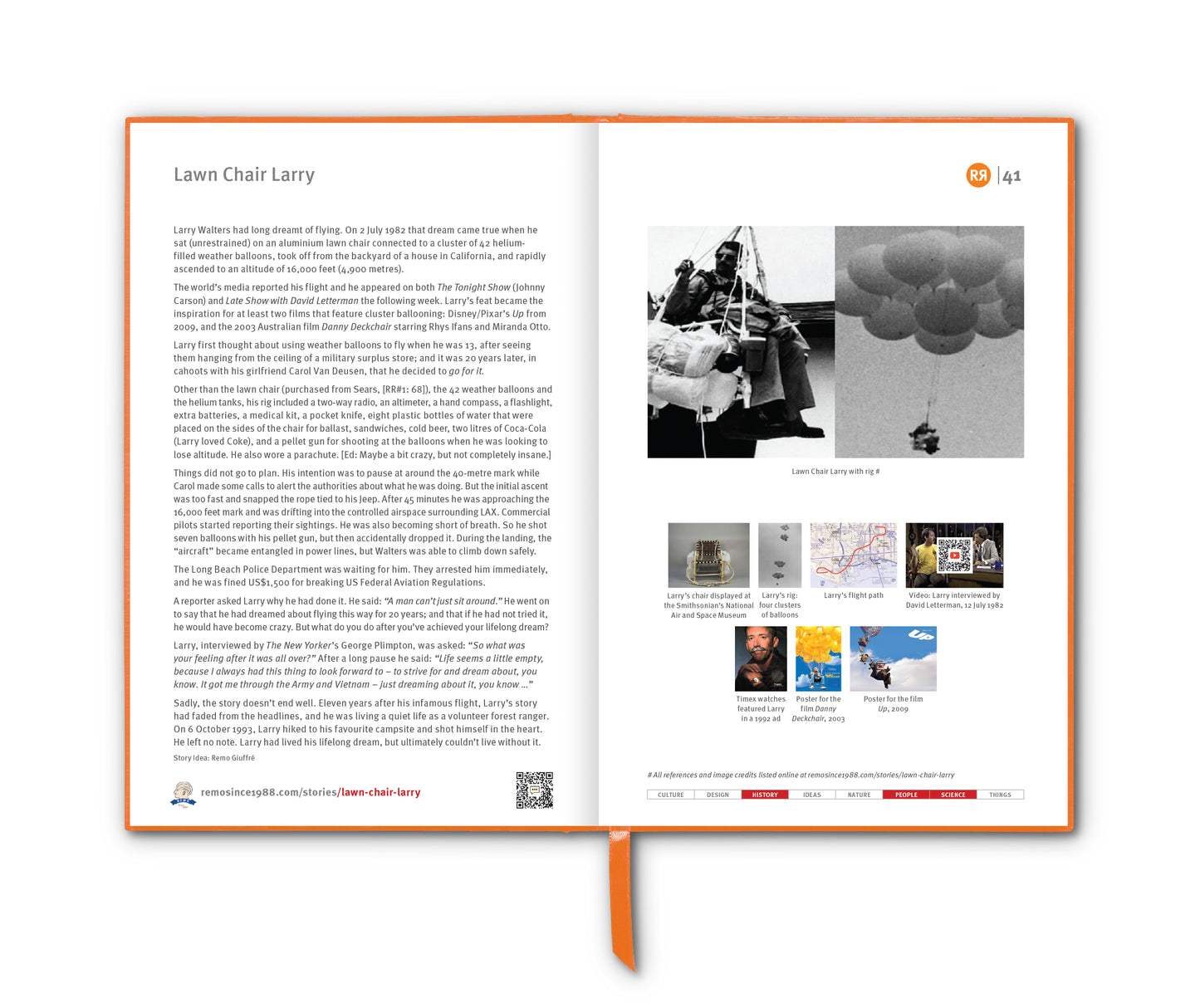
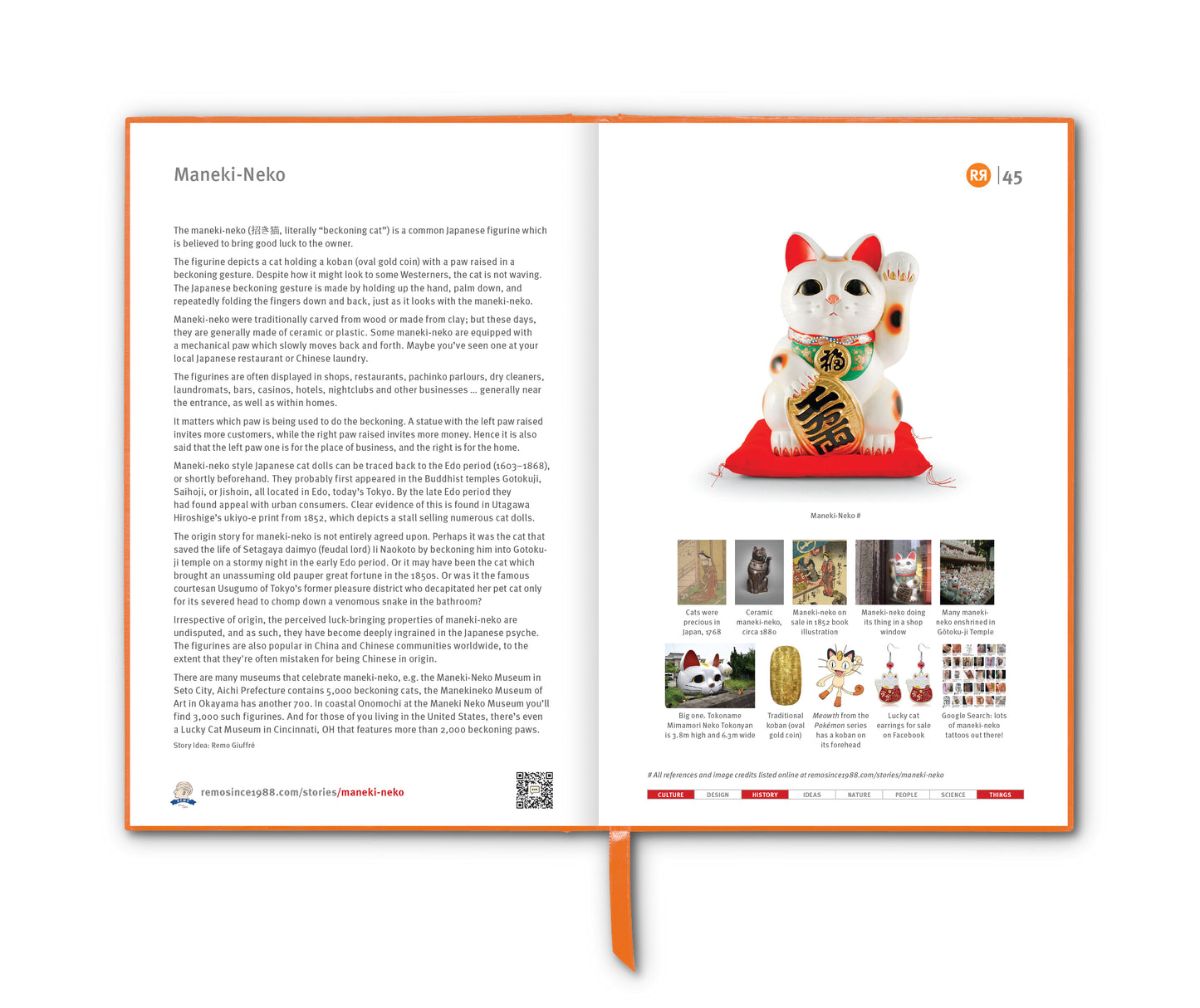
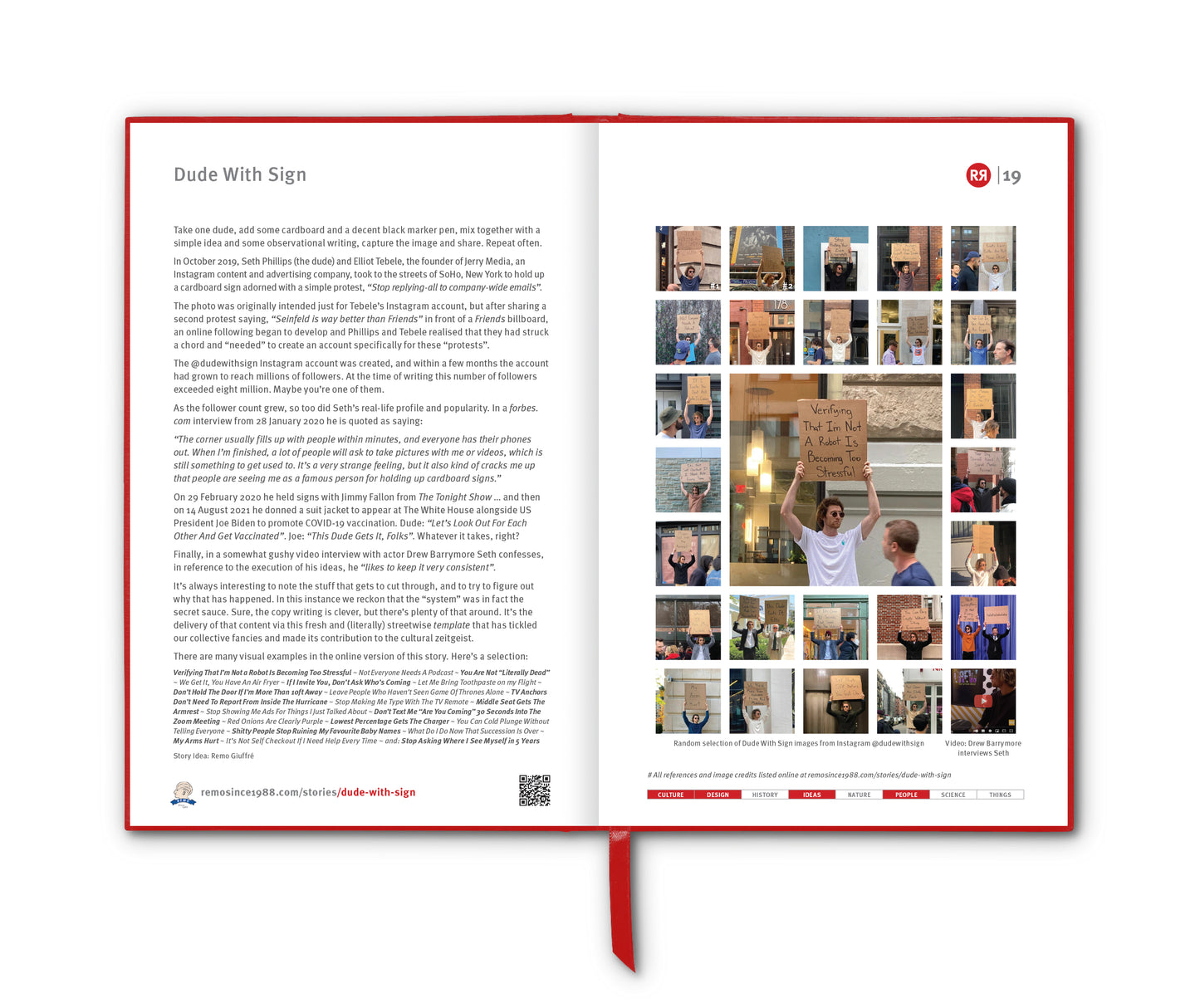
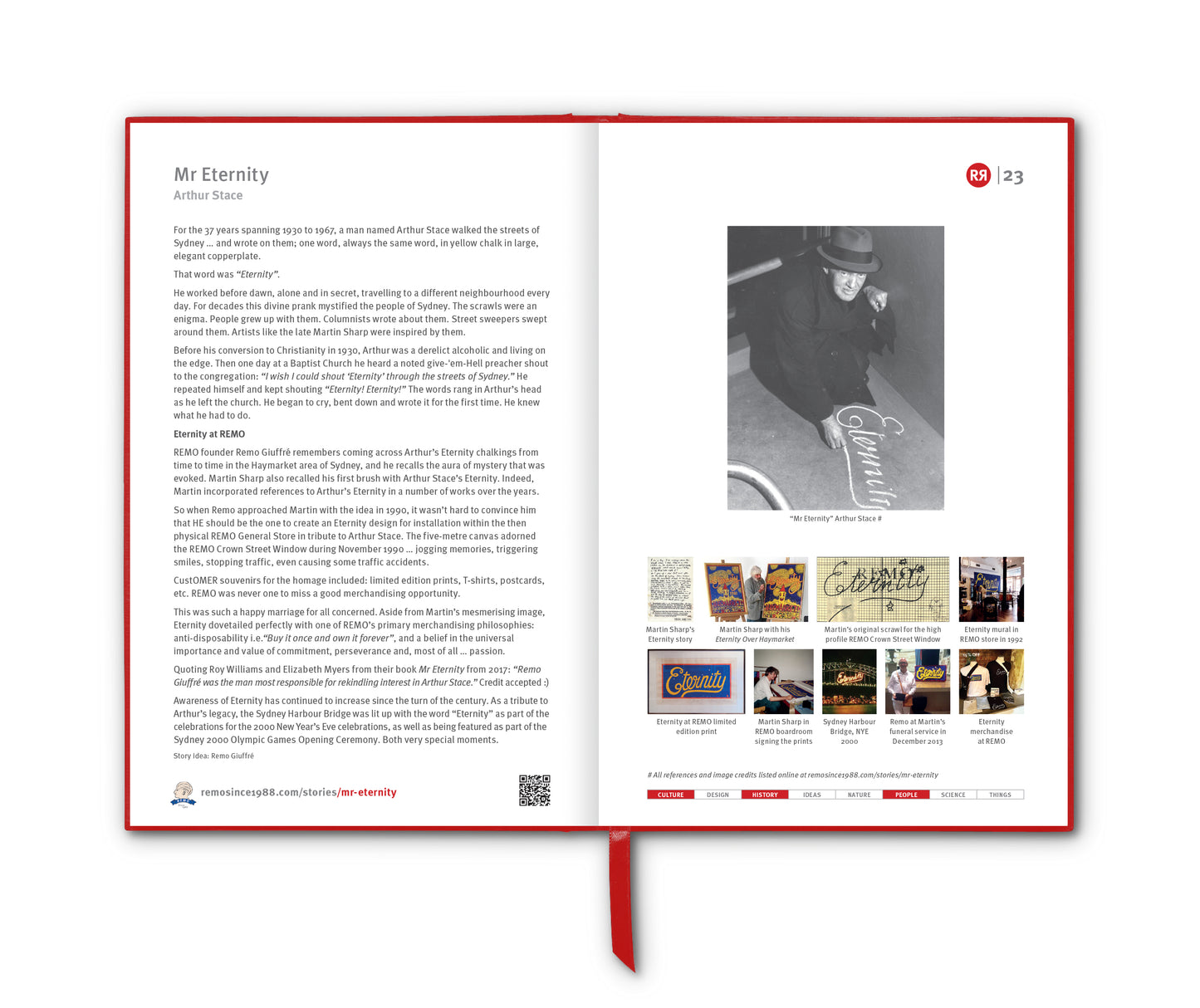
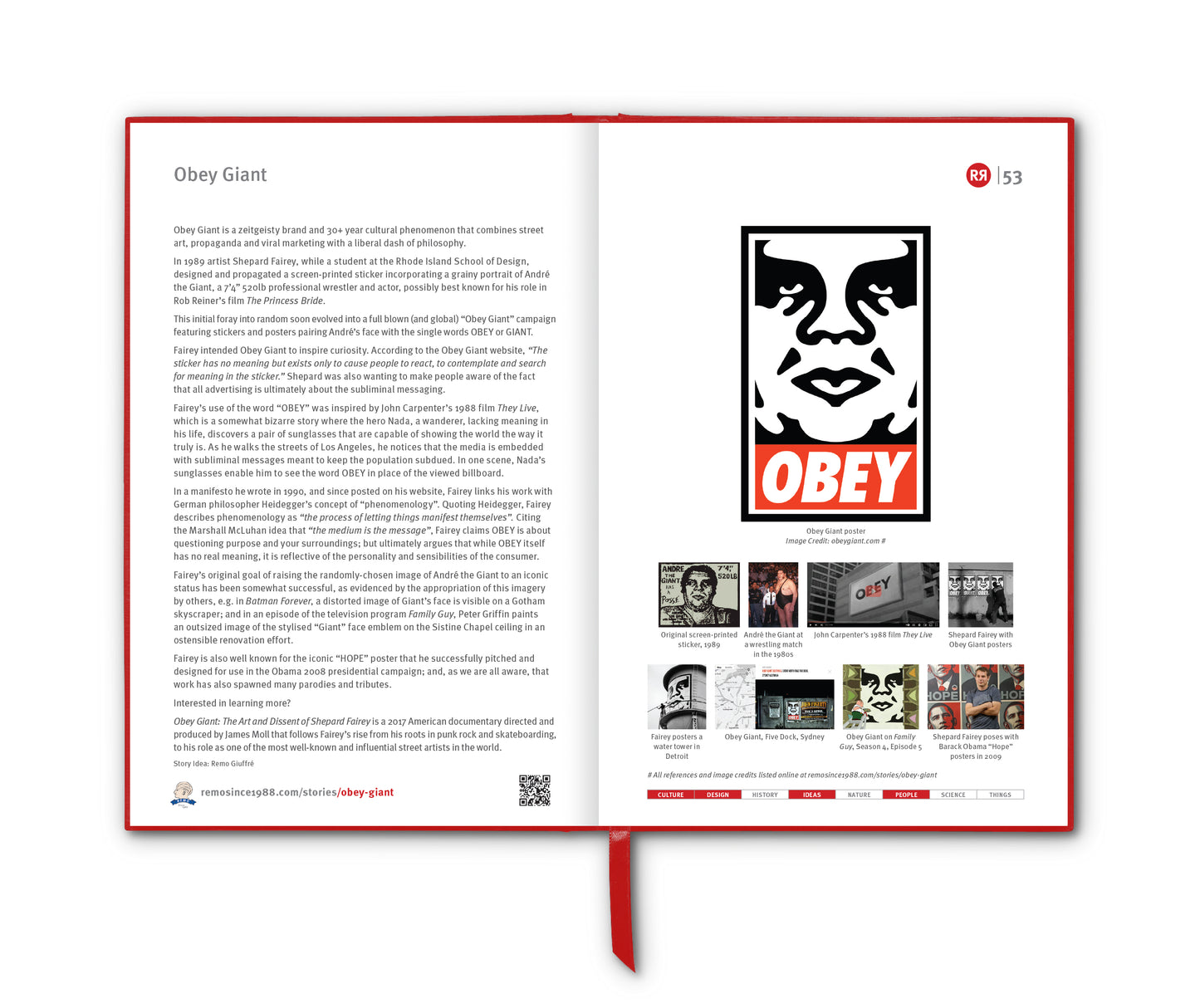
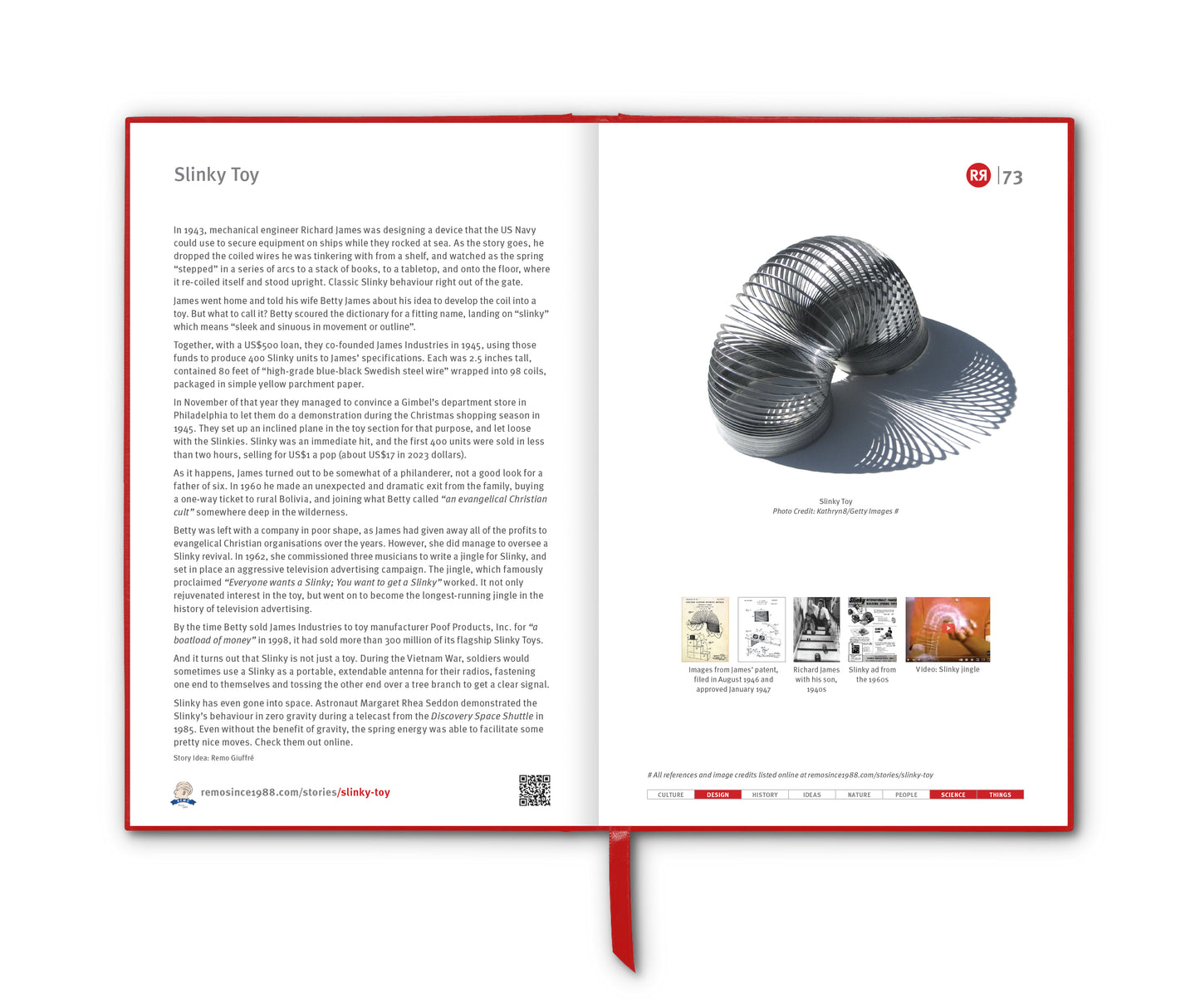
In the 18th century, novelists seized on that flexibility. Laurence Sterne used dashes exuberantly in The Life and Opinions of Tristram Shandy, Gentleman (1759–1767), mimicking the digressive, stop-start rhythm of human thinking. Writers like Jane Austen adopted the dash for a different purpose: suggestion. By replacing names with “—”, she hinted at real identities, lending her fiction a whisper of authenticity and intrigue. And, by the 19th century, authors such as Charles Dickens and Herman Melville used dashes to shape rhythm and emphasis, bringing prose closer to speech.
But no writer is more closely associated with the dash than Emily Dickinson. Her poems are riddled with them – used not just as pauses, but as spaces of ambiguity. In acknowledgement of this the Emily Dickinson Museum in Amherst, Massachusetts in a 2025 April Fools’ Day [RR3:05] Instagram post, pretended to change its name to the “Em Dash Museum”.
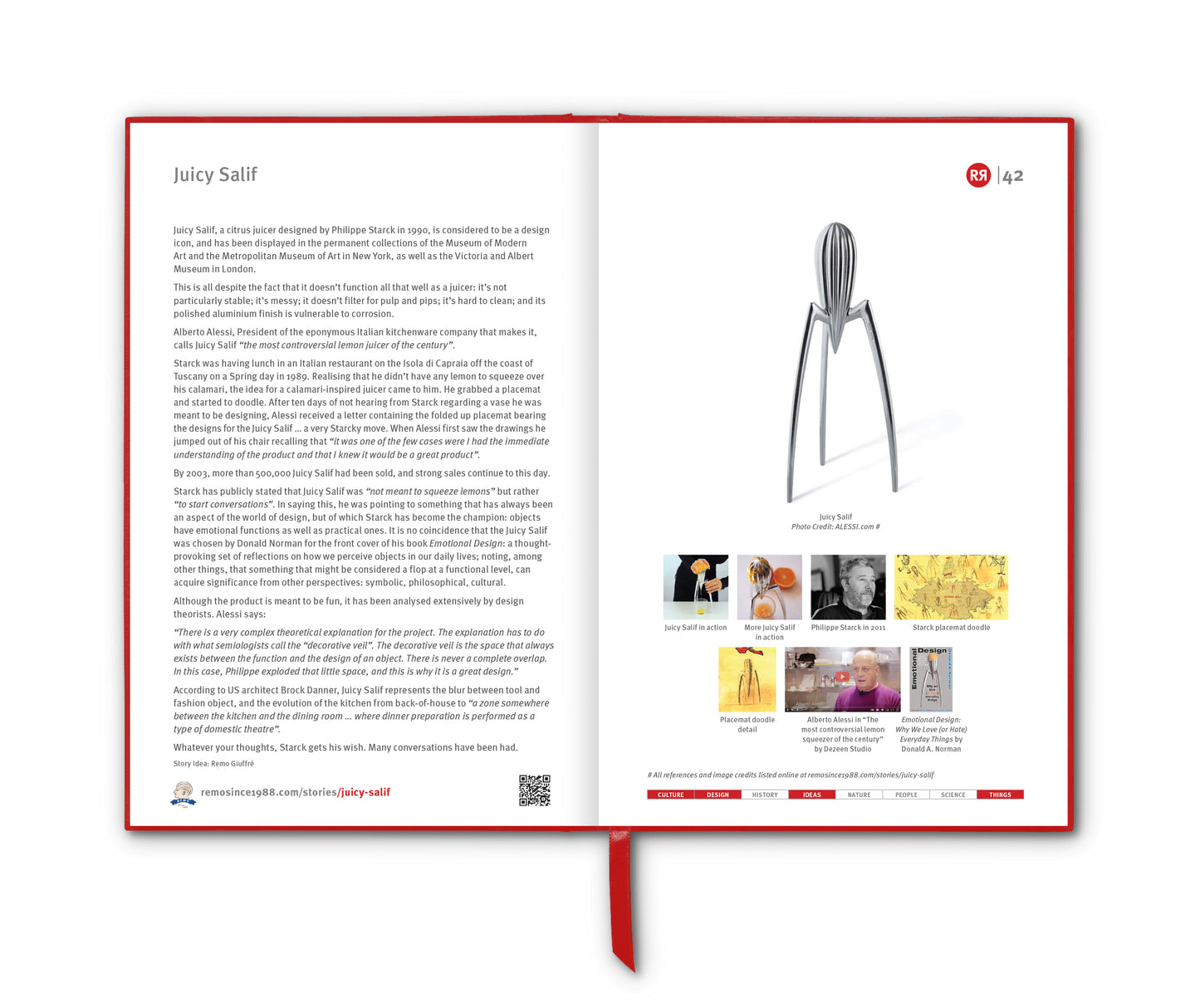
Today, the em dash is still prized for its versatility. But, as mentioned, it has also acquired an unexpected cultural role: it has become, in some circles, a “tell” for AI-generated writing – even copping the moniker “ChatGPT hyphen”. The theory regarding the prevalence of em dashes in AI-generated writing is not so mysterious. LLMs are trained on vast volumes of high-quality, edited prose – where the em dash is disproportionately common compared to everyday writing. It appears frequently in journalism, essays and literary nonfiction – genres that reward fluid, expressive punctuation. The LLM learns patterns, not rules. And so it reproduces what it sees most often.
Postscript
In 2025, an independent Sydney-based creative agency, Cocogun, responded to the em dash’s sudden fall from grace with a quietly subversive idea: invent a new piece of punctuation. Their creation – the “am dash” – is positioned as a marker of human authorship, a visual cue that what you’re reading was thought, and not AI-generated. Download the cleverly named fonts: “Areal” and “Times New Human” HERE.
Story Idea: Brett Mason
____________________________
References
https://en.wikipedia.org/wiki/Dash
https://www.nytimes.com/2019/08/14/style/em-dash-punctuation.html
https://www.wsj.com/tech/ai/dont-let-ai-ruin-the-em-dash-7354977c
https://mayukhdifferent.medium.com/the-soft-magic-of-the-em-dash-85722bdc8028
https://99percentinvisible.org/episode/658-the-em-dash/
https://www.theamdash.com/
Images
1. Humans and AI battle over the em dash. Illustration: Liam Eisenberg
2. Different dashes. Image Credit: Notion Press
3. Book: The Life and Opinions of Tristram Shandy, Gentleman (1759–1767) by Laurence Stern
4. Mysterious em dash usage by Jane Austen in Emma, 1815
5. Emily Dickinson, circa 1847. Credit: Amherst College Archives & Special Collections
6. Em Dash Museum: April Fools' Day, 2025
7. Rolling Stone, 11 April 2025
8. Sam Altman's post on X, 14 November 2025
9. Distracted Boyfriend [RR2:21]
10. Video: "Em dash on ChatGPT allegations", Elle Cordova, 2025
11. The Am Dash by Cocogun