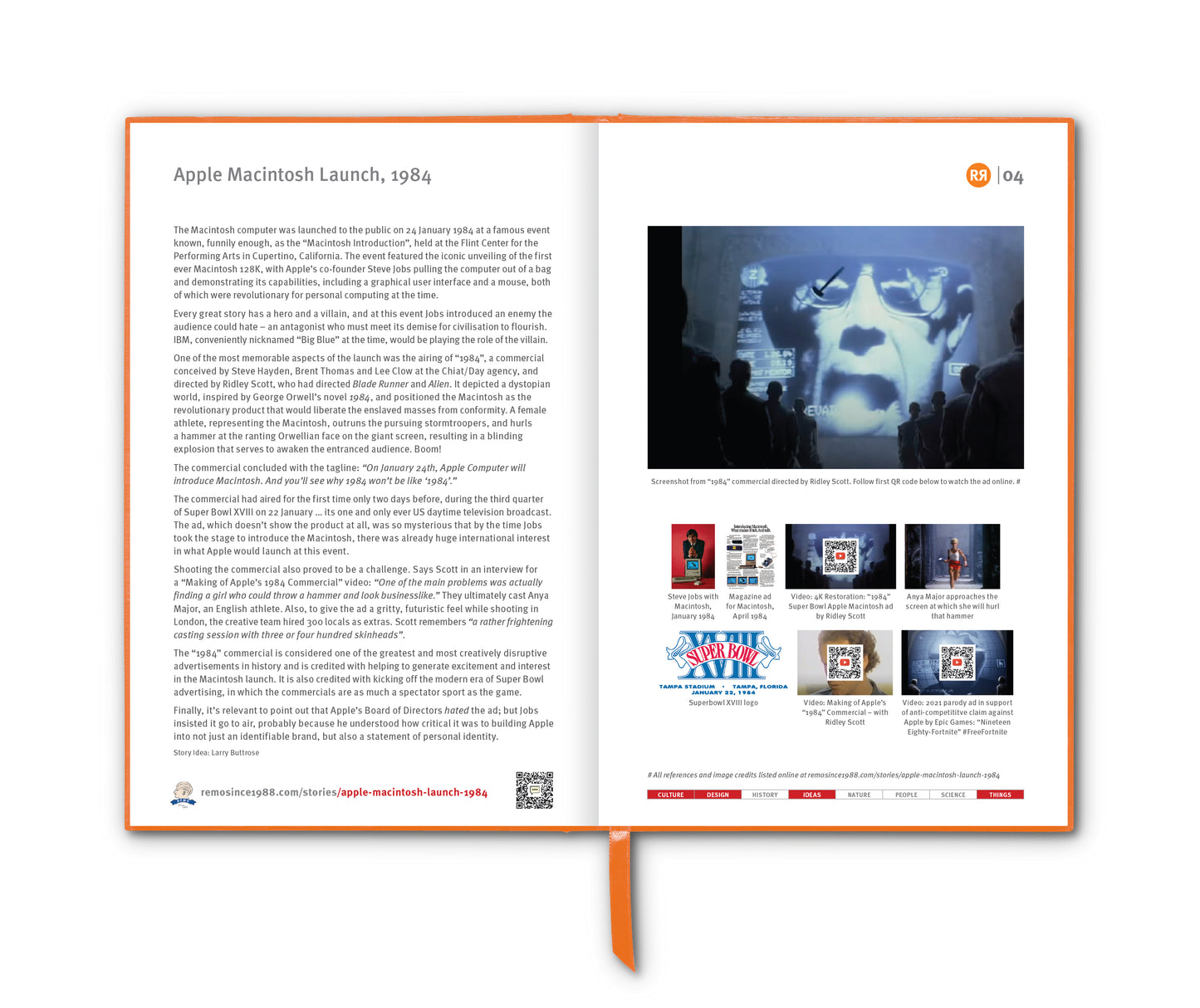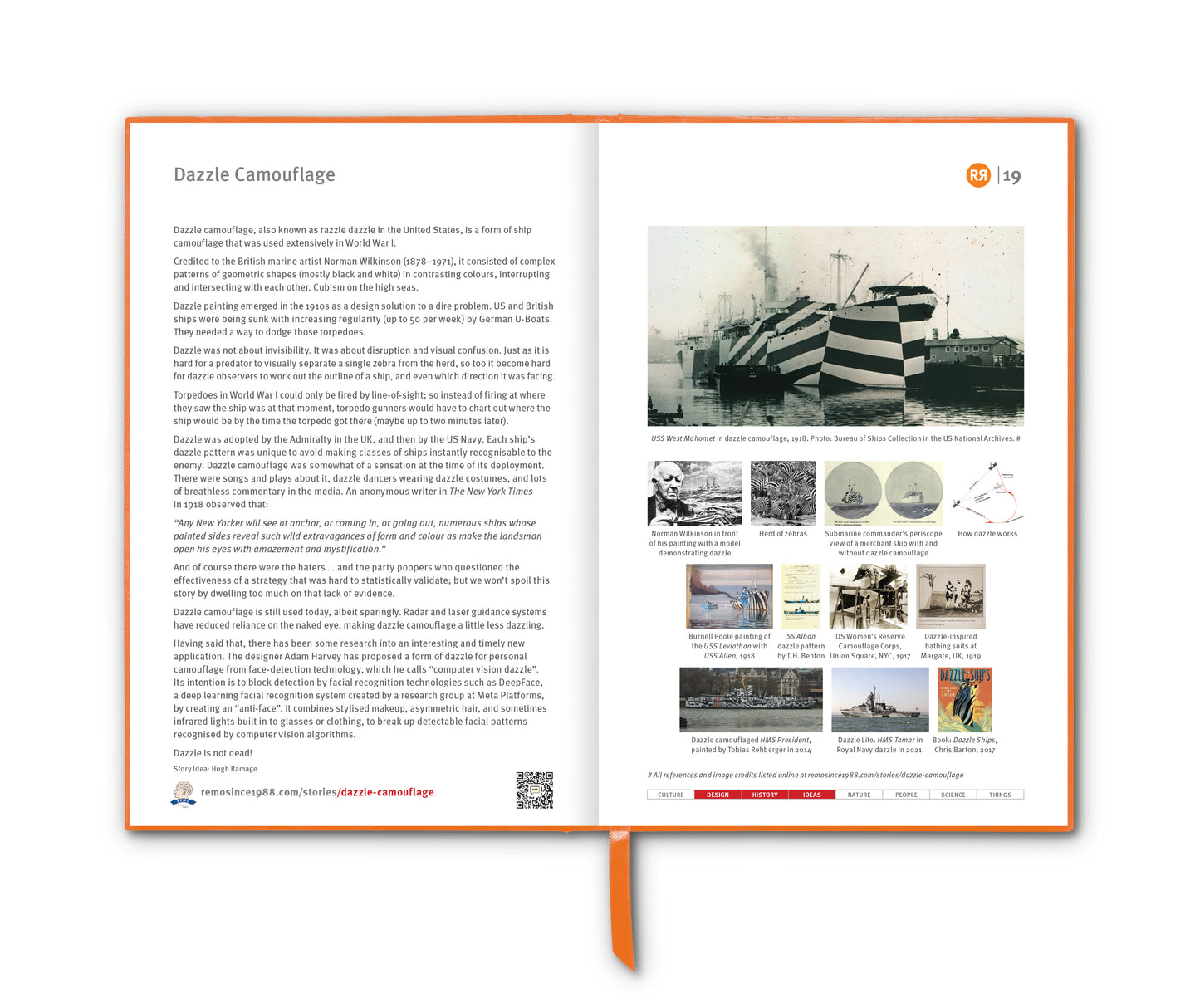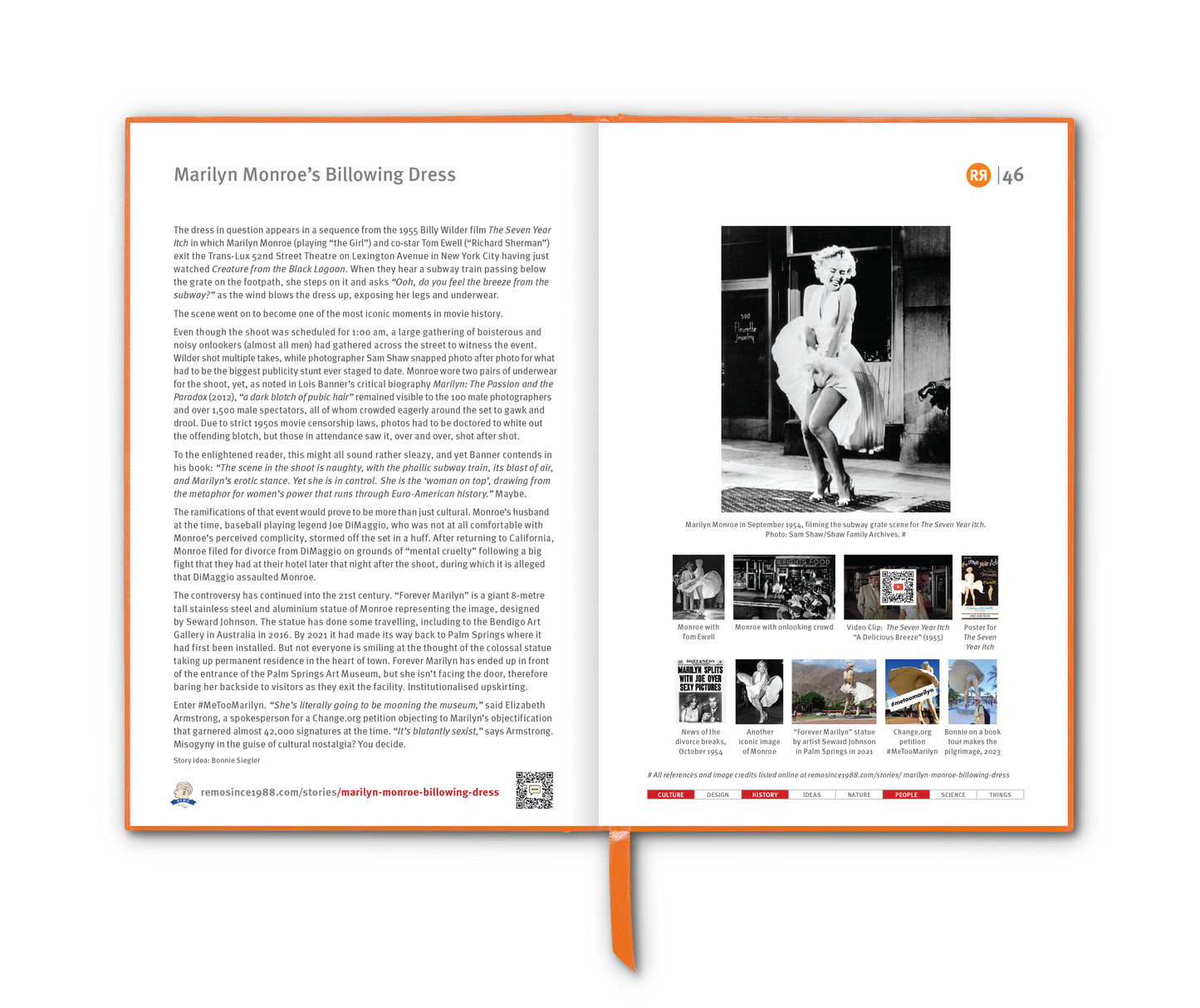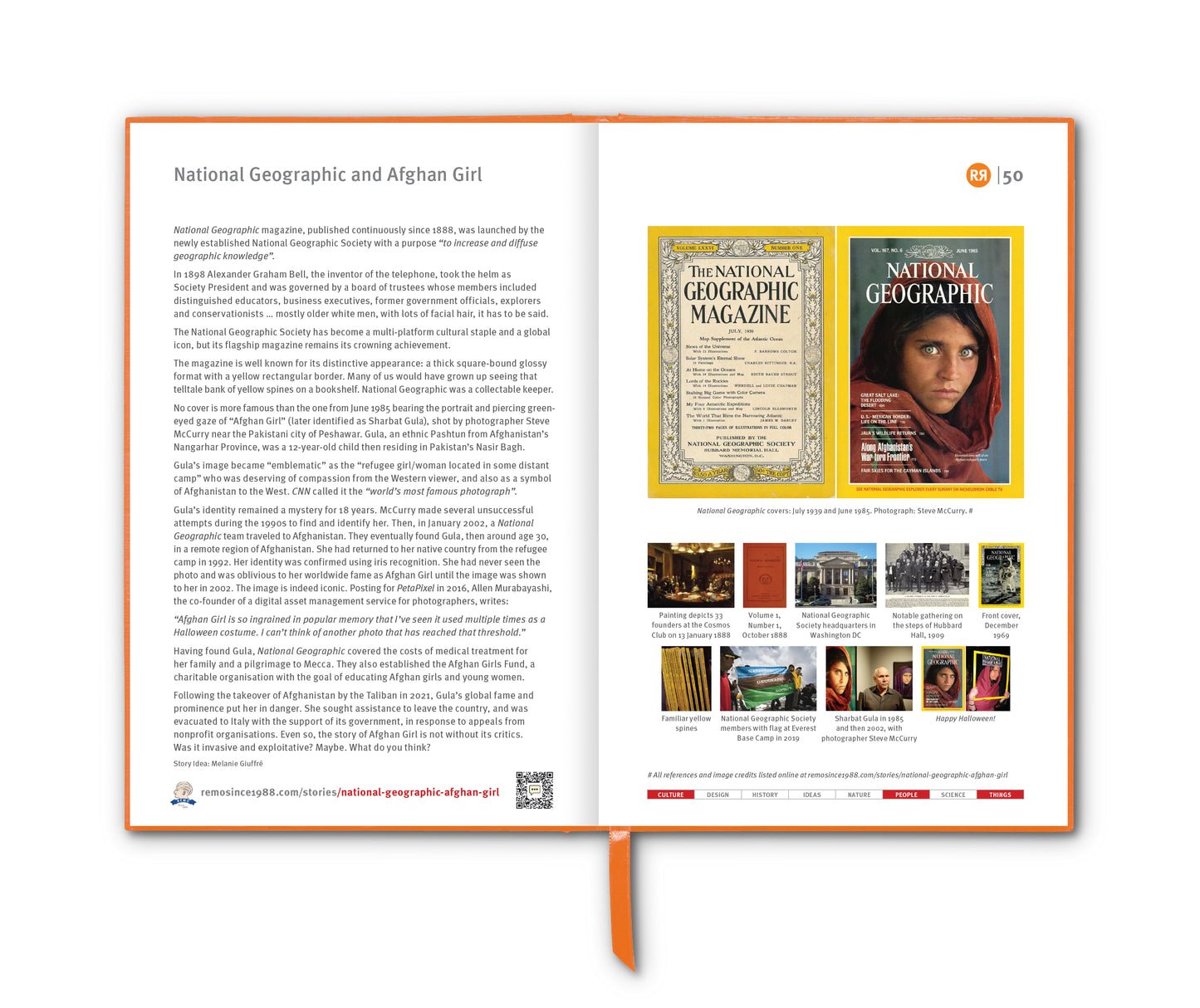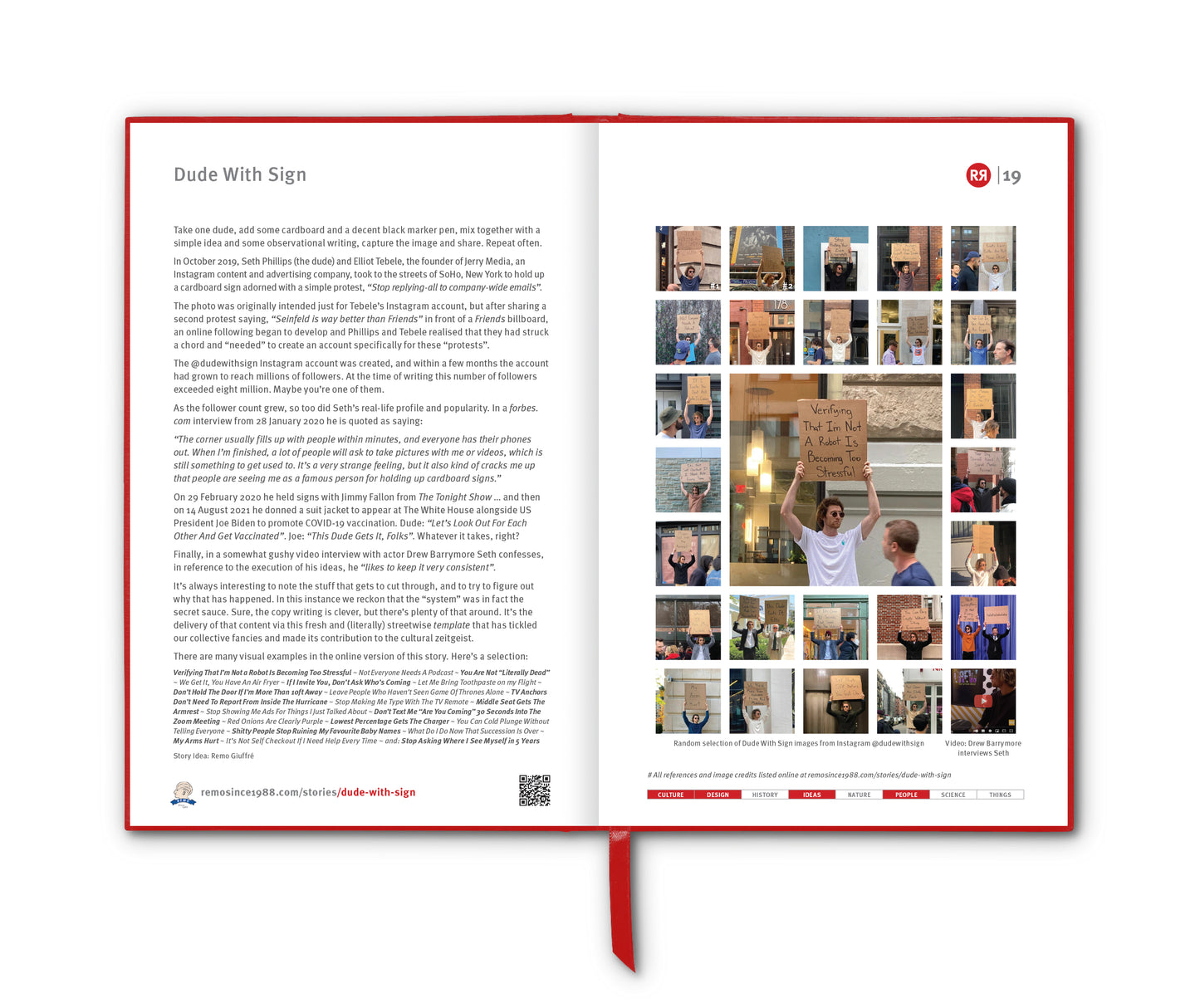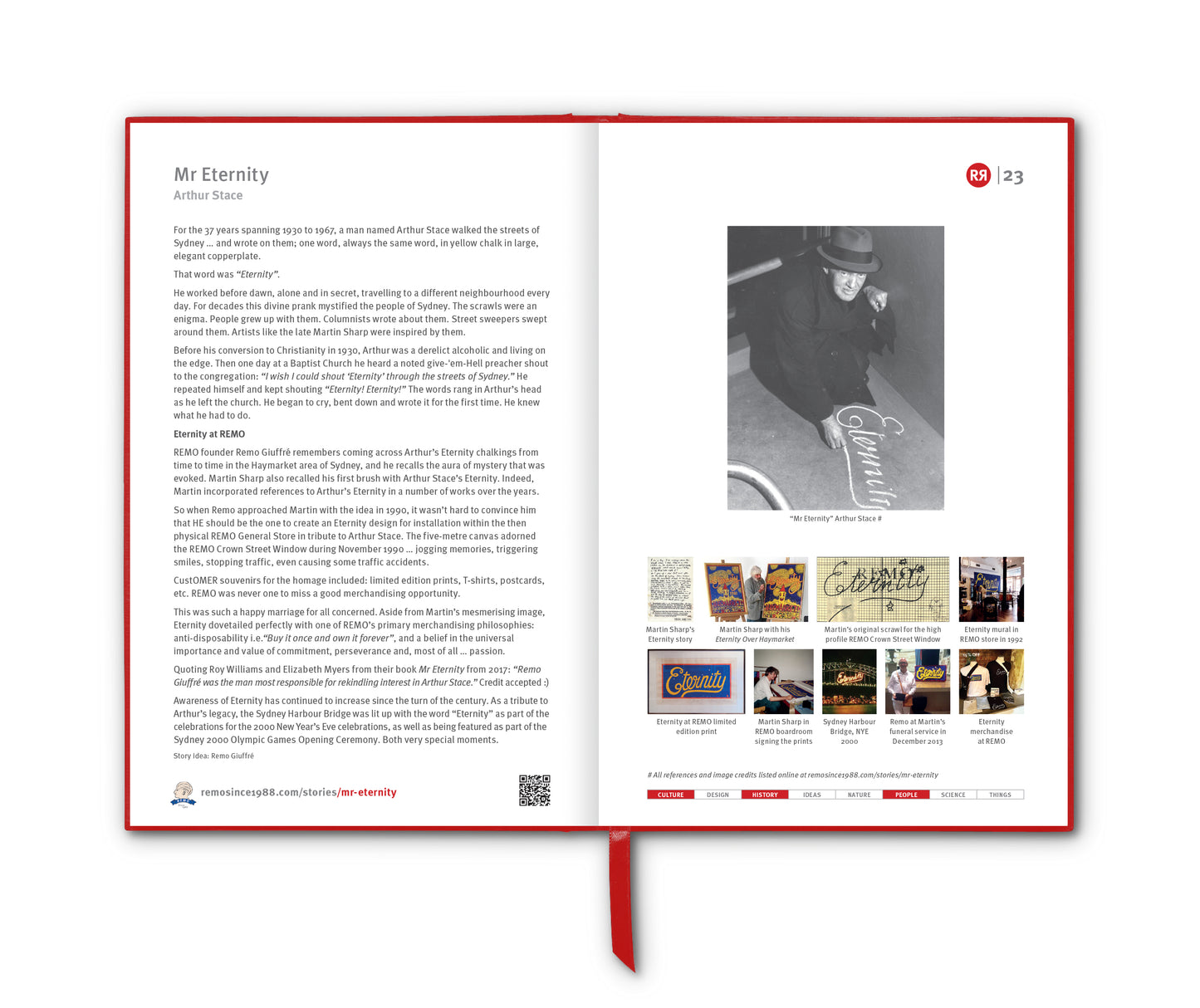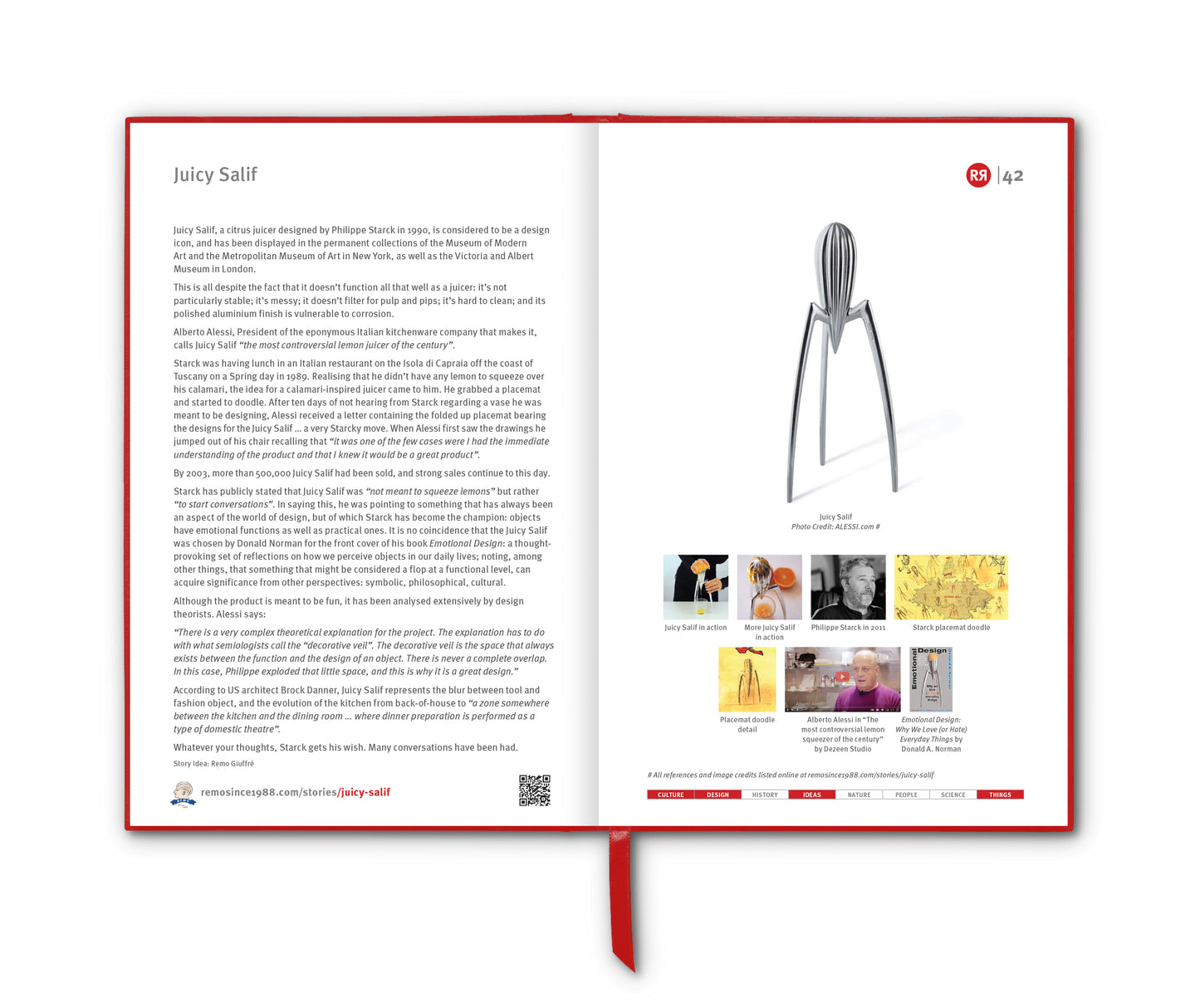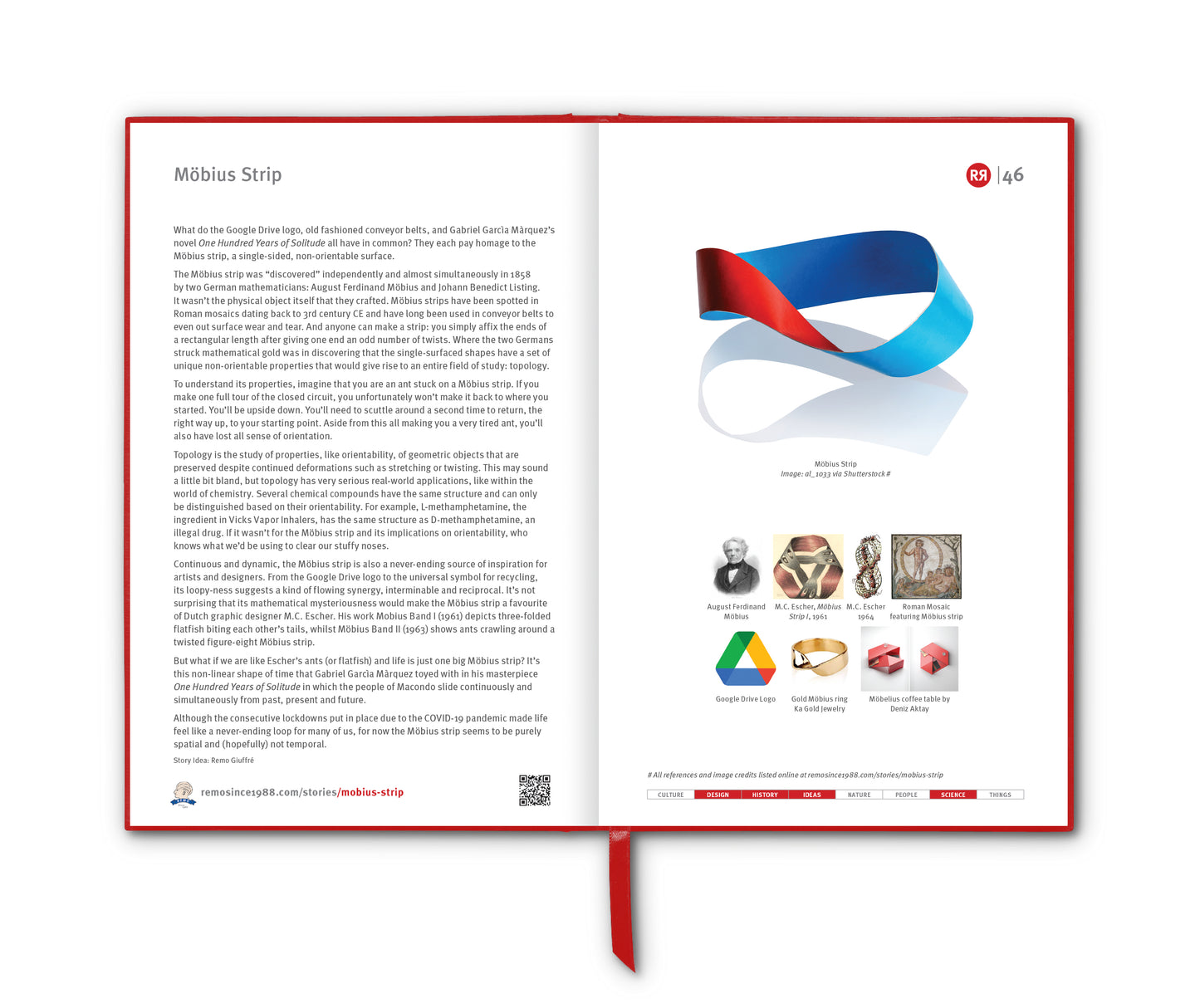

The Frisbee story begins with pie.
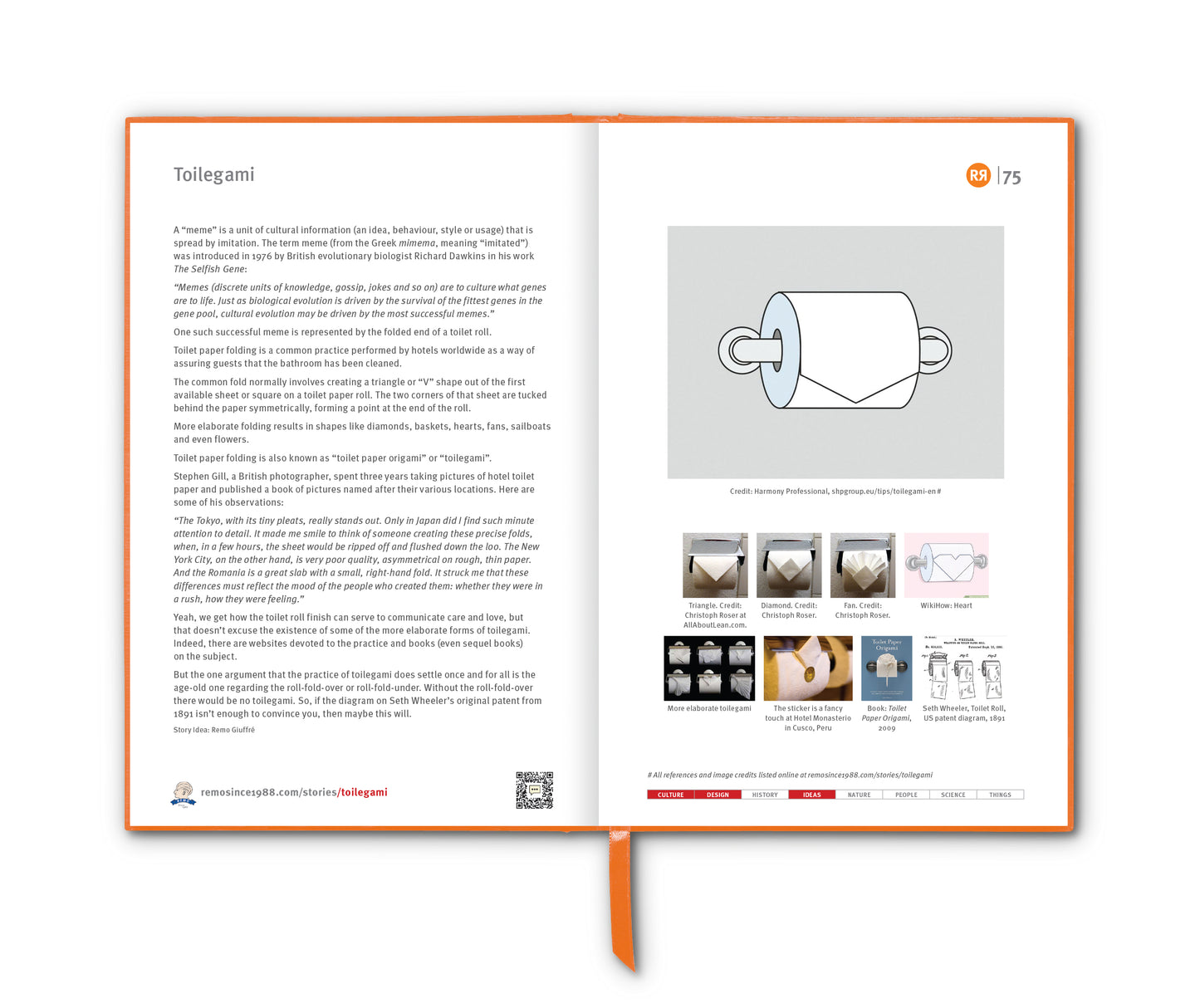
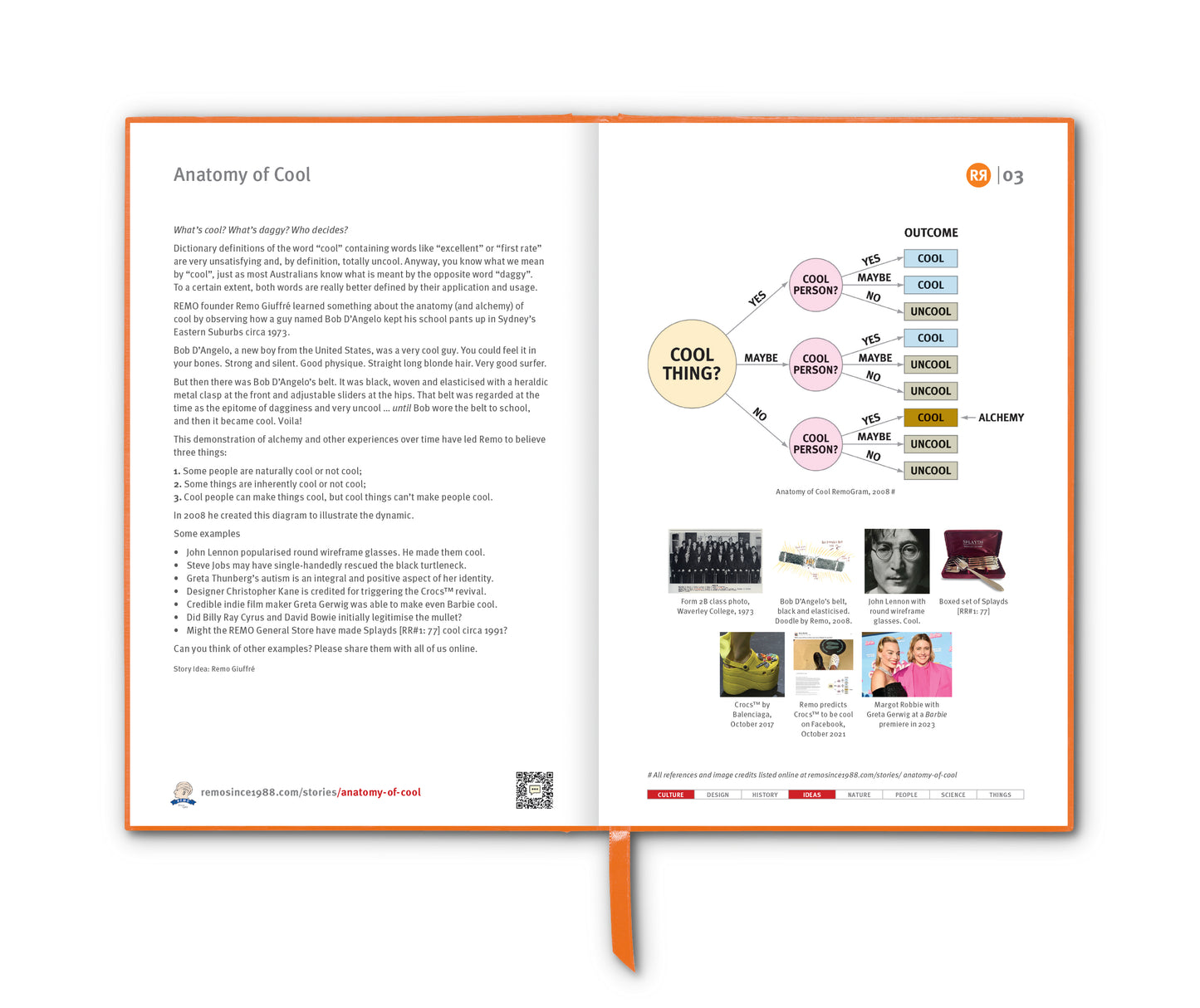
In the 1870s, the Frisbie Pie Company in Bridgeport, Connecticut, was delivering pies in round tin pans. Students at nearby Yale University discovered that these empty tins, when tossed, would sail through the air with satisfying accuracy. They began yelling “Frisbie!” as a warning when the tins flew by. The name stuck, even though the spelling would later change.
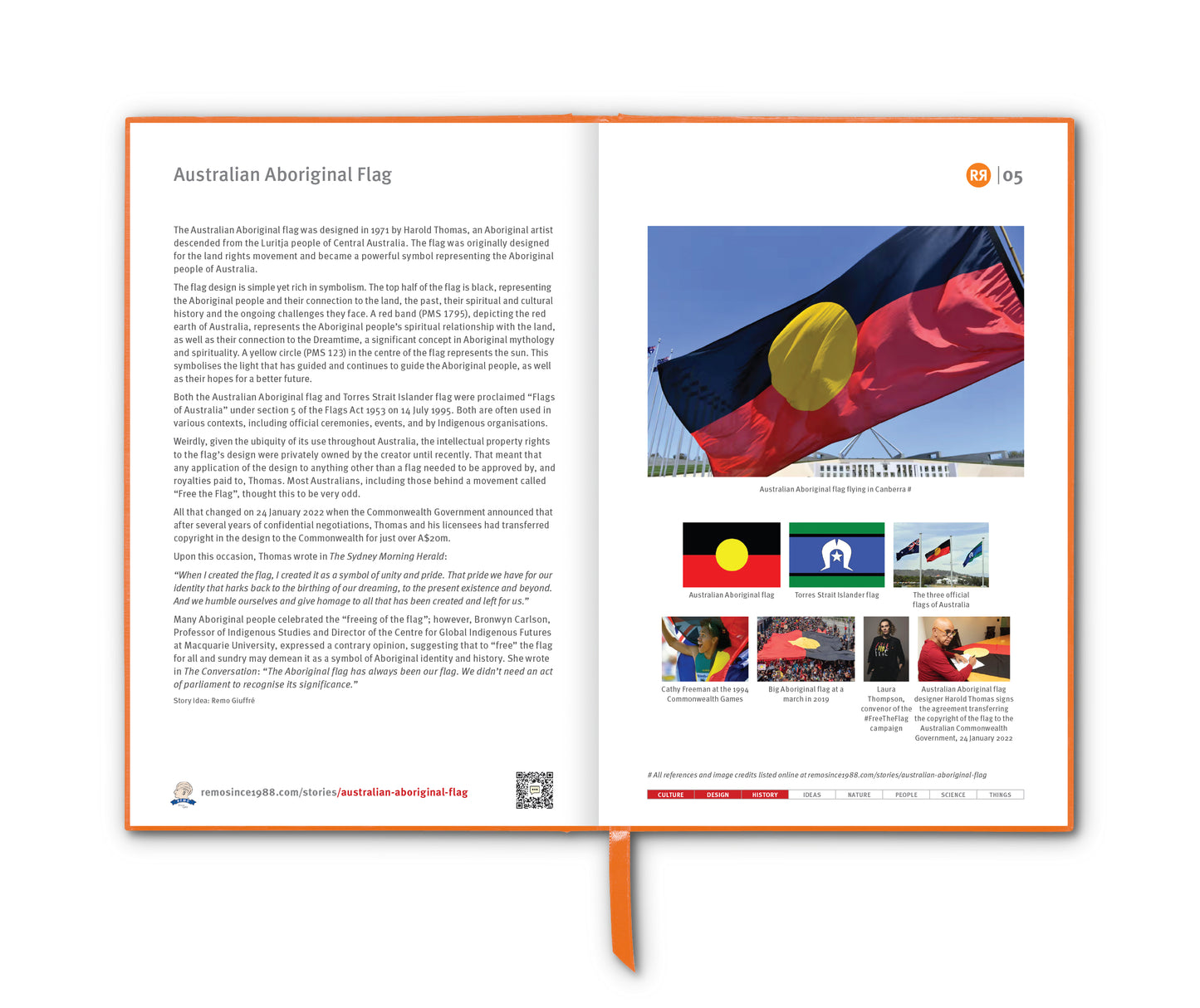
Fast forward to the 1940s, when a Californian inventor named Fred Morrison (initially in partnership with Warren Franscioni, another World War II veteran who would ultimately rejoin the Air Force) started playing around with the idea of a flying disc. Inspired by watching people toss metal popcorn lids and cake pans on the beach, Morrison developed a plastic prototype he called the “Flyin’ Saucer”. He and his wife sold the discs at local fairs, marketing them as a fun toy. Eventually, Morrison improved the design and renamed it the “Pluto Platter”, capitalising on America’s obsession with UFOs during the 1950s.
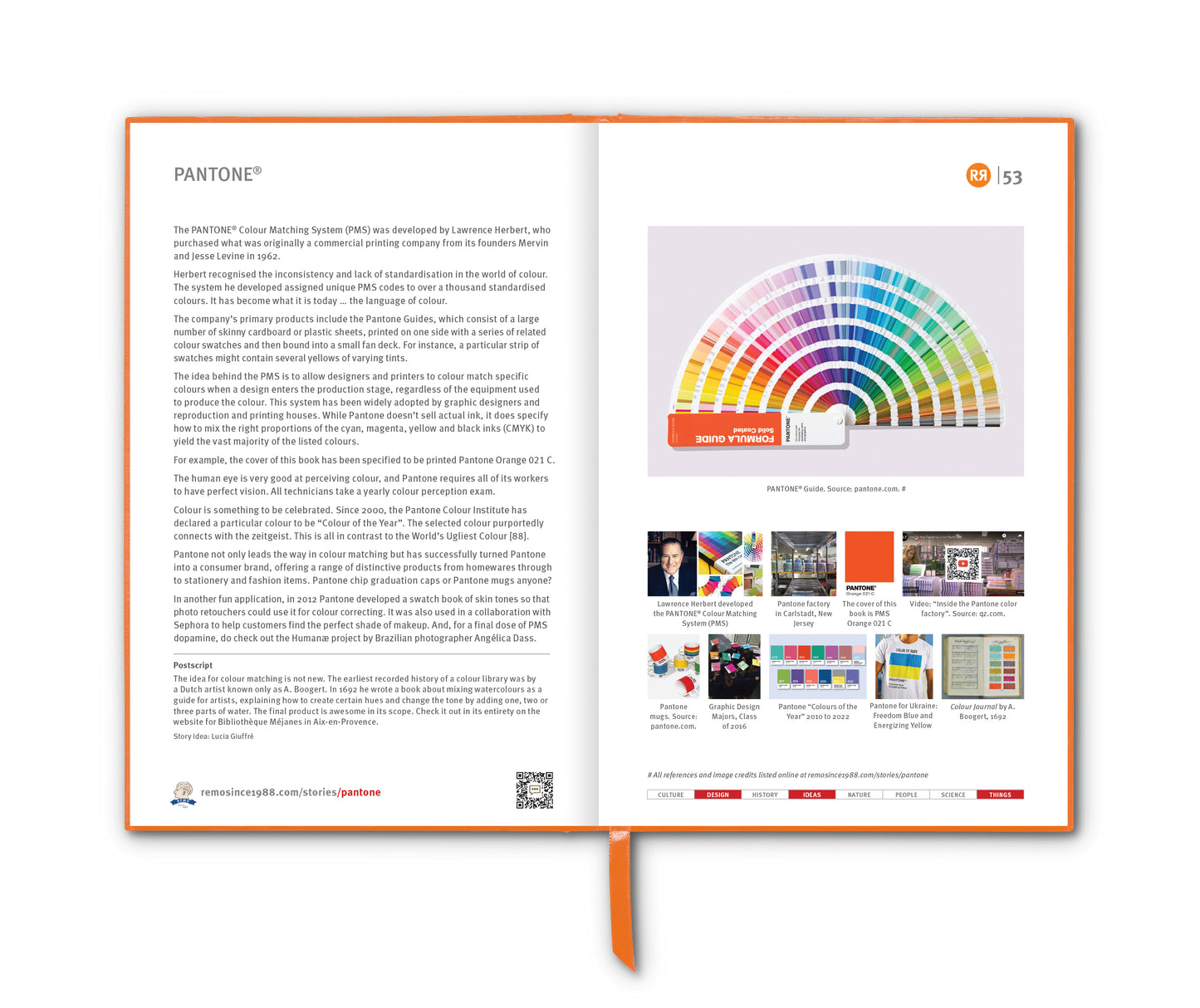
Enter Wham-O, a toy company already known for the Hula Hoop and the Super Ball. In 1957, Wham-O bought the rights to the Pluto Platter and renamed it the "Frisbee" — a nod to the college pie-tin throwers, albeit with a new spelling so as to secure trademark rights. The disc's sleek design made it easier to throw accurately and far, and it quickly caught on as a recreational sensation.
But the Frisbee didn’t stop at casual backyard play. By the late 1960s, it had inspired organised sports. The most notable was Ultimate Frisbee (now just called Ultimate), a fast-paced, team-based game developed by high school students in New Jersey. Around the same time, Frisbee golf – later formalised as disc golf – started appearing in parks, combining the disc-throwing fun with golf-style scoring and holes.
As an aside, the George Costanza character famously call Frisbee golf “frolf” in a Season 5 (1994) episode of Seinfeld. In the episode, George excitedly says: “You wanna play some frolf? Frisbee golf, Jerry. Frolf, Jerry, come on!” While “frolf” was already used informally by disc golf fans before that, Seinfeld helped bring the term to a wider audience.
Wham-O further fueled Frisbee culture by organising national tournaments, establishing rules, and promoting “Frisbee” as more than just a toy. In the 1970s and '80s, competitive freestyle Frisbee (involving acrobatic tricks and choreography) added a creative, almost dance-like element to the disc’s appeal.
In 1998, the Frisbee was inducted into the US National Toy Hall of Fame. In addition, many championships have sprung up around the world and the sport has become very popular.
Today, the Frisbee has evolved into a family of sports, with professional leagues, international competitions, and a deeply committed community. Companies like Discraft and Innova now lead the market in specialised discs, with designs tailored for different types of throws and games.
_____________________________
References
https://en.wikipedia.org/wiki/Frisbee
https://en.wikipedia.org/wiki/Frisbie_Pie_Company
https://wham-o.com?
Images
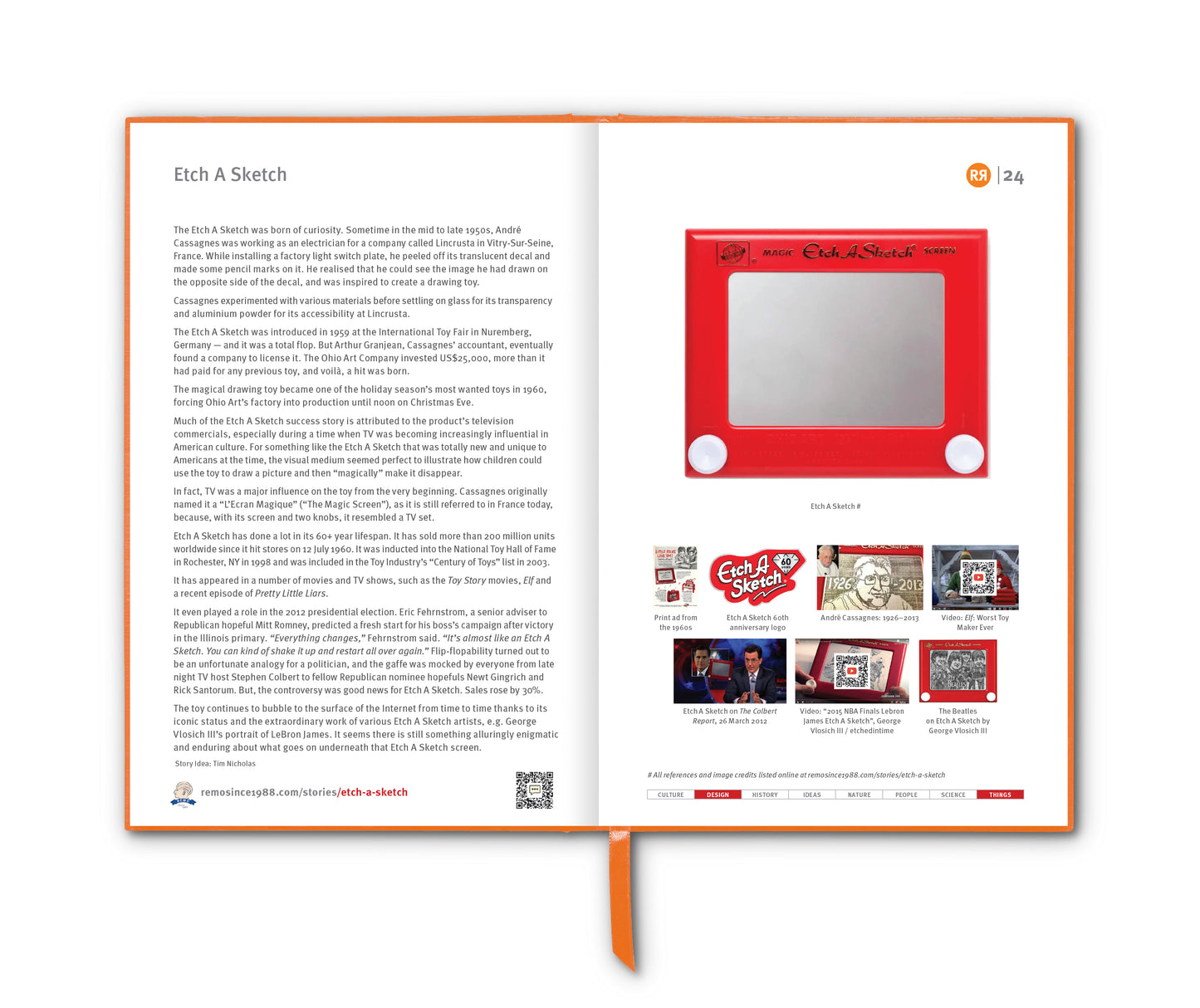
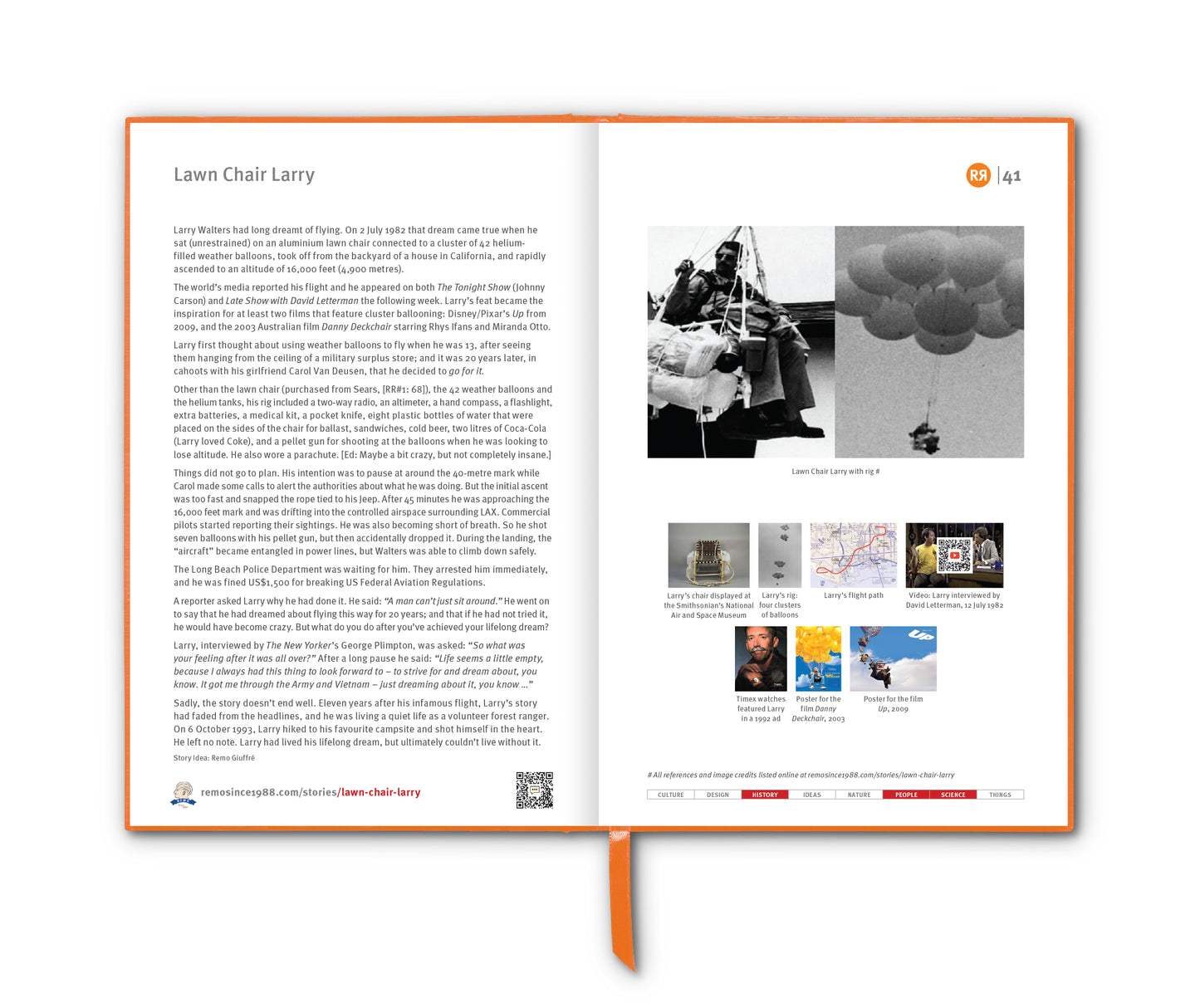
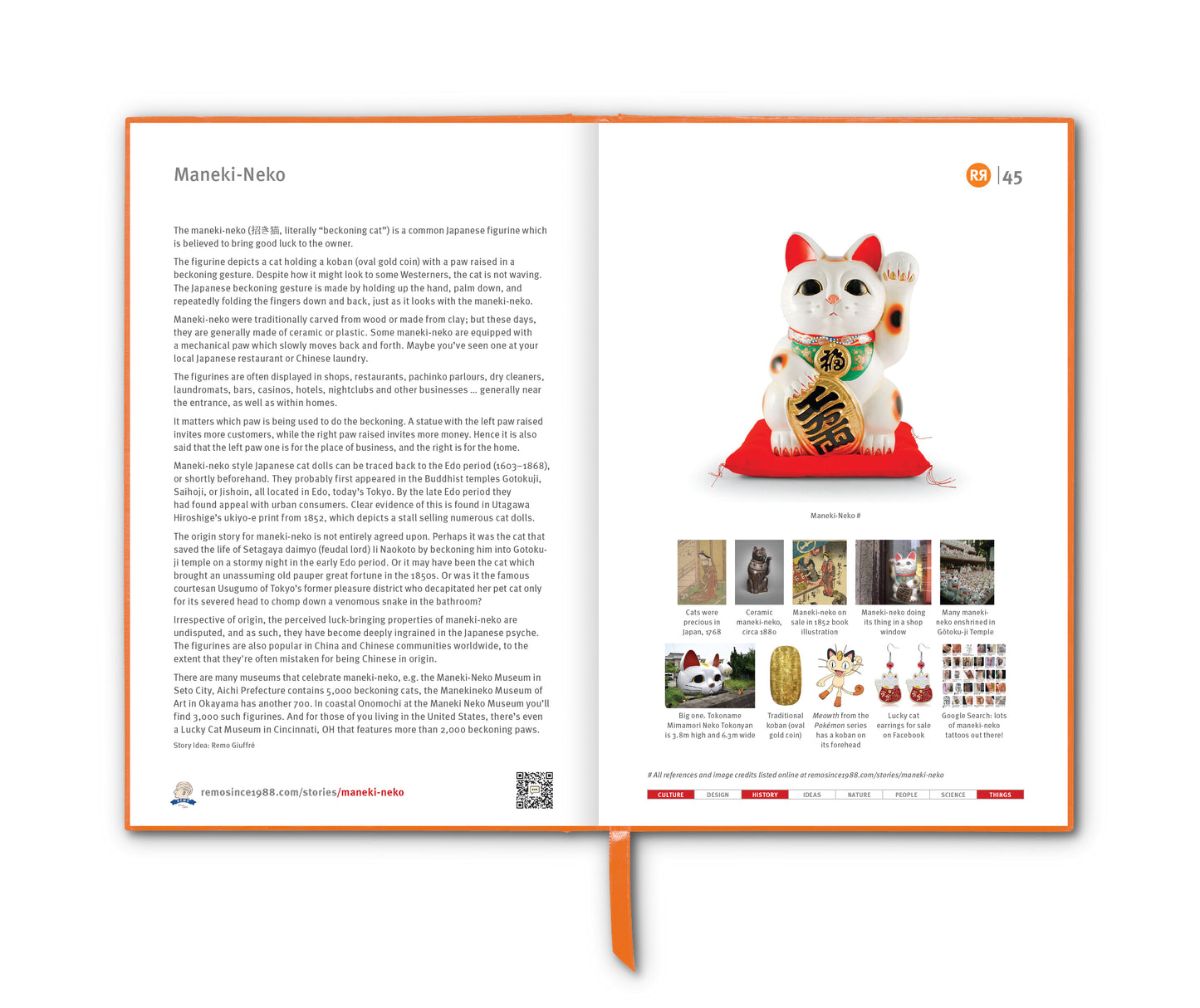
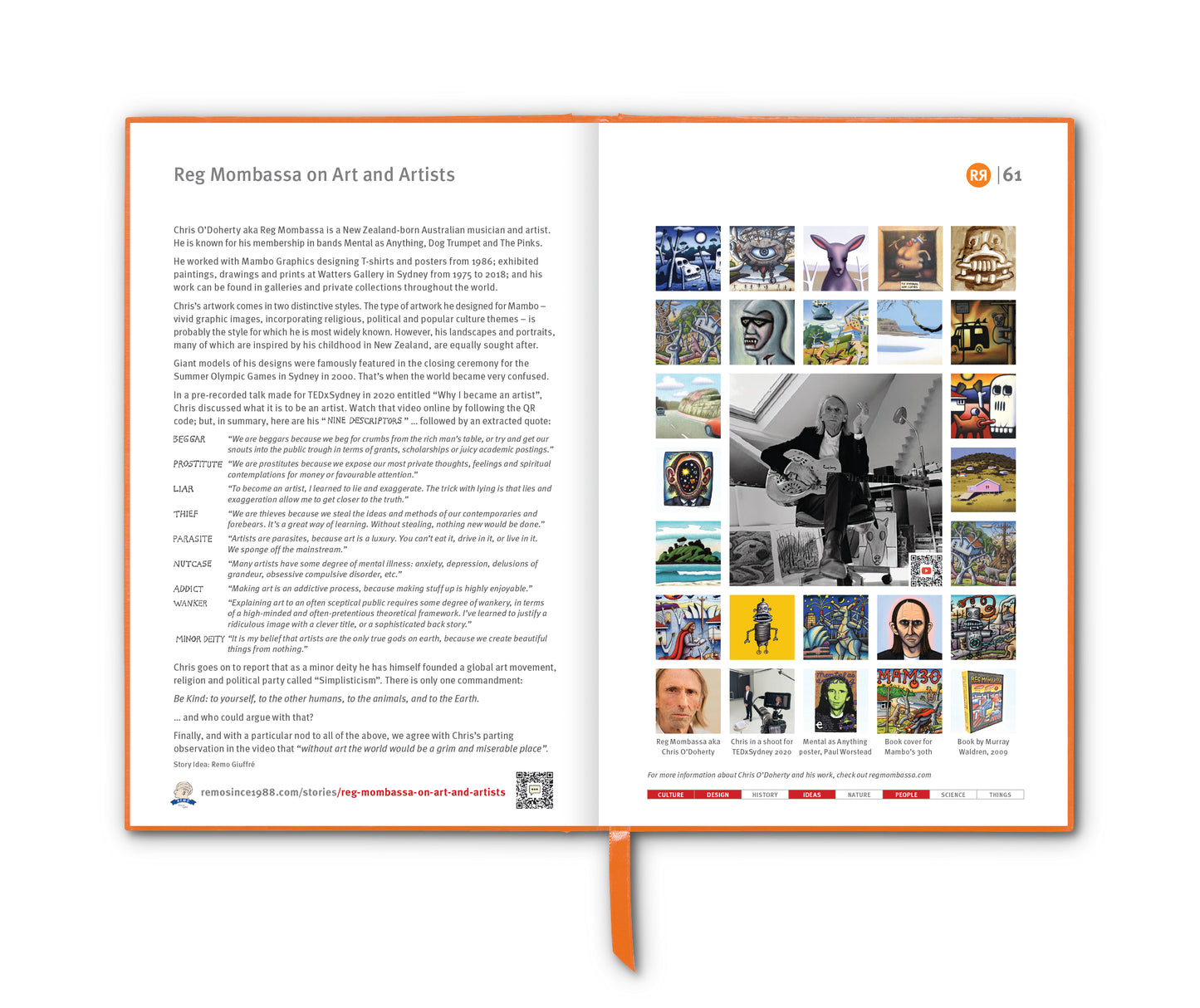
1. Frisbee. Credit: wham-o.com
2. 1920s Frisbie's pie delivery truck. Credit: Connecticut State Library
3. Frisbie pie tin. Credit: Doug Coldwell
4. Walter Frederick Morrison promoting his Pluto Platters, forerunner of the Frisbee. Credit: Connecticut State Library
5. Vintage Frisbee ad. Credit: Hollywood Icons via ebay.com
6. Video: Wham-O Frisbee Commercial 1966
7. Bart Simpson: "The Principal's Toupee is not a Frisbee", The Simpsons, Season 4, Episode 14
8. Game of disc golf. Photo credit: saxtonfield.co.nz
9. Man throwing Frisbee. Photo by leah hetteberg on Unsplash