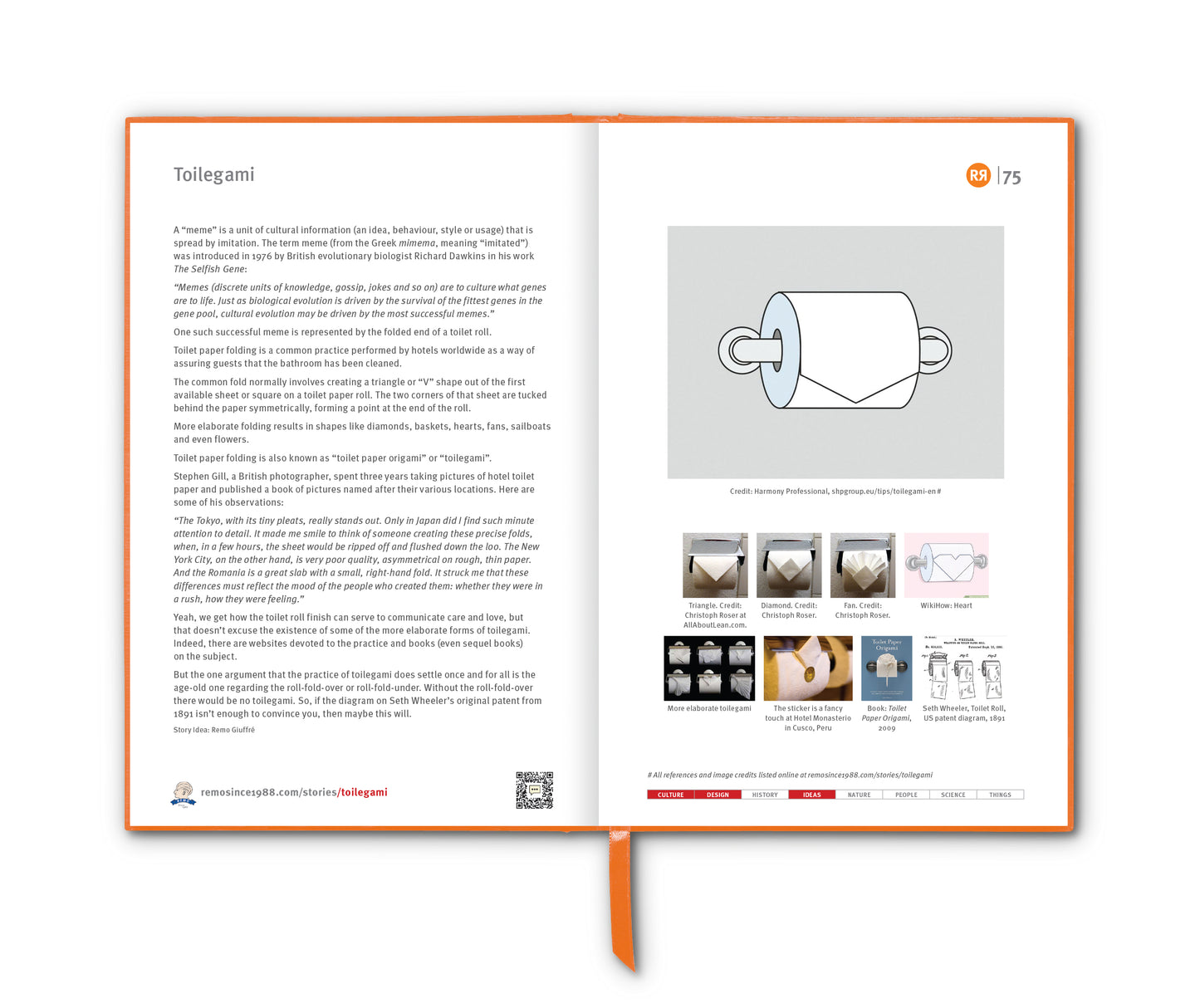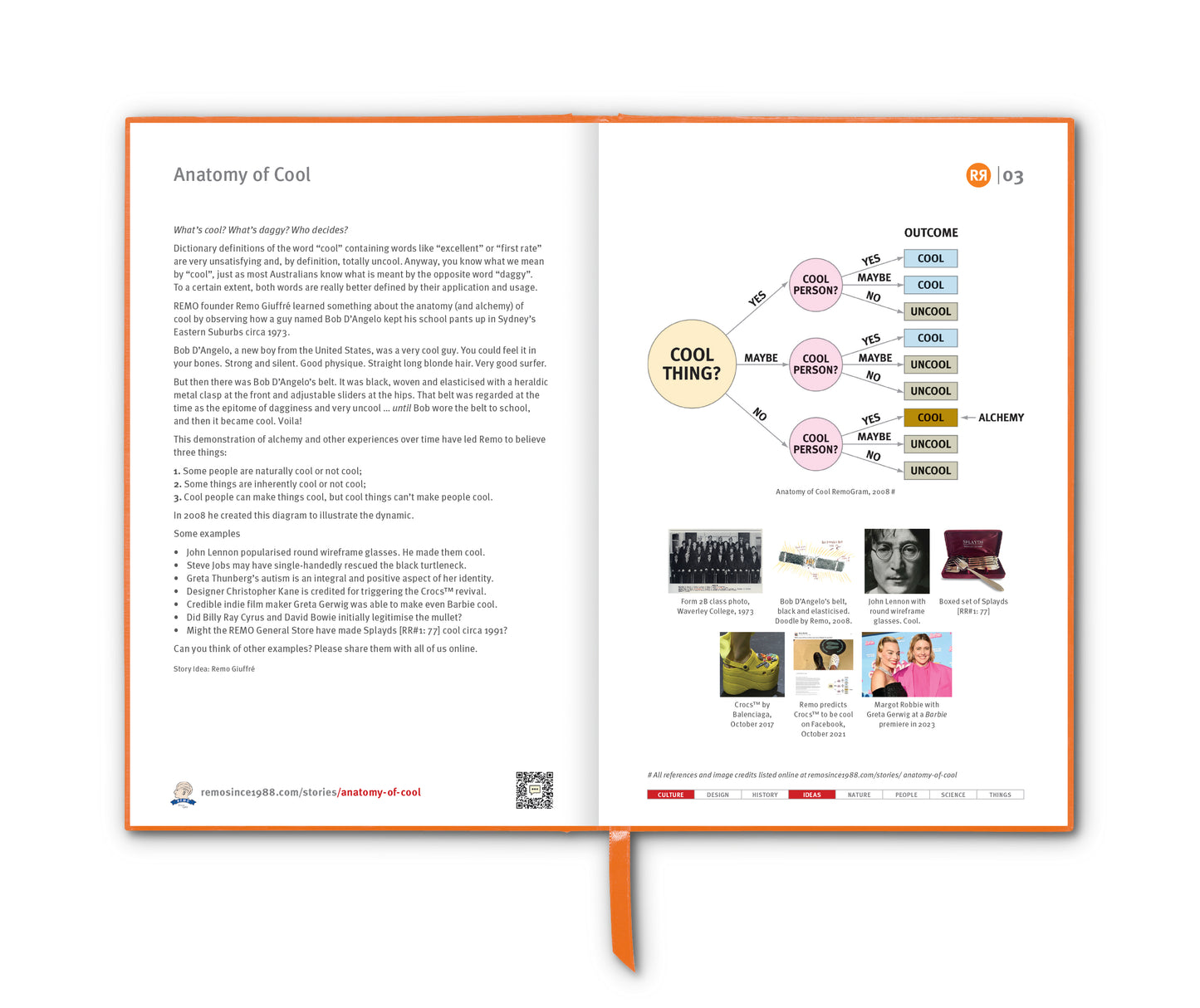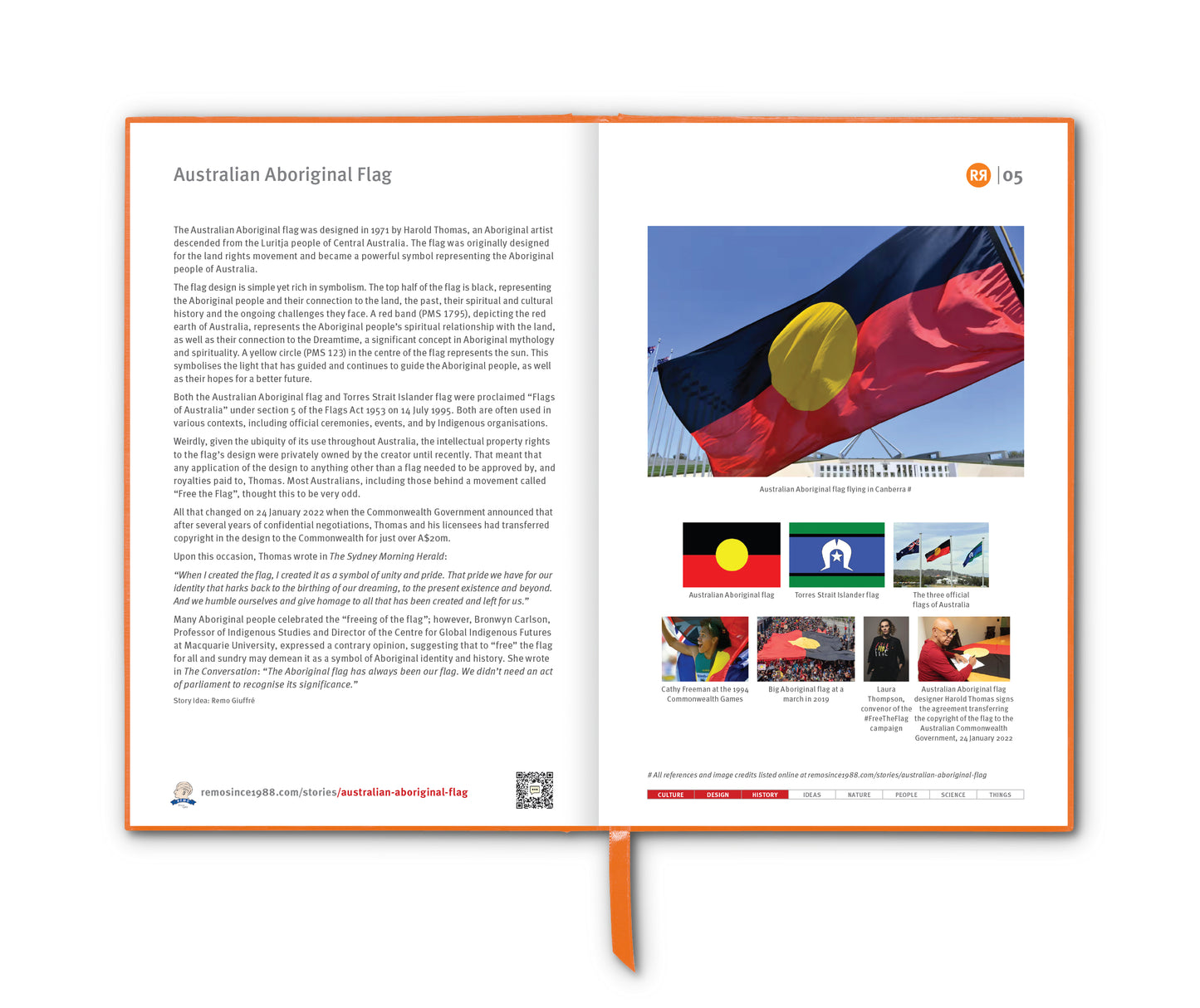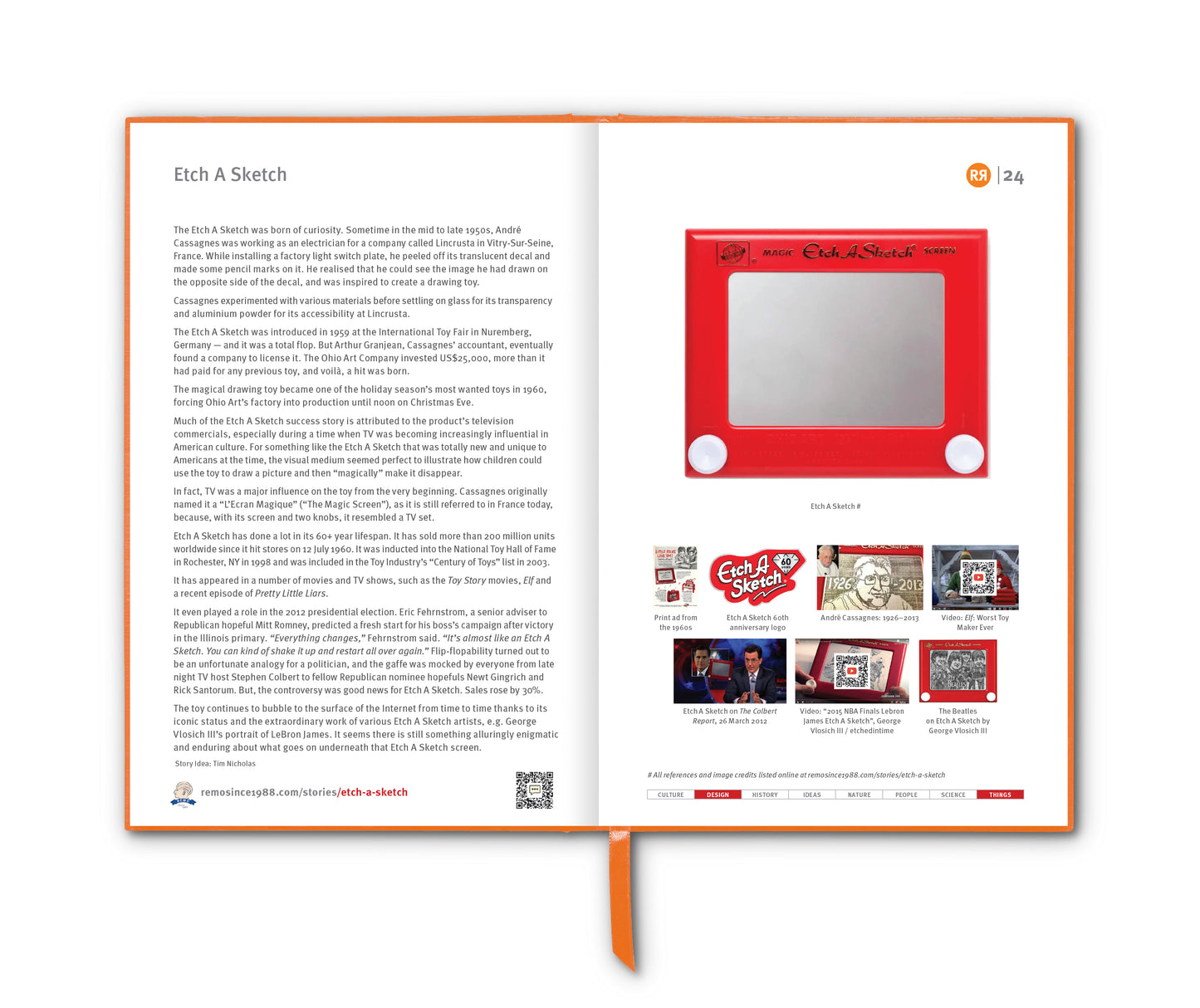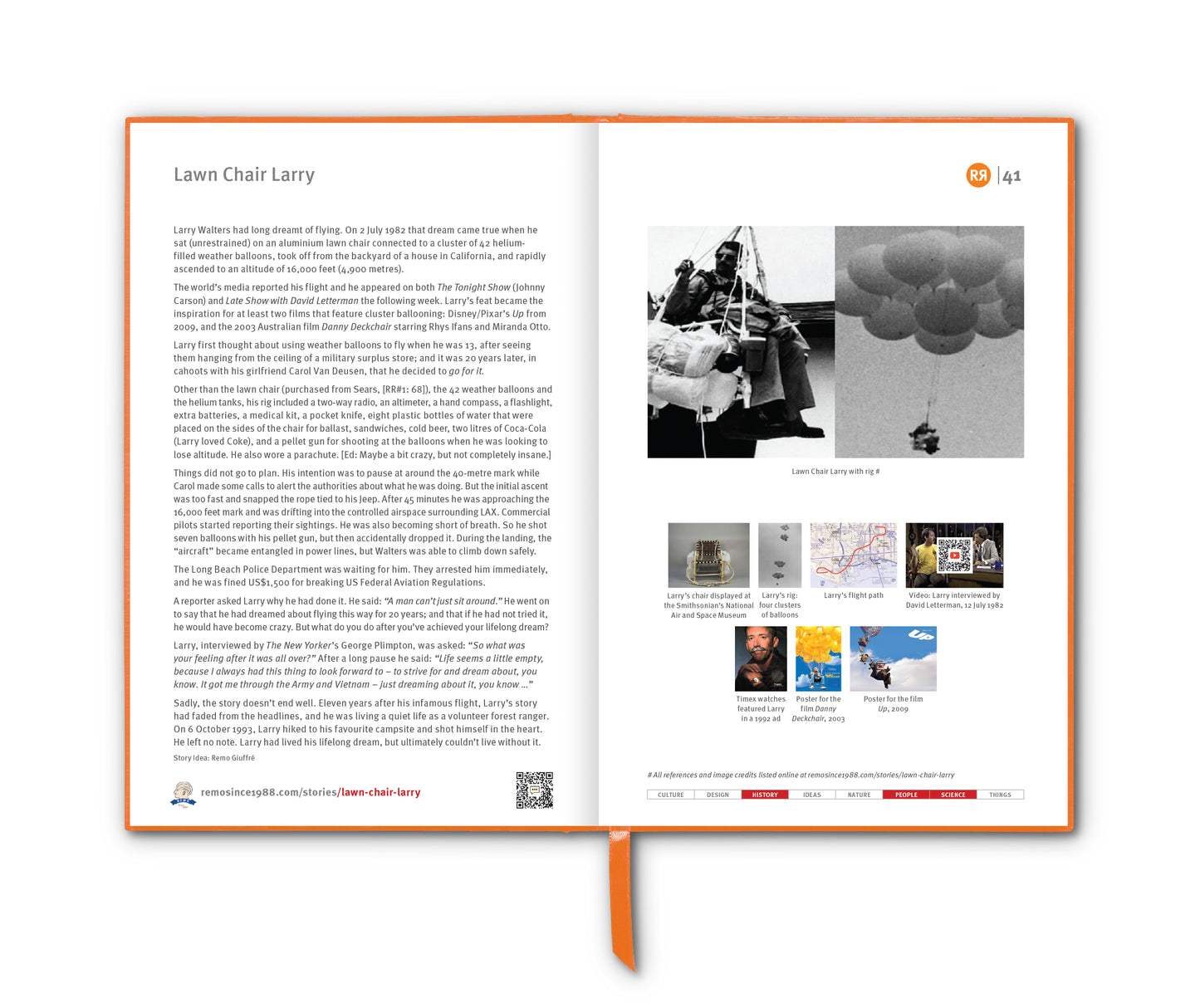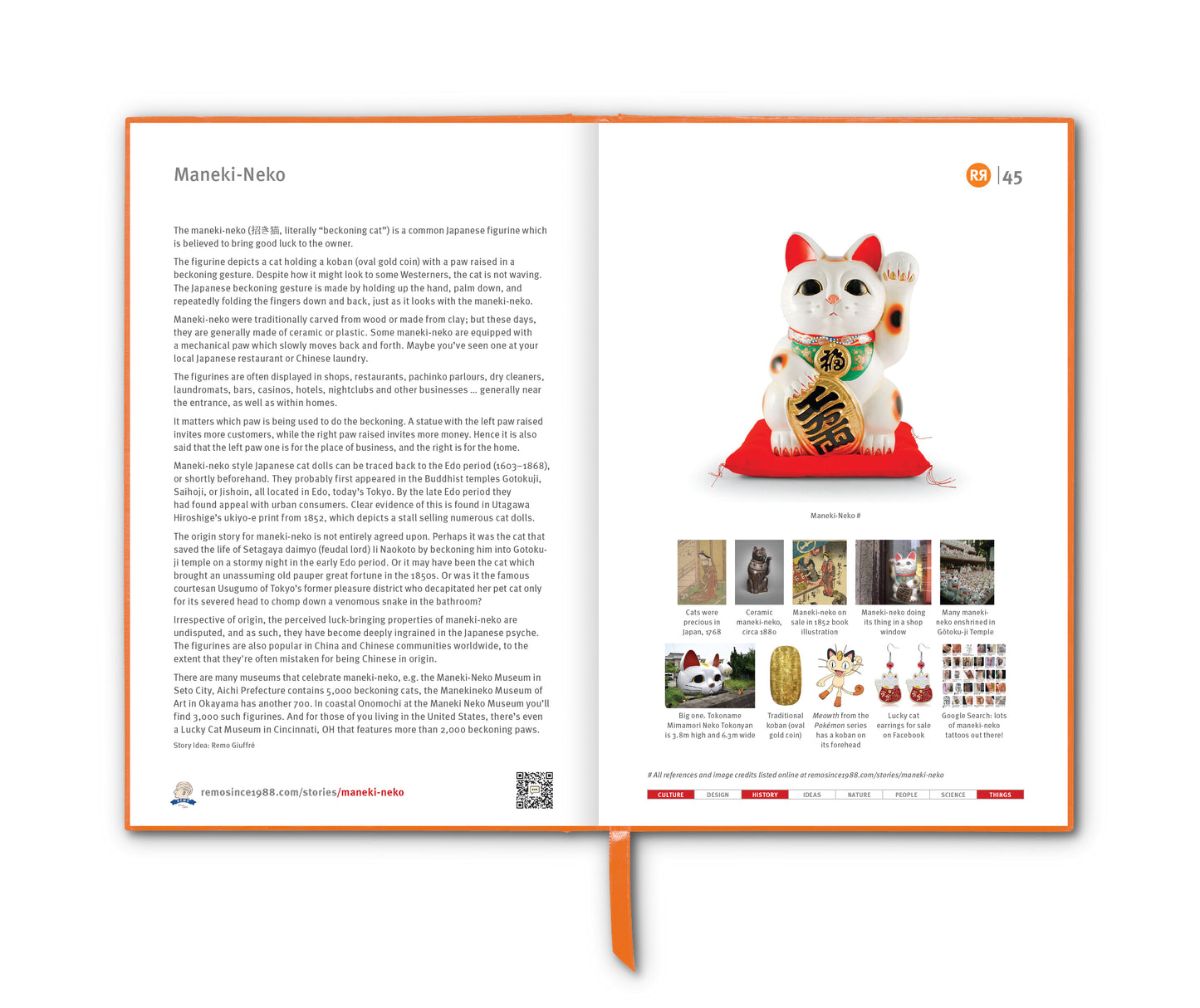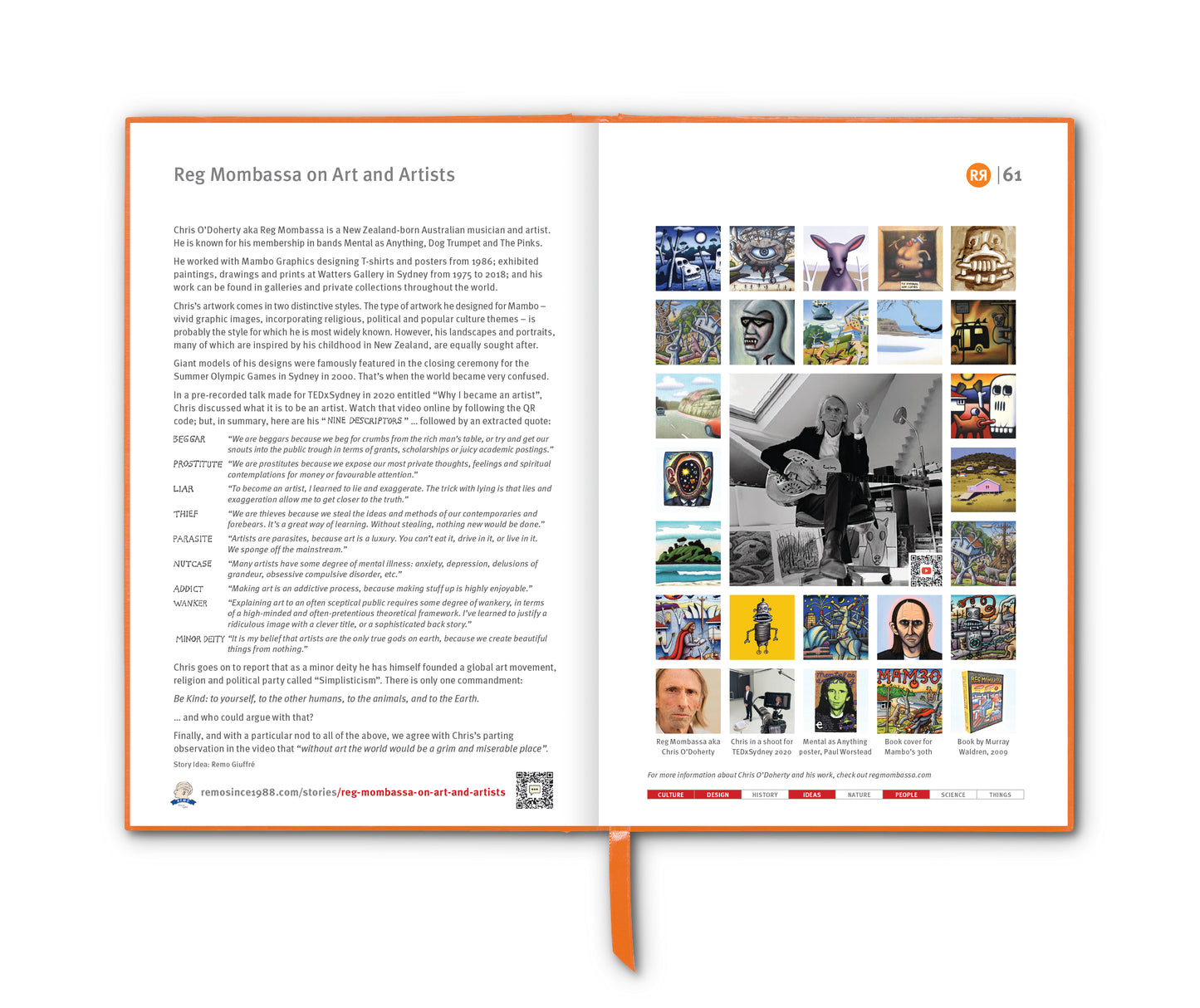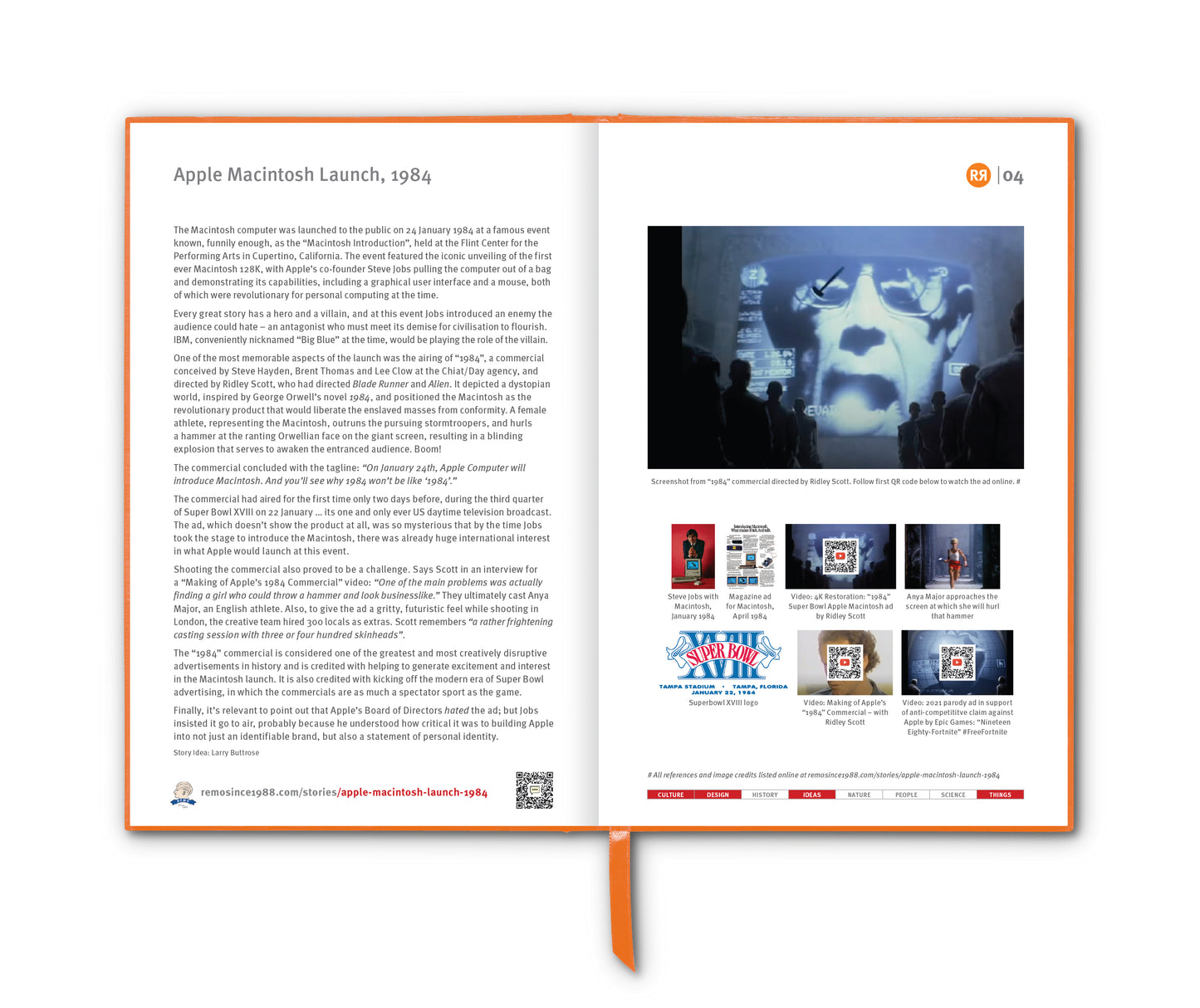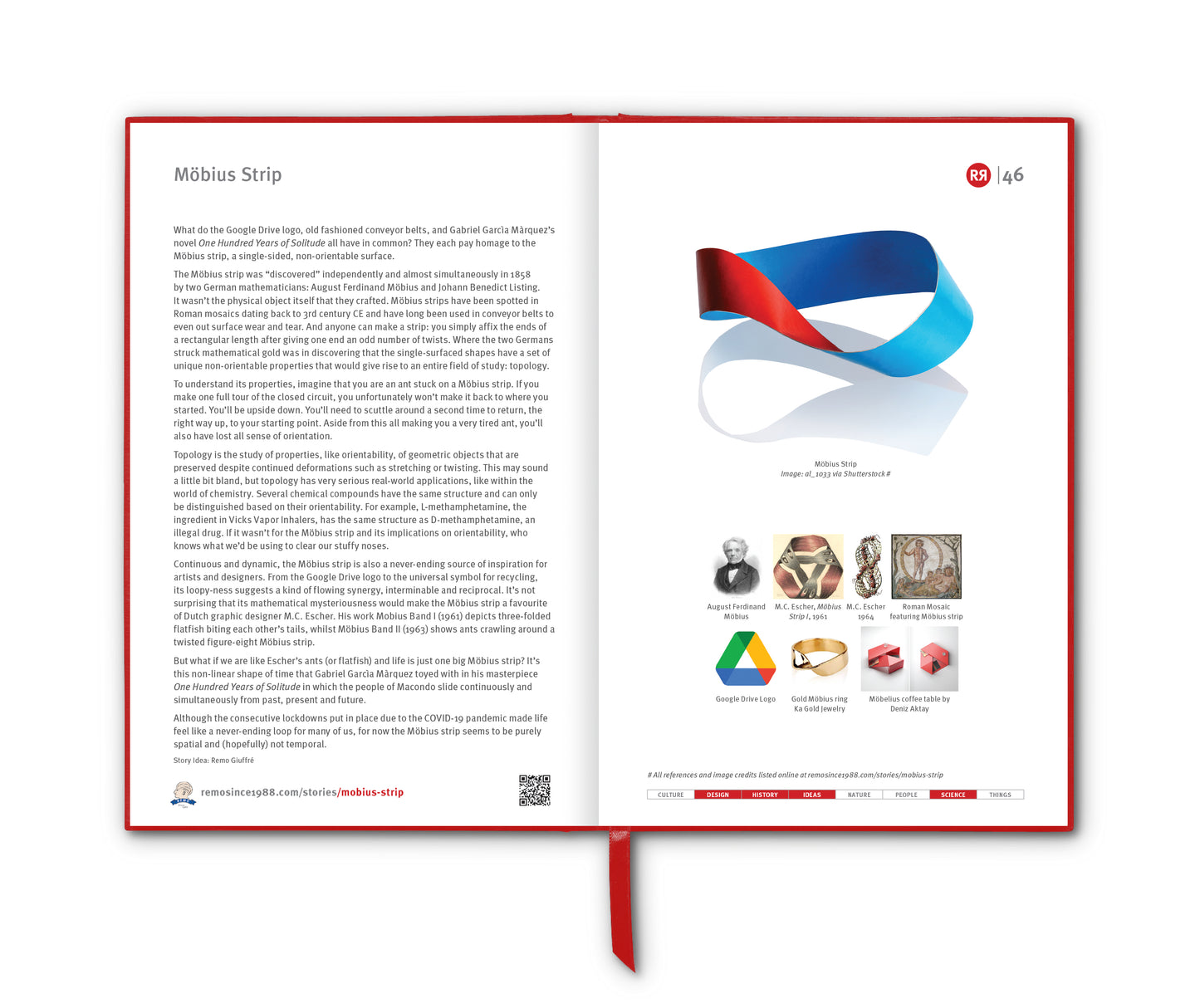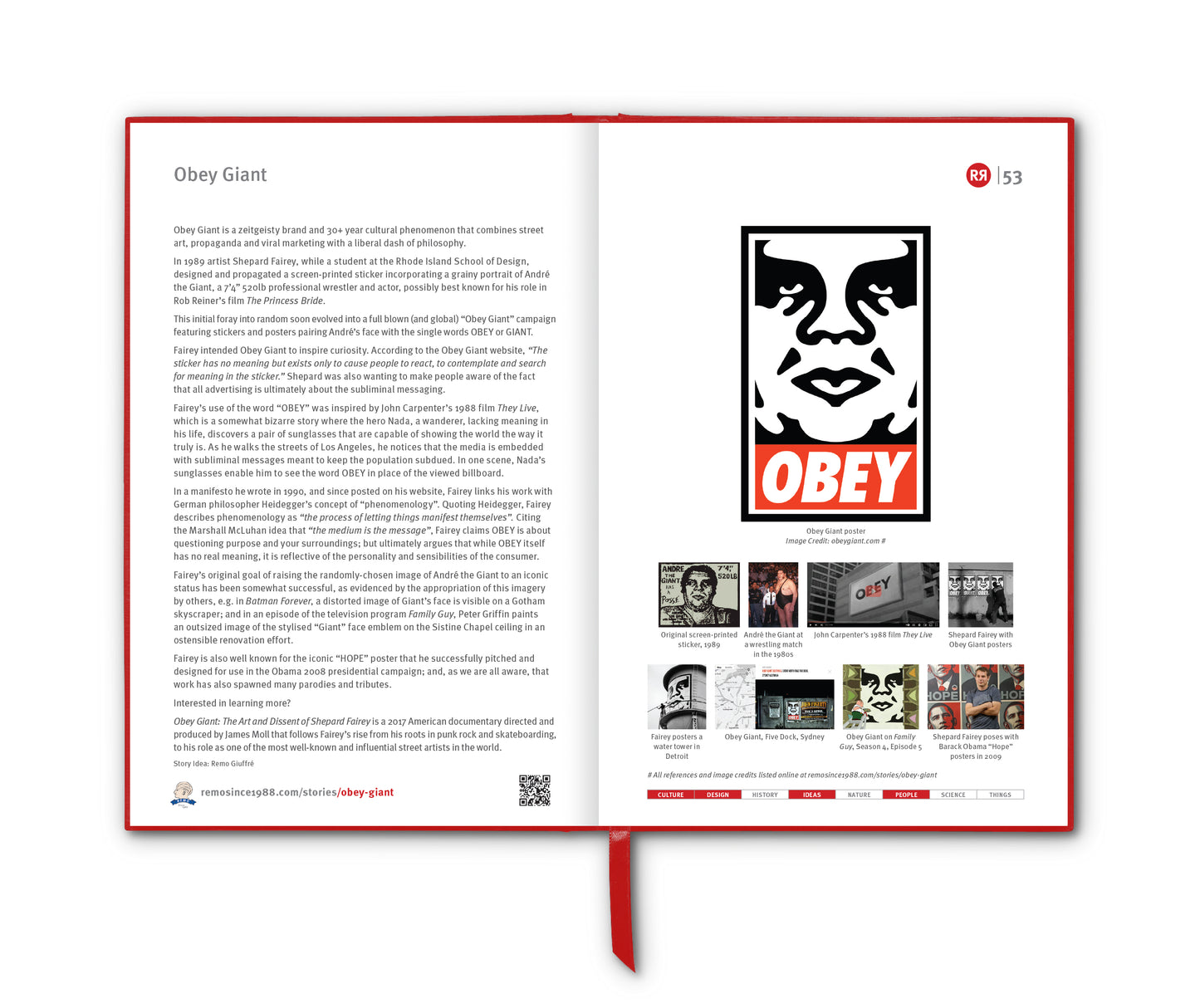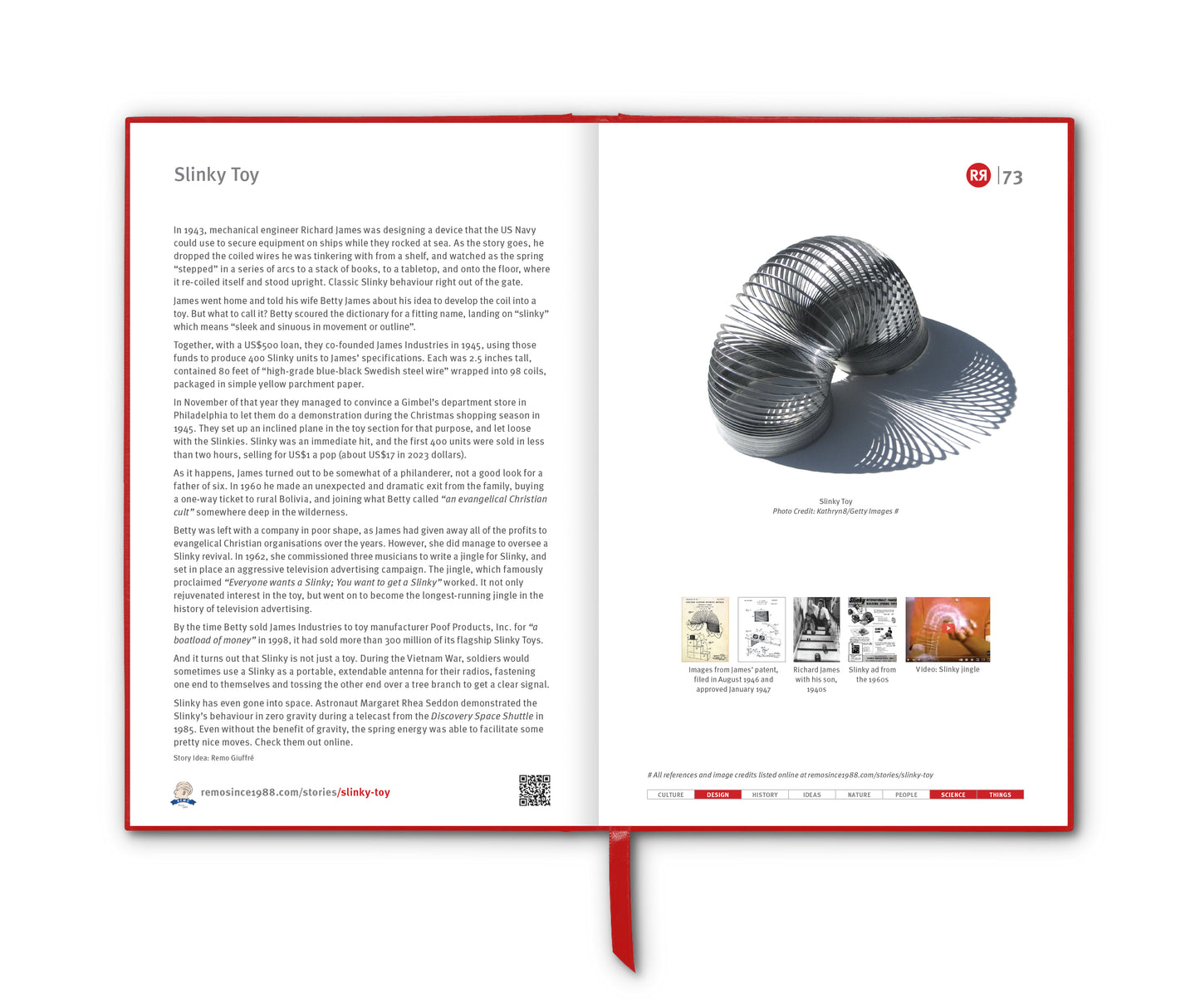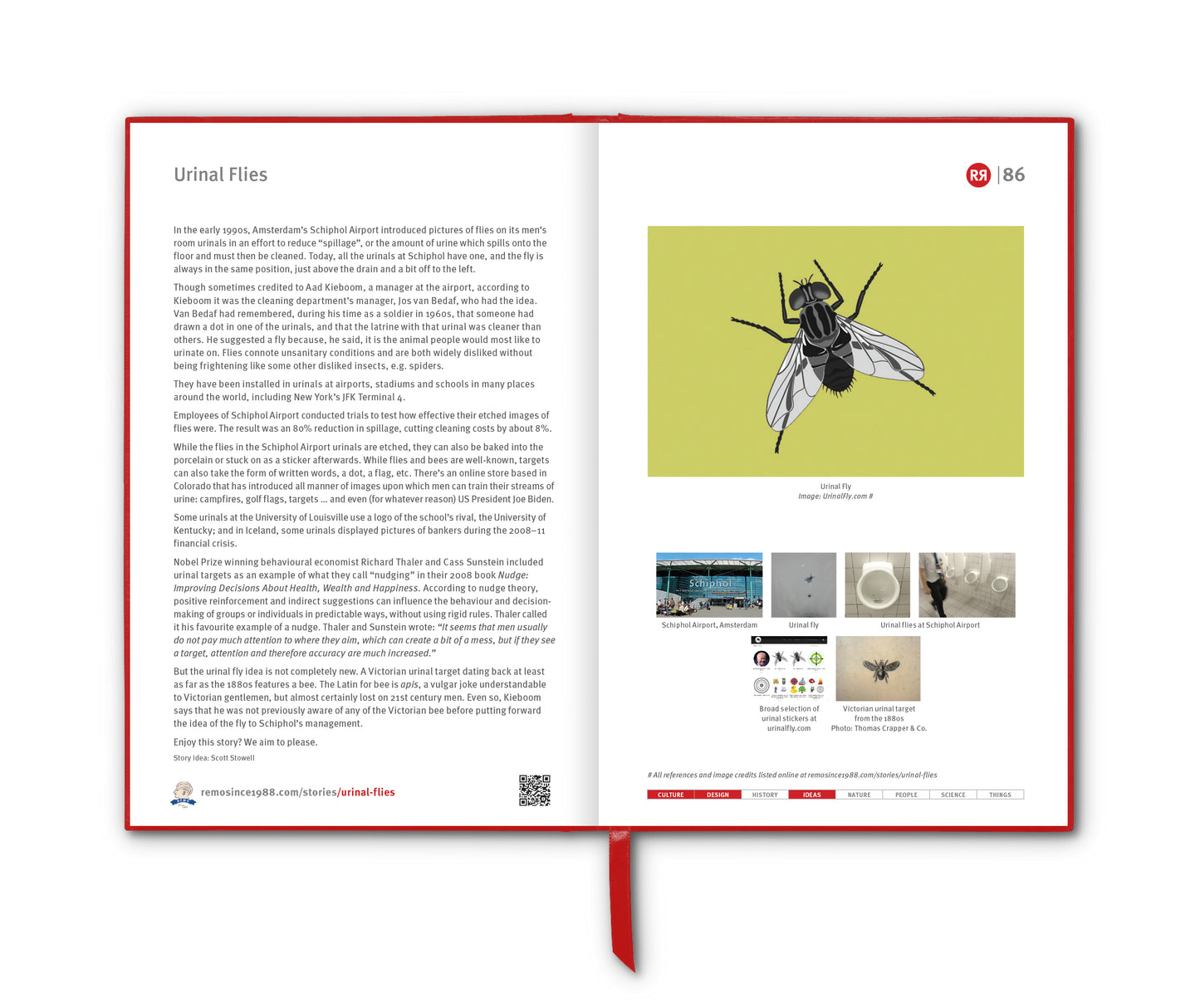

In a country renowned for its attention to detail and reverence for aesthetics, it should come as no surprise that even the most utilitarian objects — such as manhole covers — have been transformed into works of public art. Across Japan, manhole covers are not only functional but beautifully designed, with motifs that celebrate local identity, culture and nature. What began as an engineering necessity has evolved into a national curiosity and an unlikely art form, attracting tourists and collectors alike.
Japan’s modern sewerage system began developing in earnest after World War II, as cities rapidly expanded and required robust infrastructure. Manhole covers were mass-produced, mostly plain and functional. The story of how they became decorative is often traced back to the 1980s. At the time, the Ministry of Construction was promoting the modernisation of sewer systems, but many rural communities resisted the costly projects.
A civil servant named Yasutake Kameda had an inspired idea: allow municipalities to customise their manhole covers with designs reflecting their local pride. The move was both aesthetic and political — intended to foster public support and civic pride around the new infrastructure. The idea caught on spectacularly.
From the late 1980s onward, cities and towns began commissioning unique manhole cover designs. Typically, these covers feature motifs that represent local culture, history, and nature. For instance, a cover in Okayama might feature the region’s famous peaches, while one in Hiroshima might depict maple leaves. In seaside towns, fish and waves are common. Others commemorate historical figures, festivals or architectural landmarks.
Designs are created in partnership with local artists and then cast in iron at specialist foundries. Some are painted in vivid colours using enamel, making them even more eye-catching.
Over time, the phenomenon has taken on a life of its own. Today there are estimated to be over 12,000 unique manhole cover designs across Japan. They have become a focus of tourism, with dedicated enthusiasts (known as “manholers” or sometimes jokingly “drain spotters”) travelling the country to photograph them. Guidebooks, smartphone apps and even official trading cards now help fans track and collect different designs.
Cities sometimes host special events to unveil new manhole cover designs, drawing crowds and media attention. In Tokyo’s Nerima ward, Pokémon-themed manhole covers were installed as part of a partnership to boost local tourism.
Japanese manhole covers serve as a good example of how even everyday infrastructure can be approached with care and creativity. They are also a reflection of monozukuri — Japan’s deep-rooted respect for craftsmanship and attention to detail.
__________________________
References
https://web-japan.org/trends/11_fashion/fas202011_manhole-design.html
https://www.frankie.com.au/gallery/the-curious-story-behind-japans-manhole-covers-561003
Images
1 to 16: Japanese manhole covers
17. American "Only in Japan" YouTuber John Daub at the Nagashima Imono Casting Factory. Watch his video "Japanese Manhole Covers: Drainspotting Adventure & Factory Tour, 2017" HERE.