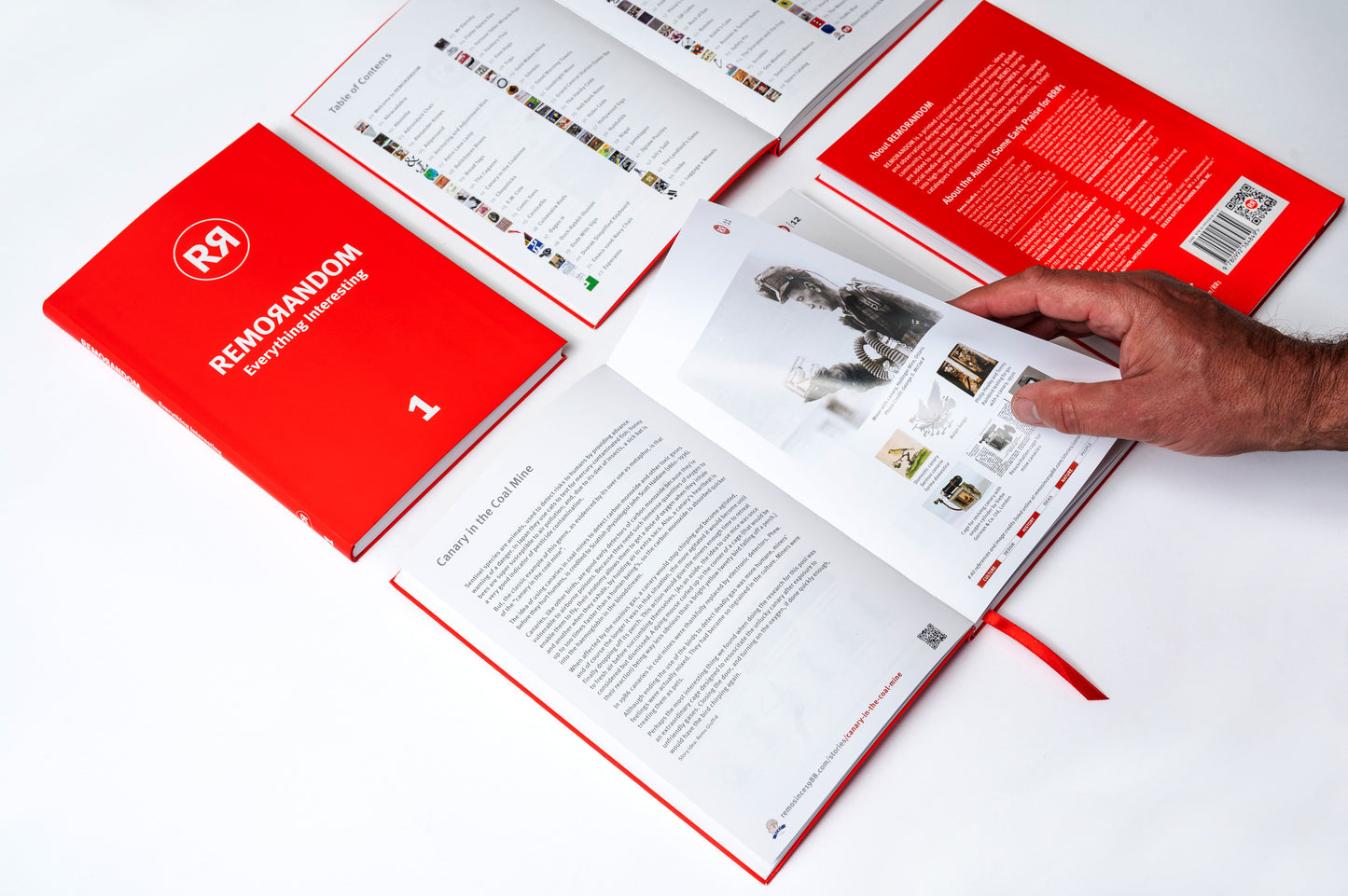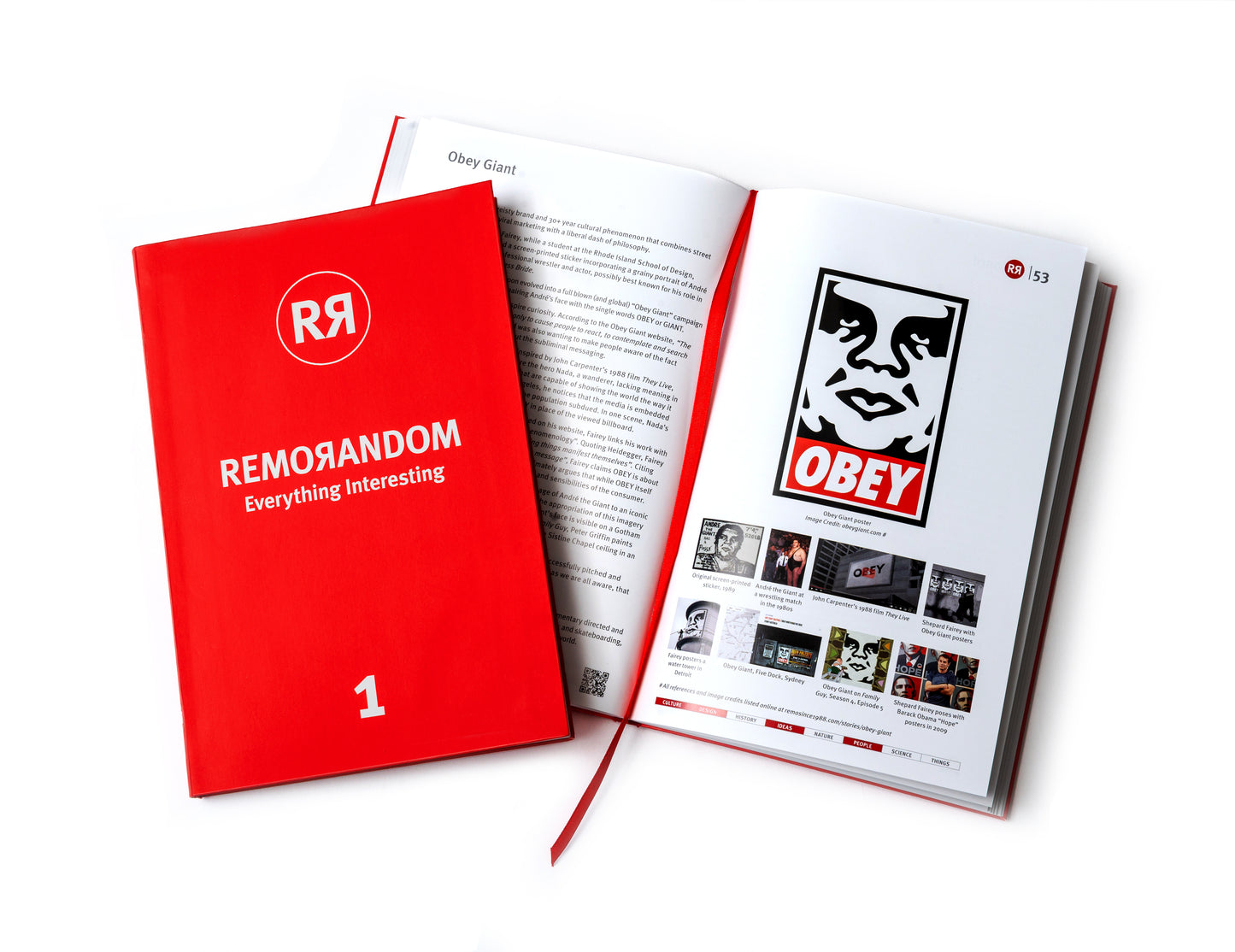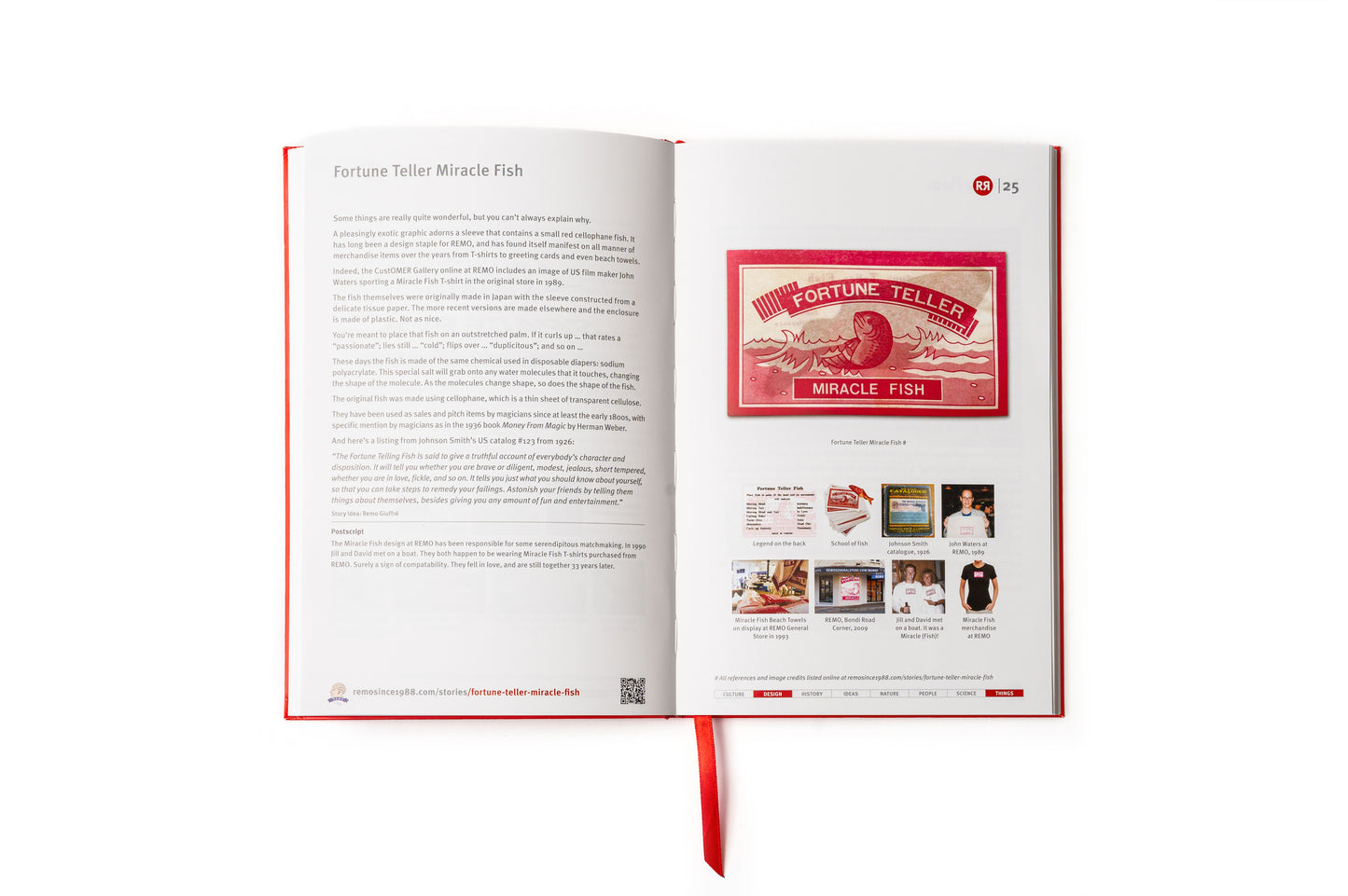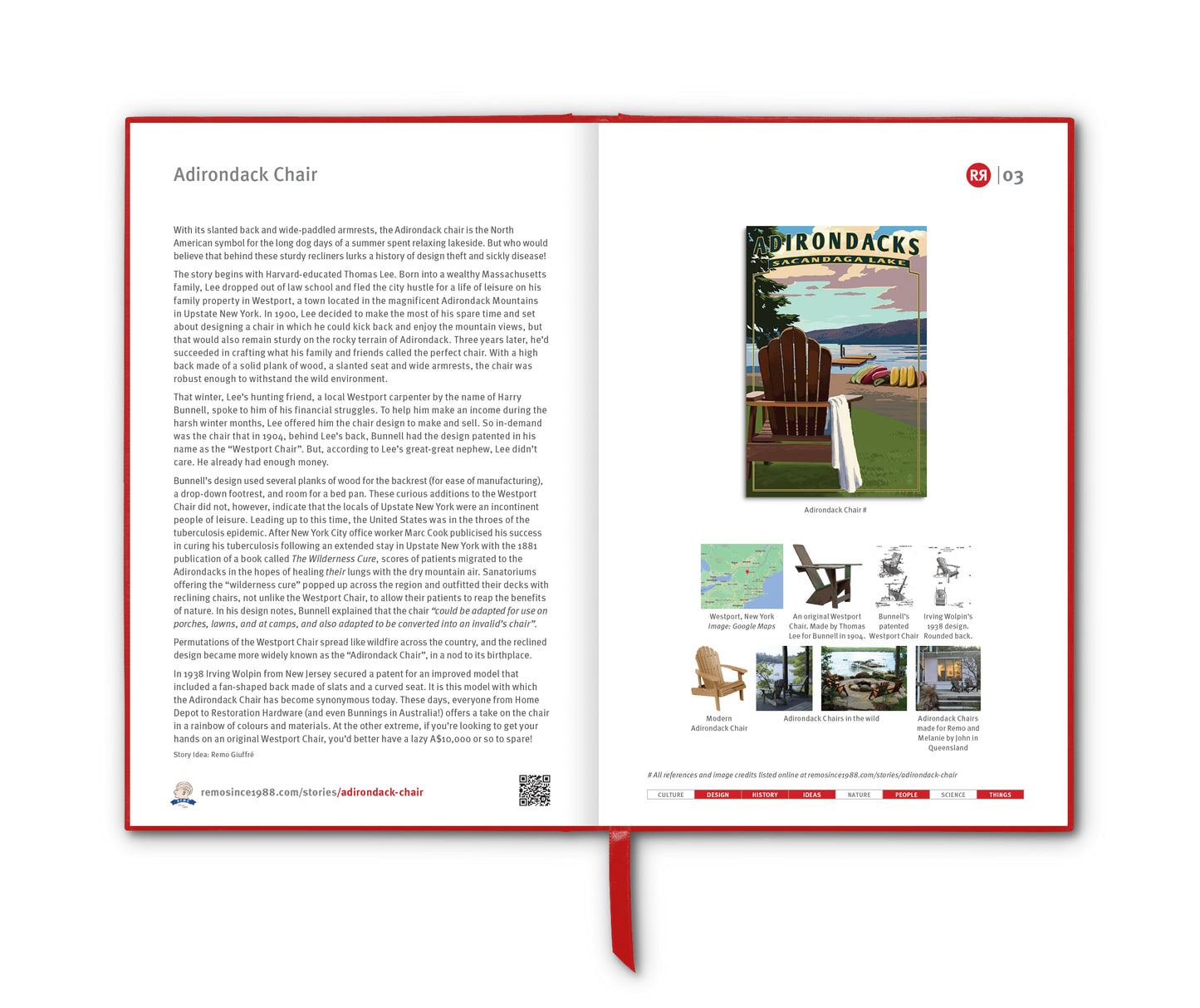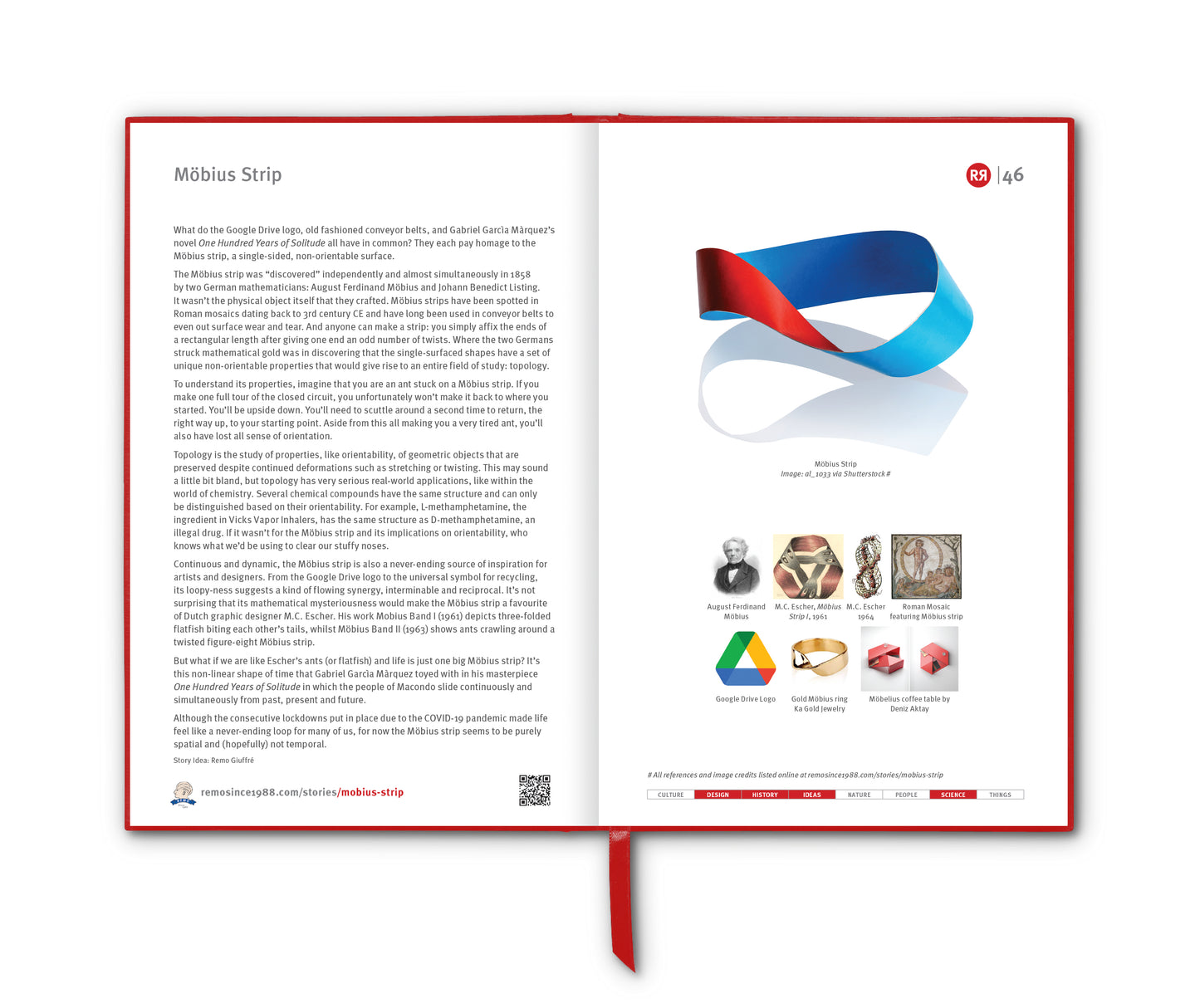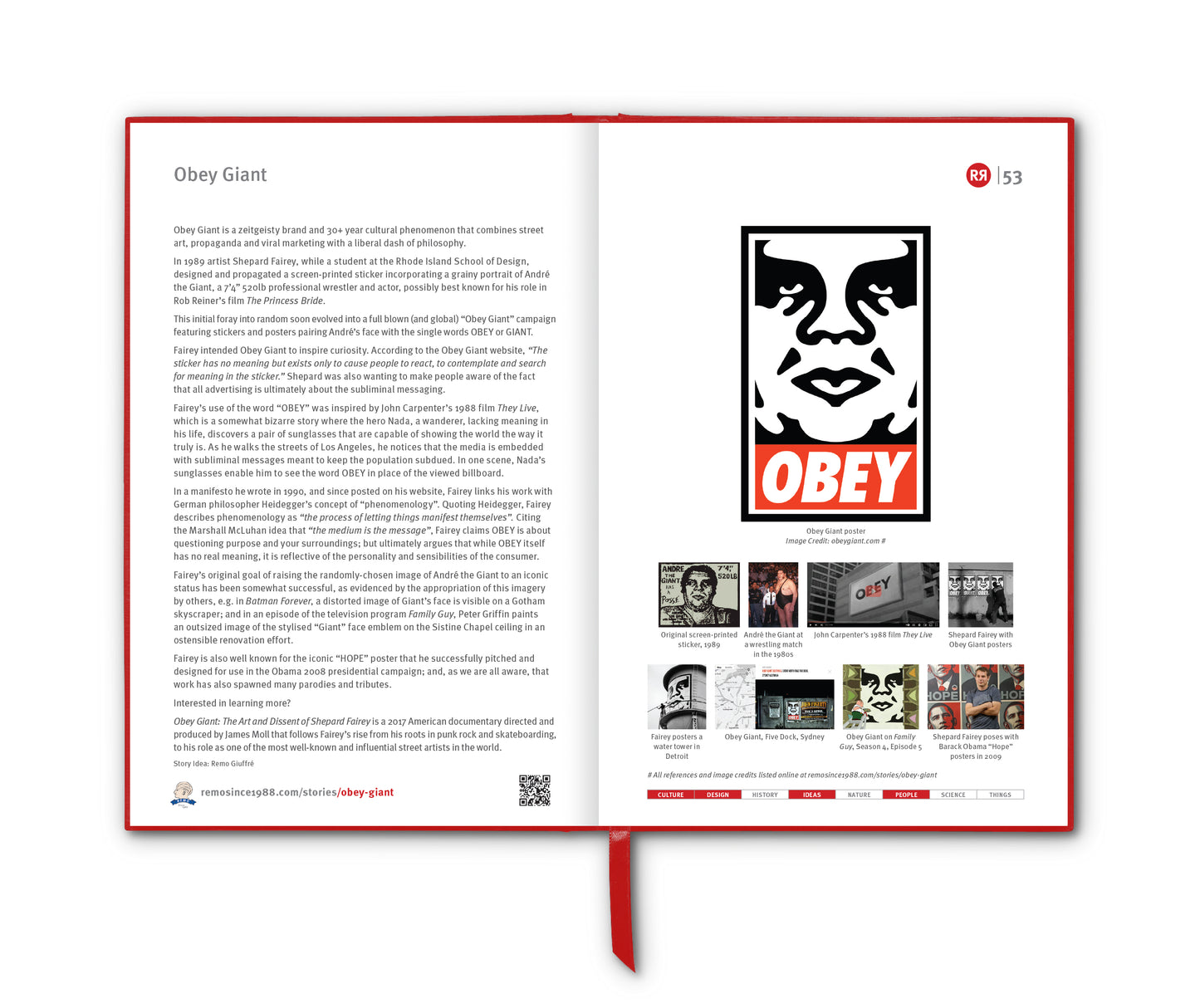

While many associate origami with Japan, the roots of it are multicultural, with early forms appearing in China shortly after paper was invented around 105 CE. From there, the practice spread to Japan, where it evolved into the culturally iconic art form most commonly recognised today.
The term origami itself is Japanese, derived from oru (“to fold”) and kami (“paper”). In early Japanese society, paper was a luxury item reserved for ceremonial purposes. One of the earliest known examples is the folding of noshi, a form of origami used to wrap gifts as a sign of good fortune. By the Edo period (1603–1868), origami had developed into both a recreational and artistic pursuit, with folding patterns passed down through generations and eventually recorded in books such as Hiden Senbazuru Orikata ("The Secret of One Thousand Cranes Origami"), published in 1797.
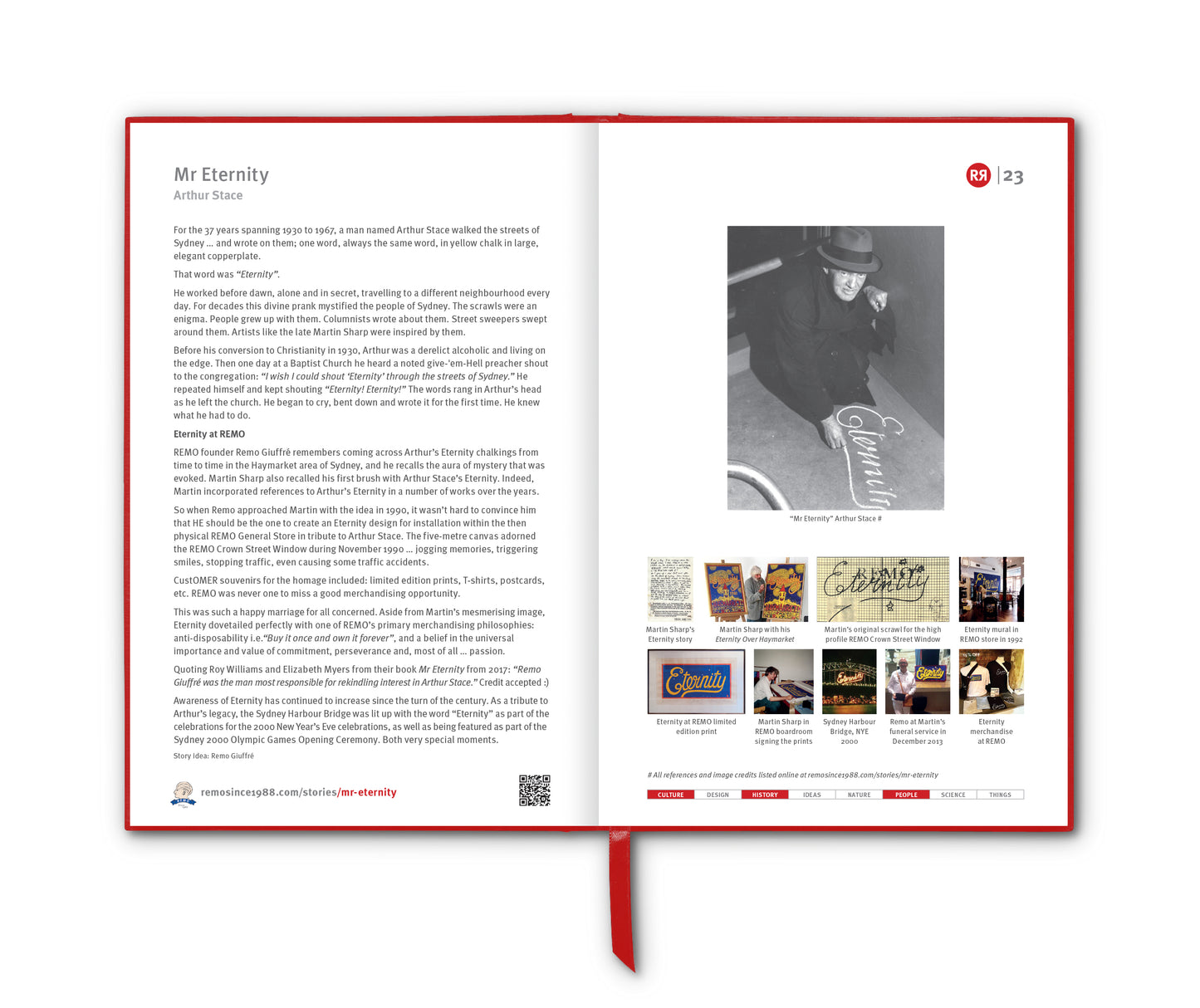
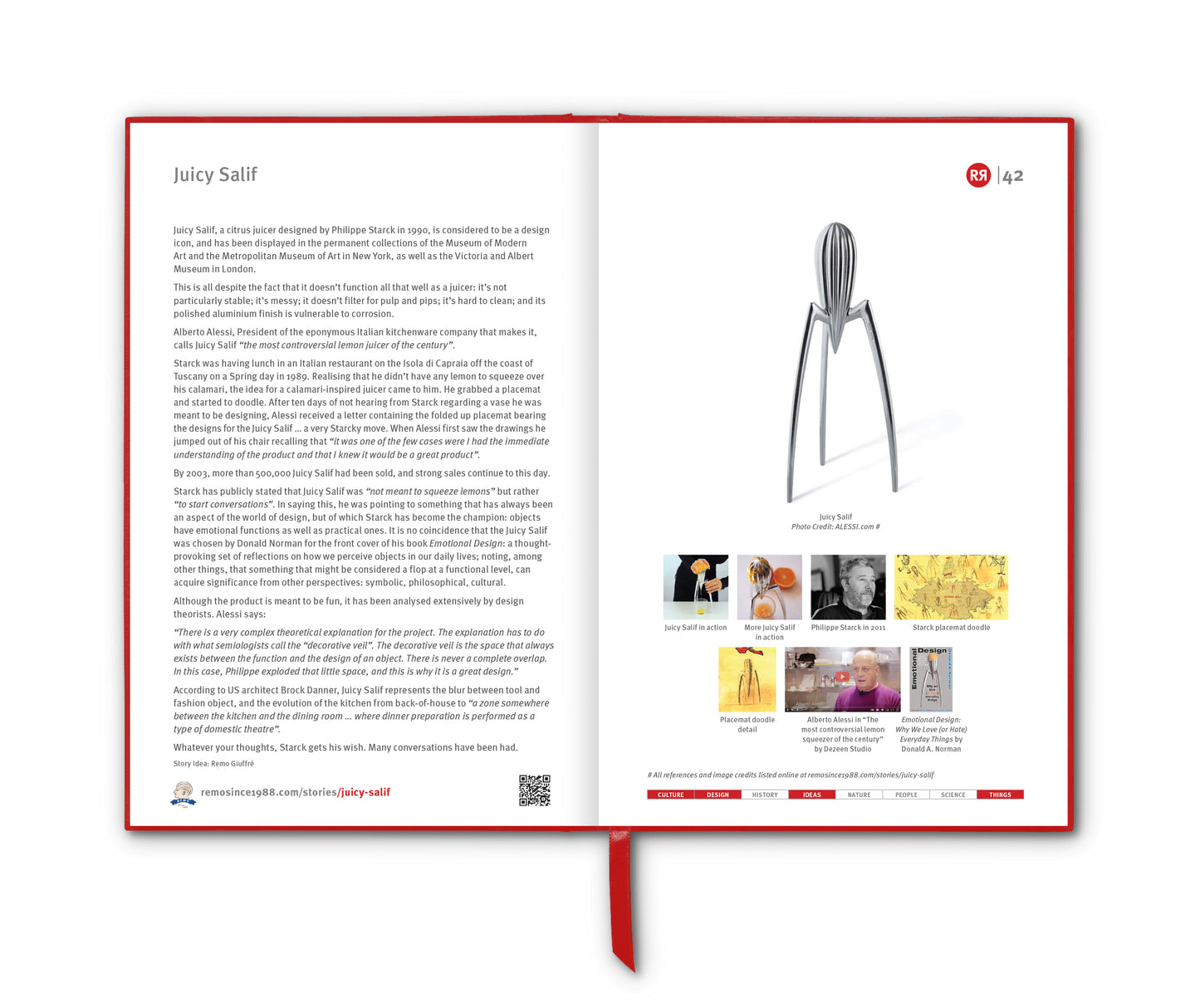
Western paper folding developed independently, particularly in Europe where napkin folding became an elaborate courtly art during the Renaissance. In the 19th and 20th centuries, the two traditions began to merge. Pioneers like Friedrich Fröbel, the German educator who developed the concept of kindergarten, introduced paper folding as a tool for teaching geometry and spatial reasoning. See Froebel’s Gifts [RR3:31]. In about 1880 Froebelian folds were introduced into Japan and Japanese schools, and it was at around that time that the word origami began to be used to describe recreational folding.
Modern origami was revolutionised in the 20th century, largely thanks to Akira Yoshizawa, who developed a system of diagramming folds using dashed and dotted lines, making complex models teachable and shareable. Yoshizawa also elevated origami from craft to art, inspiring a global wave of folders. His innovations laid the groundwork for what would become a highly mathematical and technical discipline.
Today, origami exists at the intersection of art, mathematics, and engineering. Mathematicians like Robert Lang have expanded the possibilities of origami into realms unimagined by earlier generations. In the early 1990s, Lang, a former NASA physicist, developed a computer program (TreeMaker) to assist in the precise folding of bases. He also developed folding patterns for real-world problems, including how to stow large solar arrays and telescope lenses for spacecraft launches. For a fuller explanation of his process, watch this talk delivered at the TED conference in 2008.
Similarly, biomedical researchers have used origami principles to design tiny devices – such as stents or drug delivery mechanisms – that can unfold inside the human body.
In architecture and material science, origami has inspired foldable structures and metamaterials – engineered materials with properties not found in nature. From pop-up shelters and deployable bridges to flexible electronics, the ancient folding principles continue to offer elegant solutions to modern engineering challenges.
Origami’s power lies in its blend of simplicity and complexity. With a single square sheet of paper – no cuts, no glue – it’s possible to model organic forms, express cultural ideas and solve scientific problems. What began as a sacred or playful act has become a tool for innovation across multiple disciplines.
______________________
References
wikipedia.org/wiki/Origami
paper.gatech.edu/kinetic-joy/history-origami
britannica.com/art/origami
guides.lib.kyushu-u.ac.jp/origami/moderntimes
Images
1. Origami pig. Photo by Carolina Garcia Tavizon on Unsplash.
2. From the first known technical book on origami, Hiden senbazuru orikata, Shimokōbe Shūsui, 1797
3. Origami crane
4. Japanese schoolchildren dedicate their contribution of Senbazuru (千羽鶴) at the Sadako Sasaki memorial in Hiroshima. Photo credit: Andrew Dunn
5. Dollar bill elephant aka "moneygami". Credit: Nuno Tavares
6. Akira Yoshizawa. Credit:
csmonitor.com
7. Book: Akira Yoshizawa, Japan's Greatest Origami Master: Featuring over 60 Models and 1000 Diagrams by the Master, October 2016
8.
Video: "The math and magic of origami", Robert Lang, TED 2008
9. Robert Lang's process
10. Ibex by Robert Lang
11. Origami stent. Credit: Zhong You and Kaori Kuribayashi
12. Video: "Origami in Space: BYU-designed solar arrays inspired by origami", Brigham Young University, 2014