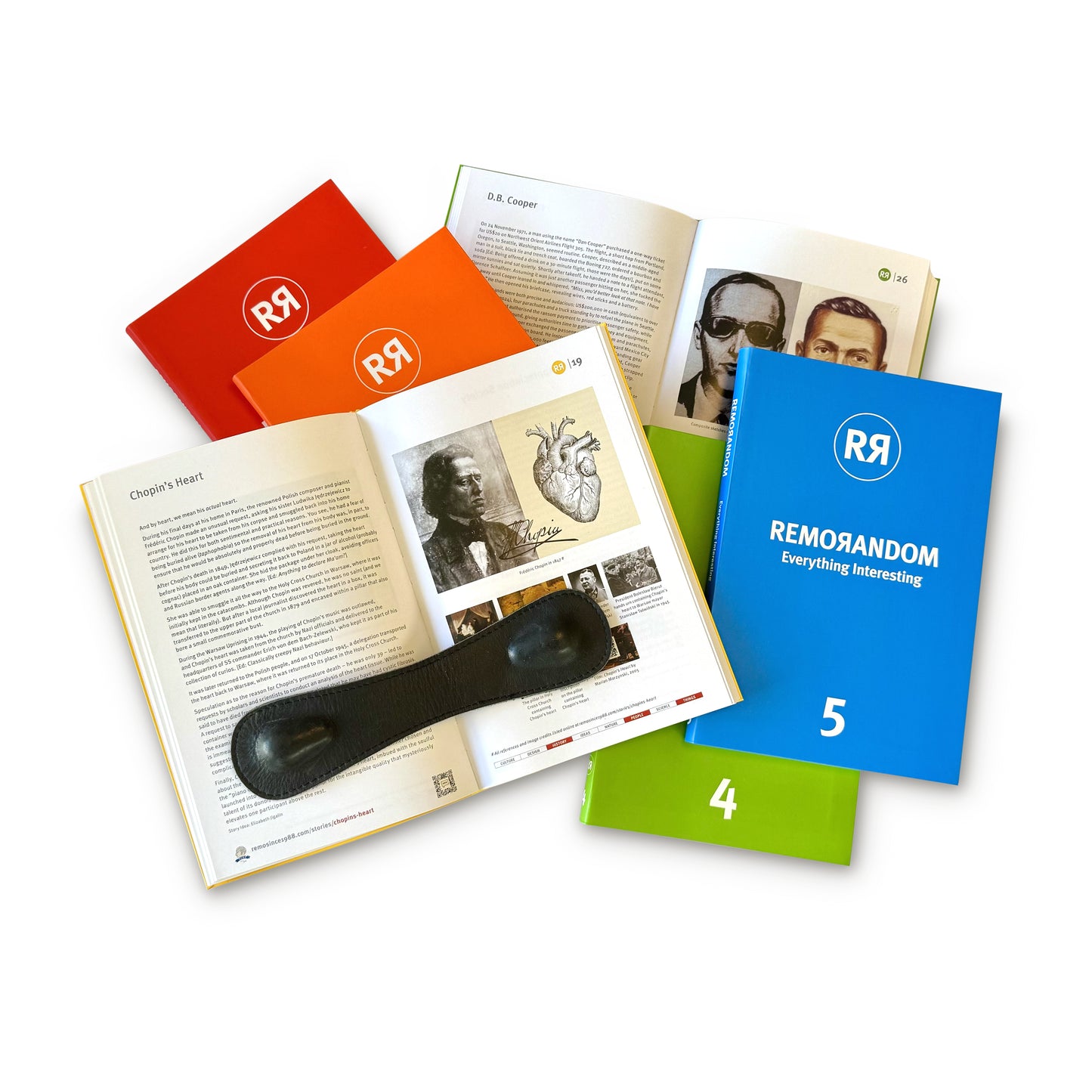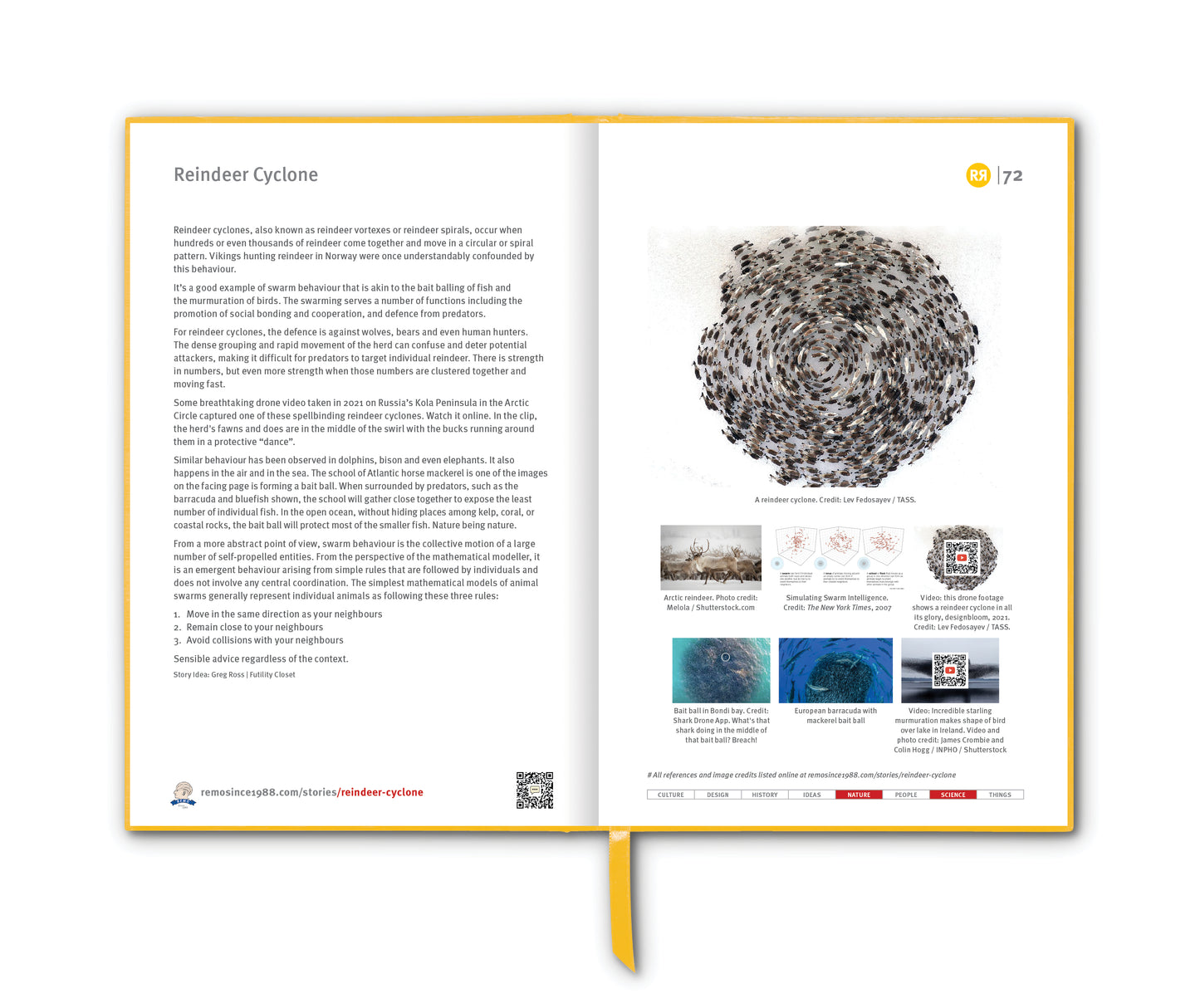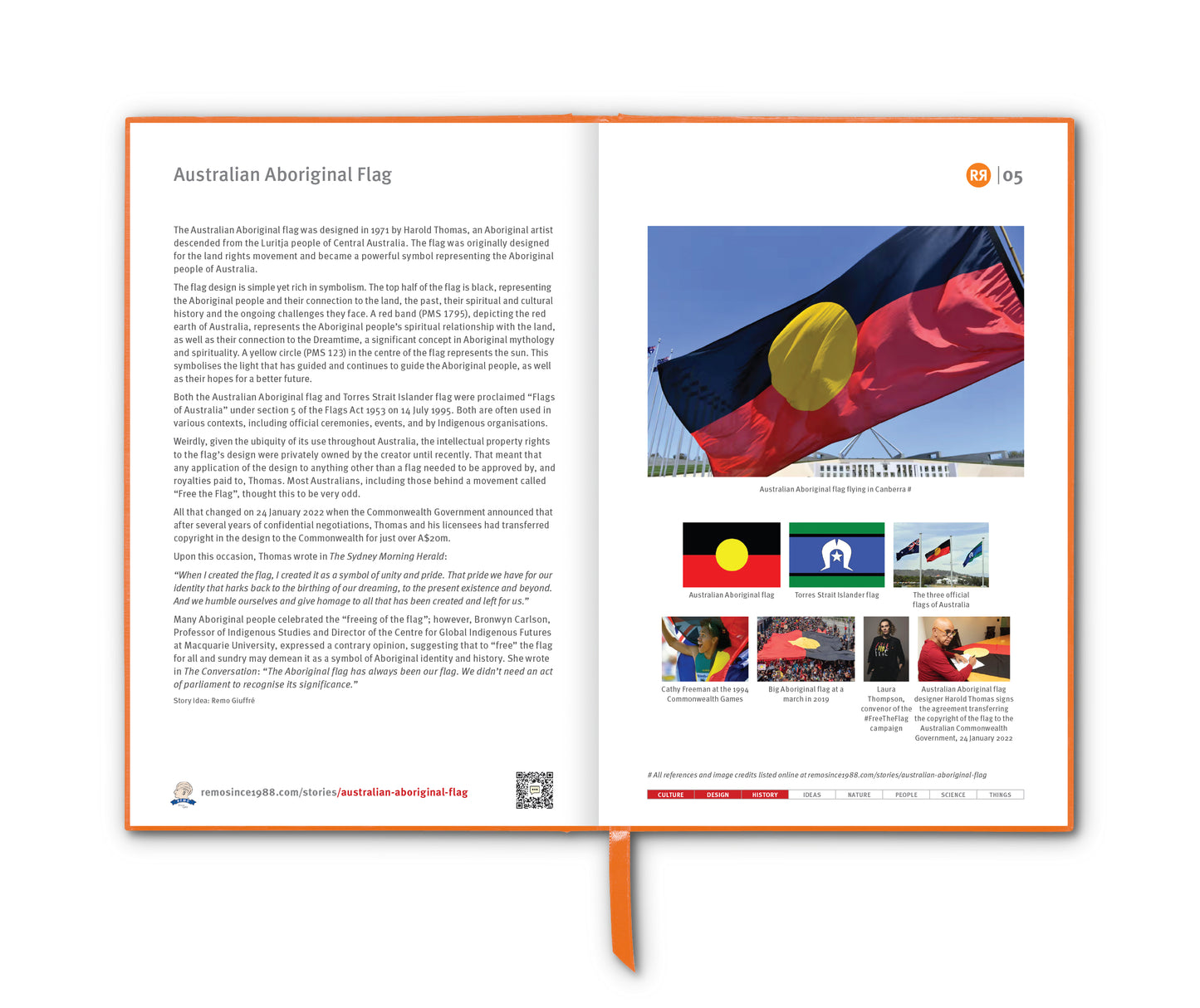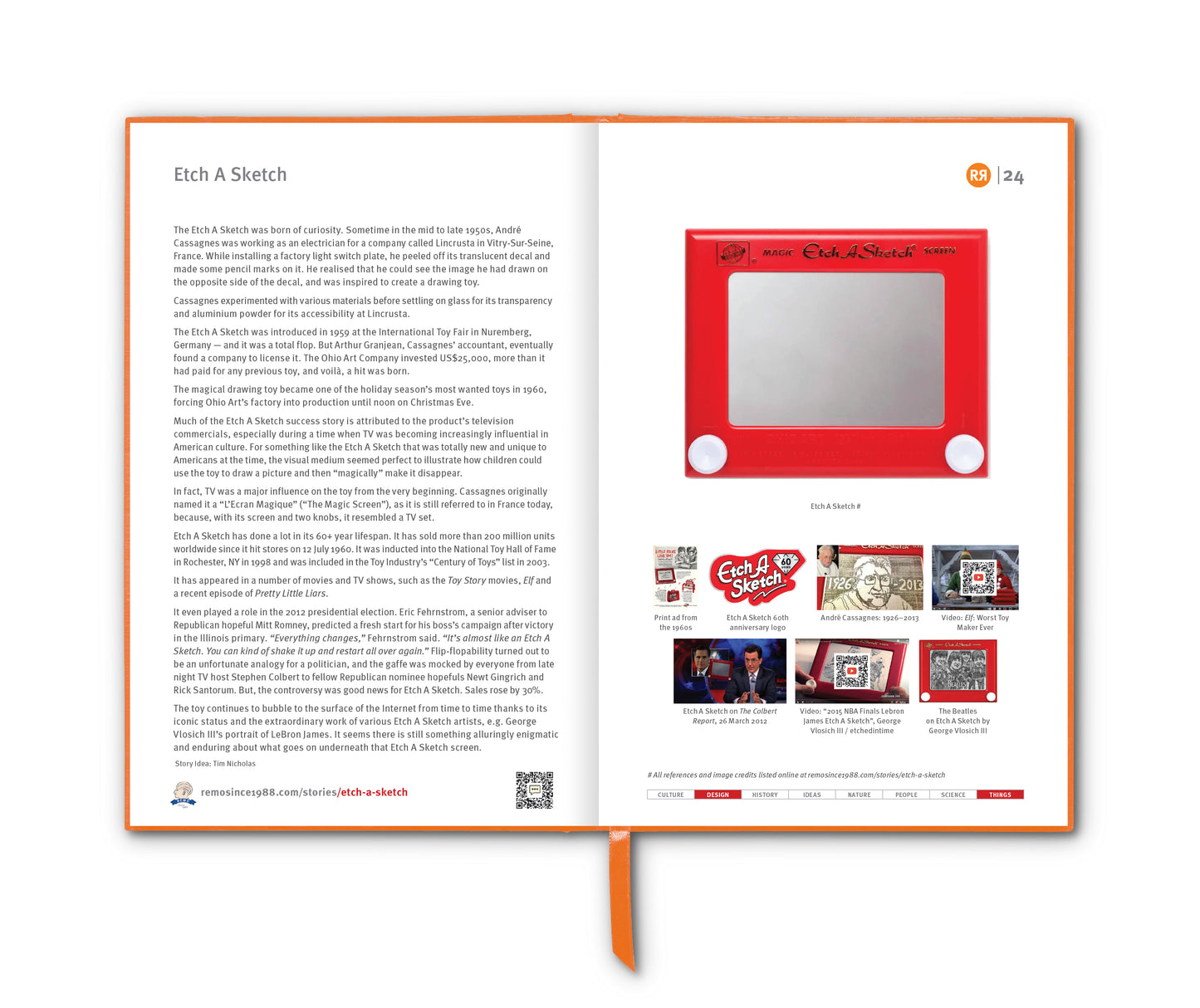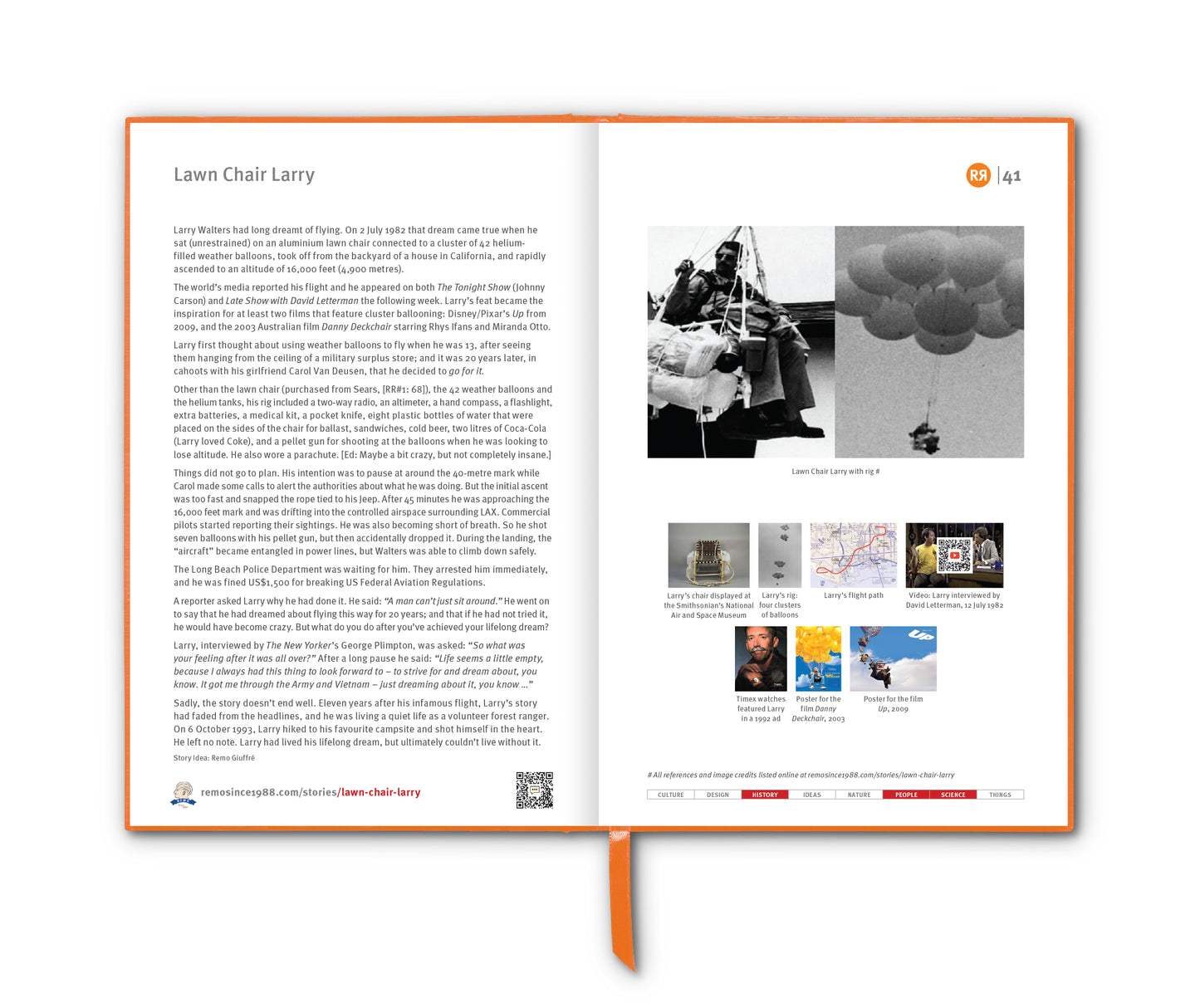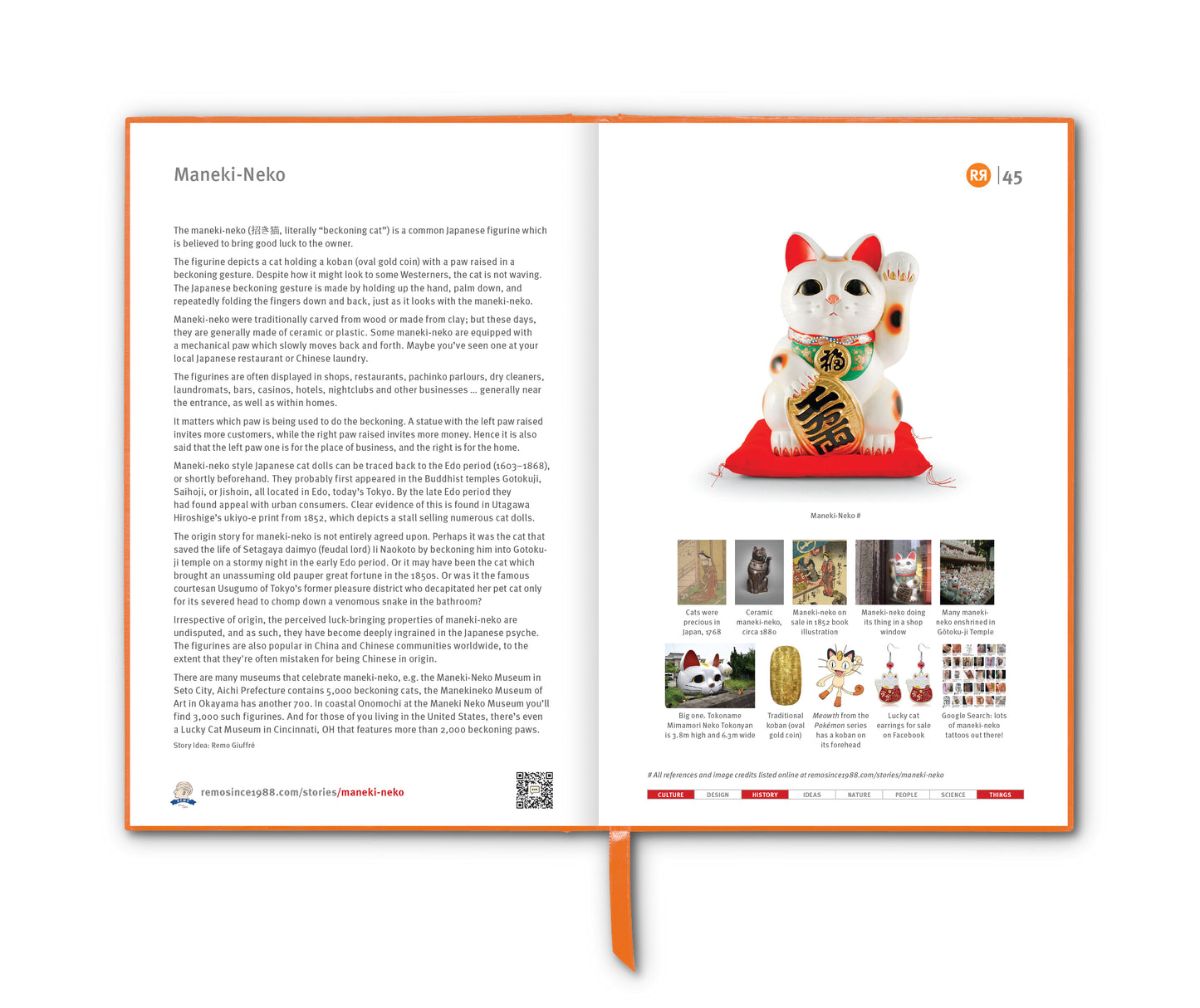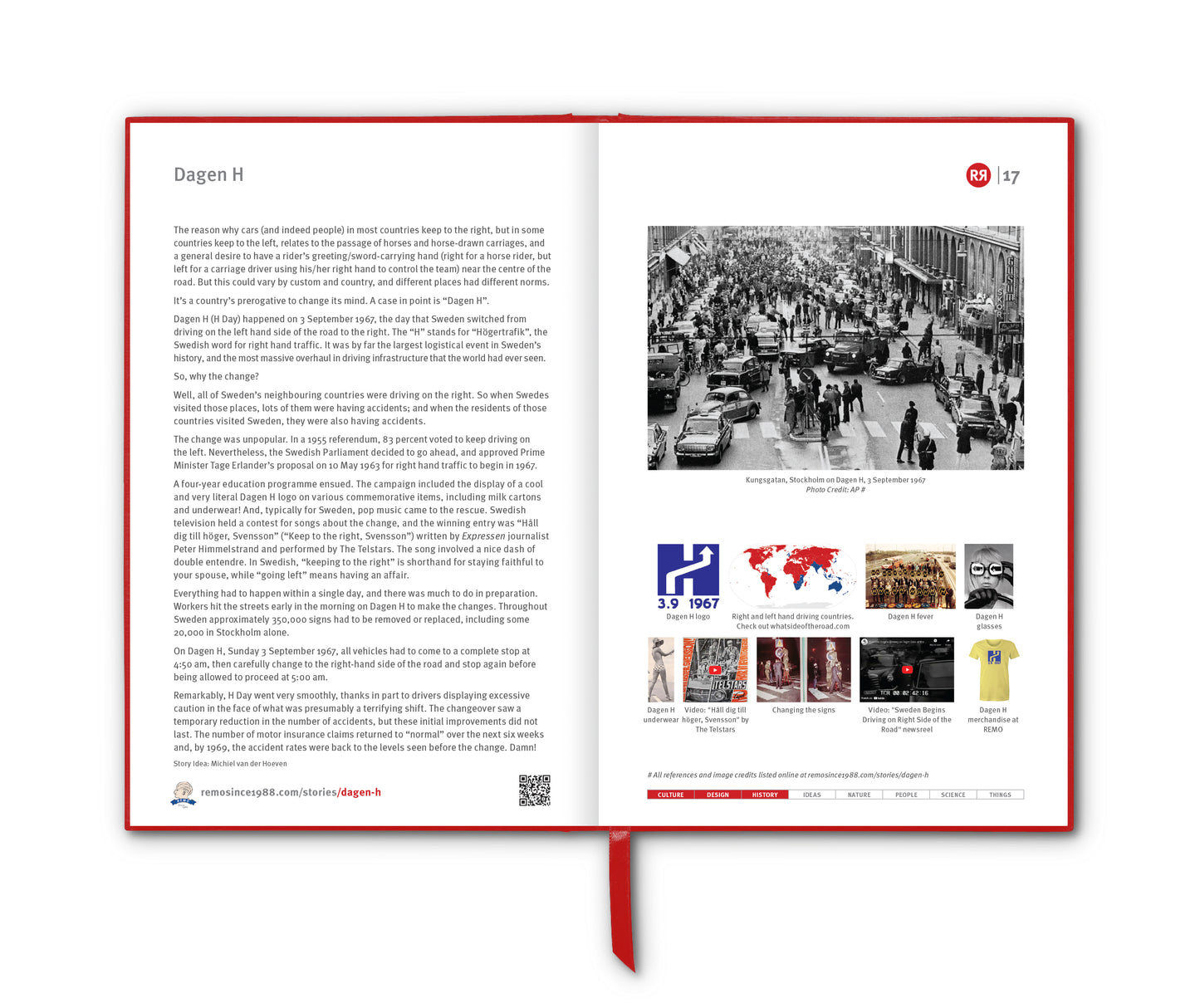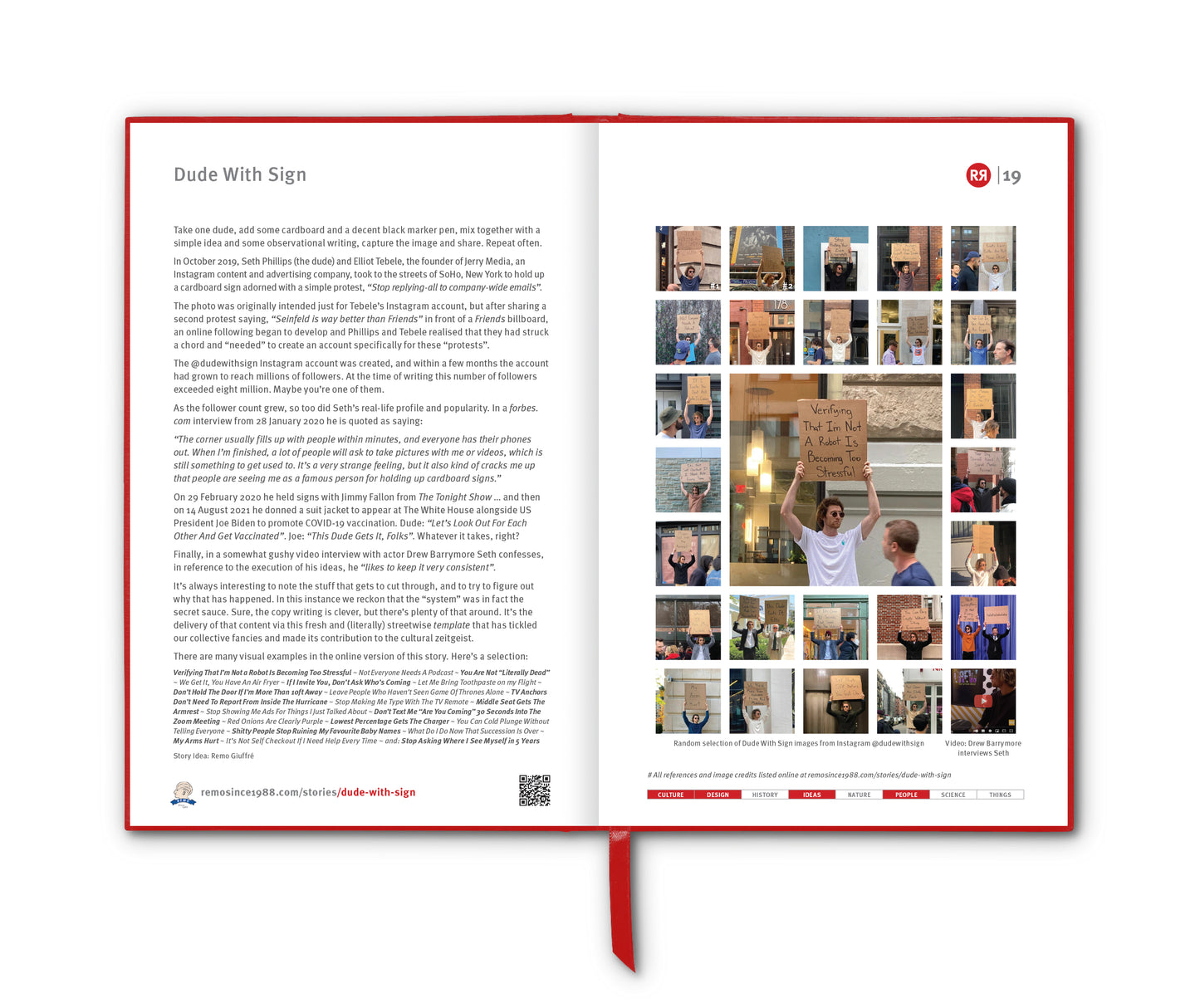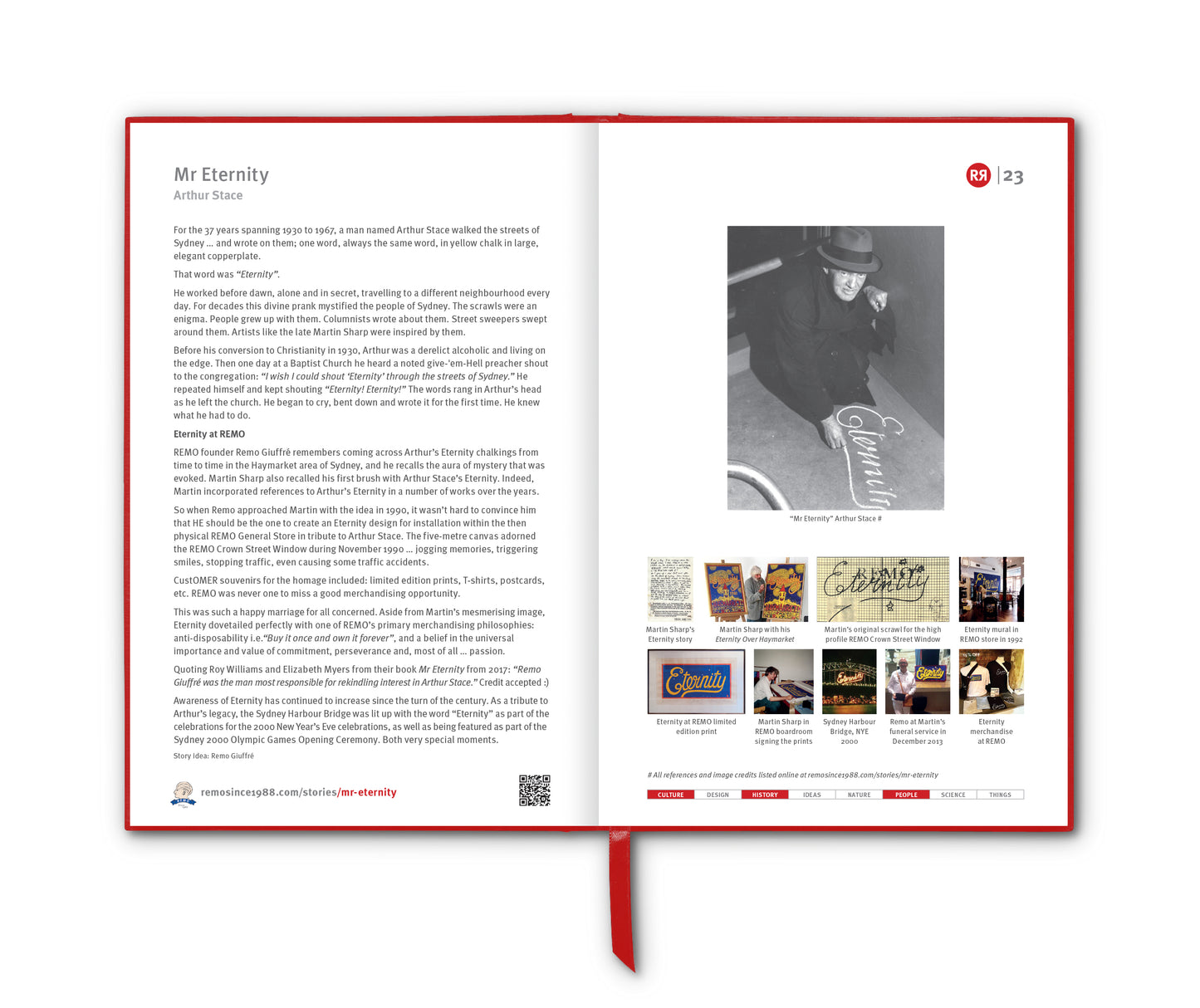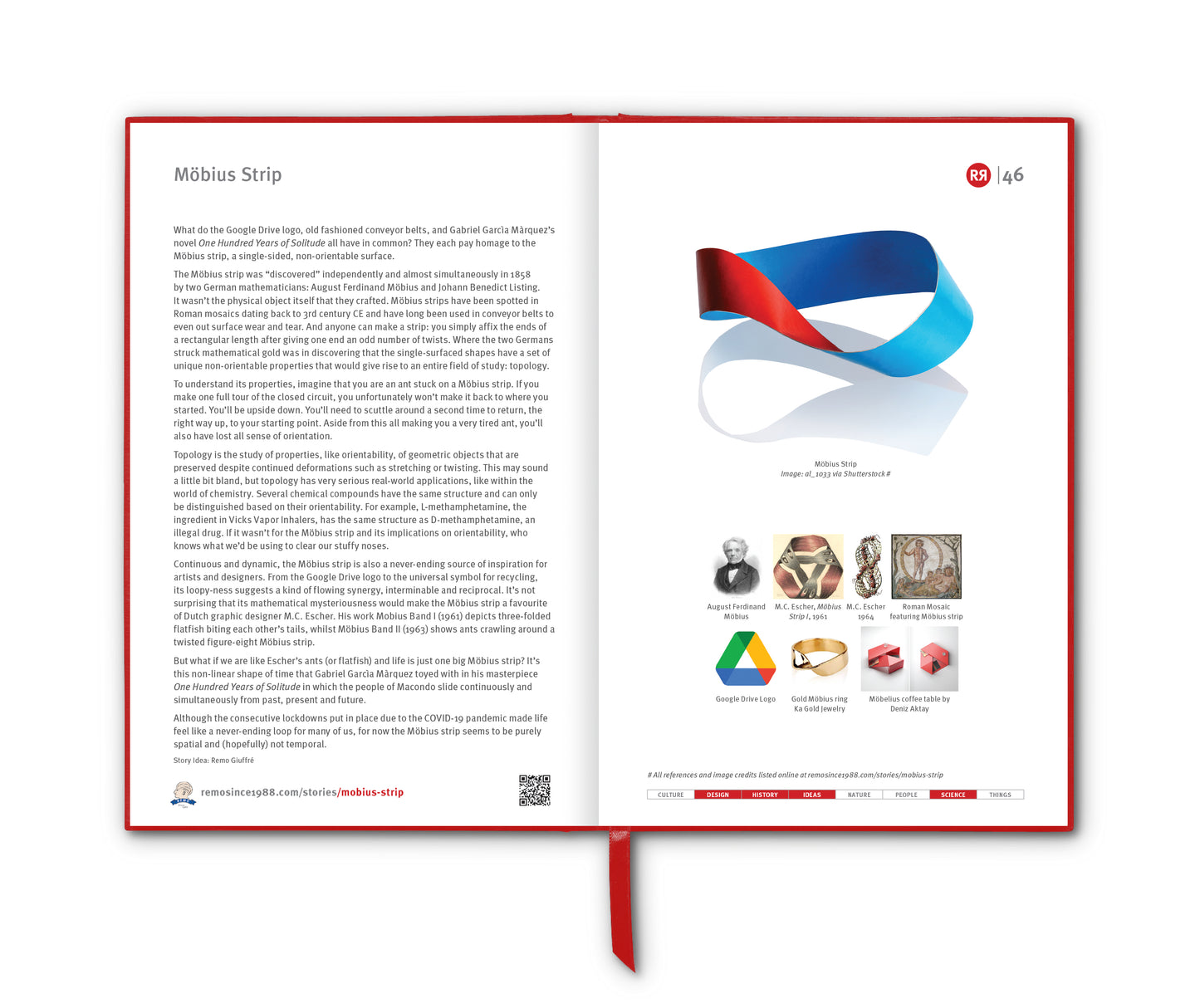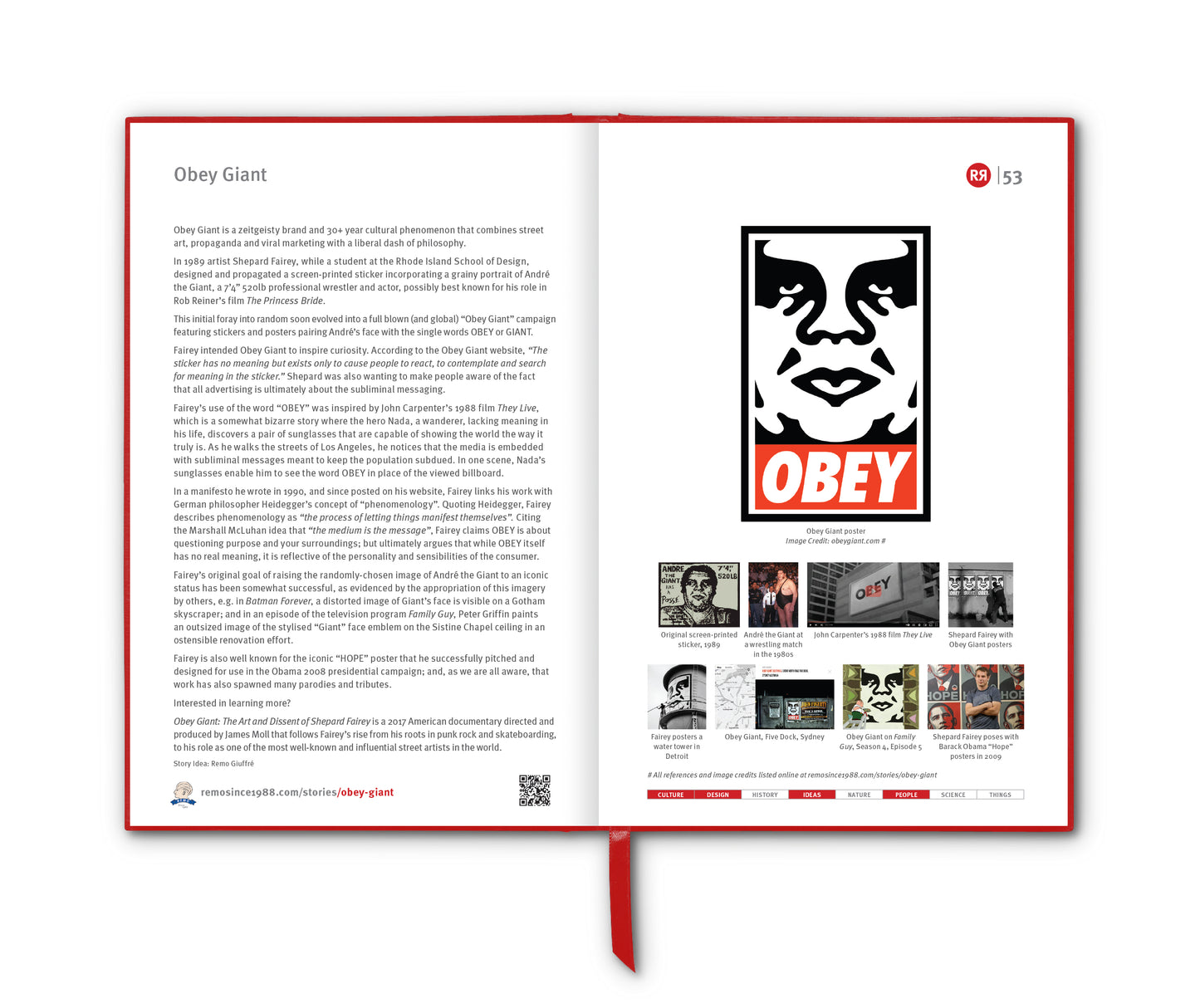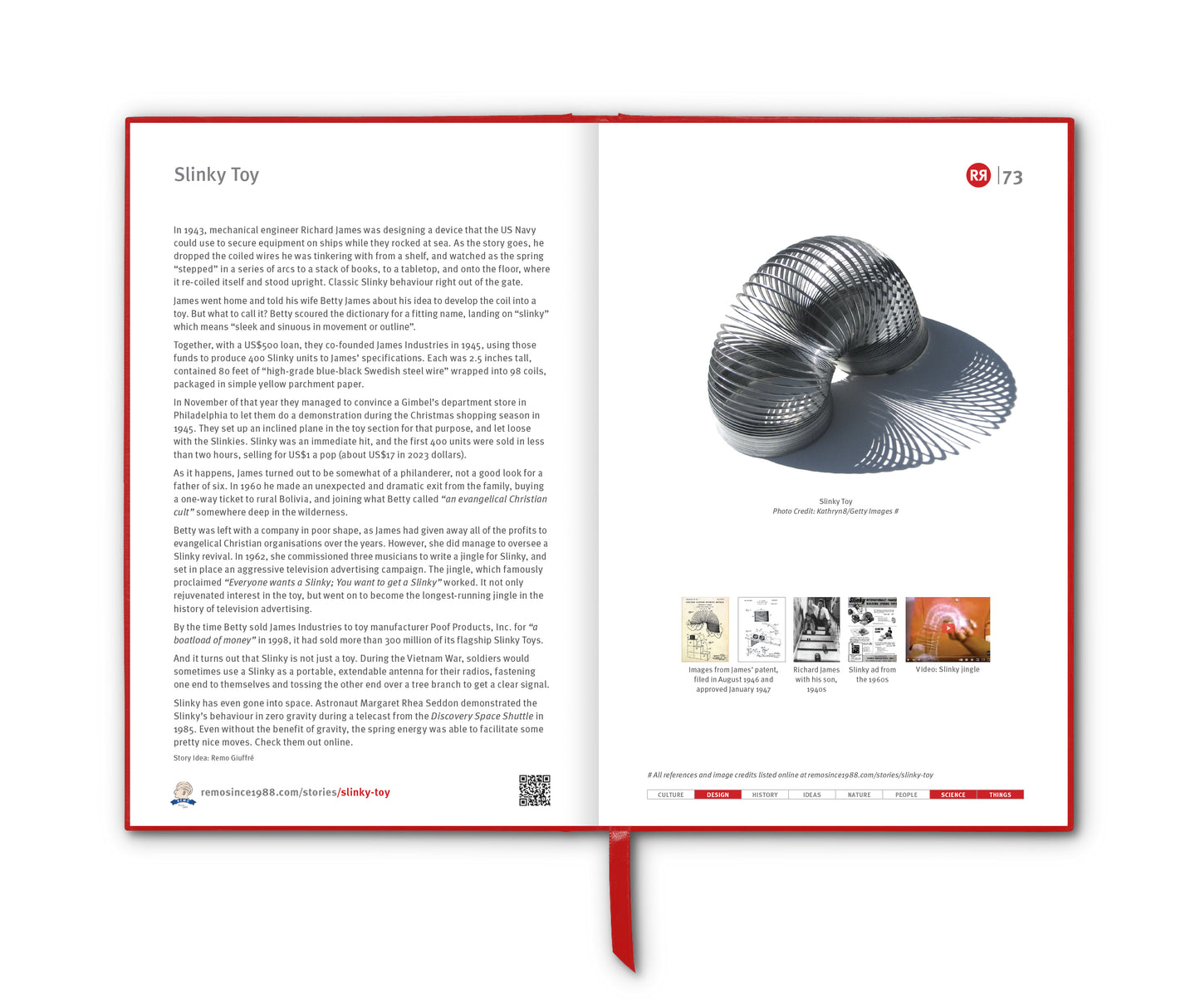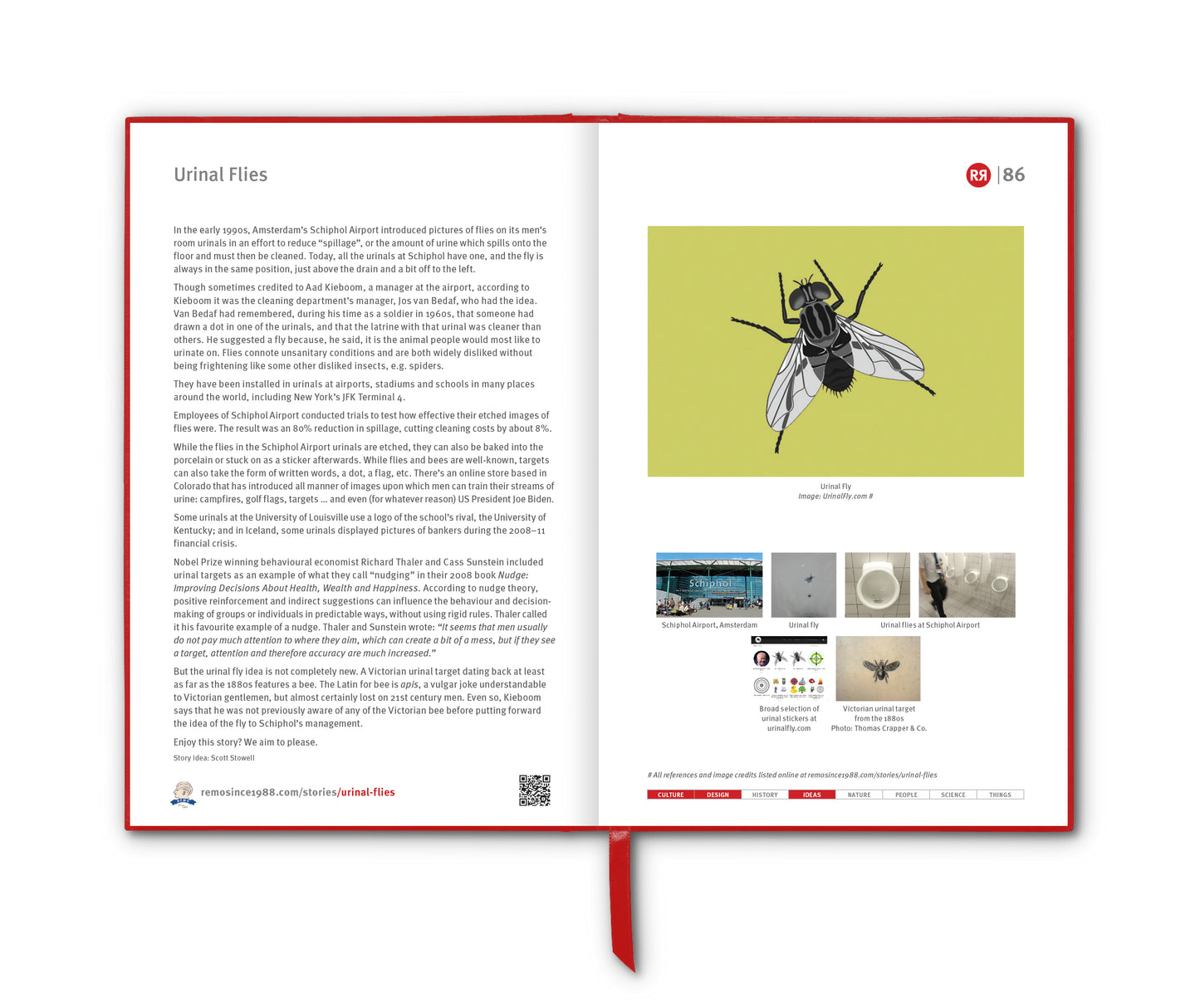

The Paper Fortune Teller – also known as the “chatterbox”, “cootie catcher”, “salt cellar” or “whirlybird” – is a small origami device made from a single square of paper folded into a four-flapped puppet operated by fingers and thumbs. It functions as a game of chance, a vehicle for playground prophecy – and occasionally, an instrument of ridicule or satire.
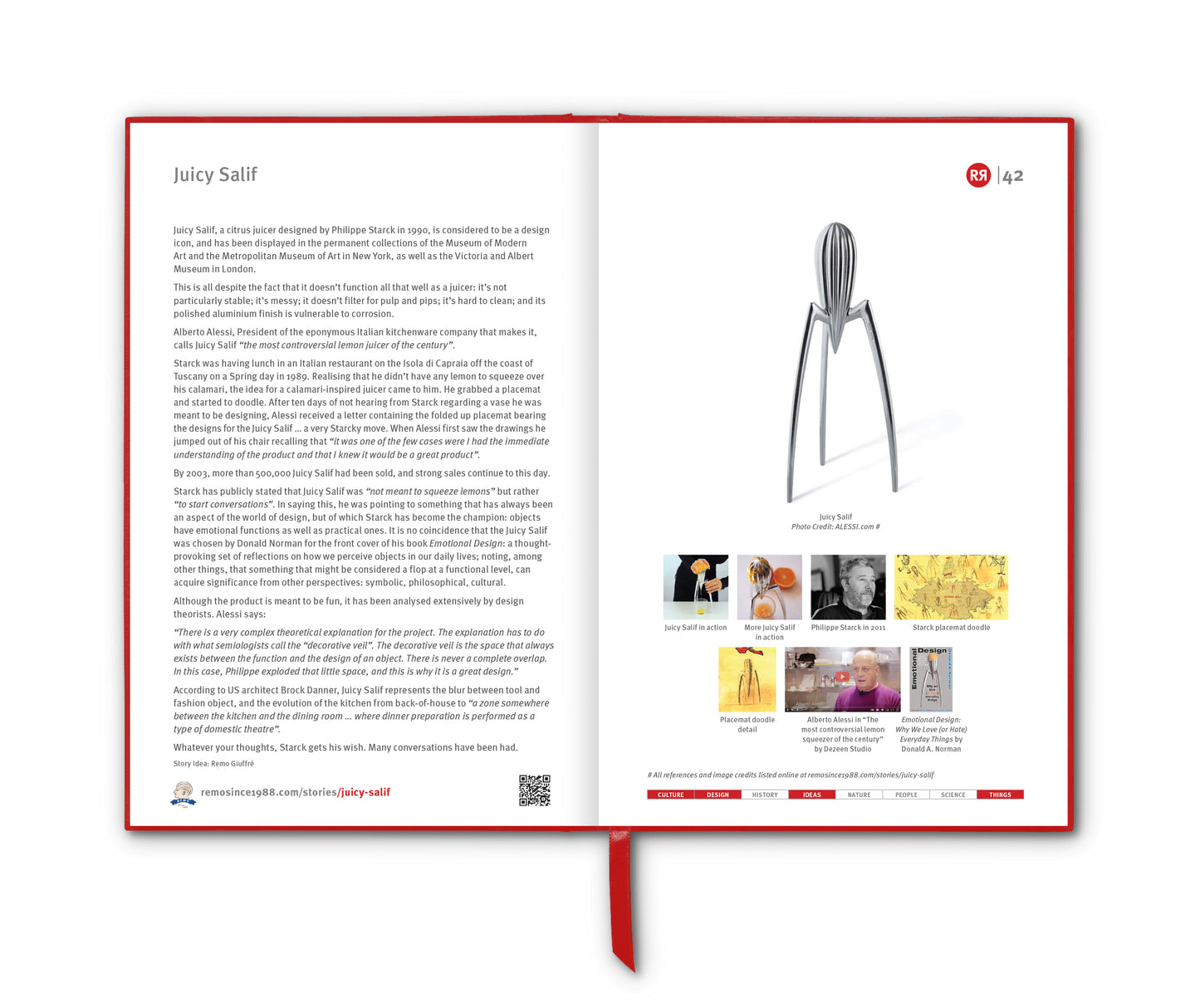
Long before it became a staple of schoolyards in Bondi and beyond, the paper fortune teller began life, not as a game but as a folded paper form. The distinctive base of the model – made by folding the four corners of a square into the centre twice (a “double blintz”) – closely resembles the way some Central European baptismal certificates were folded in the 17th and 18th centuries. These ceremonial documents were creased into compact, symmetrical packets before being stored or sewn into garments. Structurally, they match the flat foundation of the modern fortune teller, though they lacked the final step in which the points are folded together to create the familiar finger-operated puppet.
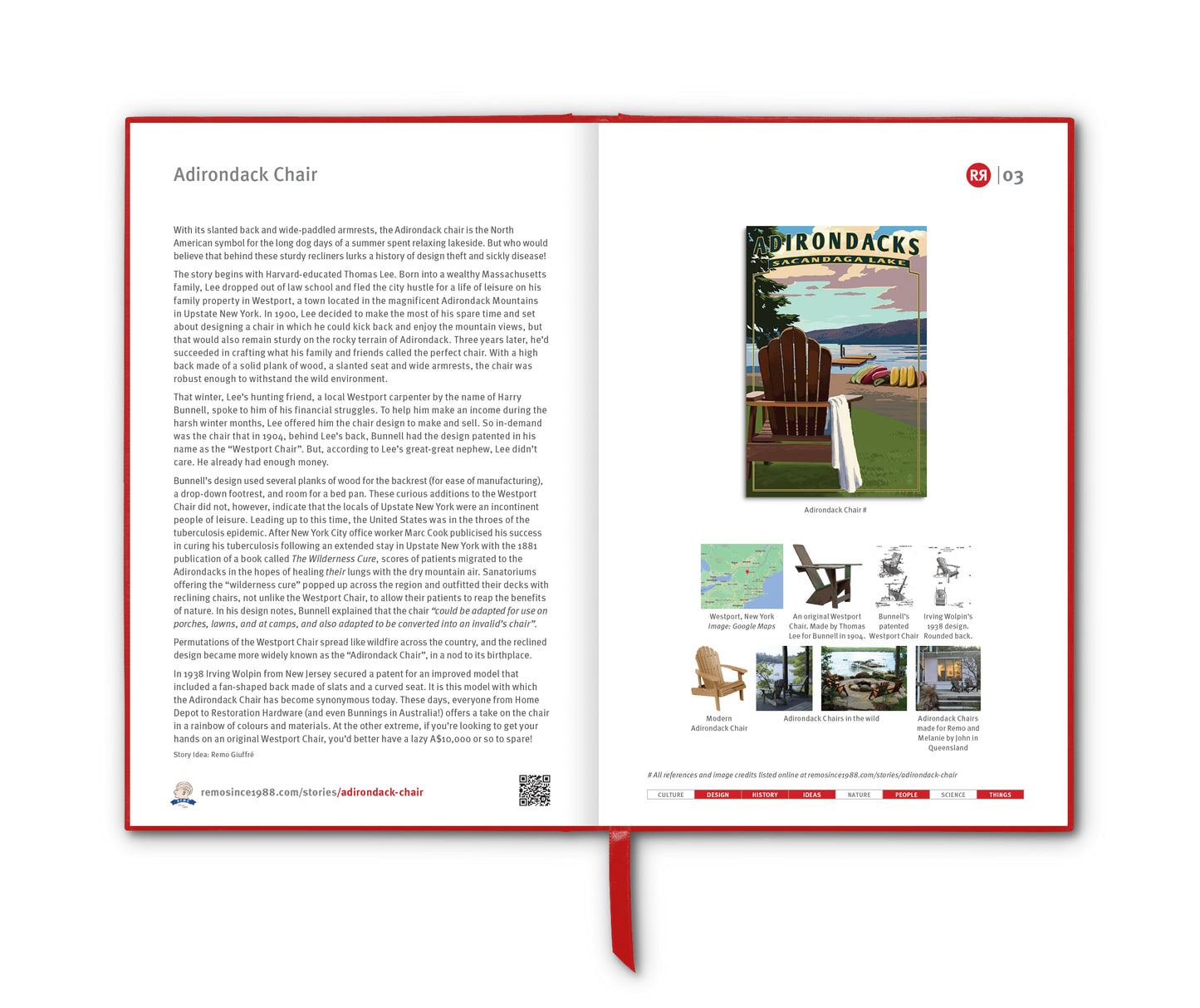
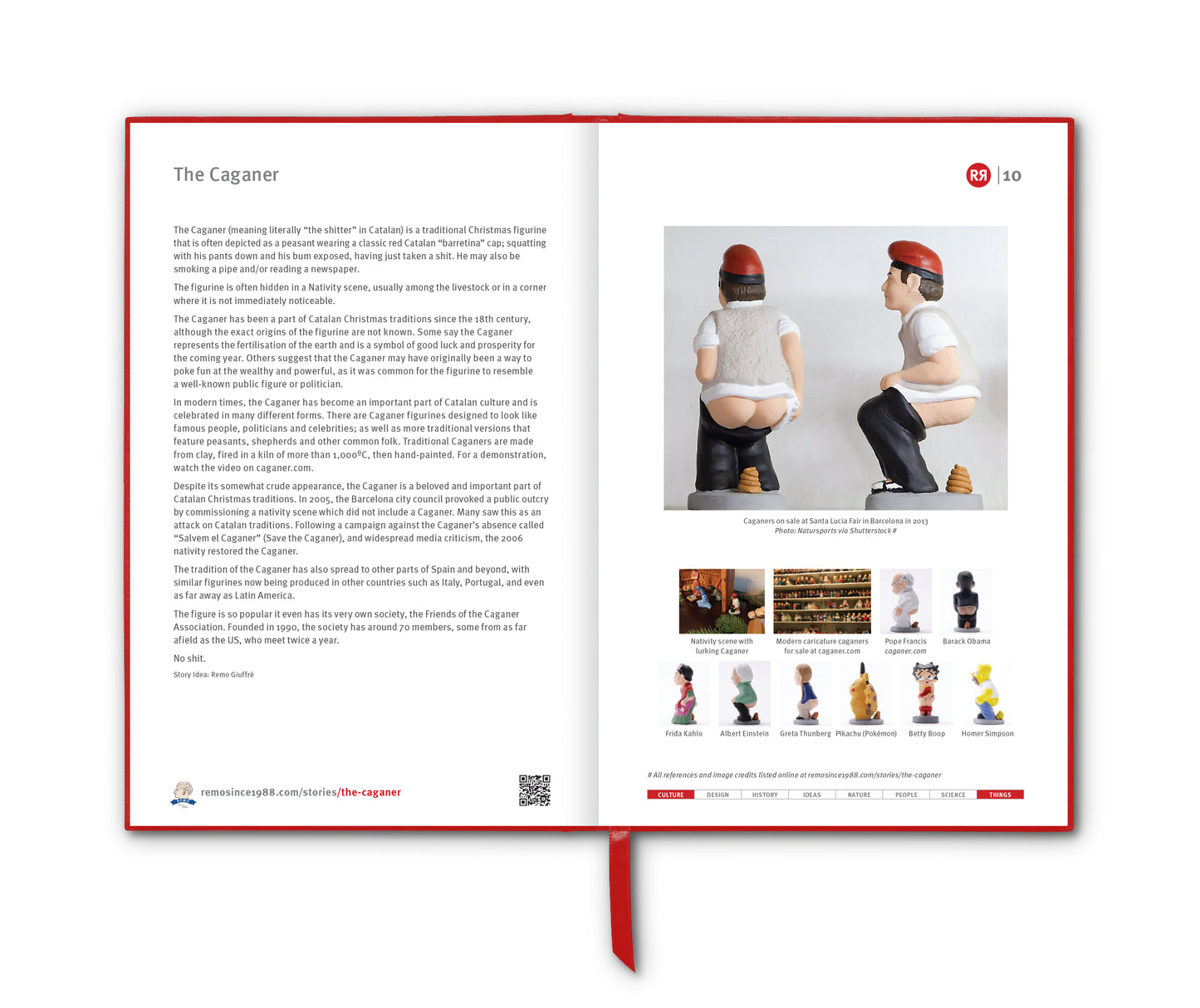
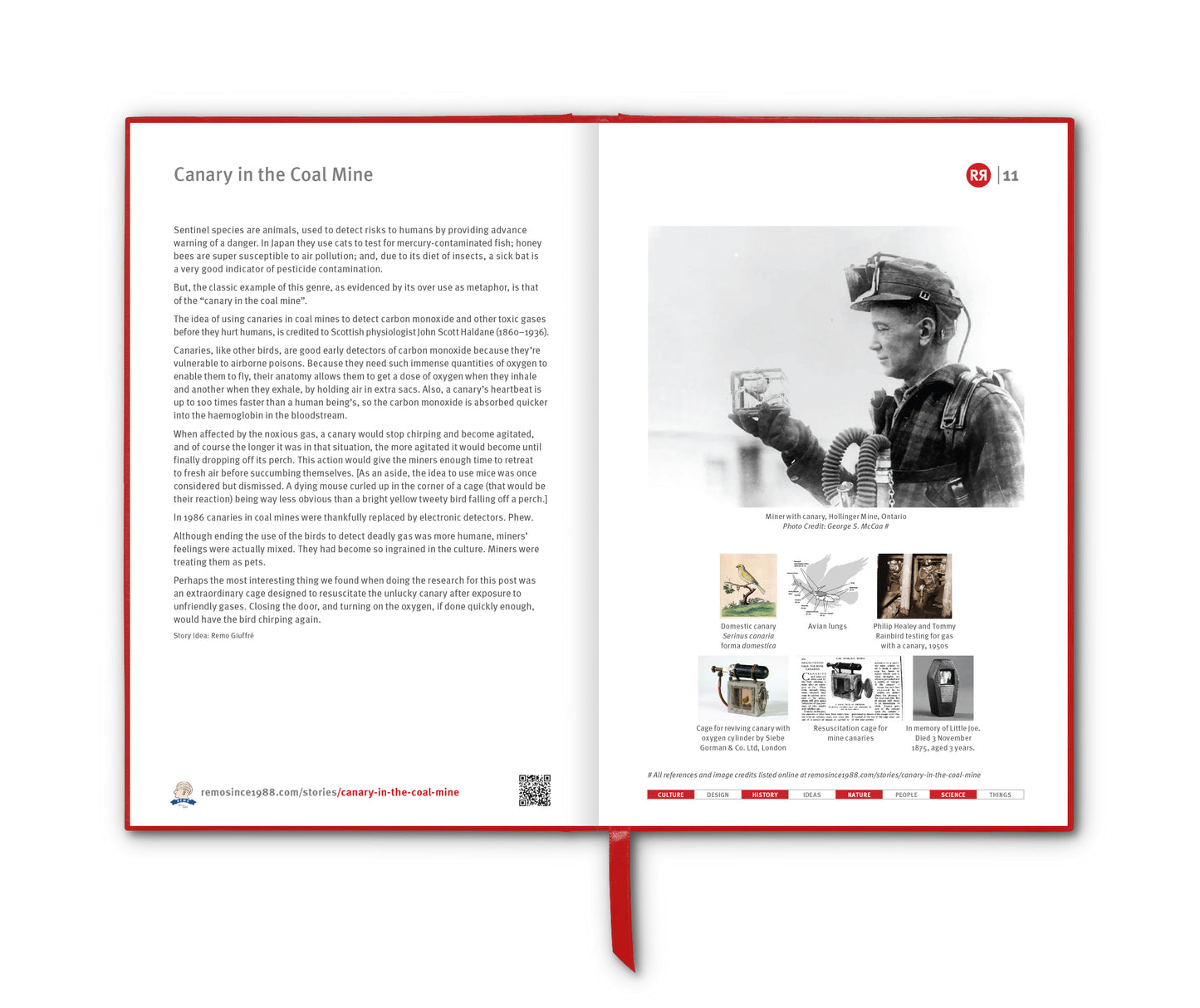
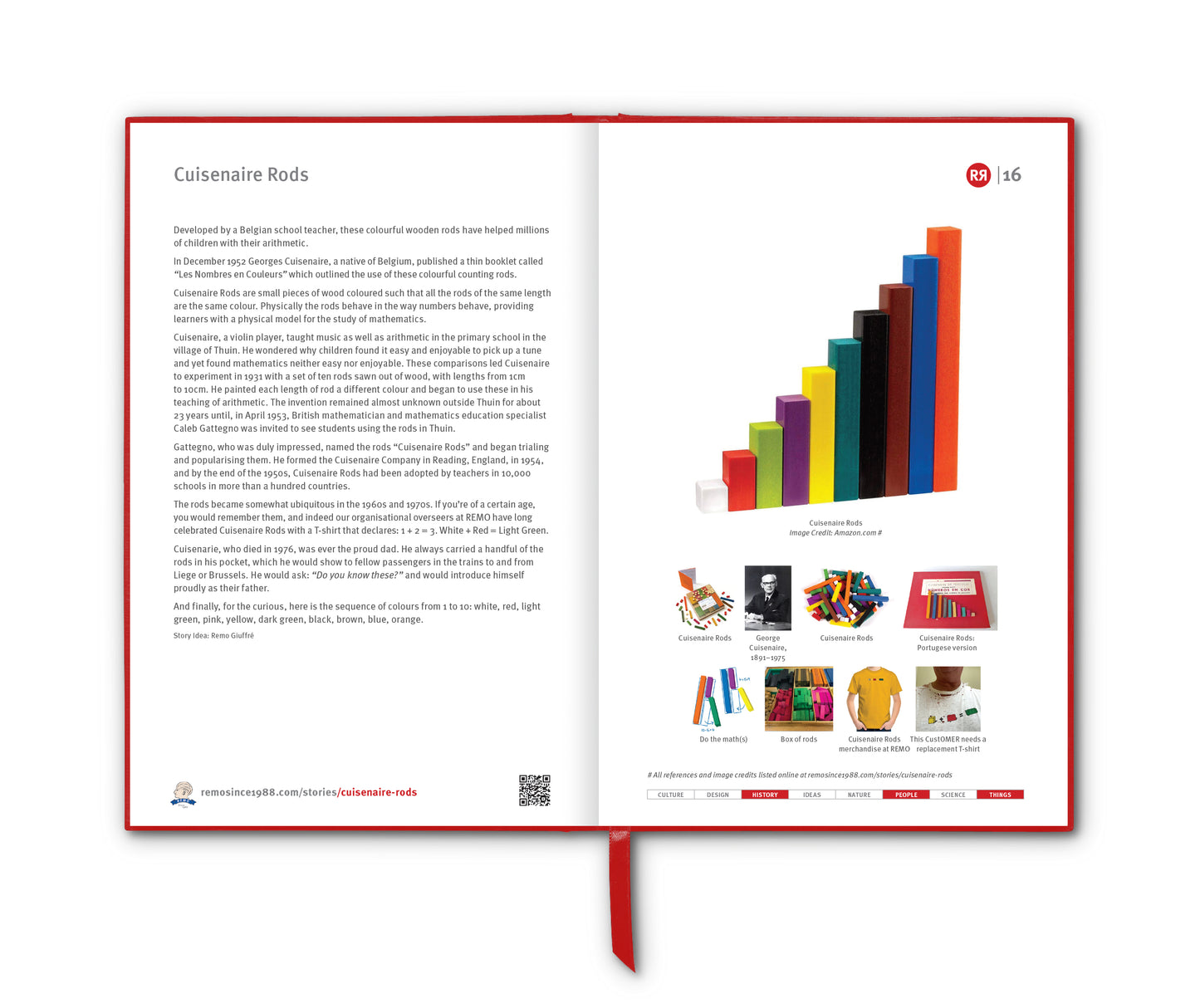
The earliest depiction of the fully formed paper fortune teller appears in an 1876 German children’s book: Des Kindes Erste Beschäftigungsbuch (“The Child’s First Activity Book”), by E. Barth and W. Niederley. That publication marks the first unambiguous visual record of the model as a playful object rather than a ceremonial fold. Around the same period, similar folded forms appeared in European and American paper-folding manuals under names such as “salt cellar” or “pepper pot”. In these early references, the object functioned more as a decorative folded container than as a fortune-telling device.
Although the form resembles traditional Japanese origami [RR6:55] structures, many historians suggest its specific development into the chatterbox likely occurred in Europe during the 19th century, spreading alongside the broader Victorian enthusiasm for paper folding. By 1928, the shape was documented in English-language origami books, still without the game element attached. The transformation into a playground oracle seems to have occurred in the mid-20th century, particularly in Britain, where children adapted the fold into a ritualised counting game with hidden messages written beneath numbered flaps.
From there, the fortune teller migrated widely. In Australia and the UK it became known as the “chatterbox”, a reference to the clacking motion made as the folded paper opens and closes. In the United States, the name “cootie catcher” emerged in the 1950s and 60s, reflecting playground mythology about imaginary germs passed between boys and girls. The game’s structure – choose a colour, spell it out, pick a number, count again – creates suspense through simple repetition and chance, giving children a sense of agency while maintaining an air of mock prophecy.
Culturally, the paper fortune teller has proven remarkably adaptable. It has been used for lighthearted predictions, romantic teasing, truth-or-dare prompts, classroom icebreakers and political jokes. A number of artists have manifested the form in their work, sometimes in striking ways.
The form has also appeared in film and television as shorthand for childhood intimacy and nostalgia, and in the digital era downloadable templates circulate online themed around everything from horoscopes to fandoms.
Looking to make your own paper fortune teller? Get online; there are lots of instructional videos.
See also: Fortune Teller Miracle Fish [RR1:25]
______________________
References
wikipedia.org/wiki/Paper_fortune_teller
Images
1. Paper fortune teller. Photo credit: scoutlife.org
2. Playing the game. Credit: funlittletoys.com
3. Paper puppet
4. German baptismal certificate from the 18th century. Credit: History of origami in the East and West before interfusion, Hatori Koshiro, 2018
5. How to fold a paper fortune teller in 12 steps. Credit: Michael Philip
6. Cassandra Laing, Fortune Teller (it will all end in stars), 2007. Credit: Bones Magazine
7. Unfolding Lives by Judith Forrest and Terri-ann White (2010) at the Perth Cultural Centre, forms a memorial to the institutionalised Australian children.
8. Origami Lava by David Oliva and Anna Junca, 2022. 10,000 illuminated paper fortune tellers resemble lava pouring from a window for the Lluèrnia festival in Olot, Spain
9. British installation artist Leonie Bradley's Swarm (2022) uses masses of fortune tellers, folded from yellow and black paper, to represent a swarm of bees.