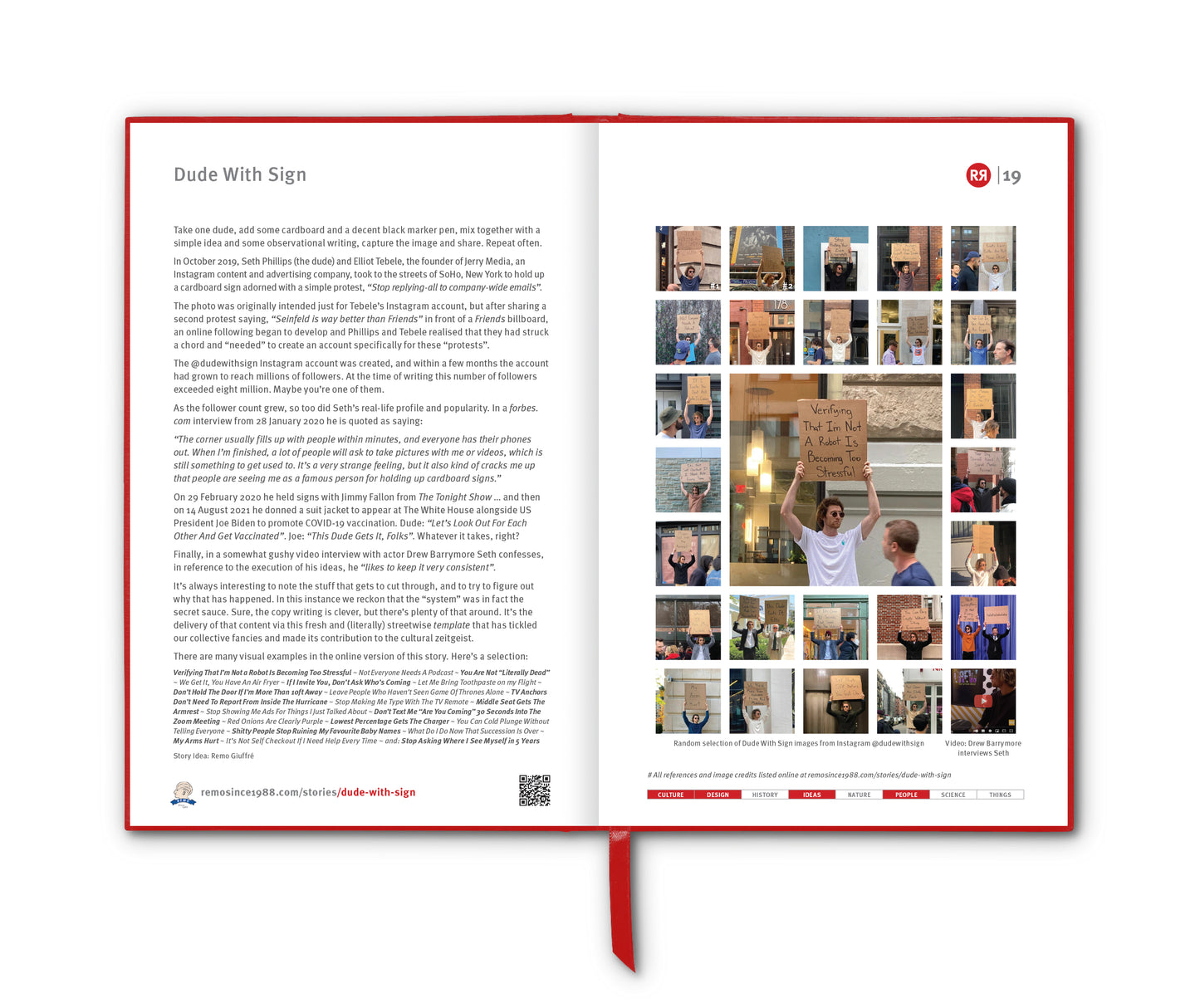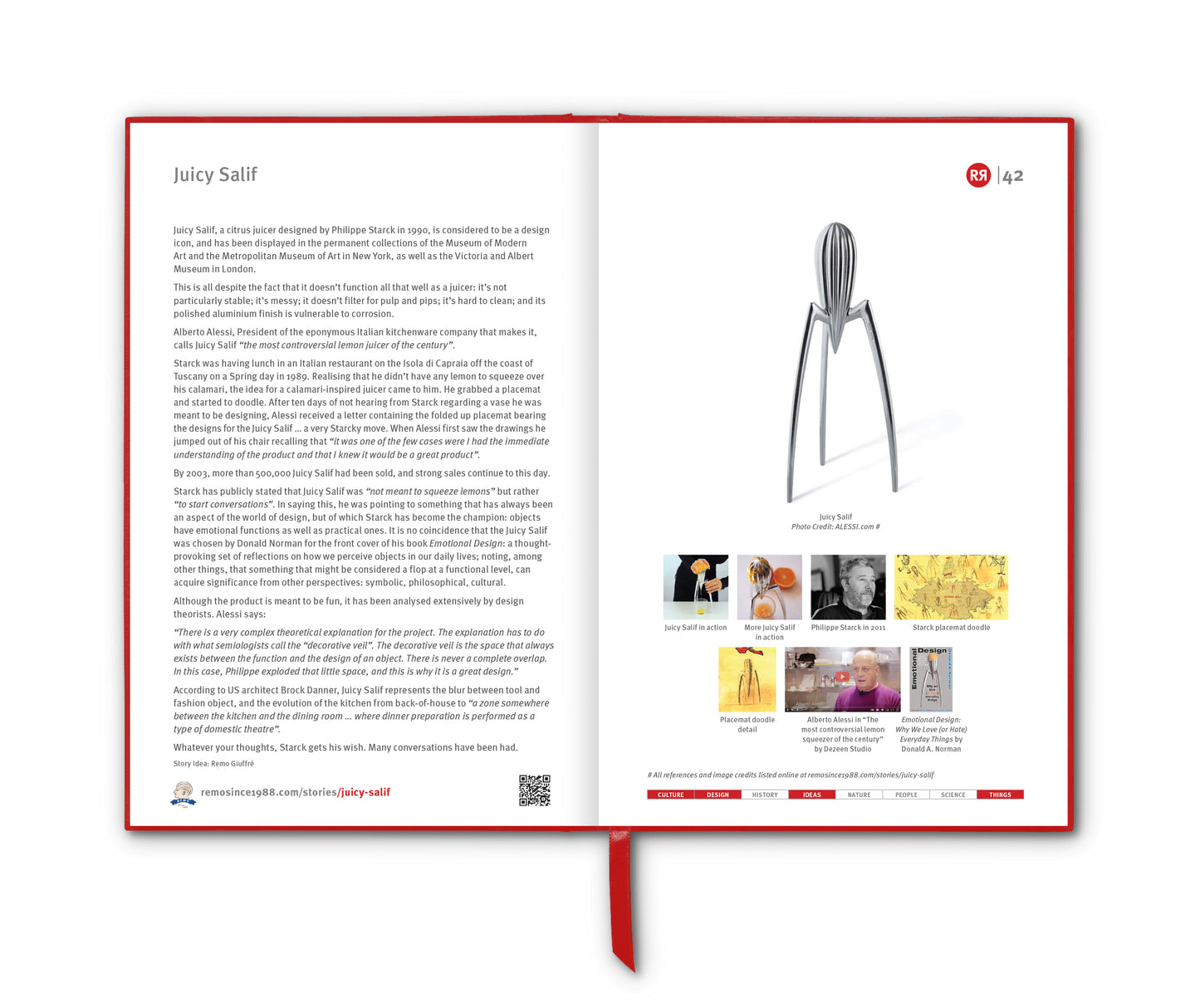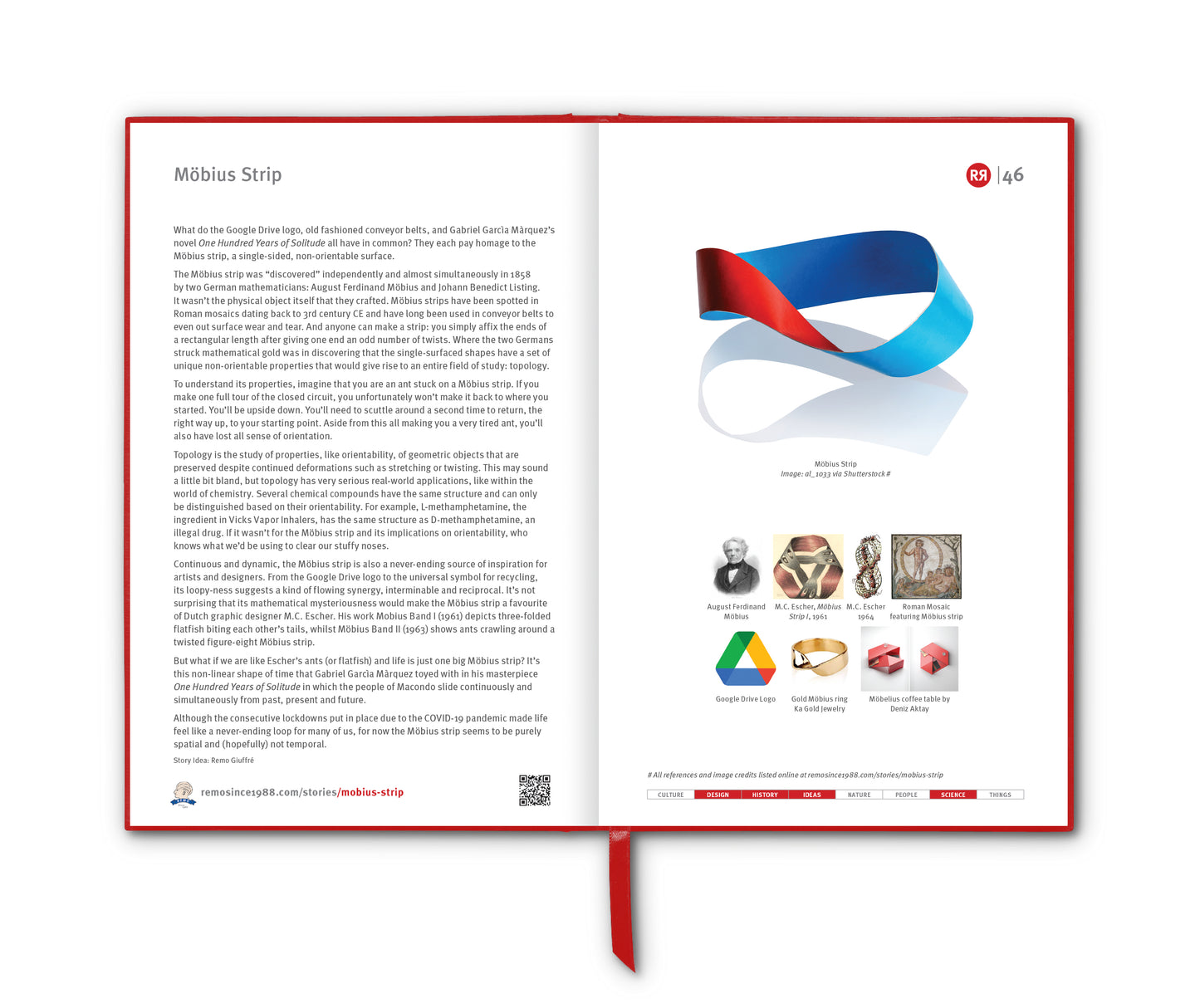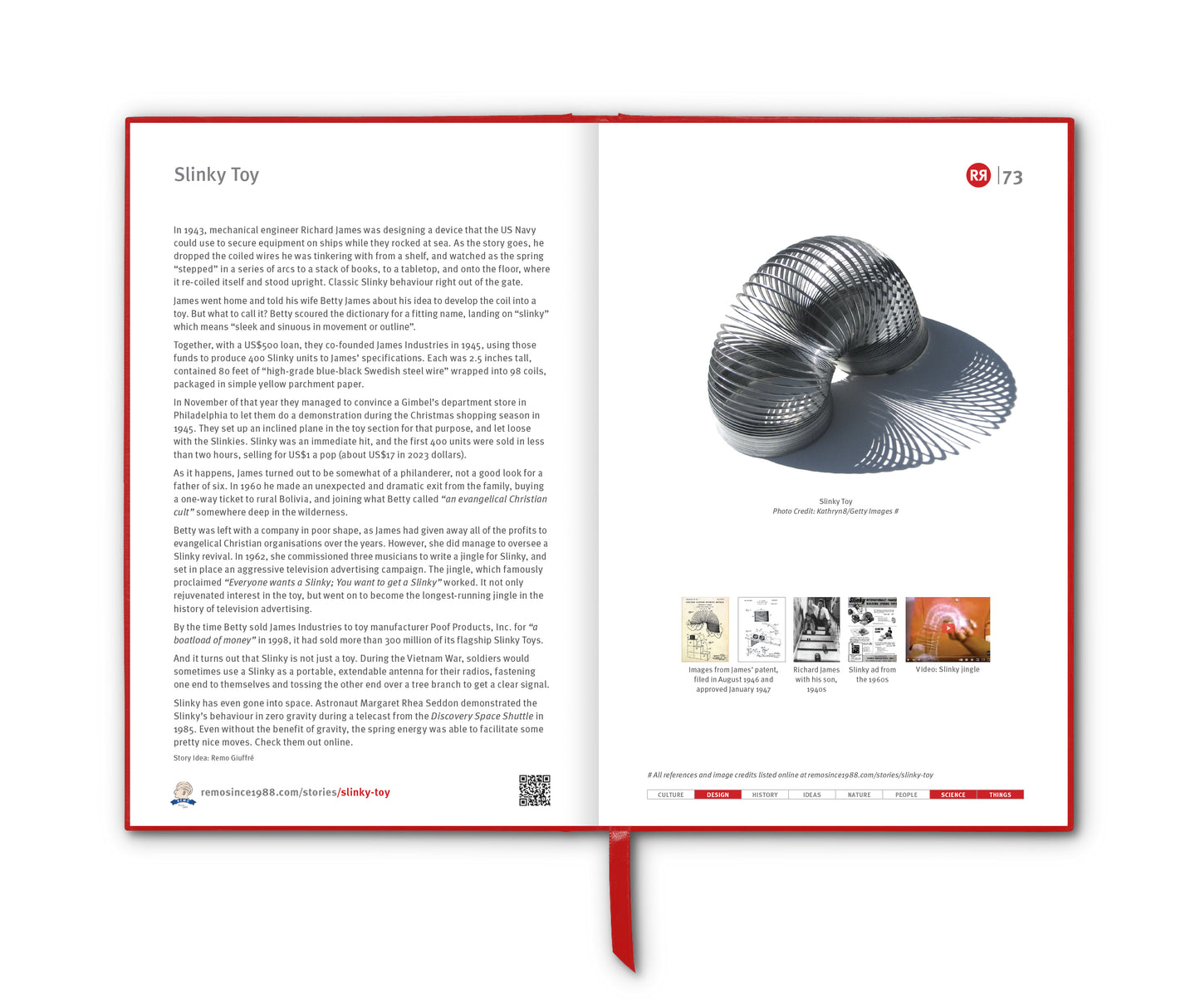

A 2,500-year-old joke about moderation
At first glance, the Pythagorean Cup looks like any other goblet from ancient Greece: elegant, functional and ceramic. But look closer – and specifically, pour too much wine into it – and this seemingly ordinary cup transforms into a trick vessel of philosophical mischief.
Here’s what happens: Go beyond the marked line inside the cup and the whole thing drains through a hole in the bottom, spilling its contents onto your lap or the floor.
This ingenious object is named after the Greek mathematician and philosopher Pythagoras (570–495 BCE), most famously known for triangles. But Pythagoras wasn’t just a numbers guy – he was also a moralist who valued balance, discipline and harmony. Legend has it that he designed this cup as a lesson to his students and a physical embodiment of his philosophy: too much of anything – whether that be wine, wealth or ego – leads to downfall.
The cup operates using principles of basic physics. Inside, there's a hollow column rising from the center of the bowl. That column contains a hidden siphon system. As long as liquid stays below the inner ridge, it can be enjoyed normally. But fill the cup past that point, and gravity activates the siphon, draining all the liquid through the base. A built-in penalty for greed.
While historians debate whether Pythagoras actually invented the cup himself, its concept fits neatly into the ethos of his school, which emphasised self-restraint, balance and reverence for natural laws.
The idea has resurfaced throughout history. Roman versions were discovered in Pompeii. In the modern era, the cup enjoys renewed popularity as a novelty souvenir in Greece – especially on the island of Samos, where Pythagoras was born. Tourists can purchase replicas made from ceramic, metal even plastic – each one capable of humbling the over-pourer with a literal lesson in excess.
Beyond tourism, the Pythagorean Cup also has a place in classrooms and physics demos. It’s a tactile, satisfying way to teach about siphons, pressure, and fluid mechanics. Watch the video.
The symbolism, though, is what sticks. In a world where “more” is often equated with “better”, the Pythagorean Cup remains a quiet nudge toward moderation – a celebration of just enough.
Postscript
The "Devious Pythagorean Cup" is a modern reinterpretation of the classic Pythagorean or “Greedy Cup”, designed to conceal its siphoning mechanism within the cup's walls, making the draining effect less detectable. This design has been independently developed by several creators in the 3D printing community: jsteuben (Thingiverse), Austin Crowell (Printables.com), and Ironic_Chameleon (MakerWorld).
____________________
References
wikipedia.org/wiki/Pythagorean_cup
wikipedia.org/wiki/Pythagoras
thingiverse.com/thing:123252
Images
1. Bust of Pythagoras of Samos in the Capitoline Museums, Rome and cross section of a ceramic Pythagorean cup
2. The Pythagorean theorem: A2 + B2 = C2
3. Cross section of a Pythagorean cup being filled. Diagram by Nevit Dilmen.
4. Cup of Justice for sale on streets of Crete. Photo credit: Materialscientist
5. Video: "Pythagoras Cup (Greedy Cup) filled with Mercury", Periodic Videos, 2015 – featuring Professor Sir Martyn Poliakoff from the University of Nottingham
6. More devious Pythagorean cup. Credit: jsteuben via Thingiverse