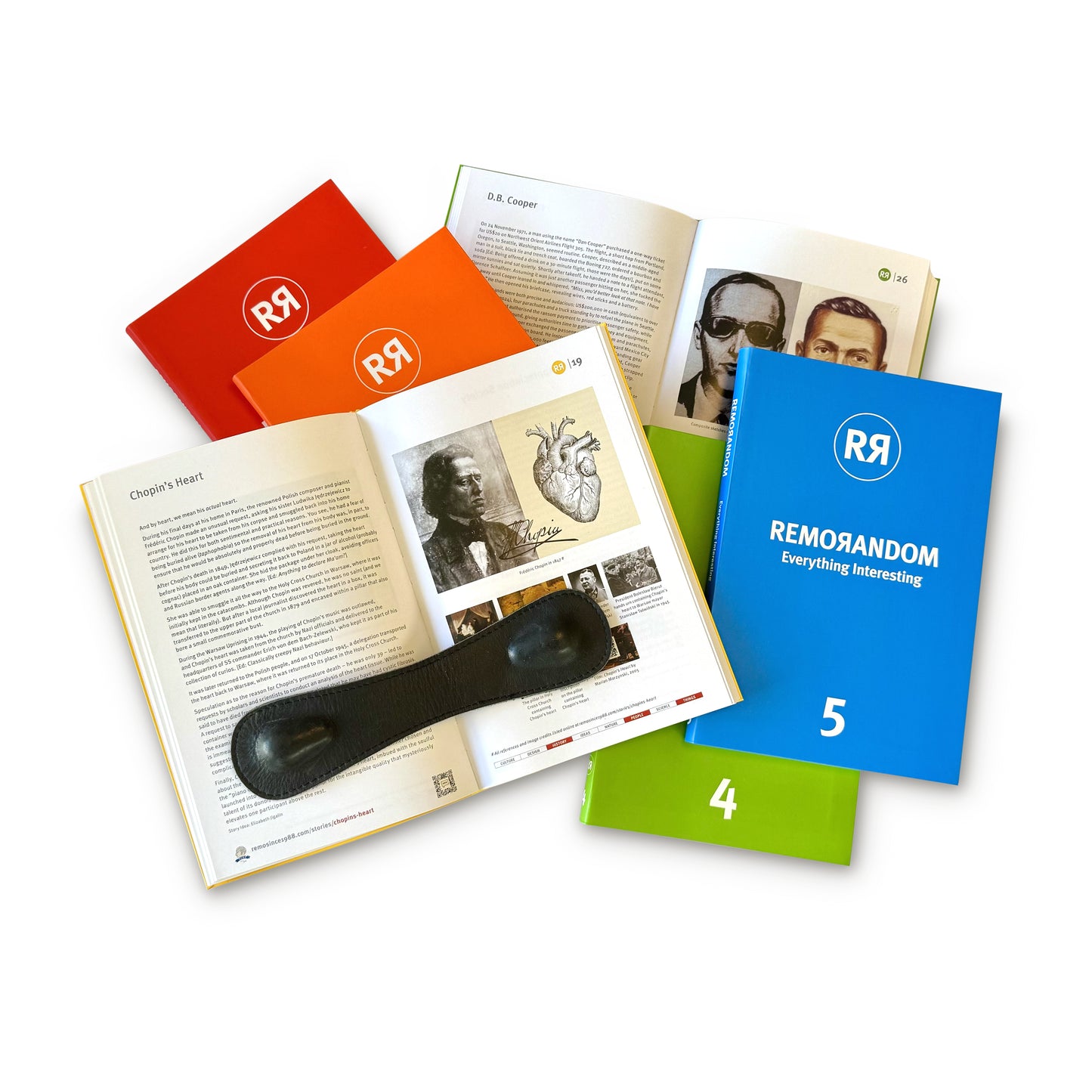

A queue is one of civilisation’s simplest inventions: a temporary social agreement that people will be served in the order that they arrive.
The word “queue” comes from the French word for “tail”, first used in English in the 19th century. The first historical description of the queue only appeared in 1837, in Thomas Carlyle’s The French Revolution. Describing a postwar scarcity of bread, he wrote: “If we look now at Paris, one thing is too evident: that the Bakers’ shops have got their Queues, or Tails; their long strings of purchasers, arranged in tail, so that the first come be the first served.” Carlyle was watching a brand-new social invention being born in real time, as Revolutionary shortages had turned every loaf of bread into a potential riot.
Before formal queues became common, crowds often surged chaotically around market stalls, ticket counters and transport depots. Survival of the strongest. The Industrial Revolution – with its railways, factories and mass urban populations – helped standardise orderly waiting. Queues became a technology of social control as much as convenience.
A major influence was the rise of queueing theory, a branch of mathematics developed from early telephone-network studies by Danish engineer Agner Krarup Erlang in the early 1900s. His work showed how shared waiting systems could reduce delays and improve throughput.
No country is more associated with queuing than the United Kingdom. The British queue has become almost a moral institution, tied to ideals of patience, fairness and emotional restraint. During World War II, orderly queues for rationed food were celebrated as evidence of national discipline. In 2022, the line to view the coffin of Queen Elizabeth II stretched for kilometres along the Thames and became known simply as “The Queue” – complete with live tracking maps, wristbands and waiting times exceeding 24 hours.
The United States generally queues in a more pragmatic fashion. Americans are often comfortable with highly managed systems involving ropes, barriers and customer-flow engineering. This helped popularise the “serpentine queue”: the winding back-and-forth line now common in airports, banks and theme parks. The serpentine queue, in place of separate lines, addresses what is referred to as “wrong queue anxiety”.
Serpentine systems emerged in the early 20th century but became especially influential through the innovations of The Walt Disney Company, which transformed waiting into a designed experience. Studies showed that people tolerate long waits better when lines keep moving visibly and feel fair. Modern serpentine queues maximise efficiency while reducing arguments about who arrived first.
In Scandinavia, physical queuing is often replaced altogether by ticket systems – developed in Sweden in the 1960s. Customers entering delicatessens, pharmacies or government offices simply “take a number” and wait until it appears on a screen. This minimises crowding and reflects the region’s strong emphasis on order, equality and personal space. In Japan, queuing is closely linked to social harmony and a sense of community. Train platforms feature painted boarding zones where commuters line up with remarkable precision. By contrast, parts of China historically developed more fluid queueing behaviour, particularly during periods of rapid urbanisation and scarcity when assertiveness could determine access to limited resources. In recent decades, however, Chinese cities have increasingly adopted barriers, digital ticketing and formal queue management systems.
Today, many queues have become invisible. Virtual waiting rooms, restaurant apps and online ticketing systems mean people increasingly line up digitally rather than physically. The queue survives – but now often exists inside algorithms rather than in public space.
________________________
References
wikipedia.org/wiki/Queue_area
wikipedia.org/wiki/Queueing_theory
bbc.com/news/magazine-23087024
racked.com/2018/1/17/16897160/lines-waiting-history
voraku.com/the-origins-of-queuing-and-waiting-lines/
Images
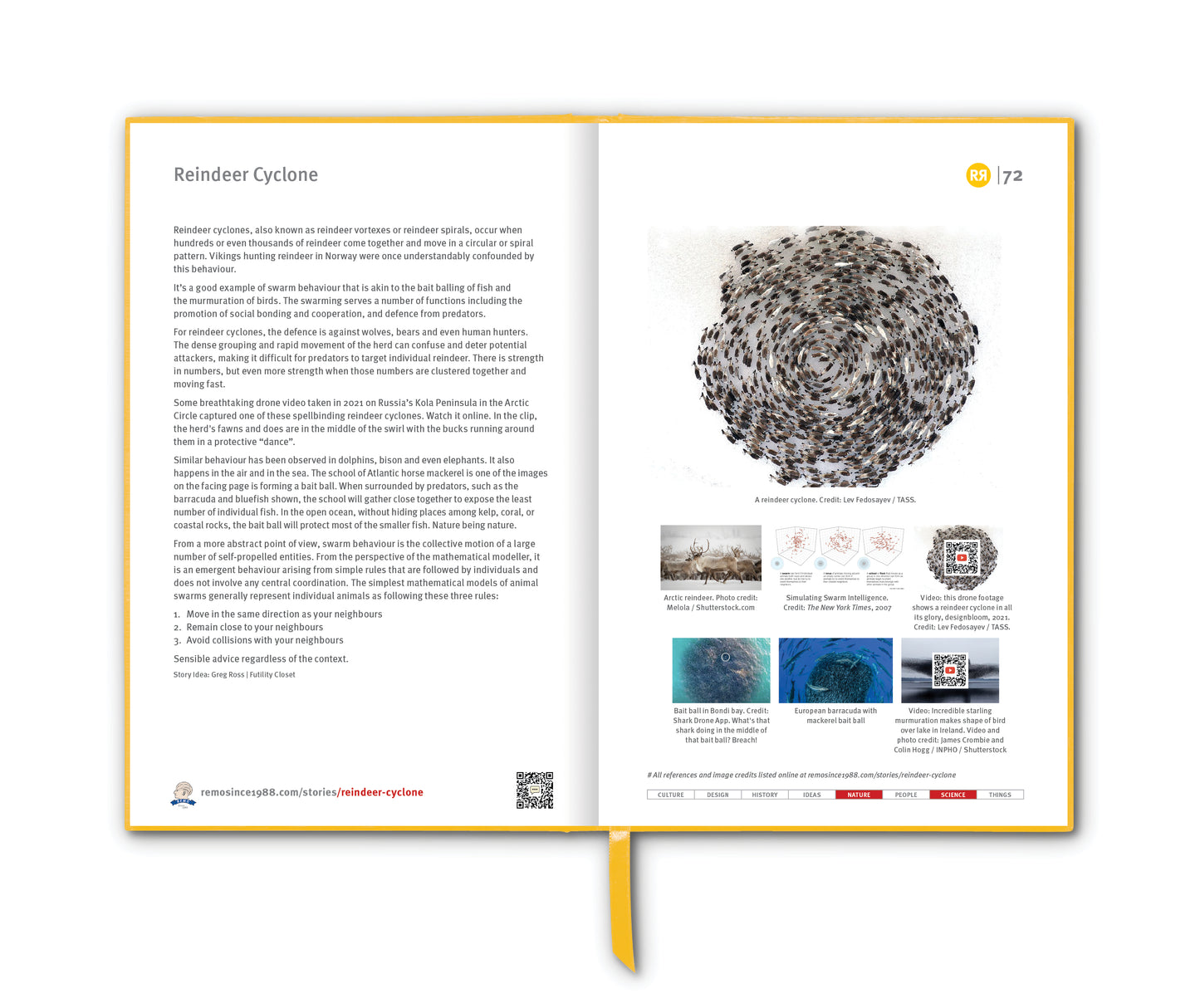
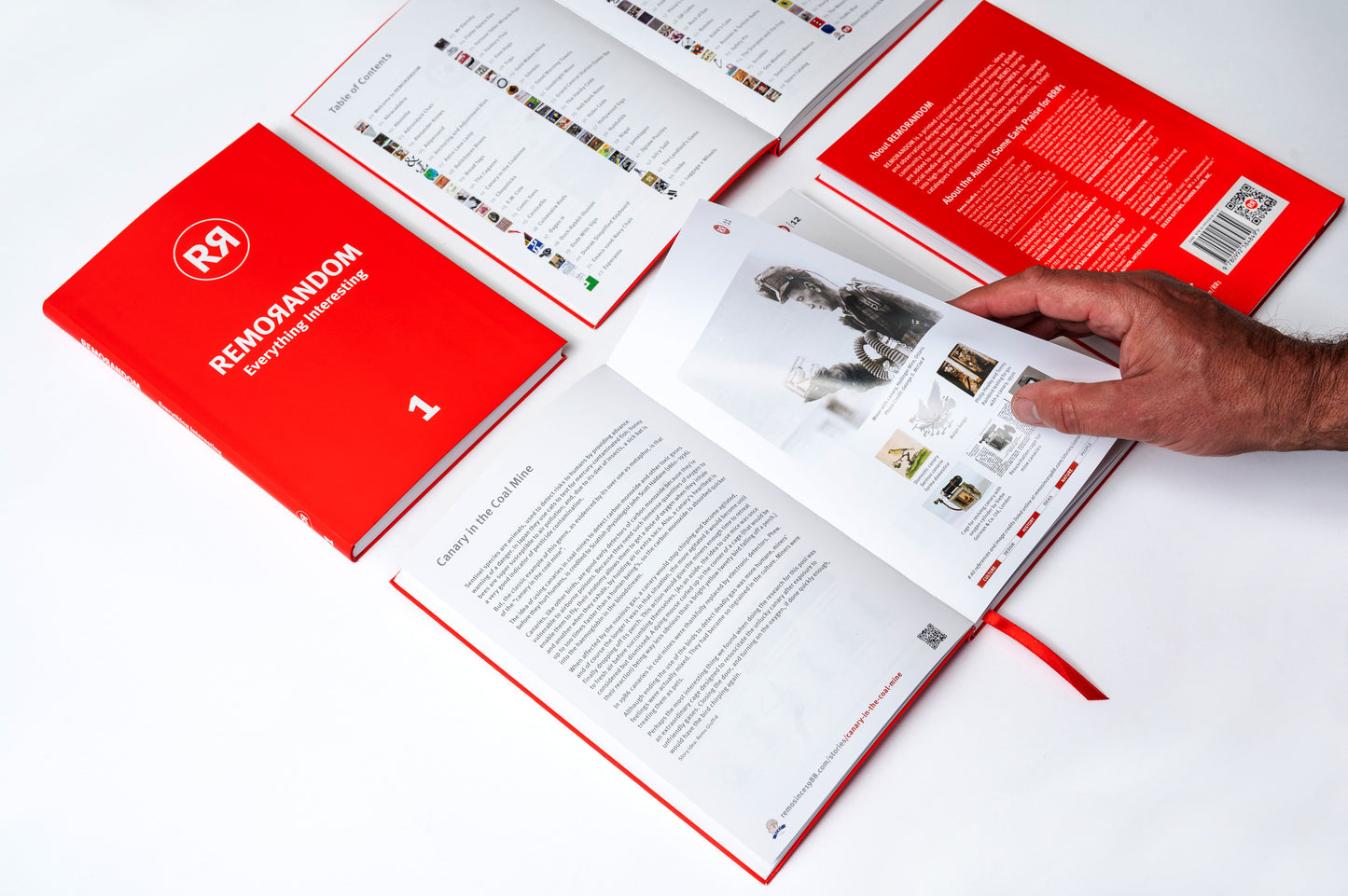
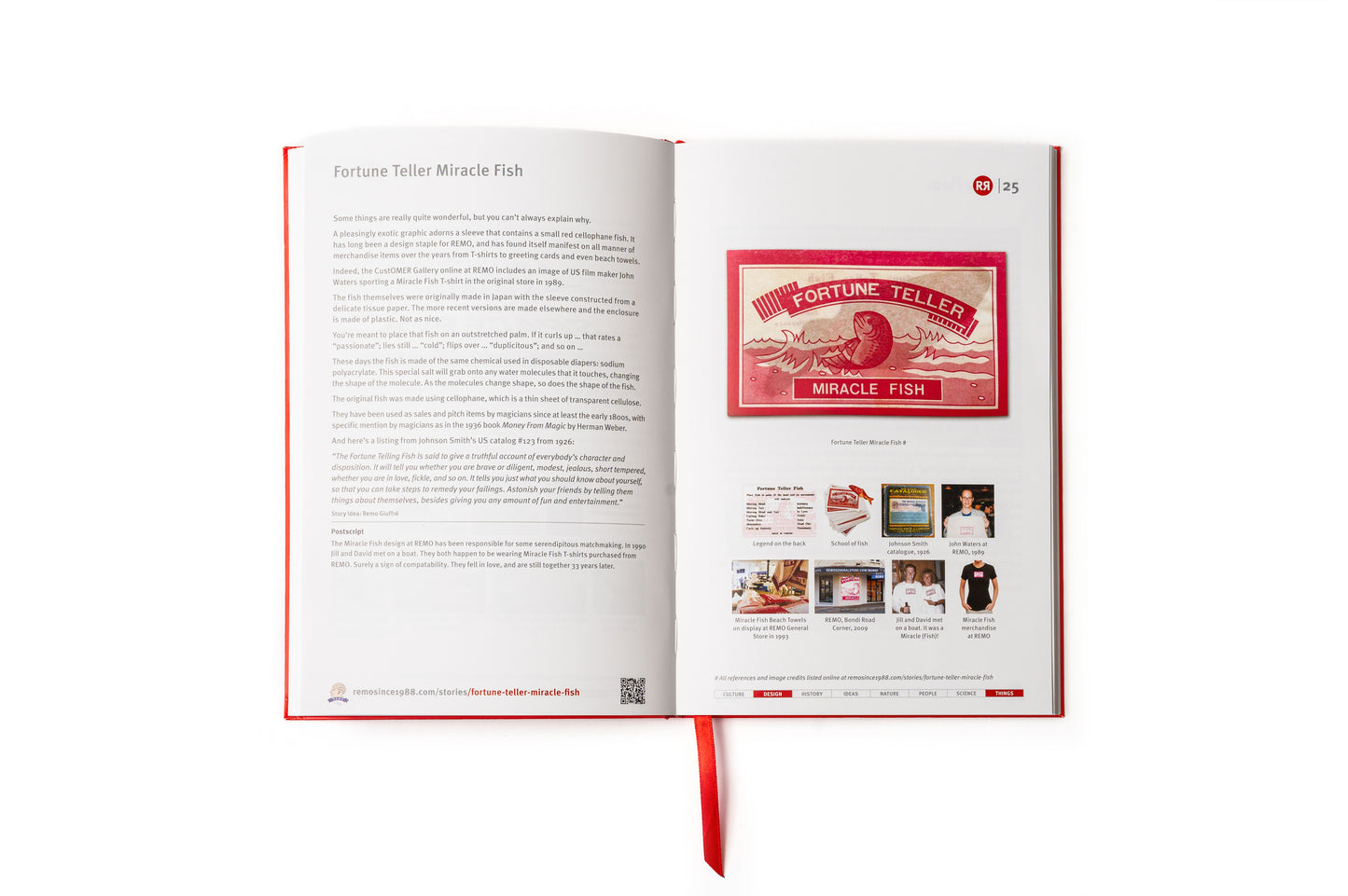
1. 1943 soup kitchen queue in Aalborg, Denmark
2. Agner Krarup Erlang (1878–1929)
3. Queueing Theory. Credit: geeksforgeeks.org
4. A queue outside the Passport Office, London, during WWII. Photo credit: Hulton-Deutch Collection / Corbis via Getty Images
5. 1940s US poster promoting safety procedures during civil defence air raid drills
6. Voting queue in Hong Kong, 2020
7. Please take a ticket
8. Waiting number ticket from the main post office of Prague 5 district, Czech Republic
9. "The Queue" to view the coffin of Queen Elizabeth II, 2022
10. Thursdays are drop days at small Supreme streetwear shop in New York. Photo credit: Andrew White for racked.com