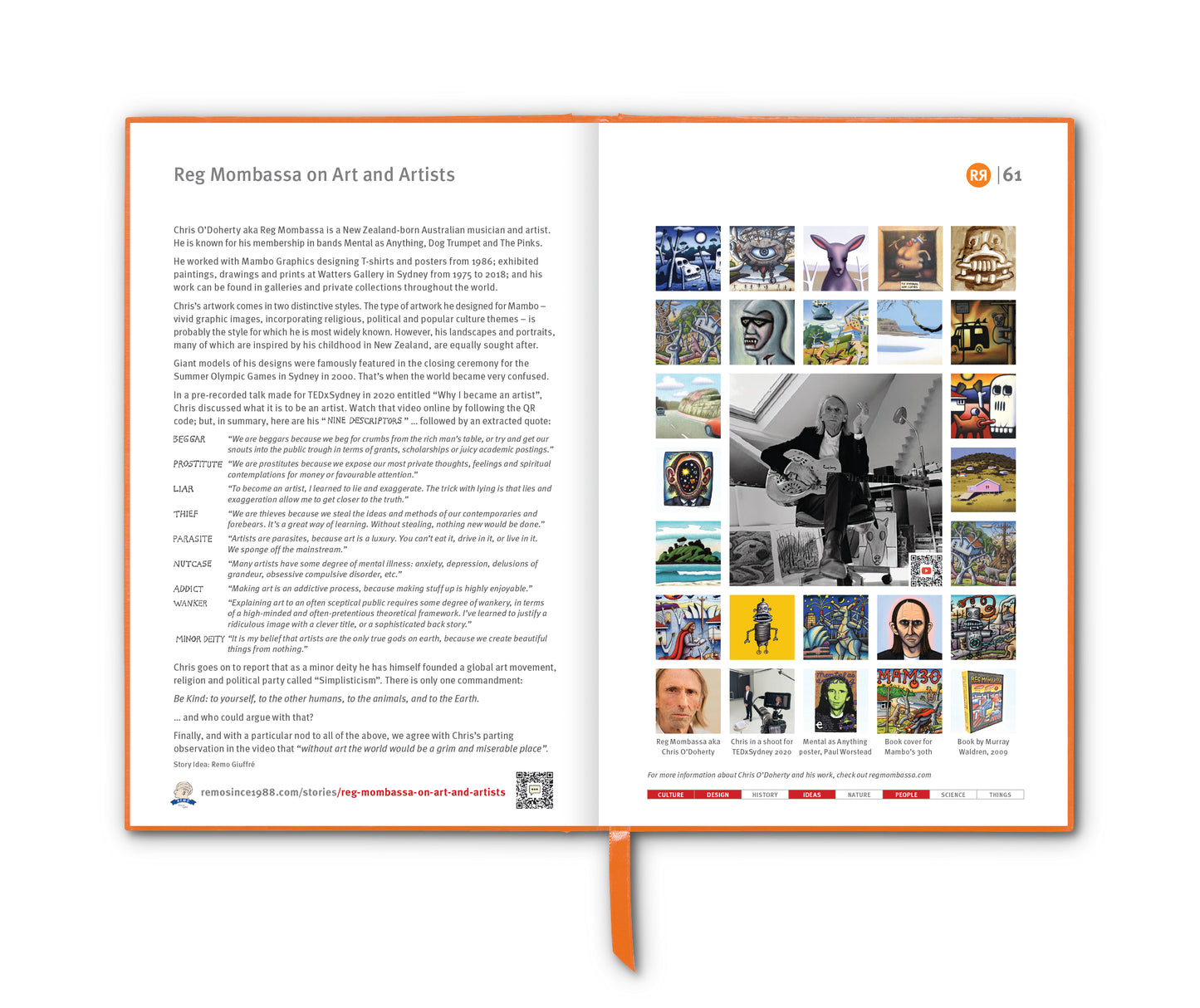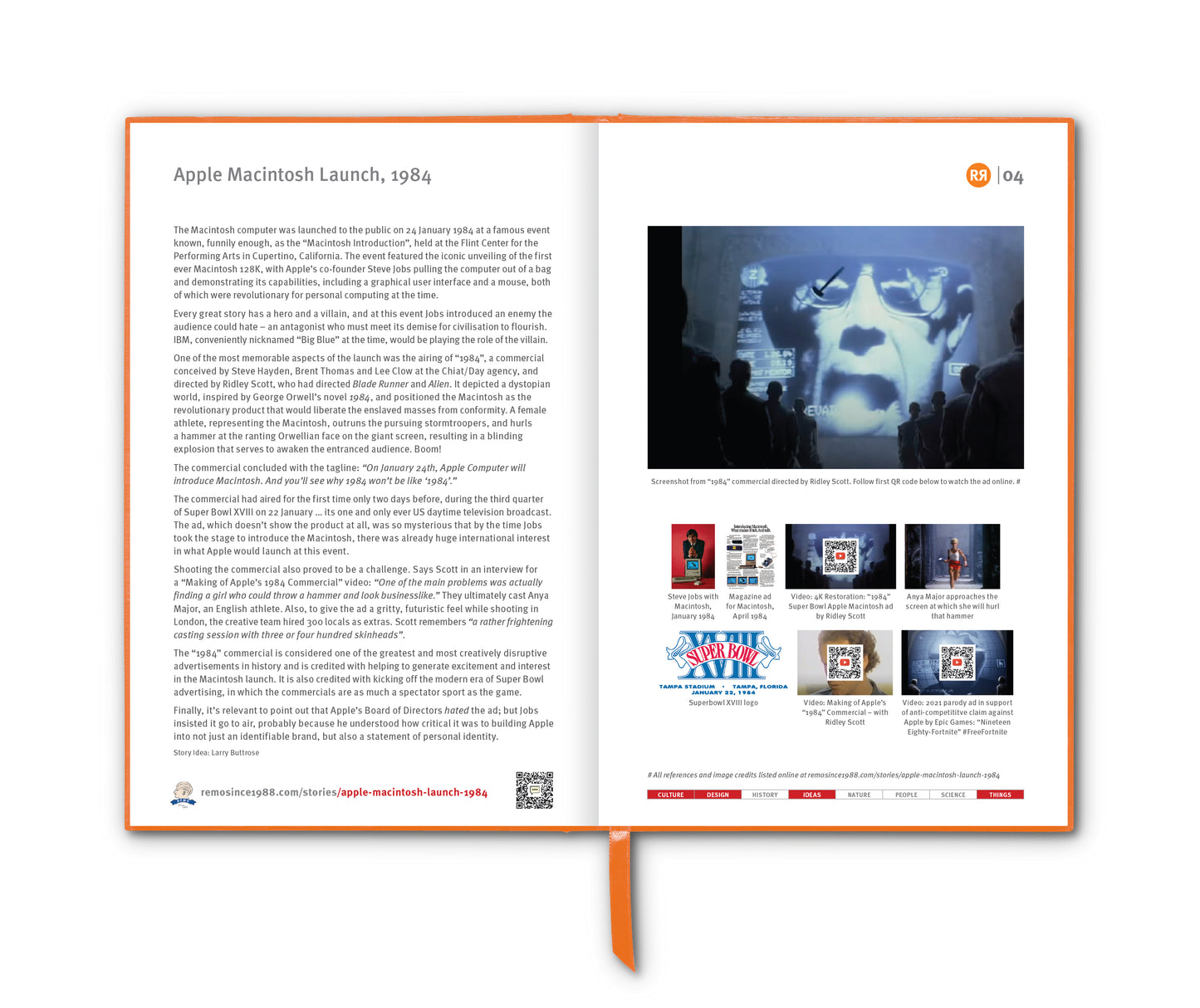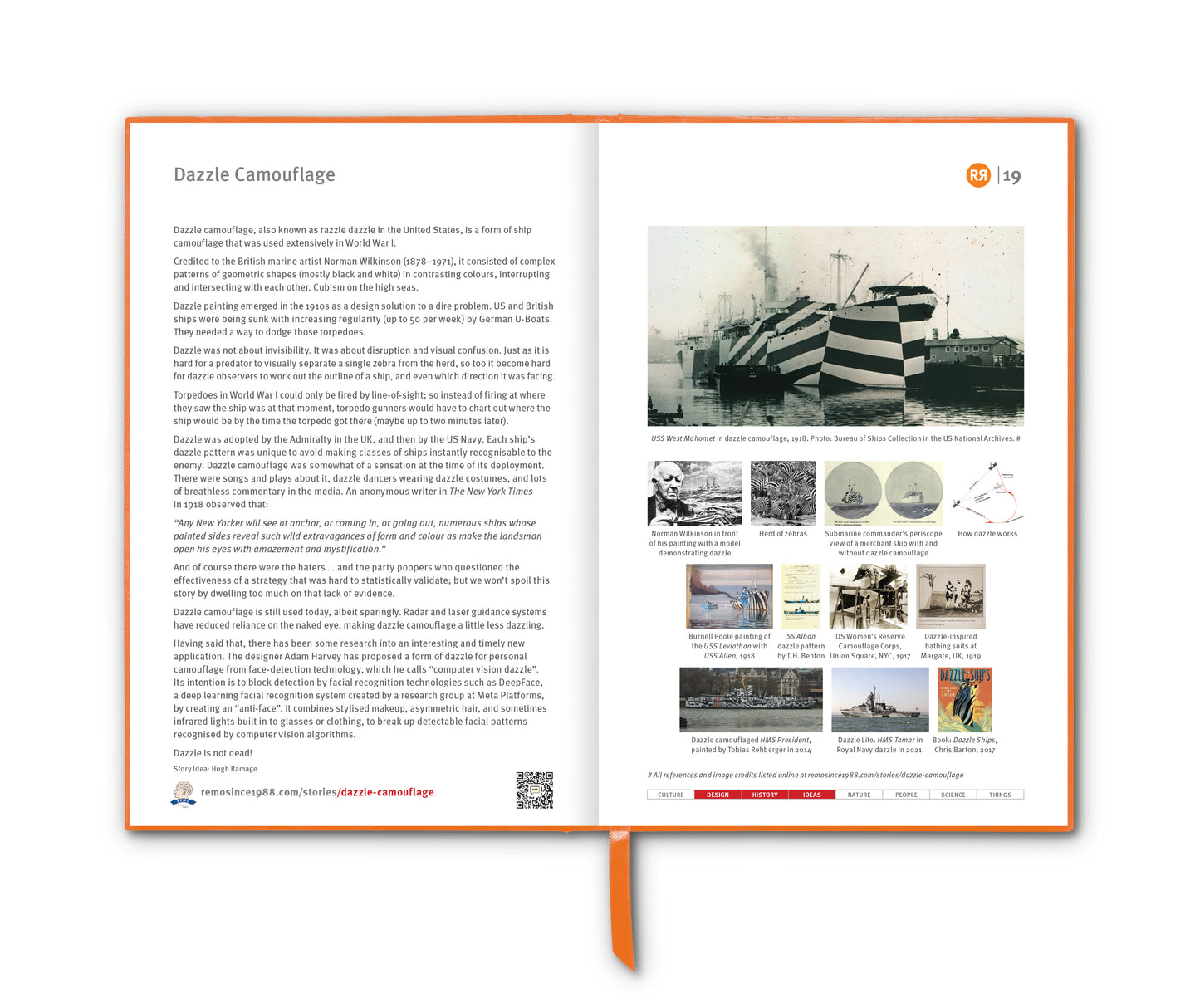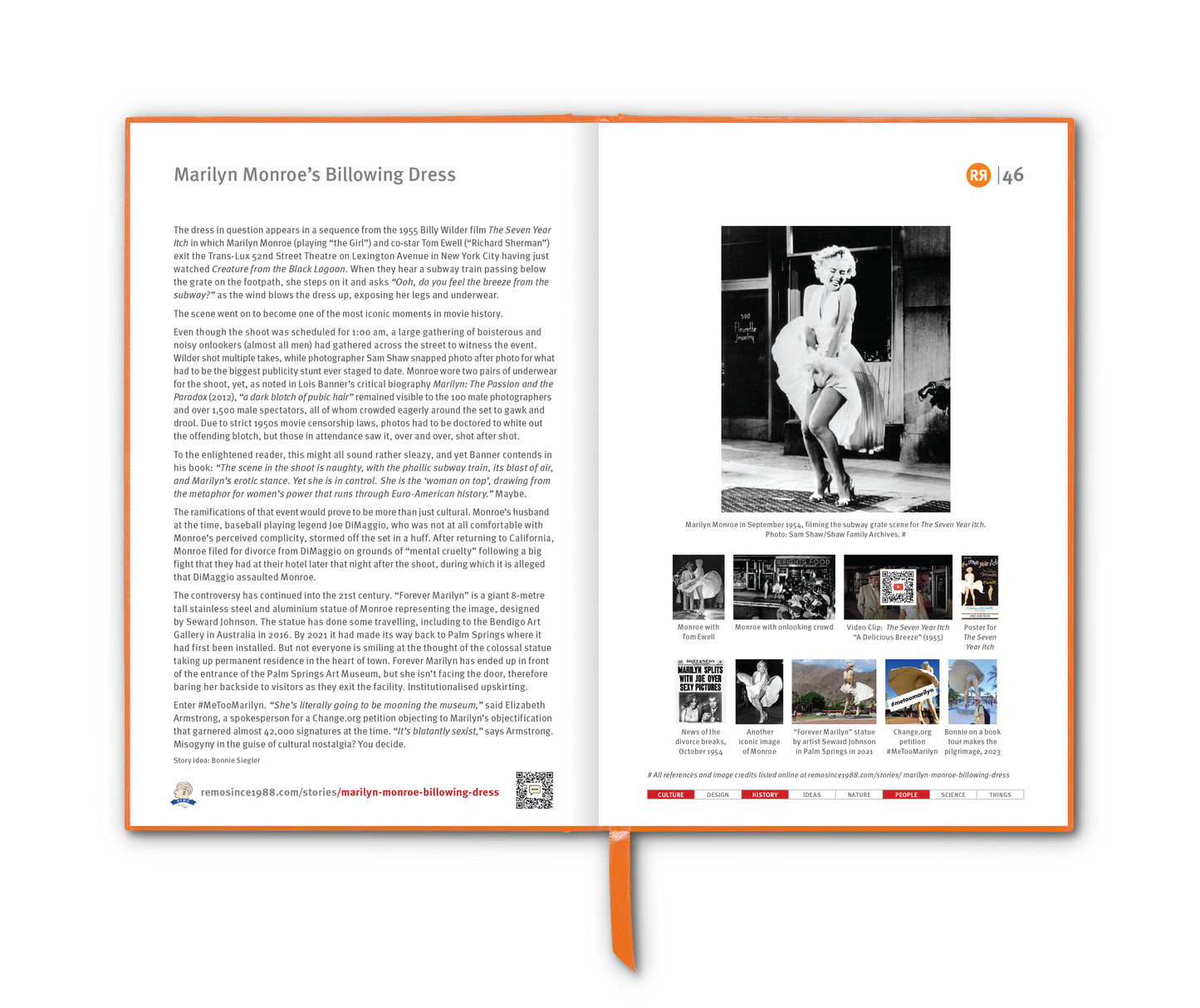

Seinfeld was famously pitched as “a show about nothing”, yet few television series have had a greater influence on the way people speak, think and describe everyday life. First broadcast on NBC in 1989, the sitcom transformed minor social irritations, awkward encounters and urban anxieties into a shared cultural language. More than three decades later, its vocabulary, characters and observations remain instantly recognisable across generations.
Created by comedians Jerry Seinfeld and Larry David (later of Curb Your Enthusiasm fame), the series rejected the sentimental formulas that dominated earlier sitcoms. Its four central characters – Jerry, George, Elaine and Kramer – were selfish, neurotic and endlessly preoccupied with tiny social problems: double-dipping a chip, regifting presents, splitting restaurant bills or answering awkward party invitations. These seemingly trivial dilemmas proved to be universally relatable.
One of the show’s greatest cultural achievements was giving names to behaviours people recognised but had never got around to labelling. Suddenly the world had “close talkers”, “low talkers”, “double-dippers” and “sidlers”. The series popularised phrases including “yada yada yada”, “shrinkage”, “master of your domain”, and “not that there’s anything wrong with that”. [Ed: IYKYK] Even viewers who never watched the show often recognise these expressions.
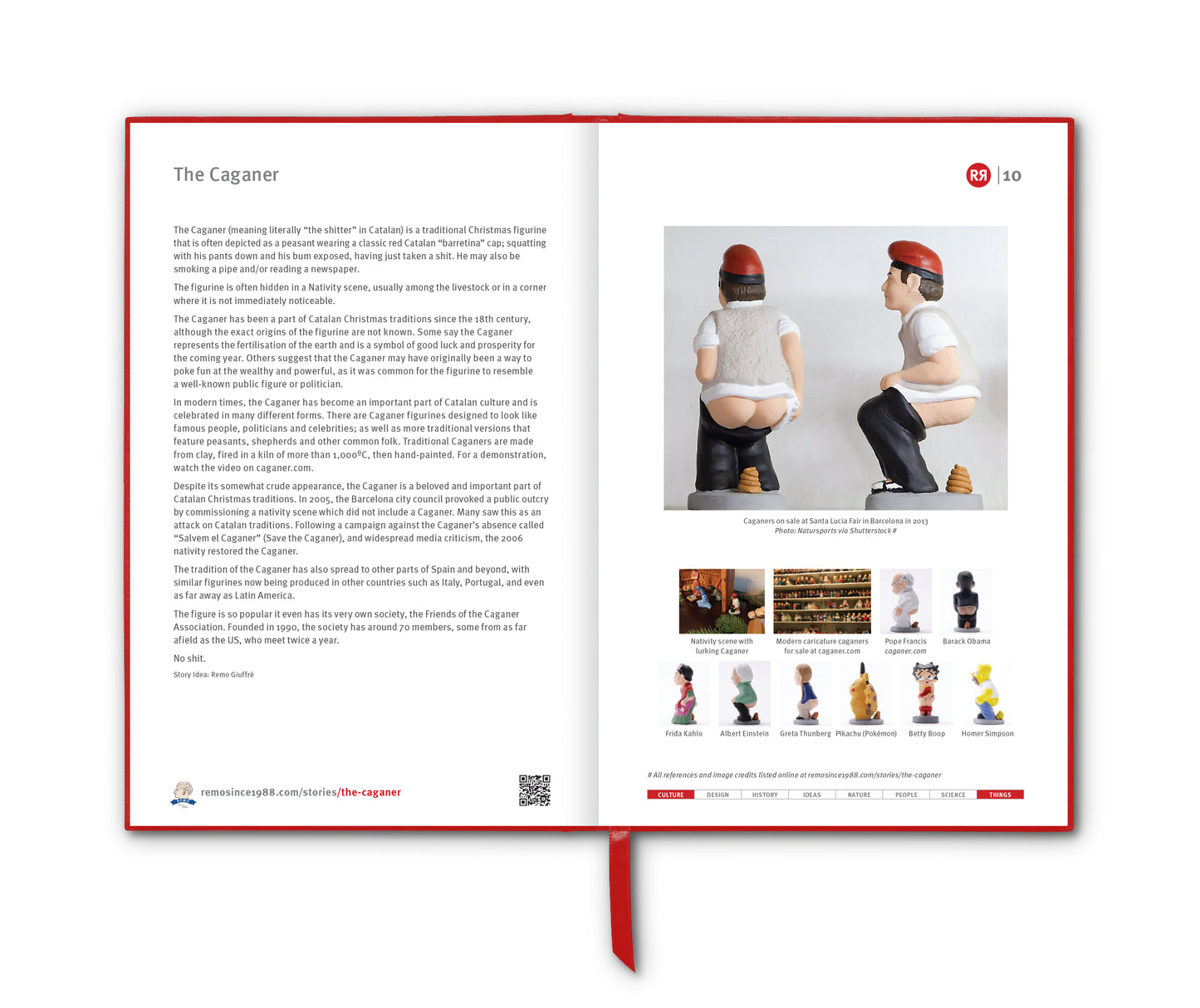
“Soup Nazi”, describing an authoritarian gatekeeper, became so widely used that it entered mainstream political and media vocabulary, and there are competitions for the best “Elaine dancer” – complete with thumb gesturing and little kicks.
In many ways, Seinfeld anticipated internet meme culture before the internet existed. Almost everyone could identify a “George Costanza moment” – a self-inflicted disaster caused by insecurity, dishonesty or overthinking. Quotable lines spread socially long before GIFs, TikTok clips and reaction memes became commonplace. The show’s dialogue became conversational shorthand.
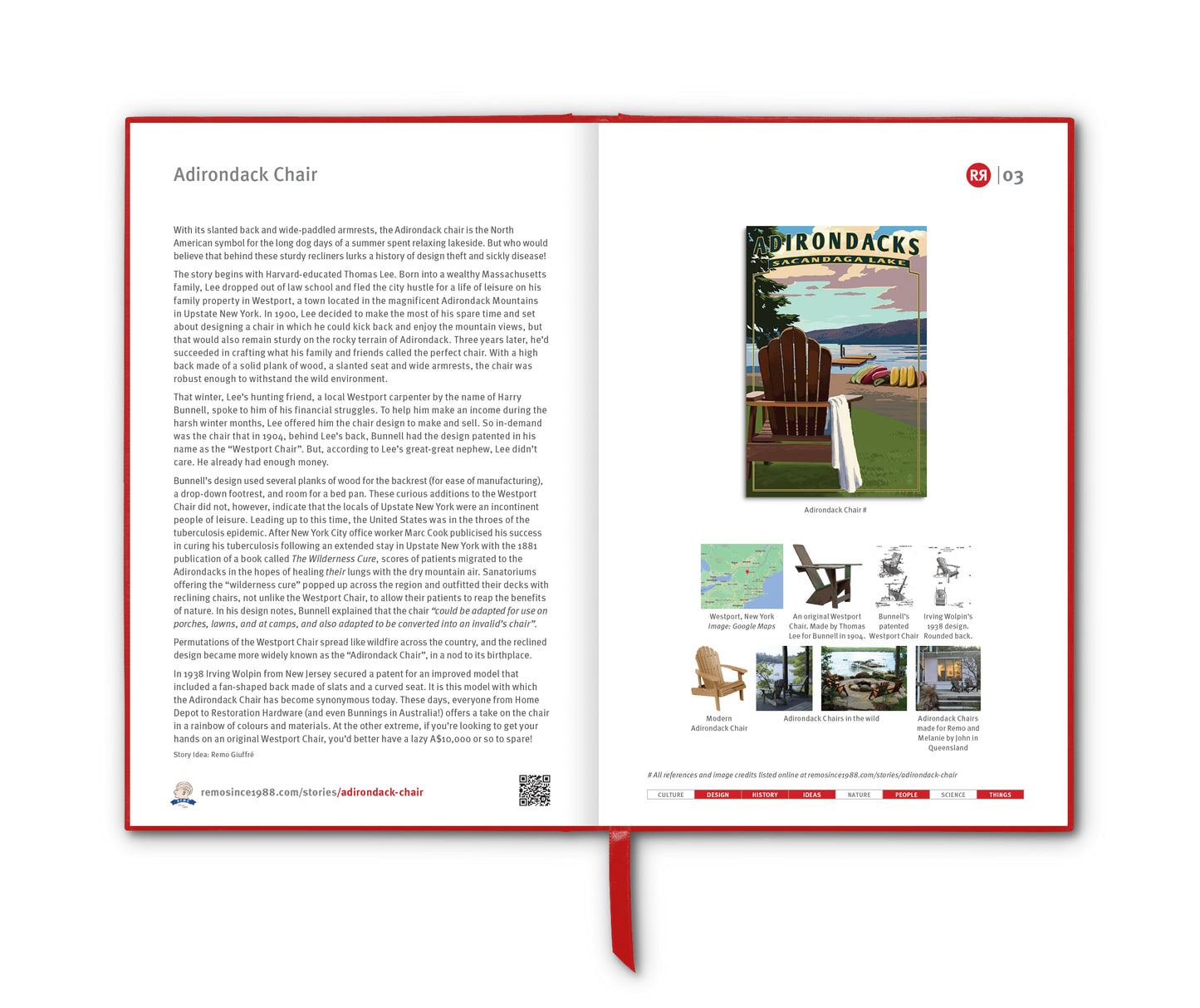
The series also turned observational comedy into a form of social anthropology. It examined the unwritten rules governing modern life: when to say hello, how long to wait before calling someone, whether it is acceptable to eat an éclair from a rubbish bin, situations where the use of an exclamation mark becomes mandatory [RR6:16] or how to behave while queuing. Seinfeld's genius lay in noticing behaviours so ordinary they had previously escaped examination.
Perhaps the clearest example of the show escaping fiction and entering reality is Festivus, the mock holiday introduced in a 1997 episode. Featuring an aluminium pole, the “Airing of Grievances” and “Feats of Strength”, Festivus began as a joke based on a writer’s eccentric family tradition. Today it is celebrated in homes, offices and bars around the world every 23 December: “Festivus for the Rest of Us”.
Why does Seinfeld still survive and resonate? Well, mostly because of the quality of the writing and the performances; but also due to its focus and preoccupations. Social awkwardness never truly disappears. Technology changes, but human behaviour changes slowly. The dating apps, smartphones and social media of modern life have only created new versions of the same anxieties the show explored decades ago. Seinfeld endures because it captured something timeless: the comedy hidden within ordinary human behaviour.
___________________________________
References
wikipedia.org/wiki/Seinfeld
britannica.com/topic/Seinfeld
smithsonianmag.com/arts-culture/how-seinfeld-show-about-nothing-changed-everything
vox.com/2014/7/6/5874267/how-seinfeld-changed-tv-30th-anniversary
businessinsider.com/seinfeldia-how-seinfeld-changed-tv-2016-8
Images
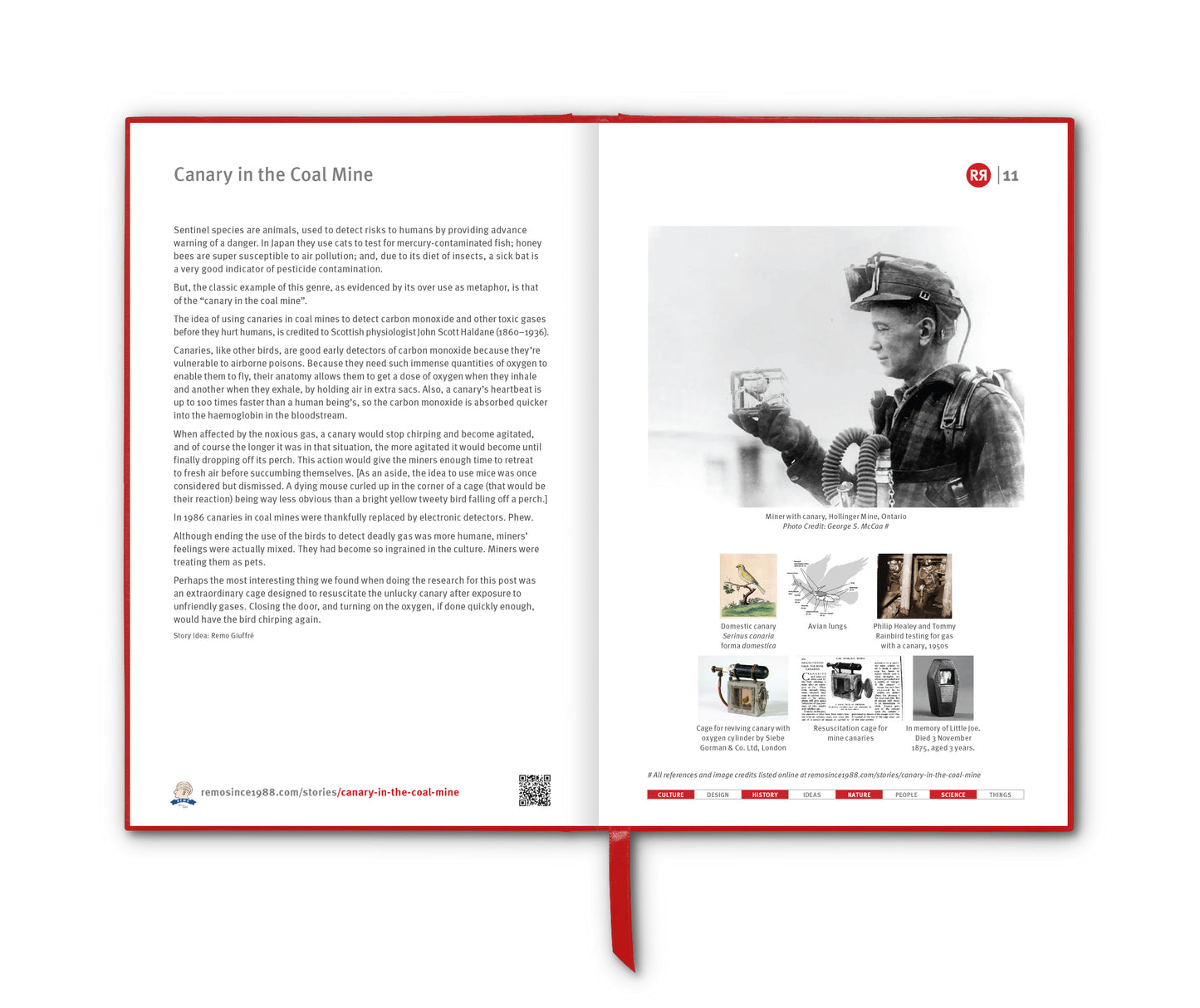
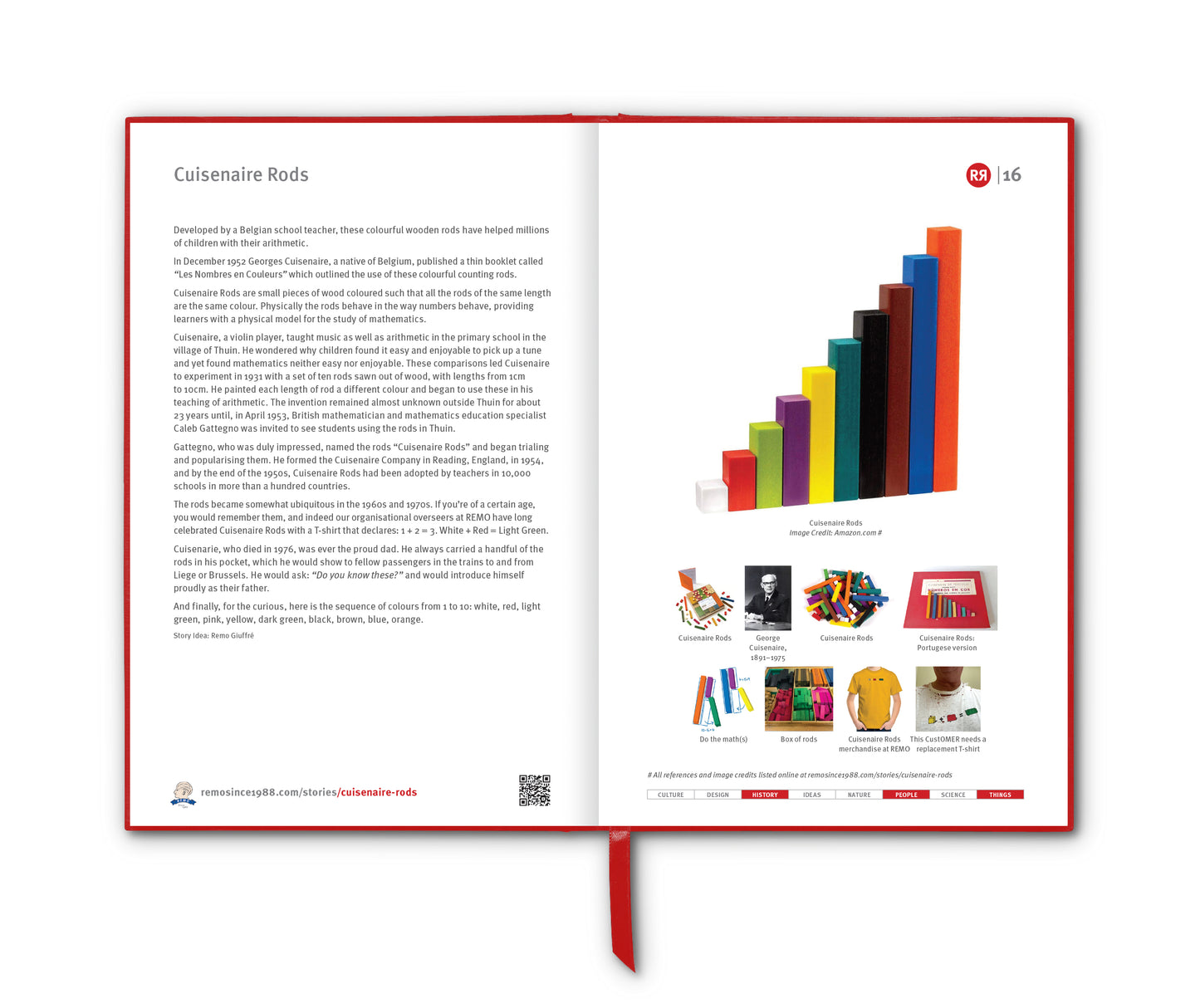
1. Cast of Seinfeld (left to right): Michael Richards, Jason Alexander, Julia Louis-Dreyfus and Jerry Seinfeld. Credit: NBC
2. Jerry Seinfeld and Larry David in the 1990s
3. Scene from the TV series Seinfeld. Credit: Castle Rock Entertainment
4. Michael Richards portraying Kramer in the Seinfeld episode “The Letter” (1992). Credit: Castle Rock Entertainment
5. George working on the Pensky file
6. Vandelay Industries was George's fake employer
7. Video: "No Soup For You!" | The Soup Nazi | Seinfeld
8. Video: "Elaine's Dancing | The Little Kicks" | Seinfeld
9. Origins of Festivus poster
10. "Kramer's Reality Tour" by the real Kenny Kramer
11. Book: Seinfeldia: How a Show About Nothing Changed Everything by Jennifer Keishin Armstrong, 2016
12. Board Game: "What Do You Meme? Seinfeld Expansion Pack"