
Few cities are as intimately tied to their taxi drivers as London. For more than 160 years, becoming a licensed black-cab driver in London has required mastering one of the most demanding memory tests in the world: “The Knowledge”.
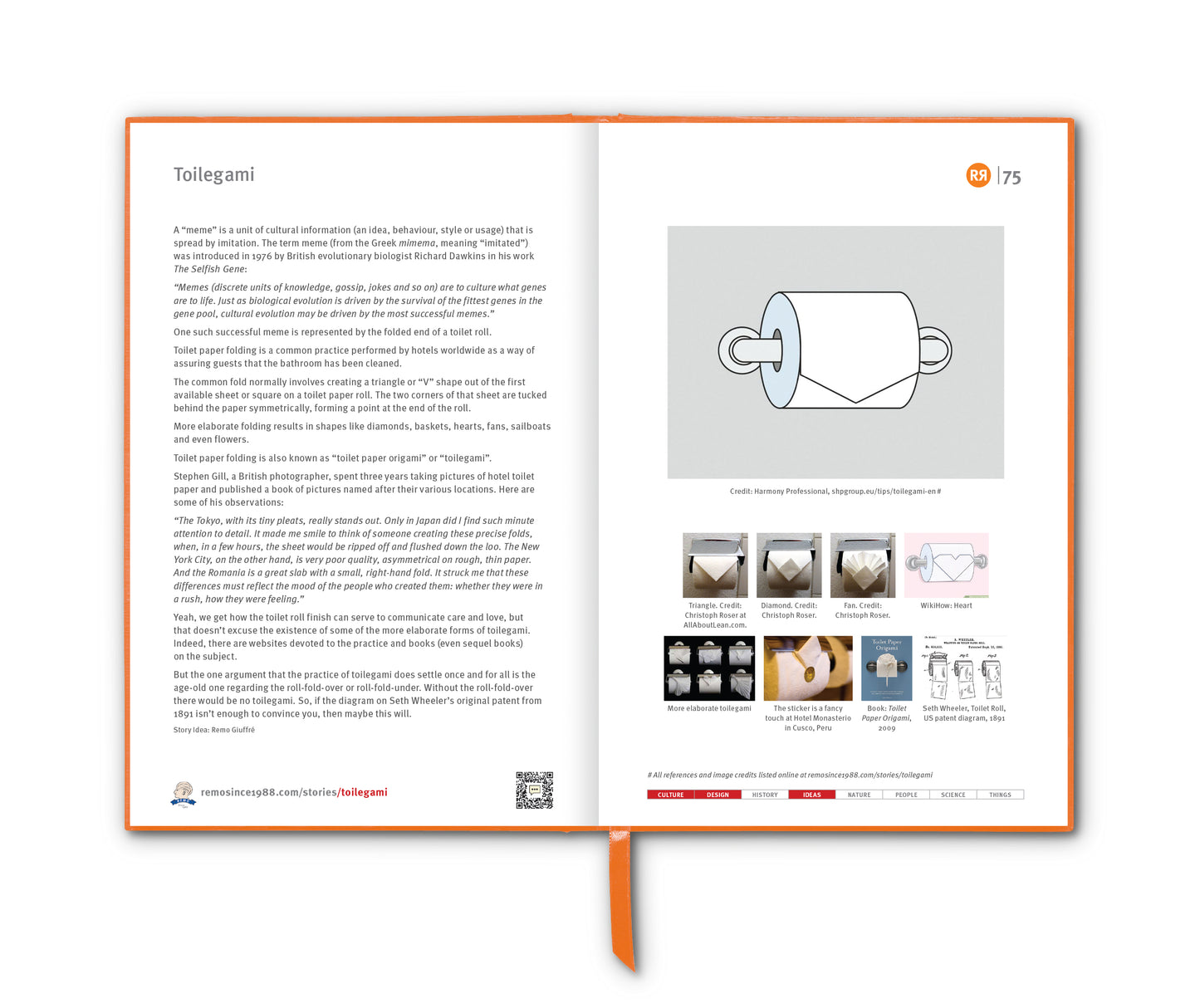
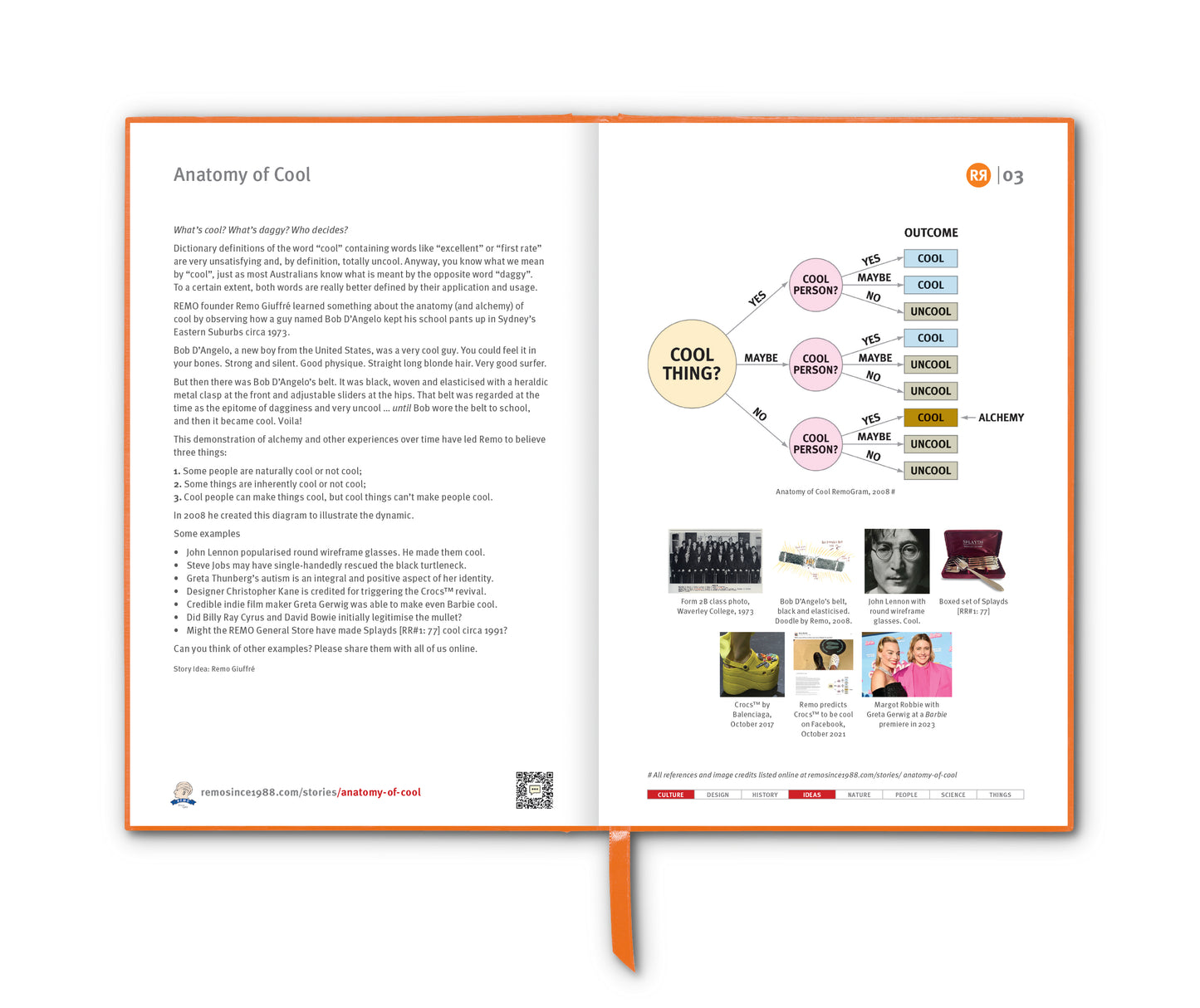
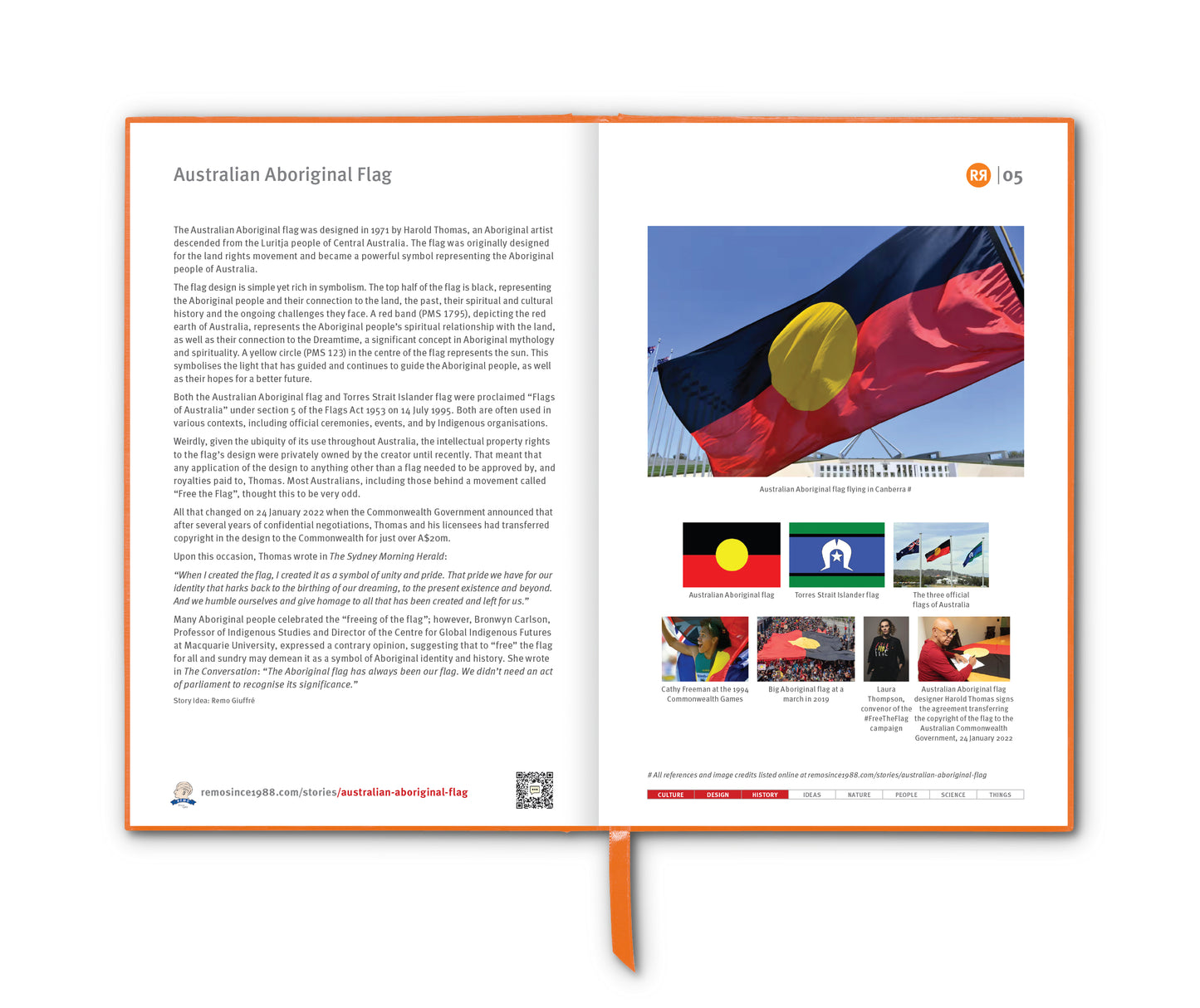
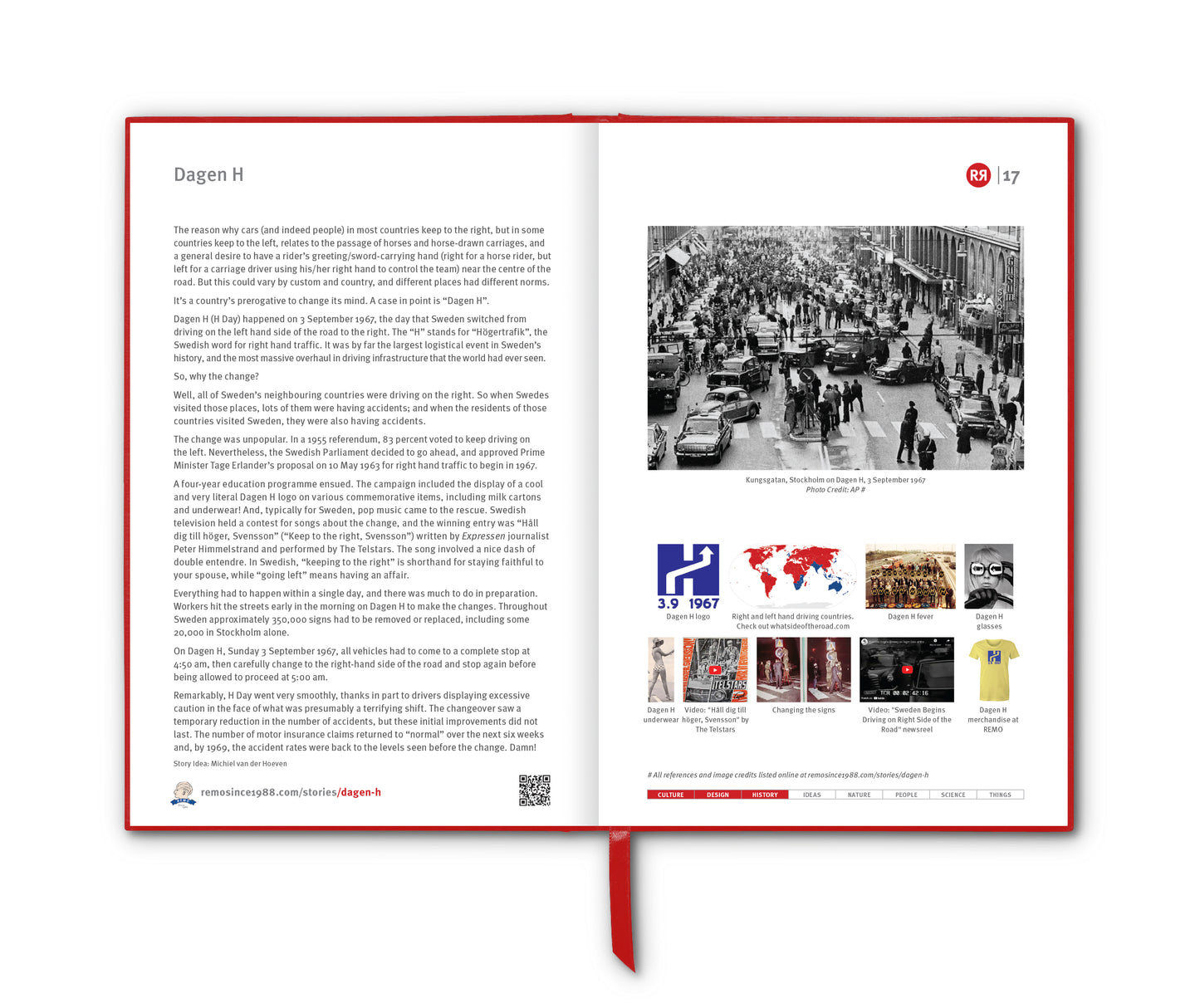
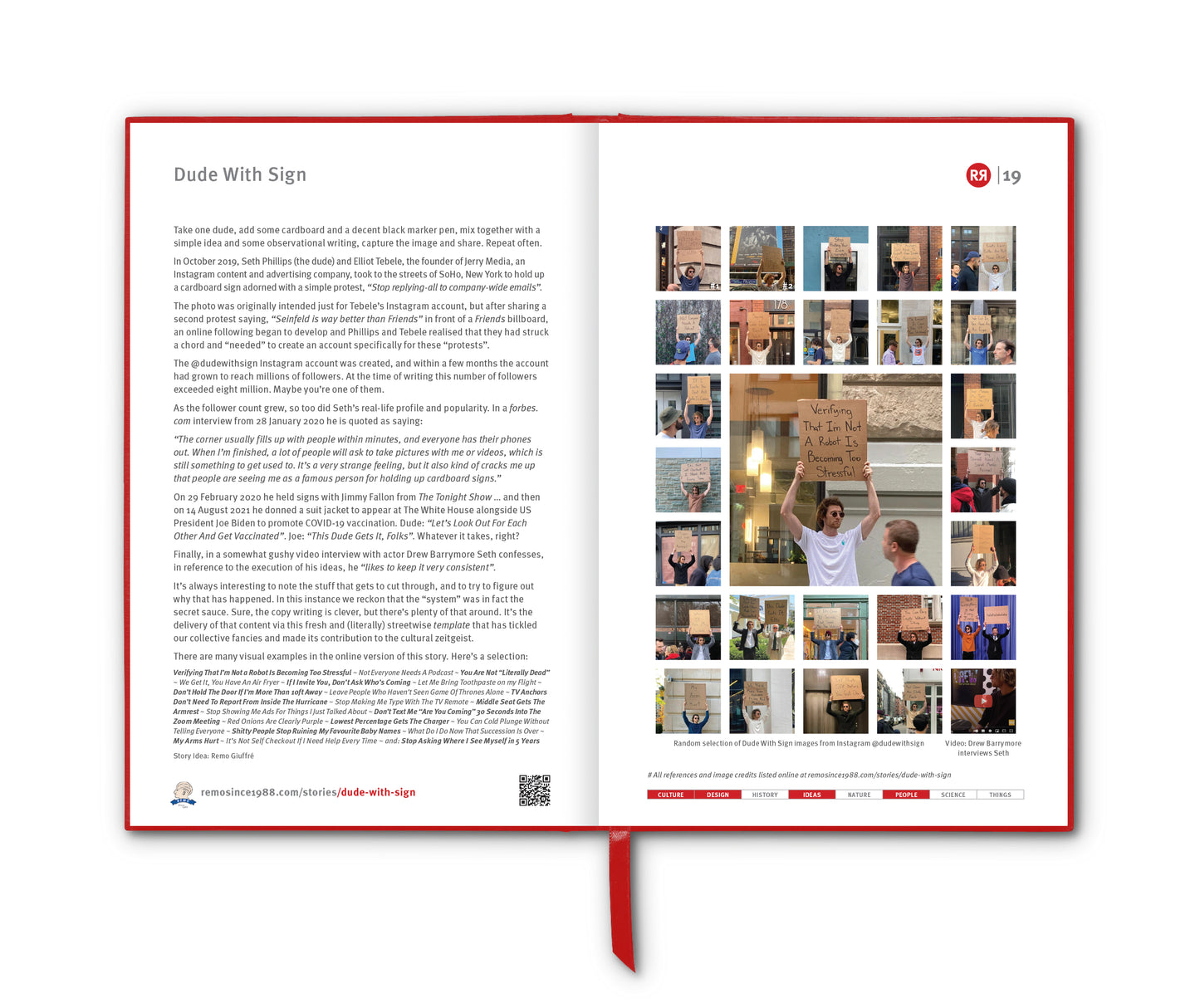
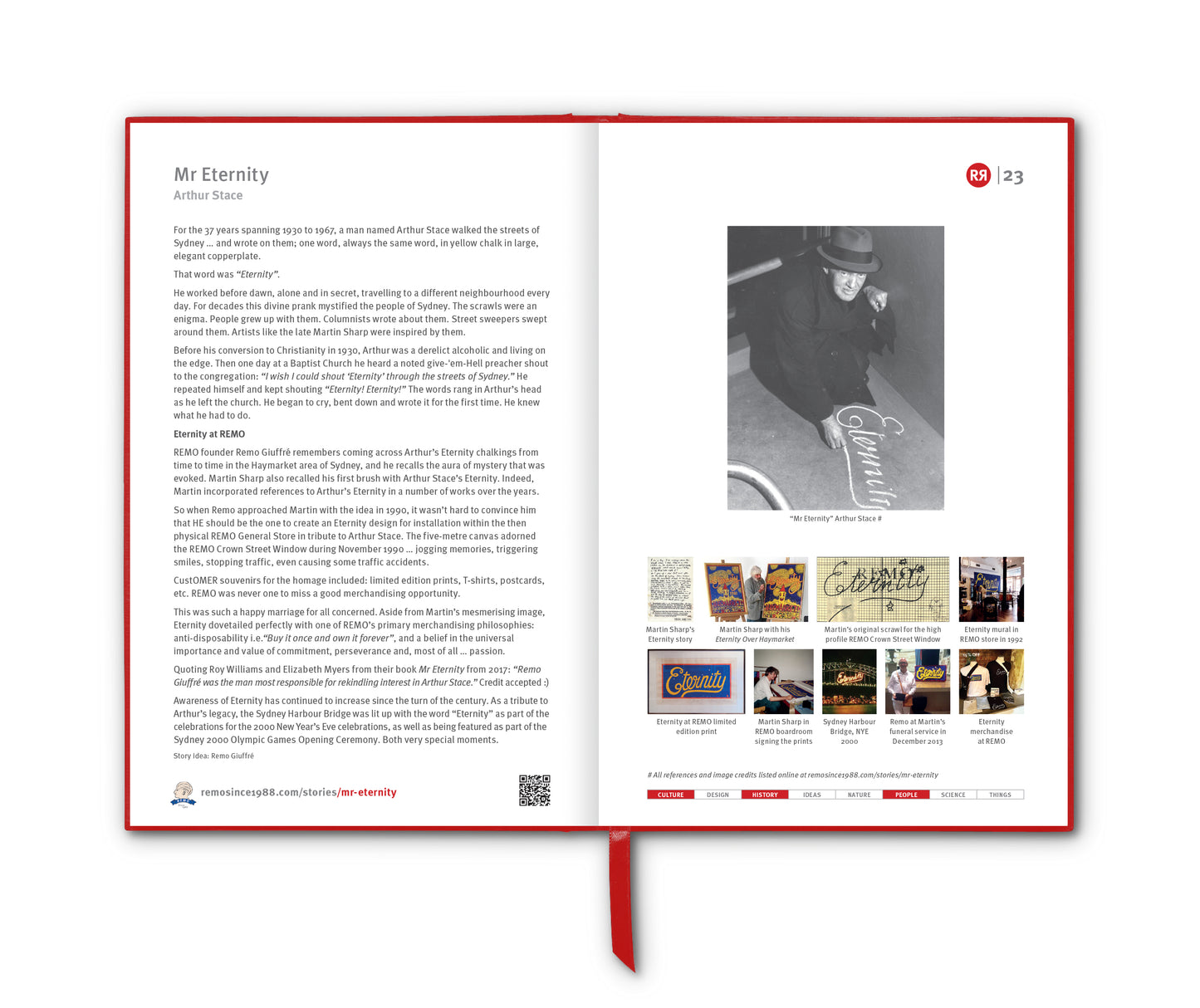
Officially known as “The Knowledge of London”, the system was introduced in 1865 by the then head of London’s Metropolitan Police, Sir Richard Mayne. Dismayed by the number of complaints from visitors to the Great Exhibition of 1851 that London cabbies didn't seem to know where they were going, Mayne eventually made it a requirement that anyone seeking a cabbie's license be an expert on the city. At the time, and indeed still today, London’s streets formed a tangled maze of alleys, crescents, mews, and squares. Authorities decided that drivers should prove they truly knew the city before being granted a coveted cab driver’s licence.
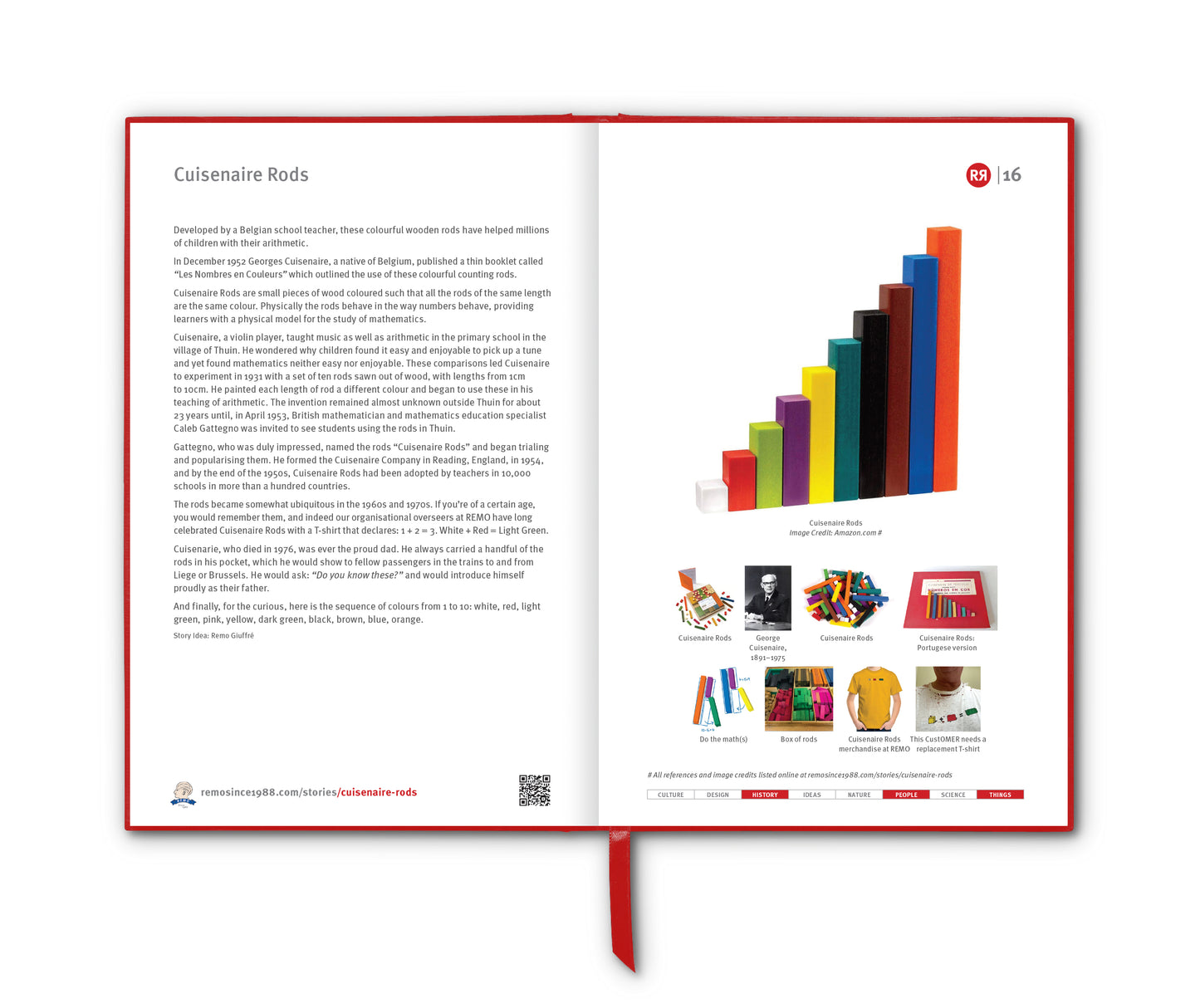
Today, drivers aspiring to earn their “green badge” must learn roughly 25,000 streets within a ten kilometre (six-mile) radius of Charing Cross, traditionally regarded as the centre of London. They must also memorise thousands of landmarks: hotels, theatres, hospitals, embassies, clubs, parks, railway stations and historic buildings. The training revolves around 320 standard routes known as “runs,” connecting important points across the capital.
The process is famously gruelling. Students – often called “Knowledge boys” or “Knowledge girls” regardless of age – spend years crisscrossing London on scooters or small motorbikes, maps and clipboards attached to their handlebars. They learn routes street by street, reciting them aloud repeatedly until the map of London becomes embedded in memory. Most candidates take between three and four years to qualify, though some take much longer. Only one in five go on to successfully complete The Knowledge. (To put that success rate into perspective, the percentage of people who successfully complete The Knowledge is roughly the same as that of candidates who make it through the training to become a U.S. Navy SEAL.)
Examinations are oral and intensely detailed. A candidate might be asked to travel from the Savoy Hotel to Buckingham Palace, and must instantly describe the shortest legal route, naming every street and turn in sequence. Hesitation can mean failure. In the days when a direct route was marked with push pins and thread, being “on the cotton” was being able to work out the route that stayed closest to the thread.
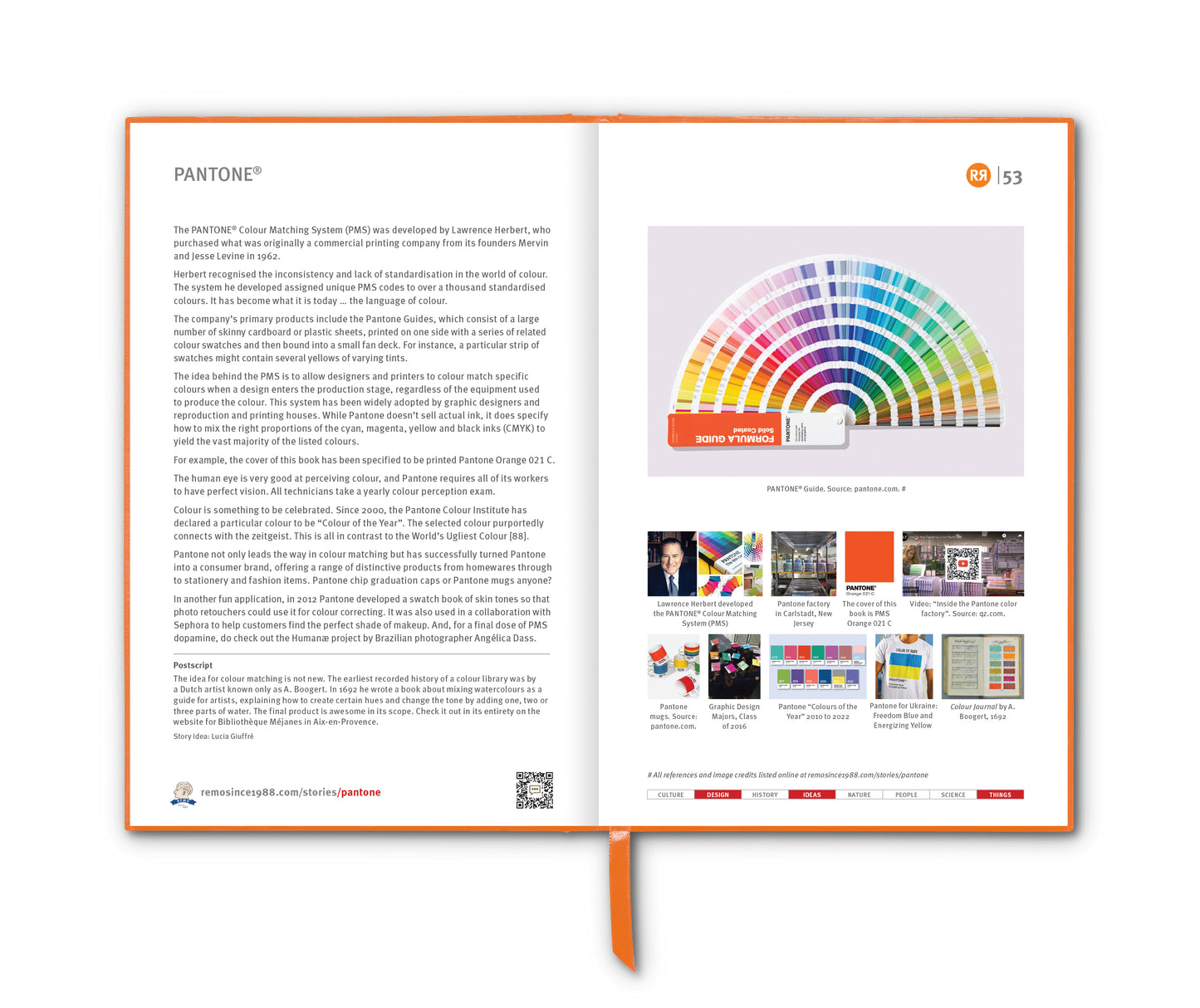
The Knowledge has fascinated scientists because of what it appears to do to the human brain. A famous 2000 study at University College London led by Eleanor Maguire found that qualified taxi drivers had enlarged posterior hippocampi – the part of the brain associated with spatial memory. The longer they had driven taxis, the more pronounced the change appeared to be. The study became one of the world’s best-known examples of neuroplasticity: the brain physically adapting through intensive learning.
Over the years, The Knowledge has become woven into British culture. It has appeared in documentaries, novels and films, and is often regarded as a symbol of discipline and working-class expertise. During World War II, London cab drivers were valued for their navigation skills during blackouts and bomb damage, when normal street orientation became difficult.
The rise of satellite navigation and ride-share apps has sparked debate about whether The Knowledge is still necessary. Yet many Londoners continue to trust black-cab drivers for their uncanny ability to navigate traffic, closures, protests and obscure back streets without relying on technology. In 2014, in a test to prove this point, London's Guardian newspaper pitted a cabbie against a Sat-Nav-equipped driver from Uber. The Uber driver did the run from the newspaper's office in King's Cross to Big Ben, in Westminster, in 22 minutes; the cabbie did it in 18, by taking a slightly longer route he knew to be quicker.
In a city constantly changing, The Knowledge remains one of London’s most extraordinary living traditions.
_____________________
References
tfl.gov.uk/info-for/taxis-and-private-hire/licensing/learn-the-knowledge-of-london
nytimes.com/2014/11/10/t-magazine/london-taxi-test-knowledge
nationalgeographic.com/culture/article/140808-london-cabbies-knowledge-cabs-hansom-uber-hippocampus-livery
npr.org/sections/parallels/2015/10/21/450235327/londons-cabbies-say-the-knowledge-is-better-than-uber-and-a-gps
theguardian.com/uk-news/2014/may/30/comparing-uber-and-traditional-uk-black-cabs
Images
1. Black cabs in London, 2019. Photo by Szabolcs Szarapka on Unsplash
2. The Crystal Palace in Hyde Park for Grand International Exhibition of 1851
3. Portrait of Richard Mayne (1796–1868), head of the London Metropolitan Police
4. London maps. Sources: London councils, London Black Cab, Open Street Maps
5. Calculating the shortest route for a run. Credit: NPR
6. London's Knowledge Point School (there are many schools)
7. Knowledge boy on a scooter. Credit: Bloomberg
8. An candidate being tested for The Knowledge
9. The coveted green badge of a London cabbie
10. "Navigation-related structural change in the hippocampi of taxi drivers" by Eleanor Maguire et al, 2000