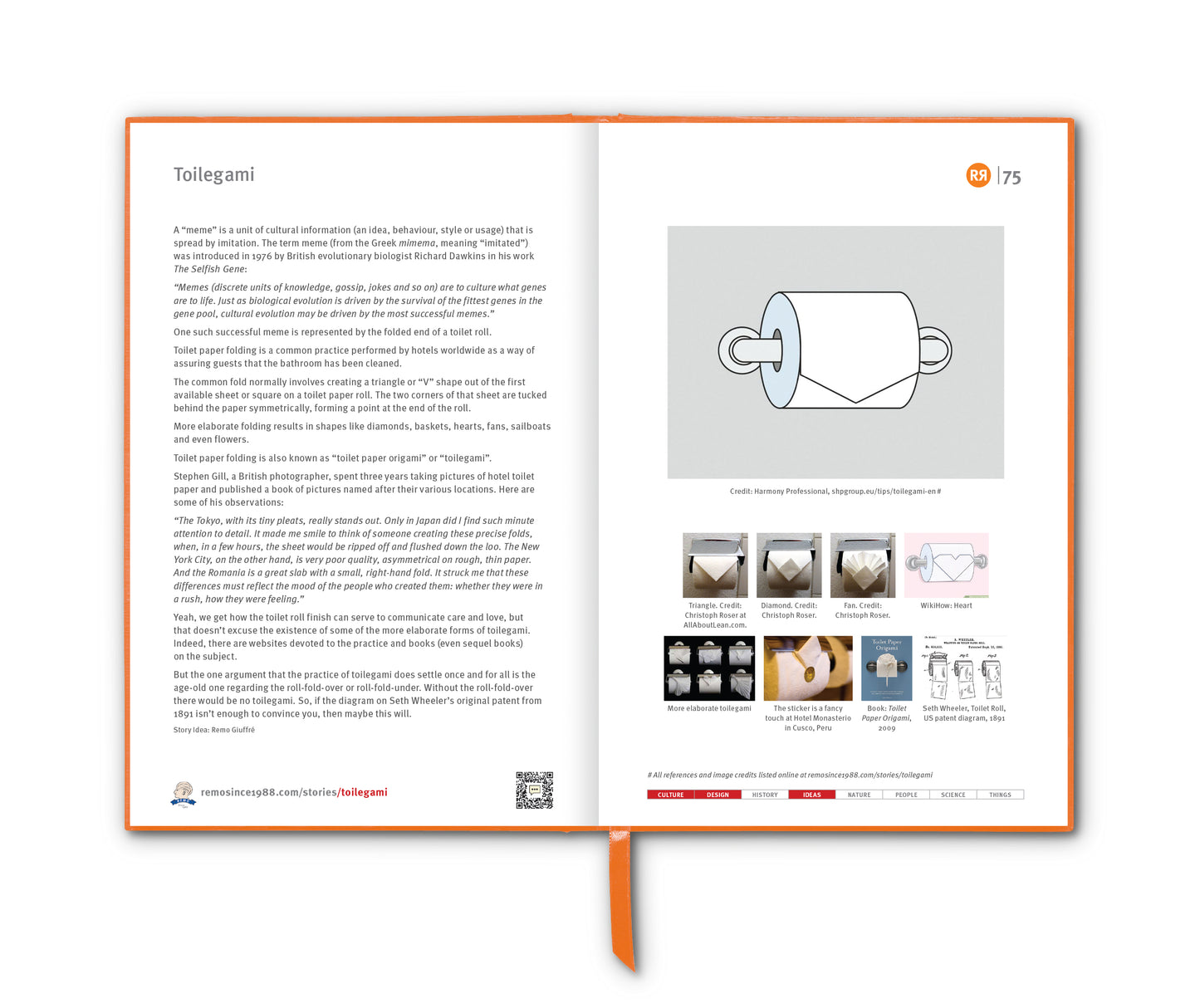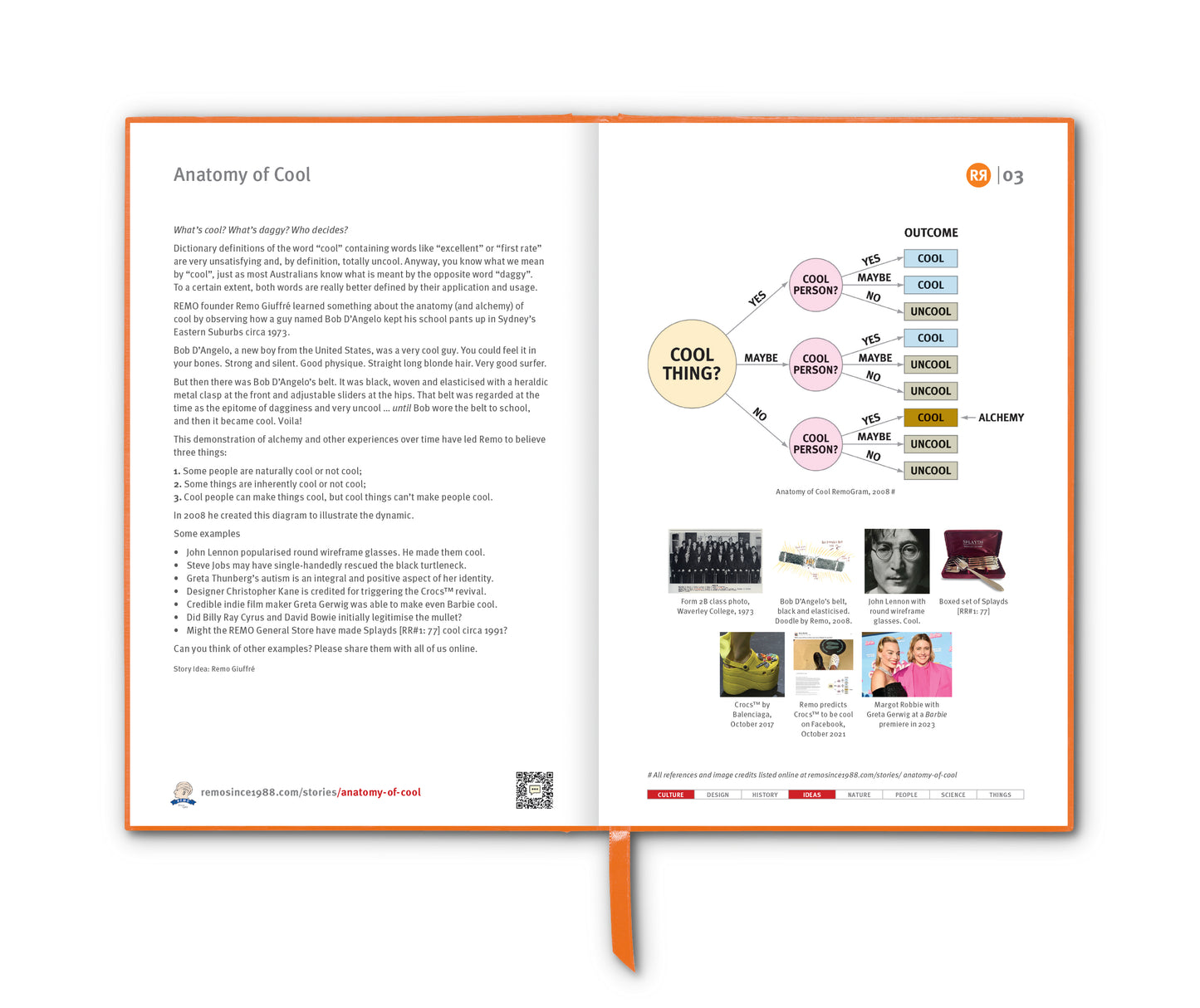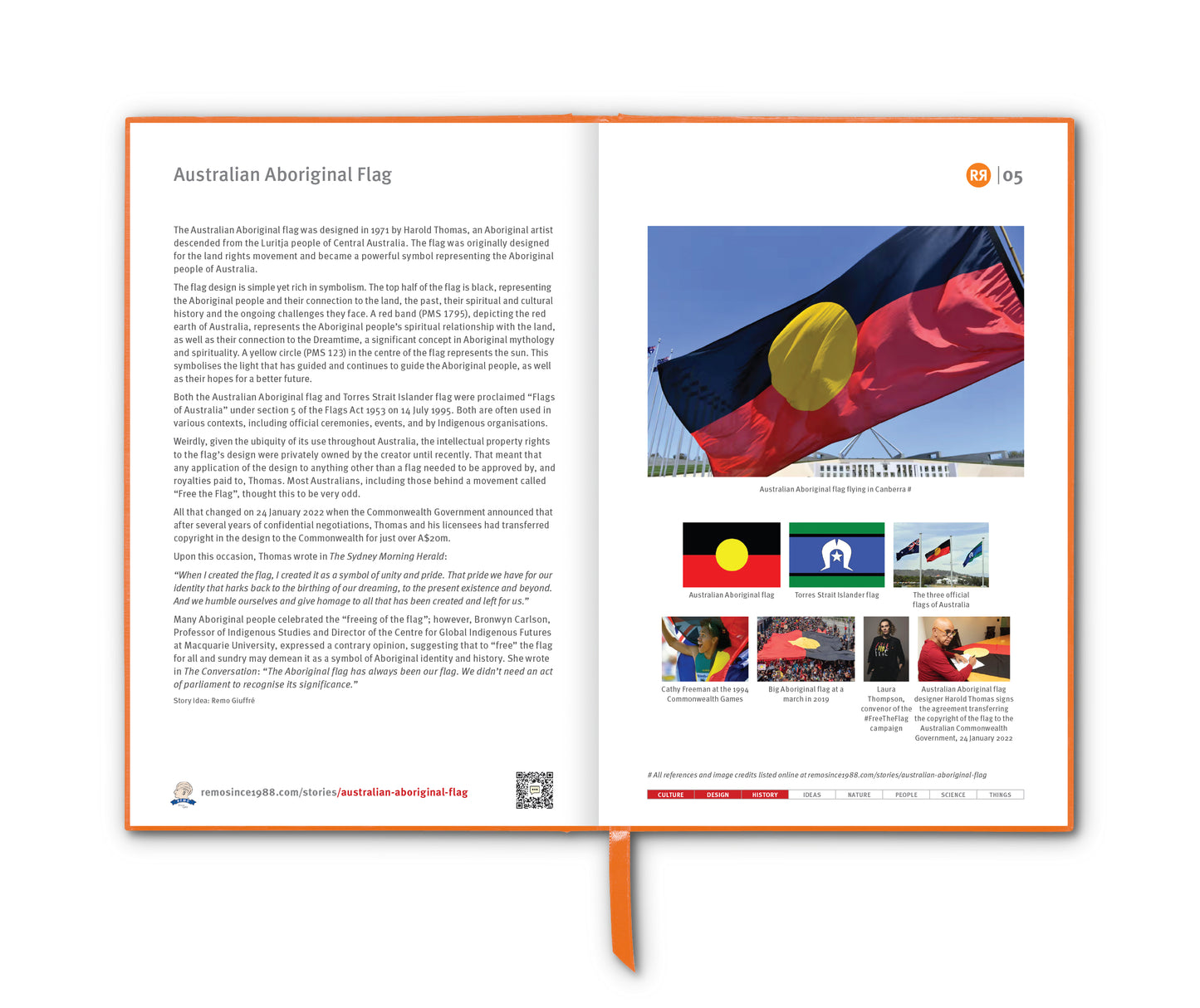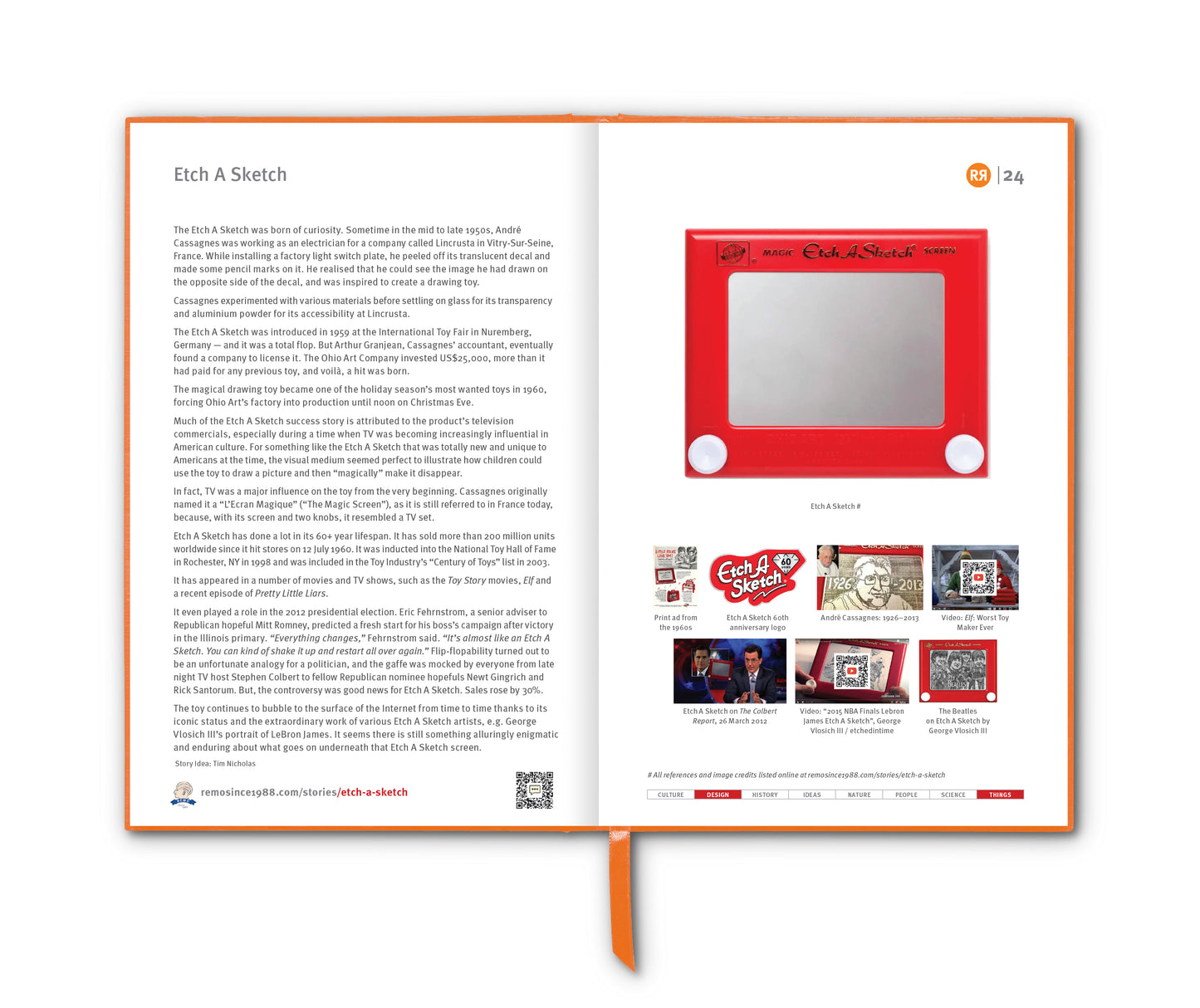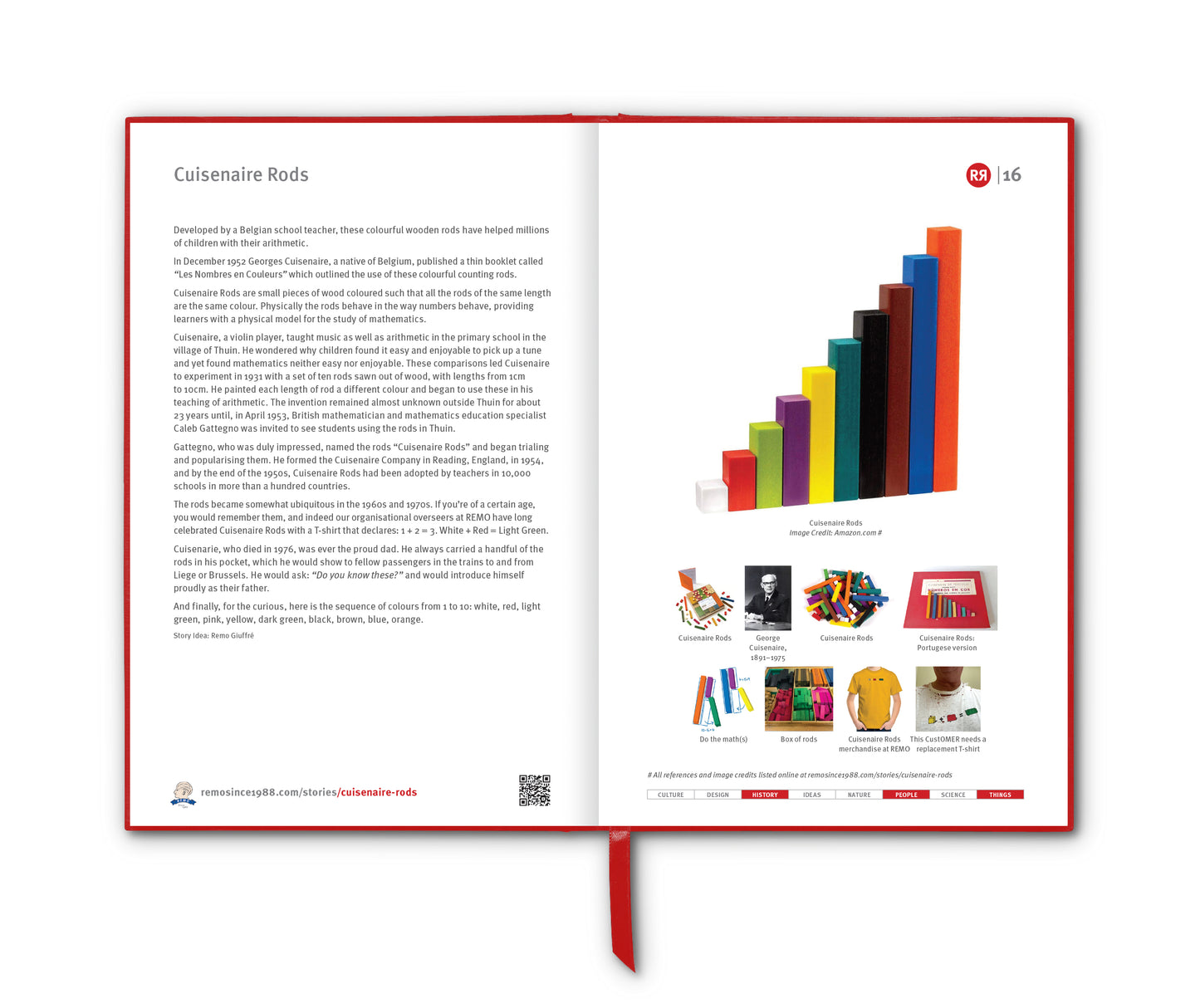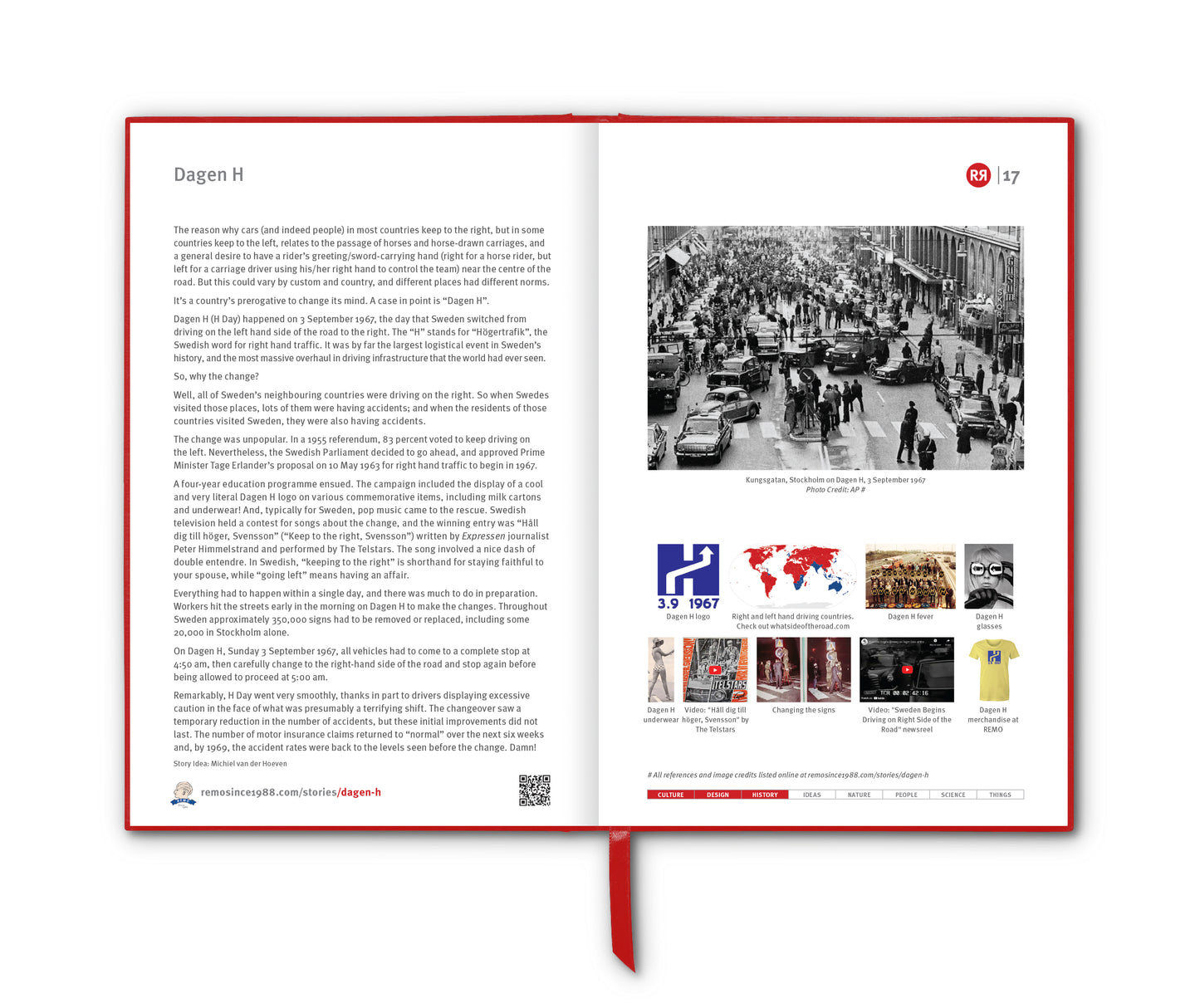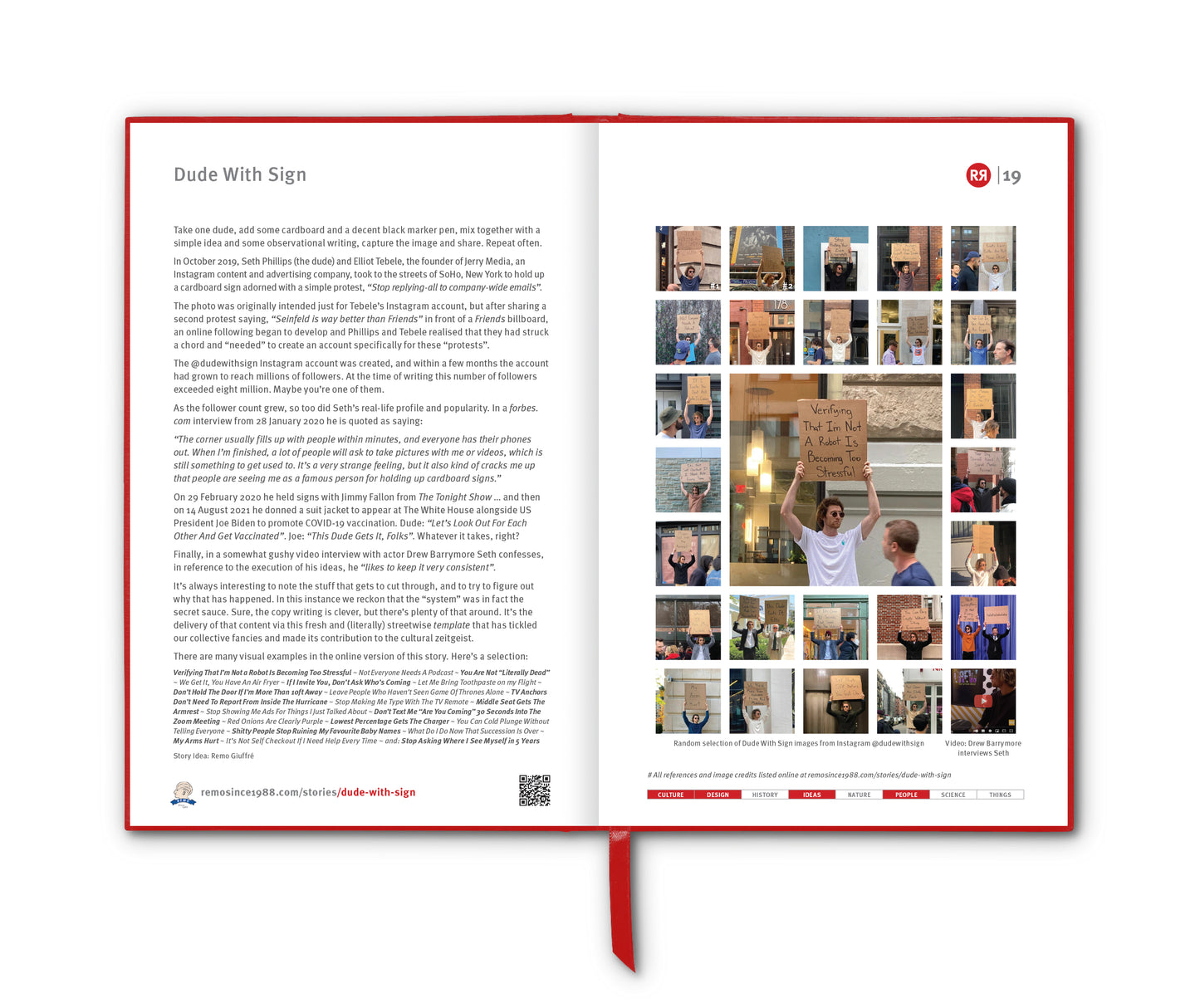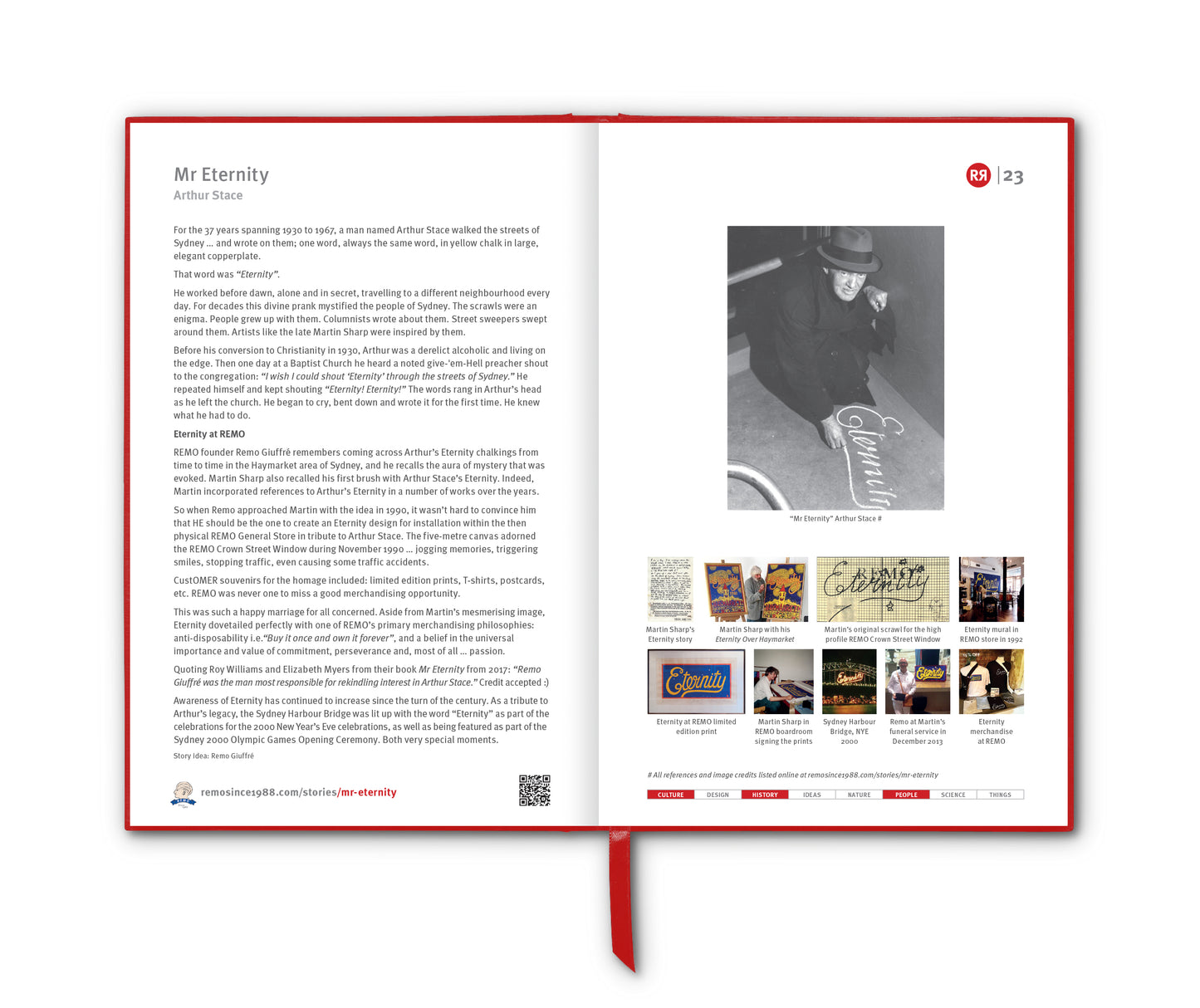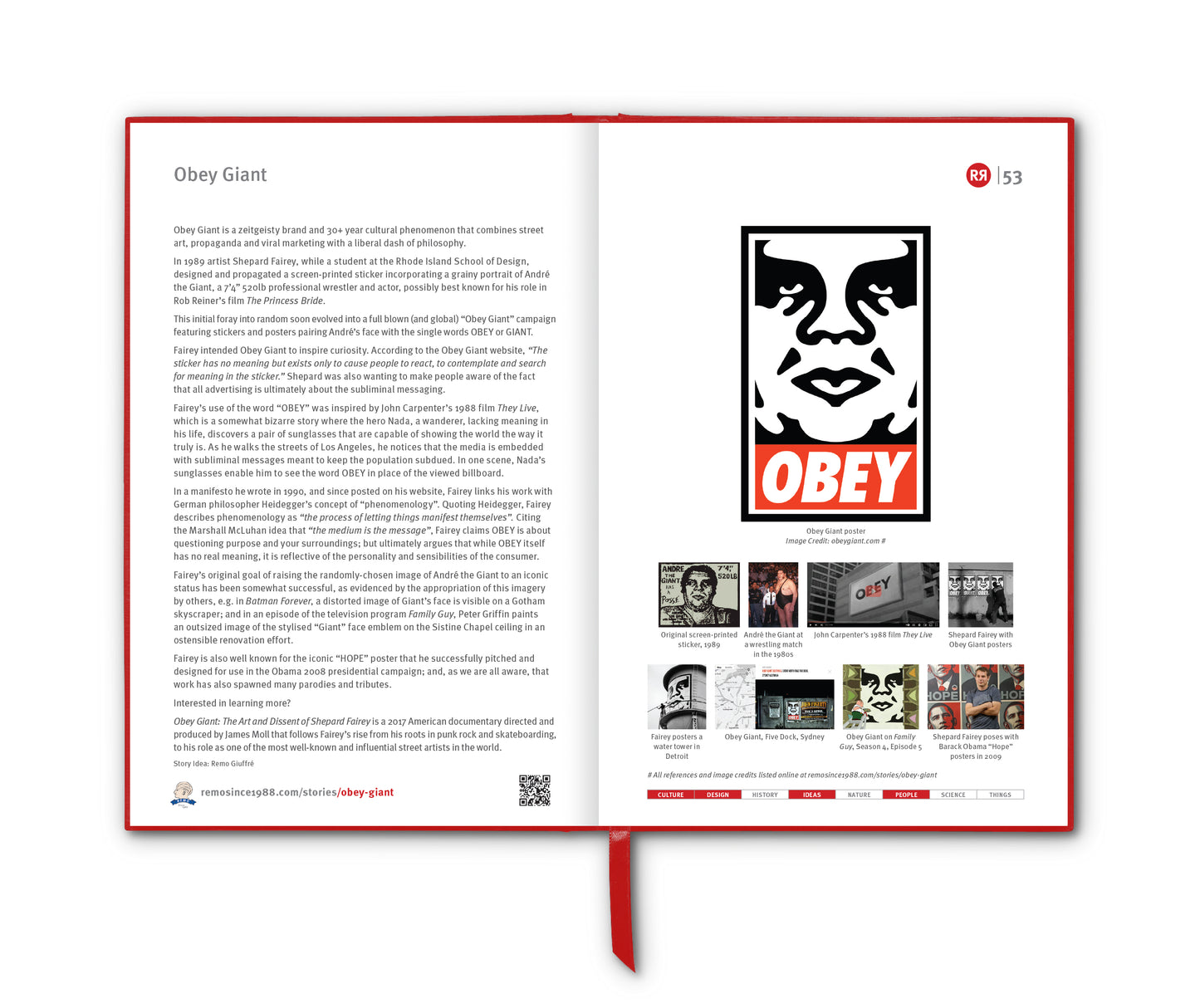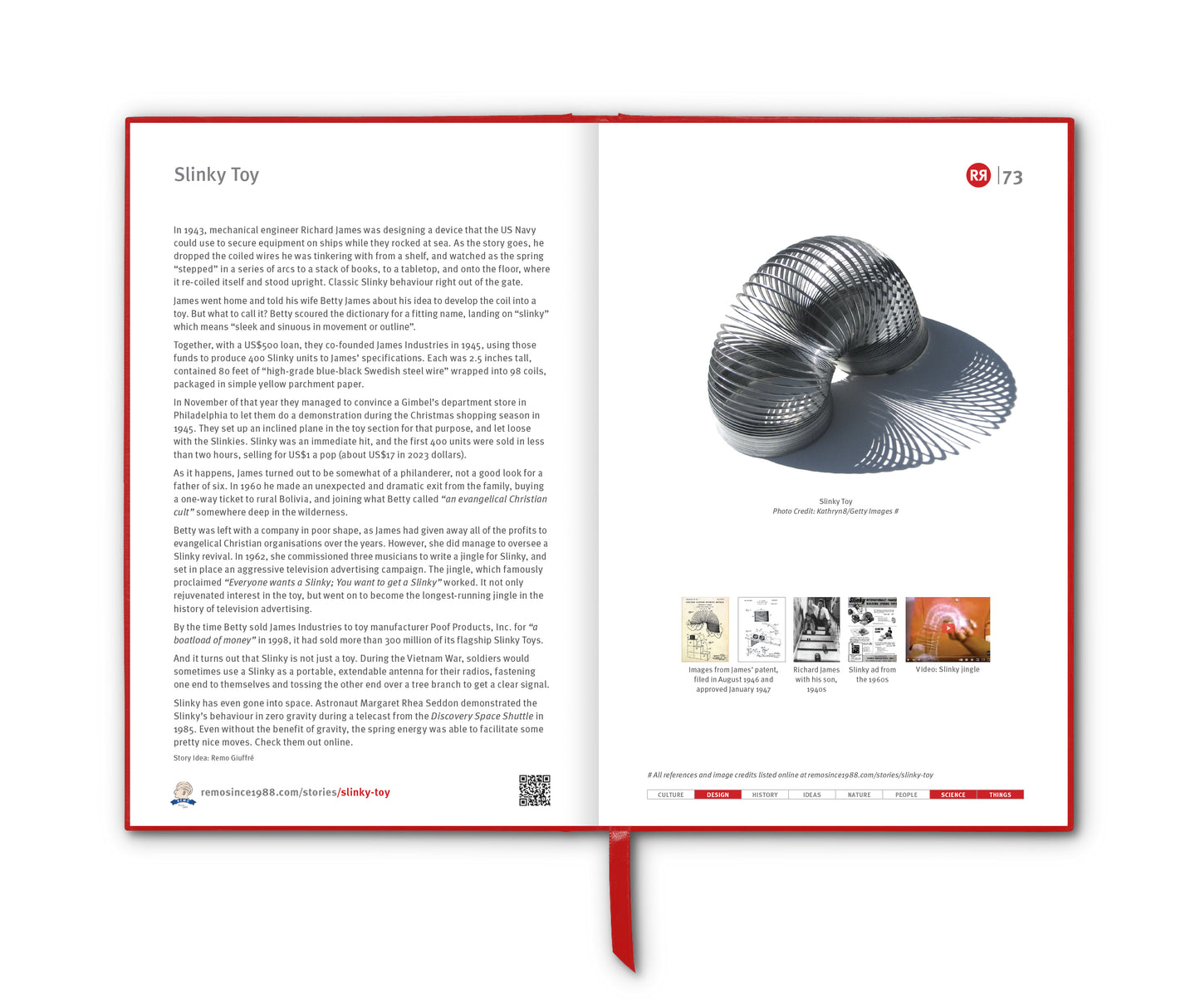

“Uncle Sam” is a personification of the United States, typically depicted as an elderly white man with white hair and a goatee, wearing a white top hat with white stars on a blue band, a blue tail coat and red-and-white-striped trousers. [Ed: Hmm … so Yankee Doodle specific!] He has come to embody the nation’s authority, ideals and – at times – its contradictions.
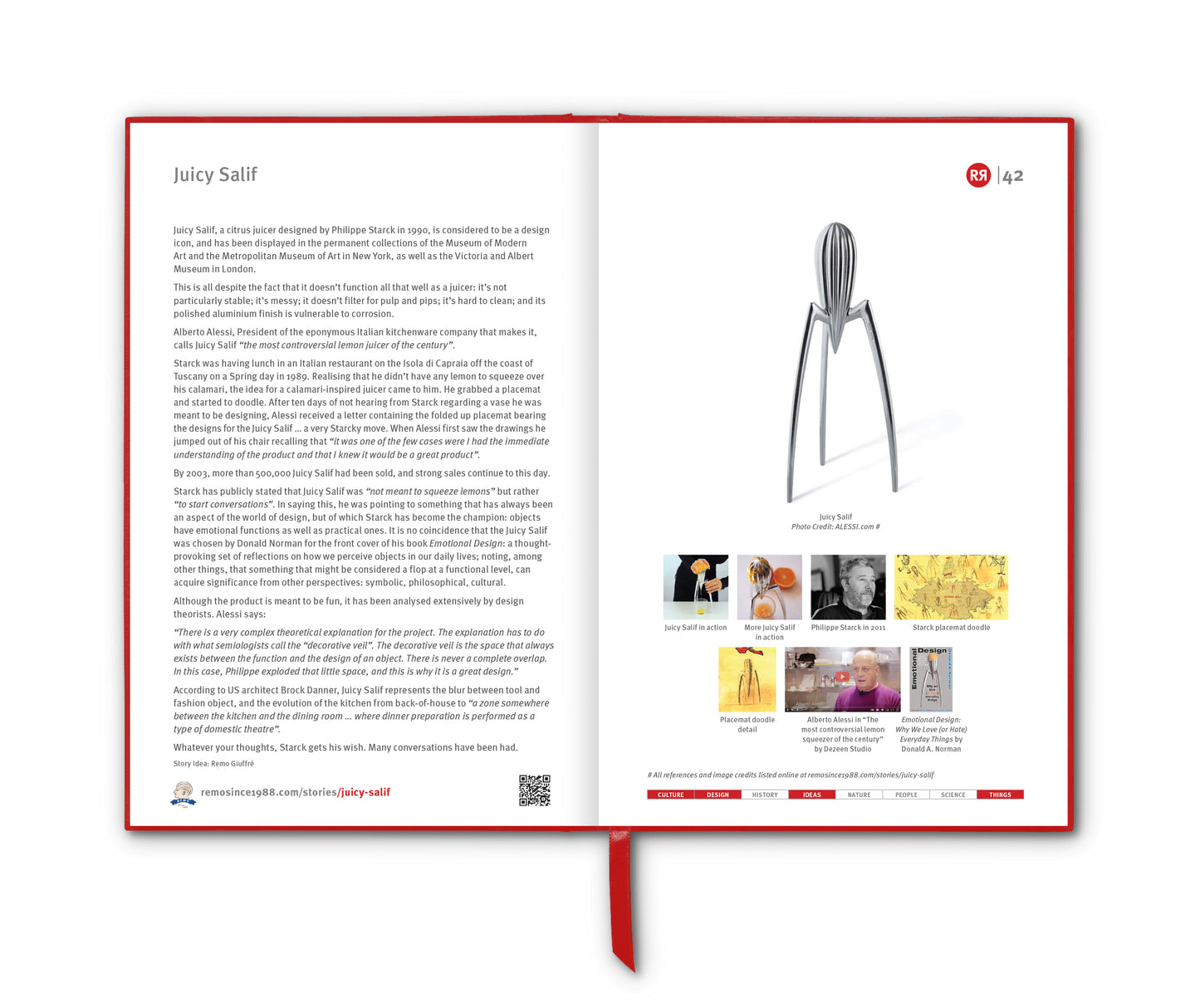
The origins of the character are usually traced back to the early 19th century and a real person: Samuel Wilson, a meat packer from Troy, New York. During the War of 1812, Wilson supplied barrels of beef to the US Army. These barrels were stamped “U.S.” to indicate government property. According to popular lore, soldiers jokingly referred to the initials as standing for “Uncle Sam”, linking them to Wilson himself. The nickname stuck, and “Uncle Sam” gradually became shorthand for the federal government. Historians debate the exact truth of this story, as there exists a footnoted reference to Uncle Sam in the 1810 edition of Niles' Weekly Register, and that was before Samuel Wilson had his government contract in place. Even so, it remains the most widely accepted origin tale. [Ed: That’s how history works.]
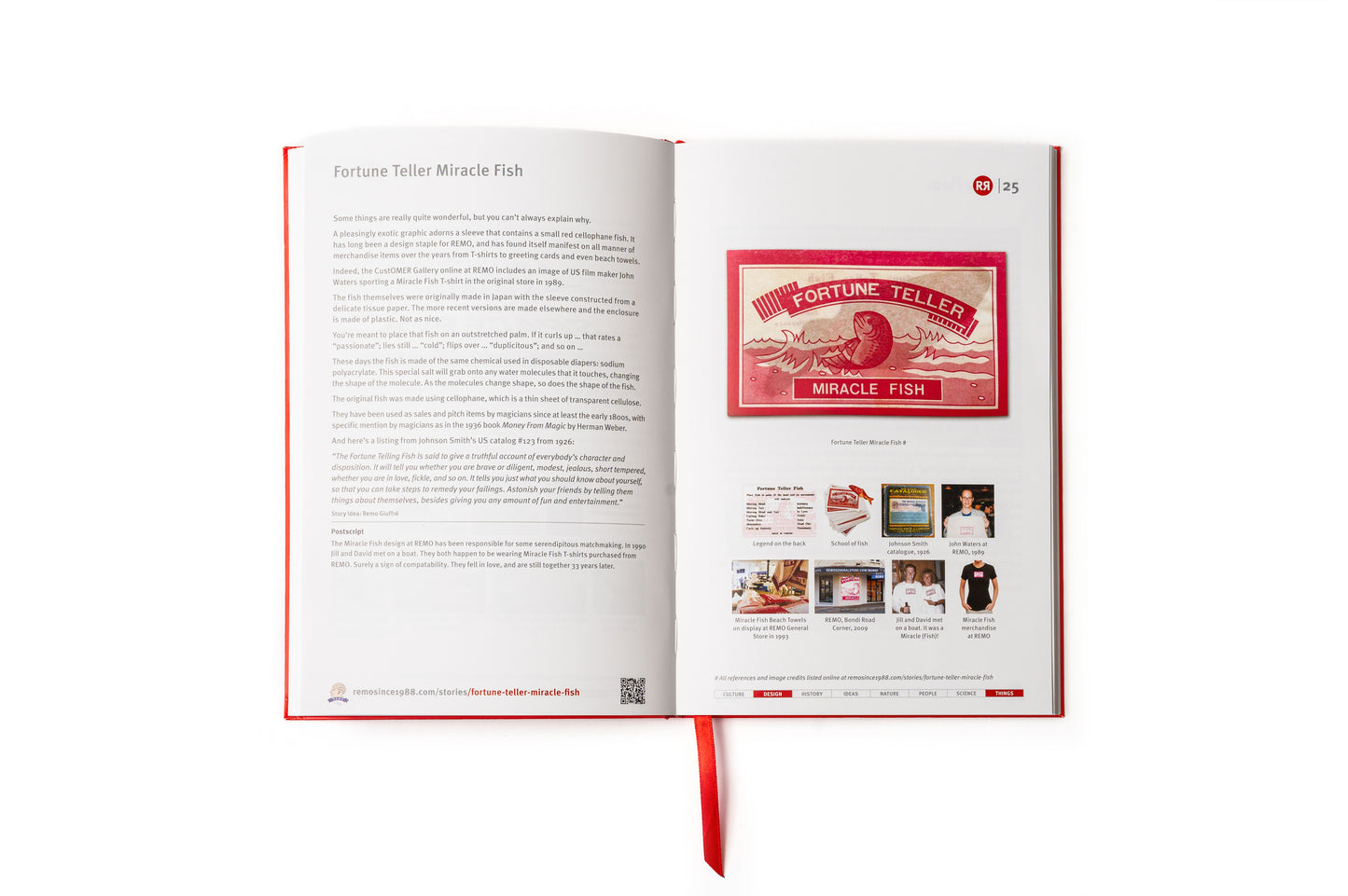
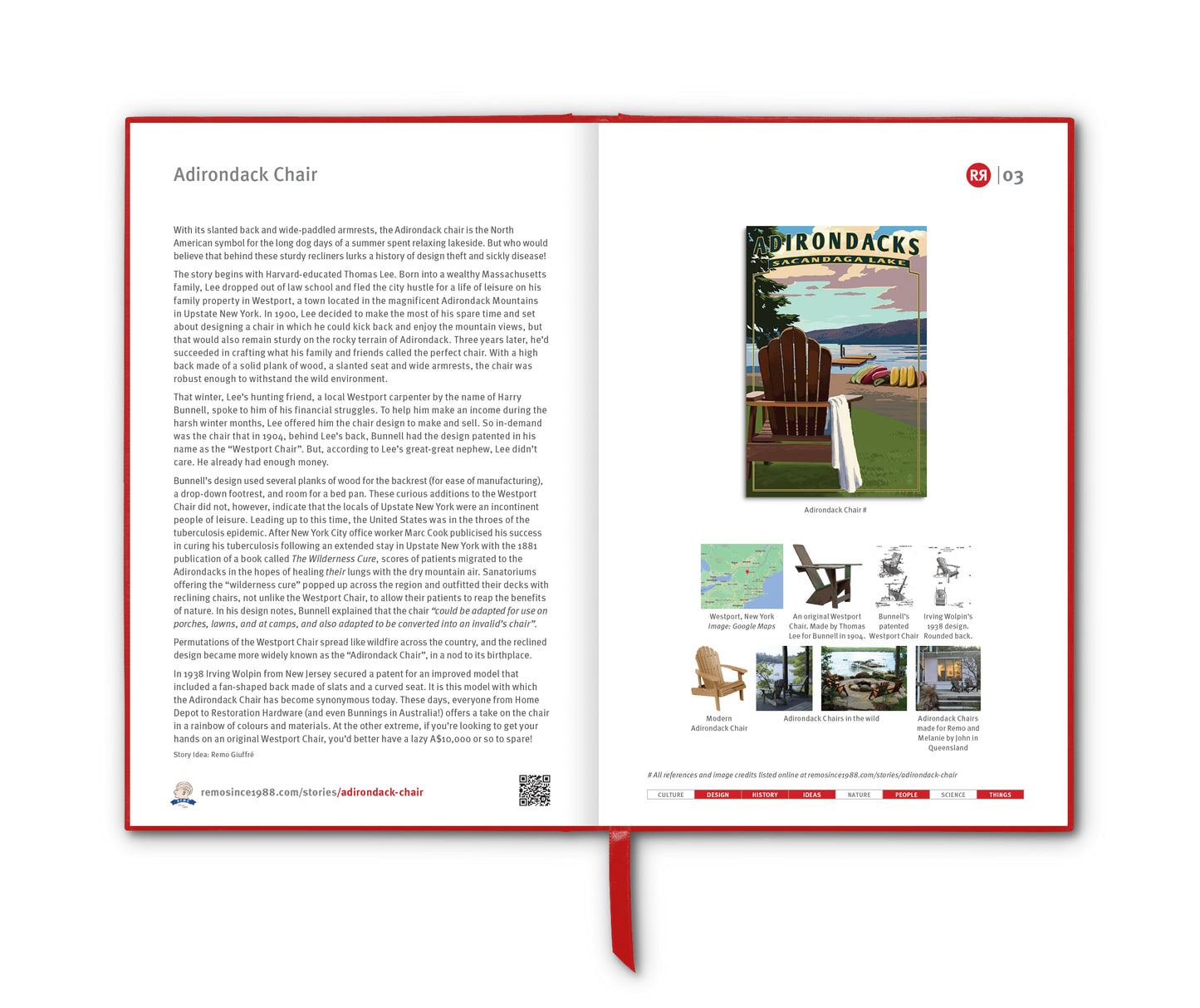
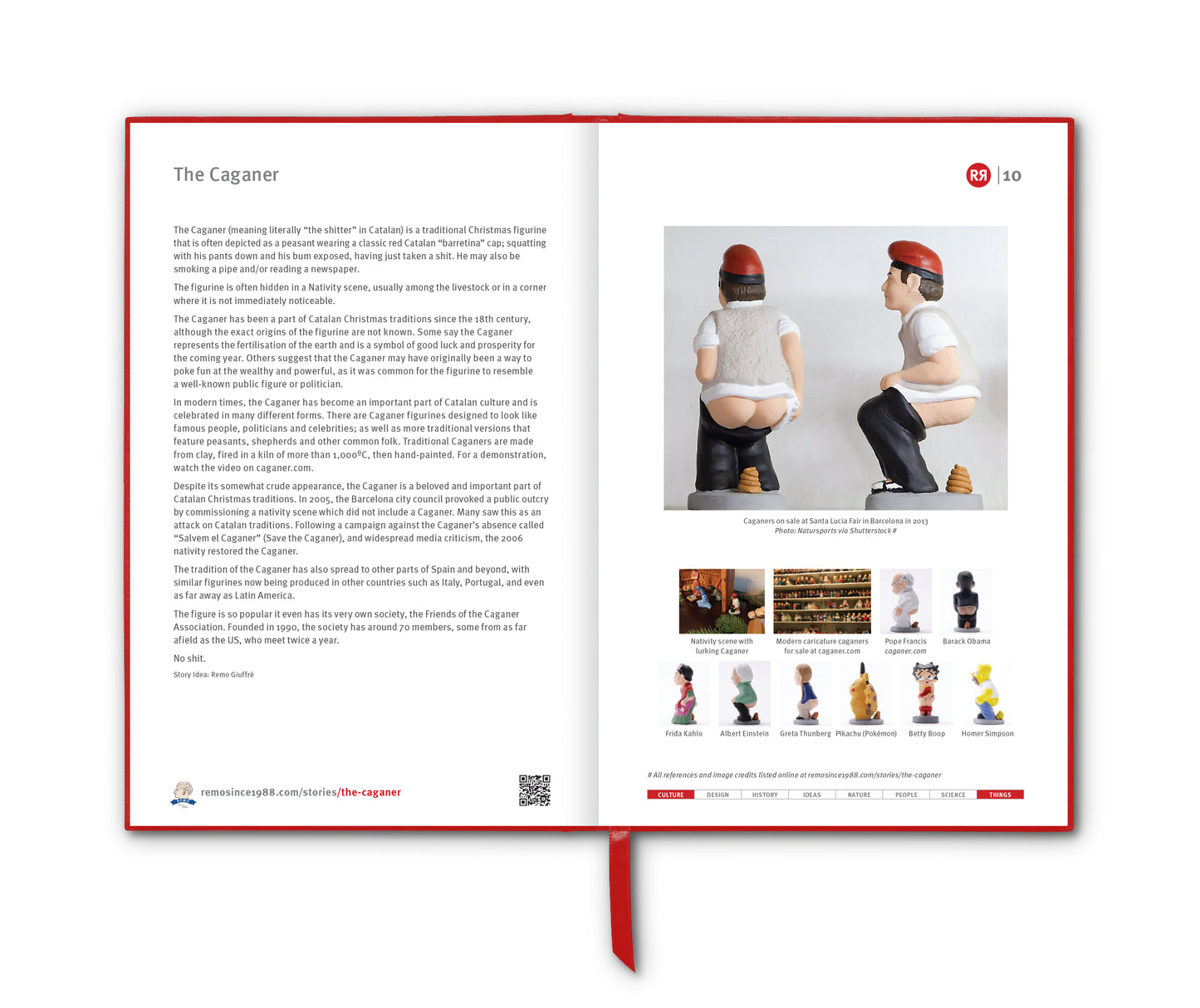
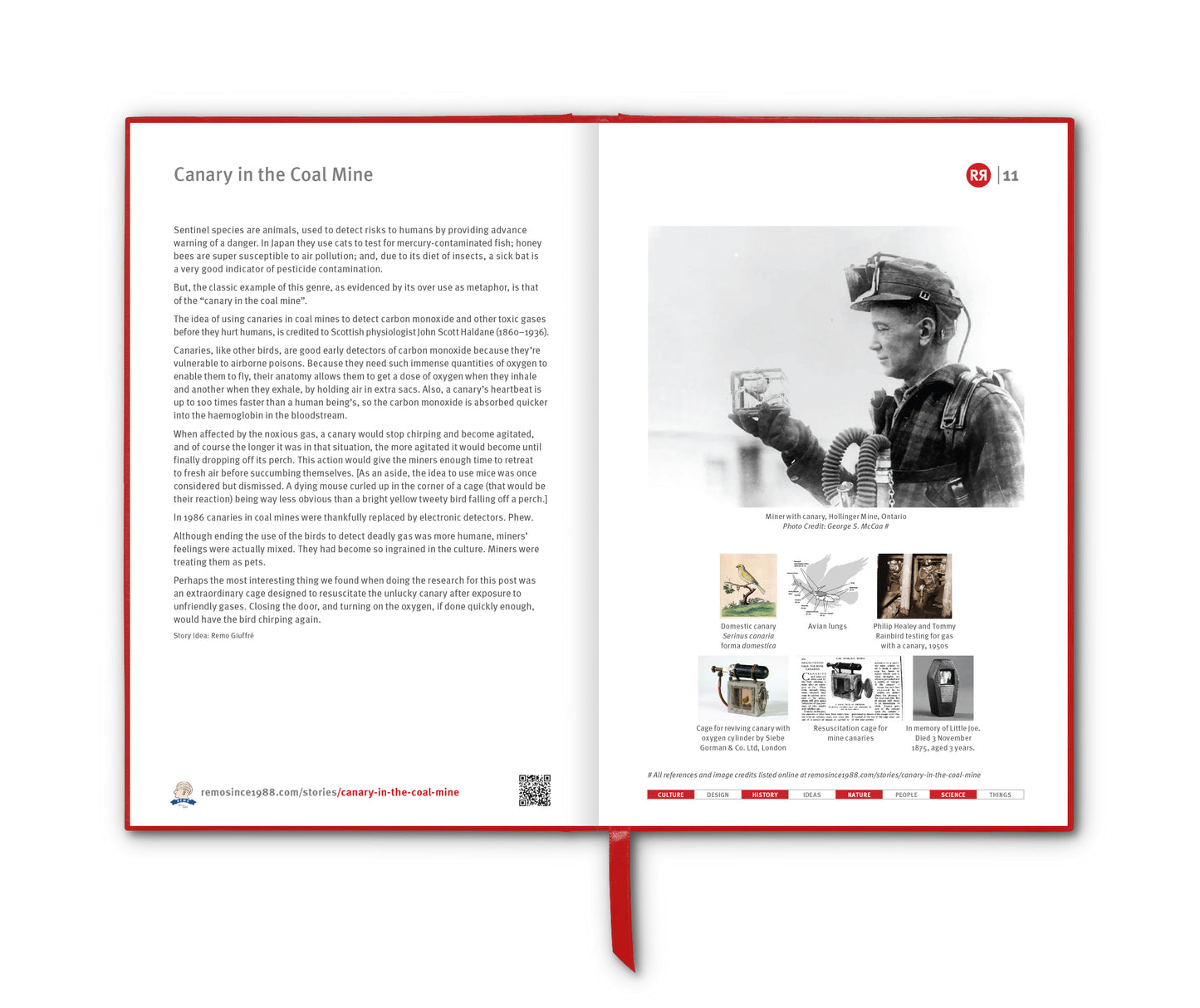
By the mid-19th century, Uncle Sam had begun appearing in political cartoons, often alongside or in competition with, other national symbols like Brother Jonathan or the female figure of Columbia.
Over time, Uncle Sam eclipsed these earlier figures, evolving into the tall, stern yet paternal character described above.
The image most people recognise today was solidified during World War I. In 1917, artist James Montgomery Flagg created the famous recruitment poster featuring Uncle Sam pointing directly at the viewer with the words “I Want YOU for U.S. Army.” The poster, inspired partly by a British design featuring Lord Kitchener, became an icon of American propaganda. Four million of them were printed between 1917 and 1918. The image was revived again during World War II and continues to be referenced and parodied in modern culture.
Artists like Thomas Nast helped refine his image in the 19th century, while later depictions have used him both reverently and critically. In some portrayals, he is a symbol of freedom and democracy; in others, he represents government overreach or militarism.
Uncle Sam has appeared across a wide spectrum of media – political cartoons, films, advertisements and satire, e.g. Australians of a certain age would remember this 1970s TV ad for Uncle Sam deodorant.
The character has also been woven into popular culture. He appears in songs, comic books and even as a figure of protest, where activists reinterpret his image to make political statements. His instantly recognisable look makes him a powerful visual shorthand for “America” itself.
In 1961, the US Congress formally recognised Samuel Wilson as the progenitor of Uncle Sam, cementing the connection between the folklore and the historical figure. To that end, in 1989, a Congressional joint resolution designated 13 September 1989 as "Uncle Sam Day" – the birthday of Samuel Wilson.
_____________________________
References
wikipedia.org/wiki/Uncle_Sam
legendsofamerica.com/ah-unclesam/
britannica.com/topic/Uncle-Sam
Images
1. Photograph of Samuel Wilson of Troy, New York with J. M. Flagg's 1917 poster
2. The original British Lord Kitchener poster of three years earlier
3. Columbia reaching out to viewer. Original design for the "Be Patriotic" poster by Paul Stahr, circa 1917-18
4. Uncle Sam taking the lead in cutting up China in J. S. Pughe's cartoon in Puck magazine, 23 August 1899
5. Uncle Sam in an 1869 cartoon by Thomas Nast
6. Dressed up as Uncle Sam, 1898. Credit: Library of Congress
7. Uncle Sam's Coffee label, 1863
8. Uncle Sam Memorial Statue, Arlington, MA. Sculptor: Theodore Cotillo Barbarossa
9. Trey Hauptmann, right, a descendant of Uncle Sam, carries on his legacy of service. Photo credit: Helen Painter | Getty Images
10. Big Uncle Sam (12m tall) at the Danbury Railway Museum
11. Video: "Uncle Sam deodorant TV commercial", 1970s
12. Homer wears a "Try and Stop Us" Uncle Sam T-shirt in The Simpsons, S15 E21, 2004