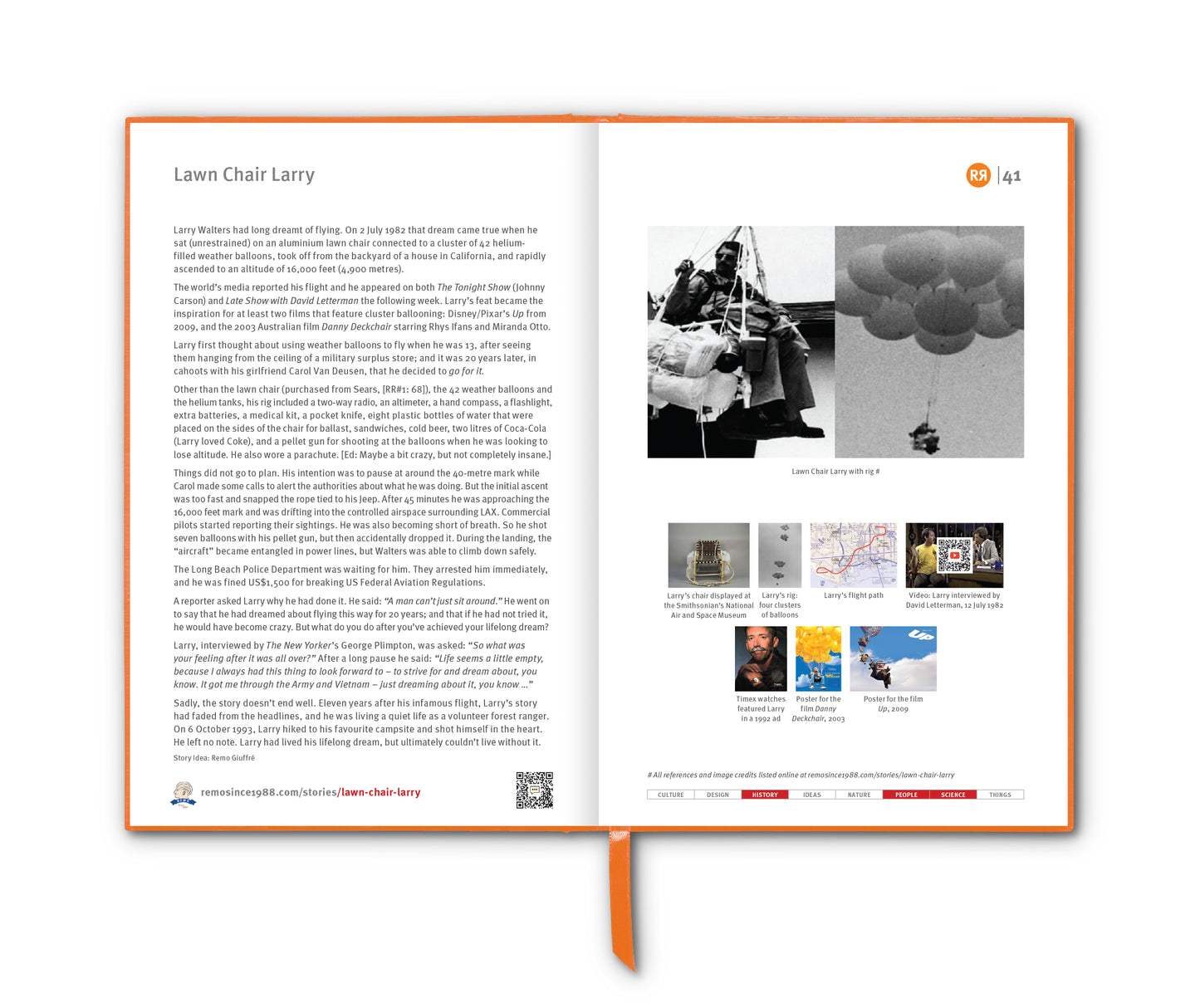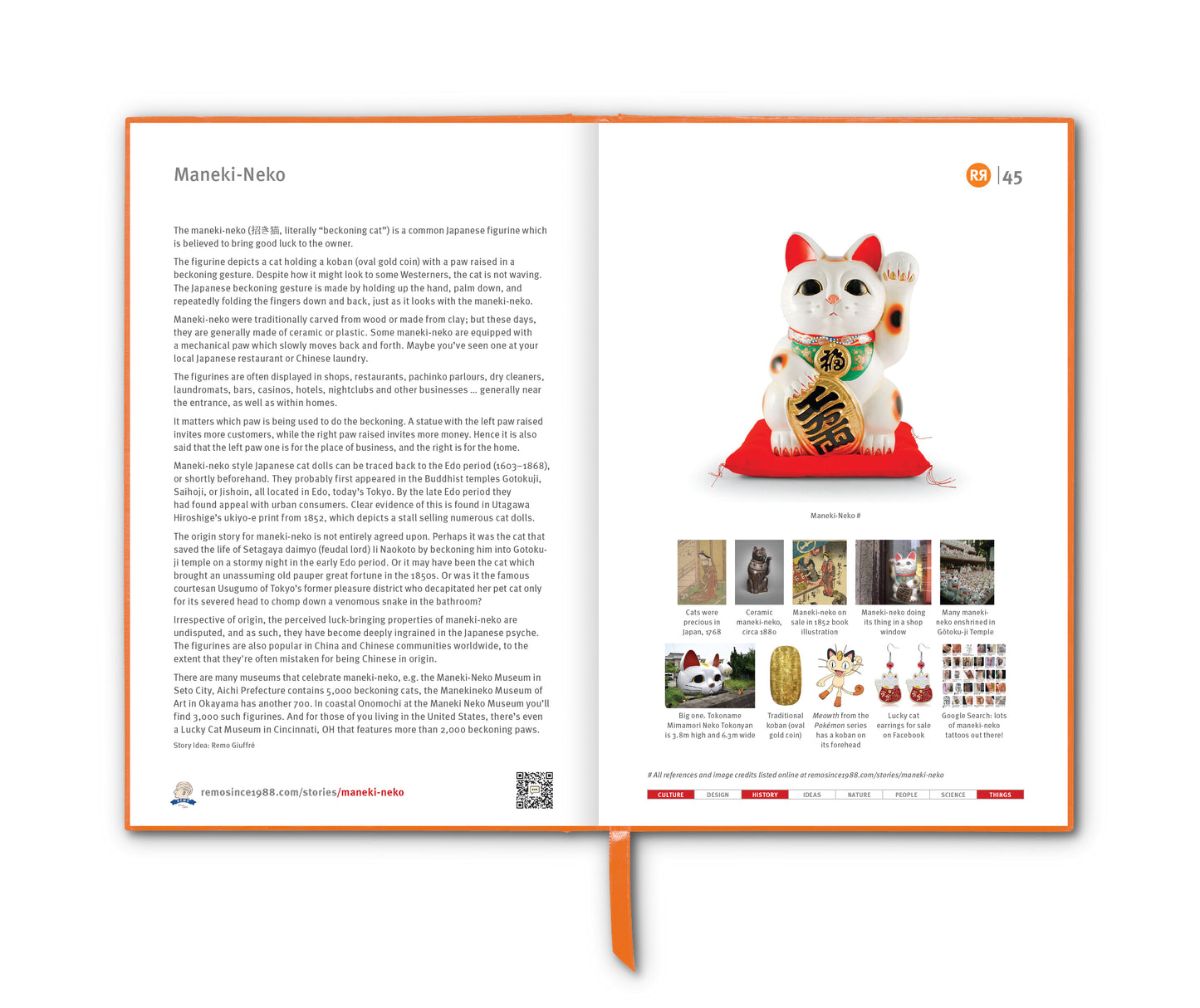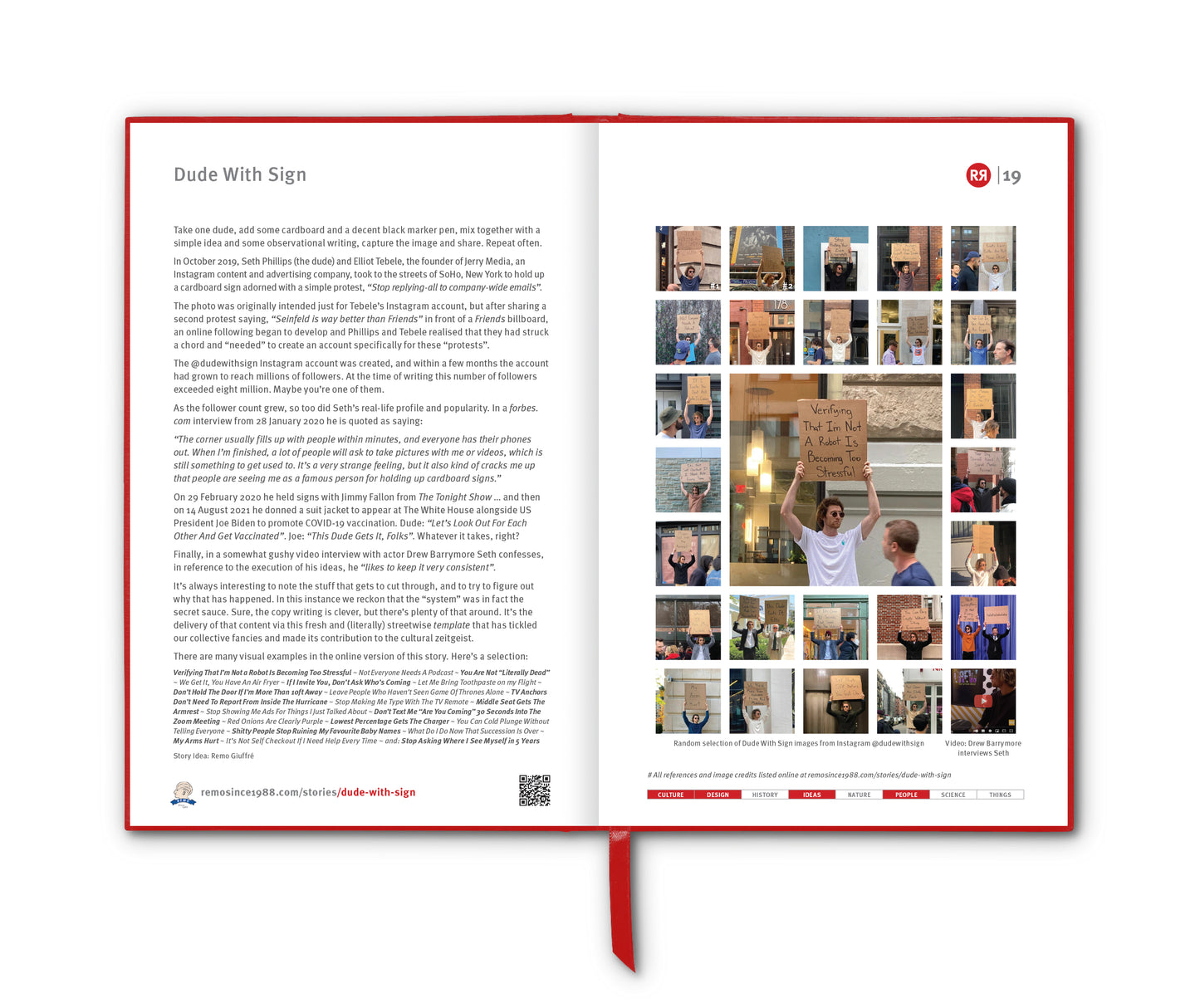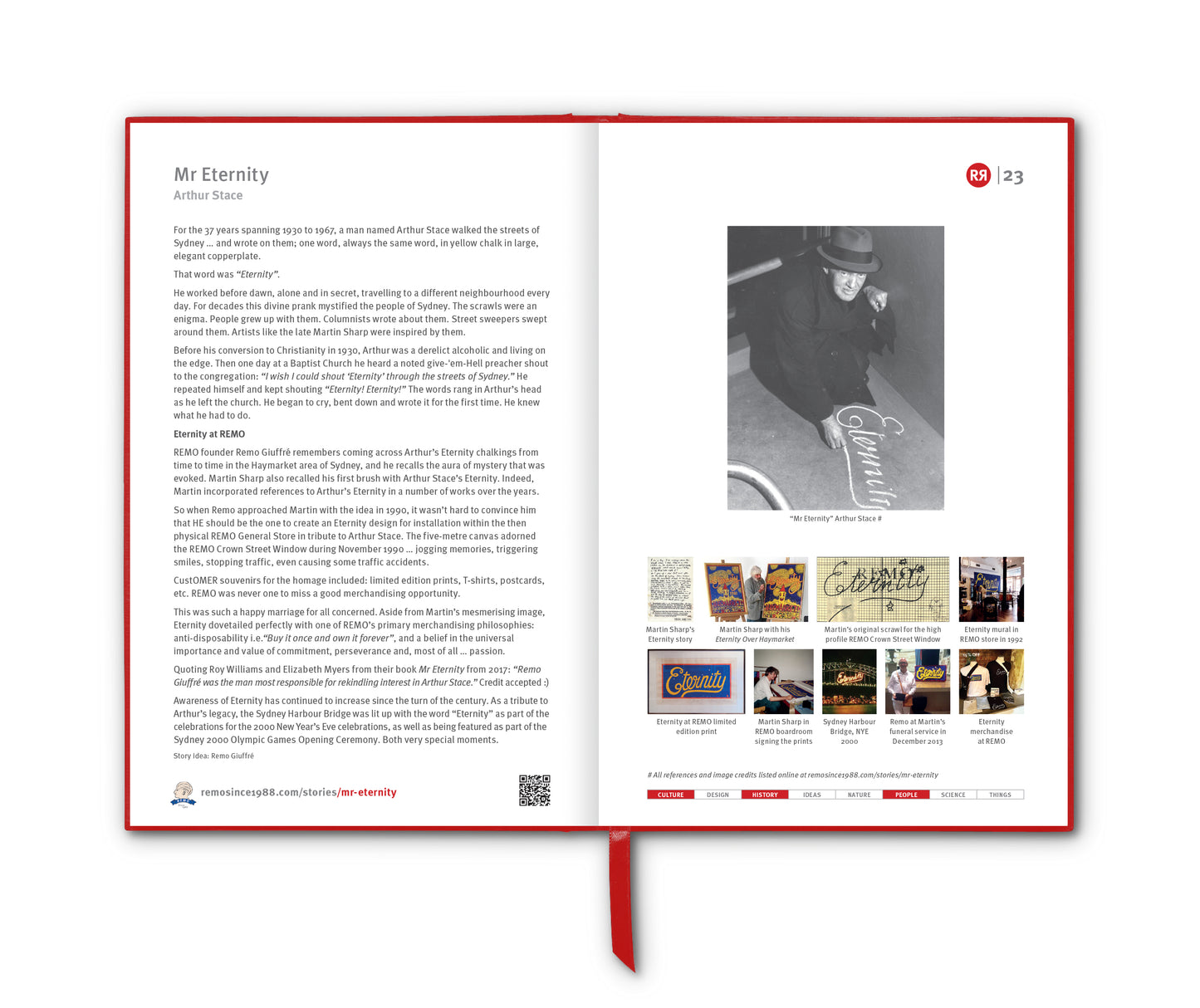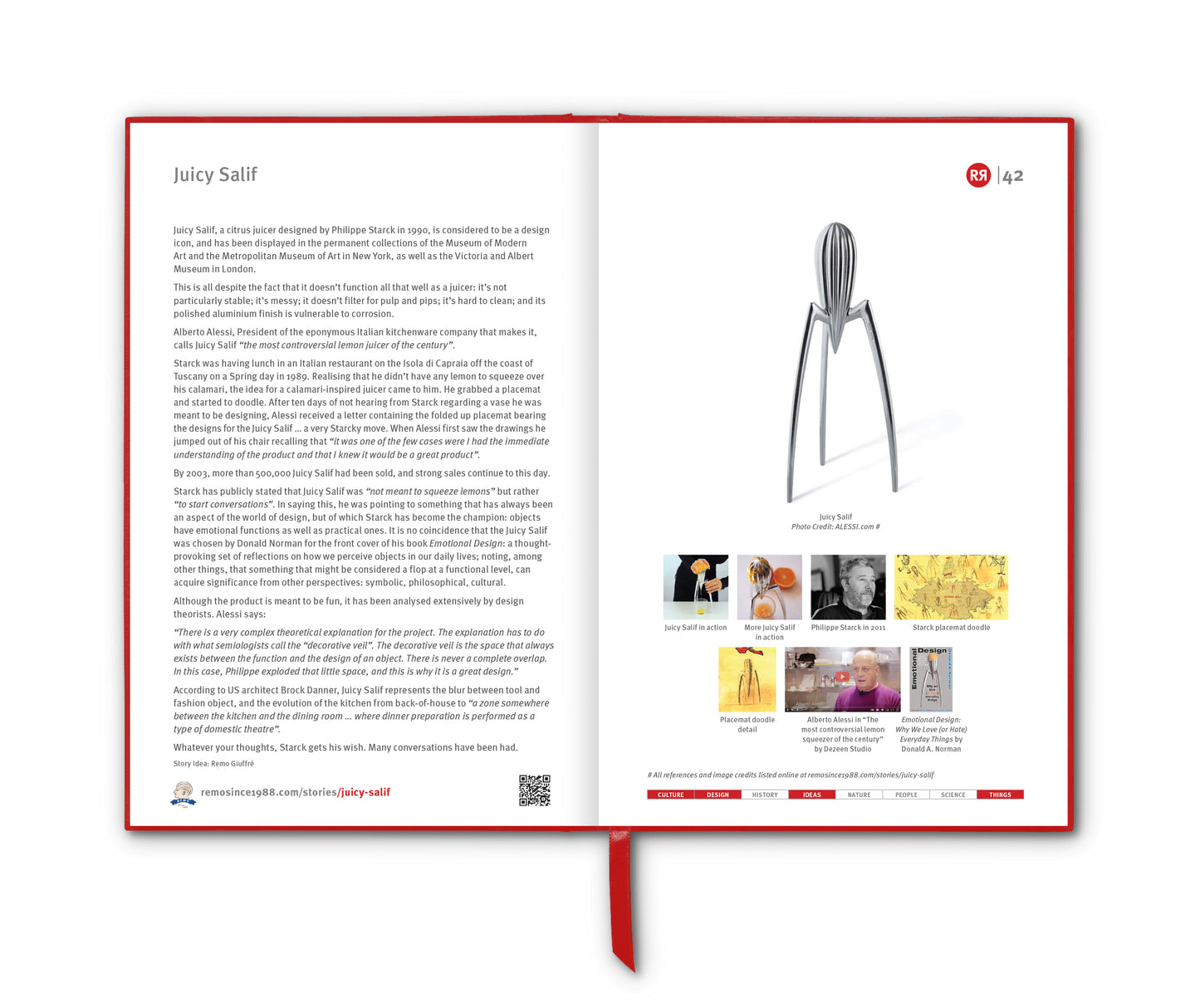

The freestyle stroke that dominates modern swimming – the “Australian crawl” first came to "modern" Western attention at an 1844 swimming race in London, where it was swum by Native American Ojibwe swimmers Flying Gull and Tobacco. They had been invited by the British Swimming Society to give an exhibition at the swimming baths in High Holborn.
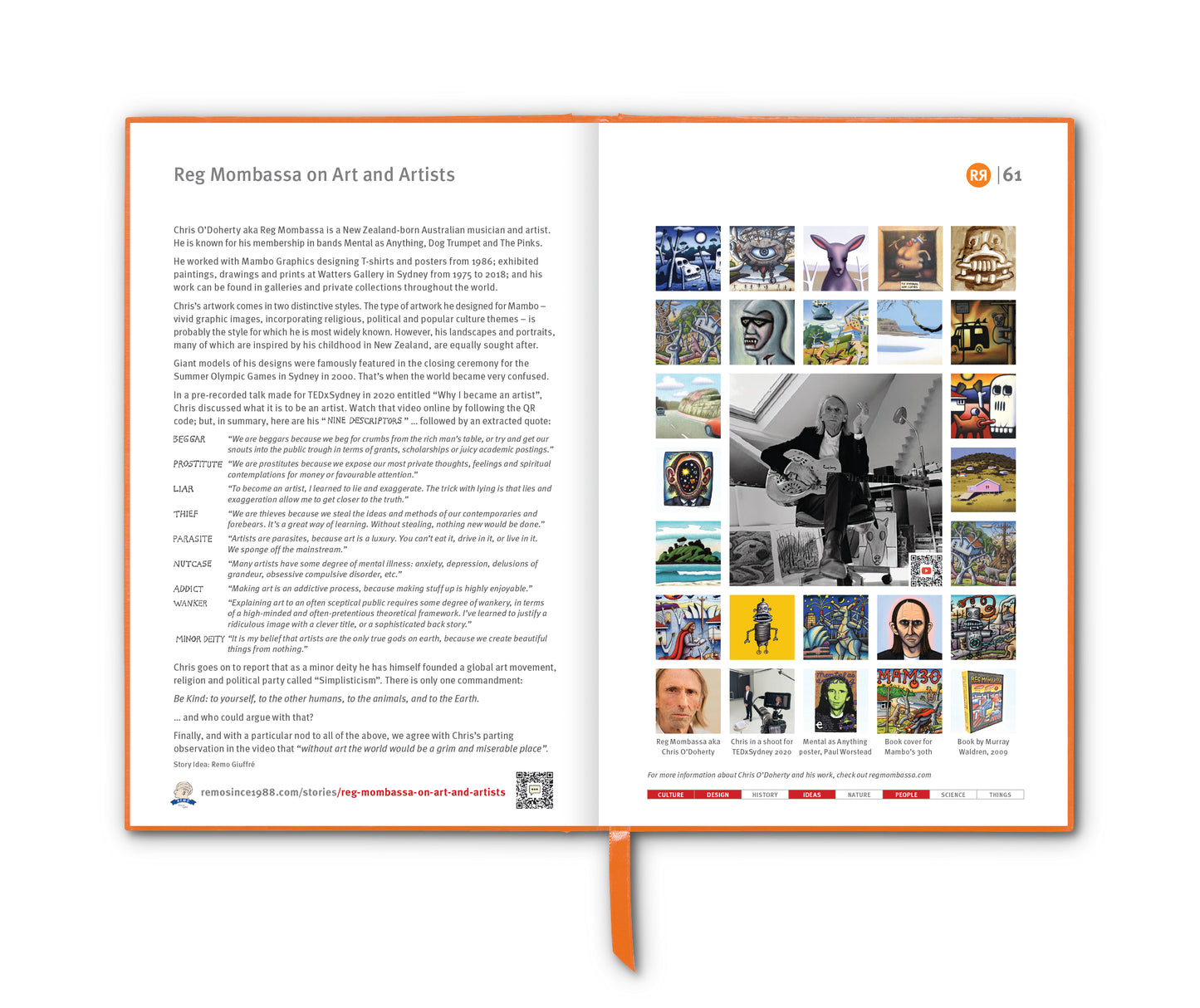
Having said this, many feel that the true birthplace of the stroke was in the warm lagoons of the Solomon Islands, where generations of local swimmers moved through water using a natural, efficient, alternating-arm action known as tuppa-ta-pala. One of those children was Alick Wickham (1886–1967). Long before anyone gave it a formal name, Wickham swam with the relaxed head turn, high arm recovery and angled kick that would eventually become the basis of the world’s fastest stroke, and what is today the default swimming stroke all over the world.
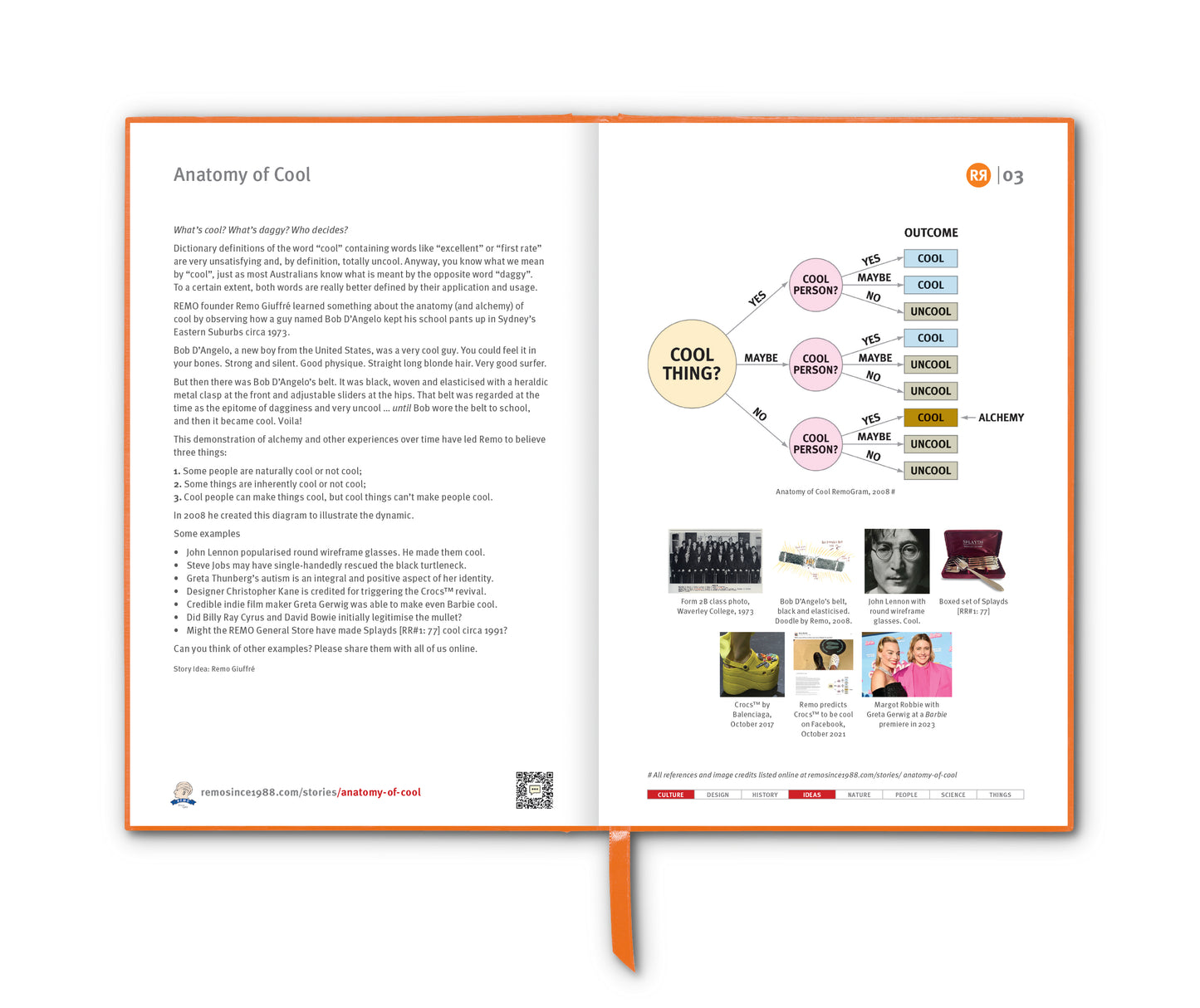
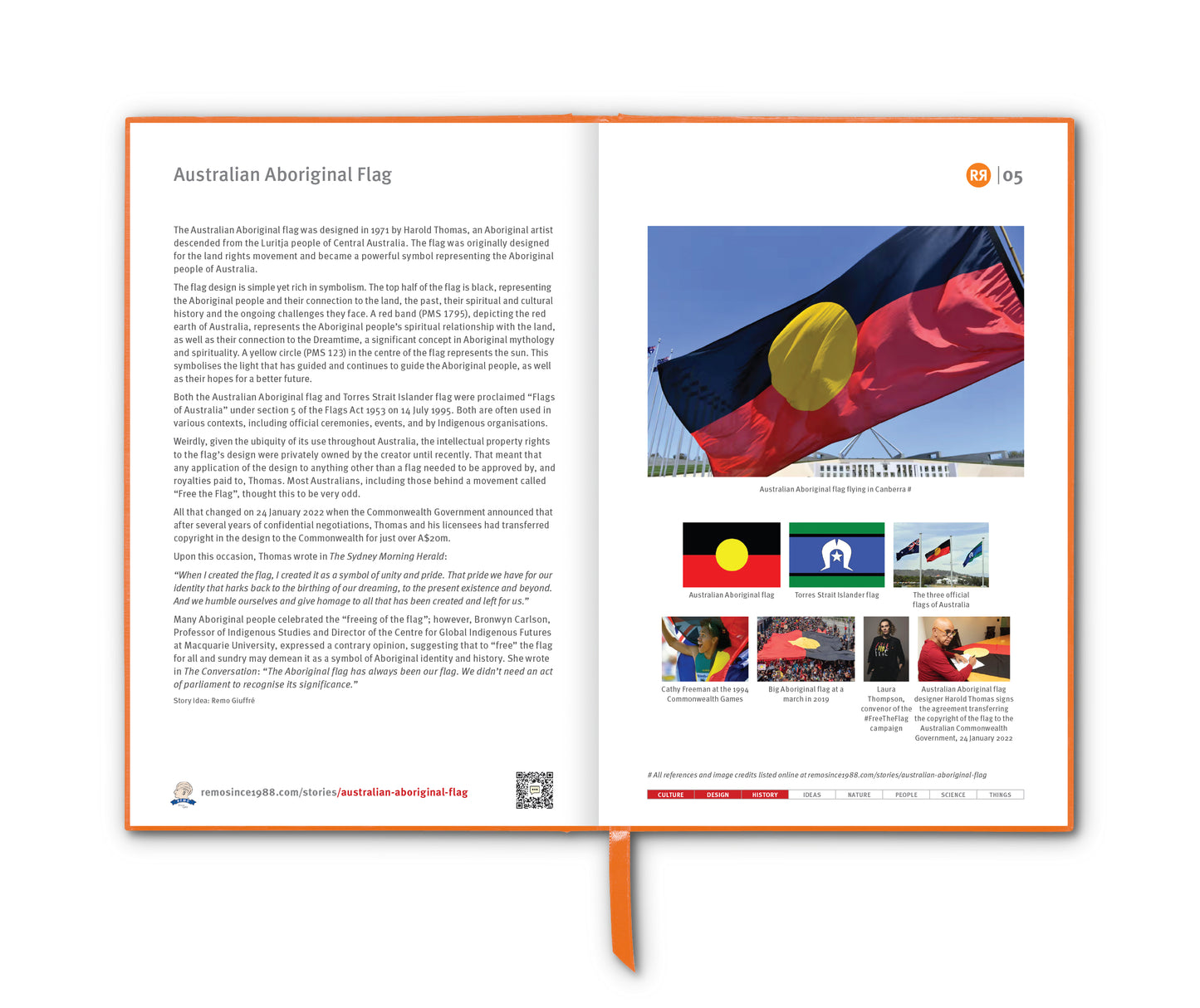
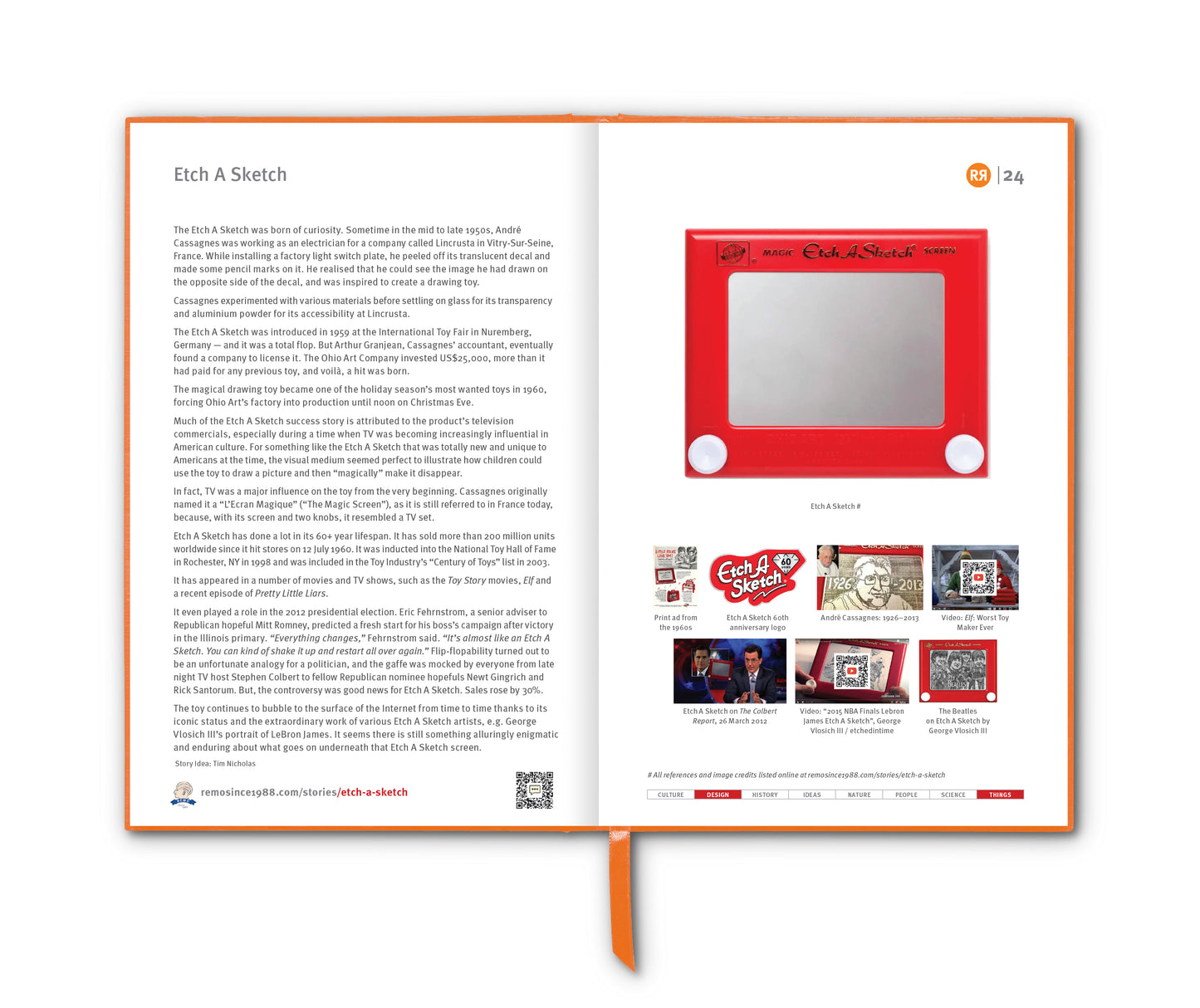
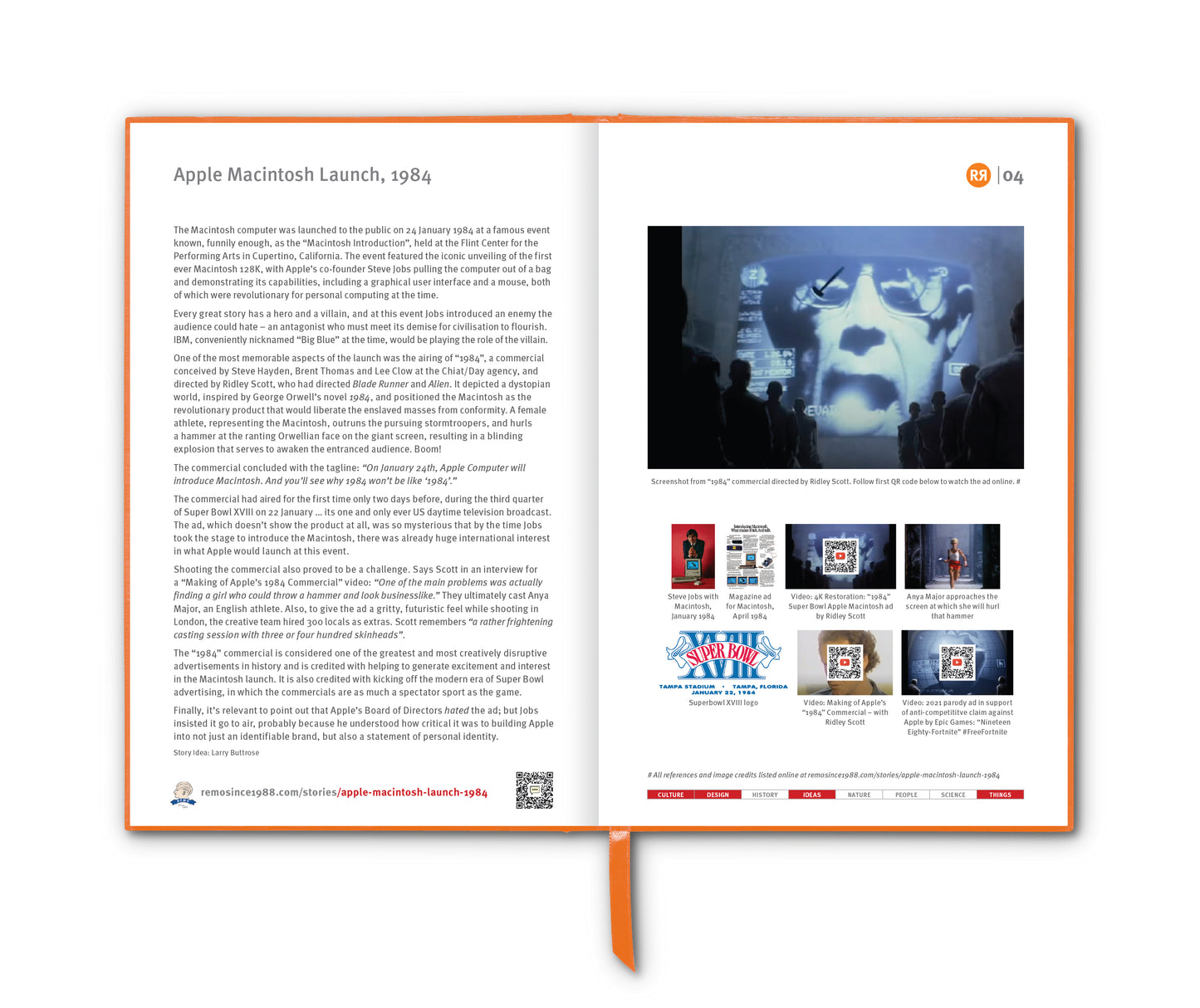
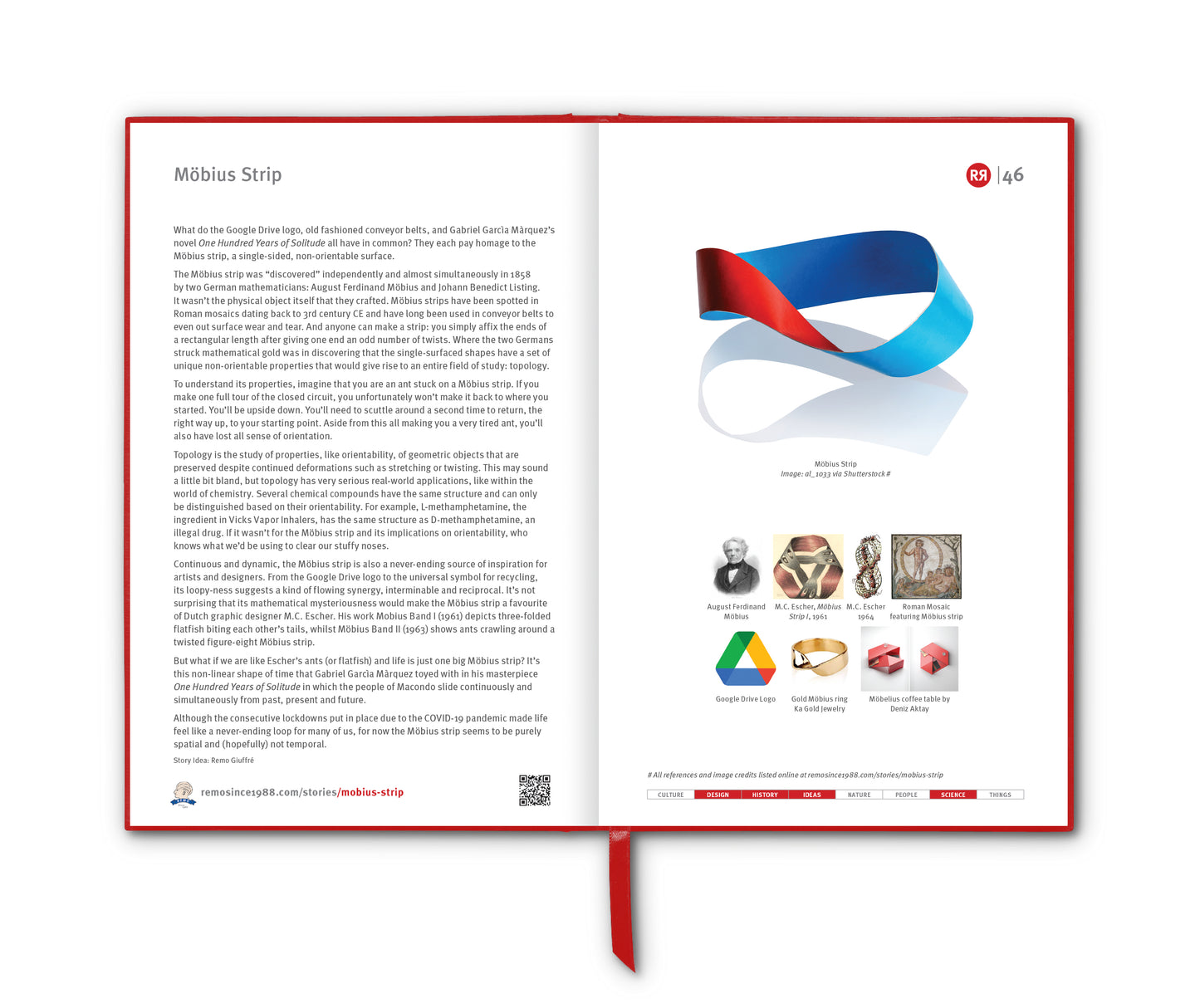
Wickham arrived in Sydney as a young boy in the 1890s. He spent much of his time around Bronte Baths [Ed: A very nice place to spend time, it has to be said], where his unusual stroke quickly drew attention. Local swimming teacher George Farmer reportedly watched the boy move across the pool and shouted, “Look at that kid crawling!” That moment is often cited as the first recorded use of the phrase Australian crawl –though the motion itself was neither new nor exclusively Australian. Wickham was simply swimming the way he had learned at home, using a technique shaped by Pacific water culture rather than Anglo Saxon swimming orthodoxy.
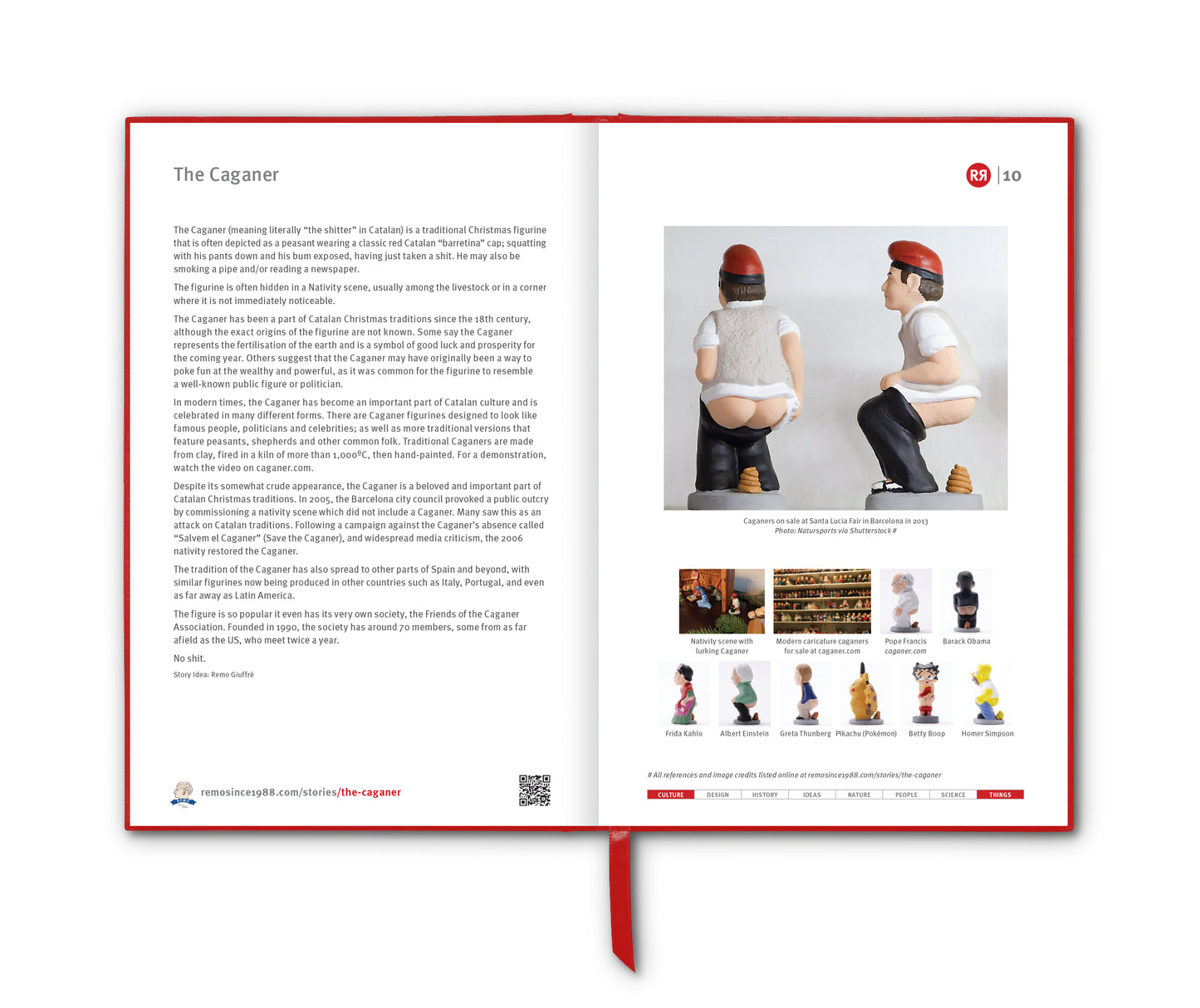
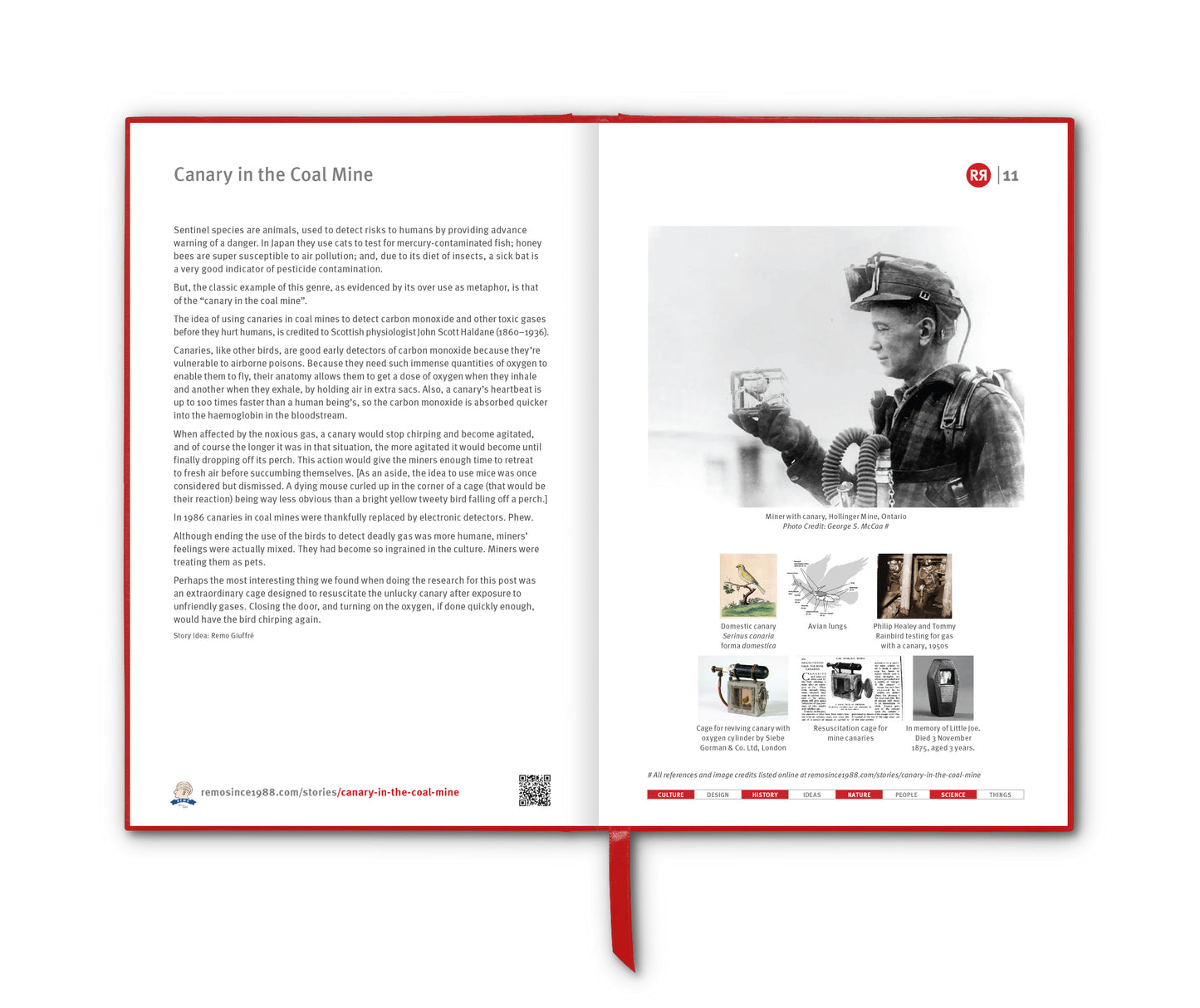
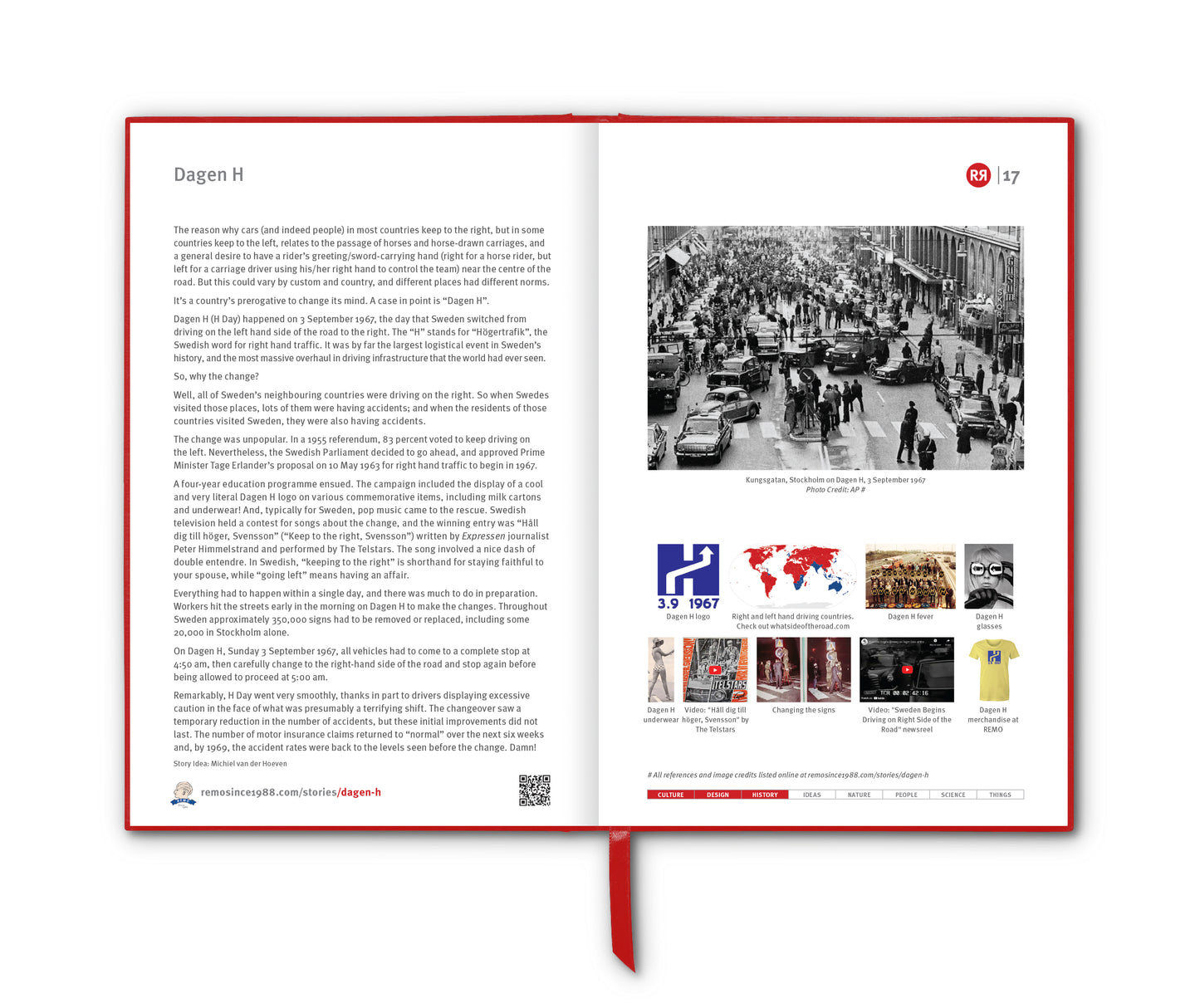
At the time, competitive swimmers in Australia were still using sidestroke, breaststroke or a kooky hybrid known as the trudgen. Wickham’s smooth arm-over-arm style, combined with the lateral breathing and fluttering kick he had grown up with, looked unconventional. But it was also fast. Fellow swimmers took note, including members of the Cavill family, a household of coaches, competitors, and innovators who were already experimenting with new forms of propulsion in the surf and in baths around Sydney.
The Cavills – particularly “Tums” Cavill – observed and adopted elements of Wickham’s stroke. They blended what they had seen from him (and possibly from other Pacific Islander swimmers) with their own technical preferences. The result was a more codified, race-ready version of the crawl. Wickham, meanwhile, continued to compete with success.
The decisive step in the stroke’s global spread came in 1902, when Dick Cavill, another of the Cavill brothers, travelled to England. Using his refined version of the crawl – clearly influenced by what Wickham had been doing in Sydney – he broke the one-minute barrier for the 100 yards at a competition in Manchester. That performance shook the British swimming establishment. The stroke they once dismissed as unorthodox suddenly redefined competitive speed. Coaches in Europe and the United States began analysing Cavill’s arm patterns and leg rhythm, and the Australian crawl entered the international vocabulary.
Over the next decade, the stroke continued to evolve. Another Pacific Islander, Hawaiian Olympic champion and OG surfer Duke Kahanamoku, introduced a smoother kick and more streamlined timing at the 1912 Stockholm Games, cementing freestyle as the dominant racing stroke.
Today’s freestyle is thus the result of cross-cultural transmission: the Indigenous swimming traditions of the Pacific, embodied by Alick Wickham; the adaptive experimentation of the Cavill family; and later refinement on the world stage.
Postscript
Did you know that in freestyle events, swimmers may use any stroke they like? FINA’s rules explicitly state that in freestyle races, “the swimmer may swim any style”. Of course, in practice, everyone uses the front (“Australian”) crawl because it is by far the fastest human-powered swimming technique ever developed.
__________________________
References
wikipedia.org/wiki/Freestyle_swimming
australiangeographic.com.au/history-culture/2023/05/who-invented-the-aussie-crawl
swimswam.com/the-origin-of-freestyle-the-australian-crawl
abc.net.au/news/2025-07-31/history-freestyle-swimming-alick-wickham
Images
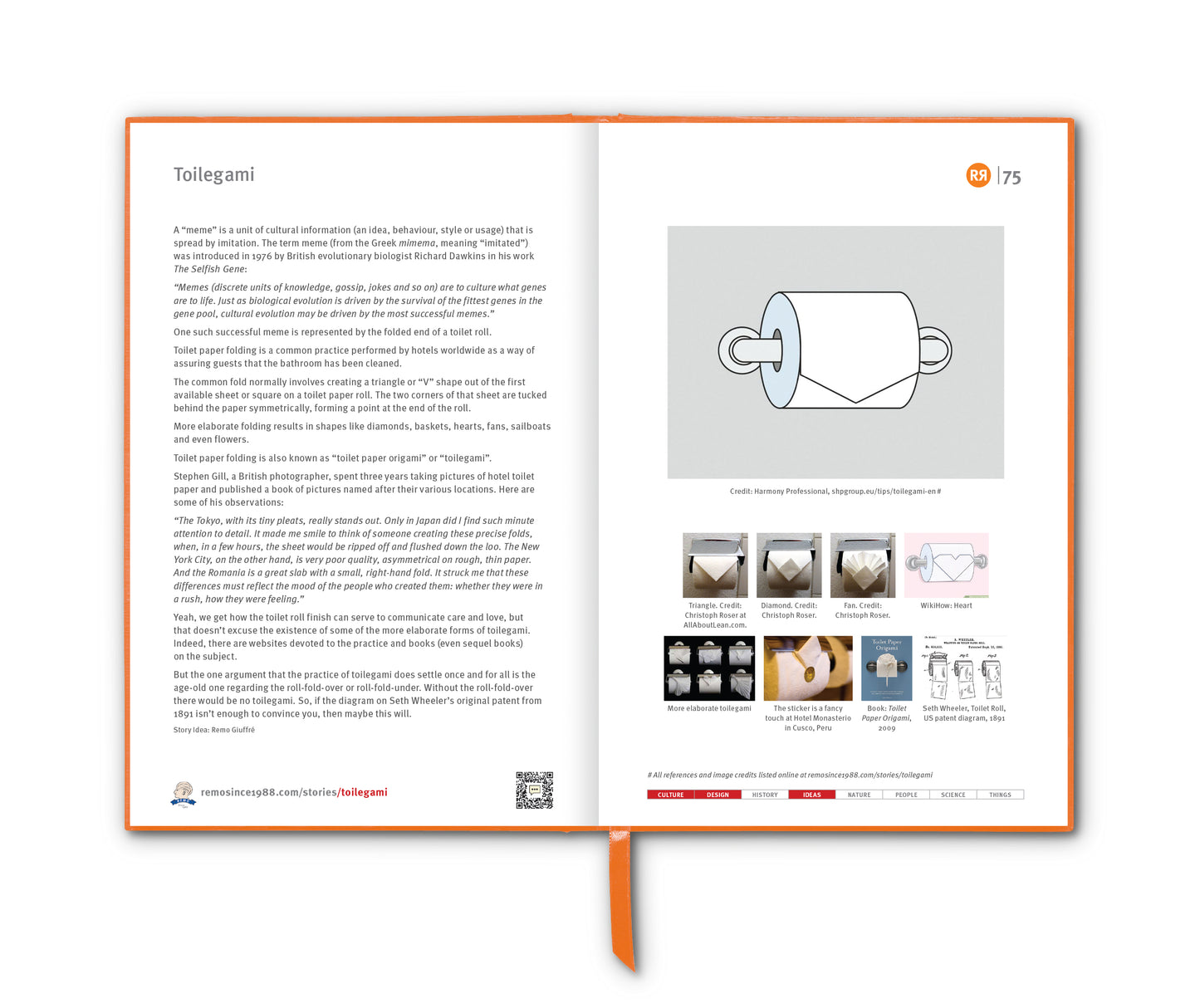
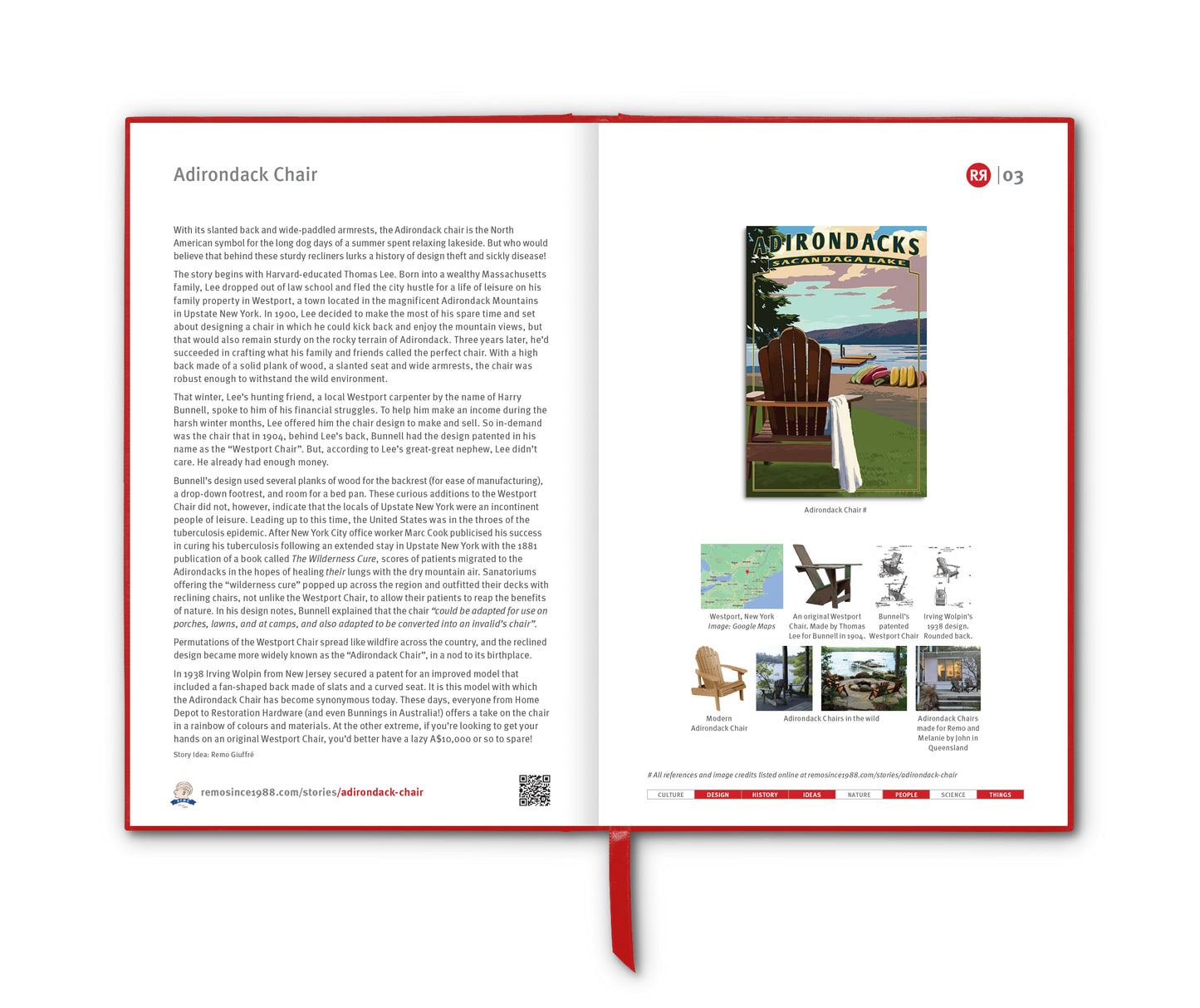
1. Freestyle swimmer in action, 2015. Photo credit: microgen via iStock Photo
2. Flying Gull and Tobacco in London, 1844
3. Roviana Lagoon, Solomon Islands
4. Bronte Baths, Sydney, early 20th century. Image credit: Mitchell Library, State Library of New South Wales
5. Alick Wickham, circa 1910–1920. Image credit: Mitchell Library, State Library of New South Wales
6. Richmond "Dick" Cavill, 1904
7. Newspaper clipping of Dick's 1902 swim
8. Anonymous photograph of Duke Paoa Kahanamoku with his surfboard, circa 1910–1915
9. Video: "Father of Surfing", Duke Kahanamoku Wins Olympic Gold at the Antwerp 1920 Olympic Games
10. Video: "Swimming Strokes - And How They Evolved", British Pathé, 1933
11. "Free-body-diagram" of swimmer when swimming at constant speed
12. Men's 100 m freestyle at the 2006 Euros. Photo credit: McSmit
13. Five-time world record holder Australian swimmer Tracey Wickham is Alick’s great-great-granddaughter.