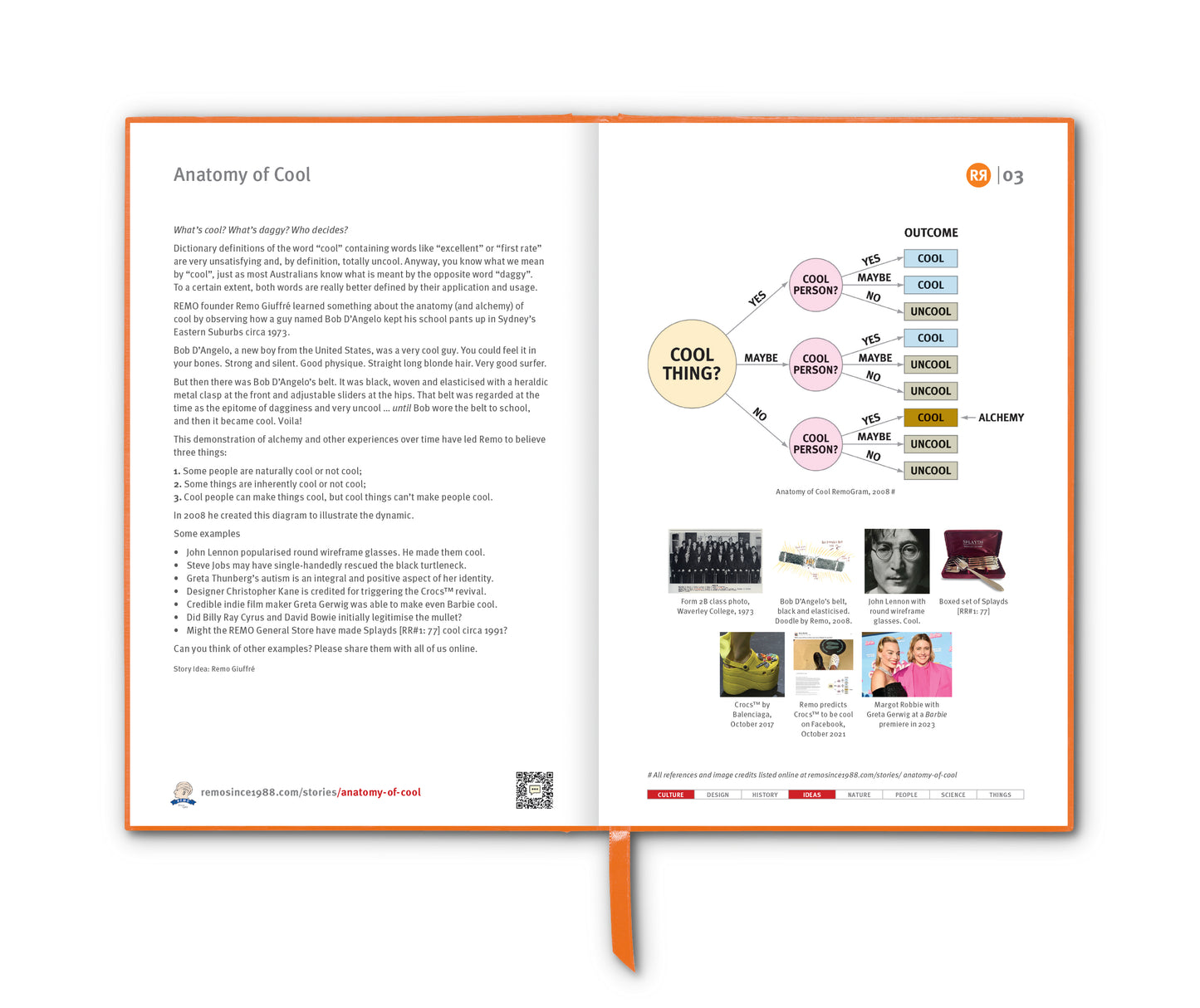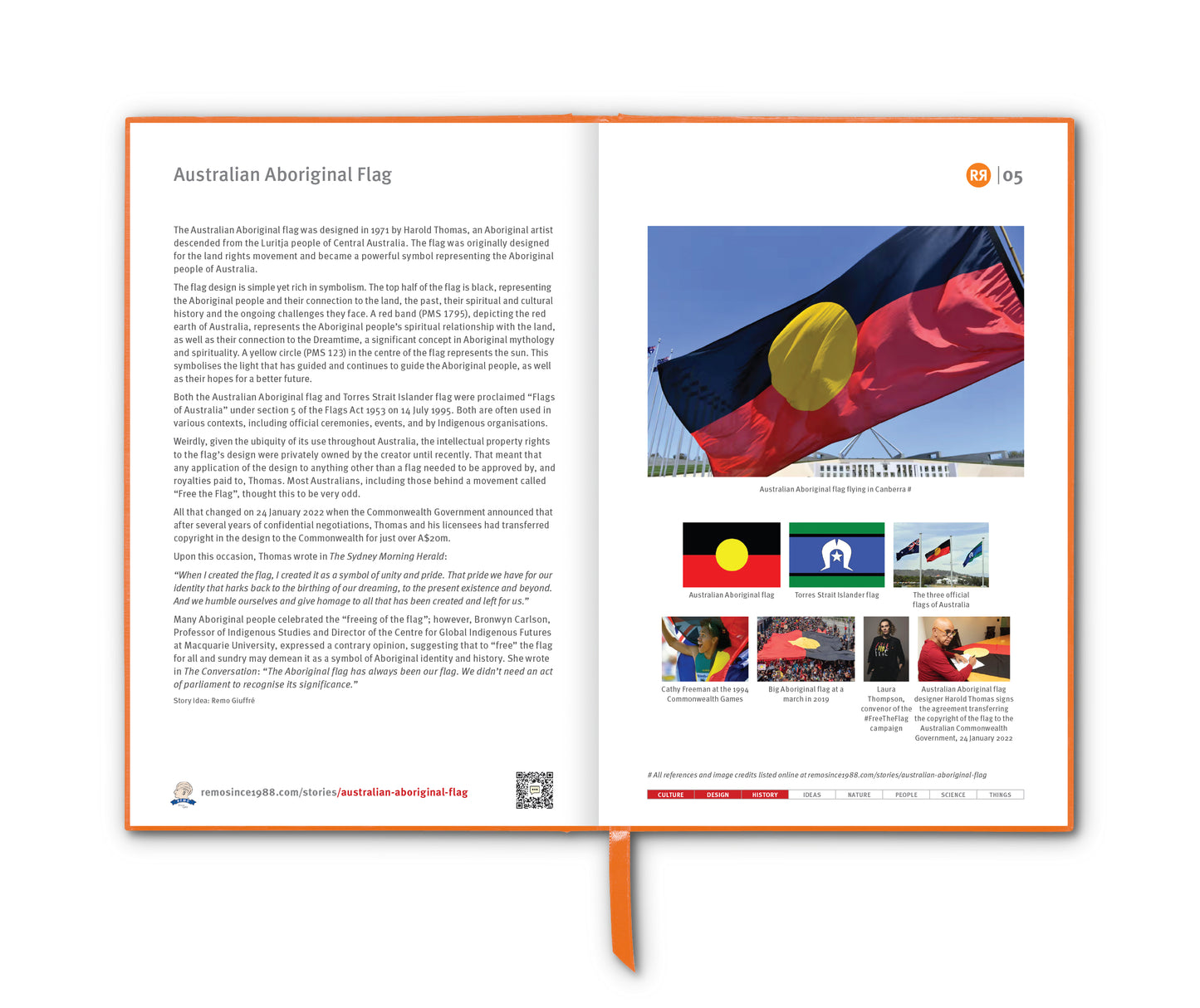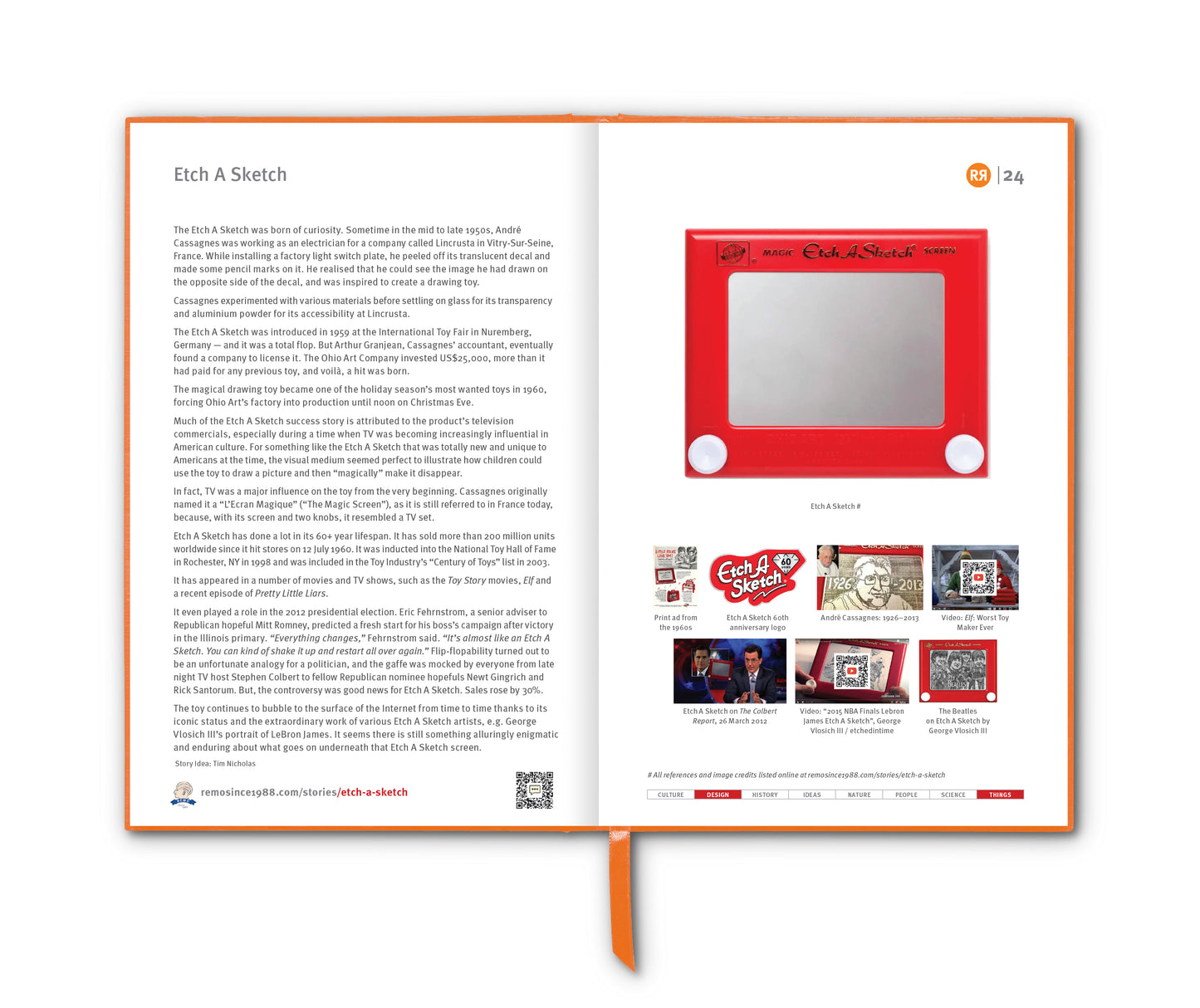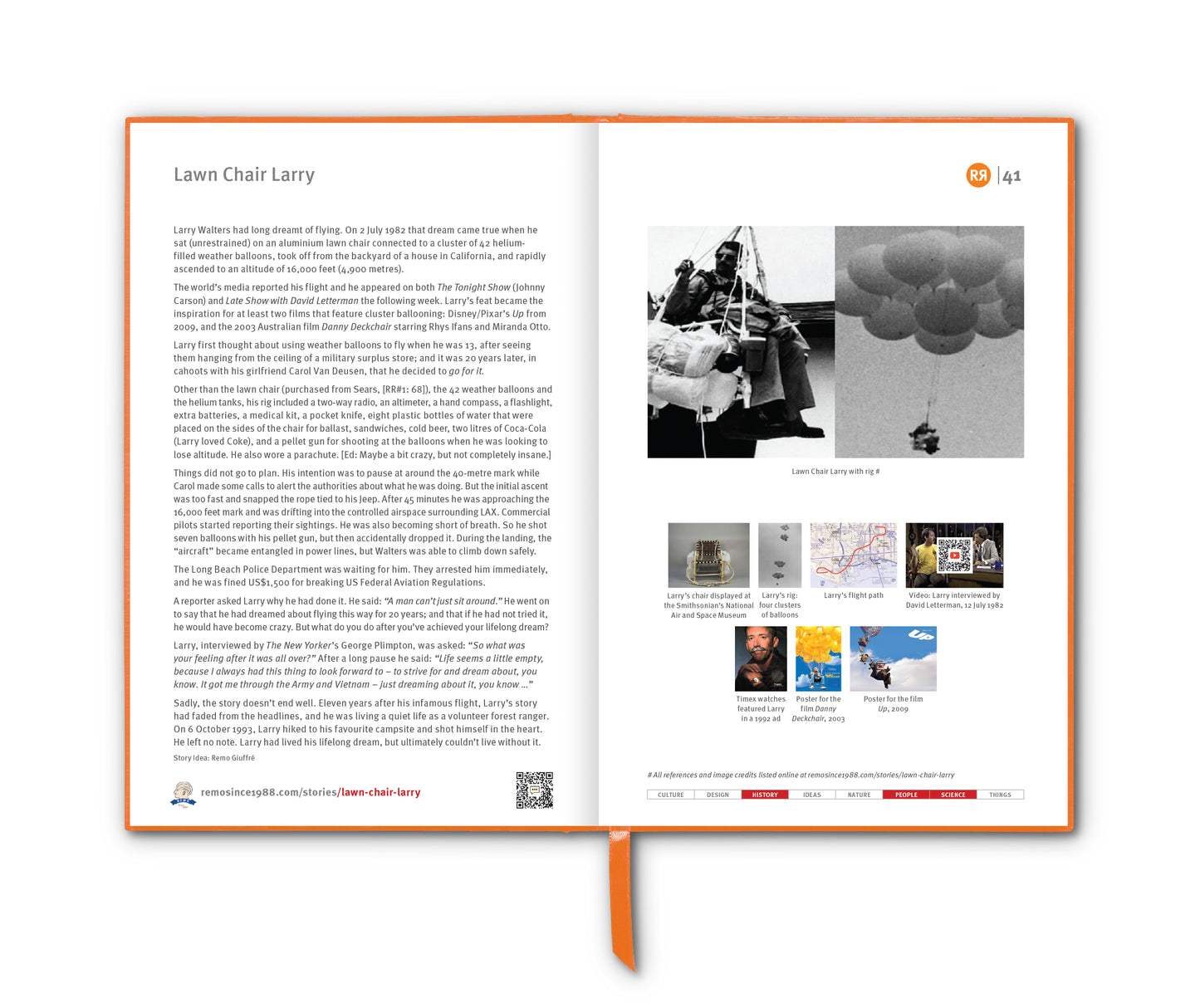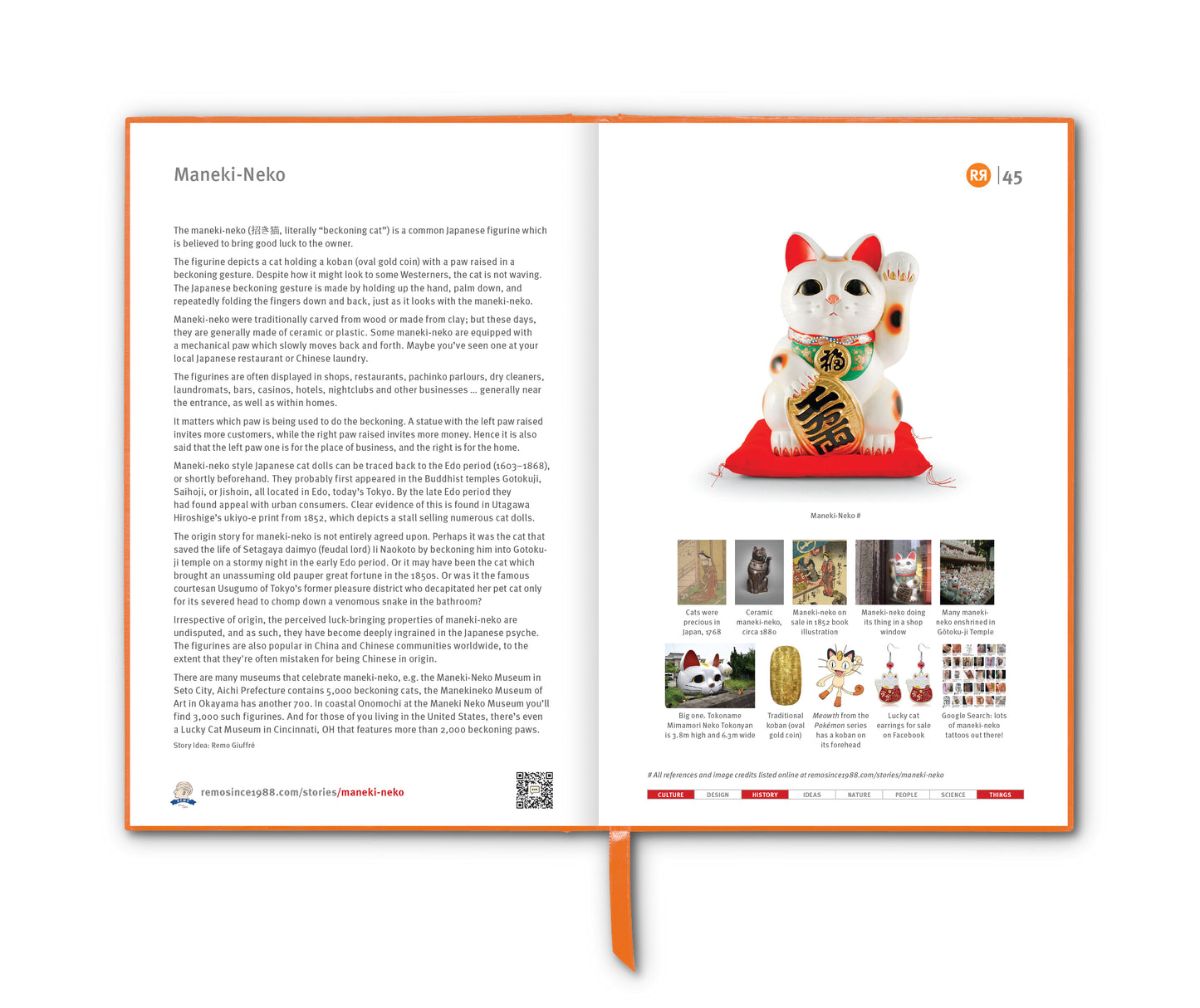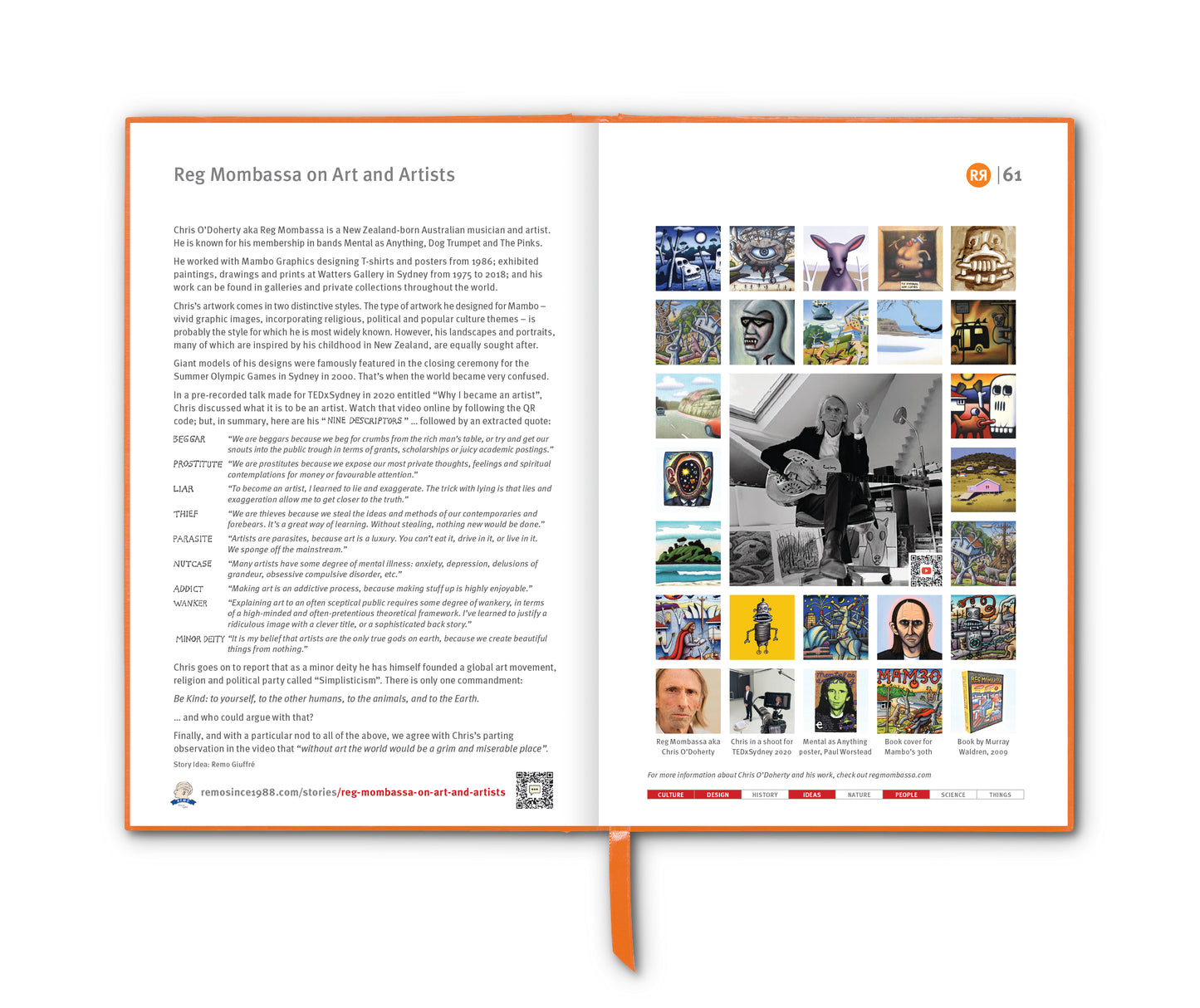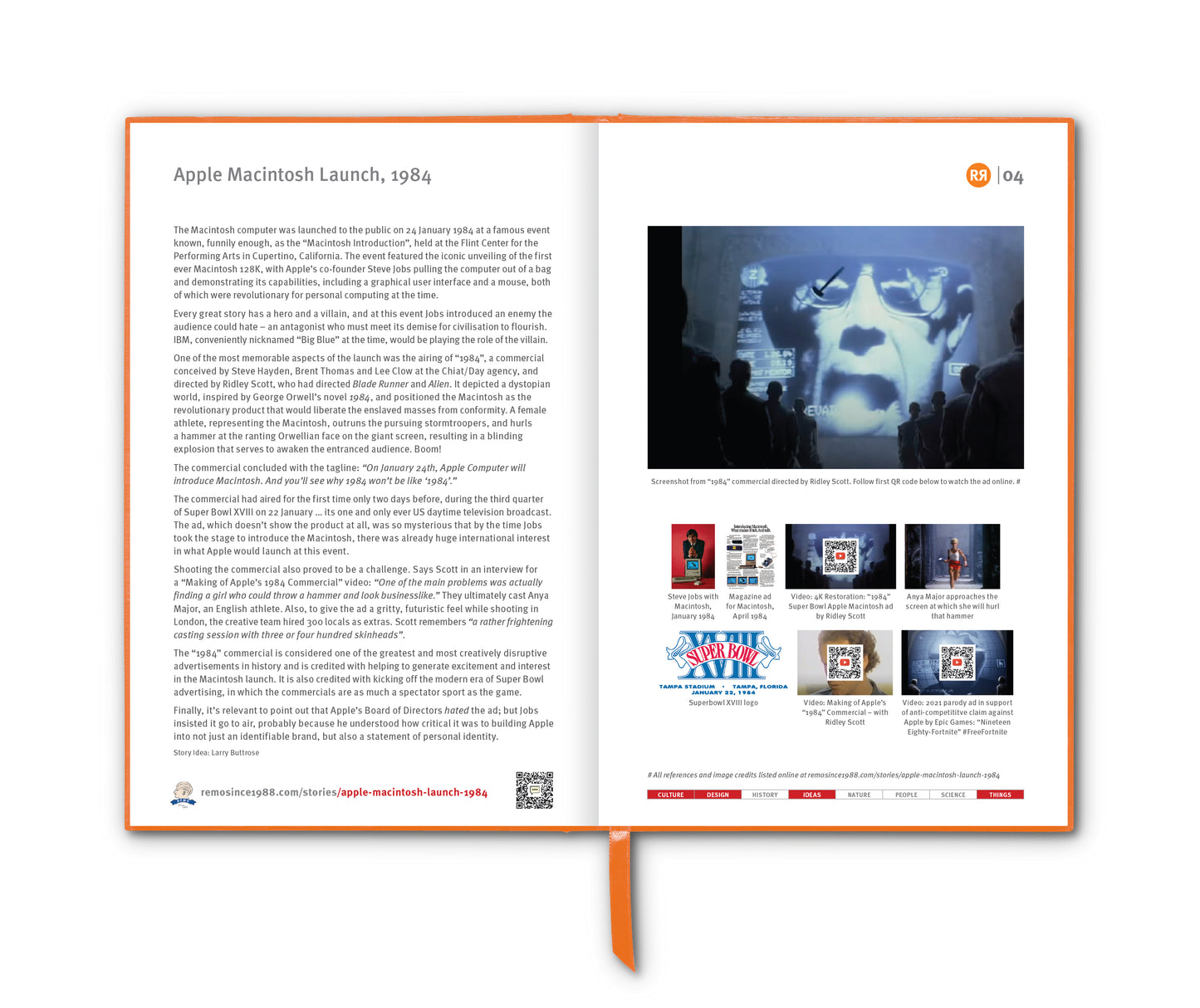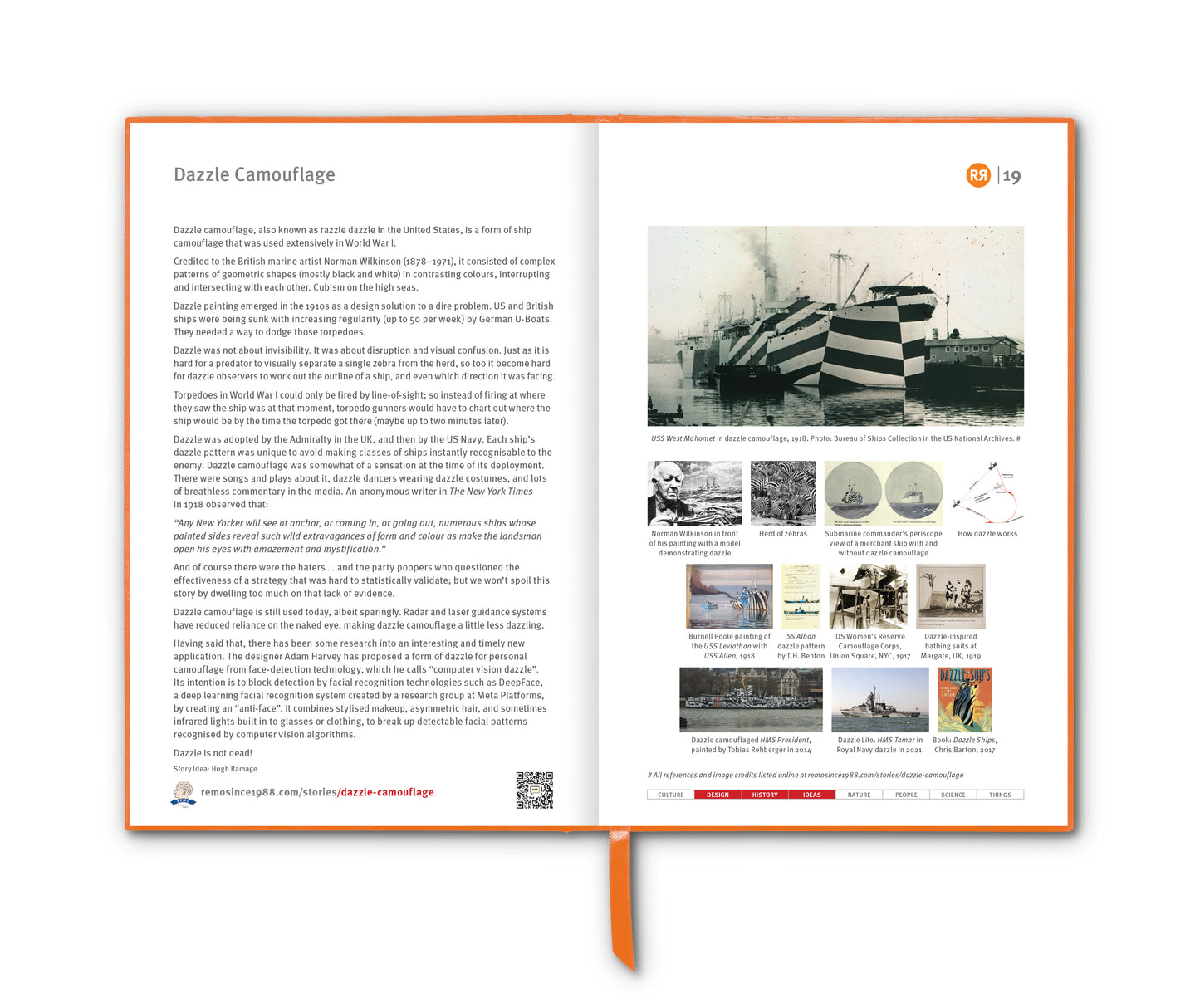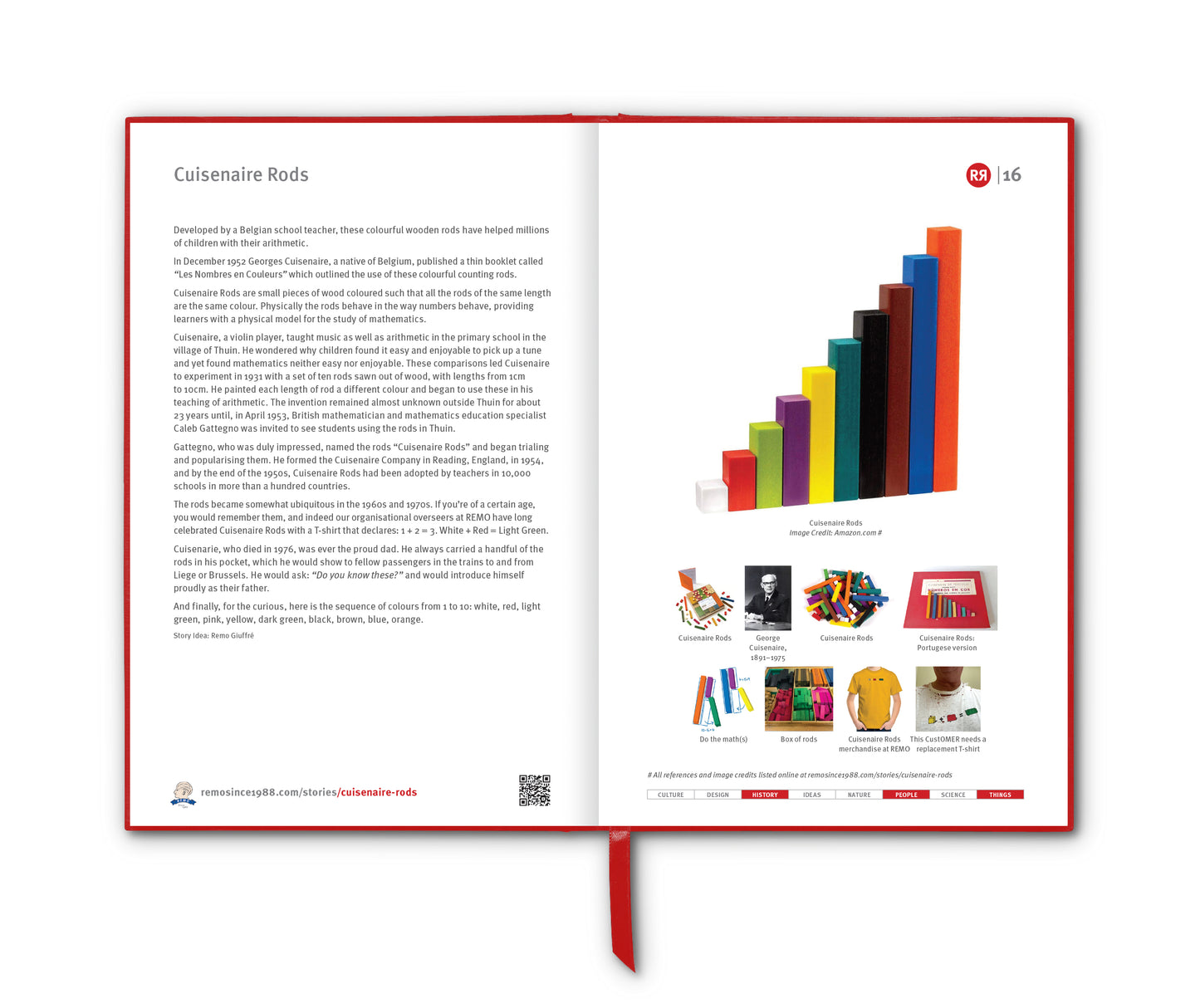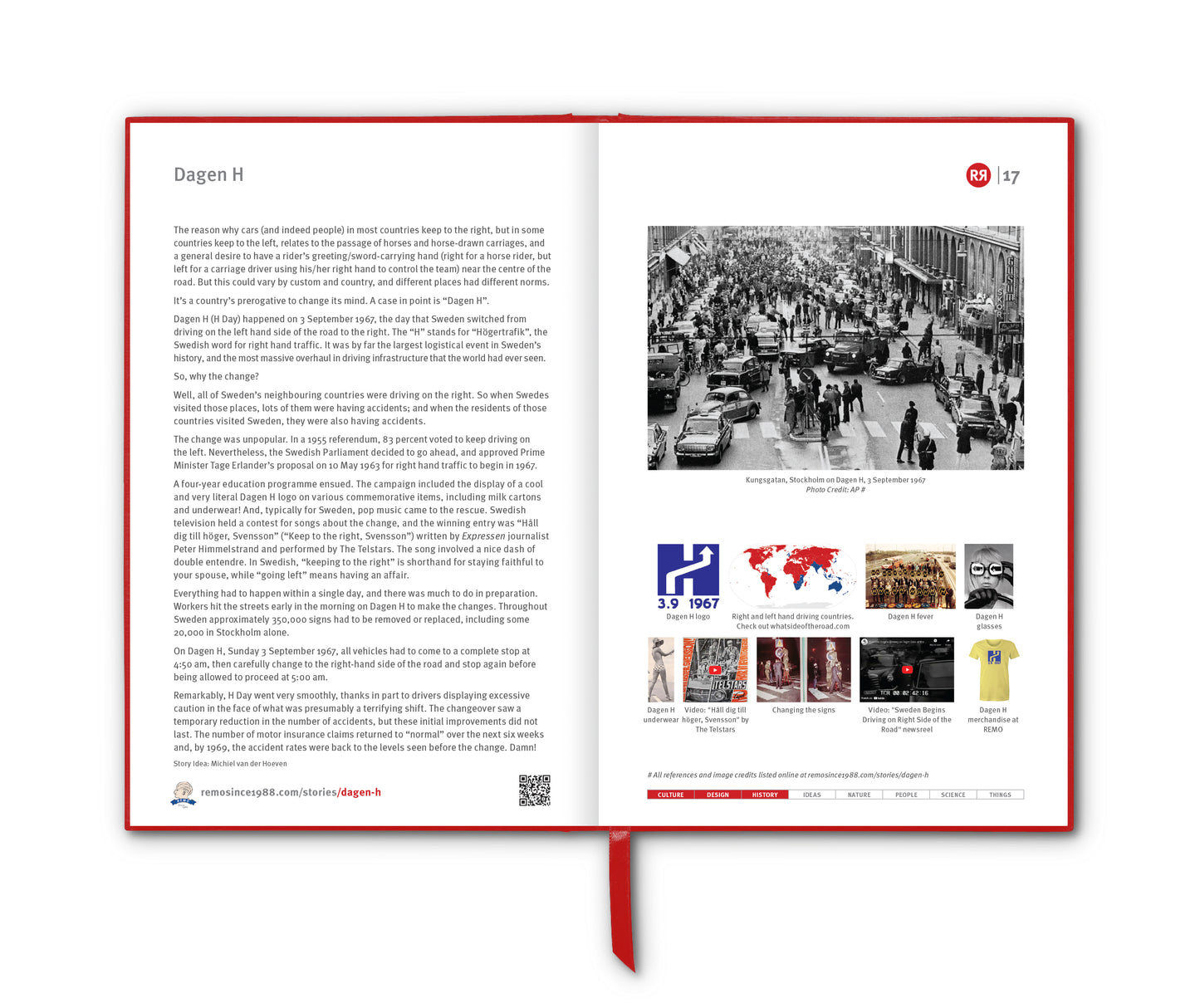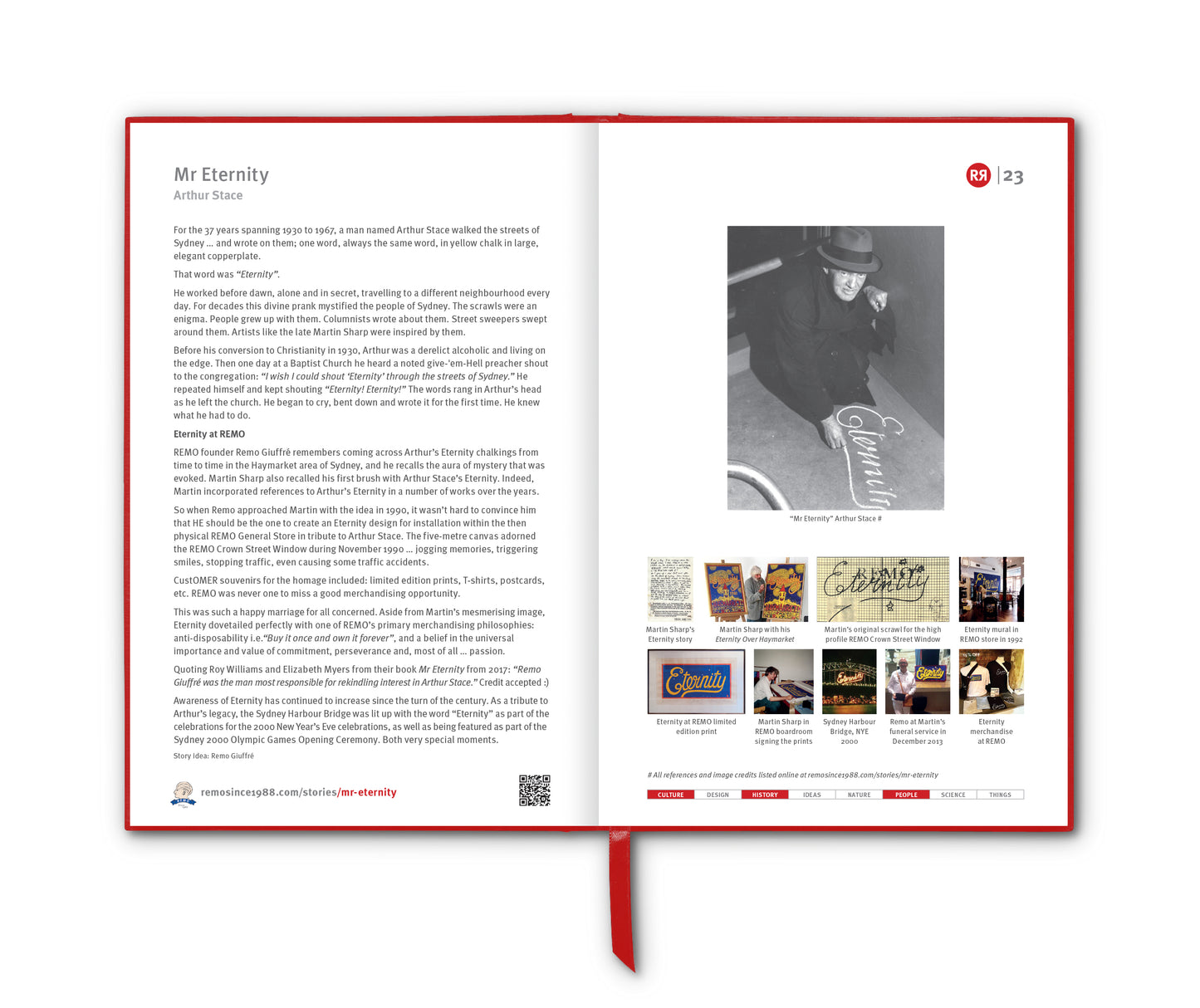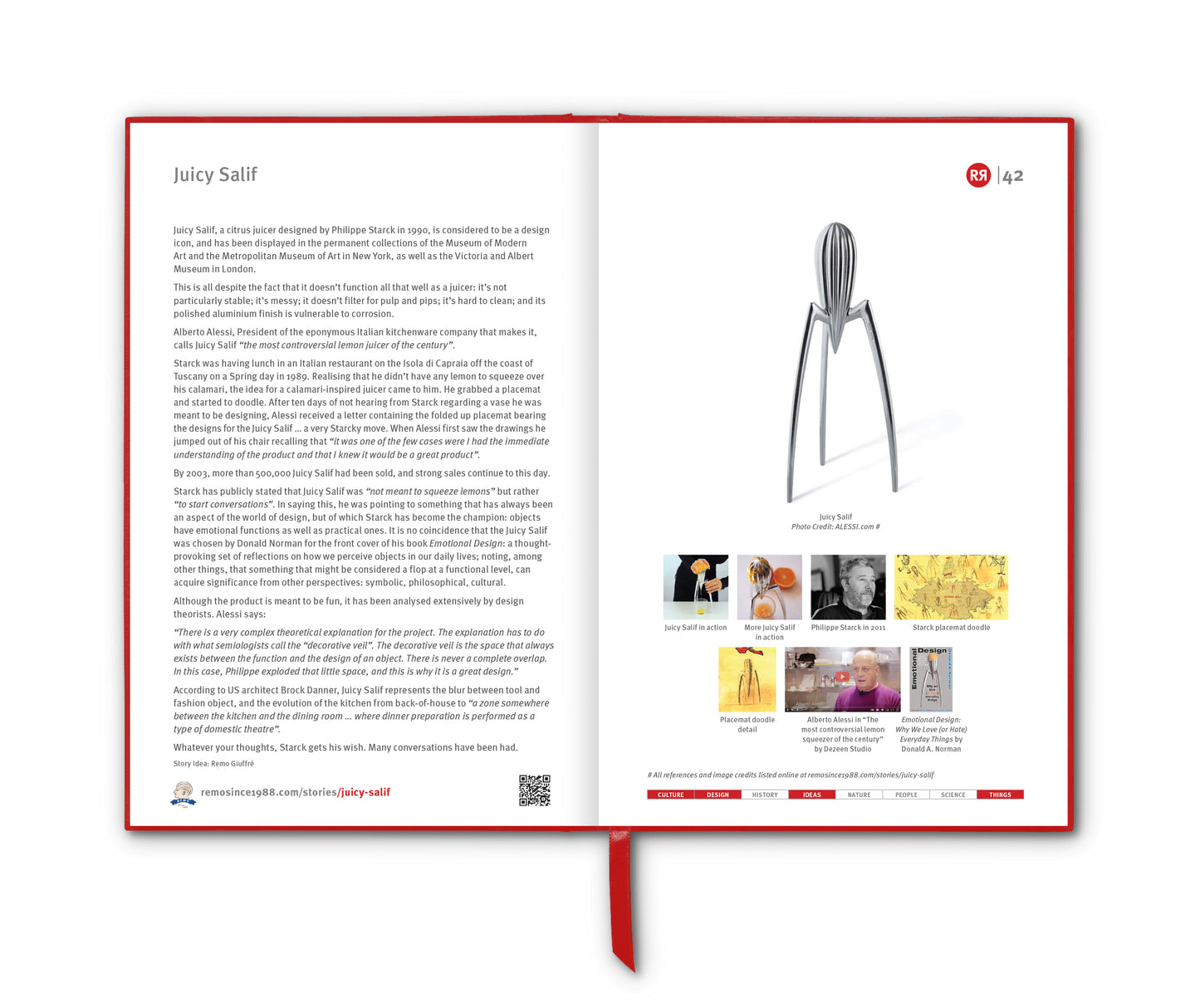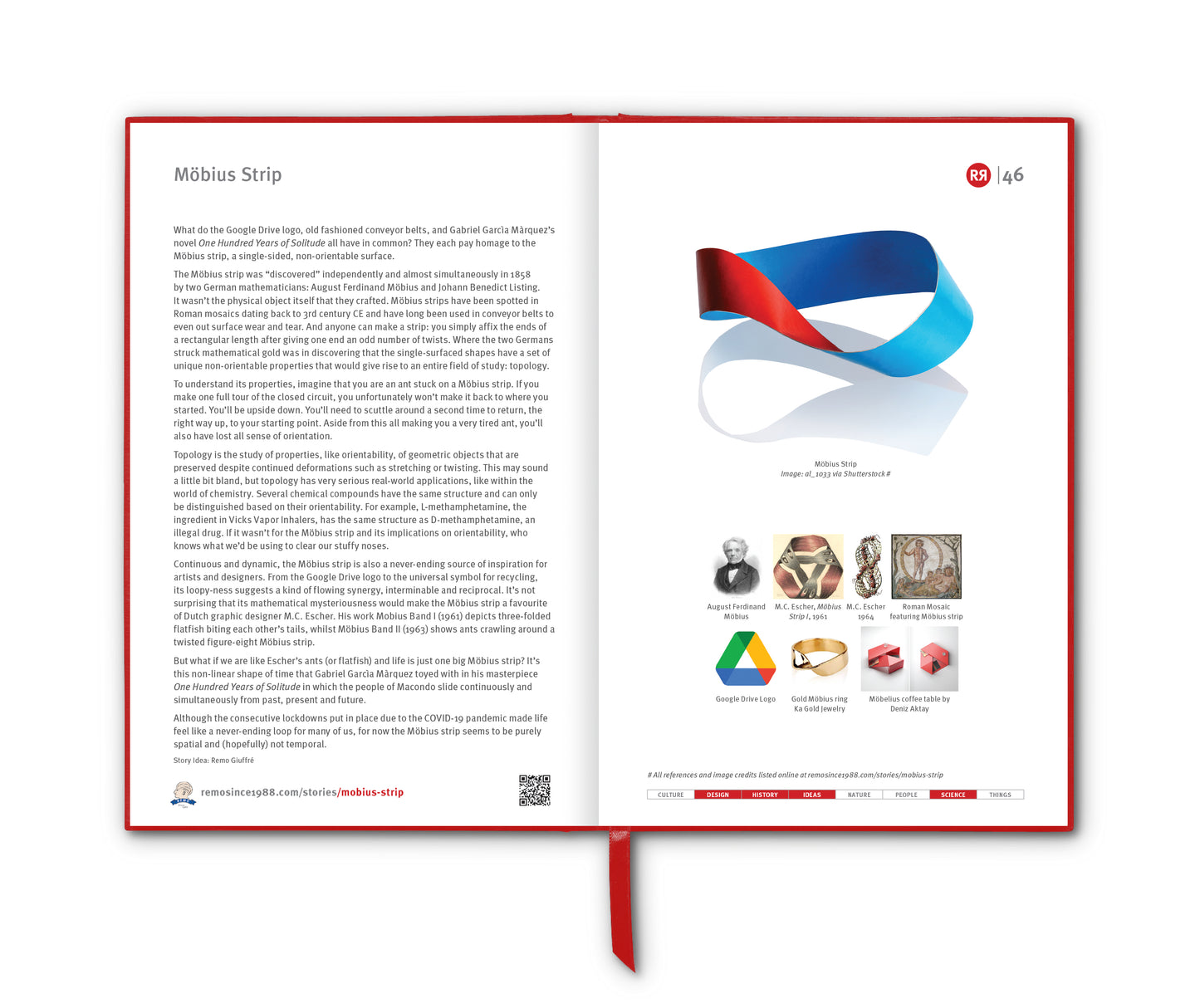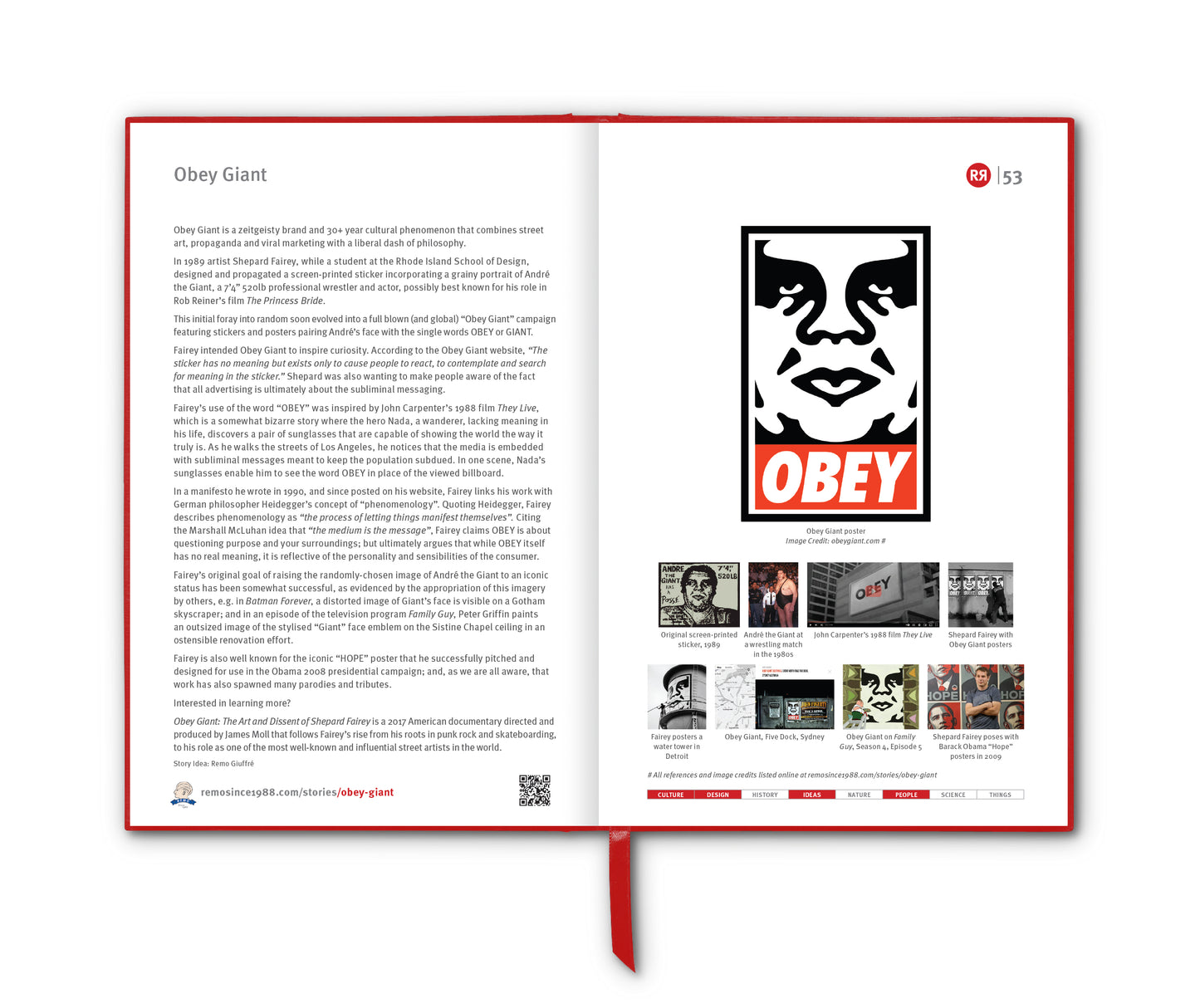

In 1957, Marc A. Chavannes, a Swiss chemical engineer, approached mechanical engineer Alfred W. Fielding with the concept of creating an insulating, textured wallpaper by sealing two sheets of plastic together on a paper backing. The wallpaper idea didn’t catch on, but they noticed the material had a soft, cushiony structure.
After pivoting away from the wallpaper idea, their second idea was to market it as greenhouse insulation. That also fizzled.
But in 1960, they founded Sealed Air Corporation and repositioned their invention as protective packaging.
It took time to convince manufacturers that their plastic product was a superior shipping material to the paper alternatives being used at the time. But, in 1963, Sealed Air salesman Frederick W. Bowers persuaded IBM to ship its sensitive new IBM 1401 business computer using bubble wrap, making it the industry standard as sensitive high-tech products were beginning to come on the market. Suddenly, bubble wrap had found its niche: protecting fragile items in transit.
In the 1980s and 1990s, bubble wrap became a staple of office stress relief. People began popping it just for fun – so much so that Sealed Air trademarked the term “Bubble Wrap” and leaned into the recreational angle. These days, there’s even an app for that.
Five more things to know about bubble wrap:
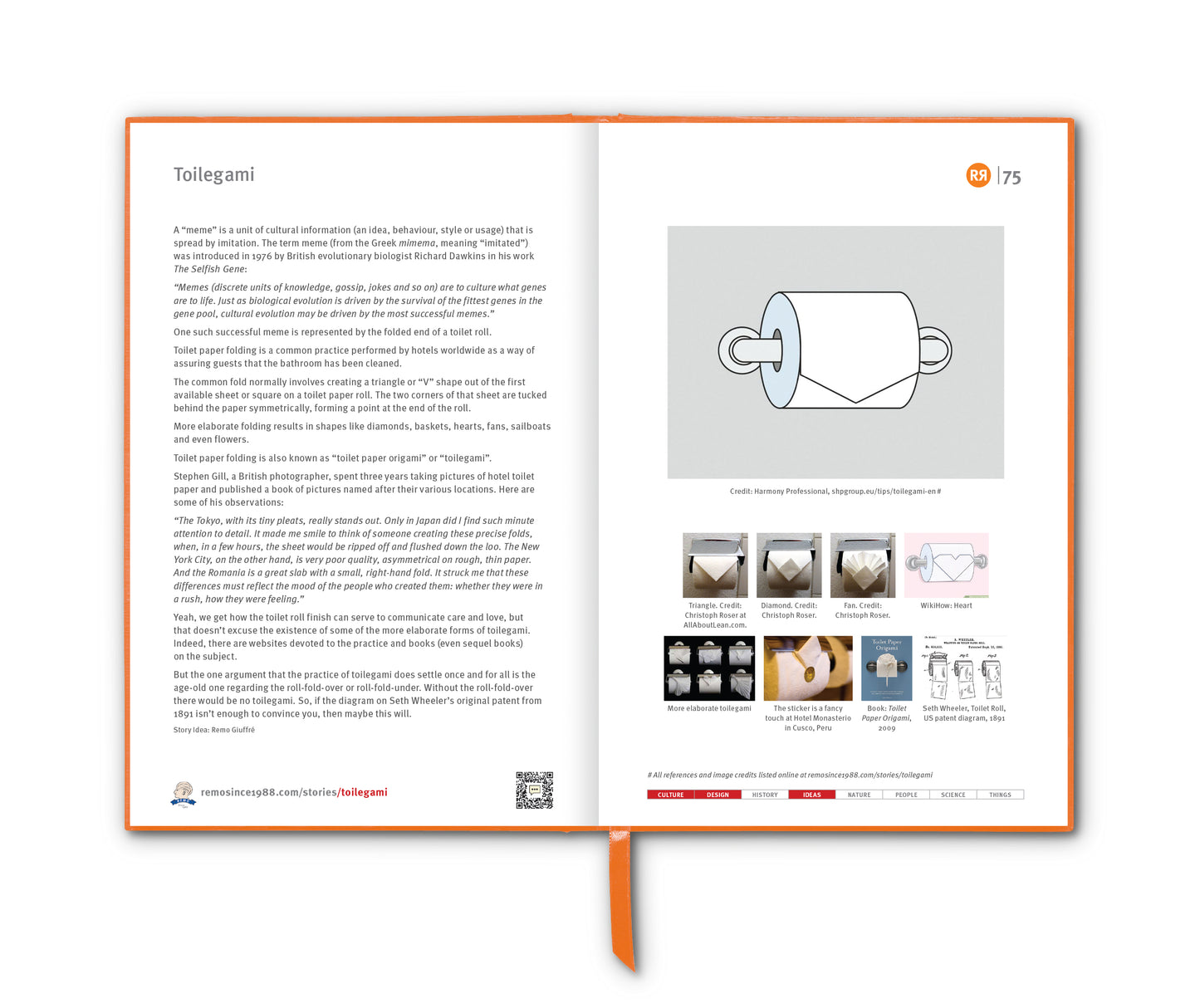
Bubble Wrap: Even though the term "bubble wrap" is owned by Sealed Air, it has become a generic trademark, with diminished rights as a result of common use in the marketplace. Other examples of generic trademarks: linoleum, thermos, aspirin and air fryer.
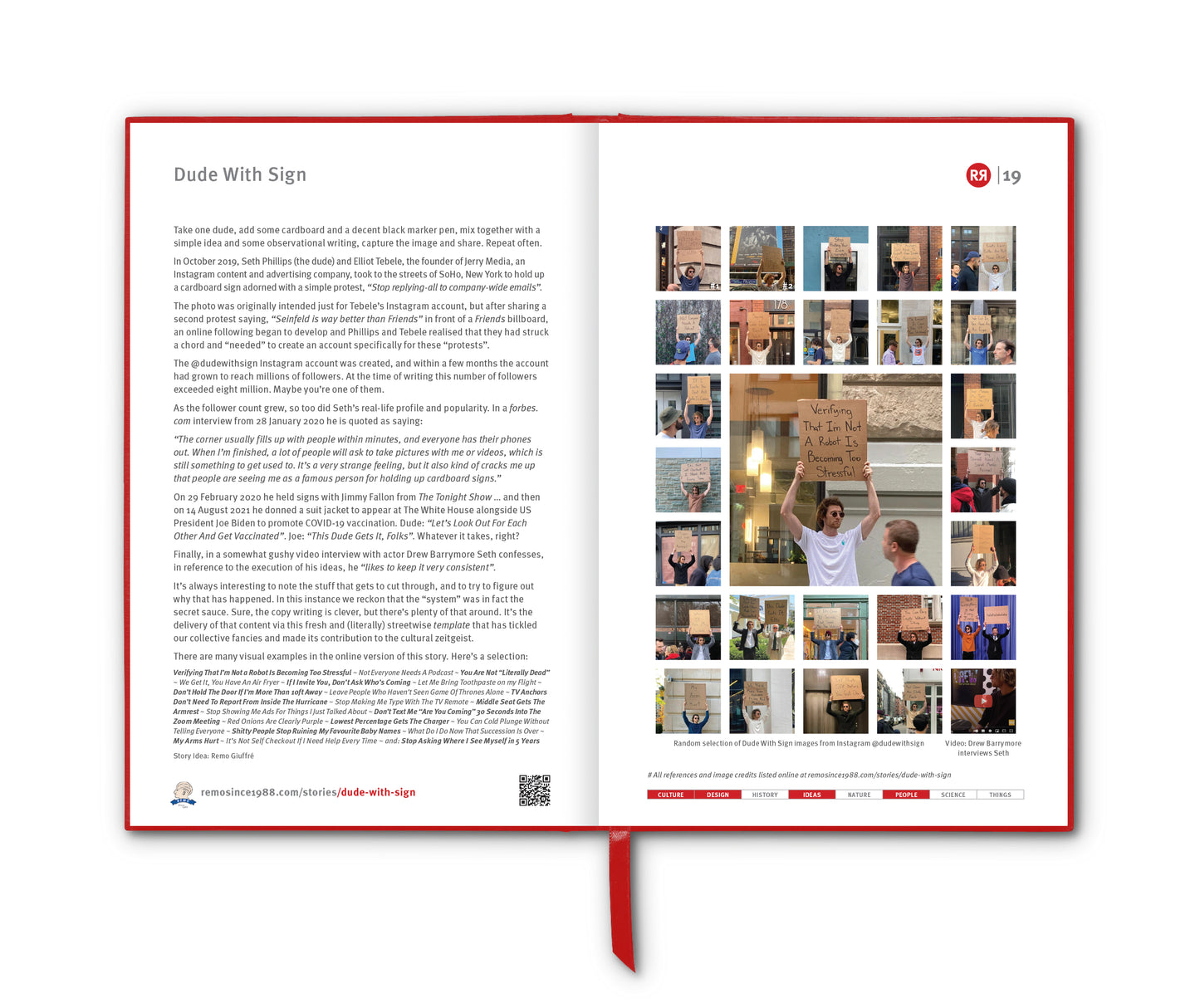
Silent Bubble Wrap: In 2015, Sealed Air introduced a new version of bubble wrap called "iBubble Wrap". It ships flat and inflates on demand, which saves enormous amounts of space. However, one major downside: the new bubbles don’t pop. This led to a brief media panic among bubble wrap purists, although they were comforted by the fact that the regular noisy wrap was still being produced.
Bubble Wrap Appreciation Day is celebrated on the last Monday of January each year. It began in Bloomington, Indiana in 2001 after a local radio station accidentally received a shipment wrapped entirely in bubble wrap – and devoted an entire show to popping it on-air.
Art and Design: Bubble wrap has inspired avant-garde fashion (yes, runway dresses) and installations. Also, in 2010, artist Bradley Hart even began injecting paint into individual bubbles to create detailed pixel-like portraits using the wrap as his canvas.
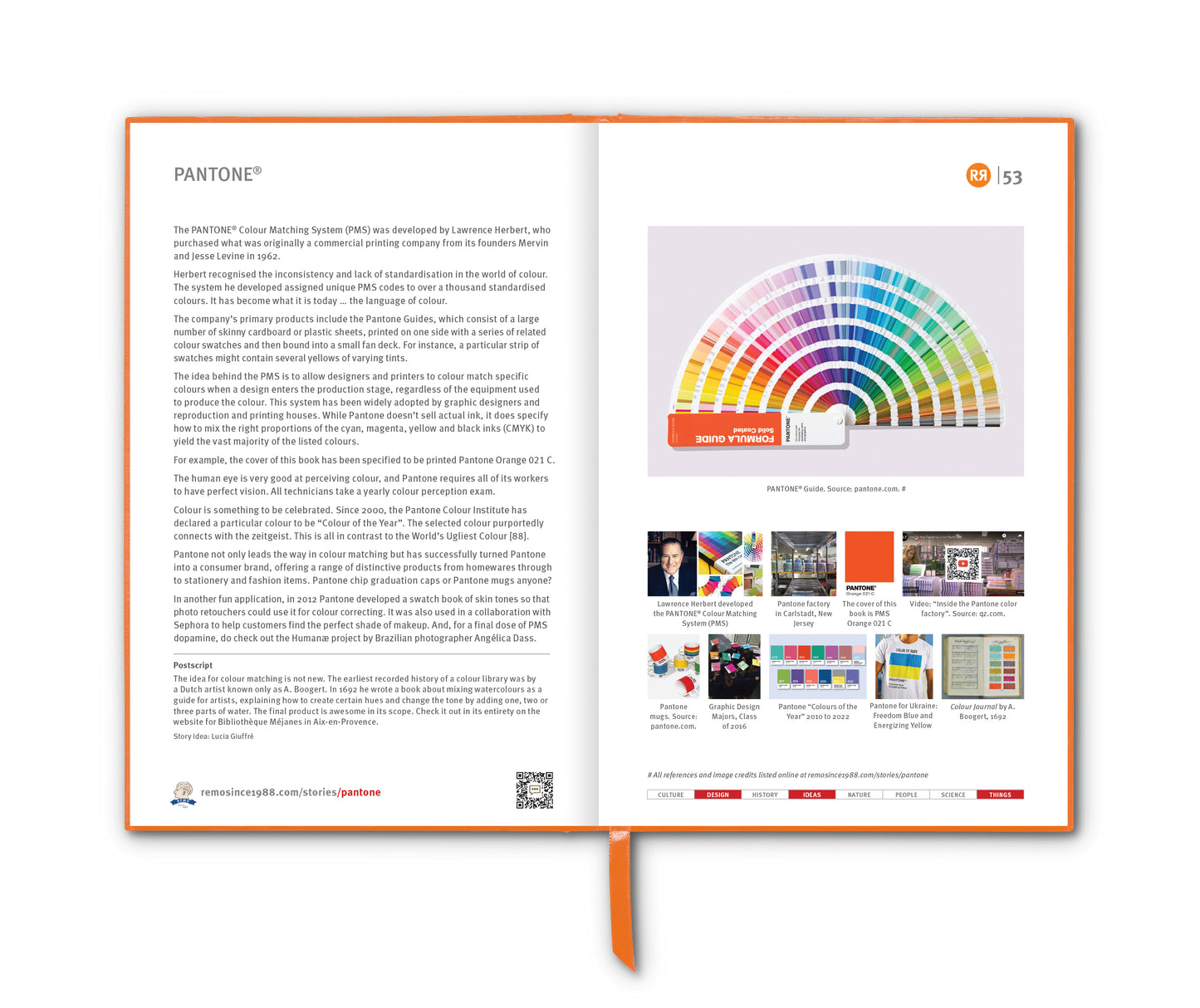
Bubble Wrap Alternatives: Paper is making a comeback, much to the relief of the plastic reductionists. “Paper bubble wrap", consists of thick paper with a heavily embossed pattern reminiscent of bubble wrap, and “honeycomb paper” also known as “hive wrap” is made of Kraft paper with parting lines allowing the paper to be stretched and thickened without breaking, giving it cushioning properties.
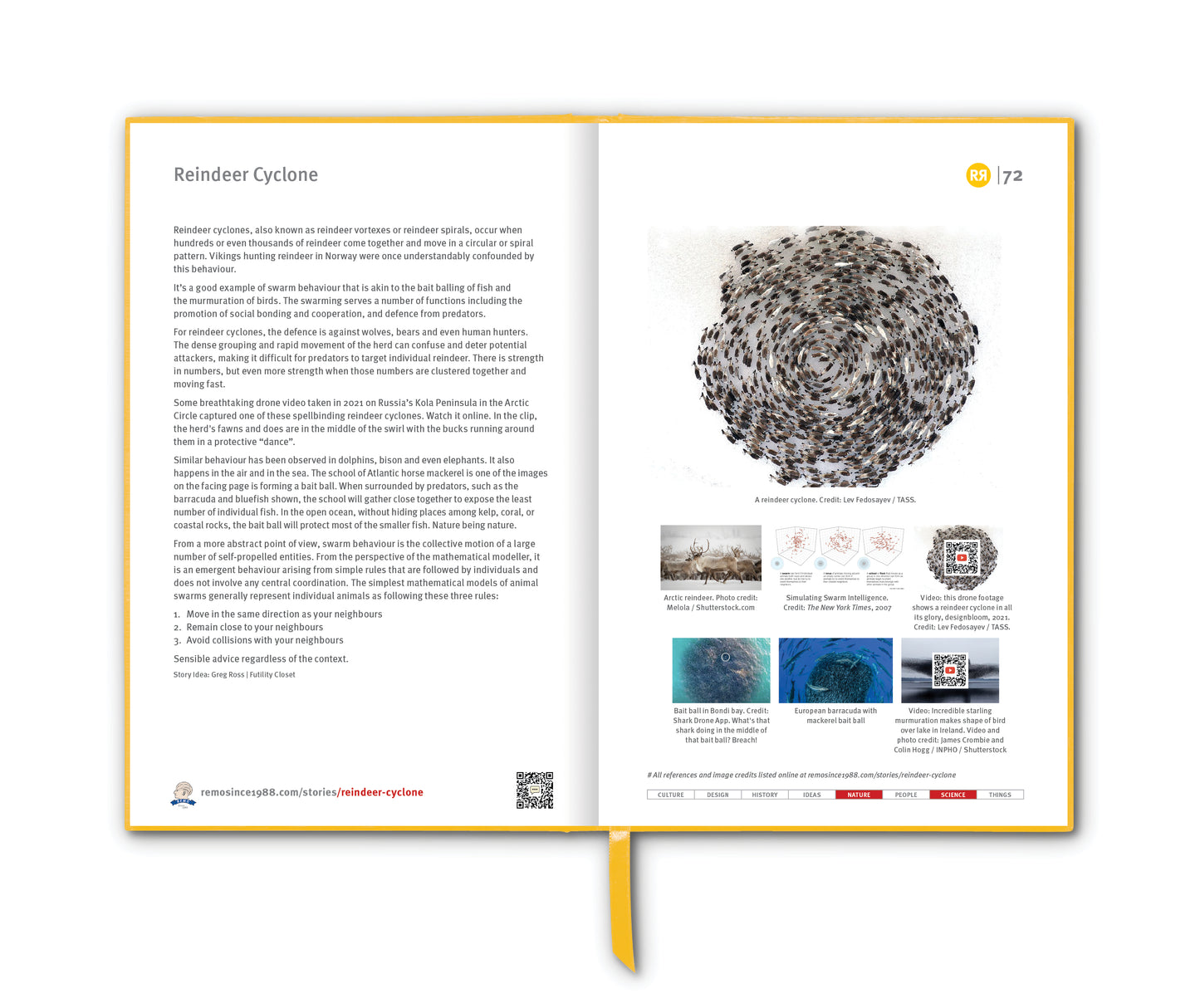
Finally, bubble wrap is so much a part of world culture that it is among the collections of the Museum of Modern Art in New York. It’s the one piece in the collection that doesn’t require bubble wrapping in transit.
__________________________
References
https://hwfielding.com/2018/04/29/bubble-wrap-begins/
https://en.wikipedia.org/wiki/Bubble_wrap
Images
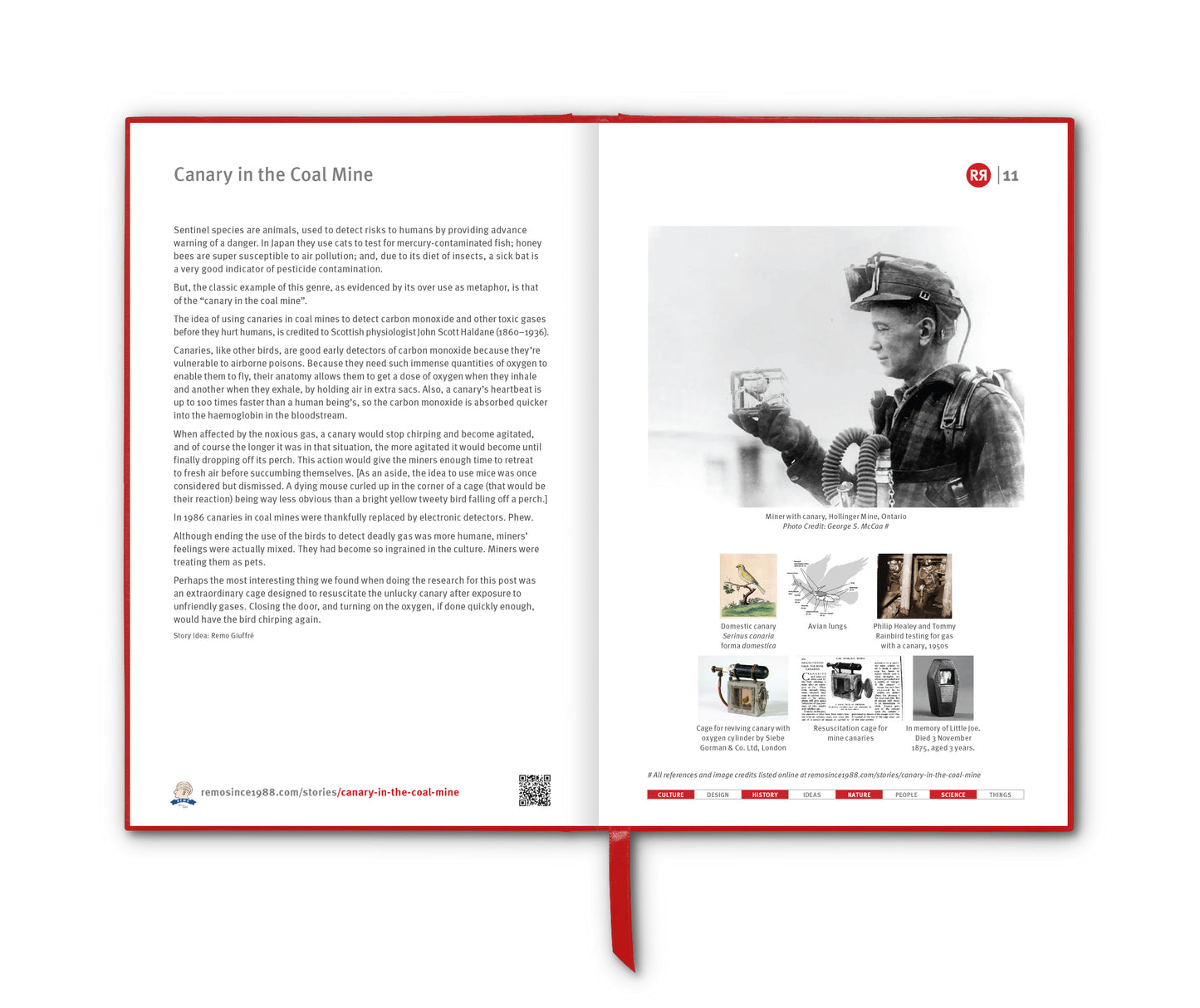
1. Bubble wrap. Photo Credit: ajt for iStock Photo
2. Alfred W. Fielding (left) and Marc A. Chavannes, circa 1970
3. Patent: Method for Making Laminated Cushioning Material, 28 July 1964
4. Roll of iBubble Wrap being inflated with air. Credit: wsj.com
5. BubbleWrap app for iPhone
6. Stress & Anxiety Relief Push Pop It Bubble Gadget for kids and adults, 2023
7. Bubble wrap'esque fashion by Craig Green at London Fashion Wek, 2019
8. Artist Bradley Hart injection bubbles with paint
9. Hive wrap