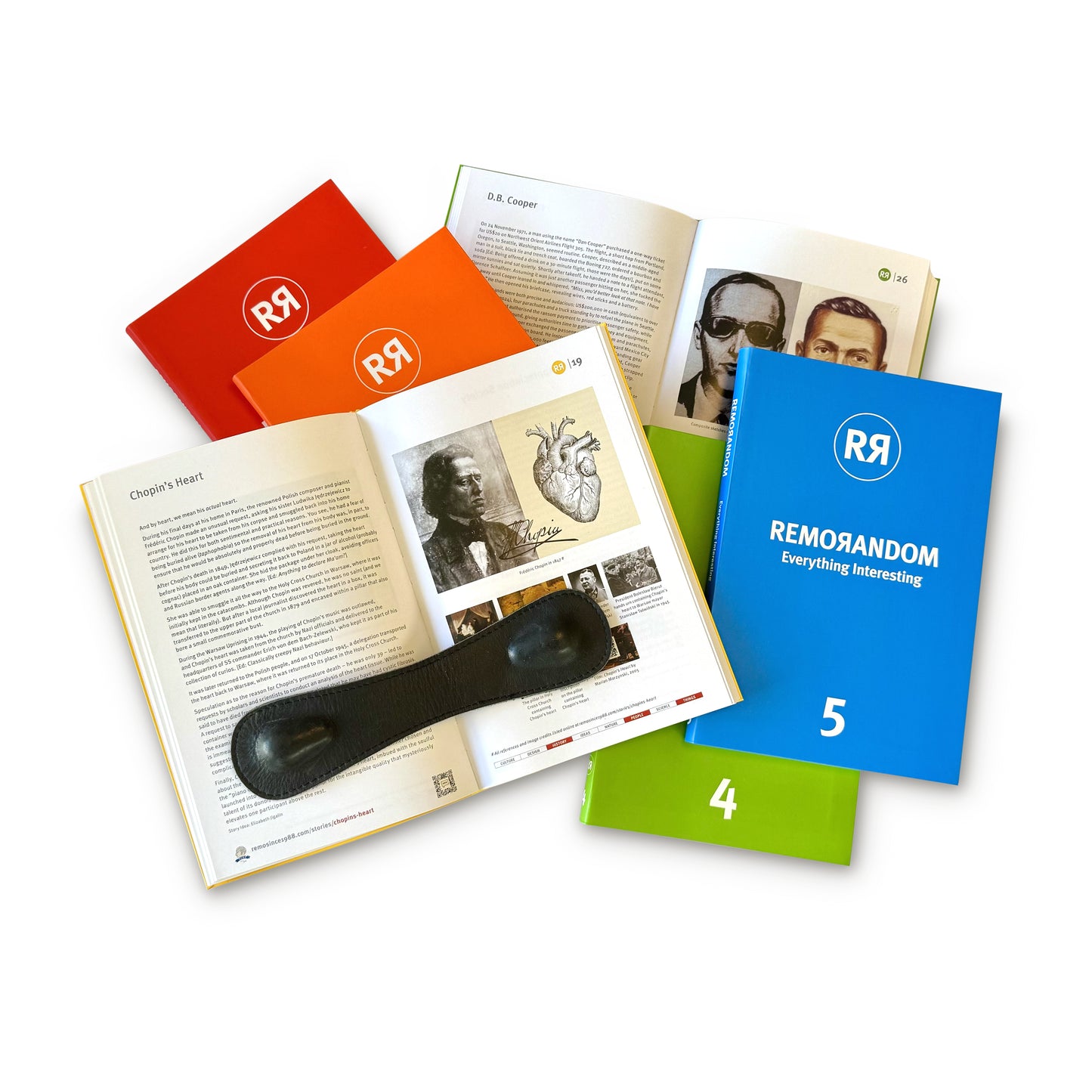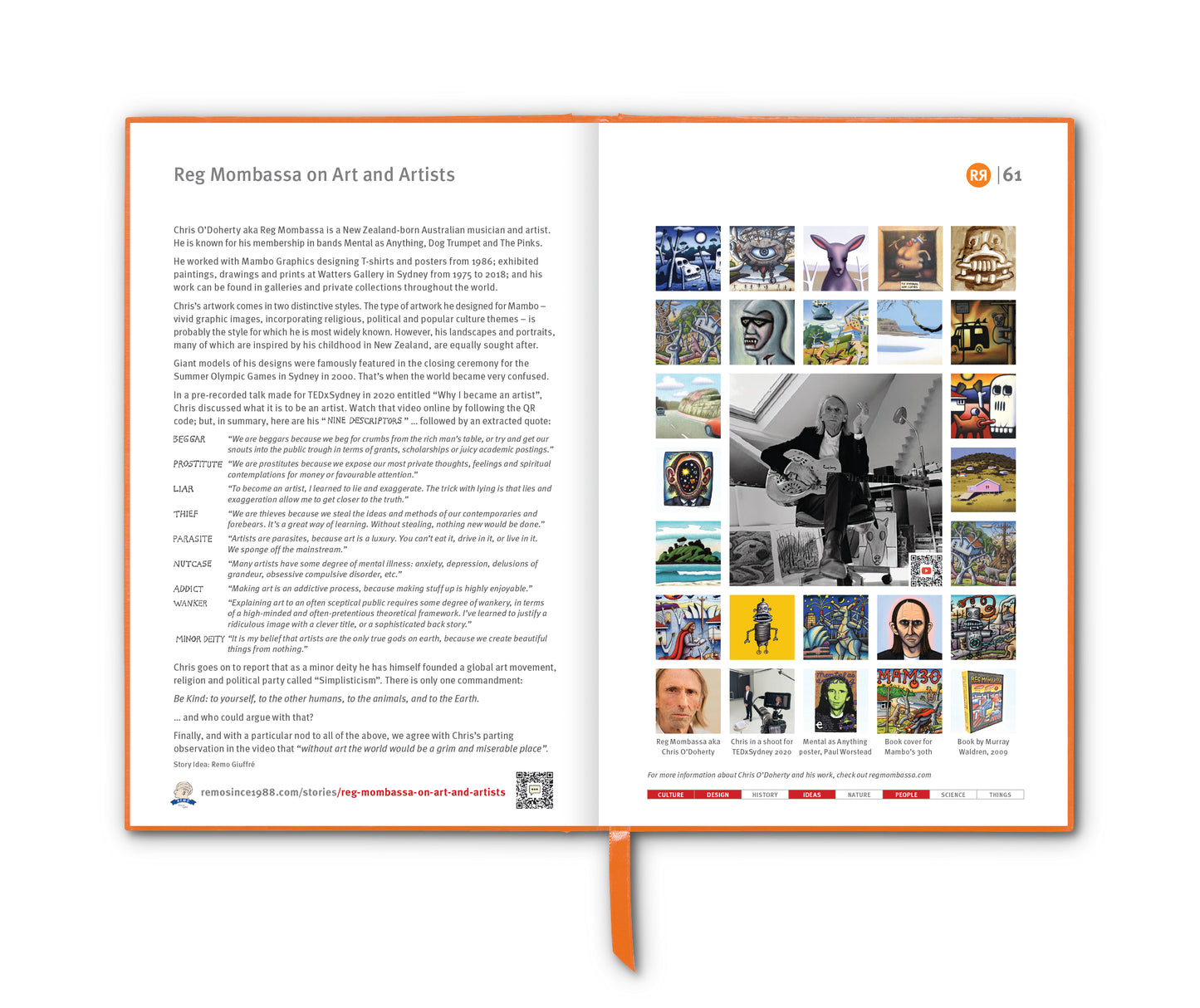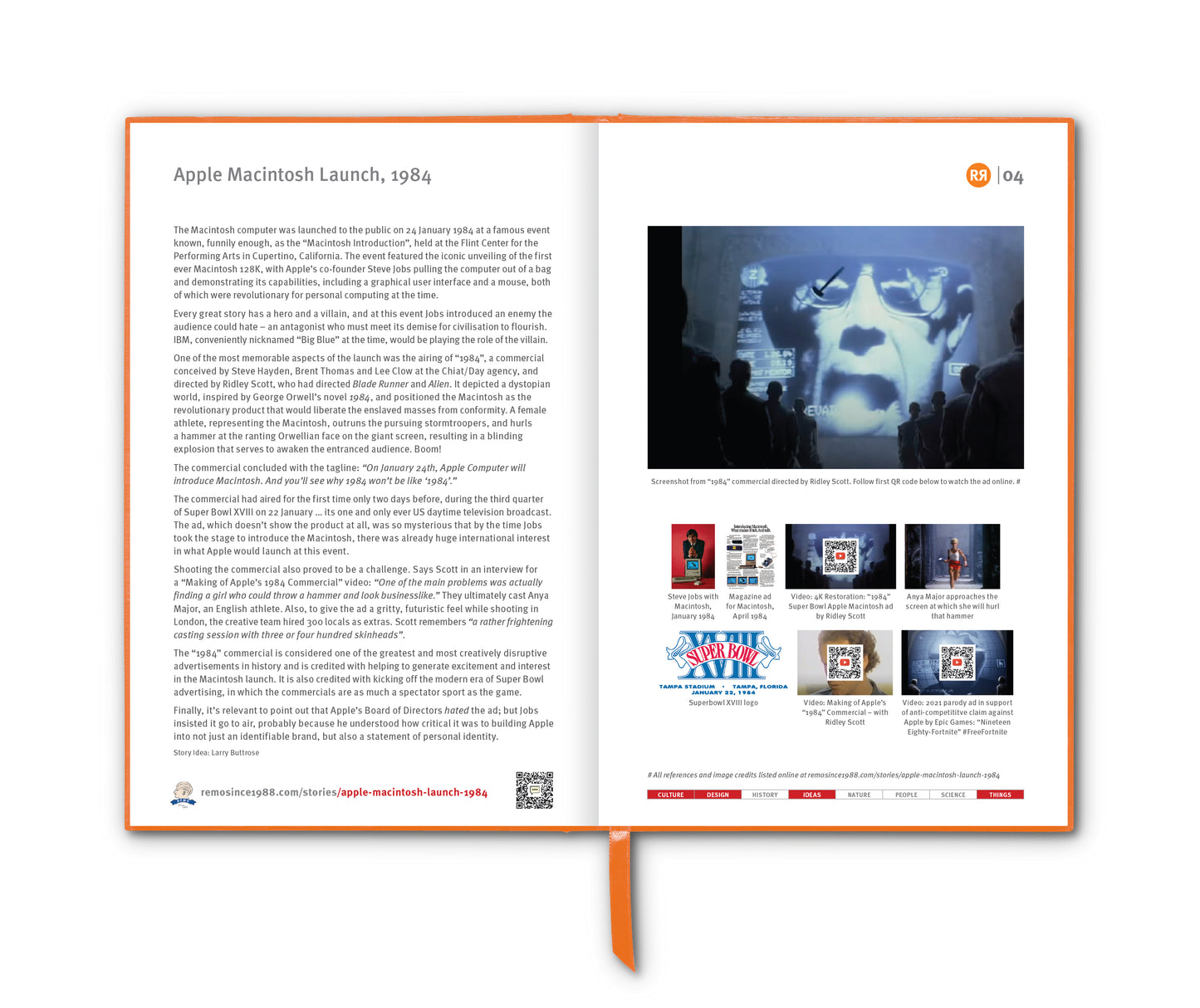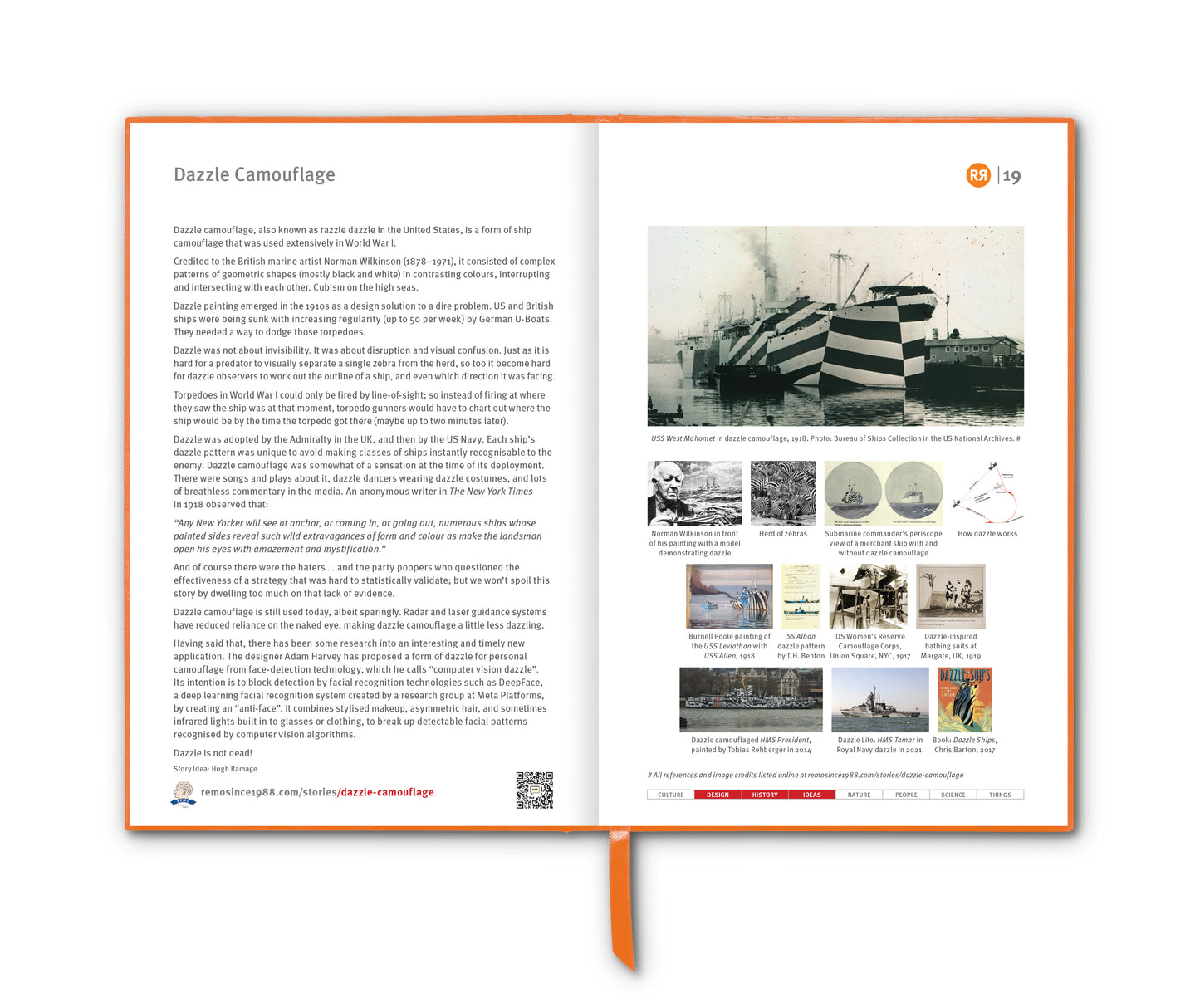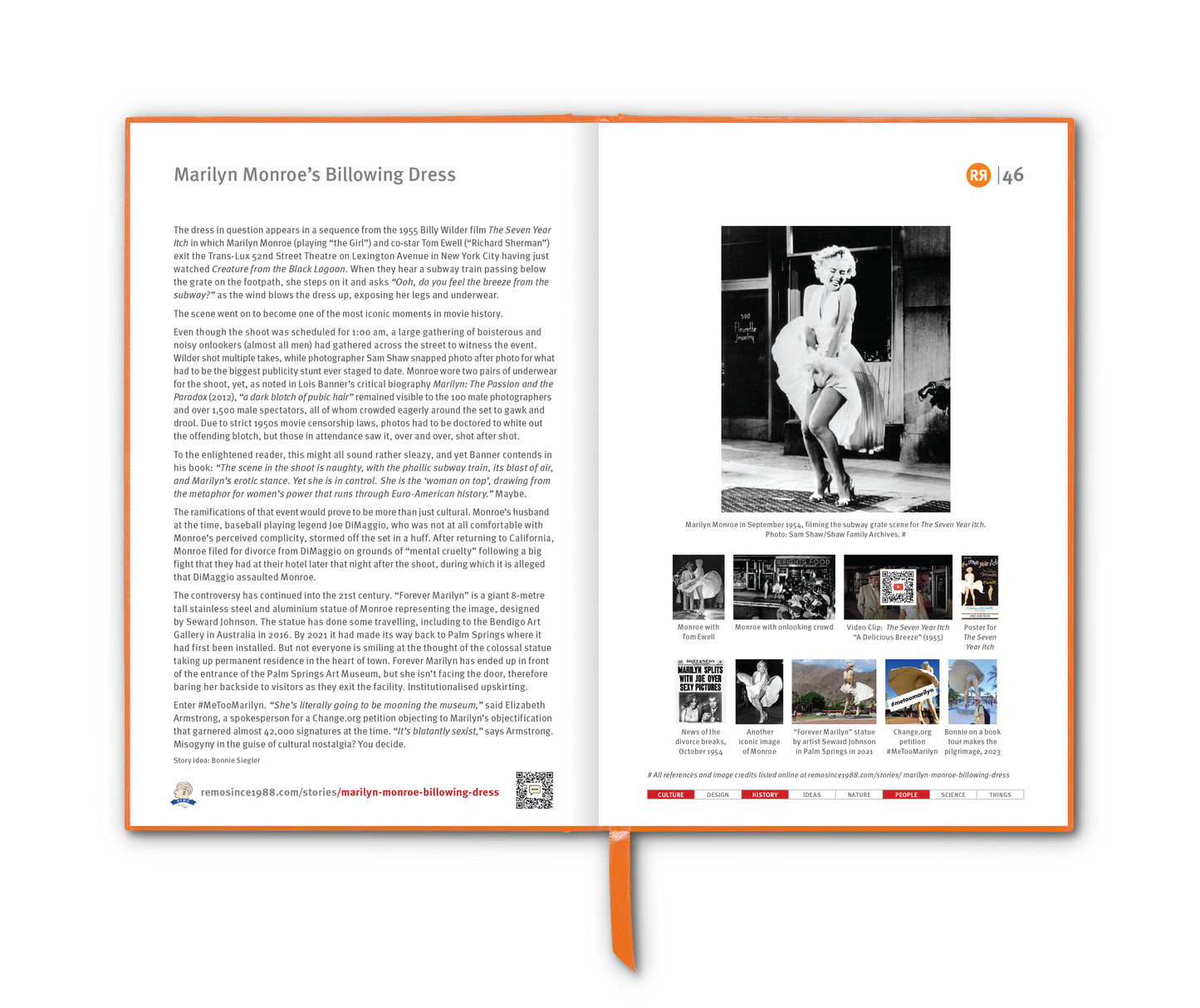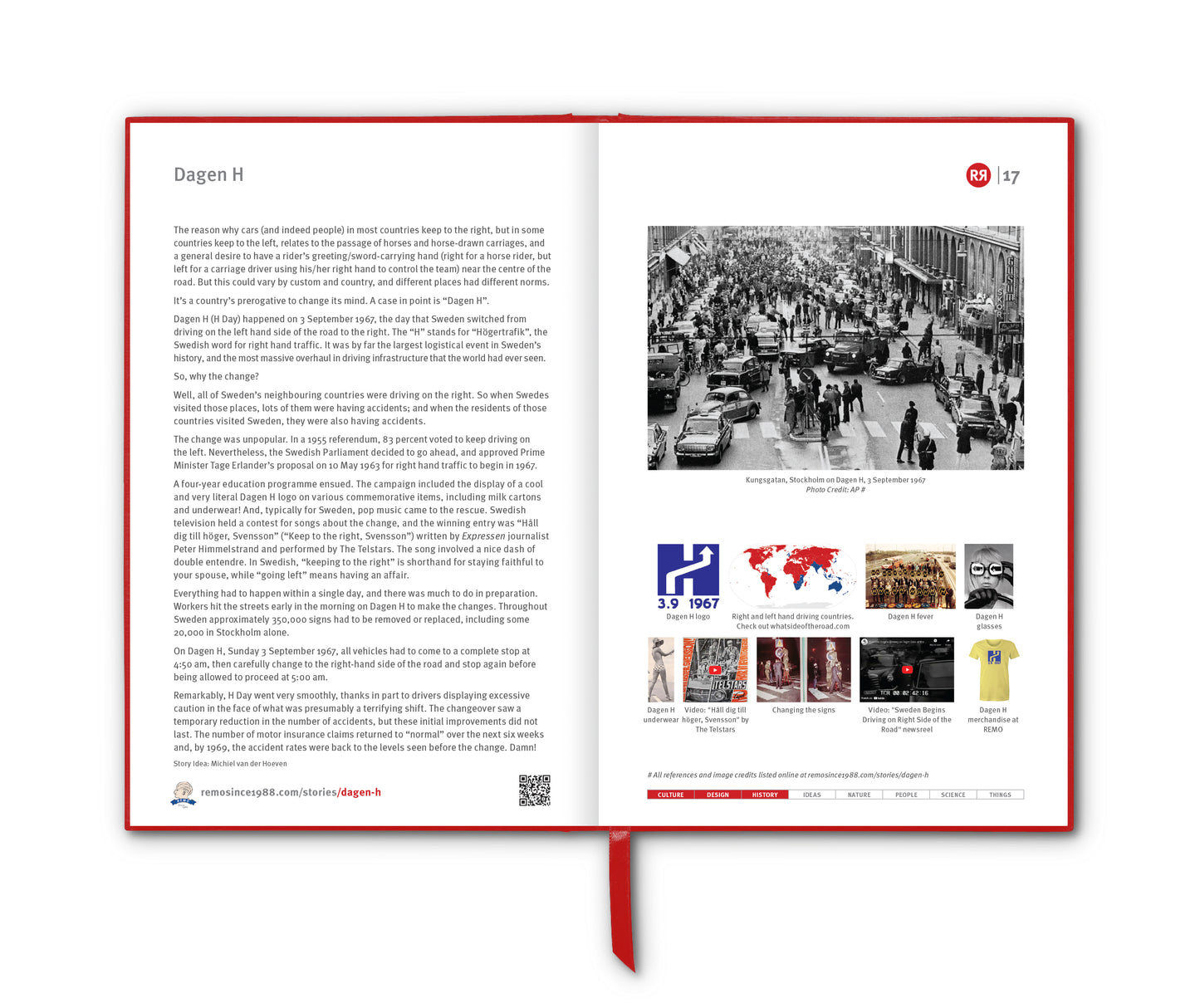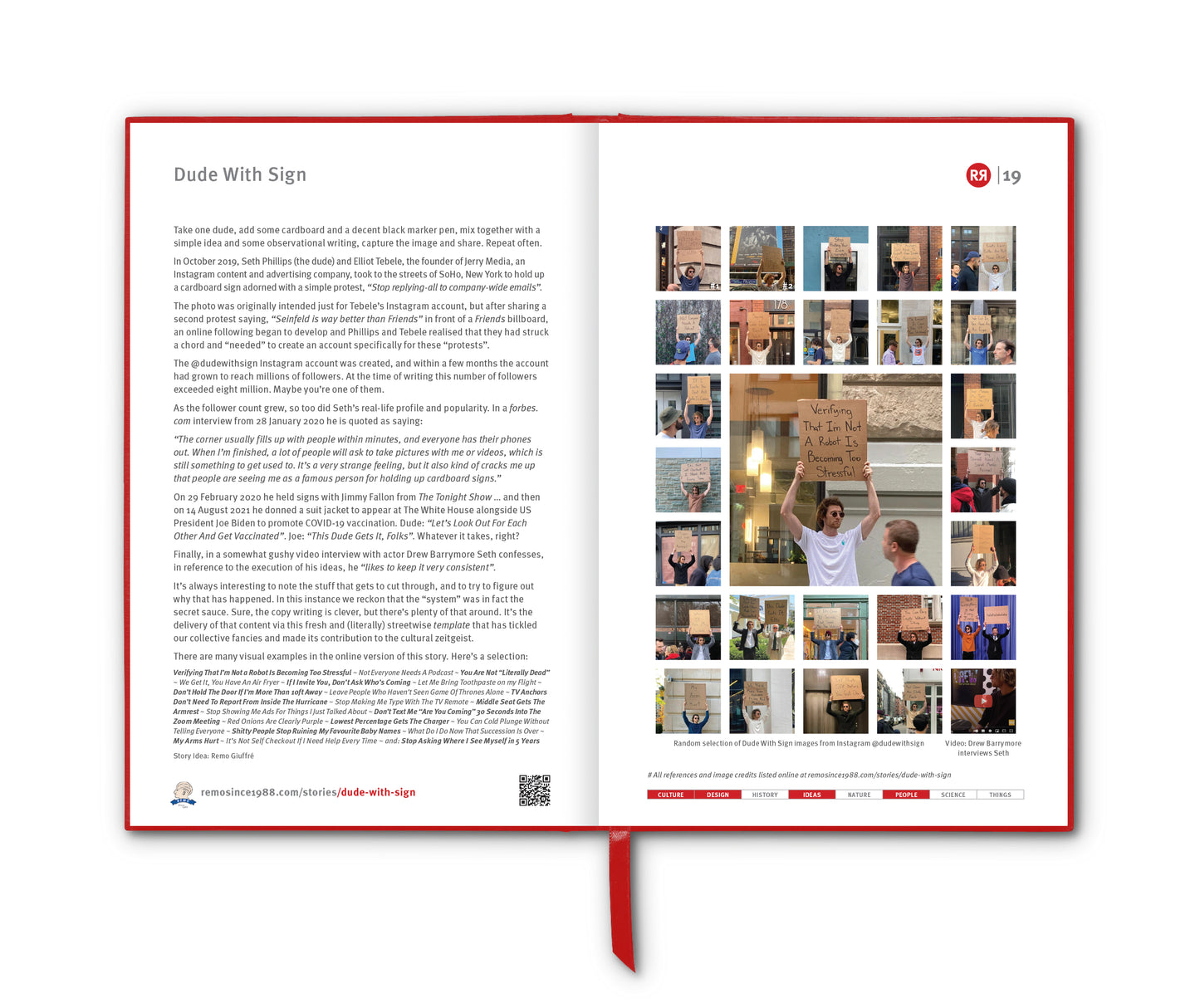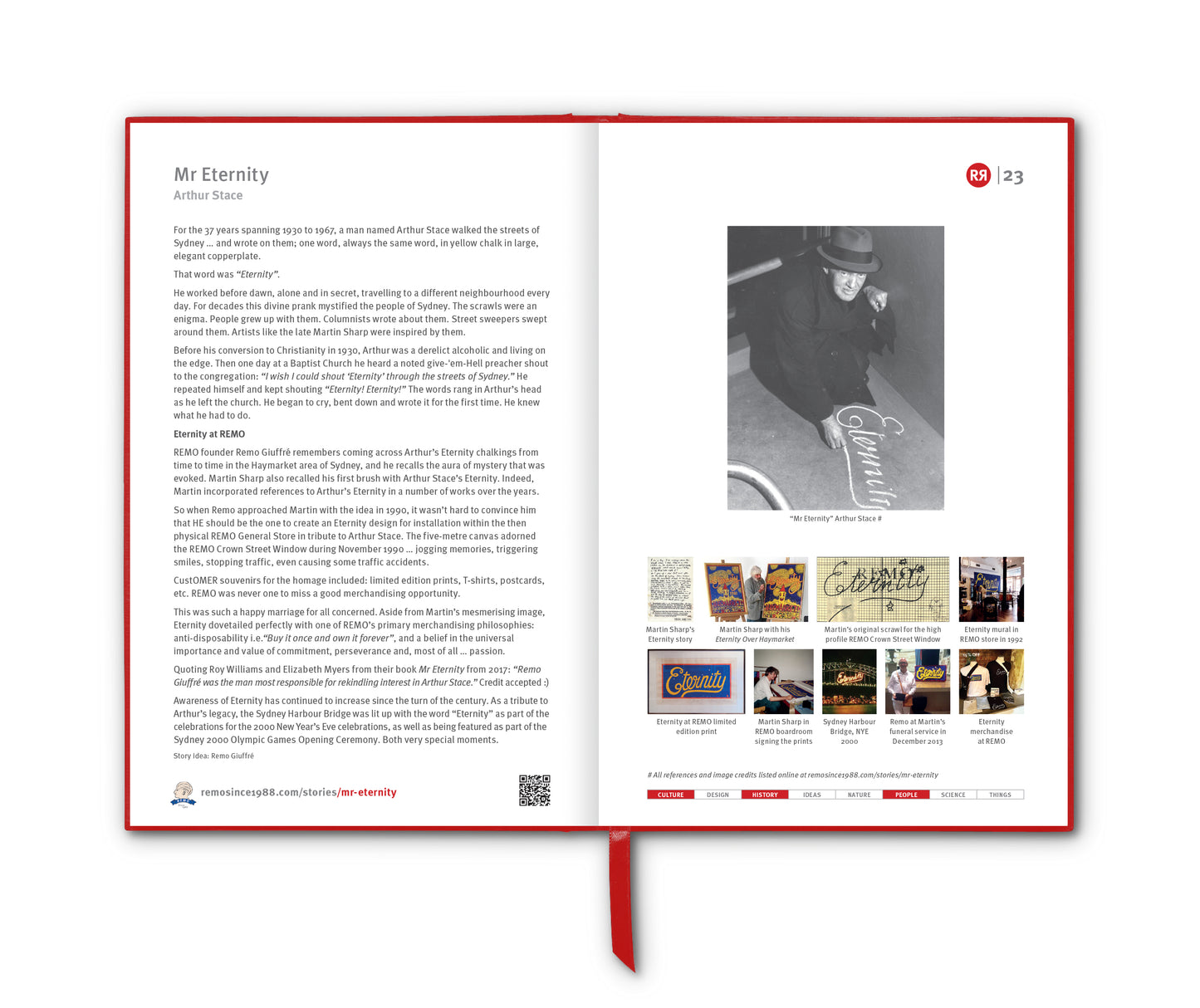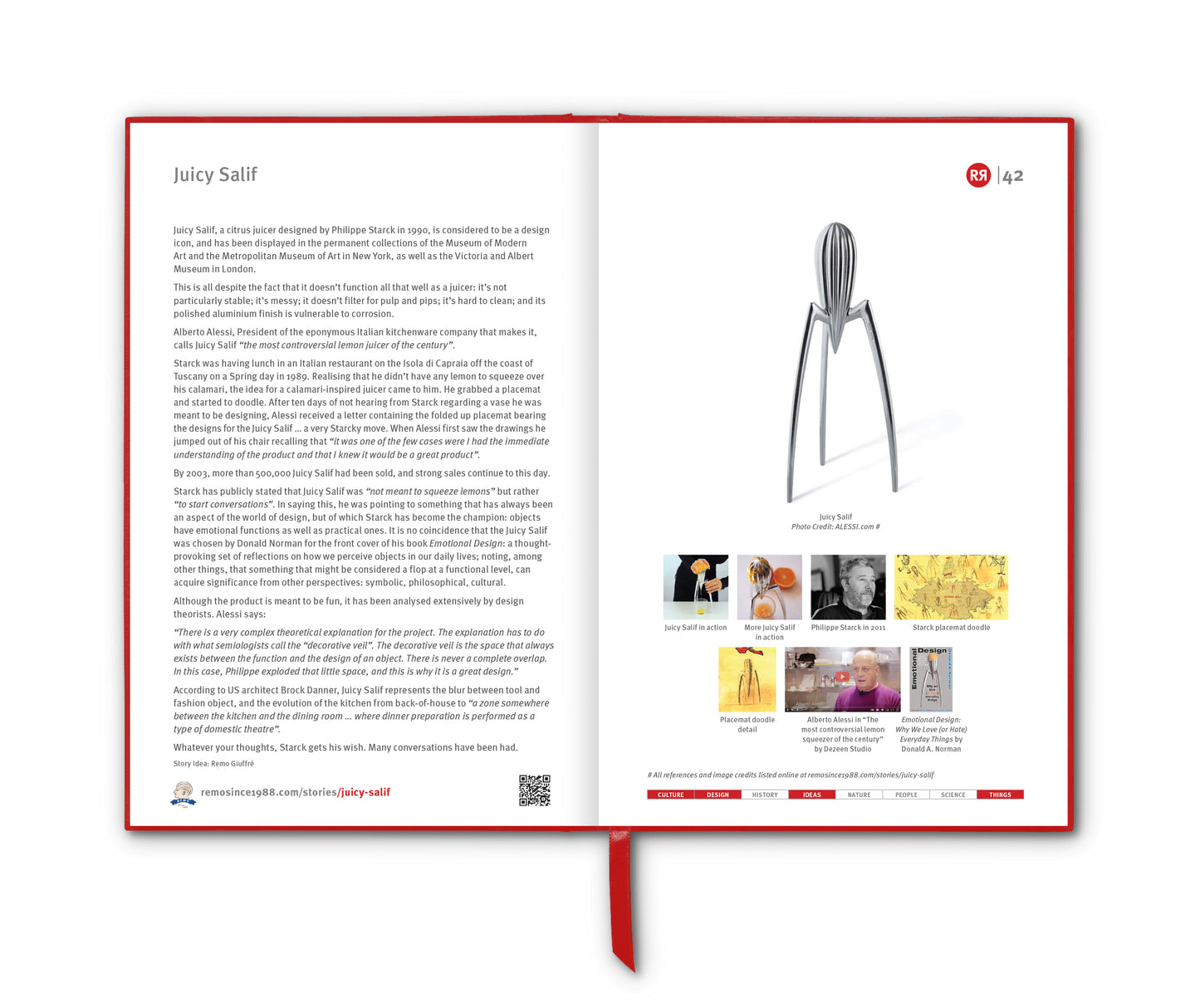

The car bumper sticker has served as a “vehicle” for human expression since the mid-20th century.
Before bumper stickers, early car slogans were painted or attached via metal or cardboard signs using wire or string. These were cumbersome and weather-sensitive. The modern bumper sticker as we know it emerged in the 1940s, thanks to advances in pressure-sensitive adhesive and synthetic ink technologies developed during World War II.
Forest P. Gill, a screen printer from Kansas City, is often credited as the pioneer of the bumper sticker. He began using these new adhesives on pieces of paper to advertise tourist attractions and political campaigns. Gill’s first large commercial order came in the 1950s from Marine Gardens, a tourist attraction in Clearwater, Florida, wanting 25,000 bumper stickers.
By the 1950s, bumper stickers had become a common marketing tool for roadside attractions like “See Rock City” in Tennessee and Florida’s “Silver Springs”. They also entered the political arena – campaign stickers such as “I Like Ike” for Dwight D. Eisenhower’s 1952 presidential run became cultural touchstones.
During the 1960s, bumper stickers evolved into a medium for individual expression. As cars became more affordable, personal vehicles turned into rolling billboards for beliefs, humour and identity. Slogans like “Make Love, Not War” and “Flower Power” captured the counterculture spirit.The 1970s cemented the bumper sticker as part of pop culture. It became humorous, cheeky, and often a badge of identity: “Honk if You Love Jesus”, “Keep on Truckin’”, and “My Other Car is a Porsche” are classic examples – along with “If the van’s a rocking, don’t come knocking”. Meanwhile, social and environmental causes used stickers to spread awareness – think “Save the Whales” or the rainbow peace symbol [RR2:55].
Fast forward to the 21st century: bumper stickers haven’t disappeared – they’ve diversified. While some predicted their decline with the rise of social media, stickers remain a low-cost, analog form of micro-broadcasting. They now coexist with magnetic decals and vinyl wraps, offering more customisation. Political stickers like “Hope” (Obama 2008) or “Make America Great Again” (Trump 2016) have become cultural artifacts.
Today, bumper stickers remain an enduring, if sometimes overlooked, piece of visual culture – a democratic form of self-expression that turns every traffic jam into a gallery of ideas, gags and personal declarations.
Postscript
If you ever spot a Semper Fi bumper sticker when driving in the United States, the driver of the car is likely a Marine or the family member thereof. Semper Fi is short for Semper Fidelis, a Latin phrase that means "Always Faithful”. It has been the official motto of the US Marine Corps since 1883.
_______________________
References
wikipedia.org/wiki/Bumper_sticker
adsumnyc.com/blogs/news/gill-studios
customstickershop.us/10-of-the-most-popular-bumper-stickers-of-all-time-what-they-really-mean
Images
1. Old car covered with a variety of stickers at Bo's Fish Wagon restaurant in Key West, Florida on 8 October 2014. Photo credit: photoff via shutterstock
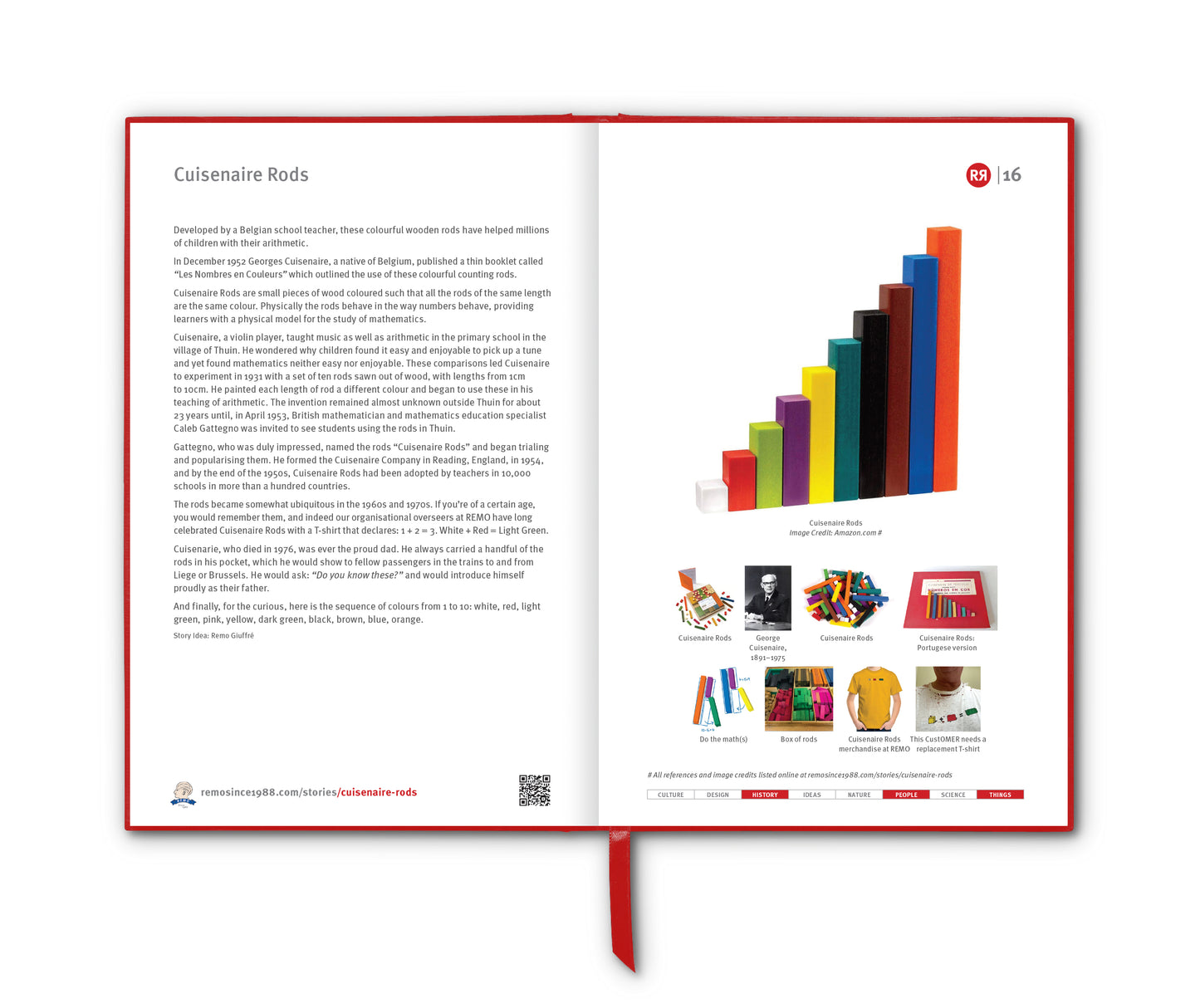
2. Forest P. Gill in 1935
3. Volvo Wagon covered with bumper stickers
4. Collection of US political stickers
5. Baby on Board
6. Classic surfer van communication
7. Bumper sticker supporting the 2008 Obama-Biden presidential campaign. Credit: Dave Winer
8. Tesla buyer's remorse
9. 26.2 is the number of miles run in a marathon
10. Semper Fi sticker for a US marine