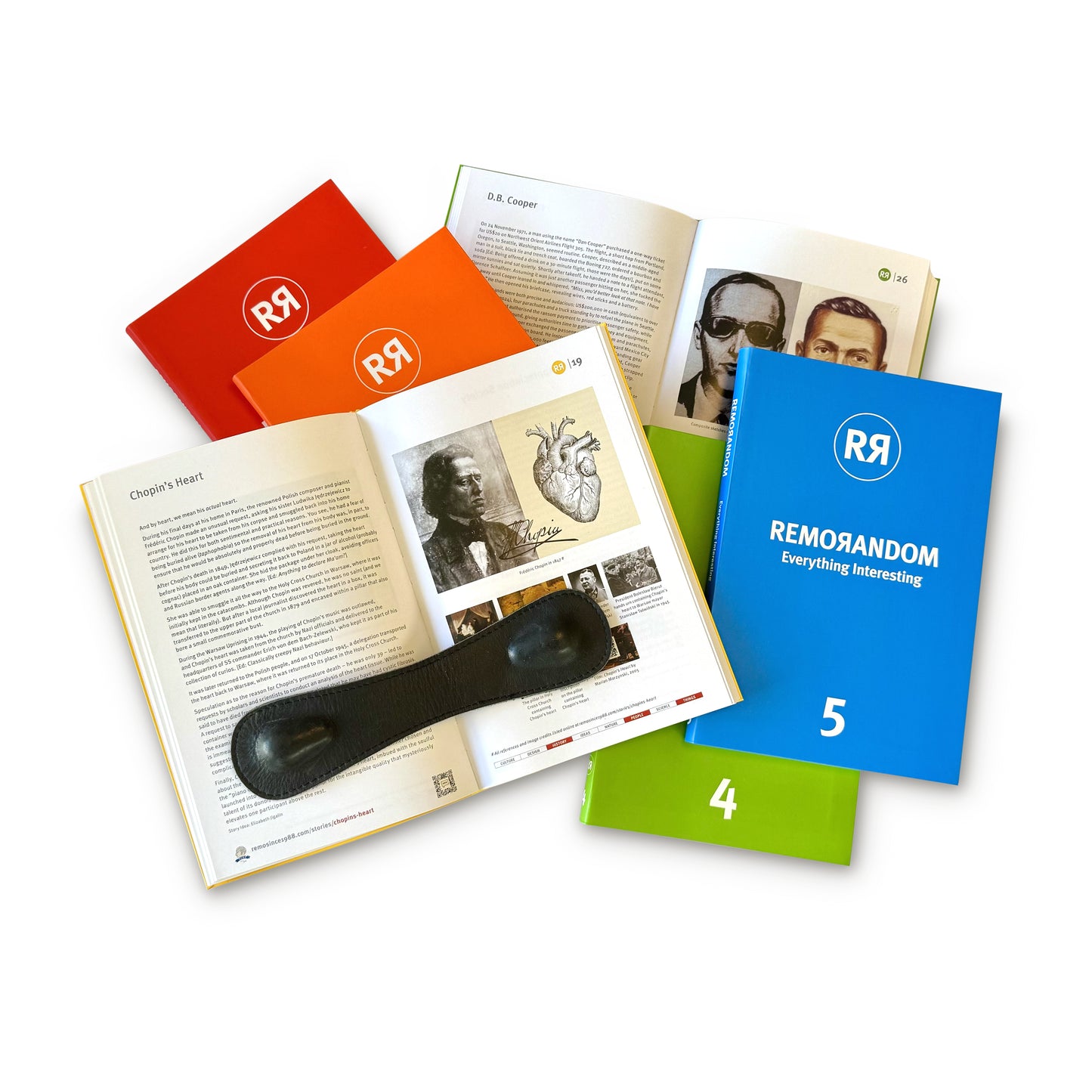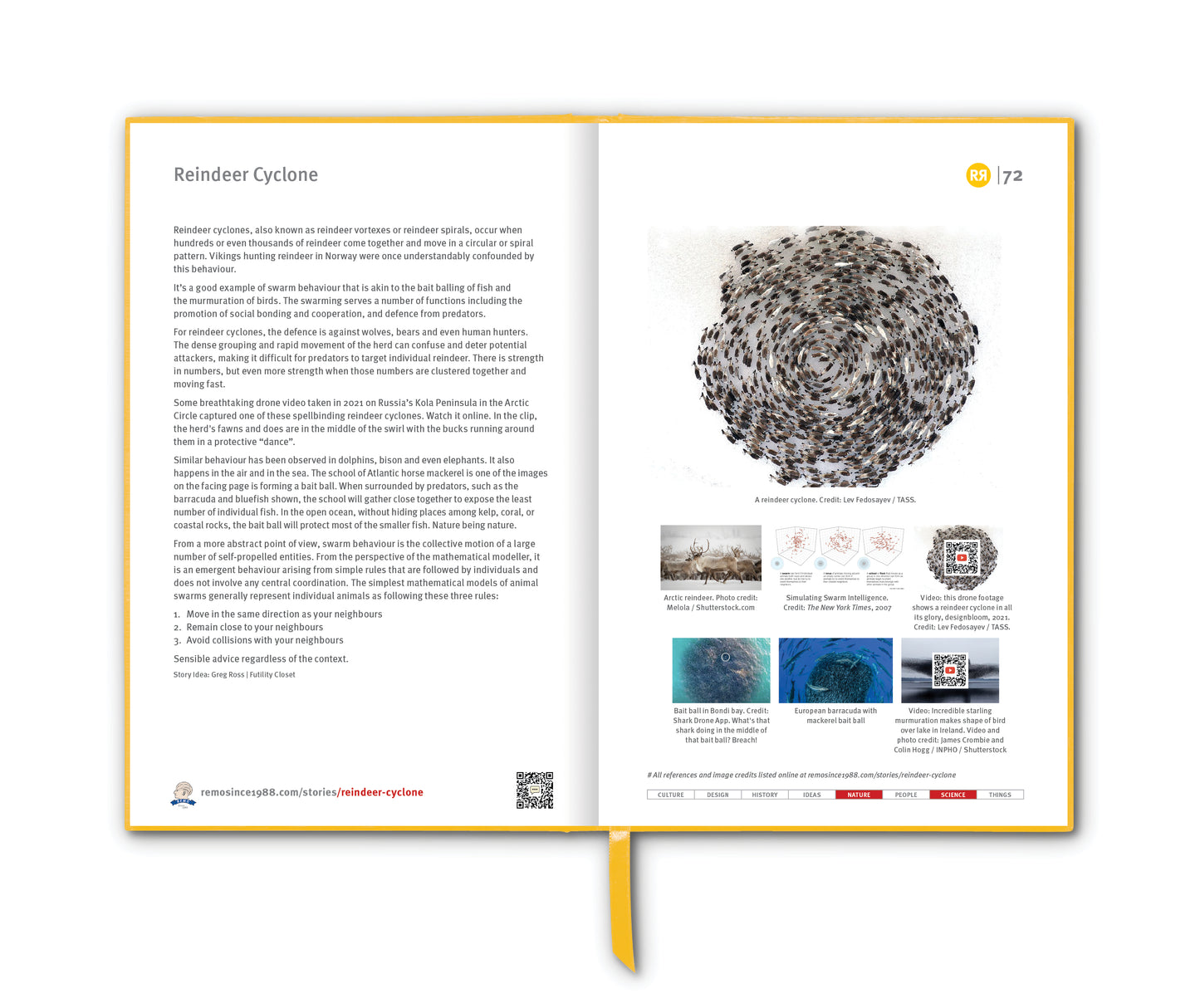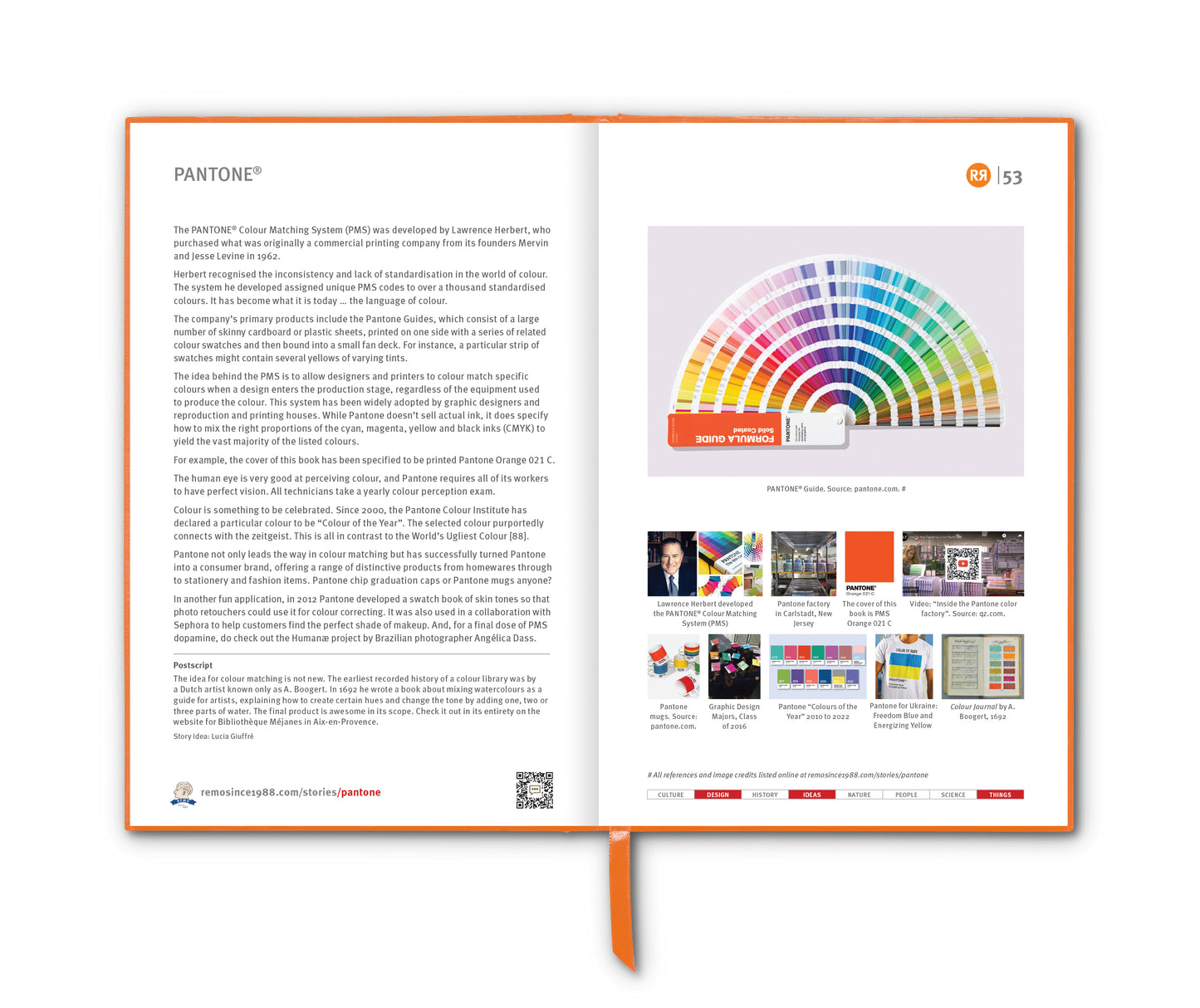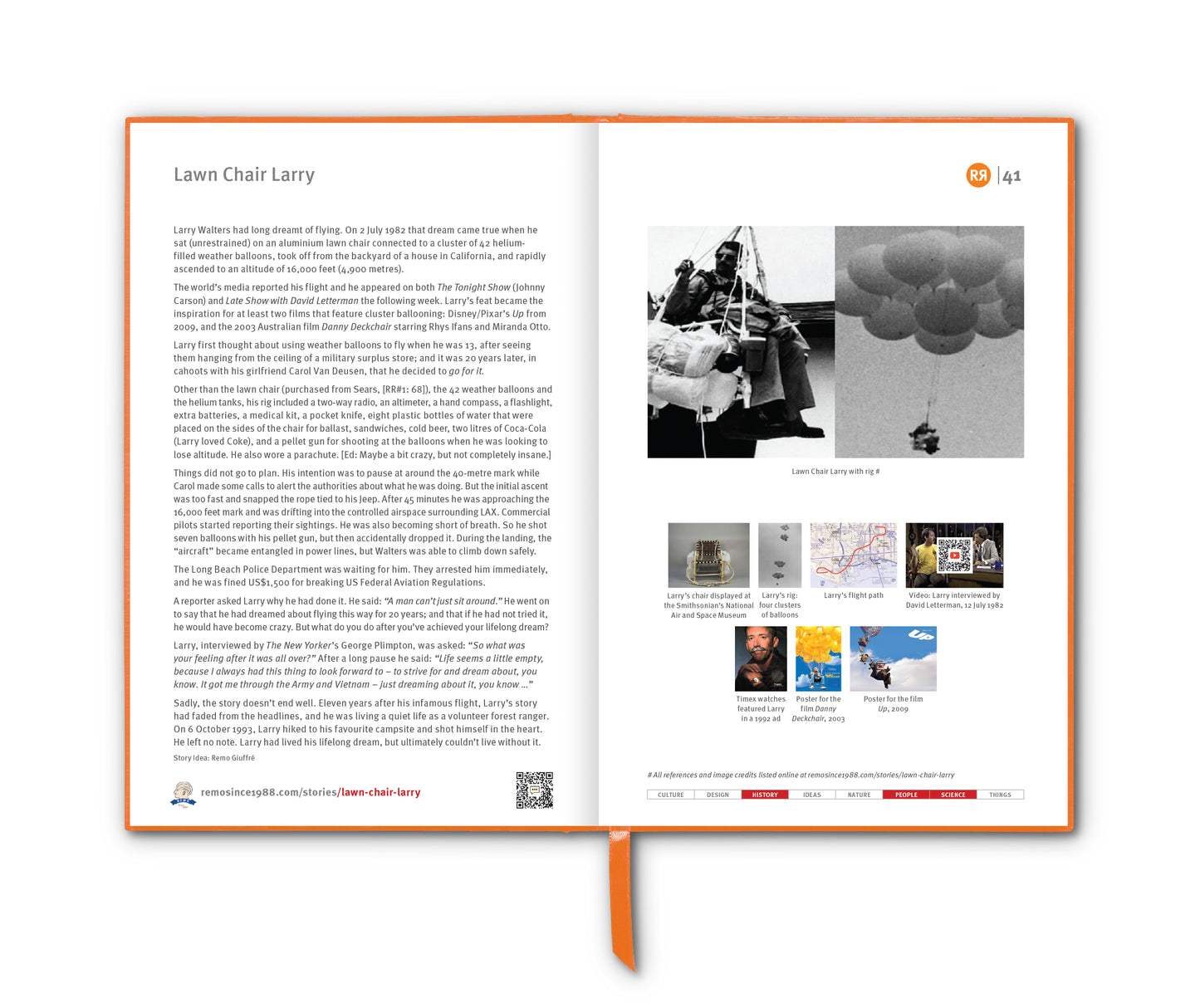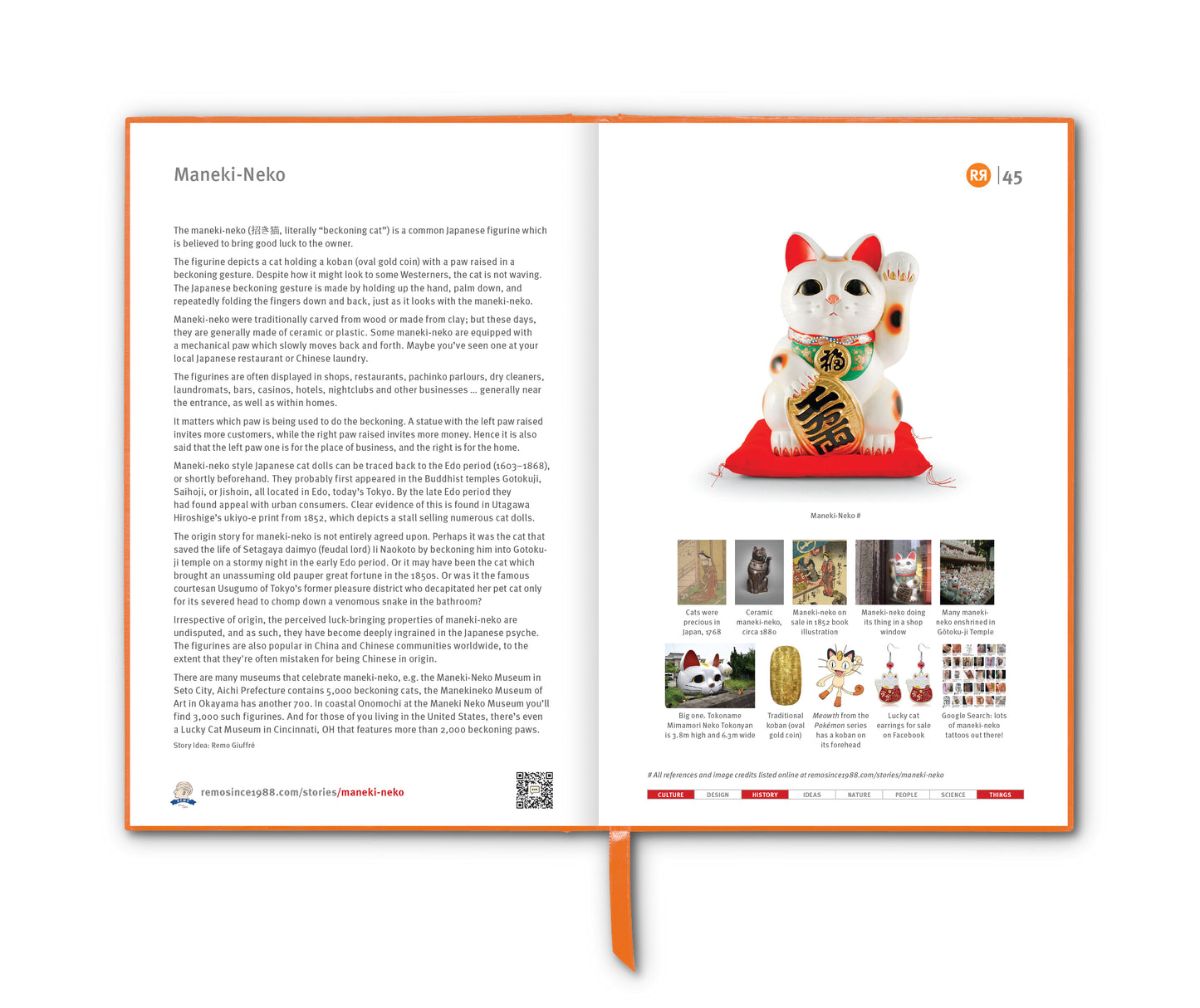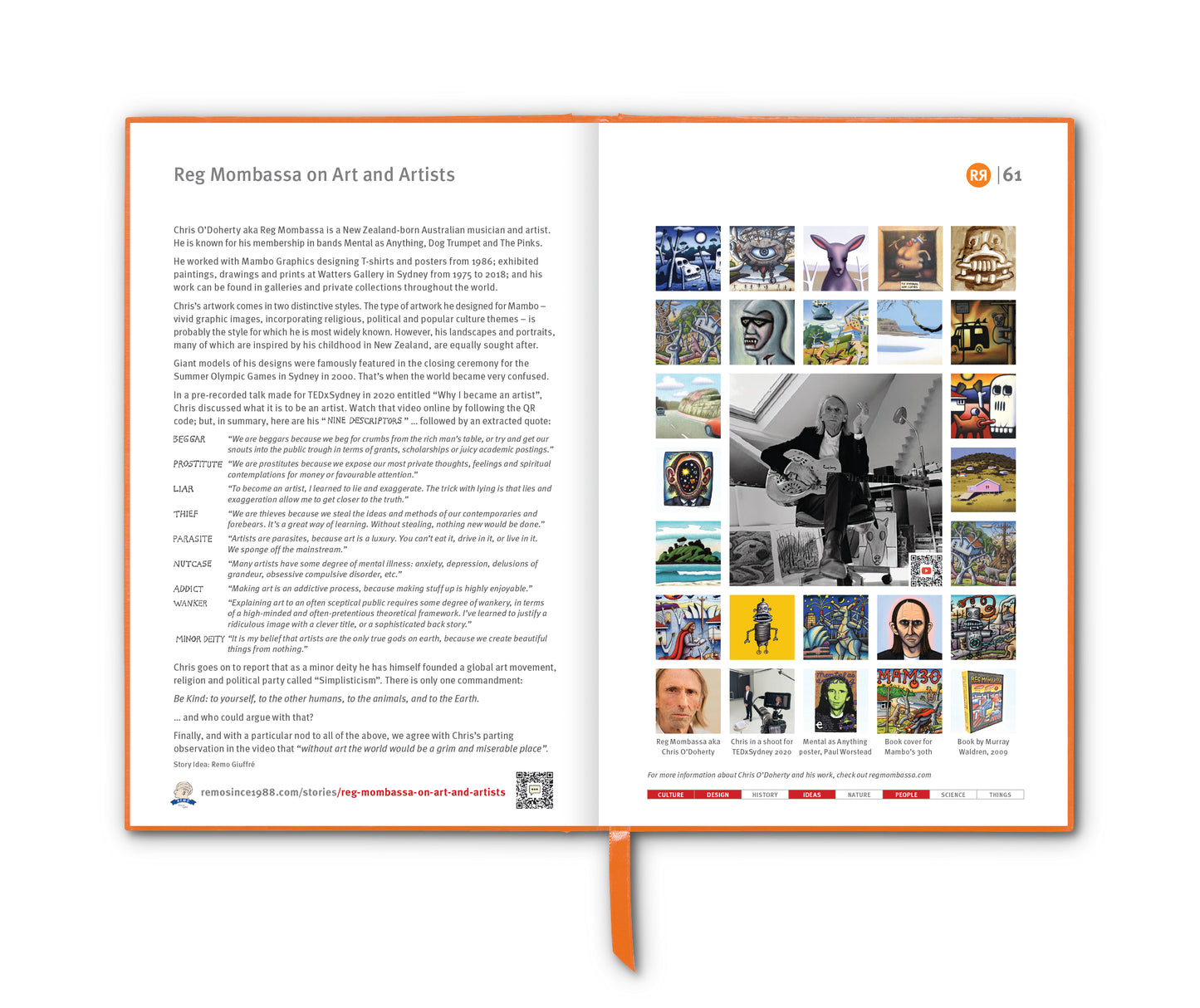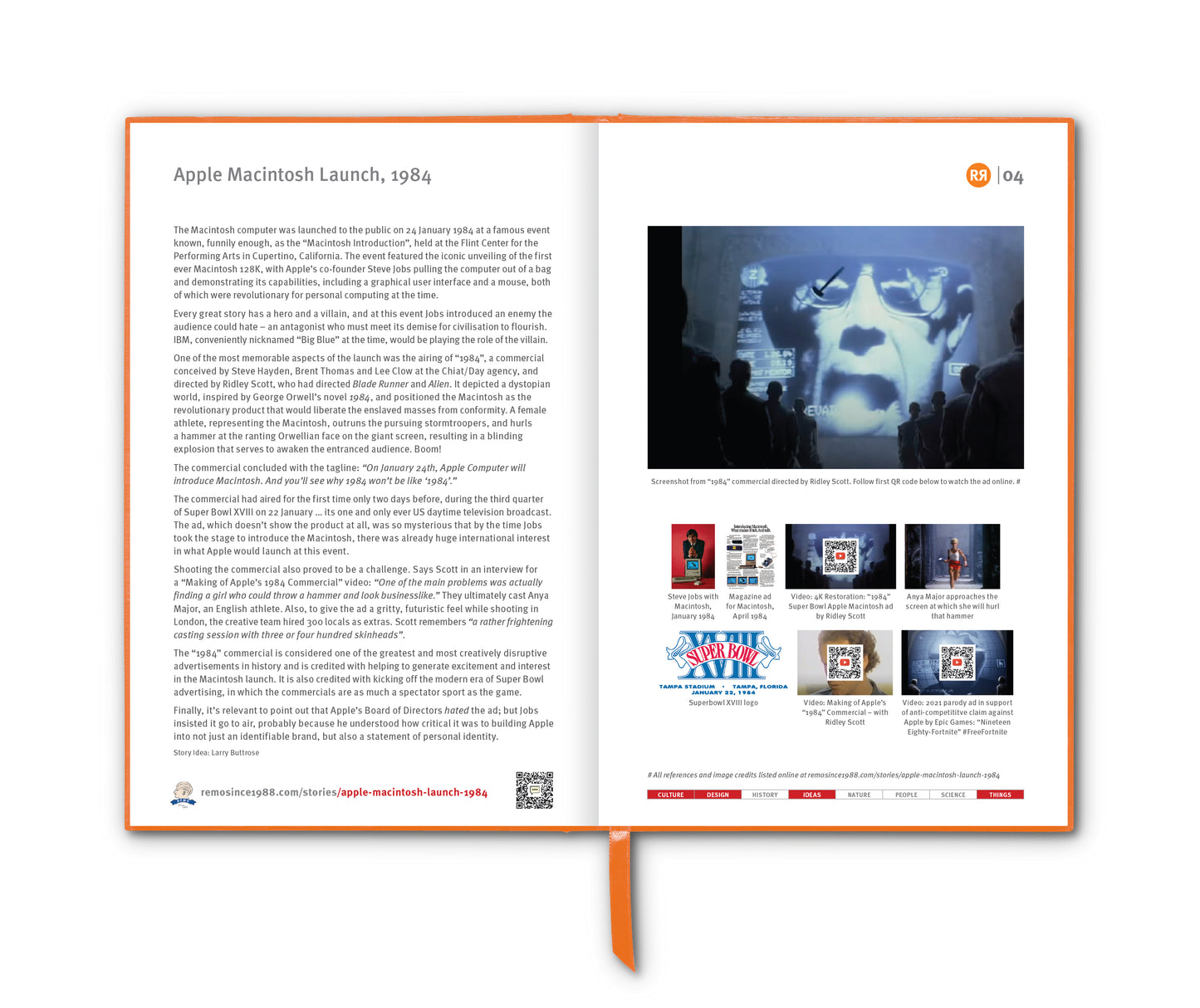

The Volkswagen Beetle [RR6:88] showed the world what could happen when a car was designed to be simple, affordable and universally loved – a triumph of practicality. But just a decade later, another European manufacturer took a wildly different approach. Instead of refining the familiar, Citroën set out to reinvent the automobile entirely. The result was the Citroën DS: a car so futuristic in both form and function that it seemed less like a product of its time, and more like a glimpse of what might come next.
When it debuted at the 1955 Paris Motor Show, the Citroën DS reportedly took over 12,000 orders on the first day alone – a testament not just to clever marketing, but to genuine astonishment.
At a glance, the DS looked like it had arrived from the future. Its long, tapering body, covered rear wheels, and aerodynamic profile stood in stark contrast to the boxier cars of the era. Much of this visual magic can be credited to Italian-born sculptor and industrial designer Flaminio Bertoni, working alongside French engineer André Lefèbvre. Lefèbvre’s background in aeronautics helped shape the DS into something closer to a streamlined aircraft than a traditional automobile.
But it wasn’t just how the DS looked – it was how it behaved. The car introduced a then-radical hydropneumatic suspension system (Ed: Look Mum … no springs!], which allowed it to glide over rough roads with an uncanny smoothness. Drivers could even adjust the ride height, meaning the DS could handle uneven terrain or be raised for tyre changes without the need for a conventional jack. The sensation of driving one was often described as floating, an experience that seemed almost magical in the mid-20th century.
This suspension system also underpinned other innovations. The DS featured power-assisted steering, braking and gear shifting – all driven by the same hydraulic system.
The DS was used competitively in rally racing during almost its entire 20‑year production run, and achieved multiple major victories, as early as 1959, and as late as 1974.
Then there’s the name. “DS” in French is pronounced déesse meaning “goddess.” Whether intentional or not (Citroën claimed it was simply a model designation), the nickname stuck – and for good reason. The car came to symbolise French ingenuity and elegance, becoming a kind of national icon.
Its backstory also includes a moment of political drama. In 1962, during an assassination attempt on French President Charles de Gaulle, a DS carrying him managed to escape despite having multiple tires shot out. The car’s stability – thanks again to that remarkable suspension – allowed the driver to maintain control and speed away, cementing the DS’s reputation not just as beautiful, but as extraordinarily capable.
Over its 20-year production run, the DS continued to evolve, introducing features like directional headlights that turned with the steering – another industry first.
In 2009, a panel of the world’s leading car designers, convened by Classic & Sports Car magazine, named Citroën DS the most beautiful car of all time.
And watch James May’s superlative review for Top Gear HERE.
Story Idea: Andrew Westcombe
_______________________________
References
wikipedia.org/wiki/Citro%C3%ABn_DS
Images
1. Citroën DS. Credit: carexpert.com.au
2. Citroën logo
3. Flaminio Bertoni
4. André Lefèbvre
5 & 6. Citroën hydropneumatic suspension
7. At the 1963 Amsterdam International Autoshow, Citroën presented a DS body as a sculpture, upright like a rocket, on a rotating platform. Credit: Harry Pot / Anefo
8. Général Charles de Gaulle during a motorcade in 1963, the year after the attack
9. Australian magazine ad for Citroën
10. Citroën DS 19
11. Video: Top Gear "Greatest Car: Citroën DS"