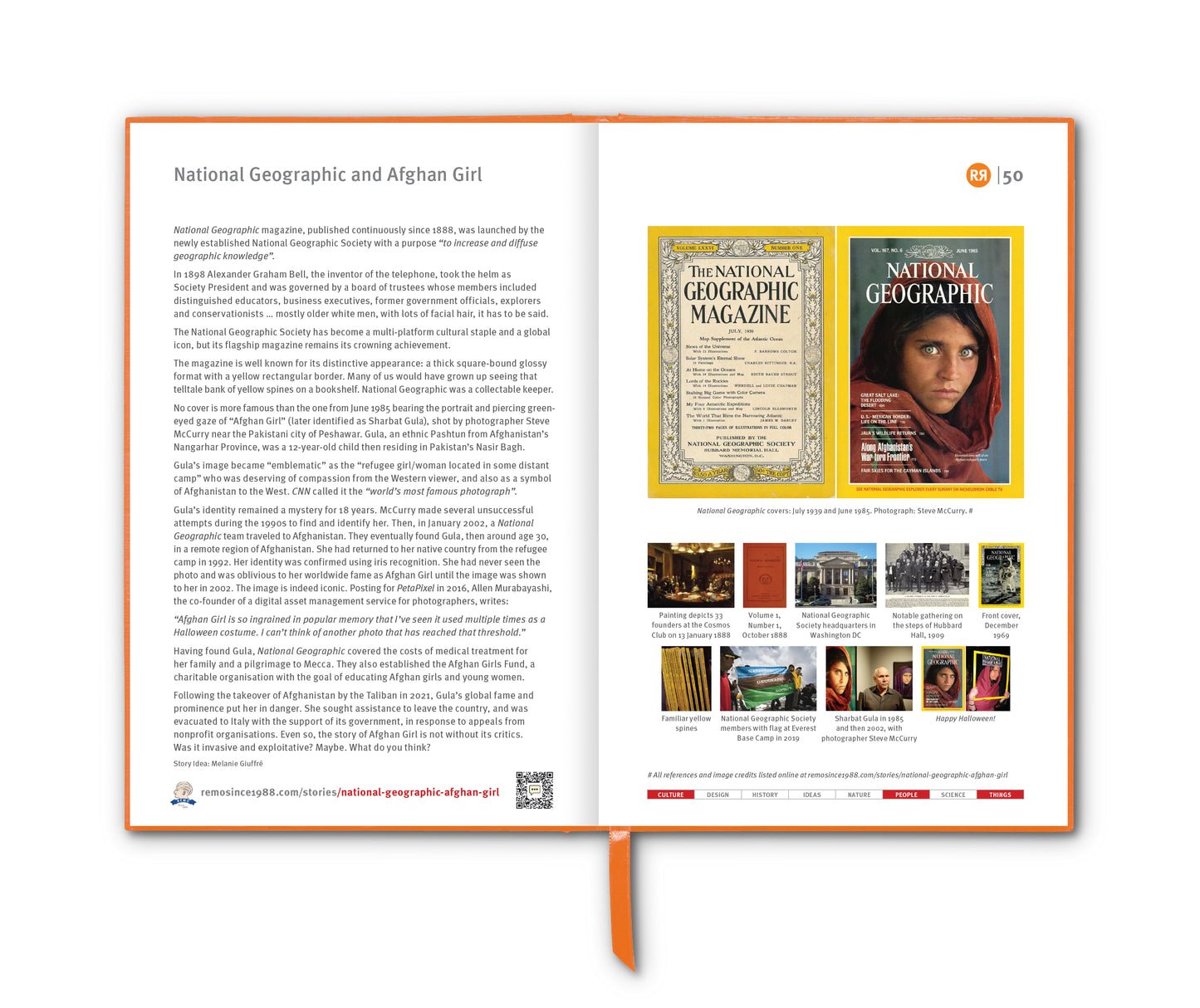

In 1876 a 25-year-old American librarian named Melvil Dewey published A Classification and Subject Index for Cataloguing and Arranging the Books and Pamphlets of a Library. He developed his thinking while working at the Amherst College library. At the time, most libraries arranged books by where they sat on the shelves or in broad subject piles that varied wildly between institutions. Dewey’s innovation was to assign numbers to subjects and to use decimals to allow infinite subdivision. So, a book’s number described its topic, not its physical position on a shelf.
The system divides knowledge into ten main classes, numbered 000 to 900, from general works and technology to history and geography. Each class is subdivided into ten divisions and then into ten more specific sections. For example, 500 is science; 510 is mathematics; 516 is geometry; further decimals narrow the field even more. The beauty of this decimal structure is that new knowledge can be slotted into its proper place without rearranging the whole system. This numerical language became a common framework for libraries, enabling standardised cataloguing and the ability for libraries to cooperate, share records and help patrons find books quickly.
Its significance is enormous. The Dewey Decimal System spread rapidly through public and school libraries, first in the United States and then around the world. It professionalised librarianship and made library collections more accessible to ordinary people. The physical experience of browsing shelves arranged by subject numerically – moving from 300 to 320 to 327 – mirrors a conceptual journey through related topics, educating patrons about how knowledge is structured.
However, the system reflects its period and its creator. The structure and assignment of subjects exhibit Eurocentric and Christian biases, with certain topics given extensive space and others marginalised or compressed – criticisms that have become more prominent as libraries reckon with representation in classification.
Moreover, in recent years, aspects of Dewey’s personal history have prompted controversy and even what some describe as a “cancellation” of his legacy in parts of the profession. In 2019, the American Library Association (ALA) voted to remove Dewey’s name from its top professional award – the Melvil Dewey Medal – citing documented racism, anti-Semitism and sexual harassment in his life. The resolution noted that Dewey barred Jewish people, African Americans and other minorities from the private Lake Placid Club that he and his wife owned in the Adirondacks in New York, and that he made inappropriate physical advances toward women he worked with. Librarians argued that celebrating his name on a contemporary award did not align with the association’s stated values of equity, diversity, and inclusion, and the award was subsequently renamed the ALA Medal of Excellence. While this did not remove the Dewey Decimal System itself from libraries, it highlights how institutions are reevaluating the personal legacies behind enduring tools of knowledge organisation.
Comparing Dewey to other systems highlights different philosophies. The Library of Congress Classification (LCC) uses a combination of letters and numbers (e.g., QA76 for computer science) and is more granular and expandable, which makes it better suited for large research collections. The Universal Decimal Classification (UDC) extends Dewey’s numeric approach with additional symbols to express relationships between subjects, offering more flexibility for complex or interdisciplinary collections.
In essence, Dewey’s system is both a powerful organisational tool and a cultural artifact. It shaped how millions of library users encounter information in its attempt to impose rational order on the sprawling chaos of human knowledge.
________________________
References
wikipedia.org/wiki/Dewey_Decimal_Classification
smithsonianmag.com/smart-news/melvil-deweys-name-stripped-top-library-award
Images
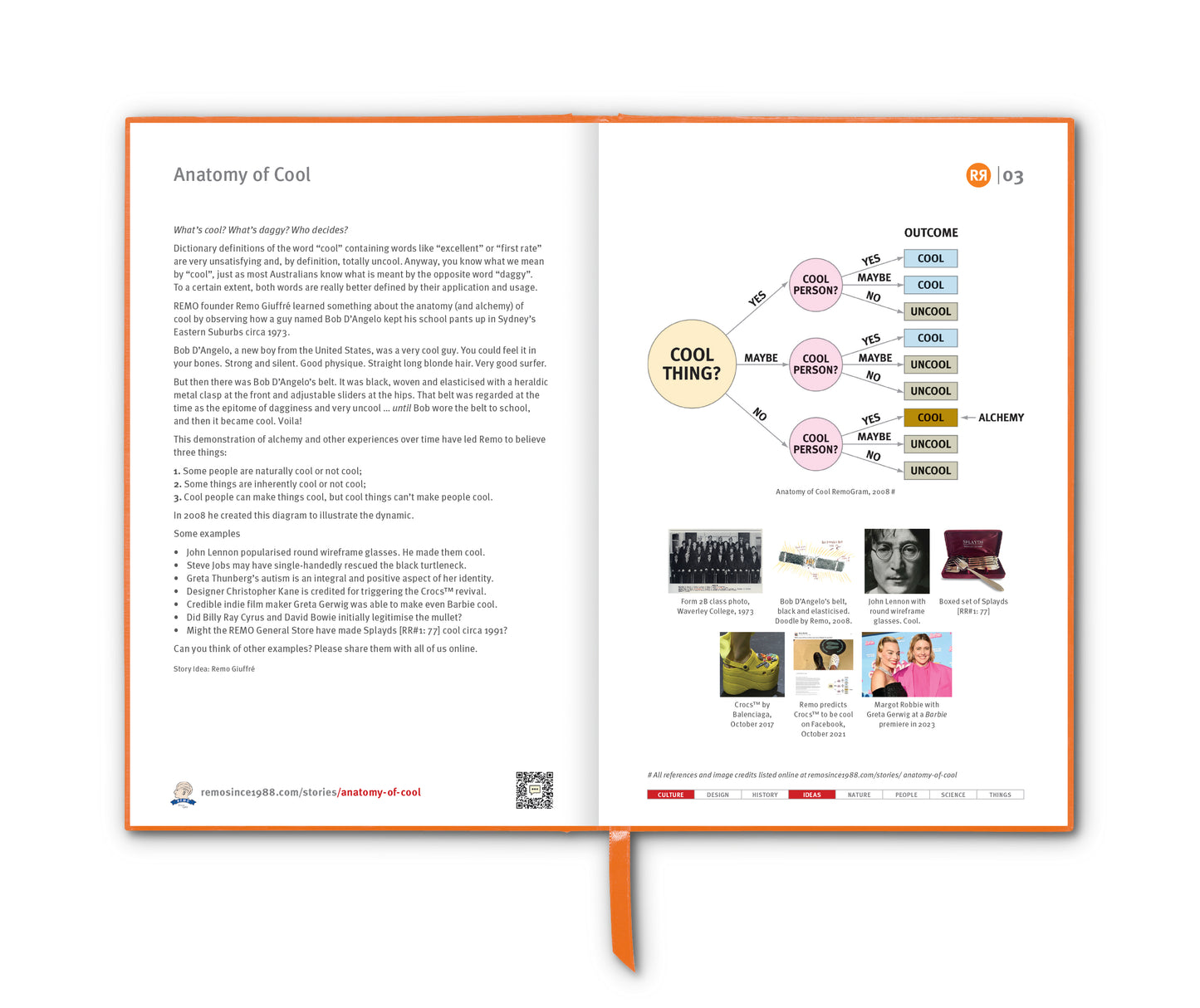
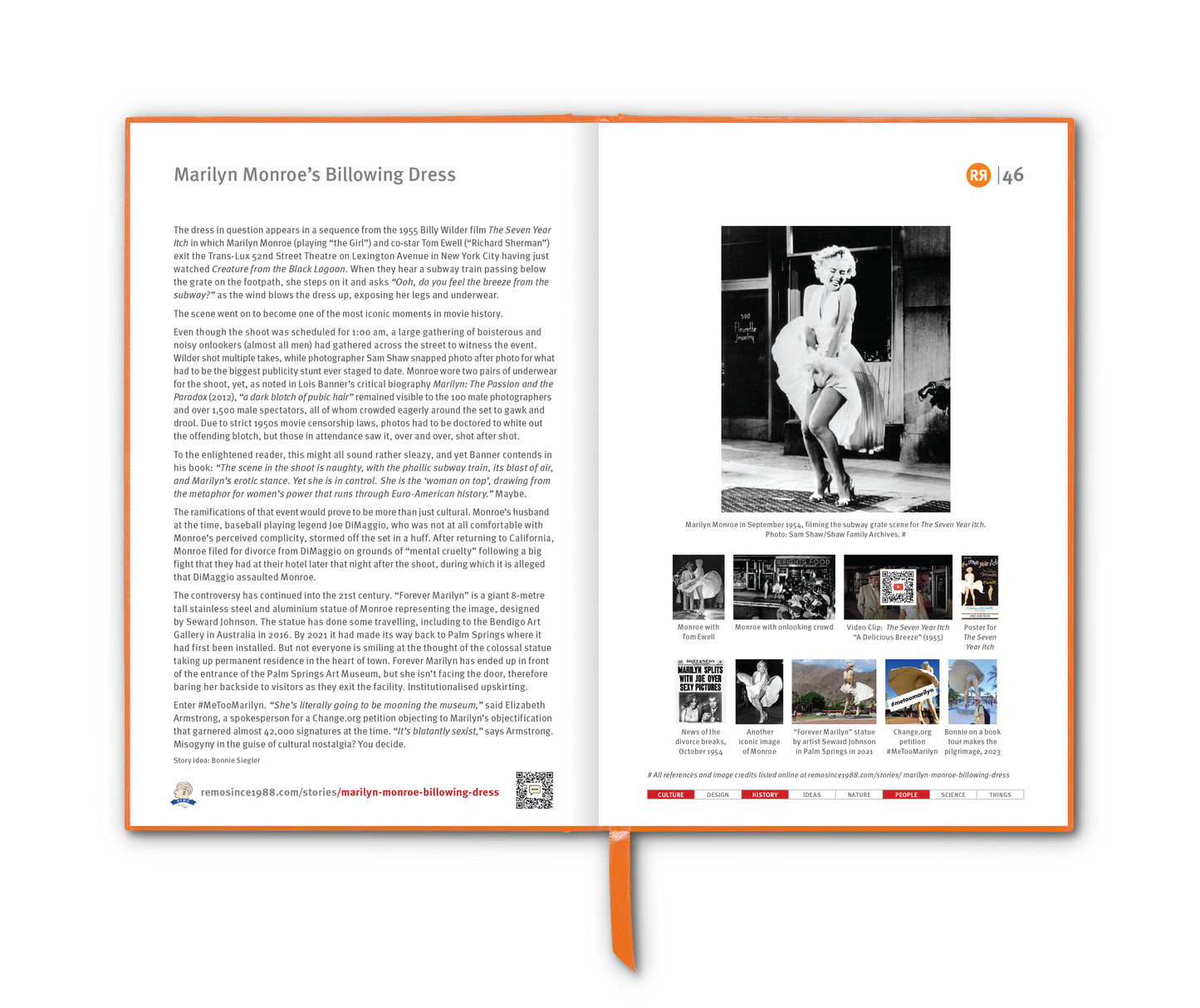
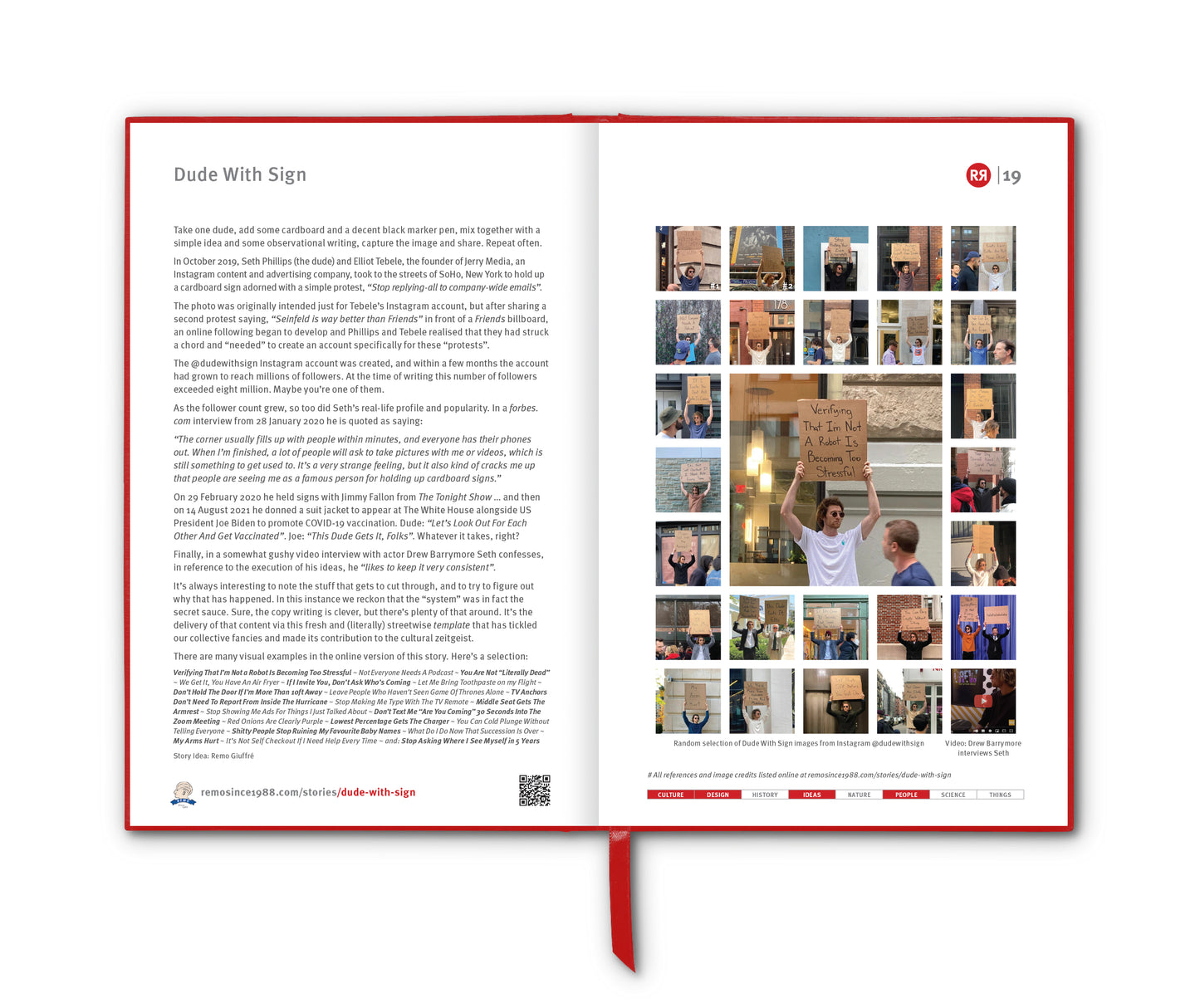
1. Library books in Slovakia. Photo credit: Trnava University on Unsplash
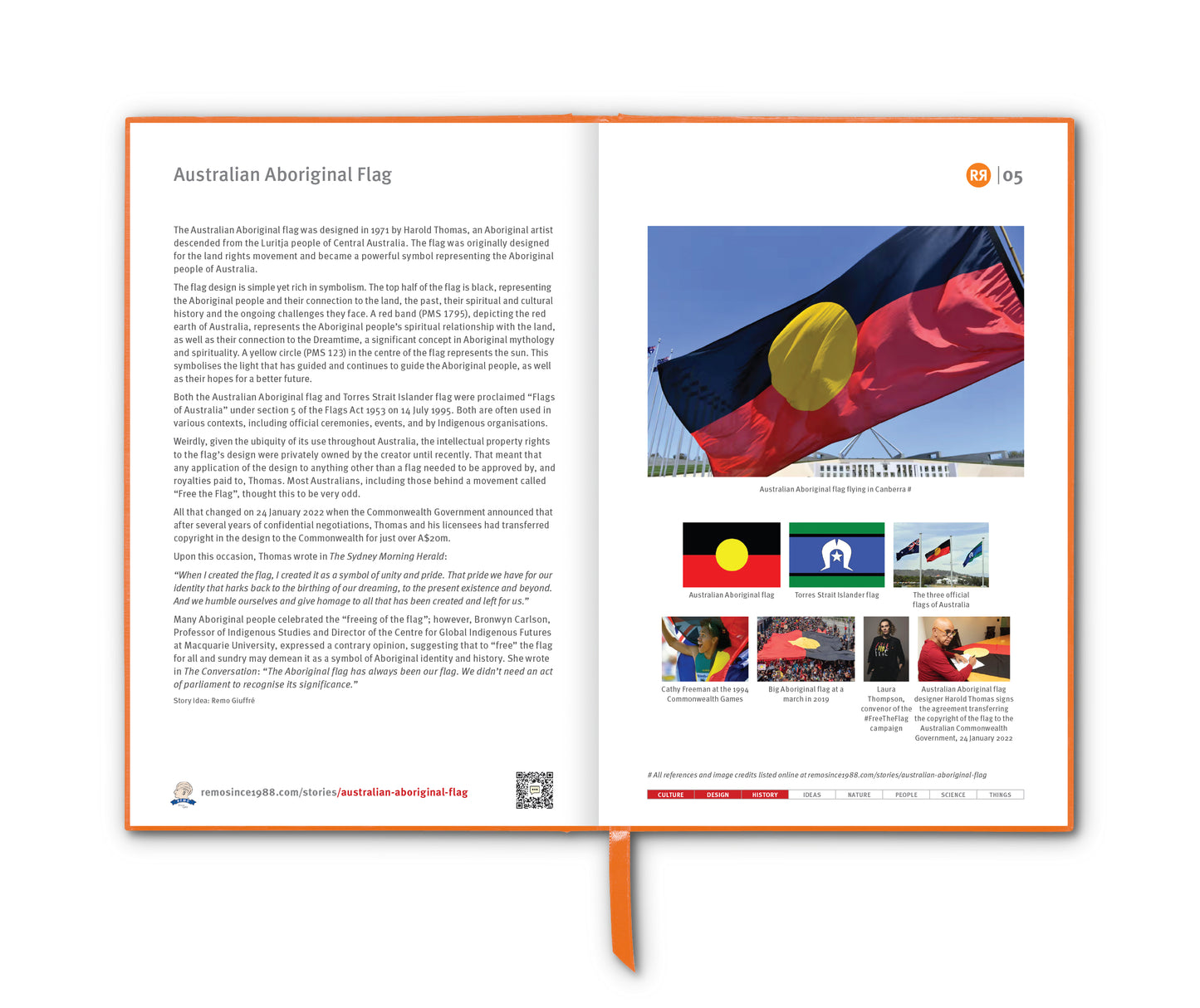
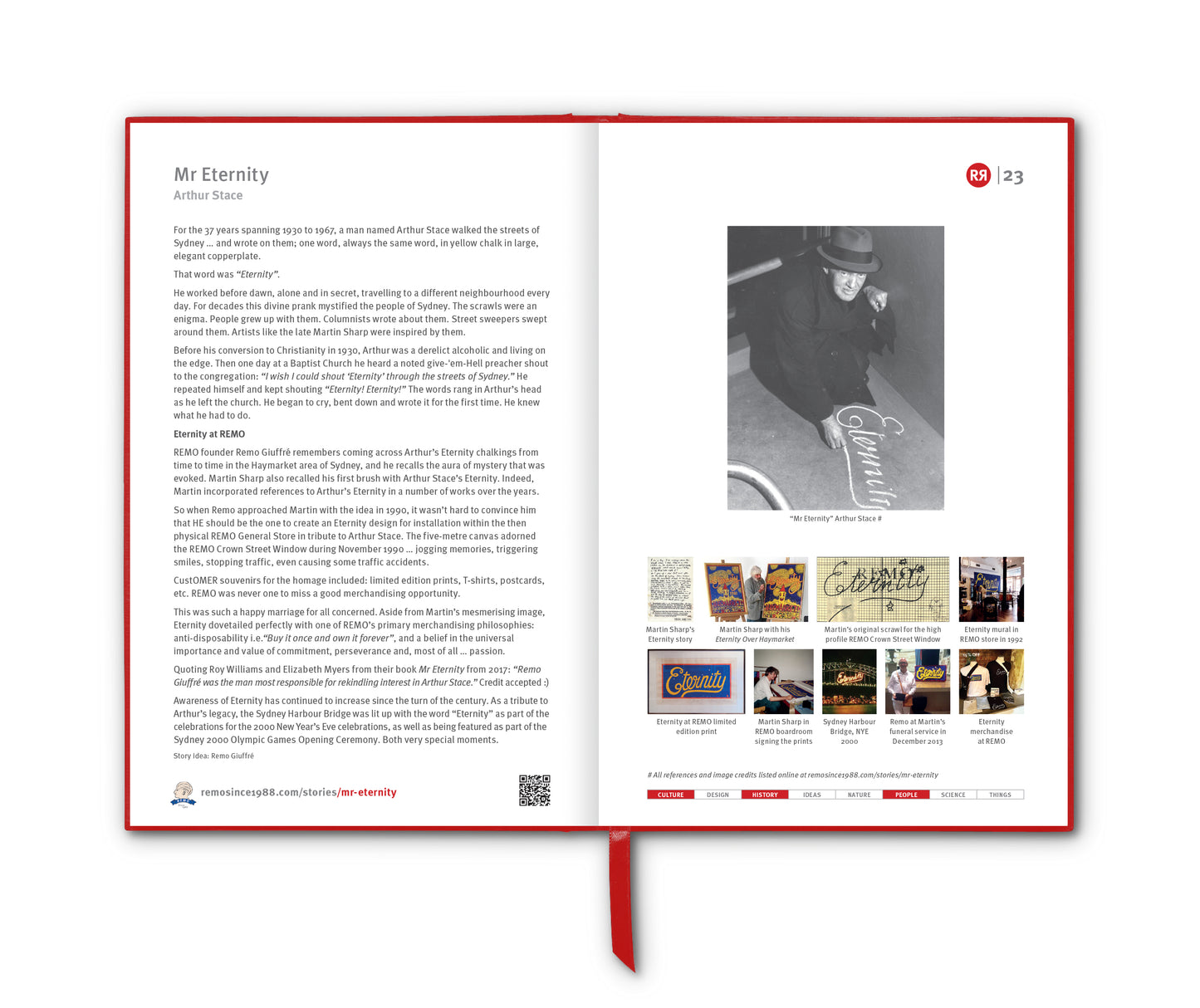
2. Melvil Dewey (1851–1931)
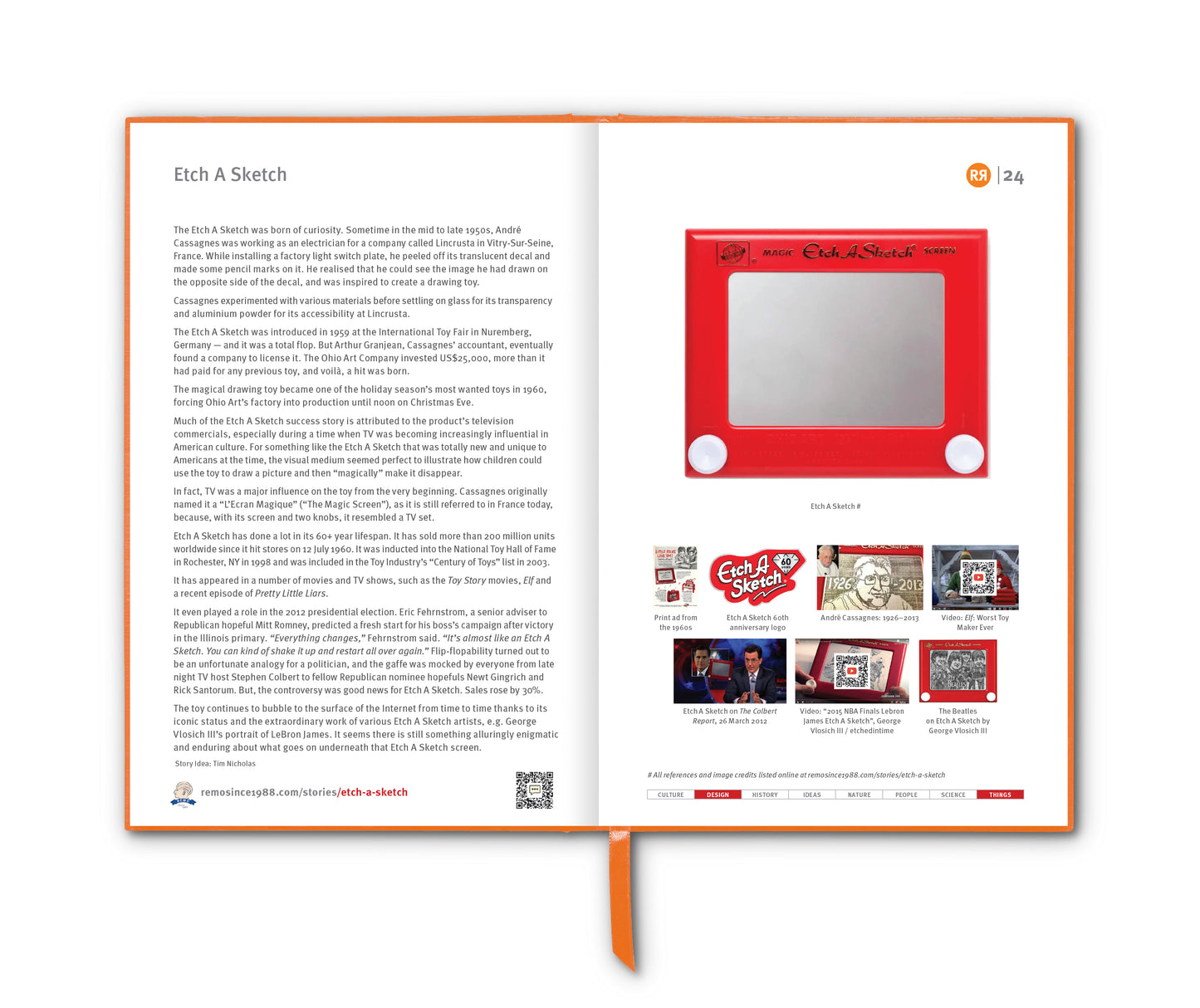
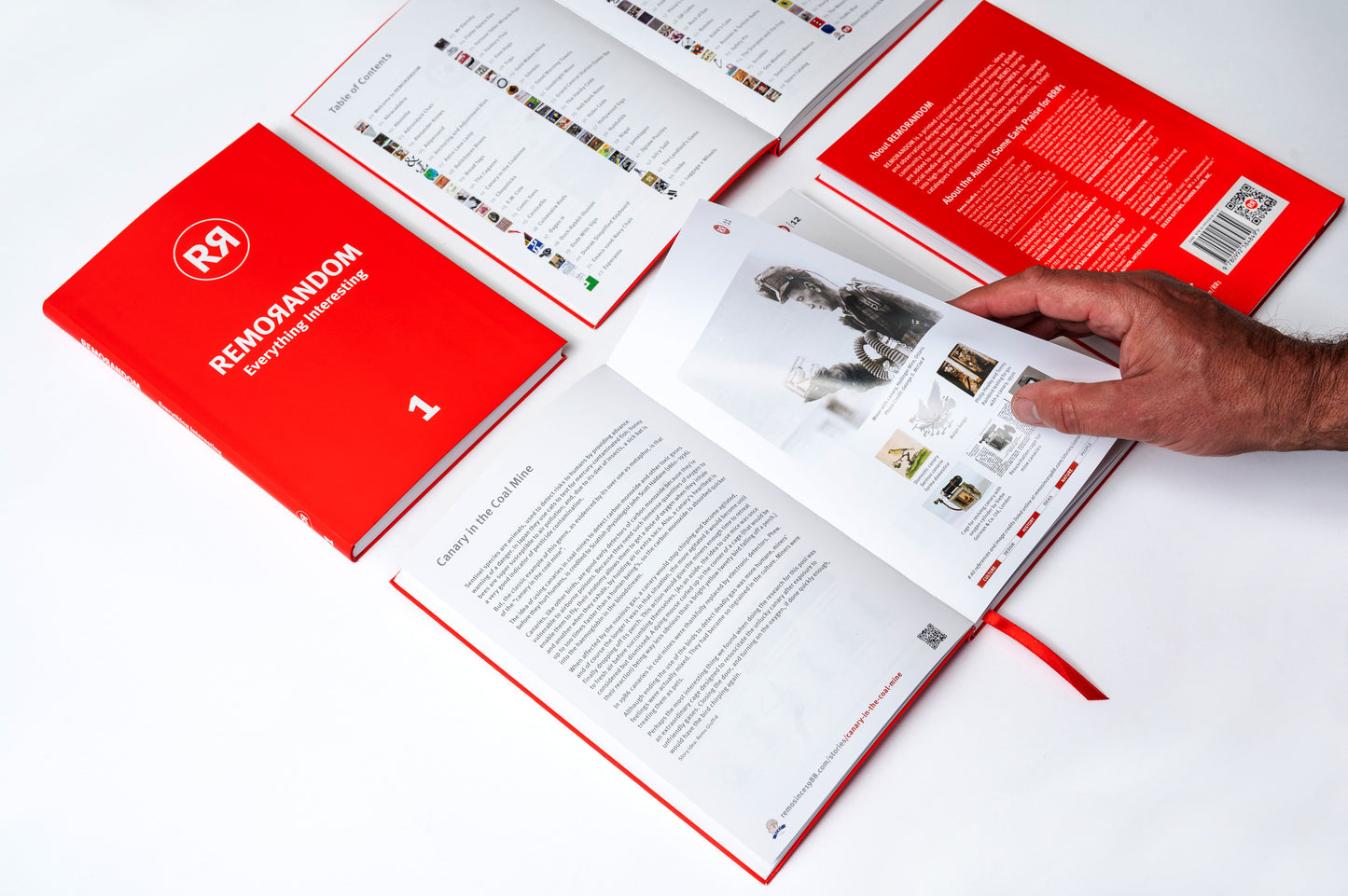
3. Amherst College
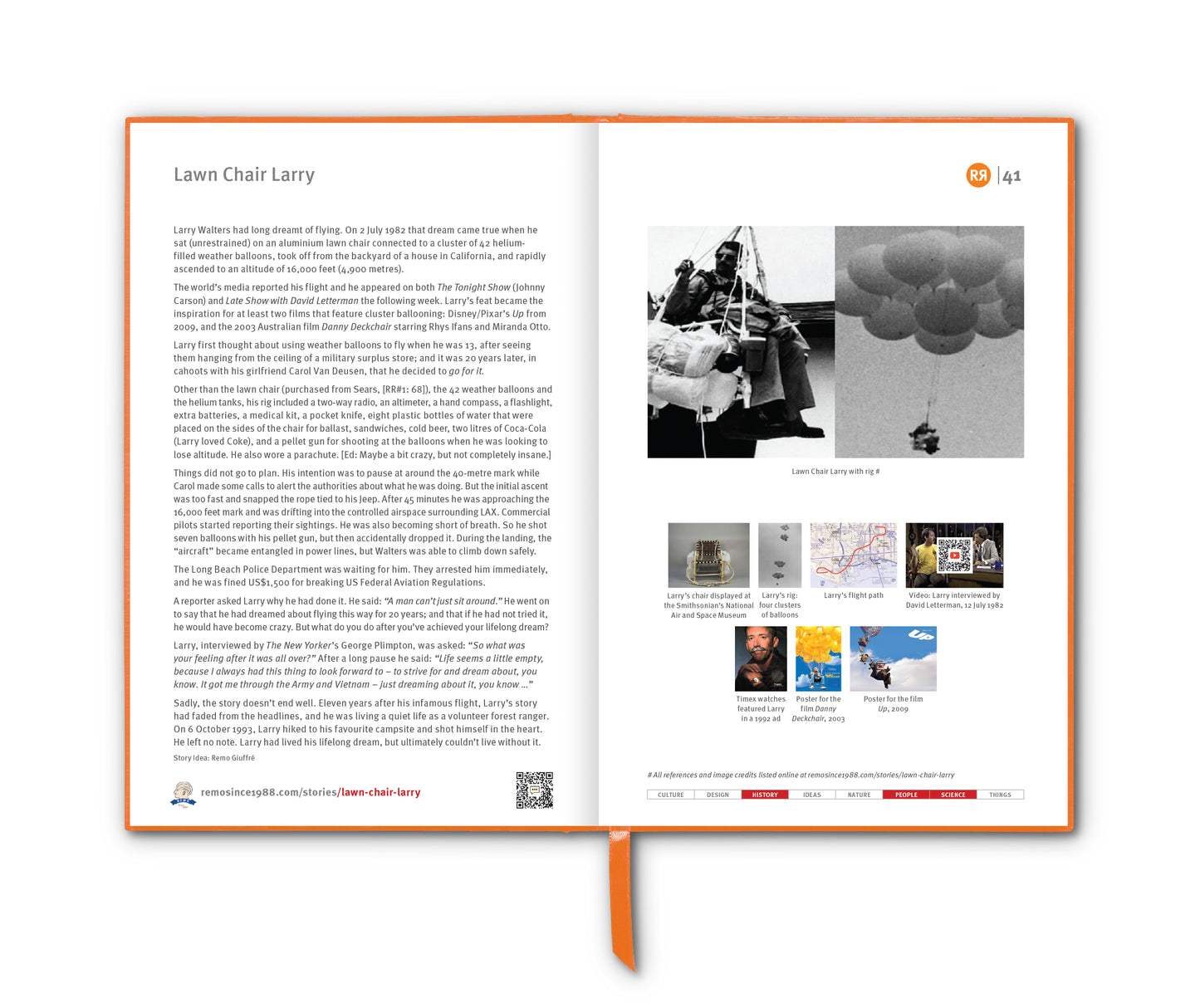
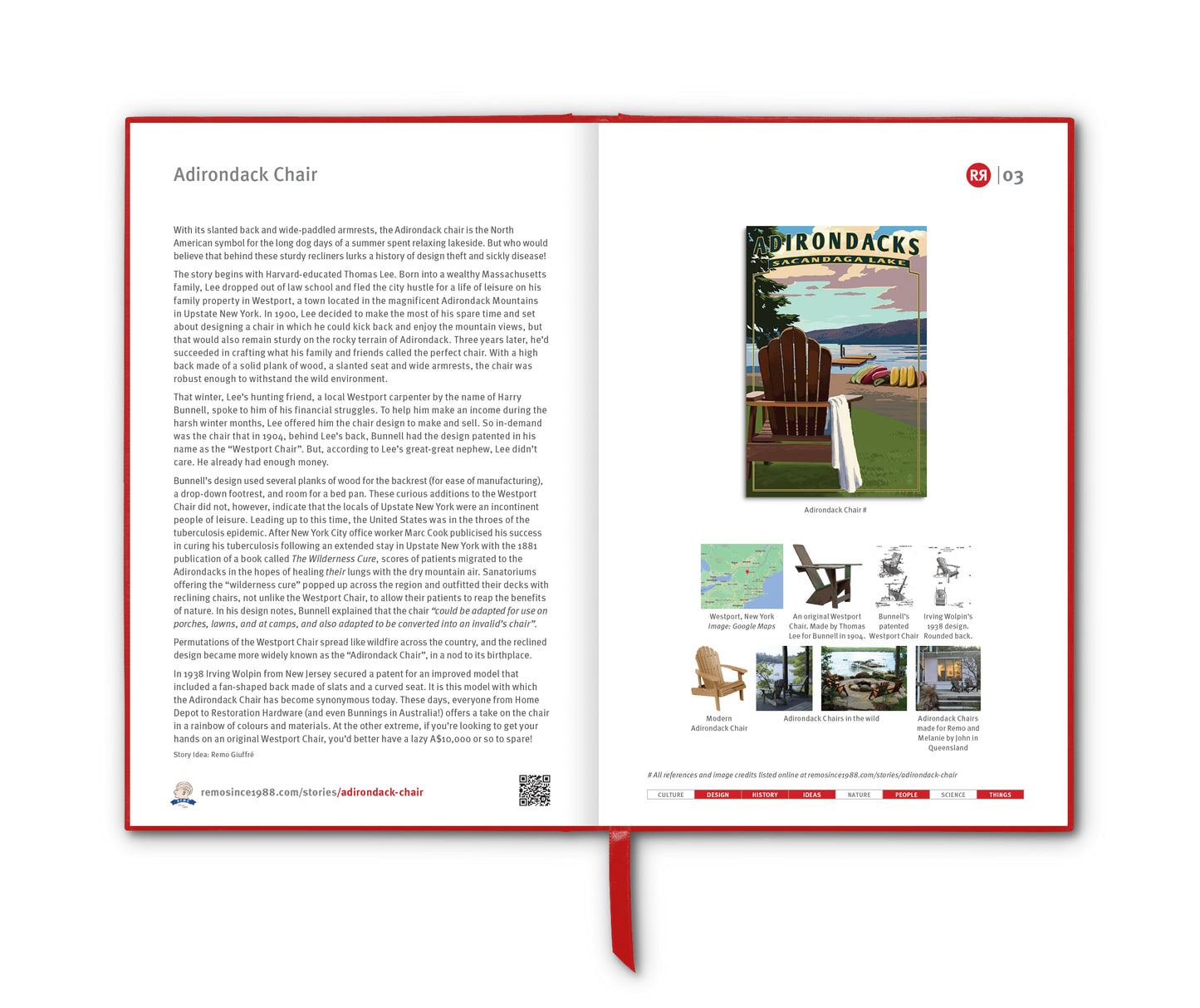
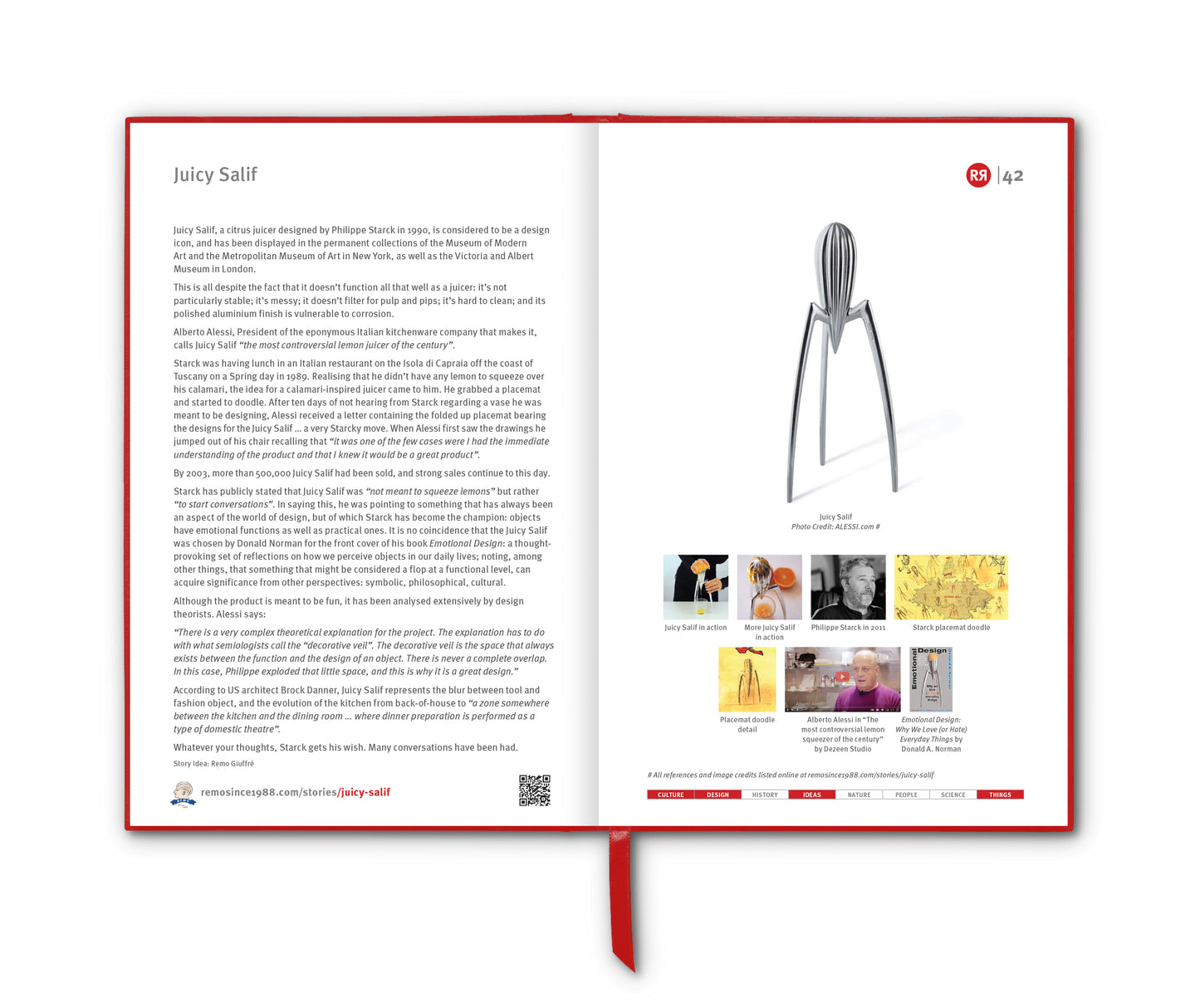
4. Dewey Decimal Classification pamphlet, Boston Library Bureau, 1885
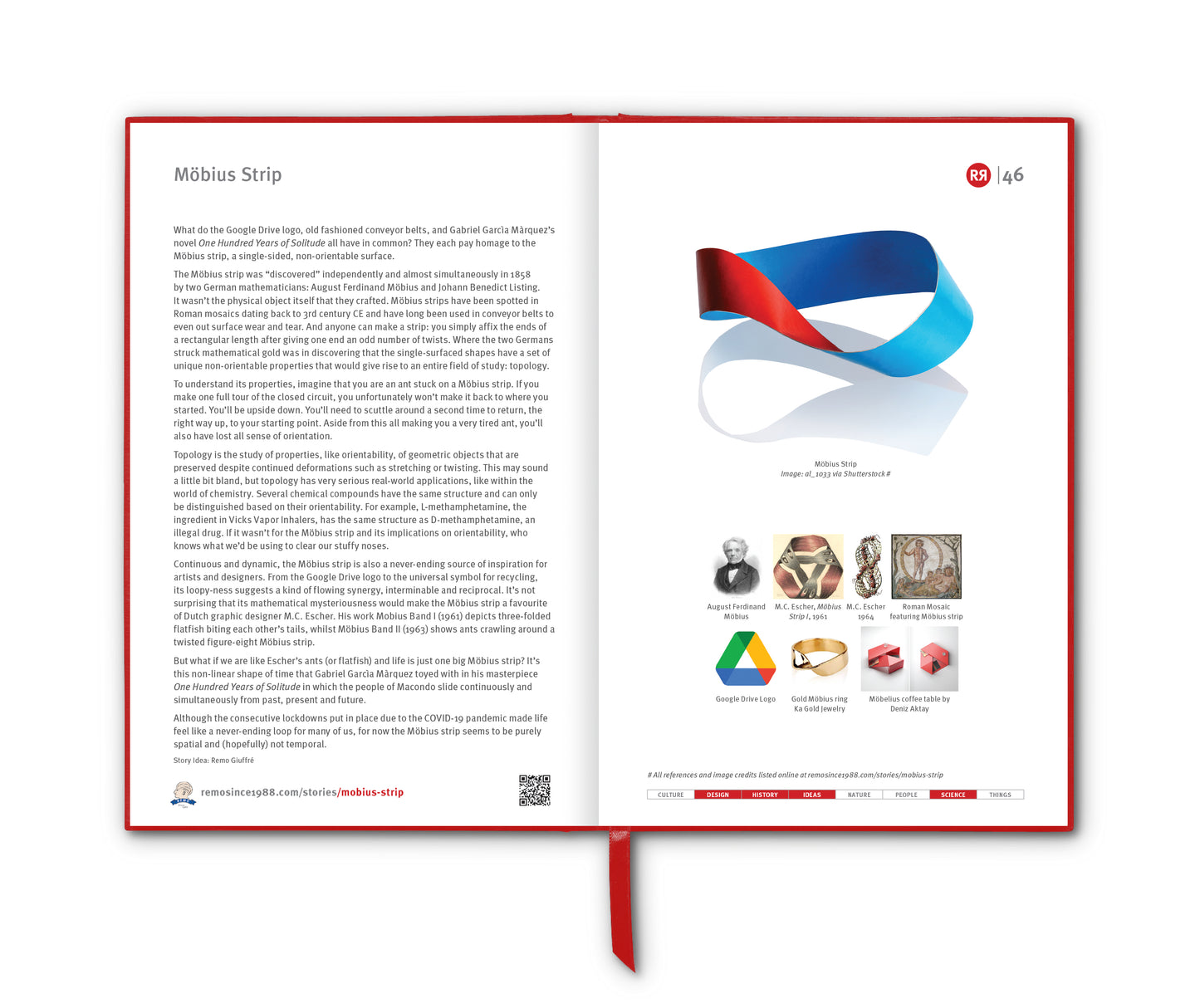
5. Children being taught the top-level categories of the Dewey Decimal Classification system at a library in Edmonton, Alberta, Canada, in the 1960s