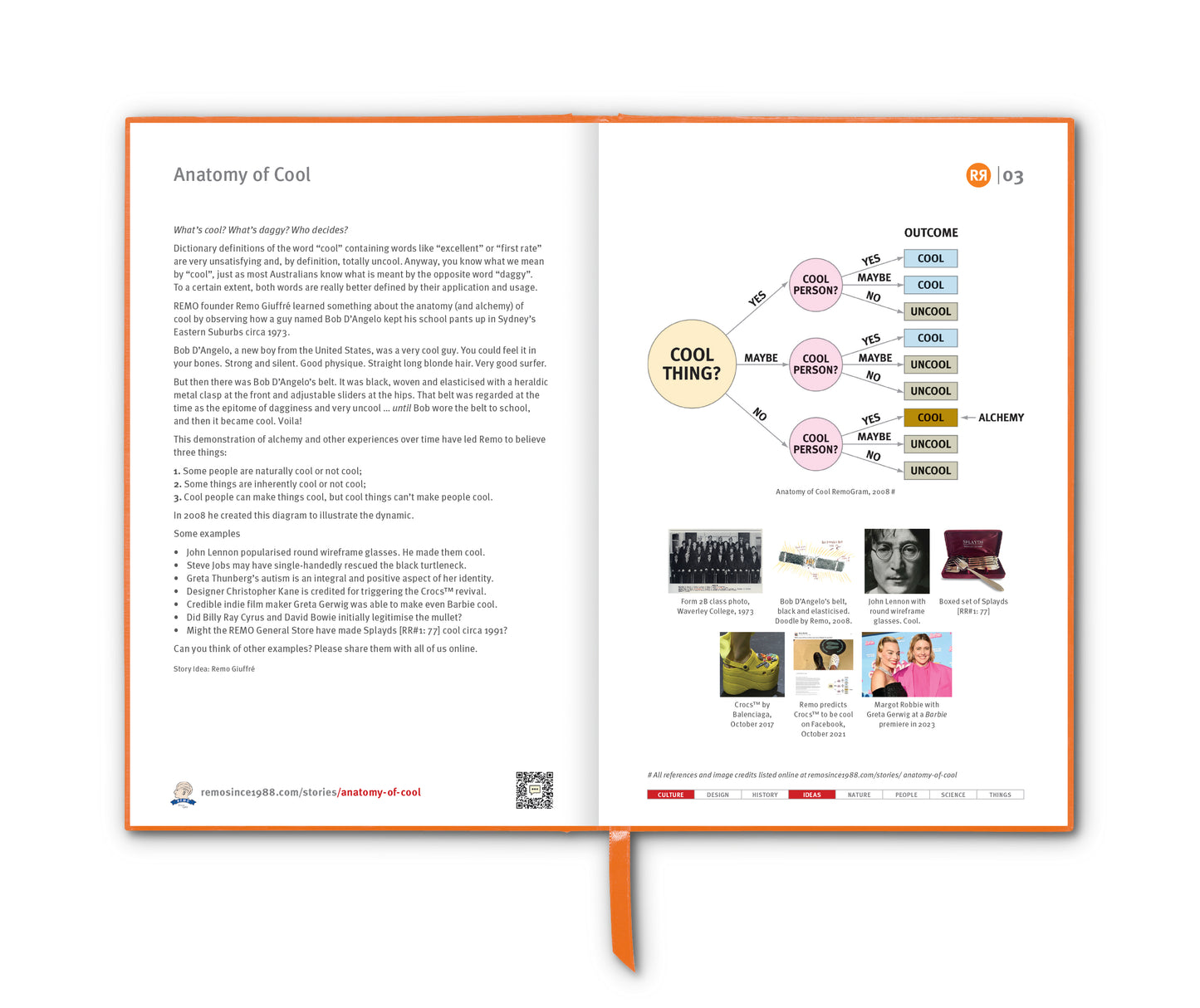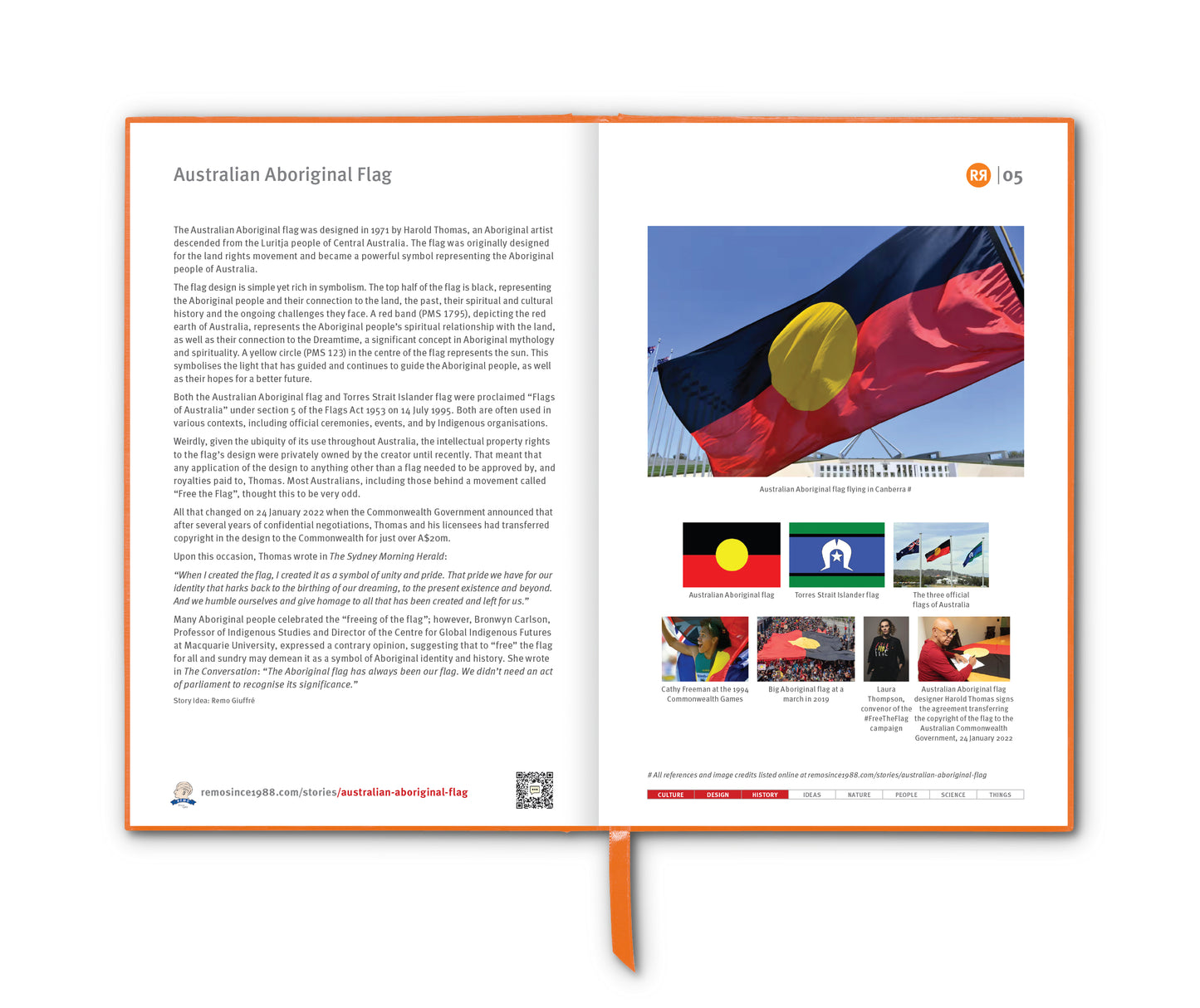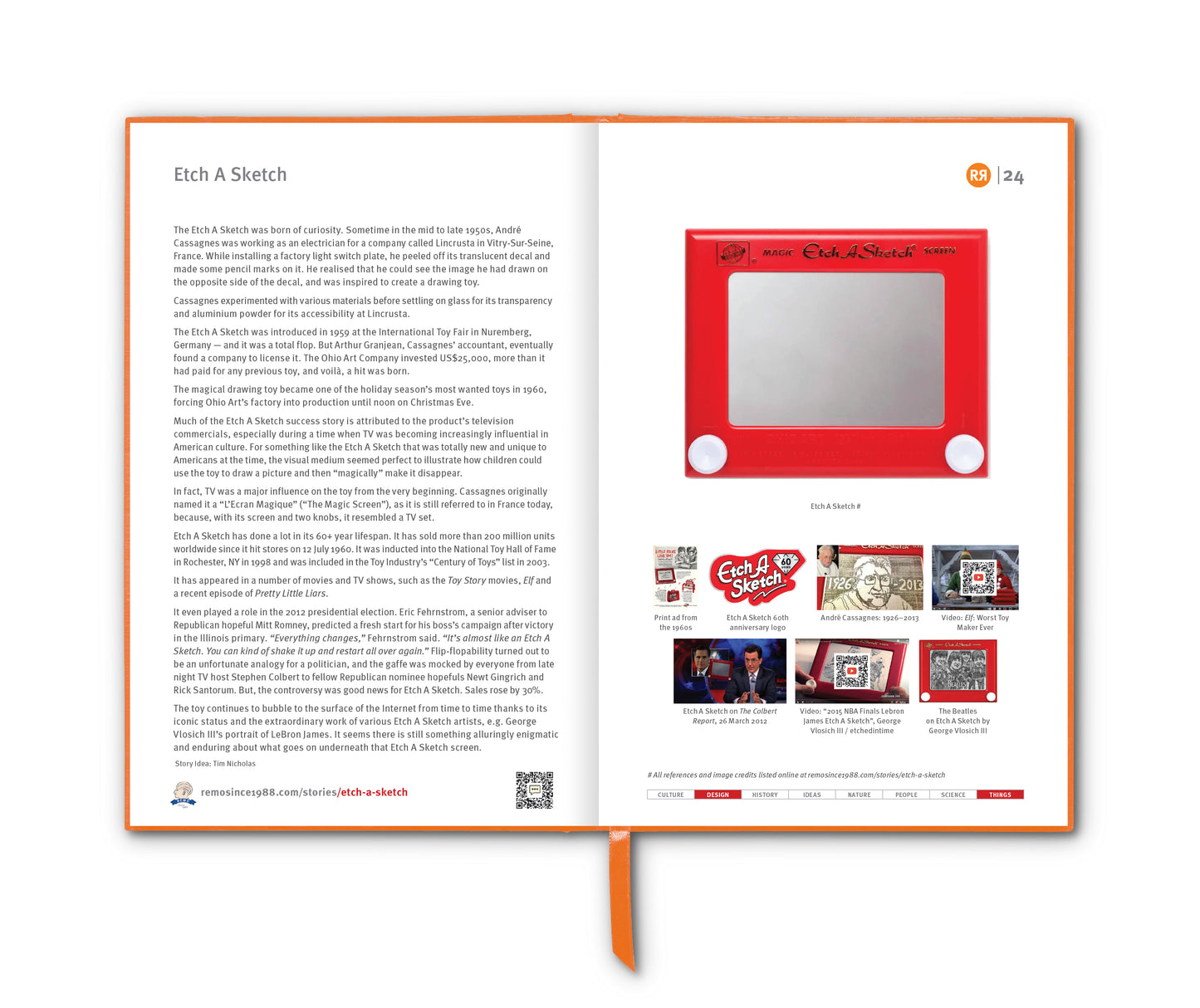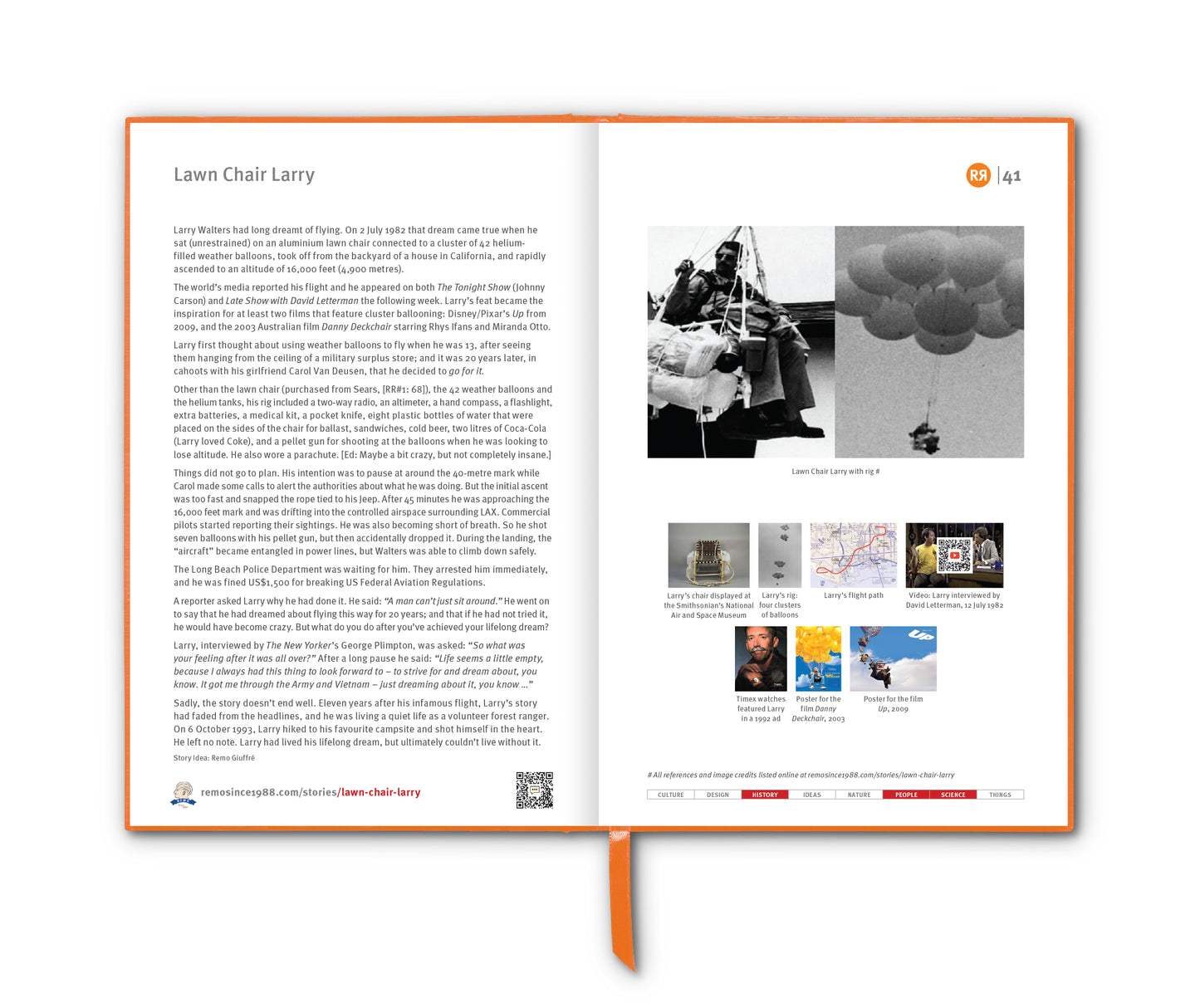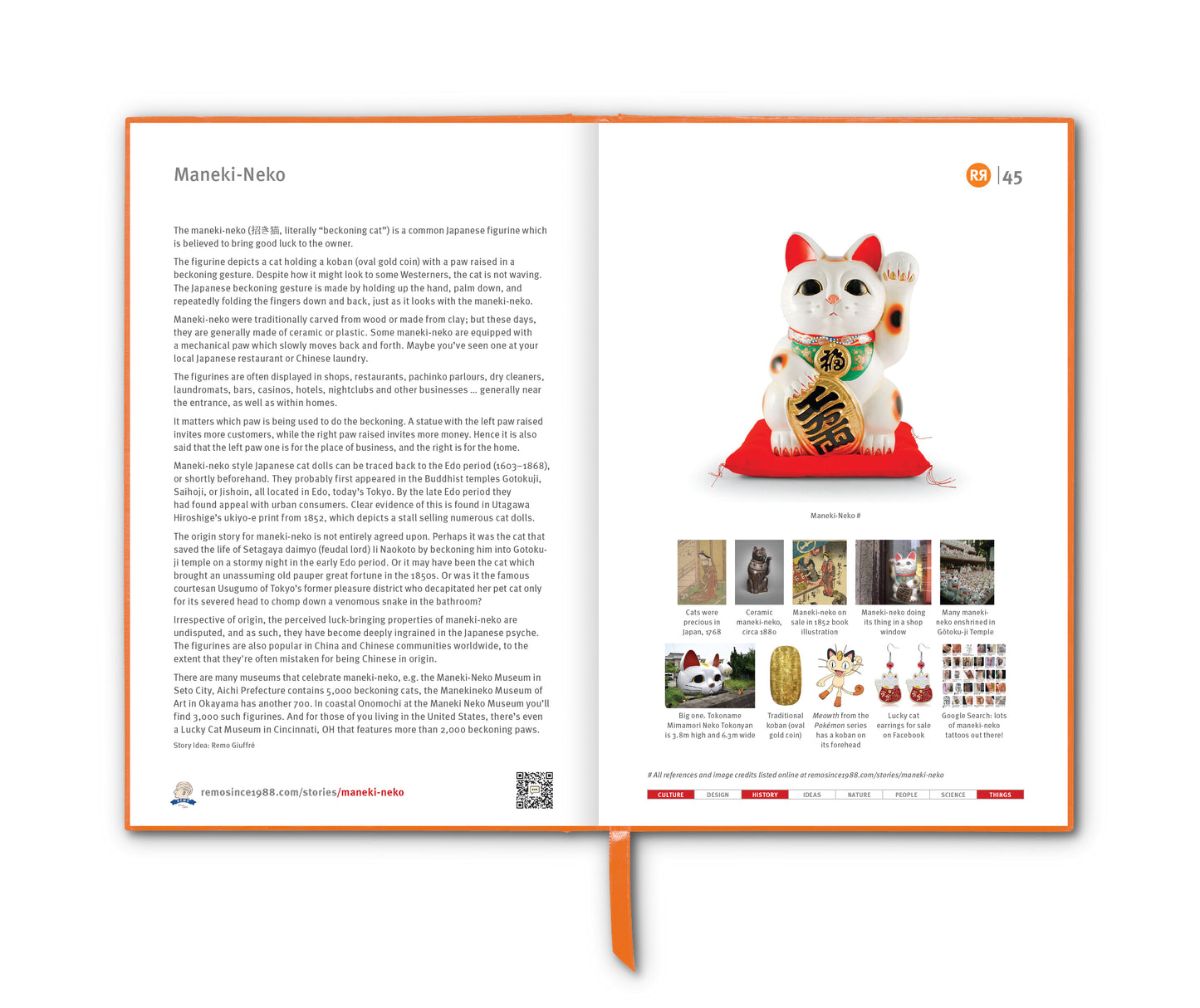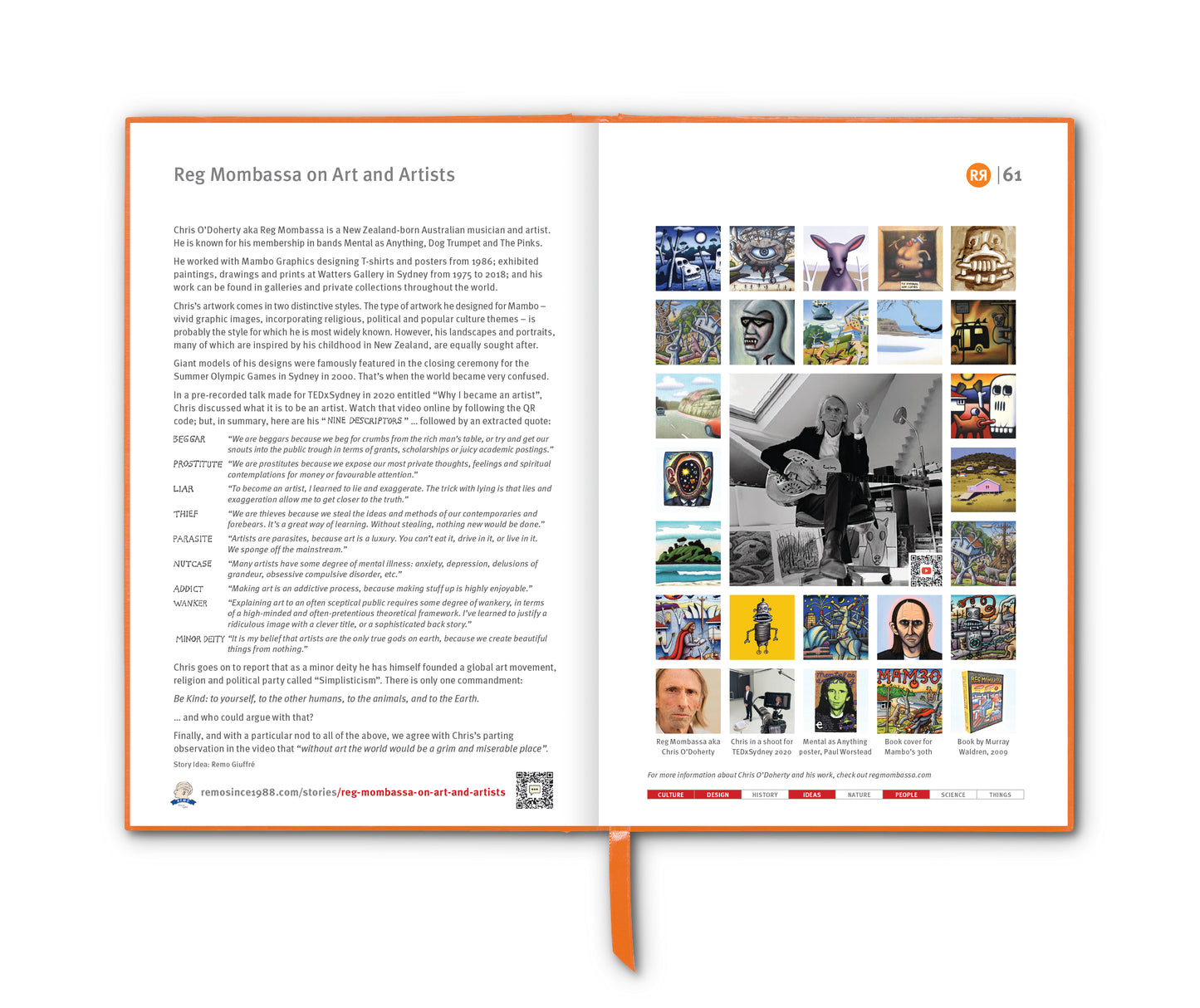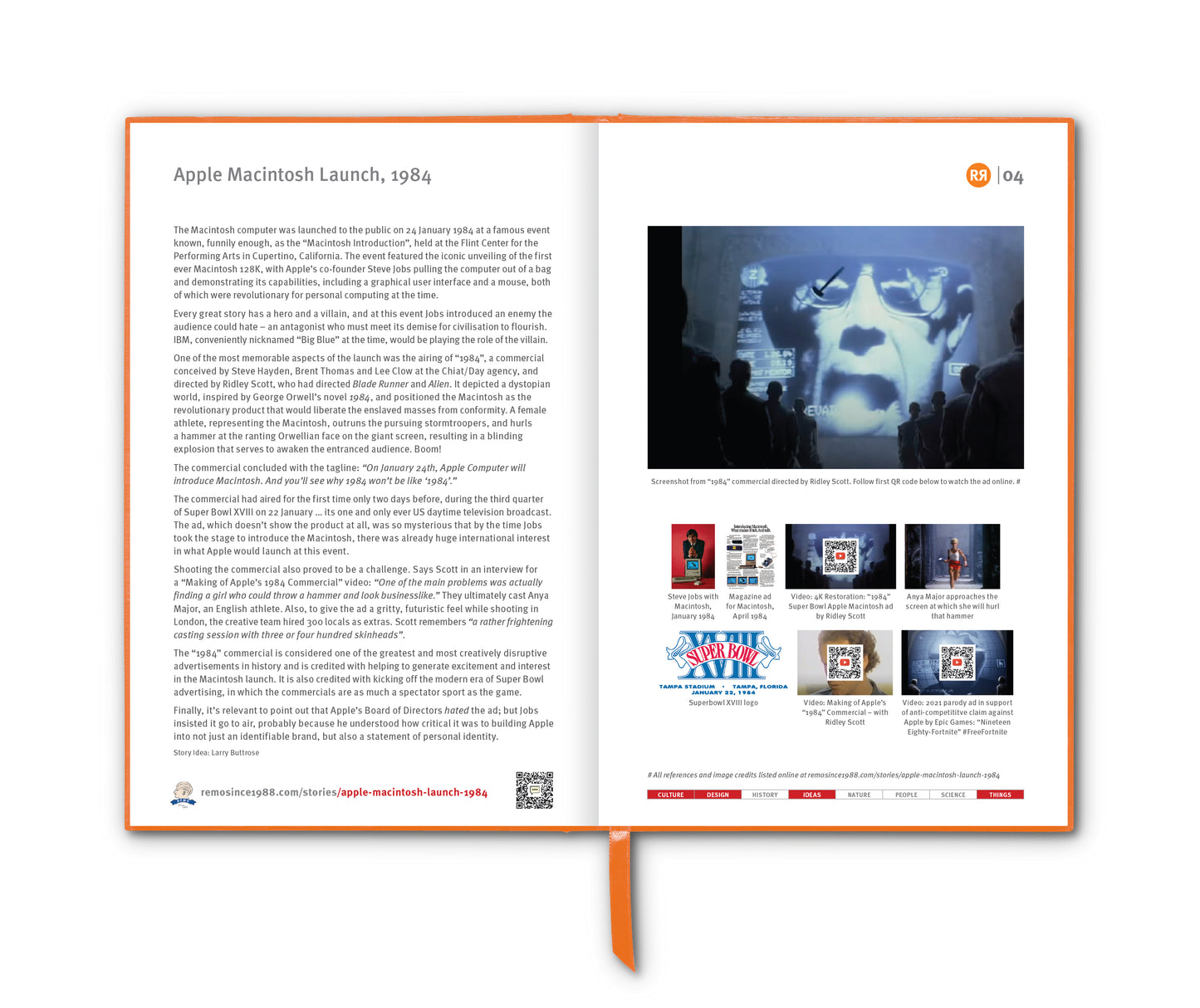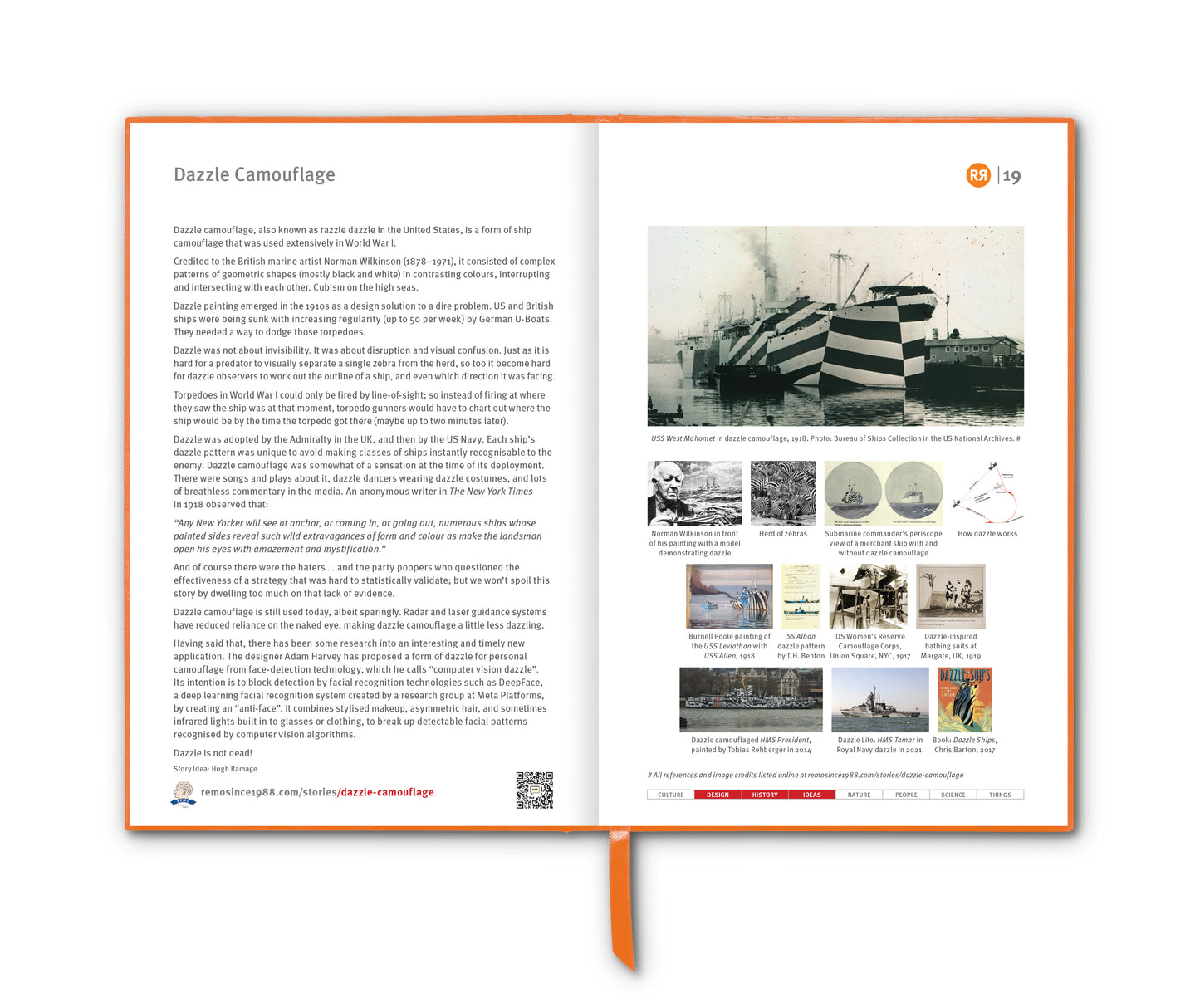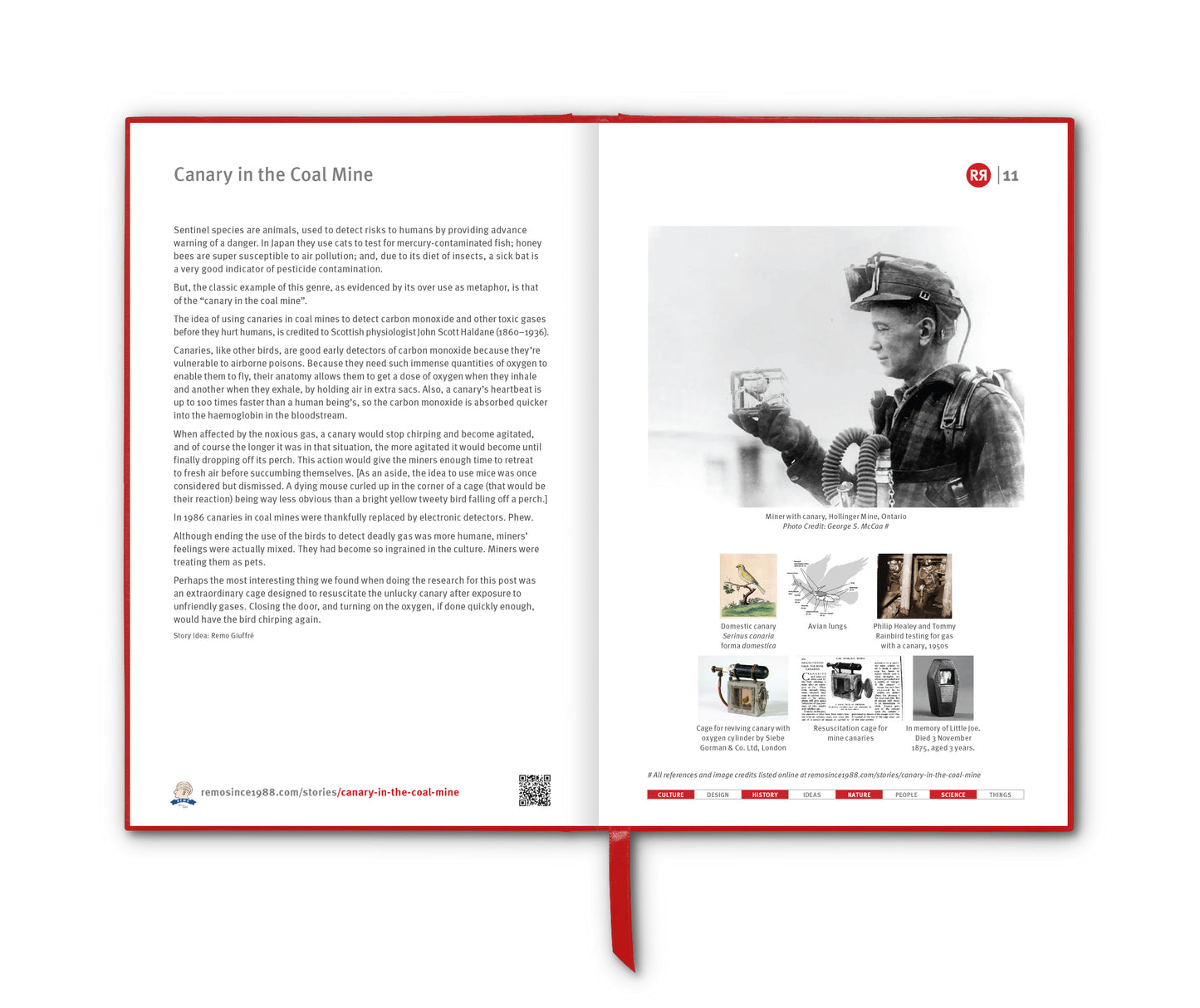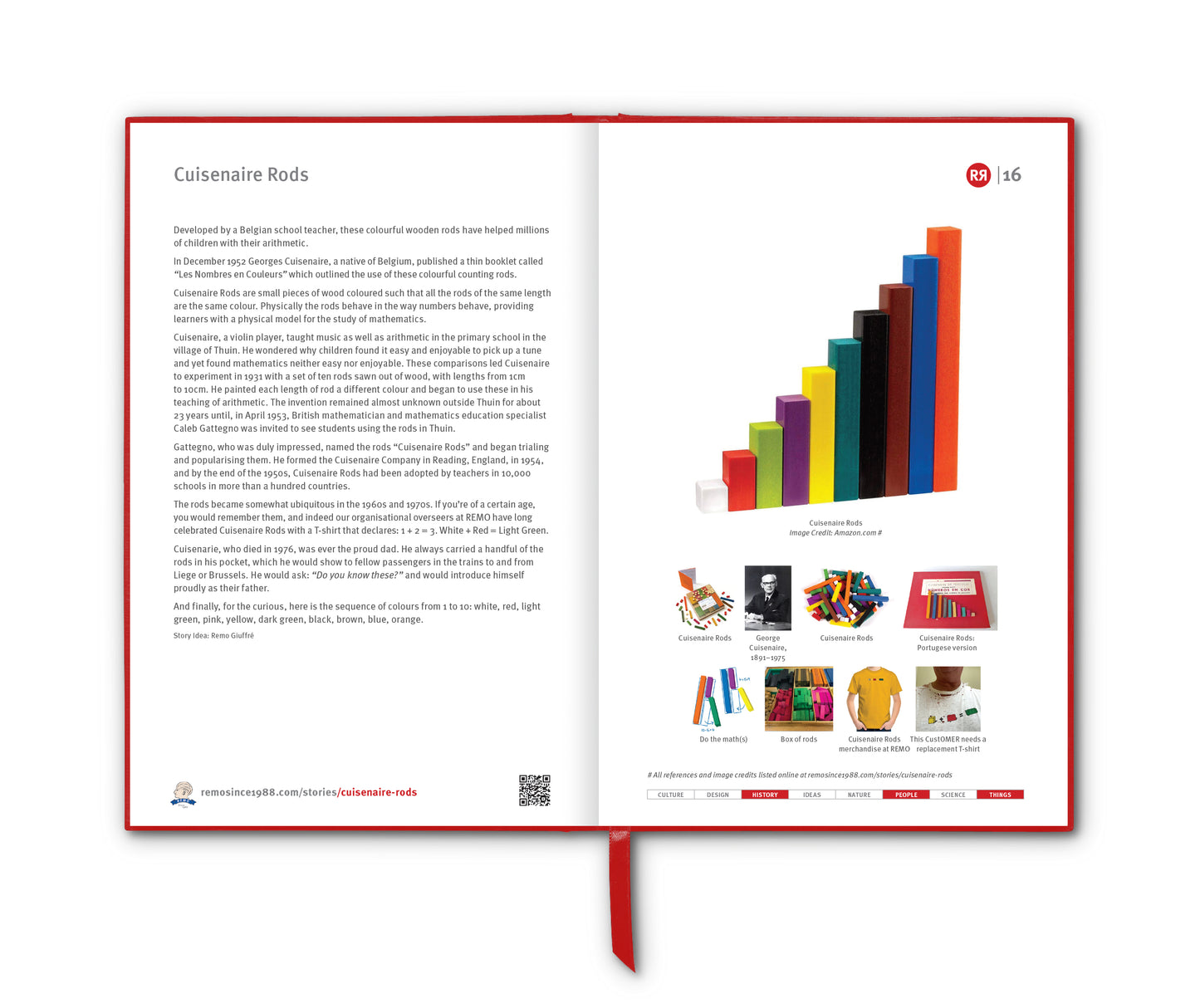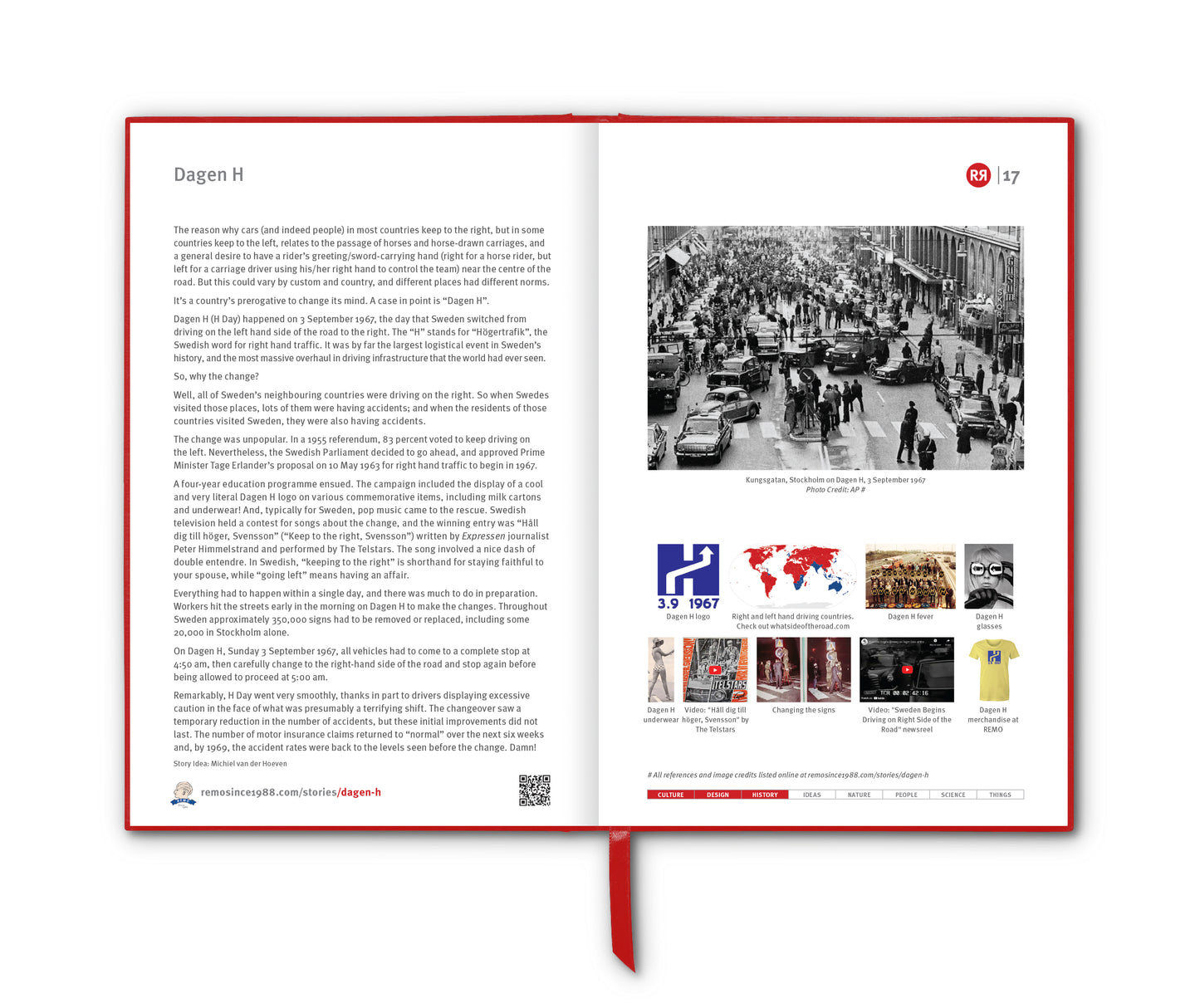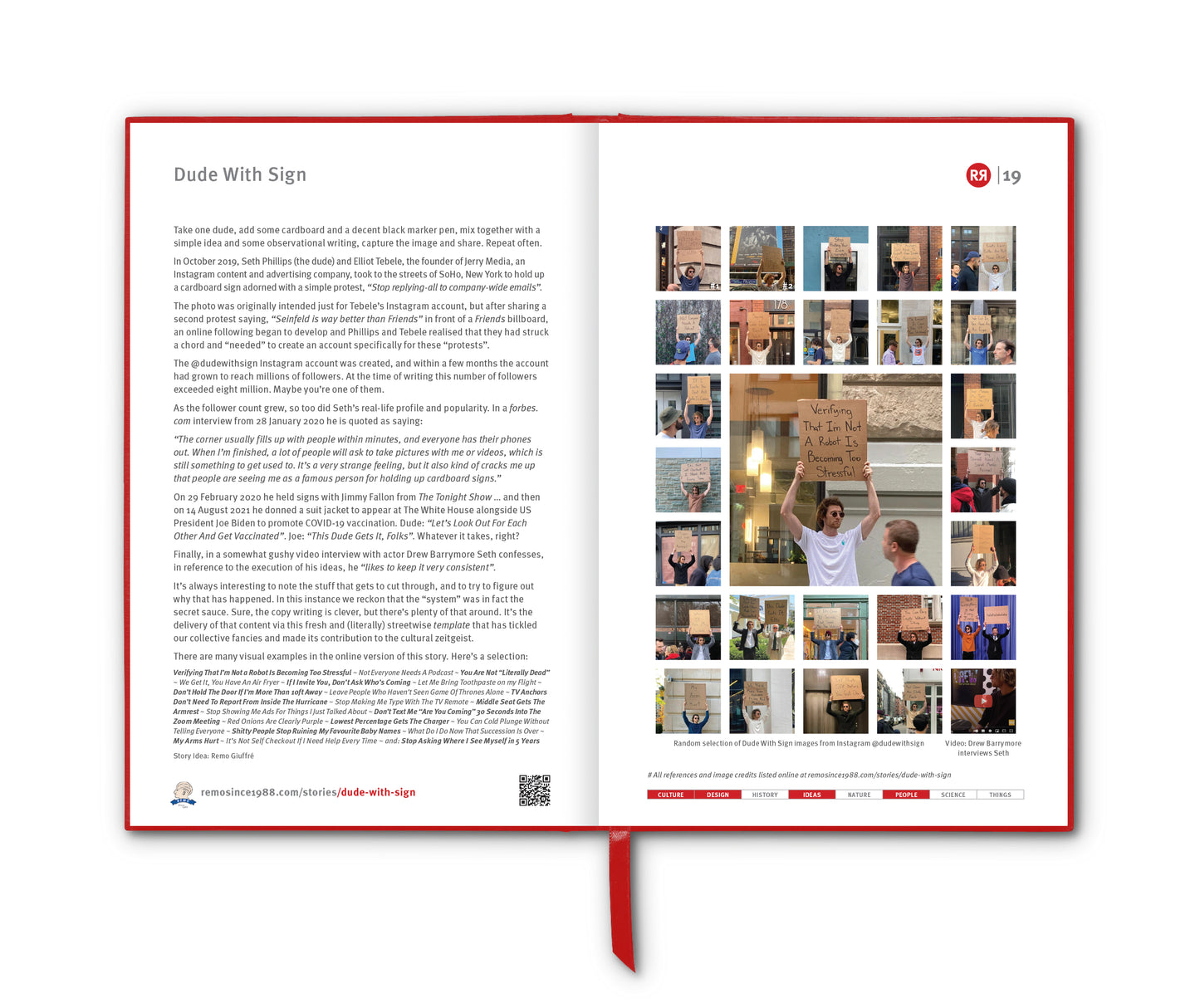

Animals getting a bit squiffy is a genuine and surprisingly common phenomenon in nature. The usual culprit is fermentation: sugars in overripe fruit, nectar, sap or grains are converted by wild yeasts into ethanol. When animals consume enough of it, the effects can look remarkably familiar – staggering, confusion, aggression, clumsiness and very poor decision-making.
A recent example came from rural France, where police warned motorists in May 2026 about apparently intoxicated deer stumbling into roads after eating fermented fruit and decomposing vegetation. The viral video accompanying the warning showed the animals running erratically in circles and collapsing in fields, prompting authorities to caution drivers to slow down in wooded areas.
Birds are among the most frequently observed victims of accidental intoxication. In North America, cedar waxwings and robins sometimes gorge on fermented berries left hanging after the first frosts. The alcohol content can become surprisingly potent. Ornithologists have documented birds flying into windows, crashing into cars and even falling from branches while apparently drunk. In 2018, Minnesota police responded to reports of “intoxicated” birds behaving so strangely that residents thought they were injured.
Elephants have long been associated with drunken behaviour, especially in stories involving the marula tree of southern Africa. According to legend, elephants seek out fallen marula fruit, fermenting in the heat, and become tipsy after feasting on it. The image became famous through the 1974 wildlife documentary Animals Are Beautiful People, which showed wobbling elephants and intoxicated monkeys. Scientists later questioned whether the film exaggerated or staged some scenes, and researchers now doubt elephants could realistically consume enough naturally fermented fruit to become truly drunk. Even so, the myth persists because it is such a compelling image.
Monkeys, however, do appear to have a genuine taste for alcohol. On the Caribbean island of Saint Kitts, vervet monkeys routinely steal cocktails and beer from tourists. Researchers found that their drinking habits oddly resemble those of humans: some abstain, some drink moderately and a small percentage binge recklessly.
Chimpanzees in Guinea have also been observed drinking fermented raffia palm sap using improvised leaf “sponges”. The sap can reach alcohol levels comparable to light beer. Scientists studying the behaviour suggested that a taste for ethanol may go back millions of years in primate evolution.
The “drunken monkey” hypothesis proposed by Robert Dudley, an evolutionary biologist at University of California, Berkeley is that alcohol, and primarily the ethanol molecule, is routinely consumed by all animals that eat fruits and nectar. As first worked out by Louis Pasteur in the 19th century, fermentation is a natural process deriving from the metabolic action of yeasts on sugar molecules. The molecules produce alcohol to kill off their bacterial competitors, and the booze accumulates at low concentrations within fruits and nectar. There is evidence that many animals evolved enzymes specifically to metabolise naturally occurring alcohol long before humans deliberately brewed beer or wine.
The idea of drunken animals fascinates humans partly because it is so recognisable. A deer staggering through a French corn field or a bird crashing into a window seems strangely relatable – proof that fermentation, poor coordination and regrettable choices are not uniquely human experiences after all.
____________________________
References
wikipedia.org/wiki/Alcohol_intoxication
historythings.com/hannibals-superweapon-the-war-elephant
adamspencer.com.au/post/gorillas-on-the-piss
time.com/5415378/drunk-birds-minnesota
Images
1. A vervet monkey takes a beer on the Caribbean island of Saint Kitts
2. Fermenting rotten apples. Photo credit: Tim Parkinson
3. Drunk deer reported in rural France, May 2026
4. Poster for Animals Are Beautiful People (1974)
5. According to legend, the fruit of the marula tree is sought by elephants for its alcohol content when ripe.
6. Fake news: elephants likely just resting – not drunk
7. Jumbo [RR3:44] was reportedly pacified by large amounts of alcohol
8. Video: "Alcoholic Vervet Monkeys!" Weird Nature, BBC Animals, 2009
9. Hung over monkey
10. Book: The Drunken Monkey: Why We Drink and Abuse Alcohol, Robert Dudley, 2014