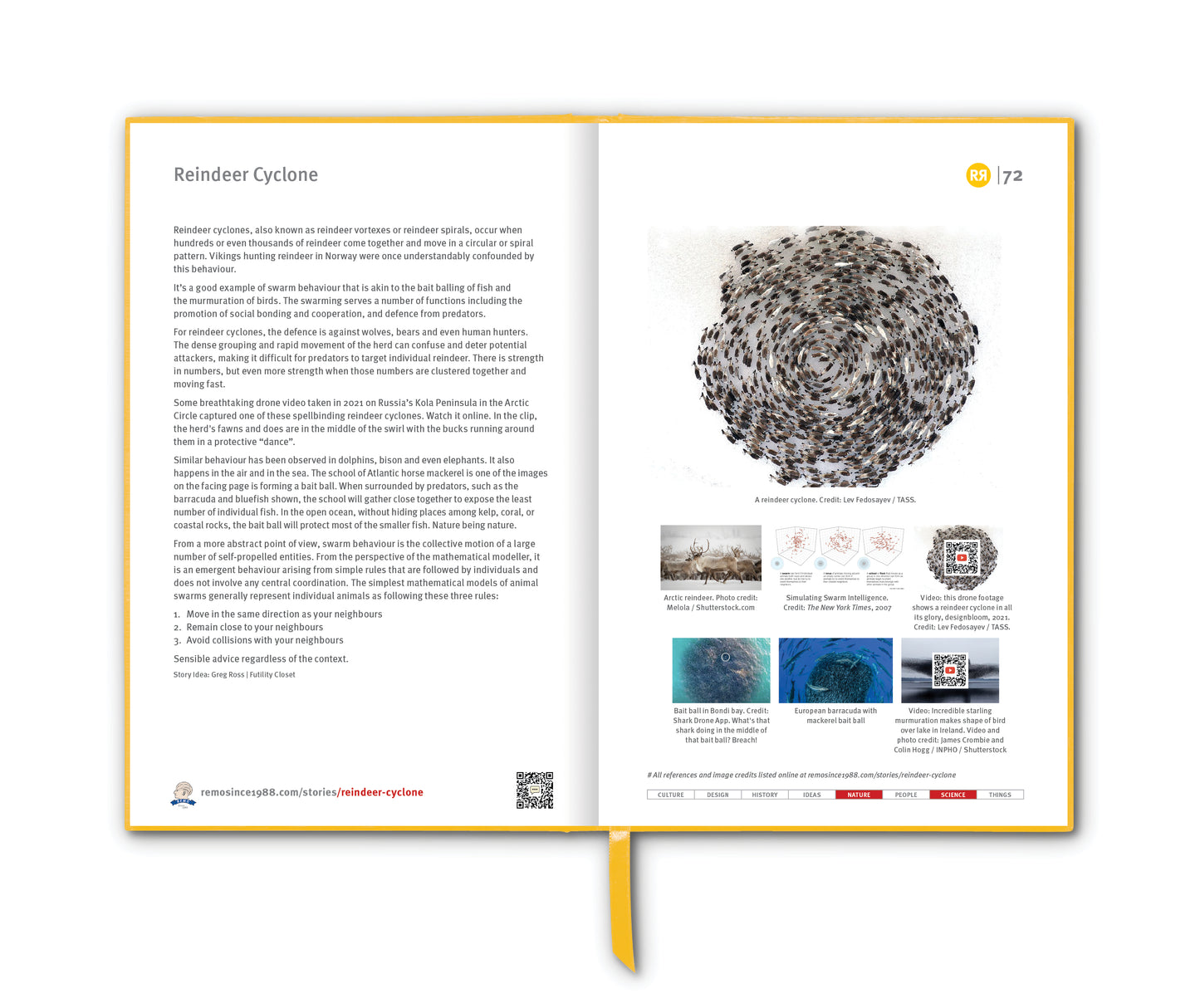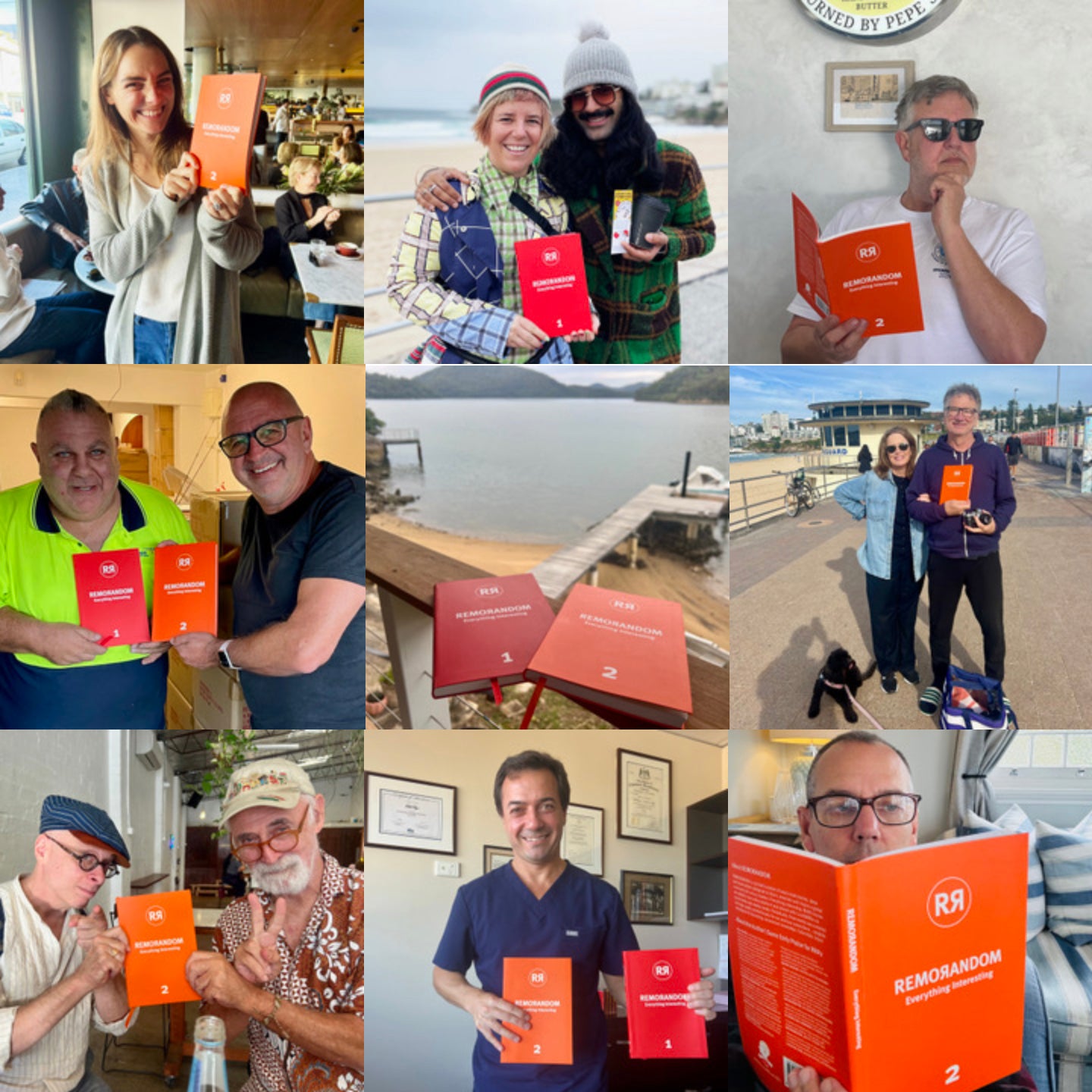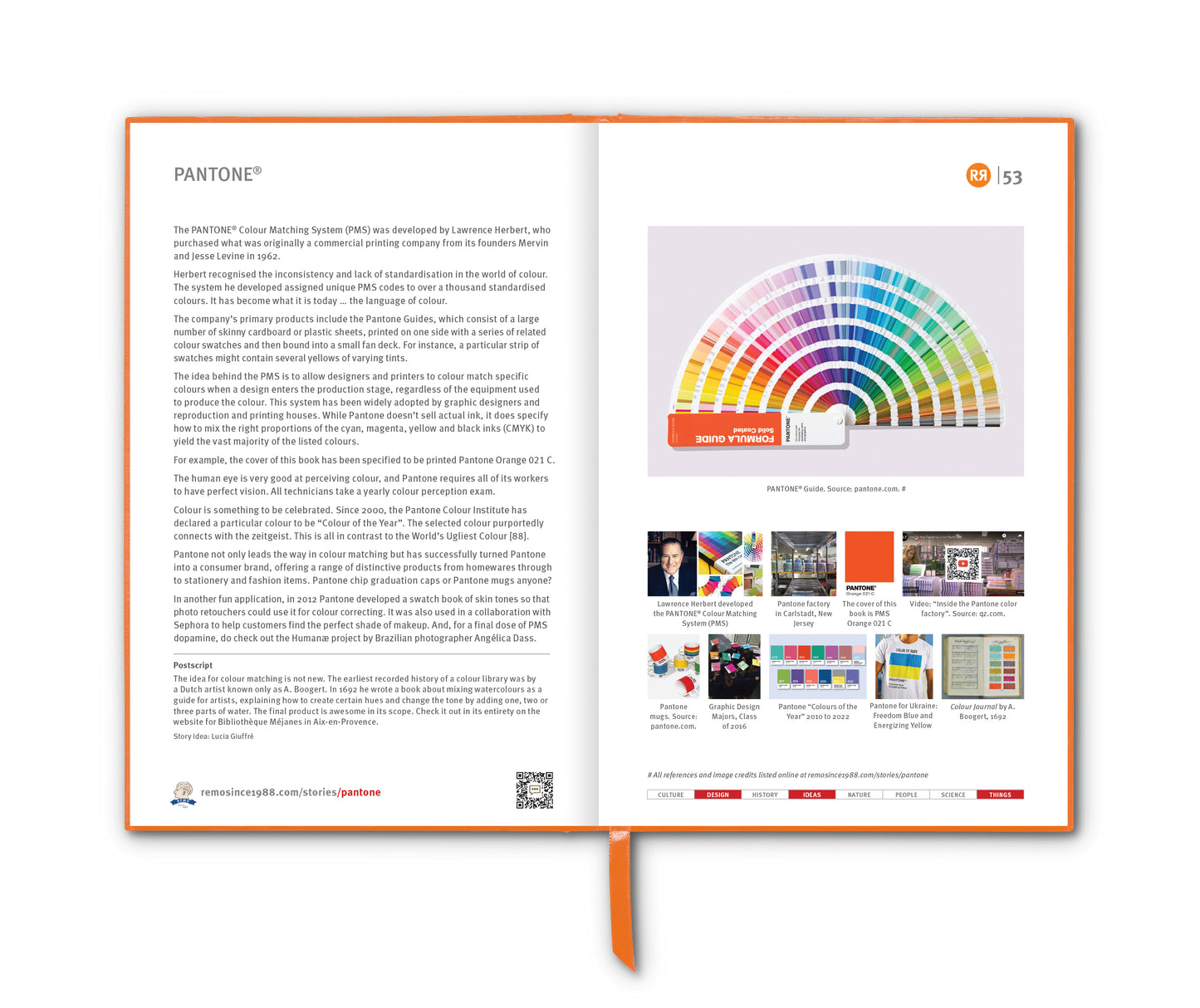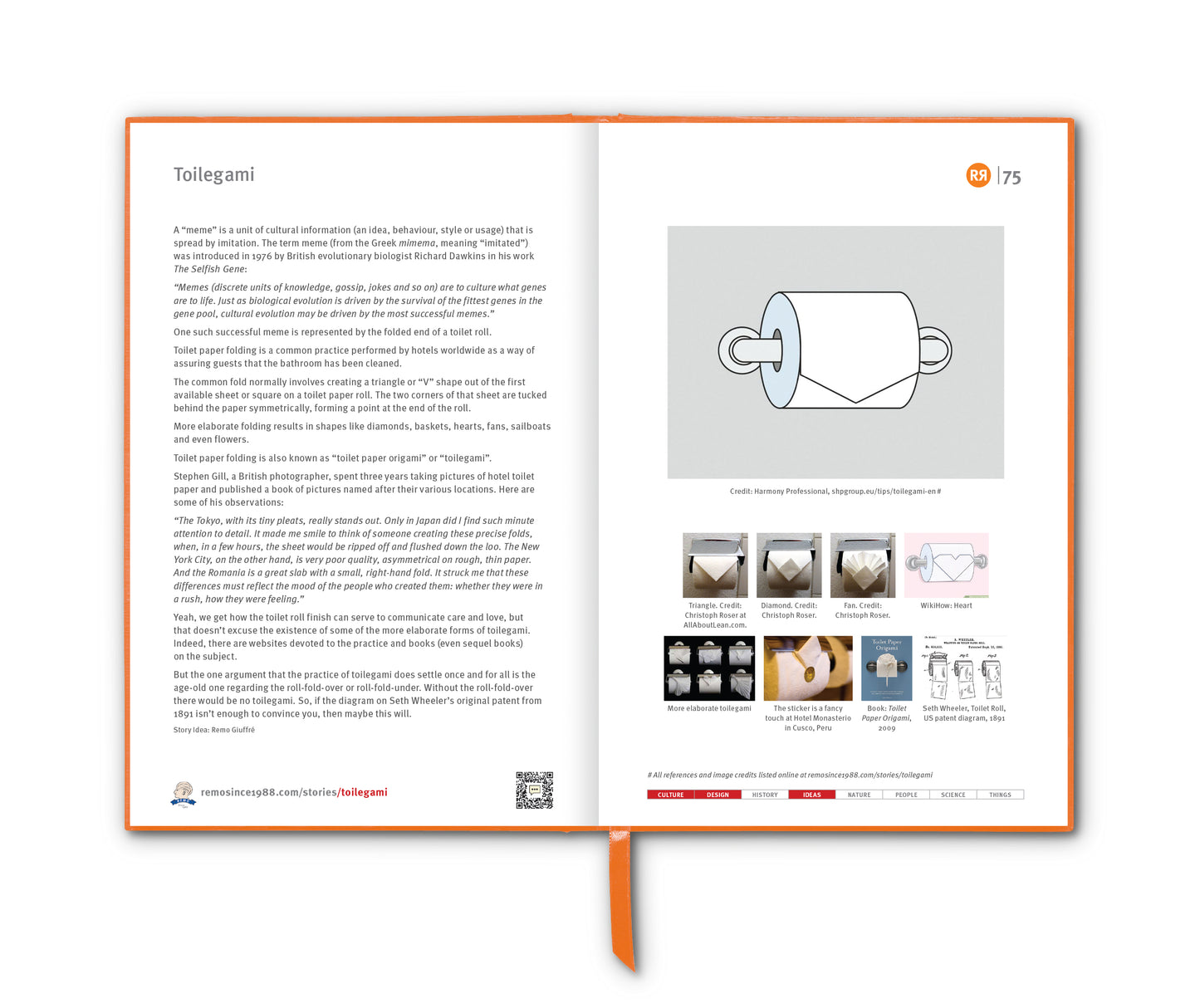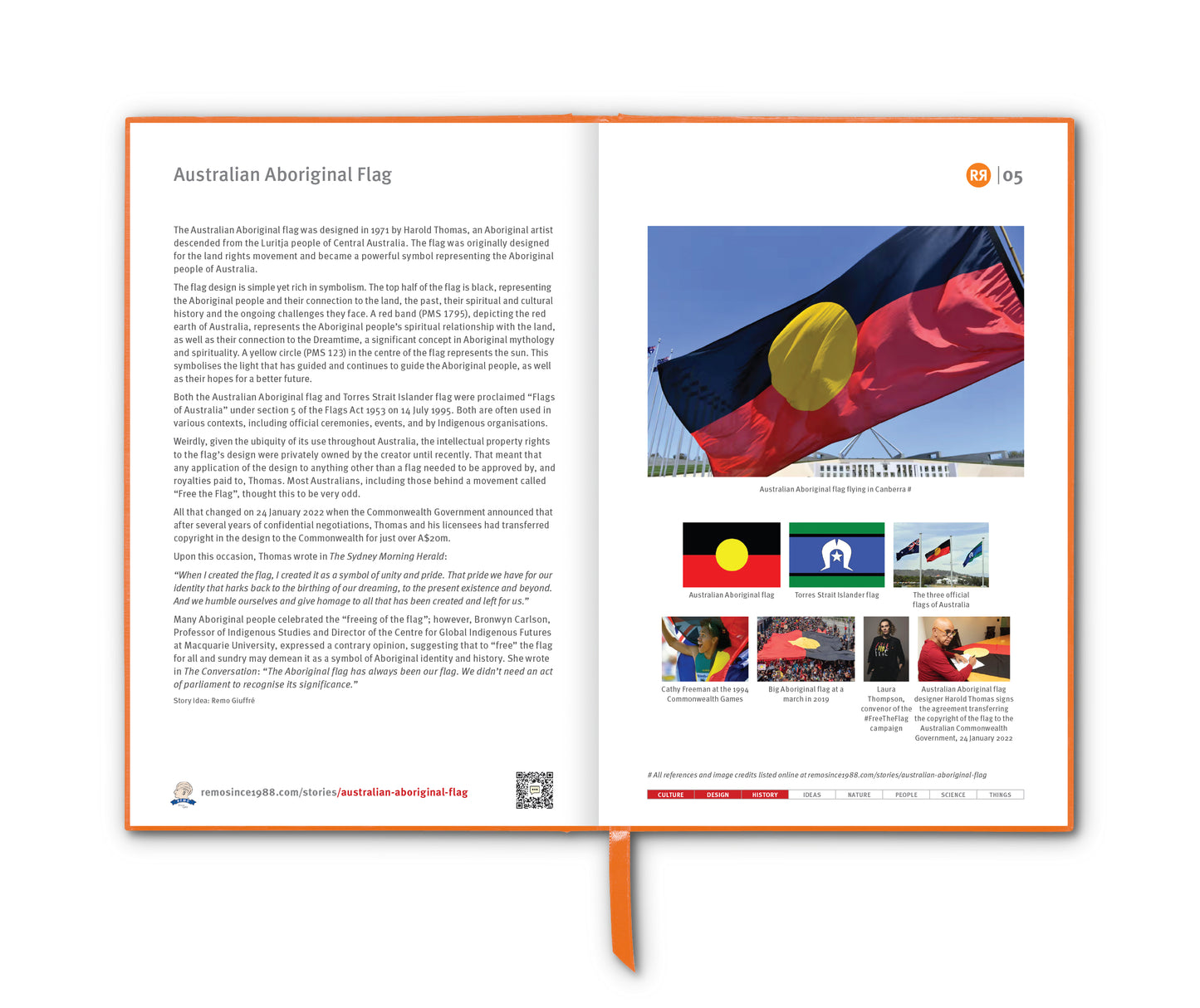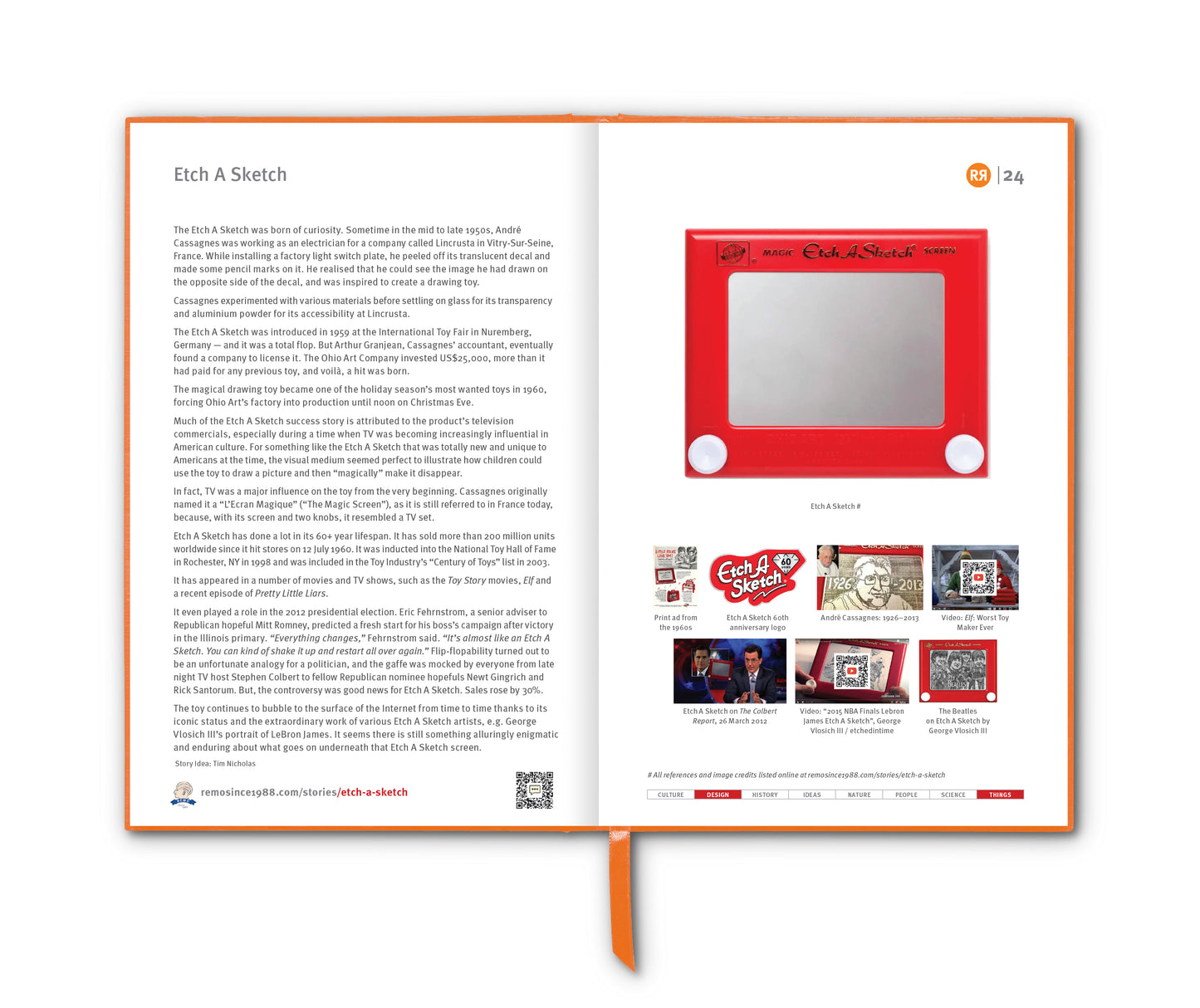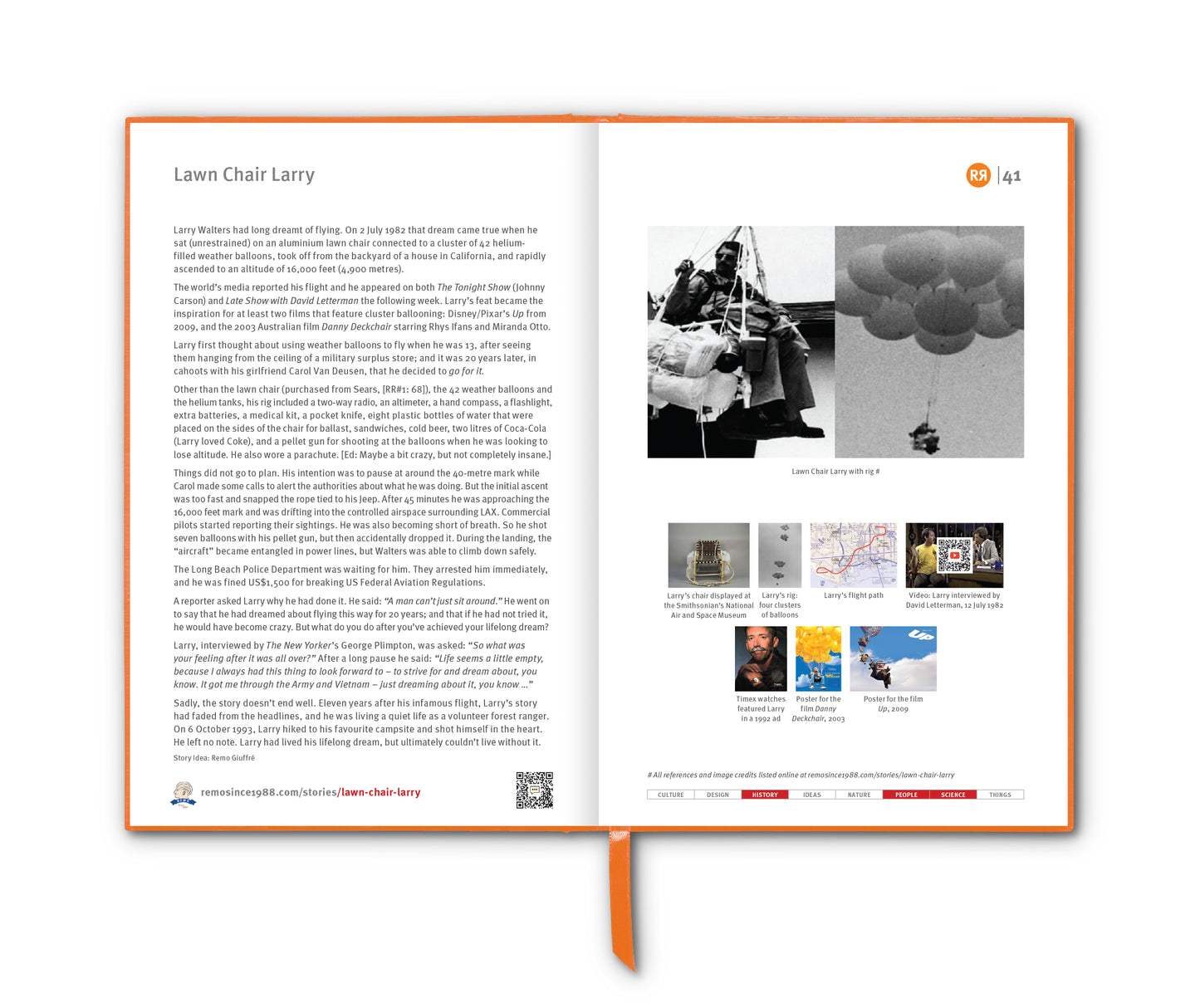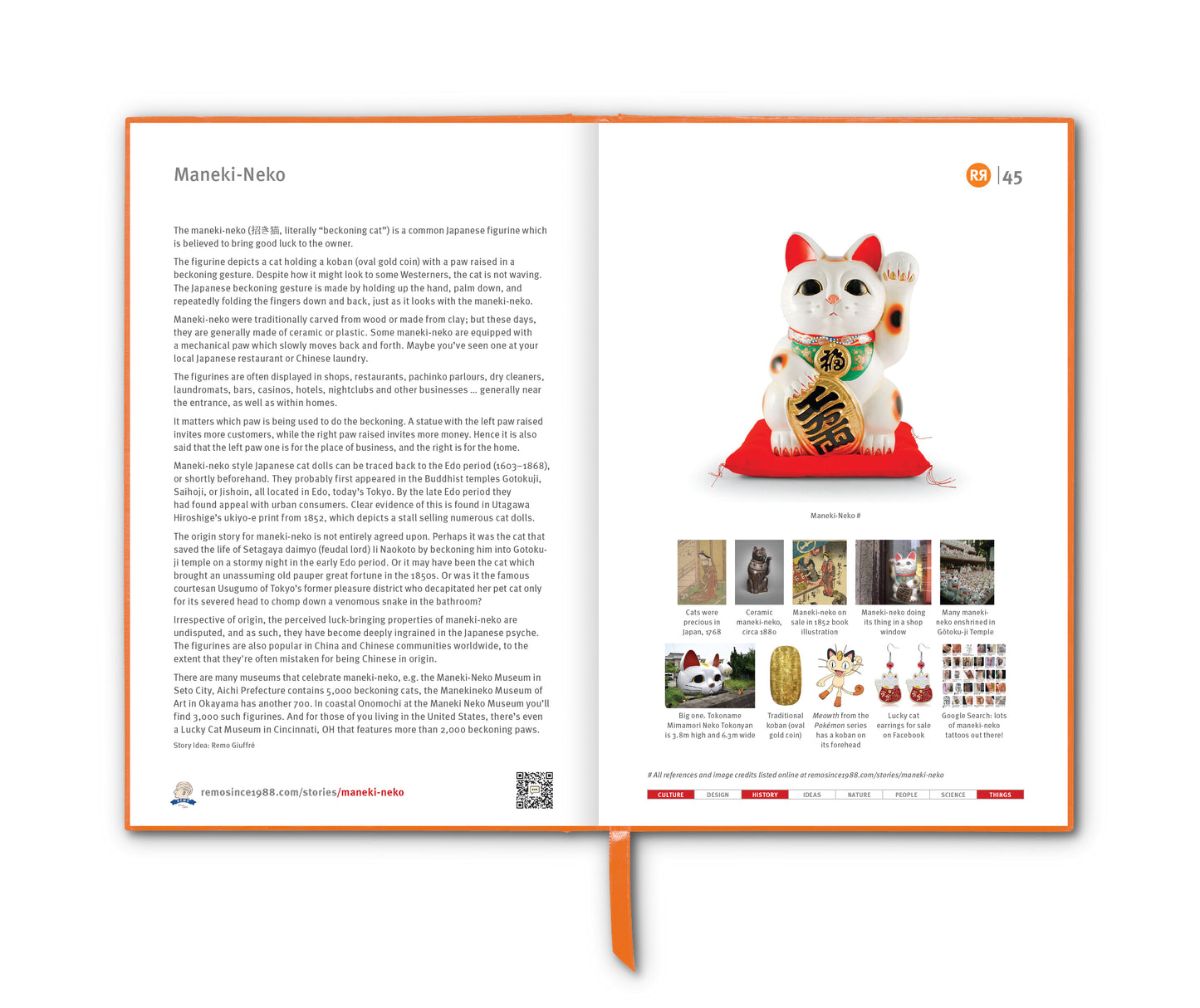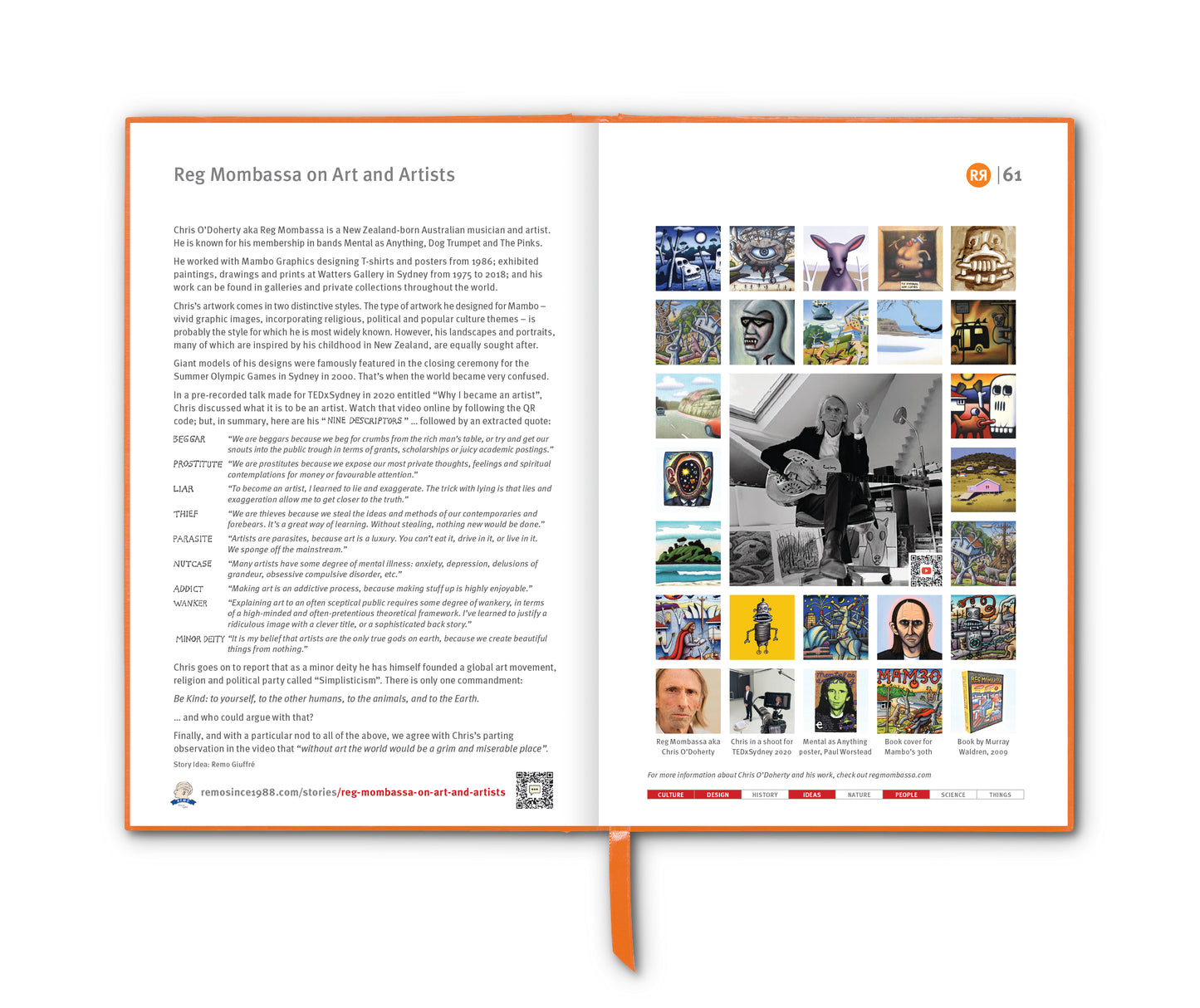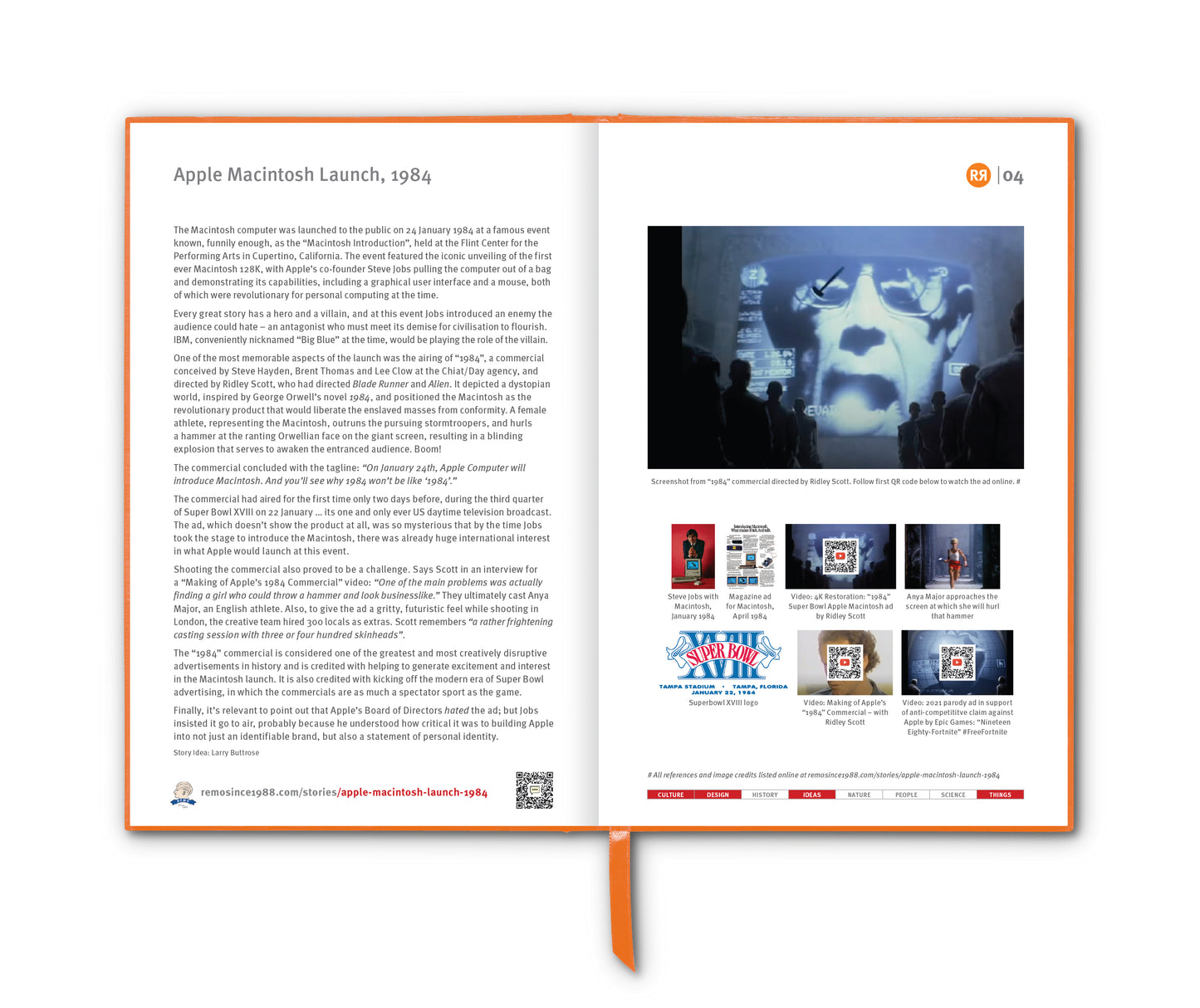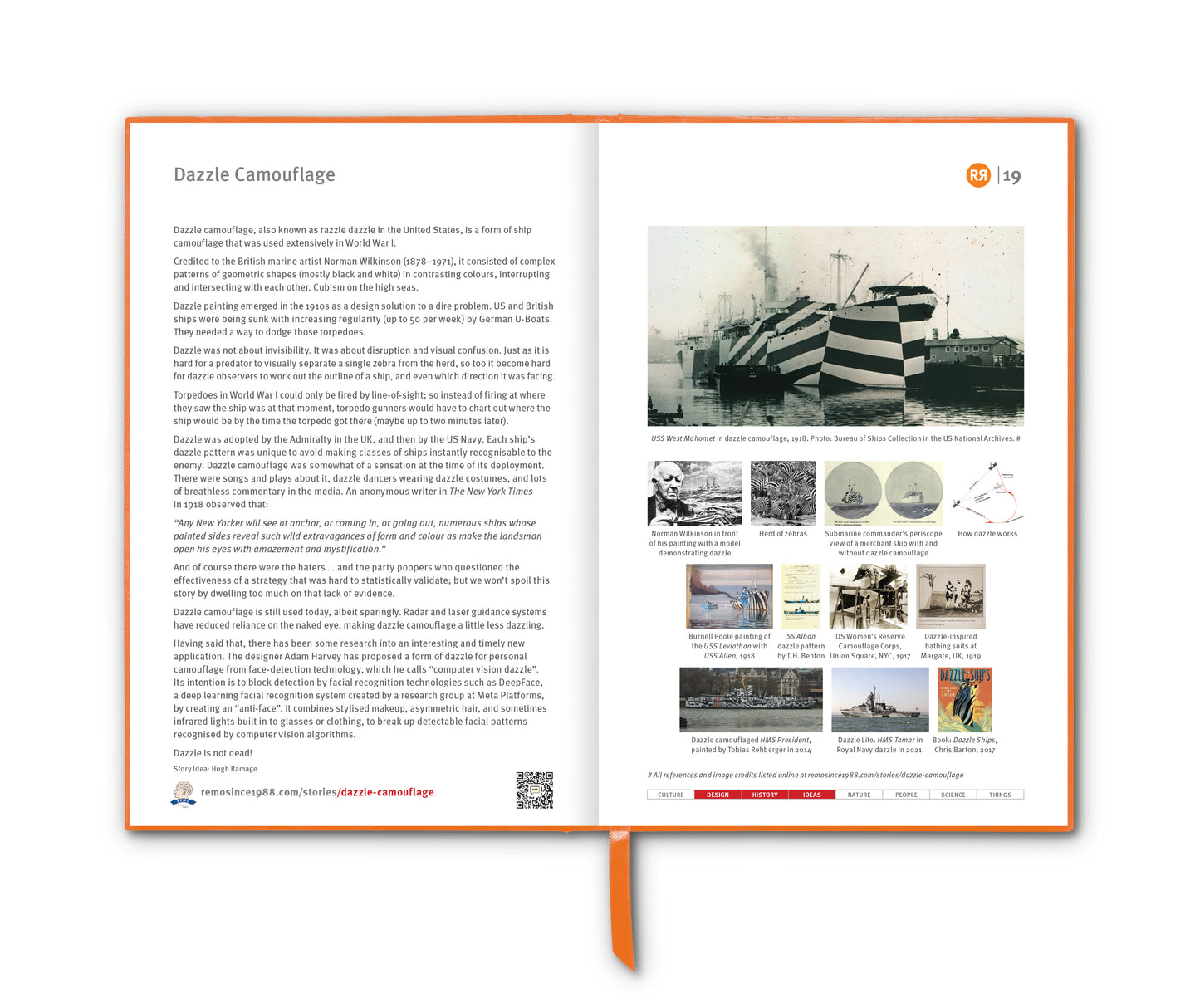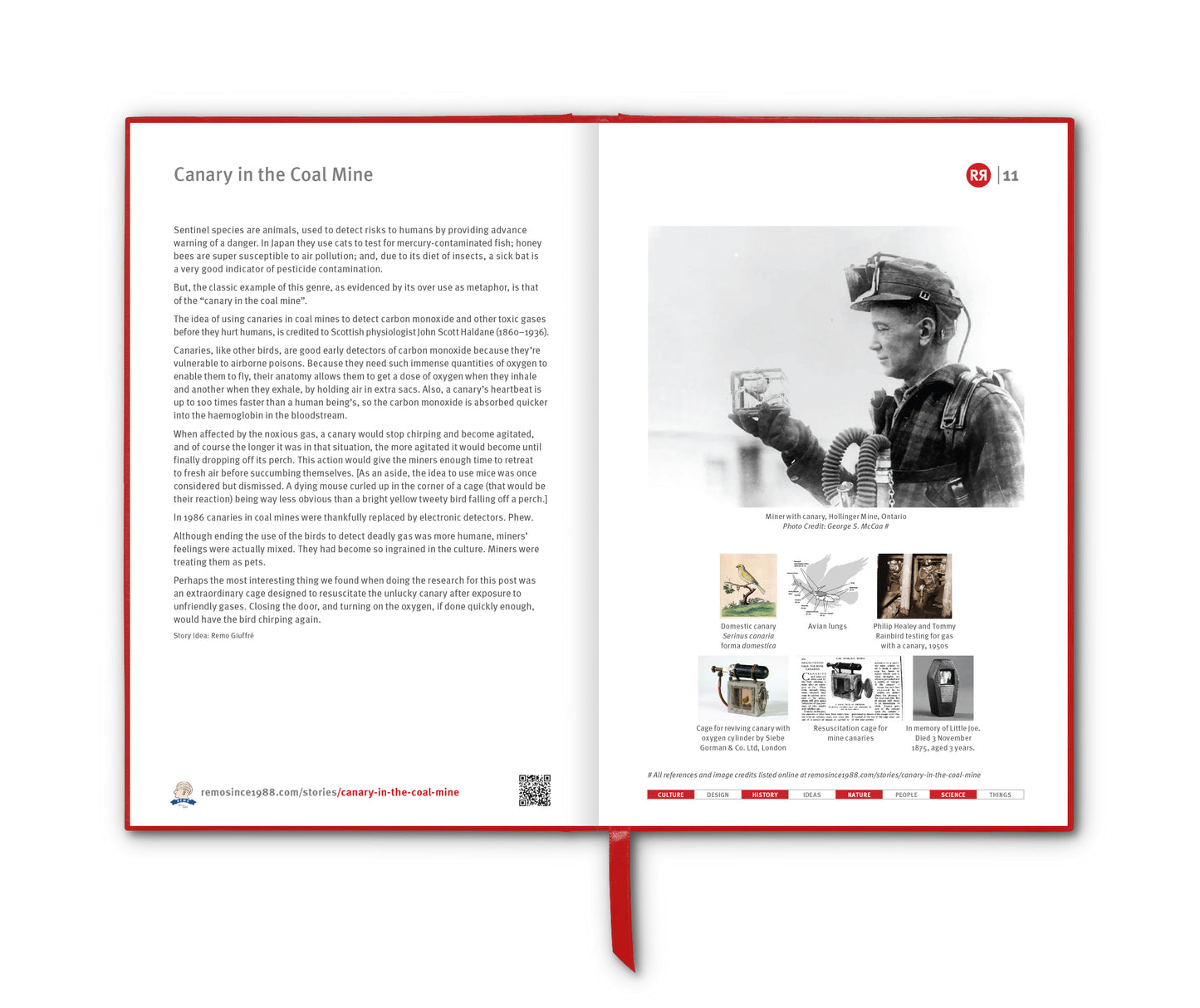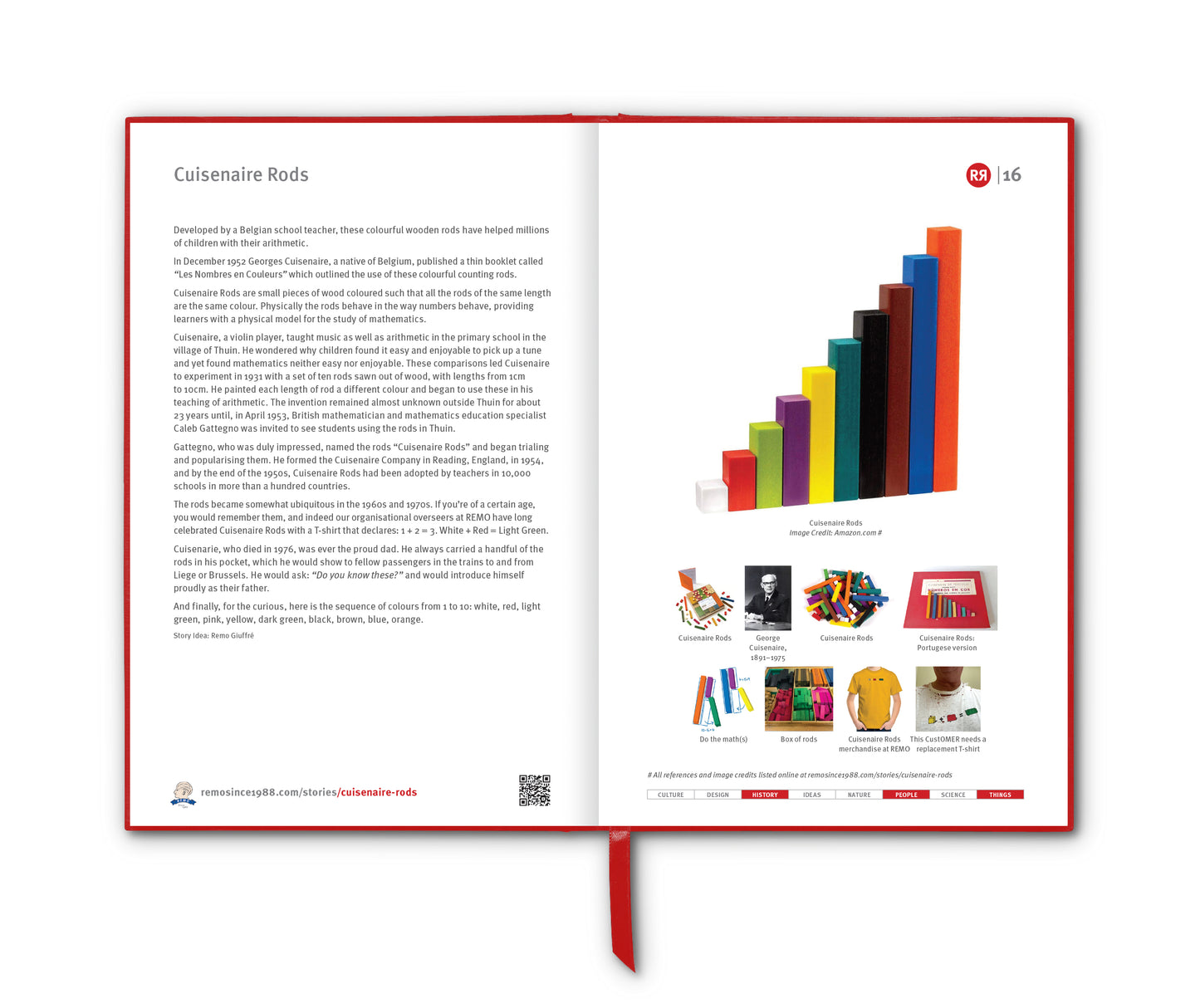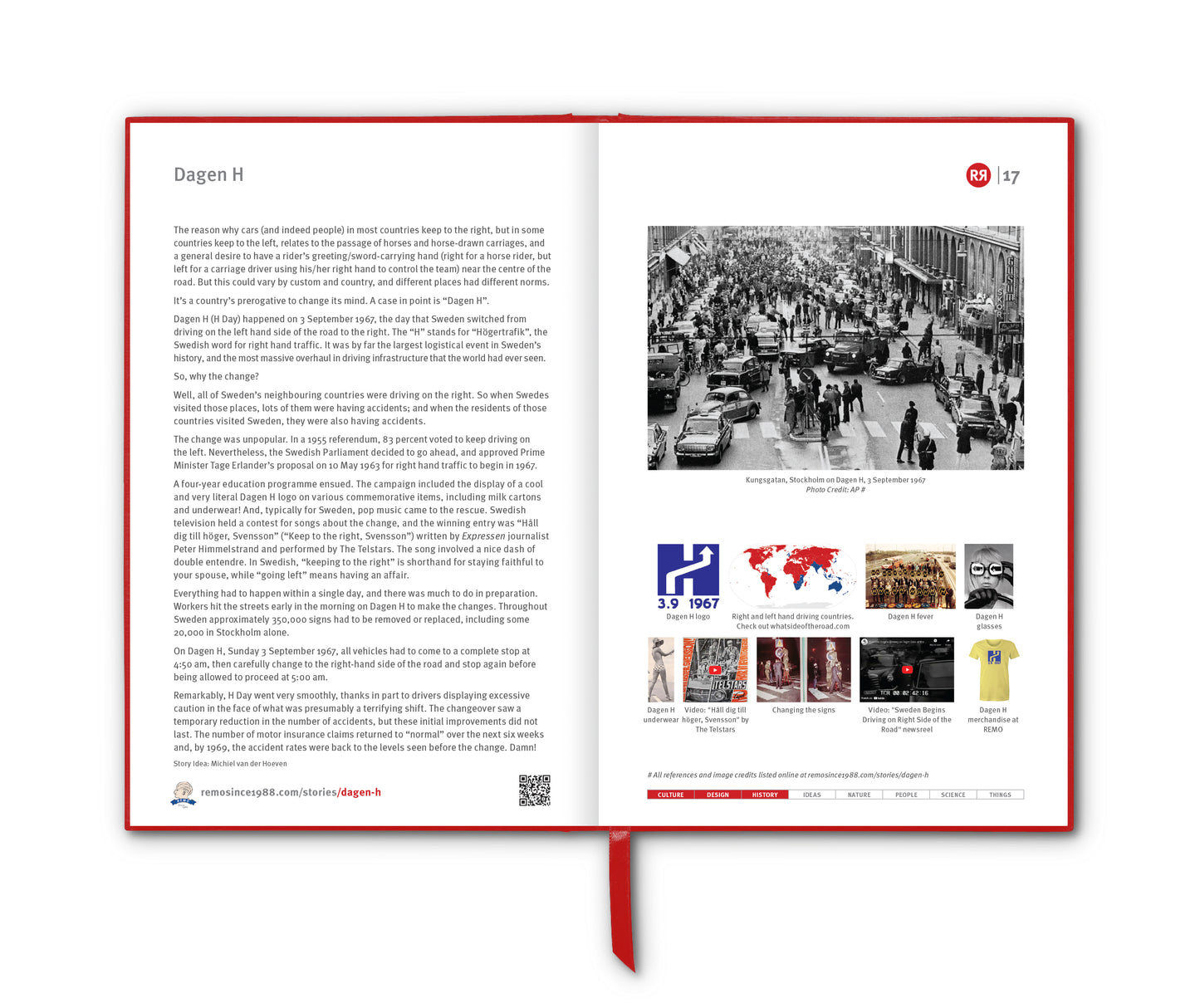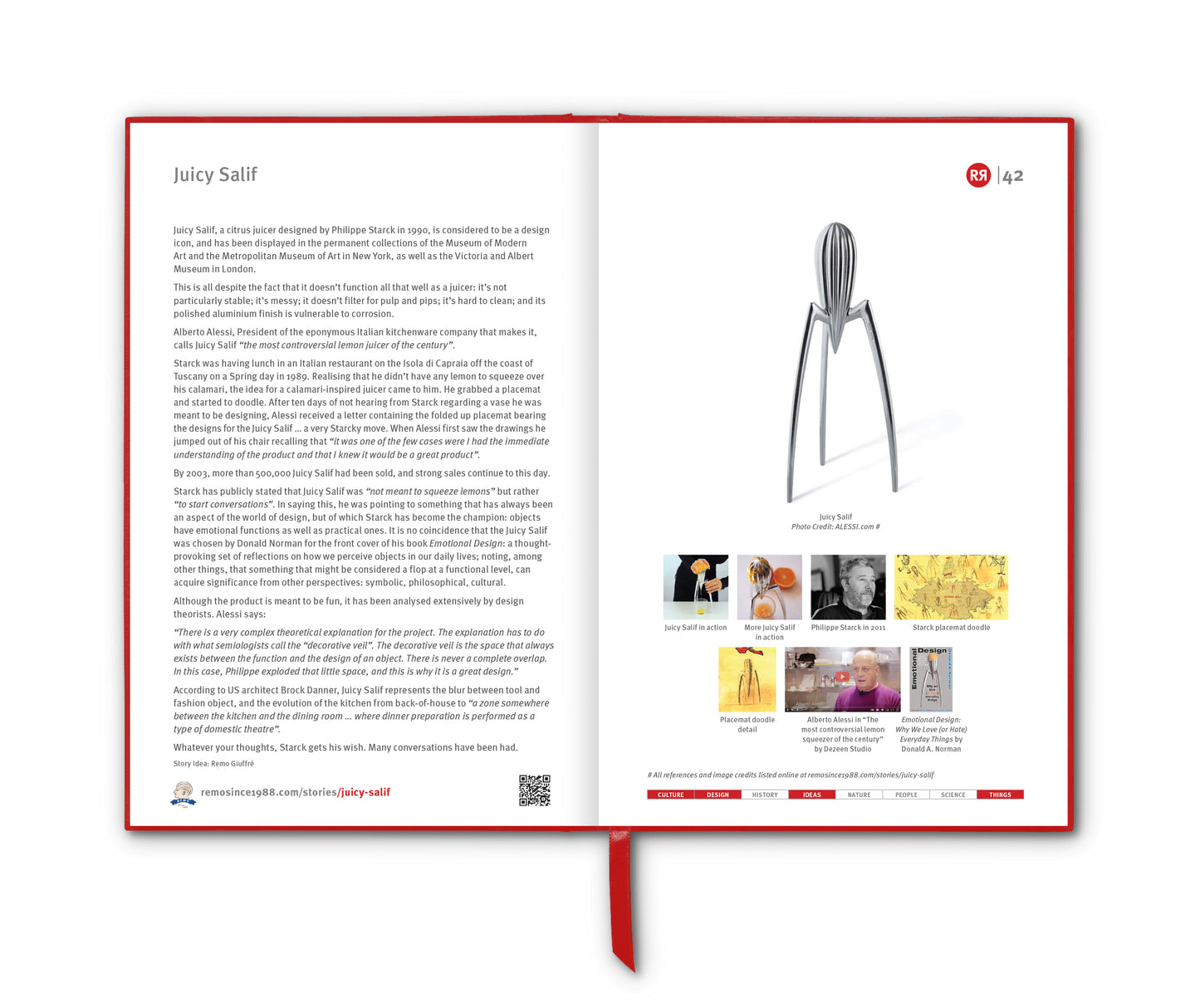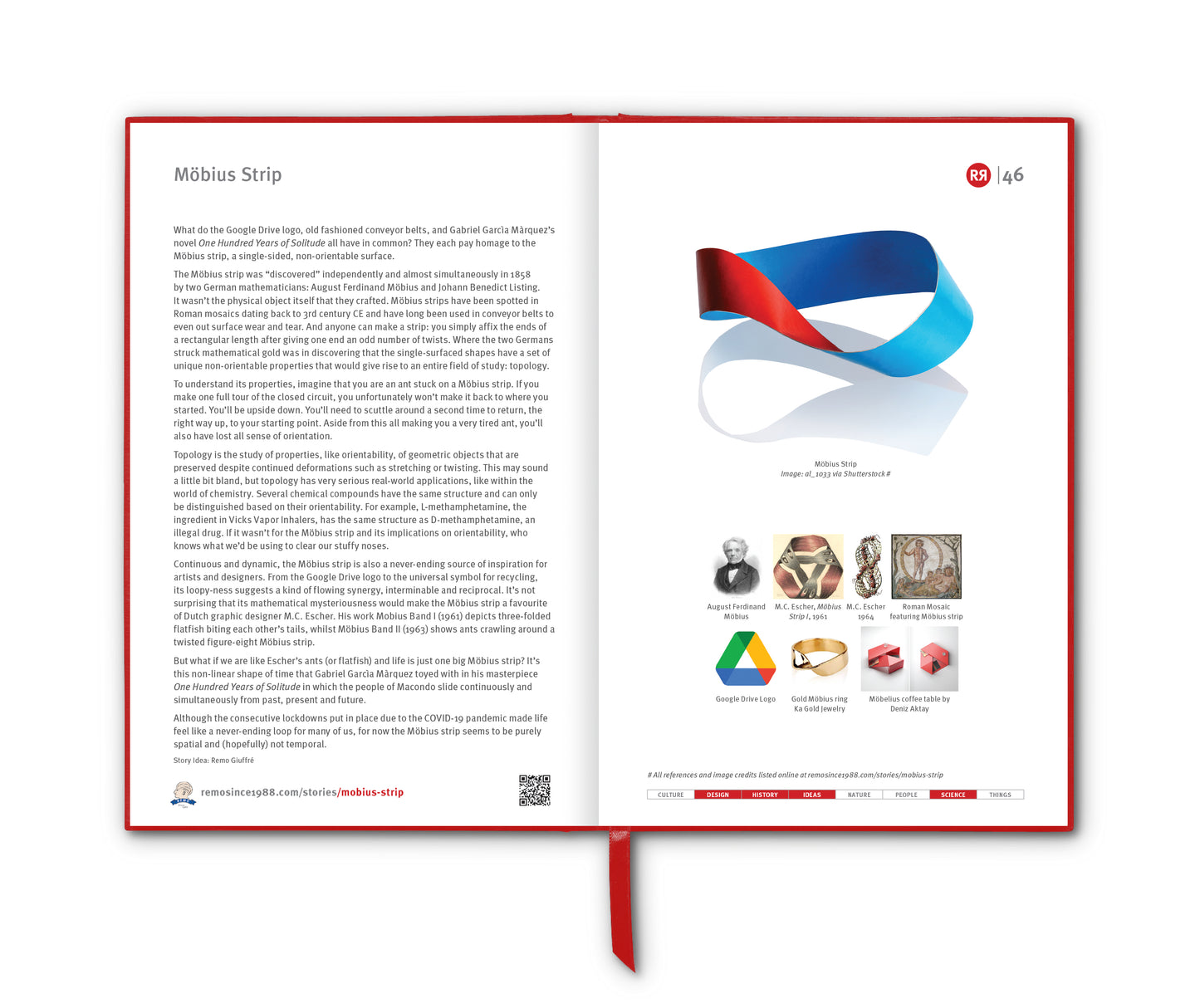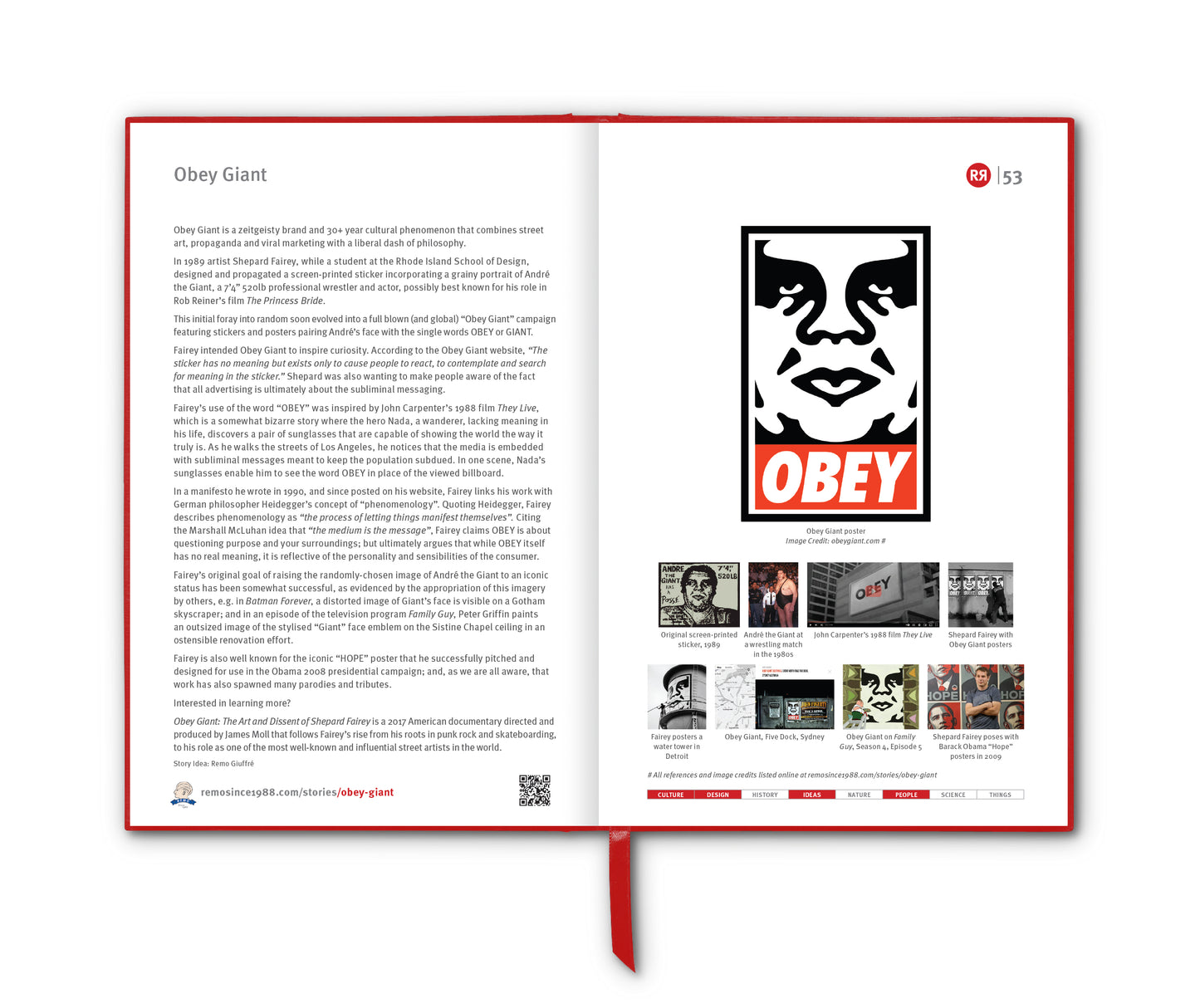

In the late 1970s, two American researchers, Alexander Schauss and John Ott, proposed an unusual solution to aggressive behaviour: the colour pink. Specifically, a vivid shade of bubblegum pink that came to be known as “Baker-Miller Pink”, named after the directors of a naval correctional facility in Seattle where the experiment took place. Holding cells were painted this precise hue, and early observations suggested a remarkable effect: reduced aggression, lowered heart rate, even decreased muscle strength. It seemed that this particular pink could pacify violent inmates – at least for a while.
The media dubbed it “Drunk Tank Pink”, and the idea spread. Locker rooms were painted pink in hopes of sapping the strength of opposing teams. School hallways and hospital wards took on the hue in pursuit of calm. But follow-up studies were inconclusive. Some found no measurable effect at all. Others noted that any pacifying power wore off quickly, or perhaps reflected the novelty rather than the colour itself. Still, the myth persisted, tapping into something long felt but rarely articulated: that colour changes mood, and few colours carry more emotional and cultural baggage than pink.
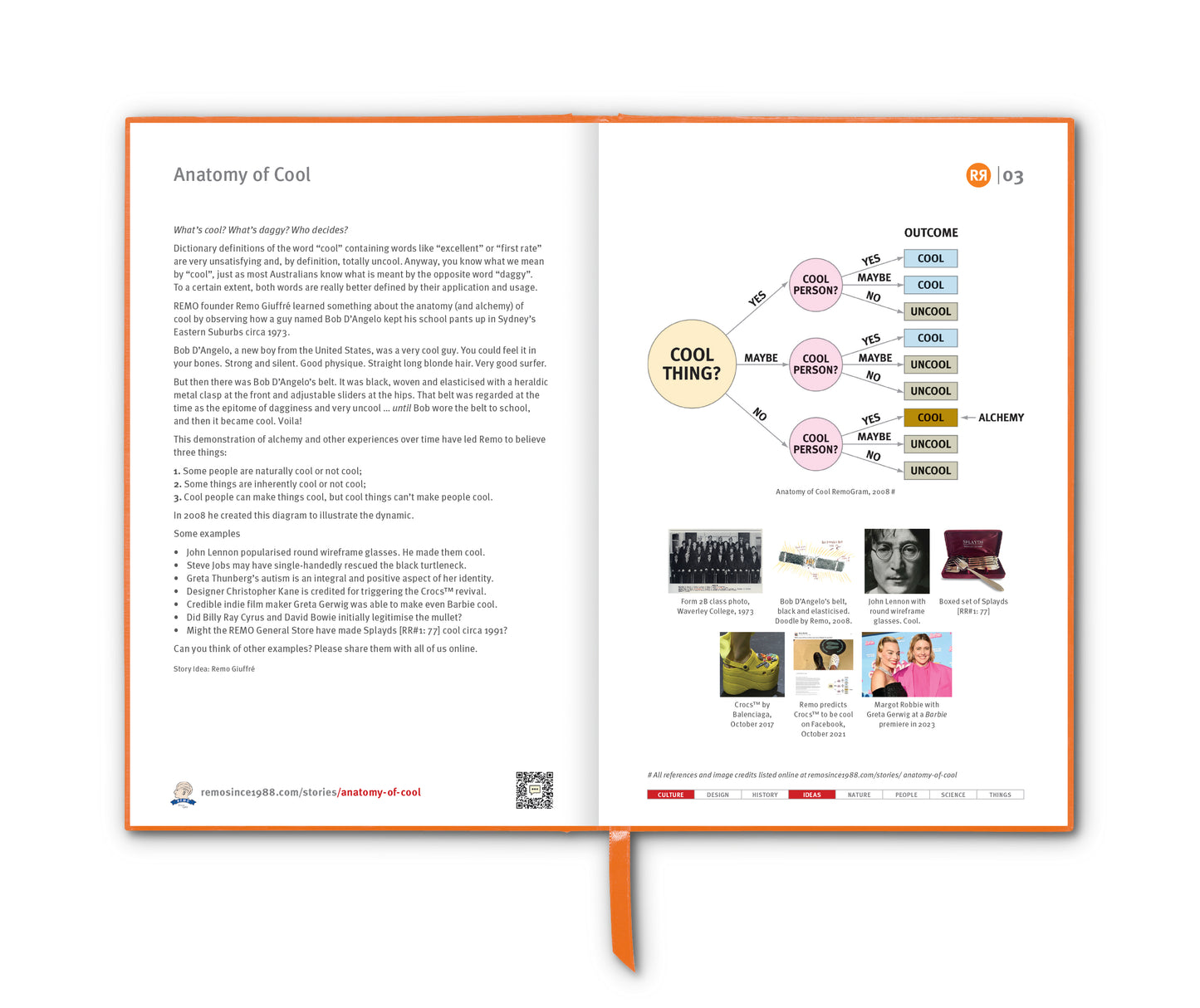
Pink, (named after the Dianthus plumarius flower), is a colour of contradictions. Soft yet subversive. Innocent yet sexualised. In nature, it appears rarely and often temporarily – sunsets, cherry blossoms, flamingos (whose colour, interestingly, fcomes from shrimp that they eat). In culture, however, it’s omnipresent and deeply coded. In 18th-century Europe, pink was fashionable and worn by men and women alike, especially within the aristocratic flair of Rococo art and fashion. It wasn’t until the mid-20th century that pink became firmly tethered to femininity—and that wasn’t organic. It was marketing.
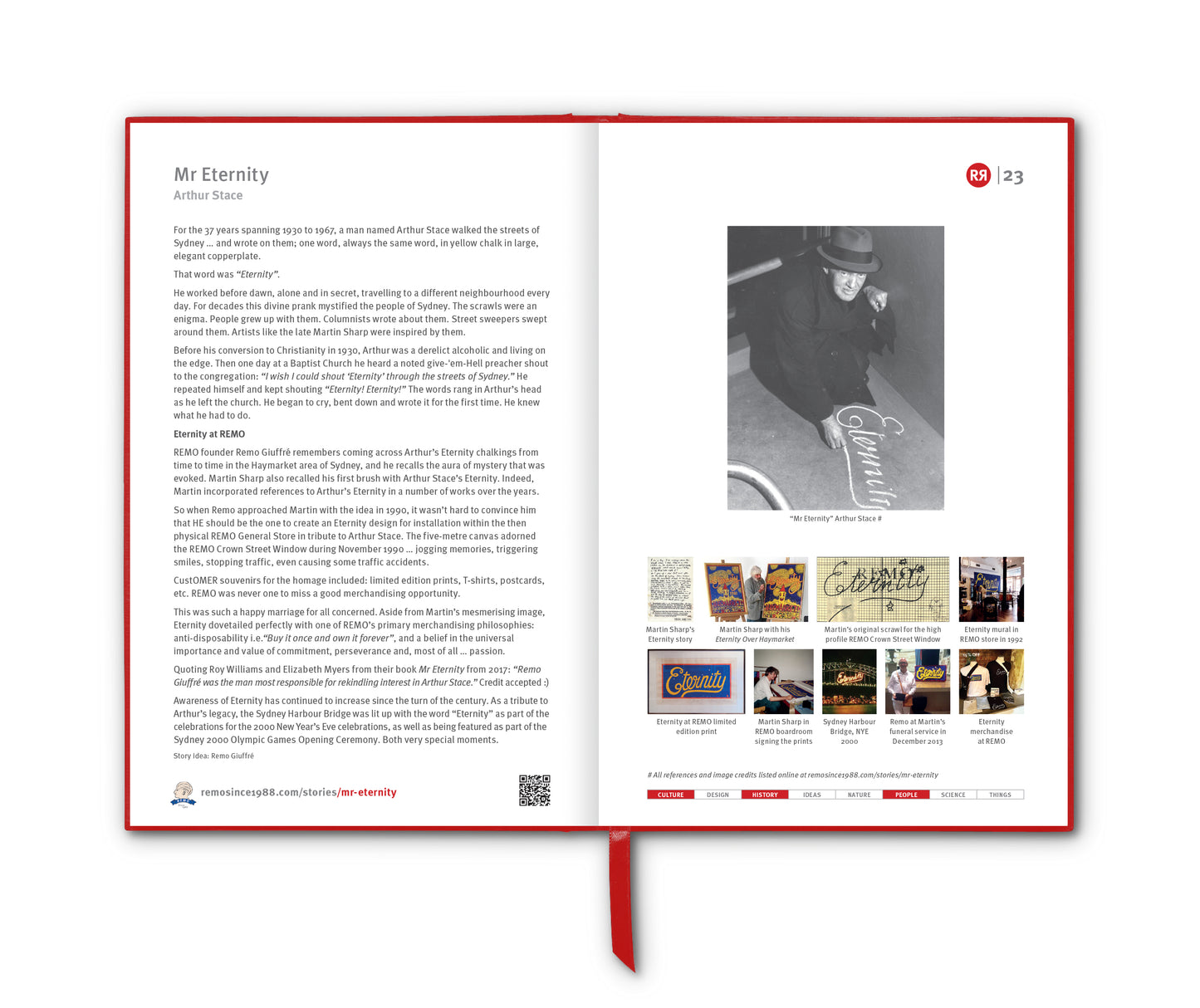
By the 1940s, retailers and manufacturers began pushing pink for girls and blue for boys, flipping earlier associations. Indeed, the Ladies’ Home Journal in 1918 said: “The generally accepted rule is pink for the boy and blue for the girl. The reason is that pink, being a more decided and stronger color, is more suitable for the boy, while blue, which is more delicate and dainty, is pertier [sic] for the girl.”
The postwar consumer boom cemented the flipped association – with toys, clothes, and even personality traits colour-coded along gender lines: blue for boys, and pink for girls. The Barbie doll – launched in 1959 in a swirl of hot pink packaging – only strengthened the link.
But pink has also been a colour of resistance. In the 1970s and ’80s, punk fashion embraced shocking pink as a form of rebellion. The LGBTQ+ movement reclaimed the pink triangle – originally used by the Nazis to identify homosexual prisoners – and transformed it into a symbol of pride and defiance. More recently, protest movements like the Women’s March have wielded pink knitted “pussyhats” [RR2:57] to confront regressive politics with defiant softness.
And then along came “millennial pink” [RR5:88] —a dusty, desaturated version that emerged in the 2010s and blanketed everything from tech product packaging to cafe interiors. Gender-neutral, Instagram-friendly, and vaguely nostalgic, this new pink stripped away the drama and left something calm, palatable, even aspirational.
So, was Drunk Tank Pink ever real? Probably not in the way that was first believed. But as a symbol, it remains powerful. Pink soothes, provokes, sells resists. It can mean childhood or protest, Barbie or Bauhaus.
___________________________
References
wikipedia.org/wiki/Pink
cabinetmagazine.org/issues/11/byrne.php
pussyhatproject.com
Images
1. Baker-Miller pink aka Drunk tank pink aka Schauss pink. Pantone [RR2:53] reference FF91AF.
2. This room at the US Naval Correctional Facility in Seattle was the first to be painted Baker-Miller pink.
3. Alexander Schauss
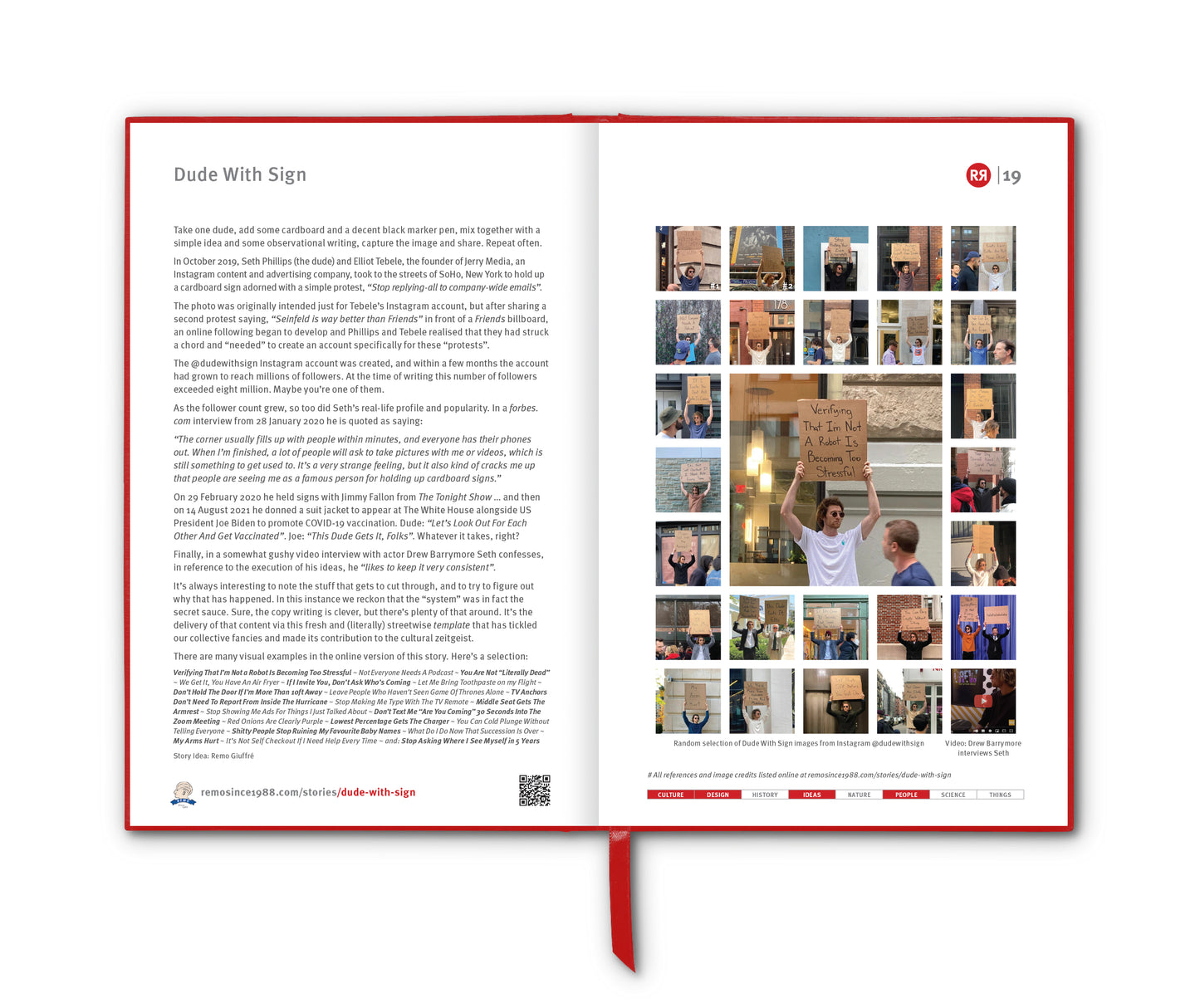
4.
Dianthus plumarius "pink" flower
5. A flamboyance [RR1:52] of pink flamingos
6. Young boy in pink, American school of painting, circa 1840
7. It's a Boy/Girl. Credit: artistapropshop.com
8. Barbie in pink
9. Pink triangular patches identify homosexuals in Nazi concentration camps
10. Millennials in pink
11. Time cover, February 2017
12. Book: "Drunk Tank Pink: And Other Unexpected Forces That Shape How We Think, Feel, and Behave", Adam Alter, 2014
13. Pepto Bismol is very pink