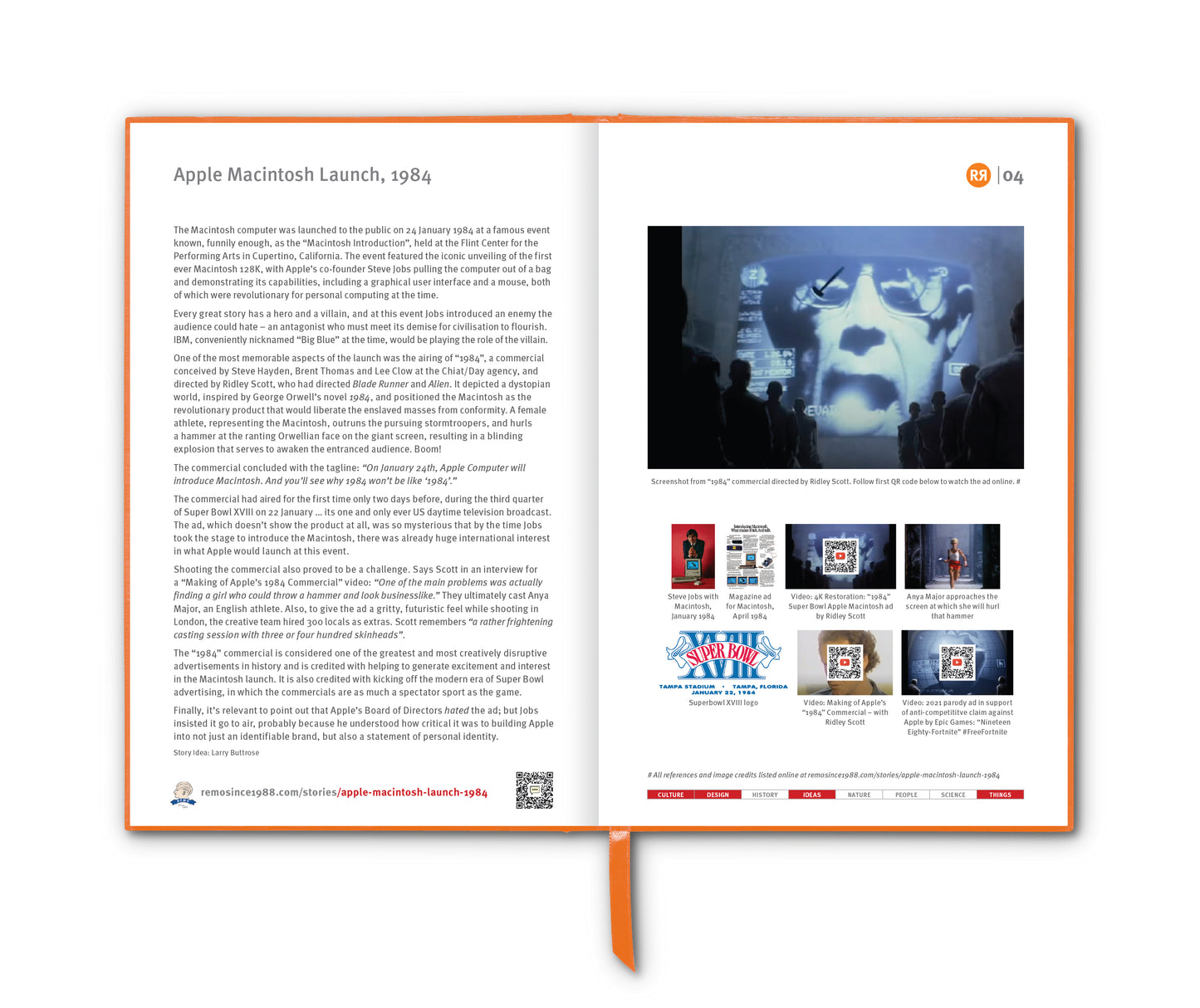

Gold (chemical symbol Au, from the Latin aurum meaning “shining dawn” or “glow of sunrise”) is a yellow, dense, soft, malleable and ductile metal.
It is both mythical and practical, weird and wonderful, e.g. you might be interested to learn that:
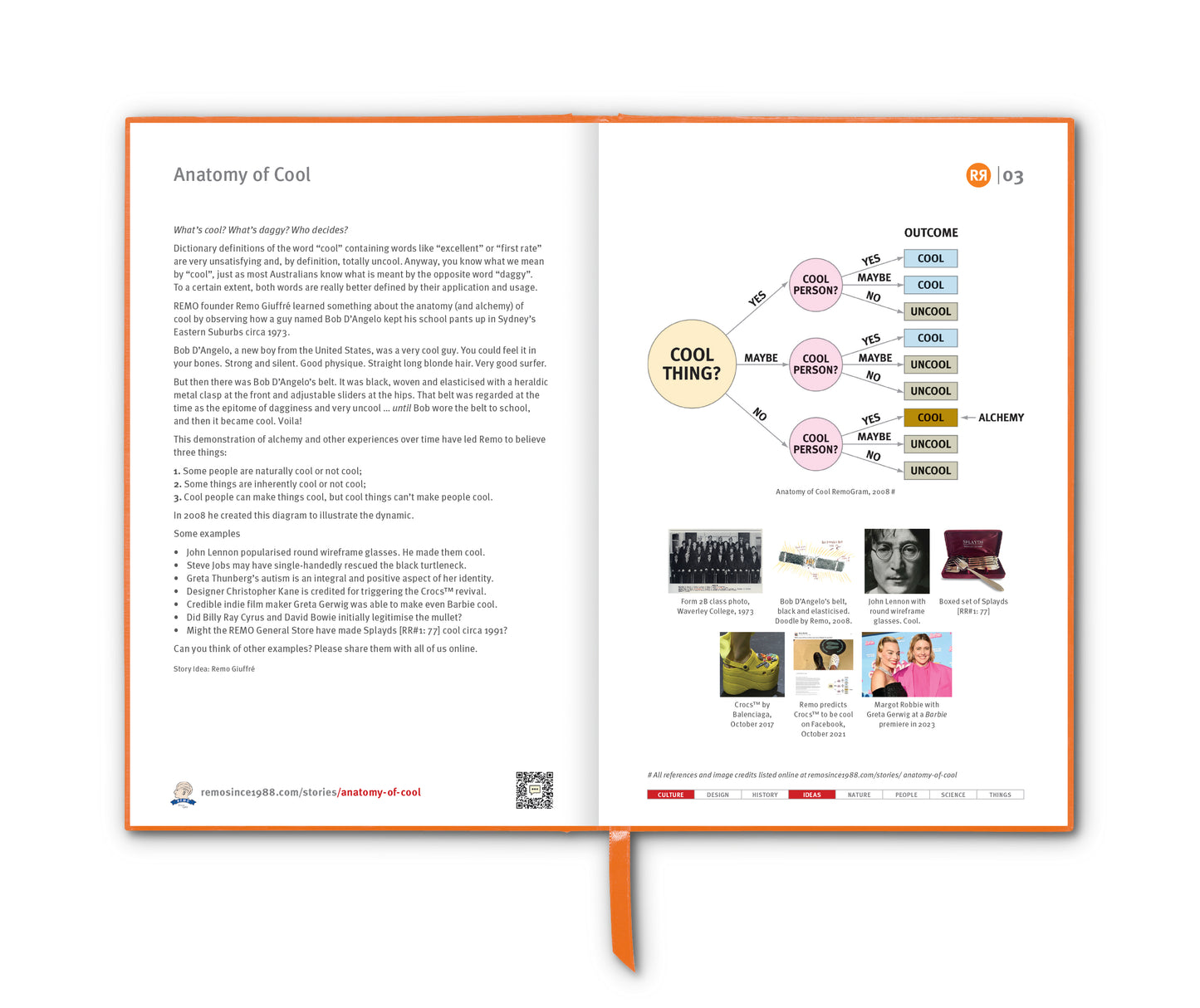
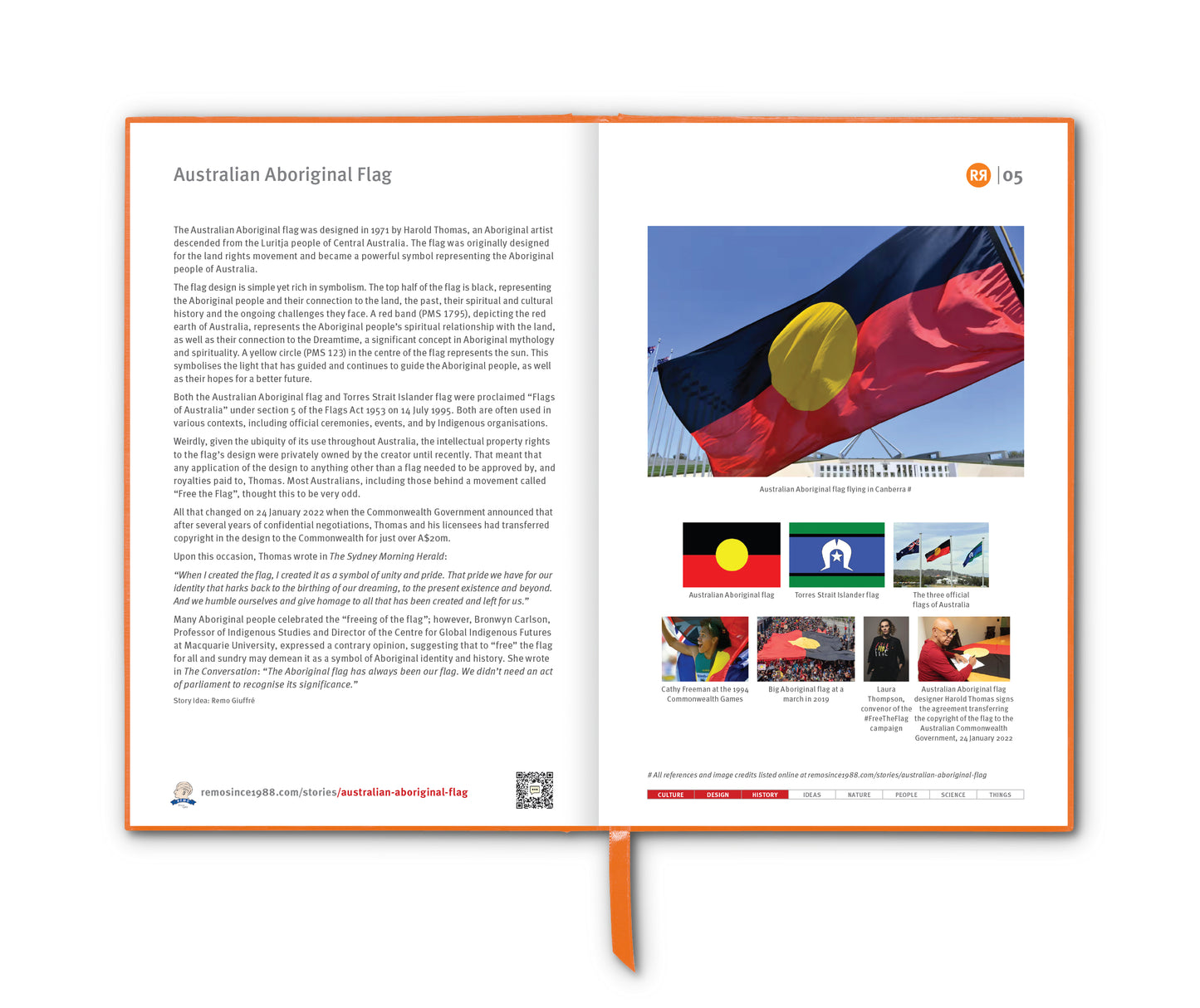
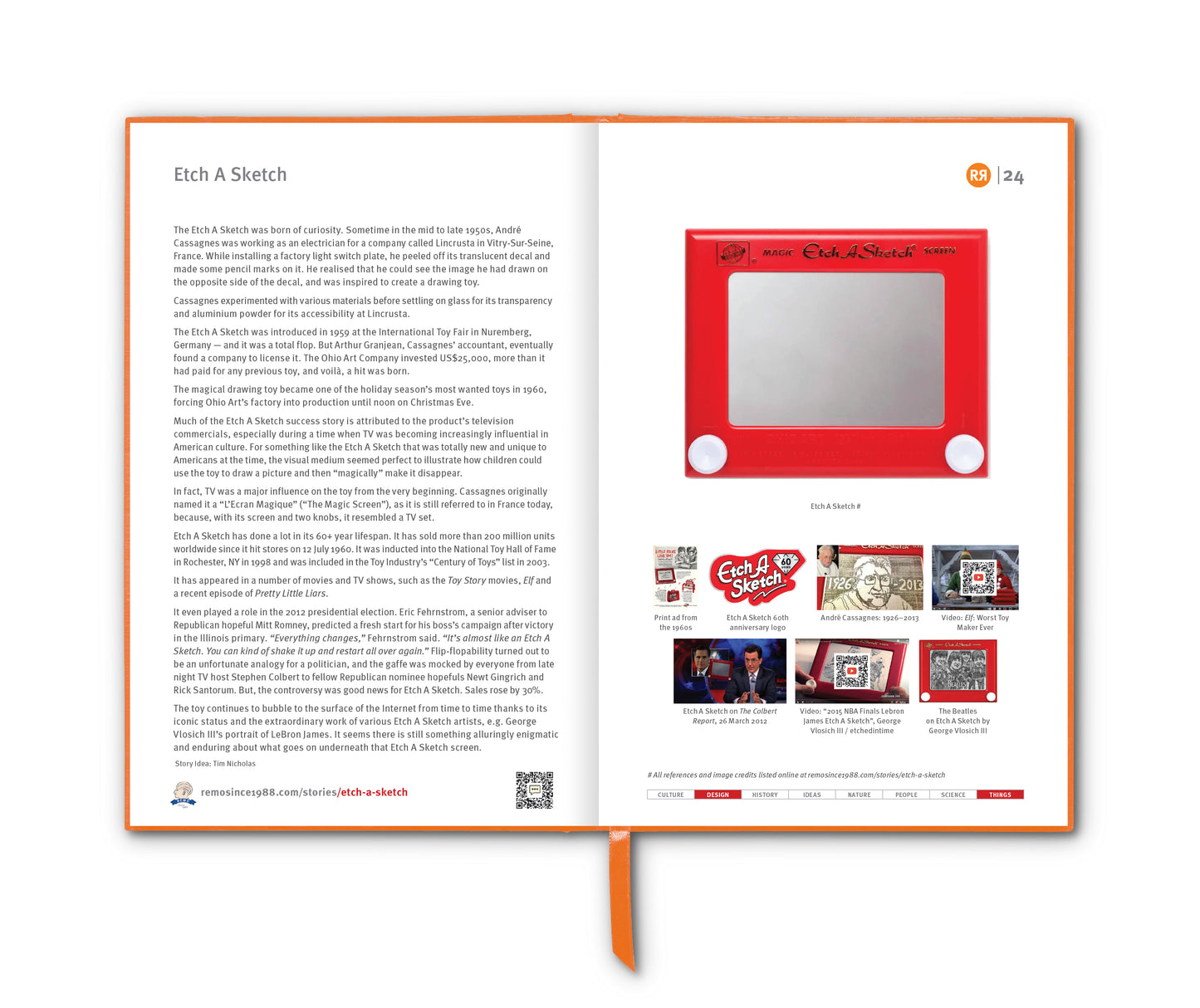
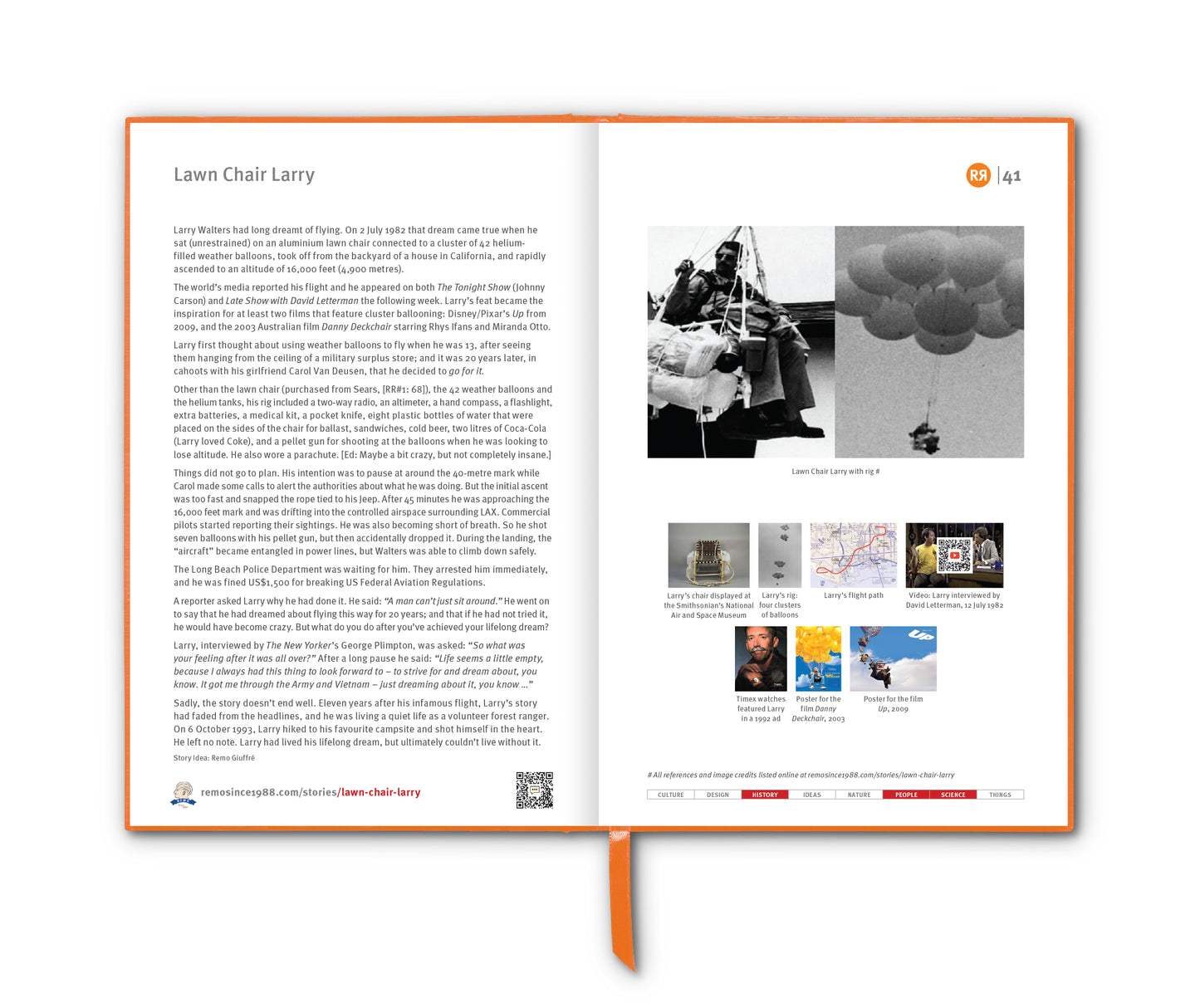
- All of the gold on Earth originated in supernovae or neutron-star collisions, arriving during the early chaos of the solar system.
- Gold doesn’t rust, tarnish or corrode – which is why ancient gold jewellery can look almost newly minted thousands of years later.
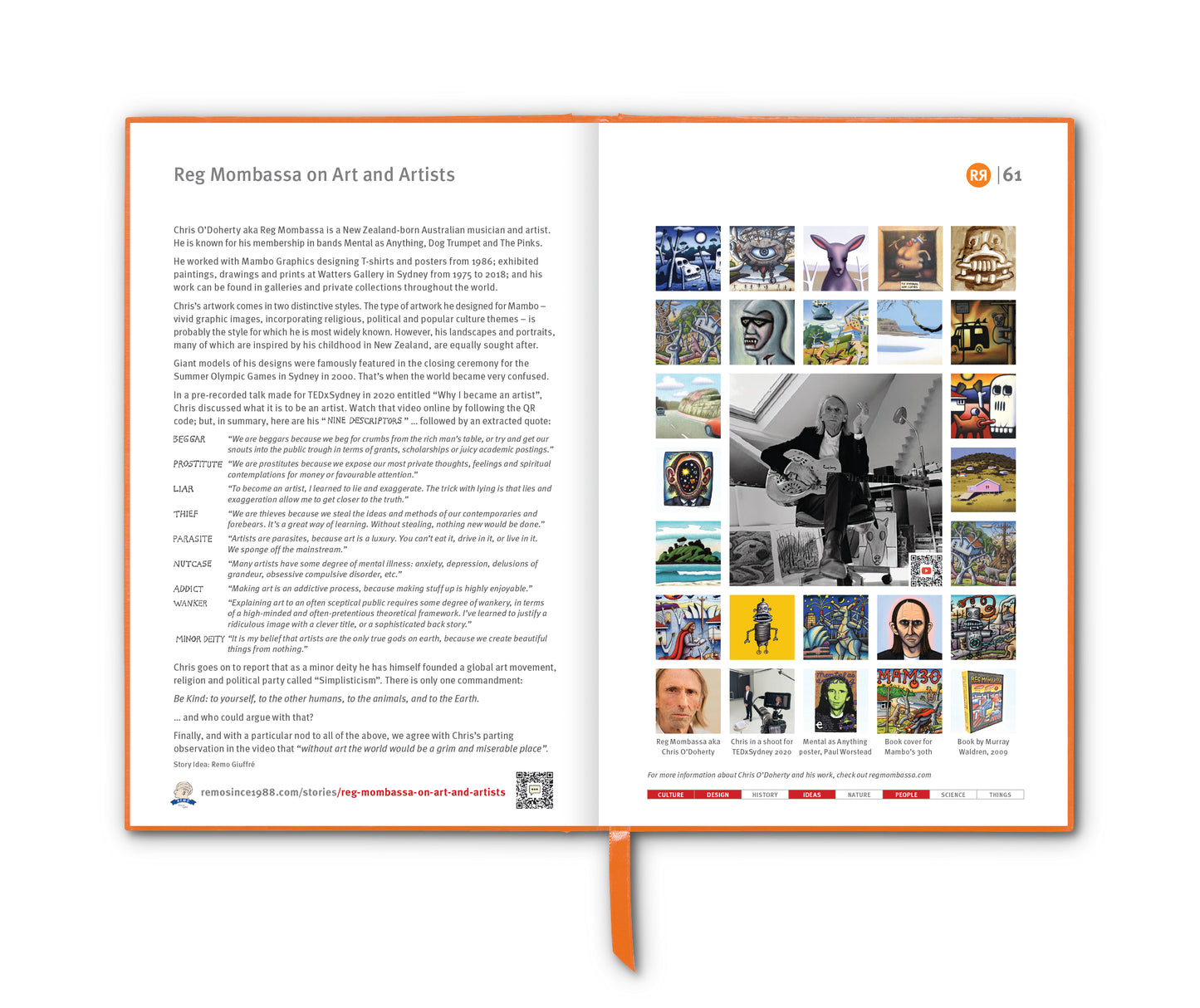
- The word “gold” is one of the oldest words in English. It comes from the Proto-Germanic gulþą, meaning “yellow” or “shining”.
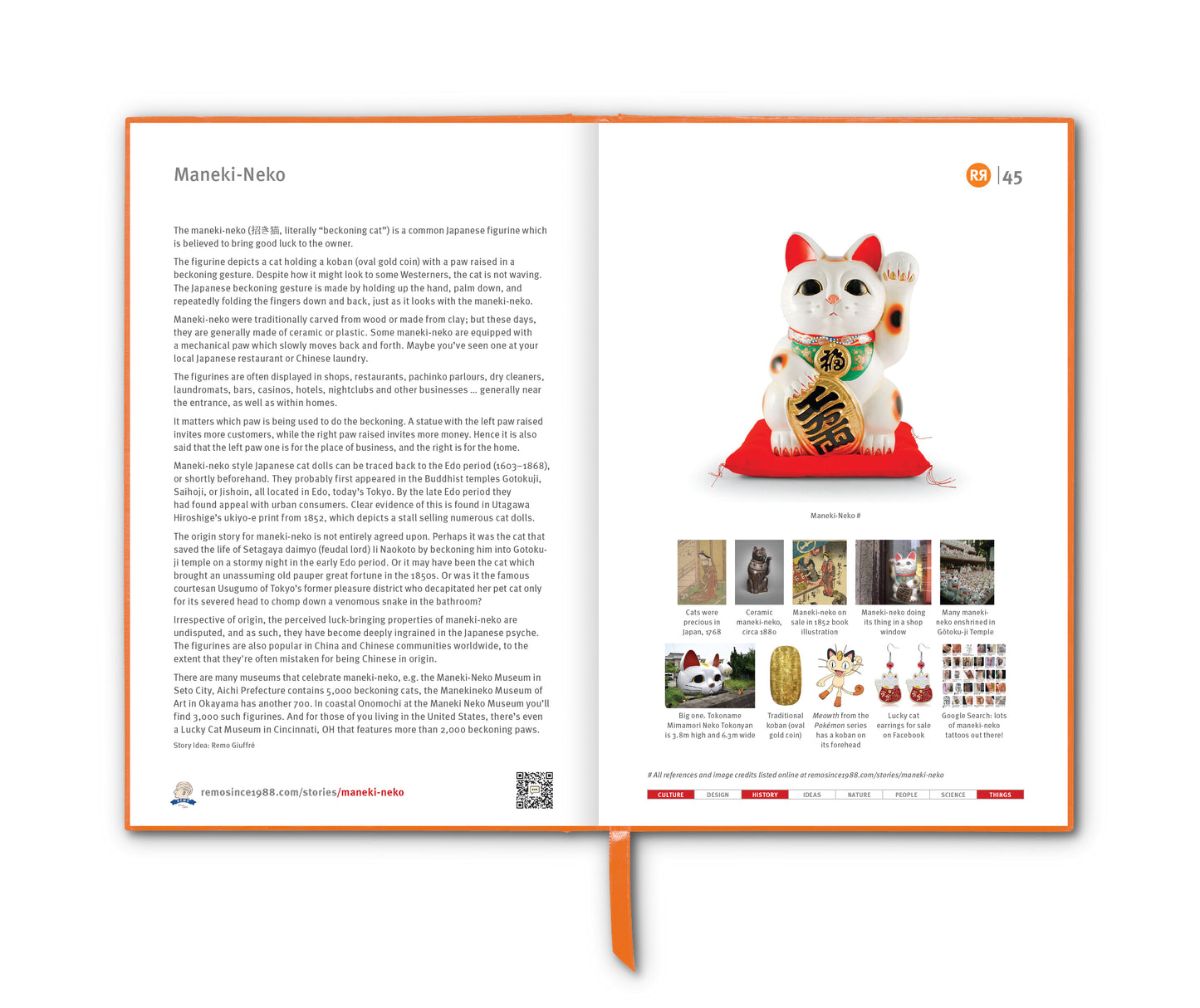
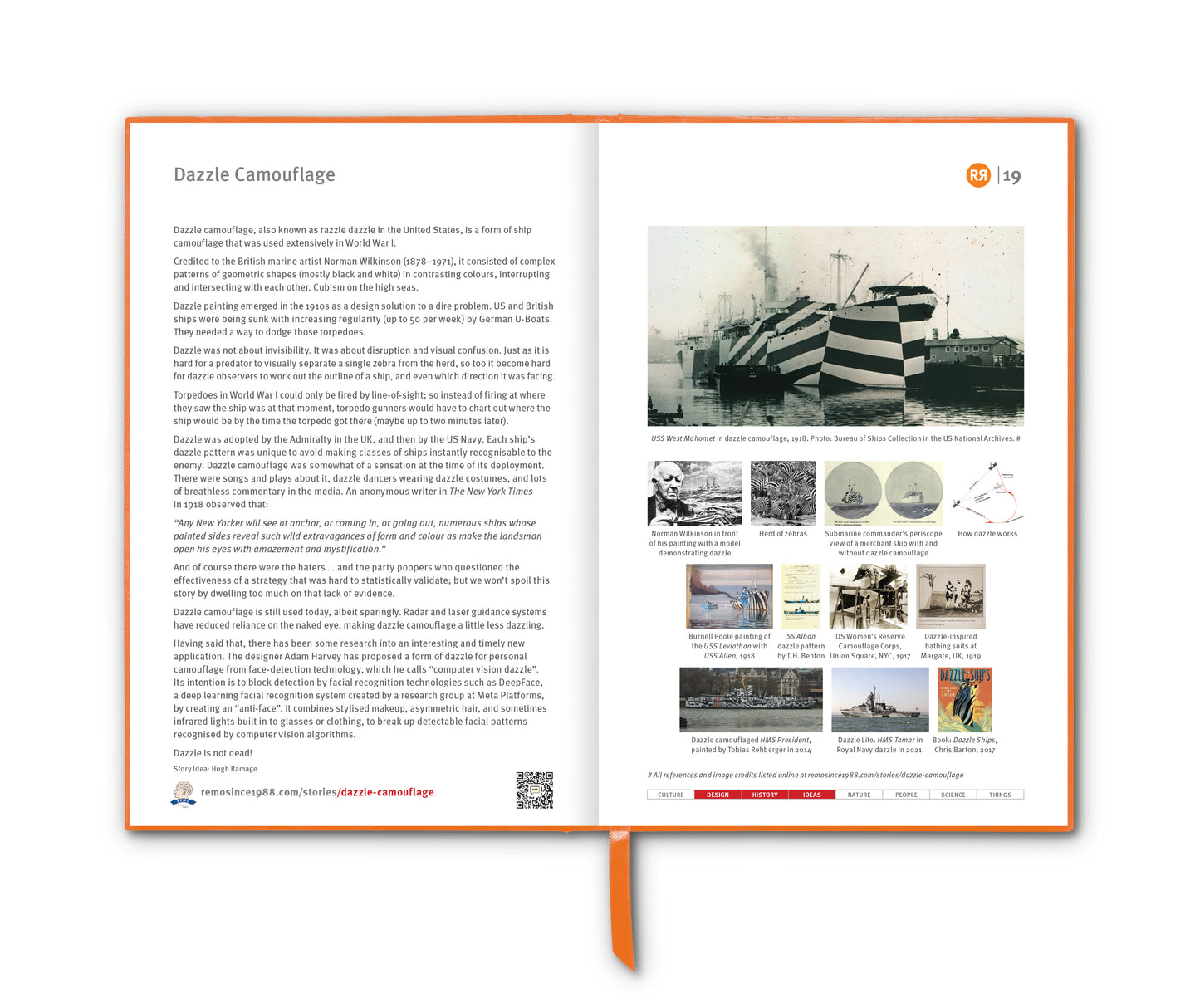
- Gold has been used as currency for over 5,000 years. Egyptian gold bars, Lydian coins and later global standards cemented its role as money.
- Gold leaf can be beaten thinner than anything else – as thin as 0.1 microns – so thin that light passes through it. A single gram of gold can be beaten into a sheet of 1m2.
- Gold is edible. Gold is chemically inert, so it passes through the body unchanged. Gold leaf appears in pastries, liqueurs, curries and even sushi.
- Gold is woven into Buddhist and Hindu ritual art. From Tibetan gilded statues to Indian bridal jewellery, gold symbolises purity and immortality.
- The Incas considered gold the “sweat of the sun.” It wasn’t monetary for them. It was sacred, linked to divine illumination.
- The global gold standard once anchored world finance. The Bretton Woods system (1944–1971) tied currencies to gold. US President Nixon ended it in 1971.
- Every Olympic gold medal is made mostly of silver. They’re gold-plated. The last solid gold medals were for Stockholm in 1912.
- Gold is the most recycled precious metal. About 30% of annual supply comes from recycling, mostly old jewellery and electronics.
- Your phone probably contains gold. It’s used in microcircuits because it conducts electricity and resists corrosion.
- One main goal of the alchemists was to produce gold from other substances, such as lead — presumably by the interaction with a mythical substance called the philosopher's stone.
- Gold is surprisingly soft. Pure 24-karat gold is about as soft as lead. Jewellery is usually alloyed for hardness.
- As of 2020, a total of around 201,296 tonnes of gold exist above ground. If all of this gold were put together into a cube, each of its sides would measure just 21.7 meters (71 ft).
- The world’s largest gold bar weighs 250 kg. On display in Japan; you’re allowed to touch it, but not walk away with it.
- Gold rushes reshaped the world’s demographics. California (1848), Victoria (1851), Klondike (1896): each caused mass migration and city booms.
- The Nobel Prize inventions medal is made of recycled gold. They use gold sourced entirely from recovered electronics.
- India is the world’s biggest consumer of gold jewellery. Gold plays a major role in weddings, dowries, and religious festivals like Diwali and Akshaya Tritiya.
- Gold nanoparticles are used in medicine. They’re explored for cancer treatments drug delivery, and diagnostic imaging.
- Gold is further associated with the wisdom of aging and fruition. The 50th wedding anniversary [RR5:04] is golden. The height of a civilisation is referred to as a golden age.
- “The Golden Ratio” isn’t about gold – but gold gave it its name. Renaissance mathematicians thought the number φ (approximately equal to 1.618) was as precious and perfect as the metal.
- Astronaut visors have a thin layer of gold to protect eyes from unfiltered solar radiation and intense glare. It’s the reason their helmets have that mirrored amber sheen.
- Gold has been used in dentistry for over 4,000 years, from Etruscan gold-wire tooth binders to hip-hop gold grills and vampire-fang caps.
- The largest gold depository in the world is that of the U.S. Federal Reserve Bank in New York, which holds about 3% of the gold known to exist and accounted for today.
- A solid 18-karat gold toilet titled America by Maurizio Cattelan was installed at the Guggenheim in 2016. “America”, as it was called, was fully functioning and used by over 100,000 visitors.
See also: Gold Makes Blind [RR1:29], Golden Mean [RR4:345] and Gold Teeth [RR5:29]
__________________________
References
wikipedia.org/wiki/Gold
gold.org/about-gold/gold-facts
britannica.com/science/gold-chemical-element
guggenheim.org/artwork/34890
science.nasa.gov/science-at-nasa/why-astronauts-wear-gold-visors
Images
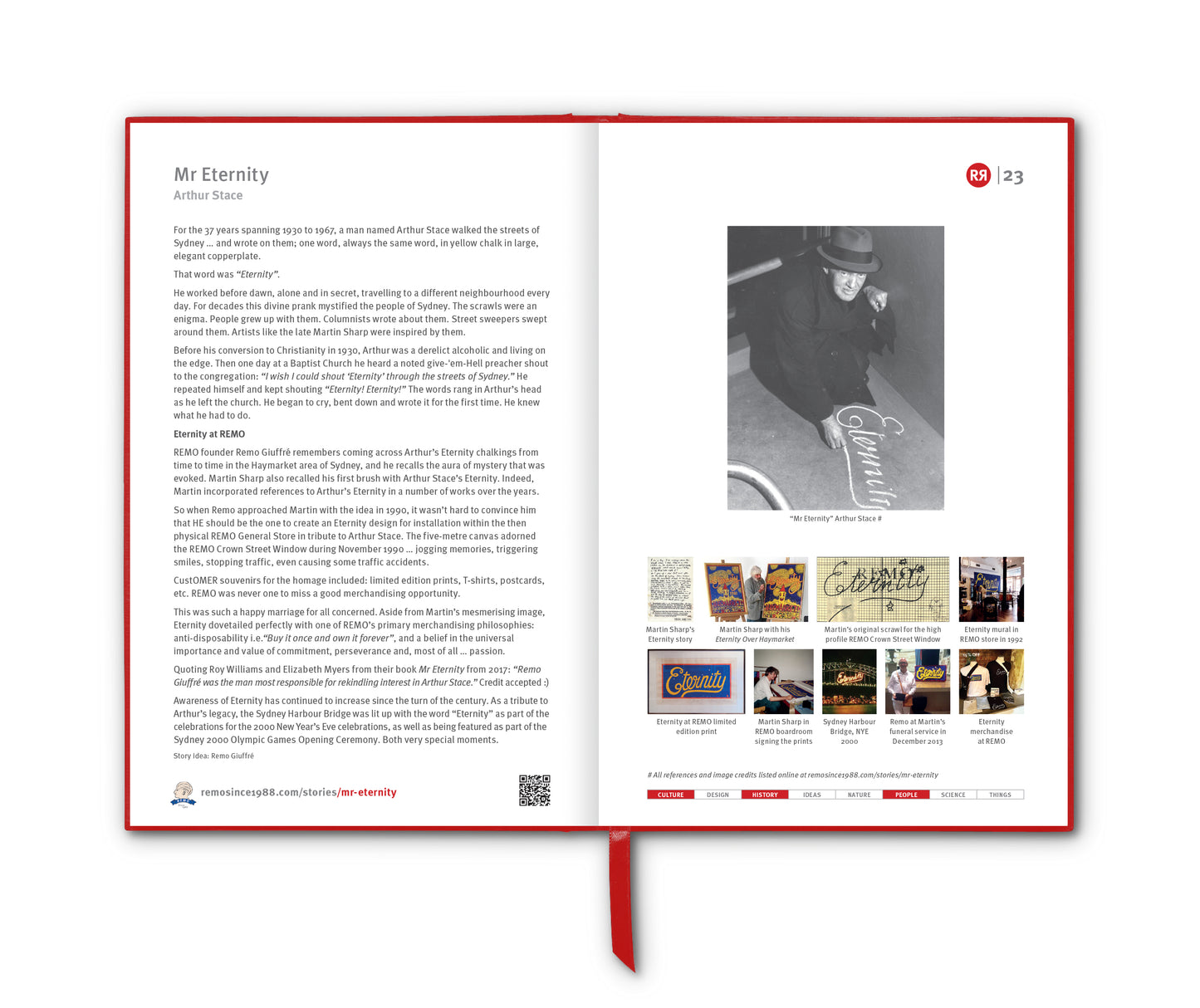
1. Solid gold 1 kilogram bars
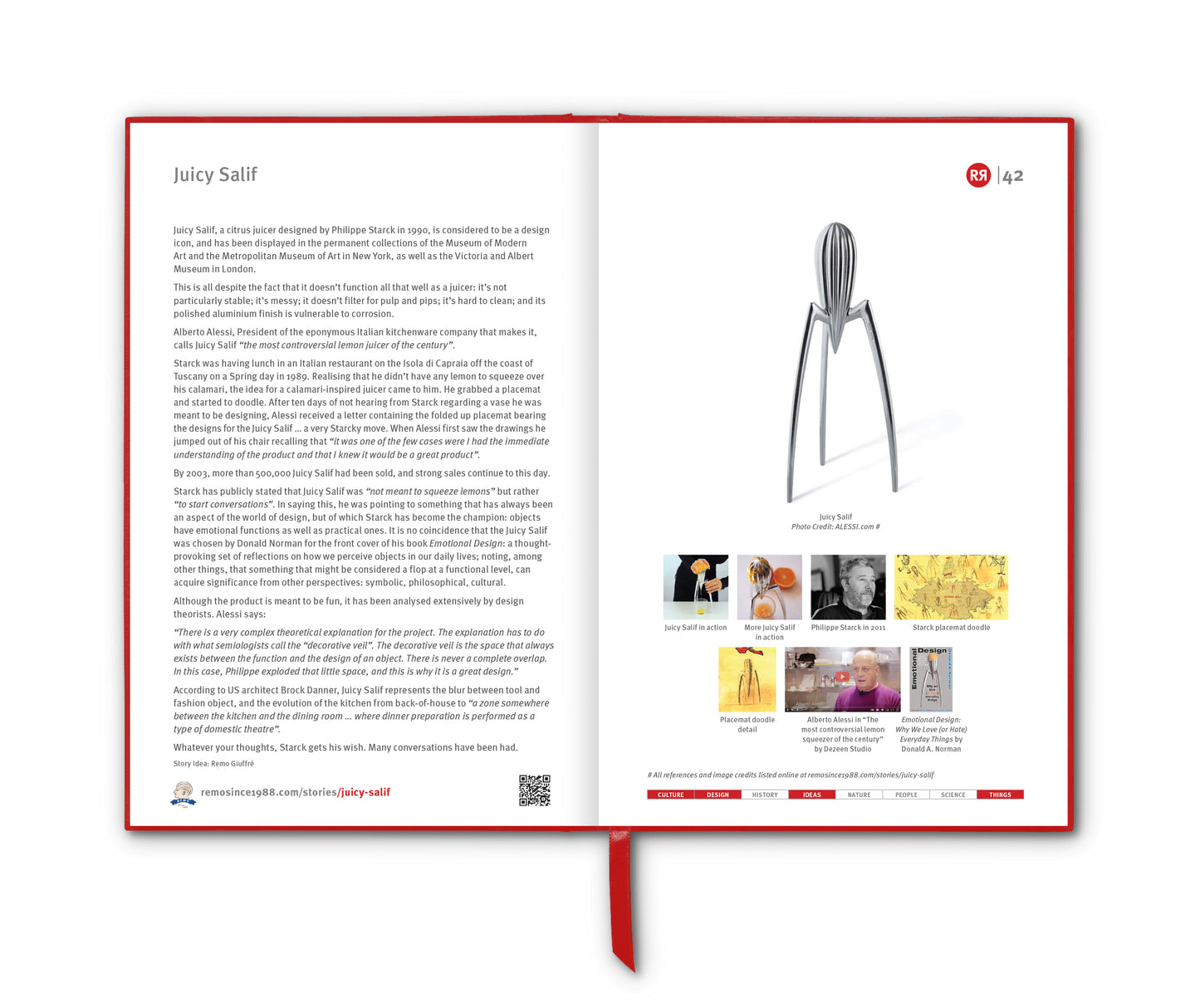
2. The word gold in the Beowulf manuscript
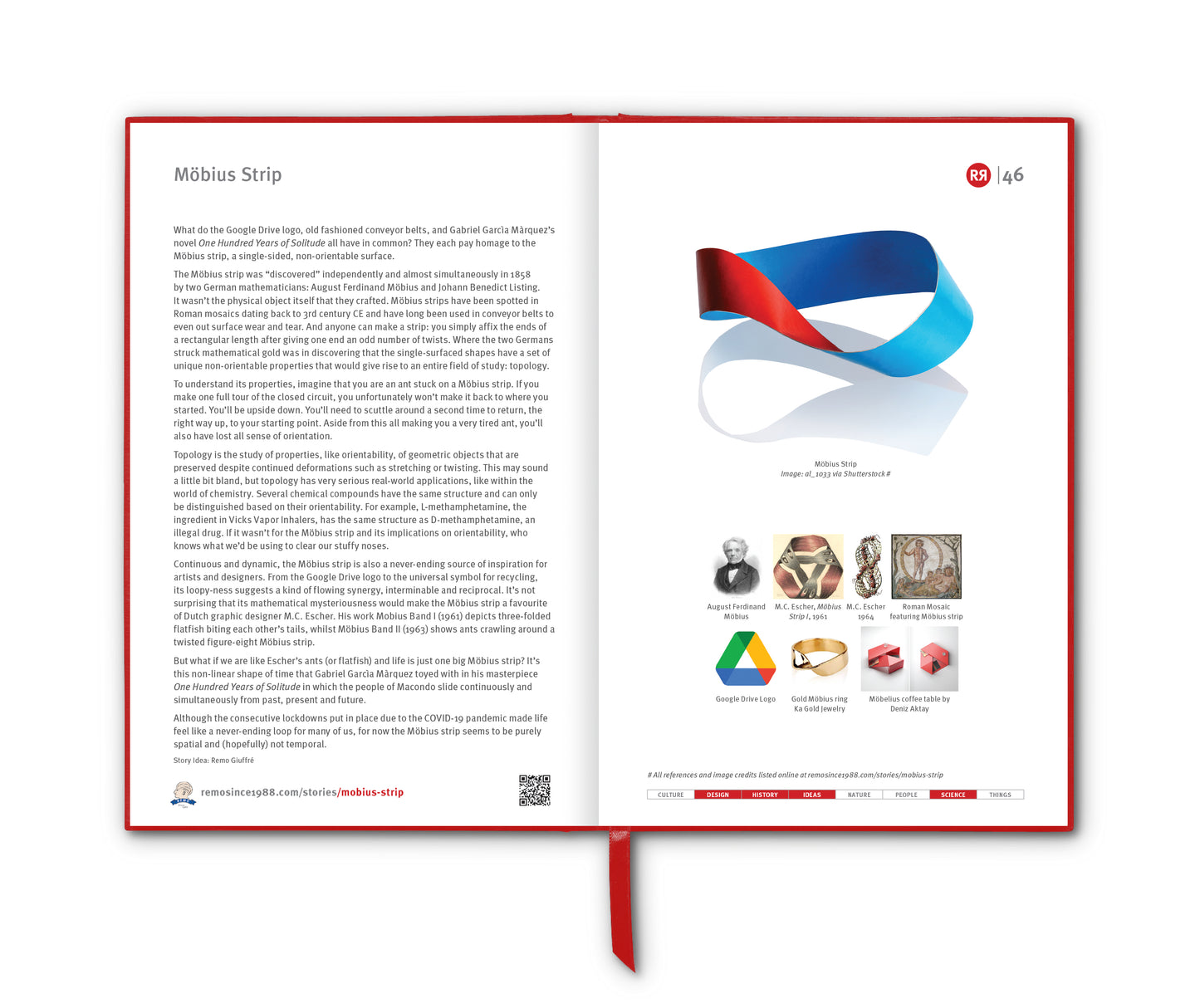
3. Periodic table [RR5:57] element gold
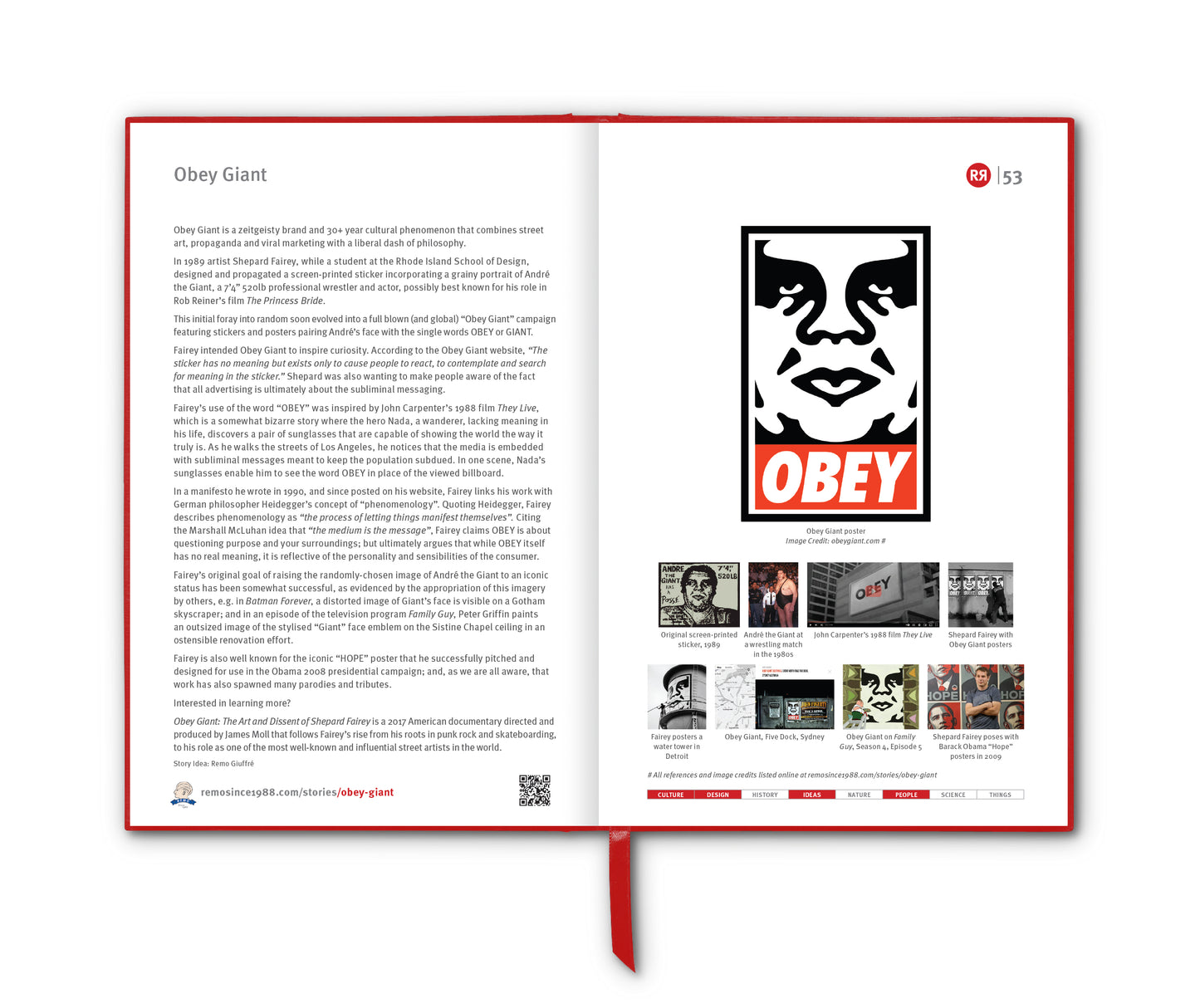
4. Ancient Egyptian gold signet ring, 664–525 BCE, British Museum
5. Ancient Greek stater, 323–315 BCE, gold, Metropolitan Museum of Art
6. Gold nuggets and prospectors in Victoria for the 1850s gold rush
7. Gold bars, also called ingots or bullion
8. Duke Kahanamoku's gold medal from the 1912 Stockholm Olympic Games [RR4:52]
9. A gold vault at the Federal Reserve Bank of New York
10. Gold leaf on a chocolate dessert
11.
Fully functioning toilet made of 18-karat solid gold by Maurizio Cattelan, 2016