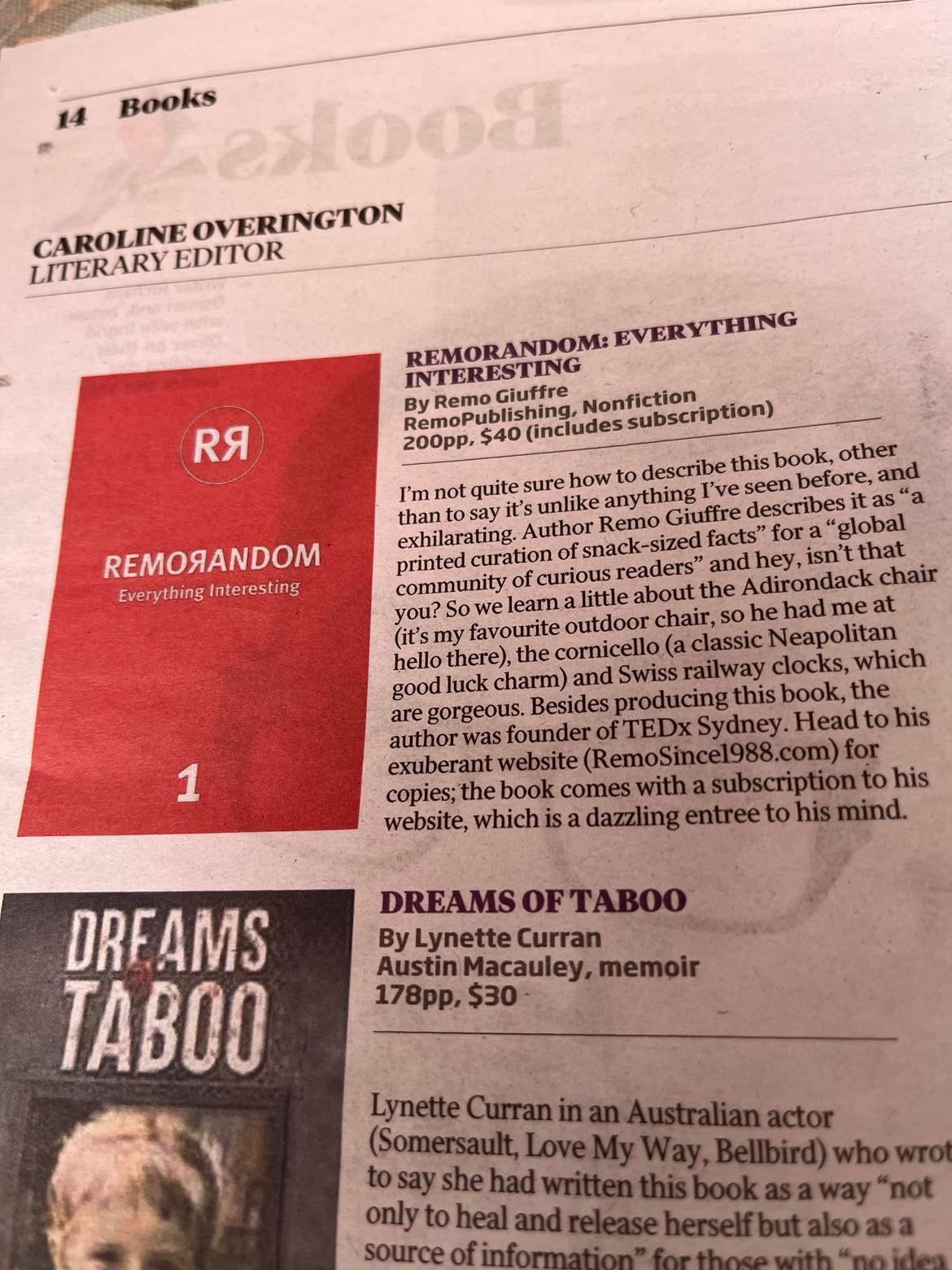

Johannes Gutenberg was a German craftsman and inventor credited with developing the movable-type printing press. While movable type had existed in East Asia long before, Gutenberg’s adaptation of the technology revolutionised the speed and efficiency of printing in Europe. His press triggered an information explosion, allowing books and ideas to circulate on a scale never before possible. This breakthrough transformed European culture, fuelling the spread of literacy and playing a pivotal role in shaping the Renaissance, the Reformation and the rise of humanist thought.
The Gutenberg Bible, printed around 1454 in Mainz, Germany, stands as one of history’s most celebrated achievements in the art and technology of printing. Though it is often credited as the first book produced with movable type, and as already mentioned, this is not strictly true – and even within Europe, Johannes Gutenberg himself had printed smaller works before attempting his monumental Bible. Yet, it is this particular work – the 42-line Bible, as it is also known – that has come to symbolise the dawn of the modern age of mass communication.
Gutenberg’s innovation lay not in invention alone but in synthesis. He combined existing technologies – metal casting, oil-based ink and the wine press – to create a reliable and reproducible printing process. Before the Bible, he had printed indulgences and possibly a Latin grammar, testing and refining his methods. When he turned his press to the ambitious project of the Biblia Latina, he was undertaking something unprecedented: a two-volume, 1,282-page masterpiece that looked and felt like a manuscript but could be reproduced dozens of times. Roughly 180 copies were made – about 135 on paper and 45 on vellum – of which fewer than 50 survive today, many incomplete.
Despite its technological importance, the Gutenberg Bible’s cultural significance is also aesthetic. The pages are a triumph of typographic design – blackletter script so finely balanced and proportioned that it has the rhythm and dignity of hand calligraphy. Each page required meticulous composition, with movable type pieces cast in a uniform metal alloy. The text is crisp, dense and astonishingly even. What startles modern scholars most, however, is the visual depth and blackness of the print itself. Gutenberg’s ink was not the watery, plant-based substance used by scribes but a thick, oil-based compound that contained carbon black mixed with metallic ingredients such as copper and lead. This made the “ink”, which was actually more like a varnish, viscous and enduring, adhering perfectly to the metal type and pressing deep into the fibres of the page.
This visual richness has inspired generations of book lovers and collectors. As Michael Visontay explores in his 2024 book Noble Fragments, the Gutenberg Bible has become both a cultural artefact and a market phenomenon. Because complete copies are so rare, single leaves, the so-called “noble fragments” – have been sold, framed and cherished as relics of the birth of print culture. The trade in these individual pages, while sometimes lamented by bibliophiles as a form of desecration, has paradoxically broadened access to a wider audience, allowing libraries, universities and private collectors to own a tangible piece of history.
The last sale of a complete Gutenberg Bible took place in 1978. It sold for US$2.4 million. This copy is now in Austin, Texas. The value of a complete copy today is estimated at between US$25−35 million, although some would argue that it would fetch a lot more than that, such is the depth and richness of its reputation.
________________________
References
wikipedia.org/wiki/Gutenberg_Bible
wikipedia.org/wiki/Johannes_Gutenberg
youtube.com/@uni_mainz
Book: Noble Fragments: the maverick who broke up the world's greatest book, Michael Visontay, 2024
Images
1. Gutenberg Bible of the New York Public Library; purchased by James Lenox in 1847. Photo credit: Kevin Eng
2. 17th-century copper engraving depiction of Johannes Gutenberg
3. Map. Credit: Johannes Gutenberg University, Mainz
4. Movable metal type
5. Reproduction of a Gutenberg press. Credit: Johannes Gutenberg University, Mainz
6. Famous first words from the Book of Genesis: In principio creavit Deus caelum et terram ("In the beginning God created heaven and earth.")
7. Illustrated F in the Gutenberg Bible at Göttingen State and University Library
8. Style guide for illuminators of a vellum copy of the Göttingen Gutenberg Bible
9. US Post Office commemorative stamp
10. Book Facsimile: The Gutenberg Bible of 1454, Taschen, 2018 by Stephan Füssel
11. Book: Noble Fragments: the maverick who broke up the world's greatest book, Michael Visontay, 2024