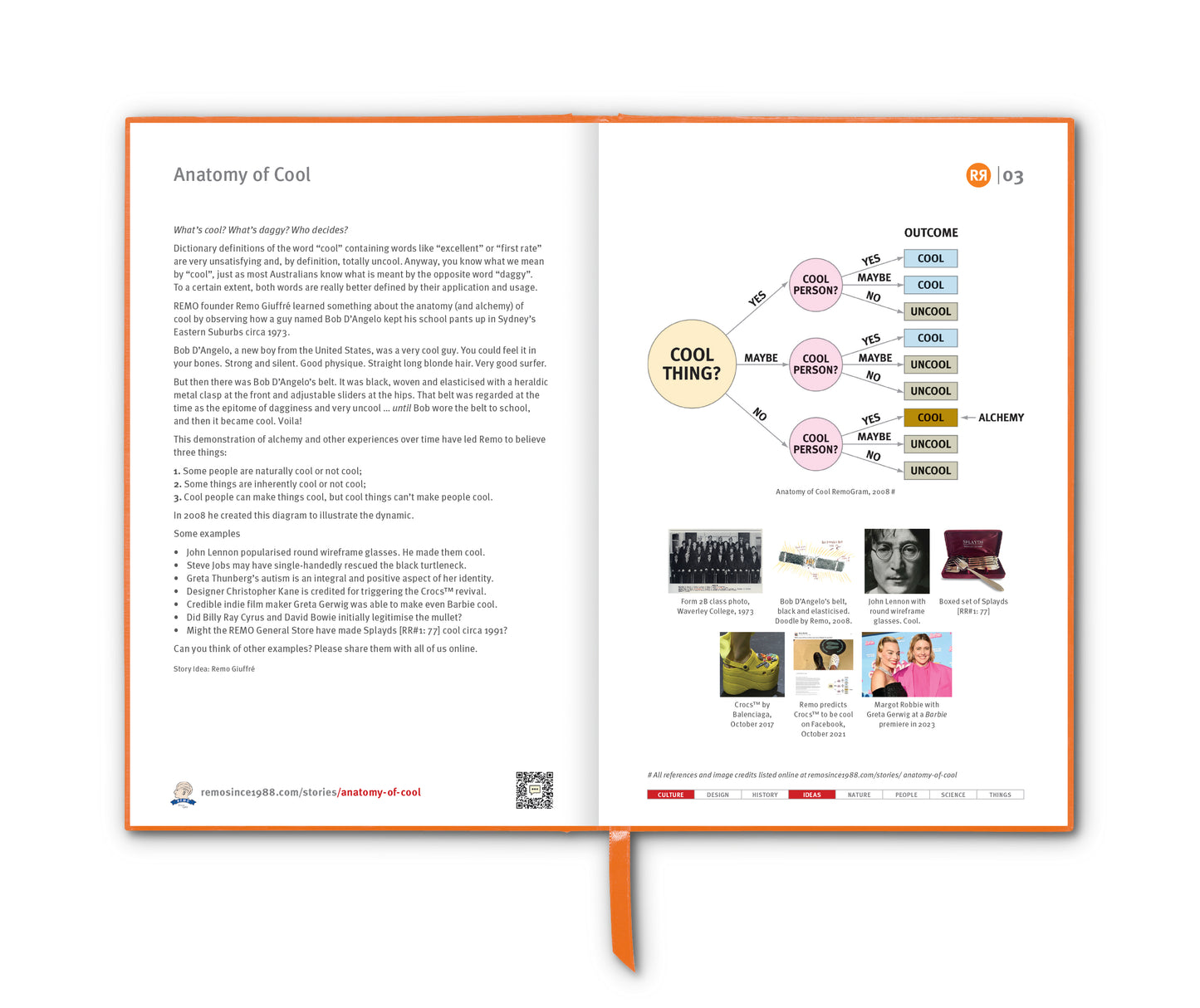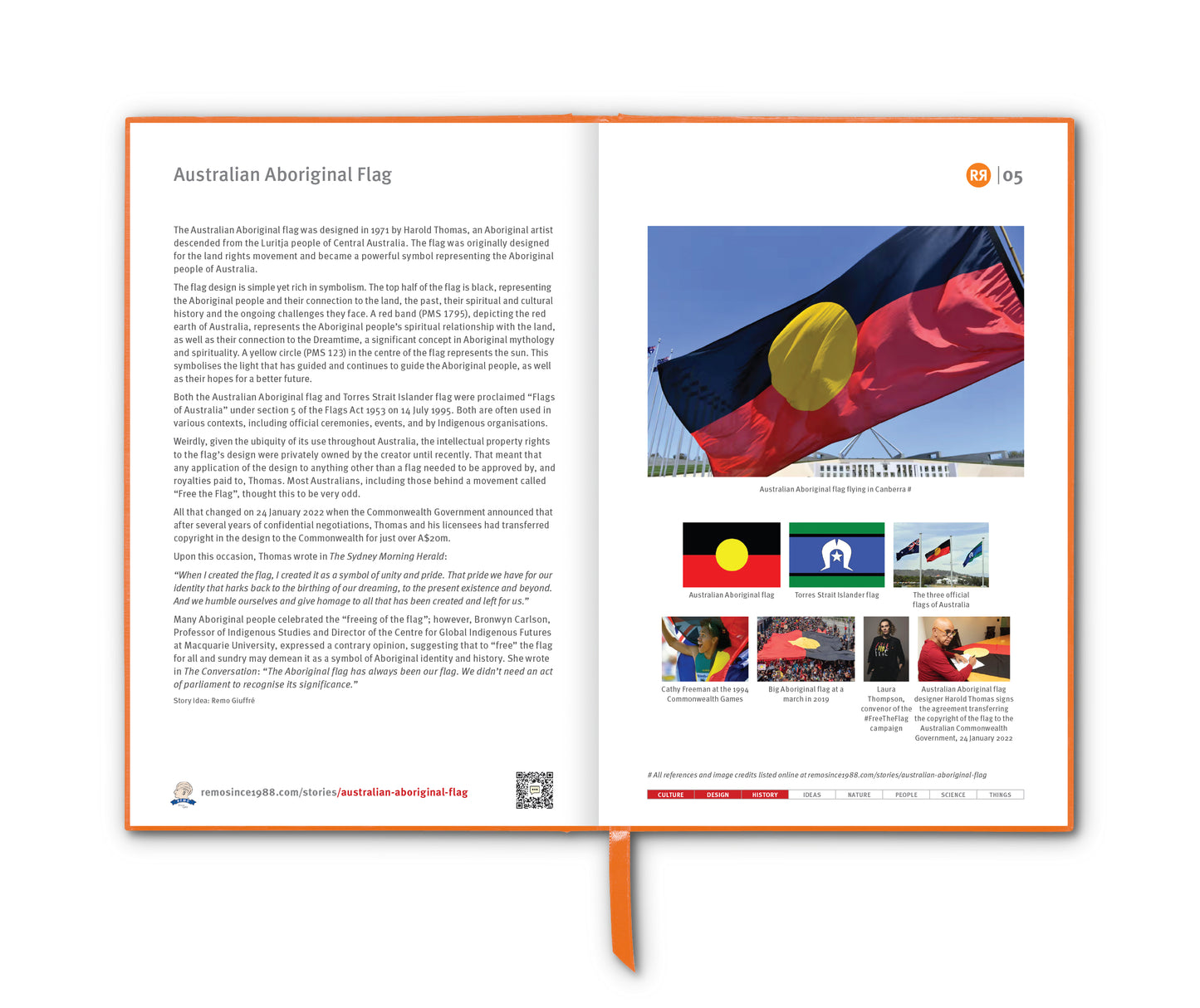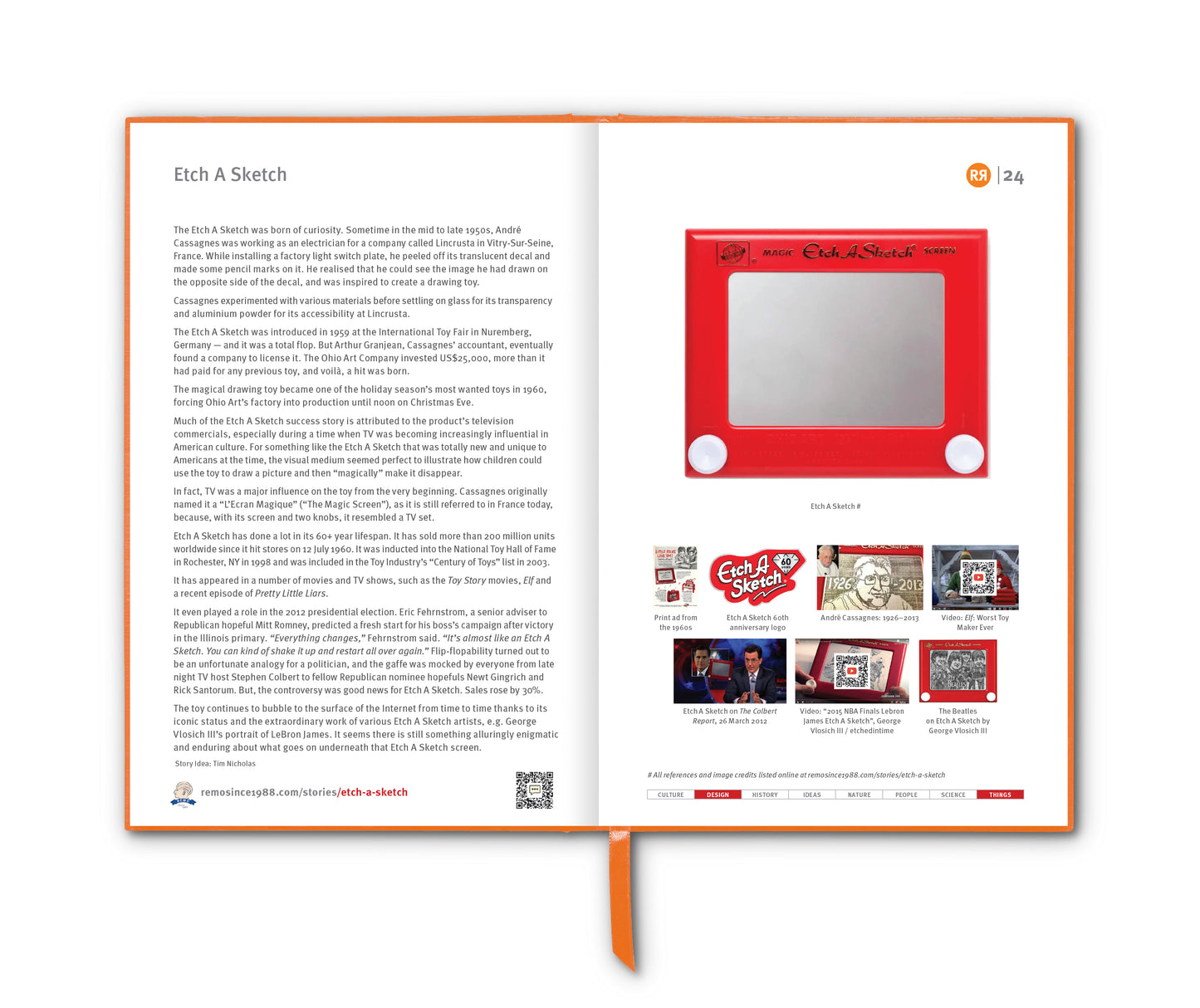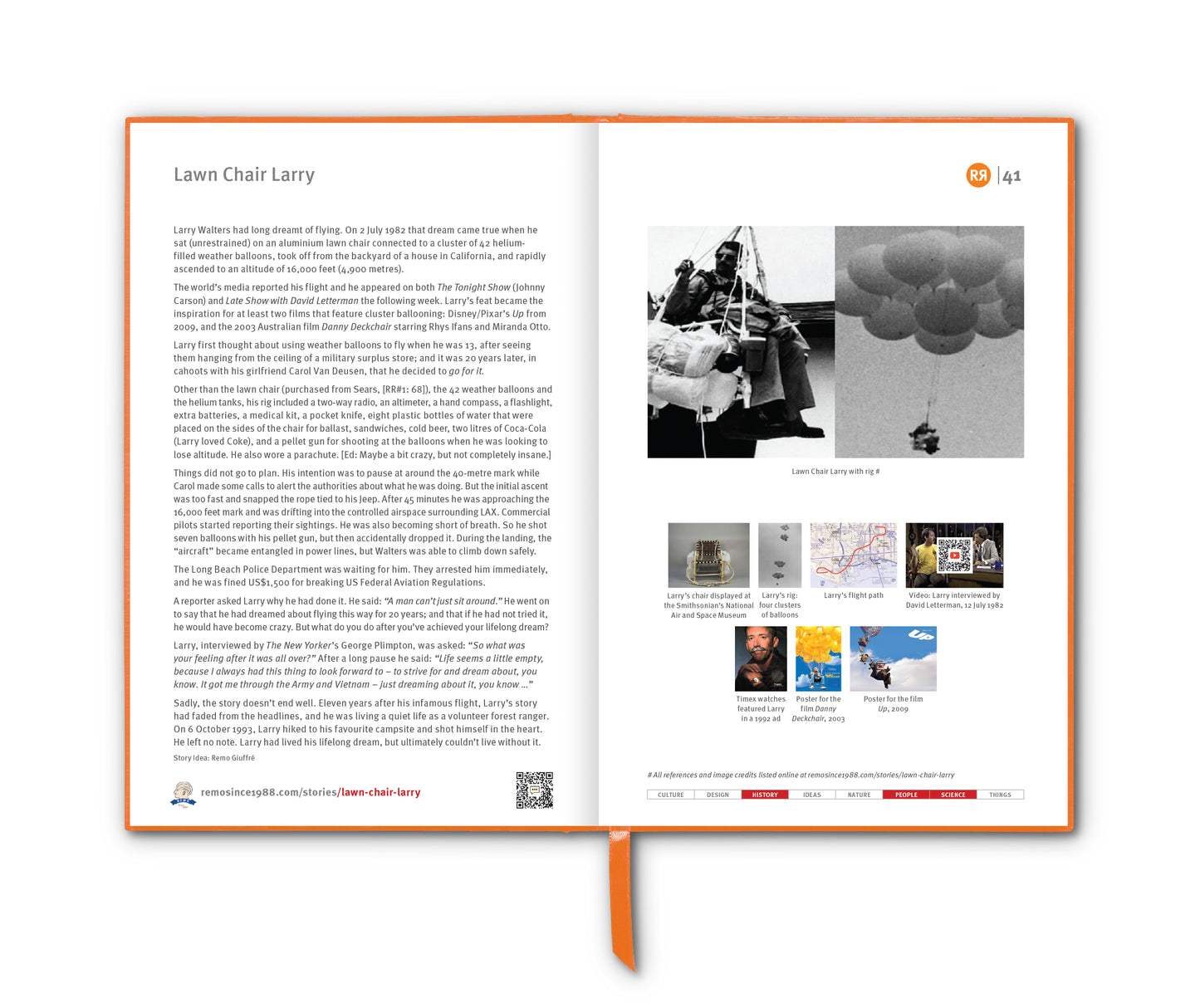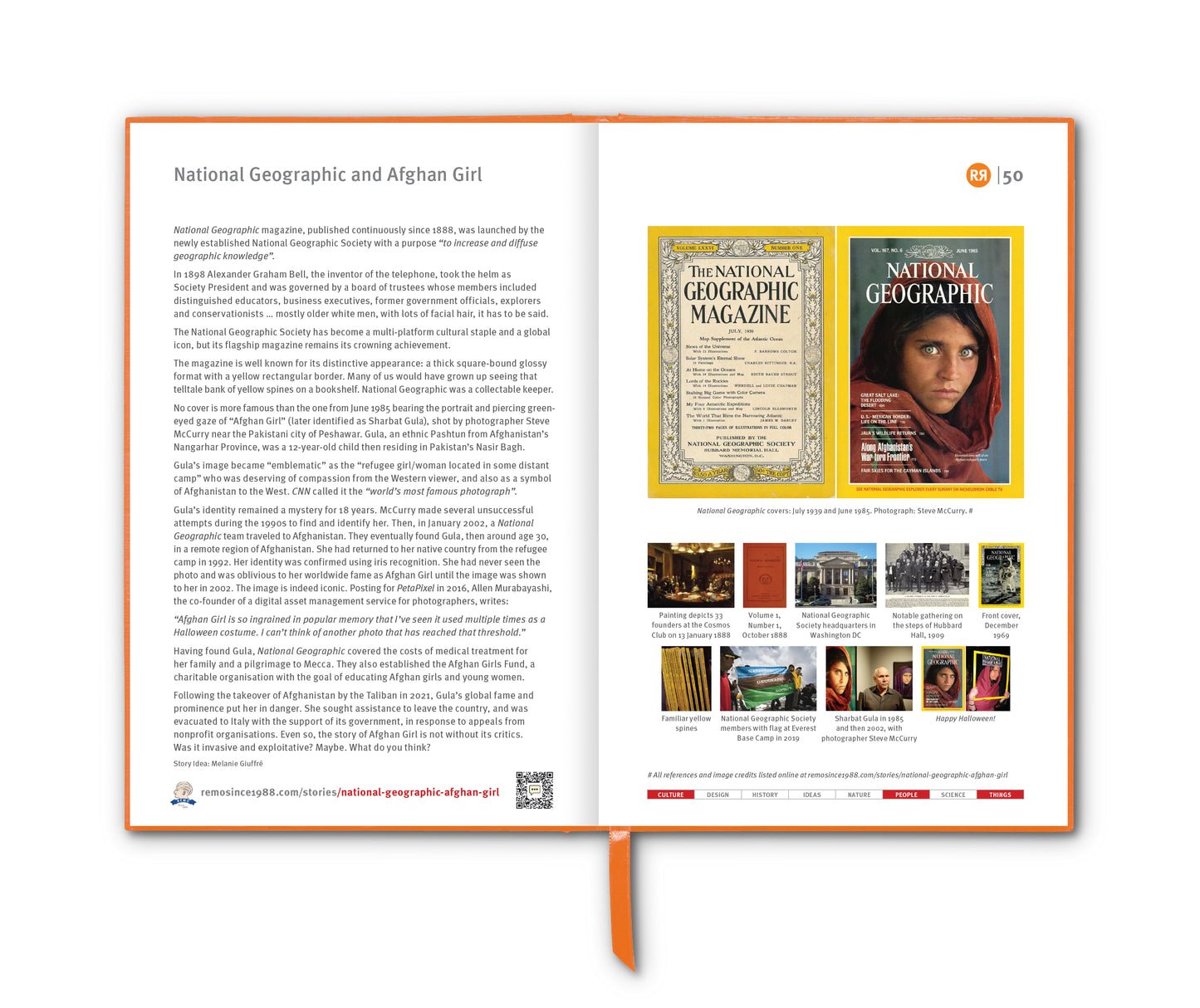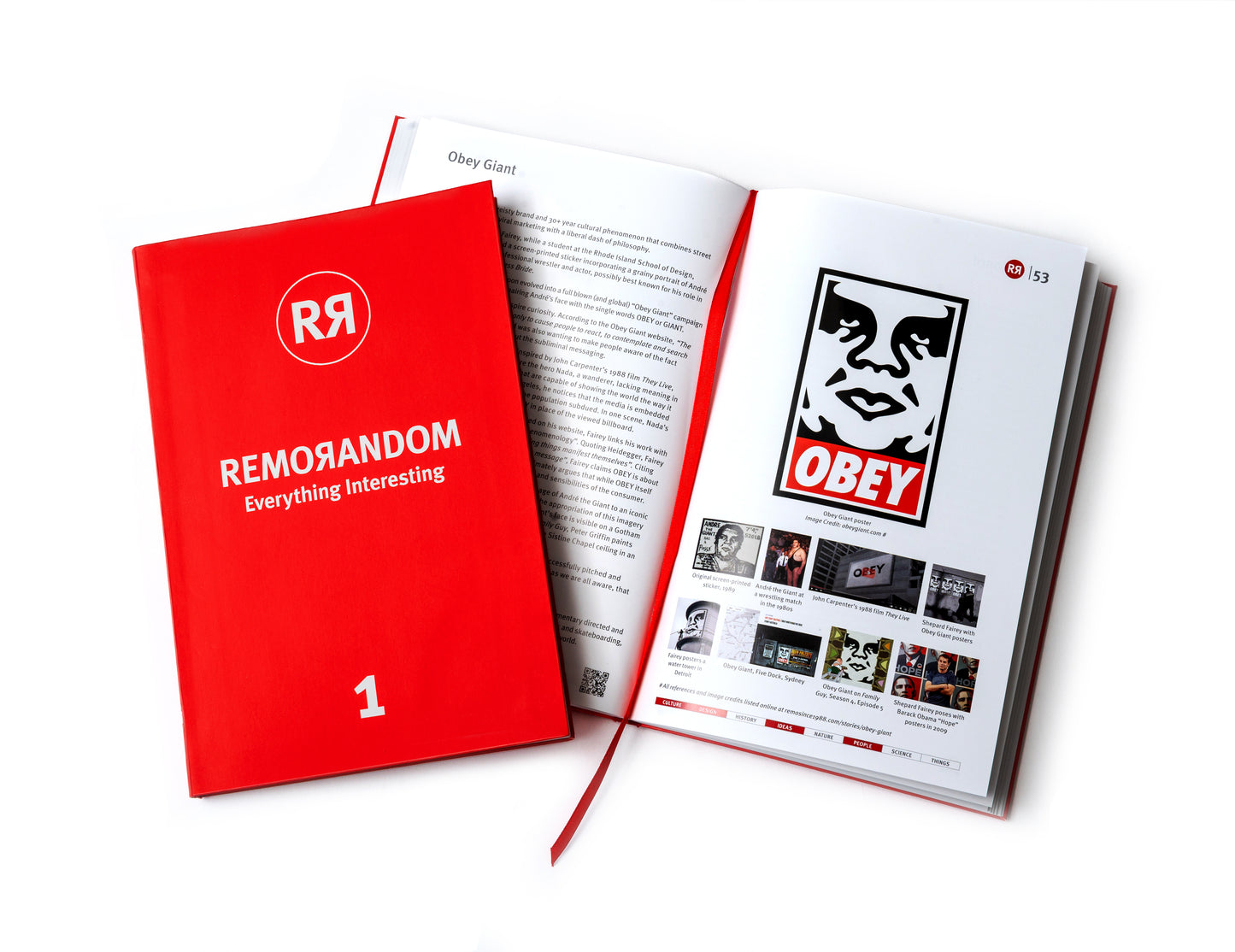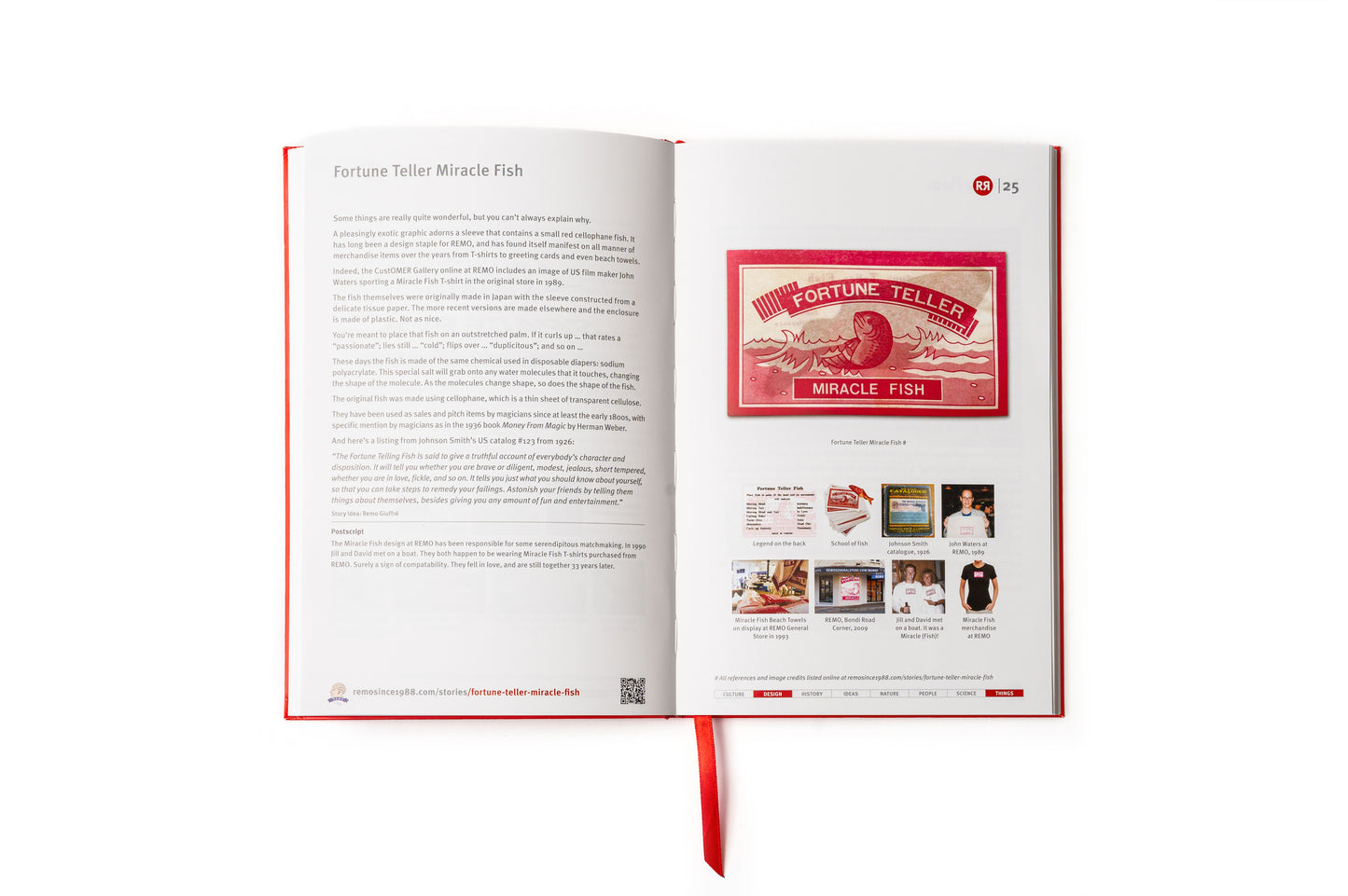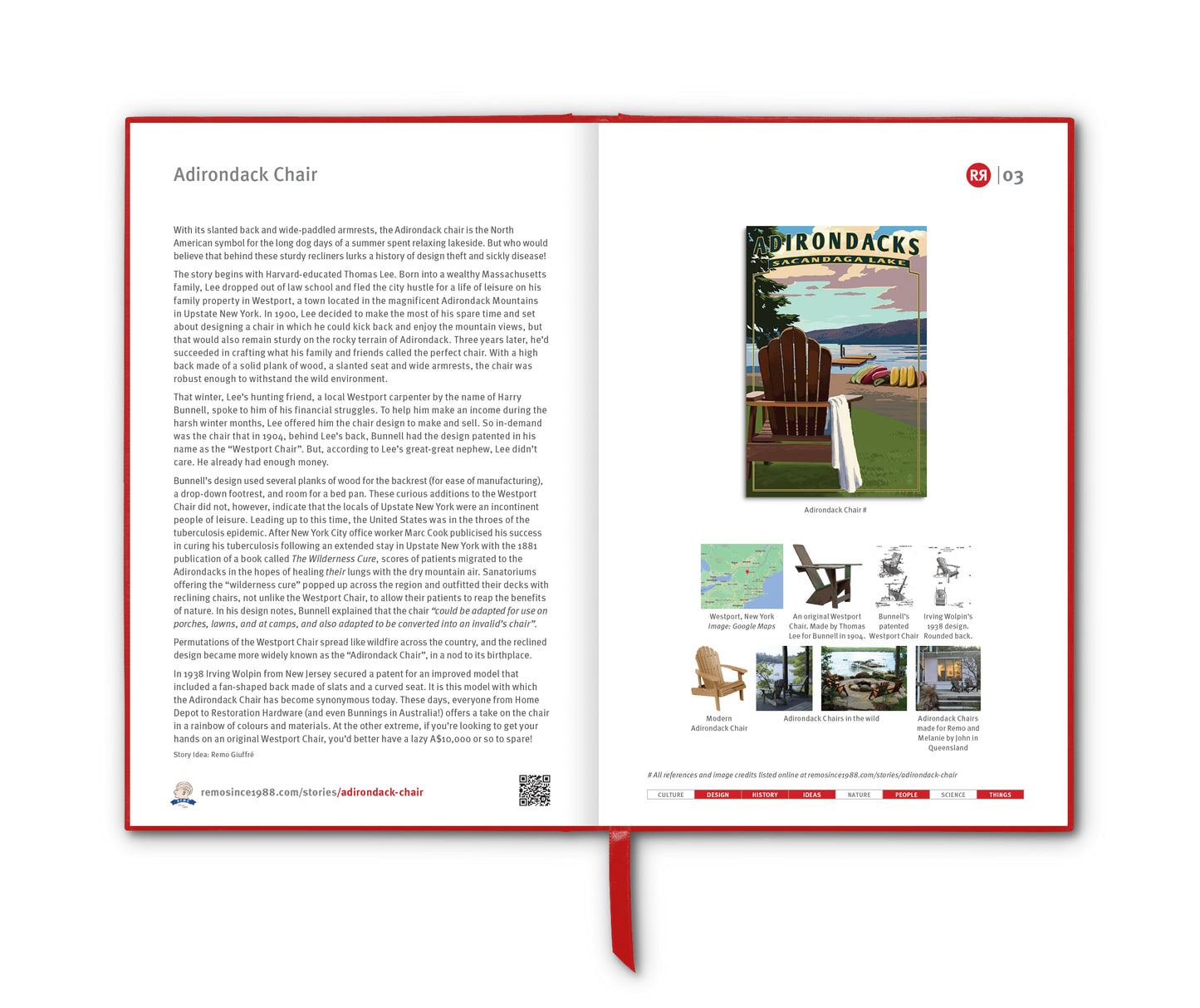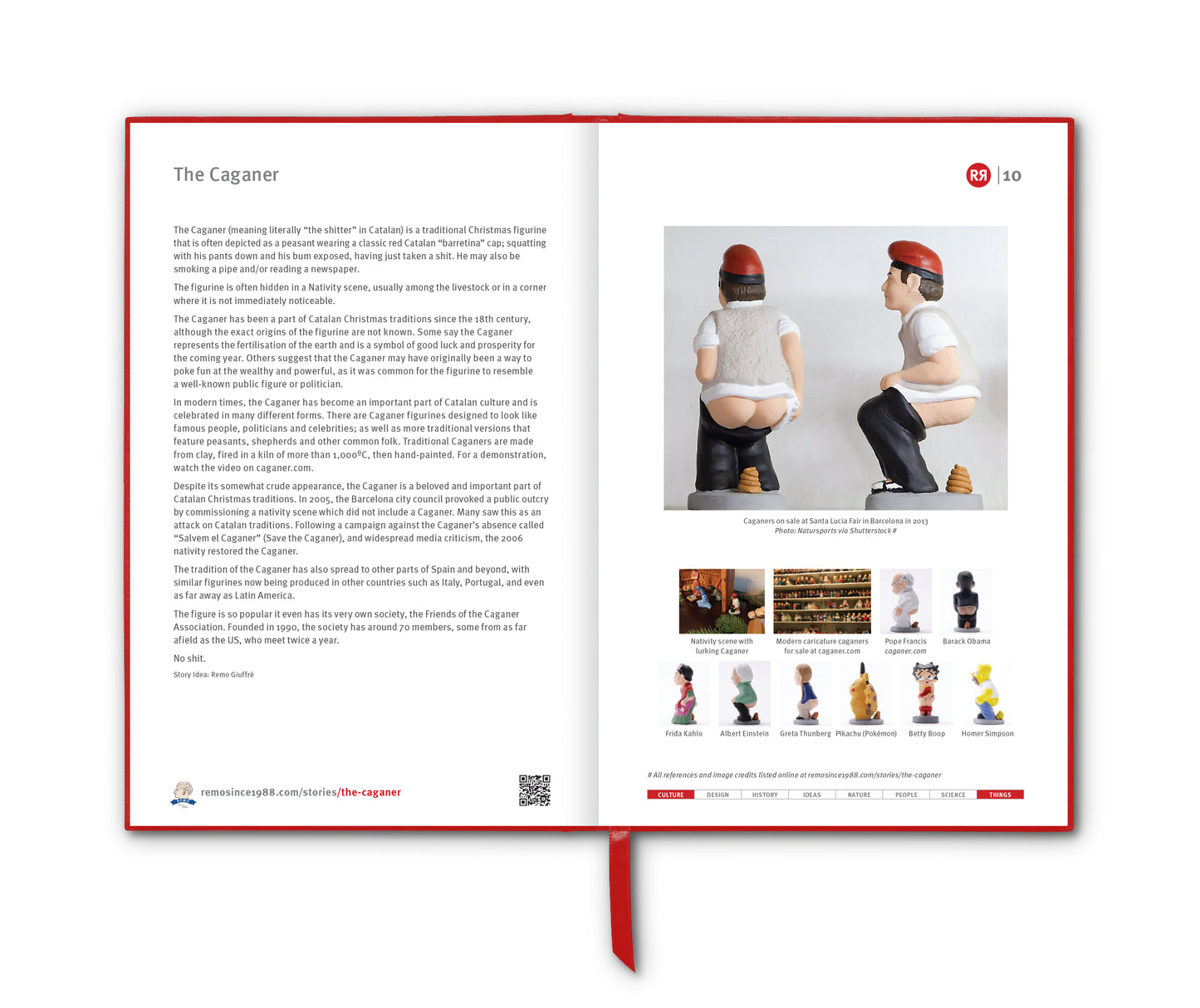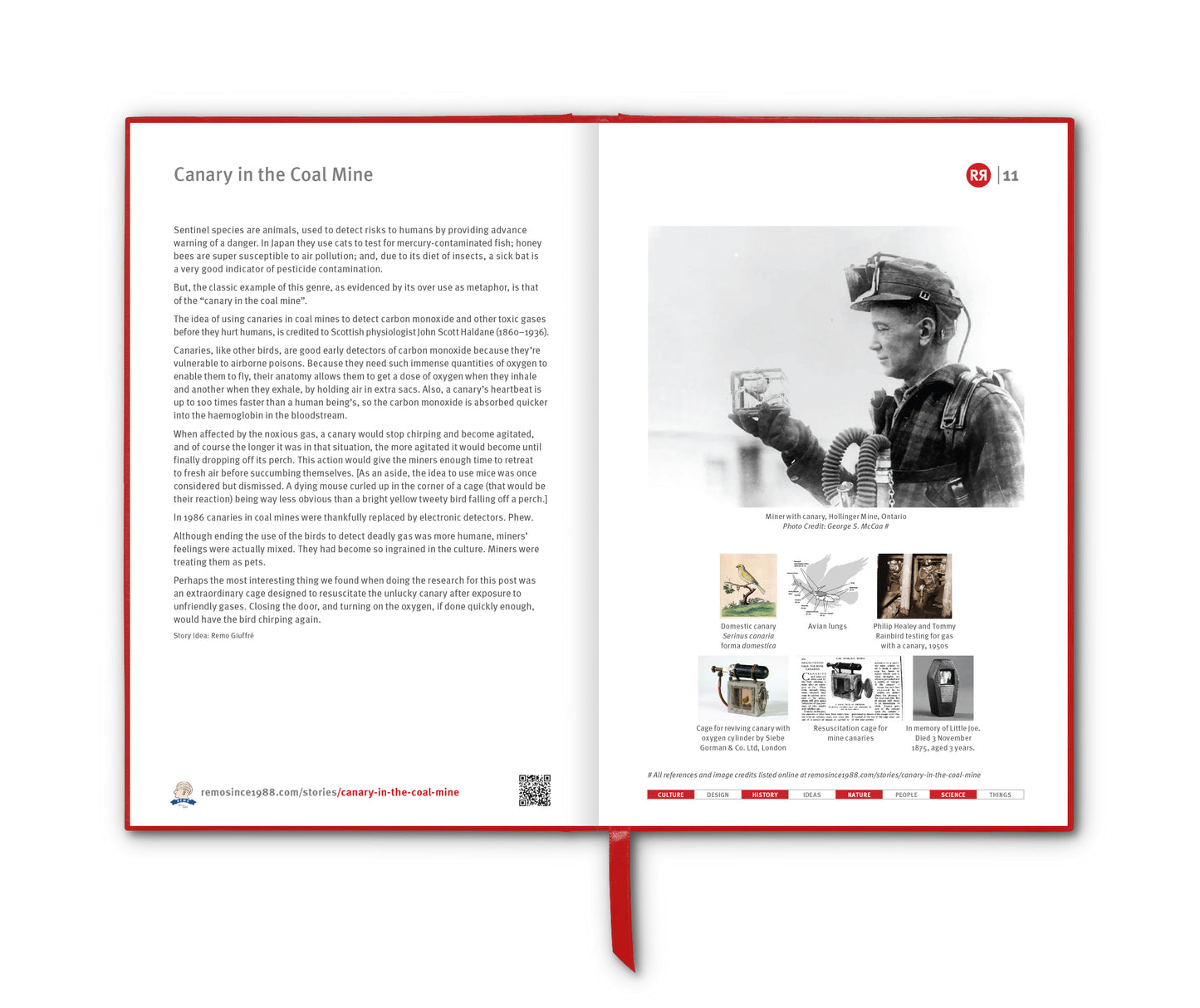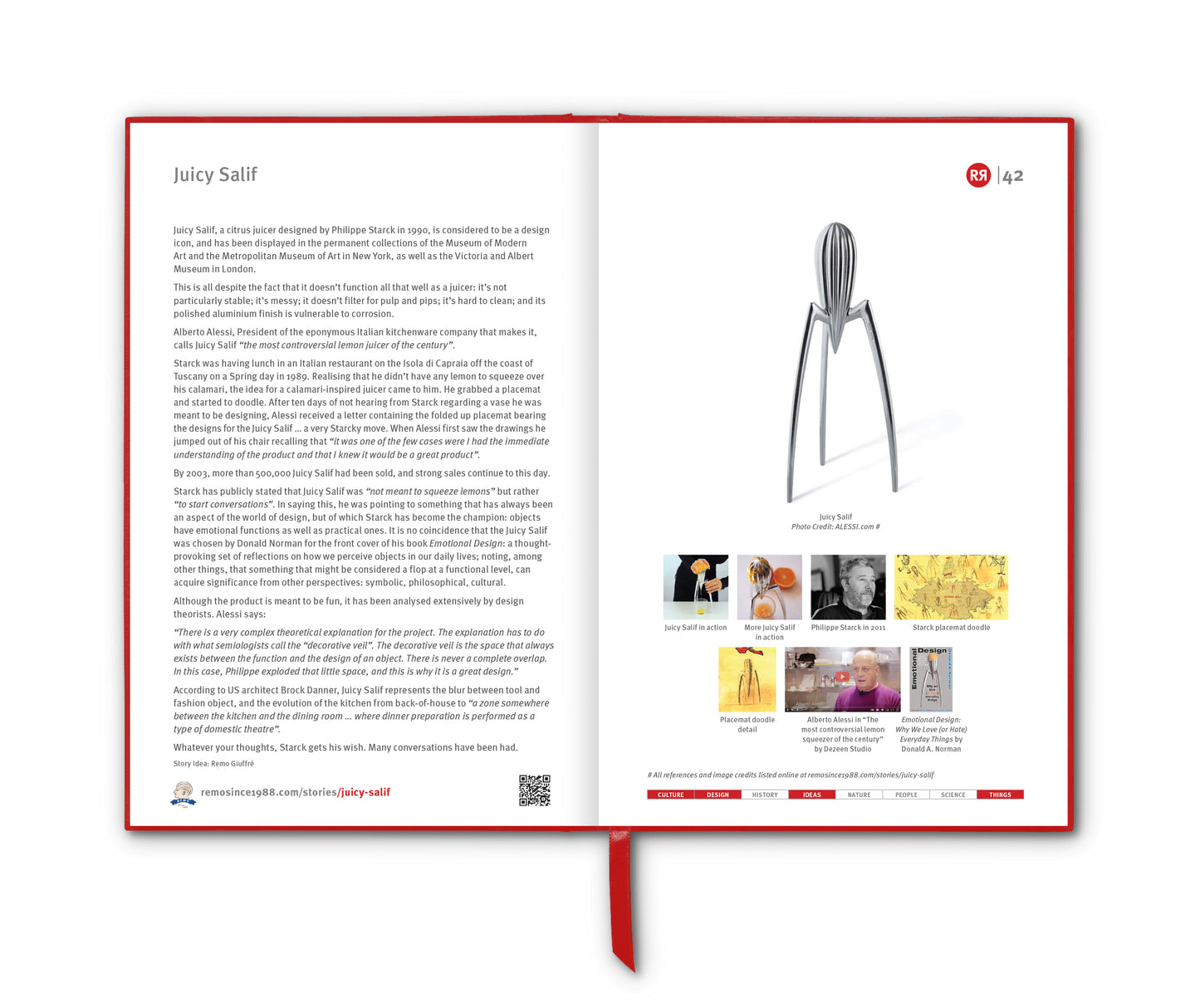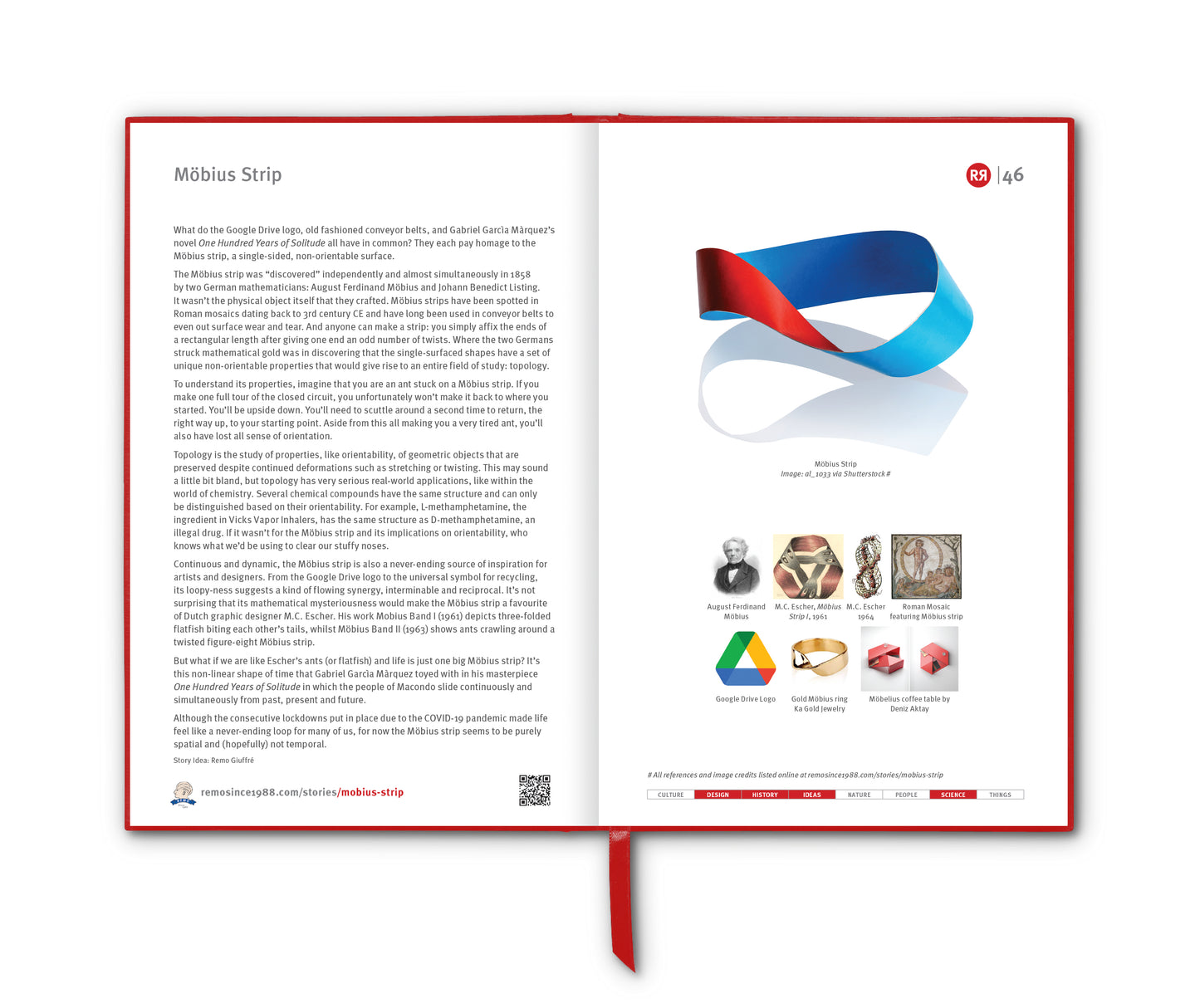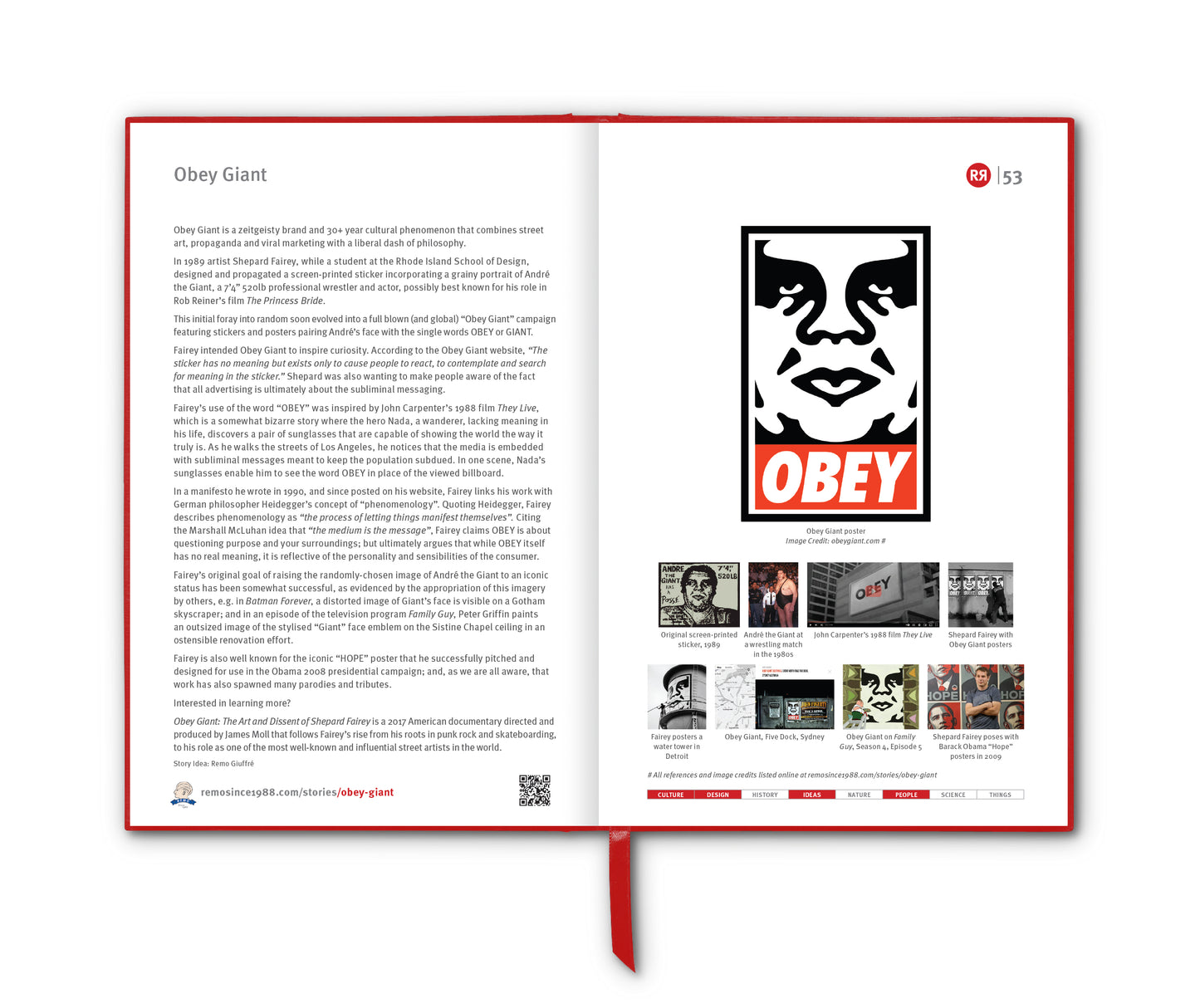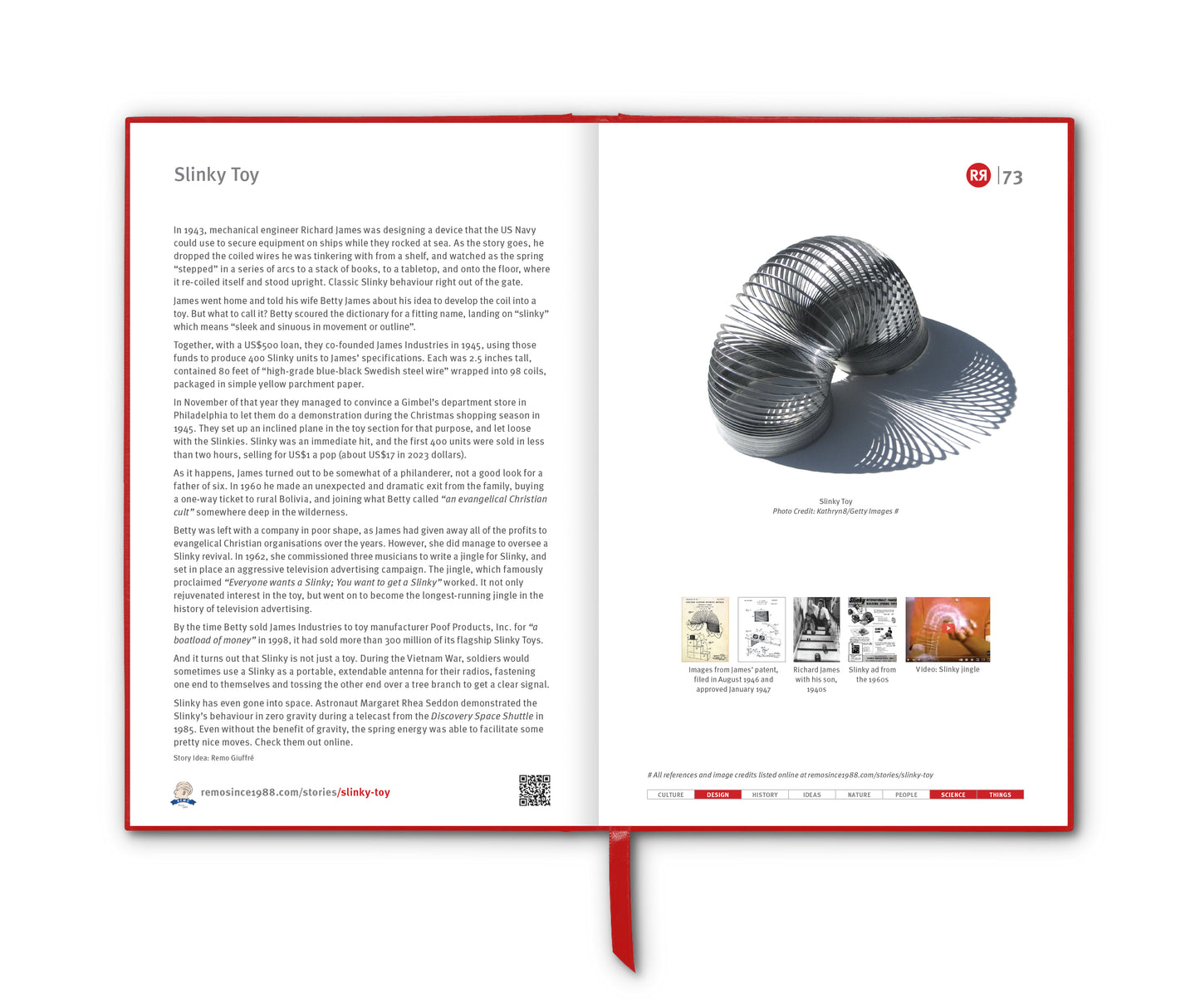

There was time, before the internet became the cultural source of choice, when printed magazines were much more of a thing than they are now – and the most important thing about a magazine is generally its cover. Here's a selection of covers that have broken through the noise over the years:
Is God Dead?: Time, 1966
Bold red text on a stark black cover shocked readers by posing a provocative theological question at the height of social upheaval.
The Passion of Muhammad Ali: Esquire, 1968
Ali, pierced with arrows in a St Sebastian pose, made a powerful visual statement on his persecution for refusing the Vietnam draft. See also [RR5:62].
To the Moon and Back: Life, 1969
Celebrating the Apollo 11 landing, the cover featured triumphant astronauts and the Moon – a defining image of human achievement.
We’ll Kill This Dog: National Lampoon, 1973
A darkly comic image threatening a dog’s life if readers didn’t buy the issue captured the magazine’s outrageous satirical edge. Sadly, the dog ultimately died – by being shot.
John and Yoko: Rolling Stone, 1981
Annie Leibovitz’s intimate portrait, taken just hours before Lennon’s death, became an instant cultural artifact.
Princess Diana: People, 1982
A young Diana, newly married to Prince Charles, graced the cover in a moment that cemented her as a global style and cultural icon.
Afghan Girl: National Geographic, 1985
Steve McCurry’s portrait of Sharbat Gula, with her piercing green eyes, became the magazine’s most recognisable image. It humanised the refugee crisis in Afghanistan for a global audience. See [RR2:50].
Newborn Baby [First Issue]: Colors, 1991
The cover’s striking photo of a newborn held by gloved hands set the tone for both the magazine’s global, humanistic vision and its bold and provocative style.
More Demi Moore: Vanity Fair, 1991
Moore posing nude while seven months pregnant challenged norms about female beauty and motherhood, and sparked a cultural conversation on pregnancy in media.
Twin Towers 9/11: The New Yorker, 2001
A black-on-black silhouette of the towers, created by Art Spiegelman, was a stark and subtle memorial to the attacks. It remains a masterclass in visual restraint and power.
New Yorkistan: The New Yorker, 2001
The cover, by Maira Kalman and Rick Meyerowitz, gives each New York neighbourhood a smart and funny name. New Yorkers went mad for it. See also [RR1:49].
Barack Obama: Time, 2008
Obama’s stylised portrait by Shephard Fairey [RR1:53] accompanied by “Person of the Year” reflected hope and change at the dawn of his presidency.
Are You Mom Enough?: Time, 2012
A mother breastfeeding her three-year-old challenged perceptions of parenting and provoked global discussion.
The Bomber: Rolling Stone, 2013
Featuring Boston Marathon bomber Dzhokhar Tsarnaev styled like a rock star, the cover was criticised for glamorising a criminal.
Break the Internet: Paper, 2014
Kim Kardashian’s oiled bum and champagne-balancing pose (a second cover) redefined viral marketing and celebrity culture. See [RR3:13].
Je Suis Charlie: Charlie Hebdo, 2015
Published after the terrorist attack on its offices, the defiant cartoon cover reaffirmed the magazine’s satirical spirit.