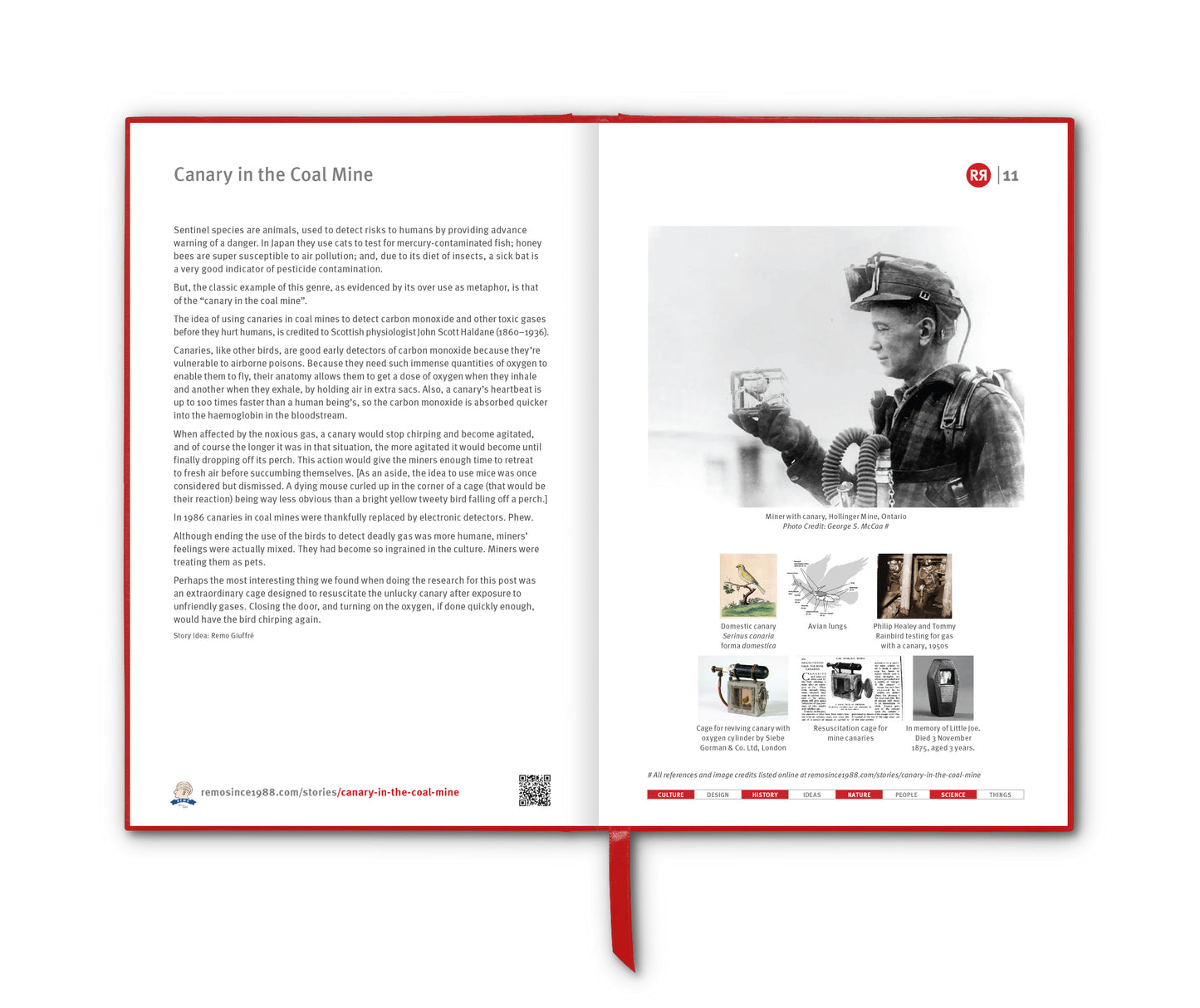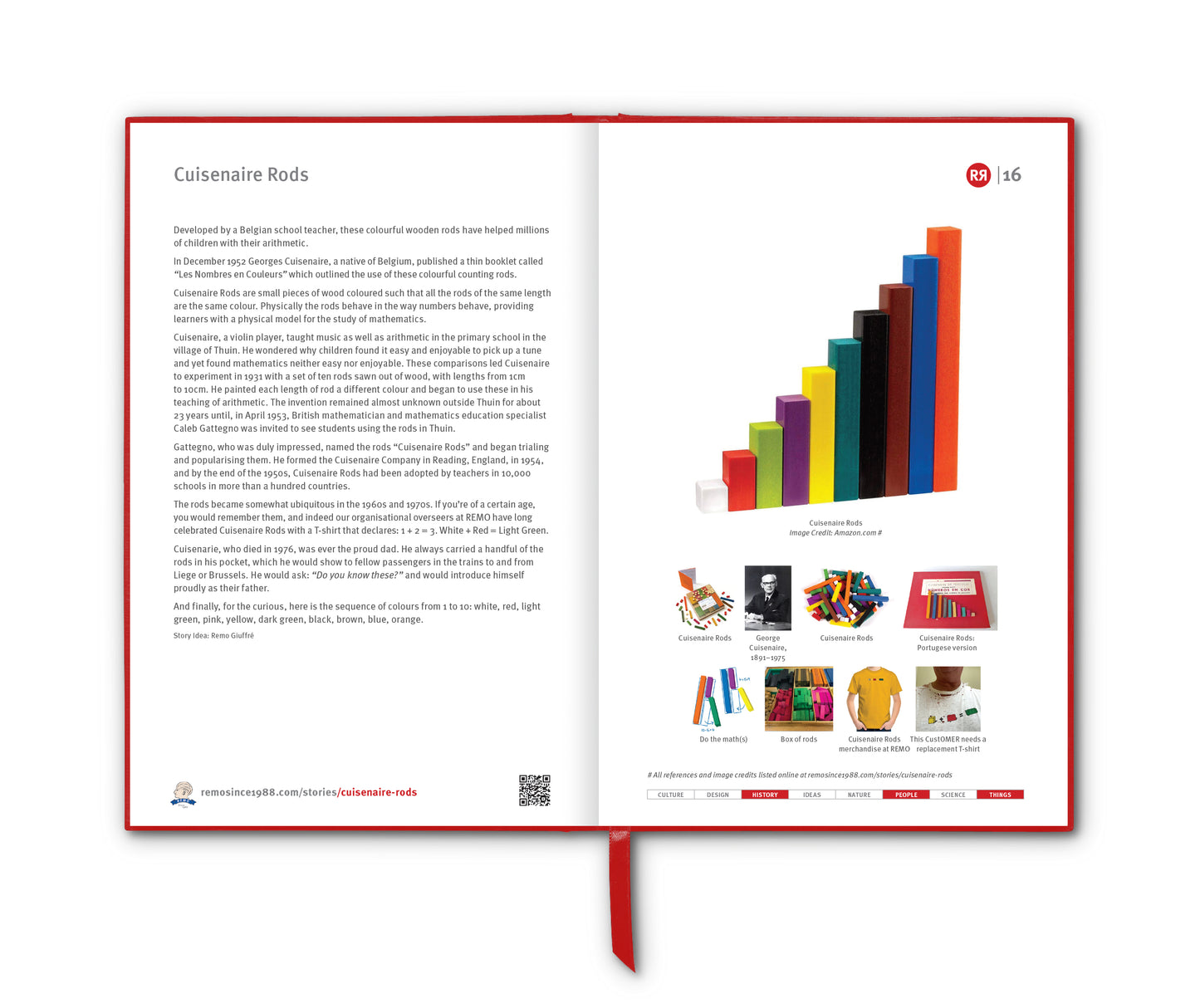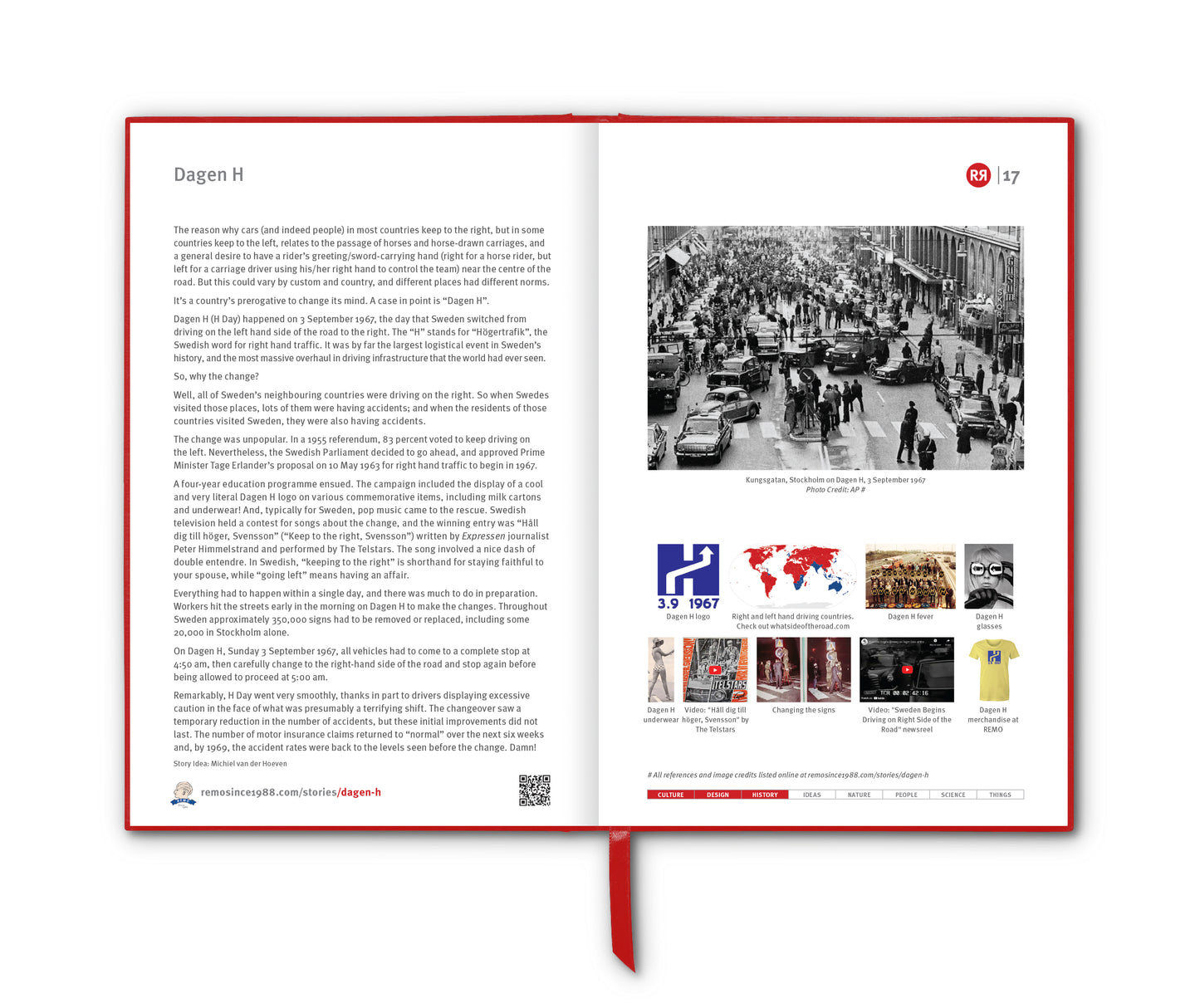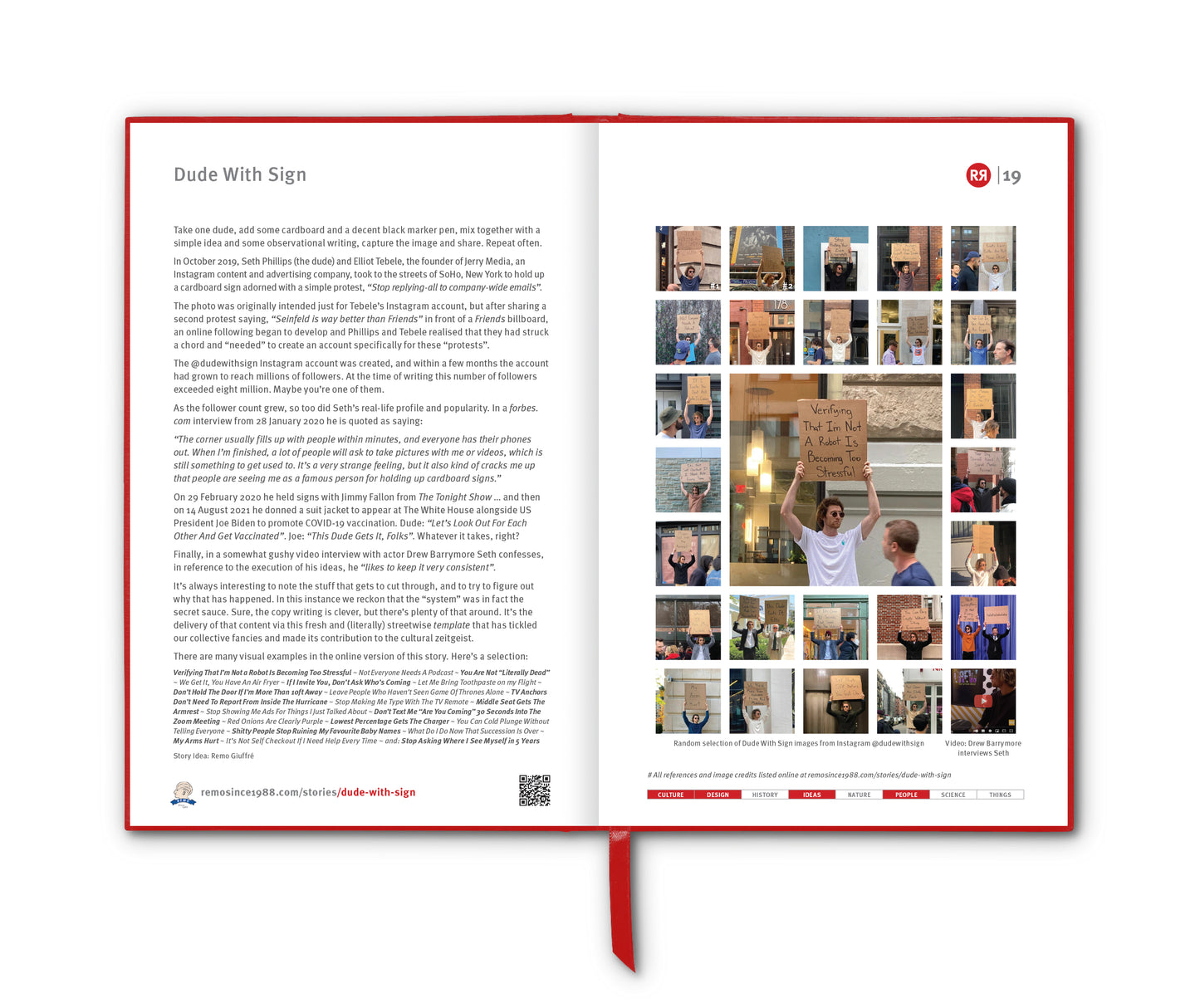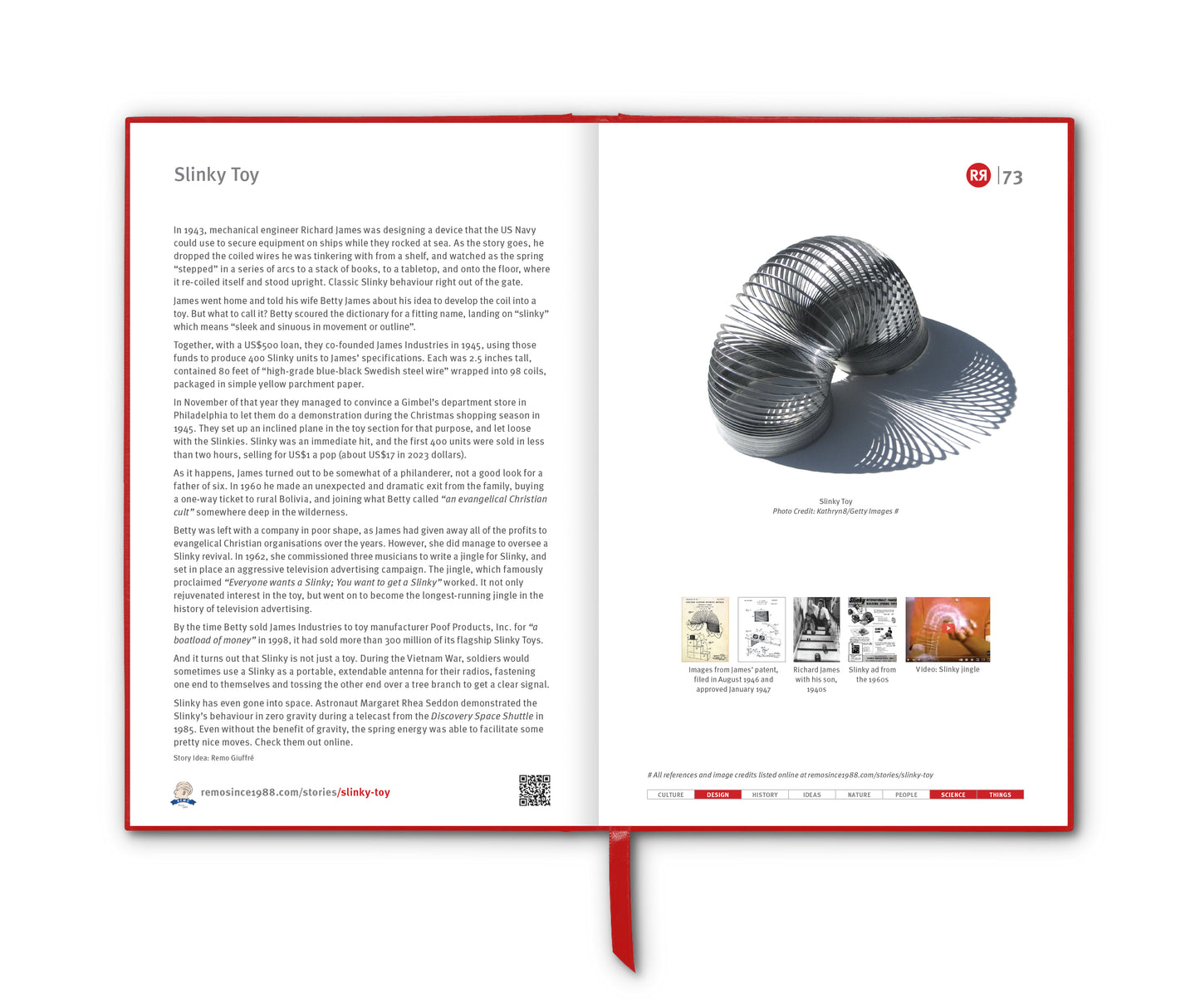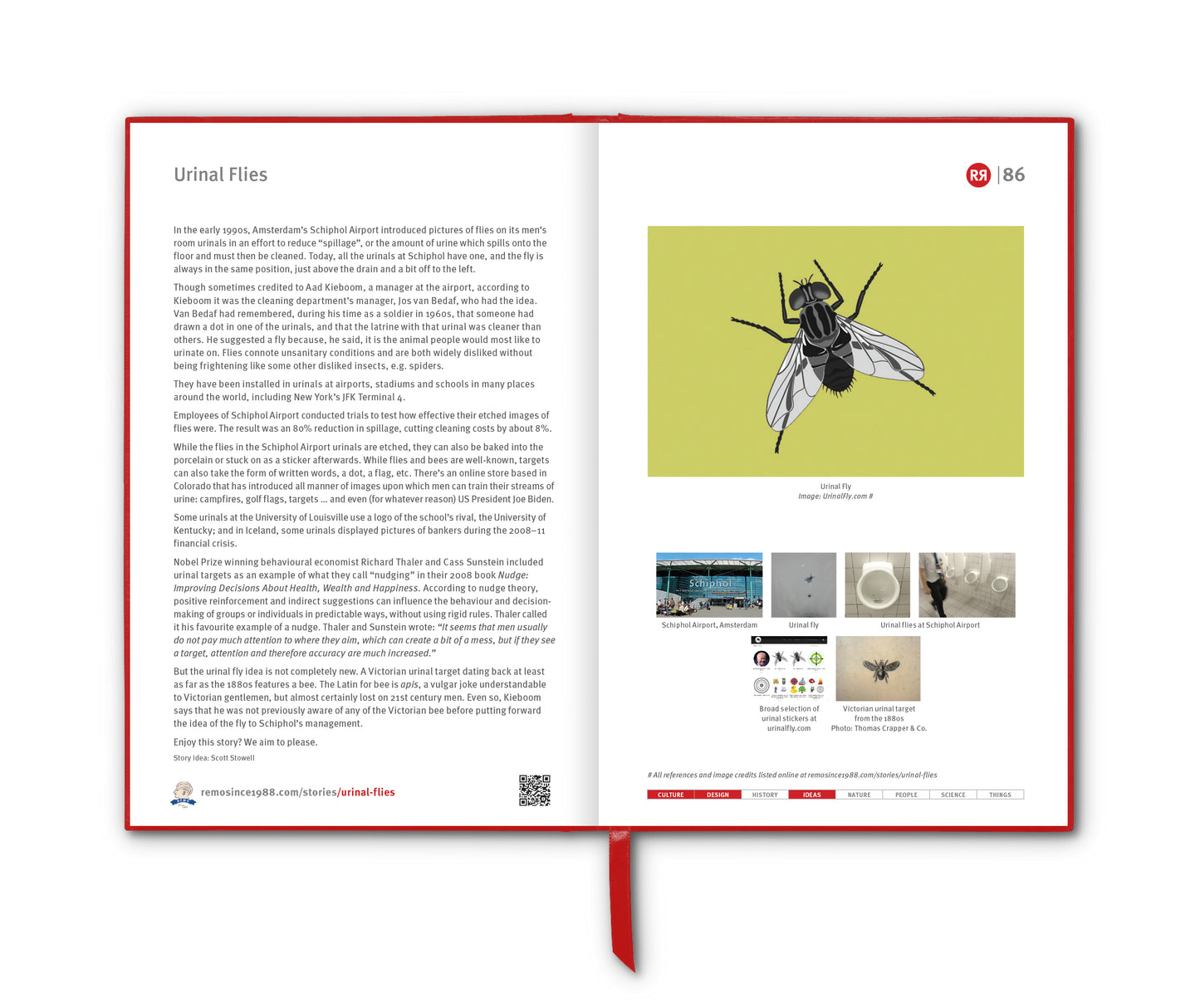

The “IKEA effect” is a cognitive bias in which people place disproportionately high value on things they have partially created themselves. The term was coined in 2011 by behavioural economists Michael Norton, Daniel Mochon and Dan Ariely, whose research, published in the Journal of Consumer Psychology, demonstrated something both obvious and profound: when we invest effort into building, assembling or contributing to something, we tend to love it more – even if the final result is objectively no better, or occasionally worse, than a professionally made equivalent.
The name comes from the famously self-assembled furniture sold by IKEA. Consumers routinely report high satisfaction with IKEA products, and the researchers suspected that the process of putting them together — the Allen key, the flat pack, the occasional moment of mild existential crisis – might be part of the appeal. Once the item is successfully assembled, owners tend to feel unusually attached to it. The effort creates ownership; ownership creates affection.
The key insight of the original experiments is that labour alone creates value. In one study, participants were asked to fold simple origami animals following instructions. Afterwards, they were invited to bid for the models they had made, as well as for those made by others. Predictably, people valued their own creations far more highly – even though, to outside observers, their origami was often clumsy or misshapen. Participants also assumed that others would agree with their valuation, a sign of the emotional blind spot that effort introduces.
Another experiment involved assembling IKEA storage boxes. Those who built the boxes themselves placed much higher monetary value on the finished item than those who received an identical, pre-assembled version. Moreover, when participants were prevented from finishing their origami or furniture assembly, the IKEA effect evaporated. Completion creates pride; incompletion creates frustration.
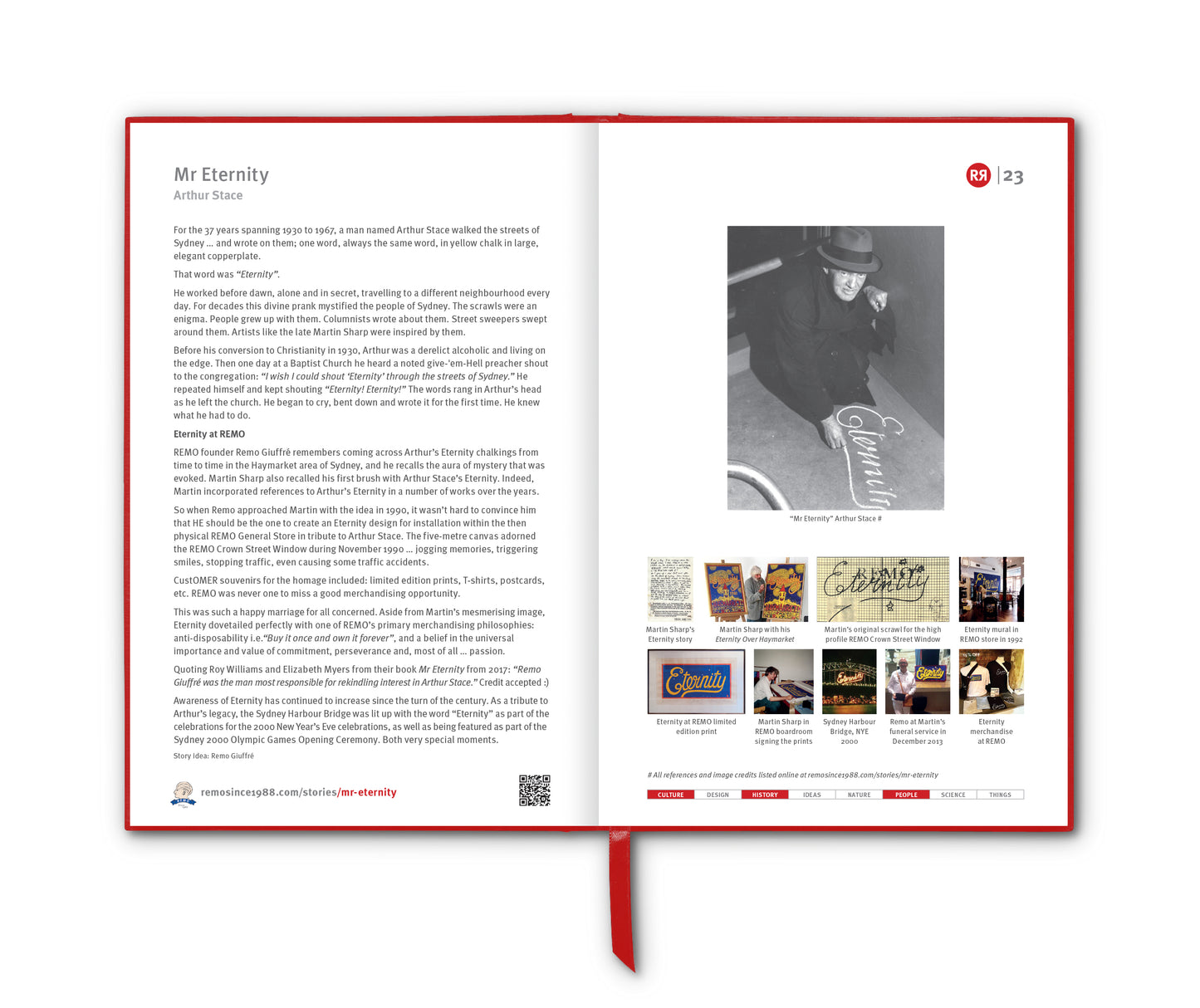
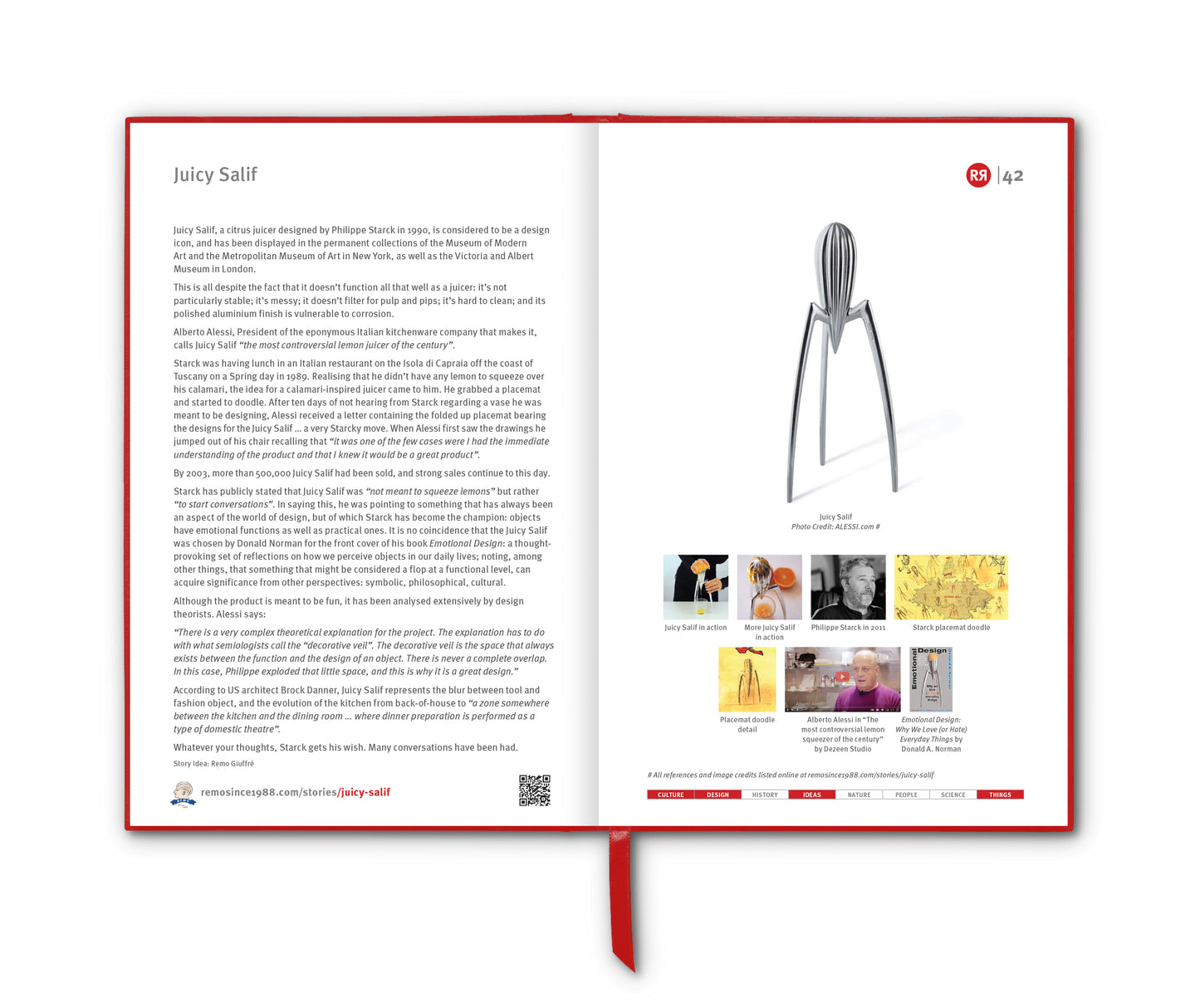
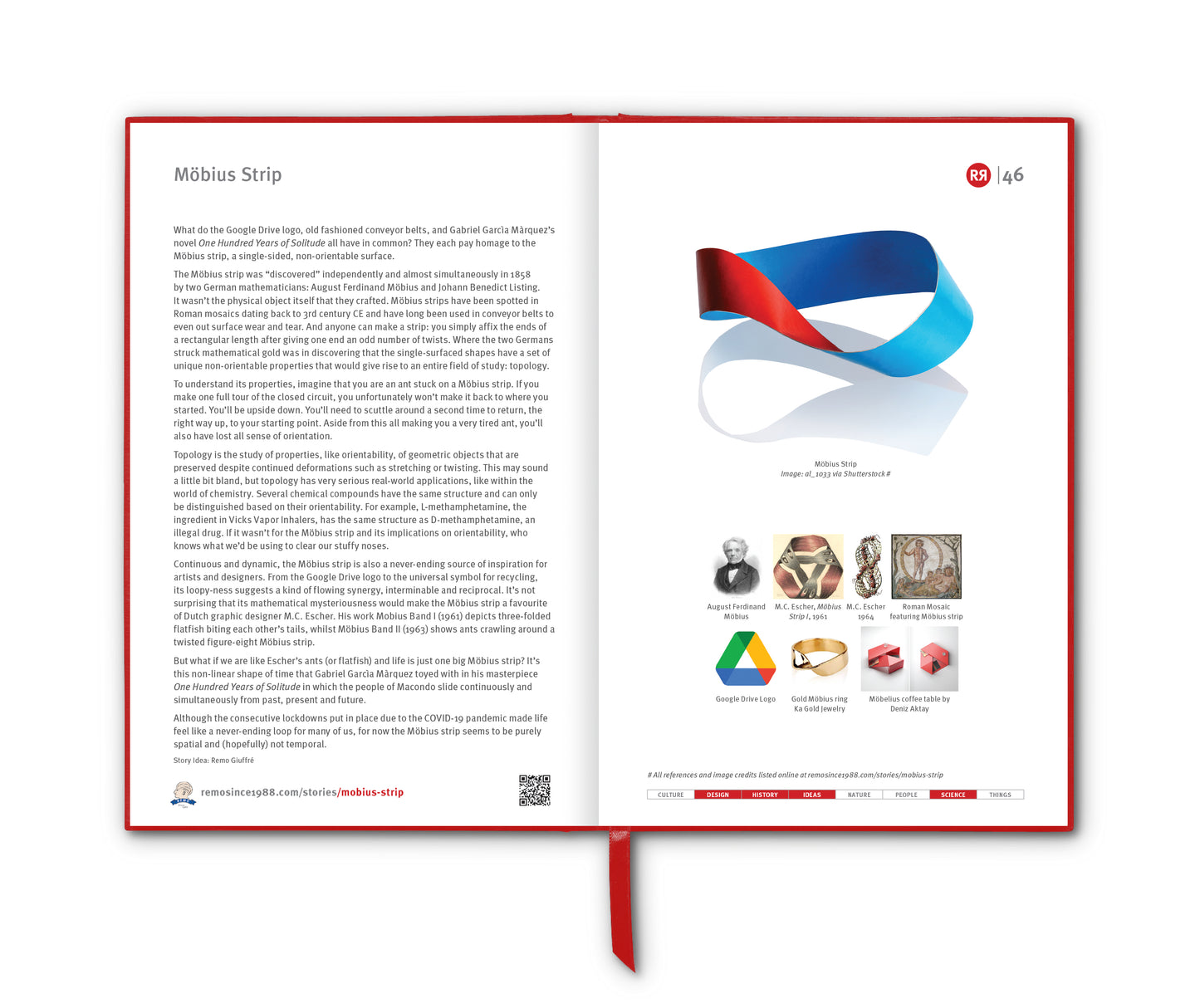
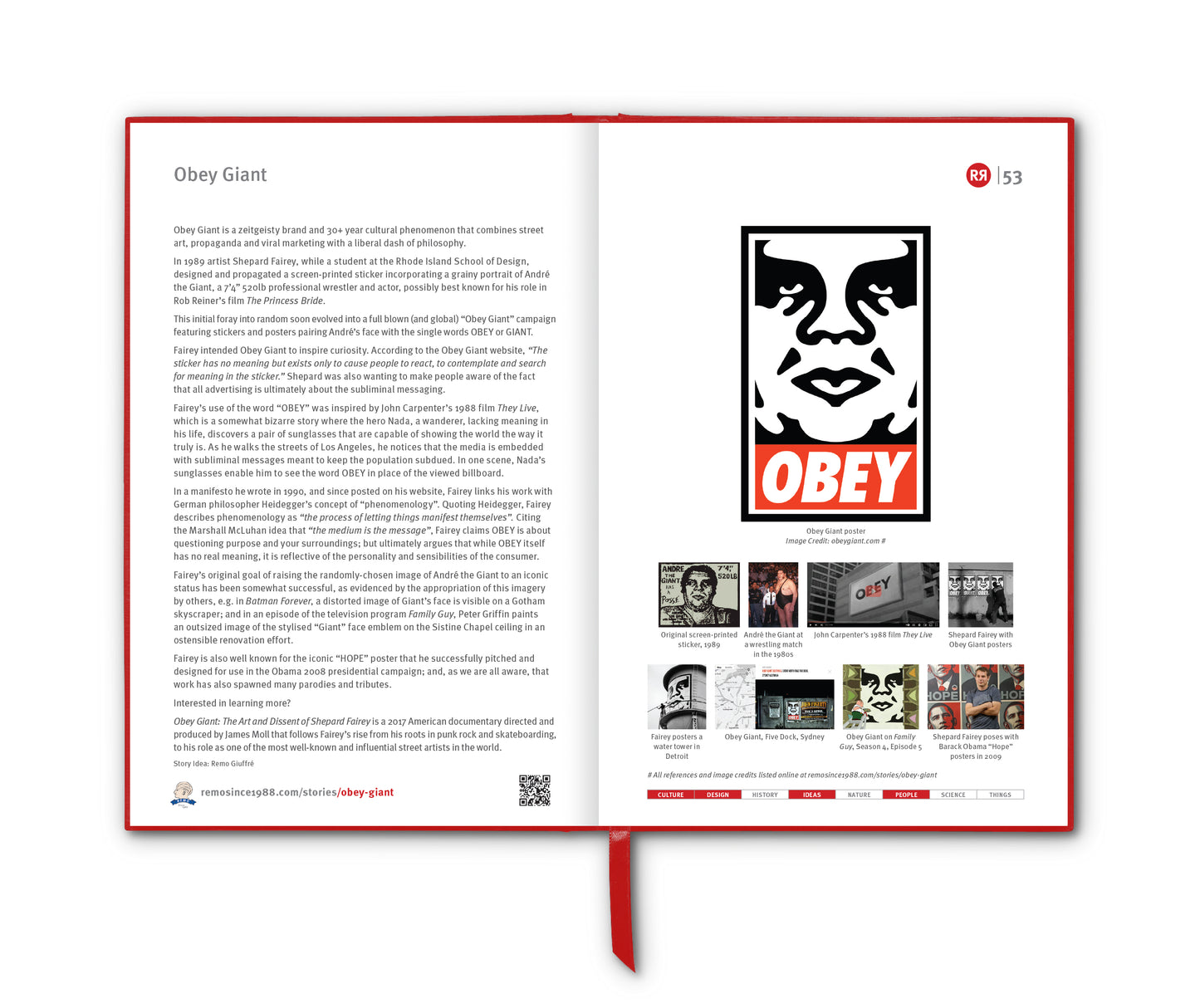
In another famous example off the IKEA effect, the anufacturers of Betty Crocker instant cake mix saw sales improve when they removed ingredients like eggs and milk, requiring consumers to add them, making them feel like more of a "creator" of the cake
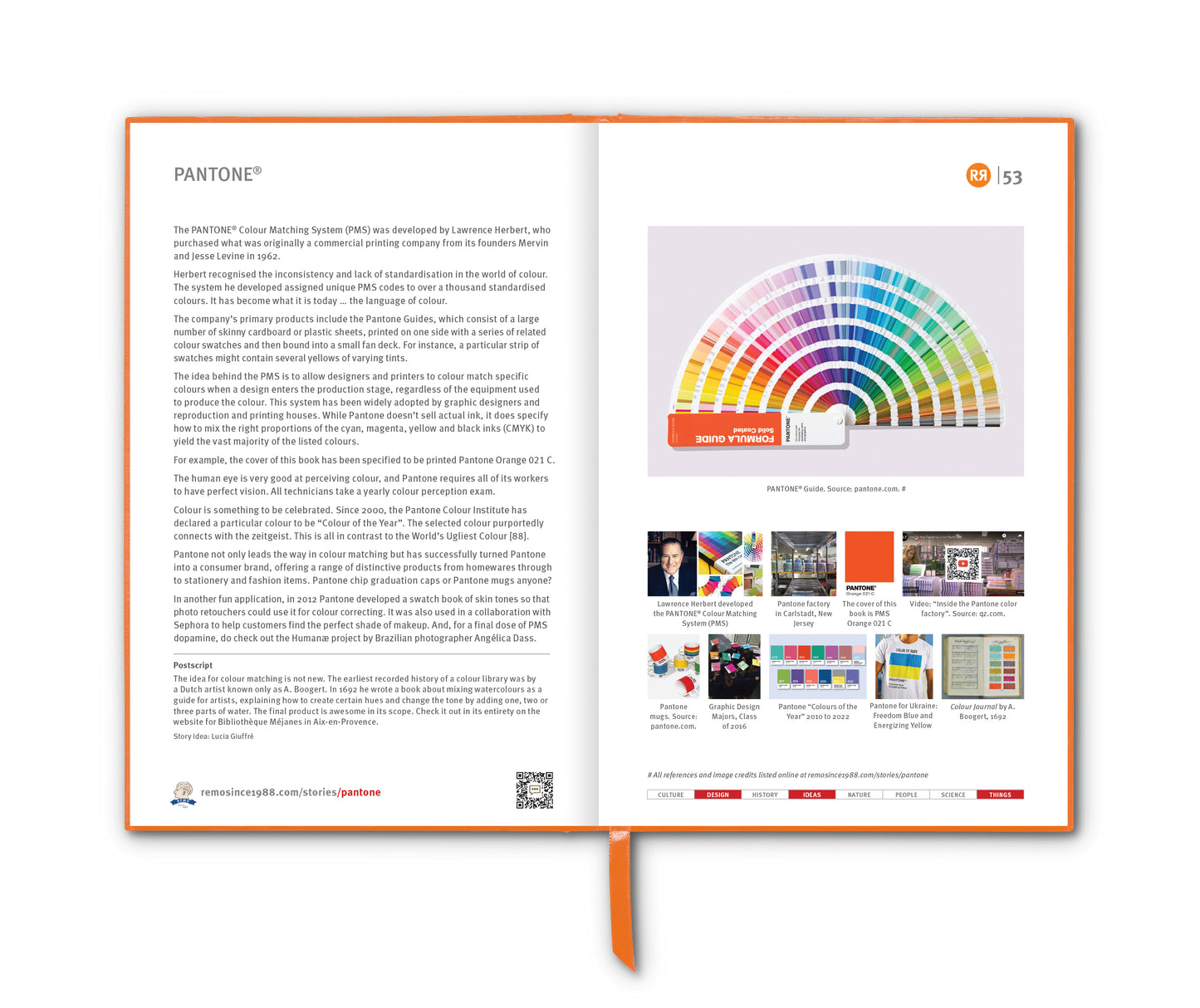
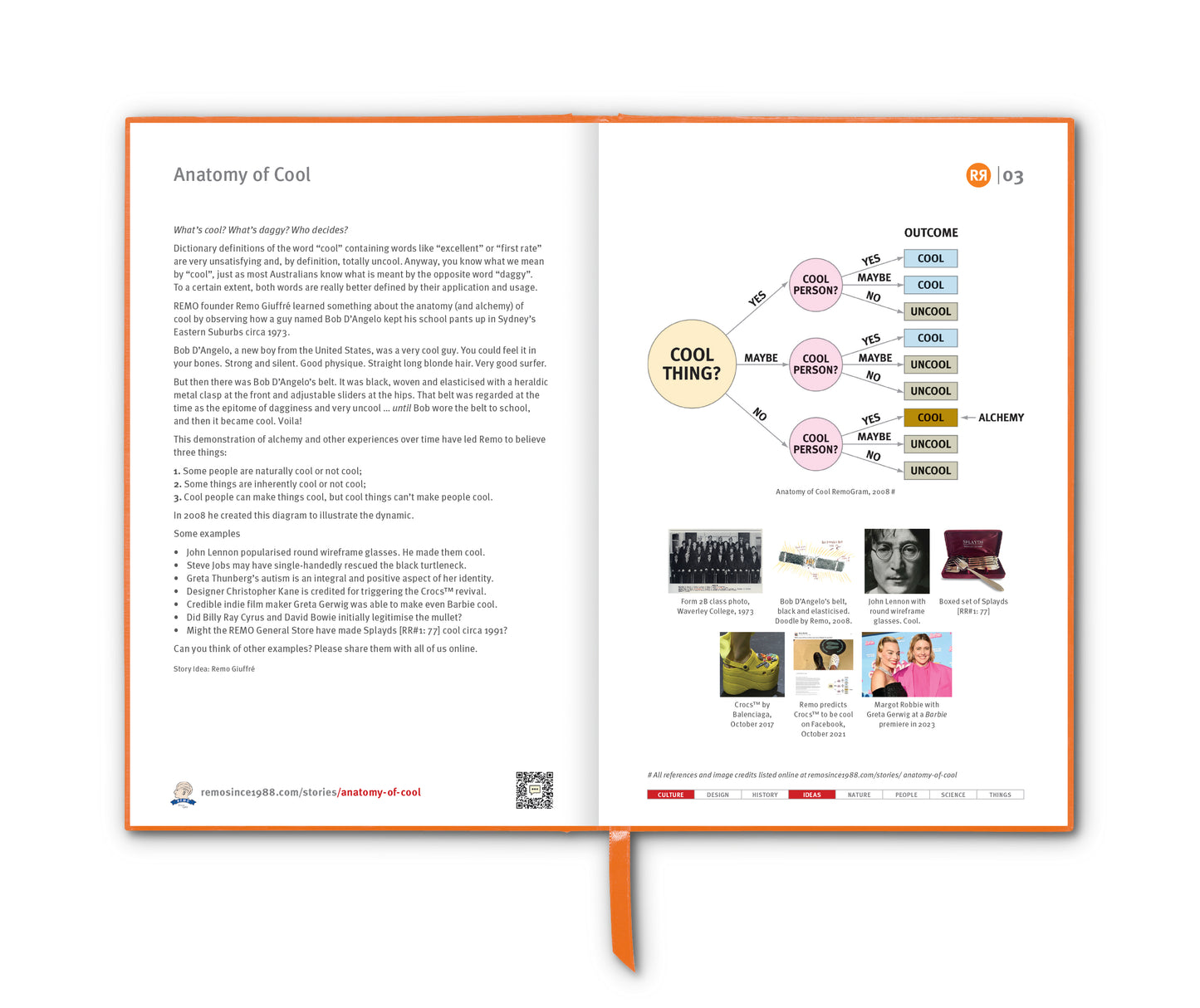
Psychologically, the effect draws on several well-known mechanisms. There’s the classic “effort justification” principle – the idea that when we invest effort, we need to rationalise that investment emotionally, often by convincing ourselves that the outcome is better than it truly is. The danger there relates to the sunk costs fallacy [RR], which occurs when, for example, managers continue to devote resources to sometimes failing projects they have invested their labor in.
There’s also the role of competence: assembling something, however small, affirms our capability and autonomy. This connects the IKEA effect to broader concepts in psychology, such as the endowment effect (we value what we own more than what we do not) and the self-efficacy principle (we value experiences that confirm we can do things successfully). [Ed: So many effects!]
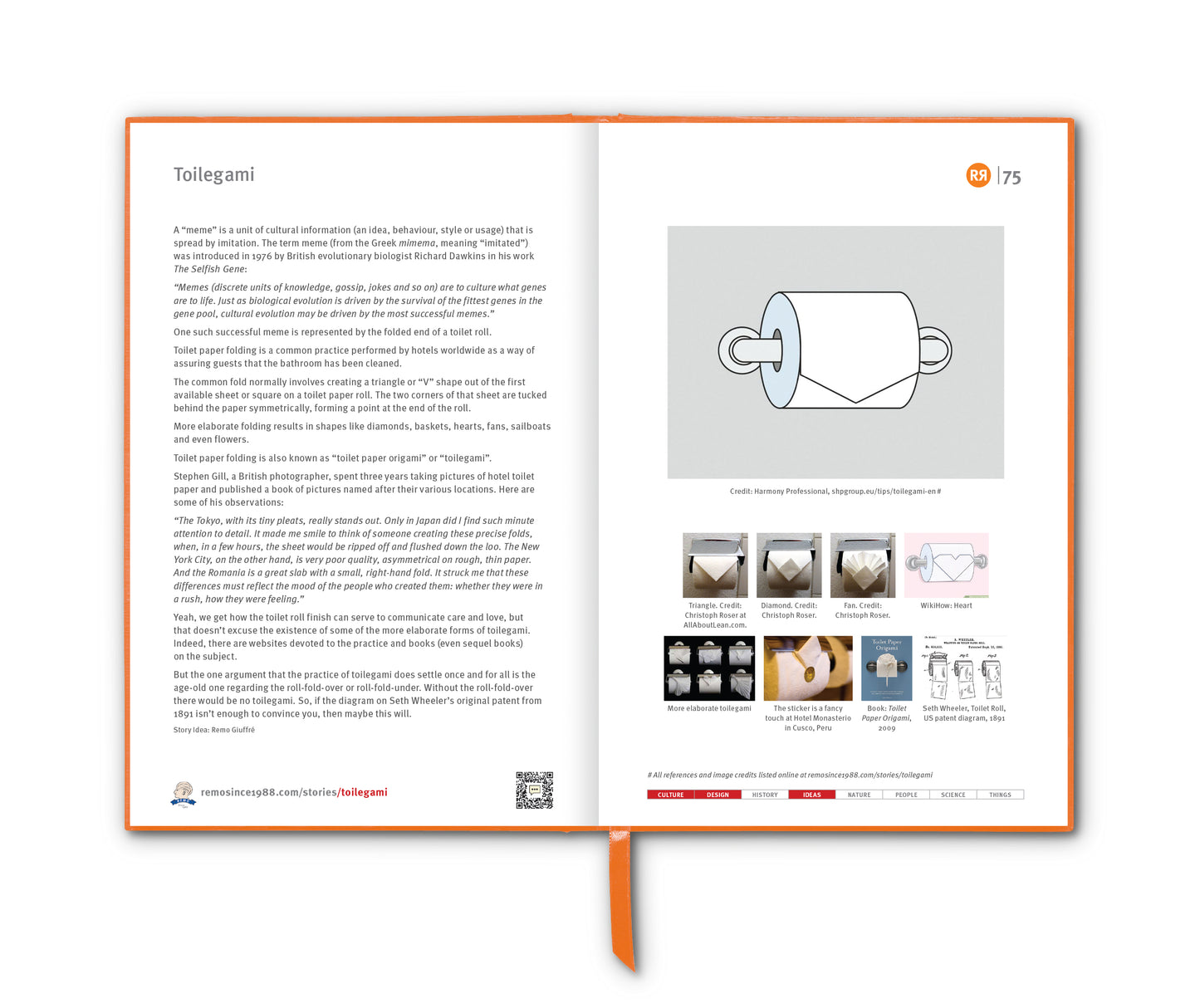
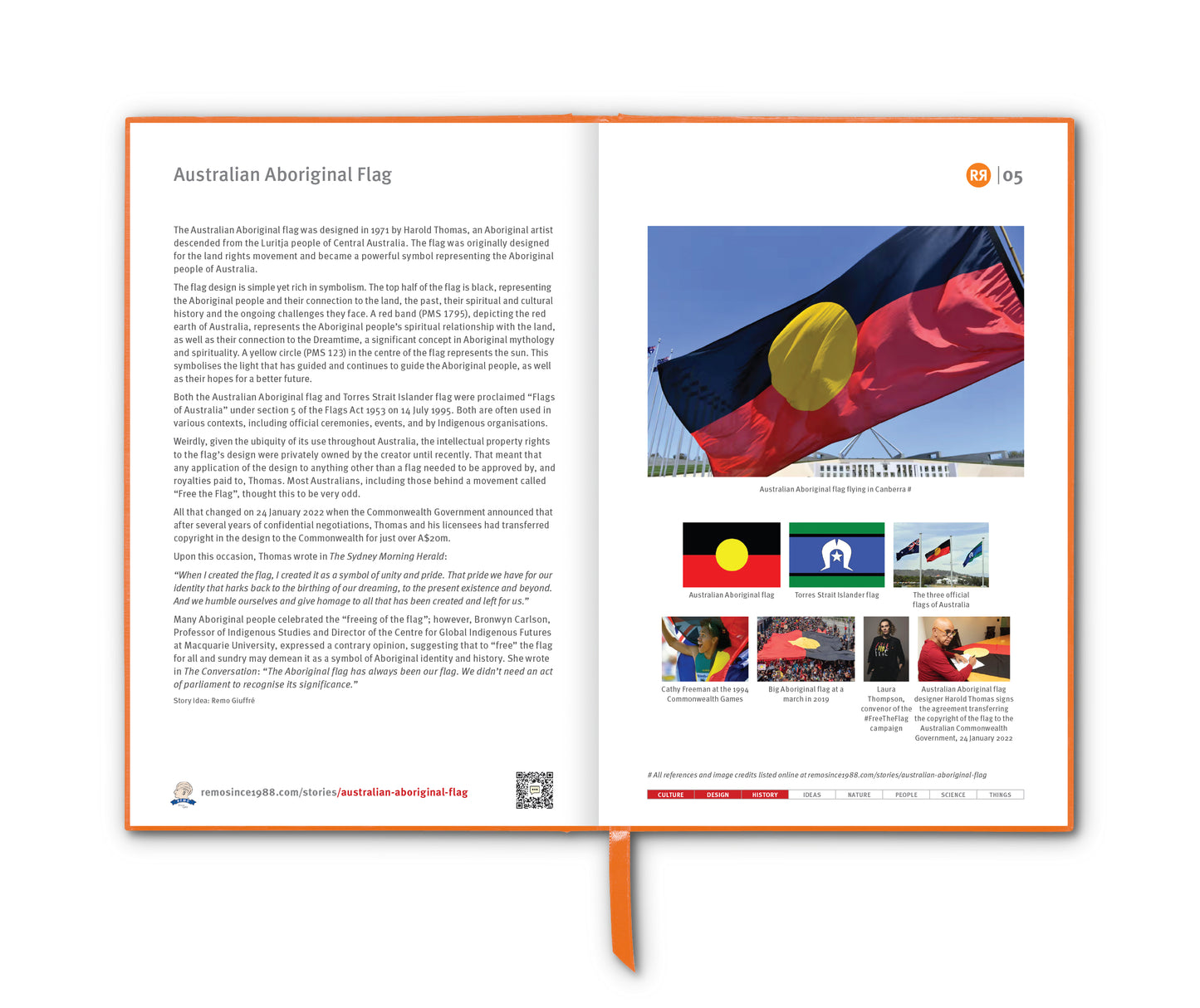
The IKEA effect isn’t limited to furniture. It appears wherever people co-create or partially customise something. Build-your-own burrito bars, personalised digital avatars, make-your-own playlists, even some fundraising campaigns – all leverage the same psychological lever. In the corporate world, managers sometimes inadvertently trigger it by involving teams in decision-making: those who contribute to a plan tend to defend it more strongly, regardless of quality.
There is a flip side: the IKEA effect can cloud judgement. People may overvalue their own ideas, projects or homemade solutions, leading to stubbornness, poor evaluation, or resistance to change. In product design and marketing, however, it’s a powerful tool – proof that participation creates meaning – and, as per a longstanding REMO tagline: “The Community is the Brand”.
_______________________________
References
wikipedia.org/wiki/IKEA_effect
sciencedirect.com/science/article/abs/pii/S1057740811000829
choicehacking.com/2020/08/28/ikea-effect
ted.com/talks/dan_ariely_what_makes_us_feel_good_about_our_work
Images
1. The IKEA effect
2. Assembling an IKEA MICKE desk
3. "The IKEA effect: When labor leads to love", Journal of Consumer Psychology, July 2012
4. Dan Ariely in January 2019
5 & 6. Betty Crocker cake mix magazine ads, 1950s
7. Video: "What makes us feel good about our work?", Dan Ariely, TEDxRiodelaPlata, 2012
8. REMO "Beta Schematic", 25 April 2000 "The Community is the Brand: B=C"